Heated LED Eyelash Curler Suppliers and Manufacturers
Source 31 verified Heated LED Eyelash Curler suppliers from China Guangdong and Zhejiang. Compare response times, lead times, MOQs, and certifications like ISO 9001. Contact suppliers directly to request samples and pricing; review the available evidence before requesting comparable quotations from suitable candidates.
Updated
Suppliers List

Guangzhou RenLang electronic technology Co., LTD
- Verified by CTI
- Combined
- China Guangdong
- Lead time15 days
- Avg. response≤ 8h
Main productsBeauty Machine, Hair Removal Machine, Tattoo Removal Machine
Main marketsEurope
Yangjiang Funshion Hardware And Plastic Products Co., Ltd.
- Verified by TüVRheinland
- Manufacturer, Trading Company
- Lead time0 days
- Avg. response≤ 5h
Main productsEyelash Curler, Acne Needle, Scissor, Eyebrow Clip, Manicure Set
Main marketsNorth America(30%), Southeast Asia(30%), Domestic Market(15%)

- Verified by BV
- Trading Company
- China Zhejiang
- Lead time30 days
- Avg. response≤ 7h
Main productsElectric Kettle, Massager, Hair Dryer, Heater, Electric Grill, Humidifier, Hair Straightener, Mixer, Beauty Instrument, Electronics
Main marketsAfrica,Southeast Asia/ Mideast,Europe,North America


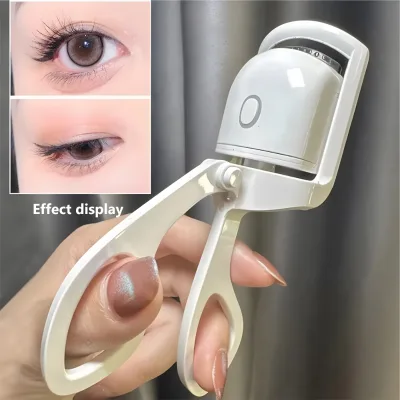
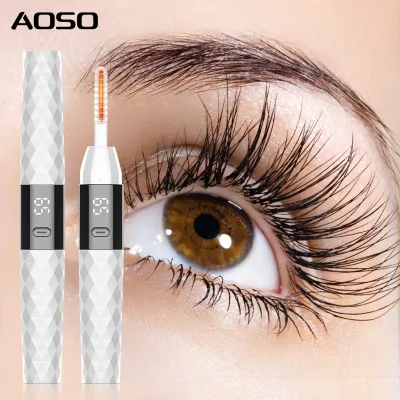
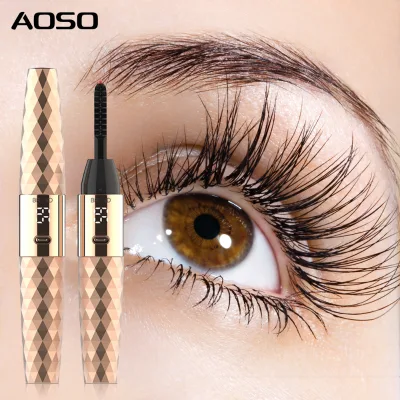
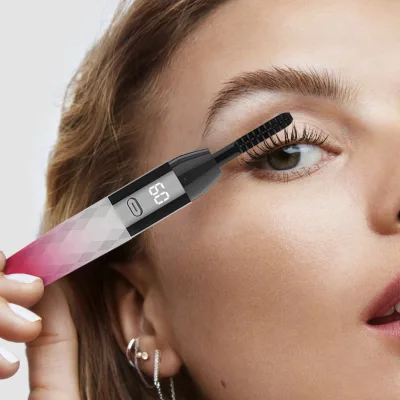
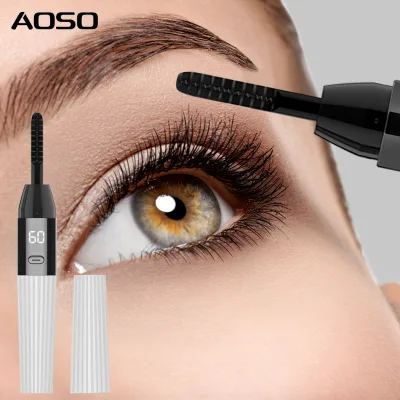
Heated Eyelash Curlers - Eye Lash Curler Heat - Mini Electric Eyelash Curler with LED Display
$2.25 - $3.25
MOQ: 1000 Pieces


Shenzhen Kaichenxing Technology Co., Ltd.
- Manufacturer, Trading Company
- Guangdong, China
- Lead time0 days
- Avg. response≤ 5h
Main productsbeauty products,personal care,Eyelashes,hair removal machine,slimming machine
Main marketsSouth America(30.00%), Eastern Europe(20.00%), North America(18.00%), South Asia(10.00%), Northern Europe(8.00%), Southeast Asia(5.00%), Western Europe(5.00%), Africa(4.00%)

Jinjiang Jiaxing Supply Management Co., Ltd.
- Verified by TUVRHEINLAND
- Trading Company
- China Fujian
- Lead time30 days
- Avg. response≤ 2h
Main productsEVA Clogs, Flip Flop, Shoe Charms, Shopping Bags, Wristbands, Gifts, Promotional Gifts, Slipper, Sport Cap, Ball
Main marketsNorth America
Shenzhen Xiaochengjiejiegao Technology Co., Ltd.
- Manufacturer, Distributor/Wholesaler
- Guangdong, China
- Lead time25 days
- Avg. response≤ 2h
Main productsEye Massage Equipment,Face & Neck lifting Massager,Face Cleaning Brush,red light therapy,Personal care
Main marketsNorth America(30.00%), Eastern Asia(25.00%), Southeast Asia(25.00%), Western Europe(20.00%)
Shenzhen Margotan Tech Co., Ltd.
- Verified by SGS Group
- Manufacturer, Trading Company
- Lead time30 days
- Avg. response≤ 3h
Main productsHome use beauty device, Eye massage wand, Facial cleansing brush, Facial massage roller, Electric nail drill
Main marketsNorth America(30%), Eastern Europe(15%), Western Europe(15%)
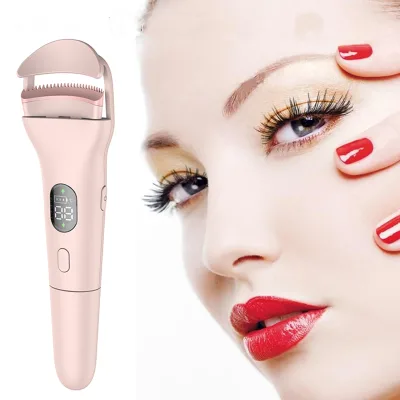
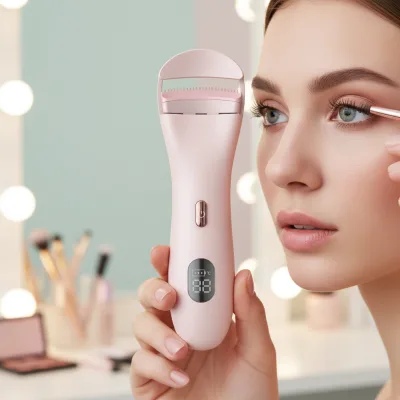
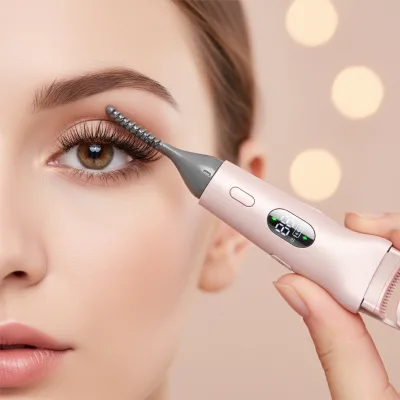
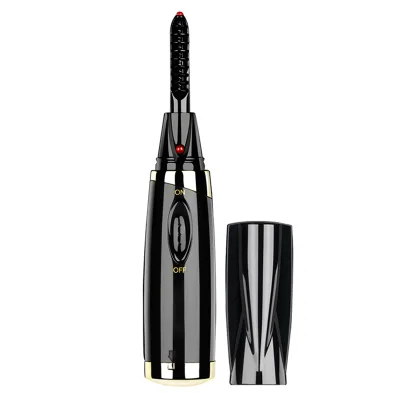
Homeuse Long-Lasting Lifting Heating Eyelash Curlereyelashes Electric Heated Eyelash Curler
$5.0078 - $5.3149
MOQ: 1 pieces

Wenzhou Boyo Electric Appliance Co., Ltd.
- Verified by BV
- Manufacturer/Factory
- China Zhejiang
- Lead time45 days
- Avg. response≤ 15h
Main productsHair Straightener, Hair Curler, Men's Shaver, Lady Epilator/Rozar, Callus Remover, Hair Dryer, Hair Clipper/Trimmer, Facial Cleansing Brush, Hot Air Brush, Oil Diffuser
Main marketsSouth America,Eastern Europe,Mid East,North America,Southeast Asia,Eastern Asia,Oceania,Western Europe,Africa
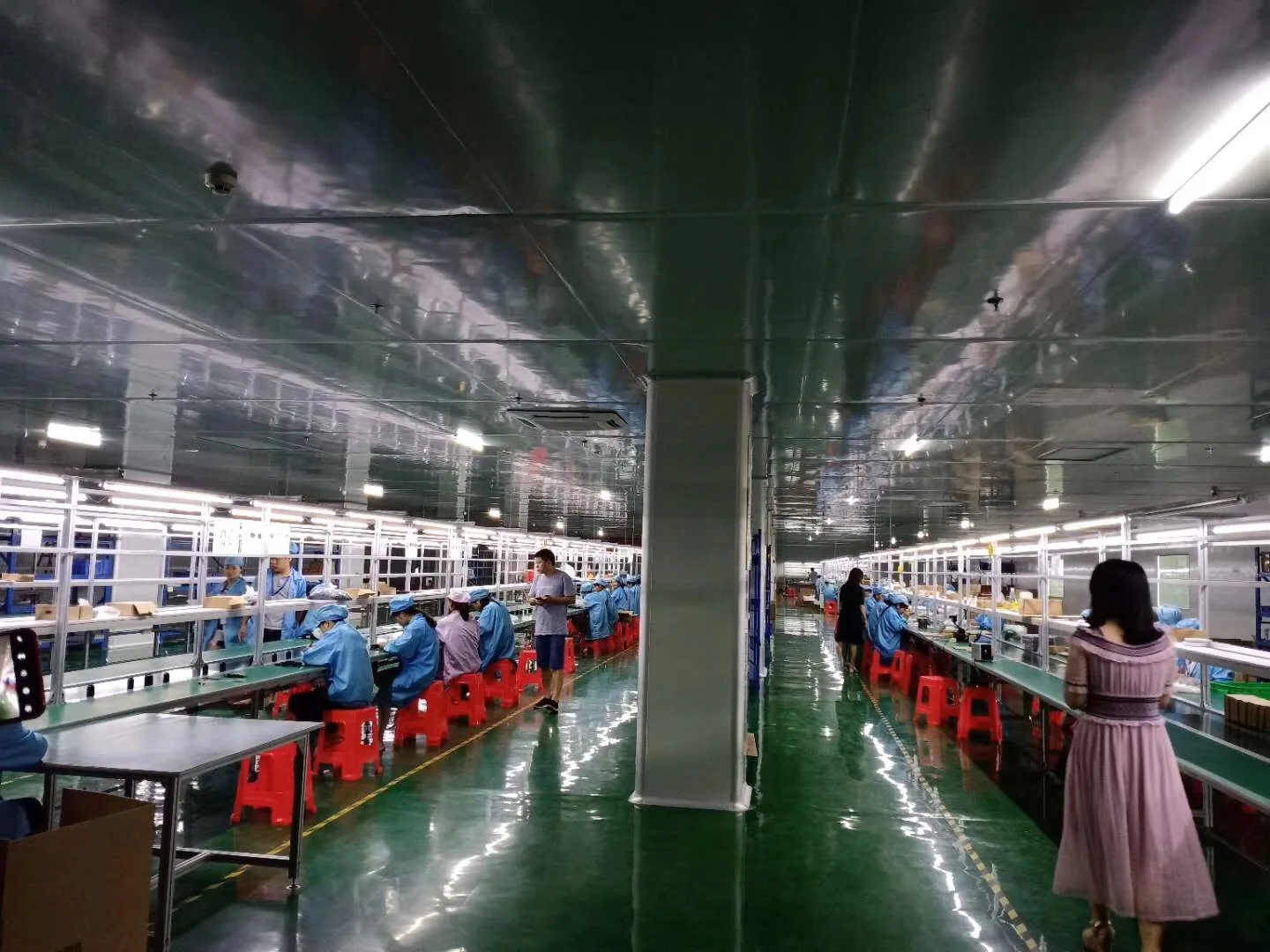
Jinsen Industrial (shenzhen) Co., Ltd.
- Manufacturer
- Guangdong, China
- Lead time15 days
- Avg. response≤ 1h
Main productsElectric eyelash curler,Make up,Eye massage,Facial cleasing brush,Heated hair volumiaing clip
Main marketsSouth America(100.00%), North America(100.00%), Domestic Market(50.00%), South Asia(50.00%), Southern Europe(50.00%), Northern Europe(50.00%), Central America(50.00%), Western Europe(50.00%), Eastern Asia(50.00%), Mid East(50.00%), Oceania(50.00%), Africa(50.00%), Southeast Asia(50.00%), Eastern Europe(50.00%)
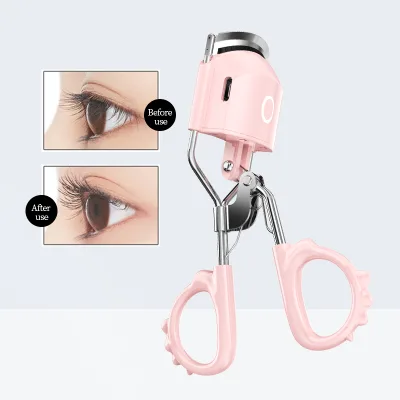
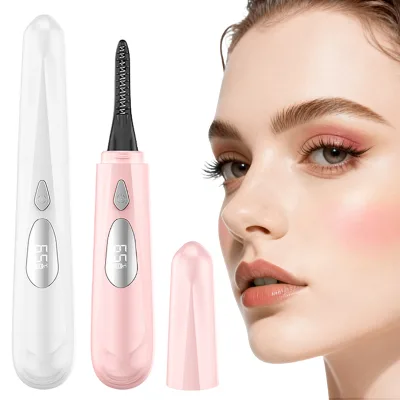
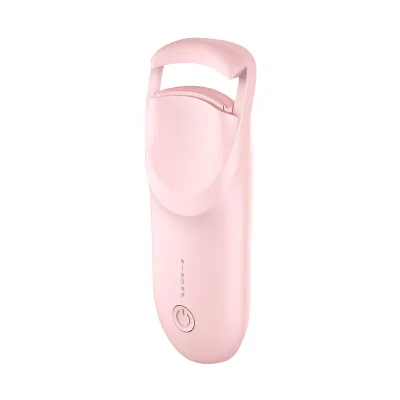
$4.60 - $4.90
MOQ: 100 pieces

Wenzhou Liyang Beauty Trade Co., Ltd.
- Verified by BV
- Trading Company
- China Zhejiang
- Lead time23 days
- Avg. response≤ 6h
Main productsHair Brush, Bath Items, Beauty Instruments, Makeup Brushes, Makeup Sponge, Jade Craft, Makeup Mirror, Cotton Pads, Silicone Accessories, False Nails
Main marketsSouth America,Eastern Europe,Mid East,North America,Western Europe

Premium Electric Heated Eyelash Curler Portable Electric Eye Lashes Curler
$1.00 - $1.50
MOQ: 3 Pieces


Changsha Fusheng Electronic Technology Co., Ltd.
- Trading Company
- China Hunan
- Lead time15 days
- Avg. response≤ 2h
Main productsElectronic Product
Main marketsSoutheast Asia/ Mideast,Europe,North America


$8.20 - $9.60
MOQ: 50 Pieces


- Verified by SGS
- Trading Company
- China Zhejiang
- Lead time15 days
- Avg. response≤ 16h
Main productsEyelashes, Makeup Brush, Cosmetic Brush, Eyelash Extension, Lipstick, Eyeshadow, Mascara, Nail Sticker, Nail Lamp, Mask
Main marketsEurope,Australia

Intelligent Temperature Control Heating Rechargeable Electric Eyelash Curler
$2.96 - $3.14
MOQ: 500 Pieces


Factory Price Portable Charging Multiple Temperature Levels Eyelash Curler
$3.02 - $3.40
MOQ: 300 Pieces


Shenzhen Cobowin Technology Co., Ltd.
- Trading Company
- Guangdong, China
- Lead time35 days
- Avg. response≤ 4h
Main productsred light therapy,sauna blanket,sauna tent,red light therapy panel,red light facial mask
Main marketsNorth America(18.00%), South America(15.00%), Central America(14.00%), Eastern Europe(10.00%), Western Europe(10.00%), Southern Europe(7.00%), South Asia(5.00%), Southeast Asia(5.00%), Northern Europe(5.00%), Mid East(5.00%), Africa(2.00%), Oceania(2.00%), Eastern Asia(2.00%)
Zhejiang Sowell Commodity Co., Ltd.
- Verified by TüVRheinland
- Manufacturer, Trading Company
- Lead time5 days
- Avg. response≤ 2h
Main productsPersonal Care Product, Baby Care Product, Manicure & Pedicure Set, Hair Removal Device, Facial Cleaning Brush
Main marketsSouth America(25%), North America(20%), Western Europe(15%)
Shenzhen Canvor Technology Co., Ltd.
- Verified by SGS Group
- Trading Company
- Lead time7 days
- Avg. response≤ 2h
Main productsHair Dryer, Hair Straightener, Hair Curler, Facial Massager, Led Facial Mask
Main marketsNorth America(23%), Western Europe(20%), Southeast Asia(10%)
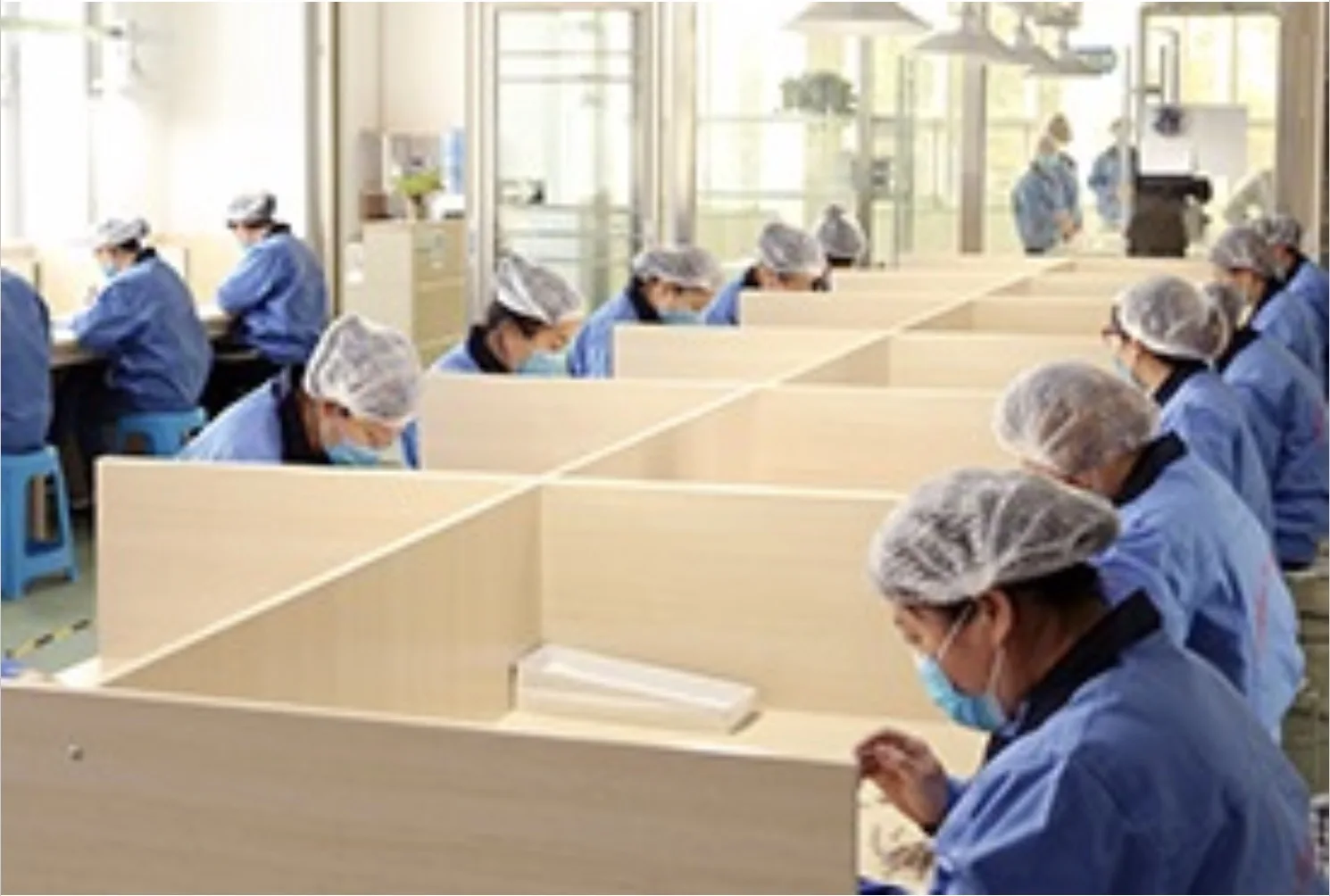
Shanghai Mayonline Import And Export Trading Co., Ltd.
- Trading Company
- Shanghai, China
- Lead time7 days
- Avg. response≤ 4h
Main productsEyelash Extension/Full Strip Eyelash/Pre-made Fan/Eyelash Glue/Makeup Tools,eyelash glue,eyelash tools
Main marketsSouth America(30.00%), North America(20.00%), Southeast Asia(15.00%), Oceania(10.00%), Eastern Europe(10.00%), Africa(5.00%), Western Europe(5.00%), Eastern Asia(5.00%)

Juancheng Simon Eyelash Co., Ltd.
- Verified by BV
- Trading Company,Manufacturer/Factory
- China Shandong
- Lead time23 days
- Avg. response≤ 25h
Main productsEyelash, Lash, Makeup Brush, Cosmetics, Horse Eyelash, 3D Mink Eyelash, Individual Lashes, Eyelash Package Box, Eyelash Tools, Hair Extension
Main marketsSouth America,Eastern Europe,Mid East,North America,Southeast Asia,Eastern Asia,Oceania,Western Europe,Africa
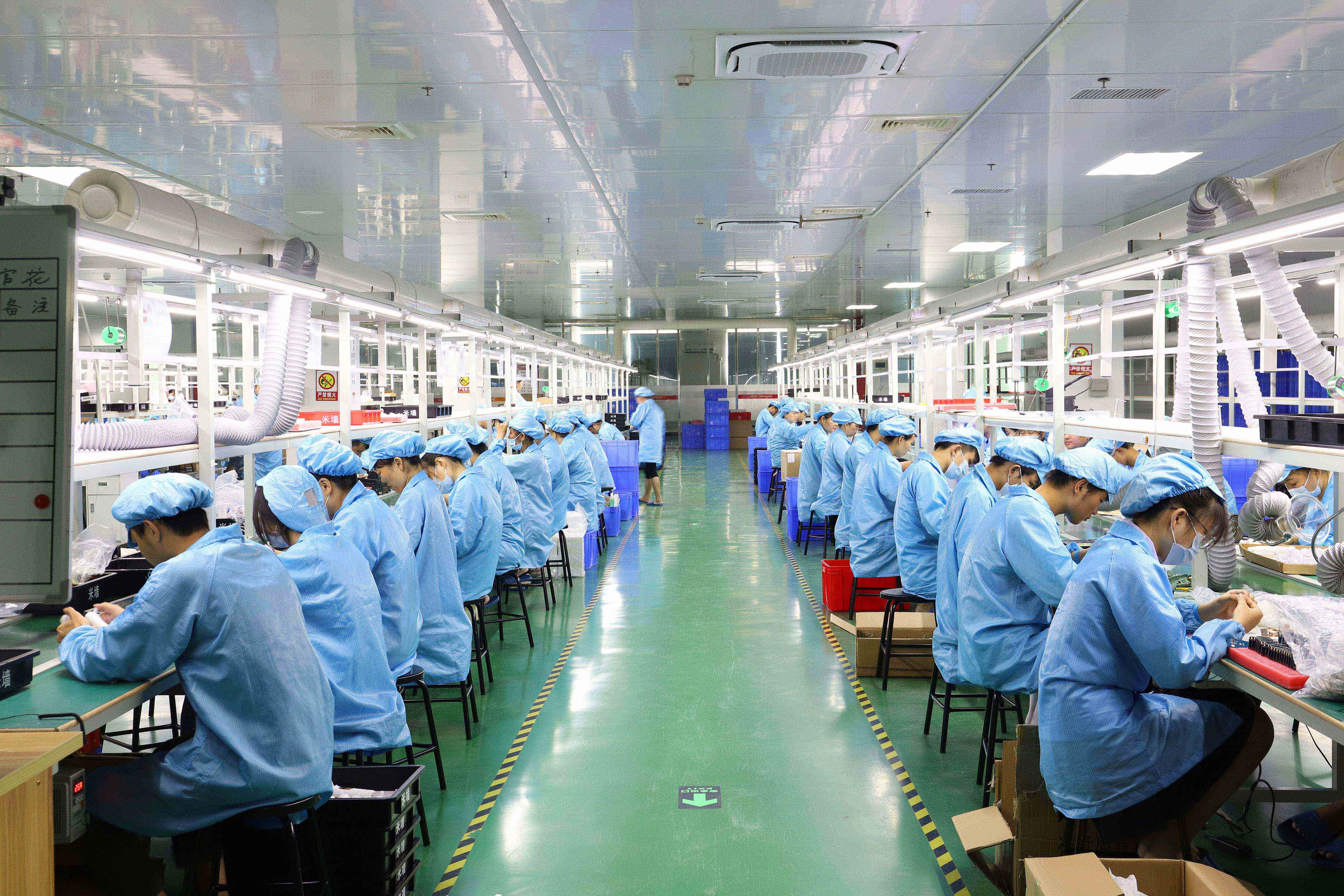
Shenzhen Coren Technology Co., Ltd.
- Manufacturer, Trading Company
- Guangdong, China
- Lead time20 days
- Avg. response≤ 2h
Main productsblackhead remover,hair removel,face brush,LED face mask,Face Massager
Main marketsNorth America(50.00%), Eastern Europe(20.00%), Northern Europe(10.00%), Western Europe(10.00%), Mid East(10.00%)
Shenzhen Anniser Intelligent Technology Co., Ltd.
- Manufacturer, Trading Company
- Guangdong, China
- Lead time7 days
- Avg. response≤ 8h
Main productsFace lift massager,LED or microcurrent facial mask,eye care products,Hair straightener,facial cleansing brush
Main marketsEastern Europe(40.00%), North America(25.00%), Domestic Market(10.00%), South America(10.00%), Northern Europe(5.00%), Eastern Asia(5.00%), Western Europe(3.00%), Oceania(1.00%), South Asia(1.00%)
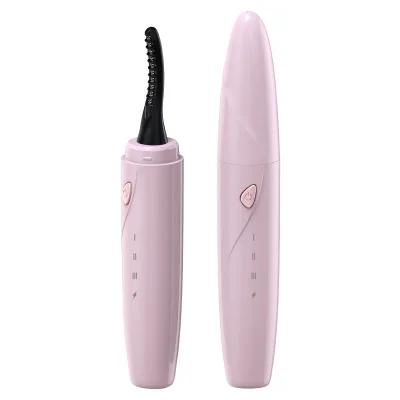
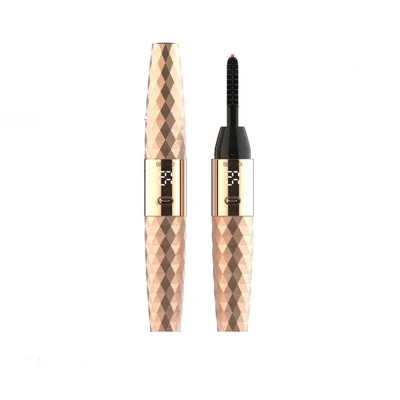
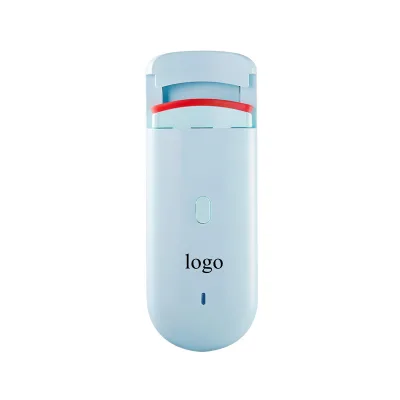
Long Lasting Stereotype Mini Electric Heated Eyelash Curler With Heating Silicone
$5.7823
MOQ: 20 Minimum
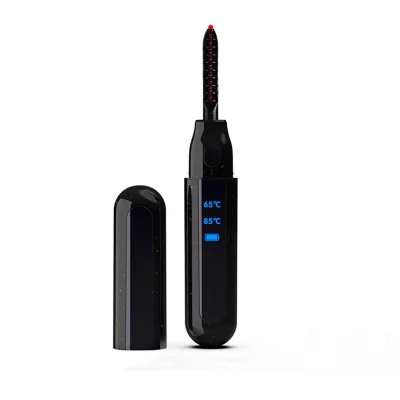
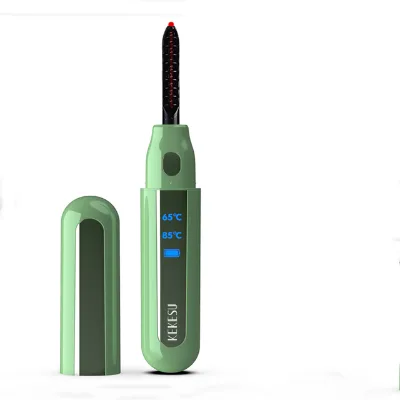
Shandong Chengchang Health Technology Co., Ltd.
- Trading Company
- Shandong, China
- Lead time15 days
- Avg. response≤ 4h
Main productsBeauty equipment,Massager,A protector,medical equipment,Health care equipment
Main marketsSoutheast Asia(20.00%), Domestic Market(15.00%), Mid East(10.00%), South America(5.00%), South Asia(5.00%), Southern Europe(5.00%), Northern Europe(5.00%), Central America(5.00%), Western Europe(5.00%), Eastern Asia(5.00%), Eastern Europe(5.00%), Oceania(5.00%), Africa(5.00%), North America(5.00%)
Foshan Yuli Cosmetic Supplies Co., Ltd.
- Verified by TüVRheinland
- Manufacturer, Trading Company
- Lead time30 days
- Avg. response≤ 3h
Main productsFan Eyelash, Eyelash Extension, Eyelash Tools, Nail Tools, Makeup Tools
Main marketsNorth America(40%), Western Europe(15%), South America(12%)

Foshan Fengdeli Nail Clippers Manufacturing Co., Ltd.
- Trading Company,Manufacturer/Factory
- China Guangdong
- Lead time45 days
- Avg. response≤ 4h
Main productsNail Clipper, Manicure Set, Tweezers, Pedicure Implements, Baby Gifts, Scissors, Beauty Set, Key Rings, Nail Files, Promotion Gifts
Main marketsSouth America,Eastern Europe,Mid East,North America,Southeast Asia,Western Europe,Africa


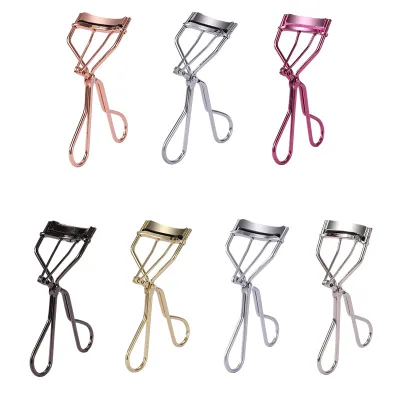
Gradient Colorful Handle False Eye Lashes Curling with Electric Heated
$0.234 - $0.281
MOQ: 6000 Pieces

Eyelash Curler with Black Color Electrophoresis Finish and Soft Grip Handle
$0.355 - $0.398
MOQ: 6000 Pieces

- Verified by SGS
- Trading Company,Manufacturer/Factory
- China Guangdong
- Lead time23 days
- Avg. response≤ 3h
Main productsBeauty Devices, Skin Care Instrument, LED Face Masks, Makeup Tools, Beauty Instrument (OEM/ODM), OEM / ODM Electronics, Beauty Device, Home Air Care Appliances, Furniture, Electric Bakhoor Burners
Main marketsSouth America,Eastern Europe,Mid East,North America,Southeast Asia,Eastern Asia,Oceania,Western Europe,Africa

Heated Eyelash Curler Anti-Scald Silicone Portable Lash Curler for Makeup
$0.41 - $0.85
MOQ: 50 Pieces

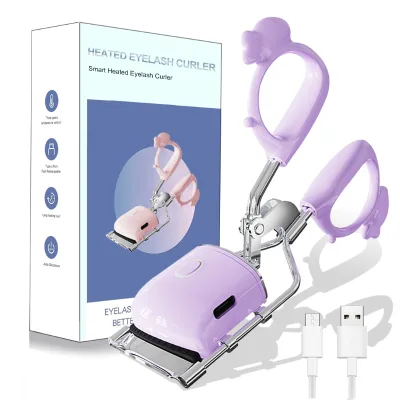
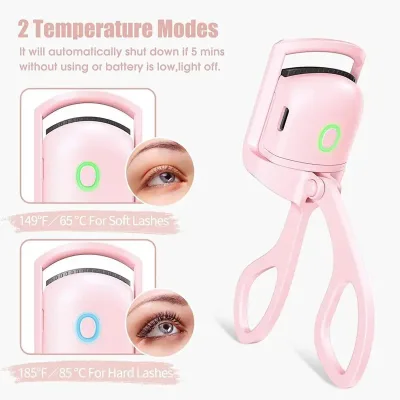
Electric Heated Eyelash Curler, Rechargeable 2 Temperature Modes, 15s Fast Heating
$0.41 - $0.85
MOQ: 50 Pieces
Dongguan Changan Judu Leather Goods Hardware Ornament Factory
- Manufacturer, Trading Company
- Guangdong Province, China
- Lead time2 days
- Avg. response≤ 2h
Main productsSlimming Machine,Beauty Equipment,Disinfection Equipment,Beauty Furniture,Skin and Hair Treatment
Main marketsCentral America(18.00%), Western Europe(13.00%), Northern Europe(12.00%), North America(12.00%), Southeast Asia(11.00%), Southern Europe(10.00%), Eastern Europe(10.00%), South America(9.00%), Domestic Market(5.00%)
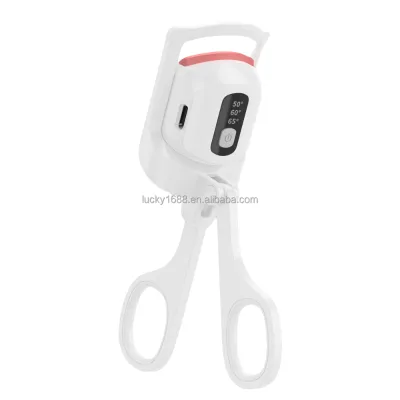
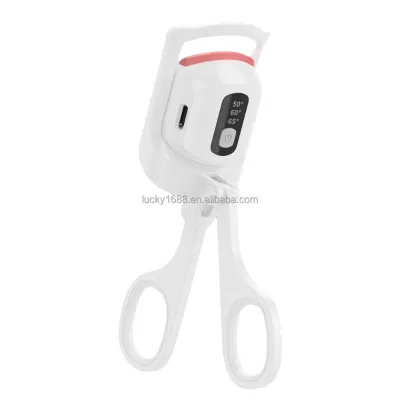
$6.1598 - $6.7859
MOQ: 10 pieces
Shenzhen Global Electronic Commerce Limited
- Manufacturer, Trading Company
- Guangdong, China
- Lead time7 days
- Avg. response≤ 2h
Main productsFacial Mask Maker,Electric Nail Clipper,Measuring spoon,Cosmetic Spatula,Makeup tools
Main marketsDomestic Market(20.00%), North America(20.00%), Western Europe(10.00%), Eastern Europe(8.00%), Southern Europe(8.00%), South America(6.00%), Eastern Asia(6.00%), Northern Europe(6.00%), Southeast Asia(5.00%), South Asia(3.00%), Central America(3.00%), Mid East(3.00%), Africa(2.00%)

- Trading Company
- China Zhejiang
- Lead time30 days
- Avg. response≤ 13h
Main productsHome Appliance, Cookware Set, Thermos, Home Storage, Furniture, Pet Supplies, Garden Tools, Outdoor Supplies, Baby Supplies, Houesehold Items
Main marketsSouth America,Africa,Southeast Asia/ Mideast,East Asia(Japan/ South Korea),Domestic,Europe,Australia,North America

Wenzhou Hexi Electronic Technology Co., Ltd.
- Verified by SGS
- Combined
- China Zhejiang
- Lead time23 days
- Avg. response≤ 7h
Main productsNeck and Back Massager, Massage Gun, Massage Pillow, Foot Massager, Beauty& Personal Care, Water Flosser, Eye Massager, Electric Toothbrush, Hair Curler, Knee Massager
Main marketsAfrica,Southeast Asia/ Mideast,Europe

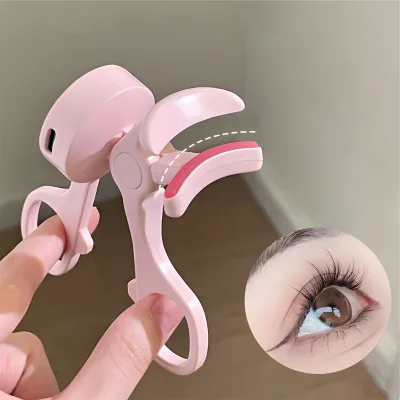
Hot Sale Rechargeable Electric Lash Curler Tweezer Long Lasting Painless Heated Eyelash Fast Curler
$1.15 - $1.90
MOQ: 100 Pieces

Wholesale Long Lasting Curl Portable Comb Type Heated Thermal Eyelash Curler Makeup Tool
$1.50 - $3.00
MOQ: 100 Pieces
Shenzhen Aoso Technology Co., Ltd.
- Manufacturer
- Guangdong, China
- Lead time7 days
- Avg. response≤ 2h
Main productsVacuum Blackhead Remover,Facial Skin Scrubber,Neck Lifting Massager,Eye Beauty Wand,Facial Cleansing Brush
Main marketsNorth America(40.00%), Western Europe(10.00%), Oceania(10.00%), Southeast Asia(10.00%), Eastern Europe(10.00%), Northern Europe(5.00%), Africa(5.00%), Mid East(5.00%), South America(5.00%)

- Verified by SGS
- Trading Company
- China Zhejiang
- Lead time15 days
- Avg. response≤ 10h
Main productsFan, Heater Fan, Air Fryer, Toaster, Rice Cooker, Vacuum Cleaner, Coffee Machine, Hairdressing Appliance, Electric Toothbrush, Steam Iron
Main marketsEurope,Australia

Limited Edition Makeup Tools Mini Eyelash Curler Electric Curl Eyelashes
$5.42 - $7.00
MOQ: 500 Pieces

Customize Curling Long-Lasting Rechargeable Curler Heated Electric Curl Device Eyelash
$4.80 - $5.49
MOQ: 500 Pieces

Yiwu Loboter Electrical Appliance Factory
- Manufacturer, Trading Company
- Zhejiang, China
- Lead time25 days
- Avg. response≤ 3h
Main productsnail lamp,Nail dust collector,nail drill,Sterilizer,na
Main marketsNorthern Europe(30.00%), North America(10.00%), Southern Europe(10.00%), Mid East(5.00%)
Shenzhen Create Youth Motivation Technology Limited Company
- Manufacturer, Trading Company
- Guangdong, China
- Lead time7 days
- Avg. response≤ 2h
Main productsComestic,Foundation,Makeup Brush,Makeup bags,Foundation
Main marketsNorth America(80.00%), South America(20.00%)


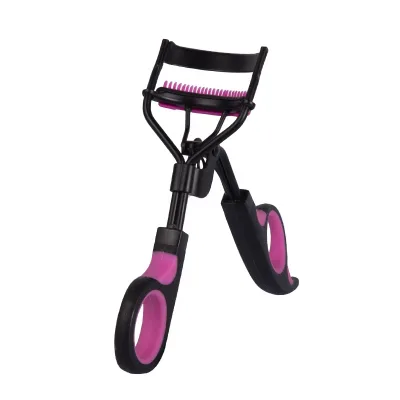
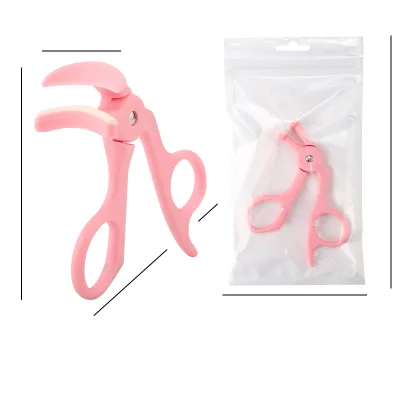
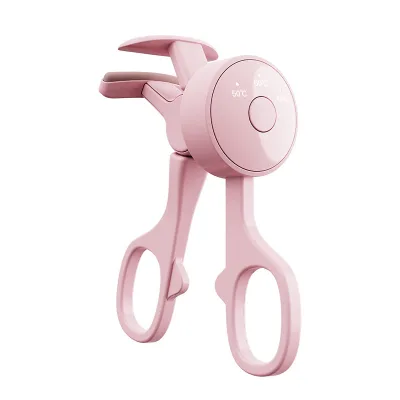
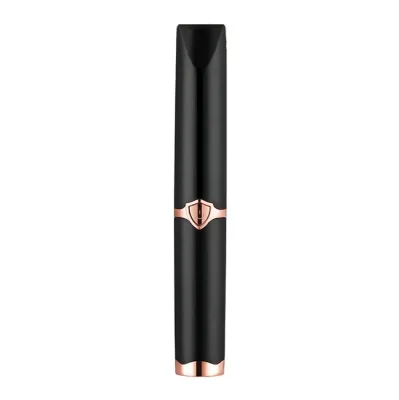
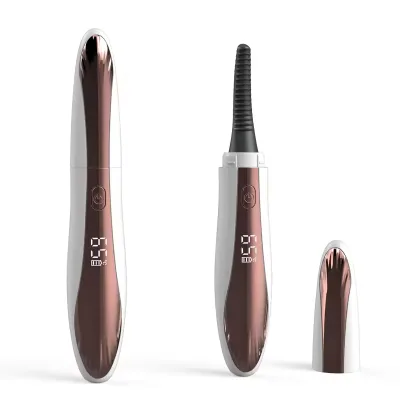


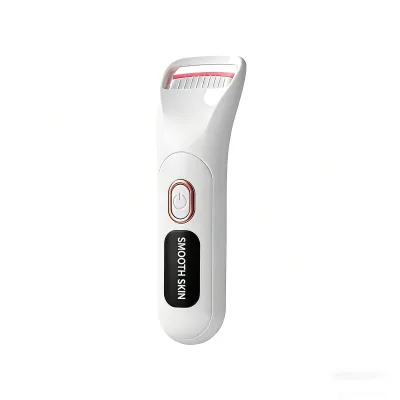
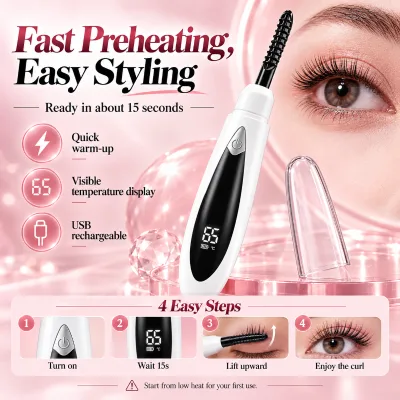
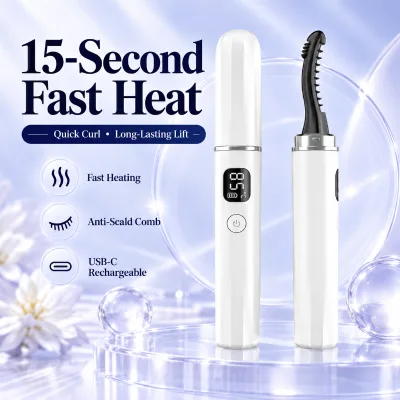


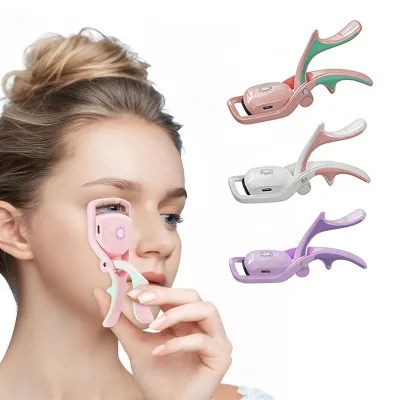
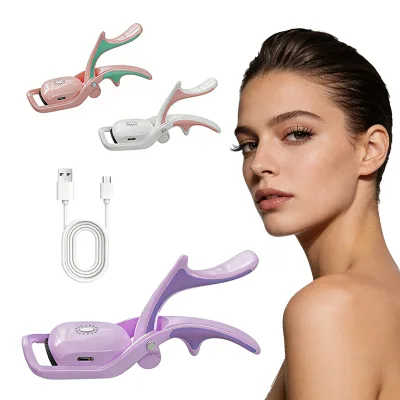




Comprehensive Sourcing Guide
Heated LED Eyelash Curler Supplier Concentration and Factory Types
Buyers sourcing a Heated LED Eyelash Curler from Chinese suppliers will notice that the current supplier results are anchored in two provinces: Guangdong and Zhejiang. Guangdong appears both as a company location and as a stated product origin for several curler models, including electrical and heated designs, which suggests it functions as a working cluster for this category. Zhejiang appears as the home province of a trading company whose main product list spans electric kettles, hair dryers, massagers and beauty instruments, indicating a broader small-appliance exporter rather than a curler specialist. Where location data is missing, buyers should identify clusters by checking the stated product origin field on individual listings, cross-referencing port proximity, and asking each candidate which city its factory or warehouse actually sits in.
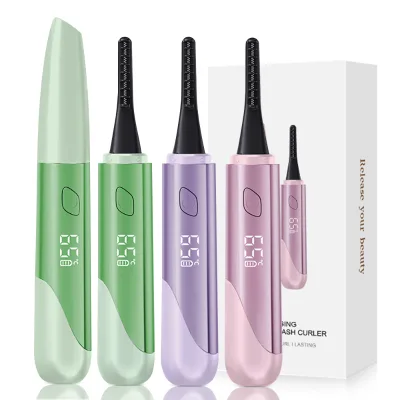
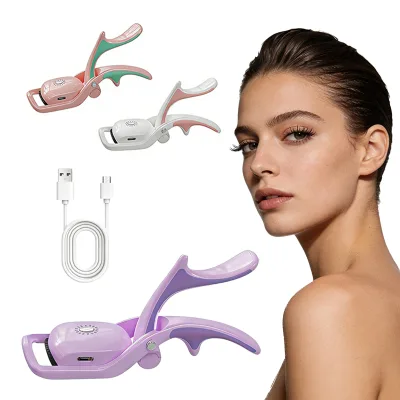
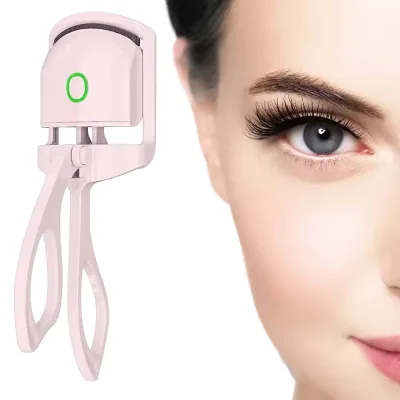
The results also show a mix of company types: a combined manufacturer-trader, a pure trading company, and a combined business listing beauty machines alongside hair removal and tattoo removal equipment. This variety matters because a manufacturer-trader with makeup tools such as eyelash curlers, acne needles, scissors, eyebrow clips and manicure sets in its main product line is more likely to control curler production directly, while a general trading company may subcontract. Heated curlers themselves split into electric and battery-driven types, traditional and partial curler forms, with ODM and OEM capacity claimed by some suppliers and sample processing, graphic processing and customized-on-demand services offered by others.
How to Verify Heated LED Eyelash Curler Suppliers
Verification should begin with the third-party badges displayed on each supplier profile, because the current results show three distinct verification providers: CTI, TüV Rheinland and BV. These are inspection and certification bodies, and a verified badge means an auditor has at least visited or assessed the company, but it does not guarantee product quality for a specific heated curler model. Buyers should confirm which audit type was performed, when it was completed, and whether it covered the factory floor or only the trading office. Treat an unverified profile not as a disqualification but as a prompt to request the company's own business license, factory address and recent audit documentation before any deposit is paid.
Beyond badges, buyers should triangulate the evidence a supplier volunteers. One manufacturer-trader in the results publishes system certifications including WCA, BSCI and ISO 9001, which speaks to social compliance and quality management rather than electrical safety of the curler itself. Ask each candidate for the documentation behind any claimed credential and check that the certificate holder name matches the company you are contracting with. For a heated electrical device, request safety test reports for the specific model, the heating element specification, and battery certification where the curler is battery-driven. A supplier like the combined beauty-machine company that lists ODM and OEM capacity should be asked to substantiate its engineering role: who designs the circuit, who molds the housing, and who assembles the finished curler.
What to Compare Across Heated LED Eyelash Curler Suppliers
Build a comparison sheet from the attributes that actually appear on supplier profiles, without assuming every supplier displays the same fields. In the current results, quoted average response times range from about five hours to just over seven hours, which is a useful but imperfect proxy for communication quality; test it yourself by sending identical technical questions to each candidate and logging reply speed and substance. Displayed lead times vary sharply: one supplier lists fifteen days, another lists thirty days, and another shows zero, which likely means the field is unfilled rather than instant. Always confirm lead time against your order size and customization depth in writing before contracting.
Product-level economics also deserve a structured comparison. Heated and electric curler listings in the results span a wide price band, from under half a dollar for a carbon steel hot lash curler with a three-piece MOQ, to several dollars for LED display models with MOQs of one thousand pieces, up to double-digit pricing for private-label electrical curlers with a one-piece MOQ. Compare unit price alongside MOQ, material, drive type, packaging and model numbers such as RL-07, RL-X07 or A4C06/06. Note that a trading company listing electric kettles and hair dryers may quote reliably but hold no curler stock, while a manufacturer-trader may offer lower MOQs, logo customization and faster sample turns on its own production line.
Common Heated LED Eyelash Curler Sourcing Risks
The most common risk in this category is treating a listed price as a contract price. The results show curler quotes ranging from roughly $0.30 to $12.00, and these figures typically reflect different specifications, order quantities and customization levels. A low-price heated curler at a three-piece MOQ may use carbon steel with a PS handle, while an LED display model quotes at a one-thousand-piece MOQ. If you request logo printing, custom packaging or a USB-charging variant, expect the quoted figure to move, and confirm whether mold fees, sample fees and freight are included. Never fund tooling before a signed specification sheet exists.
Quality and consistency risks follow from mixed company types. A combined business whose main products are beauty machines, hair removal and tattoo removal equipment may source curlers from an outside workshop, so the entity you pay is not the entity that makes the product. Electrical risks are category-specific: heating pads can overheat, LED displays can fail, and battery-driven units face stricter transport rules than manual curlers. One result even shows a heated curler listing with a stated purpose of "for Nail," which signals sloppy data entry or a mislabeled listing and justifies a sample-based check. Mitigate by ordering pre-shipment inspection, testing heating temperature stability across a sample batch, and confirming which certifications, if any, apply to your destination market before shipment rather than after.
Heated LED Eyelash Curler Regional Sourcing and Logistics
Guangdong's repeated appearance in the results, both as supplier location and as stated product origin for curler models from Guangzhou, gives buyers a practical starting region for this category. Sourcing there can shorten the distance between factory and export services, and several listings show customization available, which suits buyers planning private-label heated curlers. Zhejiang's presence through a trading company with a broad small-appliance catalog suggests a second viable region, though the connection to curler manufacturing is weaker in the visible data. Where a listing shows only "China" as origin, ask directly for the factory city and whether the company owns or subcontracts production.
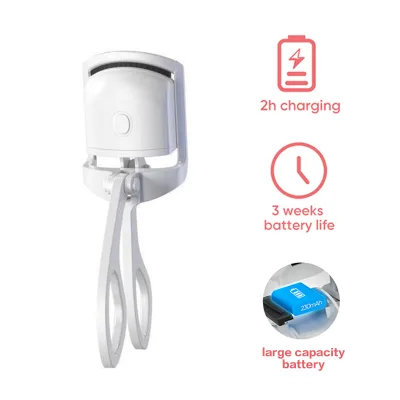
Logistics planning should account for the electrical nature of the product. Heated curlers with built-in batteries may be classified differently from manual curlers for air and sea freight, so confirm battery type, watt-hour rating and packing requirements with your forwarder before quoting. Displayed lead times in the results of fifteen and thirty days are a reminder that production cycles vary by supplier and order complexity; a one-thousand-piece MOQ order with custom packaging will not ship as fast as a small stock order. Carton packing is the stated packing method on several curler listings, but confirm carton dimensions, gross weight and drop-test expectations. For the first order, consider splitting shipment into an air sample batch followed by a sea freight production batch so market feedback arrives before the main volume lands.
Heated LED Eyelash Curler Commercial Terms and Order Planning
Commercial planning starts with matching MOQ to your distribution model. The results illustrate the spectrum: a wholesale electrical curler quoted with a one-piece MOQ, a carbon steel hot lash curler at a three-piece MOQ, and LED display heated curlers at a one-thousand-piece MOQ. Low-MOQ listings suit market testing and private-label trials, but per-unit prices at those volumes, in the ten-dollar range for one listing, rarely survive scaling. High-MOQ listings offer mid-single-digit pricing but demand confidence in demand forecasts. Ask each supplier how the quoted price steps down at higher volumes, and get the tiered table in writing before negotiating further.
Payment and order protection should follow standard staged structures, but the depth of due diligence depends on supplier type. For a combined manufacturer-trader with WCA, BSCI and ISO 9001 listed, deposits against a verified production line carry different risk than deposits to a general trading company whose main products are kettles and hair dryers. Confirm whether the platform offers escrow or trade assurance for your chosen supplier, since protected payment materially changes your exposure on a first order. Build the timeline backward from your launch date using each supplier's own lead time claim, add sample iteration time, and lock specs, model number, packing and logo artwork in a purchase order. Reorder terms, spare parts for the heating element, and defect-rate remedies belong in the same agreement, not in later email exchanges.
(Word count check: the six sections above total approximately 1,380 words, with each section held within the 225–235 word limit.)
FAQs
What is the price range for heated eyelash curlers?
Heated eyelash curlers are available at various price points depending on features and materials. Basic models start around $0.30, while advanced LED versions with displays range from $2.25 to $12.00. Buyers should check specific product listings for exact pricing tiers and bulk discounts.
What is the minimum order quantity for these products?
Minimum order quantities vary significantly by supplier and product type. Some suppliers offer an MOQ of just one piece for samples, while others require three pieces or up to 1000 units for bulk orders. Always verify the specific MOQ on the product page before placing an order.
Where are these eyelash curlers manufactured?
Most heated eyelash curlers are manufactured in China, specifically in the Guangdong and Zhejiang provinces. These regions are known for their strong electronics and beauty tool manufacturing capabilities. Buyers can filter search results by these locations to find suppliers with established production facilities and supply chains.
What certifications do these suppliers hold?
Suppliers offering heated eyelash curlers often hold various certifications to ensure quality and compliance. Common certifications include ISO 9001, BSCI, and WCA. Verification badges from CTI, TÜV Rheinland, and BV are also observed. Buyers should request specific certification documents to verify compliance with their market standards.
How long does production take?
Lead times for heated eyelash curlers typically range from zero to thirty days depending on the supplier and order volume. Some suppliers list a lead time of fifteen days, while others may require up to thirty days for larger orders. It is essential to confirm the exact lead time with the supplier before finalizing the purchase.
What materials are used in these curlers?
Heated eyelash curlers are commonly made from plastic, carbon steel, and PS handles. Some models feature silicone heating elements for safe and effective curling. The drive type is usually electrical, powered by batteries or USB. Buyers should check product specifications to ensure the materials meet their quality and safety requirements.