Natural Herbal Extracts Slim Tablets Suppliers and Manufacturers
Find 24 verified suppliers offering Natural Herbal Extracts Slim Tablets with OEM/ODM capabilities. Compare locations in China Shaanxi and Guangxi, response times, lead times, and certifications like GMP and ISO. Contact suppliers directly to request samples and pricing details.
Updated
Suppliers List

- Verified by SGS
- Trading Company
- China Shaanxi
- Lead time15 days
- Avg. response≤ 5h
Main productsCapsules, Tablets, Solid Beverages, Granulation
Main marketsSouth America,Africa,Southeast Asia/ Mideast,Europe,Australia,North America


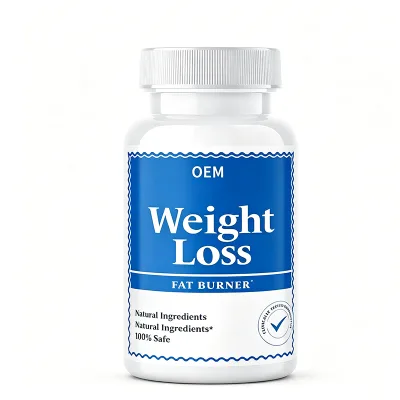
Private Label Weight Management Tablet Herbal Fat Burner Weight Loss Tablet
$3.30 - $3.80
MOQ: 1 bottle


Guangxi Kaitai Biotechnology Co., Ltd
- Verified by BV
- Trading Company
- China Guangxi
- Lead time15 days
- Avg. response≤ 8h
Main productsThailand Pueraria Mirifica Powder, Thailand Butea Superba Powder, Dietary Supplements for Male, Honey, Coffee
Main marketsSouth America,Africa,Southeast Asia/ Mideast,East Asia(Japan/ South Korea),Europe,Australia,North America


Epimedium Natural Herbal Supplement Tablets Unlock Its Multi Effect Health Function
$0.28 - $2.80
MOQ: 10 Tablet


$2.50 - $18.00
MOQ: 2 Blister

Guangxi Tai Xiang Lai Technology Co., Ltd.
- Verified by TUVRHEINLAND
- Trading Company
- China Guangxi
- Lead time15 days
- Avg. response≤ 9h
Main productsPueraria Mirifica, Product Customization, Tabletcandy, Dietary Fiber Supplements, Honey Products, OEM/ODM
Main marketsOthers(foreignTradeCapacity.exportBusinessCapacityMarketOther),Australia,North America

OEM Natural Herbal Health Supplementing Energy Boosting Immune Health Tablets
$4.50 - $20.00
MOQ: 10 Blister

Natural Herbal Health Products, Men's Dietary Supplements, Energy Tablets
$0.80 - $8.00
MOQ: 2 Blister

$0.80 - $8.00
MOQ: 2 Blister

Natural Male Vitality Support Tablets — a Herbal Dietary Supplement Specially Formulated for Men.
$4.50 - $16.00
MOQ: 100 Blister


Shanghai Duolaian Health Management Co., Ltd.
- Verified by SGS Group
- Manufacturer, Trading Company
- Lead time15 days
- Avg. response≤ 4h
Main productsCollagen Gummies, Kidney Cleaning Tablet, Skin Whitening Gummies, Slim Green Coffee, Slimming Tea
Main marketsAfrica(25%), North America(18%), South America(8%)
Guangxi Kaitai Biotechnology Co., Ltd.
- Verified by SGS Group
- Manufacturer, Trading Company
- Lead time8 days
- Avg. response≤ 3h
Main productsSkin Care Product, Dietary Supplement, Honey Products, 3-in-1 Coffee, Gummy Candy
Main marketsNorth America(35%), Oceania(25%), Western Europe(25%)
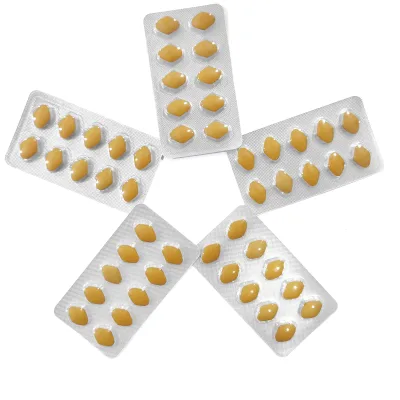
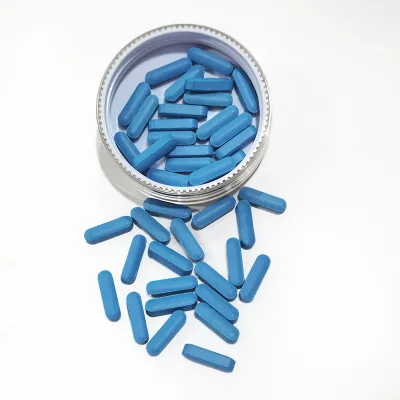
OEM Men Energy Tablets Oem Natural Booster Power Tablet Energy Herbal Pill Dietary Supplement
$0.42 - $3.00
MOQ: 50 pieces
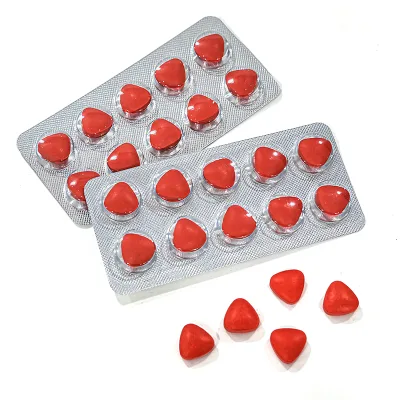
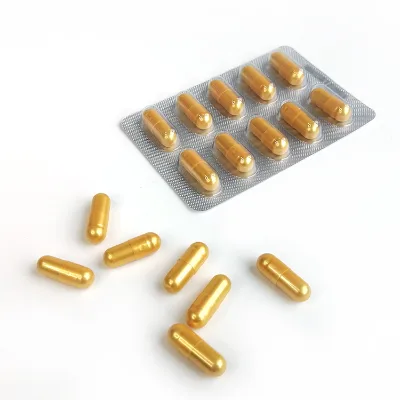
Wholesale Men's Herbal Tablets at Factory Price With High-quality Quality
$6.1695 - $18.5085
MOQ: 10 pieces
Xi'an International Healthcare Factory Co., Ltd.
- Verified by Intertek
- Manufacturer, Trading Company
- Lead time10 days
- Avg. response≤ 2h
Main productsCompound Whitening Powder, Healthcare Products, Nutritional supplement, Plant Extract, Compound anti-wrinkle powder
Main marketsNorth America(40%), South America(10%), Western Europe(10%)
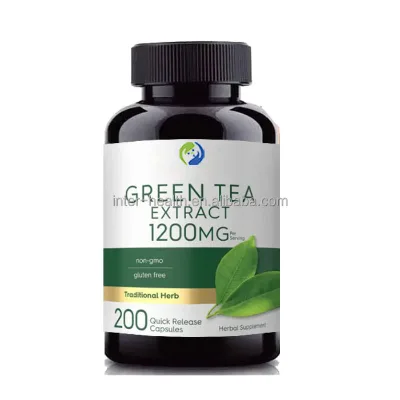
WeightLosse Green Tea Extract Tablets Herbal Supplement Slimming l Carnitine Green Tea Tablets
$1.80 - $3.20
MOQ: 100 Minimum
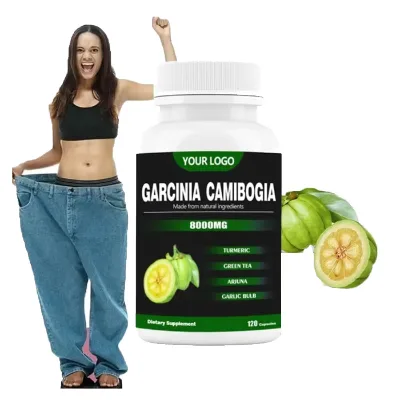
Herbal Extract Pure Garcinia Cambogia Pill Slimminge Supplements Garcinia Cambogia Tablets
$2.2799 - $3.3166
MOQ: 100 Minimum

Shandong Shoucheng Biotechnology Co., Ltd
- Verified by TUVRHEINLAND
- Manufacturer/Factory
- China Shandong
- Lead time15 days
- Avg. response≤ 2h
Main productsChondroitin Sulfate, Glucosamine, Msm, Hyaluronic Acid, Dietary Supplement Tablets OEM, Dietary Supplement Capsule OEM, Dietary Supplement Softgel OEM, Dietary Supplement Gummies OEM
Main marketsSouth America,Eastern Europe,Mid East,North America,Southeast Asia,Eastern Asia,Oceania,Western Europe,Africa

Natural Food Supplement Magic Slim Diet Anti Weight Slimming Effervescent Tablets
$0.50 - $0.90
MOQ: 1 tube


Health Food Weight Loss Slimming Aloe Vera Extract Capsules Fat Burning
$0.02 - $0.08
MOQ: 100000 Capsules
Beijing Sunvoton International Trade Co., Ltd.
- Verified by TüVRheinland
- Trading Company
- Lead time15 days
- Avg. response≤ 1h
Main productsCapsules, Powder, Tablet, Tea, Gummies
Main marketsNorth America(25%), South America(20%), Oceania(10%)
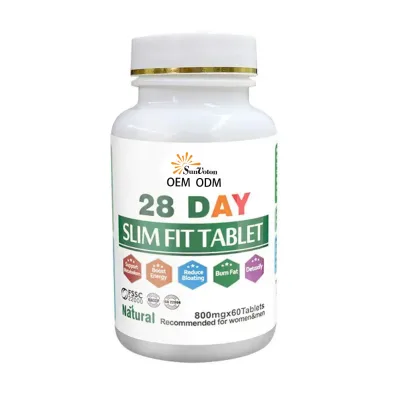
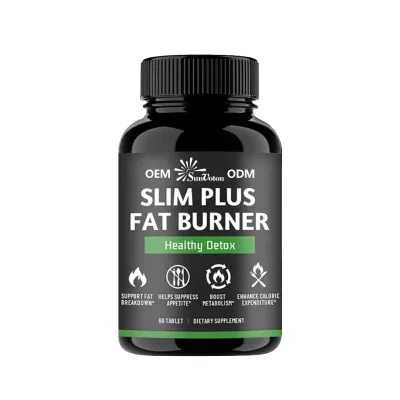
$2.3742 - $2.5806
MOQ: 100 units
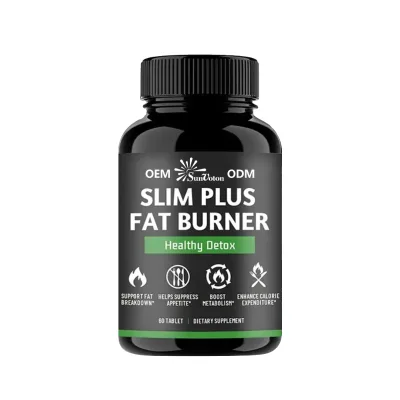

- Verified by SGS
- Trading Company
- China Anhui
- Lead time15 days
- Avg. response≤ 5h
Main productsFood Supplement, Slimming Tea, Chinese Medicine, Traditional Chinese Medicine, Plant Extract, Herbs, Health and Beauty Equipments
Main marketsSouth America,Others(foreignTradeCapacity.exportBusinessCapacityMarketOther),Southeast Asia/ Mideast,Europe,North America

Natural Herbals Effective Burning Fat Slimming Capsules Weight Loss Pills No Side Effect
$0.042
MOQ: 100000 Capsules

Appetite Suppressant Regulate The Body Function 100% Herbal Addition Slimming Capsule
$2.50 - $3.00
MOQ: 10 Bottle

Hebei Lang Mei Biotechnology Co., Ltd.
- Verified by TUVRHEINLAND
- Manufacturer/Factory
- China Hebei
- Lead time0 days
- Avg. response≤ 25h
Main productsWeigh Loss Pills & Man Sex Products, Slimmiming Capsules, Man Sex Capsules, Multivitamin Tablets, Fish Oil Capsules, Beauty Products, Herbal Supplements, Weight Loss, Gummy Candy, Slimming Coffee


Natural Herbal Ingredients Slimming Pills Strong Appetite Suppressant Weight Loss Capsule Pills
$6.00 - $8.00
MOQ: 500 Bottle

Natural Herbal Weight Management Supplement Weight Loss Capsule Fat Burner Pills OEM
$5.50 - $6.00
MOQ: 500 Pieces


Zhengzhou Zhongsheng Enterprise Marketing Planning Co., Ltd.
- Trading Company
- Henan, China
- Lead time0 days
- Avg. response≤ 1h
Main productsHealthcare Supplements,Vitamins,Mushroom/Enzyme,Food & Beverage Beverages Tea Slimming Tea
Main marketsNorth America(35.00%), Southern Europe(25.00%), Eastern Asia(15.00%), Mid East(15.00%), Africa(10.00%)
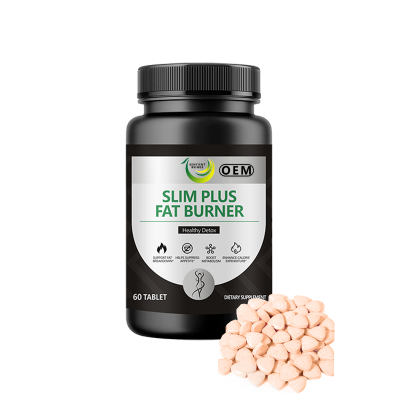
$2.0316 - $3.0518
MOQ: 1 sets
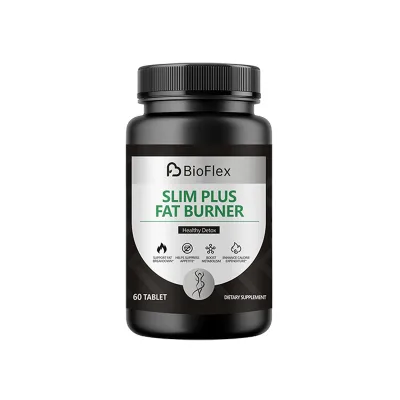
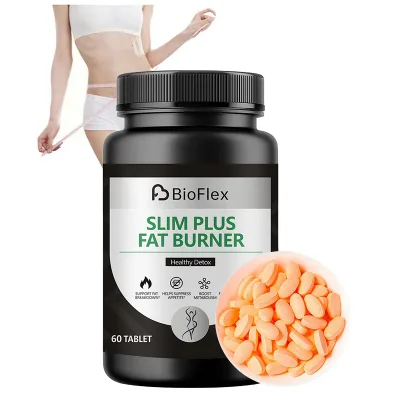
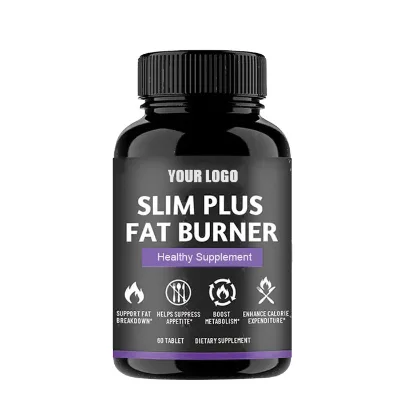
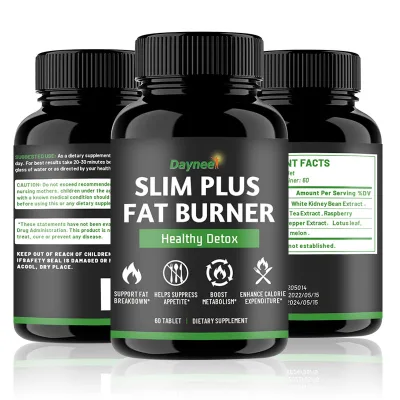
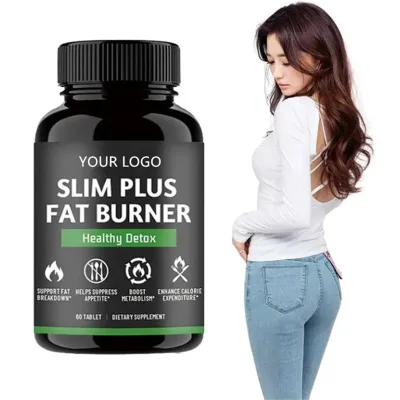
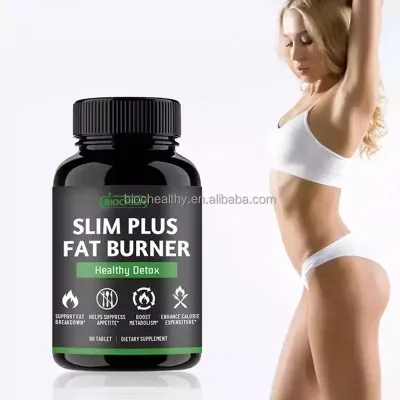
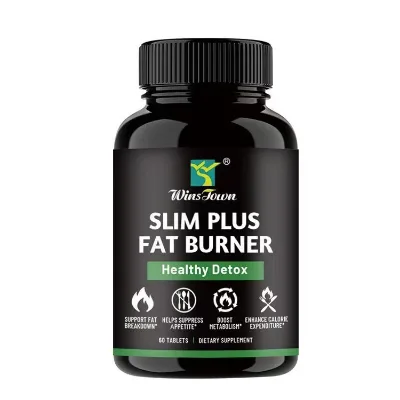
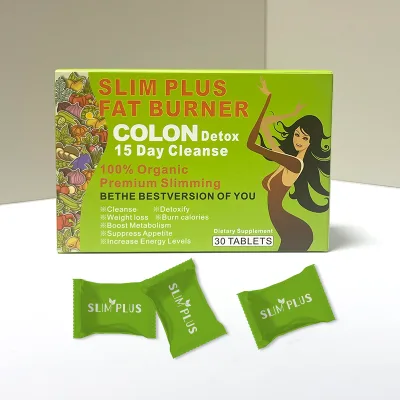
Wholesale Slim Plus Fat burner Herbal Dietary Supplement Slimming Natural Formula
$3.80 - $4.50
MOQ: 50 units
Zhengzhou Friend Biological Engineering Co., Ltd.
- Verified by TüVRheinland
- Manufacturer, Trading Company
- Lead time10 days
- Avg. response≤ 1h
Main productsBrown Sugar Ginger Tea, Supplement Tablet, Gummy, Ginger Tea Blocks, Sports Nutrition
Main marketsDomestic Market(15%), Eastern Europe(10%), Southeast Asia(10%)

Shanghai Winoda Technology Co., Ltd.
- Verified by BV
- Trading Company,Group Corporation
- China Shanghai
- Lead time15 days
- Avg. response≤ 13h
Main productsHealth Care Food, Slimming &Sex Beauty Care Product, Organic Intermediate, Research &Beauty &Custom Peptides, Peptides Raw Powder
Main marketsSouth America,Eastern Europe,North America,Eastern Asia,Western Europe

OEM Whoelsale Strong Herbal Extract Weight Loss Herbal Slim Fit Diet Pills
$4.50 - $6.00
MOQ: 100 Pieces

Guangzhou Green Thin Polypeptide Biotechnology Co., Ltd.
- Verified by Intertek
- Trading Company
- Lead time15 days
- Avg. response≤ 12h
Main productsSolid Drink, Gummies, Capsule, Fish Oil, Tablet
Main marketsMid East(40%), Africa(25%), North America(20%)
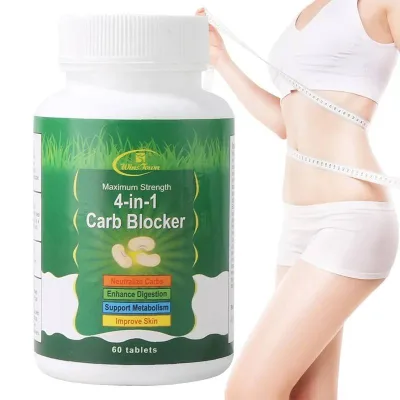
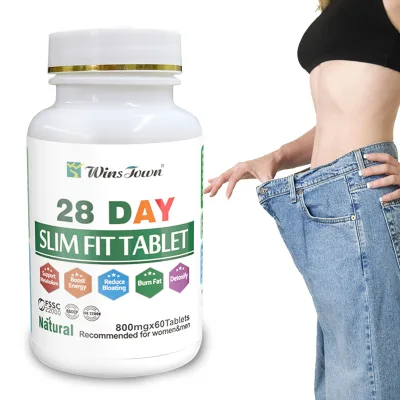
Customized Logo Weight Loss Pills 4-in-1 Slimming Tablets Fat Loss Slimming Tablets
$1.80 - $3.00
MOQ: 100
Biocaro Pharmaceutical Co., Ltd.
- Manufacturer, Trading Company
- Lead time旺季: "1 - 1000":30,"> 1000":"To be negotiated", 淡季: "1 - 1000":30,"> 1000":"To be negotiated"
- Avg. response≤ 5h
Main productsGummies, Capsules, Liquid Drops, Tablets, Powder
Guangzhou Inch Bio-Tech Co., Ltd.
- Verified by SGS Group
- Trading Company
- Lead time5 days
- Avg. response≤ 3h
Main productsDietary Supplement, Face & Body Skin Care Products
Main marketsAfrica(31%), North America(27%), Southeast Asia(8%)
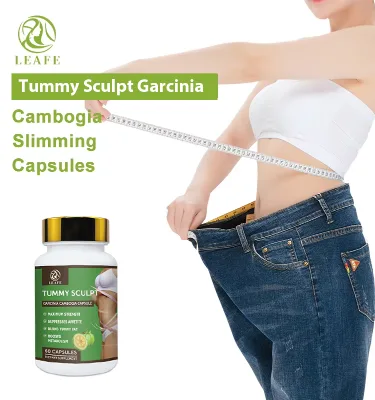
$2.6674 - $3.5889
MOQ: 10 packs
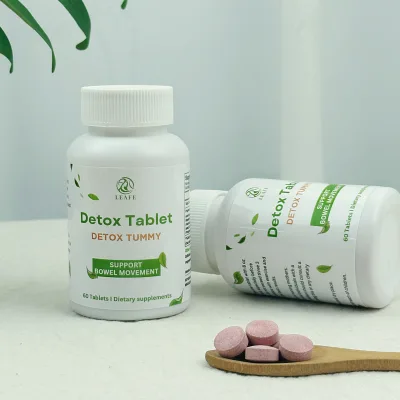
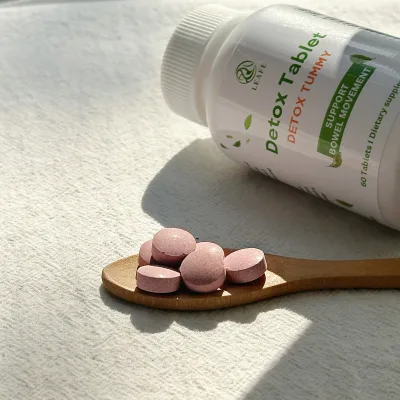
High Quality Tablets Support Customized Detox Diet Pills Tablets Body Slimming for Belly Tablets
$2.051 - $3.2822
MOQ: 10 bags

Guangzhou Yinchuang Trading Co., Ltd.
- Trading Company
- Guangdong, China
- Lead time0 days
- Avg. response≤ 1h
Main productsHealth Food,Honey,Chocolate,Candy,Other Healthcare Products
Main marketsNorth America(28.00%), Mid East(25.00%), Eastern Europe(18.00%), South America(9.00%), Southeast Asia(8.00%), Northern Europe(5.00%), South Asia(5.00%), Western Europe(2.00%)

Shandong Yuwang Pharmaceutical Co., Ltd.
- Verified by TUVRHEINLAND
- Combined
- China Shandong
- Lead time30 days
- Avg. response≤ 2h
Main productsFish Oil, Fish Oil Softgel, Hard Capsule, Tablet
Main marketsNorth America


Hot-Sale Body Management Weight Loss Multivitamin Tablet Herbal Extract Tablet
$0.04 - $0.043
MOQ: 100000 pcs

Weight Loss Nutritional Supplement Slimming Effect Vegan Plant Extract Soft Capsule
$0.02
MOQ: 300000 Pieces
Guangzhou Muhua Pharmaceutical Co., Ltd.
- Verified by Intertek
- Trading Company
- Lead time15 days
- Avg. response≤ 4h
Main productsHealth Food
Main marketsDomestic Market(30%), North America(25%), Eastern Europe(15%)
Guangdong Kanglai Biopharmaceutical Co., Ltd.
- Manufacturer, Trading Company
- Guangdong, China
- Lead time7 days
- Avg. response≤ 1h
Main productsGummy,Capsule,Resin,Softgels,Drop
Main marketsNorth America(30.00%), Southeast Asia(20.00%), Eastern Europe(20.00%), South America(20.00%), Northern Europe(10.00%)
Henan Shizhen Hanfang Pharmaceutical Technology Co., Ltd.
- Verified by SGS Group
- Manufacturer, Trading Company
- Lead time30 days
- Avg. response≤ 2h
Main productsElectrolyte Powder, Mushroom Coffee Powder, Capsules, Gummies, Ice Cream Powder
Main marketsDomestic Market(87%), Western Europe(8%), Africa(5%)

Fuzhou Beautiful Agricultural Development Co., Ltd.
- Combined
- China Fujian
- Lead time15 days
- Avg. response≤ 8h
Main productsDried Seaweed, Dried Kelp, Dried Wakame Cut, Dried Dulse Seaweed, Dried Wakame Strips, Ulva Flakes, Seaweed Powder, Kombu, Spirulina Powder, Nori Flakes
Main marketsSoutheast Asia/ Mideast,East Asia(Japan/ South Korea),Europe,Australia,North America


Premium Spirulina Food Supplement Spirulina Extract Tablets Spirulina Tablet
$6.00 - $10.00
MOQ: 100 kg

Guangzhou Shengmei Pharmaceutical Industry Co., Ltd
- Verified by SGS
- Combined
- China Guangdong
- Lead time15 days
- Avg. response≤ 3h
Main productsGummies, Drink, Capsule, Jelly, Oral Film
Main marketsDomestic,Europe,North America
Guangzhou Inch Bio-Tech Co., Ltd.
- Trading Company
- Lead time旺季: "1 - 5000":15,"> 5000":"To be negotiated", 淡季: "1 - 5000":15,"> 5000":"To be negotiated"
- Avg. response≤ 2h
Main productsHerbal Supplement Capsule, Vitamins Supplement, Herbal Tea, Weight Management Supplement, Skin Care Supplement


Comprehensive Sourcing Guide
Natural Herbal Extracts Slim Tablets Supplier Concentration and Factory Types
The current supplier landscape for Natural Herbal Extracts Slim Tablets reveals a distinct concentration of manufacturing and trading entities within specific Chinese provinces, notably Shaanxi and Guangxi. These regions serve as primary hubs for the production of solid beverages, granulation, and various supplement forms, indicating a mature industrial ecosystem dedicated to herbal processing. Suppliers located in Shaanxi often operate as trading companies that leverage local resources, while those in Guangxi may focus on specialized ingredients like Thailand Pueraria Mirifica Powder or Butea Superba Powder, suggesting a regional specialization in raw material sourcing and extraction. This geographic clustering allows buyers to identify suppliers with established supply chains for key herbal ingredients, which is critical for maintaining consistency in weight management products. The presence of these clusters implies that logistics and raw material availability are optimized in these areas, potentially offering competitive advantages in terms of cost and speed for buyers seeking bulk orders of herbal slimming tablets.
Understanding the factory types within these clusters is equally important for strategic sourcing decisions. Many suppliers in these regions are identified as trading companies rather than direct manufacturers, which can impact the level of control a buyer has over the production process. However, some entities possess their own brands and factories, offering OEM and ODM services that allow for significant customization of formulas and packaging. This distinction is vital for buyers who require strict adherence to specific herbal extracts or proprietary blends. Trading companies may offer a broader range of products and faster access to existing inventory, whereas own-brand factories might provide deeper technical support for formula development and quality assurance. Buyers must carefully evaluate whether their priority lies in rapid deployment of standard products or in the development of unique, customized herbal formulations, as this will dictate whether they engage with a trading entity or a manufacturing facility with dedicated R&D capabilities.
How to Verify Natural Herbal Extracts Slim Tablets Suppliers
Verification of suppliers dealing in Natural Herbal Extracts Slim Tablets requires a rigorous examination of their certification portfolios and third-party audit results. The market data indicates that reputable suppliers often hold a combination of international and domestic certifications, including GMP, ISO, HACCP, KOSHER, and NOP. These credentials are not merely decorative; they serve as tangible proof that the supplier adheres to strict quality management systems and food safety standards. For instance, the presence of GMP and ISO certifications suggests that the manufacturing facility maintains controlled environments and standardized operating procedures, which are essential for producing consistent herbal supplements. Additionally, verification badges from recognized agencies like SGS or BV provide an extra layer of confidence, indicating that an independent body has assessed the supplier’s operations. Buyers should prioritize suppliers who display these specific certifications, as they significantly reduce the risk of receiving products that do not meet regulatory requirements in target markets.
Beyond certifications, assessing the supplier’s response time and verification status is crucial for gauging reliability and professionalism. A supplier’s response time, such as the observed average of 4.75 hours for some entities, serves as an indicator of their operational efficiency and customer service commitment. Faster response times often correlate with better communication throughout the sourcing process, from initial inquiry to post-order support. Furthermore, the type of verification badge, whether it is SGS or BV, can offer insights into the depth of the audit performed. Buyers should request copies of these certificates to verify their validity and expiration dates, ensuring that the supplier’s quality systems are currently active and compliant. It is also advisable to inquire about the specific scope of these certifications, as some may apply only to certain product lines or facilities. By combining certification checks with an evaluation of communication responsiveness, buyers can build a more comprehensive profile of a supplier’s reliability and capability to deliver high-quality herbal slim tablets.
What to Compare Across Natural Herbal Extracts Slim Tablets Suppliers
When evaluating multiple suppliers for Natural Herbal Extracts Slim Tablets, comparing key operational metrics such as lead time, minimum order quantity (MOQ), and pricing is essential for making informed decisions. The data shows a wide range in lead times, with some suppliers offering a 15-day turnaround, which is competitive for custom herbal formulations. However, buyers must also consider the MOQ, which varies significantly from as low as one unit for sampling purposes to higher thresholds like 100 units for bulk production. Understanding these variations helps buyers align their inventory strategies with supplier capabilities, especially for startups or those testing new market segments. Pricing is another critical factor, with costs ranging from approximately $0.28 to $21.00 per unit depending on the product type, certification level, and customization requirements. Buyers should request detailed quotes that break down costs by unit, packaging, and shipping to ensure transparency and avoid hidden fees.
In addition to operational metrics, comparing product attributes and customization options is vital for ensuring the final product meets specific market demands. Suppliers offer various features such as decaffeinated, low-salt, low-fat, and sugar-free formulations, which cater to different consumer preferences. The ability to customize labels, packaging, and herbal extracts is a significant differentiator, with some suppliers providing fully customized solutions while others offer limited options. Buyers should assess the flexibility of each supplier in accommodating specific ingredient requests, such as herbal extracts or plant-based components, and their capacity to produce tablets or capsules in various sizes and strengths. Furthermore, comparing the age group targeting, such as adults, and gender-specific formulations can help buyers identify suppliers that align with their brand’s positioning. By systematically comparing these dimensions, buyers can select a supplier that not only offers competitive pricing and lead times but also provides the necessary customization and quality assurance to succeed in their target market.
Common Natural Herbal Extracts Slim Tablets Sourcing Risks
One of the primary risks in sourcing Natural Herbal Extracts Slim Tablets is the potential inconsistency in ingredient quality and efficacy. Since herbal supplements rely on natural extracts, variations in raw material sourcing, harvest conditions, and extraction methods can lead to significant differences in product potency and composition. Buyers must be vigilant about suppliers who do not provide detailed specifications for their herbal ingredients, such as the source of Maca, Epimedium, or other plant extracts. Without clear documentation of ingredient origin and standardization, there is a risk of receiving products that do not deliver the promised health benefits or fail to meet regulatory standards. Additionally, the risk of contamination or adulteration is present if suppliers lack robust quality control measures, such as GMP and HACCP certifications. Buyers should insist on third-party testing reports to verify the purity and potency of the herbal extracts, ensuring that the products are safe and effective for consumers.
Another significant risk is the misalignment between supplier capabilities and buyer expectations regarding customization and compliance. Some suppliers may claim to offer OEM/ODM services but lack the technical expertise or regulatory knowledge to navigate complex international standards. This can lead to delays, rejections, or non-compliant products that fail to meet the labeling or safety requirements of the buyer’s target market. Furthermore, the reliance on trading companies rather than direct manufacturers can obscure the true source of production, making it difficult to trace quality issues back to the factory. Buyers should conduct thorough due diligence to verify the supplier’s manufacturing capabilities and regulatory compliance, including checking for valid business licenses and production permits. It is also crucial to establish clear communication channels and contractual agreements that define quality standards, delivery timelines, and liability for non-compliance. By proactively addressing these risks, buyers can mitigate potential disruptions and ensure a smoother sourcing process for Natural Herbal Extracts Slim Tablets.
Natural Herbal Extracts Slim Tablets Regional Sourcing and Logistics
Sourcing Natural Herbal Extracts Slim Tablets from specific regions like Shaanxi and Guangxi in China offers distinct logistical advantages and challenges. Shaanxi, known for its production of capsules, tablets, and solid beverages, provides a centralized hub for manufacturing, which can simplify logistics for buyers seeking bulk orders. The proximity to major transportation networks in this region may facilitate faster shipping times and lower freight costs, particularly for domestic or regional distribution. On the other hand, Guangxi’s focus on specialized ingredients like Thailand Pueraria Mirifica Powder and Butea Superba Powder suggests a niche supply chain that may require more complex logistics to integrate these specific raw materials into final products. Buyers must consider the geographical distance between the supplier’s location and their own distribution centers, as this impacts shipping duration and costs. Additionally, regional trade policies and export regulations can affect the ease of sourcing from these areas, requiring buyers to stay informed about any changes in customs procedures or tariff structures.
Logistical planning also involves coordinating with suppliers to ensure proper packaging and handling of herbal supplements, which are sensitive to moisture and temperature. The observed packaging options, such as bottles, boxes, and blister packs, must be selected to protect the product during transit and storage. Buyers should work with suppliers to determine the most suitable packaging materials and configurations that maintain product integrity while optimizing container space for shipping. Furthermore, understanding the supplier’s lead time, such as the 15-day turnaround observed in some cases, is crucial for aligning production schedules with inventory needs. Buyers should factor in potential delays due to holidays, weather conditions, or supply chain disruptions, particularly when sourcing from regions with complex logistics networks. By carefully planning the logistical aspects of sourcing, including packaging, shipping, and lead time management, buyers can ensure a reliable and efficient supply chain for Natural Herbal Extracts Slim Tablets.
Natural Herbal Extracts Slim Tablets Commercial Terms and Order Planning
Effective order planning for Natural Herbal Extracts Slim Tablets requires a clear understanding of commercial terms, including pricing structures, payment methods, and sample availability. The observed price ranges, from $0.28 to $21.00 per unit, highlight the importance of negotiating competitive rates based on order volume and customization requirements. Buyers should request detailed quotations that include all costs, such as manufacturing, packaging, and shipping, to avoid unexpected expenses. Additionally, the availability of samples, as indicated by some suppliers, allows buyers to evaluate product quality before committing to large orders. This step is crucial for verifying that the herbal extracts meet the desired standards for efficacy and safety. Buyers should also clarify the terms for sample fees and whether they are refundable upon placing a bulk order, as this can impact the overall cost of sourcing.
Payment terms and escrow services are another critical aspect of commercial planning, providing security for both buyers and suppliers. Using escrow services can protect buyers from fraud and ensure that payments are released only upon satisfactory delivery of the products. Buyers should inquire about the supplier’s preferred payment methods and whether they offer flexible terms for repeat orders or long-term contracts. Furthermore, understanding the supplier’s return and refund policies is essential for managing risks associated with defective or non-compliant products. Buyers should establish clear communication regarding quality control checks and inspection rights before shipment, ensuring that any issues are addressed promptly. By carefully planning the commercial terms and leveraging available safeguards like escrow, buyers can minimize financial risks and build a stable, trustworthy relationship with their suppliers for Natural Herbal Extracts Slim Tablets.
FAQs
What certifications do natural herbal slim tablets have?
Suppliers offer tablets certified under KOSHER, NOP, QS, HACCP, GMP, and ISO standards. These credentials ensure the products meet international quality and safety requirements for dietary supplements. Buyers should verify specific certificates for their target markets to ensure regulatory compliance and product integrity.
What is the minimum order quantity for herbal tablets?
Minimum order quantities vary by supplier, ranging from 1 unit for samples to 100 units for bulk production. Some suppliers require a minimum of 20 units for specific herbal formulations. Buyers should confirm the exact MOQ with the supplier before placing an order to avoid delays.
How long does production take for these tablets?
Production lead times are typically around 15 days for standard orders. This timeframe allows for manufacturing, quality control, and packaging preparation. Buyers should confirm the exact lead time with the supplier, as it may vary based on order volume and customization requirements.
What is the price range for herbal weight loss tablets?
Prices for natural herbal slim tablets range from $0.28 to $21.00 per unit, depending on the formulation and quantity. Common price points are between $2.80 and $3.80 for standard tablets. Buyers should request quotes for specific quantities to get accurate pricing.
Can I get samples before placing a bulk order?
Yes, samples are available for most natural herbal slim tablets. Buyers can order small quantities to test product quality and efficacy before committing to a larger purchase. Sample availability and costs should be confirmed directly with the supplier to ensure smooth transaction processing.
Where are these herbal supplements manufactured?
Manufacturing locations include Shaanxi and Guangxi in China. Some suppliers also source ingredients from Thailand, such as Pueraria Mirifica and Butea Superba powders. Buyers should verify the origin of the final product and ingredients to ensure they meet their sourcing preferences.
Do suppliers offer OEM and ODM services?
Many suppliers provide OEM and ODM services for natural herbal slim tablets. This allows buyers to customize formulas, packaging, and branding to meet their specific market needs. Buyers should discuss their customization requirements with the supplier to ensure the product meets their brand standards.