Smoothing Forehead Wrinkle Patches Suppliers and Manufacturers
Compare 20 verified suppliers offering Smoothing Forehead Wrinkle Patches with details on location, lead times, certifications, and response times. Review product attributes like ingredients and MOQ to select the right factory for your needs; review the available evidence before requesting comparable quotations from suitable candidates.
Updated
Suppliers List
Hebei Houde Hanfang Medical Devices Group Co., Ltd.
- Verified by SGS Group
- Manufacturer, Trading Company
- Hebei, China
- Lead time10 days
- Avg. response≤ 2h
Main productsTransdermal Nutrition, Non Woven Fabric Patch, Sleep & Respiratory, Warmer Heating Pad, Body Contouring
Main marketsDomestic Market(60%), North America(11%), Eastern Europe(9%)
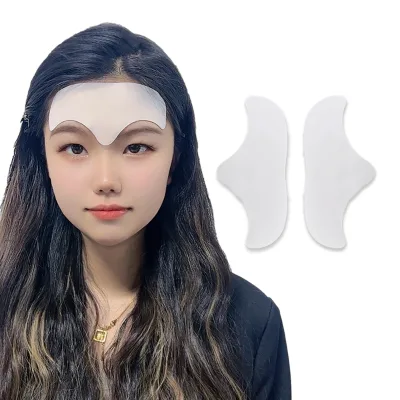
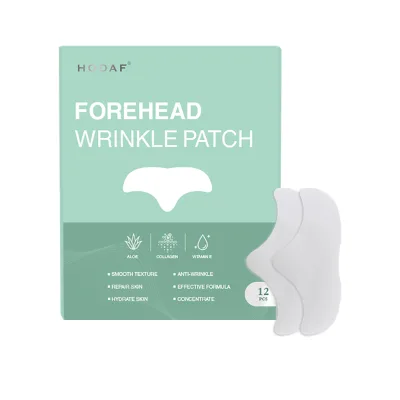
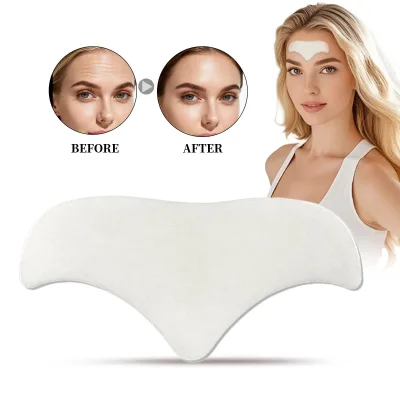
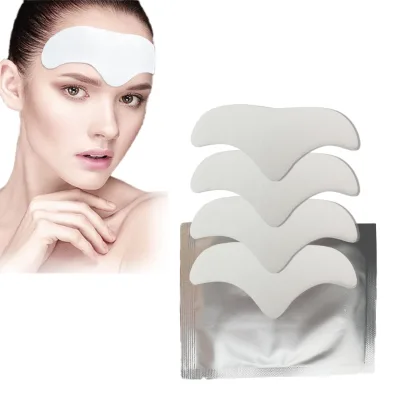
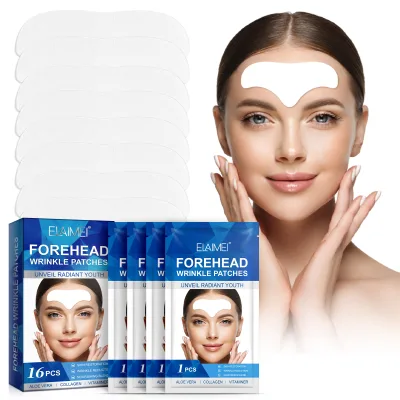
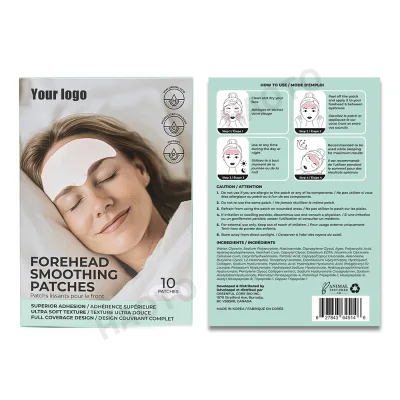
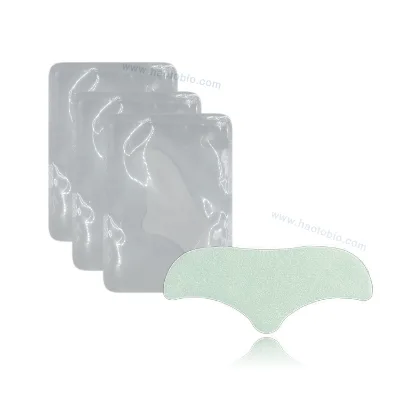
Forehead Wrinkle Patches Facial Patches Wrinkle Forehead Silicone Forehead Wrinkle Patches
$0.07 - $0.10
MOQ: 1000 pieces
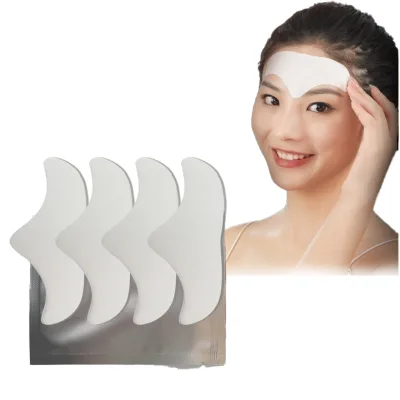
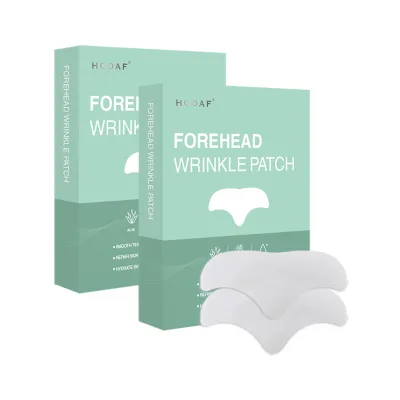

Xiamen Comfortlife Electronics Co., Ltd.
- Verified by SGS
- Manufacturer
- China Fujian
- Lead time30 days
- Avg. response≤ 8h
Main productsAnti Snore Device, Foot Massage, Personal Care Products
Main marketsSouth America,Australia,North America


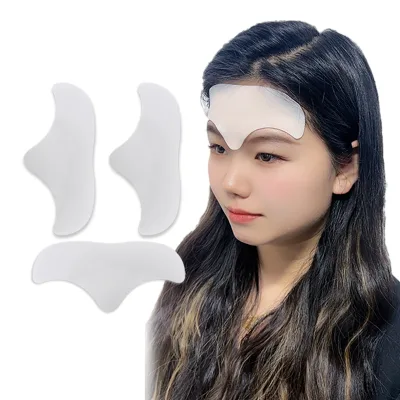
Face Wrinkle Patches for Forehead Lines, Frown Areas, Smile Creases & Fine Signs
$1.15 - $1.20
MOQ: 200 Pieces


Henan Geesion Medical Devices Co., Ltd.
- Verified by BV
- Trading Company
- China Henan
- Lead time15 days
- Avg. response≤ 8h
Main productsPain Relief Patch, Cooling Gel Patch, Detox Foot Patch, Slimming Patch, Capsicum Plaster, Stop Smoking, Nasal Strips, Dental Mouthguard, Cough Relieve Patch, Wormwood Knee Patch
Main marketsSouth America,Africa,Southeast Asia/ Mideast,East Asia(Japan/ South Korea),Europe,Australia,North America

Hydrogel Forehead Anti Wrinkle Patch Forehead Wrinkle Patches Anti Wrinkle Patch Forehead
$0.10 - $0.15
MOQ: 10 Pieces


Nighttime Hydrating and Firming Forehead Patch Hydrogel Anti-Wrinkle Forehead Patch
$0.10 - $0.11
MOQ: 10 Pieces


Shijiazhuang Lijin Health Care Products Co., Ltd.
- Verified by TüVRheinland
- Manufacturer, Trading Company
- Lead time15 days
- Avg. response≤ 5h
Main productsFoot Patch, Hydro Gel Patch, Non-woven Fabric Patch, Self-heating Patch, Herbal Patch
Main marketsDomestic Market(40%), North America(27%), Eastern Europe(10%)


Free Samples Products Forehead Wrinkle Patches Forehead Patch Anti-wrinkle Hydrogel Patches
$0.14 - $0.18
MOQ: 10 bags



Wuhan Shunqiyan Technology Co., Ltd.
- Verified by SGS
- Trading Company,Manufacturer/Factory
- China Hubei
- Lead time23 days
- Avg. response≤ 1h
Main productsAcne Patch, Medical Wound Dressing, Hydrocolloid Dressing, Lip Mask, Bandage, Scar Removal Tape, Surgical Incision Drape, Kaolin Hemostatic Gauze, Nasal Strips, Eye Mask
Main marketsSouth America,Eastern Europe,Mid East,North America,Southeast Asia,Eastern Asia,Oceania,Western Europe,Africa

Forehead Wrinkle Facial Patches for Sagging Skin, Smoothing & Fade Fine Lines
$0.28 - $0.34
MOQ: 2000 Pieces

Hydrocolloid Anti Wrinkle Facial Patches to Smooth Eye, Mouth, Forehead Wrinkles
$1.05 - $1.37
MOQ: 3000 pc
Dongguan Chuancheng Medical Technology Co., Ltd.
- Verified by Intertek
- Manufacturer, Trading Company
- Lead time7 days
- Avg. response≤ 4h
Main productsSilicone Adhesive Tape, Waterproof Bandage
Main marketsDomestic Market(60%), North America(17%), Southeast Asia(6%)
Foshan Coolnice Silicone Rubber Products Co., Ltd.
- Verified by TüVRheinland
- Manufacturer, Trading Company
- Lead time7 days
- Avg. response≤ 3h
Main productsKitchen Supplies, Household Products, Beauty Tools, Outdoor Supplies, Outdoor Sport Accessories
Main marketsNorthern Europe(11%), South Asia(11%), Central America(10%)

Guangzhou Aifujia Biotechnology Co., Ltd.
- Trading Company
- China Guangdong
- Lead time15 days
- Avg. response≤ 4h
Main productsFace Cream, Face Serum, 24K Serum, Rose Spray, Vitamin C Serum, Skin Care Set, Essential Oil, Facial Mask, Face Lotion, Anti Aging Whitening Face Cream
Main marketsSoutheast Asia/ Mideast,Europe,North America

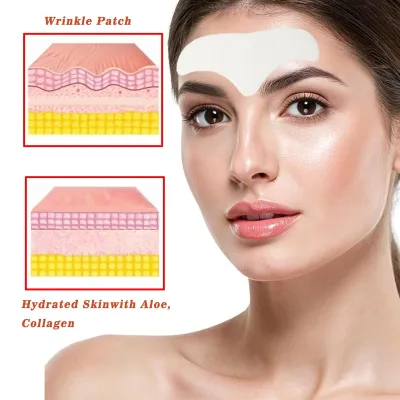
Moisturizing Firming and Collagen & Niacinamide Forehead & Between Eye Wrinkle Patches
$0.16 - $0.27
MOQ: 1000 Pieces

Best Face Sheet Mask Suppliers Anti-Wrinkle & Firming & Collagen Hydrogel Forehead Patch
$0.16 - $0.27
MOQ: 1000 Pieces

Wuhan Hangu Technology Co.,Ltd
- Verified by SGS
- Trading Company,Manufacturer/Factory
- China Hubei
- Lead time23 days
- Avg. response≤ 8h
Main productsWound Dressing, Pimple Patch, Medical Plaster, Herbal Patch, Adhesive Tape Roll, Surgical Incise Dressing, Adhesive PU Film Roll, Medical PU Film, Silicone Foam Dressing, Hydrocolloid Wound Dressing
Main marketsEastern Europe,Mid East,North America,Western Europe

Forehead Care Wrinkle-Resistant Patches for Face Smile Lines and Wrinkle Removal Sleeping Masks
$0.15 - $0.18
MOQ: 10000 Pieces


Own Logo Anti Wrinkle Remover Micro Needle Forehead Patch Frown Line Microneedles Forehead Patch
$0.59 - $0.65
MOQ: 5000 Pieces

Forehead Microneedle Dissolving Facial Patches Microneedle Patches for Wrinkles Eye Mask Product
$0.59 - $0.65
MOQ: 5000 Pieces

Shijiazhuang Healthy Medical Devices Co., Ltd.
- Verified by Intertek
- Trading Company
- Lead time20 days
- Avg. response≤ 1h
Main productsBreathing Strips, Transdermal Patch, Pain Relief Patch, Capsule, Tablets
Main marketsNorth America(40%), South America(20%), Oceania(20%)
Dongguan Lantu Ice Environmental Technology Co., Ltd.
- Manufacturer, Trading Company
- Lead time旺季: "1 - 5000":35,"> 5000":"To be negotiated", 淡季: "1 - 5000":35,"> 5000":"To be negotiated"
- Avg. response≤ 4h
Main productsIce Globes,Hot&Cold Compress Eye/Face Mask,Wine Bottle Cover,Face Cupping,Jade Roller and Other Beauty Tool
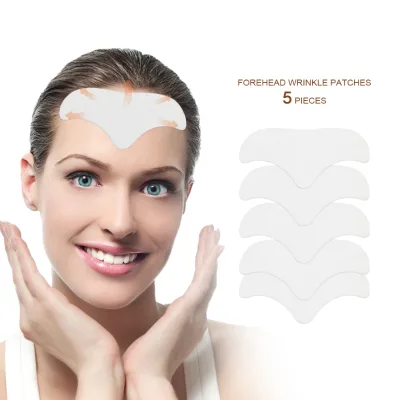
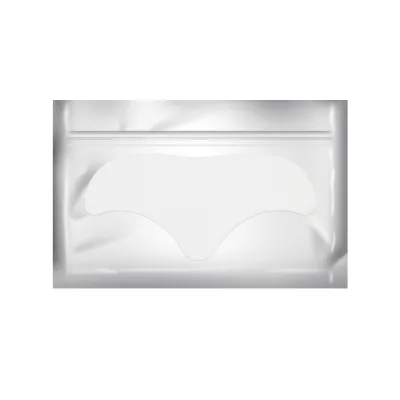
$0.15 - $0.38
MOQ: 10 pieces
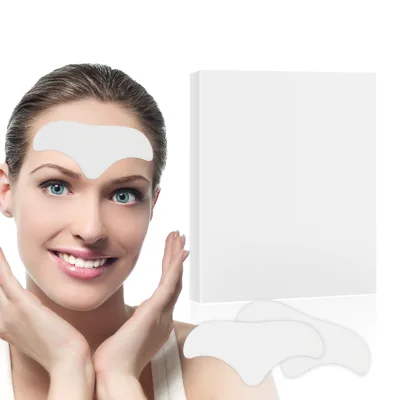
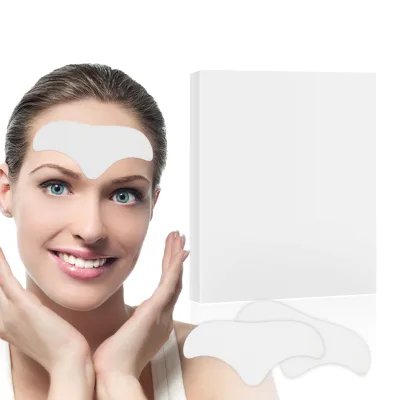
Professional Production of Beauty Forehead Patch Restore Forehead Skin Health
$0.2921 - $0.6157
MOQ: 10 sets
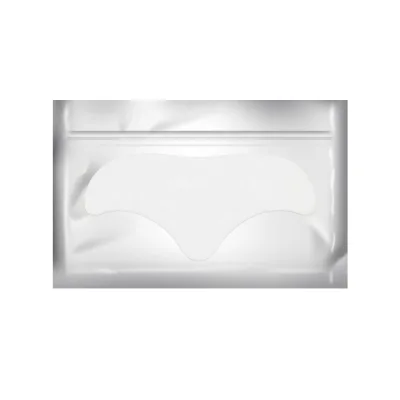
Hot Selling Forehead Patch Beauty Tool Lifts and Tightens Skin Removes Wrinkles and Moisturizes
$1.0291 - $2.5706
MOQ: 10 sets
Dongguan Xuanyi Technology Co., Ltd.
- Trading Company
- Guangdong, China
- Lead time15 days
- Avg. response≤ 4h
Main productsOEM & ODM,Professional Home Use Beauty Equipment,Face & Neck Lifting Device,Facial Cleansing Device,Beauty Tools
Main marketsEastern Europe(20.00%), North America(20.00%), Western Europe(15.00%), South America(10.00%), Oceania(10.00%), Southern Europe(5.00%), Northern Europe(5.00%), Africa(5.00%), Mid East(5.00%), Southeast Asia(5.00%)
Hebei Houde Hanfang Medical Devices Group Co., Ltd.
- Verified by SGS Group
- Manufacturer, Trading Company
- Lead time10 days
- Avg. response≤ 2h
Main productsFoot Patch, Hydrogel Patch, Scar Removal Patch, Non Woven Fabric Patch, Beauty Personal Care Products
Main marketsDomestic Market(60%), North America(11%), Eastern Europe(9%)

LUOYANG WEIERJIAN BIOTECHNOLOGY CO., LTD.
- Verified by BV
- Manufacturer/Factory
- China Henan
- Lead time30 days
- Avg. response≤ 1h
Main productsPain Relief Patch, Ointment, Topical Care Products, External Use, Nutritional Supplements, Pet Products, Pet Chews, Personal Care Products
Main marketsSouth America,Eastern Europe,Mid East,North America,Southeast Asia,Eastern Asia,Oceania,Western Europe,Africa

OEM Wrinkles Anti-Wrinkle Hydrogel for Forehead Skin Rejuvenation Hydrogel Patches
$0.09 - $0.10
MOQ: 10000 Pieces

Ultra-High Moisture Forehead Patch to Lighten Wrinkles and Tighten Skin Hydrogel Forehead Patch
$0.09 - $0.10
MOQ: 10000 Pieces
Guangzhou Herbicos Beauty Products Co., Ltd.
- Verified by Intertek
- Manufacturer, Trading Company
- Lead time15 days
- Avg. response≤ 4h
Main productsSerum, Mask, Essential Oil, Body Scrub, Face Cream
Main marketsNorth America(40%), Western Europe(30%), Oceania(15%)
Shenzhen Lightning Jingling Technology Co., Ltd.
- Verified by TüVRheinland
- Trading Company
- Lead time7 days
- Avg. response≤ 3h
Main productsHealth Supplements, Face Care, Body Care, Hair Care, Health Care
Main marketsNorth America(20%), Western Europe(15%), Southern Europe(15%)
Dongguan Jingrui Silicone Technology Co., Ltd.
- Verified by TüVRheinland
- Manufacturer, Trading Company
- Lead time7 days
- Avg. response≤ 6h
Main productsNipple Cover, Invisible Bra, Sticky Bra Inserts, Boob Tape
Main marketsNorth America(65%), Oceania(10%), Domestic Market(10%)
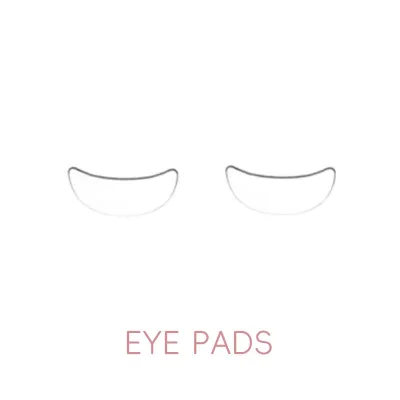
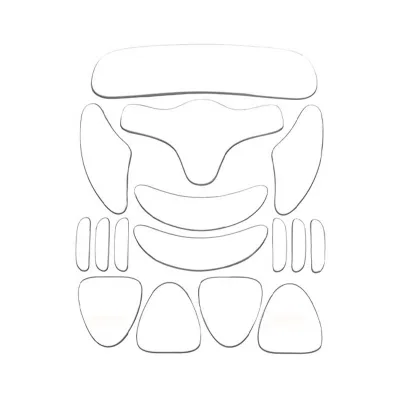
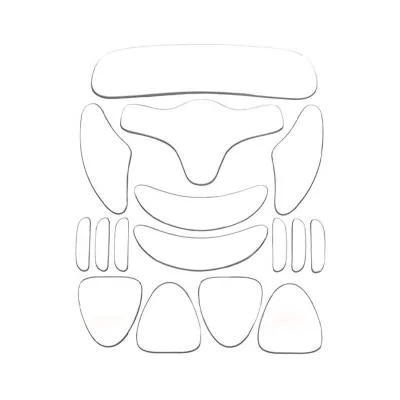
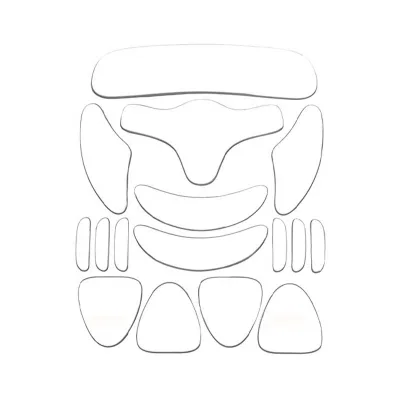
$0.713 - $7.114
MOQ: 1 Minimum
Guangzhou Haotuo Biotechnology Co., Ltd.
- Manufacturer, Distributor/Wholesaler
- Guangdong, China
- Lead time30 days
- Avg. response≤ 8h
Main productshydrogel mask,eye mask,lip mask,personal care kits,hand&foot mask
Main marketsNorth America(16.00%), Central America(15.00%), Domestic Market(10.00%), South America(10.00%), Western Europe(10.00%), Eastern Europe(10.00%), Southern Europe(9.00%), Eastern Asia(6.00%), Northern Europe(5.00%), Africa(3.00%), Mid East(2.00%), South Asia(2.00%), Southeast Asia(2.00%)
Dongguan Duoyang Industrial Co., Ltd.
- Verified by SGS Group
- Manufacturer, Trading Company
- Lead time10 days
- Avg. response≤ 2h
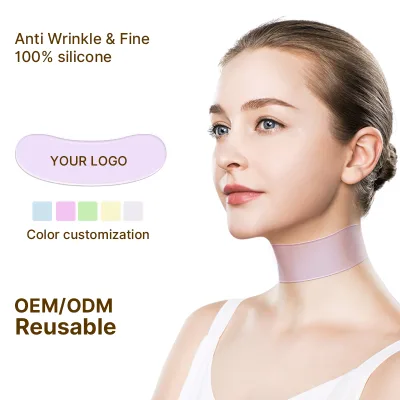
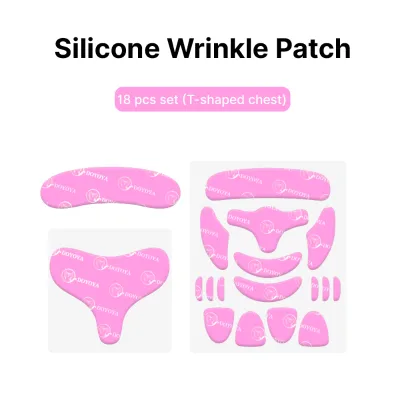
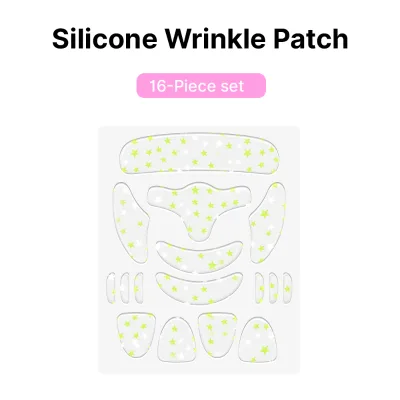
Main productsDOYOYA Silicone Wrinkle Patch, Silicone Face Patch, Silicone Chest & Neck Patch, Silicone Forehead Patch, Silicone Eye Patch
Main marketsNorth America(20%), South America(20%), Western Europe(20%)
Henan Like Health Industry Co., Ltd.
- Verified by TüVRheinland
- Manufacturer, Trading Company
- Lead time40 days
- Avg. response≤ 1h
Main productsHealthcare Products, Medical Wound Dressing, Protective Sports Bandages
Main marketsDomestic Market(25%), Africa(16%), Mid East(15%)

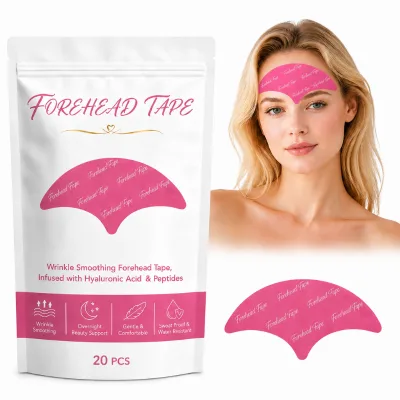
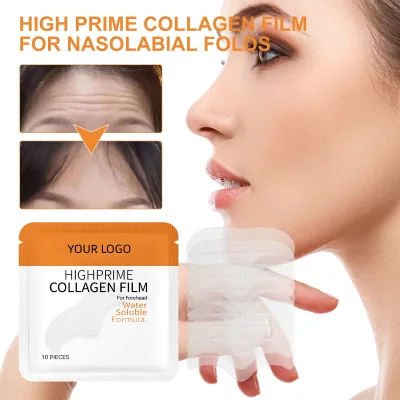
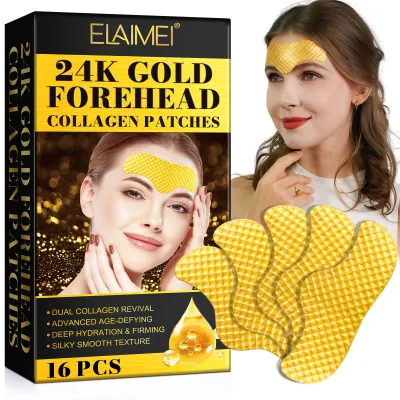
Comprehensive Sourcing Guide
Smoothing Forehead Wrinkle Patches Supplier Concentration and Factory Types
The current supplier landscape for Smoothing Forehead Wrinkle Patches reveals a distinct concentration of manufacturing activity within specific Chinese provinces, with Hebei emerging as a primary hub for this category. Suppliers located in Hebei, China, are frequently identified as both manufacturers and trading companies, offering a dual advantage of direct production capabilities and flexible commercial structures. These entities often specialize in a broad range of beauty and personal care items, including transdermal nutrition, non-woven fabric patches, and sleep-related respiratory aids, indicating a mature industrial ecosystem capable of supporting diverse skincare formulations. The presence of such varied product lines suggests that these factories possess versatile production lines that can be adapted for different types of facial patches, from hydrogel-based solutions to silicone pads. This concentration allows buyers to potentially consolidate orders or explore cross-category opportunities, although it requires careful vetting to ensure that the specific expertise in forehead wrinkle reduction is prioritized over general cosmetic manufacturing. The density of suppliers in this region implies a competitive market where differentiation is often achieved through customization options and rapid response times rather than exclusive technological patents.
In contrast to the Hebei cluster, other regions such as Fujian, China, also host manufacturers producing similar facial wrinkle patches, though their operational focus may differ slightly. Suppliers in Fujian are typically identified strictly as manufacturers rather than trading companies, which may imply a more streamlined internal process for production but potentially less flexibility in order management compared to hybrid entities. These factories often list main products that include anti-snore devices and foot massage equipment alongside personal care products, suggesting that their core competency might lie in mechanical or physical therapy devices rather than purely topical skincare solutions. This distinction is crucial for buyers evaluating the suitability of a supplier, as a factory with a primary focus on medical or physical devices may have different quality control standards and material sourcing channels compared to those specializing in cosmetic hydrogels. The existence of multiple regional clusters means that buyers are not limited to a single geographic source, allowing for strategic diversification of supply chains. However, the varying company types and product focuses across these regions necessitate a thorough review of each supplier’s specific capabilities and historical performance data to ensure alignment with the buyer’s quality and volume requirements.
How to Verify Smoothing Forehead Wrinkle Patches Suppliers
Verifying the legitimacy and capability of Smoothing Forehead Wrinkle Patches suppliers requires a multi-layered approach that goes beyond simple profile reviews. One critical step is to examine the verification status provided by third-party inspection agencies, such as SGS Group, which serves as a significant indicator of a supplier’s operational transparency and adherence to basic business standards. Suppliers who have undergone rigorous verification processes are generally more reliable, as their business practices and physical premises have been validated by independent experts. Buyers should prioritize suppliers with clear verification badges, as this reduces the risk of engaging with fraudulent entities or shell companies that may not have actual manufacturing capacity. Additionally, checking the system certifications held by the supplier is essential for ensuring product safety and regulatory compliance. Certifications such as ISO 9001 for quality management, ISO 13485 for medical device quality management, and CE marking indicate that the supplier’s production processes meet international standards. For skincare products, the presence of SDS and MSDS documentation is also vital, as it confirms that the chemical composition of the patches, including ingredients like hydrogel or vitamin C, has been properly documented and assessed for safety.
Beyond certifications, buyers must assess the supplier’s responsiveness and ability to handle custom requests, which are key indicators of their operational efficiency and customer service quality. A supplier’s response time, often displayed as a numerical value, provides insight into how quickly they can address inquiries and provide quotations. Faster response times, such as those under three days, suggest a more agile and customer-focused organization that is likely to be more attentive to order details and potential issues. Furthermore, evaluating the supplier’s capacity for customization is crucial, as many buyers require specific branding, packaging, or formulation adjustments. Suppliers that explicitly offer OEM and ODM services, along with capabilities for graphic processing and sample production, demonstrate a higher level of flexibility and technical competence. Buyers should also look for evidence of past successful projects or product portfolios that align with their specific needs, such as patches with specific ingredients like hyaluronic acid or vitamin C. By combining verification checks, certification reviews, and assessments of responsiveness and customization capabilities, buyers can build a comprehensive profile of each supplier’s reliability and suitability for their sourcing requirements.
What to Compare Across Smoothing Forehead Wrinkle Patches Suppliers
When evaluating multiple suppliers for Smoothing Forehead Wrinkle Patches, buyers must systematically compare key operational metrics to identify the most suitable partner for their specific business needs. One of the most critical factors is the minimum order quantity (MOQ), which directly impacts inventory management and cash flow. Suppliers may have varying MOQs, with some requiring as low as one thousand units, which is advantageous for new brands or those testing market demand. Comparing MOQs allows buyers to select suppliers that align with their initial order volumes and risk tolerance. Additionally, the lead time for production is a vital consideration, especially for businesses with tight launch schedules or seasonal demand. Suppliers with shorter lead times, such as those offering ten-day production cycles, provide greater flexibility and reduce the risk of stockouts. In contrast, suppliers with longer lead times, such as thirty days, may require more advanced planning and larger safety stocks. Buyers should also compare the price ranges offered by different suppliers, keeping in mind that lower prices may correlate with different material qualities or service levels. Understanding the price structure helps in budgeting and negotiating effectively, ensuring that cost savings do not compromise product quality.
Another important dimension for comparison is the supplier’s main product focus and technical specifications, which can indicate their level of expertise and specialization. Suppliers that specialize in a narrow range of products, such as transdermal nutrition and non-woven fabric patches, may offer higher quality and more innovative solutions compared to those with a broad, unfocused product line. Buyers should also compare the specific features and ingredients of the patches, such as whether they are made from hydrogel, silicone, or non-woven fabric, and whether they include additional benefits like moisturizing or anti-wrinkle properties. The shelf life of the product is another critical specification, with a two-year shelf life being a common standard that buyers should verify. Additionally, the packaging details, such as single package size and gross weight, are important for logistics planning and cost estimation. Buyers should also compare the supplier’s ability to provide customized packaging and branding, as this is often a key requirement for private label businesses. By systematically comparing these operational and product-specific metrics, buyers can make informed decisions that balance cost, quality, and service levels, ultimately selecting a supplier that best supports their long-term business goals.
Common Smoothing Forehead Wrinkle Patches Sourcing Risks
Sourcing Smoothing Forehead Wrinkle Patches from international suppliers introduces several risks that buyers must proactively manage to ensure a successful procurement process. One significant risk is the potential inconsistency in product quality, particularly when dealing with suppliers who offer a wide range of products or lack specialized expertise in skincare formulations. Variations in material quality, such as the purity of hydrogel or the effectiveness of active ingredients like vitamin C, can lead to customer dissatisfaction and brand damage. Buyers must mitigate this risk by requesting detailed product specifications and, if possible, obtaining samples to test the patches’ efficacy and comfort. Another risk is the discrepancy between the supplier’s claimed capabilities and their actual performance, which can be exacerbated by language barriers or cultural differences in business practices. Suppliers may overstate their production capacity or underreport lead times, leading to delays and disrupted supply chains. To address this, buyers should verify the supplier’s claims through third-party audits or by reviewing their historical performance data and customer feedback. Additionally, the risk of intellectual property infringement is a concern, especially when working with suppliers who offer extensive customization services. Buyers must ensure that their brand designs and proprietary formulations are protected through clear contractual agreements and non-disclosure clauses.
Regulatory compliance is another critical area of risk, as skincare products are subject to strict regulations in many markets, including the European Union and the United States. Suppliers may not always be fully aware of or compliant with the specific regulatory requirements of the buyer’s target market, leading to potential customs delays or product recalls. Buyers must verify that the supplier’s products meet all necessary safety and labeling standards, including CE marking and proper ingredient disclosure. The risk of logistical disruptions, such as shipping delays or damage during transit, is also prevalent, particularly for products that require careful handling to maintain their integrity. Buyers should work with suppliers who have established relationships with reliable logistics providers and who offer robust packaging solutions to protect the products during shipment. Furthermore, the risk of currency fluctuation and payment security cannot be overlooked, especially when dealing with suppliers in different countries. Buyers should use secure payment methods, such as escrow services, to protect their funds until the goods are received and verified. By identifying and addressing these common risks through thorough due diligence and proactive risk management strategies, buyers can minimize potential disruptions and ensure a smooth sourcing experience.
Smoothing Forehead Wrinkle Patches Regional Sourcing and Logistics
The regional location of suppliers plays a pivotal role in determining the logistics strategy and overall cost structure for sourcing Smoothing Forehead Wrinkle Patches. Suppliers located in Hebei, China, benefit from proximity to major industrial hubs and transportation networks, which can facilitate faster and more cost-effective shipping to various global destinations. This geographic advantage often translates into shorter transit times and lower freight costs, making it an attractive option for buyers seeking efficient supply chain solutions. However, buyers must also consider the specific logistics requirements of their target markets, as different regions may have varying customs regulations and import duties. For instance, shipping to Europe may require additional documentation to comply with EU regulations, while shipping to North America may involve different tariff structures. Buyers should work closely with their suppliers to understand the logistics capabilities and preferences of each supplier, ensuring that the chosen shipping method aligns with their delivery timelines and budget constraints. Additionally, the supplier’s experience in handling international shipments and their ability to provide necessary export documentation are critical factors in ensuring a smooth logistics process.
In contrast, suppliers located in other regions, such as Fujian, China, may have different logistical advantages and challenges. While Fujian is also a major manufacturing hub, its specific location may result in different shipping routes and transit times compared to Hebei. Buyers should evaluate the logistical implications of sourcing from different regions, considering factors such as port accessibility, carrier availability, and local infrastructure. The supplier’s ability to coordinate with freight forwarders and manage customs clearance is also essential, as any delays in these areas can impact the overall supply chain efficiency. Buyers should also consider the environmental impact of their logistics choices, as sustainable shipping practices are becoming increasingly important to consumers and regulators. By carefully assessing the regional logistics landscape and working with suppliers who have robust logistical capabilities, buyers can optimize their supply chain performance and reduce the risk of disruptions. This includes negotiating favorable shipping terms, selecting reliable carriers, and implementing tracking systems to monitor the progress of shipments. Ultimately, a well-planned logistics strategy is crucial for ensuring that Smoothing Forehead Wrinkle Patches reach the market in a timely and cost-effective manner.
Smoothing Forehead Wrinkle Patches Commercial Terms and Order Planning
Effective commercial terms and strategic order planning are essential for managing the financial and operational aspects of sourcing Smoothing Forehead Wrinkle Patches. Buyers must carefully negotiate payment terms that balance risk and cash flow, such as using escrow services to secure transactions until goods are received and verified. This approach protects buyers from potential fraud and ensures that suppliers are incentivized to deliver high-quality products on time. Additionally, buyers should clarify the pricing structure, including any discounts for bulk
FAQs
What materials are forehead wrinkle patches typically made from?
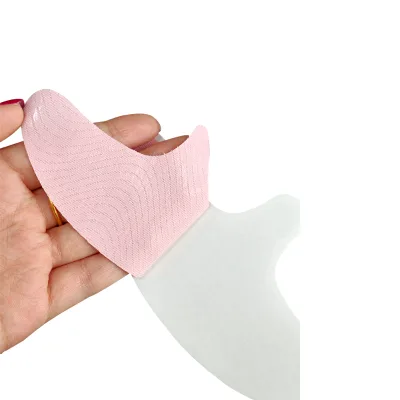
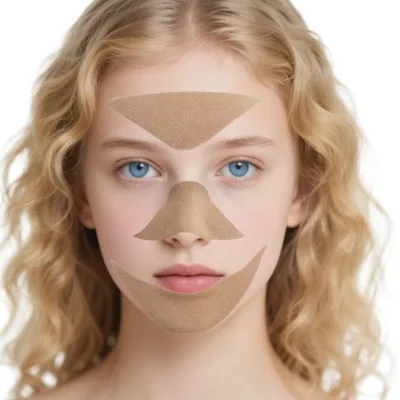
Most Smoothing Forehead Wrinkle Patches on this page are made from silicone, hydrogel, or non-woven fabric with gel. Silicone pads are reusable and focus on smoothing, while hydrogel and non-woven versions often carry ingredients like hyaluronic acid, vitamin C, or herbal extracts for moisturizing and anti-wrinkle effects. Suppliers list sizes such as 6x13cm and 10x13cm, so confirm material and dimensions before ordering.
What is the typical MOQ and price range for these patches?
Listed products show minimum orders starting at 1,000 pieces, with unit prices ranging roughly from $0.07 to $0.11 depending on material and features. Silicone pads and hydrogel patches sit at different price points, and customized branding can affect cost. Request quotations for your exact specification, since pricing varies by order quantity, packaging, and whether you need OEM or ODM service.
How long is the usual lead time for forehead wrinkle patch orders?
Suppliers on this page report lead times of about 10 to 30 days, depending on the company and order complexity. Manufacturer-traders in Hebei quote around 10 days for standard products, while a Fujian manufacturer quotes about 30 days. Customized packaging, private-label printing, and larger volumes can extend production, so confirm the exact schedule for your order before confirming payment terms.
Which certifications should I verify when sourcing wrinkle patches?
Some suppliers list system certifications including ISO 9001, ISO 13485, CE, SDS, and MSDS, and products may carry CE quality certification. Others show no system certification listed, so verification is essential. Ask each supplier for current, independently checkable certificates covering the patch material and skin-contact safety, and confirm which certifications apply to the specific patch formula you intend to import.
Can suppliers provide OEM or ODM customization for these patches?
Yes, customization options are commonly offered. Suppliers list OEM and ODM acceptance, including customized brand packaging, sample processing, graphic processing, and customized production on demand. Capabilities range from light customization on existing hydrogel patches to full private-label development. Provide your artwork, ingredient preferences, and packaging requirements early, and request pre-production samples to check adhesive strength, patch size, and material quality.
How quickly do these suppliers respond to inquiries?
Response times vary significantly between suppliers on this page, with some replying in about 2 hours and others averaging closer to 8 hours. Faster responders are generally better for urgent sampling and order coordination. When shortlisting, send an initial inquiry with your specifications and use the reply speed and quality as a practical indicator of how smoothly bulk communication will go.