Natural Shell Daisy Ring Suppliers and Manufacturers
Source Natural Shell Daisy Ring designs from 15 suppliers across Zhejiang, Shandong and Guangdong. Compare locations, response times, lead times, MOQs, price ranges and adjustable or plated ring specifications side by side. Request quotations and samples from shortlisted factories; review the available evidence before requesting comparable quotations from suitable candidates.
Suppliers List
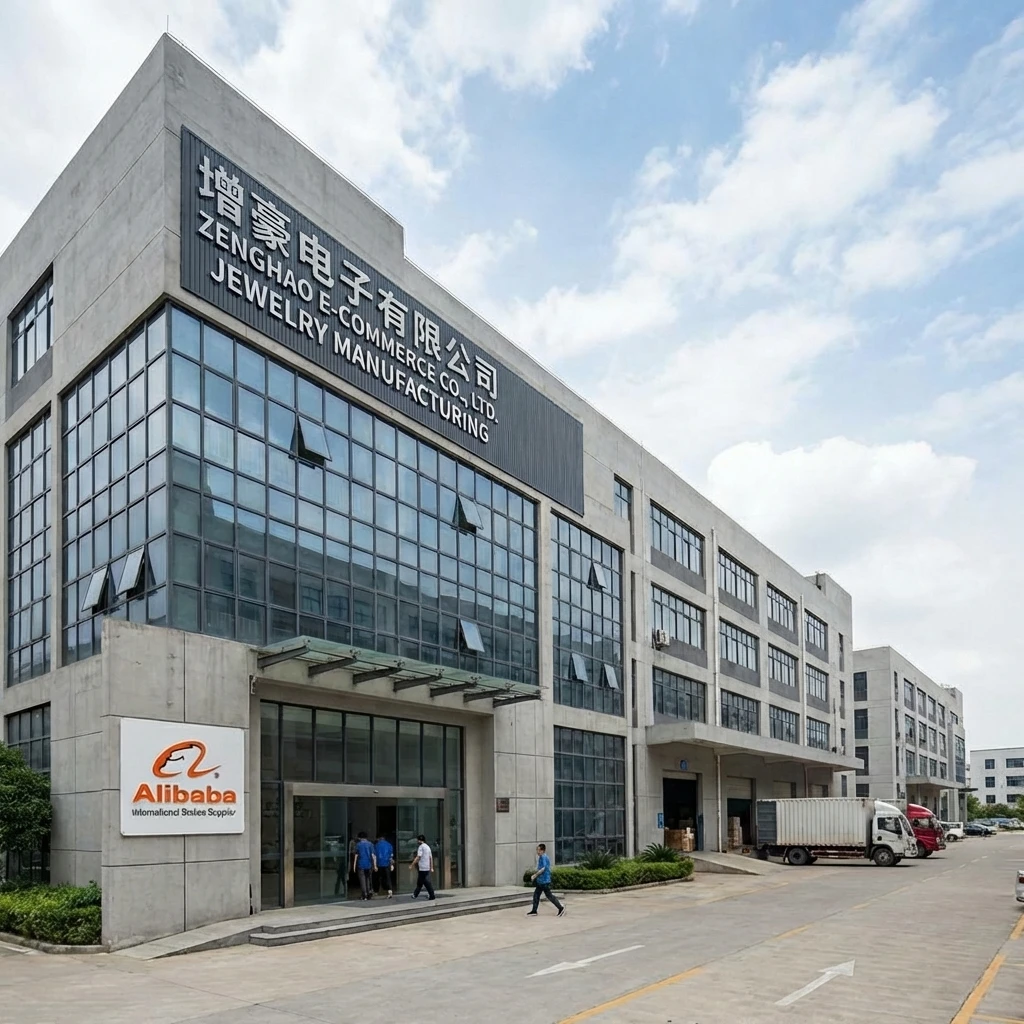
Yiwu Zenghao E Commerce Corporation
- Trading Company
- Zhejiang, China
- Lead time30 days
- Avg. response≤ 5h
Main productsnecklace,earring,bracelet,ring,keychain
Main marketsCentral America(40.00%), Eastern Europe(10.00%), Western Europe(10.00%), North America(5.00%), Domestic Market(5.00%), Mid East(5.00%), Oceania(5.00%), Southern Europe(5.00%), Northern Europe(5.00%), South Asia(3.00%), South America(2.00%), Africa(2.00%), Southeast Asia(2.00%), Eastern Asia(1.00%)
Shandong Shell Import And Export Co., Ltd.
- Trading Company
- Shandong, China
- Lead time30 days
- Avg. response≤ 2h
Main productsChemical material,Earrings,necklace,bracelet,ring
Main marketsMid East(20.00%), Africa(20.00%), Eastern Europe(20.00%), South America(20.00%), North America(20.00%)
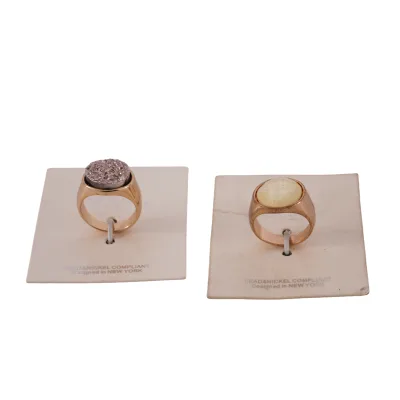
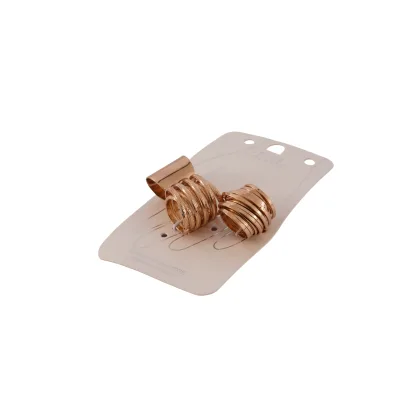
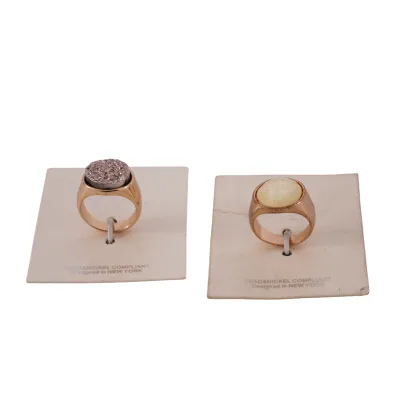
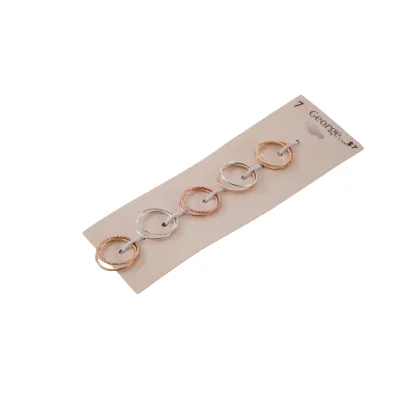
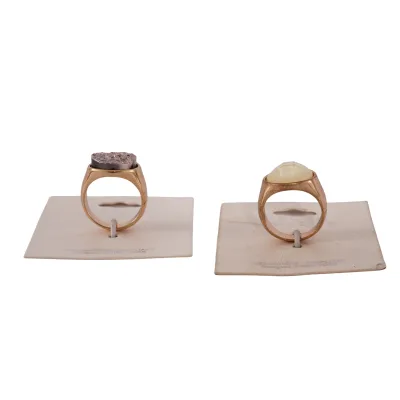
Fashionable Alloy Ring for Women with Durable and Scratch-Resistant Finish
$2.04 - $3.57
MOQ: 100 pieces
- Verified by TüVRheinland
- Manufacturer, Trading Company
- Lead time7 days
- Avg. response≤ 2h
Main productsFashion Jewelry
Main marketsNorth America(75%), South America(8%), Southeast Asia(7%)
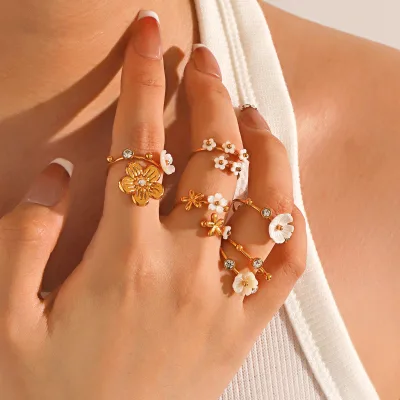
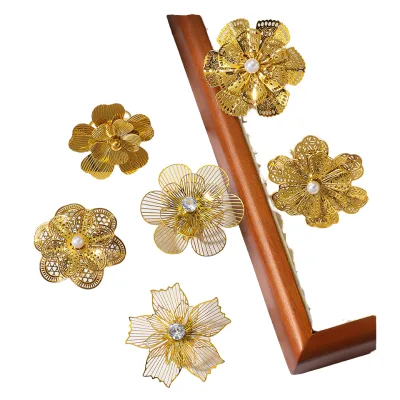
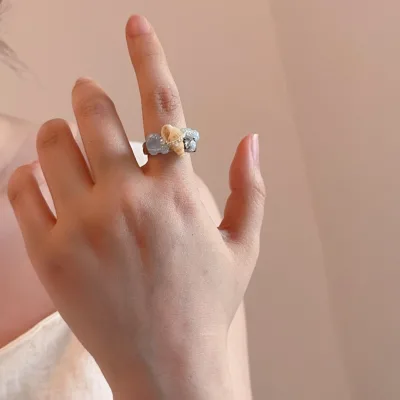
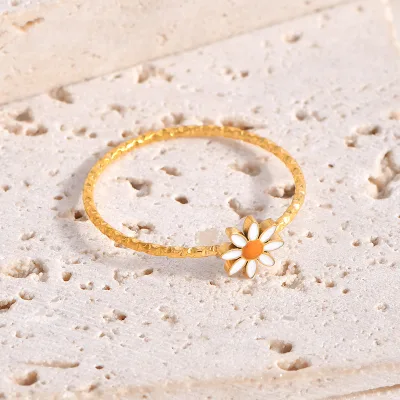
Natural Shell Flower Adjustable Ring Women Jewelry Opening Adjustment Small Flower Ring
$2.10 - $2.30
MOQ: 12 pieces
Huizhou Amazing Jewelry Co., Ltd.
- Trading Company
- Guangdong, China
- Lead time5 days
- Avg. response≤ 3h
Main productsStone Jewelry,Necklace,Bracelet,Earrings,Rings
Main marketsCentral America(15.00%), Southern Europe(10.00%), North America(10.00%), Western Europe(10.00%), Eastern Europe(10.00%), South America(10.00%), South Asia(5.00%), Oceania(5.00%), Northern Europe(5.00%), Africa(5.00%), Southeast Asia(5.00%), Eastern Asia(5.00%), Mid East(5.00%)
Guangzhou Yasa Jewelry Co., Ltd.
- Manufacturer, Trading Company
- Guangdong, China
- Lead time10 days
- Avg. response≤ 4h
Main productsjewelry,crystal jewelry,natural gemstone,925 silver jewelry,gold plated jewelry
Main marketsNorth America(40.00%), Southeast Asia(10.00%), Eastern Europe(10.00%), South America(10.00%), Eastern Asia(5.00%), Mid East(5.00%), Oceania(5.00%), Western Europe(5.00%), Southern Europe(2.00%), Northern Europe(2.00%), Central America(2.00%), Africa(2.00%), Domestic Market(1.00%), South Asia(1.00%)
Hangzhou Queenmann Trading Co., Ltd.
- Trading Company
- Zhejiang, China
- Lead time0 days
- Avg. response≤ 3h
Main productsJewelry,Whatch,Glasses,Hair accessories,Jewelry accessories
Main marketsOceania(20.00%), North America(20.00%), South America(10.00%), Central America(10.00%), Eastern Europe(10.00%), Southern Europe(6.00%), Western Europe(5.00%), Eastern Asia(5.00%), Northern Europe(5.00%), South Asia(2.00%), Africa(2.00%), Domestic Market(2.00%), Southeast Asia(2.00%), Mid East(1.00%)
Yiwu Shanmei Arts And Gifts Co., Ltd.
- Verified by TüVRheinland
- Manufacturer, Trading Company
- Lead time15 days
- Avg. response≤ 4h
Main productsJewelry
Main marketsNorth America(32%), South America(27%), Eastern Europe(11%)

ZHUJI YEYI IMPORT AND EXPORT CO., LTD.
- Verified by CTI
- Trading Company
- China Zhejiang
- Lead time15 days
- Avg. response≤ 25h
Main productsPearl, Freshwater Pearl, Pearl Jewelry, Pearl Necklaces, Pearl Earrings, Pearl Bracelet, Pearl Brooch, Baroque Pearl, Pearl Beads, Pearl Pendant
Main marketsNorth America


Exquisite High Quality Natural Freshwater Pearl Elastic Ring for Elegant Style
$11.54 - $13.70
MOQ: 100 Pieces

Silver Plated Elegant Natural Freshwater Pearl Ring with Chic Fashion Design
$7.30 - $9.10
MOQ: 100 Pieces

Adorable Freshwater Pearl Ring for Chic Style Adjustable for All Finger Sizes
$6.80 - $8.40
MOQ: 100 Pieces

Timeless 7mm Simple Style Natural Freshwater Pearl Ring Perfect for Any Occasion
$5.10 - $6.60
MOQ: 100 Pieces

Elegant 6mm Natural Freshwater Pearl Ring with Subtle Glow and Sophistication
$8.92 - $10.95
MOQ: 100 Pieces

- Verified by BV
- Trading Company,Manufacturer/Factory
- China Guangdong
- Lead time0 days
- Avg. response≤ 10h
Main productsSilver Jewelry, Brass Jewelry, Fashion Jewelry, Semi-Precious
Main marketsSouth America,Eastern Europe,Mid East,Southeast Asia,Eastern Asia,Oceania,Western Europe,Africa


Hot Style High Quality Jewelry Zircon Natural Shell Flower Bee Enamel Ring
$9.74 - $10.66
MOQ: 15 Pieces


Pink Shell Rings Fashionable Flower Jewelry Manufacturer Sells Silver Rings
$25.96 - $29.07
MOQ: 1 Pieces

- Trading Company
- Zhejiang, China
- Lead time12 days
- Avg. response≤ 2h
Main productsbaseball hat,dad hat,golf hat,snapback hat,trucker hat
Main marketsNorth America(40.00%), Western Europe(20.00%), Southern Europe(10.00%), Eastern Europe(10.00%), Northern Europe(5.00%), Oceania(5.00%), Southeast Asia(4.00%), Domestic Market(1.00%), South Asia(1.00%), Africa(1.00%), Mid East(1.00%), Central America(1.00%), Eastern Asia(1.00%)
Ningbo Yingmanzi Jewelry Co., Ltd.
- Verified by SGS Group
- Trading Company
- Lead time0 days
- Avg. response≤ 4h
Main productsGold & Silver & Stainless Steel Jewelry
Main marketsWestern Europe(28%), North America(20%), Oceania(14%)
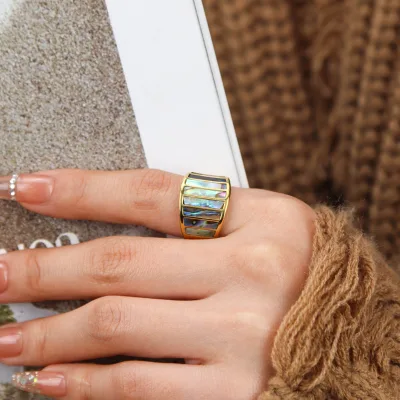
Chris April 316L Stainless Steel Natural Abalone Shell Band Ring Size 6 7 8
$6.90 - $7.01
MOQ: 2 pieces
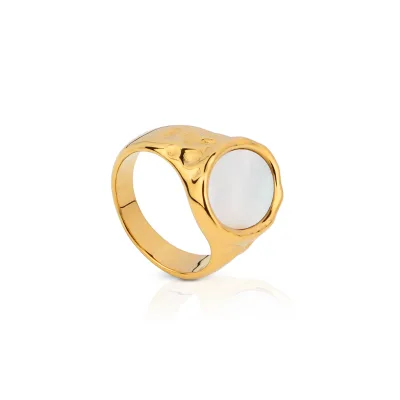
Chris April Trendy Jewelry 316L Stainless Steel Natural White Sea Shell Bumpy Texture Organic Rings
$3.95 - $4.07
MOQ: 2 pieces
Henan Ang Go Import & Export Co., Ltd.
- Trading Company
- Henan, China
- Lead time15 days
- Avg. response≤ 2h
Main productsSeaShell,Abalone Shell Sheet,Sea Glass,Hermit Crab Shell,SeaShell Wine Glass
Main marketsNorth America(30.00%), Oceania(15.00%), Western Europe(10.00%), Mid East(10.00%), South America(10.00%), Southeast Asia(10.00%), Northern Europe(10.00%), Eastern Europe(5.00%)
Dongguan Boman Jewelry Co., Ltd.
- Manufacturer
- Guangdong, China
- Lead time20 days
- Avg. response≤ 2h
Main productsTungsten Carbide Rings,Tungsten Pendants,Ceramic Rings,Titanium Rings,Stainless Steel rings
Main marketsNorth America(50.00%), South America(20.00%), Northern Europe(5.00%), Eastern Asia(5.00%), Mid East(5.00%), South Asia(5.00%), Eastern Europe(5.00%), Western Europe(3.00%), Africa(2.00%)
- Trading Company
- Zhejiang, China
- Lead time0 days
- Avg. response≤ 5h
Main productsCustom Logo branded products for ASI SAGE PPAI DC etc,Custom Jewelry & Parts,Stock Jewelry/Bag 1 pcs dropshippingas required,Magazine Gifts and Toys,Personalized gift and capsule toys
Main marketsNorthern Europe(20.00%), Central America(20.00%), Western Europe(20.00%), South America(20.00%), North America(20.00%)
Guangzhou Aofanxin Trade Co., Ltd.
- Manufacturer, Trading Company, Buying Office
- Guangdong, China
- Lead time20 days
- Avg. response≤ 4h
Main productsstainless steel Bangles,stainless steel Pendants,stainless steel Necklaces,stainless steel Rings,stainless steel Earrings
Main marketsNorth America(25.00%), Central America(15.00%), South America(15.00%), Africa(10.00%), South Asia(5.00%), Northern Europe(5.00%), Eastern Europe(5.00%), Western Europe(5.00%), Eastern Asia(5.00%), Mid East(5.00%), Southeast Asia(5.00%)
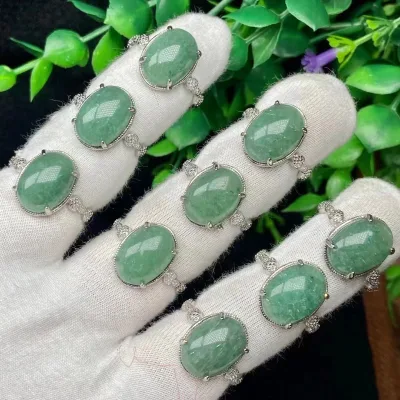
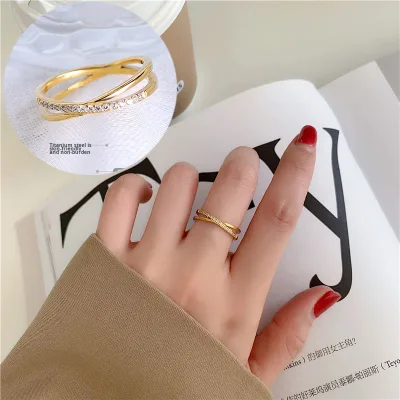
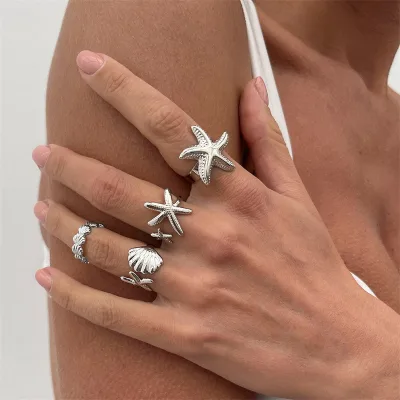
Comprehensive Sourcing Guide
Natural Shell Daisy Ring Supplier Concentration and Factory Types
Buyers searching for natural shell daisy rings on B2B platforms will find suppliers concentrated in a few Chinese provinces, and the listings themselves reveal this. Location fields in the current results point to Zhejiang, Shandong, and Guangdong, each attached to different supplier profiles with distinct product mixes. Zhejiang profiles list necklaces, earrings, bracelets, rings, and keychains, indicating broad fashion-jewelry catalogs where shell rings are one line among many. Shandong profiles combine chemical materials with jewelry, a pairing that sometimes signals trading intermediaries sourcing from multiple workshops. Guangdong profiles emphasize stone jewelry, necklaces, bracelets, earrings, and rings, which aligns naturally with a category built on carved shell and crystal elements.
Company-type labels matter as much as geography. The current results show a trading company, a manufacturer combined with trading, and profiles where the type is not displayed at all, so never assume every listing identifies its role. Manufacturer-plus-trading labels often indicate in-house production capacity alongside sourcing flexibility; pure trading labels suggest the factory sits one layer deeper and sample iterations may take longer. One profile in the results carries a TüV Rheinland verification badge, which is an on-platform credential rather than proof of factory ownership. Where cluster information is not displayed, buyers should triangulate by checking product place-of-origin attributes, such as the Zhejiang origin listed on one freshwater pearl shell ring, and by requesting factory addresses and business licenses directly.
How to Verify Natural Shell Daisy Ring Suppliers
Verification starts with separating displayed evidence from unverified claims. Location, company type, response time, and verification badges are platform-recorded fields and are the safest starting points; one supplier in the current results shows a TüV Rheinland verification, another shows only a trading-company label, and others show no type at all. Buyers should confirm that the legal name on the badge matches the business license supplied during inquiry, and should ask whether the ring production is in-house or subcontracted, especially for trading-company profiles. Response-time fields in the results range from two to five hours, but these are historical averages, so a short test inquiry revealing design intent and quantities is the most reliable live check.
Product-level evidence provides a second verification layer. Listings in the results disclose place of origin, model numbers, package dimensions, and gross weight, and one shell ring listing explicitly offers mould making and sample making service, which signals genuine production involvement rather than pure reselling. Ask each candidate to send macro photos of shell grain and plating edges, because natural shell cannot be perfectly duplicated across batches and inconsistent grain across a sample set suggests mixed sourcing. Request material declarations distinguishing natural shell from resin imitation, and confirm whether certificates exist or whether the listing honestly states none, as one result does. Finally, verify export experience for your destination market and ask which of the displayed attributes, such as resizable bands or micro-insert inlay, the factory can guarantee consistently at volume.
What to Compare Across Natural Shell Daisy Ring Suppliers
Build a comparison table from the attributes suppliers actually display, and leave cells blank rather than guessing where data is missing. Useful dimensions in the current results include lead time, minimum order quantity, response time, company type, verification status, and main products. Lead times shown range from seven days to thirty days, a spread wide enough to change your restocking calendar entirely. Minimum order quantities vary dramatically: one listing shows a MOQ of two pieces at a very low unit price, another shows twelve pieces, another twenty, and another one hundred, so buyers testing a new daisy-ring design should prioritize low-MOQ listings before committing to volume runs.
Price bands also deserve side-by-side comparison. Displayed ranges span from under one dollar per piece on a stainless-steel open ring to just over three dollars on handmade natural-stone and alloy rings, reflecting differences in plating, inlay, and handwork. Compare price only against matching construction: an electroplated alloy band is not substitutable with a stainless-steel shell ring even at similar prices. Response time, from two to five hours in the results, indicates account management quality but not production quality, so weight it less than capacity evidence such as the sample processing, graphic processing, and customized-on-demand services one manufacturer advertises. Also compare main-product alignment; a supplier whose catalog centers on stone jewelry and rings is more credible for shell daisy rings than a general accessories trader whose ring line is one SKU among keychains.
Common Natural Shell Daisy Ring Sourcing Risks
The most frequent risk in this category is material substitution. Natural shell carries organic grain patterns that vary piece by piece, and some suppliers fill the gap with resin, dyed shell, or coated metal stamped into flower shapes. One listing in the results transparently states certificate type: none, which is honest but means the buyer carries the burden of verifying material claims. Another listing marks color as random, a signal that batch consistency cannot be promised. For a daisy motif, petal symmetry and shell luster are the visible quality markers, so photograph approved samples, agree on grain tolerance in writing, and require pre-shipment samples from the actual production batch, not showroom pieces.
Operational risks cluster around sizing, plating, and lead time. Several listings advertise resizable or adjustable bands, which reduces sizing risk but can weaken band rigidity on thin shell segments; test whether adjusters crack under repeated bending. Plating descriptions in the results include generic entries such as "other" rather than specified thickness, so clarify gold or silver plating layers and salt-spray expectations before mass production. Lead-time spread from seven to thirty days means a supplier who looks cheaper may cost you a selling season, and low quoted MOQs sometimes hide per-unit prices that rise sharply once customization is added. Finally, trading-company intermediaries can blur accountability for defects; confirm in writing who accepts returns of defective shell rings and who pays for rework.
Natural Shell Daisy Ring Regional Sourcing and Logistics
Regional differences visible in the current results map onto logistics decisions. Guangdong profiles show lead times as short as five days and response times of three hours, consistent with a mature export hub where courier sample shipments and consolidated container loading are routine; buyers needing fast replenishment of adjustable shell rings may favor this region for time-sensitive orders. Zhejiang profiles, with a listed lead time of thirty days and a five-hour response time, suggest either longer production queues or sourcing through upstream workshops, so build buffer time into launch calendars. Shandong sits between these profiles in responsiveness, at two hours, but its mixed chemical-and-jewelry catalog warrants extra diligence on who physically produces the rings.
Shipping planning should follow product characteristics rather than platform labels. Shell rings are small and light, as one listing confirms with a package size of three by two by one centimeters and a gross weight of thirty grams, so air courier is viable for samples and small batch runs while sea freight suits replenishment volumes. Because several designs are resizable or open-band, retail-ready packaging must protect thin shell petals from pressure; request carton drop-test details even though they are rarely displayed. Confirm export documentation practice, including material descriptions for customs, since natural shell can trigger species-related questions in some destinations. Where a supplier's region is not displayed, ask for the shipping origin city directly, because inland origins can add several days of ground transit before international carriage begins.
Natural Shell Daisy Ring Commercial Terms and Order Planning
Commercial terms should be sequenced so risk decreases as commitment rises. Start with the low-MOQ listings the results make visible, such as orders of two, twelve, or twenty pieces, and use them to compare sample quality across several suppliers before any tooling spend. Where a listing offers mould making and sample making service, treat the mold as a negotiable asset: agree in advance whether the mold fee is waived at a stated reorder volume and who owns the design file. Match payment structure to supplier type; for a trading company with a thirty-day lead time, staged payments tied to sample approval and pre-shipment inspection reduce exposure, while shorter seven-day lead times may justify simpler terms.
Order planning should use the displayed price bands as anchors, not promises. Ranges from roughly one to three and a half dollars per piece in the current results reflect different constructions, so budget by design tier: simple plated bands at the low end, handmade shell and stone settings at the top. Plan reorder cycles around the widest lead-time gap, thirty days, rather than the fastest, since supplier availability changes between searches. Lock specifications for plating, band size adjustability, and shell color selection in the purchase contract, because several listings mark color as random. Finally, schedule a first bulk order slightly below your forecast and confirm repeat quality before scaling, using the same supplier contact and written specifications throughout.
FAQs
What styles of natural shell daisy rings are available from suppliers?
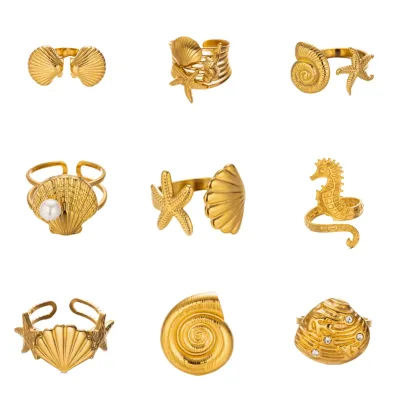
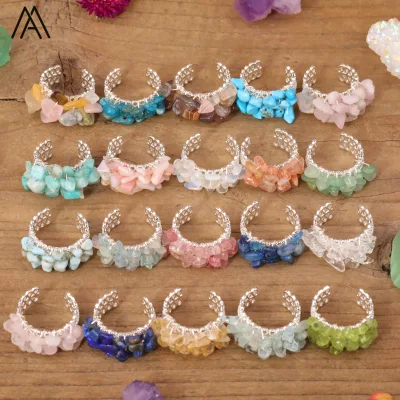
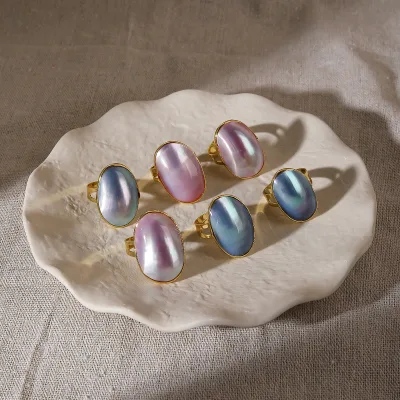
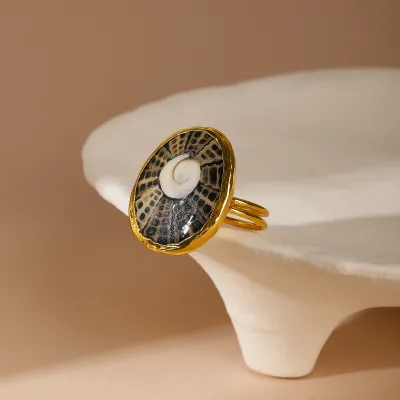
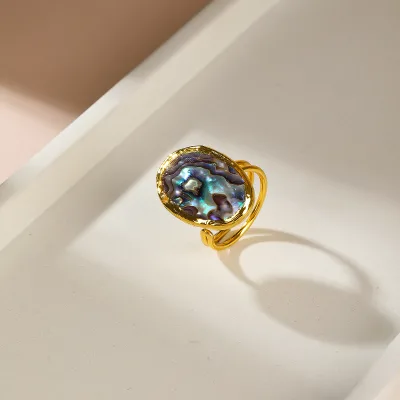
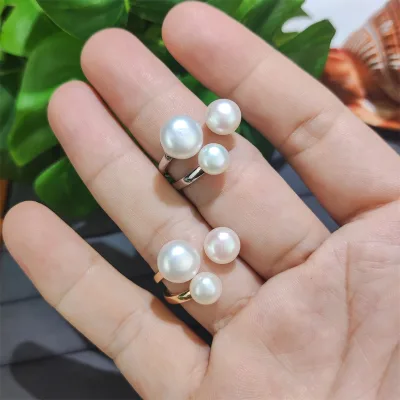
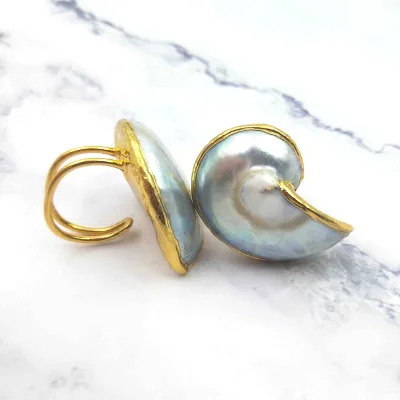
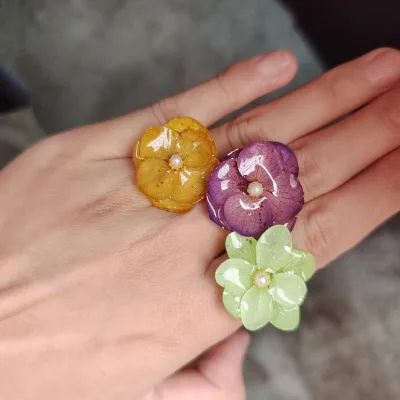
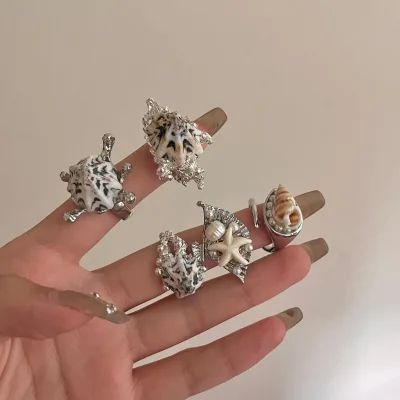
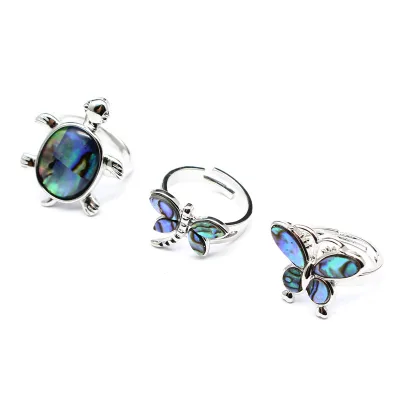
Suppliers offer several natural shell daisy and flower-style rings, including adjustable open rings, three-dimensional carved white shell and abalone designs, and gold-plated floral shapes. Some listings pair shell with stainless steel, zircon accents, or pearl-like centers. Colors range from natural gold and silver plating to multi-tone options, and most designs are resizable or adjustable, making them suitable for mixed-size retail assortments and vacation-style fashion collections.
Can I order natural shell daisy rings in small trial quantities?
Yes, some listings support small trial orders. Observed minimum order quantities range from as low as 2 pieces on a stainless steel open ring to 12 pieces on a shell flower adjustable ring, and 20 to 100 pieces on other fashion ring styles. Small MOQs let you test designs before committing. Always confirm the current MOQ for the exact style and customization level with each supplier before placing an order.
How long does production and delivery take for shell rings?
Lead times observed in current listings vary from about 5 to 7 days for faster manufacturers up to 30 days for a trading company in Zhejiang. Shorter lead times usually apply to in-stock adjustable designs, while customized molds or sample-making services extend the timeline. Confirm whether quoted lead time covers sampling only or full production, and factor in shipping time to your destination market.
Which regions produce natural shell fashion rings?
Current supplier results come from Zhejiang, Shandong, and Guangdong provinces in China. Zhejiang suppliers list shell, pearl, and stainless steel rings; Shandong suppliers offer natural stone and alloy fashion rings; Guangdong suppliers focus on stone jewelry and plated open rings. Supplier types include trading companies and combined manufacturer-trading companies, so production arrangements differ. Verify each company's actual production setup rather than assuming the listed province reflects the factory location.
Can suppliers customize or provide samples of shell rings?
Some suppliers offer sample-making and mold-making services, with at least one listing explicitly providing mould making and sample making for shell rings. Others advertise sample processing, graphic processing, and customized-on-demand capabilities. Customization typically affects MOQ, unit price, and lead time, so request a sample of the exact shell daisy design first. Confirm in writing which customization stages require tooling fees and how revisions are handled.
What price range should buyers expect for natural shell daisy rings?
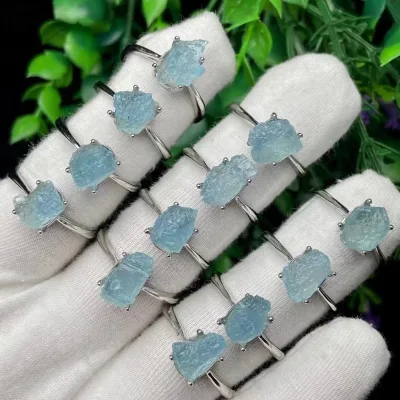
Observed unit prices span roughly 0.74 to 3.60 US dollars per piece depending on design and material. Simple stainless steel open rings sit near the low end, while handmade natural shell, aquamarine, and crystal-accented adjustable rings fall between about 2 and 3.60 dollars. Prices vary with plating, stone inlay, and order volume. Request quotes for your specific quantity, since listed prices may reflect the minimum order tier only.
Are natural shell daisy rings adjustable or available in fixed sizes?
Most listed shell and daisy-style rings are adjustable or resizable, including open-band designs and flexible shell flower rings, which reduces sizing risk for unisex and gift assortments. Some product attributes list ring size as random, meaning sizes may not be selectable for certain handmade styles. Before ordering, confirm whether the supplier can sort sizes, how resizing is achieved, and what size tolerance applies to adjustable bands.
How quickly do shell ring suppliers respond to buyer inquiries?
Response times observed in current results range from 2 to 5 hours, depending on the supplier. Faster responses of 2 to 3 hours were recorded for suppliers in Shandong and Guangdong, while a Zhejiang trading company averaged around 5 hours. Response speed matters most during sampling and custom design stages. Send a detailed inquiry covering quantity, plating, and packaging to gauge both reply speed and answer quality.