Natural Stone Alloy Charm Pendant Suppliers and Manufacturers
Source Natural Stone Alloy Charm Pendant options from 32 verified suppliers across Zhejiang, Hubei, and Guangdong. Compare response times, lead times, and MOQs to find the right partner. Request quotes today; review the available evidence before requesting comparable quotations from suitable candidates.
Suppliers List
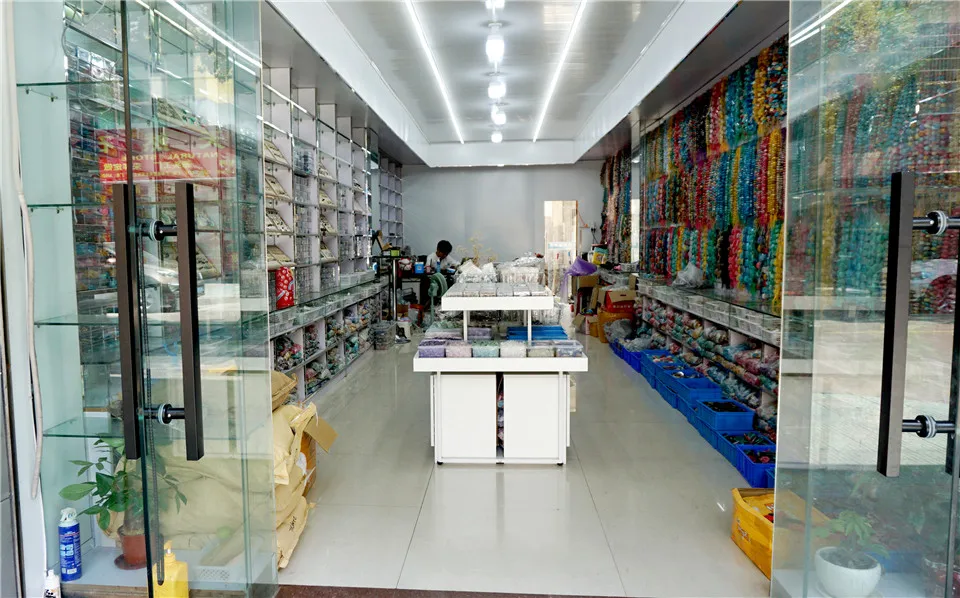
- Trading Company
- Zhejiang, China
- Lead time0 days
- Avg. response≤ 8h
Main productsNatural stone pendant,Natural stone necklace,Agate Pendant,Earrings,Arts and Crafts
Main marketsWestern Europe(40.00%), Southern Europe(20.00%), North America(20.00%), Eastern Europe(10.00%), South America(10.00%)

Wuhan Icontacts Optical Commercial Co., Ltd.
- Trading Company
- Hubei, China
- Lead time7 days
- Avg. response≤ 4h
Main productsColored Contact Lenses,Hollywood Contact Lens,Halloween Colored Contact Lenses,Perfume,Body Piercingothes
Main marketsNorth America(20.00%), Domestic Market(10.00%), Southeast Asia(10.00%), Western Europe(10.00%), Eastern Asia(10.00%), Africa(5.00%), Southern Europe(5.00%), Northern Europe(5.00%), Central America(5.00%), Eastern Europe(5.00%), South America(5.00%), Mid East(5.00%), Oceania(5.00%)

Guangzhou Canotiv Jewelry Co., Ltd.
- Trading Company
- Guangdong, China
- Lead time0 days
- Avg. response≤ 1h
Main productsEnergy Magnetic jewelry,Stainless steel jewelry,Leather bracelets,Outdoor Survival Sports Products,Anchor bracelets
Main marketsNorth America(30.00%), Western Europe(22.00%), South America(20.00%), Northern Europe(18.00%), Southern Europe(10.00%)
Nanning Haosiqi Jewelry Company Ltd.
- Trading Company
- Guangxi, China
- Lead time7 days
- Avg. response≤ 2h
Main productsNatural Semi-precious stones,Natural Stone Pendant,Bracelet,Rings,Necklace
Main marketsNorth America(45.00%), South America(25.00%), Domestic Market(10.00%), Eastern Europe(5.00%), Mid East(5.00%), Oceania(5.00%), Southeast Asia(5.00%)

Guangzhou Huifu Jewelry Co., Ltd.
- Verified by BV
- Manufacturer/Factory
- China Guangdong
- Lead time90 days
- Avg. response≤ 3h
Main productsJewelry, Stainless Steel Jewelry, Stainless Steel Ring, Stainless Steel Pendant, Stainless Steel Earring, Fashion Jewelry, Ring, Necklace, Pendant, Bracelet
Main marketsEastern Europe,Mid East,North America,Western Europe,Africa
Yiwu Shanmei Arts And Gifts Co., Ltd.
- Manufacturer, Trading Company
- Lead time旺季: "1 - 100":5,"101 - 200":7,"201 - 500":10,"> 500":"To be negotiated", 淡季: "1 - 100":5,"101 - 200":7,"201 - 500":10,"> 500":"To be negotiated"
- Avg. response≤ 7h
Main productsGemstone Jewelry, Metal Jewelry, Jewelry Accessories, Sterling Sliver Jewelry, Gemstone Decorations
- Trading Company
- Zhejiang, China
- Lead time7 days
- Avg. response≤ 2h
Main productsnecklace,bracelet,earrings,rings,brooch
Main marketsNorth America(30.00%), Northern Europe(20.00%), South Asia(10.00%), Southern Europe(10.00%), Eastern Europe(10.00%), Western Europe(10.00%), Southeast Asia(10.00%)
Huizhou Yammy Jewelry Co., Ltd.
- Trading Company
- Guangdong, China
- Lead time3 days
- Avg. response≤ 5h
Main productsJewelry,Bracelets,Rings,Earring,Necklace
Main marketsCentral America(20.00%), South America(20.00%), North America(20.00%), Southern Europe(10.00%), Eastern Europe(10.00%), Northern Europe(10.00%), Western Europe(10.00%)
Dongguan Huiying Art&crafts Co., Ltd.
- Manufacturer, Trading Company
- Guangdong, China
- Lead time20 days
- Avg. response≤ 5h
Main productsgifts,crafts,skin care products,face rollers,gua sha massagers
Main marketsWestern Europe(25.00%), North America(25.00%), Northern Europe(10.00%), Oceania(10.00%), Mid East(5.00%), Eastern Europe(5.00%), Central America(5.00%), Southeast Asia(3.00%), Eastern Asia(3.00%), South Asia(2.00%), Southern Europe(2.00%), South America(2.00%), Africa(2.00%), Domestic Market(1.00%)
$1.02 - $10.21
MOQ: 100 Minimum
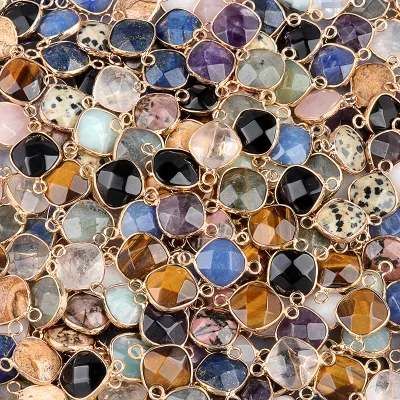
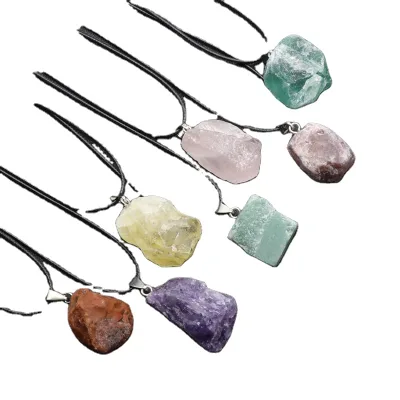
DIY Charm Quart Crystal Real Gemstone Square Pendant for Jewelry Making
$1.02 - $9.21
MOQ: 100 Minimum
Contact supplier
MOQ: 1000 Minimum
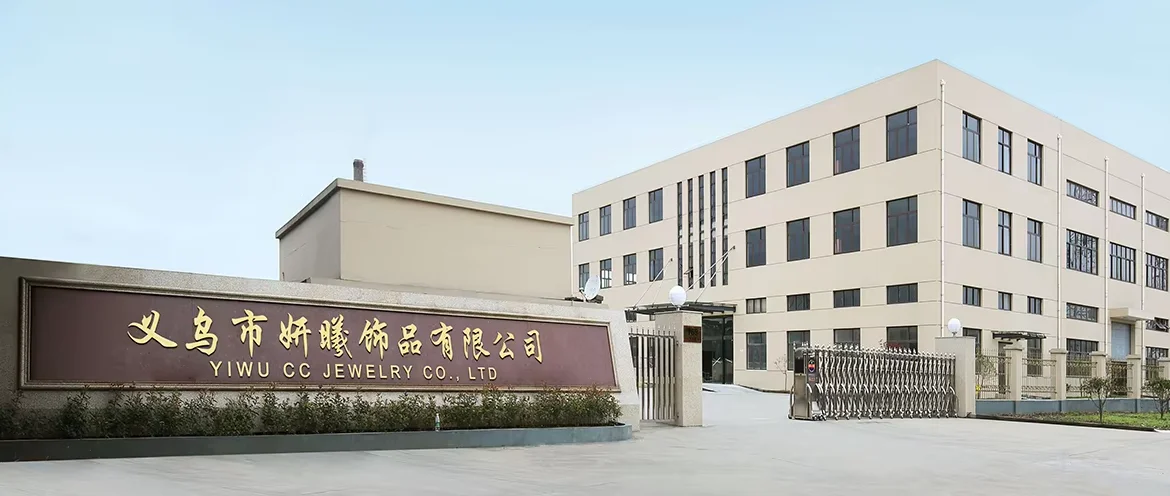
- Trading Company
- Zhejiang, China
- Lead time7 days
- Avg. response≤ 9h
Main productsGemstone Jewelry,Stainless Steel Jewelry,CZ Jewelry,Pearl Jewelry,Alloy Jewelry
Main marketsWestern Europe(25.00%), Northern Europe(15.00%), North America(5.00%), Eastern Europe(5.00%), South America(5.00%), Southeast Asia(5.00%), Africa(5.00%), Oceania(5.00%), Mid East(5.00%), Eastern Asia(5.00%), Central America(5.00%), Southern Europe(5.00%), South Asia(5.00%), Domestic Market(5.00%)
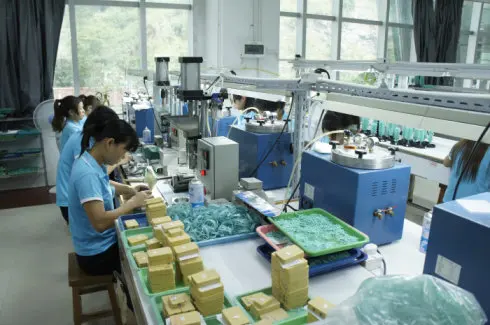
Guangzhou Bangmingwei Jewelry Co., Ltd.
- Trading Company
- Guangdong, China
- Lead time5 days
- Avg. response≤ 3h
Main productsBracelet/ Necklace/ Ring/ Earring/ Jewelry accessories
Main marketsNorth America(50.00%), South America(20.00%), Mid East(15.00%), Eastern Europe(10.00%), Africa(5.00%)
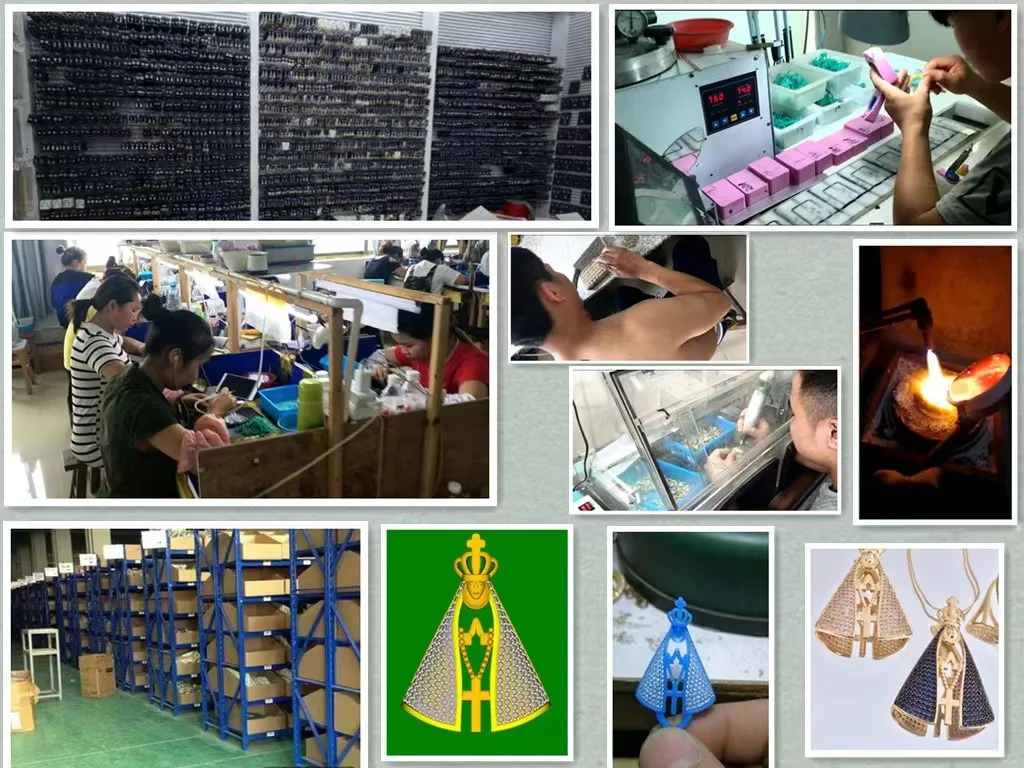
Dezhou Yarno Trading Co., Ltd.
- Trading Company
- Shandong, China
- Lead time0 days
- Avg. response≤ 2h
Main productsnecklace,earrings,bracelets,rings,anklet
Main marketsNorth America(60.00%), South America(20.00%), Eastern Europe(10.00%), Central America(7.00%), Northern Europe(2.00%), Southern Europe(1.00%)

Dongguan weiyizao import and Export Co., Ltd.
- Verified by BV
- Trading Company,Manufacturer/Factory
- China Guangdong
- Lead time45 days
- Avg. response≤ 4h
Main productsUnderwear, Sportwear, Seamless Underwear, Mould Bra, Nursing Bra, Panty, Garment Accessories, Garment Decoration-Jewelry, Bra Strap, Belt
Main marketsSouth America,Eastern Europe,Mid East,North America,Southeast Asia,Eastern Asia,Oceania,Western Europe,Africa

Fashionable Pendant Stone Jewelry Charm Pendant for Ladies Underwear Bra Bow Decoration
$0.29 - $0.49
MOQ: 200 Pieces

China Manufactory Fashion Designs with Stones Pendant Charm Pendant for Decoration
$0.29 - $0.49
MOQ: 200 Pieces

Wholesale Fashion Miscellaneous Designs Pendant Charm Pendant for Decoration
$0.29 - $0.49
MOQ: 200 Pieces

Fashion Designs with Stones Pendant Jewelry Charm for Ladies Underwear Decoration
$0.29 - $0.49
MOQ: 200 Pieces

Fashion Different Designs with Stones Pendant Jewelry Charm for Ladies Decoration
$0.29 - $0.49
MOQ: 200 Pieces

Fashion Designs with Stones Pendant Jewelry Charm for Ladies Underwear Use
$0.29 - $0.49
MOQ: 200 Pieces

East Sunrise Jewelry Co., Limited
- Verified by SGS
- Manufacturer/Factory
- China Guangdong
- Lead time23 days
- Avg. response≤ 15h
Main productsPendant, Necklace, Bracelet, Ring, Earring, Carving, Ornament, Loose Bead, Jewelry, Semi-Precious Stones
Main marketsSouth America,Eastern Europe,Mid East,North America,Southeast Asia,Eastern Asia,Oceania,Western Europe,Africa


Color Semi-Precious Crystal Element Energy Smal Natural Stone Glass Pendant
Contact supplier
MOQ: 50 Pieces

Contact supplier
MOQ: 100 Pieces

Wholesale Fashion Jewelry Charm Necklace Accessories Stone Moon Pendant
Contact supplier
MOQ: 100 Pieces


Semi Precious Stone Fashion Natural Crystal Amethyst Rough Pendant Jewelry
Contact supplier
MOQ: 50 Pieces

GOODLINESS JEWELLERY CO., LIMITED
- Verified by SGS
- Manufacturer
- China Guangdong
- Lead time23 days
- Avg. response≤ 6h
Main products925 Silver Ring, Brass Jewelry, 925 Silver Earring, 925 Silver Necklace, 925 Silver Set, 925 Silver Bangle, Customer's Design, 925 Silver Bracelet, Silver Accessory, Brass Accessory
Main marketsSoutheast Asia/ Mideast,Europe,North America
Donghai Pingtouge Jewelry Co., Ltd.
- Trading Company
- Jiangsu, China
- Lead time0 days
- Avg. response≤ 4h
Main productscarved crystal,carving natural crystal stones,crystal carving,crystal animal carvings,crystal moon carving
Main marketsEastern Europe(30.00%), Northern Europe(20.00%), North America(20.00%), South Asia(20.00%), South America(10.00%)
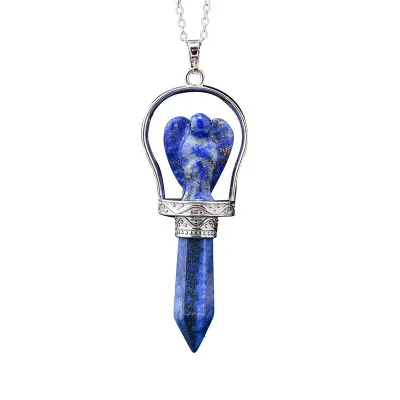
Wholesale fashion natural gemstone crystal point angel pendant crystal pendant
$6.13 - $7.15
MOQ: 100 pieces
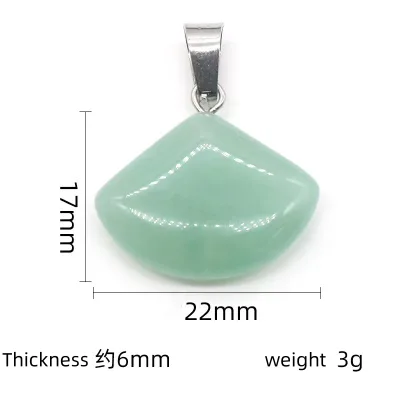
$0.51 - $0.72
MOQ: 100 pieces
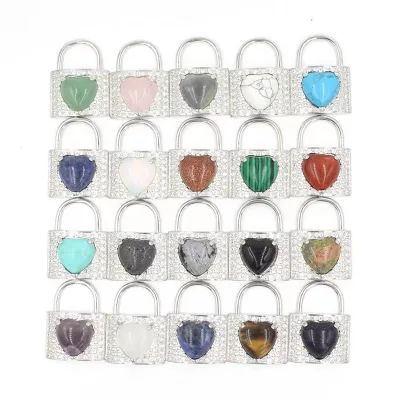
Healing Crystal Stone Couple Lock Pendant Natural Gemstones Heart Lovers Lock Pendant
$1.95 - $2.56
MOQ: 50 pieces
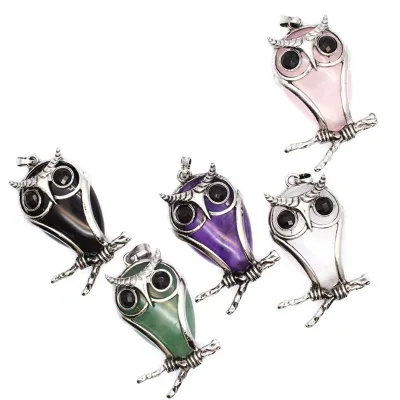
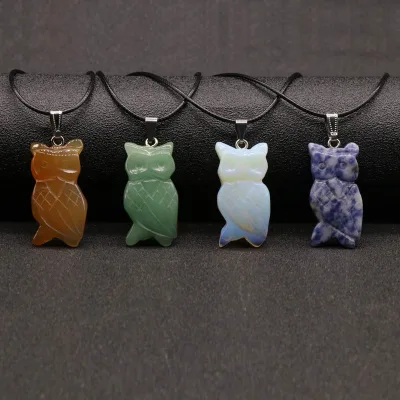
Alloy with Natural Crystal Gemstone Owl Pendants
$2.00 - $2.50
Yichun Aimee Jewelry Co., Ltd.
- Verified by Intertek
- Trading Company
- Lead time15 days
- Avg. response≤ 1h
Main products925 Sterling Silver Jewelry, Copper, Stainless Steel Jewelry
Main marketsNorth America(40%), Eastern Europe(10%), Western Europe(10%)

Guangzhou IO Jewelry Co., Ltd.
- Combined
- China Guangdong
- Lead time30 days
- Avg. response≤ 10h
Main productsJewelry, Fashion Jewelry, Stainless Steel Jewelry, Custom Jewelry, Stainless Steel Beads, Stainless Steel Charms, Stainless Steel Rings, Stainless Steel Pendants, Beads, Charms
Main marketsSouth America,Domestic,Europe,Australia,North America


Handmade High Quality Tail Pendant with Shiny Crystals Custom Pendant Necklace
$1.00 - $3.00
MOQ: 100 Pieces

Shenzhen Hengda Xin Jewelry Co., Ltd.
- Verified by BV
- Combined
- China Guangdong
- Lead time15 days
- Avg. response≤ 2h
Main productsJewelry, Stainless Steel Fittings, Stainless Steel Jewelry, Necklace, Bracelet, Stud Earrings, Ring, Pendant, Fashion Jewelry, Fashion Accessories
Main marketsSoutheast Asia/ Mideast,East Asia(Japan/ South Korea),Domestic,Europe,Australia,North America
Donghai County Boheng Crystal Jewelry Co., Ltd.
- Verified by SGS Group
- Manufacturer, Trading Company
- Lead time3 days
- Avg. response≤ 2h
Main productsCrystal Water Bottle; Crystal Smoking Pipes; Crystal Point/Crystal Gravel/Crystal Ball
Main marketsNorth America(60%), Oceania(15%), Southeast Asia(10%)
Guangzhou Yasa Jewelry Co., Ltd.
- Manufacturer, Trading Company
- Guangdong, China
- Lead time10 days
- Avg. response≤ 4h
Main productsjewelry,crystal jewelry,natural gemstone,925 silver jewelry,gold plated jewelry
Main marketsNorth America(40.00%), Southeast Asia(10.00%), Eastern Europe(10.00%), South America(10.00%), Eastern Asia(5.00%), Mid East(5.00%), Oceania(5.00%), Western Europe(5.00%), Southern Europe(2.00%), Northern Europe(2.00%), Central America(2.00%), Africa(2.00%), Domestic Market(1.00%), South Asia(1.00%)
Qingdao Dadongsheng Jewelry Co., Ltd.
- Verified by SGS Group
- Manufacturer, Trading Company
- Lead time30 days
- Avg. response≤ 6h
Main productsJewelry
Main marketsNorth America(64%), Western Europe(20%), Southeast Asia(6%)
- Manufacturer, Trading Company
- Guangdong, China
- Lead time25 days
- Avg. response≤ 3h
Main productsRings, Bracelets, Earrings, Necklaces, Accessories
Main marketsNorth America(30.00%), South America(22.00%), Western Europe(10.00%), Southeast Asia(10.00%), Domestic Market(9.00%), Eastern Europe(5.00%), Africa(3.00%), Mid East(3.00%), South Asia(2.00%), Central America(2.00%), Eastern Asia(1.00%), Oceania(1.00%), Southern Europe(1.00%), Northern Europe(1.00%)
Shenzhen Europa Industrial Co., Ltd.
- Trading Company
- Guangdong, China
- Lead time15 days
- Avg. response≤ 5h
Main productsEarring, Ring, Necklace Chain, Bracelets Bangles, Brooch
Main marketsNorth America(40.00%), Eastern Asia(25.00%), Western Europe(10.00%), South America(5.00%), Oceania(5.00%), Domestic Market(5.00%), Mid East(5.00%), Southeast Asia(5.00%)

Wuzhou Provence Jewelry Co., Ltd.
- Verified by CTI
- Combined
- China Guangxi
- Lead time23 days
- Avg. response≤ 7h
Main productsMoissanite, Moissanite Jewelry, Cubic Zirconia, Lab Grown Diamond, Gold Jewelry
Main marketsSoutheast Asia/ Mideast,Europe,North America

Dongguan Lincai Metal Jewelry Co., Ltd.
- Manufacturer, Trading Company
- Guangdong, China
- Lead time15 days
- Avg. response≤ 2h
Main productsnecklaces,bracelets,pendants,earring,charms
Main marketsNorth America(38.00%), South America(27.00%), Eastern Europe(10.00%), Northern Europe(5.00%), Western Europe(5.00%), Southern Europe(4.00%), Mid East(3.00%), South Asia(2.00%), Domestic Market(1.00%), Eastern Asia(1.00%), Oceania(1.00%), Africa(1.00%), Central America(1.00%), Southeast Asia(1.00%)

Zhongshan Lucky Art & Crafts Gifts Co., Ltd.
- Verified by BV
- Combined
- China Guangdong
- Lead time15 days
- Avg. response≤ 4h
Main productsCustom Medal, Key Chain, Custom Coin, Custom Lapel Pin, Custom Lanyard, Custom Badge, Custom Patch, Custom Air Fresheners, Custom Silicone Bracelets, Custom Cufflinks
Main marketsEast Asia(Japan/ South Korea),Europe,North America

Custom Enamel Pendants Alloy Charms for Necklace Bracelet Crafts Jewelry Making Charms
$0.20 - $0.80
MOQ: 100 Pieces

Fashion Pendants Different Kinds of Gold Plated Charms Enamel Pendants Charms
$0.20 - $0.80
MOQ: 100 Pieces

Wholesale Custom Metal Enamel Pendant Fine Jewelry Gold Plated Pendants Charms
$0.20 - $0.80
MOQ: 100 Pieces

Guangzhou Chenzuan Crafts Co., Ltd.
- Manufacturer, Trading Company
- Guangdong, China
- Lead time15 days
- Avg. response≤ 7h
Main productsNecklace,Bracelets,Earring,Ring,Anklets
Main marketsNorth America(25.00%), Western Europe(15.00%), Eastern Europe(15.00%), South America(15.00%), Southern Europe(10.00%), Northern Europe(10.00%), Mid East(10.00%)

- Verified by BV
- Trading Company,Manufacturer/Factory
- China Guangdong
- Lead time0 days
- Avg. response≤ 11h
Main productsSilver Jewelry, Brass Jewelry, Fashion Jewelry, Semi-Precious
Main marketsSouth America,Eastern Europe,Mid East,Southeast Asia,Eastern Asia,Oceania,Western Europe,Africa

Fashion jewelry natural stone sapphire pendant collarbone necklace for accessories
$11.95 - $13.09
MOQ: 15 Pieces

High Quality Fashion Jewelry Natural Amethyst Pendant Necklace S925 Jewelry Pendant
$14.10 - $16.46
MOQ: 1 Pieces

Jinjiang Jiaxing Supply Management Co., Ltd.
- Verified by TUVRHEINLAND
- Trading Company
- China Fujian
- Lead time30 days
- Avg. response≤ 1h
Main productsEVA Clogs, Flip Flop, Shoe Charms, Shopping Bags, Wristbands, Gifts, Promotional Gifts, Slipper, Sport Cap, Ball
Main marketsNorth America
- Verified by Intertek
- Manufacturer, Trading Company
- Lead time7 days
- Avg. response≤ 2h
Main productsBeaded Jewelry, Natural Stone Bracelet, Fashion Necklace, Crystal Bracelets, Pearl Necklace
Main marketsNorth America(40%), Western Europe(35%), Oceania(10%)
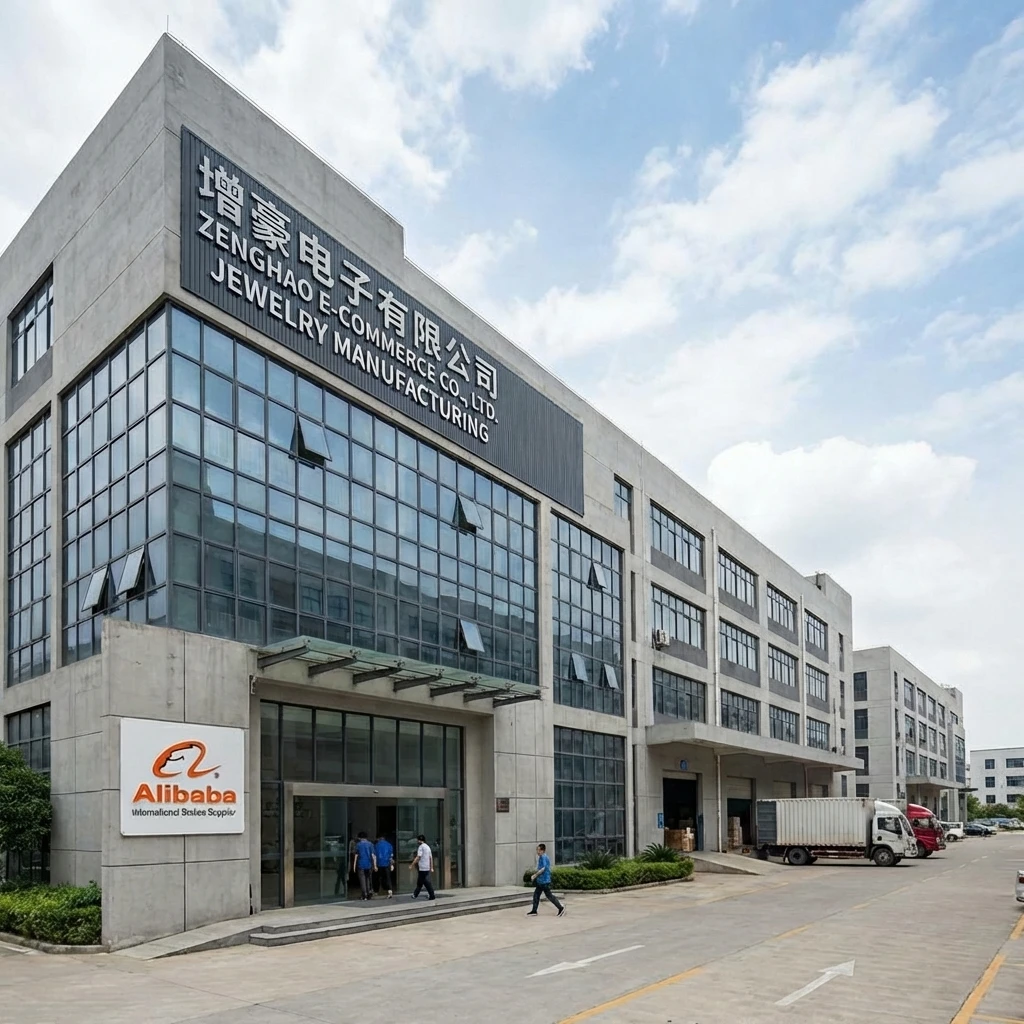
Yiwu Zenghao E Commerce Corporation
- Trading Company
- Zhejiang, China
- Lead time30 days
- Avg. response≤ 5h
Main productsnecklace,earring,bracelet,ring,keychain
Main marketsCentral America(40.00%), Eastern Europe(10.00%), Western Europe(10.00%), North America(5.00%), Domestic Market(5.00%), Mid East(5.00%), Oceania(5.00%), Southern Europe(5.00%), Northern Europe(5.00%), South Asia(3.00%), South America(2.00%), Africa(2.00%), Southeast Asia(2.00%), Eastern Asia(1.00%)
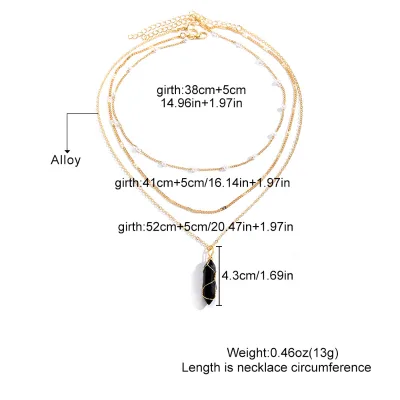
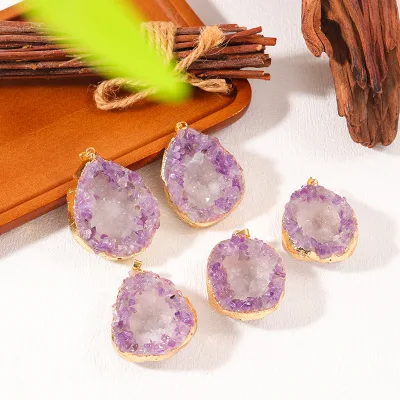
$1.30 - $1.47
MOQ: 12 Minimum
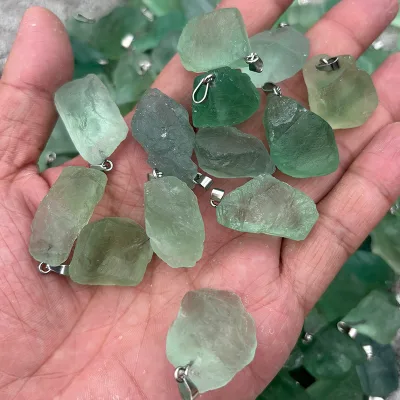
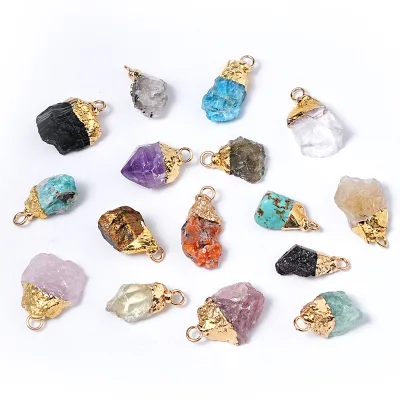
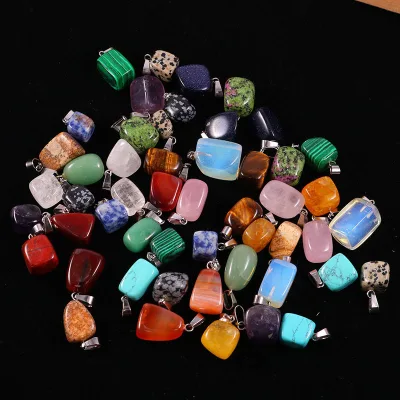
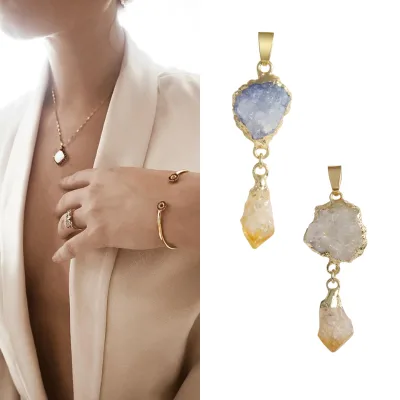
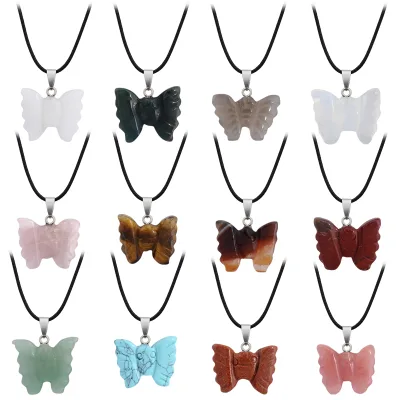
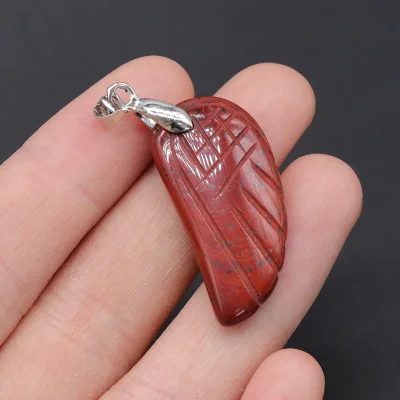
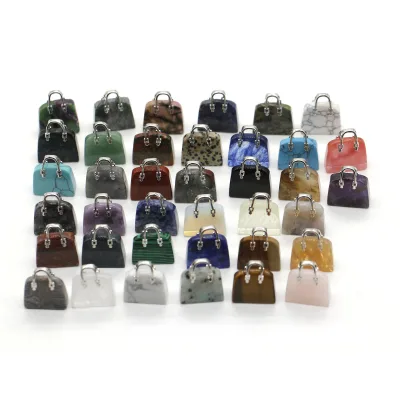


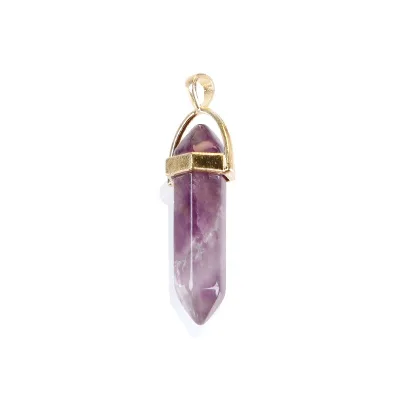
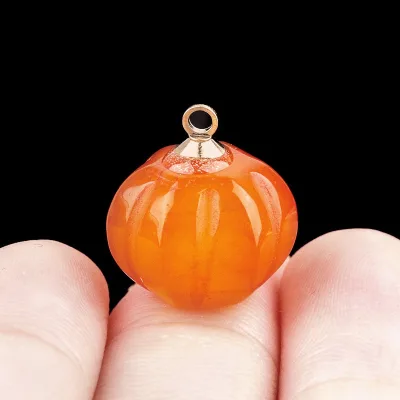
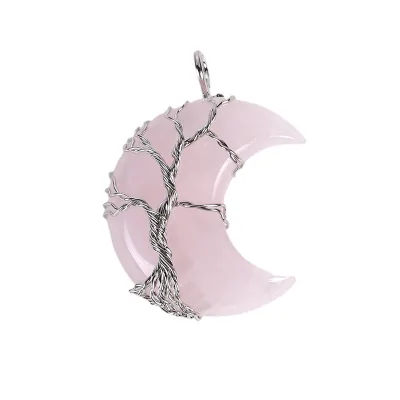
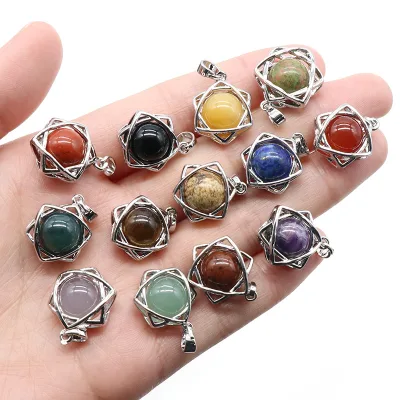
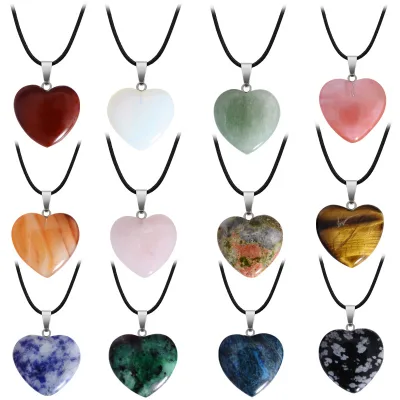
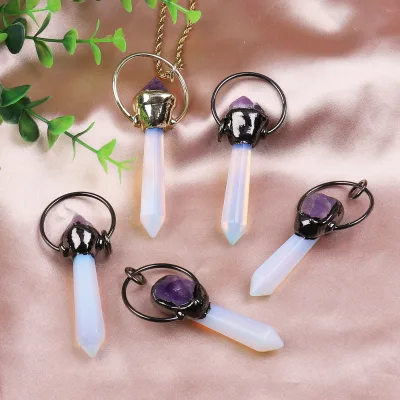
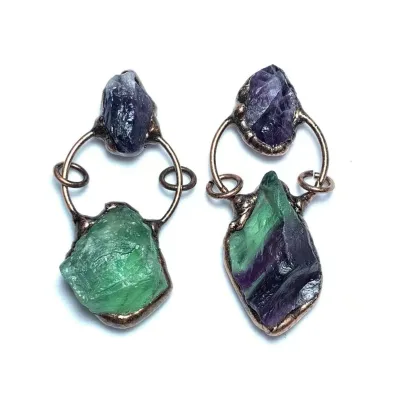
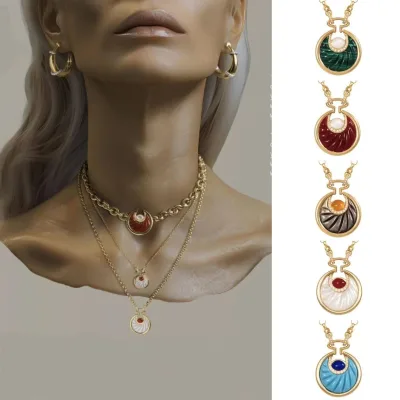
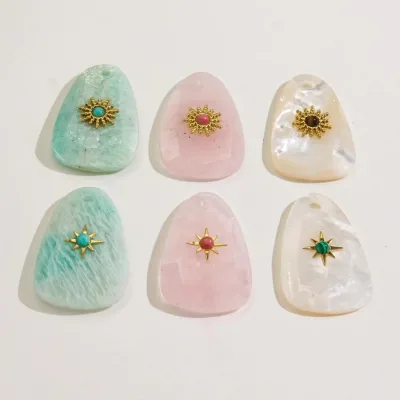


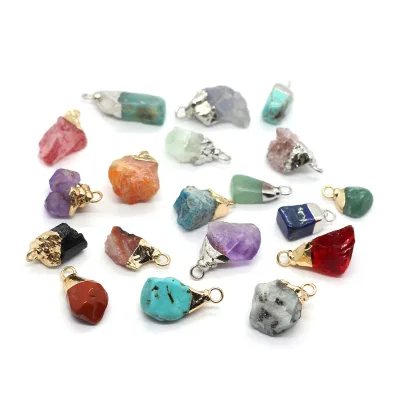
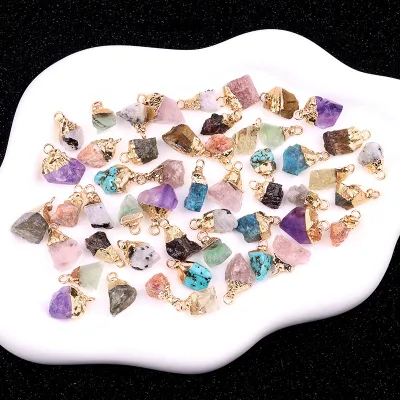





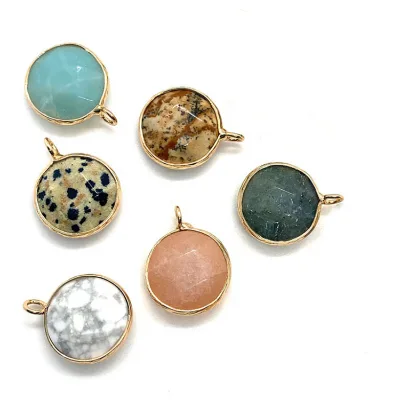
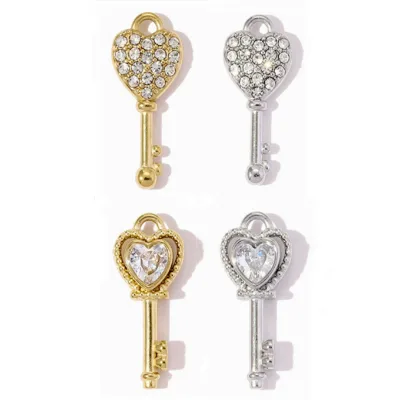
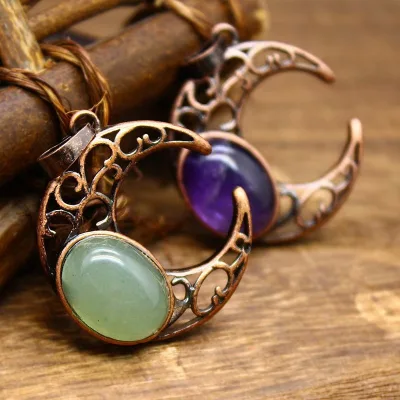
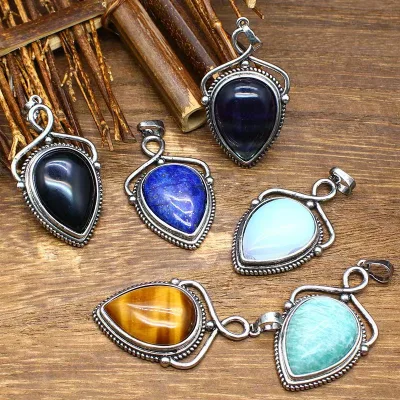
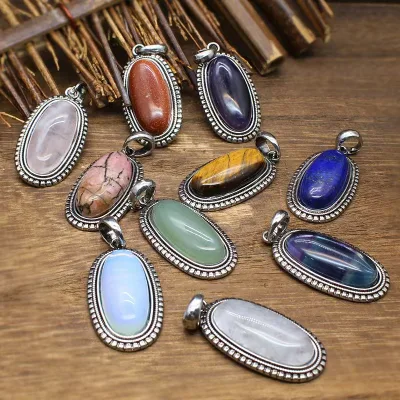


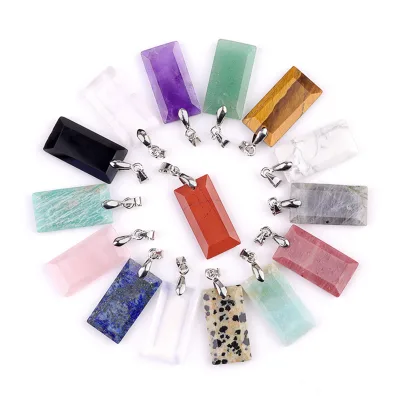
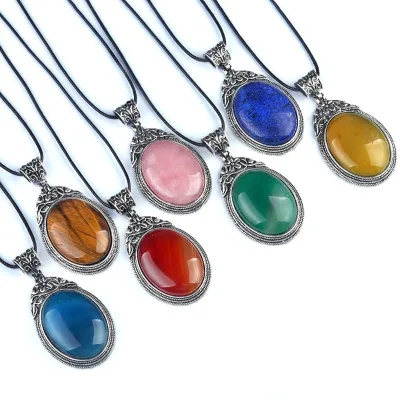
Comprehensive Sourcing Guide
Natural Stone Alloy Charm Pendant Supplier Concentration and Factory Types
Current data indicates a concentration of suppliers in Zhejiang, China, where trading companies dominate the supply chain for natural stone alloy charm pendants. These entities often aggregate products like agate pendants, crystal necklaces, and zinc alloy buckles, suggesting a hub of specialized trading activity rather than direct manufacturing. The presence of Zhejiang-based firms offering diverse items such as natural stone pendants and arts and crafts points to a regional ecosystem focused on sourcing and distribution. Buyers should verify if these trading companies maintain direct relationships with factories or if they operate as intermediaries, as this distinction impacts control over production quality and lead times.
In contrast, other regions like Hubei and Guangdong appear in the results, though their primary product focus often diverges from pure stone jewelry. For instance, some suppliers in these areas list colored contact lenses or energy magnetic jewelry alongside their offerings, indicating a broader, less specialized inventory. When evaluating factory types, buyers must distinguish between pure trading companies and those with manufacturing capabilities. The absence of explicit factory labels for many stone pendant suppliers suggests a reliance on third-party production. Consequently, verifying the actual production source is critical, as trading companies may not have direct oversight over the alloy casting or stone setting processes used in their inventory.
How to Verify Natural Stone Alloy Charm Pendant Suppliers
Verification begins with scrutinizing response times and company types listed in supplier profiles. Data shows response times varying significantly, with some suppliers responding in one day while others take eight days. A faster response time often correlates with a more active sales team, but it does not guarantee production capacity. Buyers should cross-reference these response metrics with the stated company type, such as "Trading Company," to understand the communication chain. If a supplier claims to be a manufacturer but lists a trading company type, this discrepancy requires immediate clarification to ensure the buyer is dealing with the actual production entity.
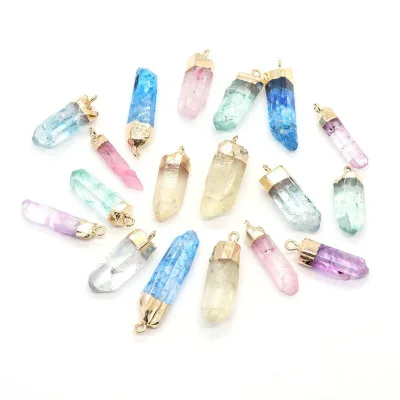
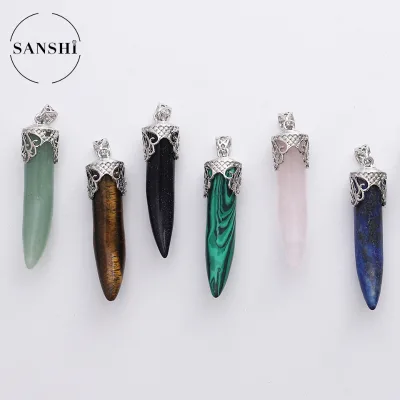
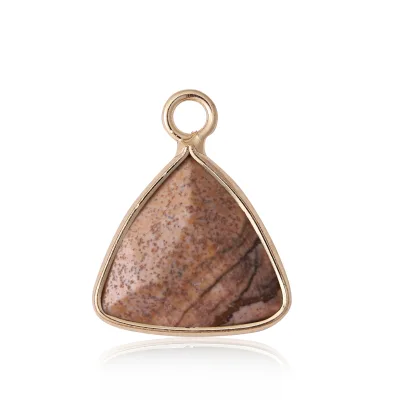
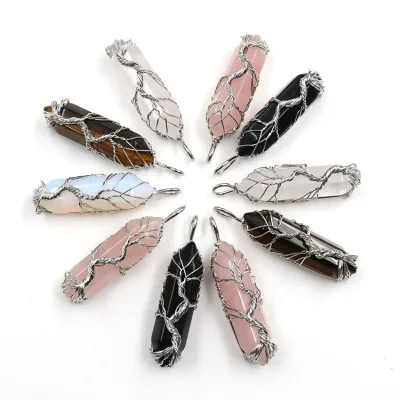
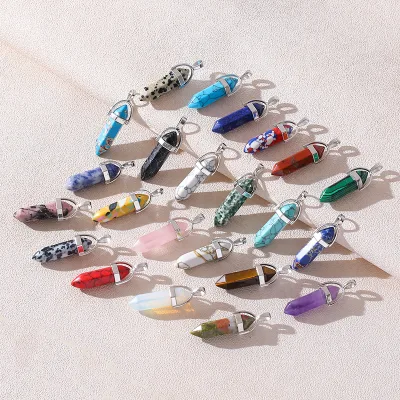
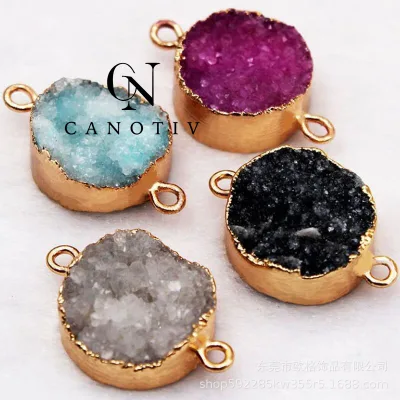
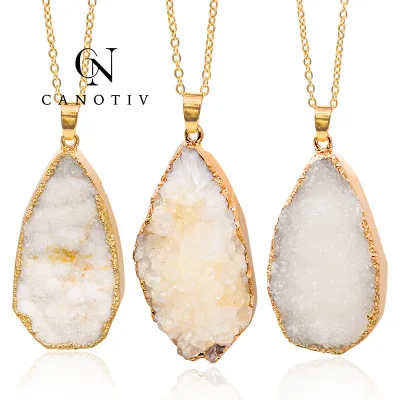
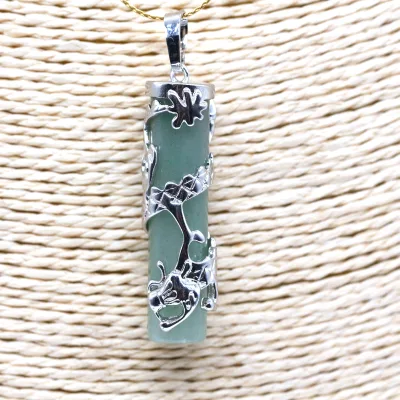
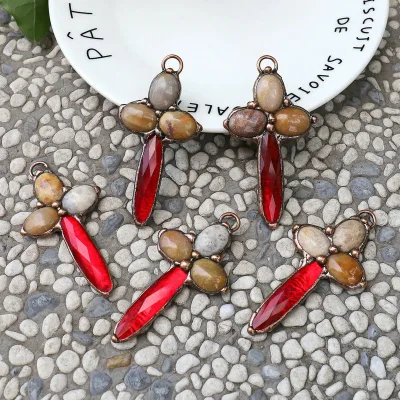
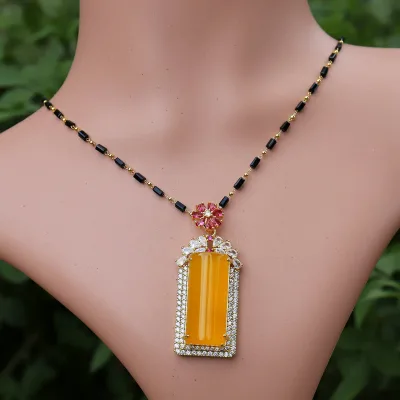
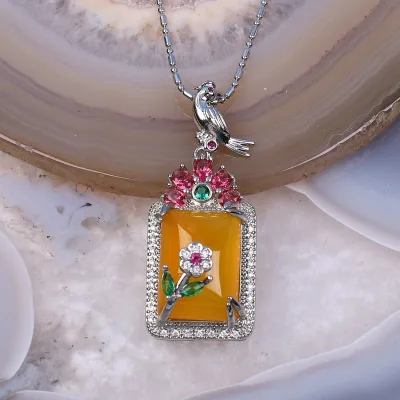
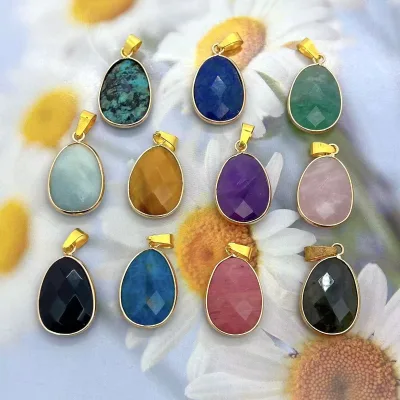
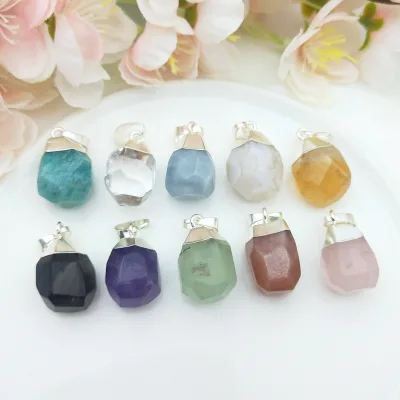
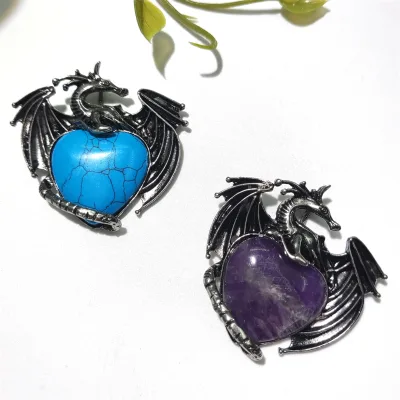
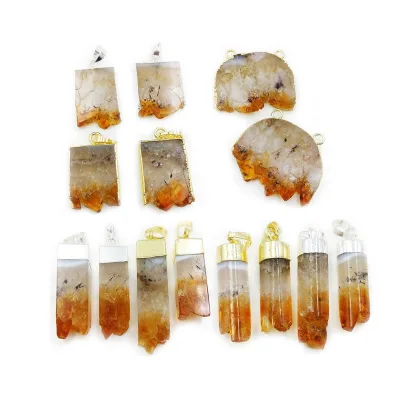
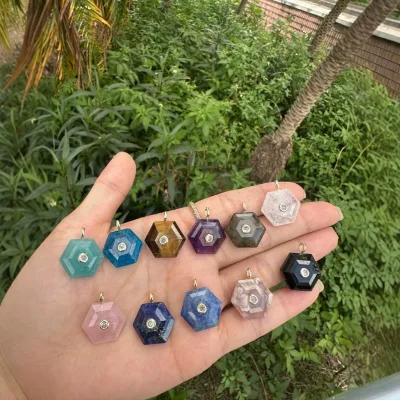
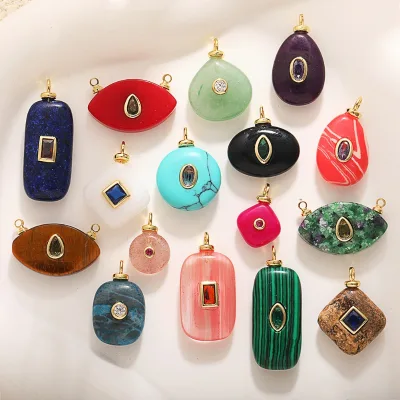
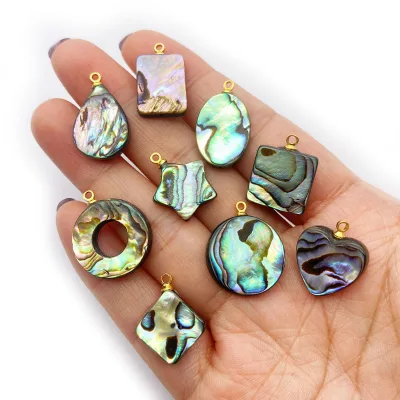
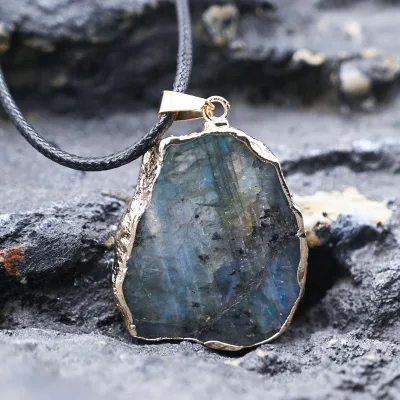
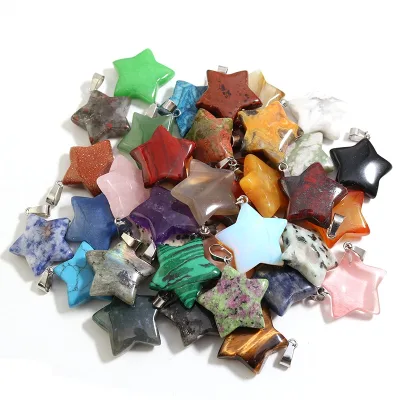
Product evidence provides another layer of verification, particularly regarding material composition and design attributes. Listings for natural stone pendants often specify materials like zinc alloy, ox horn, or various gemstones such as amethyst and clear quartz. Buyers must confirm that the product attributes match the physical samples requested, checking for details like "Micro insert" inlay technology or specific stone shapes like "Irregular." Additionally, the presence of model numbers and brand names, such as "BRANCLEAR," allows for traceability. However, the absence of specific certifications or test results in the provided data means buyers must explicitly request proof of material authenticity and safety standards before committing to an order.
What to Compare Across Natural Stone Alloy Charm Pendant Suppliers
Comparing suppliers requires a focus on minimum order quantities (MOQ) and pricing structures, which vary widely across the market. Some listings show an MOQ of 12 pieces with prices ranging from $1.00 to $1.50, while others demand 100 pieces at $0.98 to $1.55. This variance suggests that smaller buyers can access specific designs with lower entry barriers, whereas larger orders might benefit from different pricing tiers. Buyers should calculate the total cost of ownership, including shipping, rather than focusing solely on the unit price. The wide range in MOQs indicates that suppliers cater to different business models, from small boutique retailers to bulk distributors, necessitating a tailored selection strategy.
Lead times and response speeds are equally critical dimensions for comparison. While some suppliers indicate a lead time of zero or five to ten days, others list a seven-day window, reflecting differences in inventory availability and production scheduling. A supplier with a zero lead time might be holding stock, whereas a longer lead time could imply custom manufacturing. Response times, ranging from one to eight days, also influence the speed of negotiation and sample approval. Buyers should prioritize suppliers who demonstrate both competitive pricing and reliable delivery windows. It is essential to note that not all suppliers display every attribute, so missing data on lead time or response speed should be treated as a gap requiring direct inquiry rather than an assumption of standard performance.
Common Natural Stone Alloy Charm Pendant Sourcing Risks
One significant risk involves the inconsistency of product attributes and material claims. Listings often describe items with specific stones like "Green aventurine" or "Rose Quartz," yet the actual material composition might vary if the supplier is a trading company without direct factory control. The absence of explicit certification data in the current results means buyers cannot assume compliance with international standards without verification. Relying solely on product keywords like "Natural Stone" without physical inspection or third-party testing can lead to receiving synthetic or treated stones that do not meet the buyer's quality expectations. This risk is heightened when suppliers list multiple unrelated product categories, suggesting a lack of specialization in stone jewelry.
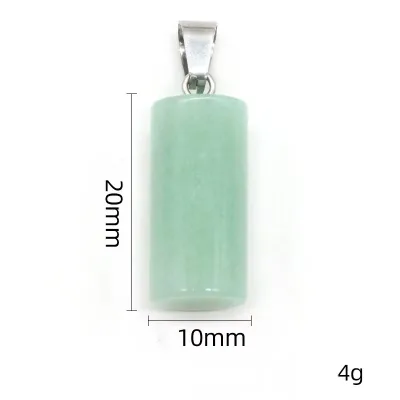
Another risk stems from the variability in packaging and shipping details. Some product attributes specify a single package size of 1x2x1 cm and a gross weight of 0.004 kg, while others lack these specifics. Inconsistent packaging can lead to damage during transit or unexpected shipping costs that erode profit margins. Furthermore, the lack of standardized payment terms, with some suppliers offering T/T while others do not specify, introduces financial uncertainty. Buyers must be cautious of suppliers who do not provide clear delivery timeframes or who list vague attributes like "Delivery time: 5-10 Days (according," which implies conditional terms. Without clear contractual terms, disputes over late deliveries or damaged goods can become difficult to resolve.
Natural Stone Alloy Charm Pendant Regional Sourcing and Logistics
Regional sourcing strategies must account for the specific locations identified in supplier data, such as Zhejiang, Hubei, and Guangdong. Zhejiang appears as a primary hub for natural stone pendants, with a concentration of trading companies offering diverse jewelry types. Buyers sourcing from this region should anticipate a robust logistics network but must verify if the supplier's location aligns with their specific product needs. For instance, a supplier in Zhejiang might specialize in agate pendants, while a counterpart in Guangdong focuses on energy magnetic jewelry. Understanding these regional specializations helps buyers target the most relevant suppliers and avoid unnecessary shipping costs associated with mismatched product origins.
Logistics planning should also consider the lead times and response times associated with each region. Suppliers in different provinces may have varying shipping capabilities and customs procedures. A supplier with a seven-day lead time in Hubei might have different shipping partners than a Zhejiang-based firm with a zero lead time. Buyers should request specific shipping quotes and transit times for their target markets, as these can fluctuate based on the supplier's location and the chosen logistics provider. Additionally, the presence of "Place of Origin" attributes in product listings allows buyers to confirm the exact manufacturing or assembly location. This verification is crucial for ensuring that the final product meets any regional trade requirements or tariff classifications applicable to the buyer's destination.
Natural Stone Alloy Charm Pendant Commercial Terms and Order Planning
Commercial terms for natural stone alloy charm pendants often include specific payment methods and customization options. Some product attributes explicitly mention "T/T" as a payment method and "Customization Service Provided" for OEM/ODM needs. Buyers should clarify the deposit requirements and balance payment schedules before placing an order, as these terms can vary significantly between trading companies and manufacturers. The availability of customization services suggests that suppliers can adapt designs, but buyers must confirm the minimum order quantities for custom runs, which may differ from standard stock items. Understanding these terms is essential for managing cash flow and ensuring that the supplier can meet specific design requirements without compromising on quality.
Order planning must also factor in the diverse product attributes and pricing structures observed in the market. With prices ranging from $0.23 to $2.33 and MOQs from 12 to 200 pieces, buyers need to align their inventory strategy with supplier capabilities. For example, a buyer seeking low-volume, high-margin items might prefer suppliers with lower MOQs, while those focusing on volume sales should target suppliers with bulk pricing tiers. The variety of stone types, from "Amethyst" to "Syn Malachite," requires careful selection to match market demand. Buyers should plan their orders based on the specific attributes of each product, ensuring that the chosen items align with their brand identity and customer preferences. This strategic approach minimizes the risk of overstocking or understocking and optimizes the overall sourcing process.
FAQs
Where are natural stone alloy charm pendants manufactured?
Suppliers for these items are located in Zhejiang, Hubei, and Guangdong provinces in China. Buyers can find trading companies and manufacturers in these regions offering various stone types and designs for wholesale orders.
What is the minimum order quantity for these pendants?
Minimum order quantities vary by product, ranging from 12 pieces to 200 pieces. Some listings require 100 units while others accept orders as low as 12 or 20 pieces depending on the specific design and material.
How fast do suppliers typically respond to inquiries?
Response times for these suppliers range from 1 to 8 hours. Some vendors reply within one hour, while others may take up to eight hours to address initial sourcing questions regarding stock and pricing details.
What is the price range for natural stone pendants?
Prices for these items generally range from 0.23 to 2.33 dollars per piece. The cost depends on the stone type, plating, and design complexity, with some basic charms costing less than a dollar.
What materials are used in these charm pendants?
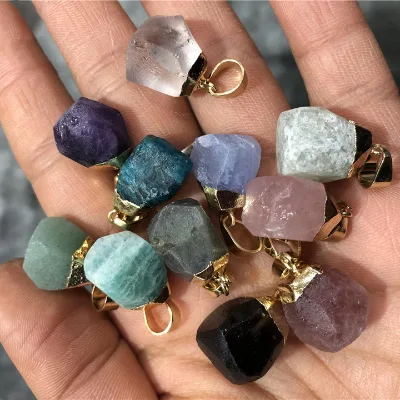
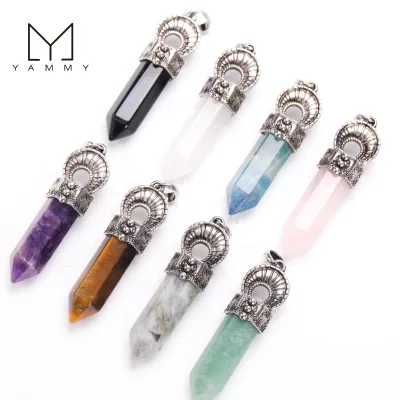
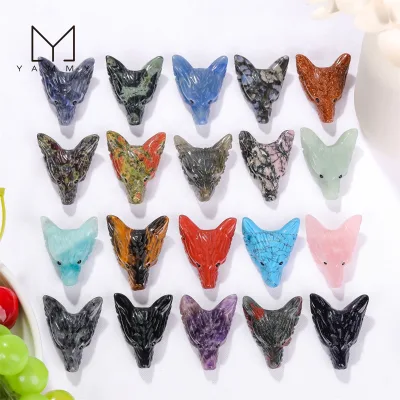
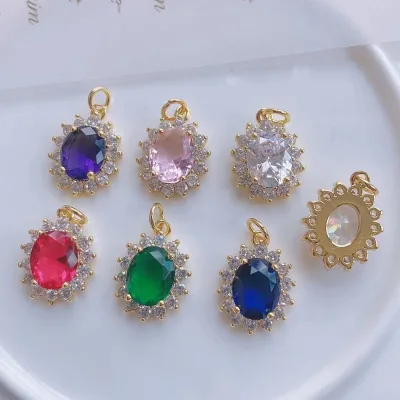
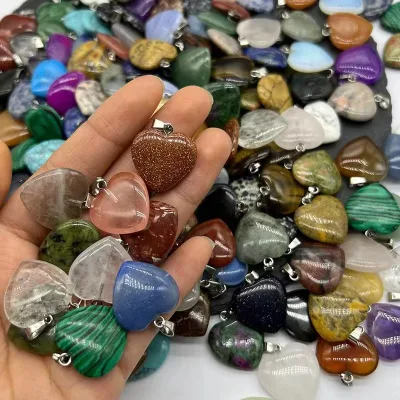
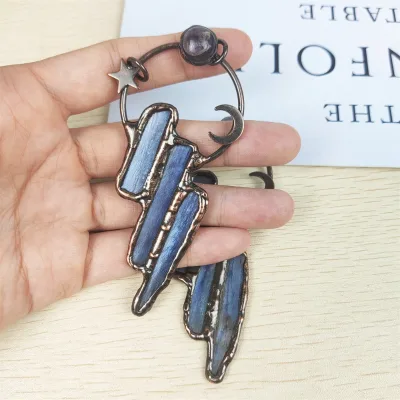
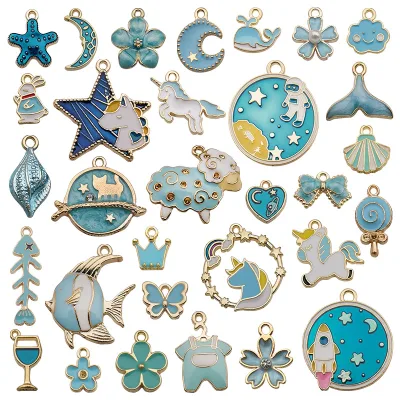
Products feature natural stones like amethyst, quartz, and agate combined with zinc alloy or stainless steel. Some items include rhinestones or crystal elements, with designs ranging from geometric shapes to animal carvings.
Are customization services available for these pendants?
Yes, some suppliers provide OEM and ODM customization services for these jewelry items. Buyers can request specific designs, packaging, or branding options to meet their unique market requirements and product specifications.
What is the typical delivery time for these orders?
Delivery times vary, with some suppliers listing a lead time of zero days while others require 5 to 10 days. Specific shipping durations depend on the order volume and the supplier's current production schedule.