Natural Stone Beaded Sodalite Bracelet Suppliers and Manufacturers
Compare 24 verified suppliers offering natural stone beaded sodalite bracelets with varying lead times, certifications, and response speeds. Review product specifications like stone size and material to select the right factory for your order; review the available evidence before requesting comparable quotations from suitable candidates.
Updated
Suppliers List

East Sunrise Jewelry Co., Limited
- Verified by SGS
- Manufacturer/Factory
- China Guangdong
- Lead time23 days
- Avg. response≤ 8h
Main productsPendant, Necklace, Bracelet, Ring, Earring, Carving, Ornament, Loose Bead, Jewelry, Semi-Precious Stones
Main marketsSouth America,Eastern Europe,Mid East,North America,Southeast Asia,Eastern Asia,Oceania,Western Europe,Africa


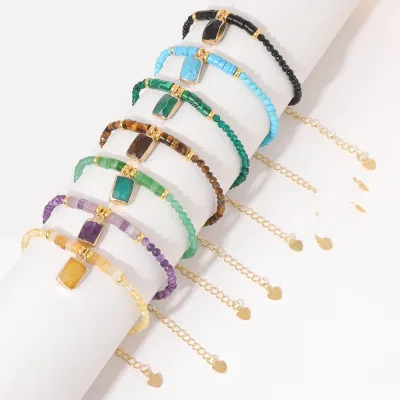
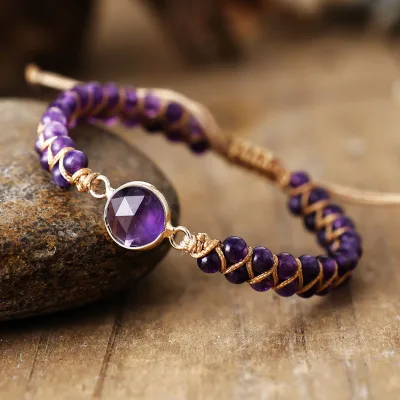
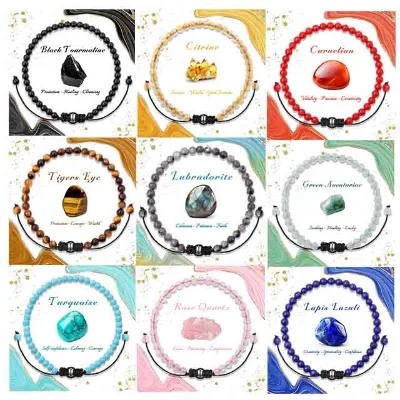
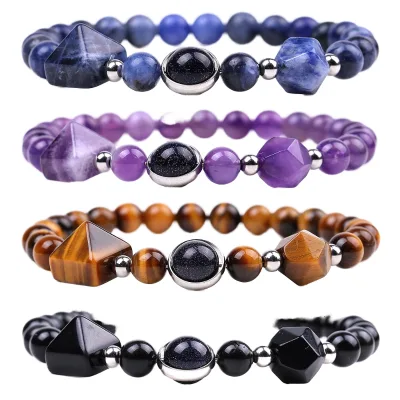
Natural Fashion Crystal Tiger Eye Sodalite Amethyst Beaded Jewelry Chakra Bracelet Bangle
$0.85 - $0.90
MOQ: 100 Pieces


Fashion Crystal Stone Amethyst Tiger Eye Opalite Charming Power Bracelet
$1.00 - $1.30
MOQ: 100 Pieces


YIWU JINYE IMPORT AND EXPORT CO., LTD
- Verified by SGS
- Trading Company
- China Zhejiang
- Lead time15 days
- Avg. response≤ 25h
Main productsBangle, Wrist Band, Bracelet, Fashion Jewelry
Main marketsNorth America
Yiwu City Youtu Jewelry Co., Ltd.
- Trading Company
- Zhejiang Province, China
- Lead time15 days
- Avg. response≤ 4h
Main productscrystal keychain,leather keychain,genuine leather bracelet,metal pendants necklace,stainless steel necklace
Main marketsSouthern Europe(10.00%), Northern Europe(10.00%), Central America(10.00%), Western Europe(10.00%), Mid East(10.00%), Africa(10.00%), Southeast Asia(10.00%), Eastern Europe(10.00%), South America(10.00%), North America(10.00%)
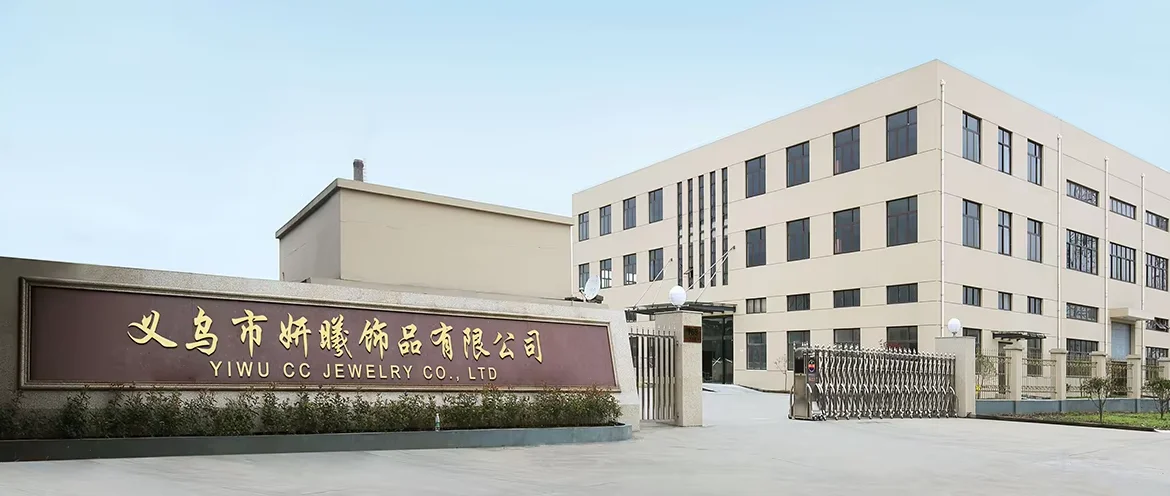
- Trading Company
- Zhejiang, China
- Lead time7 days
- Avg. response≤ 4h
Main productsGemstone Jewelry,Stainless Steel Jewelry,CZ Jewelry,Pearl Jewelry,Alloy Jewelry
Main marketsWestern Europe(25.00%), Northern Europe(15.00%), North America(5.00%), Eastern Europe(5.00%), South America(5.00%), Southeast Asia(5.00%), Africa(5.00%), Oceania(5.00%), Mid East(5.00%), Eastern Asia(5.00%), Central America(5.00%), Southern Europe(5.00%), South Asia(5.00%), Domestic Market(5.00%)
- Verified by Intertek
- Manufacturer, Trading Company
- Lead time7 days
- Avg. response≤ 2h
Main productsBeaded Jewelry, Natural Stone Bracelet, Fashion Necklace, Crystal Bracelets, Pearl Necklace
Main marketsNorth America(40%), Western Europe(35%), Oceania(10%)
- Verified by TüVRheinland
- Manufacturer, Trading Company
- Lead time7 days
- Avg. response≤ 2h
Main productsFashion Jewelry
Main marketsNorth America(75%), South America(8%), Southeast Asia(7%)
Donghai Vardy Crystal Company Limited
- Trading Company
- Jiangsu, China
- Lead time10 days
- Avg. response≤ 2h
Main productscrystal points and wands,crystal spheres,crystal clusters,gemstone carving,mineral specimens
Main marketsWestern Europe(30.00%), North America(25.00%), South America(12.00%), Eastern Europe(12.00%), Northern Europe(11.00%), Oceania(6.00%), Mid East(4.00%)
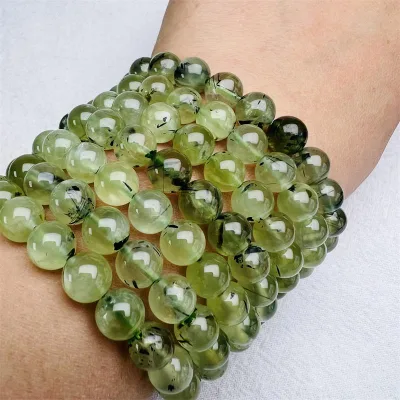
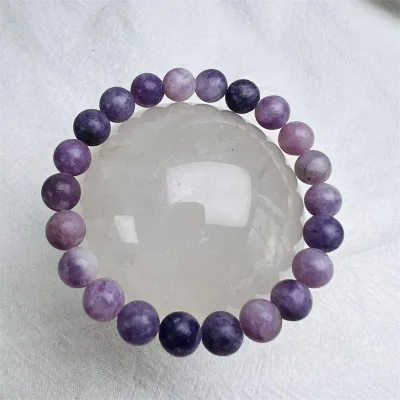
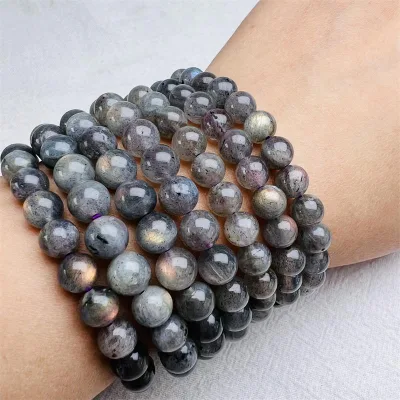
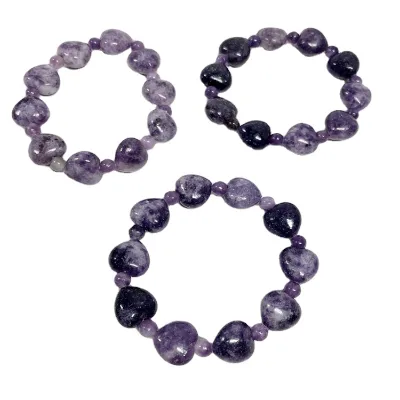
Wholesale Natural Stone Quartz Crystal Beads Bracelets Purple Labradorite Crystal Bracelets Bangle
$7.7485 - $9.2994
MOQ: 10 pieces

Shenzhen Hengda Xin Jewelry Co., Ltd.
- Verified by BV
- Combined
- China Guangdong
- Lead time15 days
- Avg. response≤ 3h
Main productsJewelry, Stainless Steel Fittings, Stainless Steel Jewelry, Necklace, Bracelet, Stud Earrings, Ring, Pendant, Fashion Jewelry, Fashion Accessories
Main marketsSoutheast Asia/ Mideast,East Asia(Japan/ South Korea),Domestic,Europe,Australia,North America

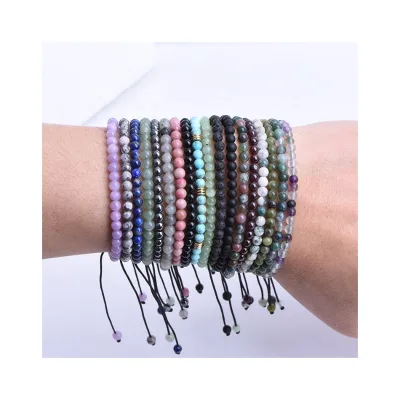
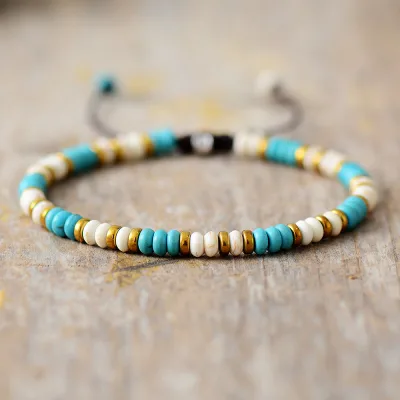
Natural Stone Frosted Loose Bead Bracelet Pure Color Beads Adjustable Bracelet
$2.70 - $2.80
MOQ: 20 Pieces


- Verified by SGS
- Combined
- China Guangdong
- Lead time23 days
- Avg. response≤ 6h
Main marketsOthers(foreignTradeCapacity.exportBusinessCapacityMarketOther),Southeast Asia/ Mideast,East Asia(Japan/ South Korea),Domestic,Europe,Australia,North America

Natural Stone Healing Crystal Stone Bracelet Moonstone Gemstone Elastic Bracelet
$1.85 - $2.46
MOQ: 60 Pieces

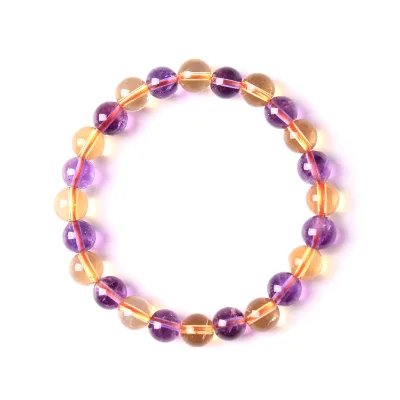
Beautiful Colorful Natural Stone Bead Healing Crystal Bracelet, Spliced Amethyst Chain Link Bracelet
$1.10 - $2.60
MOQ: 100 Pieces

$10.50 - $22.80
MOQ: 30 Pieces

Wholesale Bohemian Style Natural Stone Bead Bracelet Minimalist Luxurious Beaded Bracelet
$1.49 - $2.99
MOQ: 70 Pieces
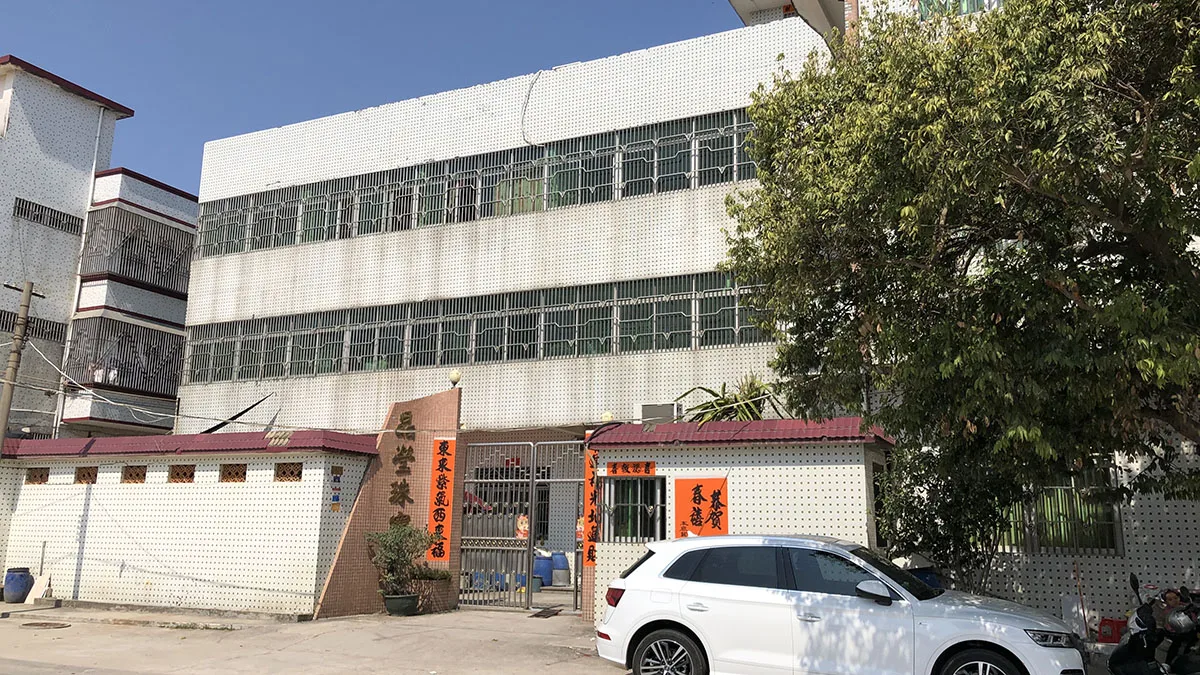
Guangzhou Liwan Jingcai Jewelry Firm
- Distributor/Wholesaler
- Guangdong, China
- Lead time7 days
- Avg. response≤ 6h
Main productsJewelry,Body Jewelry,Bracelets & Bangles,Loose Gemstone,Necklaces
Main marketsNorth America(40.00%), Western Europe(20.00%), Eastern Asia(20.00%), Eastern Europe(10.00%), Northern Europe(5.00%), Oceania(5.00%)

Guangzhou Anfook & Dakerden Jewelry Co., Ltd
- Trading Company
- China Guangdong
- Lead time0 days
- Avg. response≤ 12h

- Verified by CTI
- Trading Company
- China Zhejiang
- Lead time15 days
- Avg. response≤ 6h
Main productsJewelry, Brooch, Belt, Necklace, Agent, Bracelet, China Trim, China Ring, China Hair Accessory, China Earring
Main marketsSouth America


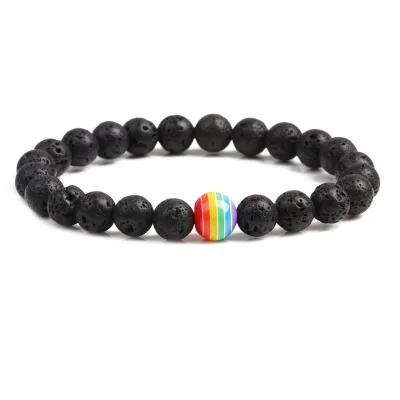
Bohemian Natural Stone Beaded Bracelet for Women Black White Couple Bracelet Jewelry
Negotiable
MOQ: 1 Pieces

- Verified by SGS
- Manufacturer/Factory
- China Zhejiang
- Lead time30 days
- Avg. response≤ 1h
Main productsNecklace, Bracelets, Earring, Ring, Brooch, Phone Lanyard, Key Chain, Body Jewelry, Hair Clip, Hair Band
Main marketsSouth America,Eastern Europe,Mid East,North America,Southeast Asia,Eastern Asia,Oceania,Western Europe,Africa
- Trading Company
- Zhejiang, China
- Lead time14 days
- Avg. response≤ 7h
Main productsBracelet,Necklace,Keychain,Lanyard,Earrings
Main marketsNorth America(30.00%), Southeast Asia(20.00%), Eastern Europe(20.00%), South America(20.00%), Africa(5.00%), Mid East(2.00%), Western Europe(1.00%), Eastern Asia(1.00%), Oceania(1.00%)
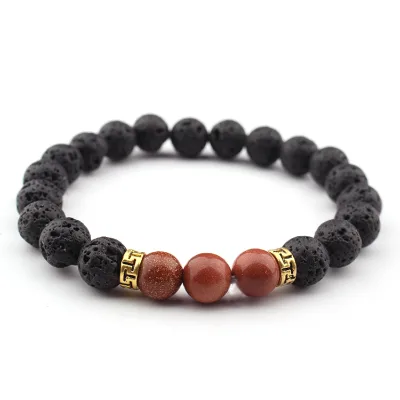
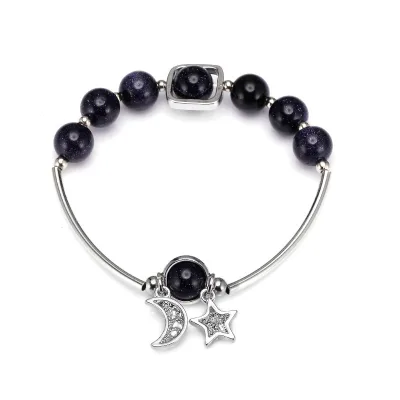
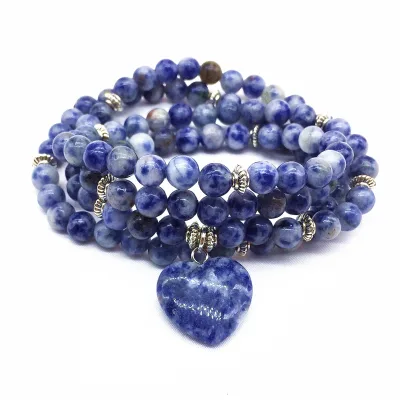
Retro Blue sandstone bracelet girls' simple lovers jewelry natural stone bracelet
$1.49 - $1.79
MOQ: 12 Minimum
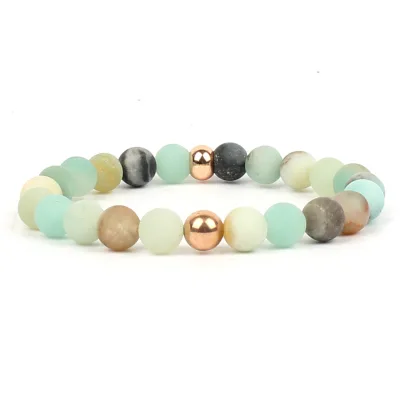
Hefei Kaining Trading Co., Ltd.
- Trading Company
- Anhui, China
- Lead time15 days
- Avg. response≤ 4h
Main productsNecklace,Ring,Bracelet,Hair Sticks,Earrings
Main marketsNorth America(25.00%), Africa(15.00%), Southeast Asia(15.00%), Eastern Europe(15.00%), South America(15.00%), Mid East(10.00%), Oceania(5.00%)
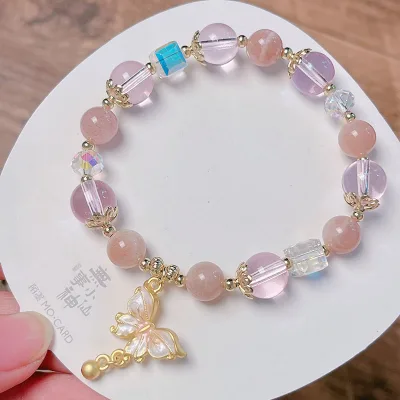
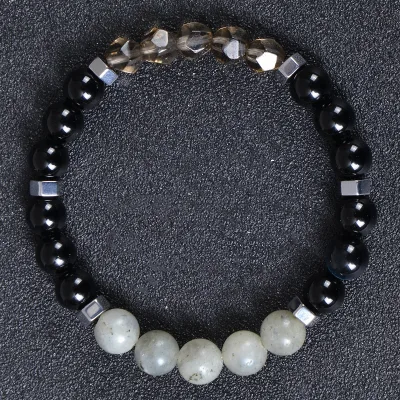
8mm Black Obsidian & Moonstone Bracelet - Unisex Natural Stone Protection Jewelry
$0.50 - $0.90
MOQ: 12 pieces

GOODLINESS JEWELLERY CO., LIMITED
- Verified by SGS
- Manufacturer
- China Guangdong
- Lead time23 days
- Avg. response≤ 6h
Main products925 Silver Ring, Brass Jewelry, 925 Silver Earring, 925 Silver Necklace, 925 Silver Set, 925 Silver Bangle, Customer's Design, 925 Silver Bracelet, Silver Accessory, Brass Accessory
Main marketsSoutheast Asia/ Mideast,Europe,North America
Yiwu Shanmei Arts And Gifts Co., Ltd.
- Verified by TüVRheinland
- Manufacturer, Trading Company
- Lead time旺季: "1 - 10":13,"11 - 100":15,"101 - 1000":20,"> 1000":"To be negotiated", 淡季: "1 - 10":13,"11 - 100":15,"101 - 1000":20,"> 1000":"To be negotiated"
- Avg. response≤ 8h
Main productsGemstone Jewelry, Metal Jewelry, Jewelry Accessories, Sterling Sliver Jewelry, Gemstone Decorations

Yiwu Trendz Accessories Co., Ltd.
- Manufacturer, Trading Company
- Zhejiang, China
- Lead time15 days
- Avg. response≤ 4h
Main productsJewelry, Jewelry Accessories, Children's Jewelry , Adult Jewelry , Hair Accessories
Main marketsSouthern Europe(8.33%), Northern Europe(8.33%), Central America(8.33%), Western Europe(8.33%), Eastern Asia(8.33%), Mid East(8.33%), Oceania(8.33%), Africa(8.33%), Southeast Asia(8.33%), Eastern Europe(8.33%), South America(8.33%), North America(8.33%)
Hebei Bestone Jewelry Co., Ltd.
- Verified by Intertek
- Manufacturer, Trading Company
- Lead time15 days
- Avg. response≤ 3h
Main productsFashion Jewelry, Loose Beads, Charms and Pendants, Gifts, Home Decor
Main marketsNorth America(50%), Eastern Europe(10%), Oceania(10%)
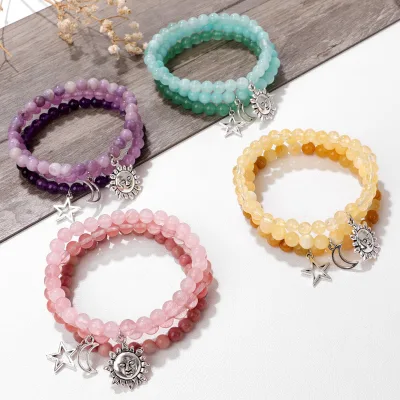
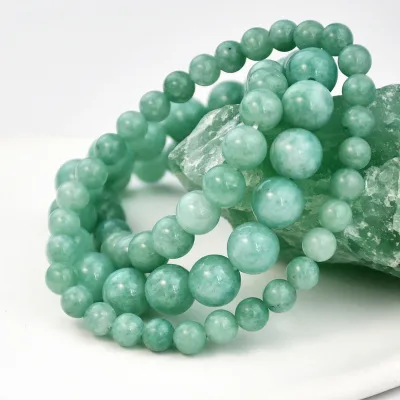
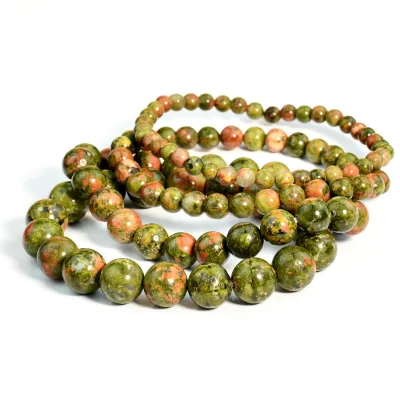
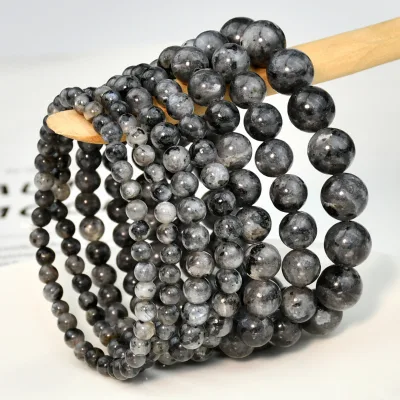
Bestone Wholesale 4/6/8/10MM Natural Stone Healing Bracelet Men's Natural Black Labradorite Bracelet
$0.90 - $1.38
MOQ: 15 Minimum

Yiwu Phonbon Import & Export Co., Ltd.
- Trading Company
- Zhejiang, China
- Lead time15 days
- Avg. response≤ 7h
Main productsmedal,lapel pin,metal coins,cross,rosary
Main marketsWestern Europe(16.67%), Southeast Asia(16.67%), Southern Europe(15.00%), Eastern Europe(15.00%), South America(10.00%), Africa(5.00%), Northern Europe(5.00%), Central America(5.00%), North America(5.00%), Mid East(3.00%), Eastern Asia(2.00%), South Asia(1.00%), Oceania(0.66%)
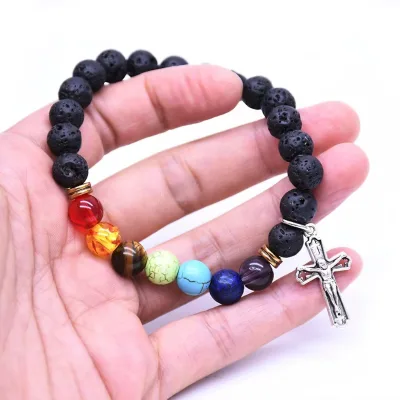
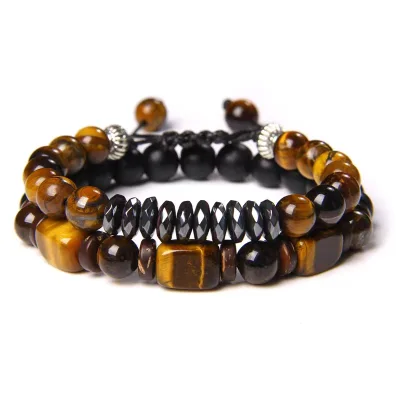
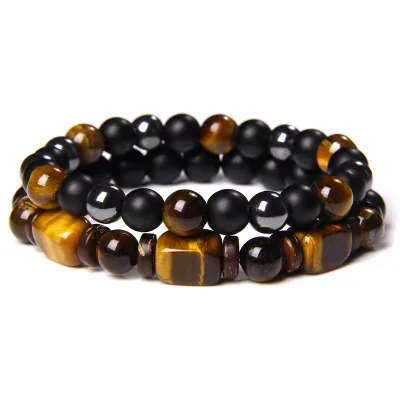
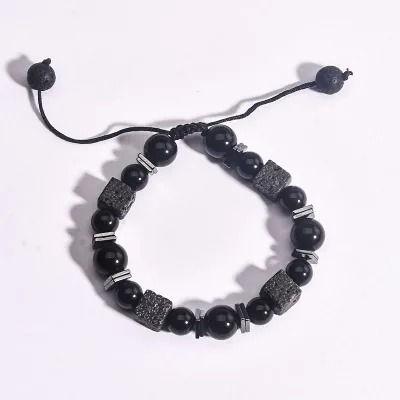
custom Hot selling natural tiger eye stone bracelet men's frosted black agate bracelet
$1.20 - $2.10
MOQ: 50 Minimum
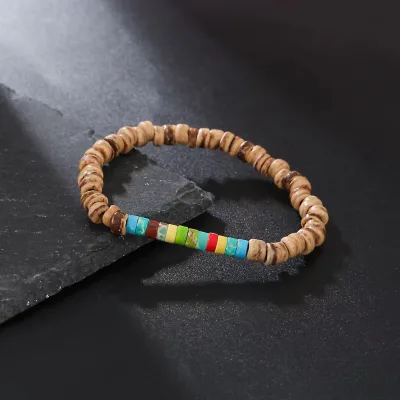
custom natural tiger eye stone bracelet many kinds of combination tiger eye bracelet
$1.20 - $2.10
MOQ: 50 Minimum
Yiwu Zhuofang Jewelry Co., Ltd.
- Manufacturer, Trading Company
- Lead time旺季: "1 - 50":12,"51 - 300":18,"301 - 800":23,"> 800":"To be negotiated", 淡季: "1 - 50":12,"51 - 300":18,"301 - 800":23,"> 800":"To be negotiated"
- Avg. response≤ 2h
Main productsNecklace , Earring, Rings, Bracelet , Brooch
Jade (Tianjin) Technology Co., Ltd.
- Trading Company
- Tianjin, China
- Lead time7 days
- Avg. response≤ 5h
Main productsjade roller,gua sha,guasha,jade gua sha,Iastm tools
Main marketsSouth America(25.00%), Central America(20.00%), North America(20.00%), Domestic Market(15.00%), Northern Europe(5.00%), Southern Europe(5.00%), Africa(5.00%), Eastern Europe(3.00%), Western Europe(2.00%)
Dongguan Huiying Art&crafts Co., Ltd.
- Manufacturer, Trading Company
- Guangdong, China
- Lead time20 days
- Avg. response≤ 6h
Main productsgifts,crafts,skin care products,face rollers,gua sha massagers
Main marketsWestern Europe(25.00%), North America(25.00%), Northern Europe(10.00%), Oceania(10.00%), Mid East(5.00%), Eastern Europe(5.00%), Central America(5.00%), Southeast Asia(3.00%), Eastern Asia(3.00%), South Asia(2.00%), Southern Europe(2.00%), South America(2.00%), Africa(2.00%), Domestic Market(1.00%)
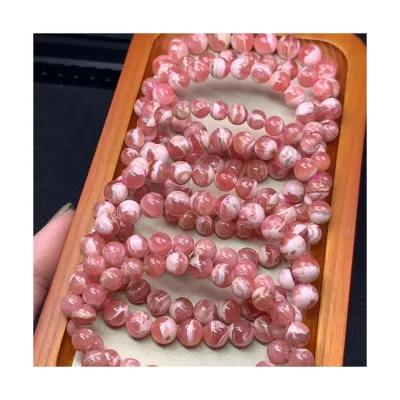
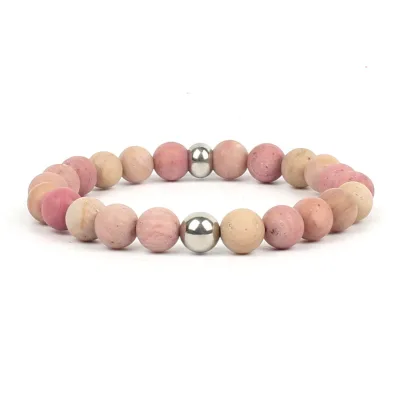
DIY Factory Direct Price Hot Sale Pink Beaded Bracelets Rhodonite Beads Bracelet
$12.00 - $16.00
MOQ: 20
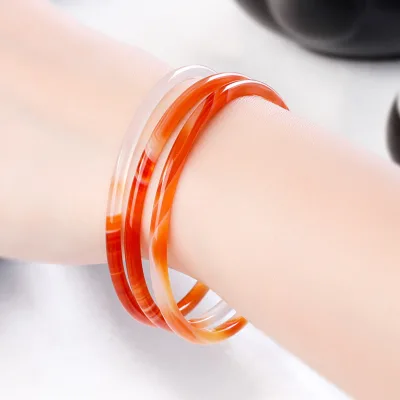
2026 Jade Bracelet Jadeite Natural Jade Bracelet Agate Bangles Women
$12.3308 - $16.4401
MOQ: 20 pieces
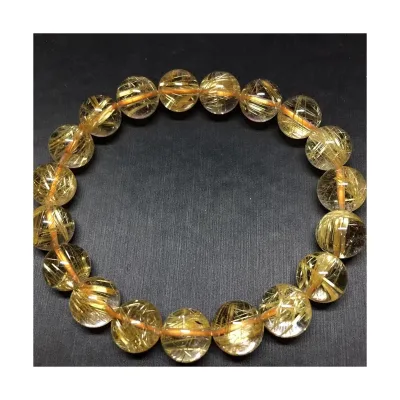
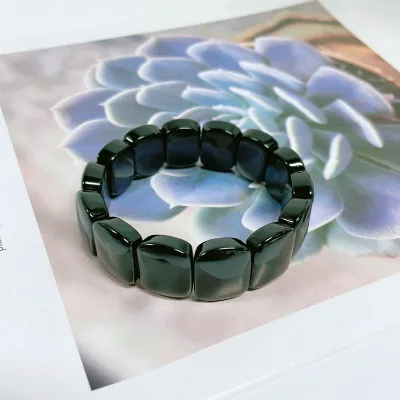

- Trading Company,Manufacturer/Factory
- China Guangdong
- Lead time23 days
- Avg. response≤ 8h
Main productsGemstone, Jewelry, Gemstone Jewelry, Loose Gemstone Beads, Jewelry Rings, Jewelry Set, Jewellery Earrings, Pendant, Created Emerald, Cubic Zirconia
Main marketsSouth America,Eastern Europe,North America,Western Europe


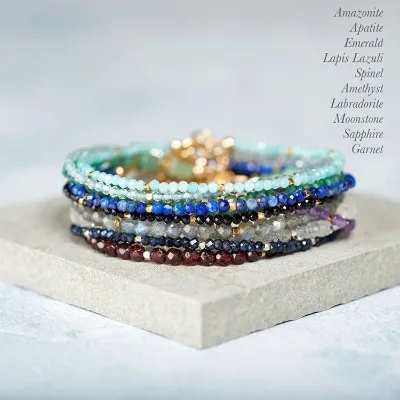
Natural Gemstone Beads with Sterling Silver Flower Pendant DIY Bracelet for Women
Negotiable
MOQ: 50 Pieces


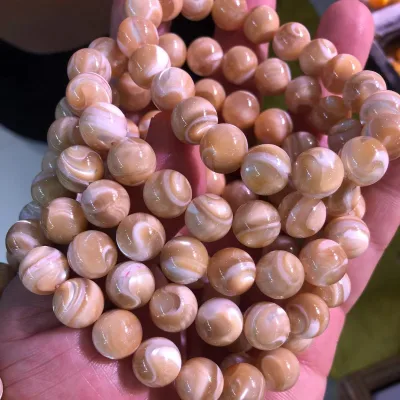


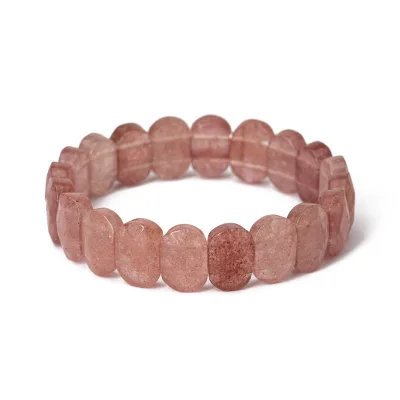
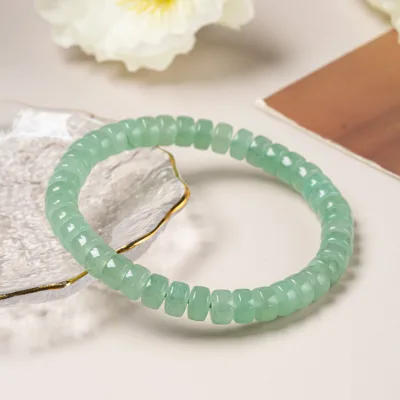
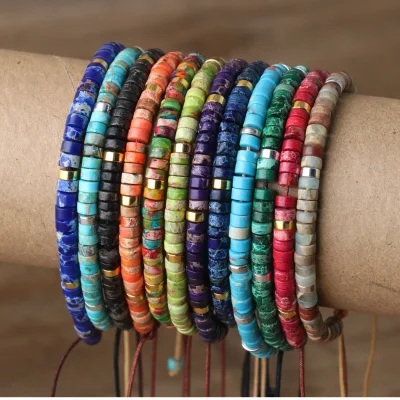
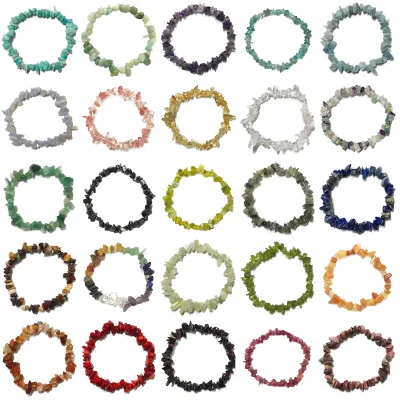
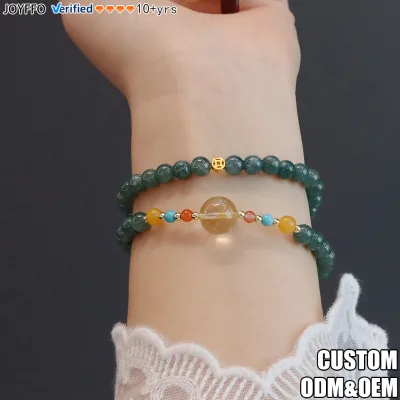
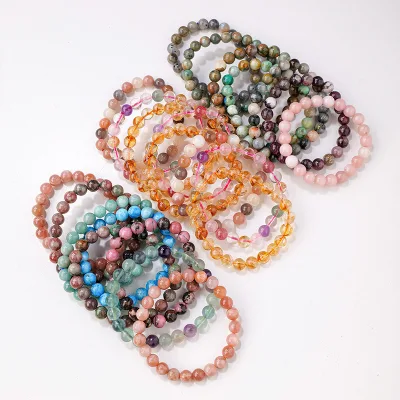
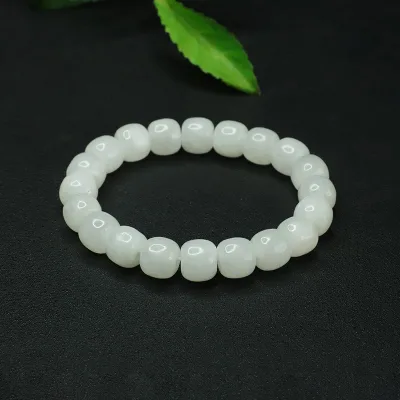
Comprehensive Sourcing Guide
Natural Stone Beaded Sodalite Bracelet Supplier Concentration and Factory Types
Buyers searching for natural stone beaded sodalite bracelets will encounter two broad supplier archetypes on B2B platforms: manufacturers and trading companies. In the current results, one manufacturer is based in Guangdong, China, and lists a wide jewelry portfolio spanning pendants, necklaces, bracelets, rings, earrings, carvings, ornaments, loose beads, and semi-precious stones, with OEM and ODM capability. A trading company in Zhejiang focuses narrowly on bangles, wrist bands, bracelets, and fashion jewelry, with ODM capability. This split matters because a factory controlling bead drilling, stringing, and finishing can often adapt constructions faster, while a trading company may consolidate multiple stone workshops into one consolidated order.
When the platform does not display a location for a given listing, buyers should not assume a cluster membership. Instead, identify concentration signals yourself: check whether the supplier's main products overlap heavily with gemstone jewelry, whether product origin fields on individual listings indicate a province, and whether several suppliers quote from the same region. For this category, confirmed results point to Guangdong and Zhejiang, so prioritize suppliers whose individual listings state an origin within those provinces. Also weigh supplier type against your need: if you require custom bead sizes, mixed stone combinations like sodalite with tiger eye or amethyst, or branded packaging, a manufacturer advertising OEM/ODM support is usually the better fit than a reseller who forwards specifications to third parties. Confirm which role the counterparty actually plays before sampling.
How to Verify Natural Stone Beaded Sodalite Bracelet Suppliers
Verification should start with platform-level signals and then move to document-level checks. In the current results, one manufacturer holds SGS verification as its platform credential and lists system certifications including ISO 9001 and OHSAS/OHSMS 18001. One Zhejiang listing also declares test attributes such as nickel and lead free testing and references certificates including BSCI, SGS, BV, and Intertek. Treat these as claims to validate: request the actual certificate numbers, issue dates, and scopes, and confirm they cover jewelry manufacturing or trading rather than an unrelated business line. A third-party verified badge is a useful filter, but it is not a substitute for reviewing audit reports directly.
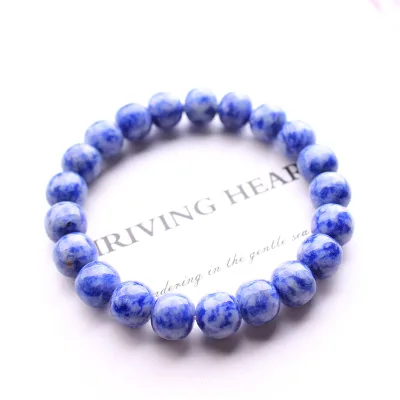
For natural stone products specifically, verification should also address material authenticity. Sodalite is frequently confused with dyed howlite or other blue-white stones, so ask each supplier to state the stone origin and to confirm whether dyeing, resin impregnation, or stabilization is used on any bead in the design. Request photographs of bead cross-sections if transparency matters to your brand. Check business registration documents, factory address consistency, and whether the entity on the invoice matches the platform profile. For compliance-sensitive markets, ask which regulations the supplier's nickel and lead testing was performed against, and whether reports are recent enough for your import requirements. Finally, conduct a small trial order before committing to volume; a supplier's willingness to support a modest first run is itself a verification signal that no certificate can replace.
What to Compare Across Natural Stone Beaded Sodalite Bracelet Suppliers
Build a comparison sheet using the attributes platforms actually display, without assuming every supplier shows every field. Useful dimensions include lead time, minimum order quantity, response speed, location, company type, main products, and customization capability. In the current results, the Guangdong manufacturer shows a response time of roughly 7.7 hours and a lead time of about 23 days, while the Zhejiang trading company shows a response time near 24.7 hours and a lead time around 15 days. That contrast illustrates why both metrics must be read together: a faster quoted lead time paired with much slower communication can still delay your critical path if revisions are needed.
Price and MOQ comparisons should use listing-level data, since they vary even within one catalog. The manufacturer's bracelet listings span roughly $0.85 to $2.50 per piece with MOQs of 50 to 100 pieces depending on the model, while the trading company's natural bead bracelet listing ranges from about $1.89 to $8.96 with a 200-piece MOQ. Note also product breadth: one supplier lists many bracelet variants including chakra, striped agate, and spacer styles; the other lists natural stone bead bracelets in jade-type materials with simple styling. Compare standard lengths, bead sizes such as 6mm or 8mm, packing options, and whether OEM, ODM, or both are offered. Record establishment year where displayed, and use escrow availability as an additional trust dimension when shown, since payment protection reduces risk on first orders.
Common Natural Stone Beaded Sodalite Bracelet Sourcing Risks
The most category-specific risk is material substitution. Blue banded stones that look like sodalite can be dyed howlite, synthetic substitutes, or lower-grade material with heavy resin fill, and photographs on a listing rarely reveal the difference. Suppliers whose listings describe natural, genuine materials should still be asked for material declarations, and buyers should inspect received samples under daylight for color uniformity, dye pooling around drill holes, and plastic-like luster. A related risk is inconsistent bead quality across production runs: natural stones vary in banding and tone, so agree in writing on acceptable color variation and reject criteria before mass production begins.
Process and compliance risks follow. One listing in the current results advertises nickel and lead free testing, but unless you obtain the underlying report you cannot know which standard or limit was applied; unspecified compliance claims are a recurring source of customs and retail rejections. Packing is another frequent failure point—several listings state that packing can be made to the customer's request, so specify OPP bags, carton counts, and labeling explicitly rather than assuming defaults. Communication delays compound these risks: where a supplier's displayed response time exceeds a day, questions about stone sourcing or plating on spacer beads may stall for days, so set expectations for reply windows in your purchase terms. Finally, mismatch between company type and capability is a risk itself; a trading intermediary may accept customization requests it cannot technically enforce at the factory level, producing sample-to-bulk discrepancies.
Natural Stone Beaded Sodalite Bracelet Regional Sourcing and Logistics
Where the current results confirm location, use it. The manufacturer verified in these results operates from Guangdong, China, and the trading company operates from Zhejiang, China. Guangdong is one of China's principal jewelry manufacturing provinces, which for this category suggests easier access to bead processing, findings, and stone carving services nearby, while Zhejiang is a major hub for fashion jewelry and accessories trading. These regional strengths influence what you can realistically request: factory-adjacent suppliers can more readily mix stone types, adjust bead diameters such as the 6mm and 8mm sizes seen in listings, and source matching pendants or necklaces to complete a collection.
Logistics planning should account for the lead times displayed in the results—about 23 days for the Guangdong manufacturer and about 15 days for the Zhejiang trading company—plus sampling, quality inspection, and transit time to your market. Natural stone bracelets are compact and lightweight, which makes them well suited to consolidated air freight for replenishment and sea freight for bulk; confirm carton dimensions and gross weight when requesting quotations. Where a supplier's location is not displayed, do not guess the province from company name or product style alone; instead, ask for the production address and cross-check it against listing origin fields. Buyers shipping to regulated markets should also confirm at this stage which party handles compliance documentation, because a factory and a trading company may assign responsibility for test reports and customs paperwork differently.
Natural Stone Beaded Sodalite Bracelet Commercial Terms and Order Planning
Plan your first order around the MOQ and price bands visible in the results. Entry-level listings from the manufacturer show MOQs of 50 pieces for an 8mm green crystal bead bracelet at roughly $1.20 to $1.50, 100 pieces for a multi-stone chakra bracelet at about $0.85 to $0.90, and no displayed MOQ for some agate bangle models priced up to about $2.30. The Zhejiang trading company's natural bead bracelet starts at 200 pieces, from roughly $1.89 to $8.96. These figures suggest that sampling and market testing are affordable at the low end, but scale commitments differ sharply by supplier, so match your order size to the channel you are validating.
Negotiate terms that reflect the natural variability of stone products. Define the reference sample as the quality standard, cap acceptable color variation, and state that mass production is subject to your approval of a pre-production sample. Confirm Incoterms, payment structure, and whether escrow or platform-protected payment is available for your transaction, since first orders carry the highest counterparty risk. Specify packing explicitly—several listings promise customer-request packing, so submit dielines or bag specifications with the purchase order. Build your calendar around quoted lead times, adding buffer for stone selection disagreements, and stagger reorders rather than committing to one large run until sell-through data confirms which bead sizes, lengths such as the common 7-inch standard, and stone combinations your customers actually purchase.
FAQs
What is the price range for natural stone beaded sodalite bracelets?
Prices for these bracelets typically range from $0.85 to $2.50 per unit. The final cost depends on the specific stone type, such as sodalite or tiger eye, and the chosen bead size. Buyers should expect variations based on customization requests and order volume.
What is the minimum order quantity for these bracelets?
The minimum order quantity varies by supplier, generally starting at 50 units for some manufacturers and 100 or 200 units for others. Buyers should verify the specific MOQ with their chosen supplier, as trading companies may have different thresholds compared to direct factories.
How long does production take for these bracelets?
Production lead times typically range from 15 to 23 days. This duration depends on the supplier type, with trading companies sometimes offering faster turnaround than manufacturers. Buyers should confirm the exact timeline during the inquiry phase to ensure it aligns with their delivery schedule.
Are these bracelets suitable for formal occasions?
Yes, many natural stone beaded sodalite bracelets are designed for formal occasions. Some products are also suitable for informal events or daily wear. The versatility allows them to be used as gifts or decorative accessories, depending on the specific style and stone color chosen.
Can I customize the packaging for these bracelets?
Customization is available for packaging according to customer requests. Suppliers often offer flexible packing options to meet specific branding needs. Buyers should specify their requirements during the inquiry to ensure the packaging aligns with their distribution or retail strategy.
What certifications do these suppliers hold?
Suppliers may hold certifications such as ISO 9001, OHSAS 18001, and SGS verification. Some also provide BSCI, BV, or Intertek certificates. Buyers should request specific certification documents to verify compliance with international standards and quality management systems before placing large orders.