Nourishing Clay Facial Mud Mask Suppliers and Manufacturers
Compare 24 verified suppliers offering Nourishing Clay Facial Mud Mask with OEM, ODM, and private label capabilities. Review certifications like GMP, ISO 20000, and FDA, along with lead times and pricing. Contact suppliers directly to request samples and confirm MOQs.
Updated
Suppliers List

Guangzhou Shiruoni Cosmetics Co., Ltd.
- Trading Company,Manufacturer/Factory,Group Corporation
- China Guangdong
- Lead time15 days
- Avg. response≤ 6h
Main productsSkin Care, Jelly Mask, Face Serum, Face Toner, Face Cream, Facial Mask, Sunscreen, Face Cleanser, Soap, Skin Care Set
Main marketsSouth America,Eastern Europe,Mid East,North America,Southeast Asia,Eastern Asia,Oceania,Western Europe,Africa


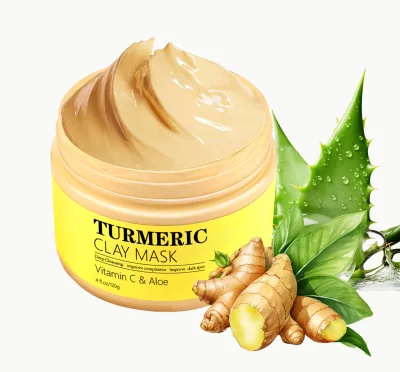
Wholesale Exfoliating Face Deep Pore Cleansing Mud Clay Facial Mask Turmeric Clay Mask
$1.40 - $1.60
MOQ: 1000 Pieces

OEM 100% Vegan Antioxidant Green Tea Mud Mask Whitening Facial Clay Mask
$2.20 - $2.80
MOQ: 1000 Pieces


OEM Factory Pure Organic Calming Green Tea Mud Mask Lightening Facial Sea Mud Clay Mask
$2.20 - $2.80
MOQ: 1000 Pieces


Guangzhou Kanglixin Medical Biotechnology Co, Ltd.
- Verified by BV
- Combined
- China Guangdong
- Lead time30 days
- Avg. response≤ 9h
Main productsSkin Care Products, Body Care, Hair Care Products, Makeup, Men's Care Products, Ferminine Care Products, Serum, Facial Mask, Face Cream, Scrub
Main marketsSouth America,Africa,Southeast Asia/ Mideast,East Asia(Japan/ South Korea),Domestic,Europe,North America

Natural Organic Facial Cleansing Clay Mask Face Brighten Whitening Turmeric Mud Masks
$1.60 - $2.00
MOQ: 3000 pieces


Private Label Pink Organic Facial Clay Mask Collagen Mask Dead Sea Mud Clay Face Mask
$1.30 - $1.80
MOQ: 100 pieces

Rose Mud Mask Face Detoxifying Pore Cleansing Brightening Organic Kaolin Pink Clay Mask
$1.60 - $2.00
MOQ: 3000 pieces


Deeply Clean Pores 100% Natural Brightening Anti Acne Pink Clay Stick Mud Facial Mask
$1.50 - $1.80
MOQ: 3000 pieces

Guangzhou Aixin Cosmetic Co., Ltd.
- Verified by TUVRHEINLAND
- Trading Company
- China Guangdong
- Lead time15 days
- Avg. response≤ 5h
Main productsSkin Care, Cosmetic, Face Mask, Beauty, Body Scrub, Face Care, Body Care, Skin Care Product, Mask, Cream
Main marketsDomestic

Beauty Cosmetics Skin Care Moisturising Exfoliation Mud Mask Rice Clay Mask
$1.85 - $2.85
MOQ: 50 Pieces


HUEY-SHYUA INTERNATIONAL ENTERPRISE CO., LTD.
- Trading Company
- Taiwan, China
- Lead time5 days
- Avg. response≤ 3h
Main productsSkin Care Products,Skin Chemical Peeling for face,Whitening Cream,Face Mask,Private Label Skin Care
Main marketsDomestic Market(50.00%), Northern Europe(17.00%), Southeast Asia(8.00%), Eastern Europe(7.00%), Oceania(6.00%), North America(4.50%), Western Europe(2.00%), Southern Europe(2.00%), South Asia(1.00%), South America(0.80%), Eastern Asia(0.50%), Africa(0.50%), Central America(0.50%), Mid East(0.20%)
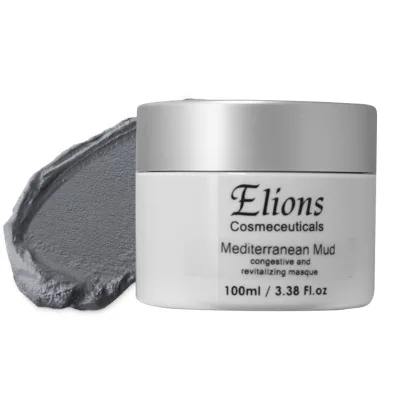
$13.4042 - $45.3647
MOQ: 4 pieces
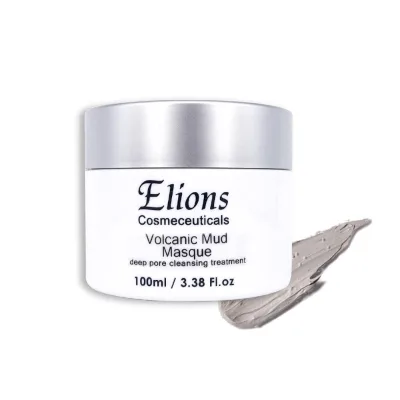
$22.5896 - $45.1777
MOQ: 6 pieces

GUANGZHOU LOVE CROWN COSMETICS CO., LTD.
- Manufacturer, Distributor/Wholesaler
- Guangdong, China
- Lead time15 days
- Avg. response≤ 1h
Main productsSkin care products,Face mask,Essential oil,Body care produts,Effective cosmetics
Main marketsSouth America(16.60%), Mid East(15.50%), North America(15.50%), Eastern Europe(12.00%), Southern Europe(10.00%), Africa(10.00%), Western Europe(9.00%), Northern Europe(6.00%), Southeast Asia(3.00%), Eastern Asia(2.40%)
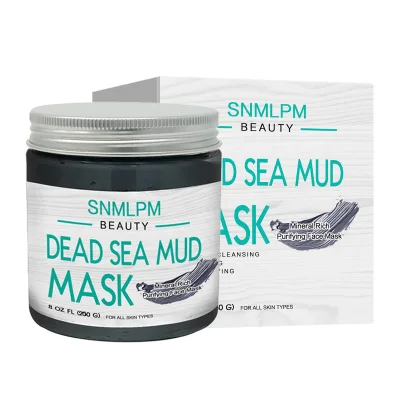
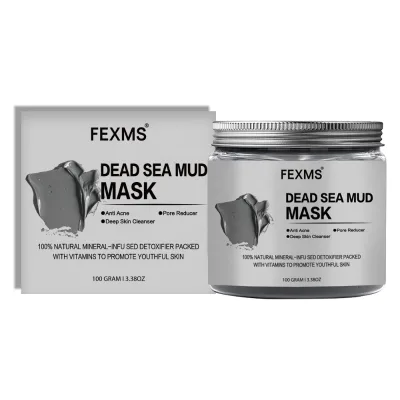
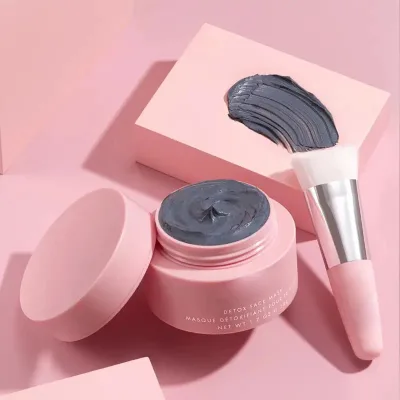
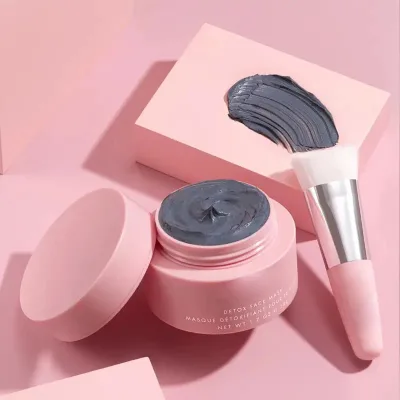
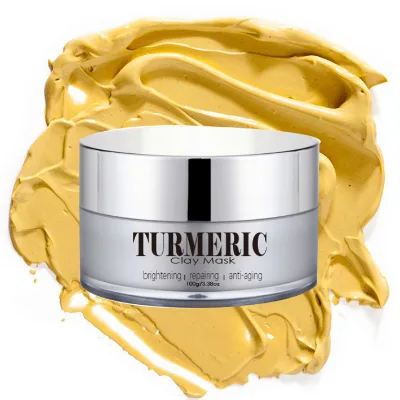
SNMLPM Dead Sea Clay Mud Mask Private Label Night Mud Pore Refining Facial Hydrating Clay Mask
$1.0966 - $1.4062
MOQ: 1000 pieces

Guangzhou Mebamy Cosmetics Co., Ltd.
- Verified by TUVRHEINLAND
- Manufacturer/Factory
- China Guangdong
- Lead time15 days
- Avg. response≤ 1h
Main productsFace Serum, Soap, Face Cream, Sunscreen, Eyelash Growth Serum, Teeth Whitening, Face Mask, Facial Cleanser, Essential Oil, Hair Care Series
Main marketsNorth America,Western Europe

Deep Pore Cleansing Healing & Hydrating Exfoliating Strawberry Facial Clay Mask
$1.21 - $2.12
MOQ: 3000 Pieces

Beauty Facial Cleansing and Moisturizing Brightening Smoothing Mud Mask
$1.00 - $2.12
MOQ: 3000 Pieces


OEM Tumrmeric Clay Mask Detoxifying Acnes Control Vitamin C Clay Face Mask
$1.98 - $2.12
MOQ: 3000 Pieces

Guangzhou Xujohn Bio-Technique Co., Ltd.
- Manufacturer, Trading Company
- Lead time旺季: "1 - 1000":35,"> 1000":"To be negotiated", 淡季: "1 - 1000":35,"> 1000":"To be negotiated"
- Avg. response≤ 18h
Main productsFacial Mask/Foot and Hand Mask/Toner and Cream/Serum/Hydrogel Mask
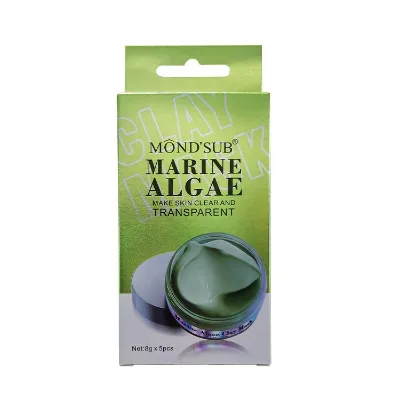
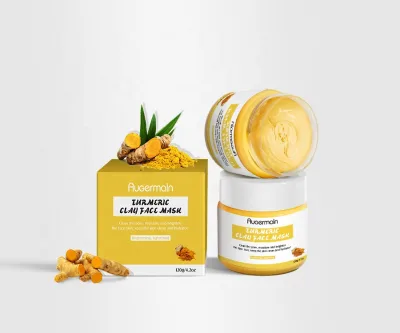
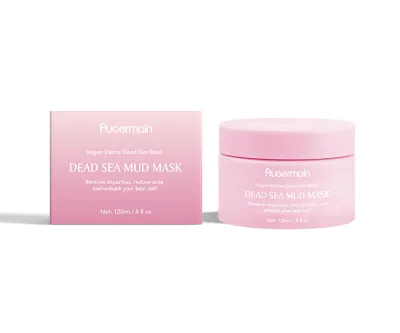
$1.5364 - $2.5058
MOQ: 1000 pieces
Guangzhou Baiyun District Mayllinebe Cosmetics Factory
- Verified by SGS Group
- Trading Company
- Lead time6 days
- Avg. response≤ 5h
Main productsCollagen Crystal Facial Mask, Eye Mask, Lip Mask, Cream & Lotion, Hand & Foot Mask
Main marketsDomestic Market(32%), North America(12%), Southeast Asia(11%)
Guangzhou Charm Beauty Cosmetics Co., Ltd.
- Verified by Intertek
- Trading Company
- Guangdong, China
- Lead time30 days
- Avg. response≤ 4h
Main productsLash Lift, Brow Lift, Brow Tint, Eyelash Tool, Facial Mask
Main marketsDomestic Market(50%), North America(20%), Western Europe(20%)
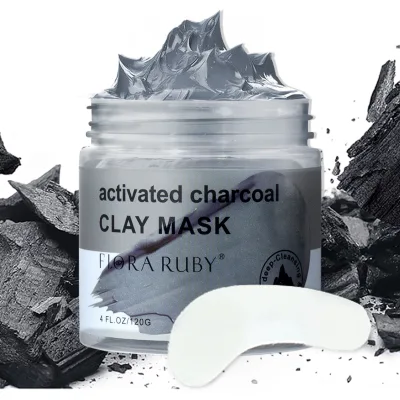
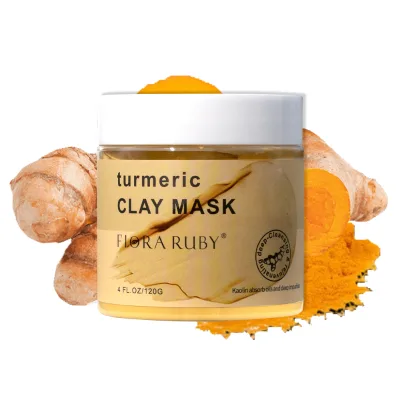
Clean Skin Care Deep Cleansing Solid Mask Tumeric Mud Mask Facial Masks
$1.4347 - $2.048
MOQ: 1 pieces
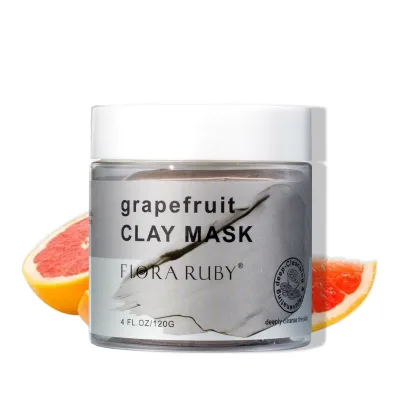

Guangzhou Dephin Cosmetics Co., Ltd
- Verified by CTI
- Trading Company,Manufacturer/Factory
- China Guangdong
- Lead time23 days
- Avg. response≤ 4h
Main productsSkin Care Products, Hair Care, Body Care, Gel Products, Cream & Lotions, Body Deodorant, Face Serum, Hand & Foot Care, Nail Care, Makeup
Main marketsSouth America,Eastern Europe,Mid East,North America,Southeast Asia,Eastern Asia,Oceania,Western Europe,Africa


Natural Deep Cleansing Dead Sea Salt Kaolin Pink Mud Clay Facial Mask for Dry Skin Facial Mask
$1.50 - $2.20
MOQ: 1000 Pieces


Guangzhou Aifujia Biotechnology Co., Ltd.
- Trading Company
- China Guangdong
- Lead time15 days
- Avg. response≤ 4h
Main productsFace Cream, Face Serum, 24K Serum, Rose Spray, Vitamin C Serum, Skin Care Set, Essential Oil, Facial Mask, Face Lotion, Anti Aging Whitening Face Cream
Main marketsSoutheast Asia/ Mideast,Europe,North America

Factory Price Small Mud Mask Pure Clay Facial Mask Firming and Brightening
$1.15 - $2.12
MOQ: 1000 Pieces


$1.99 - $2.99
MOQ: 1000 Pieces


Shenzhen Baitejia Technology Co., Ltd.
- Verified by TüVRheinland
- Trading Company
- Lead time0 days
- Avg. response≤ 5h
Main productsHair Removal Instrument, Cleaning Instrument, Skin Care Products, Makeup Tools
Main marketsNorth America(25%), Western Europe(16%), South Asia(15%)
Guangzhou Biying Cosmetics Co., Ltd.
- Manufacturer, Trading Company
- Lead time旺季: "1 - 10000":15,"> 10000":"To be negotiated", 淡季: "1 - 10000":15,"> 10000":"To be negotiated"
- Avg. response≤ 8h
Main productsFacial Care, Eye Care, Body Care, Skin Care, Cosmetics
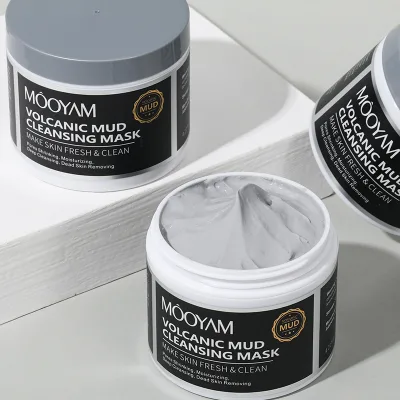
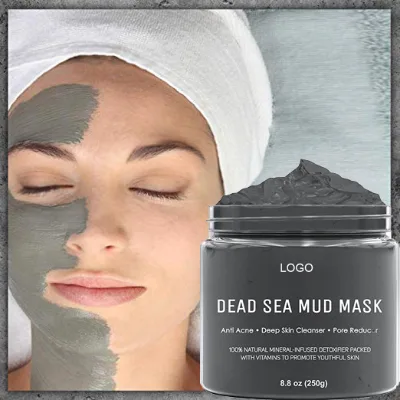
Private Label 100% Natural Mineral Mud Mask Face Clay Mask Dead Sea Mud Mask for Face & Body
$0.9335 - $1.321
MOQ: 1000 pieces
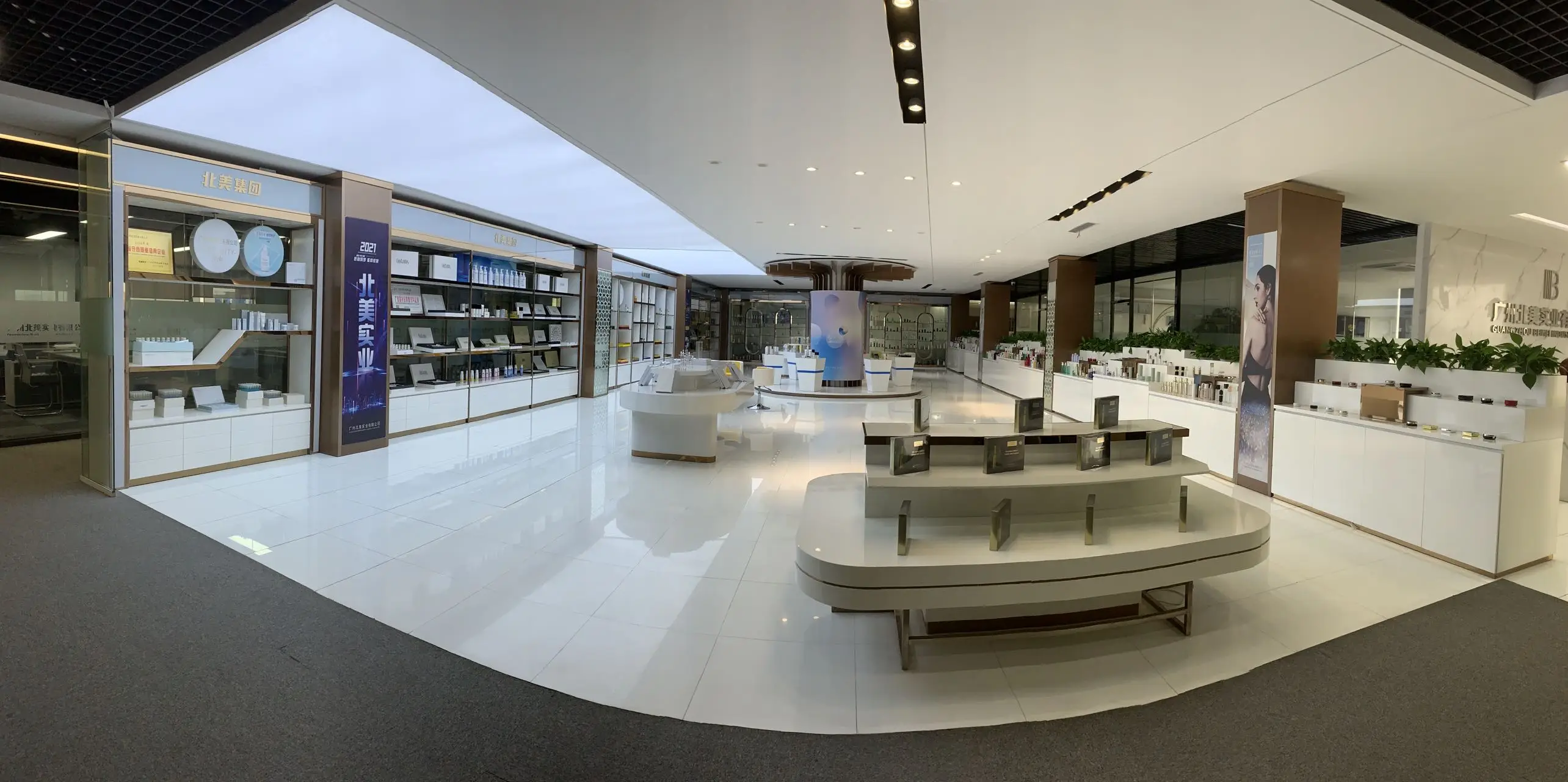
Guangzhou Chartie Biotechnology Co., Ltd.
- Manufacturer
- Guangdong, China
- Lead time20 days
- Avg. response≤ 3h
Main productsOral Care,Skin Care,Body Care,Hair Care,Skin Care Capsules
Main marketsCentral America(20.00%), Southeast Asia(13.00%), Western Europe(10.00%), North America(10.00%), Southern Europe(8.00%), Mid East(8.00%), Eastern Europe(8.00%), South Asia(5.00%), Northern Europe(5.00%), South America(5.00%), Africa(5.00%), Eastern Asia(3.00%)
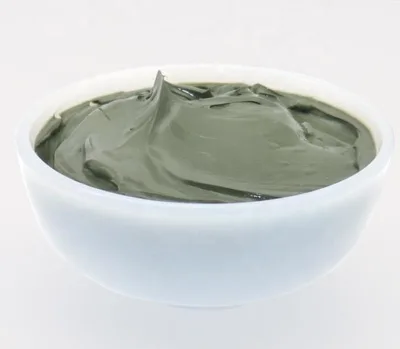
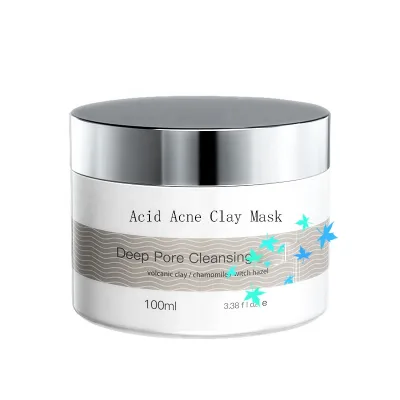
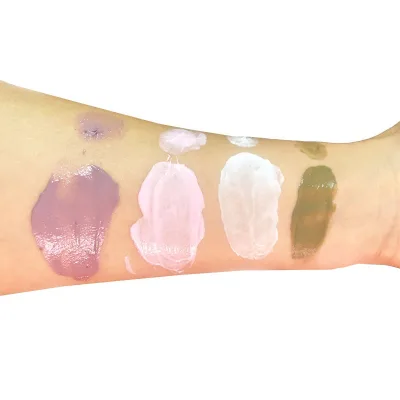
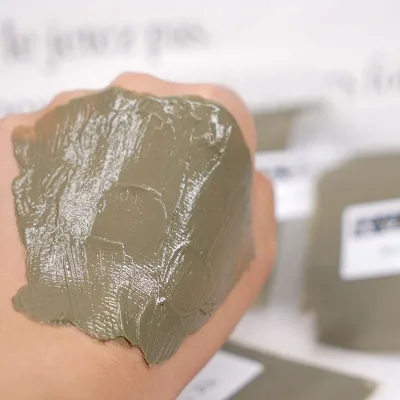
75g White Clay Mask Mud Colorful Deep Cleansing Volcanic Mud Mask Private Label
$0.95 - $1.19
MOQ: 150
Guangzhou NewBodylife Cosmetics Manufacture Co., Ltd.
- Verified by TüVRheinland
- Manufacturer, Trading Company
- Lead time15 days
- Avg. response≤ 7h
Main productsFacial Mask, Facial Serum, Face Cream, Body Scrub, Body Lotion
Main marketsNorth America(40%), Western Europe(25%), Mid East(15%)

Henan Green Biotechnology Co., Ltd.
- Trading Company
- Henan Province, China
- Lead time0 days
- Avg. response≤ 2h
Main productsface cream,body scrub,lip mask,hair shampoo,soap
Main marketsEastern Europe(30.00%), South America(30.00%), North America(30.00%), Oceania(10.00%)
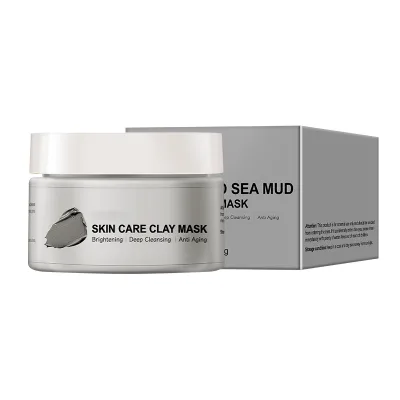
Purify Skin, Reduce Fine Lines & Boost Glow Anti-Aging, Oil Control Pore Refiner Sea Mud Clay Mask
$1.481 - $1.8356
MOQ: 100 pieces
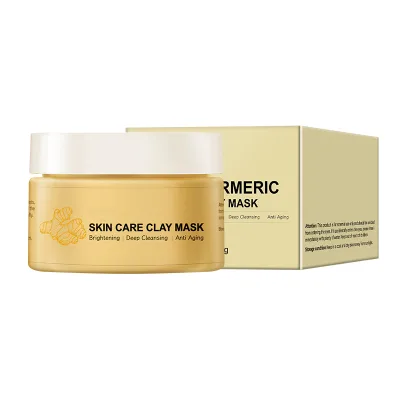
Anti-Aging for Dull Dry Skin Deep Cleanse + Pore Minimize + Boost Glow Ginger Clay Mud Mask
$1.4511 - $1.7997
MOQ: 100 pieces
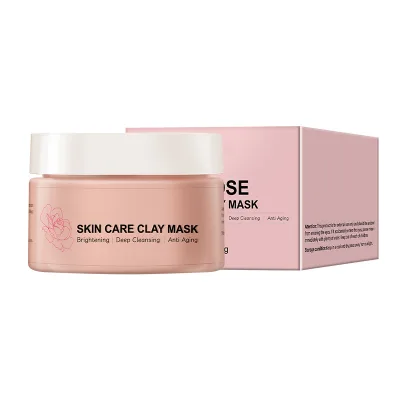
Deep Cleanse Brightening Moisturizing Soothe Irritation & Brighten for All Skin Types ROSE Clay Mask
$1.4511 - $1.7997
MOQ: 100 pieces
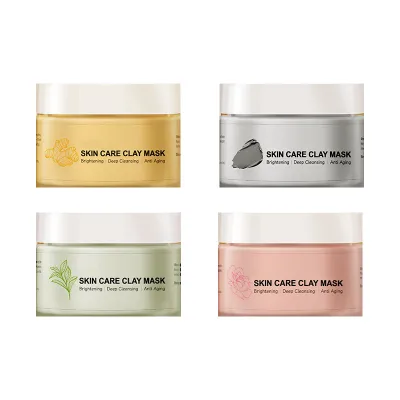
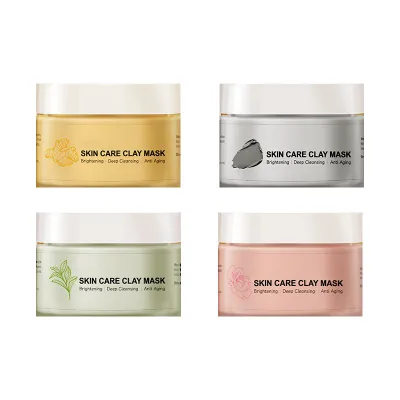
Quickly and Deeply Cleanse Fatigue, Shrink Pores, Travel Worn Skin, Travel-friendly Clay Mask
$1.4511 - $1.7997
MOQ: 100 pieces
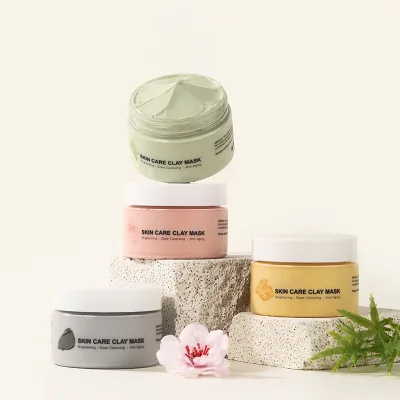
Refresh Skin Purifying Charcoal Oil Control & Blackhead Removal for Oily Skin Multi-Effect Clay Mask
$1.3688 - $1.8236
MOQ: 100 pieces
Guangzhou Elov Cosmetics Co., Ltd
- Manufacturer, Trading Company
- Guangdong, China
- Lead time3 days
- Avg. response≤ 7h
Main productsMask/Eye Pad, Body Cream/Facial and Body Spray/Foot and Hand Mask
Main marketsDomestic Market(40.00%), North America(12.00%), Western Europe(10.00%), Southern Europe(8.00%), Mid East(8.00%), South Asia(5.00%), Eastern Europe(5.00%), Southeast Asia(5.00%), South America(2.00%), Eastern Asia(1.00%), Oceania(1.00%), Central America(1.00%), Northern Europe(1.00%), Africa(1.00%)
Guangzhou Ailian Cosmetic Co., Ltd.
- Manufacturer, Trading Company
- Lead time旺季: "1 - 96":15,"> 96":"To be negotiated", 淡季: "1 - 96":15,"> 96":"To be negotiated"
- Avg. response≤ 3h
Main productsMask/ Body Care/ Make Up/ Cosmetics/ Skin Care

Shandong Shiyi Trading Co., Ltd.
- Verified by CTI
- Trading Company
- China Shandong
- Lead time15 days
- Avg. response≤ 17h
Main productsHealth and Care, Cosmetics
Main marketsAfrica,Europe,North America
- Trading Company
- Hong Kong S.A.R.
- Lead time3 days
- Avg. response≤ 4h
Main productsfacial mask,Essence liquid,emulsion,Facial cleanser,Skincare products
Main marketsDomestic Market(40.00%), North America(12.00%), Western Europe(10.00%), Mid East(8.00%), Southern Europe(8.00%), Eastern Europe(5.00%), South Asia(5.00%), Southeast Asia(5.00%), South America(2.00%), Africa(1.00%), Eastern Asia(1.00%), Northern Europe(1.00%), Oceania(1.00%), Central America(1.00%)

Guangzhou Tinsun Biotechnology Company Limited
- Combined
- China Guangdong
- Lead time15 days
- Avg. response≤ 8h
Main productsSkin Care
Main marketsEast Asia(Japan/ South Korea),Australia,North America

Private Label Cleansing Natural Organic Green Cucumber Face Clay Mud Mask Stick
$1.67 - $2.05
MOQ: 100 Pieces

$2.34 - $2.82
MOQ: 100 Pieces

Guangzhou Jm Cosmetics Co., Ltd.
- Manufacturer, Trading Company
- Guangdong, China
- Lead time0 days
- Avg. response≤ 17h
Main productsFace Cream,Face Serum,Face Mask,Body Scrub,Face Wash
Main marketsSouth America(30.00%), North America(20.00%), Central America(20.00%), Eastern Europe(10.00%), Western Europe(10.00%), Africa(10.00%)
Guangzhou Weimeixiu Cosmetics Co., Ltd.
- Verified by TüVRheinland
- Manufacturer, Trading Company
- Lead time28 days
- Avg. response≤ 4h
Main productsFace Makeup, Foundation, Lip Makeup, Eye Makeup, Skin Care
Main marketsNorth America(30%), Western Europe(20%), Oceania(10%)

Guangzhou Danjia Cosmetics Co., Ltd.
- Verified by BV
- Manufacturer/Factory
- China Guangdong
- Lead time0 days
- Avg. response≤ 4h
Main productsDizao Facial Masks, Breast Enlarging Cream Slimming Cream, Dizao Foot Mask, Bb Cream, Breast Enlarging/ Hip up /Slimming Cream, Facial Cleanser, Body Lotion, Razor Shaving Cream, Facial Cream, Hand Cream
Main marketsSouth America,Eastern Europe,Mid East,North America,Southeast Asia,Eastern Asia,Oceania,Western Europe,Africa
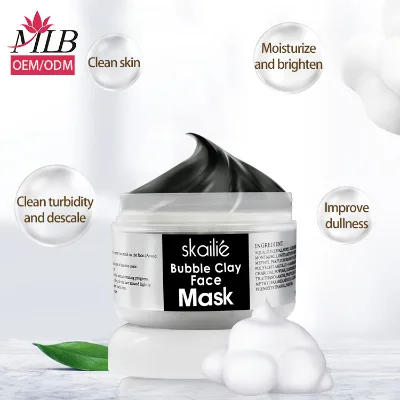
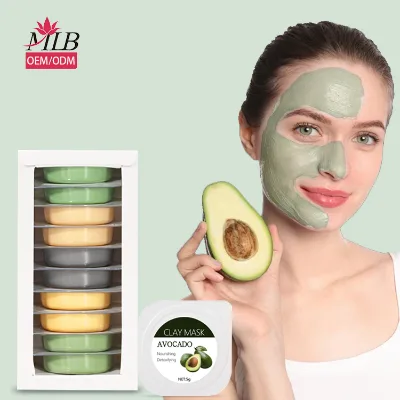
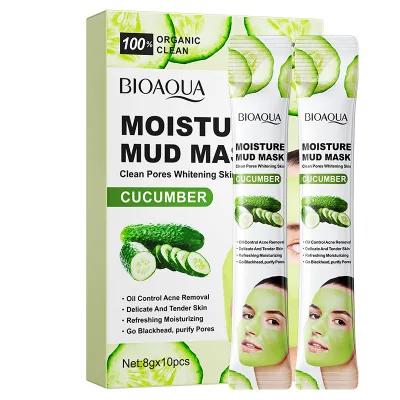
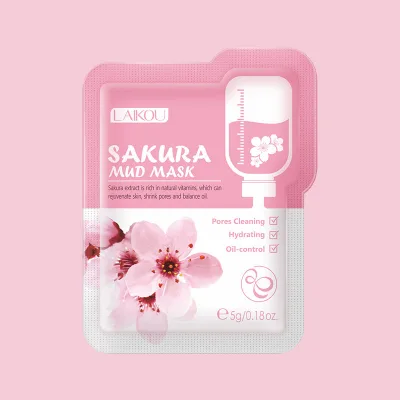
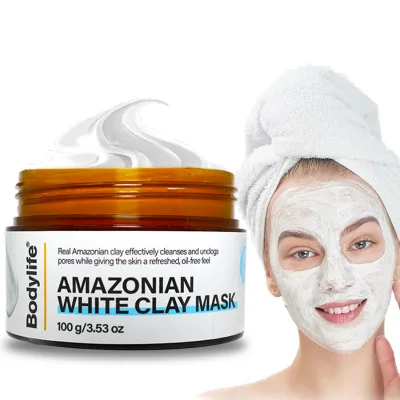

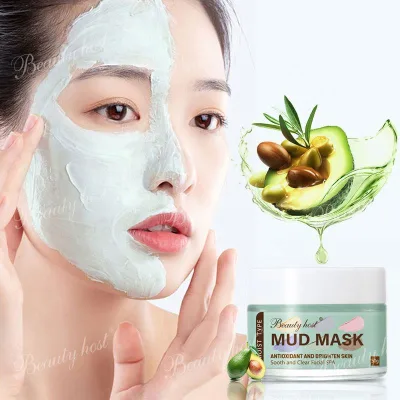
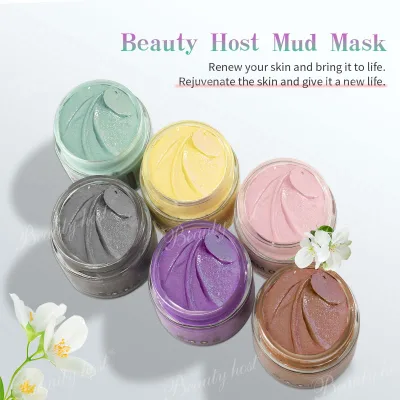
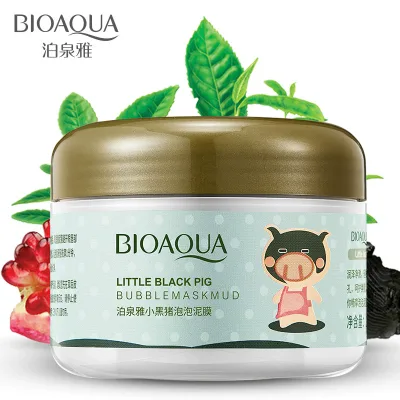
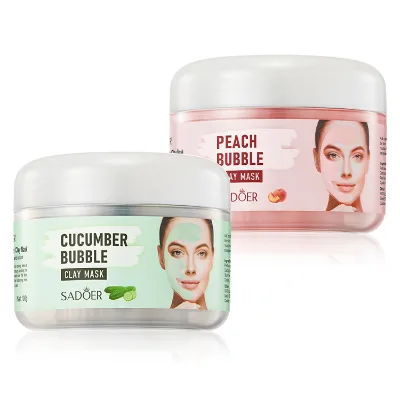


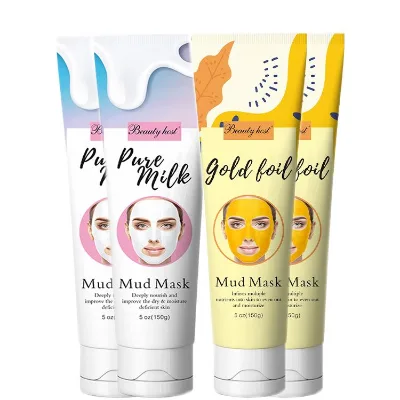
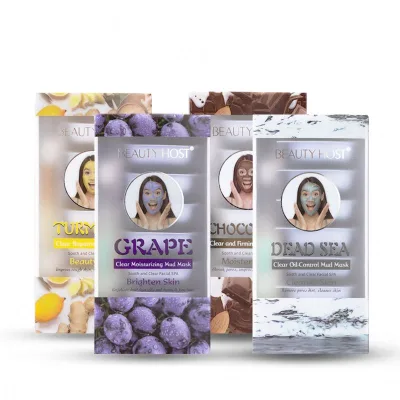
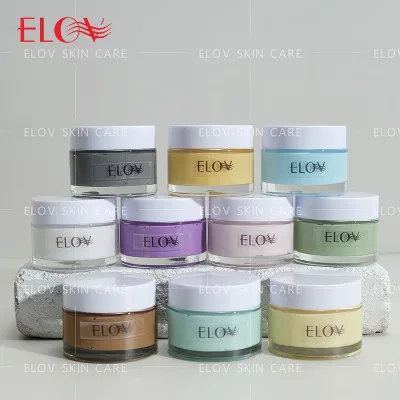


Comprehensive Sourcing Guide
Nourishing Clay Facial Mud Mask Supplier Concentration and Factory Types
The current supplier landscape for nourishing clay facial mud masks is heavily concentrated in China, specifically within the Guangdong region. This geographic clustering suggests a mature supply chain ecosystem where raw material sourcing, manufacturing infrastructure, and logistics networks are optimized for beauty product production. Buyers evaluating potential partners should recognize that this concentration often correlates with competitive pricing and rapid prototyping capabilities, as specialized factories in this area have developed deep expertise in cosmetic formulations. The presence of numerous manufacturers in this specific province indicates that buyers can expect a high density of options ranging from small-scale artisanal producers to large-scale industrial operations. Understanding this geographic focus helps in assessing the logistical feasibility of shipping and the potential for visiting facilities, although virtual audits remain a common first step in the verification process.
Supplier types in this category vary significantly, encompassing trading companies, manufacturer/factories, and group corporations. Trading companies often act as intermediaries, offering a broader portfolio of skin care products including jelly masks, face serums, toners, and cleansers, which may appeal to buyers seeking a one-stop-shop for diverse beauty items. In contrast, manufacturer/factories and group corporations typically possess direct control over the production line, allowing for more stringent quality control and potentially lower costs for large orders. Some suppliers are identified as combined entities, blending trading and manufacturing capabilities to offer flexibility in order sizes and customization options. This diversity in company structure means buyers must carefully distinguish between the actual production source and the sales entity to understand who holds responsibility for product quality, compliance, and delivery timelines.
How to Verify Nourishing Clay Facial Mud Mask Suppliers
Verification of suppliers requires a multi-layered approach that goes beyond basic company profiles. Buyers should prioritize checking for recognized system certifications such as ISO 20000 and GMP, which are critical indicators of a facility’s commitment to quality management and good manufacturing practices in the cosmetic industry. Additionally, product-specific certifications like CE, FDA, and MSDS provide evidence that the nourishing clay facial mud masks meet international safety and regulatory standards for the target markets. These documents are not merely formalities but serve as tangible proof that the supplier has undergone rigorous testing and compliance checks. Buyers must request these certificates directly and verify their validity through the issuing bodies, ensuring that the certifications are current and applicable to the specific products being sourced.
Beyond documentation, verifying the supplier’s operational capabilities is essential. Buyers should look for evidence of OEM and ODM services, which indicate that the supplier can customize formulations, packaging, and branding to meet specific business needs. The availability of customization options, such as private labeling and specific ingredient selections like green tea, hyaluronic acid, or vitamin C, demonstrates technical flexibility. Furthermore, checking for third-party verification badges, such as BV (Bureau Veritas), adds a layer of trust regarding the supplier’s business legitimacy and financial stability. Buyers should also assess the supplier’s response time, as a quick and professional reply often reflects a well-organized internal team capable of handling complex sourcing requests efficiently. This holistic verification process helps mitigate risks associated with unreliable partners.
What to Compare Across Nourishing Clay Facial Mud Mask Suppliers
When comparing suppliers, lead time is a critical metric that impacts inventory management and market responsiveness. Some suppliers offer a lead time of approximately 15 days, which is advantageous for buyers needing quick replenishment or testing new products. Others may have longer lead times, such as 30 days, which is typical for larger orders or more complex customization requirements. Buyers must align these timelines with their sales forecasts to avoid stockouts or excess inventory. Additionally, the minimum order quantity (MOQ) varies significantly, with some suppliers requiring as few as 1,000 pieces, making them suitable for startups or small businesses, while others may set MOQs at 3,000 pieces or higher, catering to larger volume buyers. Understanding these thresholds helps in selecting a partner that matches the buyer’s scale and financial capacity.
Price and product attributes are also key comparison points. Prices for nourishing clay facial mud masks can range from approximately $1.40 to $2.90 per unit, depending on factors such as ingredient quality, packaging complexity, and order volume. Buyers should evaluate the cost against the product’s features, such as anti-wrinkle, moisturizing, or whitening benefits, to ensure value alignment. The form of the mask, whether it is a sheet, mud, or jelly, and the material used, such as kaolin clay or jelly glue, also influence the final cost. Furthermore, comparing the supplier’s main products can reveal their specialization; some focus exclusively on face masks, while others offer a broader range of skin care and beauty tools. This specialization can impact the depth of expertise and innovation available to the buyer.
Common Nourishing Clay Facial Mud Mask Sourcing Risks
One significant risk in sourcing nourishing clay facial mud masks is the inconsistency in product quality and formulation. While suppliers may claim their products are organic or contain specific active ingredients like collagen, dead sea salt, or vitamin C, the actual concentration and efficacy can vary. Buyers must be cautious of vague claims and insist on detailed ingredient lists and batch testing reports. The use of terms like "natural" or "pure" without third-party verification can be misleading. Additionally, the customization process, while flexible, introduces risks if the communication between the buyer and the supplier is unclear. Misunderstandings regarding packaging specifications, logo placement, or formula adjustments can lead to production errors and wasted resources. Clear, documented specifications are essential to mitigate these risks.
Another risk is the reliability of delivery and after-sales support. Suppliers with longer lead times or those located in regions with logistical challenges may face delays that disrupt the buyer’s supply chain. Furthermore, the lack of standardized trade terms can lead to unexpected costs. Buyers should clarify whether prices are based on EXW, FOB, CIF, or other terms, as this affects shipping responsibilities and insurance. Payment terms also vary, with some suppliers accepting PayPal, Western Union, or T/T, while others may require different arrangements. Buyers must ensure that payment methods are secure and that there are clear policies for handling defective products or returns. Without robust contracts and clear communication, buyers may face financial losses or reputational damage due to subpar products or delayed shipments.
Nourishing Clay Facial Mud Mask Regional Sourcing and Logistics
Sourcing from the Guangdong region in China offers distinct logistical advantages due to its proximity to major ports and established shipping routes. This geographic location facilitates efficient export processes, reducing transit times and costs for international buyers. However, buyers must still account for the variability in shipping methods, which can include express delivery, air freight, or sea freight, depending on the order size and urgency. Express shipping is ideal for samples or small urgent orders, while air freight offers a balance of speed and cost for medium-sized shipments. Sea freight is the most economical option for large volumes but requires longer planning horizons. Understanding these options allows buyers to optimize their logistics strategy based on their specific needs and budget constraints.
The regional concentration of suppliers also impacts the availability of raw materials and packaging components. Guangdong’s robust manufacturing ecosystem ensures a steady supply of kaolin clay, jelly glue, and other essential materials, as well as packaging options like glass bottles, cartons, and boxes. This local availability can lead to faster production cycles and greater flexibility in customizing packaging designs. However, buyers should be aware of potential regional disruptions, such as labor shortages or regulatory changes, which could affect production schedules. Establishing strong relationships with suppliers who have diversified supply chains can help mitigate these risks. Additionally, buyers should consider the environmental impact of their sourcing decisions, as sustainable practices are becoming increasingly important in the beauty industry.
Nourishing Clay Facial Mud Mask Commercial Terms and Order Planning
Commercial terms for nourishing clay facial mud masks often include provisions for sample availability and lead times for production. Samples are typically available within one week, allowing buyers to evaluate product quality before committing to large orders. This sample phase is crucial for verifying that the product meets the buyer’s standards for texture, scent, and efficacy. Once samples are approved, the production lead time usually ranges from 20 to 30 days, depending on the order volume and customization complexity. Buyers must plan their orders accordingly to ensure timely delivery to the market. Clear communication regarding sample costs and refund policies is also important, as some suppliers may charge for samples but deduct the cost from the final order.
Order planning should also consider the flexibility of production capabilities. Suppliers offering OEM and ODM services can accommodate unique product requirements, such as specific ingredient combinations or packaging designs. Buyers should leverage this flexibility to differentiate their products in the market. However, customization often comes with higher MOQs and longer lead times, so buyers must balance innovation with operational efficiency. Payment terms, such as T/T or Western Union, should be negotiated to align with the buyer’s cash flow needs. Additionally, buyers should establish clear quality assurance protocols, including pre-shipment inspections and acceptance criteria, to ensure that the final products meet the agreed-upon standards. This proactive approach to commercial terms and order planning helps build a sustainable and profitable sourcing relationship.
FAQs
What certifications do these clay masks hold?
Manufacturers typically provide GMP, FDA, and MSDS certifications for their products. Some suppliers also hold ISO 20000 system certification. These credentials ensure that the manufacturing processes meet international safety and quality standards. Buyers should verify specific certificates for each order to confirm compliance with local regulations.
What is the typical lead time for orders?
Standard production lead times generally range from 15 to 30 days depending on order volume. Some suppliers offer faster turnaround times of approximately 15 days for smaller batches. Larger orders or custom formulations may require up to 30 days. Buyers should confirm exact timelines with the supplier before finalizing contracts.
What is the minimum order quantity for private label?
Minimum order quantities typically start at 1000 pieces for standard private label services. Some suppliers may require a higher MOQ of 3000 pieces for certain formulations. Custom packaging and specific ingredient requests can influence these thresholds. Buyers should inquire directly about MOQ flexibility based on their specific product requirements.
What is the price range for wholesale clay masks?
Wholesale prices for nourishing clay masks generally range from $1.40 to $2.90 per unit. The final cost depends on ingredients, packaging, and order volume. Basic formulations may be priced lower, while those with premium ingredients like Dead Sea salt cost more. Buyers should request detailed quotes for accurate pricing.
Can I get samples before placing a bulk order?
Samples are usually available for evaluation before committing to bulk production. Suppliers typically provide samples within one week. Buyers should confirm sample costs and shipping arrangements with the supplier. Testing samples ensures the product meets quality expectations and ingredient requirements before scaling up production.
What customization options are available for branding?
Suppliers offer full OEM and ODM customization services for branding. Buyers can customize logos, packaging, and product formulations. Private label services allow for unique product identities. Customization options include specific ingredients, scents, and packaging materials. Buyers should discuss their specific branding needs with the supplier to ensure feasibility.