LED Skin Diagnostic Analyzer Suppliers and Manufacturers
Source 27 verified LED Skin Diagnostic Analyzer suppliers from China. Compare response times, lead times, certifications, and pricing to find the right partner. Contact suppliers directly to request quotes and verify specifications; review the available evidence before requesting comparable quotations from suitable candidates.
Updated
Suppliers List

Nanjing Long Medical Technology Co., Ltd.
- Verified by TUVRHEINLAND
- Trading Company
- China Jiangsu
- Lead time15 days
- Avg. response≤ 3h
Main productsUltrasound Equipment, Laboratory Machine, Medical X-ray Machine, Operation Room Equipment, Dental Equipment, Autoclave Sterilizer, Disposable Material, Veterinary Equipment, Ophthalmic Equipment, Gynaecology & Neonatal Equipment
Main marketsAfrica,Others(foreignTradeCapacity.exportBusinessCapacityMarketOther),Southeast Asia/ Mideast,Europe,North America


Dermoscope 3D Skin Analyzer Facial Machine Skin Analysing Scanner Facial Skin Analyzer
$1163.00 - $1515.00
MOQ: 1 set


Changsha GOMECY Electronics Limited
- Verified by SGS
- Manufacturer/Factory,Group Corporation
- China Beijing
- Lead time15 days
- Avg. response≤ 7h
Main productsPhysiotherapy & Rehabilitation, Diode Laser Hair Removal, Laser & Light-Based Treatments, 980nm &1470nm Diode Laser, Body Sculpting & Slimming, Pmst & Tecar & Shockwave Physical Therapy, CO2 Fractional Laser Beauty Machine, Salon & SPA Essentials, Facial & Body Treatment, Multi-Functional Salon Systems
Main marketsSouth America,Mid East,North America,Southeast Asia,Eastern Asia,Oceania,Western Europe,Africa

Scanner Facial Skin Analyzer Smart Skin Detector Skin Scanner Analyzer
$1180.00 - $1880.00
MOQ: 1 Pieces

17 Indicators Ai Skin Analyzer for Collagen Pigment and Moisture Level Detection
$1499.00 - $1699.00
MOQ: 1 Pieces

Beijing ADSS Development Co., Ltd.
- Verified by TUVRHEINLAND
- Combined
- China Beijing
- Lead time15 days
- Avg. response≤ 5h
Main productsHifu, Laser Vaginal Tightening, Digital Syringe Injector, 808nm Diode Laser Hair Remvoal, Fractional RF & Thermal RF, Vacuum Shape, 20MHz RF Thermal, Cryolipolysis Slimming Machine, Cavitation Slimming Machine, Fractional CO2 Laser
Main marketsSouth America,East Asia(Japan/ South Korea),Europe,Australia,North America


Facial Imaging Analysis Skincare System Medical Grade 3D Skin Analyzer
$1000.00 - $10000.00
MOQ: 1 Pieces

Professional Skin Analyzer 3D Smart Face Skin Diagnosis System for Clinic Scanner
$1000.00 - $10000.00
MOQ: 1 Pieces


Best Quality Portable Skin Analyzer Mirror Beauty Machine Facial Skin Testing Analysis
$1000.00 - $10000.00
MOQ: 1 Pieces
Hebei Mita Biotechnology Co., Ltd.
- Trading Company
- Lead time旺季: "1 - 10":7,"> 10":"To be negotiated", 淡季: "1 - 10":7,"> 10":"To be negotiated"
- Avg. response≤ 2h
Main productsLaser Hair Removal, hifu machine, cryolipolysis machine, beauty bed, Co2 Fractional Laser Mac
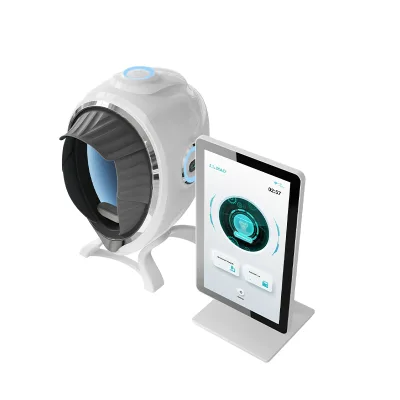
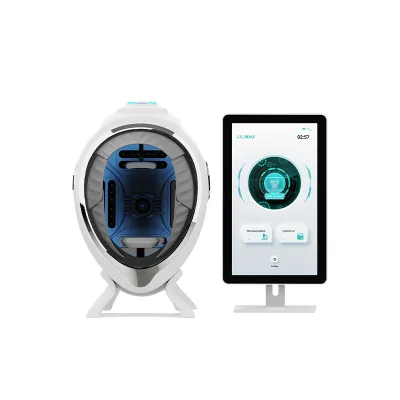
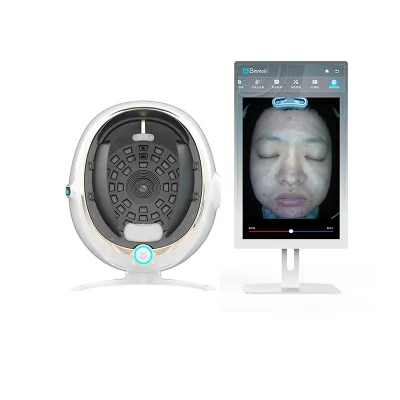
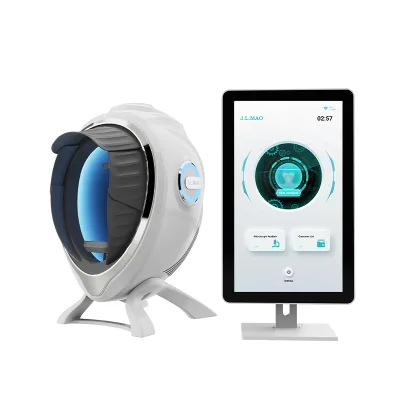
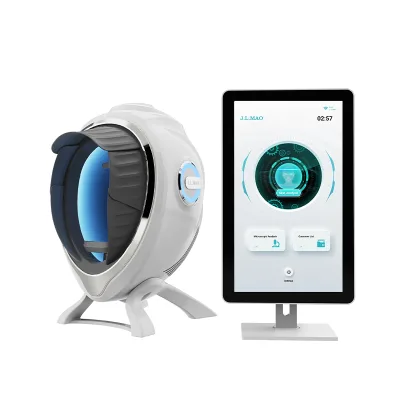
$840.00 - $887.00
MOQ: 1 pieces
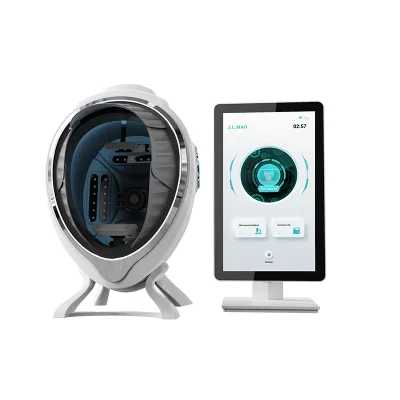

- Verified by SGS
- Manufacturer/Factory
- China Beijing
- Lead time0 days
- Avg. response≤ 10h
Main productsDiode Laser 808nm/810nm, IPL E-Light, Picolaser Q-Switched ND: YAG Laser, CO2 Fractional Laser, Liposonix System Ultrashape System, Vacuum+RF Body Slimming, Cryolipolysis System, Skin Analyser System, Messotherapy System, Relevant Systems


$850.00 - $1250.00
MOQ: 1 Pieces

$750.00 - $1150.00
MOQ: 1 Pieces

HEBEI KEYLASER SCI-TECH CO., LTD.
- Verified by CTI
- Manufacturer/Factory
- China Beijing
- Lead time15 days
- Avg. response≤ 3h
Main productsIPL, Diode Laser Hair Removal, ND YAG Laser, Hifu, CO2 Fractional Laser, Picosecond Laser, Body Slimming, Cryolipolysis Fat Freezing, 980nm Diode Laser, Emscuplt Muscle Building
Main marketsSouth America,Eastern Europe,Mid East,North America,Southeast Asia,Eastern Asia,Oceania,Western Europe,Africa


Skin Analyzer Machine Facial Test Facial Analysis 3D Skin Analysis Machine
$999.00 - $1299.00
MOQ: 1 Pieces
Xuanzun (hebei) Medical Technology Co., Ltd.
- Verified by SGS Group
- Manufacturer, Trading Company
- Hebei, China
- Lead time10 days
- Avg. response≤ 3h
Main productsSkin Analyzer,Scalp Analyzer,Diode Laser Hair Removal Machine,Picosecond Laser,Ultrasound
Main marketsNorth America(35%), Western Europe(20%), Southeast Asia(20%)
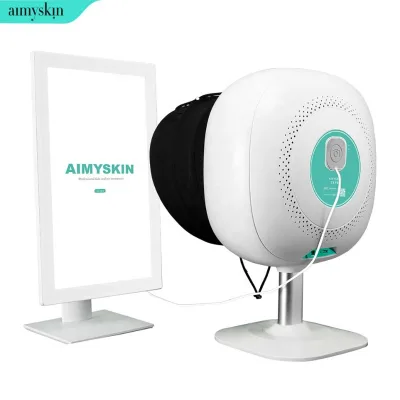
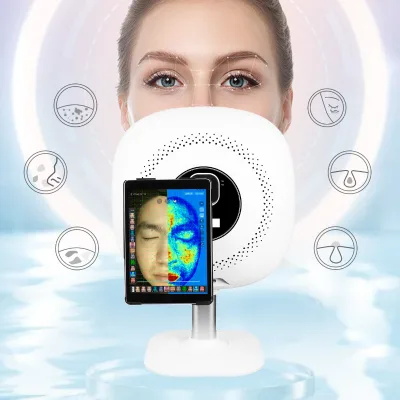
$510.9289 - $715.3004
MOQ: 5 Minimum

Beijing Sleeper Beauty Technology Co., Ltd.
- Verified by SGS
- Trading Company
- China Beijing
- Lead time15 days
- Avg. response≤ 2h
Main productsDiode Laser Hair Removal Machine, Hydra Skin Clean Machine, Hifu Machine, ND YAG Laser Machine, CO2 Fractional Laser Machine, EMS Slimming Machine, Cryolipolisys Machine, IPL Opt Machine, Picosecond Laser, Skin Zimmer Cooling Machine
Main marketsNorth America

Mirror Digital Skin Analyzer Facial Skin Scanner Diagnostic Analyzer Machine
$850.00 - $950.00
MOQ: 1 Set

Portable 3D Facial Skin Analyzer Feature Scanner Analyzer Skin Diagnostic Machine
$1085.00 - $1199.00
MOQ: 1 Set


$1500.00 - $1700.00
MOQ: 1 Set

Face Scanner Skin Analyzer Smart Skin Analyzer Professional 3D Facial Scan Diagnostic Machine
$1650.00 - $1850.00
MOQ: 1 Set

Hot Selling Professional Facial Skin Analyzer Machine Smart Facial Skin Scan Analyser Salon
$850.00 - $950.00
MOQ: 1 Set

Hebei Tuosite Import & Export Trade Co., Ltd.
- Verified by CTI
- Trading Company
- China Hebei
- Lead time15 days
- Avg. response≤ 5h
Main productsBeauty Equipment, Medical Equipment, Skin Care Equipment, Diode Laser Equipment, Hair Removal Equipment, Muscle Building Equipment, Cryolipolysis Equipment, Cavitation Vacuum Equipment, Roller Infrared Massage Cellulite Equipment
Main marketsEurope


Advanced High-Resolution Skin Analyzer for Accurate Moisture Testing
$1450.00 - $1650.00
MOQ: 1 Pieces


Guangdong Yiyunfu Technology Co., Ltd.
- Manufacturer, Trading Company
- Guangdong, China
- Lead time15 days
- Avg. response≤ 3h
Main productsAimyskin Skin Analyzer, 3 in 1 Oxygen Beauty Machine, CO2 Bubble Oxygen Jet Machine
Main marketsSoutheast Asia(30.00%), North America(20.00%), Northern Europe(15.00%), Eastern Europe(15.00%), Mid East(10.00%), Western Europe(5.00%), Southern Europe(5.00%)
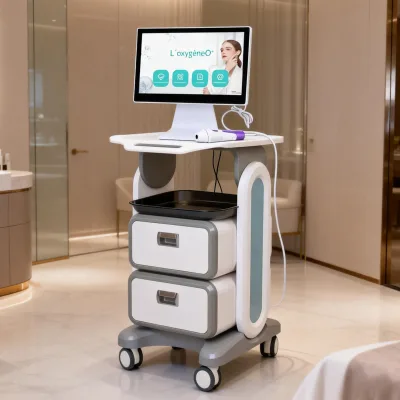

Premium Self-Developed OEM-Available 3-Lights UV/PL/Red Light Desktop Facial Skin Analyzer
$302.8966 - $333.6993
MOQ: 1 pieces

$304.7801 - $335.7757
MOQ: 1 pieces

Guangzhou Janlis Technology Equipment Co., Ltd.
- Trading Company
- Guangdong, China
- Lead time3 days
- Avg. response≤ 2h
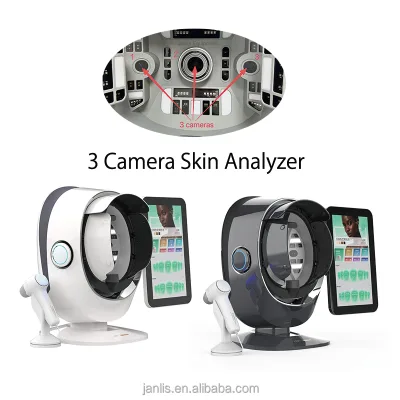
Main productsSkin Analyzer, Straight Hair Comb, Ultrasonic Facial Cleanser, Water Flosser, High Speed Hair Dryer
Main marketsNorth America(39.00%), Western Europe(11.00%), Oceania(7.00%), Northern Europe(6.00%), South America(5.00%), Southern Europe(5.00%), Eastern Europe(5.00%), Southeast Asia(5.00%), South Asia(4.00%), Central America(4.00%), Mid East(4.00%), Eastern Asia(3.00%), Africa(2.00%)
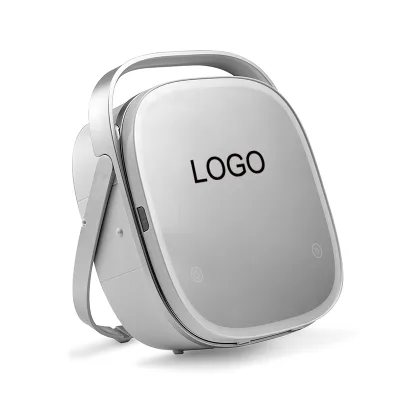
$822.5487 - $904.8047
MOQ: 1 pieces
$847.0816 - $1013.9305
MOQ: 1 pieces
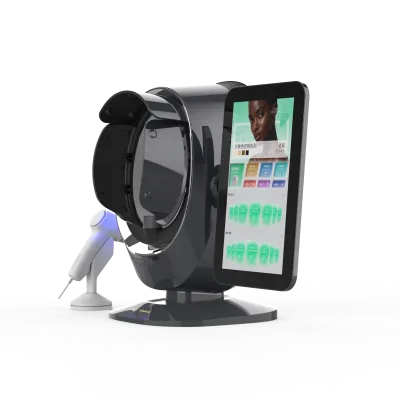
$1349.4952 - $1619.3931
MOQ: 1 pieces
Shanghai Yimei Optoelectronic Technology Co., Ltd.
- Trading Company
- Shanghai, China
- Lead time3 days
- Avg. response≤ 3h
Main productsLaser Hair Removal Machine,Fat Loss Machine,laser Tattoo Removal Machine,PDT LED Machine,Hifu Machine
Main marketsSoutheast Asia(20.00%), Western Europe(20.00%), Mid East(20.00%), Southern Europe(10.00%), Eastern Europe(10.00%), North America(10.00%), Oceania(10.00%)
Shanghai May Skin Information Technology Co., Ltd.
- Verified by SGS Group
- Manufacturer, Trading Company
- Lead time7 days
- Avg. response≤ 3h
Main productsSkin Analyzer, Body Composition Analyzer, Beauty Device, Dermoscope, Hair Scalp Analyzer
Main marketsWestern Europe(40%), North America(30%), Southeast Asia(20%)
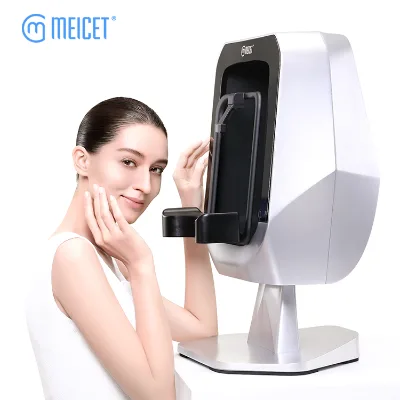
Facial Skin Analyzer Machine Skin Scan Magic Beauty Instrument Analyzer
$1878.89 - $4488.89
MOQ: 1 cartons
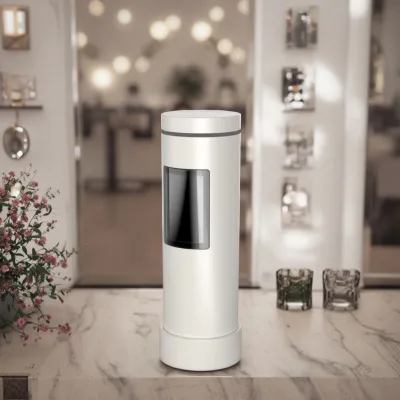
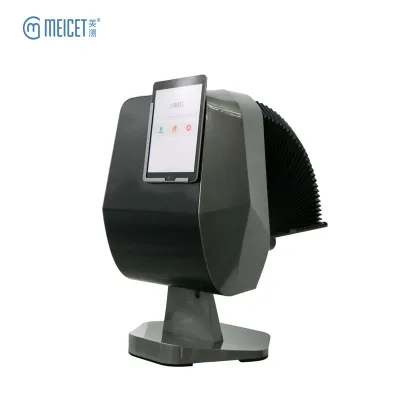
$1966.9842 - $4699.3564
MOQ: 1 sets

Foshan City DaiNi Electronic Technology Co., Ltd.
- Verified by SGS
- Combined
- China Guangdong
- Lead time15 days
- Avg. response≤ 9h
Main productsBeauty Machine, Beauty Equipment, Dermabrasion Machine, Breast &Butt Enlargement, Oxygen Machine, Haire &Tattoo Removal, Skin Care, Slimming Machine, PDT & LED, Hifu
Main marketsSoutheast Asia/ Mideast

- Verified by BV
- Combined
- China Guangdong
- Lead time15 days
- Avg. response≤ 8h
Main productsUltrasound Machine, X-ray Machine, Blood Analyzer, ECG, Radiation Protection
Main marketsSouth America,Africa,Southeast Asia/ Mideast,East Asia(Japan/ South Korea),Europe,Australia,North America


Intelligent Skin Analyzer Real-Time Online Skin Analysis with Diagnosis Report
$1375.00 - $1560.00
MOQ: 1 Pieces
Shenzhen Hot Electronic Technology Co., Ltd.
- Manufacturer, Distributor/Wholesaler
- Guangdong, China
- Lead time7 days
- Avg. response≤ 2h
Main productsscalp analyzer,skin analyzer,usb microsocope,wifi microscope,Beauty detector
Main marketsNorth America(20.00%), Eastern Europe(14.00%), Western Europe(13.00%), South America(13.00%), Northern Europe(10.00%), Mid East(8.00%), Southern Europe(8.00%), Central America(6.00%), Oceania(2.00%), Africa(2.00%), Eastern Asia(2.00%), Southeast Asia(2.00%)
$45.055 - $55.2937
MOQ: 1 pieces
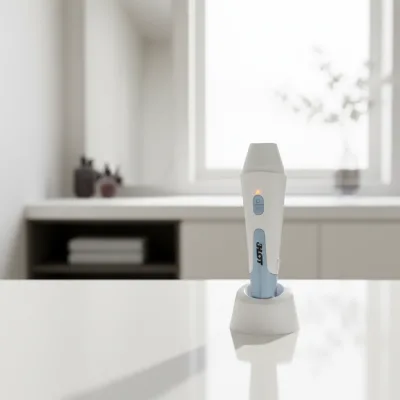
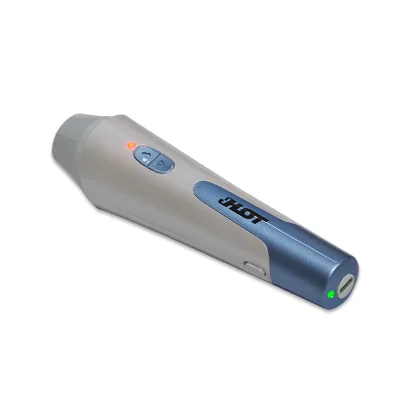
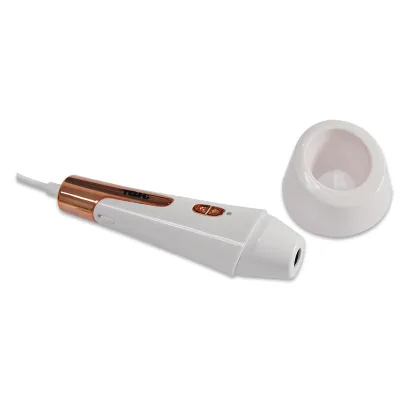

Guangzhou allfond electronics co.,ltd
- Verified by SGS
- Trading Company
- China Guangdong
- Lead time15 days
- Avg. response≤ 7h
Main productsSlimming Machine, Beauty Equipment, Derma Roller, Tattoo Equipment, ND YAG Laser Machine, Cavitation RF Vacuum, Hifu, 808nm Diode Laser, EMS Sculpting Machine, Cryolipolysis Machine
Main marketsSoutheast Asia/ Mideast,Europe,North America

Portable Medical Facial Wood Lamp Skin Analyzer Skin Scanner Skin Magnifier
$22.00 - $29.00
MOQ: 1 Pieces


Shaanxi Jixiya Technology Co., Ltd.
- Manufacturer, Trading Company
- Shannxi, China
- Lead time15 days
- Avg. response≤ 1h
Main productsoffice chair,Dining chair,bar chair,Rocking chair,living room chair
Main marketsOceania(9.00%), Central America(9.00%), Southeast Asia(9.00%), Western Europe(9.00%), South America(9.00%), Southern Europe(9.00%), North America(8.00%), South Asia(6.00%), Africa(6.00%), Eastern Europe(6.00%), Mid East(6.00%), Domestic Market(5.00%), Eastern Asia(5.00%), Northern Europe(4.00%)
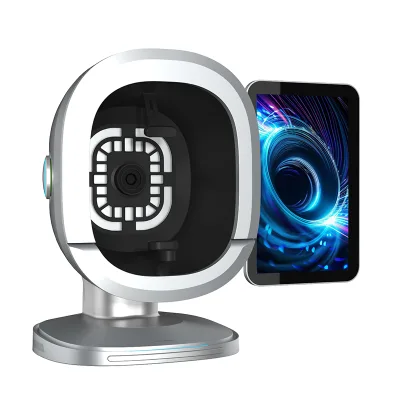
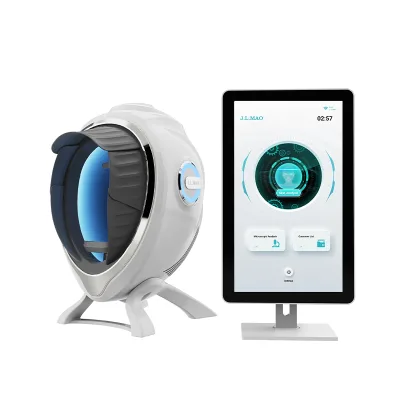
Top Selling 3d Ai Desktop Skin Analyzer Machine Led Light Source Usb Connection Support 21 Languages
$615.8838 - $1129.9767
MOQ: 1 pieces
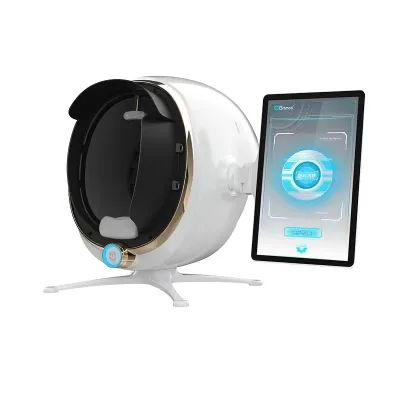
AI Intelligent Health Analyzer 3D Simulation Skin Body Scan with LED Light Source EU/JP/US Plug Type
$801.9862 - $1542.2788
MOQ: 1 pieces
Guangzhou Cosnext Technology Co., Ltd.
- Manufacturer, Trading Company
- Guangdong, China
- Lead time7 days
- Avg. response≤ 4h
Main productsskin analyzer,mesogun,dermashine pro,hair analyzer,scalp analyzer
Main marketsNorth America(41.00%), Western Europe(32.00%), Mid East(11.00%), Eastern Europe(8.00%), Eastern Asia(5.00%), South Asia(2.00%), South America(1.00%)

Beijing Perfectlaser Technology Co., Ltd
- Verified by BV
- Combined
- China Beijing
- Lead time15 days
- Avg. response≤ 4h
Main products808nm Diode Laser Hair Removal Machine, IPL Laser Hair Removal Machine, Picosecond Laser Tattoo Removal Machine, Alexandrite Laser Hair Removal Machine, Hifu Beauty Machine, Cryolipolysis Slimming Machine, Lipolaser Slimming Machine
Main marketsEurope,North America

36 Million Pixels High Clear Imaging on Dermatological Assessments Skin Analyzer
$1848.00 - $2258.00
MOQ: 1 Pieces

Professional Skin Detector Analyzer with 36 Million Pixels of Advanced Insight
$1848.00 - $2258.00
MOQ: 1 Pieces

in-Depth Skin Health Analyzer with 9 Spectral Bands and 36MP Clarity
$1848.00 - $2258.00
MOQ: 1 Pieces

Skin Analyzer with Professional Data Base Identified 19 Skin Problems
$1848.00 - $2258.00
MOQ: 1 Pieces


Shenzhen BBier Lighting Co., Ltd.
- Verified by BV
- Combined
- China Guangdong
- Lead time15 days
- Avg. response≤ 4h
Main productsE40/E27 LED Corn Lights, E40/E27 LED Garden Lights, E40/E27 LED High Bay Lights, Parking Lot LED Retrofit Kits, LED Wall Pack Lights, LED Canopy Lights, LED Gas Station Lights, LED Shoebox Street Lights, 360deg LED Tube Lights, 210deg LED Tube Lights
Main marketsSouth America,Africa,Southeast Asia/ Mideast,East Asia(Japan/ South Korea),Europe,Australia,North America

LED Long-Wave UV Diagnostic Wood Lamp Handheld Skin Analyzer for Clinics & Home Use
$50.99 - $85.99
MOQ: 2 Pieces

Rechargeable 365nm UV Skin Analyzer Wood Lamp with 16/24 LEDs for Home & Clinic Skin Diagnosis
$19.00 - $23.00
MOQ: 2 Pieces

Guangzhou Newbelle Technology Co., Ltd.
- Verified by BV
- Trading Company
- China Guangdong
- Lead time15 days
- Avg. response≤ 3h
Main productsShockwave Therapy, Hydro Facial Machine, Pressotherapy Machine, Cryotherapy Machine, Cryoskin Machine, Microcurrent RF Machine
Main marketsSouth America,Africa,Southeast Asia/ Mideast,Europe

Ai Technology Face Scanner and Skin Analyzer Skin Image Face Scanner Analyzer
$1099.00 - $1599.00
MOQ: 1 Pieces

Portable Computer Facial Reveal Imager Photo Skin Analysis Skin Diagnose Machine
$699.00 - $1199.00
MOQ: 1 Pieces

$699.00 - $1199.00
MOQ: 1 Pieces

Guangzhou Yingcai Beauty Instrument Co., Ltd.
- Verified by SGS
- Combined
- China Guangdong
- Lead time15 days
- Avg. response≤ 3h
Main productsHifu Machine, Hair Removal Machine, Pico Laser Machine, PDT Machine, Franctional Laser Machine, Electrolysis Hair Removal, Hydra Dermabrasion Facial Machine, Cavitation Machine, Cryolipolysis Machine
Main marketsSouth America,Africa,Southeast Asia/ Mideast,East Asia(Japan/ South Korea),Europe,Australia,North America


High Quality Intelligent Facial Analysis Machine Acne/ Pigmentation/Skin Analysis Machine.
$820.00 - $925.00
MOQ: 1 Pieces
Gorgeous Beauty Equipment Manufacture
- Verified by SGS Group
- Trading Company
- Lead time3 days
- Avg. response≤ 2h
Main productsCryolipolysis, Hair Removal Machine, Muscle Stimulation Machine
Main marketsNorth America(48%), Western Europe(20%), Eastern Europe(10%)
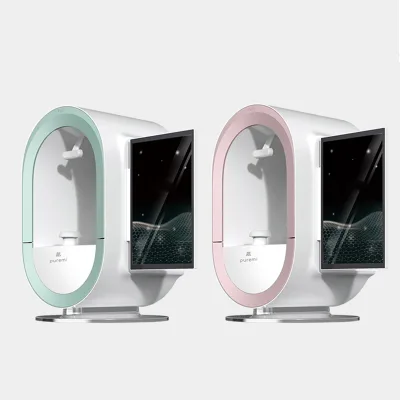
$1436.4442 - $1540.147
MOQ: 1 pieces
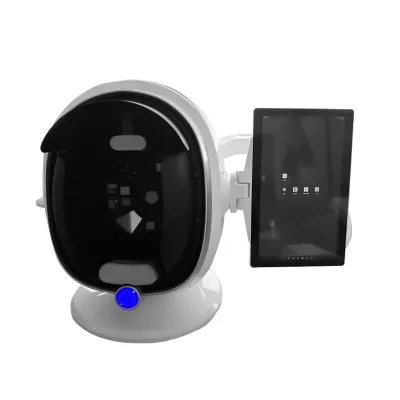
$813.1299 - $904.7225
MOQ: 1 pieces
Guangzhou Huang Kai Electronic Technology Company Limited
- Verified by TüVRheinland
- Trading Company
- Lead time3 days
- Avg. response≤ 2h
Main products9 In 1 Hot And Cold Plasma Machine, Pressotherapy Cavitation RF Lipo Laser Cryotherapy Machine, EMS Tecar Shockwave Therapy Machine, EMS Muscle Building Slimming Machine, 3 Wave 755/808/1064 Nm Diode Laser Hair Removal Machine
Main marketsNorth America(31%), Western Europe(24%), Eastern Europe(13%)

Shenzhen Fitconn Technology Co., Ltd.
- Verified by SGS
- Trading Company,Manufacturer/Factory
- China Guangdong
- Lead time23 days
- Avg. response≤ 10h
Main productsCompressor Nebulizer, Mesh Nebulizer, Anti Decubitus Air Mattress, Blood Pressure Monitor, Pulse Oximeter, Fetal Doppler, Themometer, DC Compressor Nebulizer, Glucose Meter, Mini Masager
Main marketsSouth America,Eastern Europe,Mid East,Eastern Asia,Oceania,Western Europe


Portable Skin Analysis Device UV Test Skin Scanner Analyzer Muliti-Function Skin Analyzer
$5.60 - $6.00
MOQ: 500 Pieces

Digital Moisture Monitor for Skin and Oil Analyzer LCD Display Screen Skin Detector Skin Tester
$4.80 - $5.30
MOQ: 1000 Pieces

Luminous (shanghai) Technology Limited
- Verified by TüVRheinland
- Trading Company
- Lead time7 days
- Avg. response≤ 2h
Main productsAlexandrite Laser Long Pulse Hair Removal Devices, Picosecond Lasers, Diode Lasers, Fractional Lasers, Cryo Slimming Devices
Main marketsNorth America(50%), Western Europe(30%), Southeast Asia(10%)


Comprehensive Sourcing Guide
LED Skin Diagnostic Analyzer Supplier Concentration and Factory Types
The current supplier landscape for led skin diagnostic analyzers reveals a distinct concentration of manufacturing and trading entities within specific Chinese provinces, primarily Jiangsu and Beijing. These regions serve as critical hubs for the production of beauty equipment, ranging from handheld UV lamps to complex 3D facial scanners. Suppliers in these areas often specialize in diverse medical and cosmetic devices, including ultrasound equipment, laser machines, and dermatological tools, indicating a robust local supply chain for electronic components and precision optics. The presence of both trading companies and direct manufacturers suggests a varied ecosystem where buyers can access different levels of service and pricing. Trading companies may offer broader catalogs and consolidated shipping, while factories provide direct access to production capabilities and customization options. Understanding this geographic distribution helps buyers assess the logistical feasibility and the potential for factory audits, as proximity to industrial clusters can influence lead times and communication efficiency.
Company types vary significantly among the available suppliers, impacting the nature of the partnership and the flexibility of the sourcing process. Some entities operate strictly as trading companies, focusing on market aggregation and sales, while others are established manufacturers or group corporations with in-house research and development capacities. The distinction is crucial for buyers seeking original design manufacturing (ODM) or original equipment manufacturing (OEM) services, as these capabilities are often tied directly to the factory type. Suppliers with own-brand capabilities may have more standardized products, whereas those offering OEM/ODM services can tailor devices to specific brand requirements. Additionally, the verification status of these suppliers, such as those verified by TÜV Rheinland or SGS, provides an additional layer of confidence regarding their operational legitimacy. Buyers should carefully review the company type to ensure it aligns with their strategic goals, whether they prioritize cost efficiency through trading companies or product innovation through direct factory engagement.
How to Verify LED Skin Diagnostic Analyzer Suppliers
Verification is a critical step in mitigating risk when sourcing led skin diagnostic analyzers, as the market contains a mix of verified and unverified entities. Buyers should prioritize suppliers who have undergone third-party verification processes, such as those conducted by TÜV Rheinland or SGS, which validate business licenses and operational capabilities. These verifications provide a baseline of trust, confirming that the supplier exists and operates within legal frameworks. However, verification alone is not a guarantee of product quality or reliability. Buyers must look beyond the verification badge and examine the specific certifications associated with the products themselves, such as CE marks for European market compliance or ISO 13485 for medical device quality management systems. The presence of these certifications indicates that the supplier adheres to international standards for safety and performance, which is particularly important for devices that interact with human skin and use UV or light-based technologies.
In addition to certifications, buyers should assess the supplier’s responsiveness and transparency as indicators of their reliability. Response times, such as those recorded at 2.92 or 6.75 hours, can reflect the efficiency of the supplier’s customer service team and their ability to handle inquiries promptly. A faster response time often correlates with better communication throughout the procurement process, reducing the risk of misunderstandings regarding product specifications or order status. Buyers should also inquire about the supplier’s establishment year and track record, although this information may not always be explicitly displayed. Engaging with the supplier to request detailed product documentation, test reports, and references from previous clients can provide deeper insights into their operational maturity. By combining verification badges, product certifications, and responsiveness metrics, buyers can construct a comprehensive profile of each supplier’s credibility and suitability for their sourcing needs.
What to Compare Across LED Skin Diagnostic Analyzer Suppliers
When evaluating multiple suppliers, buyers must compare key operational metrics to determine the best fit for their specific requirements. Lead times are a primary factor, with some suppliers offering delivery windows of around 15 days, which is crucial for inventory planning and meeting market demand. Minimum order quantities (MOQs) also vary, with some suppliers accepting orders as low as one unit, providing flexibility for small businesses or trial orders, while others may have higher thresholds. Buyers should align these metrics with their sales volume and cash flow constraints to avoid overstocking or production delays. Additionally, the range of main products offered by each supplier can indicate their specialization and expertise. Suppliers focusing on a narrow range of beauty equipment may offer deeper technical knowledge, while those with broader catalogs might provide more comprehensive solutions for multi-service salons.
Price and customization options are equally important dimensions for comparison. The price range for led skin diagnostic analyzers can span from affordable handheld devices to high-end 3D scanning systems, with costs varying based on features, build quality, and included accessories. Buyers should request detailed quotations that break down costs for the device, packaging, and shipping to ensure transparency. Customization availability is another critical factor, as many suppliers offer options for branding, packaging, and technical specifications. Suppliers that support OEM and ODM services can help buyers differentiate their products in a competitive market. Furthermore, the technical specifications of the devices, such as image clarity, portability, and power requirements, should be compared to ensure they meet the intended application, whether for home use or professional salon environments. By systematically comparing these attributes, buyers can make informed decisions that balance cost, quality, and service capabilities.
Common LED Skin Diagnostic Analyzer Sourcing Risks
Sourcing led skin diagnostic analyzers involves several inherent risks that buyers must proactively manage to ensure a successful procurement process. One significant risk is the variability in product quality and performance, as devices may differ substantially in terms of sensor accuracy, software functionality, and build durability. Without rigorous quality control measures, buyers may receive units that do not meet their specifications or fail to deliver the promised diagnostic capabilities. This risk is exacerbated by the lack of standardized testing protocols across different suppliers, making it essential for buyers to request detailed technical specifications and performance data before placing orders. Additionally, the complexity of electronic devices means that software updates and compatibility issues, such as those related to iPad integration, can arise post-purchase, potentially disrupting operations if not addressed by the supplier.
Another common risk is the potential for miscommunication regarding product features and compliance standards. Suppliers may list certifications like CE or ISO, but these may not cover all aspects of the device or may be outdated. Buyers must verify that the certifications are valid and applicable to their target markets, as non-compliance can lead to legal issues and product recalls. Furthermore, the risk of supply chain disruptions, such as delays in component sourcing or production bottlenecks, can impact lead times and delivery schedules. Buyers should establish clear communication channels and regular check-ins with suppliers to monitor production progress and address any issues promptly. By identifying and mitigating these risks through thorough due diligence and clear contractual agreements, buyers can protect their investments and ensure the reliable delivery of high-quality led skin diagnostic analyzers.
LED Skin Diagnostic Analyzer Regional Sourcing and Logistics
The geographic location of suppliers plays a pivotal role in determining logistics costs, lead times, and overall supply chain efficiency. Suppliers based in regions like Jiangsu and Beijing benefit from established industrial infrastructure and proximity to major shipping ports, which can facilitate faster and more cost-effective export processes. Buyers should consider the logistical advantages of sourcing from these clusters, as they often have a higher concentration of specialized manufacturers and trading companies. However, regional sourcing also requires careful attention to customs regulations and import duties in the buyer’s home country. Understanding the specific trade agreements and tariff structures applicable to medical and beauty equipment from China can help buyers optimize their landed costs. Additionally, the choice of shipping method, whether by air or sea, will impact delivery times and should be aligned with the urgency of the order and the volume of goods being shipped.
Logistics planning also involves evaluating the supplier’s packaging and handling capabilities to ensure product safety during transit. Led skin diagnostic analyzers are delicate electronic devices that require robust packaging to prevent damage from shock, vibration, and environmental factors. Suppliers that use specialized packaging, such as aviation aluminum boxes or wooden cases, demonstrate a commitment to product protection and quality assurance. Buyers should confirm the packaging standards with the supplier and request photos or videos of the packing process to verify compliance. Furthermore, the supplier’s ability to handle export documentation, including commercial invoices, packing lists, and certificates of origin, is crucial for smooth customs clearance. By integrating logistical considerations into the sourcing strategy, buyers can minimize transit risks and ensure that their orders arrive in optimal condition and within the expected timeframe.
LED Skin Diagnostic Analyzer Commercial Terms and Order Planning
Commercial terms and order planning are essential components of a successful sourcing strategy for led skin diagnostic analyzers. Buyers must negotiate clear payment terms, such as letters of credit or escrow services, to protect their financial interests and ensure secure transactions. Escrow services can provide an additional layer of security by holding funds until the buyer confirms receipt and satisfaction with the products. Additionally, buyers should establish detailed order specifications, including product models, quantities, customization requirements, and delivery schedules, to avoid ambiguities that could lead to disputes. Clear communication of these terms in the purchase agreement helps both parties align their expectations and reduces the risk of misunderstandings. Buyers should also consider the supplier’s after-sales support, including warranty policies, technical assistance, and spare parts availability, as these factors contribute to the long-term value of the procurement.
Order planning should also account for the supplier’s production capacity and lead times to ensure timely delivery. Suppliers with established production lines and efficient workflows can handle larger orders more effectively, while those with limited capacity may require advance notice for bulk purchases. Buyers should maintain a buffer in their inventory planning to accommodate potential delays or quality issues. Furthermore, understanding the supplier’s pricing structure, including any volume discounts or seasonal promotions, can help buyers optimize their procurement costs. By developing a comprehensive commercial strategy that encompasses payment security, detailed specifications, and logistical planning, buyers can streamline their sourcing process and build a reliable supply chain for led skin diagnostic analyzers. This proactive approach minimizes risks and enhances the overall efficiency of the procurement operation.
FAQs
What is the price range for LED skin diagnostic analyzers?
Prices for skin diagnostic analyzers typically range from $25 to $3,000 depending on features. Basic handheld UV lamps start around $25, while advanced 3D scanners with AI analysis cost between $1,163 and $1,880. High-end multi-indicator models may reach $3,000. Buyers should verify specific pricing based on customization needs and order volume.
What certifications do these skin analyzers have?
Many skin diagnostic devices carry CE certification for safety and compliance. Some suppliers also hold ISO 13485 and ISO 9001 system certifications for quality management. Verification services like TÜV Rheinland and SGS are available for certain manufacturers. Buyers should request specific certificate copies to ensure the equipment meets local regulatory standards before purchasing.
What is the typical lead time for these machines?
The standard lead time for manufacturing and shipping skin diagnostic analyzers is approximately 15 days. This timeframe applies to most standard models available from suppliers in China. Customized OEM or ODM orders may require additional time for production setup. Buyers should confirm exact delivery schedules with suppliers to align with their business launch plans.
What is the minimum order quantity for skin analyzers?
The minimum order quantity for many skin diagnostic analyzers is just one unit. This low MOQ allows buyers to test product quality before placing larger orders. Some suppliers offer customization options even for single units. This flexibility supports small businesses and salons looking to integrate advanced skin analysis tools without significant initial inventory investment.
Where are these skin diagnostic suppliers located?
Major suppliers for skin diagnostic analyzers are located in China, specifically in Jiangsu and Beijing regions. These areas host both trading companies and manufacturers offering diverse equipment. Buyers can source from verified suppliers in these locations to access a wide range of models. Geographic proximity to manufacturing hubs often ensures competitive pricing and efficient logistics.
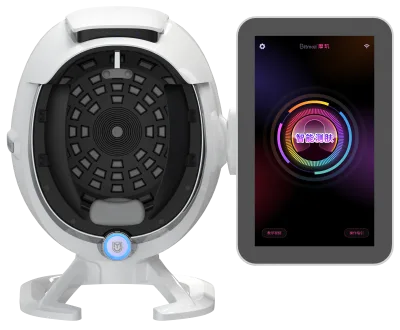
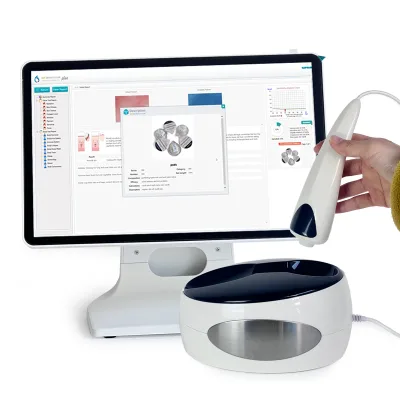
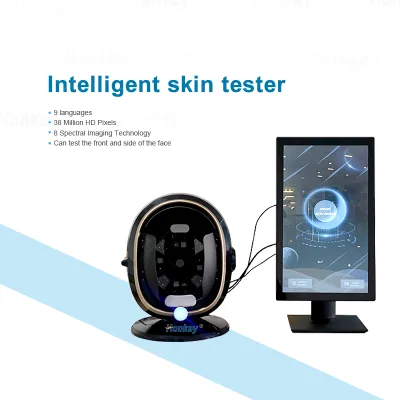
What features do advanced skin analyzers offer?
Advanced skin analyzers offer features like 3D scanning, AI analysis, and multi-spectrum imaging. Models detect collagen loss, pigment levels, moisture, and UV spots. Some devices include blur reduction cameras and adjustable image clarity. Portable versions are available for home use, while larger units suit salon environments. Buyers should check specifications for spectral types and image resolution.