Nourishing Moisturizing Hair Growth Tonic Suppliers and Manufacturers
Source 16 verified suppliers for Nourishing Moisturizing Hair Growth Tonic. Compare OEM capabilities, certifications like GMPC and ISO 22716, and lead times from Zhejiang and Guangdong. Filter by MOQ and response time to find the right partner; review the available evidence before requesting comparable quotations from suitable candidates.
Updated
Suppliers List

Hangzhou Zishi Technology Co., Ltd.
- Verified by SGS
- Trading Company
- China Zhejiang
- Lead time15 days
- Avg. response≤ 3h
Main productsmedical hygienic cause, drug wholesale; Veterinary drug management
Main marketsSoutheast Asia/ Mideast
Jinan World Expo Noah Medical Technology Co., Ltd.
- Verified by TüVRheinland
- Manufacturer, Trading Company
- Lead time20 days
- Avg. response≤ 7h
Main productsPersonal Care Products, Yoni Care Products, Mouthwash, Lubricant, Skin Care Set
Main marketsDomestic Market(80%), North America(5%), Eastern Europe(4%)

Guangzhou Aixin Cosmetic Co., Ltd.
- Verified by TUVRHEINLAND
- Trading Company
- China Guangdong
- Lead time15 days
- Avg. response≤ 5h
Main productsSkin Care, Cosmetic, Face Mask, Beauty, Body Scrub, Face Care, Body Care, Skin Care Product, Mask, Cream
Main marketsDomestic


Beauty Cosmetics Skin Care Baldness Herbal Anti-Hair Loss Hair Growth Oil
$2.20 - $3.00
MOQ: 100 Pieces


Beauty Cosmetics Skin Care Control of Oil Anti-Hair Loss Hair Growth Oil
$2.20 - $3.00
MOQ: 100 Pieces

Shandong Shiyi Trading Co., Ltd.
- Verified by CTI
- Trading Company
- China Shandong
- Lead time15 days
- Avg. response≤ 17h
Main productsHealth and Care, Cosmetics
Main marketsAfrica,Europe,North America
Guangzhou Jinzuo Biotechnology Co., Ltd.
- Verified by SGS Group
- Manufacturer, Trading Company
- Lead time0 days
- Avg. response≤ 2h
Main productshair growth serum, grey hair treatment serum, hairline airbrush Ink , pink cream, skin cream
Main marketsNorth America(35%), Northern Europe(25%), Western Europe(15%)
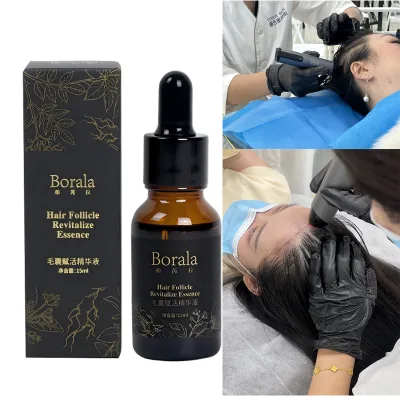
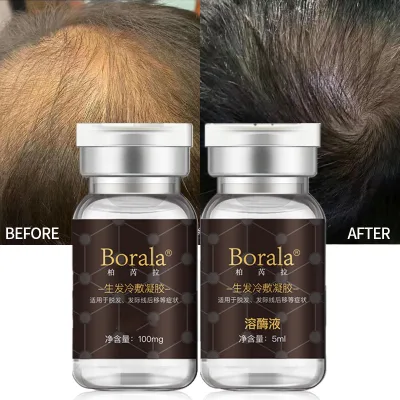
Organic Hair Growth Oil for Men Hair Vitamins Growth Hair Growth Products OEM
$3.8163
MOQ: 500 Minimum
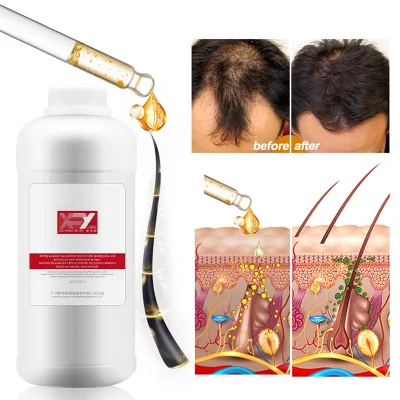
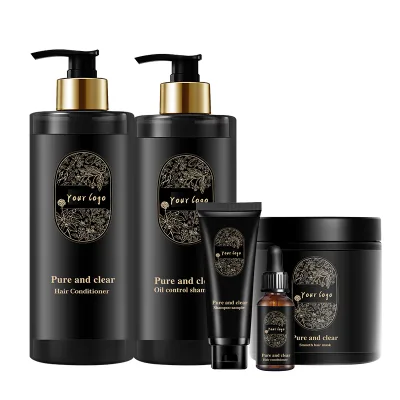

Guangzhou Mebamy Cosmetics Co., Ltd.
- Verified by TUVRHEINLAND
- Manufacturer/Factory
- China Guangdong
- Lead time15 days
- Avg. response≤ 1h
Main productsFace Serum, Soap, Face Cream, Sunscreen, Eyelash Growth Serum, Teeth Whitening, Face Mask, Facial Cleanser, Essential Oil, Hair Care Series
Main marketsNorth America,Western Europe


Growth Hair Nutrient Solution Wash-Free Smooth Hair to Improve Frizz and Dry Hair Growth Oil
$2.50 - $2.69
MOQ: 1000 Pieces


Guangzhou Sevich Biology Technology Co., Ltd.
- Verified by SGS
- Trading Company
- China Guangdong
- Lead time15 days
- Avg. response≤ 6h
Main productsHair Building Fibers, Hair Fiberes, Keratin Hair Fibers, Keratin Fiber Powder, Hair Fibers Building, Hair Loss Treatment, Hair Loss Concealer, Hair Loss Men, Hair Loss Women
Main marketsSouth America,Southeast Asia/ Mideast,East Asia(Japan/ South Korea),Europe,Australia,North America

Moisturizing Strawberry Mint Hair Growth Grease Care Thickening Hair Growth Butter Grease
$2.12 - $3.35
MOQ: 100 Pieces

Hair Growth Anti-Pruritic Scalp Follicles Softness Hair Growth Care Cream Grease
$2.12 - $3.35
MOQ: 100 Pieces

Hair Growth Treatment Products Strengthening Repair Hair Growing Serum Oil
$1.34 - $1.89
MOQ: 500 Pieces

Guangzhou Aifujia Biotechnology Co., Ltd.
- Trading Company
- China Guangdong
- Lead time15 days
- Avg. response≤ 4h
Main productsFace Cream, Face Serum, 24K Serum, Rose Spray, Vitamin C Serum, Skin Care Set, Essential Oil, Facial Mask, Face Lotion, Anti Aging Whitening Face Cream
Main marketsSoutheast Asia/ Mideast,Europe,North America
Guangzhou L&Y Cosmetics Co., Ltd.
- Verified by SGS Group
- Manufacturer, Trading Company
- Lead time20 days
- Avg. response≤ 2h
Main productsShampoo and conditioner, Hair oil, Hair Mask, Hair styling products, Hair spray
Main marketsNorth America(24%), Oceania(15%), Mid East(15%)

Guangzhou Kanglixin Medical Biotechnology Co, Ltd.
- Verified by BV
- Combined
- China Guangdong
- Lead time30 days
- Avg. response≤ 9h
Main productsSkin Care Products, Body Care, Hair Care Products, Makeup, Men's Care Products, Ferminine Care Products, Serum, Facial Mask, Face Cream, Scrub
Main marketsSouth America,Africa,Southeast Asia/ Mideast,East Asia(Japan/ South Korea),Domestic,Europe,North America

Organic Vegan Nourishing Scalp Anti Hair Loss Treatments Growth Hair Regrowth Oil
$2.00 - $3.00
MOQ: 1000 Pieces

Organic Herbal Hair Growth Essence Serum Dry Hair Care Nourishing Essential Oil for Hair Treatment
$2.00 - $3.00
MOQ: 1000 Pieces


Private Label Organic Hair Growth Serum for Anti Hair Loss and Promote Hair Regrowth
$2.00 - $3.00
MOQ: 1000 Pieces

$2.00 - $3.00
MOQ: 1000 Pieces
Guangzhou Hodm Professionals Cosmetics Co., Ltd.
- Manufacturer, Trading Company
- Lead time旺季: "1 - 1000":30,"1001 - 2000":30,"> 2000":"To be negotiated", 淡季: "1 - 1000":30,"1001 - 2000":30,"> 2000":"To be negotiated"
- Avg. response≤ 2h
Main productsShampoo & Conditioner, Hair Oil, Hair Mask, Hair Styling Products, Hair Care Spray
Guangzhou Gatase Cosmetics Co., Ltd.
- Verified by TüVRheinland
- Trading Company
- Lead time0 days
- Avg. response≤ 4h
Main productsShampoo, Hair Conditioner, Styling Products, Hair Care Product, Hair Treatment
Main marketsNorth America(30%), Mid East(30%), South America(10%)

Fully Cosmetic (GZ) Co., Limited
- Verified by TUVRHEINLAND
- Trading Company
- China Guangdong
- Lead time30 days
- Avg. response≤ 6h
Main productsHair Building Fibers, Hair Dye Fast Color Mousse, Hairline Powder, Hair Dye, Hair Shampoo, Spray Applicator, 360 Degree Mirror, Fastcolor Comb, Hair Conditioner, Hairline Optimizer
Main marketsOthers(foreignTradeCapacity.exportBusinessCapacityMarketOther)
Guangzhou Miya Cosmetics Co., Ltd.
- Verified by SGS Group
- Manufacturer, Trading Company
- Lead time30 days
- Avg. response≤ 3h
Main productsBody lotion, Serums, Face Cleanser, Hair Care, Whitening cream
Main marketsNorth America(20%), South America(20%), Eastern Europe(15%)
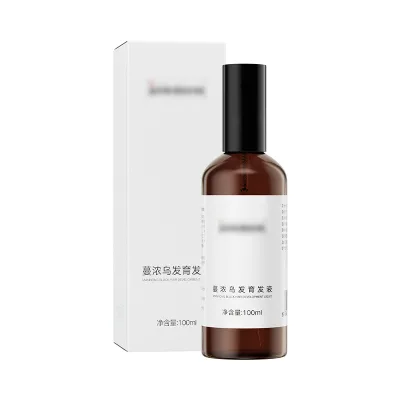
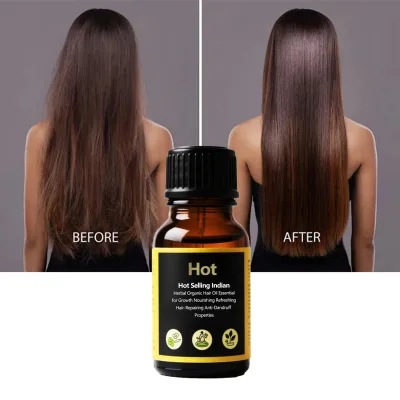
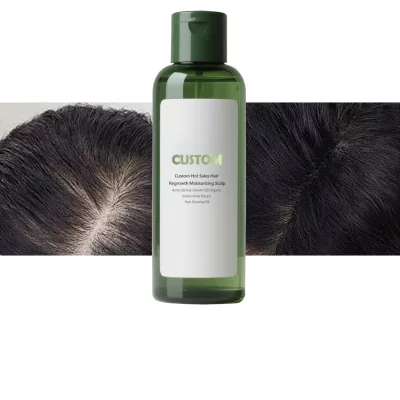
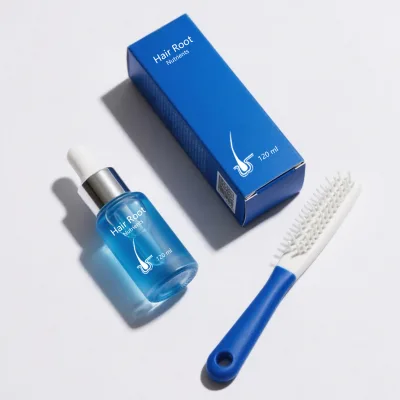
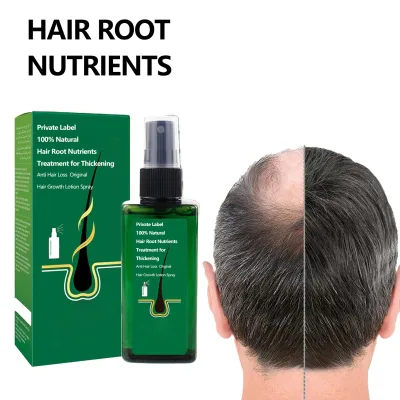
Wholesale Organic Hair Growth Oil Care Growth Spray Lotion Made in China Hair Lotion
$2.98 - $3.90
MOQ: 2 pieces
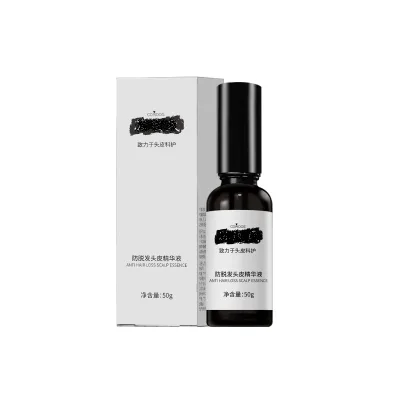
$0.9829 - $1.2925
MOQ: 2 pieces
Guangzhou Jianyuan Biotechnology Co., Ltd.
- Verified by Intertek
- Manufacturer, Trading Company
- Lead time0 days
- Avg. response≤ 5h
Main productsHair Wax, Hair Styling Products, Hair Care Products, Shampoo, Volume Powder
Main marketsNorth America(25%), South America(12%), Mid East(10%)
Jialide (Guangzhou) Technology Co., Ltd.
- Verified by SGS Group
- Trading Company
- Lead time3 days
- Avg. response≤ 3h
Main productsHair Fiber, Makeup, Hair Styling, Body Care
Main marketsNorth America(35%), Western Europe(30%), South Asia(8%)






Comprehensive Sourcing Guide
Nourishing Moisturizing Hair Growth Tonic Supplier Concentration and Factory Types
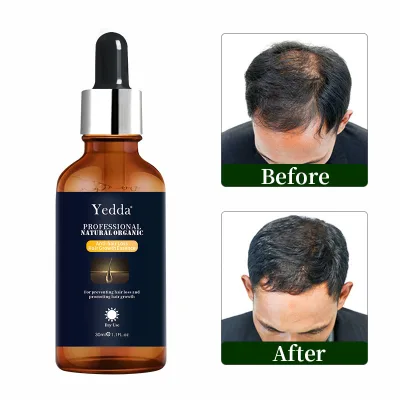
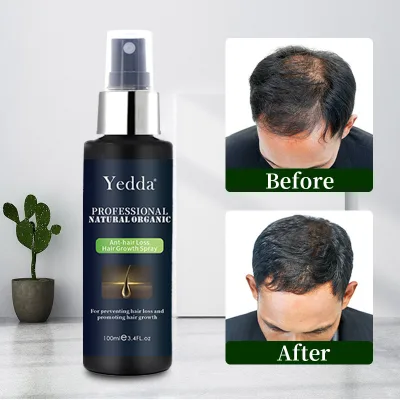
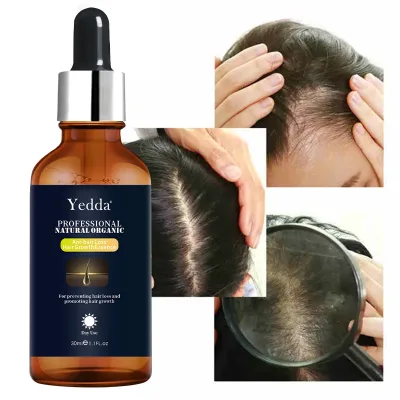
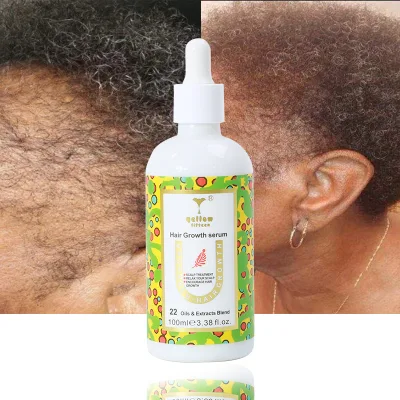
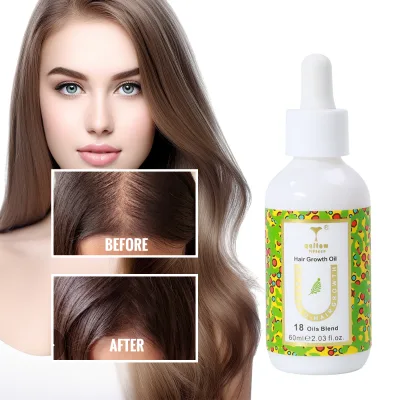
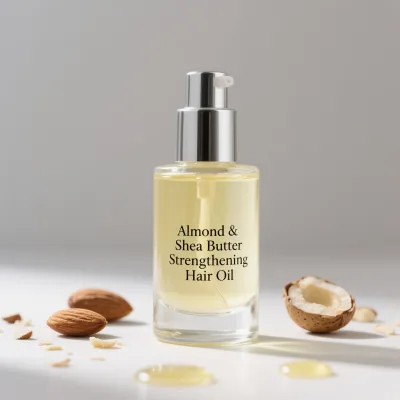
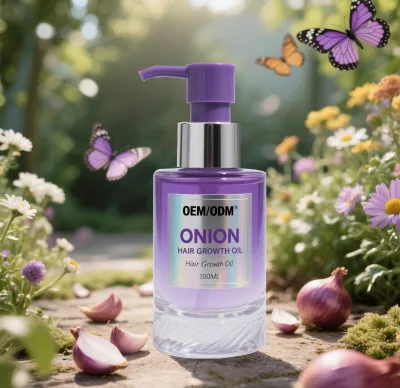
The Nourishing Moisturizing Hair Growth Tonic category sits at the intersection of cosmetics and personal care manufacturing, and the supplier landscape reflects that overlap. Listings on B2B platforms show suppliers based in China, with Zhejiang and Guangdong appearing as recorded locations for companies in this space. These provinces are widely known as personal care and cosmetics production bases, so buyers should treat them as plausible starting points while verifying each company's actual facility. Supplier types in the results include pure trading companies as well as combined manufacturer-trading companies, and a few listings indicate R&D capabilities such as sample processing, graphic processing and customized production on demand. Product formats observed include 30ml bottles of hair growth liquid, essential-oil-style tonics, serums, and scalp care oils in 20ml and 50ml variants, often with customized packing.
Because the category spans hair treatment, hair essential oil and hair serum classifications, factory types vary considerably. Some companies list main products across yoni care, mouthwash, lubricant and skin care sets, suggesting broader cosmetic contract manufacturing; others emphasize hair-focused OEM bottling. A trading company may be suitable for small mixed orders, while a manufacturer with GMPC or ISO 22716 credentials is more appropriate when you need formulation control. Ask every candidate to state whether they manufacture, blend, or merely fill and pack, since tonic quality depends heavily on which stage they control.
How to Verify Nourishing Moisturizing Hair Growth Tonic Suppliers
Verification should begin with the platform-recorded evidence, then move to independent checks. Some suppliers in this category carry third-party verification marks such as SGS or TÜV Rheinland, while others show no system certification at all, so you cannot assume a verified badge across the board. Confirm what the badge actually covers: a verified-supplier status typically validates company existence and trade activity, not product safety. For a tonic applied to the scalp, request the certificates the supplier claims on the listing — several mention MSDS, CE and GMP at product level — and check the certificate holder's name matches the entity on your contract. Manufacturing-standard claims such as GMPC, ISO 22716 and ISO 9001 appear in this category and should be validated with the issuing body or an audit report, not accepted from a profile page.
Next, verify product-level claims. Extracted or compound essential oil positioning, organic claims, and anti-hair-loss efficacy statements all require substantiation. Ask for ingredient lists, stability and microbial test reports from an independent laboratory, and check whether the claimed origin — listings show origins such as Hangzhou and Guangdong — matches the company's registered address. For OEM projects, confirm the supplier has the licenses needed to produce cosmetics in your destination market. Response speed can be a practical signal: one recorded response time is around 2.5 hours and another around 7 hours, so benchmark candidates against similar figures and treat slow or evasive replies during sampling as a warning sign.
What to Compare Across Nourishing Moisturizing Hair Growth Tonic Suppliers
Build a comparison sheet using the attributes suppliers actually display, while noting gaps. Useful dimensions from this category include lead time, minimum order quantity, response time, location, company type, main product lines, and system certifications. Recorded lead times in the results range from 15 to 20 days, which is a meaningful difference when planning launches, though you must confirm the figure applies to your customized order rather than stock items. MOQs vary sharply: one hair growth liquid listing shows an MOQ of 100 units at a single recorded price, while private-label scalp oils are quoted in price ranges such as roughly 0.75–0.99 and 0.99–1.45 per unit, and larger-format oils up to around 2.85–3.00. Lower MOQs usually mean stock formulas with your label; formulation changes raise both MOQ and price.
Also compare service depth. One supplier lists R&D capacity covering sample processing, graphic processing and customization on demand, and another advertises OEM/ODM private label service — these matter if you need unique bottles, scents or packaging. Company type matters too: a manufacturer-trading hybrid may offer both control and export convenience, whereas a pure trading company adds a margin layer. Check main product breadth; a company making only hair tonics may depend on subcontractors, while diversified cosmetics makers may have in-house filling lines. Record establishment year, escrow or trade-assurance availability, and verification status where shown, and mark blanks as "unverified" rather than assuming.
Common Nourishing Moisturizing Hair Growth Tonic Sourcing Risks
The most frequent risk in this category is efficacy overstatement. Listings promote terms like anti-hair-loss, fast growth, regeneration and organic plant essence, but cosmetic products generally cannot legally claim to treat hair loss as a medical condition in many markets. If you import a tonic carrying such claims, regulators in your destination country — particularly the United States FDA or the EU competent authorities — may classify it as an unapproved drug. Review every marketing phrase on the supplier's artwork before printing, and rewrite claims into moisturizing, nourishing or cosmetic terms where needed. A second risk is formula opacity: model names in listings range from generic codes to ingredient-style labels, so always obtain a full INCI ingredient list and confirm the batch you approve is the batch you receive.
Other risks cluster around consistency and compliance. An organic or natural claim without a recognized certification is a labeling liability, so ask for the actual organic certificate if the supplier uses the word. Another is capacity mismatch: a supplier advertising a huge personal care catalog may outsource your tonic to an unknown filler, so audit who actually produces. Also watch for duplicated listings with different model numbers that describe the same liquid, which can hide the fact that the "new" product is a re-labeled stock item. Finally, weak packaging specification is a real hazard for oils and liquids; confirm bottle material, seal, leak testing and carton drop-test standards in writing before mass production.
Nourishing Moisturizing Hair Growth Tonic Regional Sourcing and Logistics
Recorded supplier locations in this category fall in China, specifically Zhejiang and Guangdong, and both provinces host dense personal care supply chains for bottles, pumps, cartons and filling services. Sourcing tonic and packaging within the same region shortens the component chain and simplifies quality control, so when shortlisting, prioritize suppliers whose packaging vendors are reachable for joint inspection. Where a listing states a place of origin such as Hangzhou or Guangdong, treat it as the declared production origin and confirm it on invoices and certificates of origin, since discrepancies complicate customs clearance.
Logistics planning should reflect the product's physical nature. Recorded lead times of 15 to 20 days cover production but not transit, so budget separately for ocean freight, or air freight for launch quantities. Liquids in glass or PET bottles are freight-sensitive: confirm the single package dimensions and gross weight — one listing shows a 10x10x15 cm carton at 0.2 kg — and calculate volumetric weight before quoting. Ask whether the supplier ships with dangerous-goods declarations if the formula contains high alcohol or essential oil concentrations, as some carriers restrict such liquids. For cross-border e-commerce sellers, check whether the supplier can drop-ship or label for destination-market compliance, including multilingual ingredient labels. Always reserve time for a pre-shipment inspection of fill level, sealing and leakage, because tonic leaks are the most common damage claim in this format.
Nourishing Moisturizing Hair Growth Tonic Commercial Terms and Order Planning
Commercial terms in this category are favorable to testing: recorded MOQs start as low as 100 units, and unit prices in the observed listings run from under one dollar to around three dollars depending on format and volume, so a pilot order is affordable. Structure your first order as a two-stage plan: a small batch on a stock or lightly customized formula to test the market, then a larger customized run once sell-through is proven. Negotiate pricing against the recorded range but request tiered quotes at several volumes, since the gap between the 100-unit price and container-load pricing is usually steep. Confirm whether samples are free, who pays freight, and whether sample cost is credited against the first order.
Payment and protection terms deserve explicit attention. Prefer escrow-style or trade-assurance payment through the platform where available, since it ties fund release to inspection; where a supplier does not display such coverage, use a deposit-plus-balance structure with the balance released after pre-shipment inspection. Record the agreed lead time — observed figures of 15 and 20 days give a benchmark — plus a penalty or re-negotiation clause for delays. Specify packing as customized in writing, list label artwork approval steps, and set a re-order lead time. Finally, plan inventory around the tonic's shelf life: ask for the production date policy and avoid ordering more than you can sell within the validated shelf-life window.
FAQs
What is the price range for hair growth tonic?
Prices for hair growth tonic typically range from $0.75 to $3.00 per unit. Specific costs depend on volume and customization. Buyers can find options starting at $0.75 for basic formulations. Premium products with specialized ingredients may cost up to $3.00. Always verify the final price based on your order quantity and packaging requirements.
What is the minimum order quantity for these products?
The minimum order quantity is generally 100 units. This standard applies to most listed hair growth tonic products. Buyers should confirm the exact MOQ with the supplier before placing an order. Some suppliers may offer different terms for custom packaging or private labeling. Checking the specific product details will provide the precise minimum requirement for your purchase.
How long does production take for custom orders?
Production lead times typically range from 15 to 20 days. This duration allows for manufacturing and quality control processes. Buyers should account for this timeframe when planning their inventory. Custom packaging or specific formulations may extend the lead time slightly. Confirming the exact schedule with the supplier ensures timely delivery for your business needs.
Are these suppliers verified for quality assurance?
Yes, suppliers are verified by recognized agencies such as SGS and TüV Rheinland. These verifications indicate adherence to specific quality and safety standards. Buyers can trust that the products meet international requirements. Additional certifications like GMPC and ISO 22716 may also be available. Always review the specific verification details provided by the supplier for complete assurance.
What certifications do the hair care products hold?
Products often hold certifications such as GMPC, ISO 22716, ISO 9001, and CE. Some listings also mention MSDS and GMP compliance. These certifications ensure the products meet safety and manufacturing standards. Buyers should verify which specific certifications apply to their chosen product. This information is crucial for regulatory compliance in your target market.
Where are these hair tonic manufacturers located?
Manufacturers are primarily located in China, specifically in Zhejiang and Guangdong provinces. Hangzhou is a common origin point for many products. These regions are known for their robust manufacturing capabilities. Buyers can expect efficient logistics from these locations. Confirming the exact origin helps in calculating shipping costs and delivery times accurately.
Do suppliers offer OEM and private label services?
Yes, many suppliers offer OEM and private label services. Custom packaging and branding options are widely available. Buyers can request specific formulations or packaging designs. This flexibility allows for unique product positioning in the market. Confirming the customization capabilities with the supplier ensures your brand requirements are met effectively.