OEM Panel Bracket Suppliers and Manufacturers in China
Compare 14 verified suppliers offering OEM Panel Bracket solutions with varying lead times, certifications, and response speeds. Review product specifications like wind load and material grades to select the right partner for your project needs; review the available evidence before requesting comparable quotations from suitable candidates.
Suppliers List

Rizhao Fenghua Scaffoldings Co., Ltd.
- Verified by BV
- Combined
- China Shandong
- Lead time45 days
- Avg. response≤ 14h
Main productsScaffolding, Scaffold, Forging, Formwork, Scaffold Couplers, Swivel Coupler, Frame System, Hand Tools, Scaffold Plank
Main marketsSouth America,East Asia(Japan/ South Korea),Europe,North America
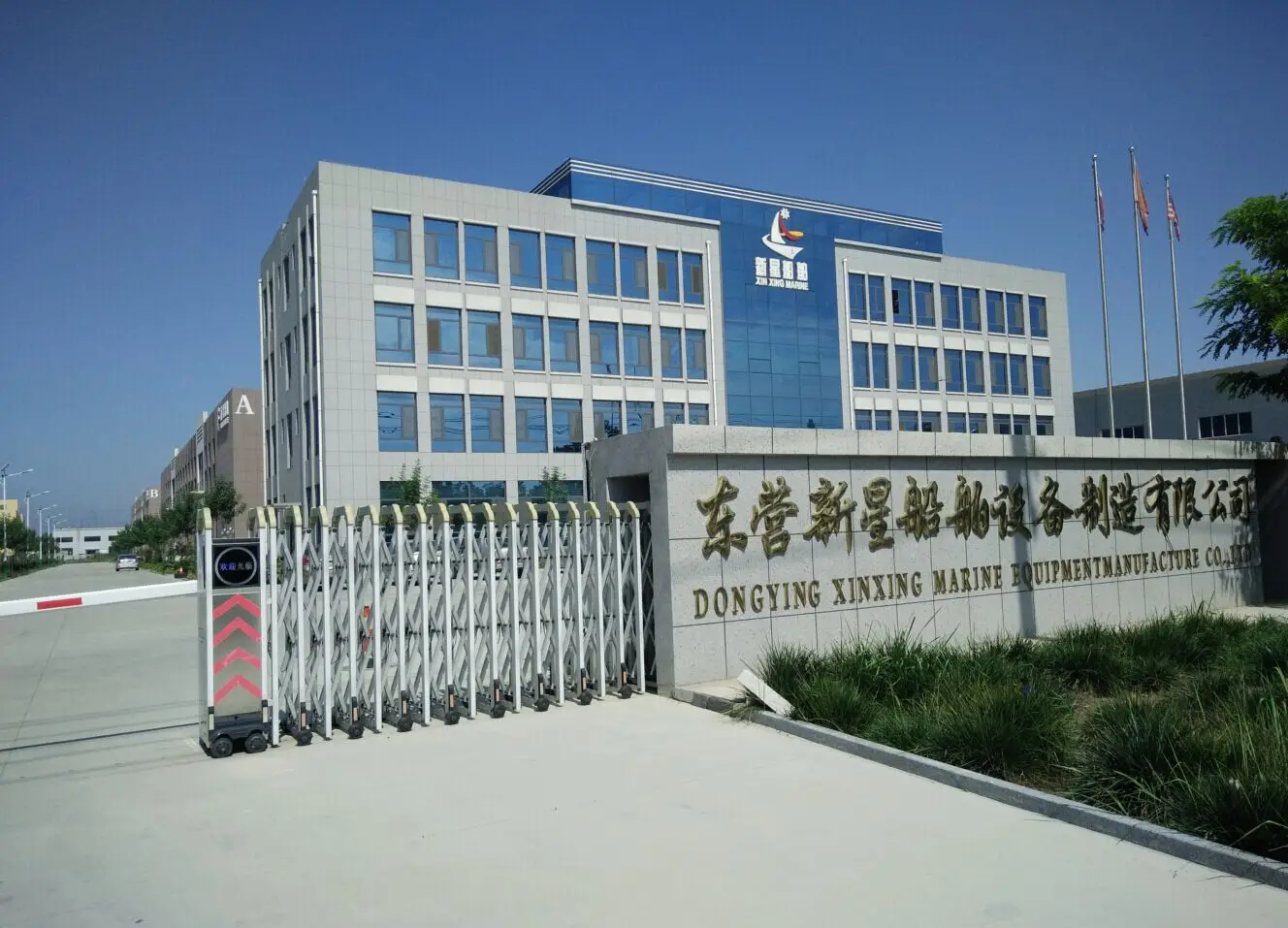
Dongying Xinxing Marine Equipment Manufacture Co.,ltd
- Manufacturer, Trading Company
- Shandong, China
- Lead time30 days
- Avg. response≤ 3h
Main productsBoat Bollard; Marine Cleat; Boat Anchor; Fishing Rod Holder; Boat Latch
Main marketsDomestic Market(30.00%), North America(25.00%), Mid East(16.00%), Western Europe(10.00%), Oceania(5.00%), Eastern Europe(5.00%), Northern Europe(2.00%), South Asia(1.00%), Africa(1.00%), Southern Europe(1.00%), Eastern Asia(1.00%), Central America(1.00%), South America(1.00%), Southeast Asia(1.00%)
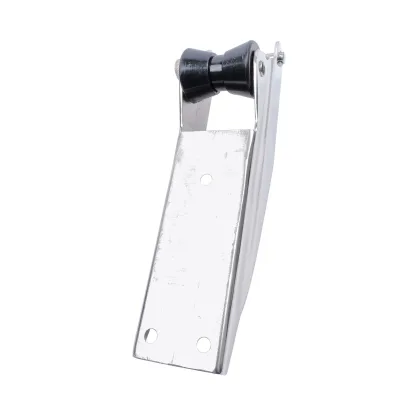
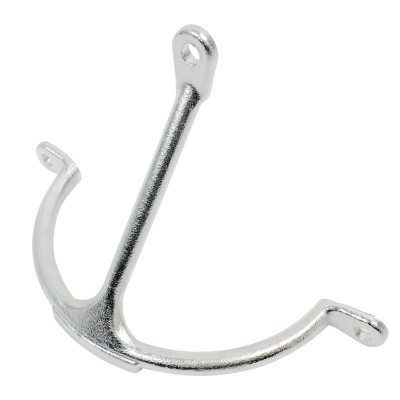
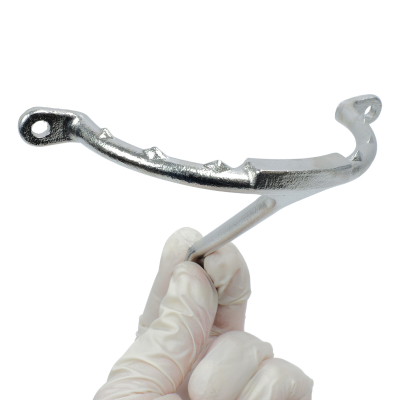
$3.00
Tianjin Vieworld International Trade Co., Ltd.
- Verified by SGS
- Combined
- China Tianjin
- Lead time15 days
- Avg. response≤ 2h
Main marketsOthers(foreignTradeCapacity.exportBusinessCapacityMarketOther)


Adjustable Solar Mounting Brackets for Secure and Versatile Panel Installation
$0.01 - $0.03
MOQ: 100 watts

Tianjin Jucai Huixin Industry and Trade Co., Ltd.
- Verified by SGS
- Combined
- China Tianjin
- Lead time15 days
- Avg. response≤ 2h
Main productsSolar Bracket, Solar Bracket Structure, Solar Carport, Solar Carport Structure, Solar Carport Parking, Solar Mounting Structure, Solar Mounting Bracket, Solar Ground Mount, Solar Mounting System, Solar Ground Mounting Structure
Main marketsAfrica,Southeast Asia/ Mideast,Domestic,North America

HEBEI GIONLEE MACHINERY EQUIPMENT SALES CO., LTD.
- Verified by BV
- Trading Company
- China Hebei
- Lead time30 days
- Avg. response≤ 2h
Main productsMetal Welding Parts, Metal Stamping Part, Sheet Metal Fabrication, Deep Drawn Parts, CNC Machining Part, Ready Made Fasteners, Plastic Parts, Rubber Parts, Parking Heater, Machine
Main marketsSouth America,Southeast Asia/ Mideast,East Asia(Japan/ South Korea),Europe,North America

Qingdao Merid Machinery Co., Ltd
- Verified by CTI
- Combined
- China Shandong
- Lead time15 days
- Avg. response≤ 3h
Main productsMachining Part, Sheet Metal Fabrication, Mounting Bracket, Precast Lifting Parts, Metal Hardware, CNC Maching Part, Stamping Parts, Welding Parts, CNC Maching Parts
Main marketsDomestic,Europe,Australia,North America


Heavy Duty Universal Wall Mounting Brackets for Easy Installation and Support
$0.30 - $0.80
MOQ: 1000 Pieces

Jieyang Yaoshun Hardware Co., Ltd.
- Verified by SGS
- Combined
- China Guangdong
- Lead time30 days
- Avg. response≤ 7h
Main productsDrawer Slide, Hinge, Screw, 3 in 1
Main marketsDomestic
Cangzhou Yingsheng Hardware Manufacturing Co., Ltd.
- Verified by SGS
- Combined
- China Hebei
- Lead time15 days
- Avg. response≤ 10h
Main marketsDomestic

Xingtai Jiudun Metal Products Co., Ltd.
- Verified by BV
- Trading Company
- China Hebei
- Lead time15 days
- Avg. response≤ 1h
Main productssolar carport
Main marketsDomestic
Jieyang Youjiang Precision Manufacturing Co., Ltd.
- Verified by SGS
- Combined
- China Guangdong
- Lead time30 days
- Avg. response≤ 8h
Main productsFolding Braket/Hardware Products
Main marketsDomestic

Premium K Type Folding Bracket for Secure and Stylish Support Folding Bracket
$0.65 - $3.50
MOQ: 3000 Sets


Wuhu Aihua Industrial Manufacturing Co., Ltd.
- Combined
- China Anhui
- Lead time30 days
- Avg. response≤ 10h
Main productsAccess Panel, Plastic Access Panel, Duct Access Door, Aluminum Access Panel, Access Panel with Gypsum Board, Roof Access Hatch, RV Skylight, Air Register/Gille/Diffuser, Air Vent Louvers, Fired Rated Access Door
Main marketsSouth America,Africa,Southeast Asia/ Mideast,East Asia(Japan/ South Korea),Domestic,Europe,Australia,North America

Shouguang Runchen Environmental Protection Technology Co., Ltd.
- Verified by TUVRHEINLAND
- Trading Company
- China Shandong
- Lead time15 days
- Avg. response≤ 4h
Main productsZebra Blinds, Roller Blinds, Honeycomb Blinds, Shangri-La Blinds, Sunshine Blinds, Dream Curtain, Vertical Curtain, Sunscreen Blinds, Wooden Blinds, Motor End Caps Heading
Main marketsAfrica
Zhejiang Trumshi Building Material Co., LTD.
- Verified by TUVRHEINLAND
- Manufacturer/Factory
- China Zhejiang
- Lead time23 days
- Avg. response≤ 1h
Main productsAdjustable Pedestal, Adjustable Support, Plastic Support, Plastic Pedestal, Universal Pedestal Support, Adjustable Plastic Pedestal, Adjustable Joist Support, Adjustable Decking Pedestal, Adjustable Stone Paving Pedestal, Self Levelling Paving Pedestal
Main marketsEastern Europe,Mid East,North America,Southeast Asia,Eastern Asia,Africa

Jiaxing Sunrise Import & Export Co., Ltd.
- Verified by SGS
- Trading Company
- China Zhejiang
- Lead time30 days
- Avg. response≤ 7h
Main productsScrew, Washer, Stamping Part, Auto Part, Nail, Sheet Metal, Spare Parts, Drywall Screw, Fastener, Self Drilling Screw
Main marketsSouth America,Southeast Asia/ Mideast,Europe


Comprehensive Sourcing Guide
OEM Panel Bracket Supplier Concentration and Factory Types
Current data indicates a concentration of manufacturing activity in Shandong, China, where suppliers list scaffolding, forging, and various bracket types as primary outputs. These facilities often operate as combined entities, functioning as both manufacturers and trading companies to offer a broader range of hardware solutions. This dual role allows them to source complementary items like scaffold couplers and hand tools while maintaining direct control over the production of custom brackets. Buyers should note that the presence of combined company types suggests a flexible supply chain capable of handling both standard inventory and specialized orders.
In contrast, other regions such as Tianjin, China, host suppliers specializing in renewable energy components, specifically solar mounting systems and ground brackets. These facilities frequently emphasize OEM capabilities and may hold distinct certifications like ISO14001:2015 alongside standard quality management systems. The distinction between a pure manufacturer and a combined entity is critical when sourcing complex panel brackets, as the latter may offer faster access to diverse hardware but potentially less direct oversight on specific metalworking processes. Buyers must verify the actual production capacity and whether the supplier owns the machinery or relies on third-party workshops for the core bracket fabrication.
How to Verify OEM Panel Bracket Suppliers
Verification of supplier credibility relies heavily on third-party audit reports and specific platform badges rather than self-declared claims. Available evidence shows suppliers with BV verification status, indicating a baseline level of operational legitimacy, while others may carry SGS verification. These external validations are essential for confirming that the company exists and has undergone a physical inspection of their premises. Buyers should prioritize suppliers displaying these specific verification badges, as they provide a higher degree of confidence regarding the company's legal standing and operational history compared to unverified listings.
Beyond basic verification, buyers must scrutinize the specific certifications listed in the supplier profile, such as ISO9001:2015 or ISO14001:2015, to ensure alignment with project requirements. Some suppliers in the solar bracket sector explicitly list CE, ISO, and GB certifications for their products, which is a strong indicator of compliance with international safety and quality standards. It is vital to request copies of these certificates and verify their validity dates directly with the issuing bodies. Relying solely on the presence of a certification badge without confirming the scope of coverage can lead to sourcing non-compliant materials, particularly for structural components like panel brackets that must withstand specific wind and snow loads.
What to Compare Across OEM Panel Bracket Suppliers
When evaluating potential partners, response time serves as a primary metric for assessing communication efficiency and operational readiness. Data points reveal significant variance, with some suppliers responding within 1.38 hours while others take over 13 hours. A faster response time often correlates with a more active sales team and a streamlined internal process for handling inquiries, which is crucial for resolving technical questions about bracket customization or model specifications. Buyers should compare these response metrics alongside the supplier's stated main products to ensure they are dealing with a specialist rather than a generalist trading house.
Lead time and minimum order quantity (MOQ) are equally critical dimensions for comparison, as they directly impact project scheduling and budget allocation. Current records show lead times ranging from 15 days to 45 days, with MOQs varying widely from 50 units to 10,000 units depending on the specific product model. For instance, a standard stainless steel bracket might have a lower MOQ compared to a heavy-duty solar mounting structure. Buyers must align these figures with their production timeline and inventory strategy, ensuring that the supplier can meet the required delivery window without imposing prohibitive order volumes that tie up excessive capital.
Common OEM Panel Bracket Sourcing Risks
One significant risk involves the ambiguity of customization capabilities, where suppliers may claim "customization available" without defining the scope of engineering support. While some product listings explicitly state that logo packaging or specific model numbers like RFH-B001J are available, others may lack detailed technical drawings or engineering validation for custom designs. Buyers must verify whether the supplier possesses in-house R&D capacity for ODM services or if they simply rebrand existing standard parts. This distinction is vital for ensuring that custom brackets meet precise load-bearing requirements and fit specifications for unique installation environments.
Another risk pertains to the consistency of material quality and surface treatment, particularly for outdoor applications exposed to harsh weather. Product attributes often mention anti-corrosion treatments or specific coatings like Zinc Al Mg, but these claims require independent verification through material test reports. Without concrete evidence of the coating thickness or the specific grade of steel used, such as Q235 or Q355, there is a risk of premature failure in the field. Buyers should insist on sample testing and clear documentation regarding the material grade and surface treatment process to mitigate the risk of receiving substandard components that could compromise the entire panel installation.
OEM Panel Bracket Regional Sourcing and Logistics
Geographic location plays a pivotal role in determining shipping costs and delivery speed, with major manufacturing hubs identified in Shandong and Tianjin. Suppliers in Shandong often focus on a broad range of hardware including scaffolding and marine accessories, while Tianjin-based facilities frequently specialize in solar mounting systems and renewable energy structures. Understanding these regional specializations helps buyers anticipate the type of logistics infrastructure available, as coastal ports in these provinces facilitate efficient export shipping. Buyers should factor in the distance from the factory to the nearest port when calculating total landed costs and transit times for their specific order volume.
Logistics planning must also account for the specific packaging requirements listed in product attributes, such as plastic bags combined with export cardboard boxes. Improper packaging can lead to damage during transit, especially for delicate or heavy-duty brackets that require protection against moisture and impact. Buyers should verify that the supplier's packing method aligns with the destination's climate conditions and handling procedures. Additionally, the origin location influences the availability of freight forwarders familiar with the specific export regulations for metal hardware, ensuring that customs clearance proceeds smoothly without unexpected delays or additional fees.
OEM Panel Bracket Commercial Terms and Order Planning
Commercial terms regarding pricing and payment structures vary significantly based on the product model and order volume. Evidence shows price ranges for specific items, such as brackets priced between $3.00 and $24.42, depending on material and complexity. Buyers must clarify whether these prices include shipping, taxes, or insurance, as these factors can drastically alter the final cost. It is essential to negotiate clear Incoterms that define responsibility for freight and risk transfer, ensuring that the supplier's quoted price reflects the actual cost of goods delivered to the buyer's designated location.
Order planning should also consider the availability of samples and the timeline for sample approval before mass production begins. Some suppliers offer free samples, while others may charge for the unit and shipping, which impacts the initial investment required to validate the product. Buyers should establish a clear timeline for sample testing, including verification of load capacity and surface treatment, before committing to a large production run. This approach minimizes the risk of costly errors and ensures that the final batch of Oem panel brackets meets all technical and quality expectations before the full order is manufactured and shipped.
FAQs
What is the typical lead time for panel brackets?
Lead times vary by supplier and product type. Some manufacturers offer a 15-day turnaround for solar mounting brackets, while others require up to 45 days for scaffolding components. Buyers should confirm specific delivery schedules before placing orders to ensure project timelines are met.
Do suppliers offer customization for panel brackets?
Yes, customization is widely available for various bracket models. Many suppliers provide options for logo packaging or specific model adjustments. Buyers can request custom designs for solar mounting systems or scaffolding parts, ensuring the final product meets unique structural or branding requirements.
What are the minimum order quantities for brackets?
Minimum order quantities differ significantly across product categories. Some bracket models require a minimum of 50 units, while others may need 200 or even 10,000 units. Buyers must check specific product listings to determine the exact MOQ applicable to their intended purchase volume.
Where are these panel bracket manufacturers located?
Manufacturers are primarily located in Shandong and Tianjin, China. These regions host suppliers specializing in solar mounting systems, scaffolding, and marine hardware. Buyers can expect a concentration of production facilities in these areas when sourcing industrial brackets and related hardware components.
Are the suppliers verified for quality assurance?
Many suppliers hold third-party verification from agencies like BV and SGS. Additionally, several manufacturers possess ISO9001:2015 and ISO14001:2015 certifications. These credentials indicate adherence to international quality management standards, providing buyers with greater confidence in product reliability and manufacturing processes.
What response times can buyers expect from suppliers?
Response times vary, with some suppliers replying within 1.38 hours and others taking up to 13.60 hours. Faster response rates are often associated with suppliers in Tianjin, while others in Shandong may have slightly longer reply windows. Buyers should prioritize suppliers with quicker response times for urgent inquiries.
What materials are used for solar panel brackets?
Solar panel brackets are commonly made from steel with zinc aluminum magnesium coating. Some stainless steel options are also available for marine applications. The material choice depends on the specific load requirements and environmental conditions, ensuring durability against wind, snow, and corrosion.