oil-free air compressor solenoid valve Suppliers and Manufacturers
Compare 10 verified suppliers offering oil-free air compressor solenoid valve parts from China Shandong, Shanghai, and Guangdong. Review response times, lead times, certifications, and prices to source components with warranties and test reports; review the available evidence before requesting comparable quotations from suitable candidates.
Updated
Suppliers List

Shandong Dassaw Import and Export Co., Ltd.
- Verified by TUVRHEINLAND
- Trading Company
- China Shandong
- Lead time15 days
- Avg. response≤ 7h
Main productsAir Compressor, Bottle Blowing Machine, Filling Machine, Powder Article Packing Machine, Chiller, Air Dryer, Air Tank
Main marketsSouth America,Africa,Southeast Asia/ Mideast,East Asia(Japan/ South Korea),Europe,Australia,North America

Shanghai Rongyunlai Machinery Co., Ltd.
- Verified by BV
- Trading Company,Manufacturer/Factory
- China Shanghai
- Lead time0 days
- Avg. response≤ 3h
Main productsAir Compressor Parts, Air Compressor Valves, Air Compressor Filters, Oils, Cooler, Controller, Sensor, Gear, Intake Valve, Inlet Hose/Oil Pipe/Oil Tube

Solenoid Valve 39479803 Air Compressor Parts OEM Parts Compressor Spare Parts
$105.00 - $108.00
MOQ: 1 pieces


Air Compressor Parts Electronic Auto Valve 230V Splinched and Connected Solenoid Valve
$16.00 - $20.00
MOQ: 1 pieces


39497672 Solenoid Valve OEM Parts High Quality Air Compressor Spare Parts
$30.00 - $32.00
MOQ: 1 pieces

22516025 Solenoid Valve 36840841 High Quality Air Compressor Spare Parts
$77.00 - $85.00
MOQ: 1 pieces

Guangdong Zhaoyang Technology Co., Ltd.
- Verified by SGS
- Manufacturer/Factory
- China Guangdong
- Lead time15 days
- Avg. response≤ 6h
Main productsOil Seal Shaft Sleeve Mechanical Seal, Air Compressor Parts Filter Solenoid Valve, Coupling Controller Bearing, Air Compressor Oil Oil Pipe Control Valve, Minimum Pressure Valve Inlet Valve, Temperature Sensor Pressure Sensor, Oil Separator Oil Filter Air Filter, Thermostat Valve Precision Filter, Cooler Electronic Automatic Drain, Gear Servo Cylinder Pressure Switch
Main marketsSouth America,Eastern Europe,Mid East,North America,Southeast Asia,Eastern Asia,Western Europe,Africa

WUHAN YOUNBER TECHNOLOGY CO., LTD
- Verified by SGS
- Trading Company
- China Hubei
- Lead time15 days
- Avg. response≤ 3h
Main productsFilter Elements, Sensors, Valves, Service Kit, Gear, Air Ends, Lubricating Fluid, Circuit Breaker, Intelligent Switchboards, Ipanel
Main marketsAfrica,Southeast Asia/ Mideast,East Asia(Japan/ South Korea)

Jiangxi Sange Filter Manufacturing Co., Ltd.
- Verified by BV
- Combined
- China Jiangxi
- Lead time23 days
- Avg. response≤ 2h
Main productsAir Filter, Oil Filter, Truck Parts, Air Compressor Parts, Air Oil Separator, Fuel Filter, Line Filter
Main marketsSouth America,Africa,Southeast Asia/ Mideast,East Asia(Japan/ South Korea),Domestic,Europe,Australia,North America

Xinxiang APDA Filter Co., Ltd.
- Verified by TUVRHEINLAND
- Manufacturer/Factory
- China Henan
- Lead time15 days
- Avg. response≤ 2h
Main productsAir Compressor Filter, Hydraulic Filter, Inline Filter, Air Compressor Spare Parts, Air Oil Separator, Air Filter, Oil Filter, Water Filter, Cartridge Filter Element, Muffler Silencer
Main marketsSouth America,Eastern Europe,Mid East,North America,Southeast Asia,Eastern Asia,Oceania,Western Europe,Africa

Xinxiang Mengma Filter Co., Ltd.
- Verified by CTI
- Combined
- China Henan
- Lead time30 days
- Avg. response≤ 1h
Main productsair compressor part
Main marketsOthers(foreignTradeCapacity.exportBusinessCapacityMarketOther),Europe

Ningbo Senya Pneumatic Technology Co., Ltd.
- Verified by TUVRHEINLAND
- Manufacturer/Factory
- China Zhejiang
- Lead time30 days
- Avg. response≤ 3h
Main productsSolenoid Valve, Pneumatic Cylinder, Pneumatic Push-in Fitting, Water Valve, Air Treatment Unit, Directional Valve, Plastic Valve, Fire Protection Equipment, Water Dispenser Equipment, Music Fountain
Main marketsSouth America,Eastern Europe,Mid East,North America,Southeast Asia,Eastern Asia,Oceania,Western Europe,Africa

Ningbo Xinchao Automatization Component Co., Ltd.
- Verified by BV
- Combined
- China Zhejiang
- Lead time30 days
- Avg. response≤ 11h
Main productsPneumatics, Pneumatic Cylinder, Solenoid Valve, Frl, Pneumatic Fitting, Cylinder Accessories, Air Cylinder, Air Units, Pneumatic Actuator, Metal Fitting
Main marketsSouth America,Africa,Southeast Asia/ Mideast,East Asia(Japan/ South Korea),Domestic,Europe,Australia,North America

Compressor Accessories Single Coil 2 Position 5 Way Pneumatic Solenoid Valve
$5.20 - $5.72
MOQ: 10 Pieces

Compressor Accessories Double Coil 2 Position 5 Way Pneumatic Solenoid Valve
$6.14 - $6.75
MOQ: 10 Pieces
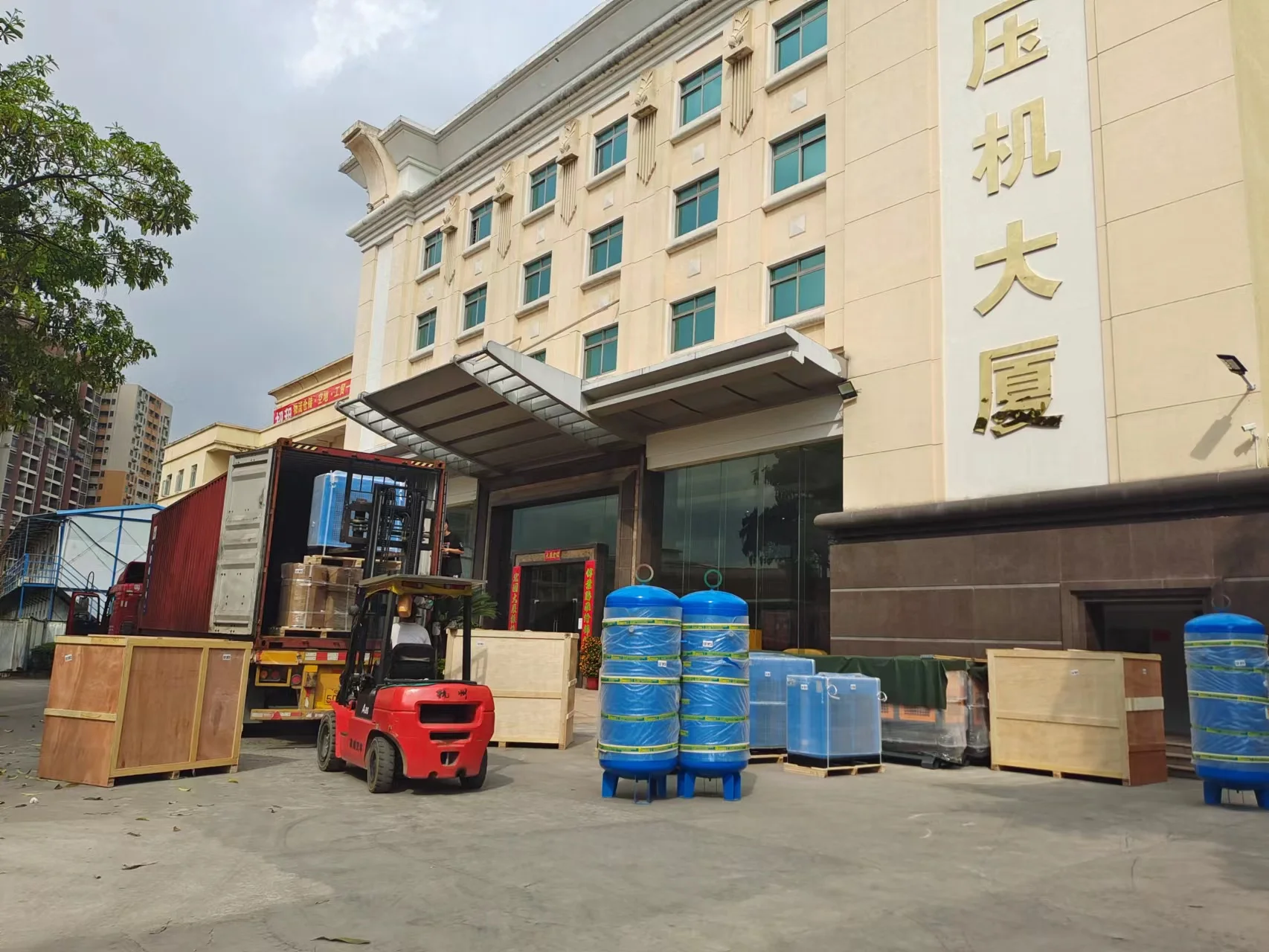
Dongguan Fengguang Mechanical Equipment Technology Limited
- Manufacturer, Trading Company
- Guangdong, China
- Lead time5 days
- Avg. response≤ 2h
Main productsAir Compressor,Air Compressor Spare Parts,Screw air compressor,Screw compressor,Screw air compressor parts
Main marketsSouth America(15.00%), Domestic Market(12.00%), South Asia(10.00%), North America(10.00%), Southeast Asia(10.00%), Africa(8.00%), Mid East(8.00%), Central America(8.00%), Oceania(7.00%), Eastern Asia(3.00%), Western Europe(3.00%), Northern Europe(3.00%), Eastern Europe(3.00%)


Comprehensive Sourcing Guide
Oil-Free Air Compressor Solenoid Valve Supplier Concentration and Factory Types
The current supplier landscape for oil-free air compressor solenoid valves reveals a distinct concentration of manufacturing and trading entities within specific Chinese provinces, primarily Shandong, Shanghai, and Guangdong. These regions serve as critical hubs for industrial machinery components, offering buyers access to a diverse array of production capabilities. In Shandong, suppliers often operate as trading companies that aggregate products from various local factories, providing a broad catalog that includes air compressors, chillers, and related pneumatic equipment. This model allows for consolidated sourcing but requires careful verification of the actual manufacturing origin. Conversely, suppliers in Shanghai frequently present a hybrid profile, identifying as both trading companies and manufacturers. This dual identity suggests a more direct connection to production lines, potentially offering greater flexibility in customization and technical support for complex solenoid valve assemblies. The presence of these varied company types indicates that buyers must look beyond simple titles to understand the true nature of the supply chain.
In Guangdong, the supplier base is heavily skewed toward direct manufacturers who hold specific quality certifications, such as ISO 9001, and undergo rigorous third-party verifications like SGS. These factories typically specialize in a narrower range of high-precision components, including oil seals, mechanical seals, and specific solenoid valves for established compressor brands. The focus on certified manufacturing in this region often correlates with stricter quality control processes and more consistent product specifications. Meanwhile, suppliers in other locations may rely on trading models to bridge the gap between small workshops and international buyers. Understanding this geographic and structural distribution is essential for aligning procurement goals with supplier capabilities. Buyers seeking high-volume, standardized parts may find efficiency in trading companies, while those requiring certified, custom-engineered solutions might benefit from the direct factory relationships found in Guangdong. This diversity ensures that regardless of specific project requirements, there are viable sourcing options within the Chinese industrial ecosystem.
How to Verify Oil-Free Air Compressor Solenoid Valve Suppliers
Verifying the legitimacy and capability of suppliers requires a multi-layered approach that goes beyond basic company profiles. The first step is to examine the verification badges provided by reputable third-party inspection agencies. For instance, some suppliers display verification from TÜV Rheinland, while others may hold certifications from Bureau Veritas (BV) or SGS. These badges indicate that an independent body has audited the company’s business license, factory premises, or quality management systems. However, the type of verification matters; a TÜV Rheinland badge on a trading company might confirm business legitimacy rather than manufacturing depth, whereas an SGS verification on a manufacturer often implies adherence to specific production standards. Buyers should cross-reference these claims by requesting detailed audit reports or video walkthroughs of the production floor. This direct evidence helps distinguish between a pure trading entity and a factory with genuine production capacity, ensuring that the supplier can meet technical specifications and delivery commitments.
Beyond verification badges, buyers must assess the supplier’s response time and product documentation practices. A rapid response time, such as under three hours, often indicates a dedicated sales team and efficient internal processes, which are crucial for resolving technical queries about solenoid valve compatibility. Additionally, the availability of detailed product attributes, such as machinery test reports, video outgoing inspections, and specific warranty terms, serves as a strong indicator of supplier professionalism. For example, suppliers who provide video inspections of their solenoid valves before shipment demonstrate a commitment to quality assurance and transparency. Buyers should also scrutinize the main products listed; a supplier focusing exclusively on air compressor parts and valves is likely more specialized and knowledgeable than one offering a wide, unrelated range of industrial machinery. By combining verification checks with an analysis of operational responsiveness and documentation quality, buyers can build a reliable shortlist of suppliers who are both legitimate and capable of supporting their specific sourcing needs.
What to Compare Across Oil-Free Air Compressor Solenoid Valve Suppliers
When evaluating multiple suppliers, buyers should prioritize key operational metrics such as lead time, minimum order quantity (MOQ), and pricing structures to determine the best fit for their procurement strategy. Lead times vary significantly across the supplier base; some manufacturers offer rapid delivery windows of one to three days for standard components, while others may have longer production cycles. This difference is critical for buyers with urgent maintenance needs or tight production schedules. Similarly, MOQs can range from single units to larger batch requirements, influencing inventory management and cash flow. Suppliers with an MOQ of one unit offer flexibility for testing and small-scale repairs, whereas those requiring higher volumes may offer better economies of scale. Buyers must align these operational constraints with their actual demand patterns to avoid stockouts or excessive inventory holding costs. Comparing these metrics side-by-side allows for a more objective assessment of each supplier’s suitability for specific order sizes and timelines.
Pricing and customization options are equally important factors in the comparison process. Prices for solenoid valves can fluctuate based on the model, material quality, and order volume, with some items priced as low as sixteen dollars and others exceeding one hundred dollars. Buyers should not solely focus on the lowest price but rather on the value proposition, which includes warranty coverage and after-sales support. For instance, a supplier offering a one-year warranty and providing machinery test reports may justify a higher price point through reduced risk and long-term reliability. Additionally, the availability of customization services is a key differentiator. Some suppliers offer non-customized standard components, while others provide tailored solutions for specific compressor models. Buyers should assess whether their application requires standard off-the-shelf parts or custom-engineered valves. By systematically comparing lead times, MOQs, pricing, and customization capabilities, buyers can identify suppliers that offer the optimal balance of cost, speed, and technical suitability for their oil-free air compressor solenoid valve requirements.
Common Oil-Free Air Compressor Solenoid Valve Sourcing Risks
One of the primary risks in sourcing solenoid valves is the potential mismatch between product specifications and actual compressor requirements. Solenoid valves are highly specialized components, and using an incorrect model can lead to system failures, reduced efficiency, or safety hazards. Buyers must carefully verify the part numbers, voltage ratings, and connection types against their existing equipment. For example, a valve designed for a piston air compressor may not be compatible with an oil-free rotary screw unit. Additionally, the risk of receiving non-standard or counterfeit components is heightened when dealing with trading companies that do not have direct oversight of the manufacturing process. Buyers should insist on detailed product descriptions, including brand names, model numbers, and applicable equipment lists, to ensure compatibility. Requesting video outgoing inspections can also help verify that the physical product matches the described specifications before shipment, reducing the likelihood of receiving incorrect or substandard items.
Another significant risk is the inconsistency in quality control and after-sales support. While some suppliers provide comprehensive warranties and machinery test reports, others may offer minimal support, leaving buyers vulnerable to defects. The absence of clear warranty terms or return policies can complicate the resolution of quality issues. Furthermore, the reliance on third-party logistics can introduce delays or damage to sensitive electronic components like solenoid valves. Buyers should assess the supplier’s packaging standards, such as the use of wooden boxes or sturdy carton packing, to ensure safe transit. Additionally, the risk of communication barriers can lead to misunderstandings regarding technical requirements or delivery schedules. Buyers should prioritize suppliers with proven response times and clear communication channels to mitigate these risks. By proactively addressing specification mismatches, quality control gaps, and logistical challenges, buyers can protect their operations from the common pitfalls associated with international solenoid valve sourcing.
Oil-Free Air Compressor Solenoid Valve Regional Sourcing and Logistics
Sourcing solenoid valves from different regions in China offers distinct logistical advantages and challenges that buyers must consider. Suppliers located in Shandong often benefit from established industrial clusters, which can streamline the production and consolidation of various air compressor parts. This concentration may lead to more efficient shipping options and lower freight costs for bulk orders. However, buyers should verify the actual shipping origin, as trading companies may consolidate goods from multiple factories, potentially complicating tracking and quality control. In contrast, suppliers in Shanghai and Guangdong are situated in major port cities, which typically offer faster and more frequent international shipping routes. This geographic advantage can significantly reduce transit times, making these regions ideal for buyers with urgent delivery requirements. The proximity to major logistics hubs also facilitates easier coordination with freight forwarders and customs brokers, ensuring smoother import processes.
Logistics planning should also account for the packaging standards employed by suppliers in different regions. Some manufacturers use robust wooden box packaging for heavier or more sensitive components, while others may rely on standard carton boxes. The choice of packaging can impact the safety of the solenoid valves during transit, especially for international shipments involving multiple handling points. Buyers should request specific packaging details and consider additional protective measures if necessary. Additionally, the lead times quoted by suppliers often include processing and packaging time, so buyers must factor in the actual shipping duration to their destination. Understanding the logistical landscape of each region allows buyers to make informed decisions about where to source their components. By aligning regional advantages with their specific logistical needs, buyers can optimize their supply chain for cost, speed, and reliability, ensuring that their oil-free air compressor solenoid valves arrive in optimal condition and on time.
Oil-Free Air Compressor Solenoid Valve Commercial Terms and Order Planning
Effective order planning for solenoid valves requires a clear understanding of commercial terms, including payment structures, warranty policies, and return procedures. Buyers should negotiate terms that protect their interests, such as using secure payment methods like escrow services, which hold funds until the goods are received and verified. This approach minimizes financial risk and ensures that suppliers are motivated to deliver as promised. Additionally, buyers must clarify the warranty coverage for each product, as terms can vary significantly. Some suppliers offer a one-year warranty with provisions for replacement or repair, while others may have more limited coverage. Understanding these terms is crucial for budgeting potential maintenance costs and planning for long-term operational reliability. Buyers should also inquire about the process for handling defective items, including who bears the cost of return shipping and the timeline for replacements.
Order planning should also consider the scalability of the supplier’s production capacity and their ability to handle repeat orders. Buyers who anticipate regular maintenance needs should establish a relationship with a supplier who can consistently meet their volume requirements. This may involve negotiating volume discounts or securing priority production slots for future orders. Additionally, buyers should maintain a detailed inventory of their solenoid valve part numbers and specifications to streamline future purchasing decisions. By keeping accurate records, buyers can quickly identify suitable suppliers and reduce the time spent on new sourcing efforts. Furthermore, buyers should monitor market trends and price fluctuations to time their orders effectively. By combining robust commercial terms with strategic order planning, buyers can build a resilient supply chain that supports the continuous operation of their oil-free air compressor systems, ensuring minimal downtime and optimal performance.
FAQs
What is the price range for air compressor solenoid valves?
Prices for air compressor solenoid valves typically range from $16 to $108 per unit. Specific models like the Electronic Auto Valve start around $16, while OEM parts such as model 39479803 cost between $105 and $108. Buyers should check individual product listings for exact pricing based on the required model and quantity.
What is the minimum order quantity for these valves?
The minimum order quantity is generally one piece or set. Suppliers list MOQs as 1PC or 1set for various solenoid valves, including models 98652-62 and Hengda Shangair. This low threshold allows buyers to purchase single units for testing or immediate replacement needs without committing to large bulk orders.
How long does delivery take for these spare parts?
Delivery times vary by supplier and product. Some listings indicate a lead time of 15 days, while others specify a faster delivery time of 1-3 days for specific models like the Hengda Shangair valve. Buyers should confirm the exact shipping timeline with the supplier before placing an order to ensure timely receipt.
Are these solenoid valves customizable for specific compressors?
Customization options are available for many solenoid valves, though some are listed as non-customized standard components. Suppliers offer both standard and customized versions, allowing buyers to find parts that fit specific compressor models like Compair or Shangair. Buyers should verify customization availability directly with the supplier for their specific application requirements.
What warranties are provided with these industrial valves?
Many solenoid valves come with a one-year warranty. Products like the Piston Compressor Solenoid Valve and the 98652-62 model explicitly state a 1-year warranty period. This coverage helps protect buyers against defects. Buyers should review the specific warranty terms provided in the product details to understand the scope of coverage.
Where are these air compressor parts manufactured?
These air compressor parts are manufactured in China, with suppliers located in Shandong, Shanghai, and Guangdong. The products originate from China, and suppliers are verified by agencies like TÜV Rheinland, BV, and SGS. Buyers can filter results by these specific Chinese regions to find suppliers closest to their logistics preferences.