Horizontal Continuous Charcoal Carbonization Kiln Suppliers and Manufacturers
Compare 23 verified suppliers of Horizontal Continuous Charcoal Carbonization Kiln based on location, certifications, lead times, and response times. Review product specifications and pricing to select the right factory for your biomass processing needs; review the available evidence before requesting comparable quotations from suitable candidates.
Updated
Suppliers List

Zhengzhou Angtuo Machinery Equipment Co., Ltd.
- Verified by SGS
- Manufacturer/Factory
- China Henan
- Lead time15 days
- Avg. response≤ 5h
Main productsFood Machinery, Agricultural Machinery, Animal Feed Pellet Machinery, Fruit Vegetable Processing Machinery, Wood Processing Machinery
Main marketsSouth America,Eastern Europe,Mid East,North America,Southeast Asia,Eastern Asia,Oceania,Africa


Charcoal Carbonization Furnace Continuous Charcoal Kiln Wood Carbonization Furnace
$1599.00 - $8880.00
MOQ: 1 Pieces

Charcoal Carbonization Furnace Biochar Kiln Price Carbonization Kiln
$1599.00 - $8880.00
MOQ: 1 Pieces


Continuous Charcoal Kiln Charcoal Making Machine Industrial Carbonization Furnace
$1599.00 - $8880.00
MOQ: 1 Pieces

Vertical Carbonization Furnace Horizontal Carbonization Furnace Price Charcoal Kiln Price
$1599.00 - $8880.00
MOQ: 1 Pieces
Henan Kunteng Machinery Import And Export Co., Ltd.
- Verified by Intertek
- Manufacturer, Trading Company
- Henan, China
- Lead time15 days
- Avg. response≤ 5h
Main productsWood Charcoal Making Machine, Coal Briquette Machine, Shisha Briquette Press Machine, Hydraulic Shisha Briquette Press Machine, Coconut Charcoal Briquette Machine
Main marketsAfrica(30%), Eastern Europe(20%), Southeast Asia(20%)
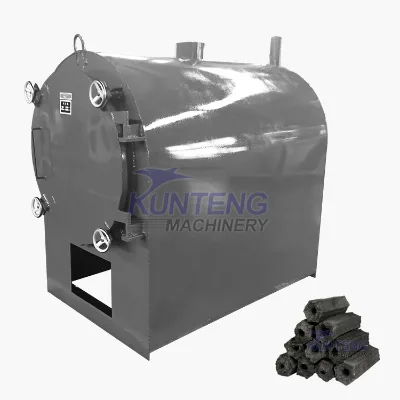
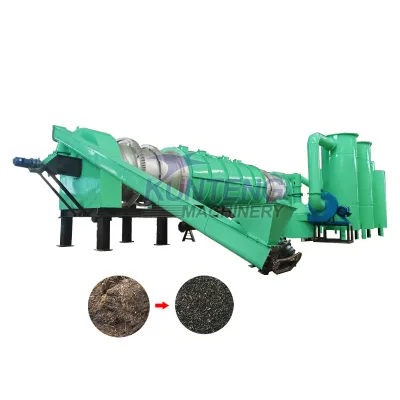
China Charcoal Kiln Activated Charcoal Activation Furnace Continuous Carbonization Furnace
$22800.00 - $47800.00
MOQ: 1 Minimum
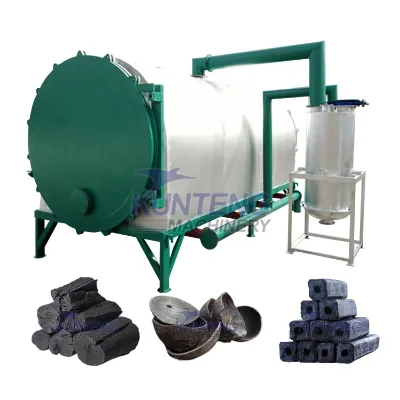
Smokeless Charcoal Furnace Multifunctional Horizontal Log Wood Carbonization Machine Equipment
$1684.2764 - $1866.3899
MOQ: 1 sets
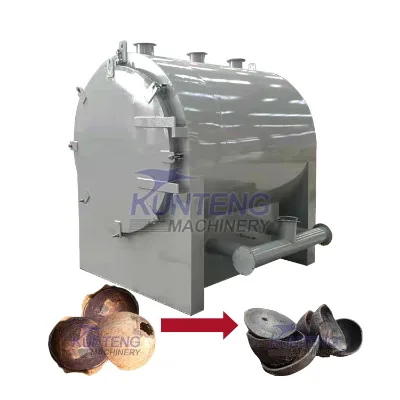
$360.5874 - $1030.2477
MOQ: 1 Minimum
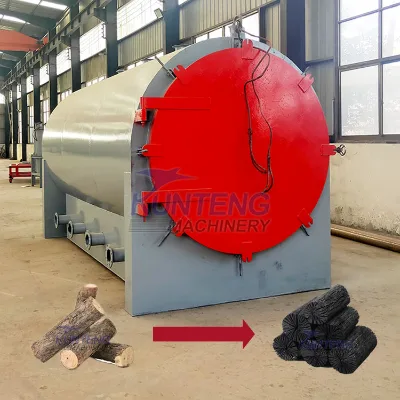
New Design Smokeless Horizontal Carbonization Furnace Used for Making Barbecue Charcoal Machine
$1074.8714 - $1527.0658
MOQ: 1 sets

Henan Efficient Machinery CO., LTD
- Verified by BV
- Trading Company
- China Henan
- Lead time15 days
- Avg. response≤ 6h
Main productsPlastic Recycling Machinery, Woodworking Machinery, Charcoal Machinery, Food Machinery, Agricultural Machinery, Packaging Machinery, Metal Baler, Egg Tray Making Machinery
Main marketsAfrica

Horizontal Charcoal Retort Kiln Biochar Machine Wood Vinegar Continuous Carbonization Furnace
$3800.00 - $4900.00
MOQ: 1 Pieces

Horizontal Biomass Charcoal Making Machine Carbonization Furnace Kiln for Sale
$15000.00 - $22000.00
MOQ: 1 Pieces

$15000.00 - $22000.00
MOQ: 1 Pieces

Carbon Wood Charcoal Carbonization Furnace Continuous Charcoal Production Line Factory Price
$3800.00 - $4900.00
MOQ: 1 Pieces

Continuous Type Carbonization Furnace/Charcoal Oven/Hoisting Sawdust Briquette Carbonization Kiln
$5500.00 - $7500.00
MOQ: 1 Pieces
Henan New Guoxin Machinery Manufacturing Co., Ltd.
- Verified by TüVRheinland
- Manufacturer, Trading Company
- Lead time30 days
- Avg. response≤ 4h
Main productsDrying Equipment, Microwave Dryer, Air Drying Room, Mesh Belt Dryer, Garbage Sorting Equipment
Main marketsDomestic Market(50%), Southeast Asia(20%), Africa(10%)
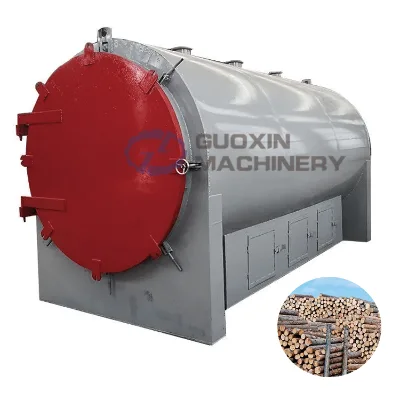
$28800.00 - $36000.00
MOQ: 1 sets
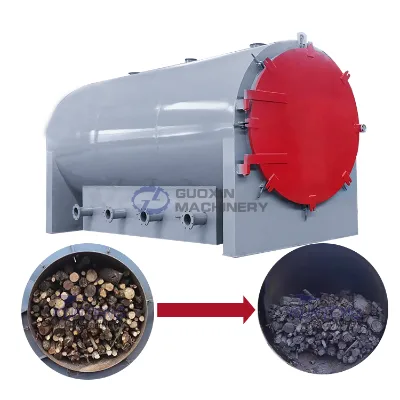
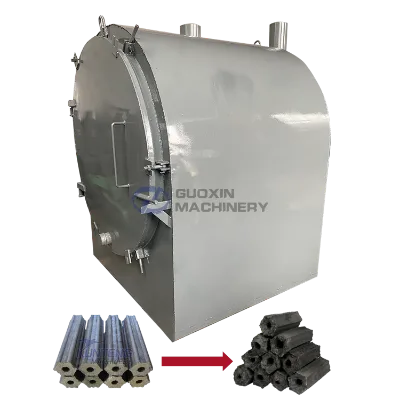
$1500.00 - $2500.00
MOQ: 1 sets
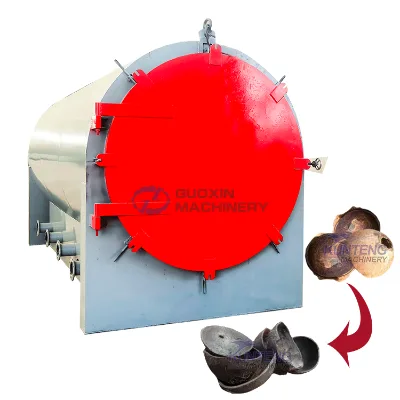
$1500.00 - $2500.00
MOQ: 1 sets
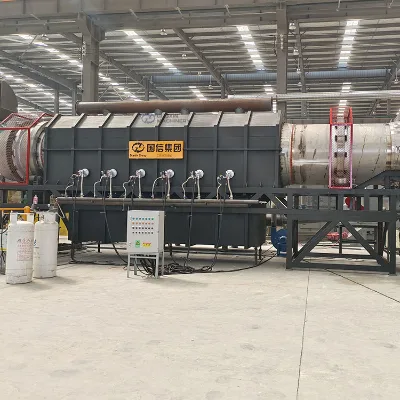
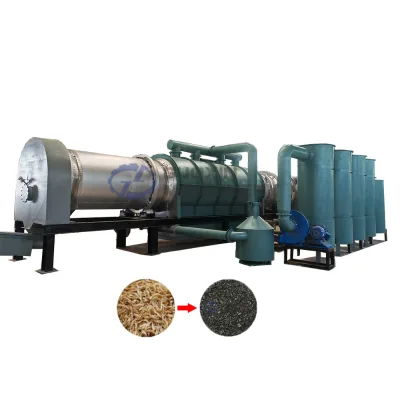
$28800.00 - $38000.00
MOQ: 1 sets

HENAN WANBO MACHINERY MANUFACTURING CO.,LTD.
- Verified by TUVRHEINLAND
- Combined
- China Henan
- Lead time15 days
- Avg. response≤ 4h
Main productsWet Pan Mill, Ball Mill, Jaw Crusher, Charcoal Making Machine, Continuous Carbonization Furnace, Charcaol Briquette Machine, Wood Crusher, Dryer
Main marketsSouth America,Africa,Others(foreignTradeCapacity.exportBusinessCapacityMarketOther),Domestic,Australia
Gongyi Dongxing Material Trade Co., Ltd.
- Trading Company
- Henan, China
- Lead time10 days
- Avg. response≤ 4h
Main productsBriquette machine,Charcoal machine,Carbonization stove,Nail making machine,Pellet making machine
Main marketsAfrica(20.00%), Southeast Asia(15.00%), Eastern Asia(12.00%), Oceania(8.00%), South America(8.00%), North America(7.00%), Western Europe(6.00%), Southern Europe(6.00%), South Asia(5.00%), Eastern Europe(3.00%), Mid East(3.00%), Northern Europe(3.00%), Domestic Market(3.00%), Central America(1.00%)
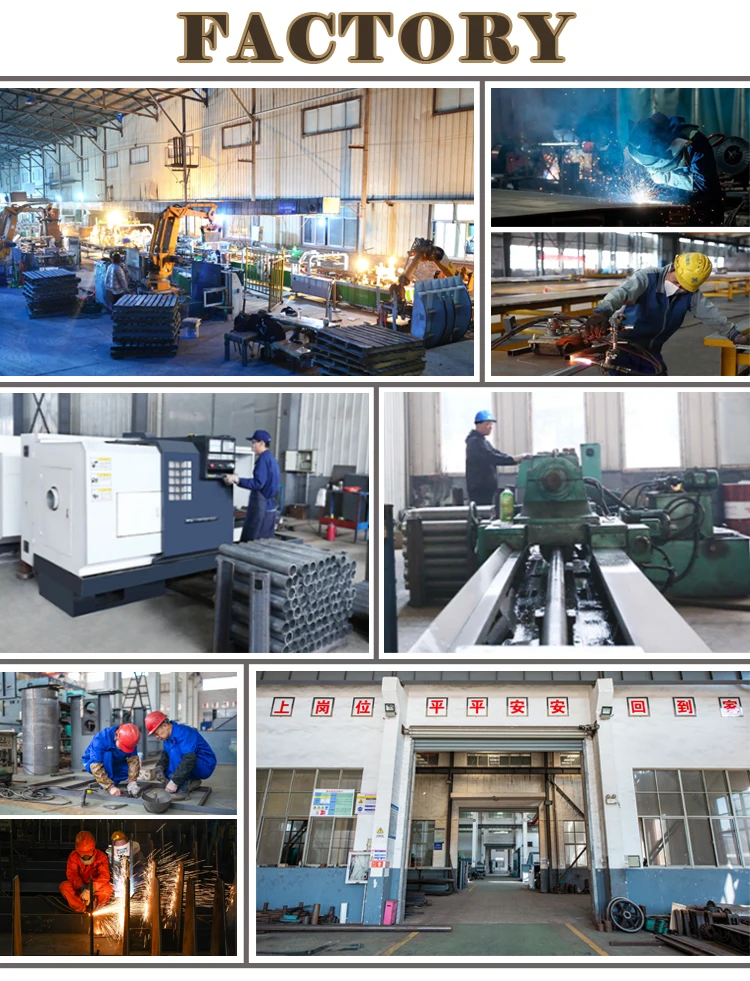
Zhengzhou Aden Machinery Equipment Co., Ltd.
- Trading Company
- Henan, China
- Lead time5 days
- Avg. response≤ 3h
Main productsSpider Crane,Coring Drilling Machine,spraying machine,Packing machine,Pile Driver
Main marketsMid East(30.00%), South America(20.00%), Africa(10.00%), Southeast Asia(10.00%), Southern Europe(9.00%), Eastern Europe(8.00%), Western Europe(8.00%), Northern Europe(3.00%), Central America(2.00%)

Zhengzhou Share Machinery Co., Ltd.
- Verified by BV
- Trading Company,Manufacturer/Factory
- China Henan
- Lead time15 days
- Avg. response≤ 4h
Main productsRoll Forming Machine, Purlin Making Machine, Storage Rack Making Machine, Hydraulic Baler, Brick Making Machine, Quilting Machine, Bag Printing Machine, Soap Stamping Machine, Water Well Drilling Rig, Wax Granules Making Machine
Main marketsSouth America,Eastern Europe,Mid East,North America,Southeast Asia,Eastern Asia,Oceania,Western Europe,Africa

Zhengzhou Jiutian Technology Machinery Co., Ltd.
- Verified by CTI
- Trading Company
- China Henan
- Lead time60 days
- Avg. response≤ 1h
Main productsDrying Equipment, Charcoal Making Machine, Dewatering Machine, Wood Shaving Machine, Pellet Machine
Main marketsSouth America
Henan Believe Machinery Manufacturing Co., Ltd.
- Manufacturer, Trading Company
- Henan, China
- Lead time20 days
- Avg. response≤ 2h
Main productsCharcoal briquettes machine product line,Carbonization Furnace,Coal briquettes machine,Lithum battery recycle machine,Shredder
Main marketsSoutheast Asia(20.00%), South America(20.00%), Africa(20.00%), Domestic Market(12.00%), Mid East(10.00%), North America(8.00%), Eastern Asia(5.00%), Central America(3.00%), Eastern Europe(2.00%)
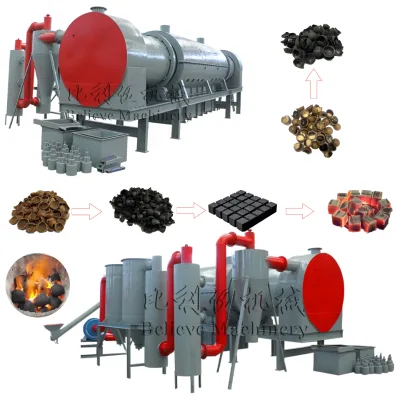
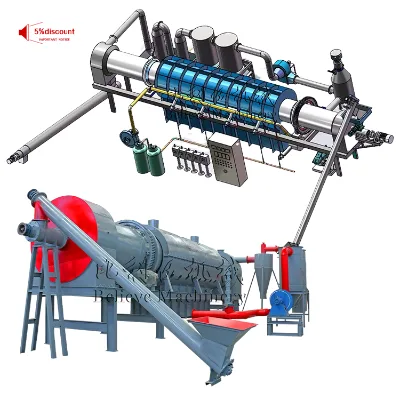
20 Years Experience Drum Type Continuous Charcoal Carbonizing Furnace Stove Kiln on Sale
$20000.00 - $26000.00
MOQ: 1 Minimum
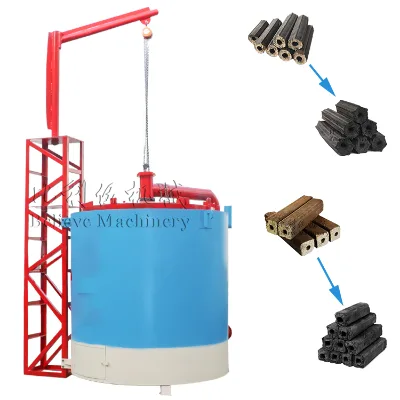
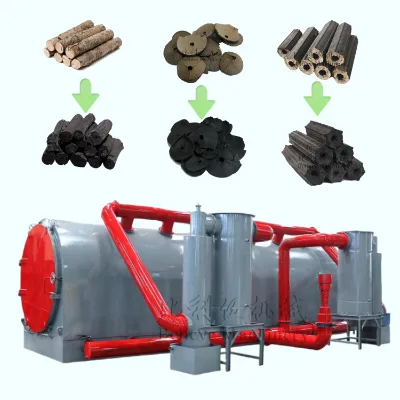
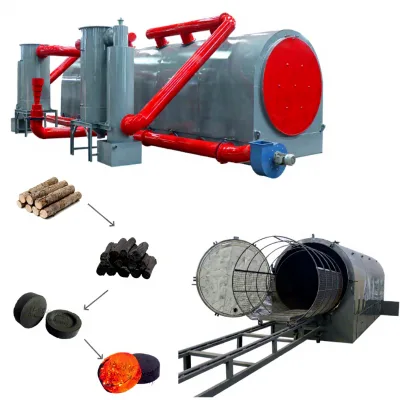
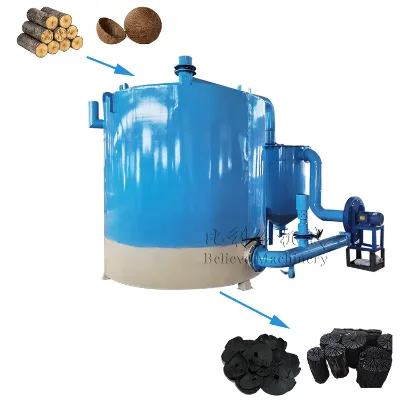
Furnace to Make Charcoal Hoist Bamboo Carbonization Furnace
$4500.00 - $4999.00
ZHE CHENG HONGXIN MACHINRERY FACTORY
- Verified by TüVRheinland
- Manufacturer, Trading Company
- Lead time15 days
- Avg. response≤ 3h
Main productsIntestine Case Cleaning Machine, Sesame Peeling Machine, Cardboard Expanding Shredder Machine, Flax Brake, Grain Thresher Machine
Main marketsNorth America(20%), Southeast Asia(20%), Africa(20%)
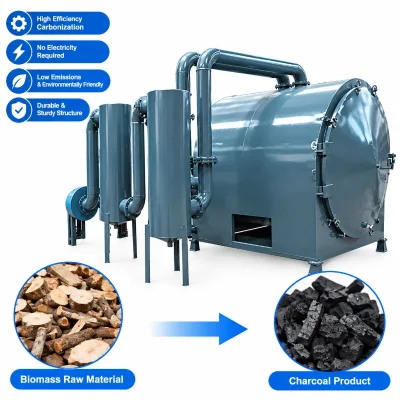
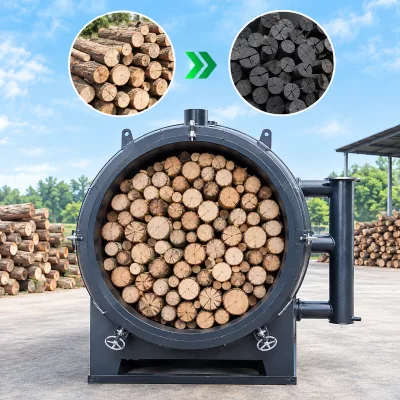
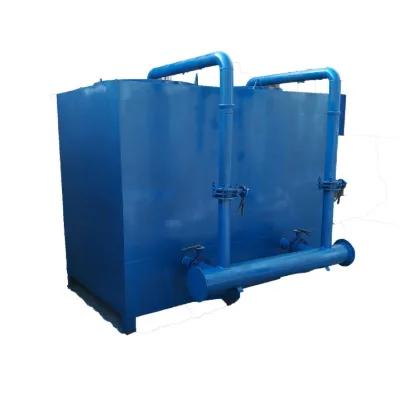
Charcoal Carbonizing Furnace Charcoal Carbonizer Wood Charcoal Carbonizer
$3800.00 - $4000.00

Zhengzhou Dingli New Energy Equipment Co., Ltd.
- Verified by BV
- Combined
- China Henan
- Lead time30 days
- Avg. response≤ 3h
Main productsContinuous Carbonization Plant, Continuous Charcoal Production Line, Continuous Pyrolysis Machine, Horizontal Carbonization Furnace, Rotary Dryer, Charcoal Briquette Machine, Rotary Kiln, Aluminum Cans Decoating Plant, Biomass Pellets Torrefaction Machine
Main marketsSouth America,Africa,Southeast Asia/ Mideast,Europe,Australia,North America

Horizontal Charcoal Making Machine Coconut Shell Charcoal Carbonization Furnace
$98000.00 - $239800.00
MOQ: 1 Sets

Stable Operation Continuous Carbonization Kiln for Long Term Charcoal Production
$98000.00 - $239800.00
MOQ: 1 Sets

Continuous Horizontal Carbonization Furnace for Bamboo Charcoal Making Factory
$98000.00 - $239800.00
MOQ: 1 Sets

Horizontal Coconut Shell Carbonization Furnace Biomass Charcoal Making Machine
$98000.00 - $239800.00
MOQ: 1 Sets

Budget-Friendly Horizontal Carbonization Furnace for Biomass Charcoal Making
$4000.00 - $8000.00
MOQ: 1 Pieces

Industrial Bamboo Horizontal Carbonization Furnace for Bamboo Charcoal Biochar Production Line
$98000.00 - $239800.00
MOQ: 1 Sets

Anyang Aols Machinery Equipments Co., Ltd.
- Trading Company
- Henan, China
- Lead time15 days
- Avg. response≤ 3h
Main productspellet machine,briquette machine,chaff cutter,dryer machine,hammer mill
Main marketsSouth America(30.00%), Africa(30.00%), Eastern Asia(10.00%), Mid East(10.00%), North America(10.00%), Southeast Asia(10.00%)

HENAN SHULIY MACHINERY CO., LTD.
- Verified by TUVRHEINLAND
- Trading Company
- China Henan
- Lead time30 days
- Avg. response≤ 6h
Main productsPacking Machinery, Food Processing Machinery, Agriculture Processing Machinery, Wood Processing Machinery, Charcoal Processing Machinery, Plastic Processing Machinery, Waste Recycling Machinery, Metal Processing Machinery, Paper Processing Machinery
Main marketsAfrica,Southeast Asia/ Mideast,Europe,North America

Wood Carbon Continuous Carbonization Furnace Charcoal Carbonization Furnace
$25000.00 - $35000.00
MOQ: 1 Pieces

High Quality Continuous Carbonization Furnace Wood Charcoal Carbonization Furnace
$25000.00 - $35000.00
MOQ: 1 Pieces

Manufacturing Environmental Charcoal Plant Coal Carbonization Furnace
$4000.00 - $6000.00
MOQ: 1 Pieces

Continuous Carbonization Furnace/ Charcoal Making Machine/ Biochar Carbonizing Furnace
$25000.00 - $35000.00
MOQ: 1 Pieces
Zhengzhou Leabon Machinery Equipment Co., Ltd.
- Manufacturer, Trading Company
- Henan, China
- Lead time20 days
- Avg. response≤ 4h
Main productsPellet Making Line/ Baler Machine/ Dryer/ Packing Machine/ Crusher/ Mixer,packing machine,palletizer,TMR feed mixer,dryer machine
Main marketsEastern Europe(30.00%), Africa(12.00%), Mid East(10.00%), Southern Europe(9.00%), Southeast Asia(8.00%), South America(8.00%), Western Europe(7.00%), Eastern Asia(5.00%), Northern Europe(4.00%), North America(4.00%), South Asia(1.00%), Oceania(1.00%), Central America(1.00%)
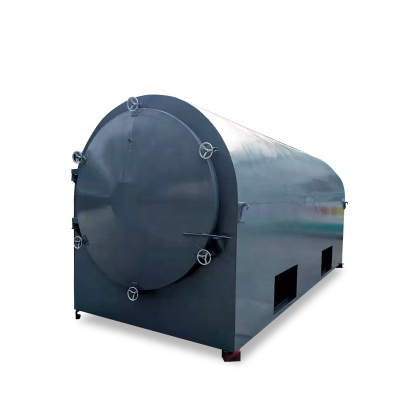
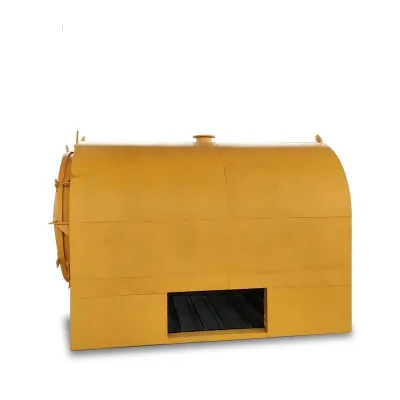
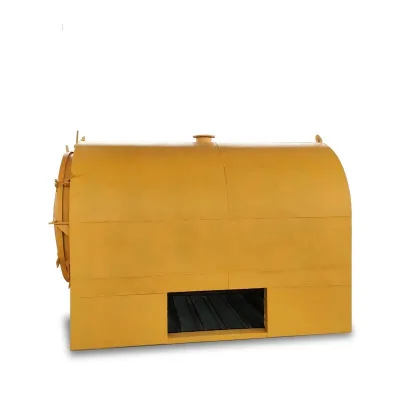
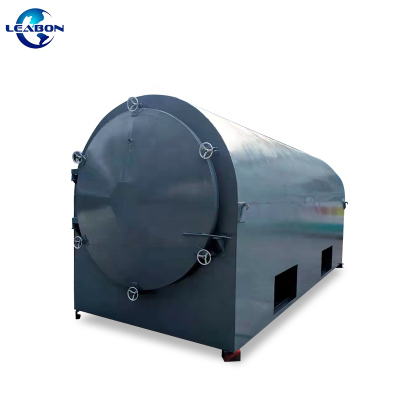
Horizontal Carbonization Furnace Activated Carbon Carbonization Stove Wood Carbonization Machine
$5133.5504
MOQ: 1 Minimum
Xinxiang Doing Renewable Energy Equipment Co., Ltd.
- Manufacturer, Trading Company
- Henan, China
- Lead time3 days
- Avg. response≤ 5h
Main productsWaste Tire/Plastic Pyrolysis Plant,Oil Distillation Machine Refinery,Tire/Plastic Oil to Diesel Machine,Copper Wire Recycling Machine,PCB Recycling Machine
Main marketsSouth America(20.00%), Africa(15.00%), Central America(10.00%), Eastern Europe(10.00%), Southeast Asia(8.00%), Domestic Market(5.00%), Western Europe(5.00%), Eastern Asia(5.00%), Mid East(5.00%), South Asia(5.00%), North America(3.00%), Oceania(3.00%), Southern Europe(3.00%), Northern Europe(3.00%)
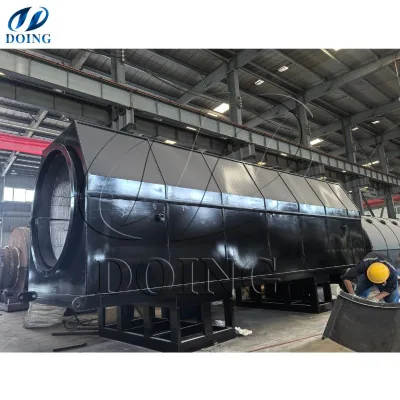
$178000.00 - $180000.00
MOQ: 1 sets
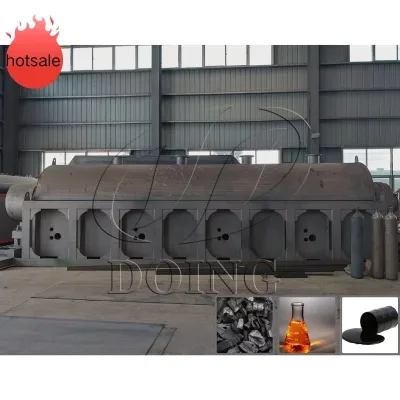
$183130.6115 - $185188.2588
MOQ: 1 sets
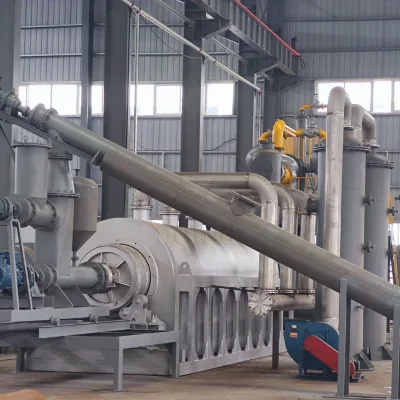

Zheng Zhou Taizy Trading Co., LTD
- Verified by BV
- Trading Company
- China Henan
- Lead time15 days
- Avg. response≤ 6h
Main productsWood Processing Machine, Plastic Processing Machine, Charcoal Processing Machine, Food Processing Machine, Waste Recycling Machine, Packing Machine, Agricultural Machine, Egg Tray Machine, Metal Processing Machine
Main marketsSouth America,Others(foreignTradeCapacity.exportBusinessCapacityMarketOther),Southeast Asia/ Mideast,Europe


Hot Selling Charcoal Carbonization Furnace Biomass Carbonization Furnace
$31000.00 - $35000.00
MOQ: 1 Pieces
Henan Paibo Machinery Co., Ltd.
- Manufacturer, Trading Company
- Henan, China
- Lead time60 days
- Avg. response≤ 3h
Main productsE-waste Recycling machine,Lithium Battery Recycling Machine,Cable Wire Recycling Machine,Aluminum Plastic Separation Machine,Shredder& Crusher
Main marketsSoutheast Asia(18.00%), Africa(16.00%), South Asia(15.00%), Eastern Asia(10.00%), North America(10.00%), Mid East(10.00%), Domestic Market(5.00%), Oceania(5.00%), Eastern Europe(4.00%), Northern Europe(3.00%), Western Europe(1.30%), South America(1.00%), Southern Europe(1.00%), Central America(0.70%)
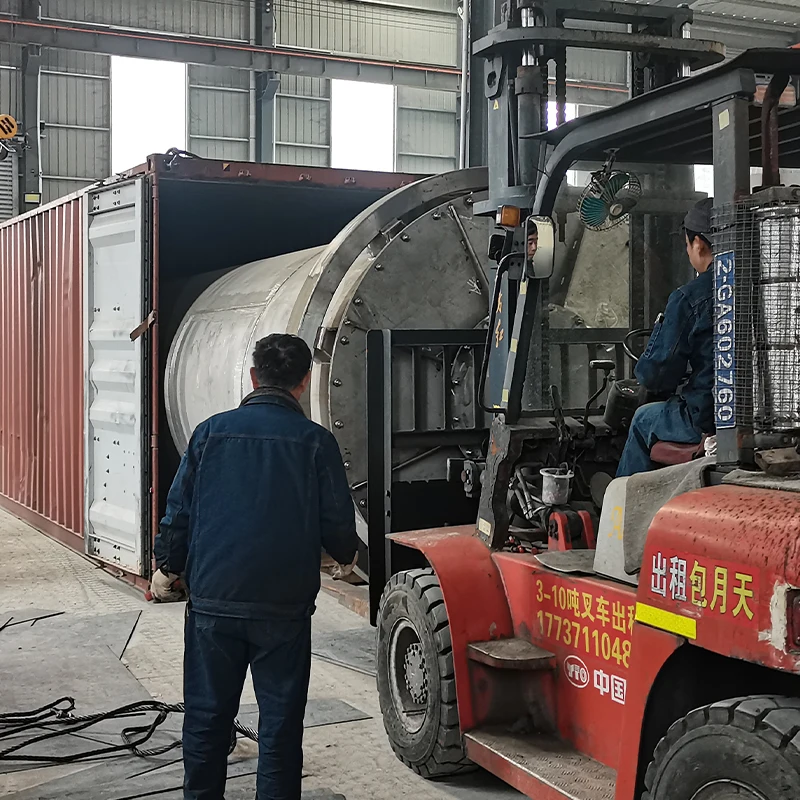
Henan Xuye Machinery Equipment Co., Ltd.
- Manufacturer, Trading Company
- Henan, China
- Lead time40 days
- Avg. response≤ 2h
Main productsActivated carbon making machine,biochar kiln,rotary dryer,grain dryer
Main marketsCentral America(20.00%), Mid East(20.00%), Southeast Asia(20.00%), South America(20.00%), North America(20.00%)

Henan Xuye Machinery Equipment Co., Ltd.
- Manufacturer/Factory
- China Henan
- Lead time120 days
- Avg. response≤ 6h
Main productsWaste Paper Tray/Egg Carton Machine, Carbonization and Activation Carbon Equipment, Rotary Dryer, Natural Gas Waste Oil Burner
Main marketsSouth America,Eastern Europe,North America,Southeast Asia,Africa

Henan Perfect Machinery Co., Ltd.
- Verified by SGS
- Trading Company
- China Henan
- Lead time15 days
- Avg. response≤ 4h
Main productsPlastic Granulator, Egg Tray Making Machine, Plastic Bottle Recycling Machine, Metal Crusher
Main marketsSouth America,North America

Continuous Carbonization Furnace for Biomass Charcoal Coal Production Line
$15000.00 - $22000.00
MOQ: 1 Sets

Eco-Friendly Carbonization Kiln for Coconut Shell Sawdust, Wood Log Charcoal Briquette
$15000.00 - $22000.00
MOQ: 1 Sets
Henan Cheng Jinlai Machinery Manufacturing Co., Ltd.
- Verified by TüVRheinland
- Manufacturer, Trading Company
- Lead time20 days
- Avg. response≤ 2h
Main productsCharcoal Machine, Briquette Machine, Carbonization Furnace, Crusher, Dryer
Main marketsMid East(25%), Southeast Asia(20%), Africa(20%)
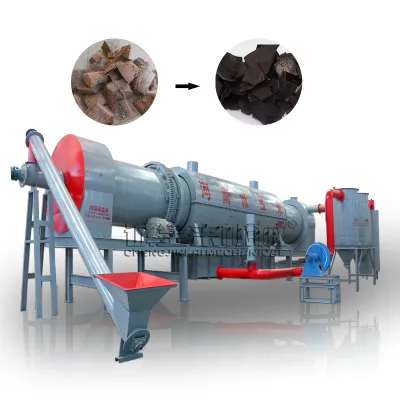
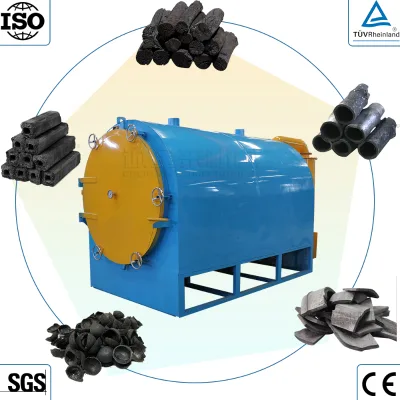
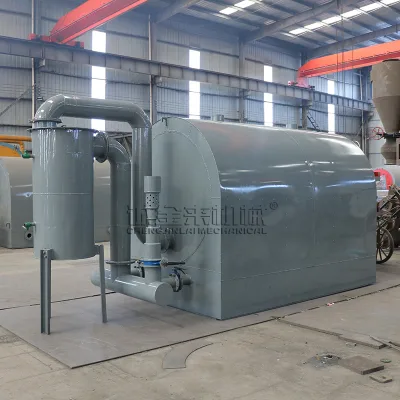
$21100.00 - $23300.00
MOQ: 1 sets

Zhengzhou Dongding Machinery Co., Ltd.
- Verified by BV
- Trading Company
- China Henan
- Lead time30 days
- Avg. response≤ 2h
Main productsRotary Dryer, Biomass Dryer, Feed Dryer, Industrial Dryer, Coal Dryer, Yeast Dryer, Biomass Burner, Feeding Machine, Dewatering Machine, Dust Removing Machine
Main marketsSouth America,Africa,Southeast Asia/ Mideast,North America


Energy Saving Continuous Charcoal Making Plant, Continuous Carbonization Furnace
$89000.00 - $229000.00
MOQ: 1 Sets

Industrial Continuous Carbonization Furnace for Charcoal Production
$89000.00 - $229000.00
MOQ: 1 Sets

Industrial Continuous Carbonization Furnace for Biomass Charcoal Production
$89000.00 - $229000.00
MOQ: 1 Sets

Continuous Charcoal Furnace for Sawdust and Wood Chips, Continuous Carbonization Furnace
$89000.00 - $229000.00
MOQ: 1 Sets






Comprehensive Sourcing Guide
Horizontal Continuous Charcoal Carbonization Kiln Supplier Concentration and Factory Types
The available data indicates a concentration of manufacturing activity in Henan, China, where suppliers list their primary location. This region hosts a mix of entity types, including Manufacturer/Factory and combined Manufacturer/Trading Company structures. These entities specialize in a broad range of industrial equipment, specifically listing Food Machinery, Agricultural Machinery, and Animal Feed Pellet Machinery alongside the requested Carbonization Furnaces. The presence of multiple product lines suggests these facilities possess the heavy industrial capacity required for large-scale machinery like horizontal continuous charcoal kilns. Buyers should note that the specific factory type influences the supply chain structure, as manufacturers often handle direct production while trading companies may aggregate products from various sources.
When assessing the factory landscape, it is critical to distinguish between pure manufacturers and those acting as trading intermediaries. The observed supplier profiles show that some entities offer both manufacturing and trading services, which can impact pricing and communication flow. For the Horizontal Continuous Charcoal Carbonization Kiln, the core components listed include PLCs, engines, bearings, and motors, indicating a need for significant assembly and engineering capability. Buyers must verify if the supplier's stated main products align with the specific technical requirements of the kiln, such as the ability to handle biomass like wood, coconut shells, or rice husks. Without explicit confirmation of the factory's direct involvement in the kiln's assembly, the buyer should treat the entity as a potential aggregator rather than a direct producer.
How to Verify Horizontal Continuous Charcoal Carbonization Kiln Suppliers
Verification of supplier credibility relies heavily on third-party audit results and specific certification claims found in the data. Several suppliers in the current results have undergone verification by recognized agencies such as SGS and Intertek, which provides a baseline for operational legitimacy. Additionally, the presence of system certifications like ISO 9001, ISO 14001, and GMP suggests adherence to quality and environmental management standards. However, buyers must confirm that these certifications are current and specifically cover the production of carbonization equipment, as general factory certifications may not validate the specific engineering of the kiln. The availability of machinery test reports and video outgoing-inspection services further supports the verification process, allowing buyers to see the equipment in action before shipment.
Beyond certifications, buyers should scrutinize the response time and the depth of technical support offered by the supplier. The data shows response times ranging from approximately 4 to 5 hours, which indicates a level of operational readiness. A supplier's ability to provide detailed after-sales service, such as on-site installation or video guidance, is a strong indicator of their commitment to the product lifecycle. Buyers should also check for the provision of core component details, such as the specific brands of PLCs or motors used, to ensure quality consistency. If a supplier cannot provide a machinery test report or fails to answer technical queries within the observed response window, it may signal a lack of transparency or capability.
What to Compare Across Horizontal Continuous Charcoal Carbonization Kiln Suppliers
Comparing suppliers requires a focus on tangible metrics such as lead time, minimum order quantity, and pricing structures. The observed lead time for these machines is approximately 15 days, which serves as a benchmark for production scheduling. Buyers should compare this against the supplier's stated capacity for customization, as some offer OEM and ODM services while others may only provide standard models. The minimum order quantity (MOQ) varies, with some suppliers listing an MOQ of 1 unit, which is favorable for smaller operations. However, buyers must verify if this low MOQ applies to the specific horizontal continuous model or only to smaller batch units, as larger industrial kilns often have different volume requirements.
Pricing and customization capabilities are equally critical dimensions for comparison. The price range for the observed products spans from roughly $1,599 to $47,800, reflecting differences in capacity, automation level, and component quality. Buyers should analyze whether the lower price points correspond to basic batch units or if they represent the entry-level continuous models. Customization options, such as adjustable voltage (220-420V) or specific dimensions, should be explicitly confirmed for the horizontal continuous kiln. Additionally, the warranty period, observed as one year in some listings, should be compared against the supplier's track record for after-sales support. A supplier offering a longer warranty or more comprehensive spare parts packages may provide better long-term value despite a higher initial cost.
Common Horizontal Continuous Charcoal Carbonization Kiln Sourcing Risks
One significant risk involves the discrepancy between advertised specifications and actual machine performance, particularly regarding carbonization rates and fuel efficiency. While some product data claims a carbonization rate of 88% to 99%, buyers must verify these figures through independent testing or third-party reports. The reliance on self-sufficient exhaust gas recovery systems introduces complexity, and any failure in the waste gas purification unit could lead to environmental non-compliance or operational downtime. Buyers should request detailed technical drawings and energy consumption data to ensure the machine meets their specific production targets and regulatory requirements. Without this verification, the claimed efficiency may not translate to real-world performance.
Another risk stems from the variability in component quality and the lack of standardized core parts across different suppliers. The core components listed include engines, motors, and burners, but the specific brands and origins are not always detailed in the initial product descriptions. A supplier might use lower-grade components to reduce costs, which can compromise the longevity and safety of the kiln. Furthermore, the customization of dimensions and weights, such as the single gross weight reaching 2,000 kg, presents logistical challenges that must be planned for in advance. Buyers should insist on a bill of materials that specifies the exact make and model of all critical components to mitigate the risk of receiving substandard equipment.
Horizontal Continuous Charcoal Carbonization Kiln Regional Sourcing and Logistics
Sourcing from the identified region of Henan, China, involves specific logistical considerations due to the heavy nature of the machinery. The product dimensions and weights vary significantly, with some units reaching dimensions of 10,000 mm in length and weights up to 2,000 kg. This necessitates careful planning for freight, as standard shipping containers may not accommodate the largest continuous kilns without special arrangements. Buyers should verify the packaging specifications, such as the use of wooden case boxes, to ensure the equipment is protected during transit. The origin being China implies that international shipping will be required, and buyers must account for customs duties and import regulations in their destination country.
Logistics planning must also consider the installation requirements, which can be complex for large industrial equipment. Some suppliers offer on-site installation services, while others provide video guidance, which places the burden of assembly on the buyer's local team. The distance from the Henan manufacturing cluster to the port of loading can impact the overall lead time and shipping costs. Buyers should confirm the supplier's experience with international shipping of oversized machinery and request a detailed packing list that includes all necessary tools and spare parts. Understanding the full scope of the logistics chain, from factory gate to final installation site, is essential to avoid delays and unexpected costs associated with the heavy machinery.
Horizontal Continuous Charcoal Carbonization Kiln Commercial Terms and Order Planning
Commercial terms for these industrial machines often include specific payment structures and warranty conditions that must be clearly defined. The observed warranty period is typically one year, covering core components like the PLC and motor, but buyers should clarify what is excluded from this coverage. Payment terms may vary, and the use of escrow services can provide a layer of security for the buyer, ensuring funds are released only upon satisfactory delivery. Buyers should also verify the supplier's ability to handle customized orders, as the lead time of 15 days may extend if significant modifications are required. Clear communication regarding the timeline for production, testing, and shipping is vital to align expectations.
Order planning should account for the potential need for additional services such as machinery test reports and video outgoing inspections. These services, when provided, offer valuable evidence of the machine's condition before it leaves the factory. Buyers should include these requirements in the purchase order to ensure they are not overlooked. Additionally, the availability of spare parts and the supplier's response time for technical support should be factored into the long-term operational plan. A supplier with a response time of around 4 to 5 hours is preferable, but buyers should confirm if this applies to urgent technical issues. Properly structuring the order to include all necessary documentation and support services will facilitate a smoother procurement process and reduce the risk of post-purchase complications.
FAQs
What is the price range for horizontal continuous charcoal kilns?
Prices for horizontal continuous charcoal carbonization kilns typically range from $1,599 to $47,800 depending on capacity and configuration. Smaller batch units start near $1,599, while large industrial continuous systems with higher output capacities can reach up to $47,800. Buyers should verify specific pricing based on their required production volume and customization needs.
What is the minimum order quantity for these machines?
The minimum order quantity for horizontal continuous charcoal carbonization kilns is generally one unit. Suppliers often allow single-unit purchases for testing or small-scale operations. This low MOQ enables buyers to evaluate machine performance before committing to larger orders for expanded production lines or commercial distribution networks.
Where are these carbonization kilns manufactured?
These horizontal continuous charcoal carbonization kilns are manufactured in Henan, China. This region is a known hub for industrial machinery production, including wood processing and biomass equipment. Buyers sourcing from this location benefit from established supply chains and specialized manufacturing expertise in carbonization technology and related industrial machinery.
What certifications do these suppliers hold?
Suppliers offering horizontal continuous charcoal carbonization kilns hold various certifications including ISO 9001, ISO 14001, CE, and BSCI. Some manufacturers also possess OHSAS 18001 and TS 16949 certifications. These credentials indicate compliance with international quality, environmental, and safety standards, ensuring reliable machine operation and responsible manufacturing practices.
What is the typical lead time for delivery?
The typical lead time for horizontal continuous charcoal carbonization kilns is approximately 15 days. This timeframe allows for manufacturing, quality testing, and preparation for shipment. Buyers should confirm exact delivery schedules with suppliers, as custom configurations or high-demand periods may slightly extend the production and shipping timeline.
What raw materials can these kilns process?
Horizontal continuous charcoal carbonization kilns can process various biomass materials including wood, coconut shells, cashew nut shells, rice husks, and sawdust. The machines are designed to convert these raw materials into high-quality charcoal or biochar. Buyers should select specific models based on their available raw material sources and desired final product specifications.