Portable Electric Dough Sheeter Suppliers and Manufacturers
Compare 29 Portable Electric Dough Sheeter suppliers by origin, lead time, warranty, and voltage specifications. Review detailed product attributes like weight and dimensions before contacting vendors for accurate quotes on your order; review the available evidence before requesting comparable quotations from suitable candidates.
Updated
Suppliers List
Henan Maggie Trading Co., Ltd.
- Trading Company
- Lead time旺季: "1 - 1":15,"2 - 5":20,"> 5":"To be negotiated", 淡季: "1 - 1":15,"2 - 5":20,"> 5":"To be negotiated"
- Avg. response≤ 1h
Main productsSnacks,meat,vegetables,and grain processing machinery,Vending machines and packaging machines
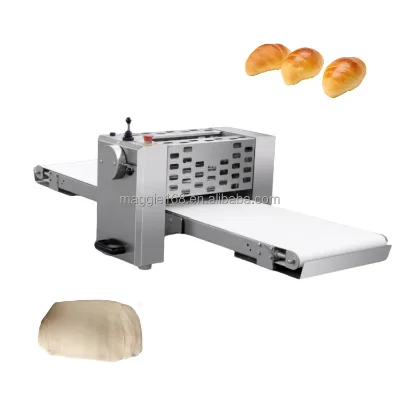
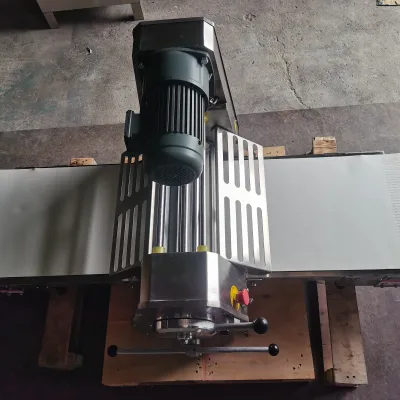
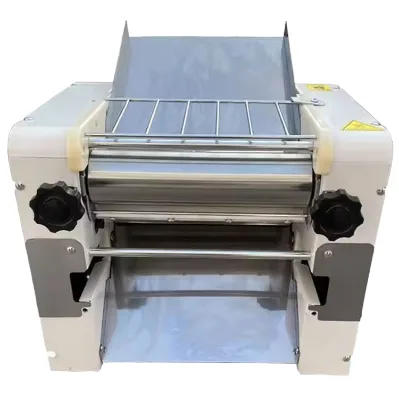
Portable Electric Dough Sheeter Machine with Core Motor Component Electric Dough Sheeter Machine
$950.00 - $980.00
MOQ: 1 sets
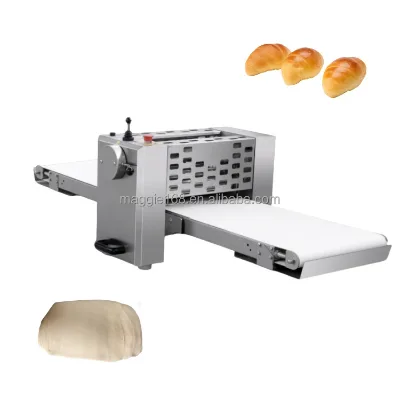
220v/50hz 120w Electric Table Top Compact Dough Shortening Machine Dough Sheeter
$950.00 - $980.00
MOQ: 1 sets
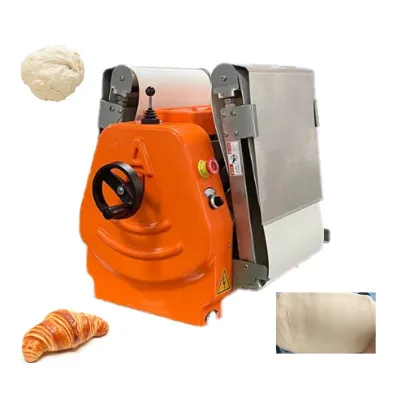
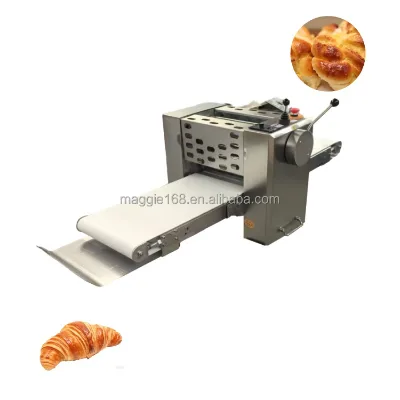
10 Pcs/min Countertop Professional Dough Sheeter Small Roll Tabletop Dough Sheeter Machine Counter
$950.00 - $980.00
MOQ: 1 sets
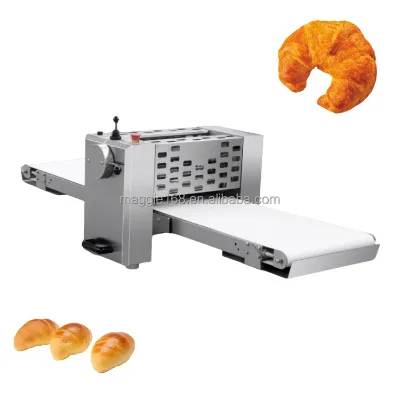
10 Pcs/min Factory Direct Sales Industrial Folding Dough Pressing Machine Table Top Dough Sheeter
$950.00 - $980.00
MOQ: 1 sets
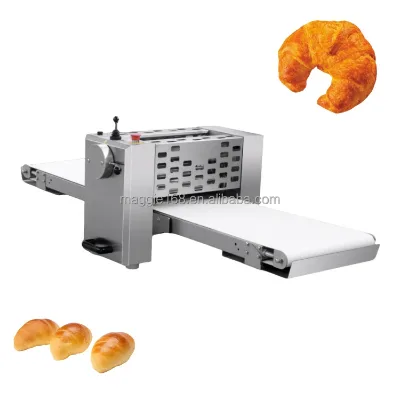
1-35mm Thickness Automatic Table Top Pastry Mini Bread Croissant Dough Sheeter Machine Active Demand
$950.00 - $980.00
MOQ: 1 sets
Guangzhou Astar Kitchen Equipment Co., Limited
- Verified by TüVRheinland
- Manufacturer, Trading Company
- Lead time15 days
- Avg. response≤ 6h
Main productsOven, Hot Air Convection Oven, Rotary Oven, Food Mixer, Dough Mixer
Main marketsSouth America(20%), Africa(20%), Southeast Asia(10%)

Luohe Juyou Commercial & Trading Co., Ltd.
- Verified by BV
- Trading Company,Manufacturer/Factory
- China Henan
- Lead time15 days
- Avg. response≤ 6h
Main productsDumpling Machine, Tortilla Pita Bread Machine, Meat Cutting Machine, Dough Divider Machine, Dough Mixer Machine, Meat Dicing Machine, Potato Chips Machine, Frying Machine, Packing Machine, Juice Machine
Main marketsSouth America,Eastern Europe,North America,Southeast Asia,Eastern Asia,Western Europe,Africa

Shanghai Mooha Import & Export Co., Ltd.
- Verified by TUVRHEINLAND
- Trading Company,Manufacturer/Factory
- China Shanghai
- Lead time23 days
- Avg. response≤ 3h
Main productsAuger Filler, Powder Filler, Screw Feeder, Bucket Feeder, Net Weight Filling Machine, Liquid Filling Machine, Vffs Machine, Powder Filling Machine, Bakery Equipment, Liquid Filler
Main marketsSouth America,Eastern Europe,Mid East,North America,Southeast Asia,Eastern Asia,Oceania,Western Europe,Africa
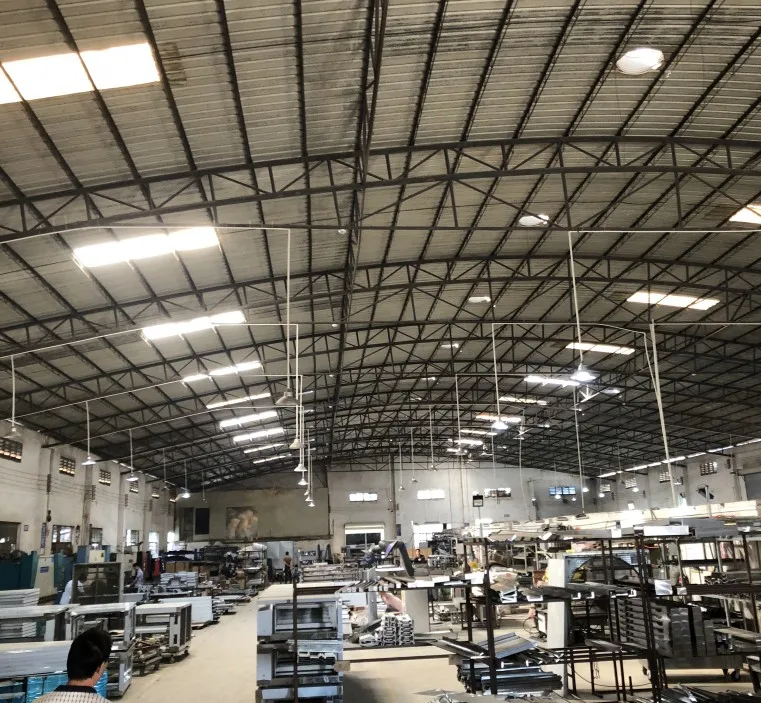
Shijiazhuang Bake Machine Tech Co., Ltd.
- Trading Company
- Hebei, China
- Lead time5 days
- Avg. response≤ 6h
Main productsBakery Machine,Bakery Production Line,Bread Making Machine,Bakery Equipment,Deck Oven
Main marketsNorth America(30.00%), Africa(15.00%), Western Europe(12.00%), Mid East(10.00%), Eastern Europe(5.00%), Northern Europe(5.00%), Central America(5.00%), Southern Europe(5.00%), South America(5.00%), Southeast Asia(3.00%), South Asia(2.00%), Domestic Market(1.00%), Eastern Asia(1.00%), Oceania(1.00%)

Guangzhou Youbake Kitchen Equipment Co., Ltd.
- Verified by BV
- Trading Company,Manufacturer/Factory
- China Guangdong
- Lead time23 days
- Avg. response≤ 4h
Main productsBaking Oven, Rotary Oven, Dough Mixer, Proofer, Toast Moulder, Baguette Moulder, Semi-Automatic Dough Rounder, Full-Automatic Dough Rounder, Electric Dough Divider, Deck Oven
Main marketsSouth America,Eastern Europe,Mid East,North America,Southeast Asia,Eastern Asia,Oceania,Western Europe,Africa
Guangzhou Deback Technology Co., Ltd.
- Verified by SGS Group
- Manufacturer, Trading Company
- Lead time0 days
- Avg. response≤ 1h
Main productsRotary Oven, Deck Oven, Hot Air Convection Oven, Dough Spiral Mixer, Dough Sheeter
Main marketsNorth America(10%), South America(10%), Eastern Europe(10%)

Guangzhou Bakestar Machinery Co.,Ltd
- Combined
- China Guangdong
- Lead time15 days
- Avg. response≤ 11h
Main productsBaking Ovens, Bakery Equipments, Bakery Machines, Rotary Ovens, Moulders, Bread Machine, Pizza Oven, Pita Bread Machine, Tunnel Ovens, Baking Oven
Main marketsDomestic


High Quality Stainless Steel Electric Pizza Dough Roller/Dough Sheeter and Cutting Machine
$557.00 - $597.00
MOQ: 1 SET


Guangdong Gfd Commercial Technology Co., Ltd.
- Verified by TüVRheinland
- Trading Company
- Lead time15 days
- Avg. response≤ 7h
Main productsCooking Equipment, Refrigeration Equipment, Bakery Equipment, Stainless Stell Product, Bar Equipment
Main marketsSoutheast Asia(14%), South America(13%), Northern Europe(11%)

Guangzhou Bossmai Machinery Co., Ltd
- Verified by SGS
- Combined
- China Guangdong
- Lead time15 days
- Avg. response≤ 7h
Main productsRotary Oven, Tipping Spiral Mixer, Automatic Dough Sheeter, Dough Shape Cutting Machine, Dough Moulder, Dough Divider and Rounder, Cookie Machine
Main marketsNorth America

Electric Bread Making Machine Kitchen Equipment Table Type Dough Sheeter
$1307.69 - $1815.38
MOQ: 15 Pieces

350mm Commercial Electric Pastry Sheeting Machine Kitchen Equipment Mini Dough Sheeter
$1230.77 - $1385.61
MOQ: 5 Pieces


Hot Selling Tabletop Pastry Sheeter Automatic Portable Dough Sheeter Machine
$1106.06 - $1393.93
MOQ: 15 Pieces

Bakery Kitchen Equipment Pastry Bread Machine Croissant Electric Dough Sheeter
$1290.32 - $1451.61
MOQ: 5 Pieces

Bakery Manual Electric Pizza Pastry Small Bread Machine Table Top Mini Dough Sheeter
$1230.77 - $1385.61
MOQ: 5 Pieces

Junnuo Electromechanical Technology (Kunshan) Co., Ltd.
- Manufacturer/Factory
- China Jiangsu
- Lead time15 days
- Avg. response≤ 4h
Main productsOpen Fryer, Pressure Fryer, Dough Mixer, Baking Equipment, Proofer, Chip Warmer
Main marketsSouth America,Eastern Europe,Mid East,North America,Southeast Asia,Eastern Asia,Oceania,Western Europe,Africa


High Quality Stainless Steel Electric Pizza Dough Roller/Dough Sheeter
$399.00 - $439.00
MOQ: 1 Pieces


Henan Smile Technology Industrial Co., Ltd.
- Verified by SGS
- Trading Company,Manufacturer/Factory
- China Henan
- Lead time0 days
- Avg. response≤ 8h
Main productsBaking Oven, Industrial Mixer, Laboratory Equipment, Bakery Equipment, Bakery Processor, Kitchen Equipment, Refrigeration Series, Fast Food Equipment, Juicer Extractor Machine
Guangzhou Bossda Mechanical Equipment Co., Ltd.
- Manufacturer
- Guangdong, China
- Lead time30 days
- Avg. response≤ 13h
Main productsTunnel Oven,Bread Moulder,Rotary Oven,Dough Rounder,Dough Sheeter
Main marketsDomestic Market(25.00%), Africa(20.00%), North America(20.00%), Southeast Asia(20.00%), Northern Europe(10.00%), Mid East(5.00%)
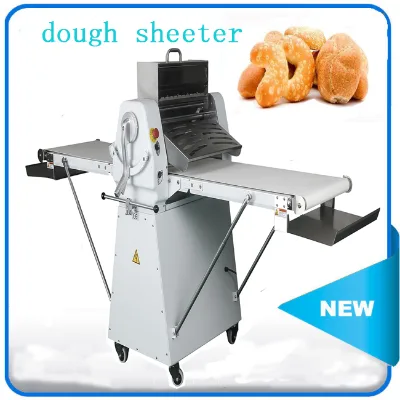
Big capacity bread manual reversible dough sheeter / baklava dough sheeter
$1949.90 - $1999.90
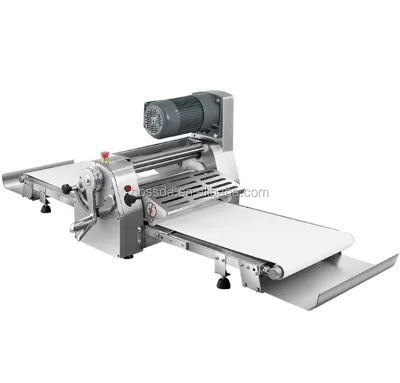
Lowest price Commercial electric machine dough roller sheeter for bakery
$1349.90 - $1899.90
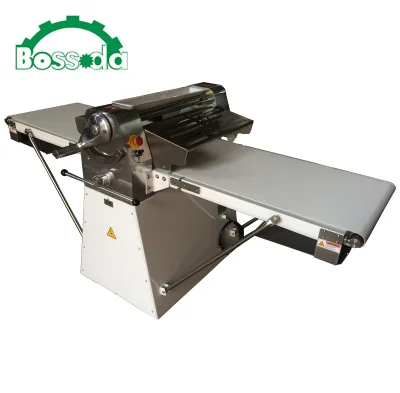
Mini Pizza Dough roller sheeter for home use
$1399.90 - $1899.90
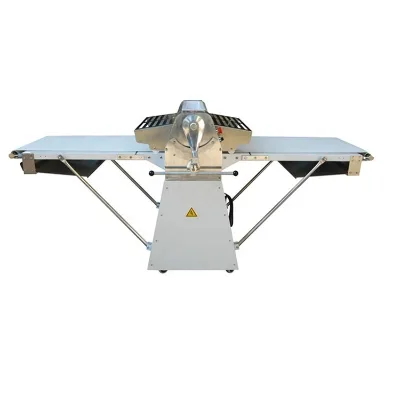
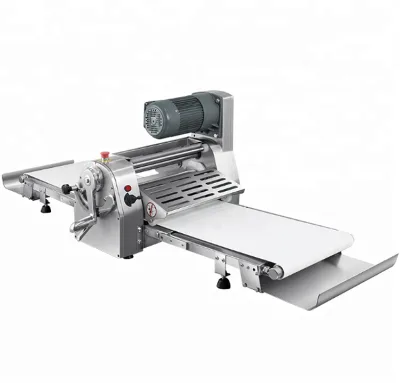
High quality 450mm table dough sheeter machine for cookie, layer cake
$1579.90 - $1904.90
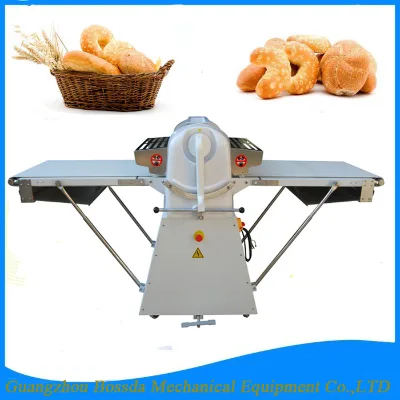
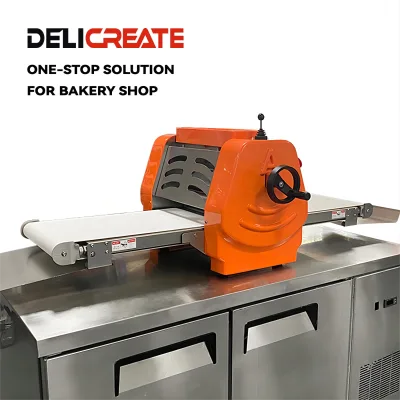
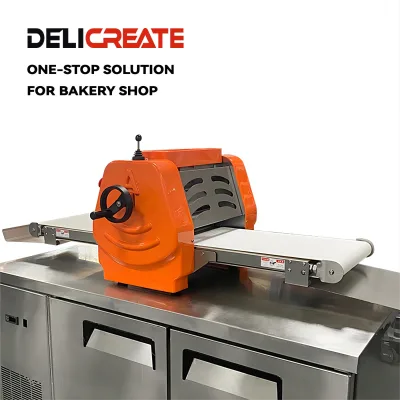
Guangzhou Delicreate Machinery Co., Ltd.
- Manufacturer, Trading Company, Buying Office
- Guangdong, China
- Lead time30 days
- Avg. response≤ 5h
Main productsBakery Equipment,Fast Food Equipment,Snack Food Machine,Refrigeration Equipment,Commercial Kitchen Equipment
Main marketsNorth America(25.00%), Mid East(20.00%), Eastern Asia(15.00%), Africa(10.00%), Eastern Europe(10.00%), Western Europe(10.00%), South Asia(5.00%), Oceania(5.00%)

Zhengzhou Maosu Machinery Equipment Co., Ltd
- Trading Company
- China Henan
- Lead time15 days
- Avg. response≤ 12h
Main productsPet Food Extruder, Soybean Extruder, Snack Food Extruder, Pet Food Production Line, Sanck Food Production Line, Aniaml Feed Pellet Mill, Dough Mixer, Steaming Cabinet, Bake Oven, Meat Slicer
Main marketsSouth America,Africa,Others(foreignTradeCapacity.exportBusinessCapacityMarketOther),Southeast Asia/ Mideast,East Asia(Japan/ South Korea),Europe,North America

BestBake Machinery Technology (Zhaoqing) Co.,Ltd
- Verified by BV
- Combined
- China Guangdong
- Lead time30 days
- Avg. response≤ 5h
Main productsBakery Equipment, Dough Mixer, Baking Oven, Pizza Oven, Bread Oven, Baking Machine, Bakery Machine, Donuts Machine, Bread Machine, Rotary Oven
Main marketsSouth America,Africa,Southeast Asia/ Mideast,East Asia(Japan/ South Korea),Europe,North America
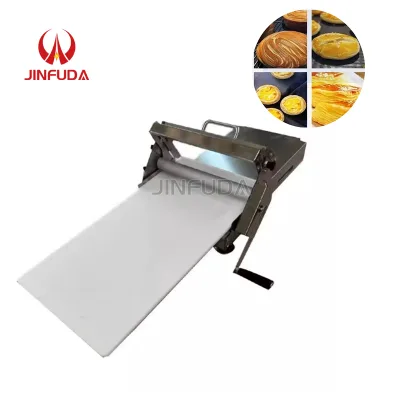
Henan Jinfuda Trading Co., Ltd.
- Trading Company
- Lead time旺季: "1 - 1":7,"> 1":"To be negotiated", 淡季: "1 - 1":7,"> 1":"To be negotiated"
- Avg. response≤ 3h
Main productsFruit Vegetables Processing Machines, Meat Processing Machines, Bakery Pastry Processing Machines, Snack Processing Machines, Packaging Machines
Shanghai Honglian Machine Electric Appliance Co., Ltd.
- Manufacturer
- Shanghai, China
- Lead time20 days
- Avg. response≤ 4h
Main productsOven,Fryer,Rotisserie,Fast Food Equipment,Bakery Equipment
Main marketsDomestic Market(40.00%), South Asia(10.00%), Southeast Asia(10.00%), Western Europe(8.00%), Southern Europe(7.00%), Mid East(5.00%), Eastern Asia(5.00%), Africa(3.00%), North America(2.00%), Eastern Europe(2.00%), Oceania(2.00%), Northern Europe(2.00%), Central America(2.00%), South America(2.00%)
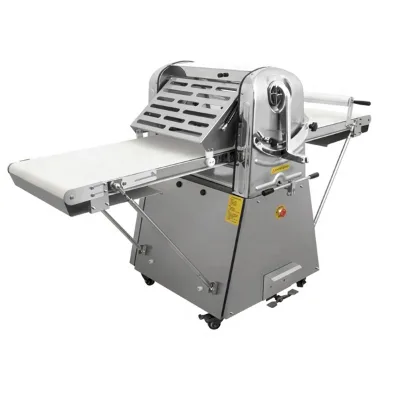
Croissant Dough Press Machine / Reversible Dough Sheeter
$1805.00 - $2085.00
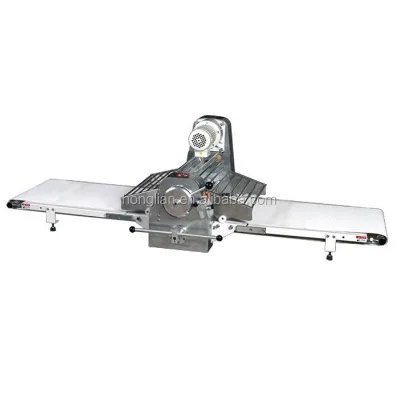
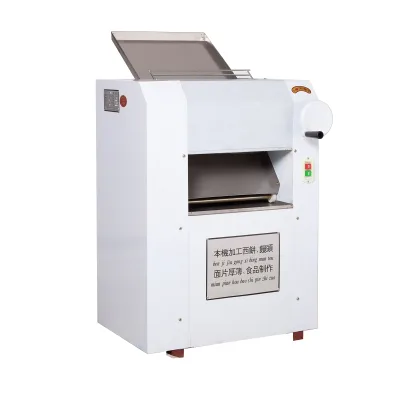
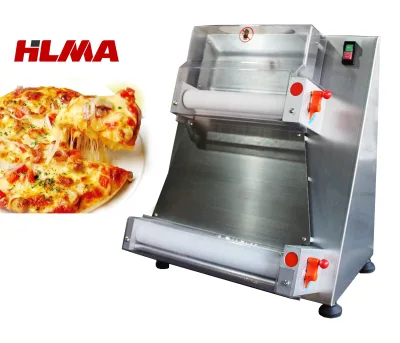
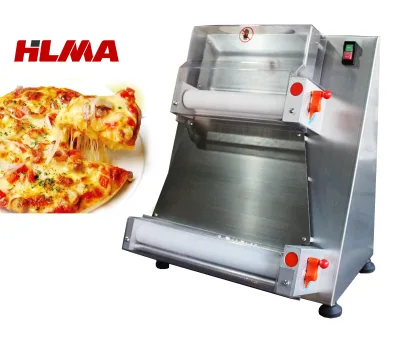
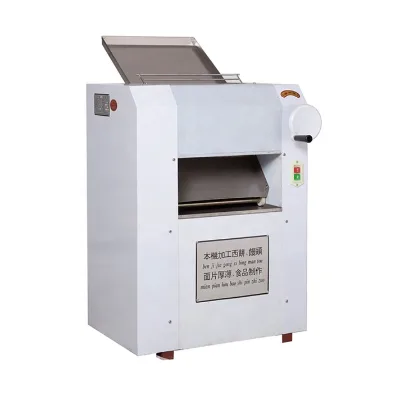
High Quality Dough/bread Pressing Roll Machine/dough Sheeter for Sale with Good Price and Low Moq
$425.00 - $468.00
MOQ: 1 sets
Guangzhou Weige Machinery Equipment Co., Ltd.
- Manufacturer, Trading Company
- Lead time旺季: "1 - 1":20,"> 1":"To be negotiated", 淡季: "1 - 1":20,"> 1":"To be negotiated"
- Avg. response≤ 5h
Main productsDeck Oven, Convection Oven, Rotisserie Oven, Pizza Oven, Rotary Oven
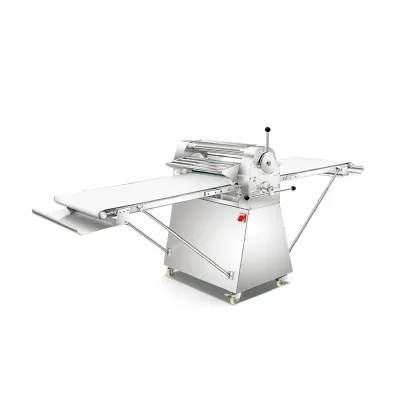
Commercial Table Top Dough Electric Sheeter for Bakery Bread Dough Sheeter for Home Use
$1361.2899 - $1492.6892
MOQ: 1 sets
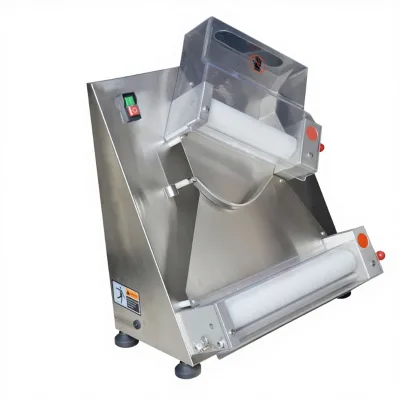
$291.1583 - $297.3311
MOQ: 1 sets

- Verified by BV
- Combined
- China Guangdong
- Lead time15 days
- Avg. response≤ 4h
Main productsHood Type Dishwasher, Conveyor Type Dishwasher, Ultrasonic Dishwasher, Undercounter Dishwasher, Bakery Equipment, Food Processor
Main marketsSouth America,Africa,Others(foreignTradeCapacity.exportBusinessCapacityMarketOther),North America

High-Quality Electric Dough Sheeter for Reliable Commercial Baking Needs
$1170.00 - $1200.00
MOQ: 5 Pieces


Premium Versatile Electric Dough Sheeter for Professional Baking Efficiency
$1170.00 - $1200.00
MOQ: 5 Pieces

Premium Electric Dough Sheeter for Efficient Professional Baking Needs
$1170.00 - $1200.00
MOQ: 5 Pieces

Factory Wholesale Dough Sheeter Table Top Electric Dough Sheeter Pressing Machine Dough Sheeter
$1250.00 - $1260.00
MOQ: 1 Pieces

Durable Electric Dough Sheeter for Heavy-Duty Professional Baking Tasks
$1170.00 - $1200.00
MOQ: 5 Pieces

Golden Chef Machinery Co., Ltd.
- Verified by TUVRHEINLAND
- Trading Company
- China Guangdong
- Lead time30 days
- Avg. response≤ 9h
Main productsBakery Equipment, Oven, Baking Oven, Meat Mincer, Refrigerator, Dough Sheeter, Dough Moulder, Proofer
Main marketsNorth America

Electric Table Top Dough Sheeter Machine Stainless Steel Automatic Pizza Dough Sheeter
$450.00 - $530.00
MOQ: 5 Pieces

Hot Selling Manual Dough Sheeter Stainless Steel Pizza Dough Roller Sheeter
$153.00 - $169.00
MOQ: 5 Pieces
Henan Allbest Import And Export Co., Ltd.
- Verified by SGS Group
- Manufacturer, Trading Company
- Lead time10 days
- Avg. response≤ 1h
Main productsBread Making Machine, Dough Sheeter, Bread Oven, Dough Mixing Machine, Cookie Making Machine
Main marketsNorth America(20%), Western Europe(20%), Southeast Asia(15%)

Zhengzhou Bogen Machinery Equipment Co., Ltd.
- Verified by CTI
- Trading Company
- China Henan
- Lead time30 days
- Avg. response≤ 2h
Main productsPeanut Butter Machine, Spice Grinder, Meat Grinder, Meat Slicer, Meat Chopper, Potato Washing and Peeling Machine, Vegetables and Fruits Cutting Machine, Sausage Stuffer, Sausage Filler, Sausage Making Machine
Main marketsAfrica,Europe,North America

Shijiazhuang Haidier Machinery Export Co., Ltd.
- Trading Company
- Hebei, China
- Lead time15 days
- Avg. response≤ 6h
Main productsfood machine,bakery equipment,baking equipment,bread machine,bakery machine
Main marketsSouthern Europe(11.11%), Central America(11.11%), Eastern Asia(11.11%), Mid East(11.11%), Oceania(11.11%), Africa(11.11%), Southeast Asia(11.11%), South America(11.11%), North America(11.11%), South Asia(0.10%)
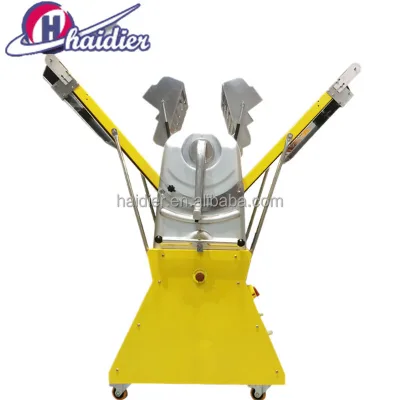
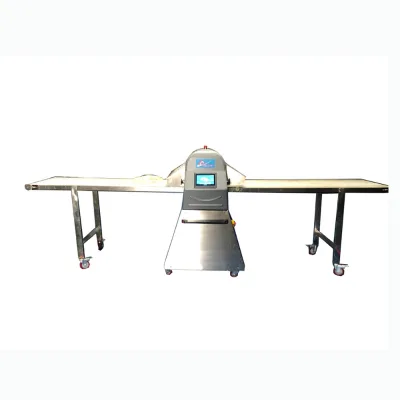
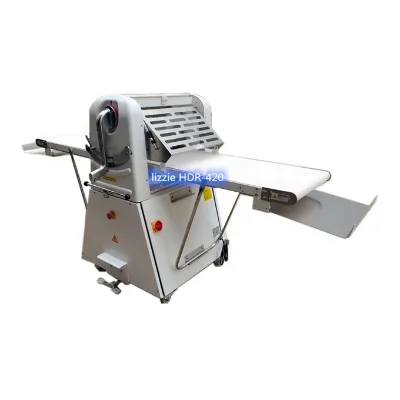
Home use dough sheeter for Baklava phyllo dough machine/dough sheeter /Crisping Sheeter Machine
$1241.4058 - $3724.2175
MOQ: 1 Minimum
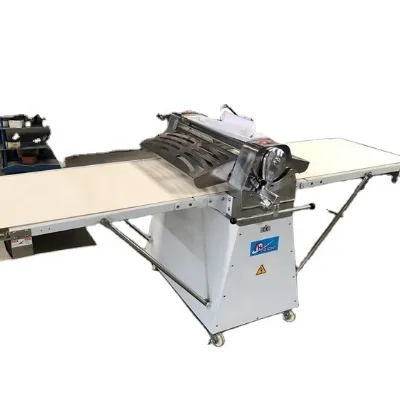

Zhengmai Machinery (Guangzhou) Co., Ltd.
- Manufacturer/Factory
- China Guangdong
- Lead time15 days
- Avg. response≤ 1h
Main productsTunnel Oven, Production Line, Rotary Oven, Deck Oven, Mixer, Divider and Rounder, Slicer, Moulder, Proofer, Sheeter
Main marketsSouth America,Eastern Europe,Mid East,North America,Southeast Asia,Eastern Asia,Oceania,Western Europe,Africa
Yongkang Haiou Electric Co., Ltd.
- Verified by SGS Group
- Manufacturer, Trading Company
- Lead time40 days
- Avg. response≤ 7h
Main productsNoodle Machine, Dough Mixer, Meat Slicer
Main marketsDomestic Market(50%), Eastern Europe(20%), Southeast Asia(11%)

HANGZHOU SAIZHOU TECHNOLOGY CO., LTD.
- Manufacturer/Factory
- China Zhejiang
- Lead time23 days
- Avg. response≤ 6h
Main productsVegetable and Fruit Processing Equipment, Meat Processing Equipment, Packaging and Filling Equipment, Nut and Grain Equipment, Bakery Equipment
Main marketsSouth America,Eastern Europe,North America,Southeast Asia,Eastern Asia,Oceania,Africa

High Quality Dough Sheeter Automatic Commercial Dough Sheeter Rolling Machine
$1000.00 - $2000.00
MOQ: 1 Sets

Henan Mayboom Energy Saving Equipment Co., Ltd.
- Verified by Intertek
- Trading Company
- Lead time15 days
- Avg. response≤ 3h
Main productsFreeze Dryer, Chocolate Equipment, Protein Bar Equipment, Nuts Equipment, Fruit and Vegetable Equipment
Jinan Star Bake Machinery Equipment Co., Ltd.
- Manufacturer, Trading Company
- Shandong, China
- Lead time7 days
- Avg. response≤ 4h
Main productsTortilla Making Machine; Pita Bread Machine; Dumpling Machine; Bakery Machine; Vegetable Processing Machine,cooking mixer machine,pita bread making machine,french fries line,bakery
Main marketsSoutheast Asia(20.00%), North America(20.00%), Oceania(10.00%), South Asia(10.00%), South America(10.00%), Mid East(10.00%), Africa(5.00%), Western Europe(5.00%), Eastern Asia(5.00%), Eastern Europe(5.00%)










Comprehensive Sourcing Guide
Portable Electric Dough Sheeter Supplier Concentration and Factory Types
The current supplier landscape for portable electric dough sheeters reveals a mix of manufacturing capabilities and trading structures that buyers must navigate carefully. Evidence indicates that some entities operate as trading companies, which may offer a broader range of snack, meat, vegetable, and grain processing machinery alongside vending and packaging solutions. This diversification suggests that these suppliers might act as aggregators, sourcing specific dough sheeter models from various factories to meet diverse client needs. In contrast, other results identify suppliers as manufacturers who also engage in trading activities, potentially offering more direct control over production quality and customization options. The presence of both types means buyers cannot assume a single business model applies to all available options. It is crucial to distinguish between a pure trading entity and a manufacturer-trading hybrid, as this distinction impacts communication efficiency, technical support depth, and the ability to resolve complex engineering issues.
Furthermore, the product evidence highlights specific brand names such as Maggie and Astar, which appear across different supplier listings. These brands are associated with distinct product specifications, such as the MQ-E300 model or the WG-450B table type sheeter, indicating that multiple manufacturers may be supplying similar equipment under different brand identities or private label arrangements. The core components listed, primarily motors, and the voltage specifications like 220v/50hz or 220V/380V, suggest a standardized electrical infrastructure for these machines, likely tailored for specific regional markets. Buyers should investigate whether the supplier is the original equipment manufacturer (OEM) for these brands or merely a reseller. Understanding the factory type is essential because it influences the lead time flexibility, the availability of spare parts, and the potential for customizing the machine’s dimensions or power output to fit specific bakery or industrial kitchen layouts.
How to Verify Portable Electric Dough Sheeter Suppliers
Verification processes for Portable Electric Dough Sheeter suppliers require a multi-layered approach to ensure reliability and product quality. One critical step is checking for third-party verification badges, such as TüVRheinland, which can provide an additional layer of confidence regarding the supplier’s business legitimacy and operational standards. However, verification badges alone do not guarantee product performance, so buyers must also scrutinize the technical documentation provided. For instance, the machinery test report is listed as "Not Available" for some models, which is a significant red flag for buyers requiring strict quality assurance protocols. In such cases, buyers should explicitly request test reports or video outgoing-inspections before committing to an order. The absence of these documents does not necessarily mean the product is defective, but it does shift the burden of proof onto the buyer to establish quality through other means, such as requesting detailed specifications or sample videos.
Additionally, buyers should verify the supplier’s response time and communication efficiency, as these factors often correlate with post-sales support quality. Some suppliers demonstrate a response time of one day, while others may take up to six days, which can impact the speed of resolving technical queries or negotiating custom requirements. It is also important to confirm the warranty terms, which are commonly listed as one year for these machines. Buyers should clarify what this warranty covers, including whether it extends to the core motor component and if online support is available for troubleshooting. The place of origin, such as Henan or Guangdong in China, can also provide context for the manufacturing ecosystem, but buyers should not rely solely on location to judge quality. Instead, they should cross-reference the supplier’s claims with independent reviews or industry references to build a comprehensive profile of the supplier’s reliability and technical competence.
What to Compare Across Portable Electric Dough Sheeter Suppliers
When evaluating multiple suppliers, buyers must compare key operational metrics such as lead time, minimum order quantity (MOQ), and pricing structures to determine the best fit for their procurement strategy. The lead time for these machines varies by season, with some suppliers indicating fifteen days for small orders during peak seasons and twenty days for larger quantities, while orders exceeding five units require negotiation. This variability highlights the importance of aligning order timing with production schedules to avoid delays. The MOQ is often set at one unit, offering flexibility for small businesses or testing purposes, but buyers should be aware that larger orders might trigger different pricing tiers or production constraints. Comparing these logistical details helps buyers forecast inventory needs and manage cash flow effectively, ensuring that they can secure equipment without overcommitting resources or facing unexpected bottlenecks.
Price and technical specifications are equally critical comparison points, as they directly impact the total cost of ownership and operational efficiency. Prices for portable electric dough sheeters range from approximately $950 to $1,140, depending on the model, features, and supplier. Buyers should compare not just the base price but also the included accessories, such as wooden box packaging, and the power consumption, which is listed as 0.12kw or 370 W for some models. The weight of the machines, ranging from 75kg to 125kg, affects shipping costs and installation requirements, so buyers must factor these into their logistics planning. Additionally, comparing the dough thickness range, which is typically 1-35mm, and the production capacity, such as 10 pcs/min, allows buyers to assess whether the machine meets their specific throughput needs. By systematically comparing these attributes, buyers can identify the supplier that offers the best balance of cost, performance, and service.
Common Portable Electric Dough Sheeter Sourcing Risks
Sourcing portable electric dough sheeters involves several risks that buyers must proactively manage to avoid operational disruptions. One significant risk is the inconsistency in product specifications across different suppliers, as evidenced by varying dimensions, weights, and voltage requirements. For example, some machines have a dimension of 550720720mm, while others are 1700350560mm, which can lead to compatibility issues with existing kitchen infrastructure. Buyers must carefully verify that the selected machine fits their physical space and electrical system before placing an order. Another risk is the lack of standardized machinery test reports, which means buyers may receive equipment that does not meet their quality expectations. Without independent verification, buyers rely on the supplier’s self-reported data, which may not reflect real-world performance. This uncertainty can lead to costly returns or modifications if the machine fails to perform as advertised.
Furthermore, the warranty and after-sales support terms can vary significantly, posing a risk to long-term operational continuity. While a one-year warranty is common, the scope of coverage and the availability of spare parts are not always clearly defined. Buyers should inquire about the availability of replacement motors or other core components, as these are critical for maintaining machine functionality. The absence of video outgoing-inspections for some models also limits the buyer’s ability to verify the machine’s condition before shipment. This lack of transparency can result in receiving damaged or non-functional equipment, leading to delays and additional costs. To mitigate these risks, buyers should establish clear communication channels with suppliers, request detailed documentation, and consider using escrow services to protect their payments until the product is verified. By anticipating these potential pitfalls, buyers can make more informed decisions and reduce the likelihood of sourcing failures.
Portable Electric Dough Sheeter Regional Sourcing and Logistics
Regional sourcing considerations play a vital role in determining the overall cost and efficiency of acquiring portable electric dough sheeters. The place of origin for many of these machines is listed as Henan or Guangdong in China, regions known for their manufacturing capabilities in food processing equipment. Buyers should consider the logistical implications of sourcing from these locations, including shipping times, customs duties, and import regulations. The weight of the machines, which can range from 75kg to 125kg, significantly impacts shipping costs, so buyers should negotiate freight terms carefully. Additionally, the packaging, often described as a wooden box, must be inspected for durability to prevent damage during transit. Buyers should also verify if the supplier offers assistance with export documentation and compliance with international standards, which can streamline the import process and reduce administrative burdens.
Logistics planning should also account for the installation and setup requirements of the machines, which vary based on their dimensions and power specifications. For instance, machines with a voltage of 220v/50hz may require specific electrical adapters or transformers if imported to regions with different power standards. Buyers should confirm the compatibility of the machine with their local electrical infrastructure to avoid operational issues. The folded size and body dimensions, such as 118068055mm for some models, also affect the space required for installation and maintenance. Buyers should plan their kitchen layout accordingly to ensure that the machine can be easily accessed for cleaning and repairs. By addressing these logistical details early in the sourcing process, buyers can minimize unexpected costs and ensure a smooth transition from procurement to operation.
Portable Electric Dough Sheeter Commercial Terms and Order Planning
Commercial terms and order planning are essential components of a successful sourcing strategy for portable electric dough sheeters. Buyers should negotiate clear payment terms, such as using escrow services, to protect their financial interests until the product is delivered and verified. The lead time, which can range from fifteen to twenty days depending on the order size and season, should be factored into the procurement timeline to avoid production delays. Buyers should also clarify the warranty terms, including the duration and scope of coverage, to ensure that they have adequate support in case of machine failure. The MOQ of one unit offers flexibility, but buyers should be aware that larger orders may have different pricing and lead time implications. By establishing clear commercial terms, buyers can manage their cash flow and inventory levels more effectively.
Order planning should also consider the long-term maintenance and support needs of the machines. Buyers should inquire about the availability of spare parts, such as motors and rollers, and the cost of servicing. The automatic grade, listed as semi-automatic for some models, may require specific training for operators, so buyers should plan for staff education and onboarding. The key selling points, such as portability and high productivity, should be aligned with the buyer’s operational goals to ensure that the machine delivers the expected value. By carefully planning the order process and considering all commercial and logistical factors, buyers can optimize their sourcing strategy and achieve a successful outcome. This proactive approach helps mitigate risks and ensures that the Portable Electric Dough Sheeter meets the buyer’s specific needs and expectations.
FAQs
What is the price range for portable electric dough sheeters?
Portable electric dough sheeters typically range from $950 to $1,140 per unit. Prices vary based on specific features, voltage requirements, and production capacity. Buyers should verify exact costs with suppliers, as final pricing depends on order quantity and customization needs.
What is the minimum order quantity for these machines?
The minimum order quantity is generally one piece for most portable electric dough sheeters. This low MOQ allows buyers to test equipment quality before committing to larger orders. Suppliers often accommodate single-unit purchases for initial sampling or small-scale bakery operations.
How long does delivery take for these machines?
Lead times are approximately 15 to 20 days depending on order volume. For quantities between two and five units, production takes about 20 days. Larger orders exceeding five units require negotiation for specific delivery schedules. Peak seasons may impact these timelines.
What voltage options are available for these dough sheeters?
Most models operate on 220V/50Hz or 220V/380V power sources. Some units support dual voltage configurations for international compatibility. Buyers must confirm the specific voltage requirement with the supplier to ensure the machine matches their local electrical infrastructure and safety standards.
What warranty is provided for portable dough sheeters?
Standard warranty coverage is one year for core components and general machinery parts. This period covers manufacturing defects and motor issues under normal usage conditions. Buyers should review specific warranty terms with suppliers, as coverage details may vary between different manufacturers and models.
Where are these machines manufactured?
These machines are primarily manufactured in China, with origins in provinces like Henan and Guangdong. Buyers can verify specific factory locations to assess logistics costs and supply chain reliability. Origin details are crucial for calculating import duties and determining shipping routes for international orders.