Organic Grass Fed Tallow Soap Suppliers and Manufacturers
Explore 28 verified sources for Organic Grass Fed Tallow Soap with options for OEM, ODM, and private labeling. Compare lead times, certifications like CE and ISO 22716, and MOQs ranging from 10 to 3000 pieces to find the right partner for your needs.
Suppliers List
Guangzhou Chengzhe Meifu Cosmetic Co., Ltd.
- Verified by Intertek
- Trading Company
- Lead time0 days
Main productsFacial Care, Body Care, Pet Care, Oral Care, Men's Care
Main marketsNorth America(65%), Western Europe(15%), Northern Europe(10%)
Guangzhou Haishi Biological Technology Co., Ltd.
- Manufacturer, Trading Company
- Lead time旺季: "1 - 1000":15,"1001 - 5000":20,"> 5000":"To be negotiated", 淡季: "1 - 1000":15,"1001 - 5000":20,"> 5000":"To be negotiated"
- Avg. response≤ 3h
Main productsFace Cream, Face Serum, Mouthwash, Hair Care Products, Deodorant

Guangzhou Kanglixin Medical Biotechnology Co, Ltd.
- Verified by TUVRHEINLAND
- Manufacturer/Factory
- China Guangdong
- Lead time23 days
- Avg. response≤ 10h
Main productsSkin Care Products, Body Care, Hair Care Products, Makeup, Men's Care Products, Ferminine Care Products, Serum, Facial Mask, Face Cream, Scrub
Main marketsSouth America,Eastern Europe,Mid East,North America,Southeast Asia,Eastern Asia,Oceania,Western Europe,Africa
Hebei Houde Hanfang Medical Devices Group Co., Ltd.
- Manufacturer, Trading Company
- Lead time旺季: "1 - 300000":31,"> 300000":"To be negotiated", 淡季: "1 - 300000":31,"> 300000":"To be negotiated"
Main productsFoot Patch, Hydrogel Patch, Scar Removal Patch, Non Woven Fabric Patch, Beauty Personal Care Products
Hebei Houde Hanfang Medical Devices Group Co., Ltd.
- Verified by SGS Group
- Trading Company
- Lead time10 days
- Avg. response≤ 2h
Main productsFoot Patch, Hydrogel Patch, Scar Removal Patch, Non Woven Fabric Patch, Beauty Personal Care Products
Main marketsDomestic Market(60%), North America(11%), Eastern Europe(9%)
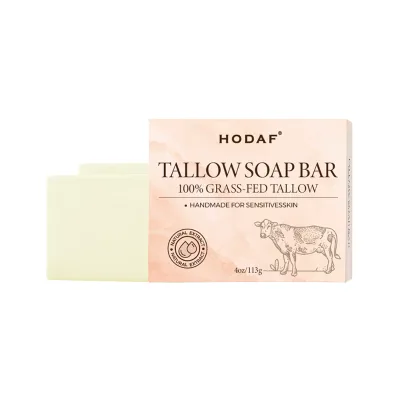
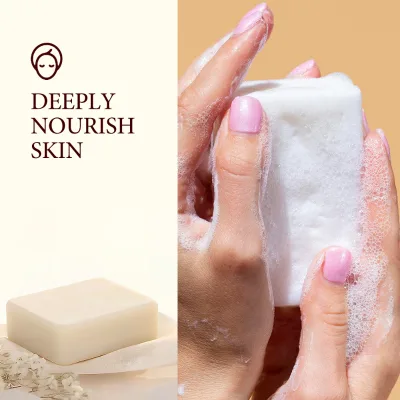
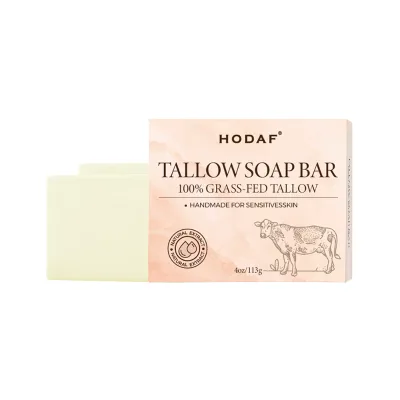
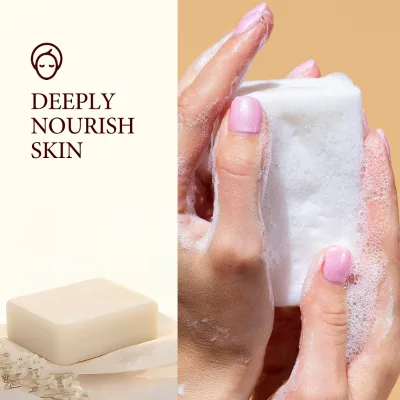
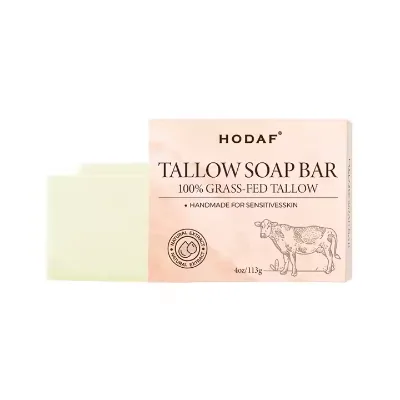
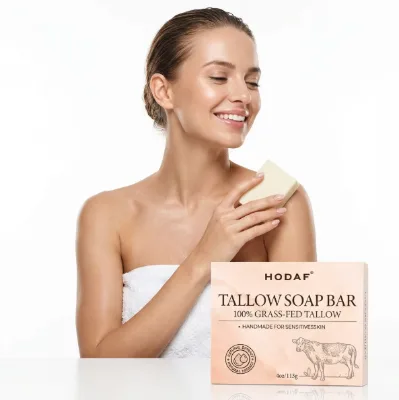
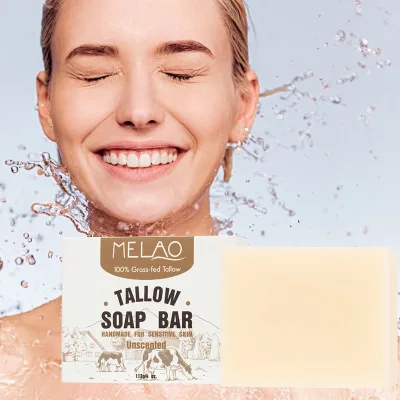
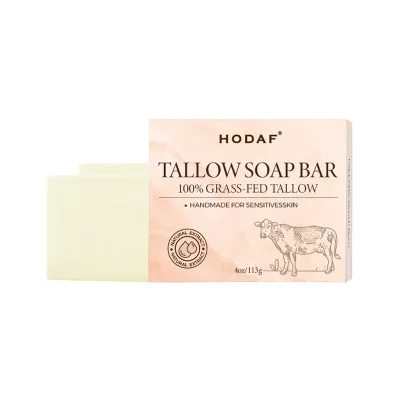
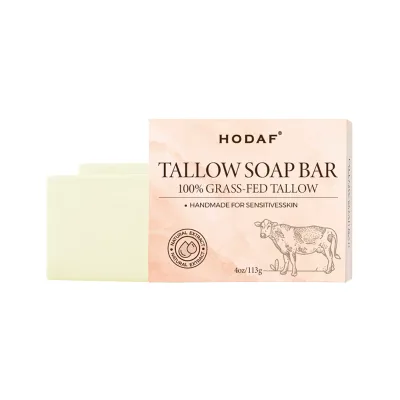
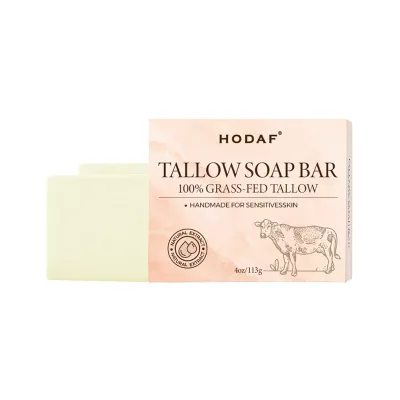
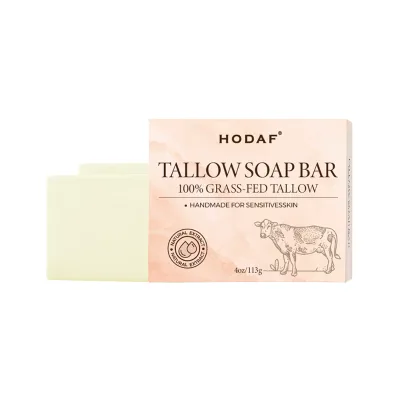
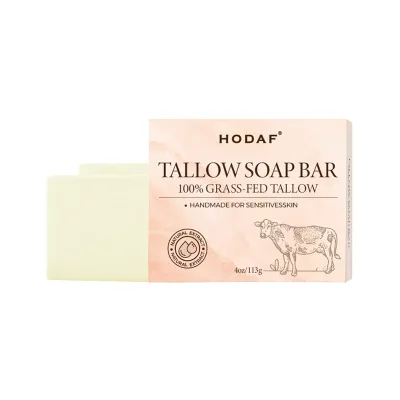
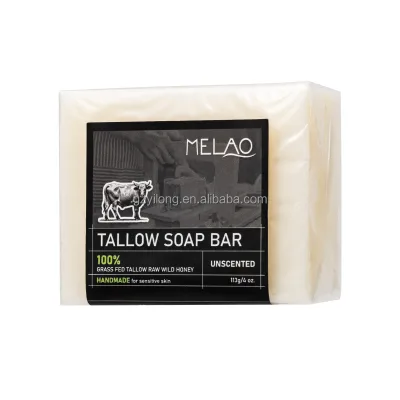
Wholesales 113g New Design Tallow Soap Bar 100% Grass-fed Tallow Lmprove Rough Skin
$1.83 - $2.04
Moq: 500
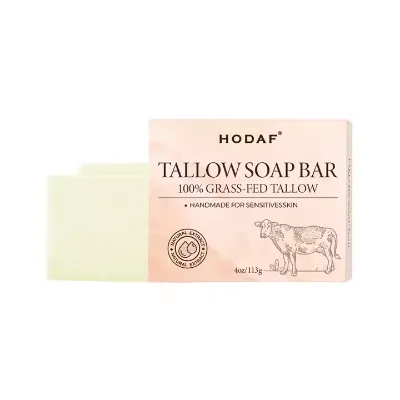
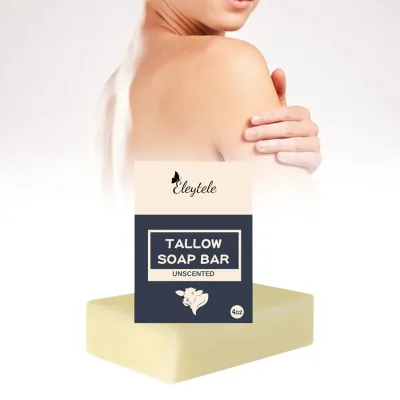
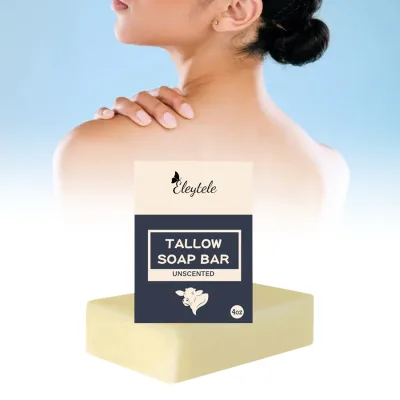
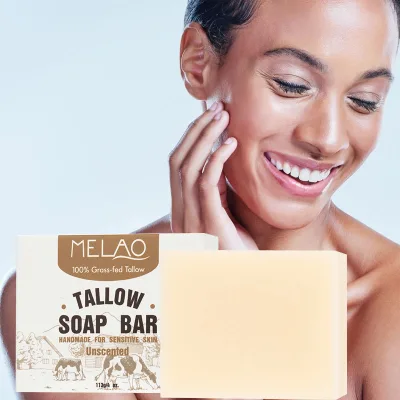
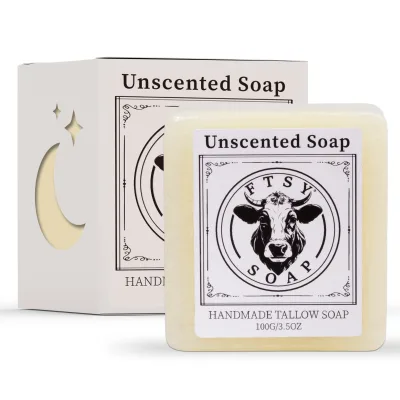
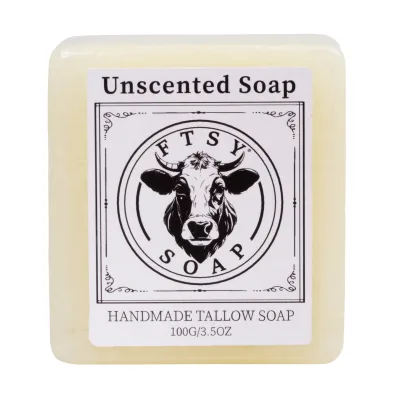
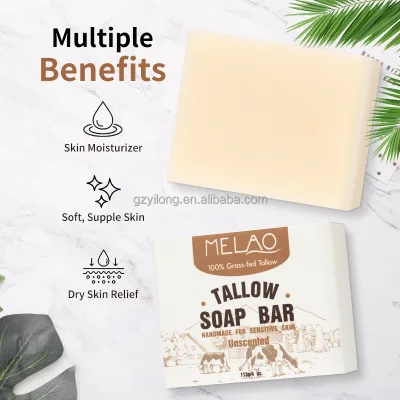
Popular Unscented Tallow Soap Calms Irritated Skin Body Soap for Sensitive Skin
$1.85 - $2.06
Moq: 500
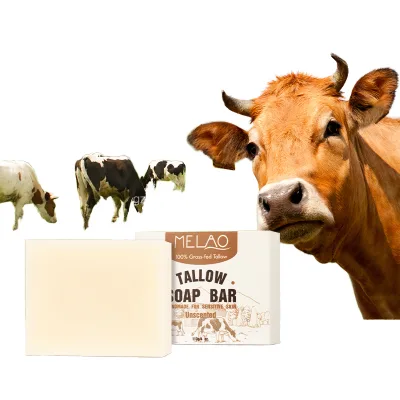
Natural Formula Whipped Tallow Soap Nourishes Skin Barrier Body Soap for Cleaning
$1.85 - $2.06
Moq: 500

Hebei Machinery & Equipment Import & Export Co., Ltd.
- Verified by SGS
- Trading Company,Manufacturer/Factory
- China Hebei
- Lead time60 days
- Avg. response≤ 8h
Main productsIron Castings /Stainless Steel Castings, Industrial Spare Parts OEM Machining/Fabrication, Wire Mesh and Filters, Transmission Parts (Gears Pulleys Shafts etc), Ironing Board Cover, PEVA Table Cloth, Cast Iron Oven Pot, Electrical Hardware Materials Clamp/Box/Coupling, Bath Towl, Pet Products (Pet Pad Pet Mats etc)
Main marketsSouth America,Eastern Europe,Mid East,North America,Southeast Asia,Eastern Asia,Oceania,Western Europe,Africa
Guangzhou Fantesy Biotechnology Co., Ltd.
- Manufacturer, Trading Company
- Lead time旺季: "1 - 1000":20,"> 1000":"To be negotiated", 淡季: "1 - 1000":20,"> 1000":"To be negotiated"
- Avg. response≤ 3h
Main productsSoap, Serum, Body Care Product, Hair Care Product, Bath Product
Guangzhou Yilong Cosmetics Co., Ltd.
- Manufacturer, Trading Company
- Lead time旺季: "1 - 5000":15,"5001 - 10000":20,"> 10000":"To be negotiated", 淡季: "1 - 5000":15,"5001 - 10000":20,"> 10000":"To be negotiated"
- Avg. response≤ 3h
Main productsOral care, Deodorant & Antiperspirant, Facial care, Body lotion, Men's care
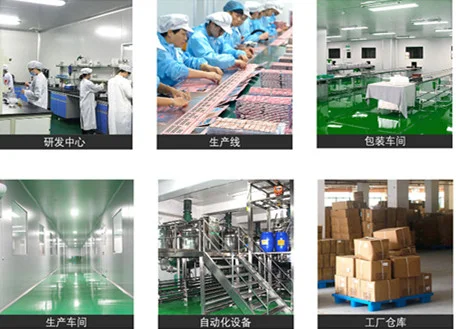
Xi'an Canal Fashion Bio-Tech Co., Ltd.
- Trading Company
- Shaanxi, China
- Lead time1 days
- Avg. response≤ 3h
Main productsPet clothing,Pet shoes and socks,Pet bowls and feeders,Pet toys,Pet beds and kennels
Main marketsNorth America(40.0%), Northern Europe(30.0%), South Asia(5.0%), South America(5.0%), Eastern Asia(5.0%), Mid East(5.0%), Africa(5.0%), Southeast Asia(5.0%)

Yangzhou Nano Aviation Technology Co., Ltd.
- Verified by SGS
- Combined
- China Jiangsu
- Lead time15 days
- Avg. response≤ 2h
Main marketsSoutheast Asia/ Mideast,Domestic


Natural Organic Solid Platycladus Leaves Oil-Control and Volumizing Triple Soap
$0.20 - $0.50
Moq: 1000

Yangzhou Shitong Hotel Supply Co., Ltd.
- Combined
- China Jiangsu
- Lead time15 days
- Avg. response≤ 2h
Main productsHotel Amenity, Hotel Slipper, Hotel Shampoo
Main marketsSoutheast Asia/ Mideast,Domestic

Guangzhou Aixin Cosmetic Co., Ltd.
- Verified by TUVRHEINLAND
- Trading Company
- China Guangdong
- Lead time15 days
- Avg. response≤ 5h
Main productsSkin Care, Cosmetic, Face Mask, Beauty, Body Scrub, Face Care, Body Care, Skin Care Product, Mask, Cream
Main marketsDomestic

Beauty Cosmetics Skin Care Cleanse and Moisturize Whitening Skin Beef Tallow Soap
$1.00 - $1.65
Moq: 100

Guangzhou Chingo Cosmetic Co., Ltd.
- Verified by TüVRheinland
- Manufacturer, Trading Company
- Lead time15 days
Main productsFace Care Products, Body Care Products, Hair Care Products
Main marketsNorth America(45%), Western Europe(15%), Mid East(10%)

- Trading Company,Manufacturer/Factory
- China Hebei
- Lead time15 days
- Avg. response≤ 4h
Main productsLaundry Detergent, Washing Powder, Liquid Soap
Main marketsSouth America,Eastern Europe,Mid East,North America,Southeast Asia,Eastern Asia,Oceania,Western Europe,Africa


OEM 100/120g Small Laundry Soap Natural Organic Skin Whitening Soap Bath Toilet Soap
$0.14 - $0.20
Moq: 30000


Hangzhou Houde Fuze Technology Co., Ltd.
- Verified by SGS Group
- Manufacturer, Trading Company
- Lead time10 days
Main productsFoot Mask, Steam Eye Mask, Acne Patch, Collagen Eye Mask, Body Warmer Patch
Main marketsSouth America(17%), Eastern Europe(15%), Western Europe(15%)
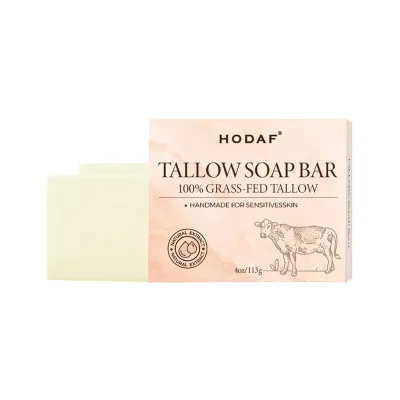
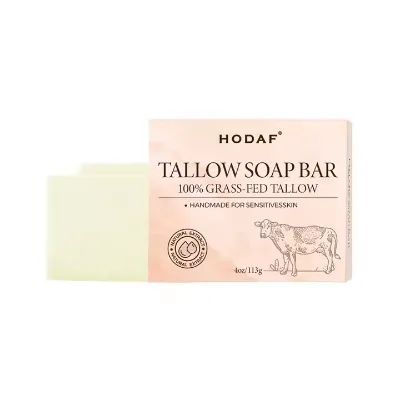
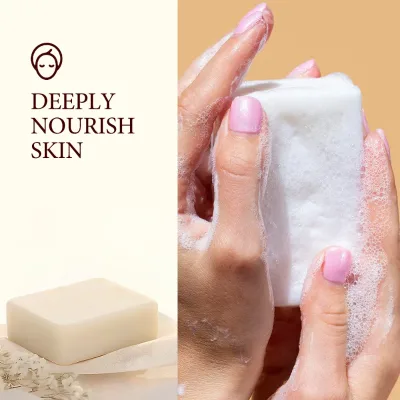
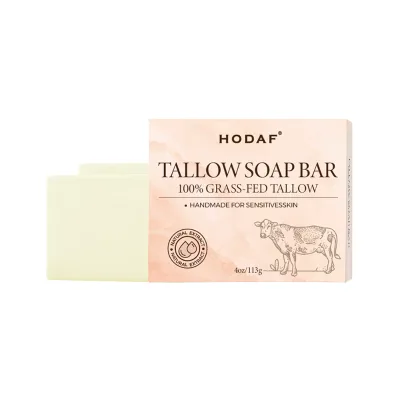
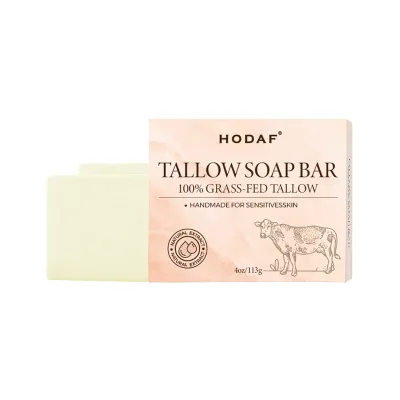
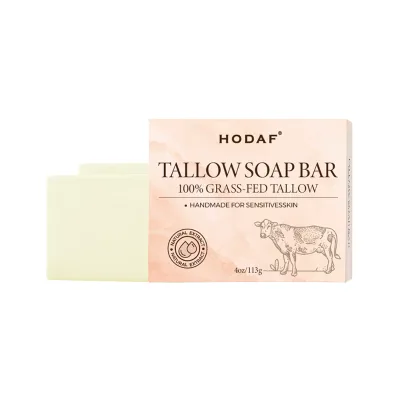
Organic 100% Grass Fed Bar Soap Moisturizing Gentle Whitening Bar Soap for Skin Care
$1.87 - $2.07
Moq: 500

Huizhou Yajiali Industrial Co., Ltd.
- Verified by SGS
- Combined
- China Guangdong
- Lead time30 days
- Avg. response≤ 4h
Main productsBath Bomb, Body Butter, Shower Steamers, Body Scrubs, Soap, Bath Salt, Bath Set
Main marketsEurope,North America
Shengnan (Guangzhou) Cosmetics Co., Ltd.
- Verified by Intertek
- Trading Company
- Lead time15 days
Main productsFace Cream, Face Serum, Face Toner, Face Wash
Main marketsNorth America(25%), South America(25%), Eastern Europe(25%)

Hebei Fumailai Import and Export Co., Ltd.
- Verified by CTI
- Trading Company
- China Hebei
- Lead time15 days
- Avg. response≤ 5h
Main productsSodium Lauryl Sulfate, Aos, LABSA, Aeo, Cab, Cea, Las, Cdea, HPMC, Glycerin
Main marketsSouth America
Hebei Jiebang Daily Chemical Co., Ltd.
- Trading Company
- Hebei, China
- Lead time15 days
- Avg. response≤ 13h
Main productssoap,detergent powder,Laundry detergent,Kitchen Cleaning Products,Bathroom cleaner
Main marketsSouth Asia(10.0%), Africa(10.0%), Northern Europe(10.0%), Southeast Asia(10.0%), Eastern Asia(10.0%), South America(10.0%), North America(10.0%), Southern Europe(5.0%), Mid East(5.0%), Oceania(5.0%), Central America(5.0%), Western Europe(5.0%), Eastern Europe(5.0%)

Guangzhou Mebamy Cosmetics Co., Ltd.
- Verified by TUVRHEINLAND
- Manufacturer/Factory
- China Guangdong
- Lead time15 days
- Avg. response≤ 5h
Main productsFace Serum, Soap, Face Cream, Sunscreen, Eyelash Growth Serum, Teeth Whitening, Face Mask, Facial Cleanser, Essential Oil, Hair Care Series
Main marketsNorth America,Western Europe

Guangzhou Zhishanmei Biotechnology Co., Ltd.
- Verified by TUVRHEINLAND
- Combined
- China Guangdong
- Lead time15 days
- Avg. response≤ 2h
Main productsAromatherapy Candles Handmade Soap Soap
Main marketsDomestic

Xiamen Safercare Toiletries Co., Ltd.
- Verified by BV
- Combined
- China Fujian
- Lead time60 days
- Avg. response≤ 8h
Main productsTravel Set, Bath Set, Plastic Bottles, Lotion Pump, Plastic Caps, Shower Gel, Hand Wash, Cosmetic Bag, Hand Sanitizer, Shapmpoo
Main marketsDomestic,Europe

Shijiazhuang Gruite Daily Chemical Co., Ltd.
- Trading Company,Manufacturer/Factory
- China Hebei
- Lead time23 days
- Avg. response≤ 22h
Main productsDetergent Powder, Laundry Soap, Toilet Soap, Dish Washing Liquid, Liquid Laundry Detergent, Laundry Bar Soap, Transparent Soap, Baby Soap, Multi-Purpose Soap
Main marketsSouth America,Mid East,North America,Southeast Asia,Eastern Asia,Oceania,Africa

Hot Sale Toilet Natural Organic Skin Care Soap, Handmade Hotel Bath Bathing Laundry Soap
$410.00 - $730.00
Moq: 25


Shenzhen Huaxunneng Technology Co., Ltd.
- Manufacturer, Trading Company, Distributor/Wholesaler
- Guangdong, China
- Lead time5 days
- Avg. response≤ 6h
Main productsMakeup Brush,cosmetics,Makeup tools,Makeup sponge,nail art &tools
Main marketsNorth America(40.0%), South America(20.0%), Eastern Europe(15.0%), Eastern Asia(5.0%), Mid East(5.0%), Africa(5.0%), Western Europe(5.0%), Domestic Market(4.0%), Southeast Asia(1.0%)

Guangdong Garcia Daily Necessities Technology Co., Ltd.
- Verified by TUVRHEINLAND
- Combined
- China Guangdong
- Lead time23 days
- Avg. response≤ 11h
Main productsHousehold Cleaning&Home Care Products, Fabric Cleaning&Care, Disinfectant, Bathroom Cleaner, Homeliving Cleaner, Kitchen Cleaner, Laundry Detergent Liquid, Laundry Detergent Pod, Pet Care Product, Scent Booster Beads
Main marketsDomestic

Guangzhou Shiruoni Cosmetics Co., Ltd.
- Trading Company,Manufacturer/Factory,Group Corporation
- China Guangdong
- Lead time15 days
- Avg. response≤ 6h
Main productsSkin Care, Jelly Mask, Face Serum, Face Toner, Face Cream, Facial Mask, Sunscreen, Face Cleanser, Soap, Skin Care Set
Main marketsSouth America,Eastern Europe,Mid East,North America,Southeast Asia,Eastern Asia,Oceania,Western Europe,Africa

Shandong Qingjiang Zhilian Technology Co., Ltd.
- Trading Company,Manufacturer/Factory
- China Shandong
- Lead time0 days
- Avg. response≤ 1h
Main productsLiquid Detergent, Laundry Washing Powder, Laundry Detergent, Soap Noodle
Enrich Enterprises (Xiamen) Limited
- Verified by Intertek
- Trading Company
- Lead time40 days
- Avg. response≤ 7h
Main productsBath Gift Set, Bath And Body Care Product, Home Fragrance Product, Bath Bomb, Bath Gift Packaging
Main marketsNorth America(75%), Oceania(18%), Eastern Europe(2%)







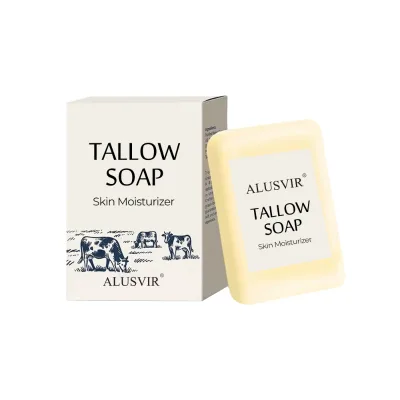


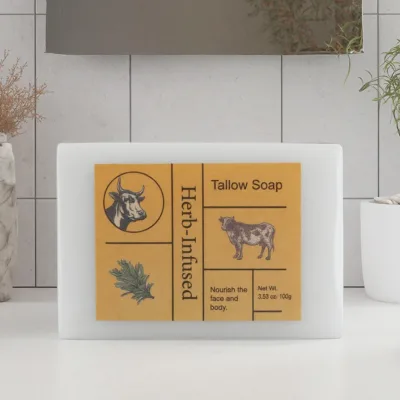


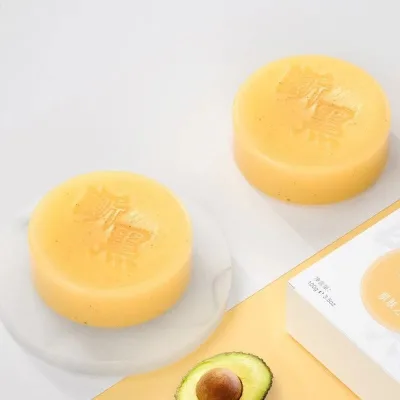





Comprehensive Sourcing Guide
Organic Grass Fed Tallow Soap Supplier Concentration and Factory Types
Current data indicates a mix of trading companies and manufacturers operating within the personal care sector, with specific facility types including Manufacturer/Factory and Trading Company structures. Some entities list main products spanning facial care, body care, and pet care, while others focus on specialized items like mouthwash or hair care products alongside tallow soaps. The presence of both company types suggests a supply chain where trading firms may aggregate goods from various production sources, whereas manufacturers often handle direct production with capabilities for OEM and ODM services. Buyers should note that some suppliers explicitly state their capacity for light customization and sample processing, which is a critical differentiator for those seeking tailored formulations.
When assessing the concentration of these suppliers, the available evidence points to origins in Guangdong, China, though this is not a universal claim for all entities in the broader market. Some product attributes list the place of origin as China generally, while others specify the Guangdong region, indicating a potential cluster in that province for this specific category. However, without a definitive list of all active factories, buyers must verify the specific location of each potential partner rather than assuming a single hub. The variation in company types means that a buyer might encounter a trading firm that sources from a manufacturer in Guangdong or a direct factory with its own brand capabilities. Understanding this distinction is vital for determining who controls the production process and who manages the logistics of the order.
How to Verify Organic Grass Fed Tallow Soap Suppliers
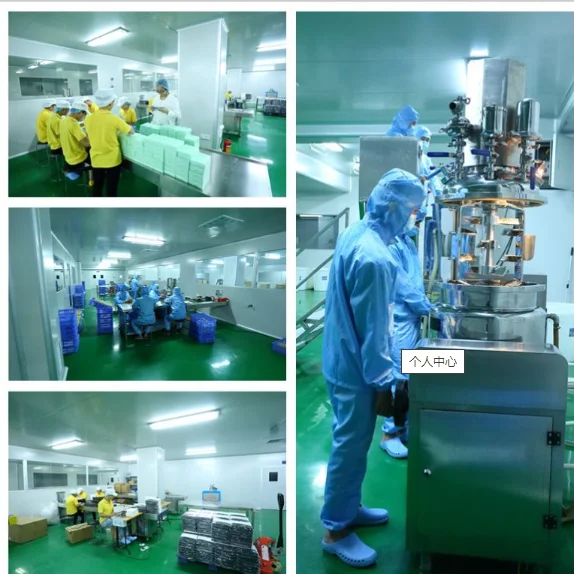
Verification processes for these suppliers often involve third-party audits and specific system certifications that validate their operational standards. Evidence shows that some suppliers hold certifications such as CE, BSCI, ISO 9001, GMP, SEDEX, and are verified by organizations like Intertek or TÜV Rheinland. These credentials provide a baseline for assessing the reliability and quality management systems of the supplier, ensuring they meet international standards for manufacturing and ethical sourcing. Buyers should prioritize suppliers who display these specific verification marks, as they indicate a commitment to maintaining consistent quality and safety protocols in their production lines.
Beyond certifications, the verification of a supplier's capabilities includes checking their response times and the depth of their product evidence. Some suppliers demonstrate a response time of three hours, while others may take up to nine hours or more, which can impact the speed of negotiation and order processing. Additionally, the presence of detailed product attributes, such as specific ingredients like "Pure Beef Tallow" or "Organic Material," and features like "Handmade" or "Cold Process," serves as a tangible proof of their product knowledge. Buyers must cross-reference these claims with the supplier's stated main products and service offerings, such as OEM, ODM, and private label capabilities, to ensure the supplier can actually deliver the specific type of organic grass-fed tallow soap required.
What to Compare Across Organic Grass Fed Tallow Soap Suppliers
Comparing suppliers requires a detailed analysis of their lead times, minimum order quantities, and pricing structures, which vary significantly across the market. Lead times can range from immediate availability to specific windows like 15 to 20 work days, with some suppliers offering different timelines based on order volume, such as 15 days for orders under 1000 units and 20 days for larger quantities. Minimum order quantities also differ, with some suppliers accepting orders as low as 10 pieces, while others require 3000 pieces or more, directly influencing the feasibility of small-batch testing versus large-scale distribution. Buyers must align these constraints with their own inventory needs and cash flow requirements before committing to a partnership.
Pricing and service capabilities are equally critical dimensions for comparison, as costs can fluctuate based on the specific product attributes and customization levels. Price ranges observed in the data span from approximately $0.64 to $1.55 per unit, depending on factors like packaging, volume, and the complexity of the formulation. Suppliers offering services like custom packaging, private labeling, and sample processing provide greater flexibility for branding, but these services often come with higher MOQs or specific price points. Buyers should evaluate the total cost of ownership, including shipping and potential customization fees, while ensuring the supplier's main product focus aligns with their specific needs, whether that is facial care, body care, or specialized pet care products.
Common Organic Grass Fed Tallow Soap Sourcing Risks
One significant risk in sourcing organic grass-fed tallow soap involves the ambiguity of ingredient sourcing and the verification of "grass-fed" claims. While product attributes may list ingredients as "Organic Material" or "Tallow," the specific origin of the tallow, such as whether it is truly from grass-fed cattle, is not always explicitly detailed in the provided data. Buyers must request detailed documentation, such as Certificates of Analysis (COA) or specific ingredient traceability reports, to confirm that the raw materials meet the organic and grass-fed standards they are marketing to their customers. Relying solely on product keywords without verifying the underlying supply chain can lead to compliance issues and reputational damage.
Another risk relates to the variability in production capacity and lead times, which can disrupt supply chain continuity. Some suppliers list lead times that are "To be negotiated" for large orders exceeding 5000 units, creating uncertainty for buyers planning large-scale launches. Additionally, the distinction between trading companies and manufacturers can introduce communication gaps or quality control inconsistencies if the trading firm does not have direct oversight of the production facility. Buyers should assess the supplier's response time and their ability to handle peak seasons, as delays in production or shipping can result in stockouts. Verifying the supplier's actual production capacity and their history of meeting delivery deadlines is essential to mitigate these operational risks.
Organic Grass Fed Tallow Soap Regional Sourcing and Logistics
Regional sourcing for organic grass-fed tallow soap often centers on specific manufacturing hubs, with evidence pointing to Guangdong, China, as a key location for production. Some product attributes explicitly state the place of origin as Guangdong, while others simply list China, suggesting a concentration of facilities in this southern province. Buyers should investigate the logistics infrastructure of this region, considering factors like port access, shipping costs, and the efficiency of local freight forwarders. Understanding the regional concentration helps in estimating transit times and potential tariffs, as well as identifying the specific regulatory environment that governs the export of personal care products from that area.
However, not all suppliers are located in the same region, and buyers must verify the specific location of each potential partner to plan logistics accurately. Some suppliers may operate from different provinces or countries, which could affect shipping routes and customs clearance procedures. For instance, a supplier located in a different region might have different lead times or shipping costs compared to a Guangdong-based manufacturer. Buyers should request the exact shipping address and origin details from each supplier to calculate accurate freight costs and delivery schedules. This due diligence ensures that the logistics plan is robust and that the buyer is not caught off guard by unexpected delays or additional costs associated with moving goods from a specific region.
Organic Grass Fed Tallow Soap Commercial Terms and Order Planning
Commercial terms for organic grass-fed tallow soap vary widely, with minimum order quantities ranging from as low as 10 pieces to as high as 3000 pieces, depending on the supplier's policy. Some suppliers offer flexible terms for sample processing and light customization, allowing buyers to test the product before committing to larger orders. However, larger orders often come with stricter MOQs and specific lead times, such as 15 to 20 work days, which must be factored into the overall order planning. Buyers need to carefully review the terms regarding payment, shipping, and customization to ensure they align with their business model and financial constraints.
Order planning also requires a clear understanding of the supplier's capacity for customization and their ability to handle private label requests. Many suppliers offer services like OEM, ODM, and custom packaging, which are essential for brands looking to differentiate their products in the market. However, these services often come with additional costs and longer lead times, particularly for large volumes. Buyers should plan their orders well in advance, accounting for the time required for sample approval, production, and shipping. Additionally, verifying the supplier's response time and their ability to communicate effectively during the order process is crucial for ensuring a smooth transaction and timely delivery of the final product.
FAQs
What is the minimum order quantity for Organic Grass Fed Tallow Soap?
Minimum order quantities vary by supplier and product specifications. Some listings accept orders as low as 10 pieces, while others require 100 or 3000 units. Buyers should check specific product pages to confirm the exact MOQ before placing an order.
How long does it take to receive Organic Grass Fed Tallow Soap orders?
Lead times depend on order volume and production season. Some suppliers offer 15 days for small orders and 20 days for larger batches. For quantities exceeding 5000 units, delivery times may require direct negotiation with the manufacturer to ensure timely fulfillment.
Are Organic Grass Fed Tallow Soap suppliers verified by third parties?
Yes, several suppliers hold verification from recognized agencies like Intertek and TÜV Rheinland. These verifications confirm the company's operational status and compliance with specific standards. Buyers can rely on these badges to assess supplier credibility before initiating contact.
What certifications do Organic Grass Fed Tallow Soap manufacturers hold?
Manufacturers often possess certifications such as CE, ISO 9001, GMP, and BSCI. Some products also carry MSDS, CPNP, and COA documents. These certifications indicate adherence to safety and quality standards required for personal care and cosmetic products in international markets.
Can suppliers provide private labeling for Organic Grass Fed Tallow Soap?
Many suppliers offer OEM, ODM, and private label services for custom branding. Buyers can request custom packaging, logos, and specific formulations. This flexibility allows businesses to create unique products tailored to their brand identity while leveraging existing manufacturing capabilities.
Where are Organic Grass Fed Tallow Soap products manufactured?
Most products originate from Guangdong, China, with some listings specifying China as the general place of origin. This region is known for its extensive manufacturing capabilities in the personal care sector. Buyers should verify specific factory locations for logistics planning.
What is the price range for Organic Grass Fed Tallow Soap?
Prices typically range from approximately 0.65 to 1.55 per unit depending on quantity and customization. Lower prices often apply to larger orders, while smaller batches may cost more. Buyers should compare specific listings to find the best value for their needs.