Organic Cotton Modal Baby Sweater Suppliers and Manufacturers
Source 26 verified suppliers for Organic Cotton Modal Baby Sweater items. Compare Guangdong and Zhejiang manufacturers on CPC certification, 50-piece MOQ, and 30-day lead times. Review product specs and request quotes directly; review the available evidence before requesting comparable quotations from suitable candidates.
Updated
Suppliers List
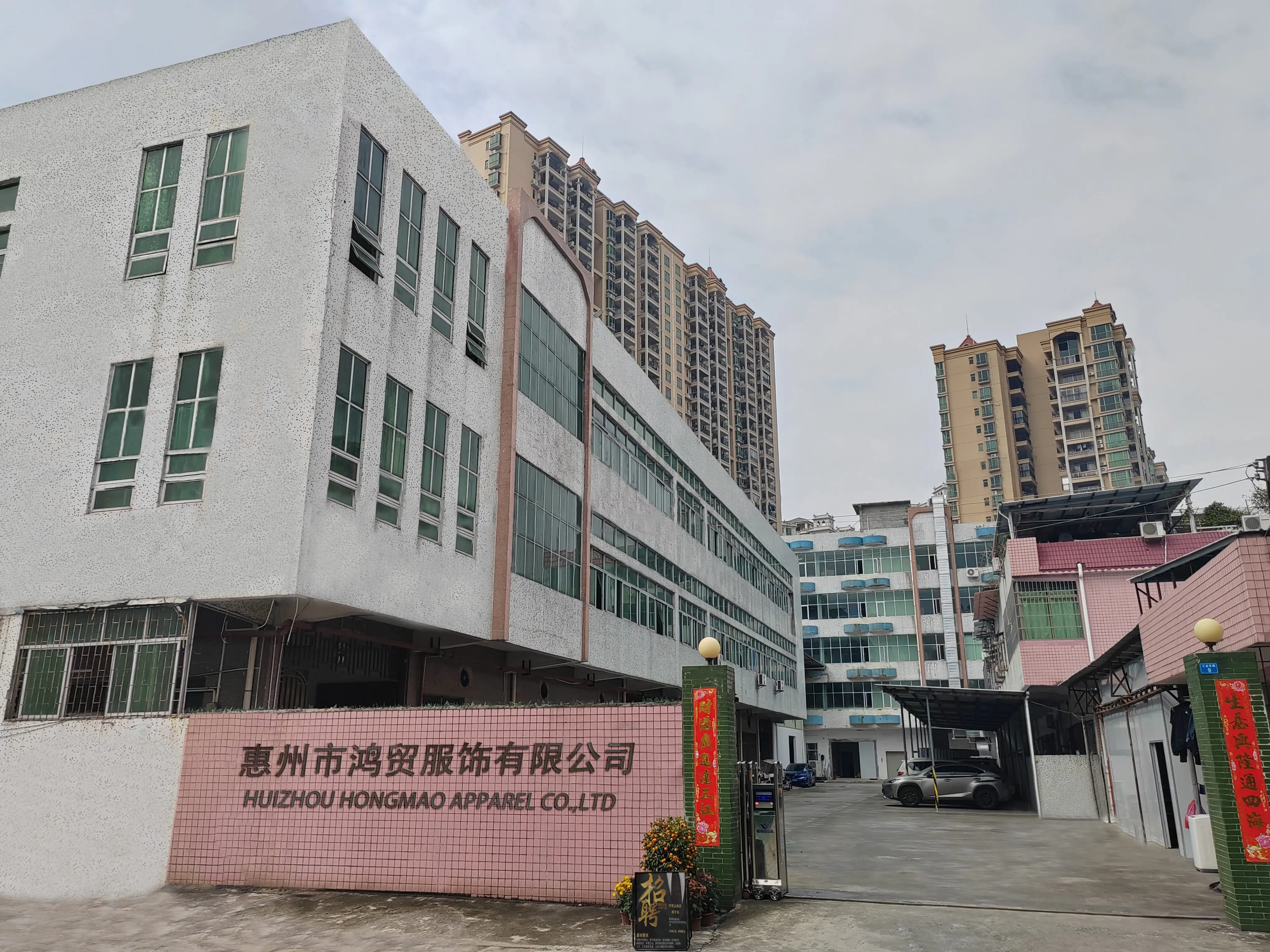
Huizhou Hongmao Apparel Co., Ltd.
- Manufacturer, Trading Company
- Guangdong, China
- Lead time30 days
- Avg. response≤ 10h
Main productsbaby Clothing,kids Clothing,Toddler Clothing,kids dresses,Children's pajamas
Main marketsNorth America(27.00%), Oceania(20.00%), Eastern Europe(19.00%), Western Europe(14.00%), Southeast Asia(6.00%), Eastern Asia(4.00%), South America(4.00%), Southern Europe(2.00%), Domestic Market(1.00%), South Asia(1.00%), Mid East(1.00%), Northern Europe(1.00%)
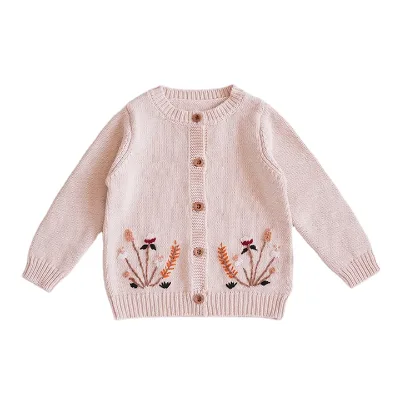
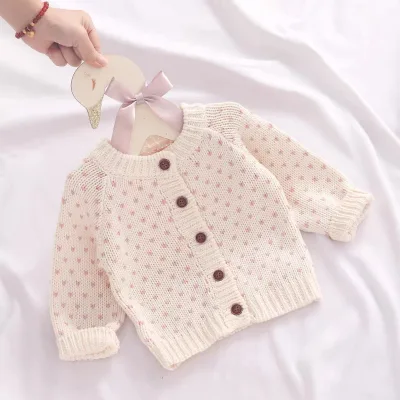
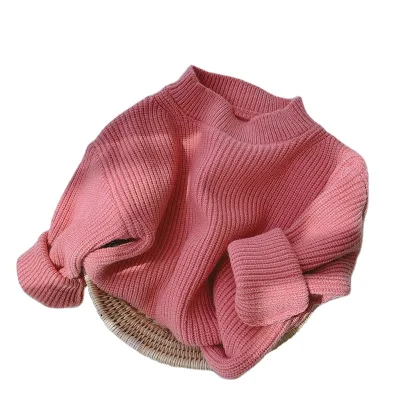
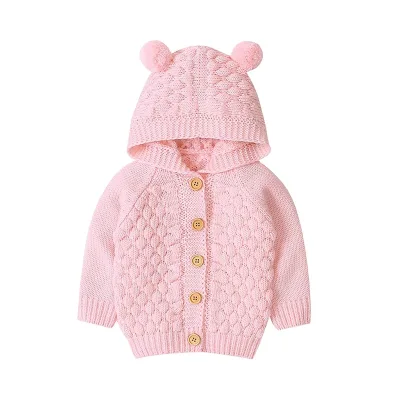
O-neck Baby Girl Cardigan Handmade Embroidery Organic Cotton Knit Baby Sweater
$8.976 - $10.519
MOQ: 50 pieces
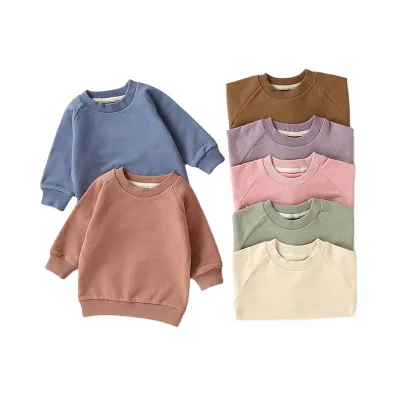

NINGBO FANST IMP.&EXP. CO., LTD.
- Verified by BV
- Trading Company
- China Zhejiang
- Lead time30 days
- Avg. response≤ 21h
Main productsPolyester Yarn, Acrylic Yarn, Knitting Yarn, Acrylic Knitting Yarn, LED Flash Torch, Headlamps, Bicycle Light, LED Work Light, Torches
Main marketsOthers(foreignTradeCapacity.exportBusinessCapacityMarketOther),Southeast Asia/ Mideast,Australia
- Verified by Intertek
- Trading Company
- Lead time15 days
- Avg. response≤ 6h
Main productsBaby Garment, Kid garment, Blanket, Bedding set, Baby accessories
Main marketsNorth America(50%), Oceania(30%), South Asia(6%)
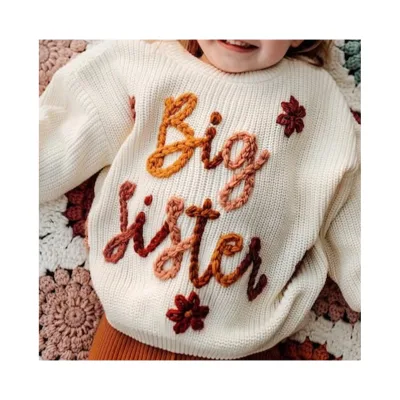
$6.1208 - $7.144
MOQ: 30 pieces
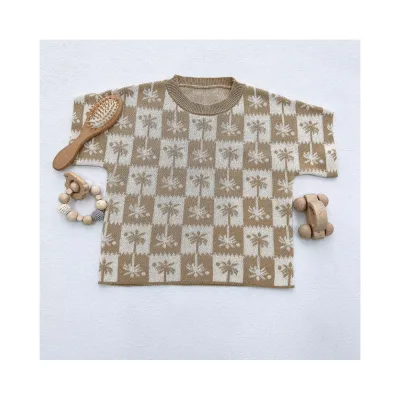
Custom High Quality Baby Sweater Autumn Winter Casual Plaid Knitted Baby Sweater for Baby
$8.1341 - $9.7819
MOQ: 50 sets
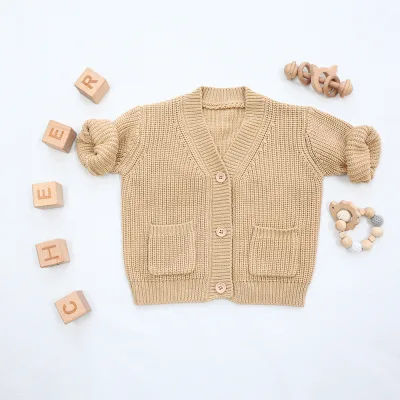
Wholesale New Style Fall Long Sleeve Sweater Cotton Knitted Baby Cardigan
$10.1594 - $15.344
MOQ: 50 sets

- Verified by SGS
- Combined
- China Sichuan
- Lead time15 days
- Avg. response≤ 3h
Main productsCashmere Sweater, Baby Sweater, Wool Sweater, Cotton T Shirt, Organic Cotton Garments, Cashmere Pants, Cashmere Scarf, Baby Knitwear, Baby Blankets, Kids Sweaters
Main marketsEast Asia(Japan/ South Korea),Domestic,Europe,Australia,North America

Organic Cotton Knitting Striped Sweater Baby Children Clothing Thick Pullover Knitwear.
$9.00 - $18.00
MOQ: 1 pieces


Custom Knitting Baby Sweater Solid Chunky Texture Cotton Jumper Sweater.
$12.00 - $20.00
MOQ: 2 pieces


Guangzhou Gaoteng Garment Co., Ltd.
- Verified by Intertek
- Manufacturer, Trading Company
- Lead time0 days
- Avg. response≤ 2h
Main productsKids Sweater, Sweatshirt Set, Girl Dress, Kids Top, Baby Romper
Main marketsNorth America(60%), Northern Europe(15%), Southern Europe(9%)
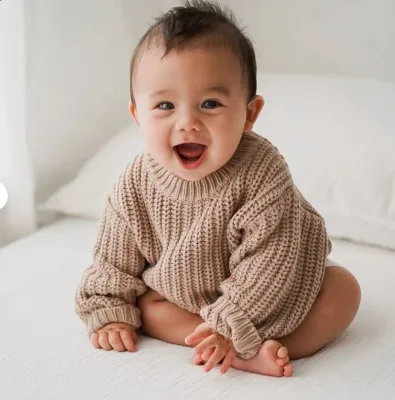
100% Organic Bamboo Cotton Knit Baby Sweater Jumper of Baby and Child for Autumn Baby Knit Sweater
$10.11 - $10.65
MOQ: 100 pieces
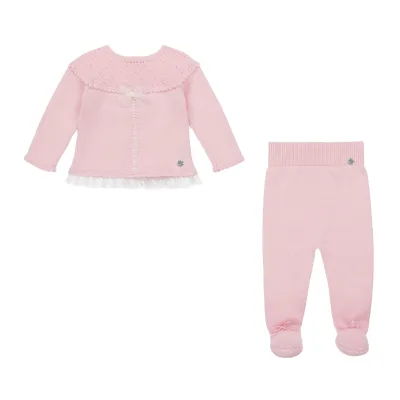
Chunky Plaid Baby Sweater 100% Cotton Knitted Clothing for Children Soft and Cozy Sweater
$16.00 - $17.00
MOQ: 100 sets
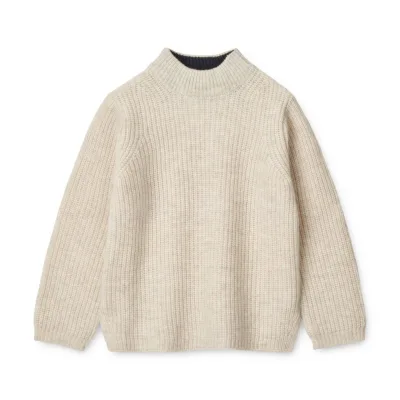
DongGuan Licheng Garment Co., LTD.
- Manufacturer
- Guangdong, China
- Lead time30 days
- Avg. response≤ 3h
Main productswomen's knitwear,kid's knitwear,men's knitwear,knit accessory,pet knitwear
Main marketsNorth America(55.00%), South America(13.00%), Northern Europe(8.00%), Eastern Europe(8.00%), Central America(5.00%), Oceania(4.00%), Eastern Asia(3.00%), Southeast Asia(2.00%), Mid East(2.00%)
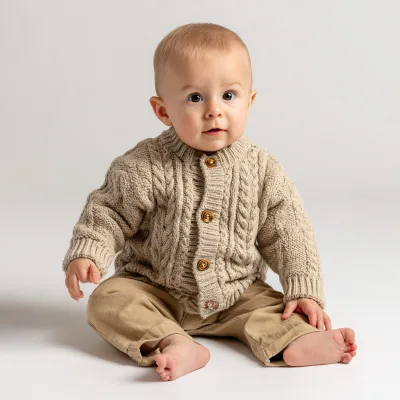
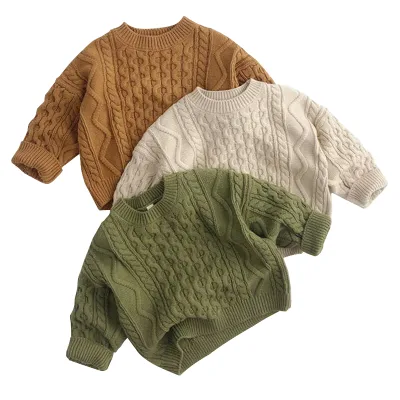
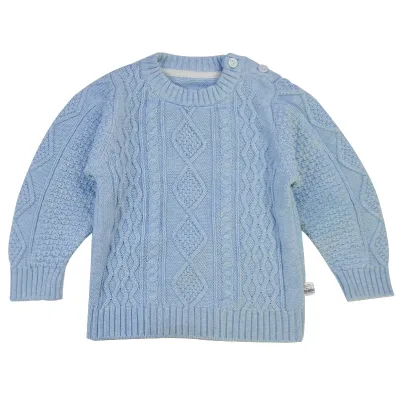
Classic Cable Knit Baby Cardigan Soft Organic Cotton Sweater for Infants and Toddlers
$4.97 - $7.99
MOQ: 10 pieces
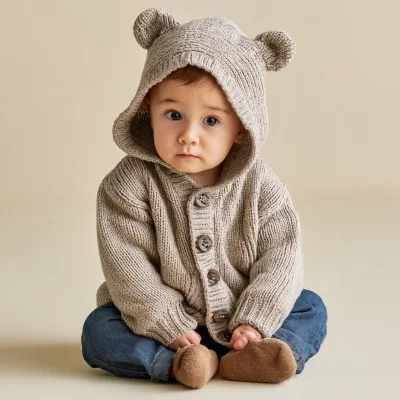
Quanzhou Baofu Clothing Co., Ltd.
- Verified by SGS Group
- Manufacturer, Trading Company
- Lead time7 days
- Avg. response≤ 1h
Main productsKnitted Sweater
Main marketsDomestic Market(100%)
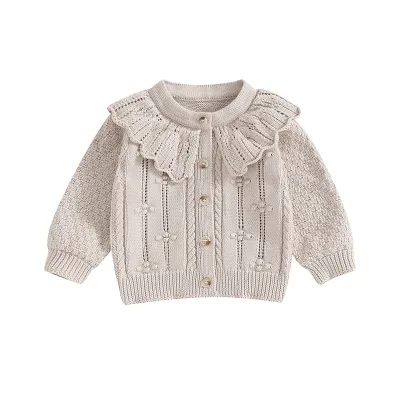
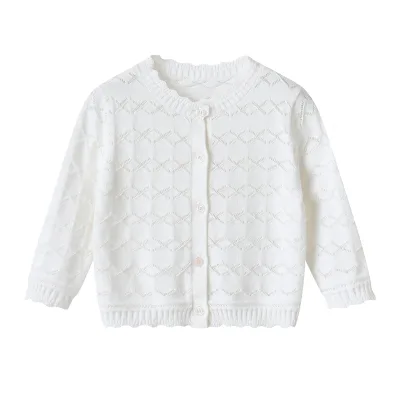
$7.2368 - $10.3422
MOQ: 20 pieces

Wfs Cashmere Industry Co., Ltd
- Verified by CTI
- Combined
- China Shandong
- Lead time15 days
- Avg. response≤ 14h
Main productsCashmere Sweater, Women's Sweater, Men's Sweater, Cashmere Beanie, Cashmere Scarf, Child Sweater, Knitwear
Main marketsSouth America,Africa,East Asia(Japan/ South Korea),Europe,Australia,North America
Jiaxing Joyou Clothing Co., Ltd.
- Trading Company
- Zhejiang, China
- Lead time15 days
- Avg. response≤ 7h
Main productsBaby Rompers, Baby Sweaters, Baby Clothing Set, Girls Dresses, Baby's Bedding
Main marketsOceania(65.00%), North America(20.00%), Western Europe(5.00%), Central America(5.00%), Southeast Asia(5.00%)
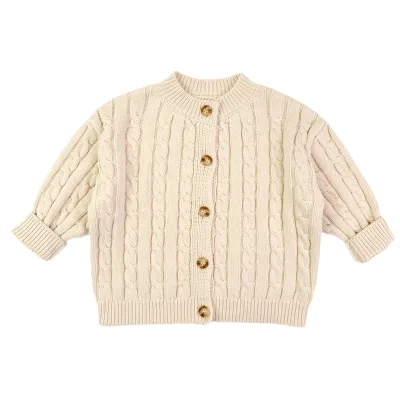
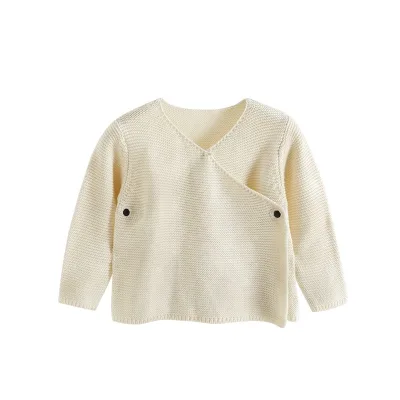
100% Cotton Cream Knitted Cardigan Sweater with Wooden Buttons Toddler Girls' Baby Sweater
$7.7222 - $9.7819
MOQ: 50 pieces
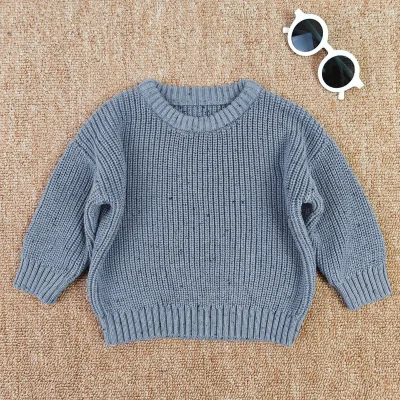
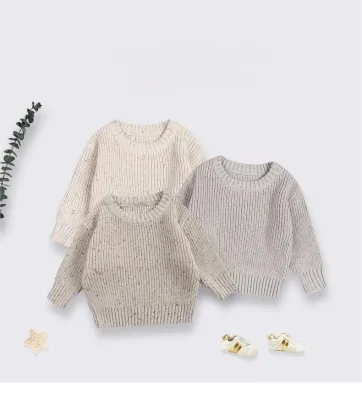
Custom Organic Cotton Knitted Baby Sweater Chunky Toddler Girl's Sweaters with Sprinkled Design
$7.00 - $9.00
MOQ: 50 pieces
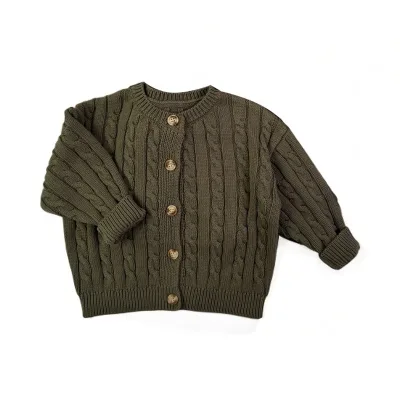
100% Organic Cotton Breathable Baby Knit Cardigan-Hypoallergenic Infant Toddler Girls Sweater Wear
$7.7222 - $9.7819
MOQ: 50 pieces
Taian Lianchuang Textile Co., Ltd.
- Manufacturer, Trading Company
- Lead time旺季: "1 - 10000":35,"> 10000":"To be negotiated", 淡季: "1 - 10000":35,"> 10000":"To be negotiated"
- Avg. response≤ 3h
Main productsAdult Clothing, Baby Clothing
Ningbo LifeTree Trade Co., Ltd.
- Verified by SGS Group
- Trading Company
- Zhejiang, China
- Lead time14 days
- Avg. response≤ 5h
Main productsMuslin Swaddles/Baby Blankets/Baby Bedding, Baby clothing, Baby Accessories
Main marketsOceania(35%), North America(30%), South America(15%)
Shijiazhuang Cool Apparel Co., Ltd.
- Verified by TüVRheinland
- Manufacturer, Trading Company
- Lead time15 days
- Avg. response≤ 3h
Main productsBaby Romper, Baby Gift Set, Silk Pajamas, Baby Bib, Onesie
Main marketsNorth America(50%), Mid East(15%), Western Europe(12%)
$4.485 - $5.0797
MOQ: 100 sets
- Manufacturer, Trading Company
- Lead time旺季: "1 - 300":35,"> 300":"To be negotiated", 淡季: "1 - 300":35,"> 300":"To be negotiated"
- Avg. response≤ 3h
Main productsBaby Rompers, Baby Blanket, Baby Pajama Set, Baby Comforter Blanket, Baby Sweatshirt Set
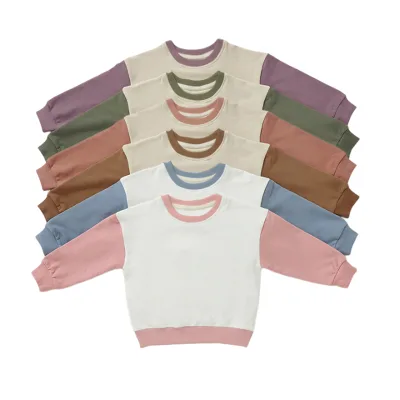
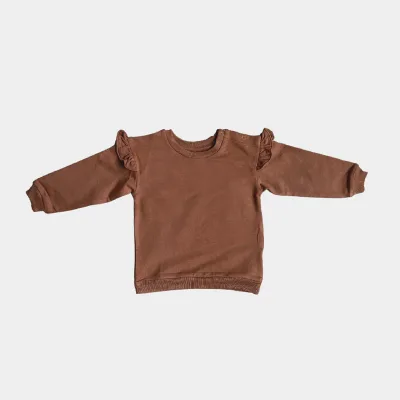
Customized 100% Organic Cotton Solid Color Baby Girl Ruffle Sweatshirts
$3.4933 - $4.7277
MOQ: 180 pieces

- Verified by CTI
- Trading Company
- China Anhui
- Lead time23 days
- Avg. response≤ 2h
Main productsFurniture, Home Furniture
Main marketsSoutheast Asia/ Mideast
- Verified by SGS Group
- Trading Company
- Lead time40 days
- Avg. response≤ 4h
Main productsCashmere Sweater, Cashmere Cardigans, Cashmere Hoodies, Cashmere Scarves, Cashmere Accessories
Main marketsOceania(50%), North America(32%), Western Europe(10%)
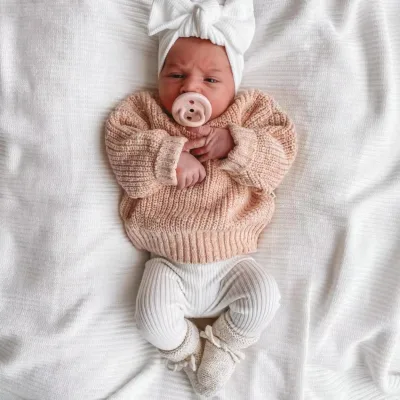
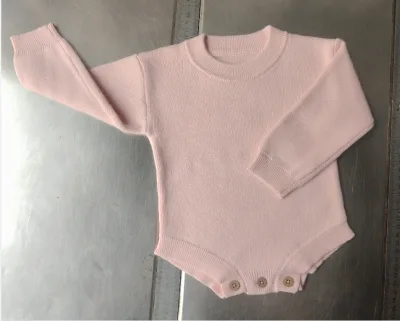
New Soft Warm Chunky Knit Baby Jumpsuit Organic Cotton Babi Knitted Sweater
$8.50 - $9.50
MOQ: 30 pieces
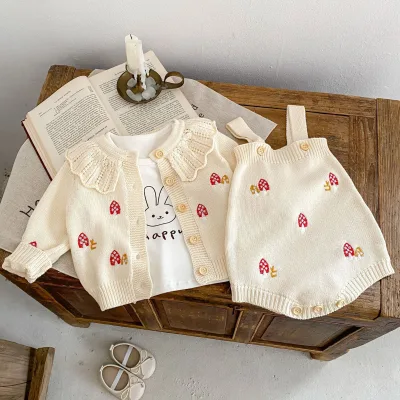
$14.6025 - $16.7042
MOQ: 100 pieces
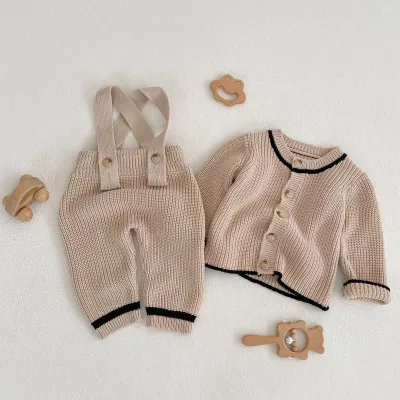
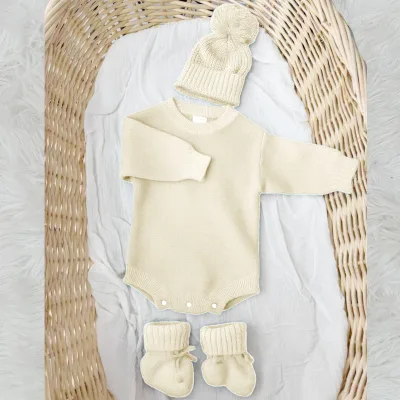
Customized Small MOQ 100% Organic Cotton Baby Romper Cardigan Beanie Clothing Set
$12.50 - $13.50
MOQ: 100 pieces
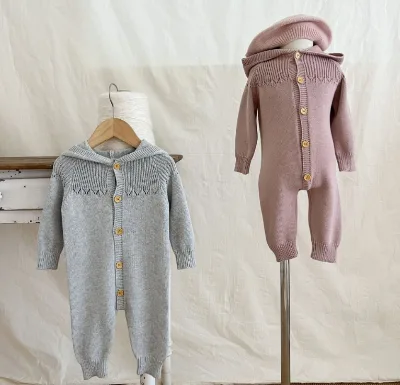
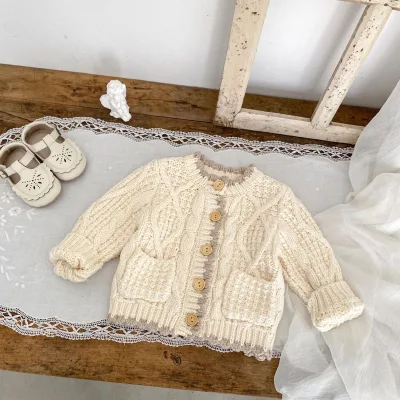
$8.60 - $9.00
MOQ: 10 pieces
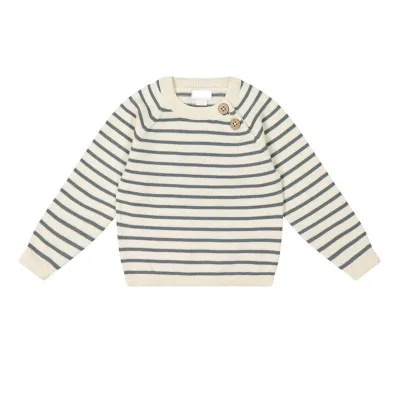
$7.8241 - $8.6584
MOQ: 100 pieces

Dongguan Ardi Apparel Co., Ltd.
- Verified by TUVRHEINLAND
- Manufacturer/Factory
- China Guangdong
- Lead time45 days
- Avg. response≤ 10h
Main productsSweater, Knitwear, Cardigan, Pullover Jumper, Poncho Cape, Coats, Scarf, Beanie Hats, Tights Leggings
Main marketsSouth America,Eastern Europe,Mid East,North America,Southeast Asia,Eastern Asia,Oceania,Western Europe,Africa

Custom Baby Girls Cotton Cardigan Sweater Infant Toddler Girl Button up Ruffle Sweater
$4.90 - $9.90
MOQ: 100 Pieces

Super Soft 100% Organic Cotton Knit Baby Girl Boy Winter Romper for Newborn Jumpsuit Sweater Clothes
$5.90 - $14.90
MOQ: 100 Pieces


$5.90 - $11.90
MOQ: 100 Pieces

Quanzhou Everbest Garment Manufacturing CO.,LTD
- Verified by CTI
- Trading Company,Manufacturer/Factory
- China Fujian
- Lead time45 days
- Avg. response≤ 4h
Main productsKids Clothes, Baby Clothes, Sports Shoes, Gym Clothes, Baby Accessories, Fitness Equipment, Sport Wear
Main marketsSouth America,Eastern Europe,Mid East,North America,Southeast Asia,Eastern Asia,Oceania,Western Europe,Africa

Boutique Newborn Baby 100% Cotton Soft Kids Sweaters Plain Knitted Infant Baby Cardigan Top Sweater
$6.90 - $7.70
MOQ: 50 piece

Sweet Pure Color Infant Sweater Waffle Knit Cardigan Sweater Kids Organic Baby Sweaters
$7.40 - $8.40
MOQ: 50 piece

Dongguan Baiyao Knitting Co., Ltd.
- Verified by SGS Group
- Manufacturer, Trading Company
- Lead time30 days
- Avg. response≤ 2h
Main productsKnitwear Clothing
Hangzhou Sporter Garments Co., Ltd.
- Trading Company
- Lead time旺季: "1 - 1000":31,"> 1000":"To be negotiated", 淡季: "1 - 1000":31,"> 1000":"To be negotiated"
- Avg. response≤ 3h
Main productsCashmere Sweater, Christmas Sweater, Kids Wear, Accessories, Blankets

Tong Lu Spring River Knitting Group Co., Ltd.
- Verified by BV
- Manufacturer/Factory
- China Zhejiang
- Lead time60 days
- Avg. response≤ 25h
Main productsSweater, Cashmere Cardigan, Cashmere Sweater, Knitwear, Merino Sweater, Knitted Pullover, Kid Sweater, Wool Sweater, Women Sweater, Men Sweater
Main marketsEastern Europe,Mid East,North America,Eastern Asia,Western Europe

Goldely Garment Import and Export Inc.
- Verified by SGS
- Trading Company
- China Guangdong
- Lead time15 days
- Avg. response≤ 5h
Main marketsNorth America

$7.00 - $10.00
MOQ: 100 pcs

Baby Long Knit Cotton Knitted Baby Sweater Cardigan Kids Little Girl Sweaters
$9.00 - $13.00
MOQ: 100 pcs


Guangzhou BaiNaJia Garment Co., Ltd
- Verified by SGS
- Manufacturer/Factory
- China Guangdong
- Lead time45 days
- Avg. response≤ 3h
Main productsKnitted Sweater, Women Sweater, Men Sweater, Child Sweater, T-Shirt, Hoodies, Apparel, Custom Sweater, Sweater Products, Fashion Sweater
Main marketsEastern Europe,Mid East,North America
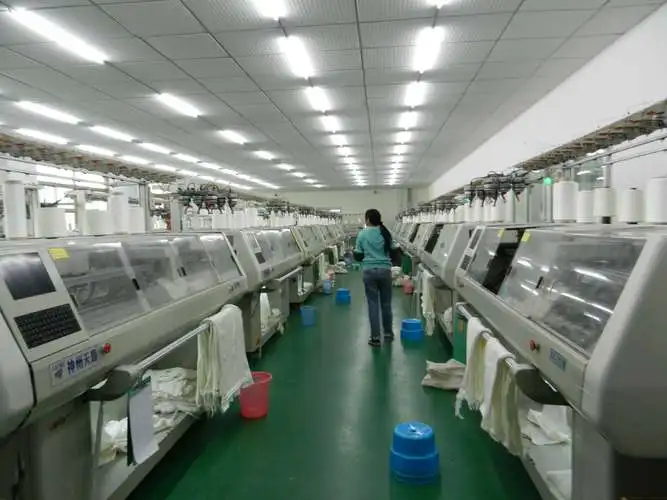
Quanzhou Guikoujing Shoes & Clothing Co., Ltd.
- Trading Company
- Fujian, China
- Lead time18 days
- Avg. response≤ 2h
Main productsBaby romper,Baby blanket,Baby bootes,Baby hat,Baby jumper
Main marketsOceania(50.00%), Eastern Europe(25.00%), Mid East(10.00%), Central America(10.00%), Western Europe(3.00%), Africa(2.00%)
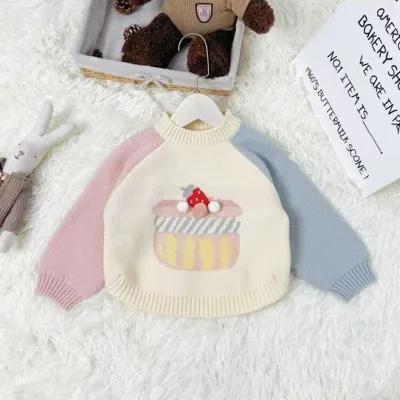
$7.1724 - $8.1986
MOQ: 200 pieces
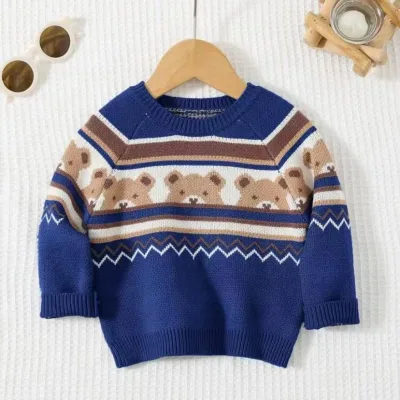
$6.1463 - $7.1724
MOQ: 500 pieces
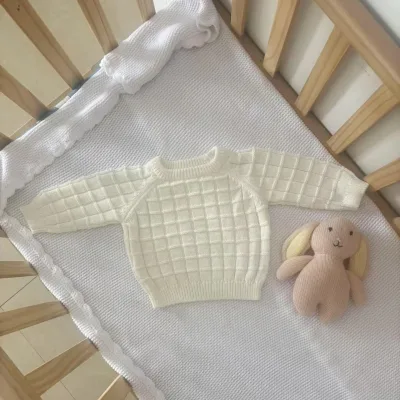
$6.1463 - $7.1724
MOQ: 200 pieces
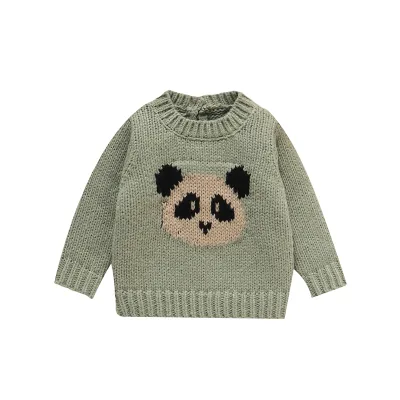

Ningbo V.k. Industry And Trading Co., Ltd.
- Verified by SGS
- Combined
- China Zhejiang
- Lead time60 days
- Avg. response≤ 4h
Main productsFlannel Fleece Blanket, Sherpa Throw Blanket, Dog Waterproof Blanket, Fleece Bathrobe, PVC Leather, TV Blanket, Down Coat, PV Fleece Blanket, Bazin Riche, Ice Bath Tub
Main marketsSouth America,Africa,Southeast Asia/ Mideast,East Asia(Japan/ South Korea),Domestic,Europe,Australia,North America


Hot Sale 3m-4t Warm Plain Pullover Organic Cotton Knitted Kids Baby Sweaters
$7.99 - $9.99
MOQ: 200 Pieces

Children Cotton Sweater Baby Plain Long Sleeve Knitted Handmade 0-36 Month
$10.99 - $15.29
MOQ: 10 Pieces
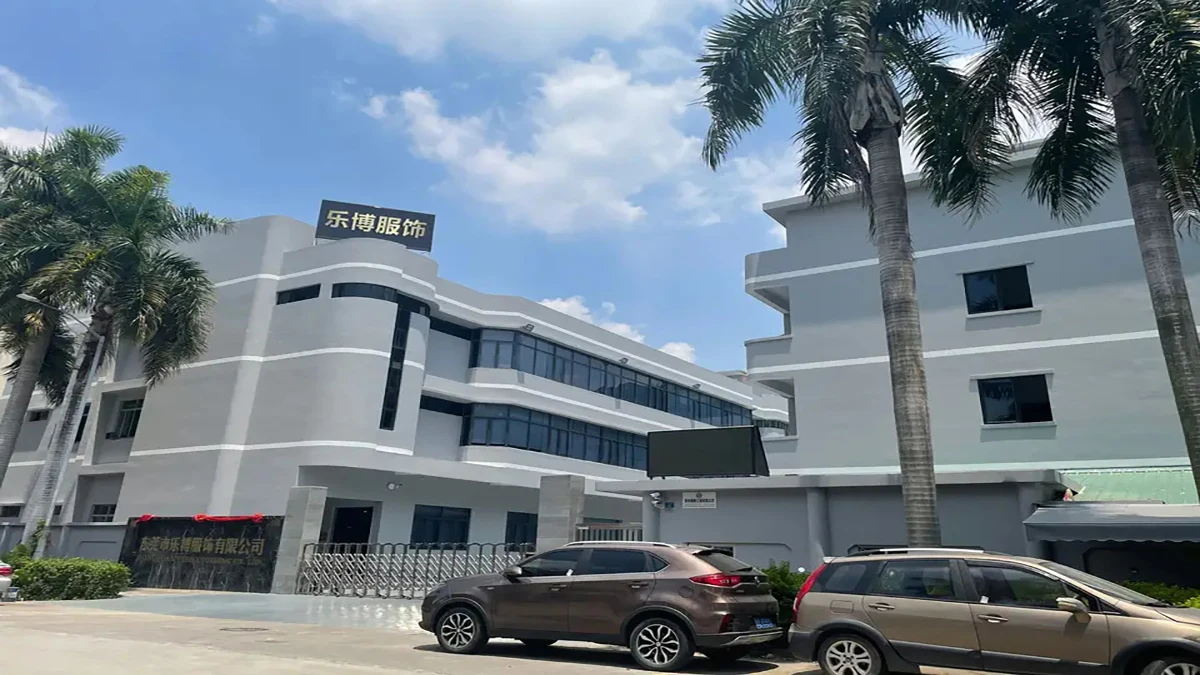
Dongguan Lebo Clothing Co., Ltd.
- Manufacturer, Trading Company
- Guangdong, China
- Lead time0 days
- Avg. response≤ 5h
Main productswomen sweater,men sweater,knit vest,knit dress,knit cardigan
Main marketsSouthern Europe(15.00%), Eastern Europe(15.00%), Western Europe(15.00%), North America(15.00%), Northern Europe(10.00%), South America(10.00%), South Asia(5.00%), Southeast Asia(5.00%), Eastern Asia(5.00%), Oceania(5.00%)

Shanghai Brothers Textile Co., Ltd.
- Verified by TUVRHEINLAND
- Combined
- China Shanghai
- Lead time15 days
- Avg. response≤ 1h
Main productsCashmere Sweater, Cashmere Cardigan, Cashmere Pants, Silk Scarve/Shawl, Printed Scarve/Shawl, Knitting Scarve/Shawl, Blanket, Merino Sweater/Pullover, Cashmere Beanie/Hat, Cashmere Socks/Slippers
Main marketsSouth America,East Asia(Japan/ South Korea),Europe,North America


Top Quality Woolen Spinning Fine Baby Cashmere Lightweight Rolled-Edge-Neck Pullover Sweater
$40.90 - $49.60
MOQ: 50 Pieces

Organic Cashmere Knitted Baby Fashion Crew Neck Kids Pullover Sweater & Joggers
Negotiable
MOQ: 100 Pieces


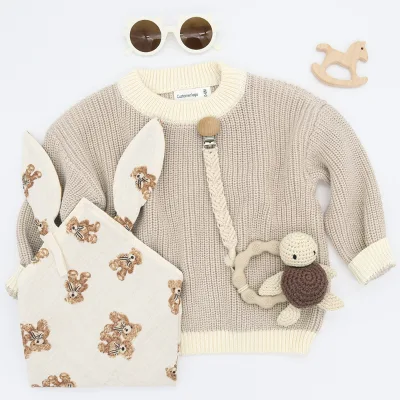
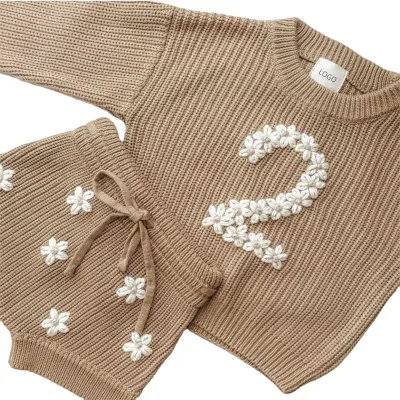


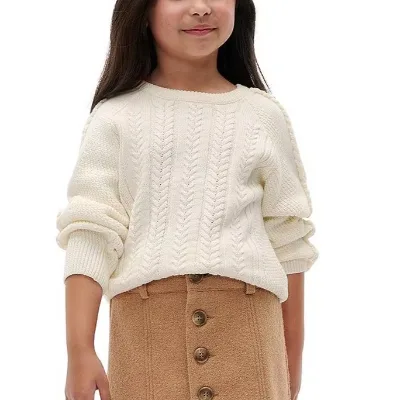
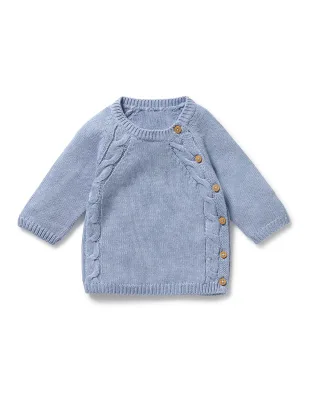


Comprehensive Sourcing Guide
Organic Cotton Modal Baby Sweater Supplier Concentration and Factory Types
The current supplier landscape for organic cotton modal baby sweaters reveals a distinct geographic and operational concentration that buyers must navigate carefully. Evidence indicates that a significant portion of available suppliers are located in Guangdong, China, with additional presence in Zhejiang, China. Specifically, results show locations in Guangdong and Zhejiang, with Ningbo and Zhenjiang cited as origins for certain knitting products. This geographic clustering suggests that buyers seeking organic cotton modal baby sweaters should prioritize regions with established textile infrastructure, particularly Guangdong, which appears to be a primary hub for this type of manufacturing. The presence of suppliers in these specific areas provides a baseline for evaluating logistical efficiency and supply chain maturity. Buyers should verify if the supplier’s stated location aligns with their actual production facilities, as trading companies may list different operational bases than manufacturing sites. Understanding this concentration helps in assessing the reliability of the supply chain and the potential for consistent quality control across large orders.
Regarding factory types, the market includes both manufacturers and trading companies, each offering distinct advantages for sourcing organic cotton modal baby sweaters. The observed data confirms that suppliers are categorized as either Manufacturers or Trading Companies, with some entities specializing in specific product lines like baby clothing, kids clothing, and toddler clothing. Manufacturers typically offer direct control over production processes, which is crucial for maintaining the integrity of organic materials and modal blends. Trading companies, on the other hand, may provide a broader range of products and flexible order sizes, catering to buyers who need diverse sourcing options. It is essential for buyers to distinguish between these types when evaluating potential partners, as the choice impacts lead times, customization capabilities, and communication efficiency. By understanding the mix of supplier types in the current results, buyers can better align their sourcing strategy with their specific business needs, whether they prioritize direct manufacturing relationships or the flexibility of a trading partner.
How to Verify Organic Cotton Modal Baby Sweater Suppliers
Verifying the credibility of suppliers for organic cotton modal baby sweaters requires a multi-layered approach that goes beyond basic company profiles. One critical step is to check for relevant certifications that validate the quality and safety of the products. For instance, some suppliers in the current results hold CPC (Children’s Product Certificate) system certification, which is a vital indicator for baby clothing manufacturers. Buyers should explicitly request and verify such certifications to ensure compliance with international safety standards, particularly for products intended for young children. Additionally, verification badges such as BV (Bureau Veritas) can provide an extra layer of trust, indicating that the supplier has undergone third-party audits. These credentials are not just formalities but essential proof of a supplier’s commitment to quality and regulatory compliance. Buyers should prioritize suppliers who can readily provide these documents, as they significantly reduce the risk of receiving non-compliant or substandard products.
Beyond certifications, assessing the supplier’s responsiveness and operational transparency is crucial for a successful partnership. The current data shows varying response times, with some suppliers responding within 10 hours and others taking up to 20.85 hours. A faster response time often correlates with better communication and quicker problem resolution, which is vital when dealing with custom orders or urgent shipments. Buyers should also look for suppliers who offer Trade Assurance or similar escrow services, as these provide financial protection and ensure that payments are only released upon satisfactory delivery. Furthermore, examining the supplier’s main products and company type can offer insights into their expertise. Suppliers specializing in baby and kids clothing are likely to have more relevant experience and infrastructure for producing organic cotton modal baby sweaters. By combining certification checks, response time analysis, and payment security verification, buyers can effectively filter out unreliable suppliers and identify partners who meet their rigorous standards.
What to Compare Across Organic Cotton Modal Baby Sweater Suppliers
When evaluating multiple suppliers for organic cotton modal baby sweaters, buyers must compare several key operational metrics to determine the best fit for their business. One of the most critical factors is the Minimum Order Quantity (MOQ), which varies significantly across suppliers. Current results indicate MOQs of 50 pieces for some items and 80 pieces for others, reflecting different production capacities and business models. Buyers with smaller initial orders may prefer suppliers with lower MOQs, while those planning large-scale production might benefit from suppliers with higher capacity. Additionally, lead times are a crucial comparison point, with some suppliers offering a 30-day lead time and others supporting 7-day sample order lead times. Understanding these timelines helps buyers plan their inventory and manage customer expectations effectively. Comparing these metrics allows buyers to align supplier capabilities with their specific order volumes and delivery requirements, ensuring a smoother procurement process.
Another important aspect to compare is the product specifications and customization options available from each supplier. The current data shows variations in materials, with some products made from 100% Cotton and others from 100% Organic Cotton, highlighting the importance of verifying the exact material composition. Buyers should also compare the supply types offered, such as ODM, OEM service, and in-stock items, to determine which model best suits their branding and product development needs. Price ranges also differ, with some products priced between $6.10 and $7.60, while others range from $8.97 to $10.51. These price differences may reflect variations in material quality, production complexity, or supplier positioning. By systematically comparing MOQs, lead times, material specifications, supply types, and prices, buyers can make informed decisions that balance cost, quality, and flexibility. This comprehensive comparison ensures that the selected supplier can meet all of the buyer’s operational and commercial requirements for organic cotton modal baby sweaters.
Common Organic Cotton Modal Baby Sweater Sourcing Risks
Sourcing organic cotton modal baby sweaters involves several inherent risks that buyers must proactively manage to ensure a successful procurement process. One significant risk is the potential discrepancy between the claimed material composition and the actual product received. While some suppliers advertise 100% Organic Cotton, others may use blends or lower-grade materials, which can impact the product’s quality and safety. Buyers must insist on detailed material specifications and request third-party lab tests to verify the organic content and the absence of harmful substances. Another risk is the variability in production quality, especially when dealing with custom designs or intricate knitting patterns. The current results show various technics, such as computer knitting and yarn dyeing, which require specific expertise to execute correctly. Inconsistent quality can lead to high return rates and damage to the buyer’s brand reputation. Therefore, implementing strict quality control measures and conducting pre-shipment inspections are essential steps to mitigate this risk.
Logistical and communication risks also pose challenges in the sourcing process. The current data indicates varying response times, with some suppliers taking over 20 hours to respond, which can delay decision-making and order processing. Slow communication can lead to misunderstandings regarding product specifications, delivery schedules, and payment terms. Additionally, the reliance on trading companies may introduce additional layers of complexity, as they act as intermediaries between the buyer and the manufacturer. This can result in reduced transparency and potential delays in resolving issues. Buyers should establish clear communication protocols and regular check-ins to maintain oversight of the production process. Furthermore, the risk of supply chain disruptions, such as raw material shortages or production bottlenecks, can affect lead times. By identifying and addressing these risks early in the sourcing process, buyers can build a more resilient supply chain and ensure the timely delivery of high-quality organic cotton modal baby sweaters.
Organic Cotton Modal Baby Sweater Regional Sourcing and Logistics
The geographic location of suppliers plays a pivotal role in determining the logistics and shipping costs for organic cotton modal baby sweaters. Current results highlight a concentration of suppliers in Guangdong, China, and Zhejiang, China, with specific mentions of Ningbo and Zhenjiang as production origins. Guangdong is a major manufacturing hub known for its efficient textile production and robust logistics infrastructure, which can facilitate faster and more cost-effective shipping to international markets. Buyers sourcing from this region can benefit from established supply chains and a wide range of shipping options. Similarly, suppliers in Zhejiang, particularly those in Ningbo, offer access to one of the world’s busiest ports, which can streamline export processes and reduce transit times. Understanding these regional advantages allows buyers to optimize their logistics strategy and minimize shipping costs.
However, buyers must also consider the potential challenges associated with regional sourcing, such as customs regulations and import duties. Different countries have varying requirements for textile imports, particularly for baby clothing, which may require specific labeling or safety certifications. Buyers should ensure that their suppliers are familiar with these regulations and can provide the necessary documentation for smooth customs clearance. Additionally, the distance between the supplier’s location and the buyer’s destination will impact shipping costs and delivery times. For buyers in North America or Europe, sourcing from Guangdong or Zhejiang may involve longer transit times compared to regional suppliers. By carefully evaluating the logistical implications of each supplier’s location, buyers can make informed decisions that balance cost, speed, and reliability. This strategic approach to regional sourcing ensures that the supply chain for organic cotton modal baby sweaters is both efficient and compliant with international trade standards.
Organic Cotton Modal Baby Sweater Commercial Terms and Order Planning
Effective commercial terms and order planning are essential for managing the procurement of organic cotton modal baby sweaters successfully. Payment terms are a critical component of this process, with current results indicating options such as Trade Assurance, PayPal, Western Union, and T/T. Buyers should prioritize suppliers who offer secure payment methods like Trade Assurance, which provides protection against fraud and ensures that funds are only released upon satisfactory delivery. Understanding the payment structure helps buyers manage their cash flow and mitigate financial risks. Additionally, buyers must plan their orders based on the supplier’s lead times and MOQs. With lead times ranging from 7 days for samples to 30 days for production, buyers need to align their order schedules with their sales forecasts and inventory requirements. This proactive planning ensures that products are available when needed, avoiding stockouts or excess inventory.
Customization and branding options also play a significant role in commercial planning. Many suppliers offer ODM and OEM services, allowing buyers to create unique products with custom logos, designs, and packaging. The current data shows that suppliers accept customized designs and logos, which can enhance brand identity and market differentiation. Buyers should clearly communicate their customization requirements and confirm the associated costs and lead times with the supplier. Furthermore, packaging details, such as polybags or cartons, should be specified to ensure that products are protected during transit and meet retail requirements. By carefully negotiating commercial terms and planning orders with attention to customization and logistics, buyers can optimize their sourcing strategy for organic cotton modal baby sweaters. This comprehensive approach ensures that the procurement process is efficient, cost-effective, and aligned with the buyer’s business objectives.
FAQs
What is the minimum order quantity for organic cotton baby sweaters?
The minimum order quantity is typically 50 pieces for most suppliers. This standard applies to both O-neck cardigans and solid color sweatshirts. Buyers should confirm specific stock availability before placing orders to ensure timely fulfillment and consistent quality across the batch.
How long does production take for custom organic cotton sweaters?
Standard lead times are approximately 30 days for bulk production. Sample orders can be prepared within 7 days for approval. Buyers should account for shipping duration when planning inventory. Custom designs may require additional time for pattern development and material sourcing.
Are these baby sweaters made from 100% organic cotton?
Yes, many options are crafted from 100% organic cotton or cotton blends. Materials are selected for breathability and comfort. Some items feature yarn-dyed techniques for enhanced colorfastness. Buyers should verify specific material compositions to ensure they meet their safety and comfort standards.
What certifications do these suppliers hold for children's clothing?
Suppliers often hold CPC certification for children's products. This ensures compliance with safety standards for young wearers. Buyers should request valid certification documents before finalizing purchases. Additional quality checks may be necessary depending on the target market regulations and specific product requirements.
Can suppliers provide custom logos and designs for orders?
Yes, most manufacturers support ODM and OEM services. Custom logos and designs are welcomed for bulk orders. Buyers can choose from various colors and patterns. Minimum order quantities usually apply to customized items. Early communication ensures accurate production timelines and cost estimates.
What is the price range for wholesale organic cotton sweaters?
Prices typically range from $6.10 to $10.52 per piece. Costs vary based on material, design complexity, and order volume. Higher quantities often secure better unit prices. Buyers should request detailed quotes including shipping and customization fees for accurate budgeting and comparison.