Organic Coconut Oil Hair Masque Suppliers and Manufacturers
Source 29 verified Organic Coconut Oil Hair Masque suppliers from Guangdong and Jiangxi. Compare lead times, MOQs, certifications like GMPC and ISO, and response rates. Review product specs and request samples to verify quality before placing orders; review the available evidence before requesting comparable quotations from suitable candidates.
Updated
Suppliers List

Bingo Cosmetic Manufacture Ltd.
- Manufacturer, Trading Company
- Guangdong, China
- Lead time45 days
- Avg. response≤ 3h
Main productsHair Care Products; Hair Dyeing Products; Skin Care Products; Hair Styling Products; Pet Care Products,Hair Dyeing Products,Hair Styling Products,Skin Care Products,Pet Cleaning Products
Main marketsSouth Asia(100.00%), North America(53.00%), Domestic Market(9.00%), Southeast Asia(8.00%), South America(6.00%), Mid East(6.00%), Western Europe(4.00%), Oceania(3.00%), Africa(3.00%), Southern Europe(2.00%), Eastern Europe(2.00%), Northern Europe(2.00%), Central America(1.00%), Eastern Asia(1.00%)
Jiangxi Global Natural Spice Co., Ltd.
- Manufacturer, Trading Company
- Lead time旺季: "1 - 1000":7,"1001 - 5000":15,"> 5000":"To be negotiated", 淡季: "1 - 1000":7,"1001 - 5000":15,"> 5000":"To be negotiated"
- Avg. response≤ 9h
Main productsBody Care Set, Essential Oil, Hair Care Sets, Skin Care Set, Sunscreen
Guangzhou Baiyun District Mayllinebe Cosmetics Factory
- Verified by SGS Group
- Trading Company
- Lead time6 days
- Avg. response≤ 5h
Main productsCollagen Crystal Facial Mask, Eye Mask, Lip Mask, Cream & Lotion, Hand & Foot Mask
Main marketsDomestic Market(32%), North America(12%), Southeast Asia(11%)
Guangzhou Locroyal Cosmetics Co., Ltd.
- Verified by SGS Group
- Manufacturer, Trading Company
- Lead time0 days
- Avg. response≤ 4h
Main productsHair Treatment, Hair Shampoo, Hair Conditioner, Hair Oil, Hair Mask
Main marketsSoutheast Asia(21%), North America(20%), Eastern Europe(19%)
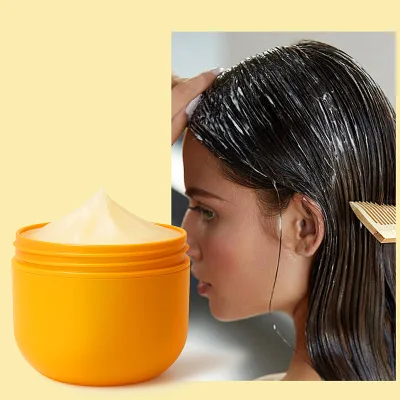
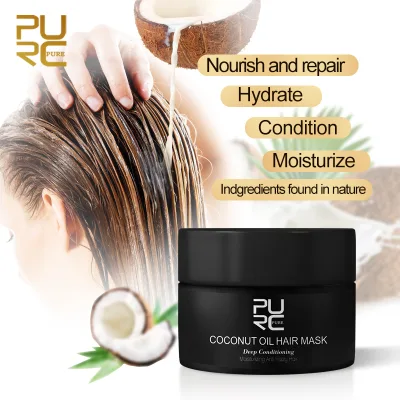
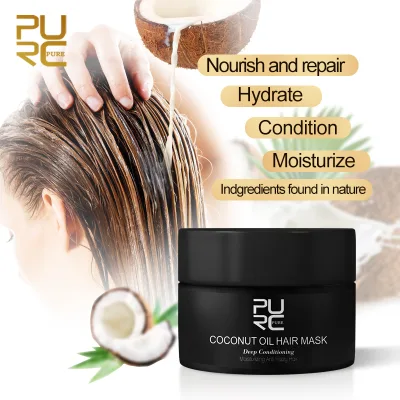
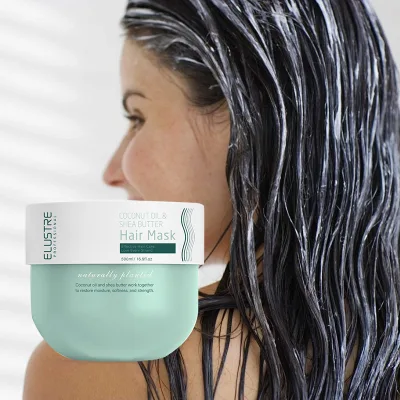
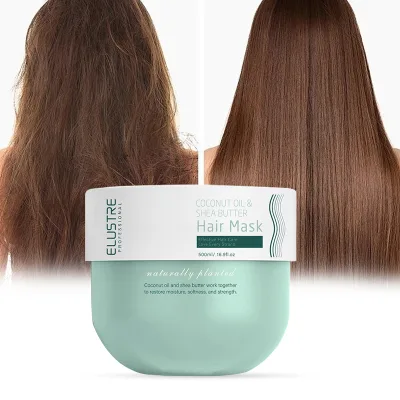
Deeply Conditioning Organic Nourishing Coconut Oil Hair Mask Private Label
$1.8446 - $2.2545
MOQ: 100 pieces

Guangzhou Mebamy Cosmetics Co., Ltd.
- Verified by TUVRHEINLAND
- Manufacturer/Factory
- China Guangdong
- Lead time15 days
- Avg. response≤ 1h
Main productsFace Serum, Soap, Face Cream, Sunscreen, Eyelash Growth Serum, Teeth Whitening, Face Mask, Facial Cleanser, Essential Oil, Hair Care Series
Main marketsNorth America,Western Europe
Guangzhou Zhiwang Cosmetics Co., Ltd.
- Trading Company
- Guangdong, China
- Lead time0 days
- Avg. response≤ 3h
Main productsHair shampoo,Body cream,Hair conditioner,Hair Mask,Hair oil serum
Main marketsSoutheast Asia(30.00%), Mid East(20.00%), South America(20.00%), North America(10.00%), Africa(10.00%), South Asia(5.00%), Central America(5.00%)

Guangzhou Aifujia Biotechnology Co., Ltd.
- Trading Company
- China Guangdong
- Lead time15 days
- Avg. response≤ 4h
Main productsFace Cream, Face Serum, 24K Serum, Rose Spray, Vitamin C Serum, Skin Care Set, Essential Oil, Facial Mask, Face Lotion, Anti Aging Whitening Face Cream
Main marketsSoutheast Asia/ Mideast,Europe,North America

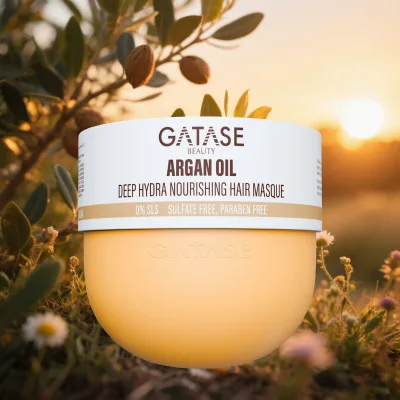
Cruelty-Free Hair-Repairing Nourishing and Organic Argan Oil Coconut Hair Products Mask
$2.30 - $2.50
MOQ: 500 Pieces

$3.50 - $4.40
MOQ: 1000 Pieces
Guangzhou Gatase Cosmetics Co., Ltd.
- Verified by TüVRheinland
- Trading Company
- Lead time0 days
- Avg. response≤ 4h
Main productsShampoo, Hair Conditioner, Styling Products, Hair Care Product, Hair Treatment
Main marketsNorth America(30%), Mid East(30%), South America(10%)
Guangzhou Sun Young Cosmetics Co., Ltd.
- Verified by Intertek
- Trading Company
- Guangdong, China
- Lead time0 days
Main productsHair Care, Hair Dye, Hair Styling, Body Care, Hair Treatment
Guangzhou Aiying Network Technology Co., Ltd.
- Trading Company
- Guangdong Province, China
- Lead time15 days
- Avg. response≤ 3h
Main productsHair Spray,Body Spray,Hair Care,Hair Styling,Body Care
Main marketsNorth America(38.00%), Eastern Europe(13.00%), Western Europe(12.00%), Oceania(12.00%), Mid East(10.00%), Africa(7.00%), Southeast Asia(5.00%), South America(3.00%)

Rhine International Biotechnology (Guangdong) Co., Ltd.
- Verified by CTI
- Manufacturer/Factory
- China Guangdong
- Lead time23 days
- Avg. response≤ 6h
Main productsSkin Care, Face Serum, Face Cream, Eye Cream, Body Lotion, Cosmetics, Makeup, Lipstick, Lip Gloss, Lip Balm
Main marketsSouth America,Eastern Europe,Mid East,North America,Southeast Asia,Eastern Asia,Oceania,Western Europe,Africa

Custom Treatment Hair Masque Conditioner Organic Repair Collagen Argan Oil Hair Mask
$1.58 - $2.88
MOQ: 1000 Pieces

OEM Treatment Hair Masque Organic Repair Collagen Conditioner Hair Mask
$1.98 - $2.88
MOQ: 1000 Pieces

Guangzhou Gaoyou Cosmetics Co., Ltd.
- Verified by BV
- Combined
- China Guangdong
- Lead time15 days
- Avg. response≤ 4h
Main marketsAfrica,Southeast Asia/ Mideast,East Asia(Japan/ South Korea),Australia,North America


Organic Moisturizing Fast Repair Smoothing Deep Conditioning Hair Masks
$0.04 - $0.09
MOQ: 10000 Pieces

Guangdong Hodm Professionals Cosmetics Co.,ltd.
- Manufacturer
- Guangdong, China
- Lead time15 days
- Avg. response≤ 2h
Main productsShampoo & Conditioner, Hair Oil, Hair Mask, Hair Styling Products, Hair Care Spray
Main marketsNorth America(30.00%), Oceania(10.00%), Mid East(10.00%), Western Europe(7.00%), Southern Europe(7.00%), Northern Europe(7.00%), Eastern Europe(7.00%), South Asia(6.00%), Southeast Asia(6.00%), Eastern Asia(5.00%), Central America(2.00%), Africa(2.00%), South America(1.00%)

Guangdong Boda Cosmetics Co,.Ltd.
- Verified by BV
- Manufacturer/Factory
- China Guangdong
- Lead time23 days
- Avg. response≤ 6h
Main productsHair Bleaching Powder, Hair Dye, Hair Care, Shampoo, Hair Conditioner, Hair Bleach Cream, Silver Shampoo, Olaplex, Hair Perm, Hair Mask
Main marketsSouth America,Eastern Europe,Mid East,North America,Southeast Asia,Eastern Asia,Oceania,Western Europe,Africa


Private Label OEM Organic Natural Hair Care Serum Product Mask Morocco Hair Oil Hair Treatment
$2.55 - $2.80
MOQ: 100 Pieces


Hair Mask Organic Treatment Fill-up for Dry and Damaged Hair with Keratin
$2.70 - $2.90
MOQ: 24 Pieces


Wholesale High Quality Protein Mask for Damage Hair Natural Plant Hair Mask
$1.30 - $1.45
MOQ: 24 Pieces
Guangzhou Baiyun Kaqi Daily Cosmetics Factory
- Manufacturer, Trading Company
- Guangdong, China
- Lead time0 days
- Avg. response≤ 3h
Main productsDibeier Shampoo,Qiao Fei Shampoo,Qiao Fei Condition,Ylas Hair Mask,Garden Hair Mask
Main marketsEastern Asia(25.00%), Mid East(25.00%), Africa(25.00%), Southeast Asia(25.00%)

Zhaoqing Kaijoe Technology Co., Ltd.
- Verified by TUVRHEINLAND
- Combined
- China Guangdong
- Lead time23 days
- Avg. response≤ 5h
Main productsHair Shampoo, Hair Conditioner, Hair Gel, Hair Color, Bleaching Powder, Hair Dye, Bleching Powder, Hair Treatment, Hair Serum
Main marketsSoutheast Asia/ Mideast


Argan Oil Hair Mask - Deep Hair Mask Treatment for Dry, Damaged Hair - 500ml
$2.00 - $2.50
MOQ: 1000 Pieces

Hair Treatment Mask Hot Sale Hair Mask Repaire Damaged Hair and Deep Moisturizing for Hair Care
$2.00 - $2.50
MOQ: 1000 Pieces

2023 New China Best Nourishing Hair Mask Best Hair Treatment for Damaged Hair
$2.00 - $2.50
MOQ: 1000 Pieces

Guangdong Cangty International Cosmetics Co., Ltd.
- Verified by SGS
- Combined
- China Guangdong
- Lead time15 days
- Avg. response≤ 7h
Main productsShampoo, Hair Wax, Hair Conditioner, Hair Serum, Hair Essence, Hair Mousse, Hair Spray, Hair Styling Cream, Hair Shampoo, Wax Sticker
Main marketsOthers(foreignTradeCapacity.exportBusinessCapacityMarketOther),Domestic


Private Label 100% Organic Argan Oil for Treatment Dry or Damaged Keratin Hair Mask
$1.35 - $1.95
MOQ: 36 Pieces
Guangzhou Dionly Biotech Co., Ltd
- Trading Company
- China Guangdong
- Lead time23 days
- Avg. response≤ 3h
Main productsHair Care Products, Eye Care Products, Beauty Makeup, Toothpaste, Hair Shampoo, Hair Mask, Eye Cream, Eye Serum, Lip Stick, Face Cleanser
Main marketsSouth America,Eastern Europe,Mid East,North America,Southeast Asia,Eastern Asia,Oceania,Western Europe,Africa

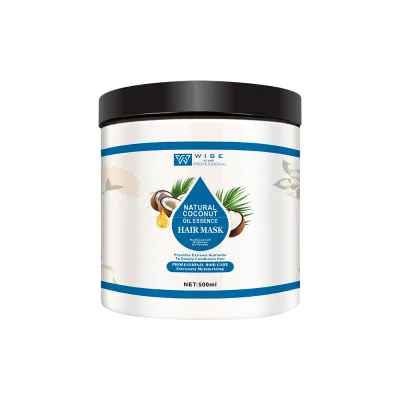
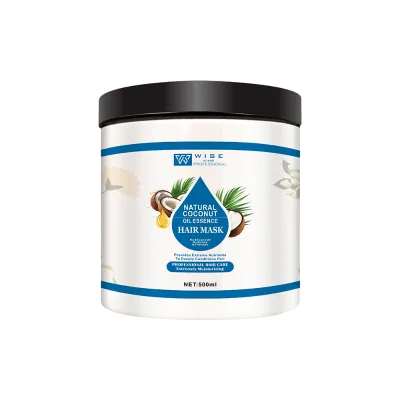
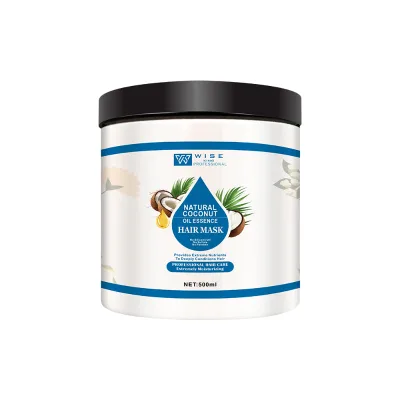
Private Label Coconut Oil Hair Mask Bulk Deep Moisturizing Nourish Dry Hair OEM ODM
$1.25 - $2.25
MOQ: 1000 Pieces

$1.25 - $2.25
MOQ: 1000 Pieces

SUZHOU LONGLIFU IMP. & EXP. CO., LTD.
- Verified by TUVRHEINLAND
- Manufacturer/Factory
- China Jiangsu
- Lead time23 days
- Avg. response≤ 10h
Main productsDaily Chemicals, Skin Care Products, Hair Care Products, Oral Care, Household Cleaning Products, Cosmetics, Animal Care, Perfume, Pet Care Products
Main marketsSouth America,Mid East,Southeast Asia,Eastern Asia,Western Europe,Africa
Guangzhou Chengzhe Meifu Cosmetic Co., Ltd.
- Verified by Intertek
- Trading Company
- Lead time0 days
- Avg. response≤ 2h
Main productsFacial Care, Body Care, Pet Care, Oral Care, Men's Care
Main marketsNorth America(65%), Western Europe(15%), Northern Europe(10%)

Guangzhou Tinsun Biotechnology Company Limited
- Combined
- China Guangdong
- Lead time15 days
- Avg. response≤ 8h
Main productsSkin Care
Main marketsEast Asia(Japan/ South Korea),Australia,North America

Organic Argan Oil Collagen Care Steaming Hair Mask Treatment for Dry Damaged
$1.18 - $2.15
MOQ: 100 Pieces


Repair Magical Treatment Hair Mask Organic Collagen Nourishing Hair Mask with Herbal Soft Smoothing
$1.21 - $2.20
MOQ: 100 Pieces


Guangdong Boda Cosmetics Co, . Ltd.
- Verified by CTI
- Combined
- China Guangdong
- Lead time23 days
- Avg. response≤ 5h
Main productsHair Bleach Powder, Hair Color, Hair Bleach Cream, Hair Color Conditioner, Semi-Permanent Hair Color, Hair Shampoo, Hair Conditioner, Hair Mask, Hair Treatment
Main marketsSouth America,Africa,Southeast Asia/ Mideast,East Asia(Japan/ South Korea),Domestic,Europe,Australia,North America


450ml Hair Care Products Organic Color-Treated&Nourishing Hair Mask Treatment
$1.28 - $1.45
MOQ: 1 pieces

Hair Care Products 850ml Moisturizing & Conditioning Amino Acid Hair Mask Treatment
$2.36 - $2.79
MOQ: 1 pieces

850ml Hair Care Products Conditioning&Moisturizing Amino Acid Hair Mask Treatment
$2.36 - $2.79
MOQ: 1 pieces

Wholesale Hair Care Products Organic Nourishing & Color- Treated Hair Mask Treatment
$1.28 - $1.45
MOQ: 1 pieces

Hair Care Products 850ml Deep Nourishing Moisturizing Collagen Hair Mask Treatment
$2.36 - $2.79
MOQ: 1 pieces
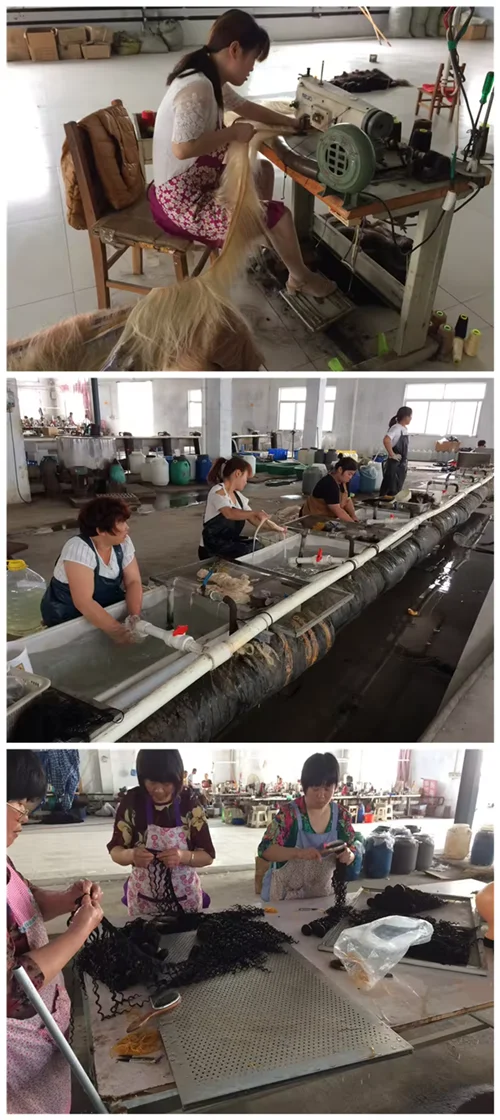
Guangzhou Hongting Hair Products Co., Ltd.
- Manufacturer, Trading Company
- Guangdong, China
- Lead time10 days
- Avg. response≤ 5h
Main productshuman hair bundles,huaman hair wig,lace frontal and lace closure,full lace wig,Colored hair
Main marketsNorth America(40.00%), Southern Europe(10.00%), South America(10.00%), Western Europe(9.00%), South Asia(5.00%), Mid East(5.00%), Eastern Europe(5.00%), Africa(5.00%), Oceania(4.00%), Eastern Asia(3.00%), Domestic Market(1.00%), Central America(1.00%), Southeast Asia(1.00%), Northern Europe(1.00%)
Shenzhen Meihui Biotechnology Co., Ltd.
- Verified by Intertek
- Manufacturer, Trading Company
- Lead time25 days
- Avg. response≤ 3h
Main productsSkin Care, Hair care, Body care, Intimate care, Pimple Patche
Main marketsNorth America(70%), Western Europe(15%), Eastern Europe(5%)
Guangdong Kesimei Biotechnology Co., Ltd.
- Verified by TüVRheinland
- Manufacturer, Trading Company
- Lead time45 days
- Avg. response≤ 4h
Main productsShampoo, Conditioner, Hair Mask, Body Wash, Hair Dye
Main marketsNorth America(25%), Domestic Market(12%), Southeast Asia(9%)

Suzhou Darpool Import and Export Co., Ltd.
- Verified by BV
- Trading Company
- China Jiangsu
- Lead time15 days
- Avg. response≤ 4h
Main productsShampoo, Body Lotion
Main marketsSoutheast Asia/ Mideast
Guangzhou Hodm Professionals Cosmetics Co., Ltd.
- Manufacturer, Trading Company
- Lead time旺季: "1 - 48":7,"> 48":"To be negotiated", 淡季: "1 - 48":7,"> 48":"To be negotiated"
- Avg. response≤ 2h
Main productsShampoo & Conditioner, Hair Oil, Hair Mask, Hair Styling Products, Hair Care Spray
Baytiful (Huizhou) Cosmetics Co., Ltd.
- Verified by TüVRheinland
- Manufacturer, Trading Company
- Lead time0 days
- Avg. response≤ 1h
Main productsHair Styling Products, Hair Perm Products, Hair Color Products, Hair Care Products, Hair Conditioner
Main marketsNorth America(21%), Western Europe(12%), Mid East(11%)
Hongliyuan Tech (guangzhou) Llc
- Manufacturer, Trading Company
- Guangdong, China
- Lead time15 days
- Avg. response≤ 3h
Main productsCosmetics, Hair Care Products, Skin Care Products
Main marketsDomestic Market(53.00%), North America(10.00%), Southeast Asia(8.00%), Northern Europe(6.00%), South America(5.00%), Eastern Europe(5.00%), Oceania(3.00%), Western Europe(2.00%), Southern Europe(2.00%), Central America(2.00%), South Asia(1.00%), Eastern Asia(1.00%), Africa(1.00%), Mid East(1.00%)
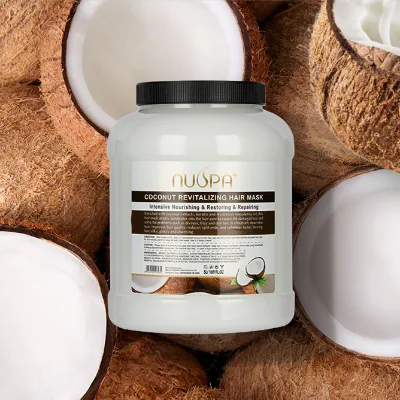
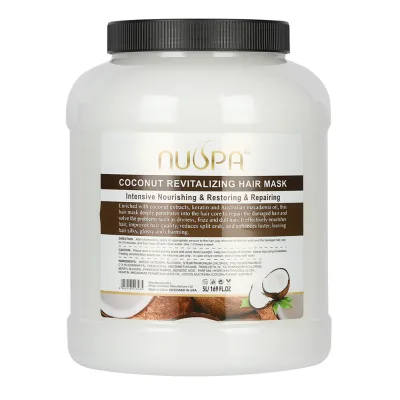
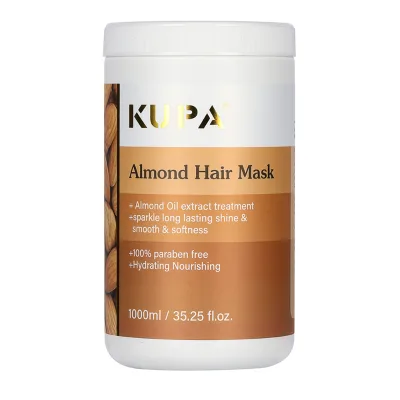
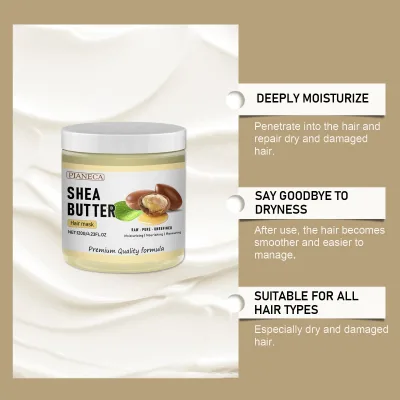






Comprehensive Sourcing Guide
Organic Coconut Oil Hair Masque Supplier Concentration and Factory Types
The current supplier landscape for organic coconut oil hair masques reveals a distinct concentration of manufacturing and trading entities within specific industrial regions. Evidence indicates that a significant portion of these suppliers are located in Guangdong, China, a region known for its robust personal care manufacturing infrastructure. This geographic clustering suggests that buyers seeking bulk quantities or customized formulations may find a higher density of capable factories in this area. The presence of both manufacturers and trading companies in these results highlights a mixed supply chain where direct factory access and intermediary services coexist. Buyers must carefully distinguish between the two types to understand the true cost structure and communication flow. Manufacturers typically offer greater control over production processes and raw material sourcing, which is critical for maintaining the integrity of organic ingredients like coconut oil. Trading companies, on the other hand, may provide a broader portfolio of complementary products, such as skin care sets or essential oils, allowing for consolidated shipping and simplified logistics. Understanding this distinction is the first step in evaluating the reliability and scalability of potential partners.
Within this concentrated market, the types of companies vary in their specialization and service offerings. Some suppliers focus exclusively on hair care products, including styling items and dyes, while others operate as general personal care manufacturers with a diverse main product list that includes body care and sunscreen. This diversity impacts the depth of expertise available for organic coconut oil formulations. Suppliers with a narrow focus on hair care may possess more specialized equipment for handling viscous creams and emulsions, ensuring consistent texture and stability in large-volume masques. Conversely, generalist manufacturers might offer more flexible OEM/ODM services, catering to brands that wish to expand their product lines beyond hair care. The evidence shows that many suppliers provide services such as private labeling and custom packaging, which are essential for brand differentiation. Buyers should assess whether the supplier’s primary focus aligns with their specific quality requirements and brand positioning. A manufacturer with twenty-plus years of experience in hair repair treatments may offer more reliable technical support than a newer entrant, even if both are located in the same industrial cluster.
How to Verify Organic Coconut Oil Hair Masque Suppliers
Verifying the legitimacy and capability of suppliers requires a multi-layered approach that goes beyond surface-level product listings. One critical step is to confirm the supplier’s physical location and operational history. While some results indicate a presence in Guangdong, others point to origins in Jiangxi, China. Buyers must verify these locations through business licenses or third-party audits to ensure the factory exists and operates as claimed. The presence of certifications such as GMPC and ISO is a strong indicator of quality management systems, but these documents must be validated for authenticity and current validity. Buyers should request copies of these certificates and cross-reference them with the issuing bodies. Additionally, the claim of "20+ Years Experience" for certain products suggests a mature operation, but this should be corroborated with company registration dates or client references. Establishing the supplier’s track record helps mitigate the risk of engaging with shell companies or inexperienced traders who may not have the capacity to handle large orders or maintain consistent quality standards over time.
Another vital verification step involves assessing the supplier’s responsiveness and sample quality. The response time data, which varies from three to nine hours, provides a preliminary gauge of operational efficiency. Faster response times often correlate with better customer service and quicker problem resolution, which is crucial during the sampling and production phases. Buyers should initiate contact to test this responsiveness and evaluate the clarity and professionalism of the communication. Requesting samples is equally important, as it allows for direct evaluation of the product’s texture, scent, and efficacy. Some suppliers offer free samples, which reduces the initial cost of evaluation, while others may charge a fee that is refundable upon order placement. The sample’s ingredient list should be scrutinized to ensure it matches the advertised organic coconut oil content and other key components like shea butter or argan oil. Buyers should also verify the supplier’s ability to provide detailed product specifications, including volume, weight, and packaging dimensions, to ensure compatibility with their distribution channels. This due diligence ensures that the supplier can meet both quality and logistical requirements before committing to a larger purchase.
What to Compare Across Organic Coconut Oil Hair Masque Suppliers
When evaluating multiple suppliers, buyers must systematically compare key operational metrics to identify the most suitable partner. One of the most significant differentiators is the minimum order quantity (MOQ). The evidence shows a wide range, with some suppliers offering an MOQ of just one unit, while others require a minimum of 500 pieces. This disparity allows buyers to align their order size with their inventory capacity and market demand. Smaller MOQs are ideal for testing new markets or launching limited edition products, whereas larger MOQs may offer better unit economics for established brands. Buyers should also compare the lead times, which can vary significantly based on order volume and seasonality. For instance, some suppliers indicate lead times of seven to fifteen days for smaller orders, with larger volumes requiring negotiation. Understanding these timelines is crucial for planning inventory replenishment and avoiding stockouts during peak seasons. Additionally, the response time, ranging from three to nine hours, should be factored into the decision, as it impacts the speed of issue resolution and order processing.
Price and product specifications are another critical area for comparison. The price range for organic coconut oil hair masques varies, with some products priced between $1.32 and $1.78 per unit, while others range from $5.60 to $6.30. These differences may reflect variations in ingredient quality, packaging complexity, or volume. Buyers should compare the product attributes, such as volume (e.g., 100ml vs. 5L), ingredient composition (e.g., organic, herbal, almond oil), and functional benefits (e.g., damage repair, moisturizing). Suppliers offering OEM/ODM services provide greater flexibility for customization, which can be a decisive factor for brands seeking unique product identities. The availability of private labeling and custom packaging services should also be evaluated, as these services add value but may incur additional costs. Furthermore, buyers should compare the supplier’s main product offerings to assess their breadth of expertise. A supplier specializing in hair care may offer more targeted solutions than a generalist manufacturer. By systematically comparing these dimensions, buyers can make informed decisions that balance cost, quality, and operational efficiency.
Common Organic Coconut Oil Hair Masque Sourcing Risks
Sourcing organic coconut oil hair masques involves several inherent risks that buyers must proactively manage to ensure a smooth procurement process. One significant risk is the variability in product quality and ingredient authenticity. While suppliers may claim their products are organic, the actual composition can vary, especially if the supply chain for raw materials is not tightly controlled. Buyers must be vigilant about verifying the source of the coconut oil and other key ingredients to ensure they meet organic standards. The presence of natural plant extracts and herbal components adds complexity, as these ingredients can be susceptible to contamination or degradation if not stored and handled properly. Additionally, the claim of "100% Natural Herbal" features requires careful verification, as marketing terms do not always reflect regulatory compliance. Buyers should request detailed ingredient lists and safety data sheets to assess the product’s safety and efficacy. Failure to do so can result in receiving products that do not meet brand standards or regulatory requirements, leading to costly returns and reputational damage.
Another common risk is the inconsistency in lead times and order fulfillment. The evidence shows that lead times can be "To be negotiated" for larger orders, indicating a lack of standardization in production scheduling. This uncertainty can disrupt supply chains, especially for buyers with tight inventory management systems. Seasonal fluctuations, such as peak and off-peak periods, further complicate planning, with lead times potentially extending during high-demand seasons. Buyers must establish clear communication channels and contractual agreements to mitigate these risks. Additionally, the risk of miscommunication regarding product specifications, such as volume, weight, and packaging dimensions, can lead to logistical errors. For example, a discrepancy in single package size or gross weight can affect shipping costs and storage requirements. Buyers should confirm all specifications in writing before placing orders. Furthermore, the risk of relying on trading companies rather than manufacturers can obscure the true production capabilities and quality control measures. Buyers must ensure that any intermediary is transparent about their role and provides direct access to factory information when necessary.
Organic Coconut Oil Hair Masque Regional Sourcing and Logistics
The geographic location of suppliers plays a crucial role in determining logistics costs and delivery efficiency. The evidence indicates that many suppliers are located in Guangdong, China, a major hub for personal care manufacturing. This region benefits from well-developed infrastructure, including ports and transportation networks, which can facilitate efficient export operations. Buyers sourcing from this region may benefit from shorter transit times and lower shipping costs compared to suppliers in more remote areas. However, the presence of suppliers in other regions, such as Jiangxi, China, introduces variability in logistics planning. Buyers must assess the proximity of the supplier to major shipping ports to estimate transit times accurately. Additionally, the single package size and gross weight of the products, such as 25x25x25 cm and 6.0 kg for a 5L masque, impact shipping efficiency. Larger volumes may require palletized shipping, while smaller packages can be consolidated more easily. Buyers should work with freight forwarders to optimize shipping routes and modes, considering factors like cost, speed, and product sensitivity.
Logistics planning also involves understanding the supplier’s packaging and handling capabilities. The evidence shows that products are often packaged in single items with specific dimensions and weights, which must be accounted for in shipping calculations. Buyers should verify that the supplier uses appropriate packaging materials to protect the product during transit, especially for cream-based masques that may be sensitive to temperature changes. The availability of sample services, such as free samples or provided samples, also impacts logistics, as buyers need to arrange for sample delivery and potential return shipping. Additionally, the supplier’s ability to handle custom packaging and private labeling adds complexity to the logistics process, as it may require additional coordination with packaging suppliers. Buyers should ensure that the supplier has experience in managing these complexities to avoid delays or errors. By carefully planning logistics based on the supplier’s location and product specifications, buyers can minimize costs and ensure timely delivery of their organic coconut oil hair masques.
Organic Coconut Oil Hair Masque Commercial Terms and Order Planning
Commercial terms and order planning are essential components of a successful sourcing strategy for organic coconut oil hair masques. Buyers must negotiate clear payment terms, delivery schedules, and quality assurance protocols to protect their interests. The evidence shows that some suppliers offer free samples, which can be a valuable tool for evaluating product quality before committing to a larger order. Buyers should clarify whether sample costs are refundable upon order placement to avoid unexpected expenses. Additionally, the MOQ varies significantly, from one unit to 500 pieces, allowing buyers to tailor their orders to their specific needs. For larger orders, lead times may be negotiable, requiring close collaboration with the supplier to establish realistic production schedules. Buyers should also consider the supplier’s response time, which ranges from three to nine hours, as it impacts the speed of order processing and issue resolution. Establishing a reliable communication channel is crucial for maintaining transparency and addressing any concerns promptly.
Order planning also involves assessing the supplier’s capacity to handle custom orders and private labeling. The evidence indicates that many suppliers offer OEM/ODM services, which require detailed specifications and approvals. Buyers must provide clear guidelines for product formulation, packaging design, and branding to ensure the final product meets their expectations. The availability of certifications such as GMPC and ISO suggests that some suppliers have established quality management systems, which can facilitate the customization process. Buyers should verify that the supplier can meet
FAQs
What is the price range for wholesale organic coconut oil hair masques?
Wholesale prices for organic coconut oil hair masques typically range from $1.32 to $6.30 per unit. The cost varies based on volume, with larger 5L containers often priced higher than smaller 100ml or 120g options. Buyers should verify specific tiered pricing with suppliers for accurate budgeting.
What certifications do organic hair mask manufacturers hold?
Manufacturers of organic hair masques commonly hold GMPC and ISO certifications. These credentials ensure that production facilities meet international standards for cosmetic manufacturing and quality control. Buyers should request valid certificate copies to verify compliance before placing bulk orders for commercial use.
What is the minimum order quantity for private label hair masks?
Minimum order quantities for private label hair masks vary by supplier. Some manufacturers accept orders as low as one unit, while others require a minimum of 500 pieces. Buyers seeking custom branding should confirm the specific MOQ requirements directly with the supplier to ensure alignment with their inventory needs.
How long does production take for bulk hair mask orders?
Production lead times for bulk hair mask orders generally range from 7 to 45 days. During peak seasons, lead times may extend to 15 days for smaller batches, while larger orders over 5,000 units require negotiation. Buyers should plan shipments accordingly to avoid delays in inventory replenishment.
Where are organic hair mask manufacturers primarily located?
Organic hair mask manufacturers are primarily located in Guangdong and Jiangxi, China. These regions host numerous factories specializing in hair care products, offering both OEM and ODM services. Buyers can source products from these locations to benefit from established supply chains and competitive manufacturing capabilities.
Do suppliers offer free samples for organic hair masques?
Many suppliers offer free samples for organic hair masques to allow buyers to test product quality. Samples are typically provided for evaluation before committing to bulk orders. Buyers should confirm sample availability and shipping costs with the supplier to ensure they can adequately assess the product specifications.