Organic Manuka Honey Hand Wax Suppliers and Manufacturers
Source Organic Manuka Honey Hand Wax from 22 verified suppliers. Compare response times, lead times, and customization options to find the right partner. Review product details and contact suppliers directly to initiate your sourcing process; review the available evidence before requesting comparable quotations from suitable candidates.
Suppliers List

Shijiazhuang Tabo Candles Sales Co., Ltd.
- Verified by BV
- Combined
- China Hebei
- Lead time15 days
- Avg. response≤ 6h
Main productsCandle
Main marketsSoutheast Asia/ Mideast,East Asia(Japan/ South Korea),Europe,Australia,North America

- Verified by BV
- Trading Company
- China Liaoning
- Lead time30 days
- Avg. response≤ 4h
Main productsCitric Acid, Xanthan Gum, Vitamin C Ascorbic Acid, Aspartame, Phosphoric Acid, Sodium Benzoate, Msg/Monosodium Glutamate, TCCA, Ringtab Bottle Cap, Beverage Production Line
Main marketsAfrica,Southeast Asia/ Mideast
Xi'an Canal Fashion Bio-Tech Co., Ltd.
- Trading Company
- Lead time旺季: "1 - 100":7,"> 100":"To be negotiated", 淡季: "1 - 100":7,"> 100":"To be negotiated"
- Avg. response≤ 3h
Main productsPet clothing,Pet shoes and socks,Pet bowls and feeders,Pet toys,Pet beds and kennels
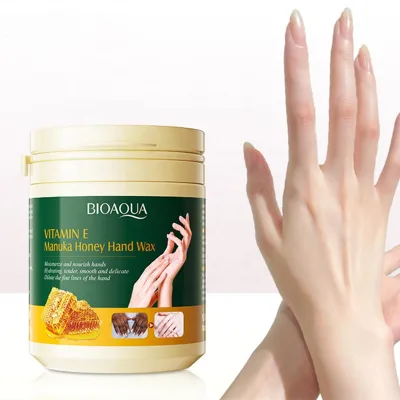
Vitamin E Manuka Honey Hand Wax Mask Moisturizing Hand Cross-border Foreign Trade Wholesale
$0.65 - $1.35
MOQ: 50 pieces
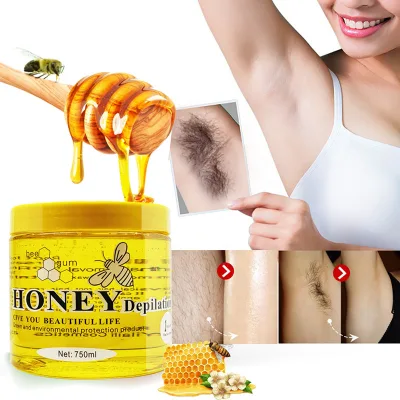
Honey Hard Wax Sugaring Sugaring Wax Summer Double Side Hair Removal Depilatory Sugar Wax
$1.95 - $3.35
MOQ: 50 bags

Tianjin Chemistone Import and Export Co., Ltd.
- Verified by SGS
- Trading Company
- China Tianjin
- Lead time23 days
- Avg. response≤ 7h
Main productsUrea, Rosin, PP Granule, Paraffin Wax, Soy Wax, Monosodium Glutamate (Msg), PQQ, HDPE
Main marketsSouth America,Eastern Europe,Mid East,North America,Southeast Asia,Eastern Asia,Oceania,Western Europe,Africa


Bulk Natural Organic Wholesale Bee Wax Beeswax / Beeswax for Candles / Beeswax
$2.00 - $2.50
MOQ: 100 kg

Factory High Quality Natural Beeswax Raw Yellow Beeswax Honey Wax with Yellow/White
$2.00 - $2.50
MOQ: 100 kg


Chemact (Liaoning) Petrochemicals Ltd.
- Manufacturer/Factory
- China Liaoning
- Lead time0 days
- Avg. response≤ 20h
Main productsParaffin Wax, Wax, Fully Refined Paraffin Wax, Semi Refined Paraffin Wax, Candles, White Pillar Candle, Soy Wax
Henan Shenwon Industry Co., Ltd
- Verified by BV
- Manufacturer/Factory
- China Henan
- Lead time23 days
- Avg. response≤ 2h
Main productsWax Materials and Wax Granular Machines, Musk Ambrette Fragrance Materials, PVB PVDF, HPMC HEC CMC Mhec, SLES Aos Cdea Cab 35% SLS, Personal Care Materials, Amino Acid Guar Gum, Hbn Cuo ZnO Zeo, SBR NBR HDPE PE, Nano Metal Oxides
Main marketsSouth America,Eastern Europe,Mid East,North America,Southeast Asia,Eastern Asia,Oceania,Western Europe,Africa


Wholesale Natural Bees Wax for Candle Making High Quality Organic Bees Candle Wax Bulk
$1.95 - $2.25
MOQ: 1 kg


Hebei Qiyao Technology Co., Ltd.
- Verified by SGS
- Trading Company
- China Hebei
- Lead time15 days
- Avg. response≤ 7h
Main productsAluminum Sulfate PAC Xanthan Gum Citric Acid, SLES LABSA Cab
Main marketsAfrica

Yellow, White Honey Cosmetic / Food Grade Organic Pure Bees Wax / Beeswax / Bee Wax for Candle
$300.00 - $320.00
MOQ: 1 Tons


Natural White Yellow Bees Wax Beeswax Cosmetic Grade Food Grade Beewax Bee Wax for Candle Making
$2920.00 - $3035.00
MOQ: 10 Tons

Shandong Baovi Energy Technology Co., Ltd
- Verified by BV
- Trading Company
- China Shandong
- Lead time15 days
- Avg. response≤ 3h
Main productsOrganic Chemistry, Green Solvent, Organic Intermediate, Pharmaceutical Intermediates, Antifreeze, Chemicals Intermediates, Basic Organic Raw Materials, Food Additives, Catalyst and Auxiliary Chemicals, Inorganic Chemistry
Main marketsAfrica

ZHENGZHOU ENZHER IMP& EXP CO., LTD
- Verified by CTI
- Trading Company
- China Henan
- Lead time15 days
- Avg. response≤ 10h
Main productsbeekeeping equipment
Main marketsAustralia
Ningbo Healsunny Technology Co., Ltd.
- Trading Company
- Zhejiang, China
- Lead time15 days
- Avg. response≤ 5h
Main productsTire,Medical Product,Beauty Product,LED Light,Car Auto Parts
Main marketsWestern Europe(15.0%), North America(15.0%), Northern Europe(10.0%), South America(9.0%), Eastern Europe(8.0%), Southern Europe(8.0%), South Asia(7.000000000000001%), Mid East(7.000000000000001%), Eastern Asia(5.0%), Africa(5.0%), Southeast Asia(5.0%), Central America(4.0%), Oceania(1.0%), Domestic Market(1.0%)
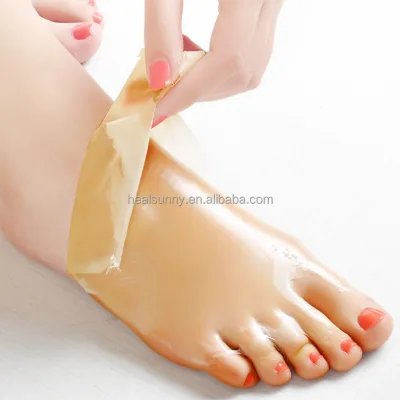
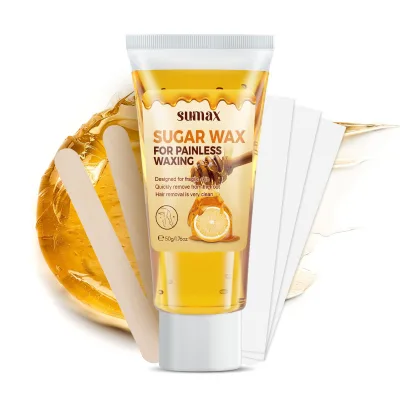
Private Label Oem Custom logo Natural Sugar Painless Waxing Hair Removal Wax for Body Legs
$1.39 - $2.50
MOQ: 3 pieces
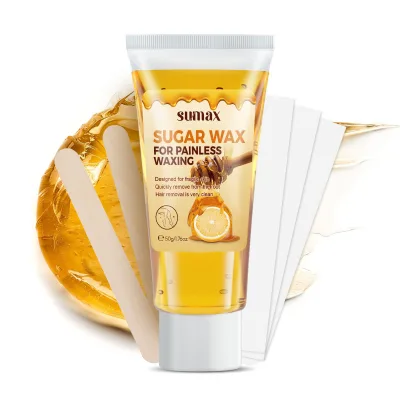

- Verified by TUVRHEINLAND
- Trading Company
- China Hebei
- Lead time30 days
- Avg. response≤ 7h
Main productsSLES 70%, LABSA 96%, SLS/K12, Soap Noodles, HPMC, Titanium Dioxide, Soy Wax, Aos 35% 92%, Monohydrous/Anhydrous Citric Acid, Petroleum Jelly
Main marketsSoutheast Asia/ Mideast

Yellow/White Honey Beeswax Pure Nature Honey Beewax Bee Wax for Cosmetics Candle
$1.00 - $2.50
MOQ: 1000 kg


$250.00 - $1000.00
MOQ: 1000 kg

Factory High Quality Natural Beeswax Raw Yellow Beeswax Honey Wax with Yellow/White
$31.00 - $41.00
MOQ: 1 Tons

Hebei Guanlian New Material Co. , Ltd.
- Verified by BV
- Trading Company
- China Hebei
- Lead time15 days
- Avg. response≤ 2h
Main productsCandle Wax, Soy Wax, Gel Wax, Coconut Wax, Scented Candles, Art Candles, Pillar Candles, Candle Accessories, Candle Containers
Main marketsOthers(foreignTradeCapacity.exportBusinessCapacityMarketOther),Southeast Asia/ Mideast

Hebei Zhuangfa Import And Export Co., Ltd.
- Trading Company
- Hebei, China
- Lead time15 days
- Avg. response≤ 2h
Main productsparaffin wax,Titanium dioxide,cellulose,graphite powder,plastic particle
Main marketsAfrica(35.0%), Domestic Market(10.0%), Mid East(10.0%), North America(10.0%), Northern Europe(10.0%), South America(10.0%), Western Europe(5.0%), Southern Europe(5.0%), Southeast Asia(5.0%)
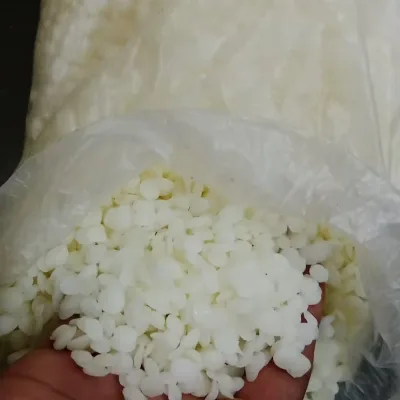
Premium Honey Bee Wax Factory Bulk Price White Bee Wax for Body Beauty and Lips Care
$4.09 - $12.28
MOQ: 100 Minimum
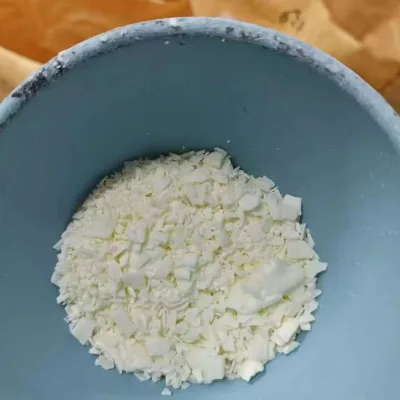
25 Kg Eco Friendly DIY Soy Wax in Flakes Handmade 464 Raw Soy Wax for Holiday Fragrance Colorful
$1.79 - $2.29
MOQ: 1 Minimum
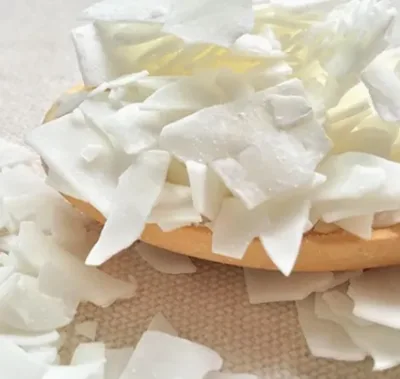
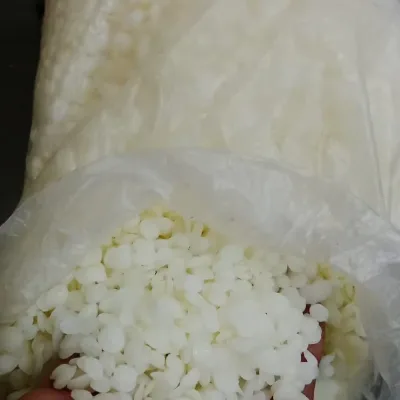
Naturally Pure Best Organic Yellow/White Honey Pure Bee Wax for Cosmetic Lips/ Creams
Contact supplier
MOQ: 100

Tianjin Wan Kang Biotechnology Co., Ltd.
- Verified by SGS
- Trading Company
- China Tianjin
- Lead time15 days
- Avg. response≤ 3h
Main productsCocoa Product, Whole Milk Powder, Creatine Monohydrate, Xanthan Gum, Whey Protein, L-Carnitine, Kojic Acid, Glycerin, Vitamin, Nicotinamide Mononucleotide
Main marketsSouth America,Eastern Europe,Mid East,North America,Southeast Asia,Eastern Asia,Oceania,Western Europe,Africa

- Trading Company,Manufacturer/Factory
- China Liaoning
- Lead time15 days
- Avg. response≤ 1h
Main productsSoya Lecithin, Calcium Propionate, Propylene Glycol, Propylene Carbonate, Maltitol, Citric Acid, Gel Wax, Sapp/SHMP/Tspp/STPP/Tkpp, Vitamins
Main marketsSouth America,Eastern Europe,Mid East,North America,Southeast Asia,Eastern Asia,Oceania,Western Europe,Africa

Jiaozuo Daan Daily Chemical Co., Ltd.
- Verified by SGS
- Combined
- China Henan
- Lead time15 days
- Avg. response≤ 4h
Main productsShoe Cleaner, Shoe Polish Cream, White Shoes Cleaner
Main marketsSoutheast Asia/ Mideast,Europe,North America

Jiangmen Xinwei Cosmetics Co., Ltd.
- Manufacturer/Factory
- China Guangdong
- Lead time45 days
- Avg. response≤ 4h
Main productsParaffin Wax, Depilatory Wax, Hard Wax, Wet Wipes, Neck Paper, Waxing Paper Roll, Cosmetics Products
Main marketsEastern Europe,Mid East,North America,Southeast Asia,Eastern Asia,Africa


OEM Factory Professional 400g Soft Wax Full Body Canned Wax Depilatory Waxing for Hair Removal
$2.85 - $3.08
MOQ: 12 Pieces


Tianjin Chuangjiaguan Biotechnology Co., Ltd.
- Trading Company
- China Tianjin
- Lead time0 days
- Avg. response≤ 6h
Main productsWhey Protein Powder Monohydrate Creatine, Cocoa Butter, Cocoa Powder, Xanthan Gum, Milk Protein, Hydrolyzed Beef Protein, Creatine Anhydrous, Guar Gum, Limonene, Matcha Powder

Tianjin Zhuofeng Biotechnology Co., Ltd.
- Verified by BV
- Trading Company
- China Tianjin
- Lead time15 days
- Avg. response≤ 11h
Main productsFood Additives, Plant Extract, Amino Acid, Nutrient Supplements, Feed Additives, Vitamin, Water Treatment, Coffee Bean/Cacao Beans, Cocoa Butter Cocoa Powder, Plastic Particle
Main marketsSoutheast Asia/ Mideast

Jiangmen Xinwei Paper Co., Ltd.
- Verified by TUVRHEINLAND
- Manufacturer/Factory
- China Guangdong
- Lead time45 days
- Avg. response≤ 5h
Main productsDepilatory Wax, Wax Heater, Parafen Wax, Gloves, Wet Wipes, Disposable Products, Tissue, Hot Towel Machine
Main marketsSouth America,Eastern Europe,Mid East,North America,Southeast Asia,Eastern Asia,Oceania,Western Europe,Africa

Tianjin Dongfang Import and Export Co., Ltd.
- Trading Company
- China Tianjin
- Lead time15 days
- Avg. response≤ 4h
Main productsFood Additive, Medical Intermediate, Nutritional Supplement, Vitamin, Natural Plant Extracts, Amino Acid
Main marketsSoutheast Asia/ Mideast,Europe
Hanyutang (guangzhou) Cosmetics Manufacturing Co., Ltd.
- Verified by SGS Group
- Trading Company
- Lead time15 days
- Avg. response≤ 3h
Main productsSkin Care, Make Up, Body Lotion, Shower Gel, Scrub
Main marketsNorth America(19%), Western Europe(14%), Mid East(12%)


Comprehensive Sourcing Guide
Organic Manuka Honey Hand Wax Supplier Concentration and Factory Types
Current data indicates a mix of combined manufacturing entities and trading companies operating within China, specifically noting facilities in Hebei and Liaoning provinces. Some suppliers list main products ranging from candles and beeswax to pet accessories and food-grade ingredients, suggesting a diverse industrial base rather than a single specialized cluster for this specific cosmetic item. The presence of trading companies alongside combined factories implies that buyers may encounter intermediaries who source from various manufacturers rather than direct production units. This variation requires careful scrutiny to determine if the listed entity is the actual producer or a reseller managing the supply chain.
Buyers should identify manufacturing clusters by verifying the specific location details provided in supplier profiles against the product evidence. While some results show origins in Guangdong or Hebei, the absence of a dedicated "Organic Manuka Honey Hand Wax" industrial zone in the provided facts means buyers must not assume a specific geographic concentration exists. Instead, the assessment should focus on whether the supplier's stated location aligns with their claimed main products and capabilities. If a supplier lists pet clothing or citric acid as primary outputs, their capacity to produce high-quality organic hand wax may be secondary or outsourced, necessitating a deeper verification of their actual production lines and facility ownership.
How to Verify Organic Manuka Honey Hand Wax Suppliers
Verification processes should prioritize checking for third-party validation badges such as BV, which appears in the current supplier data as a marker of verified status. Buyers must confirm that the supplier holds relevant system certifications like ISO9001:2015 or ISO14001:2015, as these indicate adherence to quality and environmental management standards. The presence of a BV verification badge suggests a baseline level of due diligence has been performed, but it does not guarantee the specific organic nature of the Manuka honey used in the hand wax. Buyers should request specific documentation proving the organic certification of the raw materials to ensure the product meets the "organic" claim in the keyword.
Response time and lead time data provide immediate indicators of supplier reliability and operational efficiency. Current observations show response times ranging from 3.01 to 5.51 hours, with lead times varying significantly between 15 and 30 days depending on the product and order volume. A supplier with a rapid response time may indicate a more active sales team, while longer lead times could reflect complex production schedules or high demand. Buyers should cross-reference these metrics with the supplier's stated company type; trading companies might offer faster communication but longer logistical lead times compared to direct factories. Always verify that the response time reflects actual business hours and not automated replies.
What to Compare Across Organic Manuka Honey Hand Wax Suppliers
When evaluating potential partners, buyers must compare minimum order quantities (MOQ) and pricing structures to ensure alignment with their procurement strategy. The available data reveals MOQs as low as 20 units for raw wax materials but significantly higher, such as 500 or 3000 units, for finished cosmetic products like hand wax masks. Price points also vary widely, with some listings showing unit costs around $1.50 to $5.00 for raw materials, while finished goods may range from $0.66 to $57.05 depending on customization and packaging. This disparity highlights the importance of distinguishing between raw material sourcing and finished product procurement when comparing supplier offers.
Customization capabilities and product attributes are critical differentiators that buyers should analyze across the supplier pool. Some suppliers offer customization for color, scent, and packaging, while others provide standard configurations with fixed specifications like "White" or "Yellow" colors and specific dimensions. The ability to customize the product model, such as "TBBS003" or "TNN-D," allows buyers to tailor the offering to their brand identity. Additionally, comparing the main products listed by each supplier helps identify those with a primary focus on cosmetics versus those for whom it is a secondary line. Buyers should prioritize suppliers whose core competencies align with the specific requirements of Organic Manuka Honey Hand Wax production.
Common Organic Manuka Honey Hand Wax Sourcing Risks
One significant risk involves the discrepancy between product claims and actual material composition, particularly regarding the "organic" and "Manuka" designations. Some product evidence lists ingredients such as "Alcoholize Synthetic Esters" or "Paraffin Wax" alongside beeswax, which contradicts the expectation of a pure organic formulation. Buyers must scrutinize the ingredient lists and product attributes to ensure that the Manuka honey content is genuine and not diluted with synthetic additives or lower-grade waxes. The presence of keywords like "Pure Natural Beeswax" in some listings does not automatically validate the organic status of the final cosmetic product.
Another risk stems from inconsistent lead times and production capacity, which can disrupt supply chain planning. Current data shows lead times that vary from 15 days to 30 days, with some suppliers indicating negotiated timelines for orders exceeding 100 units. This variability can lead to delays, especially during peak seasons when production capacity is strained. Buyers should verify the supplier's ability to meet specific deadlines and understand the factors influencing their lead times, such as raw material availability or seasonal demand. Failure to account for these fluctuations can result in stockouts or missed market opportunities, making it essential to establish clear communication channels regarding production schedules.
Organic Manuka Honey Hand Wax Regional Sourcing and Logistics
Geographic location plays a pivotal role in determining shipping costs and delivery timelines for Organic Manuka Honey Hand Wax. The current supplier data identifies locations in China, specifically in Hebei, Liaoning, and Guangdong provinces, each with distinct logistical advantages and challenges. Suppliers in coastal regions like Guangdong may offer faster access to international ports, potentially reducing transit times for global shipments. Conversely, inland locations might incur higher transportation costs or longer lead times depending on the proximity to major shipping hubs. Buyers should evaluate the specific location of the supplier to estimate the total landed cost of their orders accurately.
Packaging and shipping methods are also influenced by the supplier's regional capabilities and product specifications. Evidence shows that products are often shipped in cartons, drums, or 25kg bags, with specific standards like "2.2*20cm" or "45 pieces in a customized box." These packaging details affect the volume and weight of the shipment, which in turn impacts freight charges and storage requirements. Buyers must ensure that the packaging is suitable for the intended market, considering factors like humidity resistance and product protection during transit. Understanding the regional logistics network of the supplier helps in planning efficient distribution strategies and minimizing potential damage or loss during the shipping process.
Organic Manuka Honey Hand Wax Commercial Terms and Order Planning
Commercial terms, including payment methods and escrow services, are essential components of a secure transaction for Organic Manuka Honey Hand Wax. While specific payment terms are not detailed in the provided facts, the presence of verification badges like BV suggests that escrow services may be available to protect buyer funds. Buyers should confirm the availability of secure payment channels and understand the conditions under which funds are released to the supplier. Establishing clear commercial terms helps mitigate financial risks and ensures that both parties adhere to agreed-upon obligations throughout the order lifecycle.
Order planning requires a strategic approach to managing MOQs, lead times, and inventory levels. With MOQs ranging from 20 to 3000 units, buyers must balance the need for cost efficiency with the risk of overstocking. For smaller orders, the lower MOQs allow for testing the market with minimal investment, while larger orders may benefit from economies of scale but require more extensive planning. Buyers should also consider the customization options available, as these can impact production lead times and costs. By carefully analyzing the supplier's capacity and response times, buyers can develop a robust order plan that aligns with their business goals and market demands.
FAQs
What is the price range for Organic Manuka Honey Hand Wax?
Pricing for these specialized hand masks varies significantly based on formulation and order volume. Some listings show costs around $1.50 to $5.00 per unit for bulk raw materials. Other finished cosmetic products may range higher. Buyers should verify exact unit costs with suppliers to confirm current market rates for their specific quantity needs.
What are the main ingredients in these hand wax masks?
These masks typically feature moisturizing and hydrating properties derived from natural extracts. Key ingredients often include mineral components, herbal blends, and silicone-free formulations. Many products are also vegan and cruelty-free. The specific efficacy focuses on whitening, firming, and anti-aging benefits suitable for all skin types, ensuring gentle yet effective hand care.
What is the minimum order quantity for these hand masks?
Minimum order quantities depend heavily on the specific supplier and product type. For raw beeswax materials, MOQs can be as low as 20 units. However, for finished cosmetic hand masks, buyers must check individual listings. Some suppliers may require larger bulk orders. Always confirm the exact MOQ directly with the manufacturer before placing an order.
How quickly do suppliers respond to inquiries about these products?
Response times for these suppliers generally range between 3 and 5.5 hours. Faster response rates are often associated with trading companies or verified suppliers. Quick communication helps clarify product details and shipping terms. Buyers should expect prompt replies during business hours to facilitate efficient sourcing and negotiation processes for their specific hand wax mask requirements.
Where are these hand wax mask suppliers located?
Suppliers for these products are primarily located in China. Specific regions include Hebei and Liaoning provinces. Some cosmetic manufacturing may also originate from Guangdong. These locations offer established supply chains for both raw materials and finished cosmetic goods. Buyers can filter results by these regions to find suppliers closest to their logistical preferences.
What certifications do these suppliers typically hold?
Many suppliers hold ISO9001:2015 and ISO14001:2015 system certifications. These indicate adherence to quality management and environmental standards. Some suppliers also undergo BV verification. Buyers should request copies of these certificates to ensure compliance with their local regulations. Certification status varies by supplier, so direct verification is recommended for each potential partner.