Organic Natural Breast Cream Suppliers and Manufacturers
Explore 25 verified suppliers offering Organic Natural Breast Cream with OEM and ODM capabilities. Compare certifications like ISO and GMP, response times, and pricing ranges from 0.99 to 3.88 USD. Contact suppliers directly to request samples and verify lead times.
Suppliers List

Guangzhou Runben Source Biotech Co., Ltd
- Trading Company,Manufacturer/Factory
- China Guangdong
- Lead time15 days
- Avg. response≤ 4h
Main productsSkin Care Products, Body Whitening Oil, Skin Whitening Cream, Body Whitening Lotion, Skin Lightening Set, Body Oil
Main marketsSouth America,Eastern Europe,Mid East,North America,Southeast Asia,Eastern Asia,Oceania,Western Europe,Africa


$0.99 - $3.88
MOQ: 100 Pieces


Guangdong Daimeishi Biotechnology Co., Ltd.
- Verified by BV
- Combined
- China Guangdong
- Lead time15 days
- Avg. response≤ 1h
Main productsCosmetics, Skin Care Products
Main marketsDomestic,Europe

Guangzhou Mebamy Cosmetics Co., Ltd.
- Verified by TUVRHEINLAND
- Manufacturer/Factory
- China Guangdong
- Lead time15 days
- Avg. response≤ 5h
Main productsFace Serum, Soap, Face Cream, Sunscreen, Eyelash Growth Serum, Teeth Whitening, Face Mask, Facial Cleanser, Essential Oil, Hair Care Series
Main marketsNorth America,Western Europe


OEM ODM Customized Natural Breast Enlargement Firming and Lifting Cream
$2.40 - $2.58
MOQ: 3000 Pieces


Breast Enhancement Cream Naturaful Herbal Instant Lifting Breast Lift Enhancement Cream
$2.50 - $2.90
MOQ: 3000 Pieces

Guangzhou Guocui Biological Technology Co., Ltd.
- Verified by TUVRHEINLAND
- Combined
- China Guangdong
- Lead time15 days
- Avg. response≤ 5h
Main productsSkin Care, Face Care, Body Care, Hair Care, Makeup, Essential Oil, Beard Care, Lipstick, Neck Care, Facial Essence
Main marketsDomestic


Natural Quick Action Breast Enhancement Cream for Lifetime Breast Health and Beauty
$0.82 - $1.69
MOQ: 500 Pieces
- Trading Company
- Hong Kong S.A.R.
- Lead time3 days
- Avg. response≤ 6h
Main productsfacial mask,Essence liquid,emulsion,Facial cleanser,Skincare products
Main marketsDomestic Market(40.00%), North America(12.00%), Western Europe(10.00%), Mid East(8.00%), Southern Europe(8.00%), Eastern Europe(5.00%), South Asia(5.00%), Southeast Asia(5.00%), South America(2.00%), Africa(1.00%), Eastern Asia(1.00%), Northern Europe(1.00%), Oceania(1.00%), Central America(1.00%)
Guangzhou Endlesshealthy Biotechnology Co., Ltd.
- Verified by SGS Group
- Trading Company
- Lead time10 days
- Avg. response≤ 3h
Main productsSkin Care Products, Food Supplement
Main marketsNorth America(50%), Southeast Asia(20%), Western Europe(20%)

Guangzhou EmbAroma Cosmetics Co., Ltd.
- Verified by BV
- Trading Company
- China Guangdong
- Lead time30 days
- Avg. response≤ 2h
Main productsSkincare, Cleanser, Moisturizer, Sunscreen, Toner, Serum, Exfoliant, Body Lotion, Hand Cream, Essential Oil
Main marketsDomestic


Factory Wholesale Natural Breast Enhancement Cream Big Breast Hot Massage Cream
$0.76 - $0.90
MOQ: 192 Pieces

Daqan Wholesale Breast Cream Chest Care Organic Breast Enhancement Cream
$0.65 - $0.80
MOQ: 192 Pieces


Private Label Wholesale Herbal Breast Cream Natural Big Boobs Breast Enhancer Cream
$0.76 - $0.90
MOQ: 192 Pieces
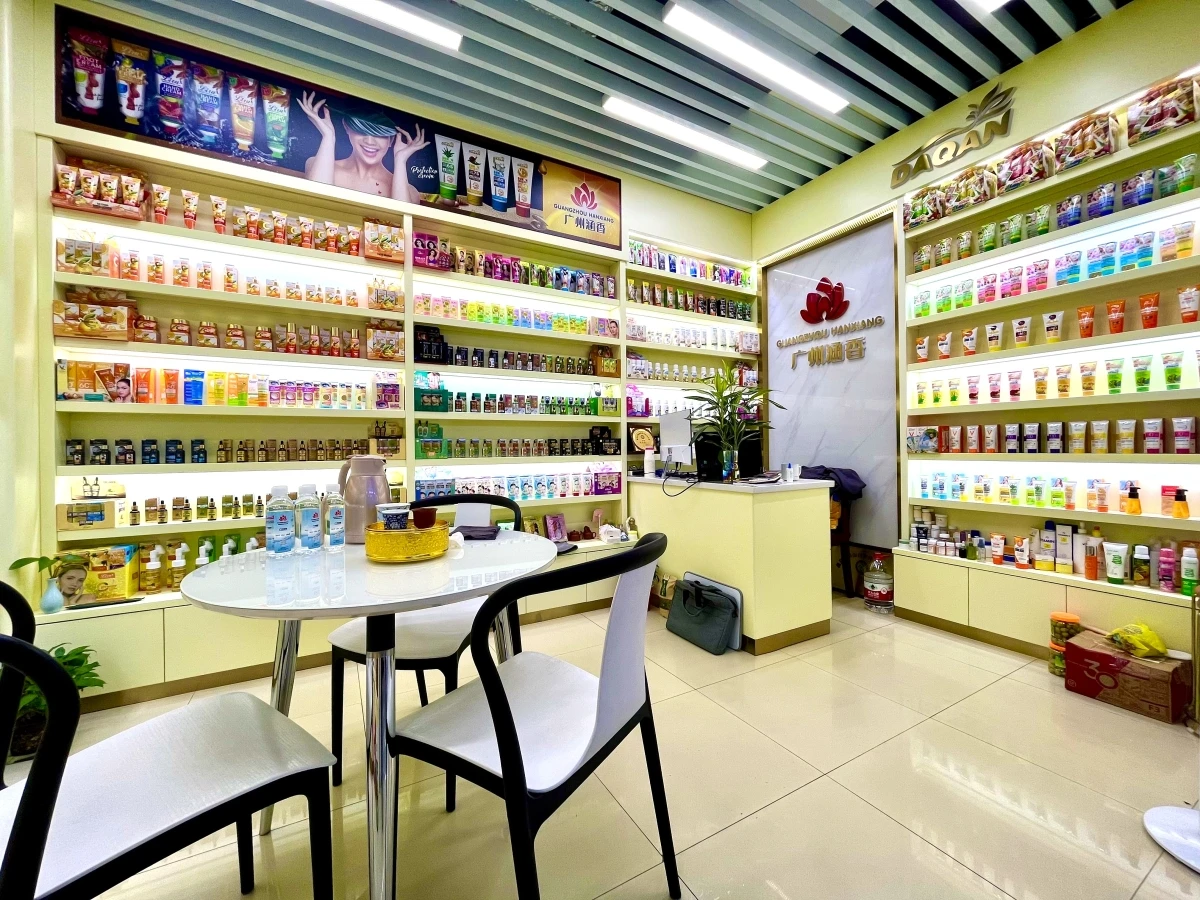
Guangzhou Hanxiang Cosmetics Co., Ltd.
- Trading Company
- Guangdong, China
- Lead time7 days
- Avg. response≤ 2h
Main productsFACIAL CLEANSER,SERUM,ESSENTIAL OILS,EXFOLIANT,SUNSCREEN
Main marketsNorth America(19.00%), Eastern Asia(15.00%), Southern Europe(14.00%), Western Europe(14.00%), Eastern Europe(14.00%), Africa(6.00%), Central America(5.00%), Southeast Asia(4.00%), Mid East(3.00%), South Asia(3.00%), Oceania(2.00%), South America(1.00%)
Guangzhou E-Mei Biotechnology Co., Ltd.
- Trading Company
- Guangdong, China
- Lead time10 days
- Avg. response≤ 3h
Main productsSkin Care Series/Whitening Skin Care Cream/Whitening Skin Soaps/Whitening Body Oil/Whitening Body Lotion,Food Supplement/Skin Whitening Gummy/Skin Whitening Capsules/Butt Enlargement Gummy/Butt Enlargement Capsules
Main marketsNorth America(50.00%), Western Europe(30.00%), Africa(15.00%), Southeast Asia(5.00%)
Guangzhou Elov Cosmetics Co., Ltd.
- Verified by SGS Group
- Manufacturer, Trading Company
- Lead time20 days
- Avg. response≤ 6h
Main productsMask, Eye Pad, Body Cream, Facial and Body Spray, Foot and Hand Mask
Main marketsDomestic Market(40%), North America(12%), Western Europe(10%)
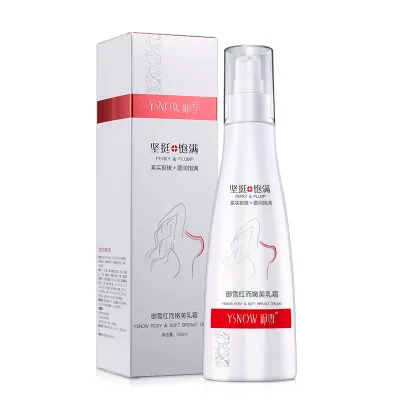
Women Big Breast Cream Organic Breast Enlargement Cream Breast Tight Cream
$7.88 - $8.08
MOQ: 30 pieces
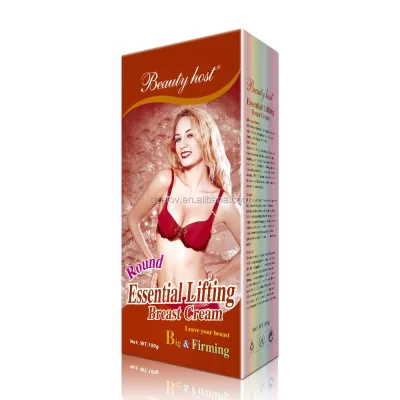
Essential Oil Lifting Breast Cream/Big Breast Cream/Breast Tightening Cream
$0.39 - $0.70
MOQ: 9 Minimum
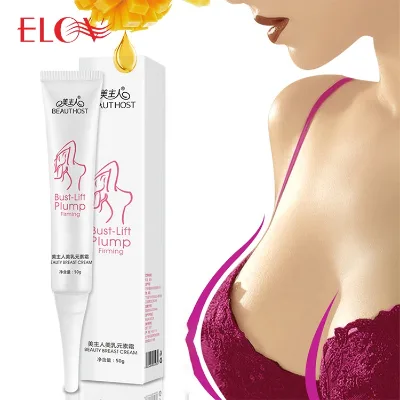
Guangzhou Chan Yun Biotechnology Co., Ltd.
- Verified by SGS Group
- Trading Company
- Lead time15 days
- Avg. response≤ 3h
Main productsSkin Care, Body Care, Hair Care, Oral Care, Soap
Main marketsNorth America(30%), Africa(15%), Western Europe(15%)

Guangzhou Caiwei Biotechnology Co., Ltd.
- Manufacturer
- Guangdong, China
- Lead time25 days
- Avg. response≤ 3h
Main productsFace Serum & Cream & Oil and Mask,Eye Serum & Cream & Mask,Hair Care,Body Care,Beauty Salon Products
Main marketsNorth America(70.00%), Western Europe(20.00%), South Asia(3.00%), Southern Europe(3.00%), Northern Europe(2.00%), Central America(2.00%)
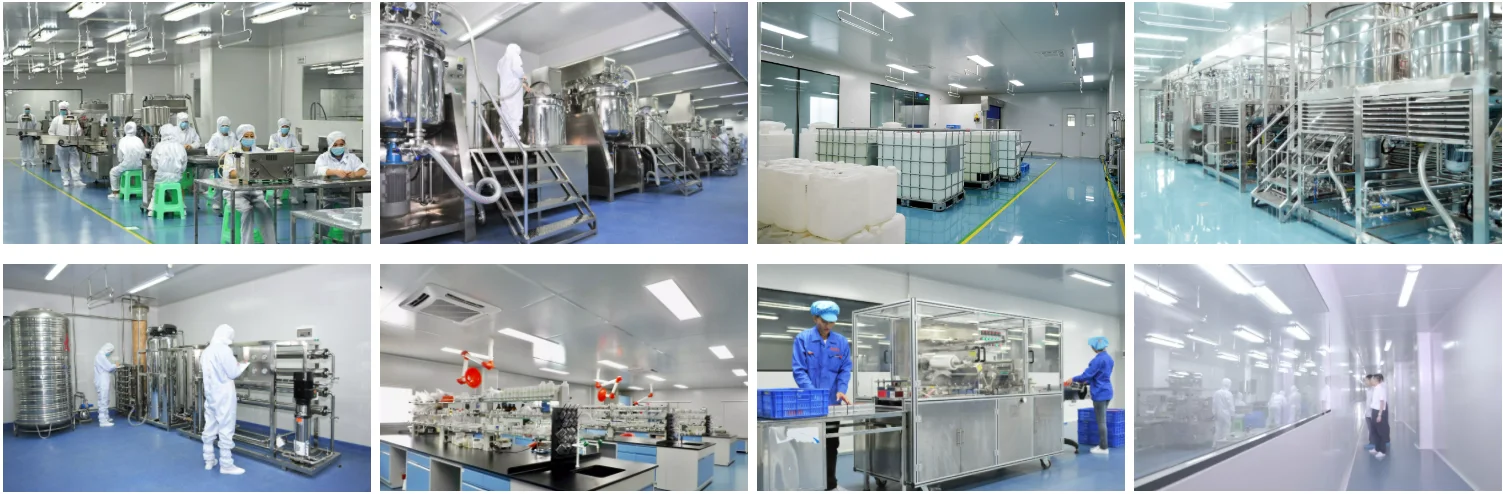
Jining Congyang Biotechnology Co., Ltd.
- Trading Company
- Shandong, China
- Lead time10 days
- Avg. response≤ 2h
Main productsBeauty&Personal care,Health care Supplements,Beauty tools and instruments
Main marketsNorth America(45.00%), Western Europe(40.00%), Northern Europe(20.00%), Central America(20.00%), South America(10.00%), South Asia(5.00%), Mid East(5.00%), Oceania(5.00%)

Xiamen Safercare Toiletries Co., Ltd.
- Verified by BV
- Combined
- China Fujian
- Lead time60 days
- Avg. response≤ 8h
Main productsTravel Set, Bath Set, Plastic Bottles, Lotion Pump, Plastic Caps, Shower Gel, Hand Wash, Cosmetic Bag, Hand Sanitizer, Shapmpoo
Main marketsDomestic,Europe

Shanxi Binduo Technology Co., Ltd.
- Trading Company
- Shanxi, China
- Lead time7 days
- Avg. response≤ 8h
Main productsSkin care,cosmetic,health Care,make up tool,Hair Care
Main marketsNorth America(35.00%), Western Europe(12.00%), Southeast Asia(10.00%), Central America(10.00%), Eastern Europe(5.00%), Mid East(5.00%), Northern Europe(5.00%), South America(5.00%), Southern Europe(3.00%), Africa(3.00%), South Asia(2.00%), Eastern Asia(2.00%), Oceania(2.00%), Domestic Market(1.00%)
Guizhou Yicheng Aikenda Import & Export Trade Co., Ltd.
- Trading Company
- Guizhou, China
- Lead time0 days
- Avg. response≤ 1h
Main productsSkin care products,Beauty products,makeup products,beauty apparatus,cosmetic tool
Main marketsWestern Europe(15.00%), Central America(10.00%), North America(10.00%), Eastern Asia(10.00%), Southern Europe(10.00%), Northern Europe(10.00%), Eastern Europe(10.00%), South Asia(10.00%), Southeast Asia(8.00%), Africa(5.00%), South America(2.00%)
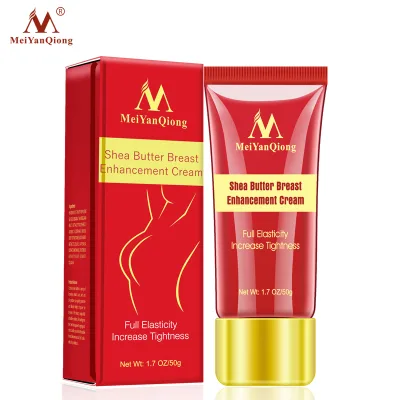
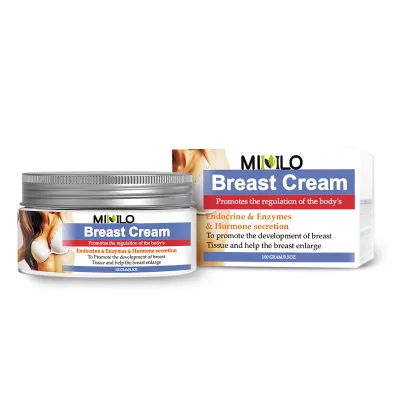
Chest Firming Lifting Big Breast Massage Cream Increase Breast Cream Breast Reduction Cream
$1.66 - $2.02
MOQ: 50 pieces
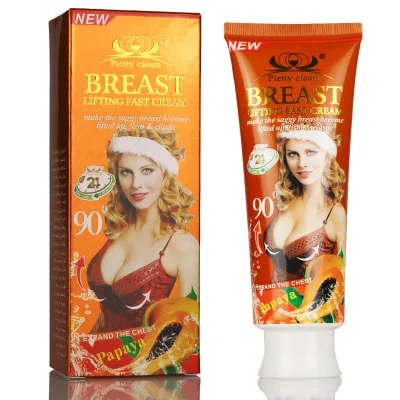
Pretty Cowry Beauty Breast Care Enlargement Big Size Increase Breast Massage Cream
$1.09 - $1.30
MOQ: 50 pieces
Guangzhou Inch Bio-Tech Co., Ltd.
- Verified by SGS Group
- Trading Company
- Lead time5 days
- Avg. response≤ 2h
Main productsFace & Body Skin Care Products, Skin Wash Products, Skin Care Tools, Dietary Supplement
Main marketsAfrica(31%), North America(27%), Southeast Asia(8%)

Guangzhou Shiruoni Cosmetics Co., Ltd.
- Trading Company,Manufacturer/Factory,Group Corporation
- China Guangdong
- Lead time15 days
- Avg. response≤ 6h
Main productsSkin Care, Jelly Mask, Face Serum, Face Toner, Face Cream, Facial Mask, Sunscreen, Face Cleanser, Soap, Skin Care Set
Main marketsSouth America,Eastern Europe,Mid East,North America,Southeast Asia,Eastern Asia,Oceania,Western Europe,Africa


Body Care Products Boobs Bigger Breast Smaller Firming Breast Cream Price
$2.50 - $2.80
MOQ: 1000 Pieces

Guangzhou Dymydy Biological Technology Co., Ltd
- Trading Company
- Guangdong, China
- Lead time15 days
- Avg. response≤ 8h
Main productsBeard Grooming Kit, Hair Wax, Hair Mud, Soap
Main marketsNorth America(35.00%), Western Europe(15.00%), Northern Europe(8.00%), Southern Europe(6.00%), South Asia(5.00%), South America(5.00%), Oceania(5.00%), Eastern Asia(5.00%), Eastern Europe(5.00%), Mid East(5.00%), Southeast Asia(5.00%), Africa(1.00%)
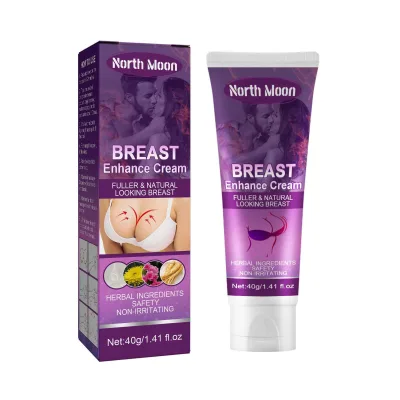
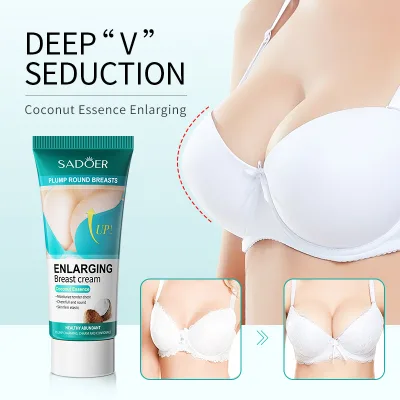
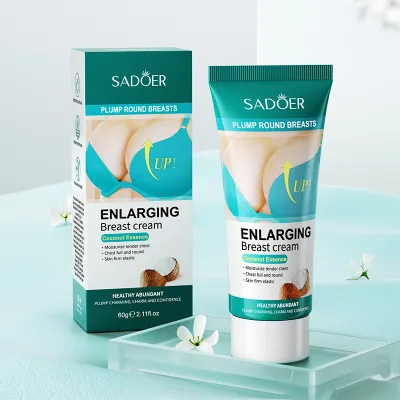
Herbal Breast Enhancement and Buttocks Enlargement Cream Beauty Person Care Natural and Effective
$1.18 - $1.48
MOQ: 144 pieces

Guangzhou Zohe Wellness Technology Co. Ltd
- Verified by SGS
- Combined
- China Guangdong
- Lead time15 days
- Avg. response≤ 2h
Main marketsDomestic

$2.28 - $2.58
MOQ: 5000 Pieces

$2.28 - $2.58
MOQ: 5000 Pieces
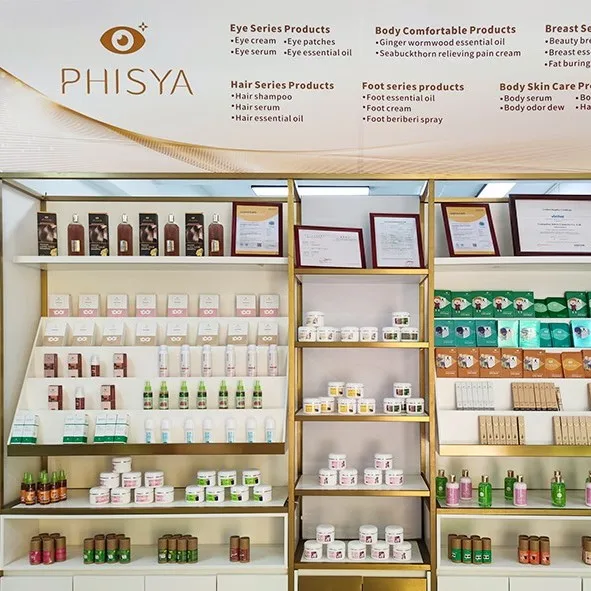
Guangzhou Jahwa Cosmetic Co., Ltd.
- Manufacturer, Trading Company
- Guangdong, China
- Lead time20 days
- Avg. response≤ 9h
Main productsEssential Oil, Eyes Masks, Sunscreen , Face Cream & Lotion, Hair Care
Main marketsDomestic Market(39.00%), North America(30.00%), Southeast Asia(20.00%), South Asia(1.00%), Eastern Asia(1.00%), South America(1.00%), Oceania(1.00%), Western Europe(1.00%), Southern Europe(1.00%), Central America(1.00%), Northern Europe(1.00%), Africa(1.00%), Eastern Europe(1.00%), Mid East(1.00%)
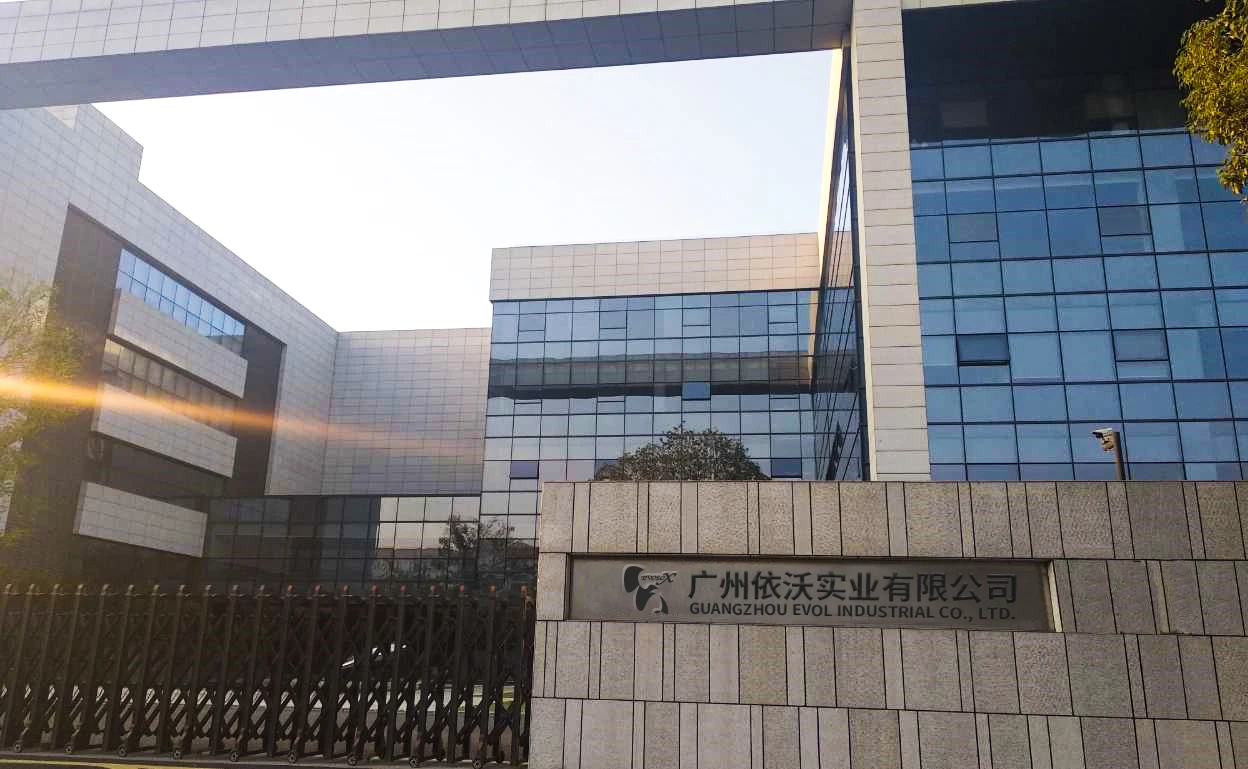
Guangzhou Evol Industrial Co., Ltd.
- Trading Company
- Guangdong, China
- Lead time7 days
- Avg. response≤ 3h
Main productsSilicone Dolls, TPE Dolls, Half Body Dolls, Male Sex Toys, Female Sex Toys
Main marketsNorth America(20.00%), South America(10.00%), Eastern Europe(10.00%), Southeast Asia(10.00%), South Asia(5.00%), Eastern Asia(5.00%), Oceania(5.00%), Western Europe(5.00%), Southern Europe(5.00%), Central America(5.00%), Northern Europe(5.00%), Africa(5.00%), Domestic Market(5.00%), Mid East(5.00%)
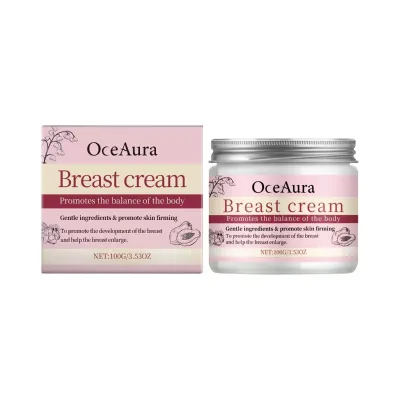
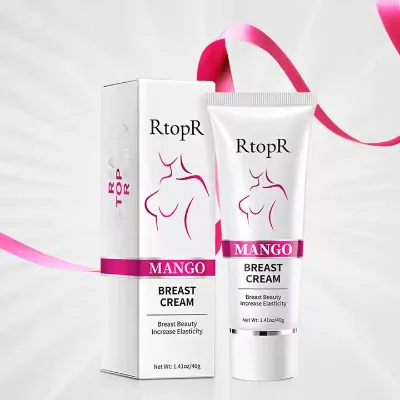
Factory Wholesale Mango Bust Breast Lifting Fast Cream Breast Firmness and Firmness Cream
$1.41 - $1.67
MOQ: 1 pieces
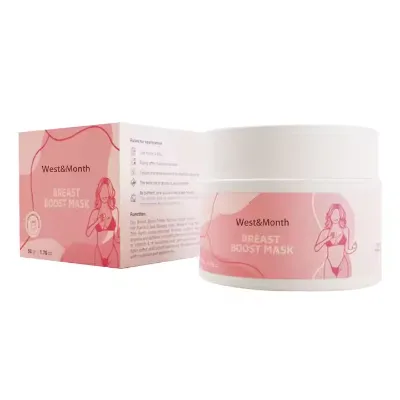
Factory Wholesale Price Instant Breast New Charming Chest Butt and Breast Tight Cream for Women
$0.81 - $0.95
MOQ: 1 pieces

Guangzhou Tinsun Biotechnology Company Limited
- Combined
- China Guangdong
- Lead time15 days
- Avg. response≤ 7h
Main productsSkin Care
Main marketsEast Asia(Japan/ South Korea),Australia,North America

Original Naturaful Lady Butt Boobs Breast Tight Cream Breast Enhancement Cream
$1.36 - $2.48
MOQ: 100 Pieces


Guizhou Junsida Trading Co., Ltd.
- Trading Company
- Guizhou, China
- Lead time0 days
- Avg. response≤ 3h
Main productsSkin care,Beauty makeup,Nail products,Oral hygiene,Hair care and styling
Main marketsNorth America(30.00%), Eastern Asia(20.00%), Africa(20.00%), South Asia(5.00%), Southern Europe(5.00%), Eastern Europe(5.00%), Western Europe(5.00%), South America(5.00%), Mid East(5.00%)

Henan Green Biotechnology Co., Ltd.
- Trading Company
- Henan Province, China
- Lead time0 days
- Avg. response≤ 4h
Main productsface cream,body scrub,lip mask,hair shampoo,soap
Main marketsEastern Europe(30.00%), South America(30.00%), North America(30.00%), Oceania(10.00%)


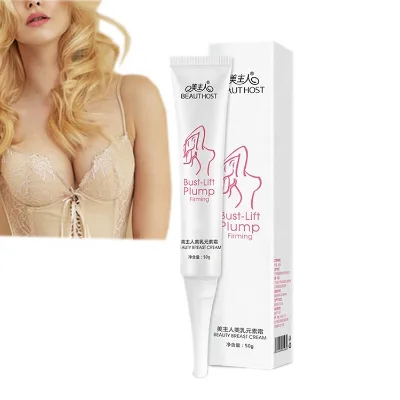
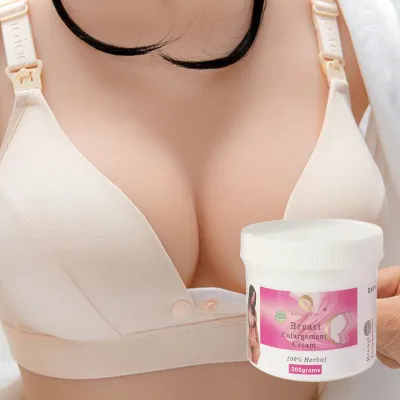
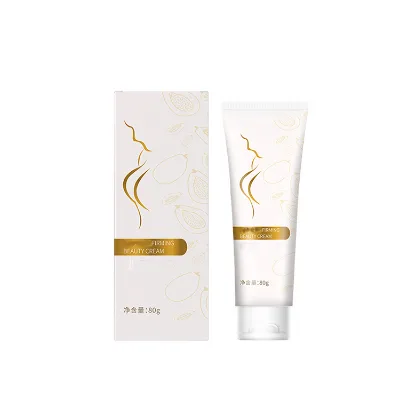
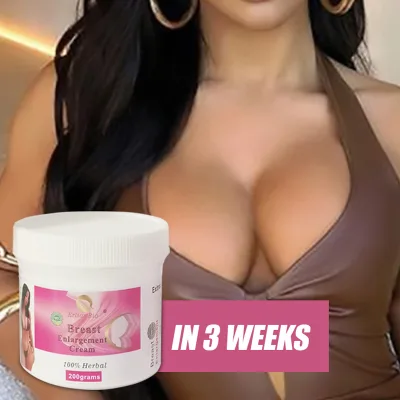
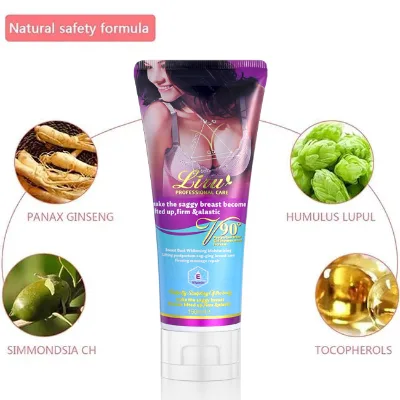
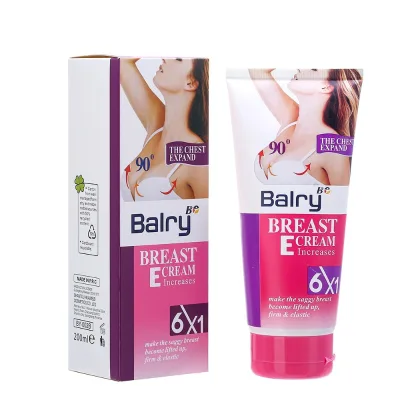
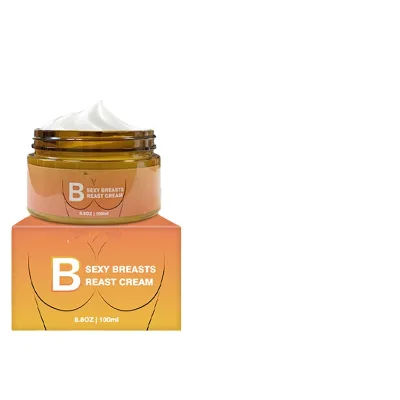
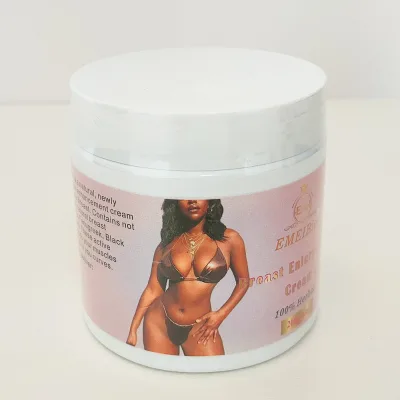
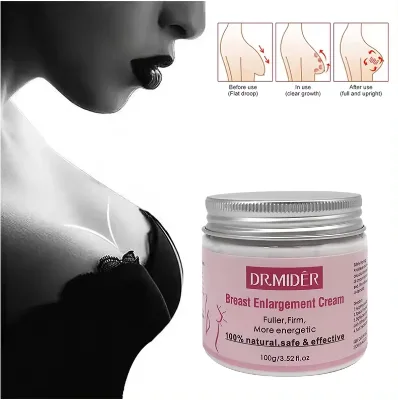
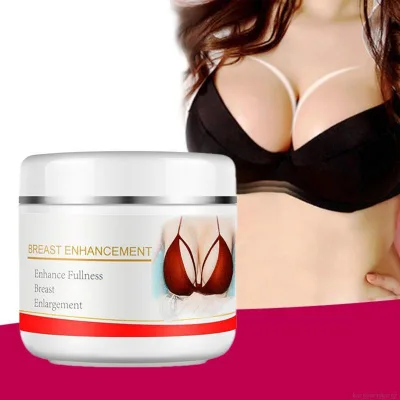
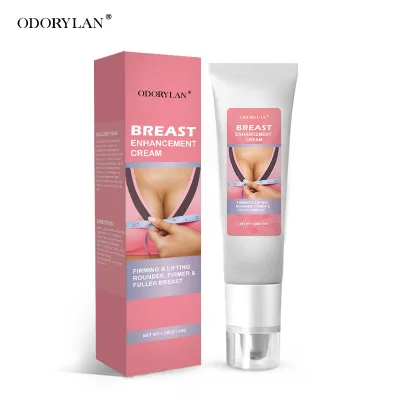
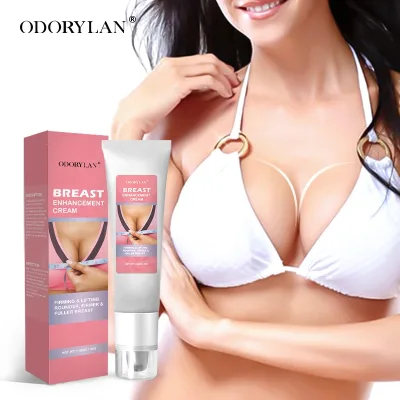
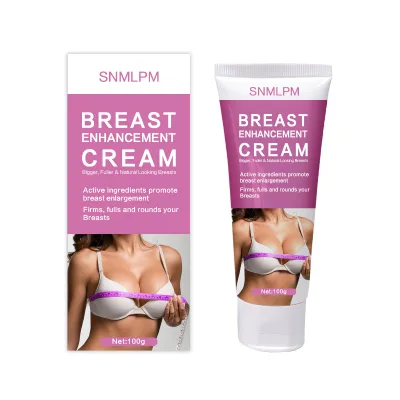
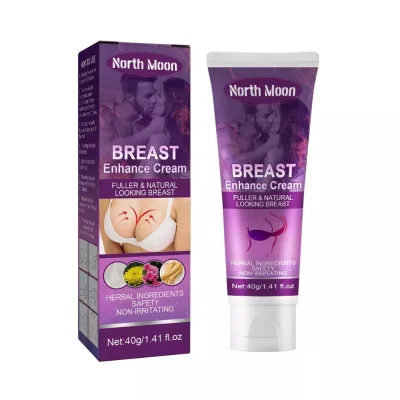
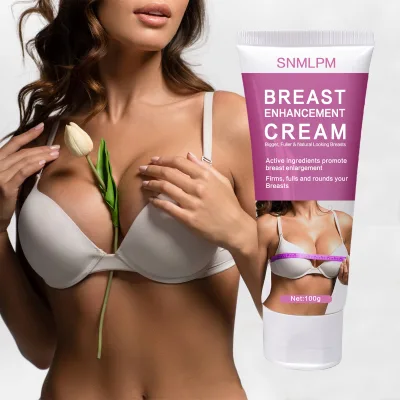
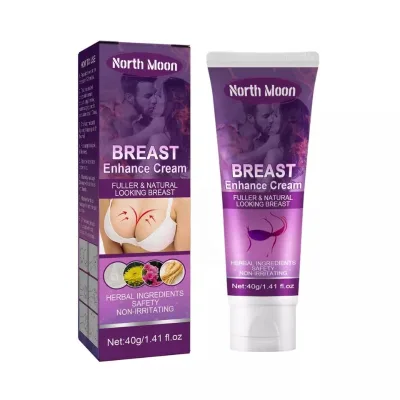


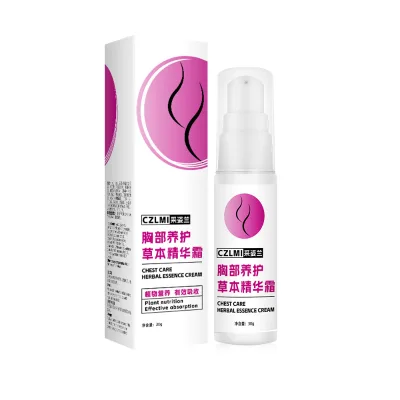
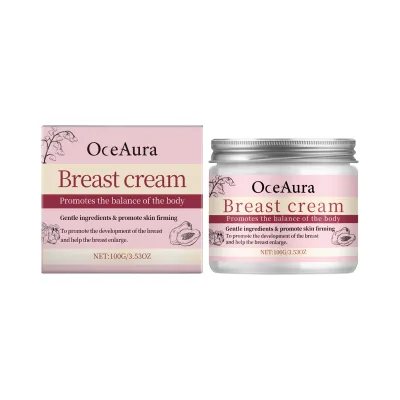
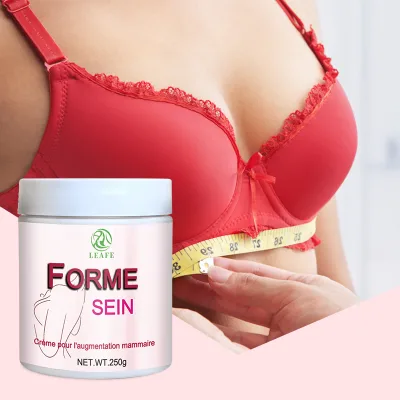
Comprehensive Sourcing Guide
Organic Natural Breast Cream Supplier Concentration and Factory Types
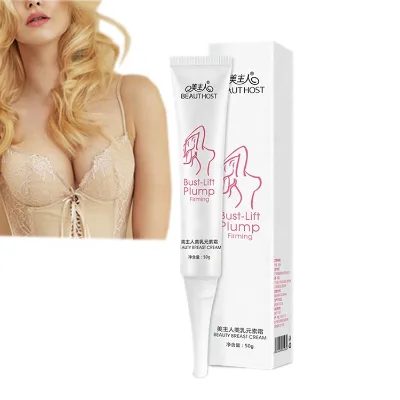
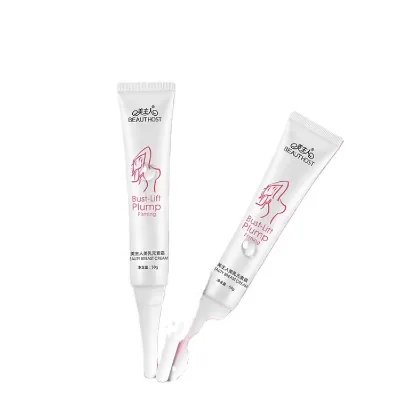
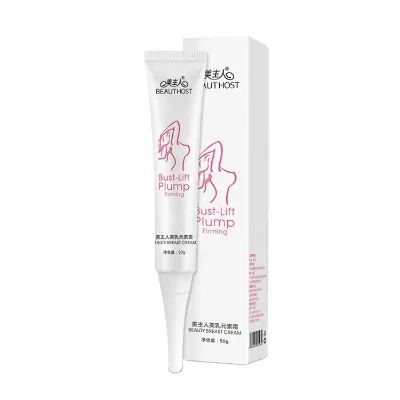
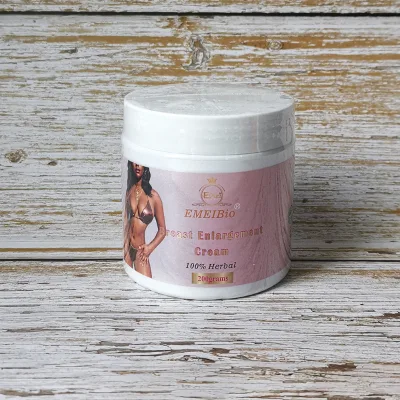
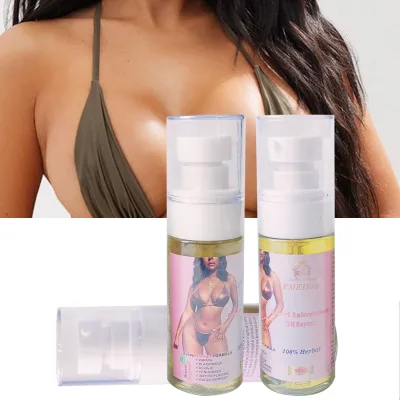
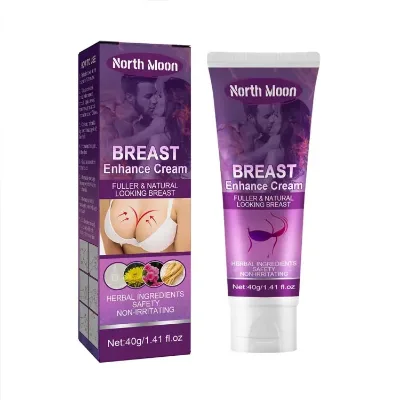
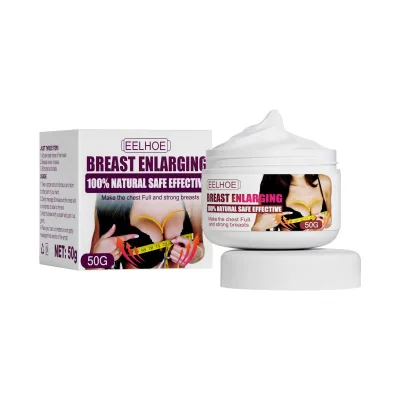
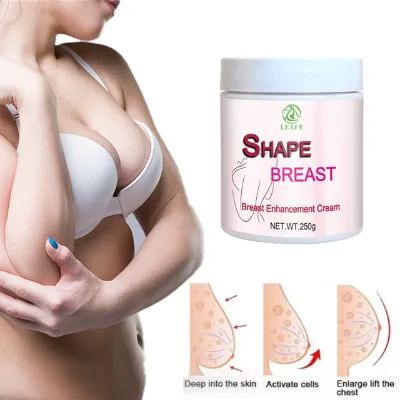
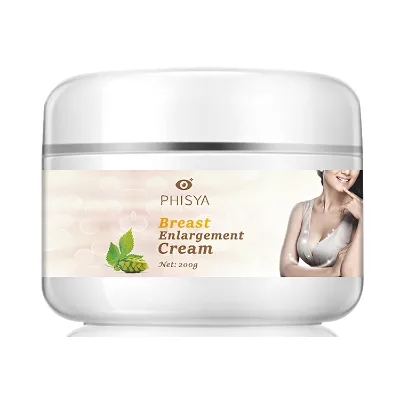
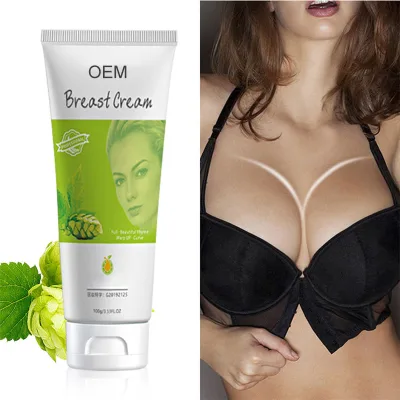
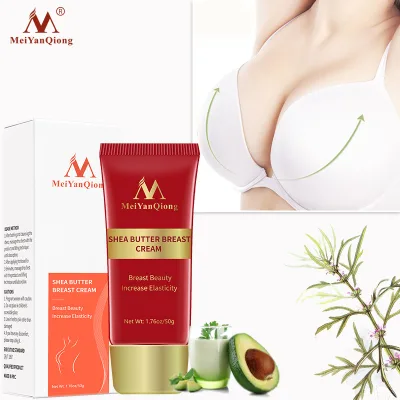
Suppliers of Organic Natural Breast Cream on B2B platforms are heavily represented by manufacturers and trading companies based in Guangdong, China, with some operations combining both roles. Guangdong's broader cosmetics and personal care manufacturing base explains why breast enhancement and breast care creams appear alongside skin whitening products, body oils, serums, soaps, and face masks in many supplier catalogs. When browsing, buyers should treat the listed location and company type as screening fields rather than final verdicts: a manufacturer/factory label suggests in-house production, while a trading company may broker capacity from related factories. Combined entities can offer both manufacturing and sourcing services, which may simplify private-label programs but requires clarity about who actually produces the cream.
Because product listings in this category often emphasize organic, natural, herbal, or papaya-based formulas, buyers should expect factory type to influence formula control. A factory with OEM and ODM capability can typically adjust active ingredients, volume, packaging, and private labeling; some suppliers also operate their own brands, signaling finished-goods experience. When a location or company type is not displayed, buyers should identify clusters indirectly: search the category broadly, note where repeated suppliers and similar product models originate, and cross-check registration details. Never assume a supplier without a listed factory type is purely a reseller—request documentation confirming production site, formulation ownership, and whether third-party manufacture is subcontracted before committing to sampling or audits.
How to Verify Organic Natural Breast Cream Suppliers
Verification should begin with platform-visible credentials, then extend beyond them. Some suppliers in this category carry third-party verification marks from bodies such as BV or TÜV Rheinland, which indicates an on-site or documented check was performed, but does not certify product safety itself. System certifications displayed on supplier profiles may include ISO 9001, ISO 14001, GMP, and related standards; confirm the certificate number, scope, and expiry date directly with the issuing body rather than trusting a profile badge. Product-level certification claims such as CE, FDA, ISO, GMP, or MSDS frequently appear in listing attributes for breast creams—ask which certification applies to which product, since a category-level claim may not cover a specific SKU.
Next, verify production reality. Request the business license, the formulation or ingredient dossier, and stability or safety testing for the exact cream you intend to buy. Ask whether the organic or natural descriptor is backed by ingredient documentation; "natural herbal" as an active-ingredient claim is a marketing attribute, not a certification. Confirm the manufacturing address matches the registered location, especially for Guangdong-based suppliers, and check whether ODM formulas are original or reused across clients. Finally, test operational signals: response time is sometimes displayed (for example, averages under one hour or around three to five hours exist in this category), so message several suppliers with identical technical questions and compare speed, specificity, and willingness to share documents before shortlisting.
What to Compare Across Organic Natural Breast Cream Suppliers
Build a comparison sheet using the attributes suppliers actually display, while noting gaps. Useful dimensions in this category include: company type (manufacturer, trading company, or combined), location, verification status, system certifications, average response time, lead time, research and development capacity (OEM, ODM, own brand), main products, and product-level price ranges, MOQs, and customization options. Lead times displayed in this category have been around fifteen days, but confirm whether that applies to stock items or private-label production, which usually takes longer. Response times vary widely—some suppliers answer in minutes, others within hours—so weight responsiveness heavily if you plan iterative formula development.
On product specifics, compare MOQ and price together: listings in this category show MOQs from 100 units to 5,000 pieces, with unit prices roughly between one and four US dollars, though you must verify current quotes directly. Compare customization depth—volume options, color, packing format (bottle or carton), private-label availability, and whether samples are offered. Also compare claimed certifications per product rather than per company, since attributes like FDA, GMP, MSDS, CE, or ISO appear inconsistently across listings. Finally, compare portfolio fit: some suppliers specialize in breast care creams; others list them among dozens of cosmetics. A focused specialist may offer stronger formulation support, while a broad cosmetics factory may offer better pricing at scale. Record every displayed attribute with its source so claims can be re-verified later.
Common Organic Natural Breast Cream Sourcing Risks
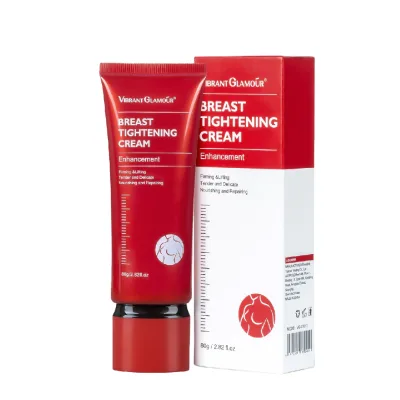
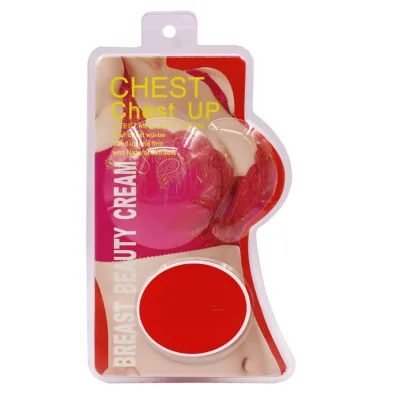
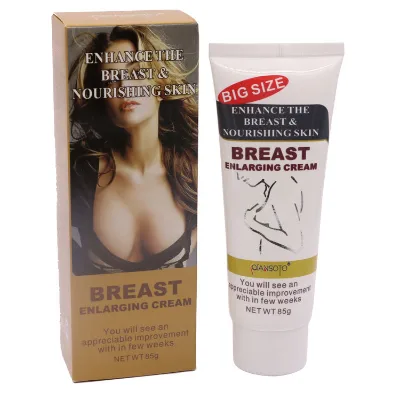
The most serious risk is efficacy and safety overstatement. Listings in this category use phrases like "instant breast enlargement," "push up," or "size enhancement," and attribute functions ranging from firming and lifting to reduction and whitening. Treat these as unverified marketing claims: demand the ingredient list, check for hormones or undeclared actives, and independently test samples before any retail sale, since regulatory exposure for cosmetics with unproven claims is severe in most markets. A second risk is certification confusion—product attributes may list CE, FDA, ISO, GMP, or MSDS without clarifying scope, and "FDA" may reference registration rather than product approval. Verify each claim in writing.
Additional risks include formula and quality drift: a supplier with both OEM and own-brand lines may prioritize higher-volume products, causing inconsistent batches. MOQ mismatches create risk too—buyers testing a new brand should avoid suppliers whose minimum order of thousands of units forces excessive inventory before demand is proven. Trading-company intermediaries can obscure the true factory, complicating audits and quality accountability. Finally, watch for listing inconsistencies: identical product models, prices, or images appearing across multiple suppliers may indicate shared catalogs or resellers. Mitigate by ordering pre-production samples from the confirmed production site, signing quality agreements specifying batch acceptance criteria, and staging orders so the first commercial shipment is small enough to be fully inspected before repeat purchasing.
Organic Natural Breast Cream Regional Sourcing and Logistics
Guangdong Province in China is a documented sourcing region for this category, with some product listings traced to cities such as Foshan, and the province's personal care supply chain covers creams, serums, oils, and packaging components within short distances. Sourcing within a dense cluster shortens the loop between formula adjustments, sample production, and bulk manufacturing, and makes factory visits practical. However, Guangdong-origin products remain exports, so logistics planning must account for international freight, customs classification of cosmetic creams, and destination-market labeling rules, which often require ingredient lists in local languages and may restrict specific claims.
When a region is not displayed for a given supplier, identify clusters yourself: filter category searches, tally the origin fields across listings, and prioritize suppliers whose registration and production addresses are consistent. For logistics execution, confirm incoterms in writing, and ask whether the supplier handles export documentation or expects your forwarder to manage it—small cosmetics shipments differ significantly from container loads in cost per unit. Packaging matters for creams: bottles and cartons add volume and weight, so request packed dimensions and gross weights per carton early. Confirm shelf life and storage conditions, since natural formulations with fewer preservatives may have shorter stability windows, affecting sea-freight choices and inventory turnover. Finally, align the supplier's stated production lead time with your freight schedule so seasonal retail windows are not missed.
Organic Natural Breast Cream Commercial Terms and Order Planning
Plan commercial terms around the MOQ-price lead-time triangle visible in this category. Displayed MOQs range from 100 units to 5,000 pieces, and displayed unit prices span roughly one to four US dollars, so begin by requesting quotations at two or three quantity tiers to map the real price curve. Low-MOQ suppliers suit brand testing and first listings; high-MOQ suppliers typically reward commitment with better unit economics but demand stronger demand forecasting. Negotiate payment terms that protect cash: avoid full prepayment on first orders, use staged payments tied to production milestones, and where platform escrow or trade assurance mechanisms are available, route the first transaction through them.
Order planning should start with samples—several listings in this category state samples are available—followed by a pilot production run sized to test packaging, labeling, and market response. Confirm lead time in the contract; a displayed figure near fifteen days should be validated for private-label work, where printing and formula preparation add time. Define acceptance criteria covering fill weight, viscosity, microbial limits, and packaging defects, and specify remedies for failed batches. Lock intellectual property terms if you supply a proprietary formula under ODM arrangements. Finally, schedule reorders against measured sell-through rather than supplier pressure, and reassess pricing annually, since cosmetic raw material costs fluctuate and multi-year price locks can work for or against either party.
FAQs
What certifications should Organic Natural Breast Cream suppliers have?
Look for suppliers holding GMP, ISO 9001, FDA registration, and CE marking on the finished product. Many factories in Guangdong also maintain ISO 14001 and OHSAS 18001 system certifications. Verify that the certification on the product listing matches the factory's current audit documents before placing any order.
What is the typical minimum order quantity for breast enhancement cream?
Minimum order quantities vary widely by supplier. Some verified listings accept as low as 100 units, while other factories set MOQs of 1000, 3000, or 5000 pieces depending on customization level. Private label orders usually require higher volumes, so confirm the exact MOQ for your requested formula and packaging before sampling.
What price range can buyers expect for organic breast cream?
Wholesale unit prices in this category generally fall between roughly one dollar and four dollars. Specific verified listings show ranges from 0.99 to 3.88 dollars, with some creams priced near 2.00 to 2.65 dollars. Final pricing depends on volume, formula complexity, packaging, and whether the order is OEM or standard stock.
How fast do these suppliers respond to buyer inquiries?
Response times among listed suppliers vary considerably. Verified traders report average response times as fast as roughly 0.16 hours, while some manufacturers average around 3.4 to 4.7 hours. When comparing suppliers, message several in parallel and note actual reply speed, since listed averages may not reflect current workload.
Can suppliers provide private label and OEM/ODM services?
Yes, most listed suppliers offer OEM, ODM, and private label services, and some also sell under their own brand. Customization typically covers formula, bottle packing, color, and volume. Confirm which service tier applies to your order, because fully customized formulas usually carry higher MOQs and longer production lead times than relabeling existing stock.
What is the usual production lead time for breast firming cream orders?
One listed supplier reports a standard lead time of 15 days for production. Actual lead time depends on order size, customization depth, and factory scheduling, so treat this figure as a baseline rather than a guarantee. Ask each supplier to confirm lead time in writing for your specific quantity and packaging requirements.
Where are most breast enhancement cream manufacturers located?
The suppliers on this page are based in Guangdong, China, with at least one product listing citing Foshan City, Guangdong Province as the origin. Guangdong hosts a dense cosmetics manufacturing cluster, which supports shorter domestic logistics. Confirm the exact factory address and whether the entity is a manufacturer, trading company, or combined operation.
What active ingredients are commonly used in these creams?
Listings describe natural herbal active ingredients, with some products specifying glycerin or emu oil as the main ingredient and formulas marketed as organic or papaya-based. Because ingredient claims vary, request the full INCI ingredient list, safety documentation such as MSDS where available, and any test reports before approving a formula for production.