Organic Milk Thistle Dihydromyricetin Supplement Suppliers and Manufacturers
Find 24 verified suppliers offering Organic Milk Thistle Dihydromyricetin Supplement with varying certifications like FDA, ISO, and HACCP. Compare response times, lead times, and MOQs to source the right partner for your needs today; review the available evidence before requesting comparable quotations from suitable candidates.
Suppliers List

Wuxi Gorunjie Natural-Pharma Co., Ltd.
- Verified by BV
- Combined
- China Jiangsu
- Lead time23 days
- Avg. response≤ 15h
Main productsResveratrol Capsule, Amygdalin Vitaminb17, Octacosanol, Biotin Capsule, Palmitoylethanolamide Pea, Sarms Capsule, Apple Extract, Collagen Capsule, Curcumin Capsule, Green Tea Extract
Main marketsEurope,North America

- Trading Company
- China Hunan
- Lead time15 days
- Avg. response≤ 10h
Main productsPlant Extract
Main marketsEast Asia(Japan/ South Korea),Europe,North America

- Verified by BV
- Combined
- China Shaanxi
- Lead time15 days
- Avg. response≤ 7h
Main productsBroccli Extract, Yucca Extract, Plant Extract
Main marketsEurope
- Verified by SGS
- Manufacturer/Factory
- China Shaanxi
- Lead time120 days
- Avg. response≤ 6h
Main productsNatural Plant Extracts, Nutritional Supplements, Natural Fruit Powder, Viatmin Powder, Amino Acid, Active Pharmaceutical Ingredients, PQQ, Nmn, Hyaluronic Acid, Resveratrol
Main marketsSouth America,Eastern Europe,Mid East,North America,Southeast Asia,Eastern Asia,Oceania,Western Europe,Africa


Nutritional Supplements Dihydromyricetin 27200-12-0 Vine Tea Extract Powder Dihydromyricetin
$60.00 - $145.00
MOQ: 1 kg


- Verified by TUVRHEINLAND
- Trading Company
- China Hunan
- Lead time15 days
- Avg. response≤ 9h
Main productsBotanical Extract Herbal Extract, Herbal Ingredients Artemisia, Elderberry Extract Cranberry Extract, Resveratrol Polydatin Polygonum Extract, Myricetin Dihydromyricetin Phloridzin, Neohesperidin Dihydrochalcone Carnosic Acid, Sea Buckthorn Seed Oil Reishi Spore Oil, Echinacea Purpurea Extract Isatis Extract, Zerumbone Mangiferin Rosmarinic Acid, Olive Leaf Extract Oleuropein Maslinic Acid
Main marketsEurope

- Verified by SGS
- Trading Company,Manufacturer/Factory
- China Anhui
- Lead time15 days
- Avg. response≤ 14h
Main productsNootropics, Vitmians, Herbal Extract, Amino Acids
Main marketsSouth America,Eastern Europe,Mid East,North America,Southeast Asia,Eastern Asia,Oceania,Western Europe,Africa

Natural 98% Dihydromyricetin Vine Tea Extract Powder Dihydromyricetin Extract
$200.00 - $300.00
MOQ: 1 kg


Changsha Comext Biotech Co., Ltd.
- Verified by BV
- Combined
- China Hunan
- Lead time15 days
- Avg. response≤ 3h
Main productsOlive Leaf Extract, Rhodiola Rosea Extract, Red Clover Extract, Flax Seed Extract, Andrographis Extract, Mulberry Leaf Extract, Organic Irish Moss Powder, Barley Grass Powder, Protein Isolate, Rosemary Extract
Main marketsSoutheast Asia/ Mideast,Europe,North America

Natural 98% Dihydromyricetin Vine Tea Extract Powder Dihydromyricetin Extract
$7.00 - $20.00
MOQ: 1 kg

Pure High Quality Water Soluble Milk Thistle Extract 80% Silymarin 30% Silybin
$10.90 - $12.90
MOQ: 1 kg
- Verified by TüVRheinland
- Trading Company
- Lead time3 days
- Avg. response≤ 7h
Main productsSpirulina Extract Phycocyanin Powder, Sea Moss Extract Powder, Shilajit Extract, Organic Mushroom Extract Powder, Alpha Arbutin
Main marketsNorth America(40%), Western Europe(15%), Oceania(10%)
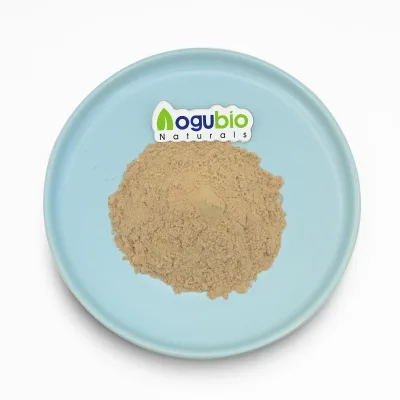
$31.72 - $41.28
MOQ: 1 units
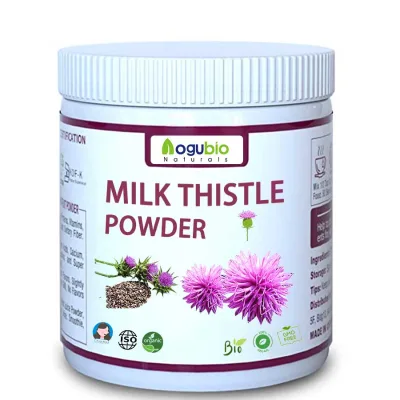
Premium Milk Thistle Extract 10:1 Powder - Natural Liver Support Supplement
$11.44 - $13.52
MOQ: 1 kilograms

Shaanxi Hongkang Biological Technology Co., Ltd.
- Verified by TUVRHEINLAND
- Trading Company,Manufacturer/Factory
- China Shaanxi
- Lead time15 days
- Avg. response≤ 2h
Main productsCosmetic Raw Materials, High Concentrate Liquid Flavor, Food Additive Matcha Powder, Food Grade Matcha Powder, Shilajit Extract, Menthol Crystals, Flavor for Heating, Moringa Powder, Mushroom Extract, Essential Oil
Main marketsSouth America,Eastern Europe,Mid East,North America,Southeast Asia,Eastern Asia,Oceania,Western Europe,Africa


Plant Extract Vine Tea Powder 98% Dihydromyricetin Dhm for Liver Protection
$104.48 - $115.94
MOQ: 1 kg


Liver Protection Vine Tea Extract 98% Dihydromyricetin Dhm CAS. 27200-12-0
$104.48 - $115.94
MOQ: 1 kg

Dunkang Biotechnology Co., Ltd.
- Verified by SGS
- Manufacturer/Factory
- China Guangdong
- Lead time23 days
- Avg. response≤ 4h
Main productsCapsules, Gummies, Softgel, Powder, Drink, Jelly, Weight Loss, Probiotic, Tablets
Main marketsSouth America,Eastern Europe,Mid East,North America,Southeast Asia,Eastern Asia,Oceania,Western Europe,Africa

Liver Cleanse Detox Supplement Organic Vegan Milk Thistle Dihydromyricetin Hangover Capsules
$2.90 - $3.70
MOQ: 1000 Pieces

OEM ODM Private Label Milk Thistle Extract Liver Support Drops Health Supplement
$1.80
MOQ: 10000 Pieces

Jinan Gogo International Trade Co., Ltd.
- Verified by TUVRHEINLAND
- Trading Company
- China Shandong
- Lead time15 days
- Avg. response≤ 9h
Main productsGarlic, Ginger, Onion, Pear, Carrot, Peanut, Potato, Dehydrated and Frozen Vegetables, Fresh Apple, Pumpkin Seeds
Main marketsSouth America,Africa,Southeast Asia/ Mideast,East Asia(Japan/ South Korea),Europe,Australia
Dr. Tong Health Industry Hebei Co., Ltd.
- Verified by SGS Group
- Manufacturer, Trading Company
- Hebei, China
- Lead time15 days
- Avg. response≤ 3h
Main productsProbiotic Series, Nutrient Oil Drops, Herbal Supplement, Liquid Candy, Nutrient Powder
Main marketsDomestic Market(100%)
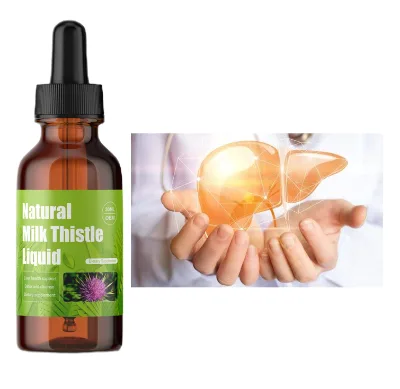
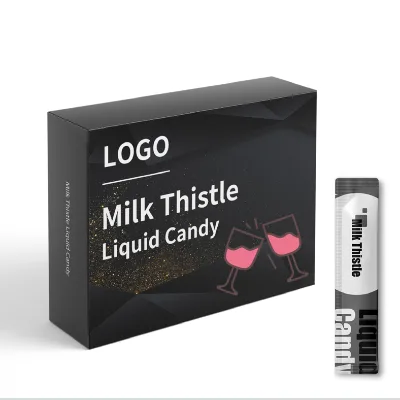
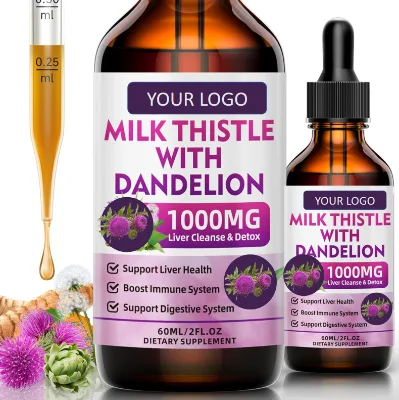
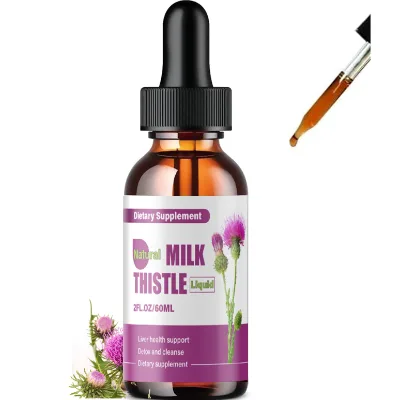
Best Price Natural Food Grade Milk Thistle Extract Liquid Pueraria Extract Liquid Drink 30/60ml
$2.02 - $3.06
MOQ: 1000 pieces
Shandong Kaiyue Chemical Co., Ltd.
- Verified by SGS
- Trading Company
- China Shandong
- Lead time15 days
- Avg. response≤ 7h
Main marketsOthers(foreignTradeCapacity.exportBusinessCapacityMarketOther)

Supply High Quality Natural 98% Dihydromyricetin Powder Dihydromyricetin- Dhm Dihydromyricetin
$0.50 - $1.20
MOQ: 1 Pieces

Silybin Silibinin CAS 22888-70-6 Milk Thistle Extract Health Supplement Factory
$0.63 - $2.80
MOQ: 1 Pieces
Nanjing NutriHerb BioTech Co., Ltd.
- Verified by TUVRHEINLAND
- Manufacturer/Factory
- China Jiangsu
- Lead time15 days
- Avg. response≤ 2h
Main productsBotanical Extracts, Functional Ingredients, Natural Colors, Fruit & Vegetable Powders, Liposomal Ingredients, Mushroom Extracts, Tea Extracts, Cosmetics Ingredients
Main marketsNorth America,Eastern Asia,Western Europe

Healthcare Supplement Factory Supply Vine Tea Extract 98% Dhm Dihydromyricetin
$20.00 - $155.00
MOQ: 1 kg

Natural Milk Thistle Extract Silymarin 80% Silybin 30% for Dietary Supplement
$2.00 - $30.00
MOQ: 1 kg


- Trading Company,Manufacturer/Factory
- China Liaoning
- Lead time15 days
- Avg. response≤ 2h
Main productsSoya Lecithin, Calcium Propionate, Propylene Glycol, Propylene Carbonate, Maltitol, Citric Acid, Gel Wax, Sapp/SHMP/Tspp/STPP/Tkpp, Vitamins
Main marketsSouth America,Eastern Europe,Mid East,North America,Southeast Asia,Eastern Asia,Oceania,Western Europe,Africa


Organic Silymarin Silybum Marianum Plant Extract Milk Thistle Extract for Wellness Support
$10.00 - $50.00
MOQ: 1 kg


- Trading Company,Manufacturer/Factory
- China Zhejiang
- Lead time60 days
- Avg. response≤ 6h
Main productsPigment, Dye, Cellulose Ether, Ultramarine Blue, Titanium Dioxide, Iron Oxide, Plant Extract, Ingredient, Life Science Ingredient, Food Additive
Main marketsSouth America,Eastern Europe,Mid East,North America,Southeast Asia,Eastern Asia,Oceania,Western Europe,Africa

Suzhou Greenway Biotech Co., Ltd.
- Verified by BV
- Trading Company,Manufacturer/Factory
- China Jiangsu
- Lead time15 days
- Avg. response≤ 7h
Main productsGlutathione, Nmn, Pharmaceutical Intermediates, Cosmetic Materials, Nutritional Supplements
Main marketsSouth America,Eastern Europe,Mid East,North America,Southeast Asia,Eastern Asia,Oceania,Western Europe,Africa

Herbal Supplement Liver Protection Vine Tea Extract CAS 27200-12-0 Powder 98% Dhm Dihydromyricetin
$80.00 - $120.00
MOQ: 1 kg

Liver Protection Vine Tea Extract Pure Natural CAS 27200-12-0 Powder 98% Dhm Dihydromyricetin
$20.00 - $50.00
MOQ: 1 kg


Shandong Shoucheng Biotechnology Co., Ltd
- Verified by TUVRHEINLAND
- Manufacturer/Factory
- China Shandong
- Lead time15 days
- Avg. response≤ 3h
Main productsChondroitin Sulfate, Glucosamine, Msm, Hyaluronic Acid, Dietary Supplement Tablets OEM, Dietary Supplement Capsule OEM, Dietary Supplement Softgel OEM, Dietary Supplement Gummies OEM
Main marketsSouth America,Eastern Europe,Mid East,North America,Southeast Asia,Eastern Asia,Oceania,Western Europe,Africa

Dietary Supplement Milk Thistle Extract Tablets Silybum Marianum Antioxidant
$0.02 - $0.08
MOQ: 100000 Capsules


Baoding Faithful Industry Co., Ltd.
- Verified by TUVRHEINLAND
- Trading Company
- China Hebei
- Lead time15 days
- Avg. response≤ 4h
Main productsCollagen Powder, Pullulan Powder, Hyaluronic Acid Powder, Erythritol, Pepsin, Olive Leaf Extract, Plant Extract, Food Additives
Main marketsSoutheast Asia/ Mideast,East Asia(Japan/ South Korea),Europe,North America
Shaanxi Lymall Bpanda Tech Co., Ltd.
- Verified by BV
- Trading Company
- China Shaanxi
- Lead time15 days
- Avg. response≤ 2h
Main productsMt2, Tianeptine Sodium, Phenibut, Fenbendazole, Shilajit Resin, Nad+, Adipotide, Organic Powder, Melanotan 2, Mt II
Main marketsSoutheast Asia/ Mideast,East Asia(Japan/ South Korea),Europe,Australia,North America
Guangzhou Zhishi Molecular Technology Co., Ltd.
- Verified by SGS
- Trading Company
- China Guangdong
- Lead time15 days
- Avg. response≤ 2h
Main productsVitamin Drop, Vitamin Capsule, Maca, Maca Capsule
Main marketsDomestic


Supportive Milk Thistle Supplement in 200cc Bottle, 120 Capsules, OEM ODM
$2.50 - $3.00
MOQ: 1000 Pieces
Guangzhou Beauty & Healthcare Factory Co., Ltd.
- Trading Company, Distributor/Wholesaler
- Guangdong, China
- Lead time10 days
- Avg. response≤ 3h
Main productsglutathione capsules,multivitamins,gummies,skin care products,food supplement
Main marketsCentral America(30.00%), Northern Europe(10.00%), Southern Europe(10.00%), Eastern Europe(8.00%), South America(8.00%), North America(7.00%), Oceania(6.00%), Africa(6.00%), Eastern Asia(6.00%), Southeast Asia(4.00%), Western Europe(2.00%), Domestic Market(1.00%), Mid East(1.00%), South Asia(1.00%)
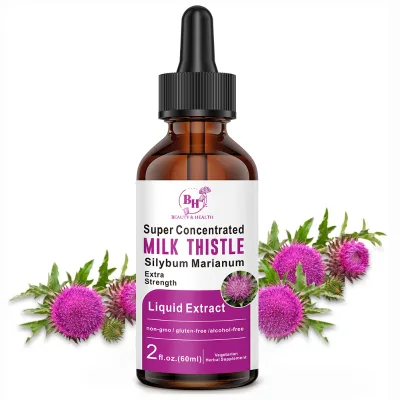
Wholesale Milk Thistle Liquid Extract Drops Support Liver Health Vegetarian Herbal Supplement
$1.52 - $3.55
MOQ: 100 pieces
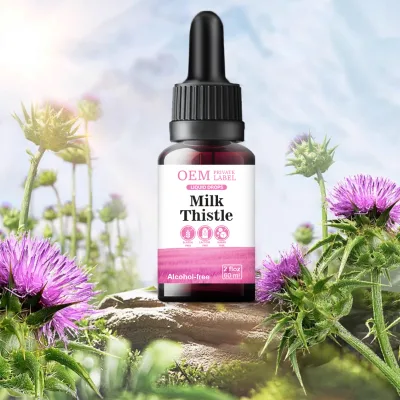
OEM/ODM Premium Milk Thistle Liquid Drops Liver Health Support Dietary Supplement 60ml
$1.52 - $3.55
MOQ: 100 pieces
Guangzhou Shengmei Pharmaceutical Industry Co., Ltd
- Verified by SGS
- Combined
- China Guangdong
- Lead time15 days
- Avg. response≤ 3h
Main productsGummies, Drink, Capsule, Jelly, Oral Film
Main marketsDomestic,Europe,North America

High Quality Silymarin Milk Thistle Supplement Softgels for Liver Health
$0.02 - $0.10
MOQ: 300000 Pieces


Good Fortune International Trading (Tianjin) Co., Ltd
- Verified by TUVRHEINLAND
- Manufacturer/Factory
- China Tianjin
- Lead time15 days
- Avg. response≤ 7h
Main productsSupplement, Chemicals, Plant Extracts, Vitamins, Sweeteners, Food Additives, Plant Proteins, Cosmetic Ingredients, Healthy Ingredients, Pharmaceutical Ingredients
Main marketsSouth America,Eastern Europe,Mid East,North America,Southeast Asia,Eastern Asia,Oceania,Western Europe,Africa

Natural Premium Organic Milk Thistle Extract for Optimal Liver Health Support
$15.00 - $47.00
MOQ: 100 kg

High-Purity Organic Herbal Extracts Organic Milk Thistle Extract 80% for Liver Protecting
$10.00 - $38.00
MOQ: 100 kg

Factory Price High Quality High Purity CAS. 84604-20-6 Milk Thistle Extract 80%
$30.00 - $47.00
MOQ: 100 kg


Comprehensive Sourcing Guide
Organic Milk Thistle Dihydromyricetin Supplement Supplier Concentration and Factory Types
Suppliers offering Organic Milk Thistle Dihydromyricetin Supplement ingredients on B2B platforms tend to fall into two broad groups: manufacturers with in-house extraction capability and trading companies that consolidate output from several processors. Manufacturer profiles typically list ODM and OEM services, product evidence with assay methods such as UV and HPLC, and customization options for capsule and tablet formats. Trading company profiles usually emphasize breadth of plant extracts, faster response times, and flexible minimums, but they may not control the extraction process directly. Understanding which type you are dealing with shapes everything from traceability questions to who is accountable if a batch fails specification.
Geographic concentration is a real feature of this category, but you should verify it rather than assume it. In the results reviewed for this guide, verified supplier profiles cite origins in provinces such as Jiangsu, Hunan, and Shaanxi in China, and one supplier lists a production site in Changsha, Hunan. These clusters exist because raw material sourcing, solvent extraction capacity, and testing infrastructure concentrate where vine tea and milk thistle processing are established. When your search does not display locations, identify clusters by checking where multiple suppliers state their country of origin and production sites, then confirm whether raw material proximity supports consistent dihydromyricetin potency and organic compliance before shortlisting anyone.
How to Verify Organic Milk Thistle Dihydromyricetin Supplement Suppliers
Verification begins with the credentials a supplier displays, then moves to independent confirmation. Some profiles in this category show third-party verification badges, such as BV, and product-level certifications including FDA, ISO, HACCP, BRC, and RoHS. Treat these as claims to verify, not facts. Request copies of the organic certification covering the specific lot you would buy, since a general food-safety certificate does not prove organic status for milk thistle extract or dihydromyricetin powder. Ask which certifying body issued the organic certificate and whether it covers the processing facility as well as the farm.
Product evidence on supplier pages gives you concrete checkpoints. Listings for 98% dihydromyricetin vine tea extract commonly state assay methods (UV, HPLC, sometimes GPC and HPLC-MS), CAS numbers, extraction type, part used (leaf), and packing formats such as 1 kg foil bags inside 25 kg drums. Use these details to draft a specification sheet and then require a recent third-party certificate of analysis matching that sheet, including purity, solvent residues, and heavy metals. Order a sample before committing; at least one supplier in this category advertises free samples with 10–20 g sample sizes offered by another. Also check whether the supplier is verified by an independent service, whether the company type is manufacturer or trading company, and whether a named contact responds with documents, not just price sheets.
What to Compare Across Organic Milk Thistle Dihydromyricetin Supplement Suppliers
Build a comparison sheet using the attributes suppliers actually display, while accepting that not every profile shows every field. Useful dimensions include: lead time (one supplier profile lists 23 days, another 15 days, and one product page states delivery in 3–5 days), MOQ (ranging from 1 unit on some dihydromyricetin listings to 1,000 units on a Hunan vine tea extract product), response time in hours (values observed range from roughly 6 to 14.5 hours), company type (combined manufacturer-trader versus trading company), verification status, and location. Rank suppliers on the dimensions that matter most to your launch timeline and cash flow.
Beyond logistics, compare product-level evidence rather than marketing copy. For 98% dihydromyricetin listings, compare stated purity standards, assay methods, certification claims, application formats (capsule, tablet), color and state (white powder), and packing. Price ranges in the observed results vary widely, from about $10–150 per unit on one listing to $60 and $100 flat figures on others, so normalize pricing to cost per kilogram of verified 98% material before comparing. Also compare depth of catalog: some suppliers specialize in plant extracts, while others carry broad supplement lines including collagen, curcumin, and green tea extracts, which signals different sourcing models. Finally, compare customization availability, since ODM and OEM support matters if you plan private-label capsules rather than bulk powder purchases.
Common Organic Milk Thistle Dihydromyricetin Supplement Sourcing Risks
The most serious risk in this category is purity drift. Dihydromyricetin is often offered at gradations between 10% and 98%, and one listing explicitly advertises a range of concentrations. If your specification says 98% but a supplier ships lower-grade material, capsule potency claims collapse and regulatory exposure follows. Mitigate this by requiring lot-specific HPLC certificates and conducting incoming third-party testing on your first several orders. A related risk is "organic-washing": a supplier may hold ISO or FDA-registered status while the organic certificate is expired, farm-level only, or unrelated to the extract processing line, so verify the certificate scope directly with the issuing body.
Other recurring risks include confusing silymarin with dihydromyricetin. Both appear in liver-health supplement marketing, and some suppliers carry milk thistle extract (standardized to silymarin and silybin) alongside vine tea extract, but they are entirely different compounds with different specifications and CAS numbers. Never accept a quote without the product name, CAS number, and purity stated in writing. Additional risks: trading companies reselling without disclosing the actual processor, which breaks traceability; optimistic delivery claims (3–5 days) that refer only to stock items and not production runs; and hidden costs in packing, since foil-bag and drum formats differ in freight efficiency. Lock specifications, certification scope, and delivery terms into a written agreement before paying deposits.
Organic Milk Thistle Dihydromyricetin Supplement Regional Sourcing and Logistics
Regional sourcing in this category currently centers on Chinese provinces where plant-extract processing is concentrated. Profiles in the observed results cite Jiangsu, Hunan, and Shaanxi, with one supplier explicitly listing Changsha, Hunan as the production site, and product origins stated as China. Hunan and Shaanxi both host dense clusters of extract manufacturers and trading companies, which means you can often source milk thistle extract and dihydromyricetin from the same region, simplifying freight consolidation. Jiangsu-based profiles tend toward finished and semi-finished supplement formats, including capsules, which matters if you want a filled product rather than bulk powder.
Logistically, plan around packing and lead time. Typical packing for extract powders is 1 kg foil bags packed 25 kg to a drum, and one supplier lists air, sea, and courier options for dispatch. Sea freight suits full container loads of drums; courier suits sample quantities and pilot batches; air freight bridges the gap for urgent mid-size orders. Observed supplier lead times range from product-page claims of 3–5 days to profile-level figures of 15 and 23 days, so clarify whether the quoted lead time includes production, testing, and export documentation or only warehouse handling. Confirm export experience to your destination market, including whether the supplier has shipped organic-certified goods with the required documentation attached, since customs delays frequently stem from missing organic paperwork rather than freight issues.
Organic Milk Thistle Dihydromyricetin Supplement Commercial Terms and Order Planning
Commercial terms should be settled in writing before any deposit. Key negotiation points: unit price normalized per kilogram at your specified purity (quoted ranges in this category span roughly $10–150 depending on grade and format), MOQ (observed figures run from 1 unit to 1,000 units), incoterms, payment structure, and whether customization fees apply for private-label capsules or tablets. Several suppliers state customization is available and some advertise ODM/OEM capability, so ask whether tooling, artwork, or formulation fees are one-time or amortized into unit pricing. Where a marketplace offers escrow or trade assurance, use it, and verify whether your chosen supplier participates rather than assuming coverage.
Order planning should sequence risk reduction. Start with a sample order (some suppliers offer free samples; others provide 10–20 g samples), then a small paid pilot batch with third-party testing, then volume orders once two consecutive lots pass your specification. Align order cadence with the supplier's stated lead time rather than best-case delivery claims, and build buffer stock for the slower end of observed ranges. For repeat purchasing, negotiate price breaks tied to cumulative volume and lock purity standards, certification scope, and packing format into a master agreement. Finally, calendar annual re-verification of organic certificates and request updated certificates of analysis with every shipment, since certificates age faster than supplier relationships in this category.
FAQs
What purity level should I expect for a dihydromyricetin supplement?
Most listings in this category offer dihydromyricetin at a 98% standard, verified by UV or HPLC assay methods. Some suppliers also provide lower concentrations, such as 10% to 98% ranges, for different formulations. Always request a certificate of analysis from an independent lab before committing, and confirm which assay method was used, since HPLC results are generally considered more precise for this extract.
What is the typical minimum order quantity for dihydromyricetin powder?
Minimum order quantities vary widely across suppliers in this category. Some Jiangsu-based manufacturers list a one-kilogram MOQ for trial orders, while a Hunan trading company lists a 1,000-unit MOQ, and another supplier accepts 25-kilogram orders. If you are testing a new formulation, prioritize suppliers offering small sample quantities or free samples so you can evaluate quality before scaling up.
Which certifications should a milk thistle and dihydromyricetin supplier hold?
Look for ISO and FDA registrations as a baseline, and HACCP certification for food-grade production. Some Shaanxi suppliers also list BRC and RoHS compliance, which indicates broader quality-system coverage. Verify that each certificate is current and applies to the specific facility producing your extract, because listings sometimes display certifications that were issued to a different entity or have expired.
How fast can suppliers ship organic dihydromyricetin extract?
Lead times differ by supplier type. One Hunan-based supplier lists product delivery in three to five days for stock orders, while overall supplier lead times in this category range from about 15 to 23 days depending on order size and customization. Confirm whether the quoted lead time covers production only or also includes quality testing and export documentation before placing your order.
Do suppliers offer samples of 98% dihydromyricetin before bulk purchase?
Yes, sample support is common in this category. A Hunan supplier explicitly offers free samples, and a Shaanxi supplier provides 10 to 20 gram powder samples for evaluation. Sample policies vary, so confirm whether the sample itself is free, who pays shipping, and whether the sample batch matches the same production lot you would receive in bulk, since quality can shift between runs.
How is dihydromyricetin powder typically packaged for export?
Standard packaging in this category is one kilogram in a foil bag with 25 kilograms packed in a drum. Some suppliers also offer vacuum-packed aluminum bags. Packaging matters because dihydromyricetin powder can degrade with moisture and light exposure, so confirm the inner liner material, drum sealing method, and whether desiccant is included, especially for sea freight shipments to humid destinations.
Where are the main production regions for dihydromyricetin in China?
Suppliers in this category are concentrated in Jiangsu, Hunan, and Shaanxi provinces. Hunan production is associated with Changsha processing sites for vine tea extract, while Jiangsu manufacturers often combine extract production with finished capsules and tablets. Region can influence raw material access and logistics costs, so compare suppliers across provinces rather than limiting your search to a single location.
Can suppliers customize dihydromyricetin into capsules or tablets?
Customization is widely available in this category. A Jiangsu combined manufacturer offers ODM and OEM services and lists applications in capsule and tablet form for its 98% dihydromyricetin extract. When requesting custom formulations, confirm the excipients used, the finished dosage per unit, whether the extract remains 98% after blending, and the additional lead time required for customized production runs.