Organic Moisturizing Facial Mask Suppliers and Manufacturers
Compare 28 verified suppliers offering organic moisturizing facial masks with varying lead times, certifications, and MOQs. Review response times and customization options to select a partner for your skincare needs; review the available evidence before requesting comparable quotations from suitable candidates.
Updated
Suppliers List

Guangzhou Zohe Wellness Technology Co. Ltd
- Verified by SGS
- Combined
- China Guangdong
- Lead time15 days
- Avg. response≤ 1h
Main marketsDomestic

Plant-Based Acne Treatment Soothing and Oil Control Herbal Facial Mask Moisturizing
$3.00
MOQ: 5000 Pieces

Private Label Herbal Oil Control Sensitive Skin Acne Repair Facial Mask Moisturizing
$3.00
MOQ: 5000 Pieces

Jining Innovision Biotechnology Co., Ltd.
- Verified by BV
- Combined
- China Shandong
- Lead time15 days
- Avg. response≤ 4h
Main productsHyaluronic Acid
Main marketsDomestic

Guangzhou Kanglixin Medical Biotechnology Co, Ltd.
- Verified by BV
- Combined
- China Guangdong
- Lead time30 days
- Avg. response≤ 10h
Main productsSkin Care Products, Body Care, Hair Care Products, Makeup, Men's Care Products, Ferminine Care Products, Serum, Facial Mask, Face Cream, Scrub
Main marketsSouth America,Africa,Southeast Asia/ Mideast,East Asia(Japan/ South Korea),Domestic,Europe,North America

Organic Natural Moisturizing Deep Cleaning Green Tea Facial Mud Mask Vitamin C Clay Face Mask
$1.30 - $1.80
MOQ: 100 pieces

Fruit Face Mask Organic Vitamin C Sheet Mask Face Use Moisturizing Plant Facial Mask
$0.20 - $0.50
MOQ: 5000 pieces

Face Sheet Mask Organic Plant Fruit Whitening Moisturizing Beauty Skin Care Repair Facial Mask
$0.40 - $0.60
MOQ: 50 pieces

Skincare Gold Sheet Face Mask Moisturizing Whitening Natural Organic Honey Facial Mask
$0.20 - $0.50
MOQ: 1000 pieces

Custom Organic Korean Beauty Skin Care Plant Fruit Sheet Face Mask Moisturizing Facial Mask
$0.40 - $0.80
MOQ: 5000 pieces

Private Label Natural Plant Fruit Beauty Face Mask Skin Care Moisturizing Facial Mask
$0.20 - $0.50
MOQ: 5000 pieces
Ausmetics Daily Chemicals (Guangzhou) Co., Ltd.
- Verified by TüVRheinland
- Manufacturer, Trading Company
- Lead time40 days
- Avg. response≤ 7h
Main productsSkin Care, Bath & Body Care, Hair Care, Mom & Baby Care, Disinfectant
Main marketsDomestic Market(40%), Eastern Europe(10%), Western Europe(8%)
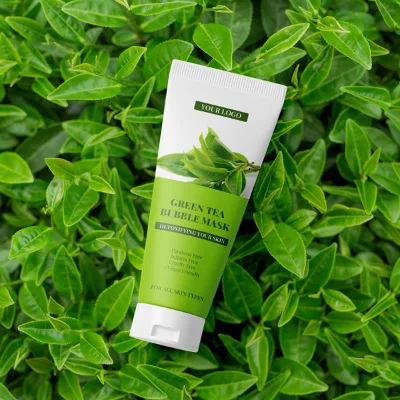
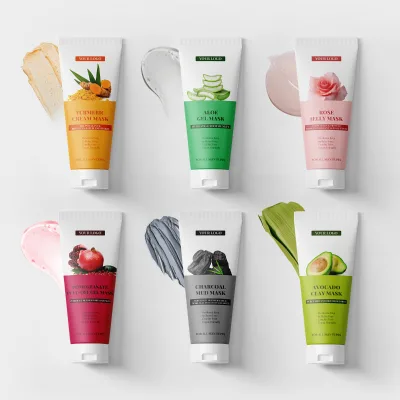
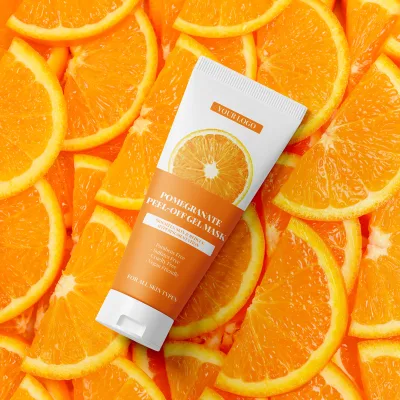
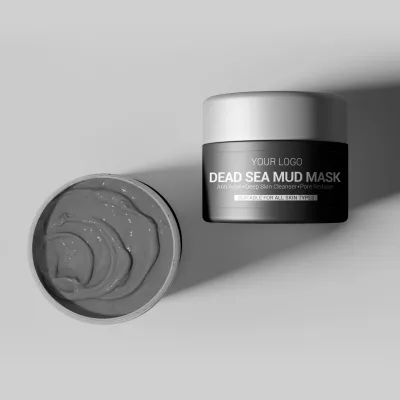
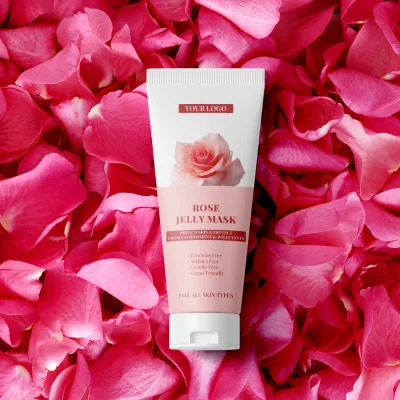
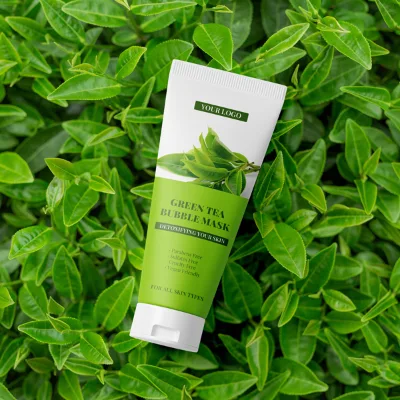
Private Label Natural Organic Face Skin Deep Cleansing Brightening Face Clay Mask
$0.7245
MOQ: 10000 Minimum
Guangzhou Hisun Health Technology Co., Ltd.
- Verified by SGS Group
- Trading Company
- Lead time3 days
- Avg. response≤ 2h
Main productsWhitening Cream, Face Serum, Face Mask, Sunscreen, Beard Oil
Main marketsNorth America(25%), Africa(20%), South Asia(12%)
HK BISUTANG COSMETICE CO., LIMITED
- Verified by SGS Group
- Manufacturer, Trading Company
- Lead time25 days
- Avg. response≤ 11h
Main productsFace Mask, Face Cream, Body Lotion, Essential Oil, Body Scrub
Main marketsSoutheast Asia(50%), Mid East(20%), Eastern Europe(8%)

GUANGZHOU BANGTING COSMETICS CO., LTD.
- Verified by TUVRHEINLAND
- Combined
- China Guangdong
- Lead time30 days
- Avg. response≤ 13h
Main productsFacial Cleansing Products, Facial Care, Eye Care, Collagen Eye Mask, Shampoo, Hair Mask, Eye Cream, Hair Essential Oil, Shower Gel, Body Lotion
Main marketsSoutheast Asia/ Mideast

Anti-Wrinkle Essence Facial Mask Moisturizing Smoothing Cleaning Facial Mask
$0.42 - $0.84
MOQ: 100 pieces

Anti-Wrinkle Masks Face Care Moisturize Nourishing Whitening Deep Moisturizing Facial Mask Face
$0.42 - $0.84
MOQ: 100 pieces

Foshan Blackbird Trading Co., Ltd.
- Trading Company
- Guangdong, China
- Lead time30 days
- Avg. response≤ 14h
Main productsFacial Care/Lip & Oral Care/Hair & Scalp Care/Body Care/Self Tan
Main marketsNorth America(45.00%), Western Europe(25.00%), Oceania(10.00%), Central America(10.00%), Northern Europe(5.00%), Mid East(5.00%)
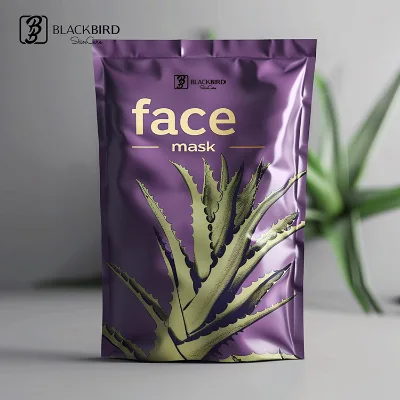
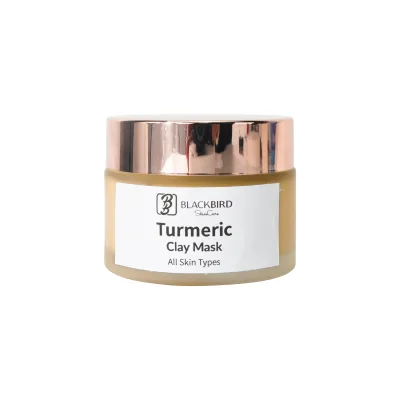
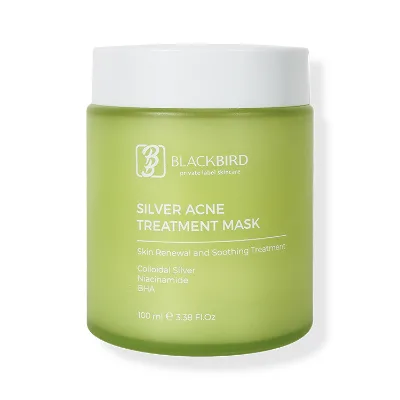
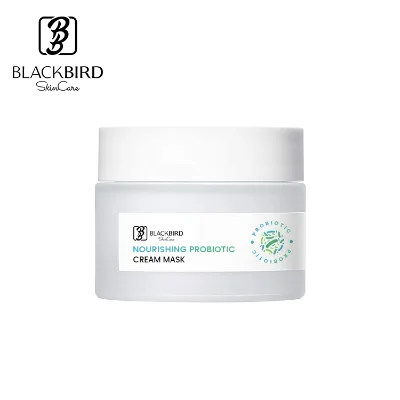
$3.9371 - $4.2575
MOQ: 1000 pieces

Guangzhou Aifujia Biotechnology Co., Ltd.
- Trading Company
- China Guangdong
- Lead time15 days
- Avg. response≤ 5h
Main productsFace Cream, Face Serum, 24K Serum, Rose Spray, Vitamin C Serum, Skin Care Set, Essential Oil, Facial Mask, Face Lotion, Anti Aging Whitening Face Cream
Main marketsSoutheast Asia/ Mideast,Europe,North America


Private Label Face Anti-Aging Hydrating Soft Moisturizing Cleansing Facial Mask
$1.60 - $1.90
MOQ: 1000 Pieces


Hangzhou Hengbang Industrial Co., Ltd.
- Combined
- China Zhejiang
- Lead time15 days
- Avg. response≤ 21h
Main productsPre-Cut Nonwoven Fabric for Facial Mask, Diecut Nonwoven Facial Mask Sheet, Facial Mask Substrate, Invisible Facial Mask Sheet, Plant Fiber Face Mask Sheet, Tencel Facial Mask Sheet, Facial Mask Sheet for Cosmeceutical, Functional Facial Mask Sheet, Sontara Lyocell Facial Mask Sheet, Cupro Facial Mask Sheet
Main marketsSoutheast Asia/ Mideast,East Asia(Japan/ South Korea),Domestic

Hot Sell Skin Care Moisturizing Oil Control Green Lotus Hydrating Lifting Organic Facial Mask Sheet
$0.024 - $0.027
MOQ: 30000 pieces

OEM Cosmetic Moisturizing Mask Hydrating Mask Beauty Face Sheet (Skin Care)
$0.051 - $0.053
MOQ: 30000 Pieces


Shenzhen YueYueYuan Cosmetics Co., Ltd.
- Verified by SGS
- Manufacturer/Factory
- China Guangdong
- Lead time15 days
- Avg. response≤ 1h
Main productsSheet Mask, Facial Mask, Body Lotion/Toners, Facial Cleansers, Dry Wipes, Compressed Mask, Cotton Pad, Printed Mask, Facial Cream, Hand/Foot Masks
Main marketsSouth America,Eastern Europe,Mid East,North America,Southeast Asia,Eastern Asia,Oceania,Western Europe,Africa

Moisturizing Brightening Facial Mask Suitable for Sensitive Dry and Normal Skin Types
$0.032
MOQ: 30000 Pieces


Guangzhou Mengxi Cosmetics Co., Ltd.
- Verified by TüVRheinland
- Trading Company
- Lead time0 days
- Avg. response≤ 3h
Main productsBeauty Tool, Skin Care Tool, Mask, Facial Cleanser, Facial Serum
Main marketsAfrica(40%), North America(10%), South America(10%)

Guangzhou Yozi Beauty Technology Co., Ltd.
- Manufacturer, Distributor/Wholesaler
- Guangdong, China
- Lead time0 days
- Avg. response≤ 4h
Main productsfacial care,sunscreen,body care,eyes care,foot&hand care
Main marketsAfrica(15.00%), Northern Europe(15.00%), South America(15.00%), North America(15.00%), Southeast Asia(12.00%), Eastern Europe(8.00%), Eastern Asia(6.00%), Mid East(5.00%), Oceania(3.00%), Western Europe(2.00%), Central America(2.00%), South Asia(1.00%), Southern Europe(1.00%)

Hangzhou Yimai Biotech Co., Ltd.
- Verified by SGS
- Trading Company
- China Zhejiang
- Lead time0 days
- Avg. response≤ 8h
Main productsGluthatione Injection, Cosmetic Vitamin C Injection, Thioctic Acid Injection, Vitamin B12 Injection, Vitamin B Complex Injection, Vitamin B Complex Powder, Cannula, Gluthatione Capsule, Syringe, Multi Vitamin Injection
Main marketsSouth America,Eastern Europe,Mid East,North America,Southeast Asia,Eastern Asia,Oceania,Western Europe,Africa


Organic Face Mask Skin Care Products Deep Cleansing Facial Blackhead Remover Activated
$2.50 - $3.00
MOQ: 3 Pieces


Guangzhou Yiyi Biotechnology Co., Ltd.
- Verified by BV
- Trading Company,Manufacturer/Factory
- China Guangdong
- Lead time45 days
- Avg. response≤ 3h
Main productsSkin Care, Hair Care, Body Care
Main marketsSouth America,Eastern Europe,Mid East,North America,Southeast Asia,Eastern Asia,Oceania,Western Europe,Africa

Organic Skin Care Brightening & Pore Cleansing Sheet Mask Whitening Deep Hydration Facial Mask
$0.25 - $0.55
MOQ: 10000 Pieces

$0.35 - $0.85
MOQ: 10000 Pieces

Guangzhou Chuangyuan Pharmaceutical Technology Co., Ltd.
- Manufacturer, Trading Company
- Guangdong, China
- Lead time0 days
- Avg. response≤ 6h
Main productsFacial Mask, Cleanner, Sunscreen Cream & Spray, Facial Cream, Serum
Main marketsSoutheast Asia(30.00%), Domestic Market(10.00%), Mid East(10.00%), South Asia(5.00%), Eastern Asia(5.00%), South America(5.00%), Southern Europe(5.00%), Central America(5.00%), Northern Europe(5.00%), Africa(5.00%), Oceania(4.00%), Western Europe(4.00%), Eastern Europe(4.00%), North America(3.00%)
Guangdong Aopei Cosmetics Co., Ltd.
- Manufacturer, Trading Company
- Lead time旺季: "1 - 100000":31,"> 100000":"To be negotiated", 淡季: "1 - 100000":31,"> 100000":"To be negotiated"
- Avg. response≤ 9h
Main productsFace Care, Body Care, Makeup, Eyes Care, Skin Care Set
Shanxi Ashley Bio-Tech Co., Ltd.
- Verified by Intertek
- Trading Company
- Lead time0 days
- Avg. response≤ 8h
Main productsUnderwear
Main marketsNorth America(70%), Mid East(15%), South Asia(15%)

Guangzhou Shangmei Cosmetics Technology Co., Ltd.
- Manufacturer
- Guangdong, China
- Lead time7 days
- Avg. response≤ 7h
Main productsMask Powder,Jelly Mask,Face Toner,Skin Serum,Facial Mask
Main marketsNorth America(25.00%), Western Europe(15.00%), Northern Europe(10.00%), Oceania(10.00%), Southern Europe(10.00%), Eastern Europe(10.00%), Mid East(5.00%), Southeast Asia(5.00%), Domestic Market(5.00%), South America(4.00%), Eastern Asia(1.00%)
Guangdong Oucai Cosmetics Co., Ltd.
- Manufacturer, Trading Company
- Guangdong, China
- Lead time10 days
- Avg. response≤ 1h
Main productsLipstick, Eyeliner, Eye Shadow, Foundation, Concealer
Main marketsDomestic Market(90.00%), Southeast Asia(10.00%)
Guangzhou Diwo Biotechnology Co., Ltd.
- Verified by TüVRheinland
- Manufacturer, Trading Company
- Lead time20 days
- Avg. response≤ 2h
Main productsBody Care, Skin Care, Tanning Products, Mask, Hair Care
Main marketsNorth America(30%), Northern Europe(20%), Western Europe(15%)
Shenzhen Beauty Swan Tech Co., Limited
- Verified by TüVRheinland
- Trading Company
- Lead time0 days
- Avg. response≤ 2h
Main productsLipgloss, Foundation, Face Serum, Face Mask, Facial Cleanser
Main marketsNorth America(50%), Africa(20%), South America(10%)

Guangzhou Aixin Cosmetic Co., Ltd.
- Verified by TUVRHEINLAND
- Trading Company
- China Guangdong
- Lead time15 days
- Avg. response≤ 4h
Main productsSkin Care, Cosmetic, Face Mask, Beauty, Body Scrub, Face Care, Body Care, Skin Care Product, Mask, Cream
Main marketsDomestic

Beauty Product Cosmetics Moisturizing and Refreshing Lightweight & Form-Fitting Facial Mask
$0.31 - $0.65
MOQ: 100 Pieces

Beauty Cosmetics Facial Care Moisturizing Black Charcoal Pore Cleansing Mask
$0.38 - $0.62
MOQ: 100 Pieces
- Verified by SGS Group
- Trading Company
- Lead time15 days
- Avg. response≤ 4h
Main productsToothbrush, Toothpaste, Package Bottle, Teeth Whitening Product, Skin Care Product
Main marketsNorth America(30%), Southeast Asia(20%), Africa(15%)
Guangdong Aopei Cosmetics Co., Ltd.
- Manufacturer, Trading Company
- Lead time旺季: "1 - 100000":30,"> 100000":"To be negotiated", 淡季: "1 - 100000":30,"> 100000":"To be negotiated"
- Avg. response≤ 8h
Main productsFace Care, Body Care, Makeup, Eyes Care, Skin Care Set
Guangdong Quanli Pharmaceutical Technology Co., Ltd.
- Verified by Intertek
- Manufacturer, Trading Company
- Guangdong, China
- Lead time30 days
- Avg. response≤ 2h
Main productsFace Mask, Face Cream, Face Serum, Face Essence, Face Cleanser
Main marketsDomestic Market(80%), North America(5%), South America(5%)
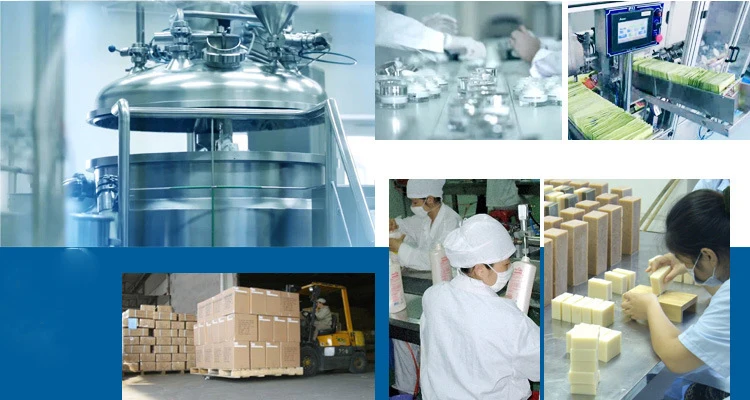
Henan Green Biotechnology Co., Ltd.
- Trading Company
- Henan Province, China
- Lead time0 days
- Avg. response≤ 2h
Main productsface cream,body scrub,lip mask,hair shampoo,soap
Main marketsEastern Europe(30.00%), South America(30.00%), North America(30.00%), Oceania(10.00%)
Zhuhai Fukangyuan Biotechnology Co., Ltd.
- Verified by SGS Group
- Manufacturer, Trading Company
- Lead time0 days
- Avg. response≤ 3h
Main productsFace Mask, Eye Mask, Skin Care Set, Body Mask, Collagen Mask
Main marketsNorth America(30%), Eastern Europe(20%), Southeast Asia(20%)


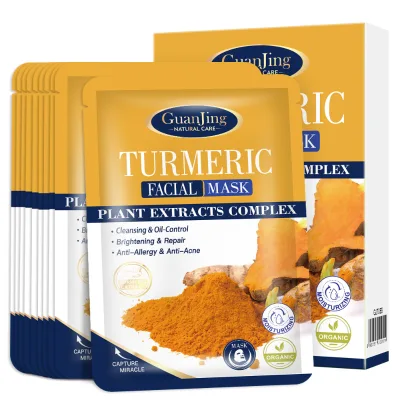
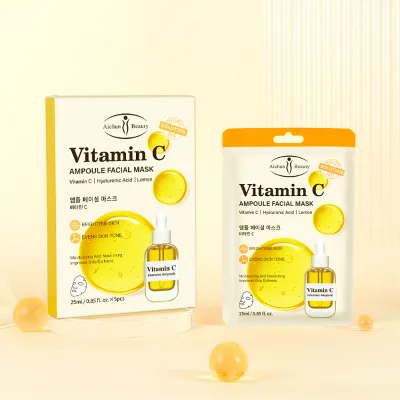
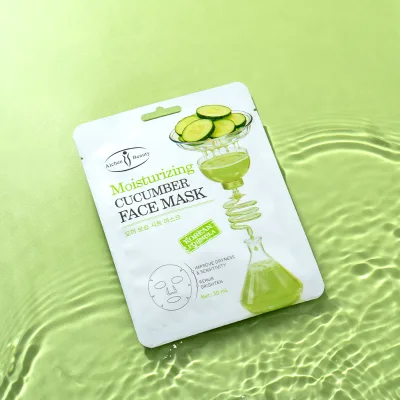
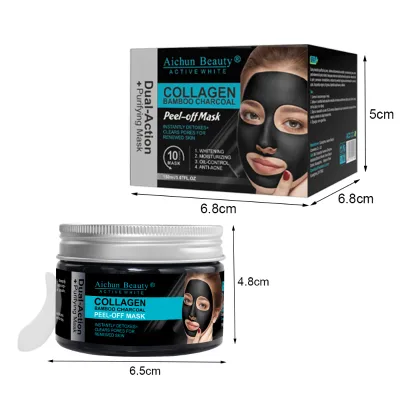
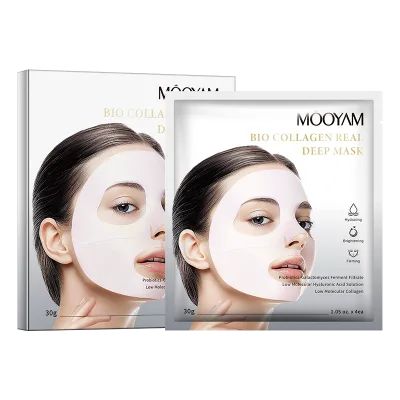
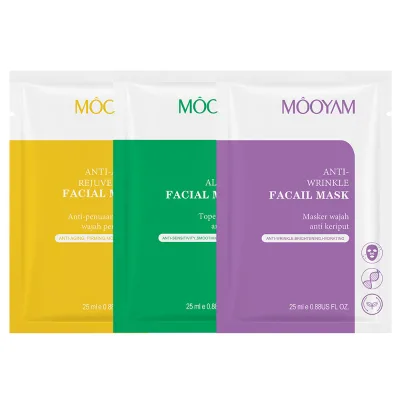
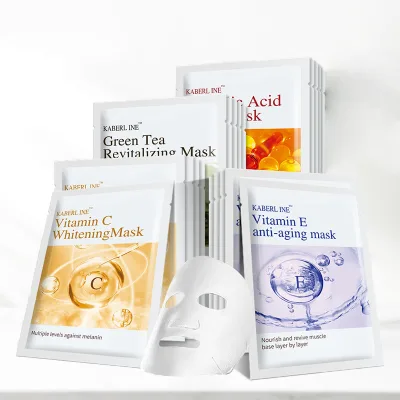
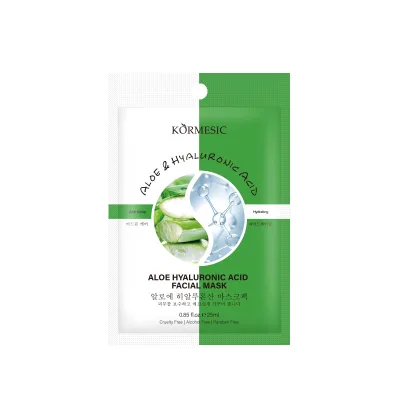
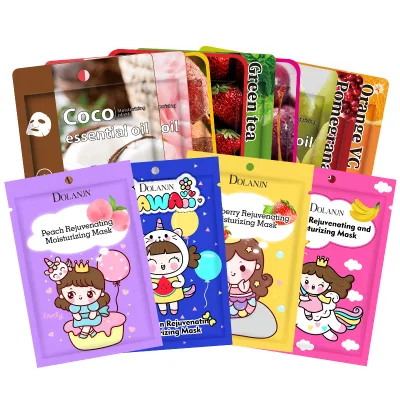
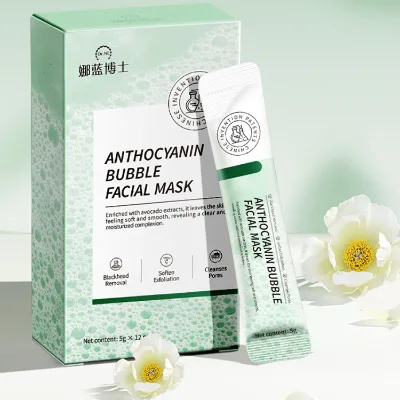
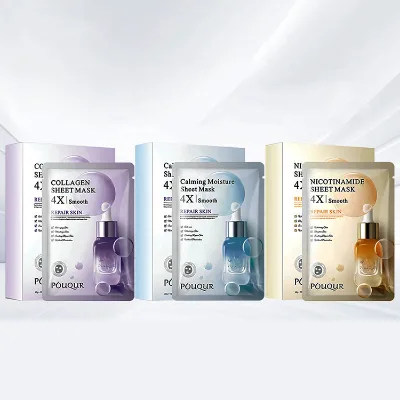
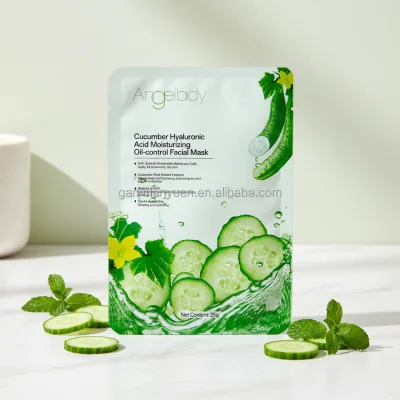
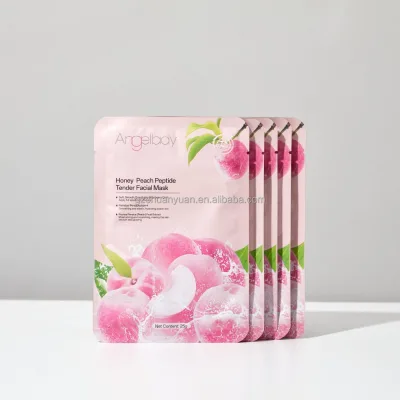
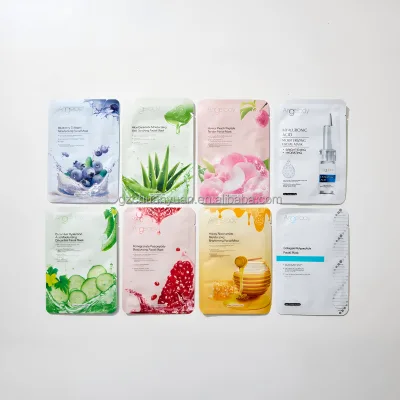
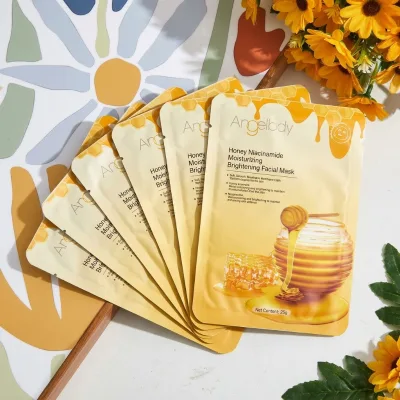
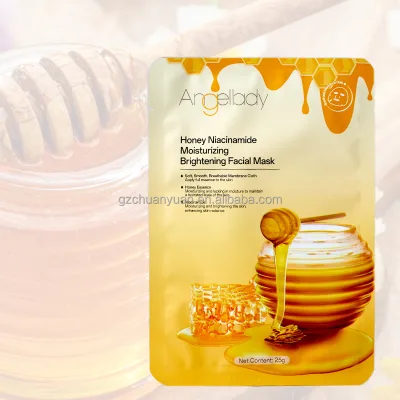
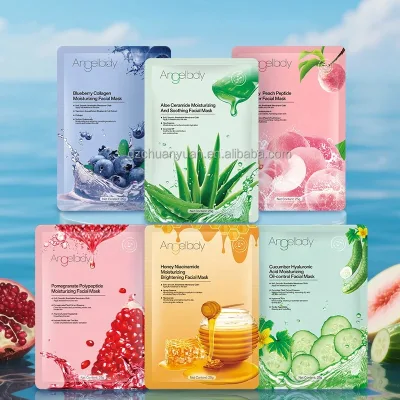
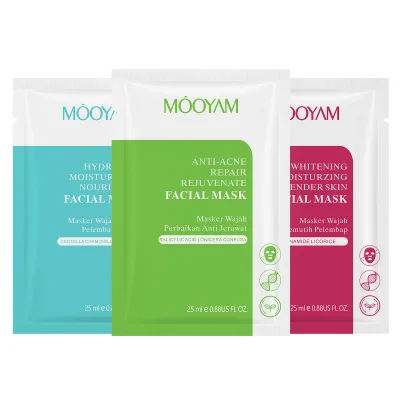
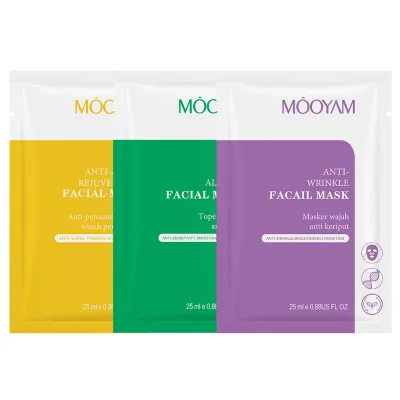
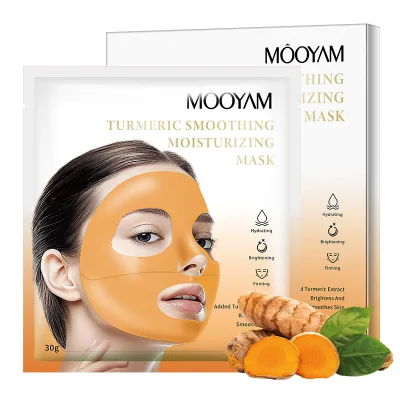
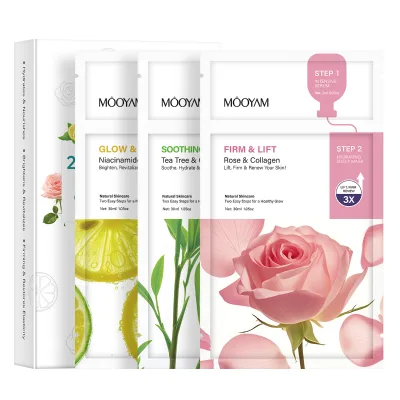
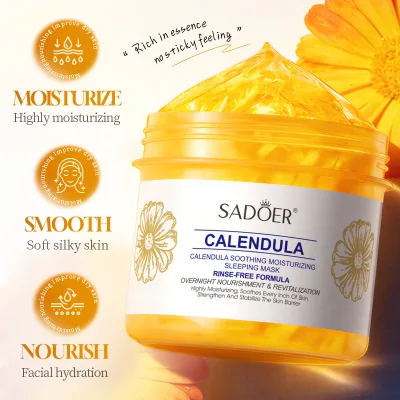
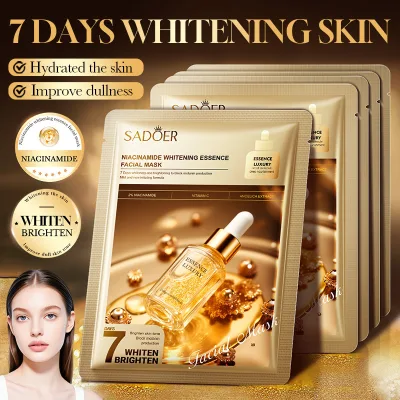
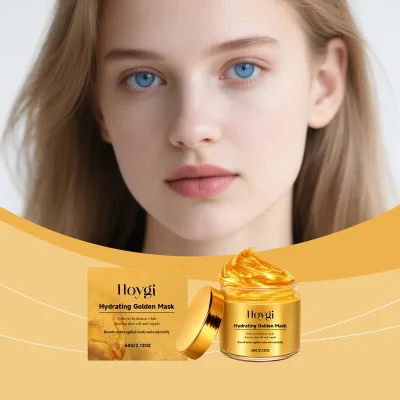
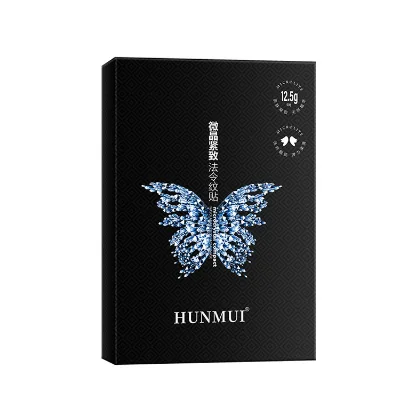
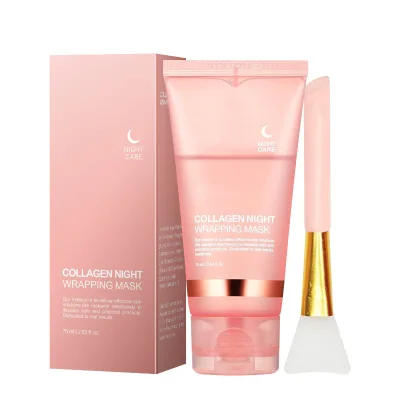
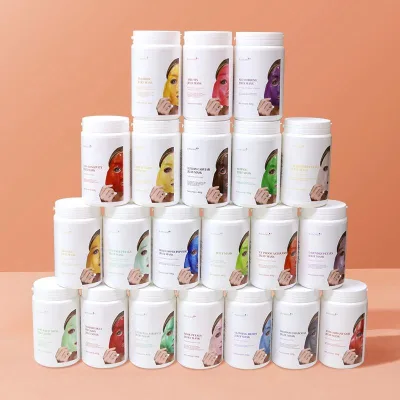
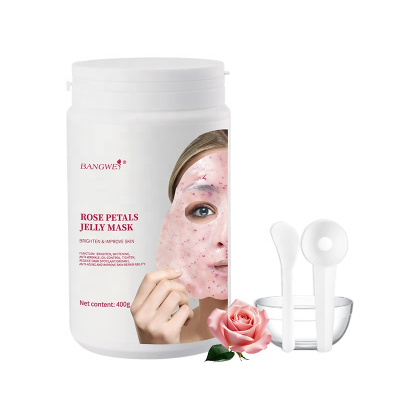
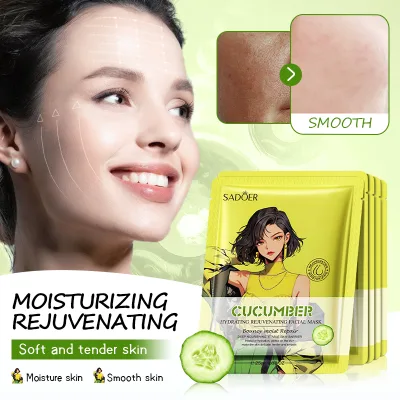
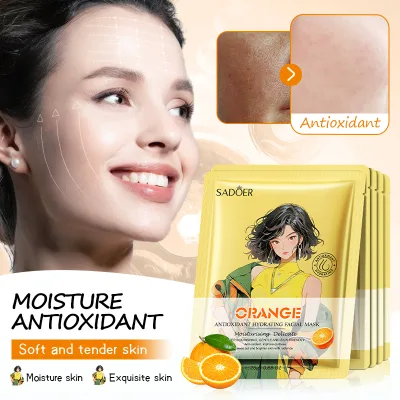
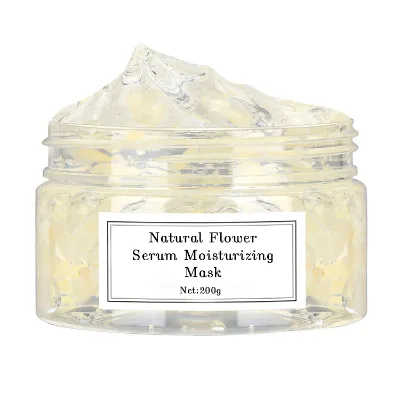
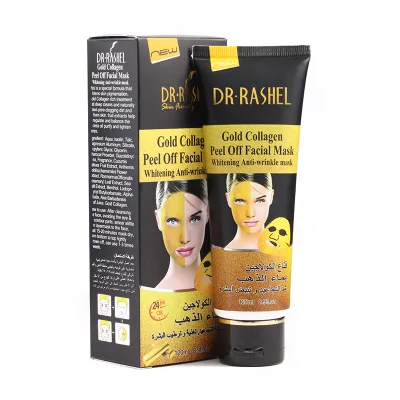
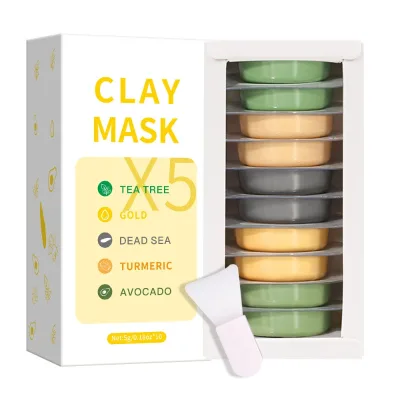
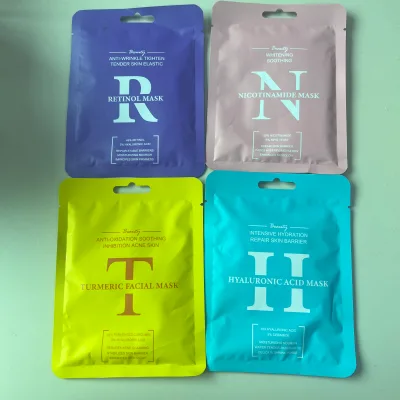
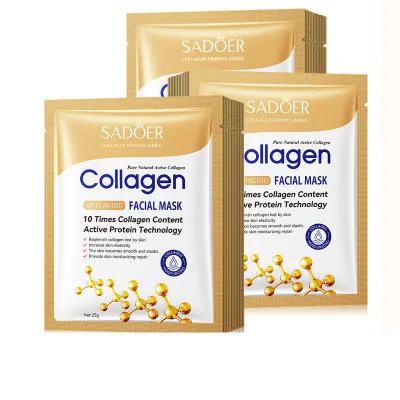
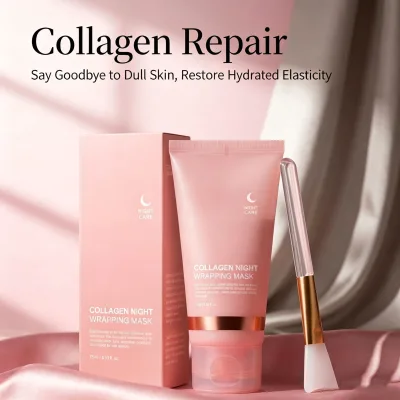
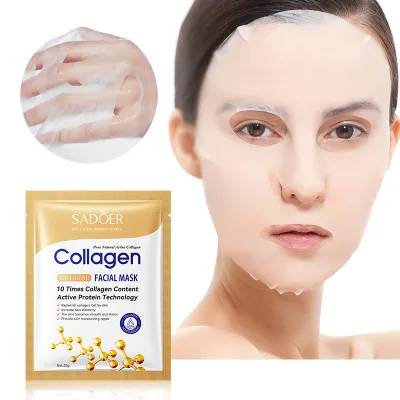
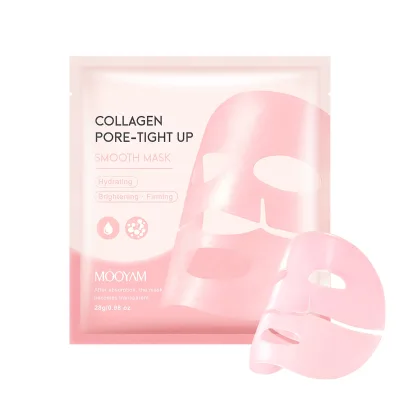
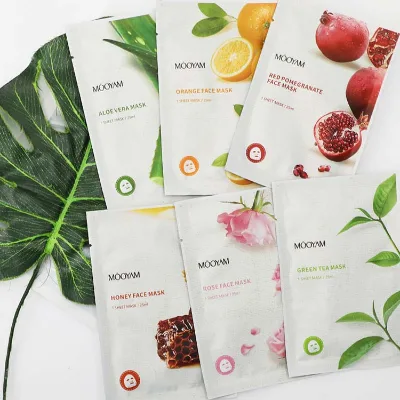
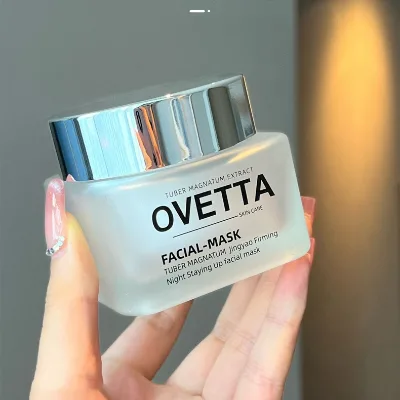
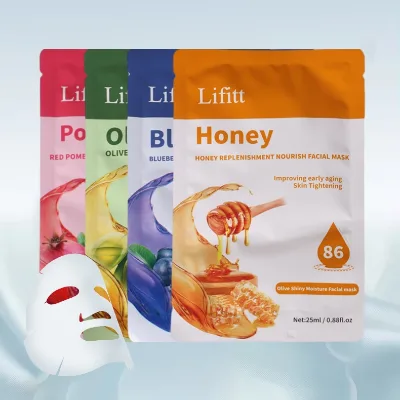
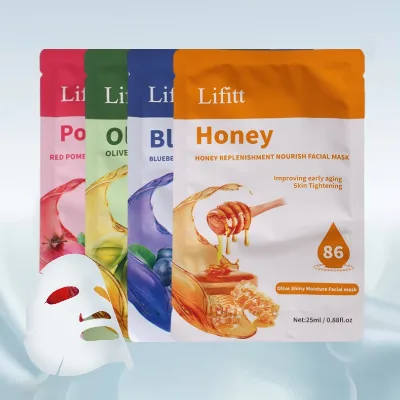
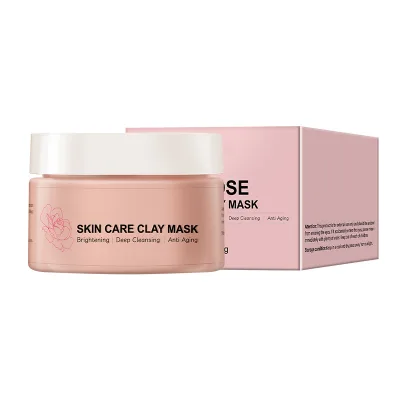
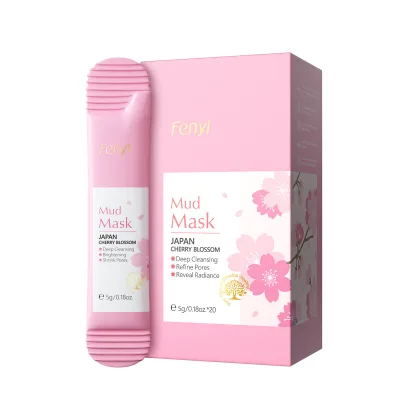
Comprehensive Sourcing Guide
Organic Moisturizing Facial Mask Supplier Concentration and Factory Types
When you search for Organic Moisturizing Facial Mask suppliers, the results on this page show a clear pattern: manufacturers are concentrated in China, with listed suppliers based in Guangdong and Shandong provinces. Guangdong appears in listings for plant-based herbal sheet masks, while Shandong suppliers list hyaluronic acid among their main products and offer post-treatment and pre-treatment soothing masks. This regional split matters because it reflects two different supplier profiles: cosmetic-focused factories producing consumer sheet masks, and skin-care producers whose lines extend into professional or clinic-adjacent products. Note that many of these companies describe themselves as combined manufacturers and trading entities, so the label alone does not tell you whether production happens in-house.
Beyond the two provinces shown here, you should not assume every supplier comes from a known cluster. Where location data is missing, verify it directly: ask for the factory's registered address, confirm whether the manufacturing site differs from the sales office, and request a business license that matches the address. Supplier type also varies across the page — some list ODM and OEM capability, some hold their own brand, and one clay-mask listing advertises both. Treat "combined" company types as a signal to probe deeper on who actually formulates, fills, and packs your mask, because that determines your quality control leverage and your ability to enforce a private-label exclusivity agreement.
How to Verify Organic Moisturizing Facial Mask Suppliers
Start with third-party verification status, which is displayed on this page for some suppliers. Two listings show verification by SGS and BV respectively — these are independent inspection bodies, and their badge means a verification visit or document check occurred, not that every product claim was audited. System certification is another displayed field: several suppliers show no system certification at all, while one lists "Others" as its certification category. That gap is significant for organic claims, because organic-mask positioning usually implies ingredient traceability that a formal quality system would support. Ask each shortlisted supplier for the specific certificates behind any FDA, GMP, CE, or MSDS references in their product listings, and check certificate numbers against the issuing body's database.
Verification should also cover the product itself, not just the company. Several mask listings on this page claim "no chemical additives" and organic or plant-based positioning — claims you must substantiate with ingredient lists, raw-material sourcing documentation, and, where your market requires it, organic certification from a recognized scheme. Request samples from every finalist and test them for formulation consistency, sheet material quality (one listing specifies silk, another biological fiber), and shelf life. One Shandong listing states a two-year shelf life; confirm storage conditions and stability testing support that figure. Finally, verify responsiveness empirically: response times shown here range from under one hour to over nine hours, so message each supplier with a detailed technical question and log how long a substantive answer takes.
What to Compare Across Organic Moisturizing Facial Mask Suppliers
Build a comparison table using the dimensions actually displayed on supplier profiles, while remembering that not every supplier shows every attribute. Lead time is one such dimension: listings on this page show figures of 15 days and 30 days, which roughly doubles your inventory pipeline depending on whom you choose. MOQ varies even more dramatically across the results — from single-unit or ten-unit minimums on professional soothing masks, to 100 pieces on clay masks, to 5,000 units on private-label herbal sheet masks. Your order volume and product type should determine which tier is realistic; a 5,000-unit MOQ suits established brands, while low-MOQ listings let you trial formulas cheaply.
Compare main products and customization capability next. One supplier lists skin care, body care, hair care, makeup, and men's and feminine care among main products, suggesting a broad-line manufacturer; another centers on hyaluronic acid, suggesting formulation depth in that ingredient. Product-level attributes give you concrete comparison points: certifications claimed (FDA, GMP, CE, MSDS in some listings), form (sheet versus mud), material (silk, kaolin clay, biological fiber), key ingredients (green tea, vitamin C, aloe vera, collagen), and packaging format. Price ranges also differ sharply by format — sheet masks listed here run from roughly $0.20 to $0.50 per unit at volume, while specialized post-treatment masks list at $10 to $20. Finally, weigh response time and whether ODM, OEM, or own-brand capacity is stated, since that shapes how much formulation work the supplier can do for you.
Common Organic Moisturizing Facial Mask Sourcing Risks
The largest risk in this category is unsubstantiated organic positioning. Listings on this page market masks as organic, natural, plant-based, or free of chemical additives, yet several of the same suppliers show no system certification, and none of the displayed evidence confirms organic certification by an accredited body. If you import a mask marketed as organic into a market with strict labeling rules, you — not the supplier — carry the compliance liability. Mitigate this by demanding the exact certification documents behind each claim before contracting, and by writing claim-support obligations into your purchase agreement.
Second, watch for formulation and material substitution. Sheet mask listings here specify materials as varied as silk and biological fiber, and clay masks list kaolin with ingredient panels spanning more than a dozen actives. A supplier can quietly swap the sheet material or reduce an expensive active after your approval sample. Counter this with a golden sample, batch-level specifications, and incoming inspection. Third, certification risk: FDA, GMP, CE, and MSDS appear in product attributes, but these are supplier-claimed attributes you must verify document by document — an MSDS is not a product-safety approval. Fourth, capacity and lead-time risk: the 15-day versus 30-day lead-time spread on this page suggests very different production models, and a combined manufacturer-trader may subcontract during peak season. Finally, the low minimums shown on professional mask listings can tempt bulk ordering before quality is proven; treat initial orders as validation runs regardless of how low the MOQ is.
Organic Moisturizing Facial Mask Regional Sourcing and Logistics
The location data available here points to two Chinese provinces: Guangdong and Shandong. Guangdong is a long-established coastal manufacturing region with dense cosmetics supply chains, which typically simplifies sourcing of sheet materials, packaging, and filling services nearby. Shandong suppliers in these results emphasize hyaluronic acid as a main product, which aligns with ingredient-side strength. Because masks are liquid-containing products in foil or carton packaging, your logistics planning should account for weight and volume: a 25ml-per-sheet format packed five to a box, as one listing shows, adds up quickly at a 5,000-unit MOQ. Confirm with each supplier whether they ship EXW, FOB, CIF, CFR, or DAP — one clay-mask listing explicitly advertises multiple trade terms, and that flexibility affects your landed-cost calculations.
Where a supplier's location is not displayed, do not guess. Ask for the registered and factory addresses, and check whether the shipping port they quote is consistent with that geography, because freight quotes from an implausible port can signal a trading intermediary rather than a factory. For masks specifically, also clarify temperature and humidity tolerance in transit — botanical formulations can separate or degrade in summer container heat — and whether carton packaging, as stated in several listings here, includes any protective liner. Finally, align production lead time with freight mode: a 30-day production window followed by ocean freight may force air shipment if you misjudge reorder timing.
Organic Moisturizing Facial Mask Commercial Terms and Order Planning
Structure your first orders around the MOQ and price evidence visible here. Sheet-mask listings show per-unit prices as low as $0.20 to $0.50 at volume, clay masks at $1.30 to $1.80, and specialized soothing masks at $10 to $20 — a spread wide enough that your product positioning should dictate which supplier tier you approach. Low-MOQ listings (as few as one or ten units) are useful for sample-stage evaluation, but confirm whether the quoted price holds at production volumes or is a sample price. Production time on one listing is stated as 5 to 30 days depending on the product, so build your reorder calendar around the longer bound and confirm the lead time applies to your customized variant, not a stock item.
On commercial structure, use staged commitments: a paid sample run, a small validation batch at the stated MOQ, then volume orders once incoming inspection passes. Negotiate payment terms that keep retention until goods pass pre-shipment inspection, and clarify customization scope — several listings here state customization is available or OEM/ODM supported, but you should specify in writing what is included: private-label printing, formula adjustment, or only packaging changes. Document the agreed specification including model, size (one listing cites 195×125×25mm), packing, and standard. Finally, ask which trade terms the supplier supports and price the same order under two incoterms before signing, because freight and responsibility handover can shift effective cost more than the unit price itself.
Antwort words: about 1,395
FAQs
What certifications do organic moisturizing facial masks have?
Suppliers offer masks with FDA, GMP, CE, and MSDS certifications. These credentials ensure the products meet international safety and quality standards for cosmetic manufacturing. Buyers should verify specific certificates for their target market to ensure regulatory compliance and product safety.
What is the minimum order quantity for these masks?
MOQs vary significantly by supplier and product type. Some manufacturers require a minimum of 5000 units for sheet masks, while others accept orders as low as 100 pieces for clay masks. Customization options may also influence the required minimum order volume.
How long does production take for these masks?
Lead times typically range from 15 to 30 days depending on the supplier and order size. Some manufacturers offer faster turnaround times for standard items, while custom formulations or private label services may require the full month for production and packaging.
What materials are used in organic sheet masks?
Common materials include silk, biological fiber, and other natural fabrics. These materials are chosen for their ability to hold serum effectively and provide a soothing experience. Buyers can select based on skin compatibility and desired texture for their specific product line.
Can I get private label services for these masks?
Yes, many suppliers offer OEM and ODM services with private label customization. Buyers can request custom logos, packaging designs, and specific ingredient formulations. This allows brands to create unique products that align with their marketing strategy and target audience preferences.
What are the main ingredients in these masks?
Key ingredients often include hyaluronic acid, vitamin C, green tea, aloe vera, and collagen. These components provide moisturizing, brightening, and anti-aging benefits. Suppliers may also offer masks with kaolin clay or dead sea salt for deep cleansing and pore tightening.