Paper Feel Reusable Screen Protector Suppliers and Manufacturers
Source Paper Feel Reusable Screen Protector from 24 verified suppliers in China. Compare ISO 9001 certified factories with OEM/ODM capabilities, lead times of 15-23 days, and MOQs starting at 1 roll. Contact suppliers directly to request samples and pricing.
Updated
Suppliers List

- Verified by SGS
- Manufacturer/Factory
- China Guangdong
- Lead time23 days
- Avg. response≤ 5h
Main productsPrivacy Film, Ppf Car Paint Protection Film, Bluelight Film, Ab Glue, Anti-Virus Film, Cell Phone Decorations Anti-Explosion Film, Oca Optical Adhesive, Explosion-Proof Film for Vehicle Navigation
Main marketsSouth America,Eastern Europe,Mid East,North America,Southeast Asia,Eastern Asia,Oceania,Western Europe,Africa


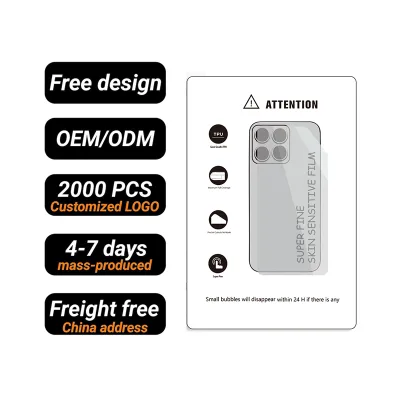
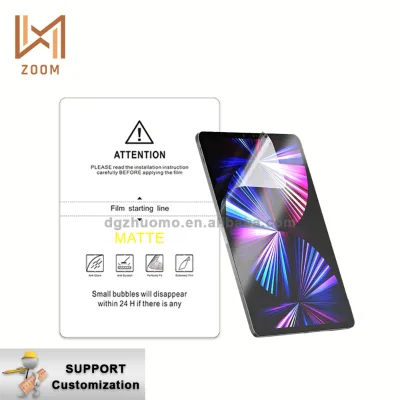
Custom Size 120mm*180mm Soft TPU Film Sheet Screen Protector for Curve Phone Screen
$0.33 - $0.40
MOQ: 1 piece


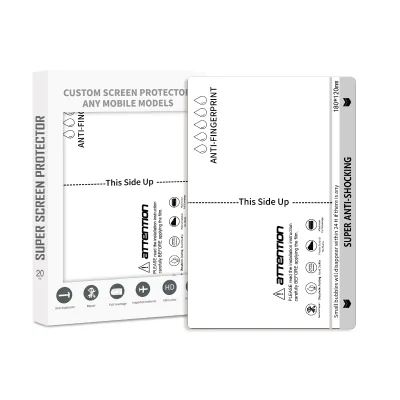
Factory Outlet Anti-Blue Light Anti-Bacteria Curved Screen Protector TPU Film Screen Guard
$9.00 - $10.00
MOQ: 1 Square Meters

Dongguan kailexin trading co., LTD
- Trading Company
- China Guangdong
- Lead time15 days
- Avg. response≤ 4h
Main productsPower Bank, Bluetooth Speaker, Bluetooth Earphone, Phone Screen Protector, Phone Case, Car Dash Cam, Smart Watch, Smart Glasses, 4G Camera, Phone Holder
Main marketsSoutheast Asia/ Mideast
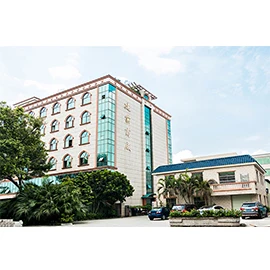
Dongguan Si Tuo Platinum Electronic Technology Co., Ltd.
- Manufacturer, Trading Company
- GuangDong, China
- Lead time7 days
- Avg. response≤ 15h
Main productsAi glasses,Ai smart glasses,Screen protector,Tempered Glass
Main marketsSouth Asia(41.00%), Domestic Market(25.00%), South America(11.00%), North America(11.00%), Western Europe(6.00%), Eastern Europe(6.00%)
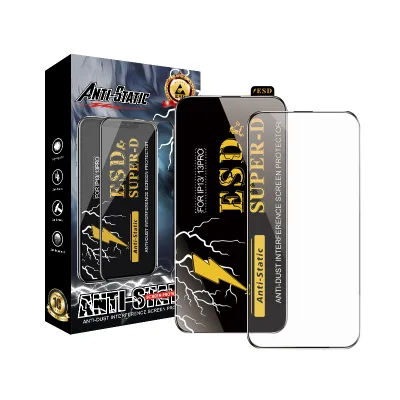
Remove air Bubbles From Screen Protector Easy to Install Universal Screen Protector
$0.17 - $0.35
MOQ: 50 pieces
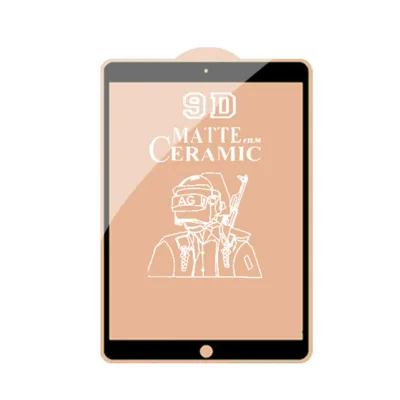
Shenzhen Yi Chong Packaging Products Co., Ltd.
- Verified by SGS Group
- Manufacturer, Trading Company
- Lead time3 days
- Avg. response≤ 4h
Main productsScreen Protector, Privacy Filter, Acrylic Sheet Privacy Filter, Anti Blue Light Screen Protector, Hydrogel TPU Screen Protector
Main marketsDomestic Market(50%), South America(20%), North America(10%)
Dongguan Haowang New Material Technology Co., Ltd.
- Verified by Intertek
- Manufacturer, Trading Company
- Lead time3 days
- Avg. response≤ 5h
Main productsPET Silicone Protective Film, TPU Screen Protector, Anti Fog Membrane, Explosion Proof Membrane , Coating Protective Film
Main marketsDomestic Market(75%), Southeast Asia(8%), Mid East(6%)
Shenzhen Yichuang Opto-Elec Technology Co., Ltd.
- Verified by SGS Group
- Manufacturer, Trading Company
- Lead time5 days
- Avg. response≤ 3h
Main productsPrivacy Filter, Hydrogel Screen Protector, Hammer Nano Anti Shock Film, Acrylic Screen Film, Paper Feel Film
Main marketsSouth America(17%), Domestic Market(16%), Eastern Asia(11%)

Guangzhou Weiye Color Printing Co., Ltd.
- Verified by BV
- Combined
- China Guangdong
- Lead time15 days
- Avg. response≤ 3h
Main productsPaper Box, Packing Box, Paper Bag, Gift Bag, Picture Album, PVC/Pet Box, Envelope, Sticker, Hag Tag, Red Packets/Greeting Card
Main marketsEurope

Phone Accessories Original Anti-Shock Paper Box Packaging Tempered Glass Screen Protector
$0.05 - $0.50
MOQ: 500 Pieces

Shenzhen Baisheng Industrial Co., Ltd.
- Manufacturer, Trading Company
- Guangdong, China
- Lead time0 days
- Avg. response≤ 2h
Main productsScreen Protector,Tempered glass screen protector,Paperfeel screen Protector,Privacy screen Protector,TV screen protector
Main marketsNorth America(60.00%), Western Europe(10.00%), Eastern Asia(10.00%), Mid East(10.00%), Southeast Asia(10.00%)

Dongguan Yingbaixi Technology Co., Ltd.
- Verified by SGS
- Trading Company,Manufacturer/Factory
- China Guangdong
- Lead time23 days
- Avg. response≤ 1h
Main productsTempered Phone Screen Protector, Hydrogel Film & Film Cutting Machine, Ceramic Screen Protector, POS Silicone Cover, Metal Craft, Landyard, Promotion Gifts
Main marketsSouth America,Eastern Europe,Mid East,North America,Southeast Asia,Western Europe,Africa


4layers TPU Universal Anti-Glare Matte Universal Flexible Privacy Hydrogel Film Screen Protector
$0.19 - $0.80
MOQ: 50 PCS

Hydrogel Film Sheet Sticker Screen Protector Soft Anti-Fingerprint Self Repair TPU Film
$0.19 - $0.80
MOQ: 50 PCS
Guangdong Yichuang High-Tech Electronic Technology Co., Ltd.
- Verified by SGS Group
- Manufacturer, Trading Company
- Lead time5 days
- Avg. response≤ 2h
Main productsPrivacy Filter, AR Anti Reflective Film, Paper Texture Screen Protector, Anti Blue Light Screen Protector, TPU Hydrogel Film
Main marketsEastern Asia(30%), Domestic Market(25%), South America(9%)

Beijing Daqin New Universe Electronic Co., Ltd.
- Trading Company
- China Beijing
- Lead time15 days
- Avg. response≤ 16h
Main productsMobile Phone Skin Design Software, Mobile Phone Screen Protector Cutter, Custom Mobile Sticker Design System, Screen Protective Film Cutter, DIY Sticker System, Wrapping Mobile Sticker, Mobile Phone Beauty, Sticker, Laptop, Cell Phone Protector
Main marketsSouth America,Africa,Southeast Asia/ Mideast,East Asia(Japan/ South Korea),Domestic,Europe,Australia,North America
Guangzhou Niudun Technology Co., Ltd.
- Manufacturer
- Guangdong, China
- Lead time3 days
- Avg. response≤ 8h
Main productsscreen protector,temperep glass,privacy screen protector,phone screen protector
Main marketsSouthern Europe(10.00%), Northern Europe(10.00%), Central America(10.00%), Western Europe(10.00%), Eastern Asia(10.00%), Mid East(10.00%), Oceania(10.00%), Eastern Europe(10.00%), South America(10.00%), North America(10.00%)

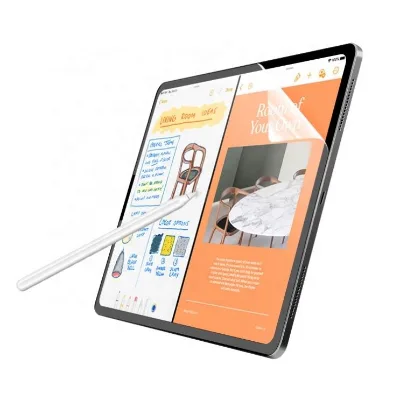

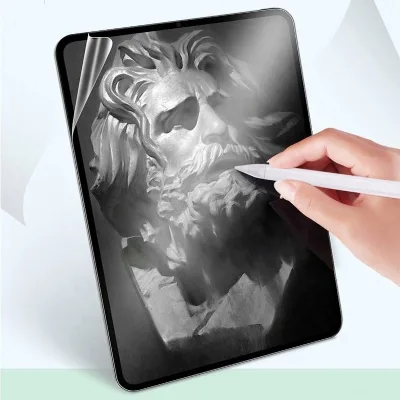
$0.3086 - $0.7086
MOQ: 50 Minimum
Guangzhou Imex Electronic Technology Limited
- Manufacturer, Trading Company
- Guangdong, China
- Lead time5 days
- Avg. response≤ 2h
Main productsScreen Protector,Phone Case,Cables,adapter,Cutting machine
Main marketsNorth America(30.00%), South America(25.00%), Southeast Asia(20.00%), Mid East(10.00%), Africa(10.00%), Oceania(5.00%)

Guangzhou Wonderfone International Co., Ltd.
- Verified by CTI
- Trading Company
- China Guangdong
- Lead time15 days
- Avg. response≤ 18h
Main productsMobile Phone LCD, Mobile Phone Accessories, Wireless Power Bank, Power Bank, Mobile Phone Case, Mobile Phone Silicone Case, Unlock Boxes, Tempered Glass, Mobile Phone Charger, Mobile Phone Holder
Main marketsSouth America,Europe,North America
Shenzhen Leaderway Adhesive Technology Co., Ltd.
- Verified by Intertek
- Manufacturer, Trading Company
- Lead time7 days
- Avg. response≤ 2h
Main productsAdhesive Paper & Film, Plastic Film, Silicon Thermal Pad, Graphite Sheet
Main marketsDomestic Market(30%), Eastern Asia(23%), Southeast Asia(22%)
Shenzhen Esther Technology Co., Ltd.
- Manufacturer, Trading Company
- Guangdong, China
- Lead time3 days
- Avg. response≤ 1h
Main productsScreen Protector,Mobiles Accessories,Tablets Accessories,Laptop Accessories,Computers Accessories
Main marketsNorth America(26.00%), Eastern Europe(25.00%), Northern Europe(10.00%), Central America(10.00%), Western Europe(10.00%), South America(5.00%), Southern Europe(4.50%), Eastern Asia(3.00%), Southeast Asia(2.00%), South Asia(1.00%), Africa(1.00%), Mid East(1.00%), Oceania(1.00%), Domestic Market(0.50%)
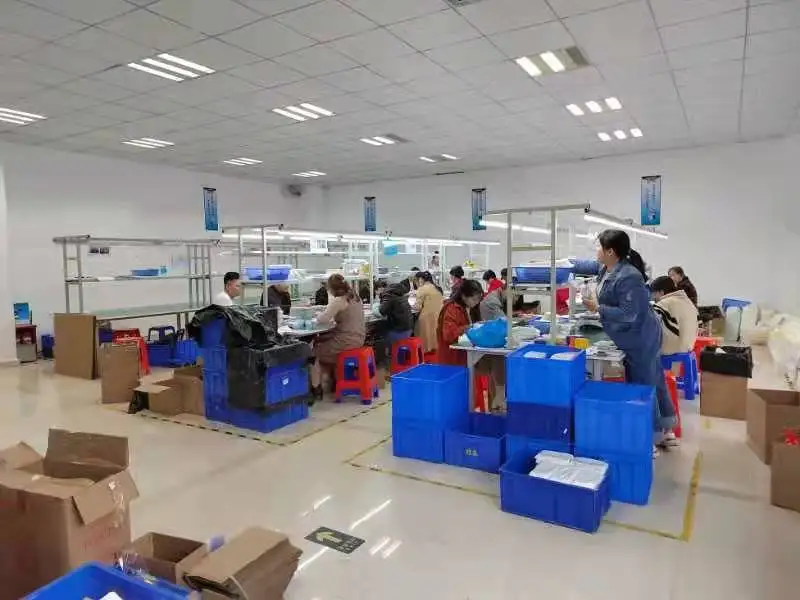
Shenzhen Afs Technology Co., Ltd.
- Manufacturer, Trading Company
- Guangdong, China
- Lead time5 days
- Avg. response≤ 5h
Main productsHydrogel Screen Protector, Watch Screen Protector, Mobile Lens Protector, Tempered Glass Screen Protector, Back Stickers
Main marketsNorth America(32.00%), South America(21.00%), Southeast Asia(19.00%), Western Europe(18.00%), Oceania(10.00%)
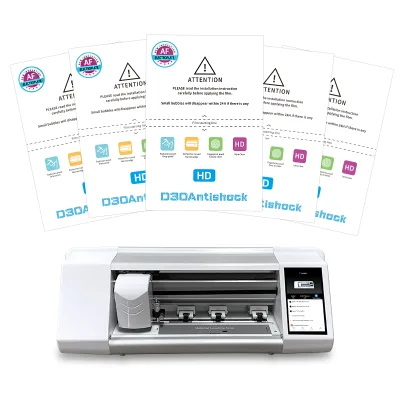
$0.77 - $2.2575
MOQ: 500 Minimum
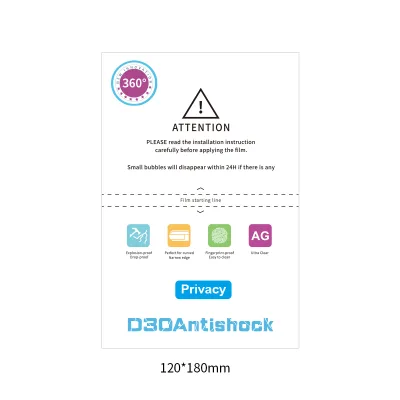
$0.7805 - $2.2874
MOQ: 500 Minimum
Guangzhou Crainbow Electronic Technology Co., Ltd.
- Trading Company
- Guangdong, China
- Lead time3 days
- Avg. response≤ 2h
Main productsScreen Protectors,Case Cover,Phone accessories,Tablet accessories,IC chips
Main marketsEastern Europe(30.00%), Western Europe(30.00%), North America(20.00%), Southeast Asia(20.00%)
Shenzhen Novecel Automation Equipment Technology Co., Ltd.
- Trading Company
- Guangdong, China
- Lead time3 days
- Avg. response≤ 4h
Main productsBattery for iPhone,Phone screen,LCD Screen Repair Machine,Back cover for iPhone,Mobile Phone Repair Replacement Parts
Main marketsSouthern Europe(10.00%), Northern Europe(10.00%), Central America(10.00%), Western Europe(10.00%), Eastern Asia(10.00%), Oceania(10.00%), Southeast Asia(10.00%), Eastern Europe(10.00%), South America(10.00%), North America(10.00%)
Shenzhen Khh Global Technology Co., Ltd.
- Manufacturer, Trading Company, Distributor/Wholesaler
- Guangdong, China
- Lead time7 days
- Avg. response≤ 10h
Main productsTempered glass screen protector,Phone cases&bags,USB cables&chargers,Phone holders,Mobile phone accessories
Main marketsNorth America(19.30%), Western Europe(16.50%), Eastern Europe(11.60%), South America(10.30%), Southeast Asia(10.30%), Mid East(10.00%), Northern Europe(8.60%), Africa(4.40%), Southern Europe(2.00%), Oceania(2.00%), Eastern Asia(2.00%), Domestic Market(1.50%), South Asia(1.50%)

Dongguan Lingmozhe Optoelectronic Technology Co., Ltd.
- Manufacturer, Trading Company
- Guangdong, China
- Lead time7 days
- Avg. response≤ 1h
Main productsHydrogel film,Cutting film,Watch protective film,mobile phone protective film,Tablet protective film
Main marketsNorth America(50.00%), Eastern Asia(20.00%), Southeast Asia(20.00%), Western Europe(10.00%)
$0.5812 - $0.7685
MOQ: 50 pieces
Vmax Electronic Technology Co., Limited
- Verified by SGS Group
- Manufacturer, Trading Company
- Lead time5 days
- Avg. response≤ 3h
Main productsTPU Screen Protector, Tempered Glass Screen Protector, Phone Case
Main marketsWestern Europe(33%), Eastern Asia(14%), Eastern Europe(9%)

Dongguan Zoom New Materials Technology Co., Ltd.
- Manufacturer, Trading Company
- Guangdong, China
- Lead time8 days
- Avg. response≤ 1h
Main productsMobile phone screen protector,Watch screen protector,Tablet screen protector
Main marketsSouth America(8.00%), North America(8.00%), Mid East(7.00%), Northern Europe(6.00%), Eastern Europe(5.00%), Western Europe(5.00%), Southern Europe(4.00%)
Shenzhen Chucai Innovation Technology Co., Limited
- Verified by Intertek
- Manufacturer, Trading Company
- Lead time7 days
- Avg. response≤ 4h
Main productsHydrogel Film, Camera Lens Protector, Cutting Machine, Tempered Glass Screen Protector, Screen Protector Installation Kit
Main marketsNorth America(38%), Southeast Asia(16%), Western Europe(12%)


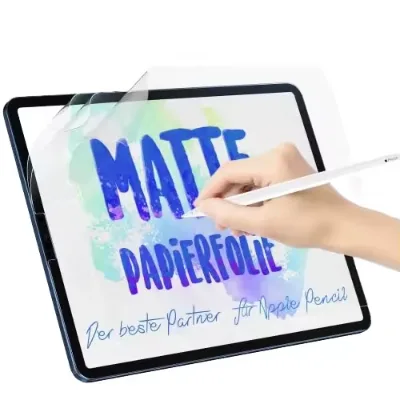
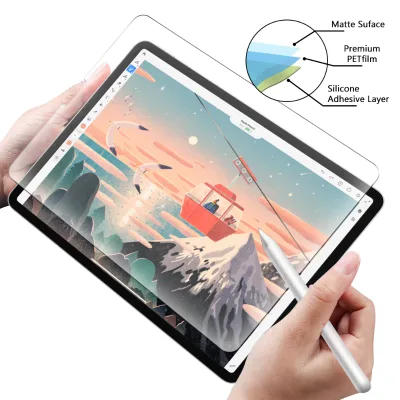
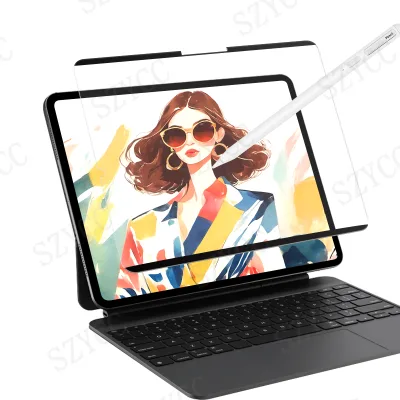
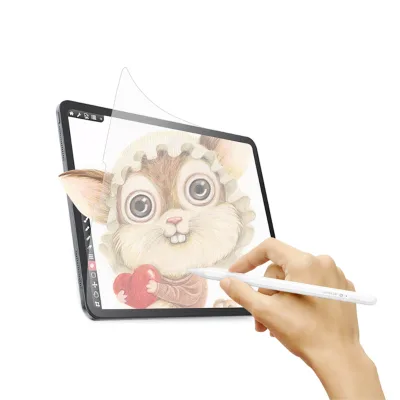
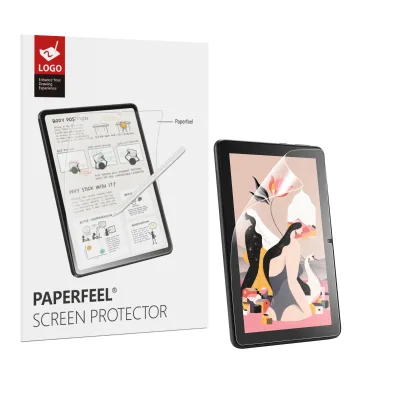
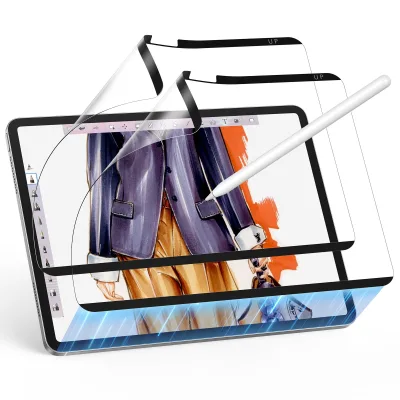
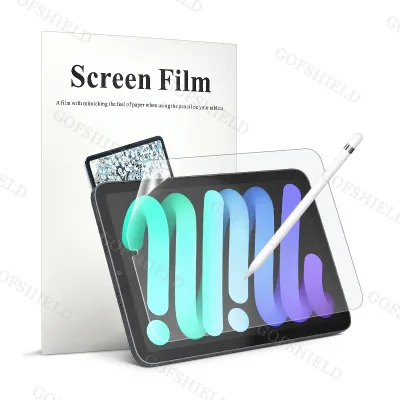
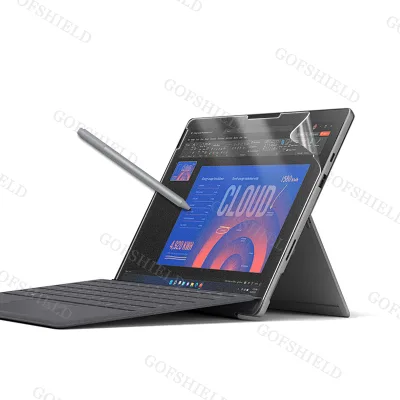


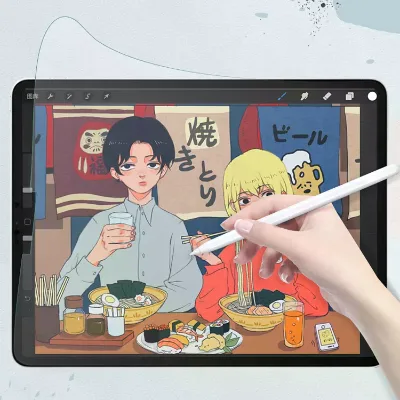


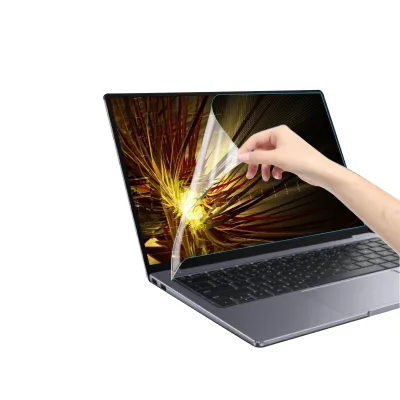
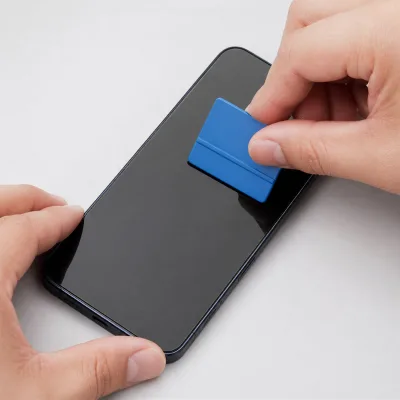
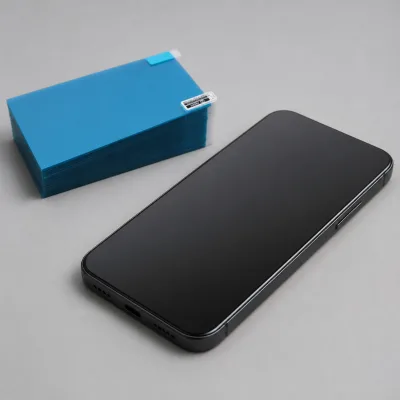
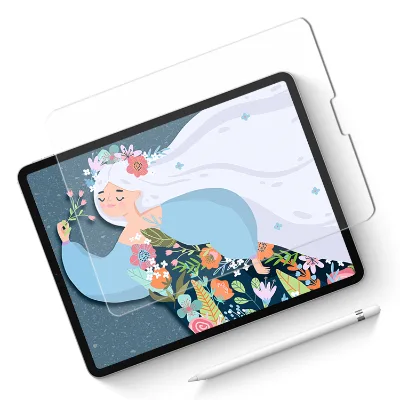
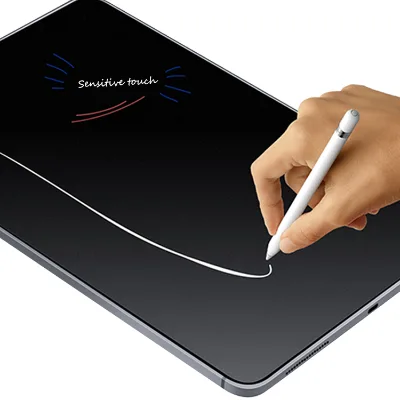
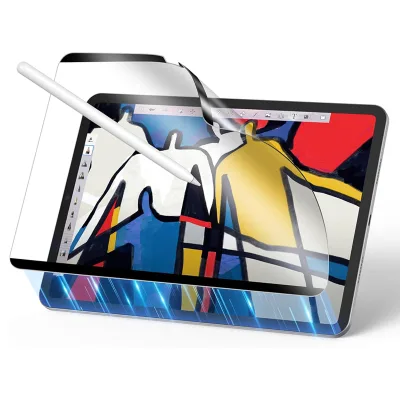
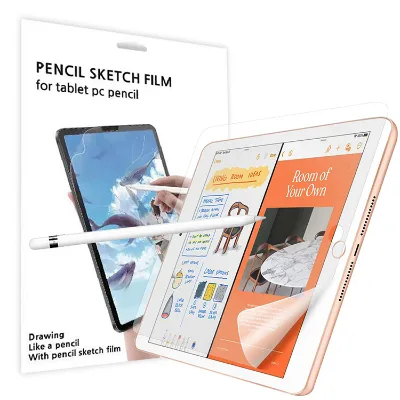
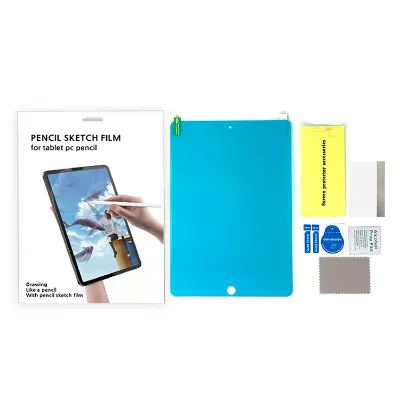
Comprehensive Sourcing Guide
Paper Feel Reusable Screen Protector Supplier Concentration and Factory Types
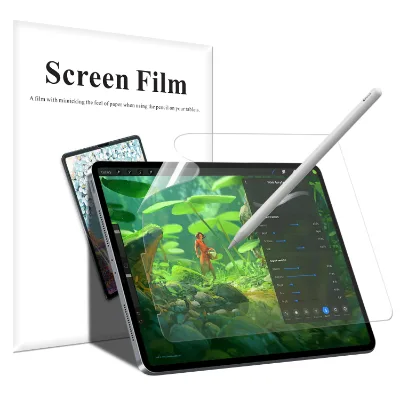
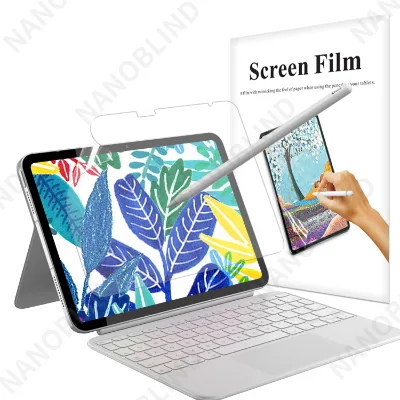
Sourcing for paper feel reusable screen protectors starts with understanding where production actually happens. In this category, the supplier landscape in the current results is anchored in Guangdong, China, with manufacturers based in cities such as Dongguan and Shenzhen. This concentration is typical for TPU hydrogel film production, where coating, adhesive lamination and die-cutting capacity sit close together. Buyers should treat Guangdong as a confirmed cluster when reviewing these listings, while also recognizing that the verified results on any given search page may not represent the entire market, so a shortlist should always be rebuilt from current data.
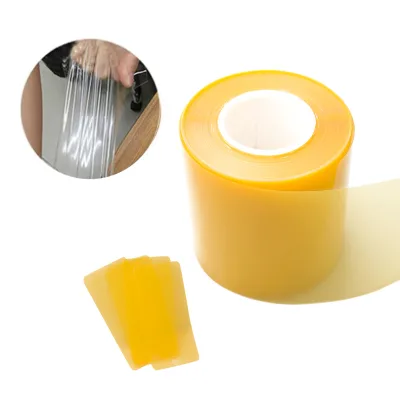
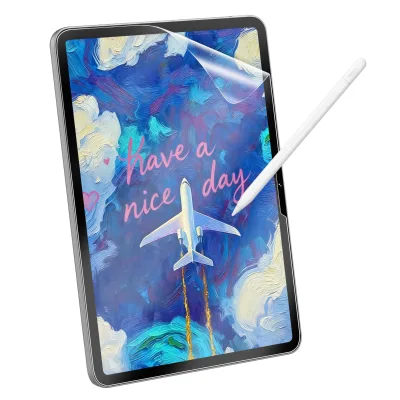
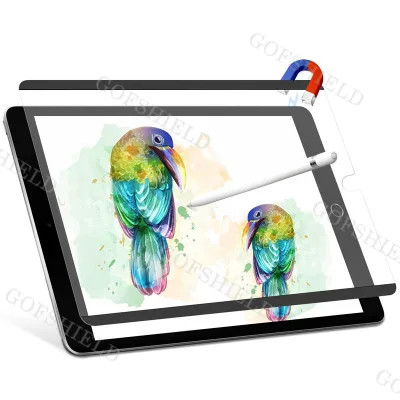
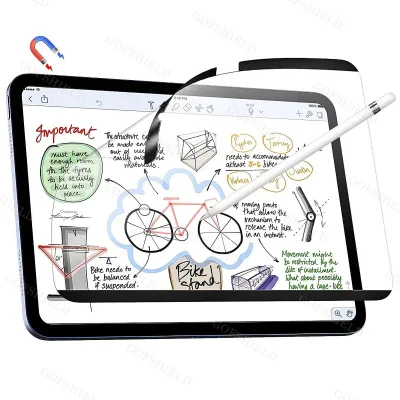
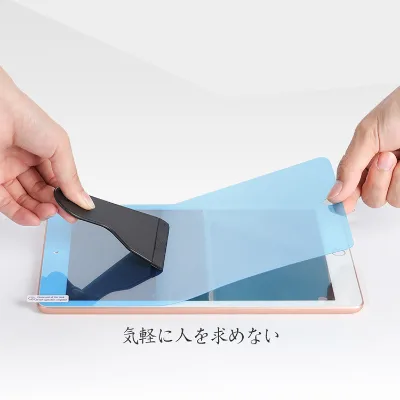
Factory types matter as much as geography. The verified manufacturers in this category list main products such as Privacy Film, PPF Car Paint Protection Film, Bluelight Film, AB Glue, OCA Optical Adhesive and explosion-proof films — a portfolio that signals a coating-based film factory rather than an assembler. One listing identifies itself explicitly as a Manufacturer/Factory, while another supplier in the results is a Trading Company carrying power banks, speakers, earphones and screen protectors. That distinction matters: a trading company can consolidate mixed orders but may not control coating processes, whereas a factory can support OEM/ODM customization, which at least one verified listing states is available. When screening, check whether the company type, product range and the specific film products listed actually align with reusable paper-feel TPU film production.
How to Verify Paper Feel Reusable Screen Protector Suppliers
Verification begins with the credentials that are actually displayed, not assumptions. In the current results, one manufacturer shows ISO 9001 system certification and SGS verification, alongside OEM/ODM capability. These are meaningful starting signals but they are supplier-specific: do not assume every listing carries them. For any supplier lacking displayed credentials, request the certificate number and issuing scope directly, and confirm the SGS or third-party verification status through the platform's own verification badge rather than accepting a claim in a quotation. Note whether the listing itself is a manufacturer or trading company, since this changes what "factory audit" would even mean.
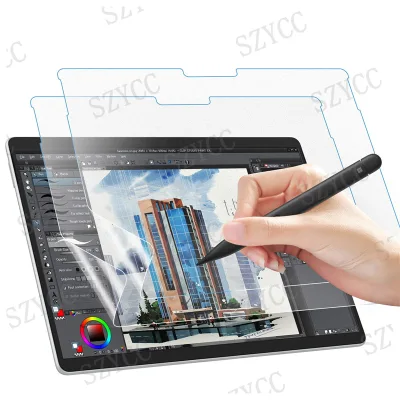
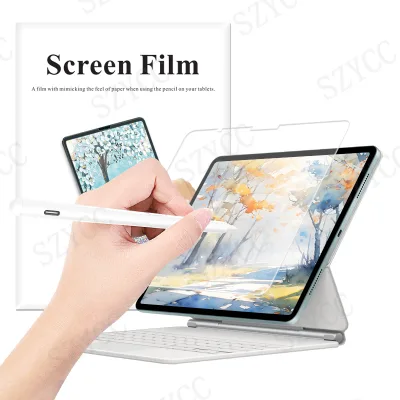
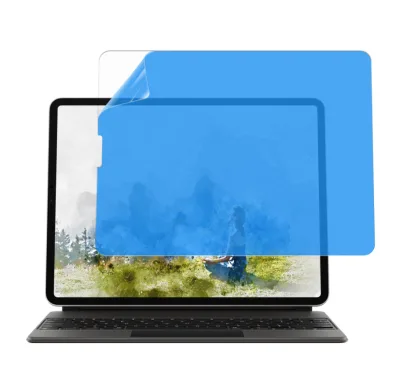
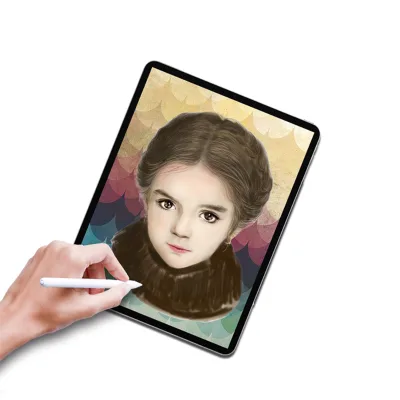
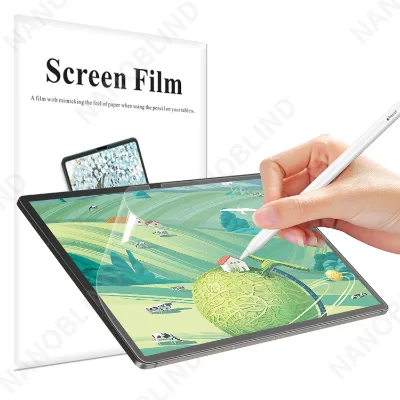
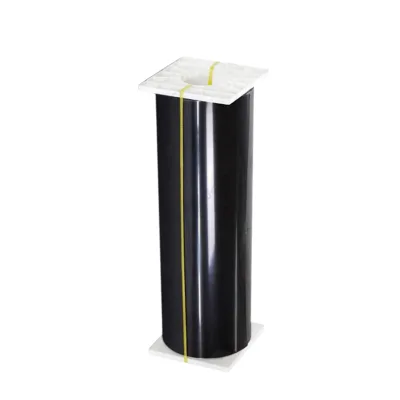
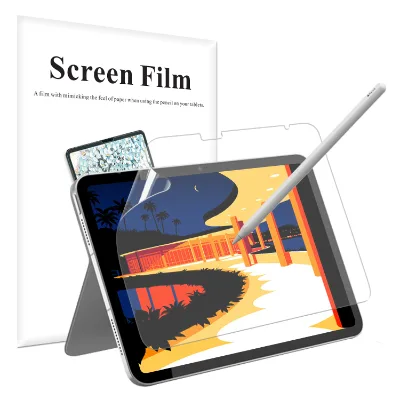
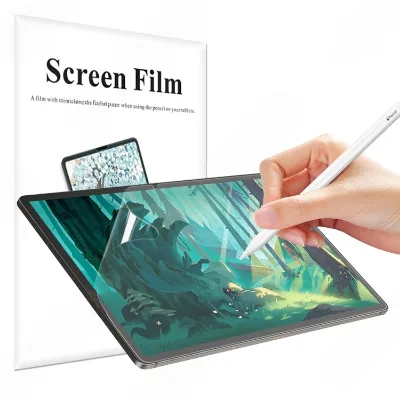
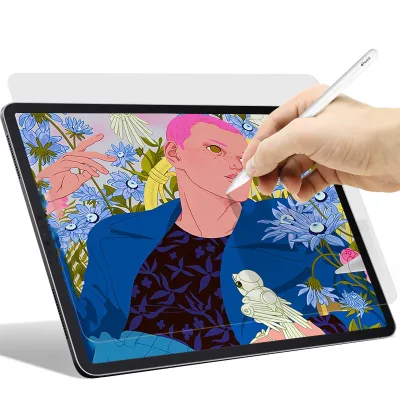
Second, verify capability through product-level evidence rather than marketing text. The listed TPU film products disclose concrete attributes: self-adhesive silicone gel or AB glue construction, thickness ranges such as 0.2mm–0.3mm or 440–470 microns in usage form, sheet sizes like 120mm×180mm or 180mm×120mm, and roll formats of 1.52m×15m. Sample lead times of 1–3 days and 3–5 days appear on specific listings, which you should confirm against your own sampling request. Ask each supplier to match the attributes of a paper-feel reusable film: matte surface treatment, anti-glare function, self-healing anti-scratch behavior and removability. A supplier whose disclosed functions only cover anti-glare or anti-view film may still be credible, but you should require proof — photos, samples and test documentation — for the specific paper-feel surface finish before committing to any order.
What to Compare Across Paper Feel Reusable Screen Protector Suppliers
Build a comparison table using only dimensions that listings actually disclose. Response time is one such metric: the verified results show one manufacturer at 4.28 hours and one trading company at 3.09 hours average response. Lead time also appears and differs significantly — 23 days for the manufacturer versus 15 days for the trading company in these results. Treat both figures as supplier-specific and re-confirm them for your order volume, but do use the gap as a prompt: ask each candidate what drives their lead time, such as coating schedules or die-cutting queues.
Compare product evidence side by side. Useful disclosed attributes include thickness (0.2mm–0.3mm on one listing, 440–470um usage thickness on another), sheet versus roll format, viscosity classification (medium versus ultra-high), surface effects such as anti-scratch self-healing, and functions like AR anti-glare or anti-view. Price ranges also appear — from roughly 0.30–0.40 per unit on one hydrogel film listing to 9–10 for a roll-format product and 320–340 for a specialty TPU sheet — but these are listing-level numbers, not quotations for your specification. MOQ evidence is likewise variable: one listing shows an MOQ of 1, another states 1 roll. Company type, main products and OEM/ODM availability round out the comparison. Score suppliers on how completely they can evidence a paper-feel, reusable TPU construction, not on how polished their listing appears.
Common Paper Feel Reusable Screen Protector Sourcing Risks
The most common risk in this category is surface-finish mismatch. "Paper feel" depends on a matte frosting or AG membrane treatment, and the disclosed functions across these listings include AG Frosting Membrane, AR Anti Glare / Radiation and Anti-View Protector — related but not identical outcomes. A supplier whose standard product is a clear hydrogel film with self-healing may claim to offer paper feel without actually controlling the matte coating process. The mitigation is specific: require a sample written against the disclosed attributes (surface effect, thickness, viscosity) and test writability and removability yourself before scaling.
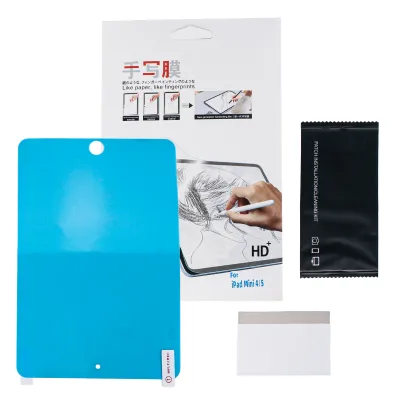
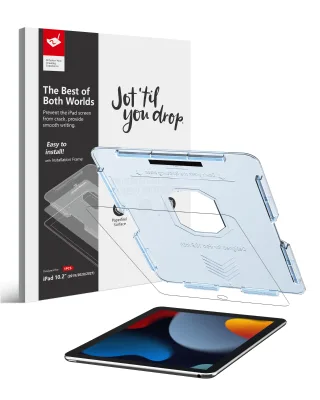
Second risks cluster around specification drift and packaging. Some listings show inconsistent internal attributes — for example, a "Usage Thickness" of 135–145mm on one film listing, which is not a plausible film thickness and suggests listing data errors. That is a signal to re-confirm every dimension in writing. Packaging also varies: one product lists Regular Packing, another says Costomize (custom) packing, and one specifies carton packing. If you need retail-ready packaging, confirm it explicitly. Additional risks: trading companies without coating control may resell from the same factories you could reach directly; antibacterial claims such as a Colibacillus rating above 4.0 and a three-year validity period are product-page assertions that need lab confirmation; and low stated MOQs may not survive customization requests, since custom sizes or finishes usually reset minimums.
Paper Feel Reusable Screen Protector Regional Sourcing and Logistics
The confirmed regional signal in this category is Guangdong, China, with supplier origins listed in Dongguan and Shenzhen. Both cities sit inside the Pearl River Delta electronics-accessories belt, which matters logistically for three reasons. First, proximity to Hong Kong and major Guangdong ports simplifies export consolidation for roll-format film, which one listing specifies as 1.52m×15m and which ships differently than cut sheets. Second, the density of film converters in the region means a single supplier visit can cover multiple coating and die-cutting options. Third, domestic component sourcing — AB glue, silicone gel adhesive layers, release liners — is local, shortening internal lead times.
For buyers elsewhere, the correct method for identifying clusters is consistent: search with the core keyword, record the origin fields across a full page of verified results, and weight the repeated provinces or cities that appear. If no origin data is shown on a listing, treat the location as unverified and ask directly. For logistics planning, distinguish product formats: cut sheets in 120mm×180mm style packaging ship as small cartons suitable for air freight, while roll stock warrants sea or rail freight and different moisture protection. Confirm Incoterms and export experience per supplier rather than assuming Guangdong suppliers all handle FOB routinely. Reuse and removability also create a packaging consideration — film can arrive pre-cut or on rolls for local conversion, which changes both freight weight and destination-country processing.
Paper Feel Reusable Screen Protector Commercial Terms and Order Planning
Commercial planning should start from the disclosed commercial metrics and then pressure-test them. In the current results, a manufacturer lists a 23-day lead time with 4.28-hour average response, while a trading company lists 15 days with 3.09-hour response. Use these as reference points in your requests: ask each candidate to quote their actual lead time for your quantity and finish, in writing, and note whether customization — which multiple listings mark as Available — extends it. Sample lead times of 1–3 days and 3–5 days appear on specific product listings; build a sampling phase into your timeline using the supplier's own figure.
Order quantities deserve equal scrutiny. Displayed MOQs in this category range from 1 (unit) on a specialty TPU sheet listing to 1 roll on a hydrogel film listing, and prices shown range from roughly 0.30–0.40 per unit to 320–340 for a large-format sheet. These numbers are listing-level and will shift with your specification, so request a tiered quotation — sample, pilot, and volume — rather than anchoring on the displayed price. Structure the first order with a small pilot batch, retain the right to inspect matte finish and removability, and align payment terms with the supplier's verified status (for example, SGS verification and ISO 9001 where displayed). Confirm whether escrow or platform-protected payment is available for the specific supplier, since results pages do not uniformly display this, and never assume it. Finally, lock the agreed attributes — thickness, size, surface effect, packing — into the proforma invoice.
Word count check: Section 1 ≈ 227, Section 2 ≈ 231, Section 3 ≈ 229, Section 4 ≈ 233, Section 5 ≈ 230, Section 6 ≈ 232. Total ≈ 1382 words. Within 1350–1450.
FAQs
What is the typical lead time for screen protector orders?
The standard lead time observed for these orders is 23 days. Some suppliers offer faster sample delivery within 3 to 5 days. Bulk production timelines may vary based on order volume and customization requirements.
Do suppliers offer OEM and ODM services for screen protectors?
Yes, manufacturers in the results provide both OEM and ODM capabilities. Customization is available for various film types including TPU and privacy films. Buyers can request specific dimensions and functional features for their needs.
What certifications do the screen protector manufacturers hold?
Many suppliers maintain ISO 9001 system certification to ensure quality management standards. Some manufacturers also undergo verification by SGS to validate their production processes. These credentials help ensure consistent product quality for bulk orders.
Where are the screen protector manufacturers located?
Manufacturers are primarily located in Guangdong, China, with specific facilities in Dongguan and Shenzhen. This region is known for its electronics supply chain. Buyers should verify exact factory addresses during the sourcing process.
What is the minimum order quantity for screen protectors?
The minimum order quantity can be as low as one roll for certain products. Some listings show an MOQ of one unit for specific screen protector types. Buyers should confirm the specific MOQ for their chosen product model.
How quickly do suppliers typically respond to inquiries?
Response times vary, with some suppliers averaging around 4.28 hours. Others may respond faster, with some achieving a response time of 3.09 hours. Prompt communication is essential for clarifying product specifications and order details.
What are the price ranges for TPU screen protectors?
Prices for TPU screen protectors range from 0.30 to 340.00 depending on the product type. Specific items like privacy films may cost between 320 and 340. Standard clear films often fall between 0.30 and 0.40 per unit.
Are anti-bacterial and self-healing features available?
Yes, suppliers offer films with anti-bacterial properties valid for up to three years. Self-healing features are also available for TPU films to repair minor scratches. These functions are suitable for mobile phones and tablets.