Pan Handle Sleeve Suppliers and Manufacturers
Source 17 verified suppliers for Pan Handle Sleeve products. Compare lead times, MOQs, certifications, and response rates to find the right partner. Contact suppliers directly to request quotes and samples; review the available evidence before requesting comparable quotations from suitable candidates.
Updated
Suppliers List
Xiamen BG Industrial Co., Ltd.
- Verified by TüVRheinland
- Trading Company
- Lead time28 days
- Avg. response≤ 7h
Main productsPortfolio, Passport Wallet, Decor Tray, Notebook, Luggage Tag
Main marketsNorth America(70%), Oceania(10%), Eastern Asia(10%)

QINGDAO GOFAI RUBBER & PLASTIC PRODUCTS CO., LIMITED
- Verified by BV
- Combined
- China Shandong
- Lead time15 days
- Avg. response≤ 5h
Main productsResilient Sound Isolation Clip, Marine Rubber Fender, USB RJ45 HDMI DVI VGA PS2 SATA 2.0 Dust Cover, Dva Rubber Vibration Dumping, 3m Self Adhesive Rubber Pad, Washing Anti-Vibration Pads, Dock Fender, Tug Boat Fender, Ship Fender, Mooring Bollard
Main marketsSoutheast Asia/ Mideast,East Asia(Japan/ South Korea),Europe,Australia,North America

Shenzhen Beadith Technology Co., Ltd.
- Manufacturer
- Guangdong, China
- Lead time0 days
- Avg. response≤ 7h
Main productsHome & Garden,Tools & Hardware,Silicone Product,Cake Tools,Hot Sell
Main marketsWestern Europe(20.00%), North America(20.00%), Domestic Market(5.00%), South Asia(5.00%), Southern Europe(5.00%), Northern Europe(5.00%), Central America(5.00%), South America(5.00%), Eastern Asia(5.00%), Mid East(5.00%), Oceania(5.00%), Africa(5.00%), Southeast Asia(5.00%), Eastern Europe(5.00%)
Dongguan Guangzhihong Silicone Products Co., Ltd.
- Manufacturer, Trading Company
- Guangdong, China
- Lead time0 days
- Avg. response≤ 7h
Main productsSilicone,Rubber,Plastic,Metal
Main marketsEastern Europe(20.00%), Domestic Market(20.00%), North America(20.00%), Western Europe(16.00%), Central America(10.00%), Northern Europe(5.00%), Mid East(5.00%), Southeast Asia(2.00%), Oceania(2.00%)
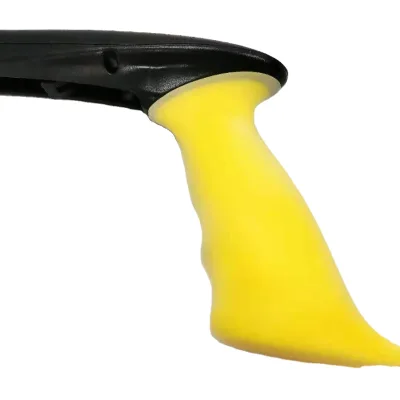
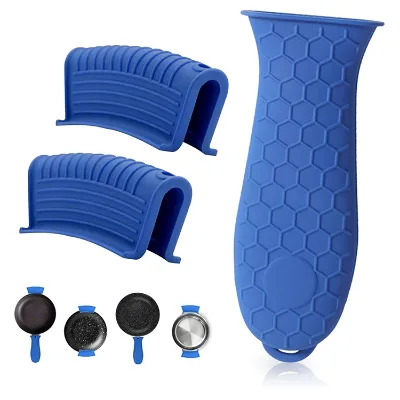
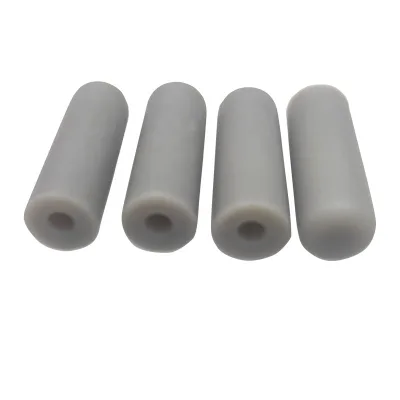
$0.0826 - $1.0336
MOQ: 10000 pieces
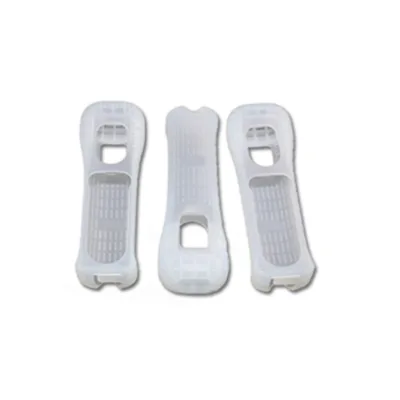

Ningbo Ku Ke Import & Export Co., Ltd.
- Manufacturer/Factory
- China Zhejiang
- Lead time30 days
- Avg. response≤ 15h
Main productsPot Handle, Handle, Kitchwenware, Cookware, Handle Accessories, Silicone Glass Lid
Main marketsSouth America,Eastern Europe,Mid East,Western Europe
Dongguan Beijia Silicone Products Co., Ltd.
- Verified by Intertek
- Manufacturer, Trading Company
- Lead time15 days
- Avg. response≤ 2h
Main productsSilicone Ice Cube Tray, Silicone Ashtray, Silicone Bottle Sleeve, Silicone Mat, Silicone Soap Holder
Main marketsNorth America(30%), Western Europe(20%), Southeast Asia(15%)
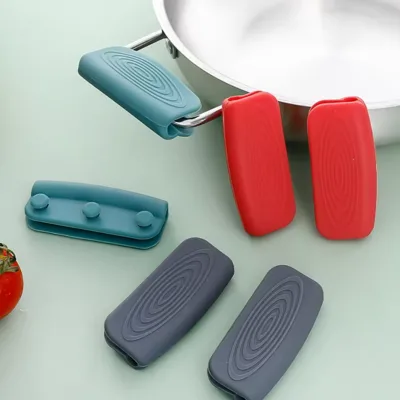
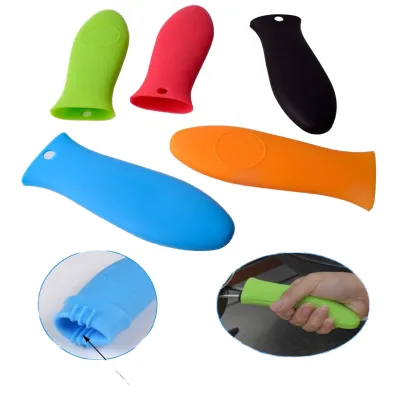
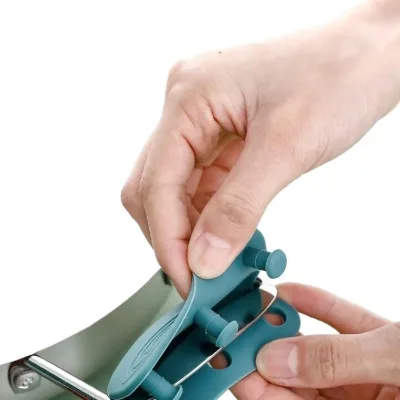
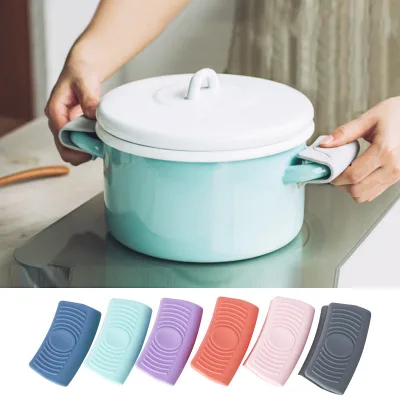
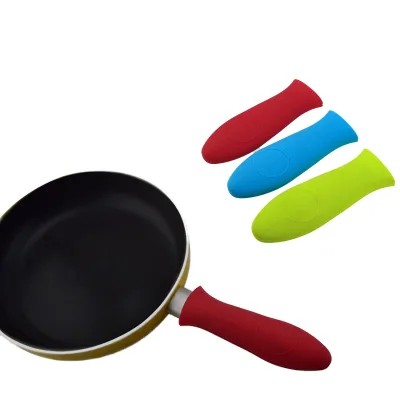
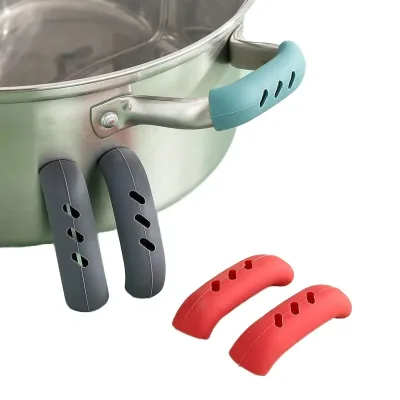
Silicone Anti-Scalding Ear Sleeves for Pots and Frying Pans Iron Pot Handle Hot Handle
$0.5318 - $0.7879
MOQ: 100 pieces
Dongguan GMI Electronic Co., Ltd.
- Verified by SGS Group
- Manufacturer, Trading Company
- Lead time15 days
- Avg. response≤ 3h
Main productsSilicone Baby Products, Silicone Kitchenware Products, Personal Care Product
Main marketsNorth America(47%), Eastern Asia(9%), Western Europe(8%)

Xiamen Neway Rubber & Plastic Products Co., Ltd.
- Verified by BV
- Combined
- China Fujian
- Lead time15 days
- Avg. response≤ 3h
Main productsPlastic Injection Molding, Plastic Parts, Silicone Rubber Parts, Gasket Seals, Rubber Grommet, Mould, O Ring, Extrusion Strip, Metal Parts, Suction Cup
Main marketsSouth America,Africa,Southeast Asia/ Mideast,East Asia(Japan/ South Korea),Europe,Australia,North America

Silicone Kitchen Tool Pot Holders Rubber Handle Grips Non Slip Hot Resistant Sleeve
$0.25 - $0.85
MOQ: 1 Pieces


Shijiazhuang Kingway Imp. & Exp. Co., Ltd.
- Verified by TüVRheinland
- Trading Company
- Lead time30 days
- Avg. response≤ 2h
Main productsCast Iron Enamelled Casserole, Cast Iron Dutch Oven, Cast Iron Skillet, Cast Iron Griddle, Mortar And Pestle
Main marketsNorth America(35%), Western Europe(20%), Eastern Europe(10%)

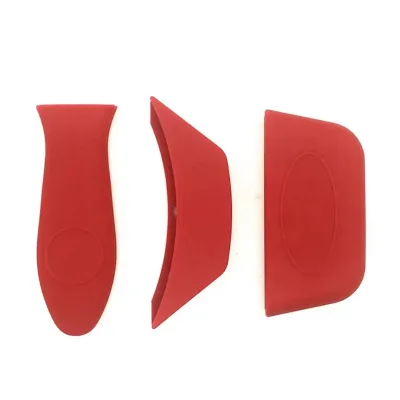
$0.6786 - $1.8096
MOQ: 50 pieces
Xiamen Dream Top Electronic Technology Co., Ltd.
- Verified by Intertek
- Manufacturer, Trading Company
- Lead time10 days
- Avg. response≤ 2h
Main productsSilicone Pendant Teether, Silicone Kitchen Utensils, Silicone Anti Stress Toys, Silicone Cup, Silicone Cover
Main marketsNorth America(30%), Western Europe(25%), Southeast Asia(23%)
Sheng Jie (Dongguan) Silicone Rubber Product Factory
- Verified by Intertek
- Manufacturer, Trading Company
- Lead time15 days
- Avg. response≤ 3h
Main productsSilicone Kitchen Products, Silicone Baby Products, Silicone Personal Care Product
Main marketsNorth America(54%), Mid East(16%), Eastern Europe(12%)
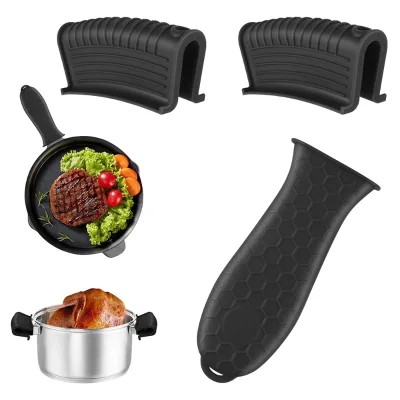
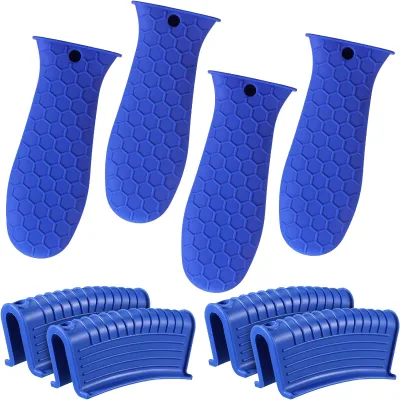
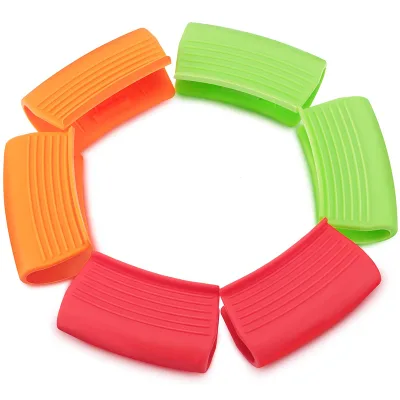
$0.373 - $1.8186
MOQ: 100 Minimum

Milesun Rubber & Plastic Technology Co., Ltd.
- Verified by CTI
- Manufacturer/Factory
- China Guangdong
- Lead time23 days
- Avg. response≤ 12h
Main productsRubber Components, Rubber Damper/Shock Absorber/Sheet, Rubber-Metal Components, Sealing Ring, Home Appliance Rubber and Metal Components, Power Tool Rubber and Metal Components, Auto Rubber and Metal Components, Sanitary Rubber and Metal Components, Kitchen Ware / Daily Use Rubber Products, Food Grade Rubber Products/Toy
Main marketsSouth America,Eastern Europe,Mid East,North America,Southeast Asia,Eastern Asia,Oceania,Western Europe,Africa
Guangzhou Sansong Rubber Products Co., Ltd.
- Manufacturer
- Guangdong, China
- Lead time0 days
- Avg. response≤ 1h
Main productsProduction and sales of silicone rubber parts,Daily necessities,Medical supplies,Electronic accessories
Main marketsNorth America(5.00%)
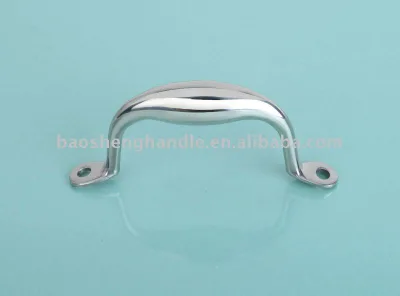
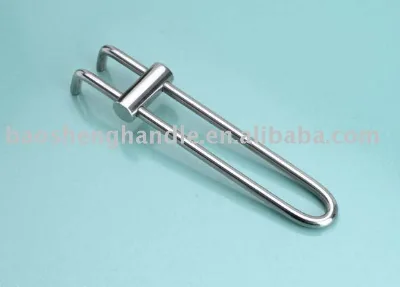
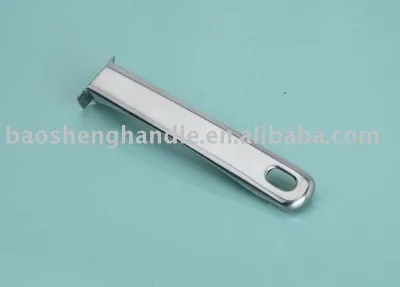
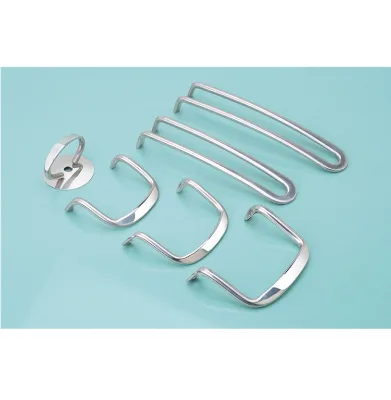
Foshan Nanhai Baosheng Stainless Steel Products Co., Ltd.
- Manufacturer
- Guangdong, China
- Lead time55 days
- Avg. response≤ 18h
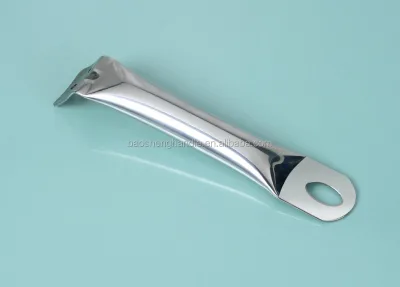
Main productspot handles,cookware parts,stainless steel handles,casting handles,cookware handles
Main marketsWestern Europe(12.50%), Eastern Asia(12.50%), Mid East(12.50%), Oceania(12.50%), Southeast Asia(12.50%), Eastern Europe(12.50%), South America(12.50%), North America(12.50%)
Chaozhou Chaoan Caitang Xingsheng Hardware Accessories Factory
- Manufacturer, Trading Company
- Guangdong, China
- Lead time20 days
- Avg. response≤ 3h
Main productsStock pot,Lunch box,Tea pot,Casserole,cookware set
Main marketsEastern Asia(30.00%), Mid East(30.00%), Eastern Europe(30.00%), North America(30.00%)

Suzhou Titan Silicon Rubber Technology Co., Ltd.
- Verified by CTI
- Combined
- China Jiangsu
- Lead time23 days
- Avg. response≤ 3h
Main productsSilicone Rubber Keypads, Silicone Extrusion Sealing Strips, Silicone Glass Lid, Molded Silicone Rubber Parts, Silicone Oven Mitts Pot Holder
Main marketsDomestic


High Quality Silicone Lid Handle with Strong Grip and Long Service Life
$1.05 - $3.38
MOQ: 1500 Pieces
Yongkang Mifun Houseware Co., Ltd.
- Manufacturer, Trading Company
- Lead time旺季: "1 - 2000":30,"> 2000":"To be negotiated", 淡季: "1 - 2000":30,"> 2000":"To be negotiated"
- Avg. response≤ 3h
Main productscookware,kitchenware,fry pan,casserole,sauce pan
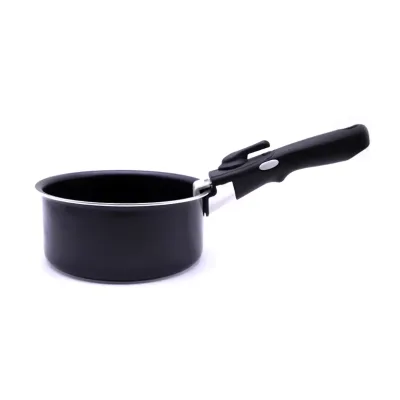
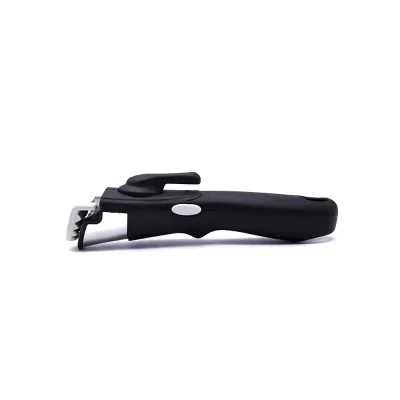
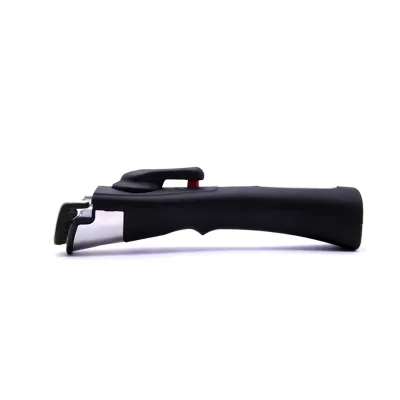
Universal Silicone Soft Coating Handle Replacement Cookware Parts Removable Pot Handle
$3.10 - $3.49
MOQ: 2000






Comprehensive Sourcing Guide
Pan Handle Sleeve Supplier Concentration and Factory Types
The current supplier landscape for pan handle sleeves reveals a diverse mix of company types, primarily consisting of trading companies, manufacturers, and combined entities. This variety suggests that buyers have multiple pathways to source these items, depending on whether they prioritize direct factory pricing or the logistical flexibility of trading partners. Trading companies often aggregate products from various factories, offering a broader catalog that may include related items like passport wallets, decor trays, and luggage tags alongside cookware parts. This consolidation can simplify the sourcing process for buyers seeking a single point of contact for multiple product lines, although it may introduce an additional layer of margin. In contrast, manufacturers provide direct access to production capabilities, which can be crucial for buyers requiring strict quality control or specific material compositions. The presence of combined entities indicates a hybrid model where suppliers may engage in both manufacturing and trading activities, potentially offering the best of both worlds in terms of production control and supply chain management.
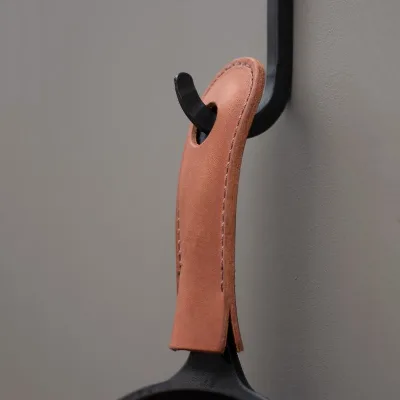
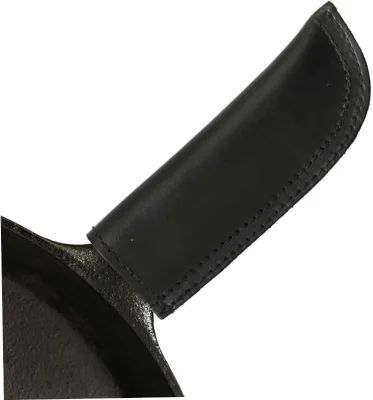
Understanding the specific type of supplier is essential for aligning expectations with operational realities. Manufacturers typically have more direct control over raw material sourcing, such as real leather or silicone, which can impact product consistency and customization options. For instance, some suppliers specialize in vegetable-tanned leather sleeves, while others focus on silicone or rubber alternatives, each requiring different production expertise. Trading companies might offer faster access to stock items or standardized designs, whereas manufacturers may excel in custom ODM and OEM projects. Buyers should assess their own needs for customization, volume, and lead time to determine which supplier type is most suitable. It is also important to note that the main products listed by suppliers can vary significantly, ranging from kitchenware parts to industrial rubber products, which may indicate the breadth of their operational focus. This diversity in supplier profiles allows buyers to tailor their sourcing strategy to their specific business model, whether they are looking for high-volume, low-cost items or specialized, custom-designed solutions.
How to Verify Pan Handle Sleeve Suppliers
Verification is a critical step in ensuring the reliability and legitimacy of potential suppliers. Buyers should prioritize suppliers that have undergone third-party verification processes, as these provide an additional layer of trust and assurance. For example, some suppliers are verified by TüV Rheinland, a globally recognized testing and certification organization, which indicates a commitment to quality and safety standards. Others may hold certifications from BV, another reputable verification body, suggesting that their operations have been scrutinized for compliance with international standards. These verifications are not merely badges but represent rigorous assessments of the supplier’s business practices, production capabilities, and quality management systems. Buyers should actively seek out these verified badges and review the scope of the verification to understand what aspects of the supplier’s operations have been validated. This information can be particularly valuable when dealing with new suppliers or when sourcing high-volume orders where the risk of non-compliance is higher.
In addition to third-party verification, buyers should examine the certifications associated with the products themselves. Certifications such as CP65, REACH, and Lead content compliance are crucial for products that come into contact with food or consumers, ensuring that materials are safe and free from harmful substances. For leather products, certifications like CE and EU standards may indicate adherence to specific regulatory requirements in key markets. Buyers should request documentation for these certifications and verify their validity with the issuing bodies. Furthermore, the presence of ISO9001 certification suggests that the supplier has a robust quality management system in place, which can lead to more consistent product quality and fewer defects. It is also important to check for any specific product certifications, such as those related to heat resistance or material safety, which are particularly relevant for pan handle sleeves. By thoroughly verifying these credentials, buyers can mitigate risks and ensure that they are partnering with suppliers who meet the necessary regulatory and quality standards for their target markets.
What to Compare Across Pan Handle Sleeve Suppliers
When evaluating multiple suppliers, buyers should compare key operational metrics to identify the most suitable partner for their needs. Lead time is a critical factor, as it directly impacts inventory management and order fulfillment. Some suppliers may offer lead times as short as 15 days, while others might require up to 28 days or more. Understanding these variations allows buyers to plan their production schedules and manage customer expectations effectively. Response time is another important metric, indicating how quickly a supplier can address inquiries and provide necessary information. Suppliers with faster response times, such as those averaging under five days, can facilitate smoother communication and quicker decision-making processes. Buyers should also consider the supplier’s capacity for sample processing and graphic customization, as these capabilities are essential for developing unique products that stand out in the market. The ability to handle ODM and OEM projects can be a significant advantage for buyers seeking customized solutions.
Price and MOQ are equally important considerations in the comparison process. Prices can vary significantly based on material, design, and order volume. For instance, silicone handle covers may be priced differently from leather sleeves, and bulk orders often benefit from lower unit costs. Buyers should request detailed quotes that include all costs, such as packaging and shipping, to ensure accurate cost comparisons. MOQ requirements can also vary, with some suppliers requiring minimum orders of 500 pieces or more. Understanding these thresholds helps buyers determine the feasibility of placing orders and managing inventory levels. Additionally, buyers should compare the range of main products offered by each supplier, as a diverse product portfolio may indicate a more versatile and experienced partner. Suppliers that offer a wide range of related items, such as cookware parts and kitchen accessories, may provide better opportunities for cross-selling and bundling. By systematically comparing these attributes, buyers can make informed decisions that align with their strategic goals and operational requirements.
Common Pan Handle Sleeve Sourcing Risks
Sourcing pan handle sleeves involves several potential risks that buyers must be aware of and mitigate. One significant risk is the variability in product quality, which can arise from differences in material sourcing and manufacturing processes. For example, leather sleeves may vary in thickness, stitching quality, and durability, while silicone sleeves may differ in heat resistance and flexibility. Buyers should request samples to physically inspect the quality and performance of the products before committing to large orders. Another risk is the potential for delays in production or shipping, which can disrupt supply chains and lead to stockouts. Suppliers with longer lead times or less reliable logistics networks may pose a higher risk in this regard. Buyers should establish clear communication channels and set realistic expectations regarding delivery schedules. It is also important to verify the supplier’s ability to meet specific customization requirements, as failures in this area can result in products that do not meet market demands.
Intellectual property and design theft are additional risks, particularly when working with suppliers on custom ODM or OEM projects. Buyers should ensure that their designs and branding are protected through appropriate legal agreements and confidentiality clauses. Furthermore, there is a risk of non-compliance with regulatory standards, which can lead to product recalls or legal issues. Buyers must verify that suppliers adhere to relevant safety and environmental regulations, such as REACH or CP65, depending on the target market. Material safety is another concern, especially for products that come into contact with food or high temperatures. Buyers should request test reports and certifications to confirm that materials are safe and compliant. Finally, financial risks, such as payment fraud or supplier insolvency, can be mitigated by using secure payment methods and conducting thorough due diligence on the supplier’s financial health. By proactively addressing these risks, buyers can protect their interests and ensure a successful sourcing experience.
Pan Handle Sleeve Regional Sourcing and Logistics
The geographic location of suppliers can significantly impact logistics costs, lead times, and overall supply chain efficiency. Suppliers located in different regions may offer distinct advantages based on their proximity to raw material sources, manufacturing hubs, and shipping ports. For instance, suppliers in China, such as those in Fujian or Shandong, may benefit from established industrial clusters and efficient logistics networks. Buyers should consider the port of dispatch when evaluating suppliers, as this can affect shipping costs and transit times. Suppliers dispatching from major ports like Xiamen may offer more competitive shipping rates due to higher volume and better infrastructure. Additionally, regional sourcing can influence the availability of specific materials, such as leather or silicone, which may be more readily available in certain areas. Buyers should assess the supplier’s location in the context of their own distribution network to minimize transportation costs and lead times.
Logistics planning is crucial for managing the flow of goods from supplier to end customer. Buyers should work closely with suppliers to establish clear shipping terms and responsibilities, such as Incoterms, to avoid misunderstandings and additional costs. It is also important to consider the packaging details, as proper packaging can protect products during transit and reduce the risk of damage. Suppliers may offer different packaging options, such as poly bags or gift boxes, which can impact the final product presentation and cost. Buyers should evaluate the supplier’s ability to handle international shipping requirements, including customs documentation and compliance with destination country regulations. Furthermore, buyers should consider the environmental impact of logistics, such as carbon emissions, and explore options for more sustainable shipping methods if applicable. By carefully planning regional sourcing and logistics, buyers can optimize their supply chain and enhance overall operational efficiency.
Pan Handle Sleeve Commercial Terms and Order Planning
Commercial terms and order planning are essential components of a successful sourcing strategy. Buyers should negotiate clear payment terms, such as deposits and balance payments, to manage cash flow and mitigate financial risks. It is also important to establish clear quality assurance protocols, including inspection criteria and acceptance standards, to ensure that products meet expectations. Buyers should consider the supplier’s return and refund policies in case of defects or non-conformance. Order planning involves forecasting demand and aligning production schedules with inventory needs. Buyers should communicate their volume requirements and delivery timelines to suppliers well in advance to facilitate production planning. Additionally, buyers should consider the supplier’s capacity to handle peak seasons or sudden order increases, as this can impact reliability. It is also important to review the supplier’s warranty and after-sales support policies to ensure ongoing product quality and customer satisfaction. By carefully managing commercial terms and order planning, buyers can build strong, long-term relationships with suppliers and ensure a smooth sourcing process.
FAQs
What materials are commonly used for pan handle sleeves?
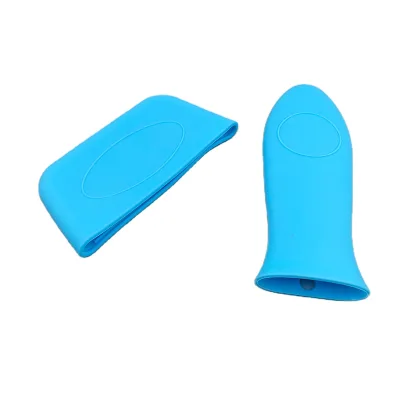
The most common materials are heat-resistant silicone, vegetable-tanned leather, and rubber. Silicone sleeves are eco-friendly and listed around 0.20 to 0.30 USD per piece, while leather pan handle sleeves are quoted at roughly 3.55 to 3.88 USD. Rubber grip sleeves are also available at about 3.00 USD. Confirm heat resistance ratings for your specific cookware before ordering.
What is the typical minimum order quantity for pan handle sleeves?
Published listings show leather pan handle sleeves starting at 500 pieces per order, so that is a realistic benchmark for small trials. Silicone covers and rubber grip sleeves may have different thresholds, so request the MOQ in writing before quoting. Some suppliers welcome ODM projects, which can affect minimums for customized colors or logo printing.
How long does production take after an order is confirmed?
Lead times observed in current supplier results range from about 15 days to 28 days, depending on the supplier and material. Silicone manufacturers in Guangdong list faster turnaround, while some trading companies quote closer to four weeks. Always confirm the lead time against your quantity and any customization, because logo printing or custom colors can extend production.
Can I customize pan handle sleeves with my logo or brand color?
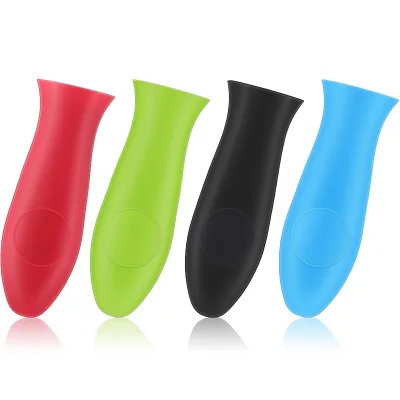
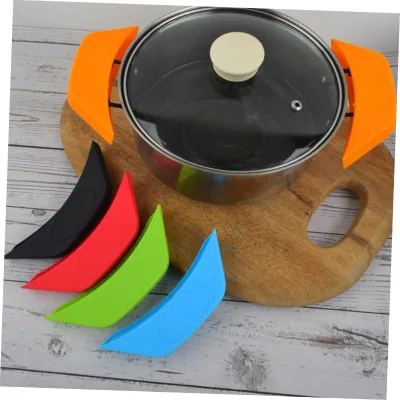
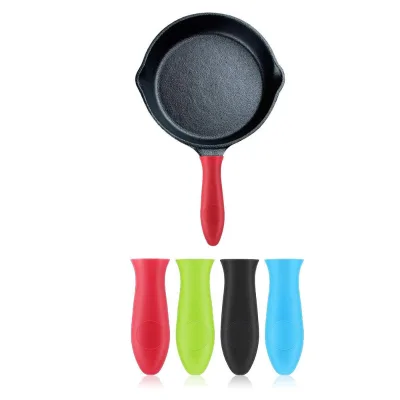
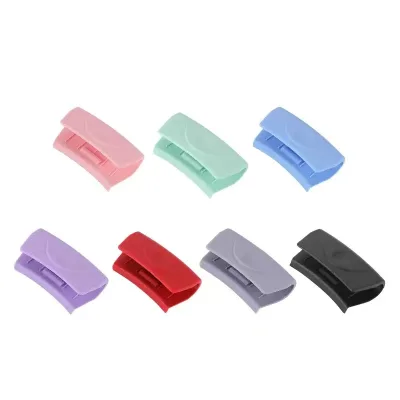
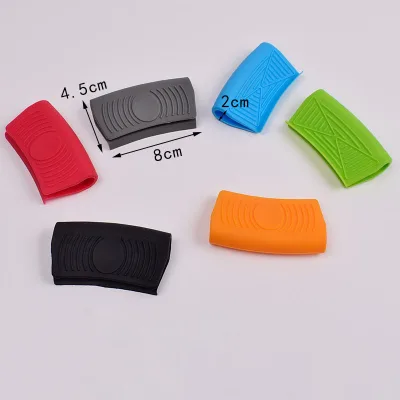
Yes, customization is widely offered. Leather sleeves support logo printing, customized designs, and colors such as black, brown, blue, or custom shades. Silicone covers come in red, blue, green, black, orange, and grey, and rubber grip sleeves offer customization with OEM accepted. Provide artwork early and request a pre-production sample to verify color accuracy.
Which supplier locations are relevant for Pan Handle Sleeve sourcing?
Supplier results point to several Chinese regions: leather pan handle sleeves ship from Fujian through the port of Xiamen, silicone kitchenware manufacturers are based in Guangdong, and rubber product suppliers operate from Shandong. Location affects freight cost and lead time, so compare suppliers across regions and confirm the actual dispatch port before booking shipment.
How quickly do Pan Handle Sleeve suppliers usually respond to inquiries?
Response times recorded in current results range from under 5 hours to about 7 hours, which is a reasonable expectation when shortlisting. Faster response matters during sampling and production, so note reply speed in your first exchanges. If a supplier is slow before the order, communication after payment is unlikely to improve, so plan accordingly.
What packaging options are available for pan handle sleeves?
Listings describe leather pan handle sleeves packed individually in a poly bag or gift box, then packed into outer cartons, with each unit weighing about 0.06 kg gross. Silicone covers weigh roughly 23 to 30 grams each. Rubber grip sleeves ship in cartons. Ask whether retail-ready packaging or custom inserts are available if you sell through stores.
How much supply capacity can I expect for pan handle sleeves?
One published leather Pan Handle Sleeve listing states a supply ability of 20,000 pieces per month, which indicates the scale typical of this product category. Silicone and rubber suppliers did not publish capacity figures, so request monthly output and current utilization in writing. Match stated capacity against your forecast to avoid delays during peak season.