Plated Enamel Pin for Hats Suppliers and Manufacturers
Explore 31 verified options for Plated Enamel Pin for Hats with dimensions like location, lead time, and certifications. Compare response times, MOQs, and prices to select a suitable partner for your custom badge needs; review the available evidence before requesting comparable quotations from suitable candidates.
Updated
Suppliers List

EVER GREATER IMP. & EXP. CO., LIMITED
- Verified by TUVRHEINLAND
- Trading Company
- China Zhejiang
- Lead time15 days
- Avg. response≤ 6h
Main productsDisposable Cup, Paper Cup, Pet Cup, PLA Cup, Sleeve, Coaster, Food Packag Box, Pizza Box, Cake Box, Paper Box
Main marketsSoutheast Asia/ Mideast,Europe,Australia,North America
Zhongshan Xiaolan Lianxin Gifts & Arts Factory
- Verified by SGS Group
- Manufacturer, Trading Company
- Lead time7 days
- Avg. response≤ 2h
Main productsCustom Medals, Keychain, Enamel pin, Challenge Coin, Fridge Magnet
Main marketsNorth America(46%), Western Europe(23%), Mid East(10%)
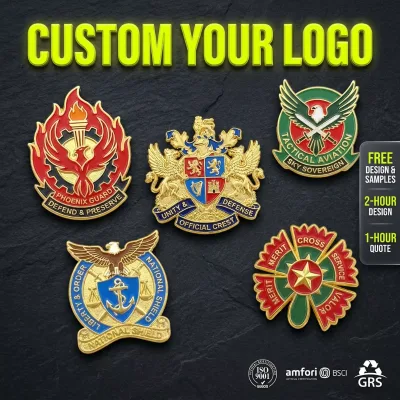
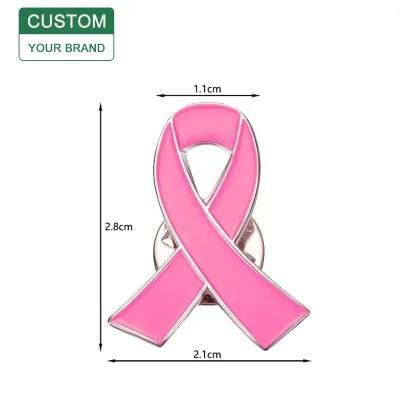
Pink Ribbon Caring Custom Enamel Hat Pins for Caps Badge Clothing Accessories Pin
$0.1238 - $0.2902
MOQ: 100 pieces
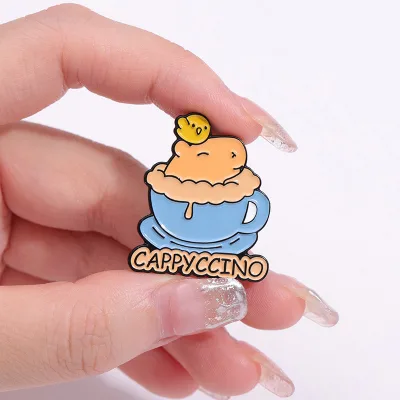
Custom Cartoon Animal Badge Pins Personalized Little Finless Porpoise Enamel Hat Pins for Caps
$0.40 - $0.56
MOQ: 100 pieces
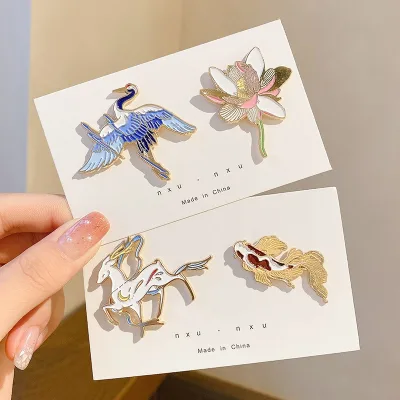

Meishan Shunjieru Arts & Crafts Co., Ltd.
- Verified by SGS
- Trading Company
- China Sichuan
- Lead time15 days
- Avg. response≤ 2h
Main productsBadge Coin Emblem Medal
Main marketsSoutheast Asia/ Mideast,Europe,Australia,North America


Manufacturer Enamel Hat Pins Badges Round Button Pin Design Gold Metal Hat Pins
$0.15 - $0.95
MOQ: 5 Pieces


Zhongshan Senwei New Materials Co., Ltd
- Verified by CTI
- Trading Company,Manufacturer/Factory
- China Guangdong
- Lead time23 days
- Avg. response≤ 3h
Main productsMedals, Coins, Keychains, Enamel Pins, Bag Hangers, Book Marks, Lanyards, Embroidery Patches, Woven Patches, Caps
Main marketsSouth America,Eastern Europe,Mid East,North America,Southeast Asia,Eastern Asia,Oceania,Western Europe,Africa
Zhongshan Liangguan Hardware Co., Ltd.
- Verified by SGS Group
- Manufacturer, Trading Company
- Lead time31 days
- Avg. response≤ 1h
Main productsKeychain, Lapel Pin/Enamel Pin, Medal, Challenge Coin, Fridge Magnets
Main marketsNorth America(40%), Western Europe(30%), Eastern Asia(20%)
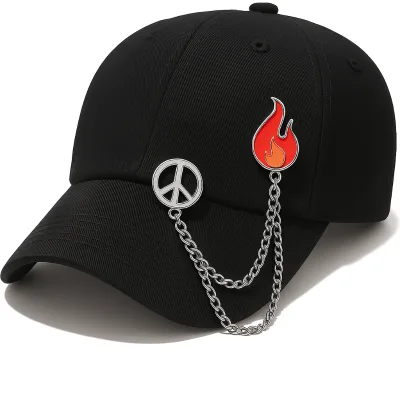
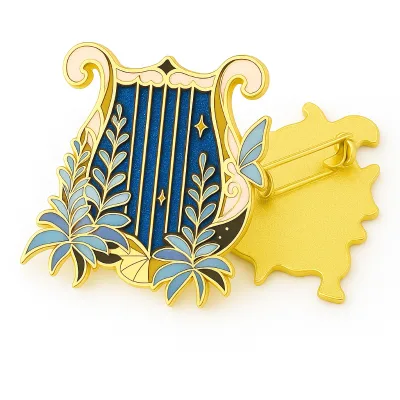
Custom Logo Hat Pins Factory Hard Lapel Pins for Business Gifts Promotional Emblem Badge
$0.1341 - $0.3007
MOQ: 300 pieces
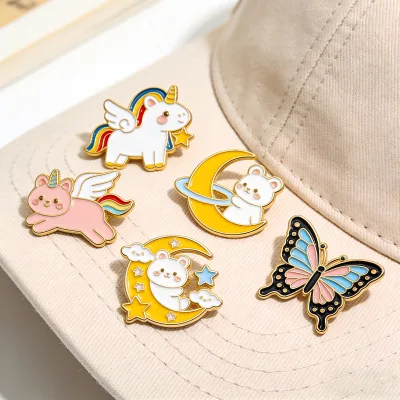
Zhongshan Hugo Way Gift Co., Ltd.
- Verified by SGS Group
- Trading Company
- Lead time20 days
- Avg. response≤ 2h
Main productsMetal Lapel Pin, Metal Medal, Metal Keychain, Custom Coin, Metal Dog Tag
Main marketsNorth America(57%), Eastern Europe(16%), Western Europe(10%)
Golden One (Jiangmen) Gifts Co., Limited
- Verified by Intertek
- Manufacturer, Trading Company
- Guangdong, China
- Lead time7 days
- Avg. response≤ 3h
Main productsEnamel Pin, Coins, Medals, Keychains , Belt Buckles
Main marketsWestern Europe(45%), North America(30%), Oceania(10%)
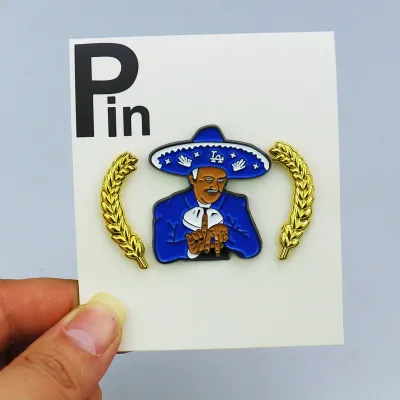
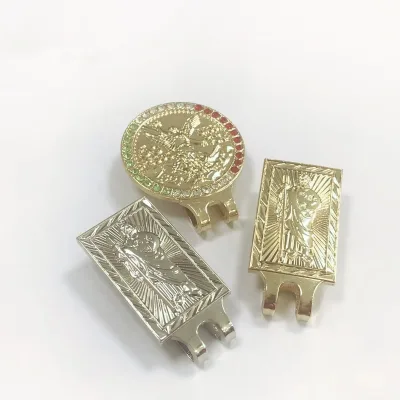
Custom Enamel Pin Hat Clips Cartoon Metal Clip Hat Cap Pins Mexican Metal Lapel Pin for Hat
$0.20 - $0.30
MOQ: 50 pieces
Guangzhou Tomas Crafts Co., Limited
- Trading Company
- Lead time旺季: "1 - 1000":31,"> 1000":"To be negotiated", 淡季: "1 - 1000":31,"> 1000":"To be negotiated"
- Avg. response≤ 2h
Main productsPromotional Gift,Souvenir Gifts,Medals & Trophies Suppliers,Luggages & Bags,Party Supplies
Zhongshan Lucky Art And Crafts Gifts Co., Ltd.
- Manufacturer, Trading Company
- Lead time旺季: "1 - 100":7,"101 - 5000":14,"> 5000":"To be negotiated", 淡季: "1 - 100":7,"101 - 5000":14,"> 5000":"To be negotiated"
- Avg. response≤ 3h
Main productsCoin, Medal, Lanyards, Keychain, Lapel Pin

Xiangtan Jinhua Metal Art Co., Ltd.
- Verified by SGS
- Manufacturer
- China Hunan
- Lead time15 days
- Avg. response≤ 4h
Main productsLapel Pins, Challenge Coins, Key Chains, Medals, Cufflinks, Button Badges, Dog Tags, Bottle Openers, Golf Divots

Metal Custom Design Logo Gold Plated Pin Letter Soft Enamel Lapel Hat Pin Enamel Pins
$0.20 - $0.45
MOQ: 100 Pieces

Clothes Hat Pins Small Metal Soft Enamel Custom Button Pins Magnet Lapel Pins
$0.20 - $0.35
MOQ: 50 Pieces


Cheap China Wholesale Hat Collar Pin Gold Metal Hard Soft Enamel Lapel Pin
$0.20 - $0.35
MOQ: 50 Pieces

Zhongshan Xiangda Metal Arts & Crafts Co., Ltd.
- Verified by BV
- Combined
- China Guangdong
- Lead time15 days
- Avg. response≤ 4h
Main productsBadge, Keychain, Medal, Lapel Pin, Dog Tag, Fridge Magnet, Cufflink, Tie Clip, Bag Hanger, Wrist Band
Main marketsSouth America,Southeast Asia/ Mideast,Domestic,Europe,Australia,North America


$0.46 - $0.85
MOQ: 50 Pieces

Wholesale Custom New Design Metal Hard Enamel Pins Mexico Chain Pin Hats Decoration Hat Pin
$3.50 - $4.00
MOQ: 50 Pieces

Changde Juhetai Craft Gift Limited
- Verified by SGS Group
- Manufacturer, Trading Company
- Lead time15 days
- Avg. response≤ 2h
Main productsCustom Lapel Pins, Custom Coins, Custom Medals, Custom Key Chains PVC, Embroidery Patches
Main marketsNorth America(72%), South America(15%), Central America(4%)

Jinjiang Naike Eco Technology Co., Ltd.
- Verified by SGS
- Trading Company
- China Fujian
- Lead time30 days
- Avg. response≤ 2h
Main productsKeychain, Promotional Gifts, Shoes Charm, Straw Toppers, Pencil Toppers, Christmas Decoration, Party Decoration, Toy, Metal Craft, Silicone Products
Main marketsEurope,North America

Custom Design Your Own Metal Crafts Golden Plated Clothing Hat Enamel Lapel Pins
$0.24 - $0.35
MOQ: 1500 Pieces

Wholesale Custom Metal Enamel Pins Round Hat Pin Souvenir Button Lapel Pin Badges
$0.52 - $0.62
MOQ: 1000 Pieces
Laifeng Yijia Metal Crafts Co., Ltd.
- Verified by TüVRheinland
- Manufacturer, Trading Company
- Lead time14 days
- Avg. response≤ 2h
Main productsMetal Crafts
Main marketsNorth America(50%), Domestic Market(20%), South America(5%)
$0.12 - $0.34
MOQ: 50 pieces
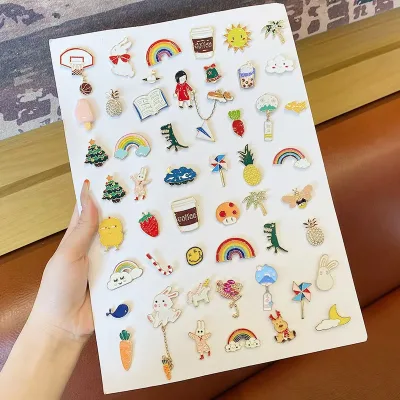
Quanzhou Duozhi Arts And Crafts Co., Ltd.
- Verified by TüVRheinland
- Manufacturer, Trading Company
- Lead time5 days
- Avg. response≤ 5h
Main productsCroc Charms, Focal Bead, Enamel Pin, Watch Band Charms, Keychain
Main marketsNorth America(80%), Western Europe(10%), Oceania(5%)
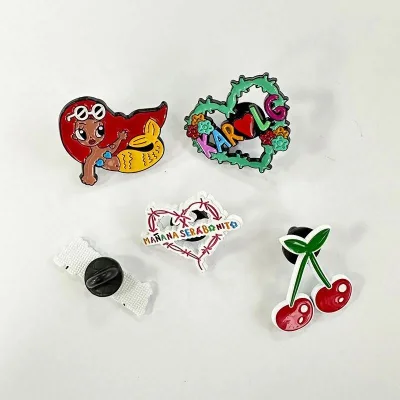
Metal Enamel Hat Pins High Quality Baseball Hat Pins Wholesale Custom Hat Pins Mexican
$0.6149 - $1.0248
MOQ: 2 pieces
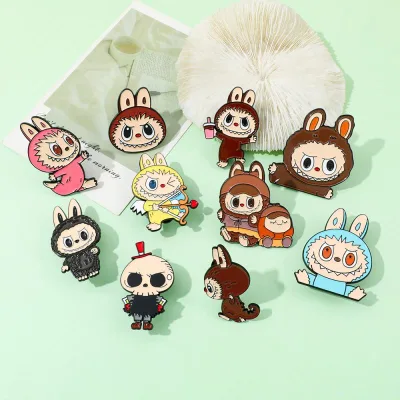
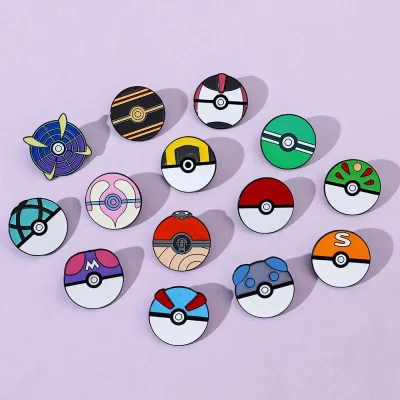
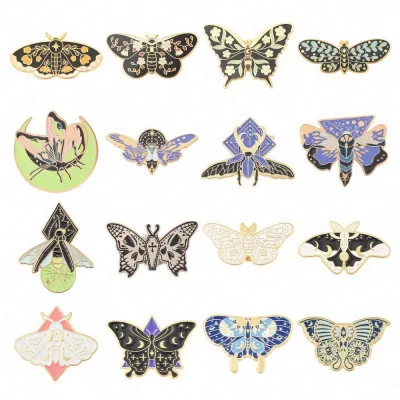
$0.4668 - $0.6223
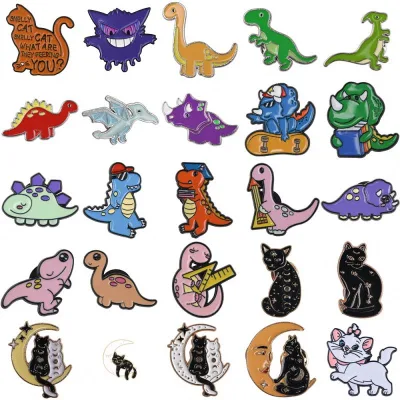
MOQ: 10 pieces

Zhongshan Jusheng Metal Gifts Factory
- Verified by SGS
- Combined
- China Guangdong
- Lead time15 days
- Avg. response≤ 2h
Main productsMedal, Keychain, Coin, Pin, Badge, Key Chain, Bottle Openers, Dogtags, Cufflinks, Fashion Jewelry
Main marketsSoutheast Asia/ Mideast,Domestic

Custom Logo Metal Badge Gold Plated Hard Soft Enamel Lapel Pins for Clothes Hat
$0.15 - $0.20
MOQ: 1 Pieces

Custom Metal Lapel Logo Hat Lapel Pins Personalized Badges Soft Enamel Pin
$0.15 - $0.20
MOQ: 1 Pieces

Custom Metal Lapel Logo Hat Lapel Pins Personalized Badges Soft Enamel Pins
$0.15 - $0.20
MOQ: 1 Pieces

Custom Metal Lapel Logo Hat Lapel Pins Personalized Badges UV Printing Pins
$0.15 - $0.20
MOQ: 1 Pieces
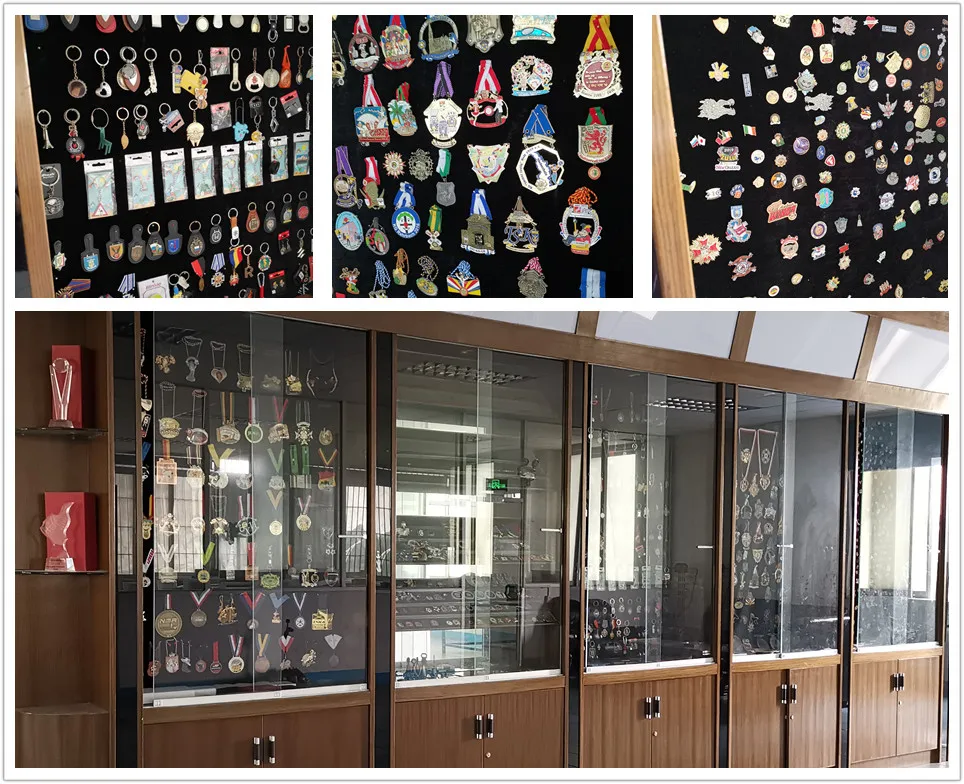
Zhongshan Chuangyu Gift Co., Ltd.
- Manufacturer
- Guangdong, China
- Lead time15 days
- Avg. response≤ 2h
Main productskeychain,lapel pin,medal,coin,fridge magnet
Main marketsNorth America(35.00%), Western Europe(25.00%), Northern Europe(10.00%), Eastern Europe(5.00%), Central America(5.00%), South America(5.00%), Eastern Asia(5.00%), Oceania(5.00%), Africa(5.00%)
Pingyang Shuanghua Metal Products Co., Ltd.
- Verified by Intertek
- Manufacturer, Trading Company
- Lead time15 days
- Avg. response≤ 2h
Main productsMedal, Lapel Pin, Key Chain, Challenge Coin, Bottle Opener
Main marketsDomestic Market(18%), North America(14%), South America(10%)

- Verified by TUVRHEINLAND
- Combined
- China Jiangsu
- Lead time15 days
- Avg. response≤ 4h
Main productsMetal Crafts, Embroidery Crafts, PVC Crafts, Acrylic Crafts, Key Chains, Promotional Gifts, Canvas Bag/Shopping Bag/Drawstring Bag, Baseball Cap/Bucket Hat/Other Caps, Ceramic Mug/PVC Mug/Stainless Steel Cup, Gift Boxes
Main marketsNorth America
Quanzhou Longkun Arts And Crafts Co., Ltd.
- Verified by TüVRheinland
- Manufacturer, Trading Company
- Lead time5 days
- Avg. response≤ 5h
Main productsPVC Croc Shoes Charms, Focal Bead, Watch Charms, Keychian, Straw Topper
Main marketsNorth America(85%), Western Europe(10%), Oceania(3%)
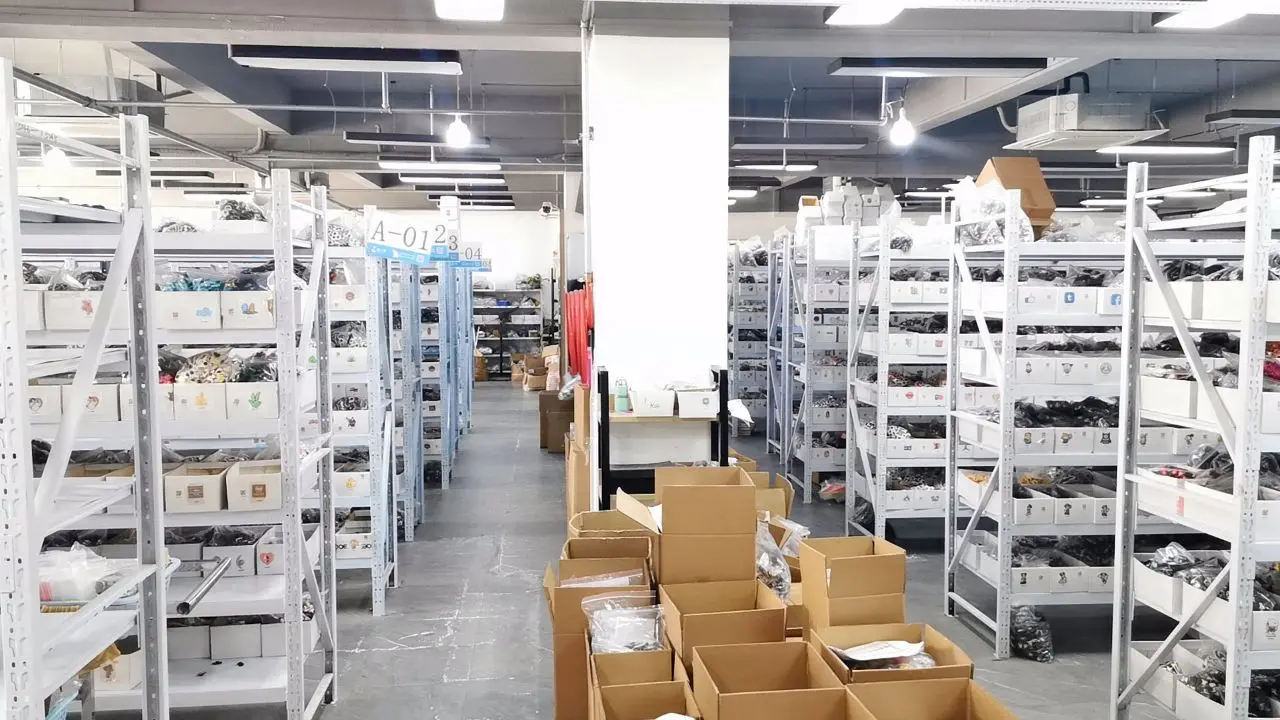
Quanzhou Nsby E-Commerce Co., Ltd.
- Trading Company
- Fujian, China
- Lead time7 days
- Avg. response≤ 6h
Main productspvc shoe charms,metal shoes charms,focal bead for pen decoration,Enamel pin,Custom Printing clog shoes
Main marketsNorth America(75.00%), South America(11.00%), Southeast Asia(5.00%), Eastern Europe(2.00%), Africa(2.00%), Western Europe(2.00%), Mid East(1.00%), Northern Europe(1.00%), Southern Europe(1.00%)
- Manufacturer, Trading Company
- Jiangsu, China
- Lead time15 days
- Avg. response≤ 2h
Main productsEnamel Pin,Key chains,Challenge Coins,Metal Badge,Patches
Main marketsNorth America(50.00%), Oceania(10.00%), Africa(10.00%), Southeast Asia(10.00%), Eastern Europe(10.00%), South America(10.00%)
Ningbo Instyle Import And Export Co., Ltd.
- Verified by SGS Group
- Trading Company
- Lead time30 days
- Avg. response≤ 2h
Main productsMetal Dies, Clear Stamps, Stencils, Embossing Folder/Box Kit, Sticker
Main marketsNorth America(40%), South America(20%), South Asia(15%)
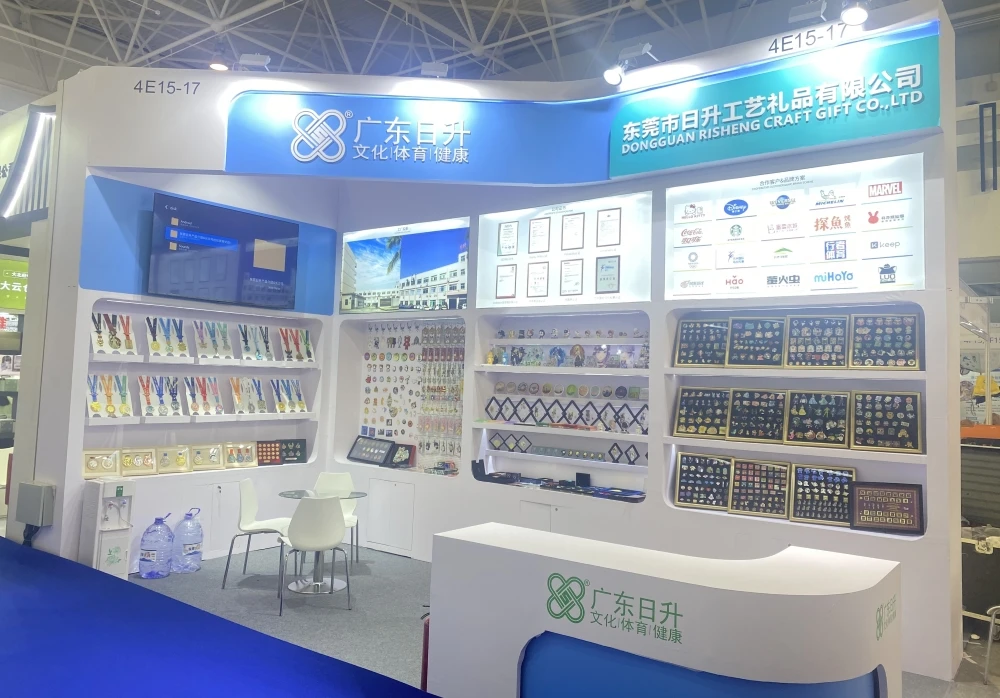
Dongguan Risheng Crafts & Gifts Co., Ltd.
- Manufacturer, Trading Company
- Guangdong, China
- Lead time15 days
- Avg. response≤ 2h
Main productsmedal,lapel pin,badge,keychain,fridge magnet
Main marketsNorth America(35.00%), Western Europe(25.00%), South America(10.00%), Eastern Asia(10.00%), Eastern Europe(10.00%), Mid East(5.00%), Africa(5.00%)

Fuzhou Upinstar Import and Export Co., Ltd.
- Verified by TUVRHEINLAND
- Trading Company
- China Fujian
- Lead time15 days
- Avg. response≤ 10h
Main productsJewelry Handicrafts
Main marketsEurope,North America

$0.30 - $1.20
MOQ: 50 Pieces

Custom Enamel Hat Clip Frame Border Hat Pin with Chain Pendant Soft Enamel Pin Cap Pin
$0.40 - $1.30
MOQ: 50 Pieces

Wholesale Stocks Customized Metal Hard Enamel Pins Hats Decoration Mexican Hat Pin Custom Cappin
$0.20 - $0.64
MOQ: 50 Pieces
Dongguan Brilliant International Co., Ltd.
- Verified by SGS Group
- Trading Company
- Lead time15 days
- Avg. response≤ 2h
Main productsMetal Craft, Embroidery Patch/Woven Patch, Lanyard, Soft PVC Products, Silicone Products
Main marketsNorth America(70%), Western Europe(20%), Eastern Europe(7%)
- Manufacturer, Trading Company
- Lead time旺季: "1 - 1000":20,"> 1000":"To be negotiated", 淡季: "1 - 1000":20,"> 1000":"To be negotiated"
- Avg. response≤ 3h
Main productsLapels Pins, Coins, Medals, Key Chains, Dog Tag
Suzhou Getogether Sujiao Co., Ltd.
- Verified by Intertek
- Manufacturer, Trading Company
- Lead time15 days
- Avg. response≤ 2h
Main productsLapels Pins, Coins, Medals, Key Chains, Dog Tag
Main marketsNorth America(45%), Western Europe(30%), Southeast Asia(15%)
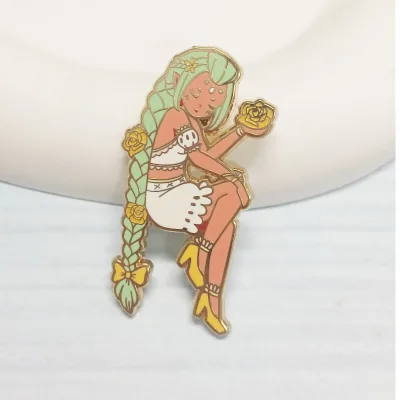
Free Sample Hats Badge Manufacture Pins Lapel Green Hair Princess Custom Hard Enamel Pin
$0.50 - $0.65
MOQ: 50 pieces
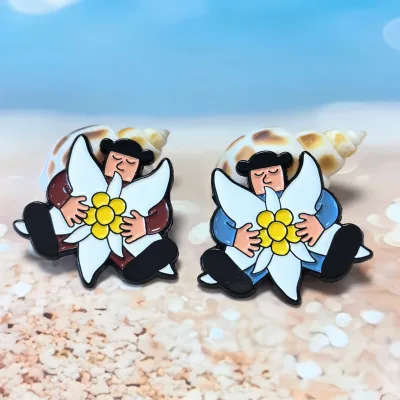
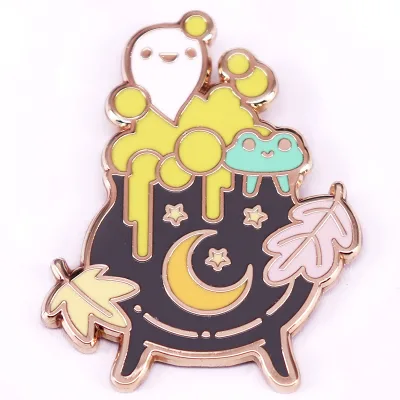
No Minimum Custom Glitter Hat Pins Die Cast Metal Lapel Pin Hard Enamel for Event Souvenir
$0.2259 - $0.4294
MOQ: 50 pieces
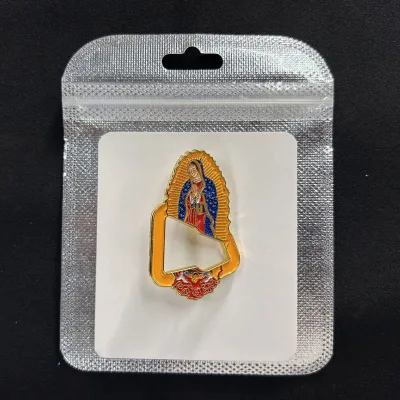
Hot Sale Popular Mexican New Hat Pins Bulk Custom logo Soft Enamel Glitter Lapel Pins with Diamond
$0.929 - $1.5484
MOQ: 50 pieces

Xiamen Miss Home Gifts Limited
- Trading Company,Manufacturer/Factory
- China Fujian
- Lead time15 days
- Avg. response≤ 24h
Main productsLanyards, ID Badge Accessories, Pocket Ashtrays, Bespoke Metal Gifts, Promotional Products
Main marketsEastern Europe,North America,Oceania,Western Europe

Zhongshan Lucky Art & Crafts Gifts Co., Ltd.
- Verified by BV
- Combined
- China Guangdong
- Lead time15 days
- Avg. response≤ 3h
Main productsCustom Medal, Key Chain, Custom Coin, Custom Lapel Pin, Custom Lanyard, Custom Badge, Custom Patch, Custom Air Fresheners, Custom Silicone Bracelets, Custom Cufflinks
Main marketsEast Asia(Japan/ South Korea),Europe,North America
Yiwu Tihuang Electronic Commerce Firm
- Trading Company
- Zhejian, China
- Lead time10 days
- Avg. response≤ 5h
Main productsSlipper,Canvas Shoes,Shoes charms,Iron-on Patch,Embroidery Patch
Main marketsNorth America(50.00%), Western Europe(20.00%), South Asia(10.00%), South America(10.00%), Eastern Europe(10.00%)


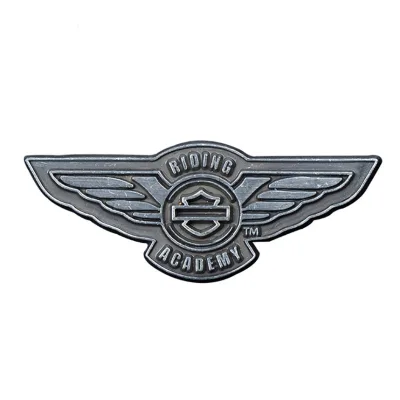
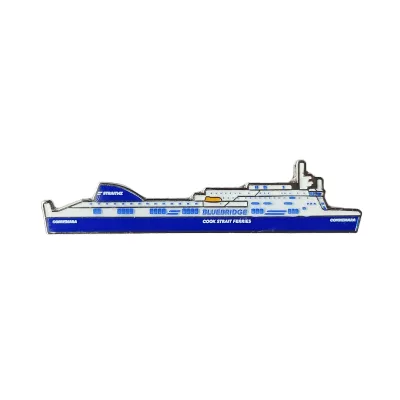
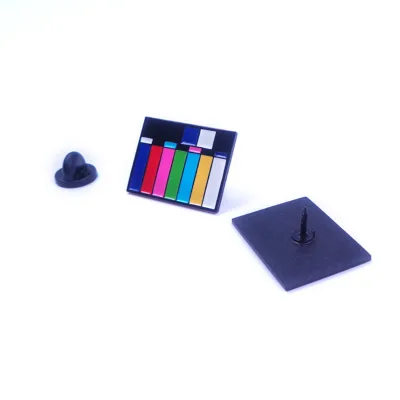
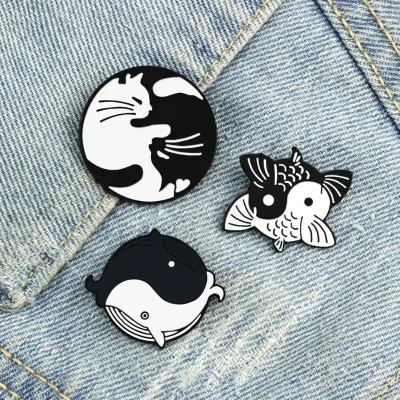
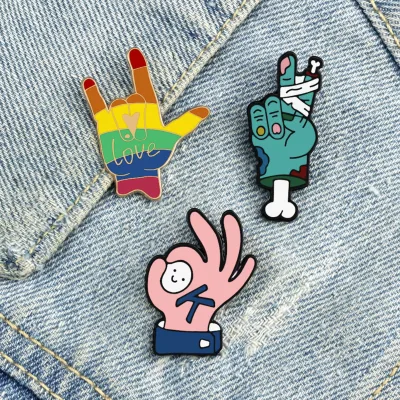
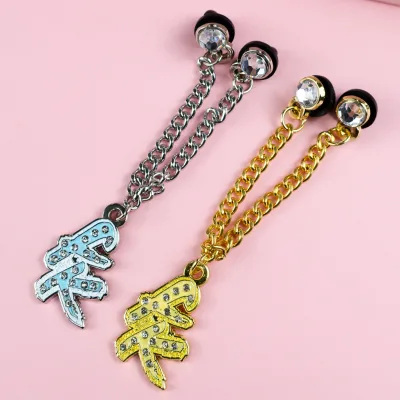
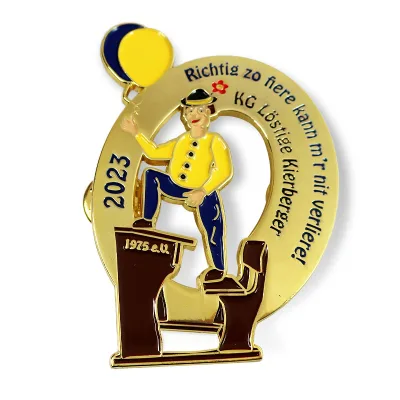

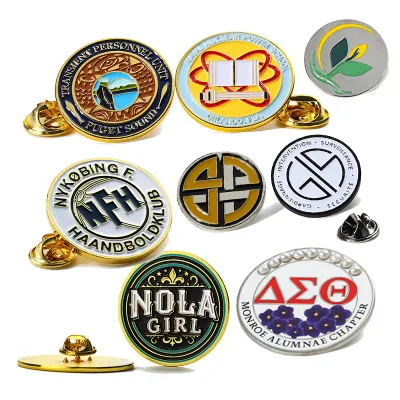
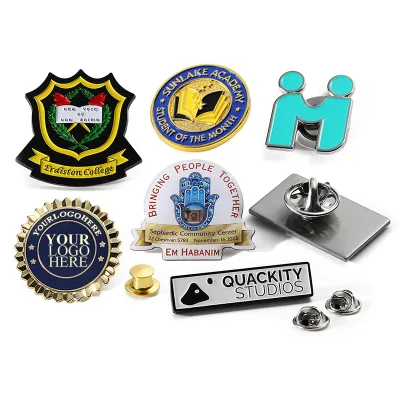


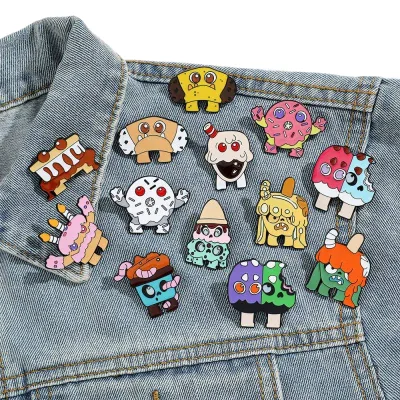
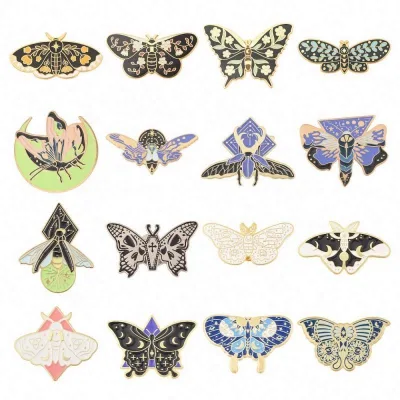
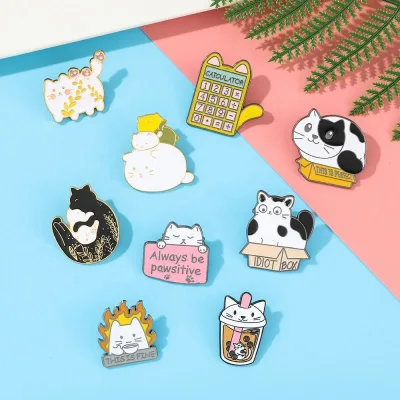
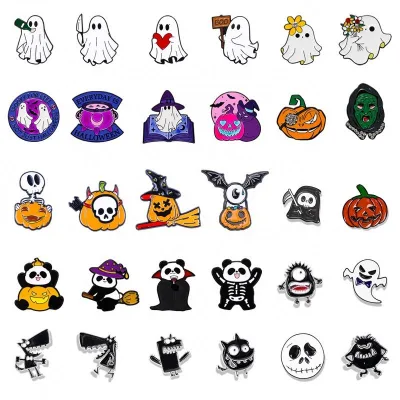
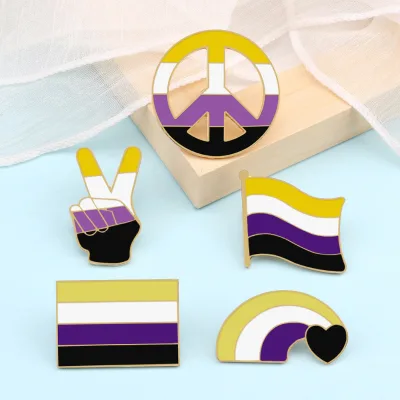
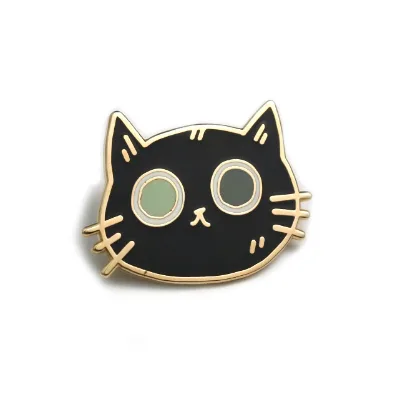
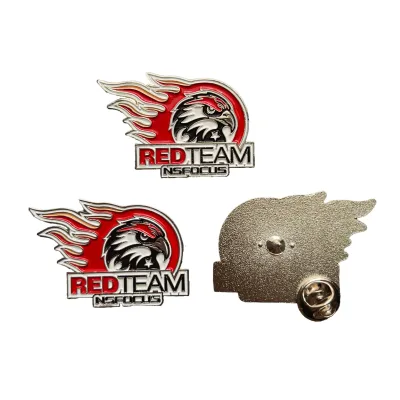
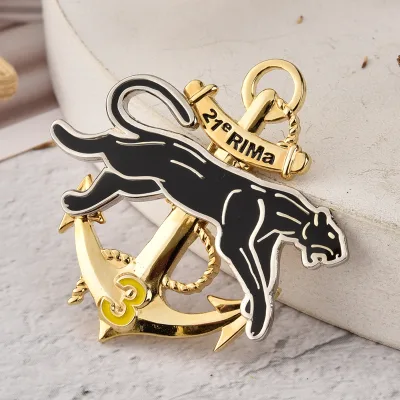

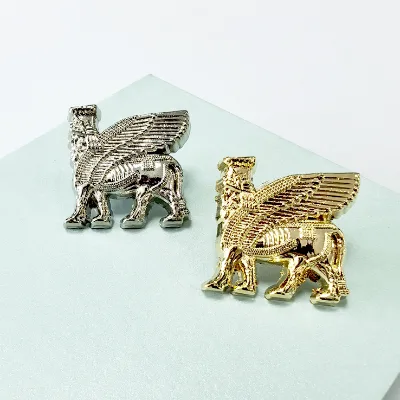
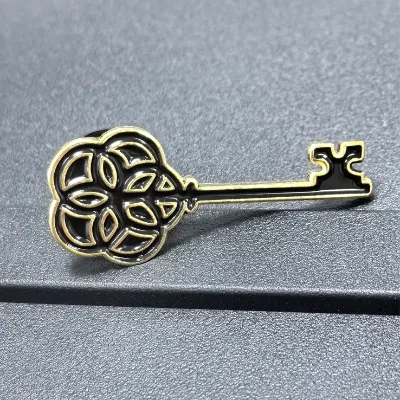


Comprehensive Sourcing Guide
Plated Enamel Pin for Hats Supplier Concentration and Factory Types
The current supplier landscape for plated enamel pins for hats reveals a distinct concentration of manufacturing activity within China, specifically in the Zhejiang and Guangdong provinces. Data indicates that suppliers in Zhejiang often operate as trading companies, while those in Guangdong frequently combine manufacturer and trading company roles. This geographic clustering suggests that buyers should expect a high density of vendors in these specific regions when searching for production capabilities. The presence of both factory and trading company types implies a varied supply chain structure where some entities manage direct production while others facilitate sourcing and logistics.
When evaluating the factory types, it is crucial to distinguish between entities that own their production lines and those that act as intermediaries. Some suppliers list capabilities such as sample processing, graphic processing, and customized on-demand services, which often points to a manufacturer with in-house design and production facilities. Others may focus on a broader range of main products like disposable cups or paper boxes alongside metal crafts, indicating a trading company model that aggregates goods from multiple sources. Buyers must verify the specific company type to understand the depth of control over the manufacturing process and the potential for customization.
How to Verify Plated Enamel Pin for Hats Suppliers
Verification of suppliers for plated enamel pins for hats relies heavily on third-party audit reports and specific certification standards. The available data shows that certain suppliers hold verification from TUVRHEINLAND and SGS Group, which serves as a critical indicator of operational legitimacy. These external validations provide a layer of assurance regarding the supplier's business practices and facility conditions. Buyers should prioritize suppliers who display these specific verification badges, as they represent independent assessments rather than self-declared claims. The presence of such verification is a primary step in establishing trust before engaging in commercial negotiations.
Beyond general verification, specific system certifications like ISO 9001 and RoHS are essential indicators of quality management and environmental compliance. Some suppliers explicitly list these certifications, suggesting adherence to international standards for quality control and hazardous substance restrictions. Buyers should request proof of these certifications directly from the supplier to ensure they are current and applicable to the specific products being ordered. Additionally, checking for established years of operation can provide insight into the supplier's stability and experience in the market. A supplier with over 25 years of experience, as noted in some product descriptions, may offer more reliable long-term support and consistent quality.
What to Compare Across Plated Enamel Pin for Hats Suppliers
Comparing suppliers requires a detailed analysis of key operational metrics such as lead time, minimum order quantity, and response speed. The data indicates significant variation in these areas, with lead times ranging from 7 to 15 days and response times varying from 2 to 5.88 hours. Buyers should create a comparison matrix to evaluate how quickly a supplier can fulfill orders and how responsive they are to inquiries. A shorter lead time of 7 days may be preferable for urgent orders, while a longer lead time of 15 days might be acceptable for larger, planned production runs. Understanding these differences helps in aligning supplier capabilities with specific project timelines.
Minimum order quantities and pricing structures also vary widely among the available suppliers. Some vendors require a minimum order of 1000 pieces, while others accept orders as low as 100 pieces. Price ranges for similar products can differ, with some listings showing minimum prices around 0.08 per unit and others starting at 0.15. Buyers must weigh the cost implications of these MOQs against their inventory needs and budget constraints. Additionally, comparing the main products offered by each supplier can reveal whether they specialize in enamel pins or offer a broader range of goods. Specialized suppliers may provide higher quality and more tailored services compared to general trading companies.
Common Plated Enamel Pin for Hats Sourcing Risks
One significant risk in sourcing plated enamel pins for hats involves the discrepancy between product descriptions and actual manufacturing capabilities. While some suppliers claim to offer custom designs and free artwork services, the actual production process may vary in quality and execution. Buyers must be cautious of suppliers who list a wide array of unrelated main products, such as paper cups or food packaging boxes, alongside metal crafts. This diversification can sometimes indicate a lack of specialized focus, potentially leading to inconsistencies in the final product quality. Verifying the specific production techniques, such as hard enamel or electroplating, is essential to ensure the product meets the required standards.
Another risk pertains to the reliability of shipping and delivery timelines. Although some suppliers list various shipping methods including DHL, TNT, UPS, and FedEx, the actual delivery time can be affected by logistics delays or customs issues. The stated lead times of 7 to 15 days do not always account for potential shipping delays, which can impact the overall project schedule. Buyers should clarify the exact shipping terms and confirm the estimated delivery dates before finalizing orders. Additionally, the risk of receiving products that do not match the agreed-upon specifications, such as incorrect colors or sizes, remains a concern. Establishing clear communication channels and requesting samples can help mitigate these risks.
Plated Enamel Pin for Hats Regional Sourcing and Logistics
Regional sourcing for plated enamel pins for hats is heavily influenced by the geographic location of the suppliers, primarily in China's Zhejiang and Guangdong provinces. These regions offer a robust infrastructure for manufacturing and exporting metal crafts, making them ideal hubs for sourcing these products. Buyers should consider the logistical advantages of working with suppliers in these areas, such as proximity to major ports and established shipping routes. The concentration of suppliers in these regions also facilitates easier communication and coordination, as many vendors are familiar with international trade requirements and export procedures.
Logistics planning must account for the specific shipping methods offered by suppliers, which include air freight, sea freight, and courier services like DHL and FedEx. The choice of shipping method will depend on the urgency of the order and the total volume of goods being shipped. For smaller orders, air freight or courier services may be more cost-effective and faster, while larger shipments might benefit from sea freight to reduce costs. Buyers should also consider the packaging standards, as some suppliers offer customized packing options to ensure the safety of the pins during transit. Understanding the logistics capabilities of each supplier is crucial for ensuring timely and secure delivery of the ordered products.
Plated Enamel Pin for Hats Commercial Terms and Order Planning
Commercial terms for Plated Enamel Pin for Hats orders often include specific payment methods such as PayPal, Western Union, TT, and Alipay. Buyers should review these payment options carefully to ensure they align with their financial policies and risk management strategies. Some suppliers may offer flexible payment terms for large quantities, which can be beneficial for managing cash flow. Additionally, the availability of free samples and design services can significantly reduce the initial costs and risks associated with placing a large order. Buyers should take advantage of these offerings to validate the quality and design of the products before committing to a full production run.
Order planning must also consider the sample time and production process details provided by suppliers. Sample times can range from 2 to 4 working days, which is a critical factor in the overall project timeline. Buyers should factor in this lead time when planning their production schedules and marketing campaigns. The production process, which may include baking varnish, electroplating, and UV printing, should be clearly defined to ensure the final product meets the desired specifications. By carefully planning the order and understanding the commercial terms, buyers can streamline the sourcing process and minimize potential delays or misunderstandings.
FAQs
What is the price range for custom enamel pins?
Custom enamel pins typically cost between $0.08 and $0.35 per unit. Prices vary based on material, plating, and order volume. Some suppliers offer flexible pricing for large quantities. Buyers should request quotes to confirm exact costs for their specific design requirements and production timeline.
What is the minimum order quantity for these pins?
Minimum order quantities generally range from 100 to 1000 pieces. Lower MOQs are available for certain designs, while standard production often requires higher volumes. Buyers should verify specific MOQs with suppliers to ensure alignment with their budget and inventory needs for custom hat pins.
How long does production take for custom pins?
Production lead times typically range from 7 to 15 days. Sample creation usually takes 2 to 4 working days. Expedited options may be available for urgent orders. Buyers should confirm specific timelines with suppliers to ensure delivery aligns with their event or launch schedules.
What materials are used for enamel hat pins?
Most enamel pins are made from metal alloy, often featuring hard enamel or painted finishes. Plating options include gold, silver, or imitation silver. Materials ensure durability for hats and bags. Buyers can request samples to verify material quality and finish suitability for their specific branding needs.
Are suppliers verified for quality assurance?
Many suppliers hold ISO 9001 and RoHS certifications. Verification services like SGS Group and TÜV Rheinland also validate supplier credentials. These certifications ensure adherence to quality and safety standards. Buyers should check specific supplier profiles for current verification status and relevant product testing results.
What customization options are available for designs?
Suppliers offer full customization including shape, color, size, and packaging. Designs can include logos, cartoons, or animal motifs. Free design services and samples are often provided. Buyers can specify unique requirements for plating, printing, and backing types to create personalized enamel pins for various promotional uses.