Play Kitchen Suppliers and Manufacturers in China
Explore 21 verified options for Play Kitchen products from China. Compare dimensions, materials like MDF, certifications including EN 71 and ASTM F963, lead times, and MOQs to find the right fit. Review product details and request samples to proceed; review the available evidence before requesting comparable quotations from suitable candidates.
Suppliers List

Heze Zhongran Woodware Co., Ltd
- Verified by SGS
- Combined
- China Shandong
- Lead time60 days
- Avg. response≤ 15h
Main productsWooden Toy, Kid's Furniture, Children Toy, Playhouse, Kitchen Toy, Children Furniture, Wooden Swing Set, Kid's Playground, Outdoor Kid's Toy, Outdoor Playground Equipment
Main marketsDomestic,Europe,North America


Kids Wooden Pretend Play Kitchen Set Simulation Role Play Toy Kitchen with Fridge & Oven
$35.00 - $36.00
MOQ: 300 Pieces

Modern Grey Full-Appliance Wooden Play Kitchen for Kids Role-Playing Simulation Game
$48.00 - $49.00
MOQ: 300 Pieces
- Verified by SGS Group
- Trading Company
- Lead time3 days
- Avg. response≤ 3h
Main productsEducational Toys; Montessori Teaching AIDS; Household Items; Kids Furniture; Stationery
Main marketsNorth America(25%), Western Europe(20%), Southeast Asia(10%)

Ningbo Shone Med-Tech Co., Ltd.
- Verified by SGS
- Trading Company,Manufacturer/Factory,Group Corporation
- China Zhejiang
- Lead time23 days
- Avg. response≤ 4h
Main productsWooden Games, Wooden Toys, Bingo Games, Wooden Sport Items, Wooden Box
Main marketsSouth America,Eastern Europe,Mid East,North America,Southeast Asia,Eastern Asia,Oceania,Western Europe,Africa

Shantou S-Partner Toys Co., Ltd.
- Verified by CTI
- Trading Company
- China Guangdong
- Lead time30 days
- Avg. response≤ 6h
Main marketsSouth America,Southeast Asia/ Mideast,East Asia(Japan/ South Korea),Europe,North America

- Verified by BV
- Trading Company
- China Zhejiang
- Lead time30 days
- Avg. response≤ 3h
Main productsWooden Toys, Educational Toys, Indoor and Outdoor Game, Kitchen and Food, Role Play, Learning Toys, Ride on Cars, Blocks and Puzzles, Train Set, Doll House
Main marketsEurope

OEM/ODM Wooden Outdoor Playhouse Kitchen with Pretend Play Cooking for Kids Garden Backyard
$44.48 - $62.27
MOQ: 1 Sets


Vintage Wooden Play Kitchen with Refrigerator Oven Sink LED Display for Kids
$54.55 - $73.64
MOQ: 1 Sets


Shantou Kaixin Trading Co., Ltd
- Verified by BV
- Manufacturer
- China Guangdong
- Lead time23 days
- Avg. response≤ 7h
Main productsToy, Educational Toy, Remote Control Toy, Pretend Play Toy Set, Summer Toy, Vehicle Toy, Doll, Promotion Toy, Baby Toy, Game Toy

WENZHOU TIMES ARTS&CRAFTS CO., LTD.
- Verified by SGS
- Manufacturer/Factory
- China Zhejiang
- Lead time23 days
- Avg. response≤ 4h
Main productsToys, Montessori Toys, Wooden Toy, Educational Toy, Role Play Toys, Children Furniture, Puzzle, Kid Bike, Musical Toy, Wooden Blocks
Main marketsSouth America,Eastern Europe,Mid East,North America,Southeast Asia,Eastern Asia,Oceania,Western Europe,Africa


Role Play Cooking Toy Modern Kids Simulation Kitchen Playset with Microwave & Sink W10c1044
$30.00 - $40.00
MOQ: 1000 Pieces


2020 New Released Blue Wooden Pretend Play Kitchen for Children W10c502b
$20.00 - $50.00
MOQ: 1000 Pieces

Amazon Hot Selling Educational Wooden Role Play Kitchen for Kids W10c448
$20.00 - $50.00
MOQ: 100 Pieces

- Verified by TUVRHEINLAND
- Trading Company
- China Zhejiang
- Lead time23 days
- Avg. response≤ 6h
Main productstoys
Main marketsSoutheast Asia/ Mideast,Europe,Australia

$27.48 - $28.93
MOQ: 1000 Sets


Ningbo Tonglu Children Products Co., Ltd.
- Manufacturer
- China Zhejiang
- Lead time30 days
- Avg. response≤ 6h
Main productsKids Tricycle, Kids Furniture, Kids Table, Kids Chair, Kids Balance Bike, Kids Scooter, Kids Bookshelf, Kids Storage Cabinet, Kids Educational Toys, Kids Sofe
Main marketsSouth America,Europe,North America
Shantou Believe-Fly Science And Educational Co., Ltd.
- Manufacturer, Trading Company
- Guangdong, China
- Lead time20 days
- Avg. response≤ 5h
Main productsRC Toy,Candy toy,Promotional toy,Educational toy,Animal toy
Main marketsNorth America(30.00%), Eastern Europe(15.00%), Southeast Asia(10.00%), South America(10.00%), Oceania(9.00%), Western Europe(5.00%), Mid East(5.00%), Africa(5.00%), Central America(3.00%), Eastern Asia(3.00%), Northern Europe(2.00%), Domestic Market(1.00%), South Asia(1.00%), Southern Europe(1.00%)
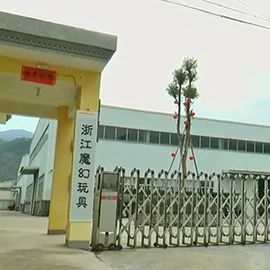
Wenzhou Magic Color Technology Co., Ltd.
- Manufacturer, Trading Company
- Zhejiang, China
- Lead time40 days
- Avg. response≤ 4h
Main productstoy,wooden toy,children toy,kids toy,baby toy
Main marketsNorthern Europe(30.00%), North America(10.00%), Eastern Europe(10.00%), Western Europe(10.00%), Southeast Asia(7.00%), Africa(7.00%), Domestic Market(6.00%), Mid East(6.00%), Eastern Asia(4.00%), South America(4.00%), Oceania(2.00%), South Asia(2.00%), Southern Europe(2.00%)
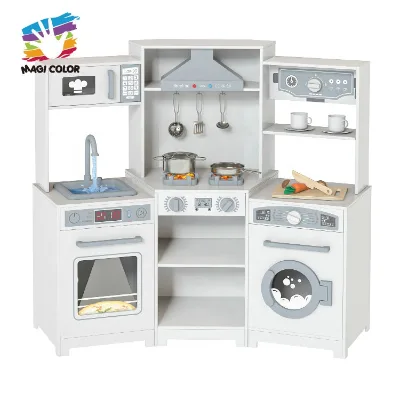
Deluxe Wooden Play Kitchen for Kids - Interactive Playhouse with Light & Sound Effects W10C900
$65.08 - $66.79
MOQ: 500 sets
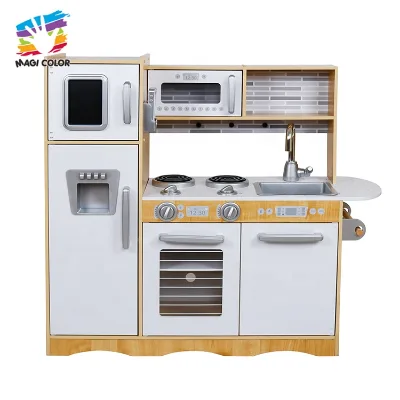
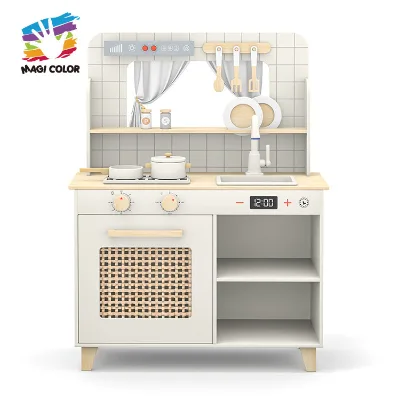
Wenzhou Times Arts&Crafts Co., Ltd.
- Verified by SGS Group
- Trading Company
- Lead time20 days
- Avg. response≤ 3h
Main productsWooden Toys, Wooden Kids Furniture , Plastic Toys, Electric Toys
Main marketsNorth America(19%), Northern Europe(17%), Western Europe(15%)
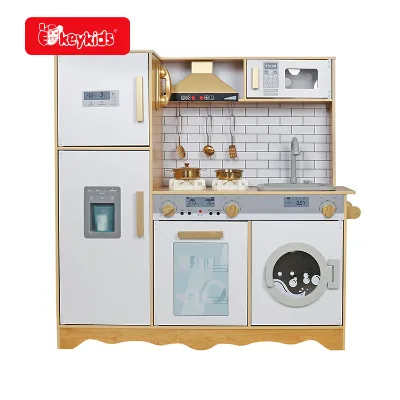
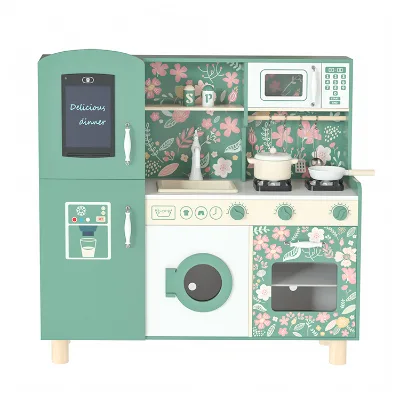
Realistic Stove Waterproof Wooden Chef Play Kitchen with Working Water Tap W10C513K
$54.00 - $55.00
MOQ: 300 sets
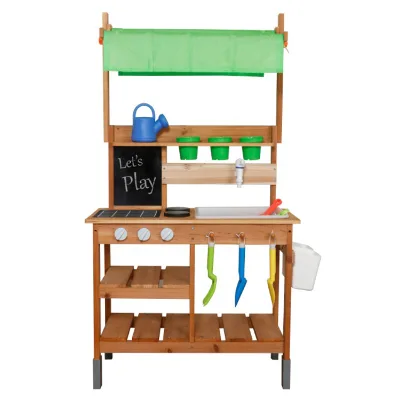
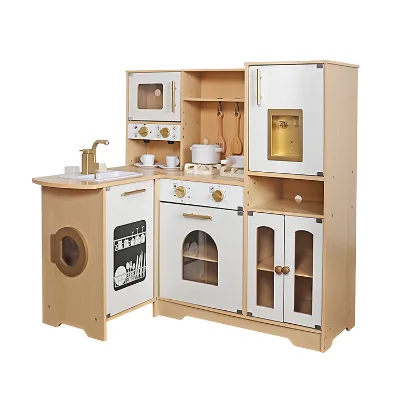
$30.44 - $32.47
MOQ: 300 sets

- Trading Company
- China Zhejiang
- Lead time30 days
- Avg. response≤ 11h
Main productsHome Appliance, Cookware Set, Thermos, Home Storage, Furniture, Pet Supplies, Garden Tools, Outdoor Supplies, Baby Supplies, Houesehold Items
Main marketsSouth America,Africa,Southeast Asia/ Mideast,East Asia(Japan/ South Korea),Domestic,Europe,Australia,North America
Shantou Jacko Toys Trading Co., Ltd.
- Verified by TüVRheinland
- Trading Company
- Lead time15 days
- Avg. response≤ 2h
Main productsR/C Toys, Educational Toys, Baby Toys, Track Car & Train, Pretend Play Toys
Main marketsWestern Europe(60%), North America(20%), Eastern Europe(20%)

Quanzhou Funky Baby Product Co., Ltd
- Verified by SGS
- Trading Company,Manufacturer/Factory
- China Fujian
- Lead time30 days
- Avg. response≤ 2h
Main productsDoll House, Miniature Furniture, Portable Suitcase Set, Doll, Mini Iron Furniture, Mini Wooden Furniture, Mini Rattan Furniture, Mini 3D Resin Furniture, Mini Fabric Furniture, 1: 12 Miniature Furniture
Main marketsSouth America,Eastern Europe,Mid East,North America,Southeast Asia,Eastern Asia,Oceania,Western Europe,Africa

Ningbo Colorswoo Art Supply Co., Ltd.
- Verified by TUVRHEINLAND
- Trading Company
- China Zhejiang
- Lead time23 days
- Avg. response≤ 8h
Main productsPigment Acrylic Paint Oil Paint Gouache Paint, Water Color Paint Fabric Paint Poster Paint, Finger Paint Tempera Paint Face Paint Eye Paint, Ceramic Paint Window&Glass Pait Water Color Cake, White Glue Glitter Glue Glue Stick Glitter Shake, Crayon Oil Pastels Chalk Soft Pastel, Plasticine Modeling Clay, Water Color Pen Color Pencil Paint Set, Brush Palette Canvas Cleaning Pot, Eraser
Main marketsSoutheast Asia/ Mideast,Europe,Australia,North America

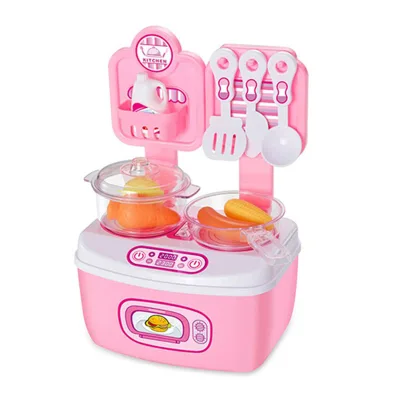
Improve Children's Learning Ability DIY Toys Kitchen Play Set, Pretend Play Kitchen for Sale
$2.60 - $2.90
MOQ: 3000 Sets

Miniature Kitchen Girls Toys Kitchen Set Play Wonder Kitchen Play Set Toys
$4.90 - $6.90
MOQ: 3000 Sets

- Verified by TUVRHEINLAND
- Trading Company,Manufacturer/Factory
- China Guangdong
- Lead time23 days
- Avg. response≤ 9h
Main productsToys, Children Toys, Track Car Toys, Candy Toys, Kid Play Tent, Small & Fun Toys, Family Toys, Boy Toys, Girl Toys, Plastic Toys
Main marketsSouth America,Eastern Europe,North America,Southeast Asia,Eastern Asia,Western Europe

Shantou Chenghai Xaqi Toys Industrial Co., Limited
- Verified by BV
- Combined
- China Guangdong
- Lead time23 days
- Avg. response≤ 5h
Main productsRemote Control Car, Educational Toy, Sport Toy, Pretend Play Toys, Remote Contro Toy, Baby Toy, Summer Toy, B/O Toy
Main marketsSoutheast Asia/ Mideast,Domestic,Europe


New Style Kitchen Suitcase Cook Set Kitchen Toys Food Kids with Lights and Sounds
$3.40 - $4.40
MOQ: 120 Pieces

Huaqi Amusement Equipment (Guangzhou) Co., Ltd.
- Verified by TUVRHEINLAND
- Combined
- China Guangdong
- Lead time30 days
- Avg. response≤ 1h
Main productsIndoor Playground, Trampoline, Softplay, Slide, IP Theme Park, Ballpit, Sponge Pool, Playground Equipment, Playground, Trampoline Park
Main marketsDomestic

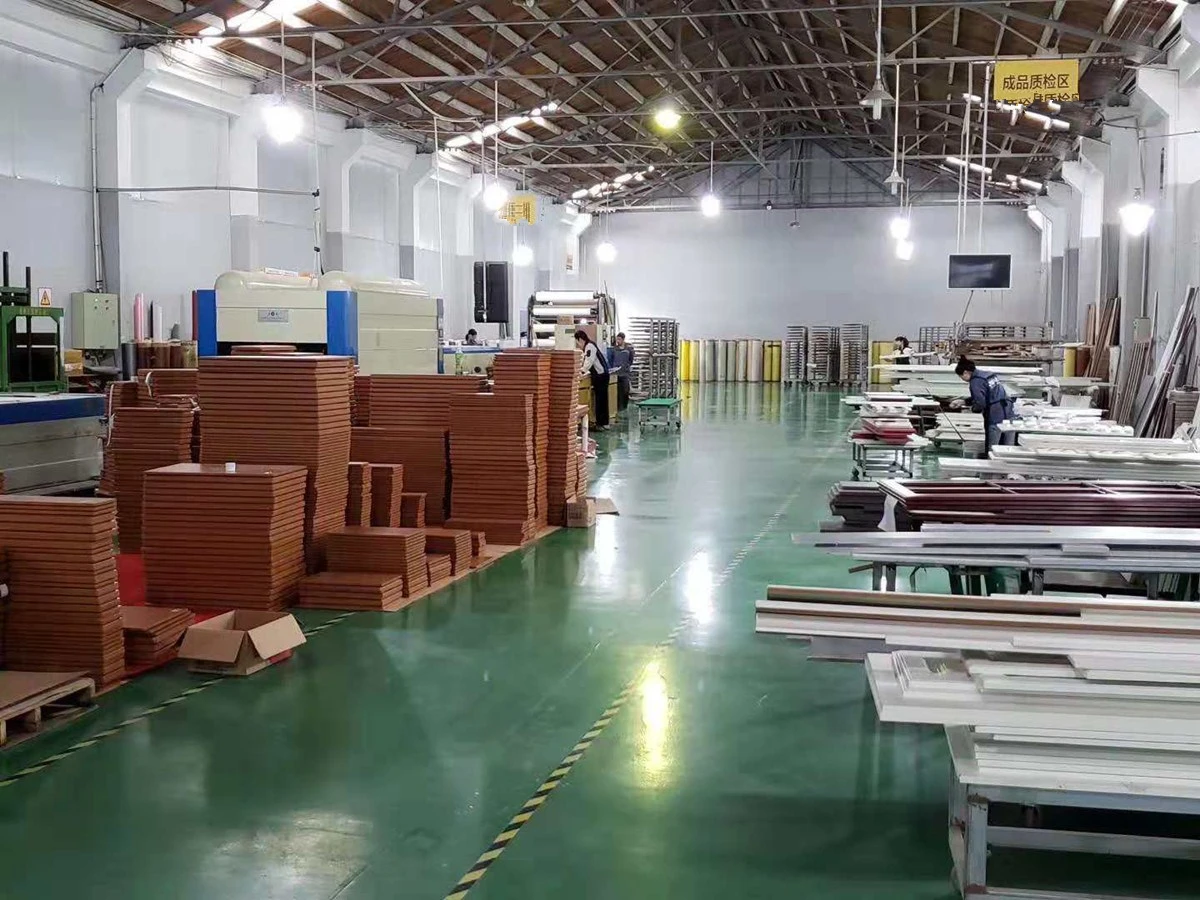
Ultimate Kids Play Kitchen Set for Imaginative Cooking Adventures
$50.00 - $290.00
MOQ: 1 Square Meters

Hangzhou Inch Furniture Co., Ltd.
- Trading Company
- Zhejiang, China
- Lead time35 days
- Avg. response≤ 2h
Main productsKitchen cabinet,Bathroom cabinet,Bedroom wardrobe,Wood door,furniture accessories
Main marketsNorth America(40.00%), Central America(10.00%), Oceania(10.00%), Southern Europe(5.00%), Northern Europe(5.00%), Eastern Europe(5.00%), Western Europe(5.00%), Mid East(5.00%), South America(5.00%), Africa(5.00%), Southeast Asia(5.00%)
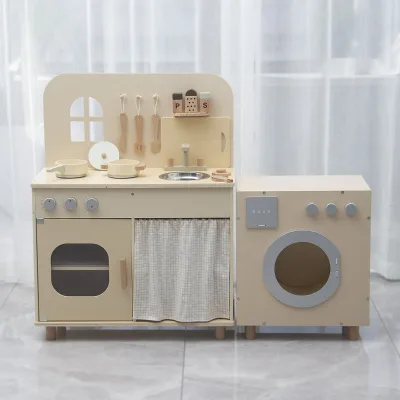
Natural birch wood plywood preschool kitchen otys kids pretend cooking play set toys
$46.02 - $56.25
MOQ: 5 pieces
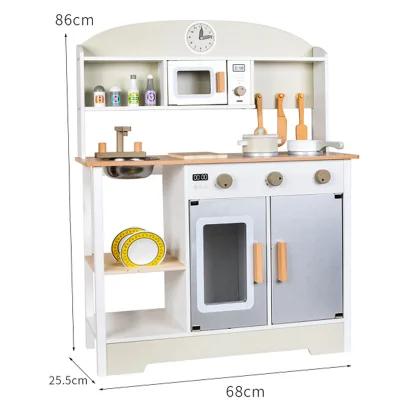
Cheap modern kitchen toy set Japanese style wood kids toys kitchen Made In China
$39.90 - $55.00
MOQ: 5 pieces
Shantou Chenghai Dc Toys Industrial Co., Ltd.
- Manufacturer, Trading Company
- Guangdong, China
- Lead time20 days
- Avg. response≤ 2h
Main productsRC Drone,Intelligent Pets,Building Block,Summer Toy,Pretend Play Set
Main marketsEastern Europe(50.00%), Southeast Asia(20.00%), Africa(10.00%)


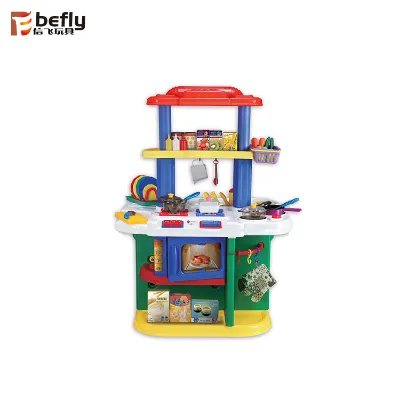


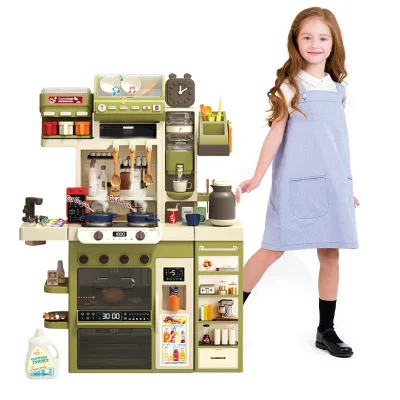
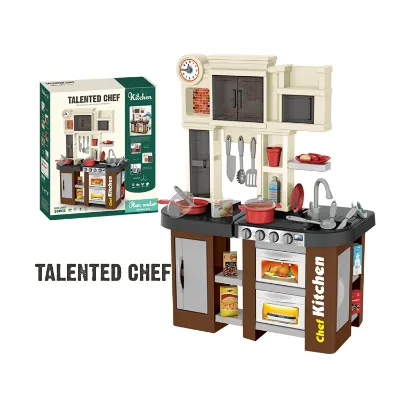


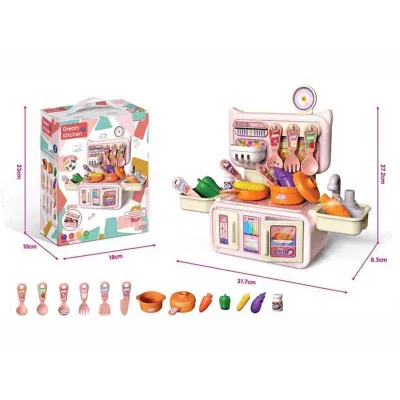
Comprehensive Sourcing Guide
Play Kitchen Supplier Concentration and Factory Types
Current data indicates a concentration of Play Kitchen manufacturers and trading companies within China, specifically in the Shandong and Zhejiang provinces. Suppliers in Shandong often list main products including wooden toys, children's furniture, and outdoor playground equipment, suggesting a regional specialization in wood-based play structures. In contrast, suppliers located in Zhejiang frequently focus on educational toys, Montessori teaching aids, and household items, indicating a different cluster emphasis on developmental play products. This geographic split helps buyers identify potential sourcing hubs based on the specific material and style of Play Kitchen they require, whether it be a large wooden playhouse or a compact educational kitchen set.
The supplier landscape includes a mix of combined entities, trading companies, and manufacturers. Some suppliers operate as combined entities offering both ODM and OEM services with their own brands, while others function strictly as trading companies or group corporations. This variation affects the buyer's ability to access direct factory pricing or custom design capabilities. A trading company might offer a broader range of products like stationery and wooden games alongside play kitchens, whereas a manufacturer might focus on specific production lines. Buyers should verify the company type to understand if they are dealing with a direct producer or an intermediary, as this influences lead times, customization flexibility, and the depth of technical support available for complex wooden Play Kitchen projects.
How to Verify Play Kitchen Suppliers
Verification of Play Kitchen suppliers relies heavily on third-party audit results and system certifications rather than self-reported claims. Several suppliers in the current results hold SGS verification status, which provides a baseline level of trust regarding their business operations and product quality. Additionally, specific suppliers display comprehensive certification lists including EN 71, BS EN71, ASTM F963, CE, and CPC, which are critical for ensuring that wooden play kitchens meet international safety standards for children's products. Buyers must confirm that these certifications are current and applicable to the specific Play Kitchen models being sourced, as standards vary significantly between regions and product types.
Beyond certifications, response time and sample processing capabilities serve as practical indicators of supplier reliability. Data shows response times ranging from approximately three hours to over fourteen hours, with some suppliers offering rapid sample processing within three to five working days. A supplier with a three-hour response time and a dedicated sample processing capability suggests a more agile operation capable of handling urgent orders or quick design iterations. Buyers should prioritize suppliers who demonstrate these metrics consistently, as slow response times can delay critical product development phases. It is essential to request proof of these capabilities directly, such as recent sample delivery records or communication logs, to validate the claimed speed and efficiency before committing to a larger order.
What to Compare Across Play Kitchen Suppliers
When evaluating Play Kitchen suppliers, buyers must compare key operational dimensions such as minimum order quantities, lead times, and pricing structures. Current data reveals significant variation in these areas; for instance, some suppliers list a minimum order quantity of just two pieces, while others require a minimum of 300 sets. Lead times also differ substantially, with some suppliers indicating a three-day turnaround while others specify a sixty-day production window. These differences directly impact inventory planning and cash flow, requiring buyers to align their order volume and timeline expectations with the specific capabilities of each supplier. A supplier with a low MOQ but a long lead time may be suitable for testing a market, whereas a high-MOQ supplier with a short lead time might be better for bulk stocking.
Material composition and customization options are another critical comparison point for Play Kitchen sourcing. Many suppliers offer products made from MDF or solid wood, with customization available for specific styles, sizes, and branding. Some play kitchens are designed with European and American styles, while others focus on educational or Montessori themes. Buyers should compare the specific attributes listed, such as the use of MDF versus solid wood, the availability of electronic features like sound and light simulations, and the extent of customization allowed for packaging and branding. Understanding these product attributes ensures that the final Play Kitchen meets the target market's safety and aesthetic requirements, preventing costly mismatches between the ordered product and the intended use case.
Common Play Kitchen Sourcing Risks
One significant risk in sourcing play kitchens involves the discrepancy between claimed certifications and actual product compliance. While some suppliers list extensive certifications like EN 71 and ASTM F963, others show no system certification listed, creating a potential compliance gap. Buyers must verify that the specific Play Kitchen model they intend to purchase carries the necessary safety approvals for their target market, as a lack of certification can lead to customs seizures or legal liabilities. Relying solely on a supplier's general company certification without confirming the specific product's compliance status is a common pitfall that can result in significant financial loss and reputational damage.
Another risk relates to the variability in lead times and the potential for production delays. Suppliers with lead times of sixty days may face bottlenecks that extend delivery schedules, while those with three-day lead times might be overwhelmed by high demand. Buyers should assess the supplier's capacity to handle their specific order volume within the promised timeframe. Additionally, the complexity of Play Kitchen designs, such as those with water sinks or electronic components, can introduce unforeseen production challenges. Buyers must ensure that the supplier has the technical capacity to manage these complexities without compromising quality or delivery schedules, as delays in receiving play kitchens can disrupt retail planning and seasonal sales strategies.
Play Kitchen Regional Sourcing and Logistics
Sourcing play kitchens from China involves navigating logistics from specific manufacturing hubs like Shandong and Zhejiang. Suppliers in Shandong often produce wooden playhouses and outdoor equipment, which may require specialized shipping due to their large dimensions and weight. For example, some playhouses have packing sizes exceeding one meter in length and weights around thirty-seven kilograms, necessitating careful freight planning. Buyers should calculate shipping costs based on the specific dimensions and weight of the Play Kitchen models they select, as these factors significantly impact the total landed cost. Understanding the logistics requirements of the specific region helps in selecting the most efficient shipping method and avoiding unexpected freight charges.
Logistics planning must also account for the packaging standards and materials used by different suppliers. Many play kitchens are packed in brown cartons or color boxes, with specific dimensions provided for each model. Buyers should verify that the packaging is robust enough to protect the wooden or MDF components during transit, especially for international shipments. The net weight and packing size data provided by suppliers are essential for calculating container utilization and freight costs. Additionally, buyers should consider the environmental impact of packaging materials and ensure that the supplier's packaging practices align with their sustainability goals. Proper logistics planning ensures that play kitchens arrive in perfect condition and on time, ready for immediate sale or distribution.
Play Kitchen Commercial Terms and Order Planning
Commercial terms for Play Kitchen orders vary significantly based on the supplier's capacity and the buyer's order volume. Some suppliers offer flexible terms with low minimum order quantities, allowing for smaller initial orders to test the market. Others require substantial minimums, such as 300 sets, which may necessitate larger capital investment but offer lower unit prices. Buyers must carefully evaluate these terms to determine the most cost-effective strategy for their business model. Understanding the pricing structure, including the range from twenty-six dollars to one hundred fifty-two dollars per unit, helps in forecasting profit margins and setting retail prices. Buyers should negotiate terms that balance risk and reward, ensuring they have enough inventory to meet demand without overstocking.
Order planning for play kitchens requires a clear understanding of the supplier's production capacity and customization capabilities. Suppliers offering ODM and OEM services can tailor play kitchens to specific brand requirements, but this may extend lead times or increase costs. Buyers should plan their orders well in advance, accounting for the time needed for design approval, sample production, and mass manufacturing. Additionally, buyers should consider the seasonal nature of Play Kitchen sales and ensure that orders are placed early enough to meet peak demand periods. By aligning order planning with the supplier's capabilities and the market's seasonal cycles, buyers can optimize their supply chain efficiency and maximize sales opportunities.
FAQs
What is the typical lead time for wooden play kitchens?
Lead times vary by supplier, ranging from 3 days to 60 days. Some manufacturers offer rapid production within three days, while others require up to two months for custom orders. Buyers should confirm specific timelines based on their order volume and customization needs before placing a purchase.
What are the minimum order quantities for these toys?
Minimum order quantities differ significantly across suppliers. Some vendors accept small orders of just two pieces, while others require a minimum of 300 sets. Buyers must check individual product listings to determine the specific MOQ applicable to their desired wooden Play Kitchen model and style.
Are these wooden play kitchens available for customization?
Yes, customization is widely available for many wooden Play Kitchen models. Suppliers offer options for custom branding, specific dimensions, and unique features. Buyers can request tailored solutions including different materials or styles to match their specific market requirements or brand identity needs.
What certifications do these wooden toys typically hold?
Certifications vary by manufacturer, with some holding EN 71, ASTM F963, CE, and BSCI standards. Other suppliers may not list specific system certifications. Buyers should verify the exact safety and compliance certificates for each product to ensure they meet the regulatory requirements of their target market.
Where are these wooden play kitchens manufactured?
Manufacturing locations include China Shandong and China Zhejiang. These regions host various suppliers offering wooden toys and furniture. Buyers should verify the specific origin of each product to understand shipping logistics and potential tariffs associated with importing goods from these specific Chinese provinces.
What materials are used to make these play kitchens?
Most wooden play kitchens are constructed from MDF or solid wood materials. Some products specify MDF as the primary material for durability and finish. Buyers should review product attributes to confirm the exact material composition, as this affects the weight, safety, and overall quality of the toy.
How quickly do suppliers typically respond to inquiries?
Response times vary, with some suppliers replying within three hours and others taking over fourteen hours. Faster response times often indicate higher availability or dedicated sales teams. Buyers should expect different communication speeds depending on the specific supplier and their current workload or operational capacity.