Plastic Storage Packaging Suppliers and Manufacturers
Compare 29 verified Plastic Storage Packaging suppliers in China Zhejiang, Jiangsu, and Shandong. Review lead times, response rates, and certifications like TUVRHEINLAND and SGS before requesting quotes for custom PP boxes or nested bins; review the available evidence before requesting comparable quotations from suitable candidates.
Updated
Suppliers List

Taizhou Shangyi Plastic Co., Ltd.
- Verified by TUVRHEINLAND
- Trading Company
- China Zhejiang
- Lead time23 days
- Avg. response≤ 19h
Main productsFood Container, Storage Container, Lunch Box, Bento Box, Plastic Laundry Basket, Plastic Storage Container, Plastic Cutting Board
Main marketsSouth America,Southeast Asia/ Mideast


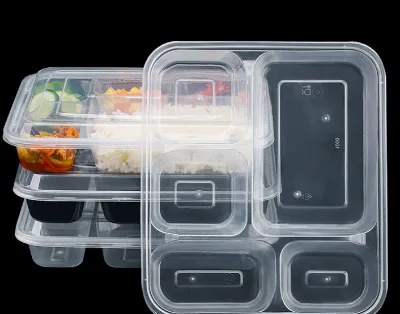
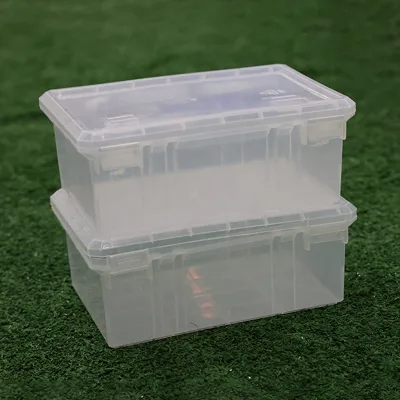
Space-Saving Plastic Storage Box, Plastic Bin Container/Plastic Storage Basket
$3.80 - $4.00
MOQ: 2000 Pieces


Nanjing Toutru Trading Co., Ltd.
- Trading Company,Manufacturer/Factory
- China Jiangsu
- Lead time45 days
- Avg. response≤ 18h
Main productsHand Tool
Main marketsSouth America,Eastern Europe,Western Europe,Africa

Qingdao Guanyu Plastic Co., Ltd.
- Verified by SGS
- Combined
- China Shandong
- Lead time15 days
- Avg. response≤ 4h
Main productsPlastic Container, Plastic Storage Bin, Plastic Storage Box, Plastic Crate, Plastic Pallet, Plastic Moving Crate, Plastic Pick Bins, Storage Rack, Plastic Shelf Bin, Louvered Panel Rack
Main marketsEurope,North America

Globalink International Limited
- Verified by SGS
- Trading Company,Manufacturer/Factory,Other
- China Shandong
- Lead time45 days
- Avg. response≤ 12h
Main productsPlastic Packaging, Food Container, Fruit packaging, Paper Bags, Paper Packaging, Plastic Bags, Plastic Tape, Egg Tray, Aluminum Foil, Sushi Container
Main marketsSouth America,Eastern Europe,Mid East,North America,Southeast Asia,Eastern Asia,Oceania,Western Europe,Africa

Taizhou City Huangyan Beiwei Mould Industry Co., Ltd.
- Verified by SGS
- Combined
- China Zhejiang
- Lead time15 days
- Avg. response≤ 2h
Main productsPlastic Crate; Plastic Shelf Plastic Storage Box, Plastic Tactical Helmets and Accessories, Milk Crate
Main marketsAfrica,Others(foreignTradeCapacity.exportBusinessCapacityMarketOther),Southeast Asia/ Mideast,East Asia(Japan/ South Korea),Europe,Australia,North America
Jinan Jinhui Dadi Trading Co., Ltd.
- Verified by TüVRheinland
- Trading Company
- Lead time15 days
- Avg. response≤ 2h
Main productsSalt And Pepper Grinder, Plastic Package Products, Spice Bottle
Main marketsNorth America(35%), South America(25%), Oceania(12%)

Jiangsu Xuansheng Plastic Technology Co., Ltd.
- Verified by TUVRHEINLAND
- Combined
- China Jiangsu
- Lead time30 days
- Avg. response≤ 11h
Main productsPlastic Pallets, Foldable Crates, Foldable Baskets, Plastic Bins, Turnover Crates, Turnover Baskets, Fruits Box, Vegetable Box, Nestable & Stackable Crates, Backing Hanging Bin
Main marketsOthers(foreignTradeCapacity.exportBusinessCapacityMarketOther),Southeast Asia/ Mideast,Domestic

Chung Lam Blister Company Limited
- Verified by SGS
- Combined
- China Guangdong
- Lead time30 days
- Avg. response≤ 7h
Main productsBlister Packaging, Blister Folding Boxes, Packing Box, Plastic Packing, Blister Tray, Plastic Cylinder, Plastic Shoebox, Electronic Thermoforming Packaging Products, Food Blister Packaging
Main marketsDomestic
LONG NEW PLASTIC STEEL MOLD CO., LTD.
- Verified by SGS Group
- Manufacturer, Trading Company
- Lead time35 days
Main productsPlastic injection mould, Plastic products, Molds OEM service
Main marketsDomestic Market(80%), North America(15%), Oceania(3%)
Jieyang Yinsum Plastic Products Factory
- Verified by TüVRheinland
- Manufacturer, Trading Company
- Lead time15 days
- Avg. response≤ 6h
Main productsLunch Boxes, Cup, Baby Tubs, Cabinets, Baskets
Main marketsSoutheast Asia(20%), Domestic Market(20%), Mid East(15%)

Ningbo July Packaging Co., Ltd.
- Verified by BV
- Trading Company
- China Zhejiang
- Lead time23 days
- Avg. response≤ 6h
Main productsSkincare Packaging, Airless Bottle, Cosmetic Packaging, Trigger Sprayer, Cream Jar, Lotion Pump, Plastic Bottle, Plastic Goblet, Plastic Cup, Wine Glass
Main marketsSoutheast Asia/ Mideast,Europe
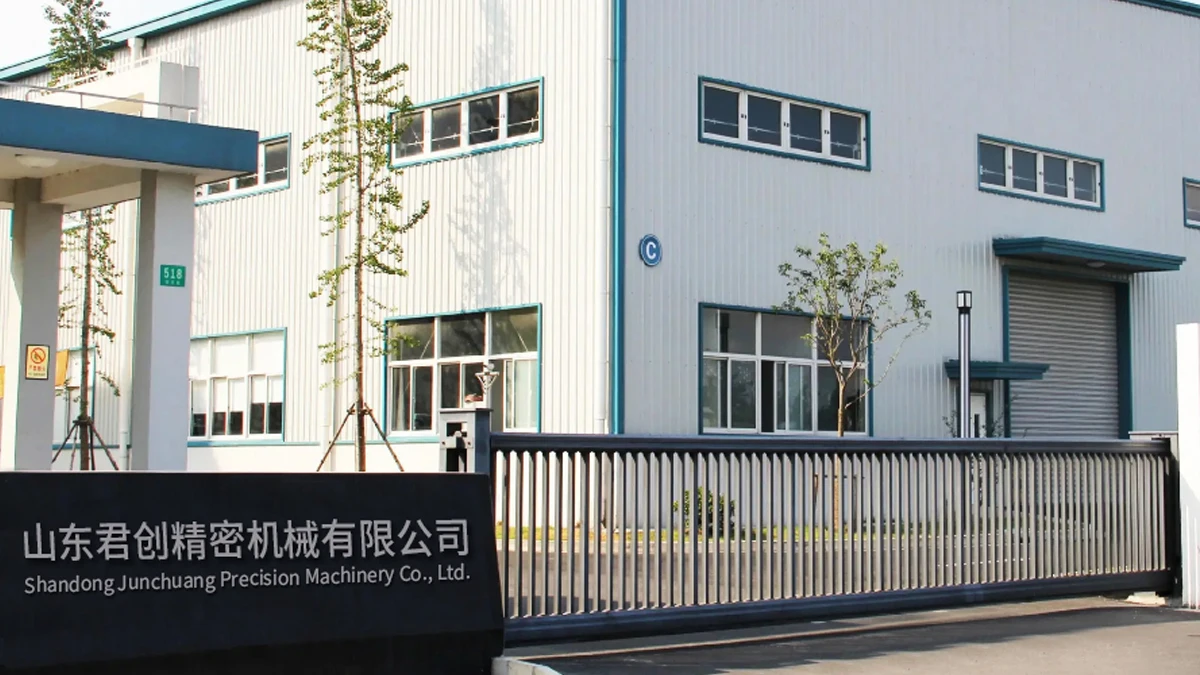
Shandong Junchuang Precision Machinery Co., Ltd.
- Manufacturer, Trading Company
- Shandong, China
- Lead time30 days
- Avg. response≤ 1h
Main productsMould,Packing Tape,Packaging Consumables,Injection Tooling,Security Seal
Main marketsDomestic Market(65.00%), Mid East(7.00%), North America(6.00%), South America(5.00%), Oceania(3.00%), Southeast Asia(3.00%), Central America(2.00%), Northern Europe(2.00%), Eastern Asia(2.00%), Africa(2.00%), Eastern Europe(1.00%), South Asia(1.00%), Western Europe(1.00%)
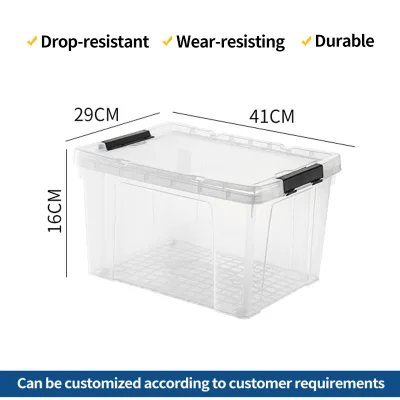
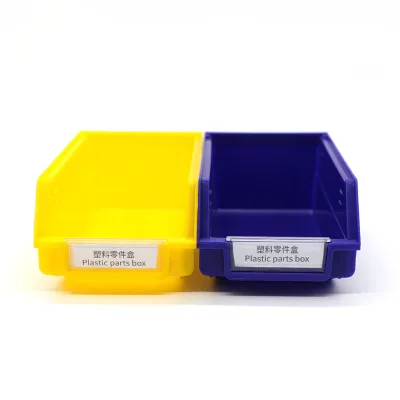
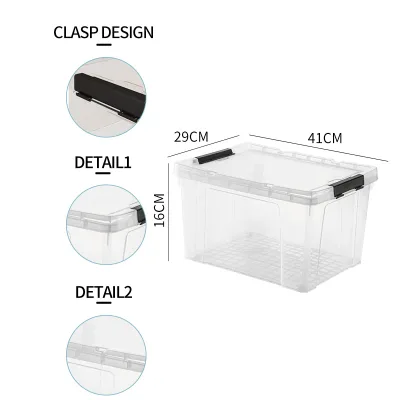
Popular Wholesale Plastic Storage Containers Plastic Storage Box With Low MOQ
$1.0278 - $2.054
MOQ: 100 pieces
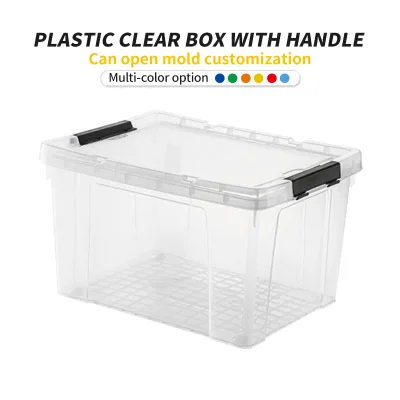
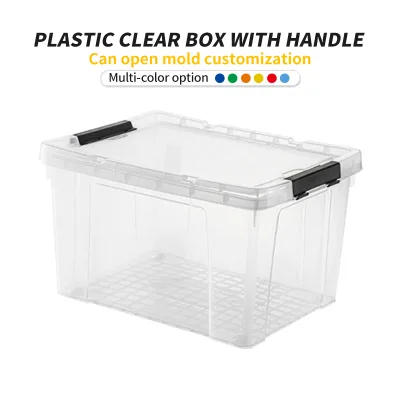
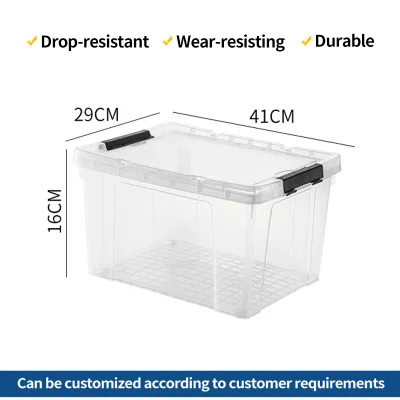
High Quality Wholesale Durable Large Capacity Box Plastic Storage Boxs With Lowest Price
$2.0465 - $3.0698
MOQ: 100 pieces

Suzhou Huiyuan Plastic Products Co. Ltd.
- Verified by BV
- Manufacturer/Factory
- China Jiangsu
- Lead time23 days
- Avg. response≤ 4h
Main productsPick Bins, PP Layer Pad, Coroplast Sheet, PP Corrugated Sheet, Corrugated Plastic Sheet, Plastic Corrugated Sheet, Corflute Sheets, Corrugated Plastic Box, Pallet Sleeve Box, Delta Traps
Main marketsSouth America,Eastern Europe,Mid East,North America,Southeast Asia,Eastern Asia,Oceania,Western Europe,Africa
Hangzhou Good Industry Co., Ltd.
- Verified by SGS Group
- Manufacturer, Trading Company
- Lead time30 days
- Avg. response≤ 12h
Main productsDIY Hand Tools, Household Tools, Hardware Tools, Automotive Tool, Hardware Storage Boxes
Main marketsWestern Europe(45%), North America(20%), Eastern Europe(5%)
- Verified by SGS Group
- Manufacturer, Trading Company
- Lead time60 days
Main productsVR Case, POS Case, Charging Station Case\t, Battery Case\t, Oxygen Mask
Main marketsDomestic Market(68%), Southeast Asia(31%), North America(1%)

Suzhou Shunhong Metallic Products Co., Ltd.
- Trading Company,Manufacturer/Factory
- China Jiangsu
- Lead time23 days
- Avg. response≤ 8h
Main productsShopping Cart, Roll Container, Warehouse Trolley, Storage Cage, Shopping Basket, Shopping Trolley, Supermarket Cart, Hand Push Cart, Wire Mesh Cages, Checkout Counter
Main marketsSouth America,Eastern Europe,Mid East,North America,Southeast Asia,Eastern Asia,Oceania,Western Europe,Africa
Guangzhou Jet Biofiltration Co., Ltd.
- Manufacturer, Trading Company
- Guangdong, China
- Lead time30 days
- Avg. response≤ 10h
Main productstissue culture products,serological pipettes,centrifuge tubes,petri dishes,ELISA plates
Main marketsWestern Europe(11.11%), Eastern Asia(11.11%), Mid East(11.11%), Oceania(11.11%), Africa(11.11%), Southeast Asia(11.11%), Eastern Europe(11.11%), South America(11.11%), North America(11.11%)
Chengdu Jinjia Plastic Products Co., Ltd.
- Manufacturer, Trading Company
- Sichuan, China
- Lead time5 days
- Avg. response≤ 5h
Main productscorrugated plastic Sheets,corrugated plastic boxes,coroplast sheets,fluted plastic sheets,correx sheets
Main marketsDomestic Market(30.00%), Southern Europe(25.00%), North America(20.00%), Mid East(10.00%), Western Europe(10.00%), Oceania(5.00%)
Haining Sanyu Midou New Material Co., Ltd.
- Trading Company
- Zhejiang, China
- Lead time0 days
- Avg. response≤ 10h
Main productsHome Storage Organizer, Kitchen Storage, Fabric Storage, Makeup Organizer, Food Container
Main marketsEastern Europe(60.00%), North America(20.00%), Western Europe(10.00%), Southeast Asia(10.00%)

Shenyang Zhonghe Plastic Packaging Products Co., Ltd.
- Verified by SGS
- Manufacturer
- China Liaoning
- Lead time15 days
- Avg. response≤ 2h
Main productsGarbage Bag, Food Packing Bag, Plastic Packing Bag, Biodegradable Plastic Bag, Non Woven Bag, OPP Bag, Vest Bag, PE Bag, Frozen Food Flat Bag, Stand up Pouch


Low Price Hot Products High Performance Durable ISO Certificate Custom Plastic Packaging
$0.01 - $1.00
MOQ: 10000 Pieces
Jiangmen Huazhimei Kitchenware Co., Ltd.
- Verified by Intertek
- Manufacturer, Trading Company
- Lead time30 days
- Avg. response≤ 3h
Main productsFood Storage Box, Insulated Food Carrier, Drink Dispensers, Cleaning Bucket, Serving Trolley
Main marketsNorth America(30%), Northern Europe(20%), South America(10%)
Zhejiang Yimei Technology Co., Ltd.
- Verified by Intertek
- Manufacturer, Trading Company
- Lead time25 days
- Avg. response≤ 3h
Main productsPlastic Storage Basket, PET Fridge Organizer, Plastic Folded Crate
Main marketsDomestic Market(33%), North America(25%), Southeast Asia(25%)
Langfang Yifang Plastic Co.,Ltd
- Verified by SGS Group
- Manufacturer, Trading Company
- Lead time15 days
- Avg. response≤ 2h
Main productsInsulation fixing, Insulation fasteners, Tile leveling system, Insulation washers, Plastic shims
Main marketsEastern Asia(30%), North America(20%), Oceania(20%)
Qingdao Aistek Industry Co., Ltd
- Manufacturer, Trading Company
- Shandong, China
- Lead time30 days
- Avg. response≤ 4h
Main productsplastic pallet box,plastic sheets,PP honeycomb sheet
Main marketsSoutheast Asia(25.00%), Mid East(25.00%), South America(15.00%), Africa(15.00%), Eastern Europe(10.00%), Central America(5.00%), North America(5.00%)
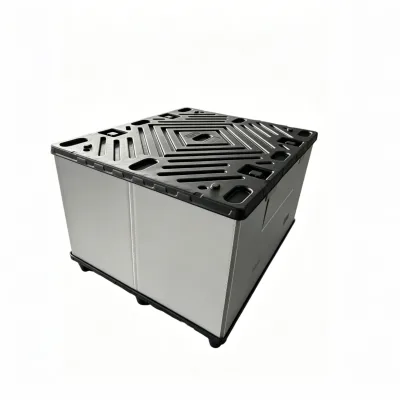
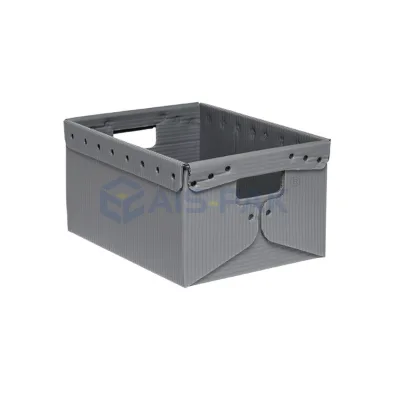
Customized Gray Plastic PP Corrugated Box Stackable and Space-Efficient for Recyclable Storage
$1.00 - $20.00
MOQ: 10 Minimum
Ningbo Bafuluo International Trading Co., Ltd.
- Manufacturer, Trading Company
- Zhejiang, China
- Lead time45 days
- Avg. response≤ 9h
Main productsfoldable trolley,foldable crate,foldable basket,plastic crate,storage box
Main marketsSoutheast Asia(50.00%), South America(20.00%), Northern Europe(10.00%), Central America(10.00%), North America(10.00%)
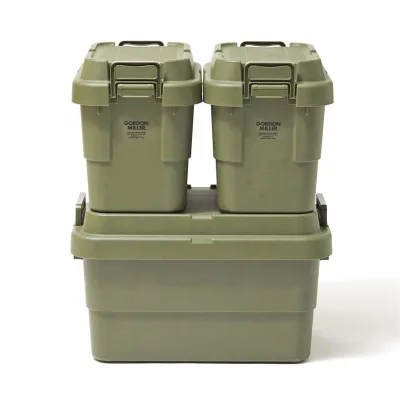
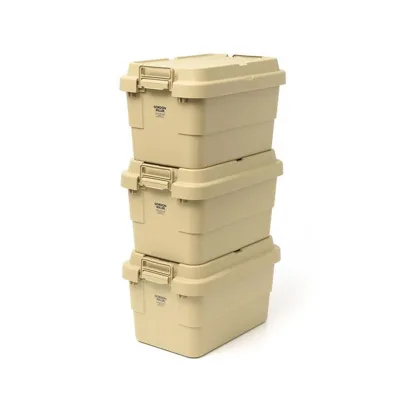
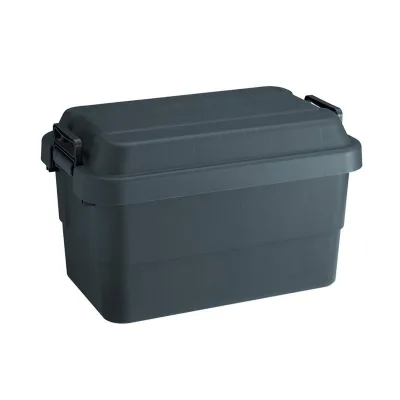
Hot-selling and Easy to Use Table Plastic Stacking Storage Box with Module Design
$9.00 - $15.00
MOQ: 1000 Minimum
- Trading Company
- Lead time旺季: "1 - 1000":40,"> 1000":"To be negotiated", 淡季: "1 - 1000":40,"> 1000":"To be negotiated"
- Avg. response≤ 12h
Main productsDaily Necessities, Kitchen Item, Home Decor, Storage Item, Pet Products
Shenzhen Dowdon Technology Co., Ltd.
- Manufacturer, Trading Company, Distributor/Wholesaler
- Lead time旺季: "1 - 1000":3,"1001 - 5000":5,"5001 - 10000":7,"> 10000":"To be negotiated", 淡季: "1 - 1000":3,"1001 - 5000":5,"5001 - 10000":7,"> 10000":"To be negotiated"
- Avg. response≤ 13h
Main productsPhone & Computer Accessories,Consumer Electronic Products,Security & Protection,Electrical Supplies,Lights & Lighting
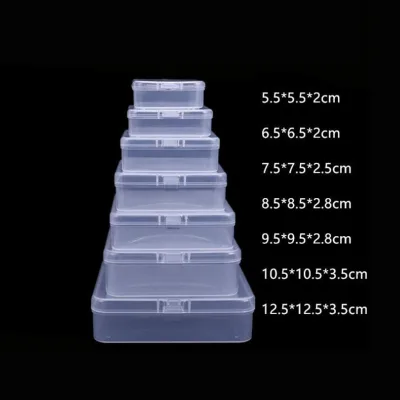
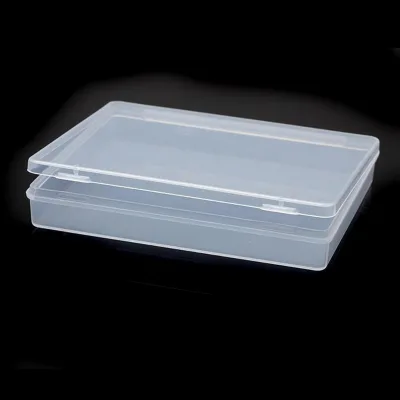
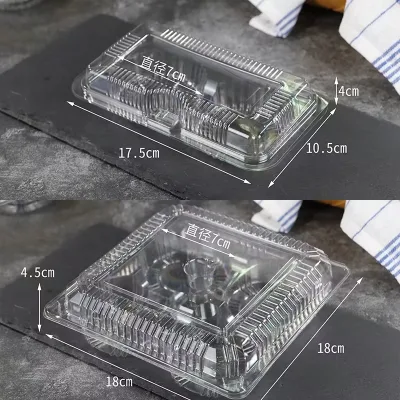
11.8*9.8*2cm Clear Storage Case with Lid Use for Organizing Small Parts Storage Case
$0.15 - $0.35
MOQ: 2 pieces
Shenzhen Jialibao Packaging Co., Ltd.
- Manufacturer, Trading Company
- Guangdong, China
- Lead time10 days
- Avg. response≤ 4h
Main productsPlastic Box,Paper Box,Blister Pack,Rigid Box
Main marketsDomestic Market(45.00%), North America(10.00%), Western Europe(5.00%), Eastern Asia(5.00%), Southern Europe(5.00%), South America(5.00%), Southeast Asia(5.00%), Northern Europe(5.00%), Eastern Europe(5.00%), Mid East(3.00%), South Asia(2.00%), Oceania(2.00%), Central America(2.00%), Africa(1.00%)

Smart Electrical Engineering Co., Ltd.
- Combined
- China Jiangsu
- Lead time15 days
- Avg. response≤ 6h
Main productsMeter Enclosure, Distribution Box, Ready Board, Smart Meter, Water Meter, Transformer, Metering Unit, LV Distribution Board, Meter Box, Substation
Main marketsAfrica,Southeast Asia/ Mideast,East Asia(Japan/ South Korea),Domestic,Europe












Comprehensive Sourcing Guide
Plastic Storage Packaging Supplier Concentration and Factory Types
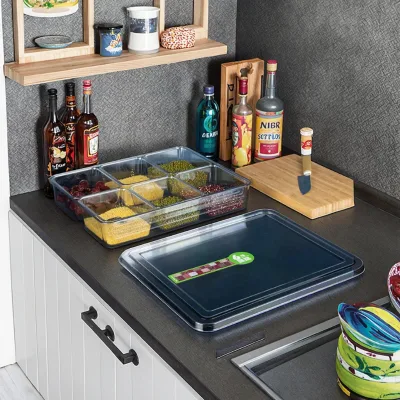
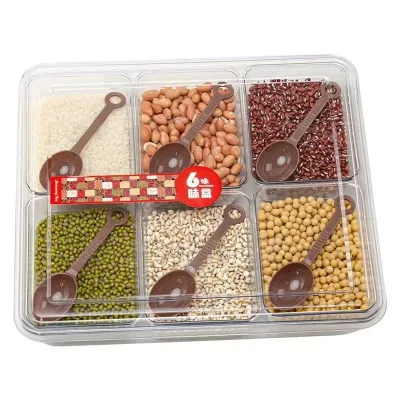
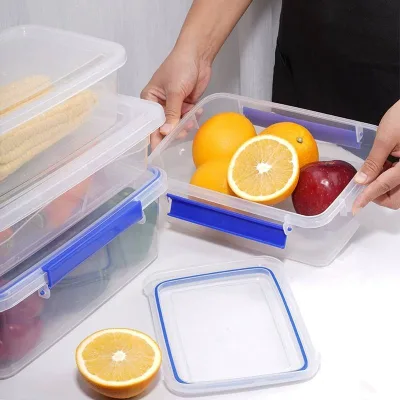
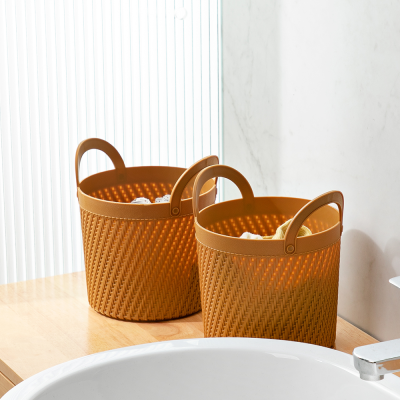
The current supplier landscape for Plastic Storage Packaging reveals a distinct geographic and operational diversity that buyers must navigate carefully. Evidence indicates that manufacturing and trading entities are concentrated in specific Chinese provinces, with Zhejiang and Jiangsu emerging as notable hubs for these goods. Suppliers located in Zhejiang often operate as trading companies, leveraging their proximity to industrial clusters to offer a wide array of products including food containers, lunch boxes, and laundry baskets. This trading model allows for greater flexibility in sourcing multiple product types from different factories, which can be advantageous for buyers seeking a consolidated order. However, it also introduces an additional layer of intermediation that may affect communication speed and cost structure. In contrast, suppliers in Jiangsu present a mixed profile, with some entities functioning as both trading companies and manufacturers. This dual capability suggests a more integrated supply chain where production oversight might be tighter, potentially offering better quality control for complex storage solutions. The presence of Shandong-based suppliers further diversifies the options, with some operating as combined entities that blend manufacturing and trading functions. These combined suppliers often highlight capabilities in OEM and ODM services, indicating a readiness to customize products for specific brand requirements. Understanding these structural differences is crucial for aligning supplier selection with business goals, whether the priority is cost efficiency through trading networks or quality assurance through direct manufacturing relationships.
Beyond geography, the type of supplier significantly influences the range of services and products available. Trading companies often excel in variety and speed, offering a broad catalog that includes storage boxes, bins, and baskets with various customization options. They may not own the factories but have established relationships that allow them to source competitive prices and manage logistics efficiently. On the other hand, manufacturers or combined entities provide deeper insights into production processes, material specifications, and capacity planning. For buyers requiring specific certifications or custom designs, the distinction between a pure trader and a manufacturer becomes critical. Some suppliers display verification badges from recognized bodies like TÜV Rheinland or SGS, which can serve as a proxy for operational maturity and quality management systems. These verifications are particularly important for buyers in regulated markets who need assurance that the Plastic Storage Packaging meets safety and durability standards. The availability of customization options, such as logo printing and color matching, is widespread across both trading and manufacturing profiles, but the minimum order quantities (MOQs) and lead times may vary significantly. Buyers should assess whether the supplier’s operational model aligns with their volume needs and timeline constraints, ensuring that the chosen partner can deliver consistent quality and reliable service throughout the procurement cycle.
How to Verify Plastic Storage Packaging Suppliers
Verifying the credibility and capability of Plastic Storage Packaging suppliers requires a multi-faceted approach that goes beyond surface-level profile reviews. One of the most immediate indicators of supplier reliability is the presence of third-party verification badges. For instance, some suppliers display certifications from TÜV Rheinland or SGS, which suggest that their facilities or management systems have undergone independent assessment. These verifications provide a layer of confidence regarding the supplier’s adherence to international standards and their commitment to quality control. However, buyers should not rely solely on these badges; they should also examine the supplier’s response time and lead time metrics as practical indicators of operational efficiency. A supplier with a rapid response time, such as under four hours, often demonstrates a high level of engagement and readiness to handle inquiries promptly. Similarly, shorter lead times, such as fifteen days, can be a significant advantage for buyers with tight inventory requirements or seasonal demand spikes. These metrics are not just numbers but reflections of the supplier’s internal processes and supply chain resilience. Buyers should compare these operational metrics across different suppliers to identify those that consistently demonstrate efficiency and reliability. Additionally, the supplier’s company type, whether trading company, manufacturer, or combined entity, should be considered in conjunction with these metrics to understand the underlying reasons for their performance.
Another critical aspect of verification is the transparency of product details and customization capabilities. Suppliers that provide comprehensive product attributes, such as material composition, dimensions, weight, and packaging specifications, are generally more trustworthy. For example, detailed information about whether a storage box is made of PP plastic, its stackability features, and its intended usage (e.g., for living rooms, hospitals, or laundry) helps buyers assess suitability for their specific needs. Buyers should also look for evidence of customization options, such as logo printing and color customization, which are often listed in product attributes. The availability of these options indicates a supplier’s flexibility and willingness to tailor products to brand requirements. Furthermore, the presence of specific product models and SKUs suggests a structured inventory and production system. Buyers should verify that the supplier’s claims about customization and capacity are supported by concrete product data. It is also advisable to check for any discrepancies between the supplier’s stated capabilities and the actual product listings. For instance, if a supplier claims to be a manufacturer but only lists generic trading company attributes, this may warrant further investigation. By cross-referencing verification badges, operational metrics, and product details, buyers can build a comprehensive profile of each supplier’s reliability and suitability for their procurement needs.
What to Compare Across Plastic Storage Packaging Suppliers
When evaluating multiple suppliers for Plastic Storage Packaging, buyers must systematically compare key operational and commercial dimensions to identify the best fit for their requirements. One of the primary factors to compare is the minimum order quantity (MOQ) and its associated pricing structure. Suppliers may offer varying MOQs, ranging from two thousand pieces to one thousand pieces, which can significantly impact the initial investment and inventory risk for buyers. Lower MOQs are often preferable for startups or those testing new markets, while higher MOQs may offer better unit prices for established businesses with consistent demand. Buyers should also compare the price ranges for similar products, noting that prices can vary based on material quality, customization options, and order volume. For example, basic storage boxes may have a lower price point, while customized or premium materials may command higher prices. It is essential to ensure that the price comparison is based on equivalent product specifications to avoid misleading conclusions. Additionally, the supplier’s response time should be a critical comparison point, as faster responses can facilitate quicker decision-making and issue resolution. Suppliers with response times under four hours may be more suitable for buyers who require rapid communication and support. By comparing these dimensions, buyers can create a weighted scoring system that aligns with their specific priorities, whether they are cost-driven, speed-focused, or quality-oriented.
Beyond operational metrics, buyers should also compare the supplier’s product range and customization capabilities to ensure alignment with their brand and market needs. Some suppliers specialize in a narrow range of products, such as food containers or laundry baskets, while others offer a broader portfolio including storage boxes, bins, and crates. A diverse product range can be advantageous for buyers looking to consolidate orders or expand their product offerings. Buyers should also assess the level of customization available, including options for logo printing, color matching, and design modifications. Suppliers that offer extensive customization options may be better suited for brands seeking unique product differentiation. Additionally, the supplier’s capacity for OEM and ODM services should be compared, as this indicates their ability to develop new products or modify existing designs. Buyers should also consider the supplier’s location and its impact on logistics costs and lead times. Suppliers located in different provinces may have varying shipping costs and transit times, which can affect the overall cost and delivery schedule. By systematically comparing these factors, buyers can make informed decisions that balance cost, quality, and service, ensuring that the selected supplier can meet their current and future procurement needs effectively.
Common Plastic Storage Packaging Sourcing Risks
Sourcing Plastic Storage Packaging from international suppliers introduces several risks that buyers must proactively manage to ensure a smooth procurement process. One significant risk is the potential for quality inconsistencies, particularly when dealing with trading companies that may source from multiple factories. Without direct oversight of the production process, buyers may receive products that do not meet their specified standards for durability, material quality, or finish. This risk is heightened when suppliers offer low prices, which may indicate the use of inferior materials or compromised manufacturing practices. Buyers should mitigate this risk by requesting detailed product specifications and samples before placing large orders. Additionally, verifying the supplier’s certifications and quality control processes can provide assurance that the products meet required standards. Another common risk is the discrepancy between lead times and actual delivery dates. Suppliers may quote attractive lead times, such as fifteen or twenty days, but fail to meet these deadlines due to production bottlenecks or logistical issues. This can disrupt the buyer’s inventory planning and sales cycles, leading to stockouts or missed market opportunities. Buyers should communicate clearly about lead time expectations and include penalties for delays in their contracts. Furthermore, the risk of communication barriers cannot be overlooked, especially when working with suppliers in different time zones or language environments. Misunderstandings regarding product specifications, customization details, or shipping instructions can lead to costly errors. Establishing clear communication channels and using detailed written confirmations can help minimize these risks.
Logistical and compliance risks are also prevalent in international sourcing of Plastic Storage Packaging. Buyers must ensure that the products comply with the regulatory requirements of their target markets, including safety standards for food contact or child safety. Suppliers may claim compliance, but buyers should verify this through independent testing or certification documents. Failure to comply with local regulations can result in product recalls, fines, or damage to brand reputation. Additionally, the risk of shipping damage or loss is inherent in international logistics, particularly for bulky items like storage boxes and bins. Buyers should work with reliable freight forwarders and ensure that products are properly packaged to withstand transit. The use of escrow services can also mitigate financial risks by holding payments until the goods are received and inspected. Another risk is the potential for intellectual property infringement, especially when dealing with custom designs or branded products. Buyers should ensure that their designs are protected and that suppliers adhere to confidentiality agreements. By identifying and addressing these common risks through thorough due diligence, clear contracts, and proactive management, buyers can safeguard their procurement operations and ensure successful outcomes.
Plastic Storage Packaging Regional Sourcing and Logistics
The geographic location of suppliers plays a crucial role in determining logistics costs, lead times, and overall supply chain efficiency for Plastic Storage Packaging. Suppliers located in Zhejiang, China, are often positioned within established industrial clusters that specialize in plastic manufacturing and trading. This concentration can offer benefits such as easier access to raw materials, specialized labor, and supporting infrastructure, which may contribute to competitive pricing and faster production cycles. However, buyers should also consider the logistical implications of sourcing from this region, including port accessibility and shipping routes to their destination markets. Suppliers in Jiangsu and Shandong may offer alternative logistical advantages, depending on the buyer’s location and preferred shipping methods. For instance, suppliers in Shandong may have better access to northern ports, which could be more efficient for shipments to certain regions. Buyers should evaluate the total landed cost, which includes not only the product price but also shipping, insurance, and customs duties. The choice of supplier location can significantly impact these costs, making it essential to compare logistics options across different regions. Additionally, the supplier’s experience with international shipping and their ability to handle documentation and compliance requirements can affect the smoothness of the logistics process. Buyers should inquire about the supplier’s past shipping performance and their familiarity with the regulatory requirements of the destination country.
Logistics planning also involves considering the packaging and handling of plastic storage products, which can be bulky and require efficient space utilization. Suppliers that offer nested or stackable designs can reduce shipping volume and costs, making them a preferable option for buyers looking to optimize logistics. Buyers should assess the supplier’s packaging methods, including the use of cartons, pallets, and protective materials, to ensure that products arrive in good condition. The supplier’s ability to provide accurate shipping dimensions and weights is also critical for calculating freight costs and planning warehouse storage. Furthermore, buyers should consider the lead time
FAQs
What is the typical lead time for plastic storage boxes?
Manufacturers in China generally offer lead times ranging from 15 to 45 days depending on the supplier and order volume. Some suppliers in Zhejiang provide faster turnaround times around 23 days, while others in Shandong may require up to 15 days for standard production runs. Buyers should confirm specific schedules with their chosen vendor before placing orders.
What is the minimum order quantity for plastic storage containers?
Minimum order quantities typically range from 1,000 to 2,000 pieces for most plastic storage box suppliers. Some manufacturers accept orders as low as 1,000 PCS, while others require a minimum of 2,000 units. These thresholds ensure efficient production runs and cost-effective pricing for bulk purchases of storage containers and bins.
Are plastic storage boxes customizable for branding purposes?
Yes, customization is widely available for plastic storage boxes, including logo printing and color selection. Many suppliers offer OEM and ODM services to tailor products to specific brand requirements. Buyers can request customized logos and colors to align with their marketing strategies and product identity.
What materials are used for plastic storage containers?
Most plastic storage containers are made from Polypropylene (PP) or general plastic materials. These materials are chosen for their durability, lightweight nature, and resistance to moisture. PP is particularly common for its strength and ability to withstand repeated use, making it ideal for home and industrial storage applications.
How quickly do suppliers respond to inquiries?
Supplier response times vary, with some responding within 3.36 hours and others taking up to 18.61 hours. Faster response times are often associated with suppliers in Shandong, while those in Zhejiang may have slightly longer average response periods. Buyers should expect prompt communication from verified suppliers to facilitate efficient sourcing.
What certifications do plastic storage box suppliers hold?
Verified suppliers often hold certifications from recognized testing organizations such as TÜV Rheinland and SGS. These certifications indicate that the products meet specific quality and safety standards. Buyers should verify the current certification status of each supplier to ensure compliance with international quality requirements.