Plug-and-Play LED Headlights Suppliers and Manufacturers
Explore 29 verified suppliers offering Plug-and-Play LED Headlights with customizable options and waterproof features. Compare response times, lead times, certifications, and pricing to find the right partner for your automotive lighting needs. Contact suppliers directly to request quotes.
Suppliers List

Foshan Guangdi Auto Lighting Co., Ltd
- Verified by SGS
- Combined
- China Guangdong
- Lead time30 days
- Avg. response≤ 1h
Main productsCar Light, Truck Light, Motorcycle Light, LED Headlight, Halogen Bulb, Brake Light, Turn Signal Light, Fog Light, Car Headlight, Truck Headlight
Main marketsSoutheast Asia/ Mideast,Domestic

- Trading Company,Manufacturer/Factory
- China Guangdong
- Lead time15 days
- Avg. response≤ 12h
Main productsLED Headlight, OEM HID Ballast, HID Kits, Car Halogen Bulb, Auto Lighting, LED Control Unit Ballast, Car LED Bulb, HID Xenon Bulb, Jeep LED Headlight, Motorcycle LED Light
Main marketsSouth America,Eastern Europe,Mid East,North America,Southeast Asia,Eastern Asia,Oceania,Western Europe,Africa

Guangzhou Jashine Technology Co., Ltd.
- Verified by TUVRHEINLAND
- Manufacturer/Factory
- China Guangdong
- Lead time30 days
- Avg. response≤ 12h
Main productsLED Headlight, LED Light Bar, LED Offroad Lamp, LED Strip, LED Projector Lens, SRS Gas Inflator, PVC Car Leather, Car Safety Seat Belt Parts
Main marketsSouth America,Eastern Europe,Mid East,North America,Southeast Asia,Eastern Asia,Oceania,Western Europe,Africa

Shenzhen Aurora Technology Limited
- Verified by TUVRHEINLAND
- Combined
- China Guangdong
- Lead time15 days
- Avg. response≤ 9h
Main productsLED Display, LED Lighting, LED Tube Light, LED Bulb Light, LED Ceiling Light, LED Street Light, LED Spot Light, LED Down Light, LED Panel Light, LED Headlight
Main marketsNorth America

Guangzhou B-King Auto Electronics Limited
- Verified by TUVRHEINLAND
- Trading Company
- China Guangdong
- Lead time15 days
- Avg. response≤ 8h
Main productsLED Headlight, LED Headlight Bulb, Auto Lights, Car Lights, HID, Car Camera, LED Work Light, Turn Signal Light, LED Fog Light
Main marketsSouth America


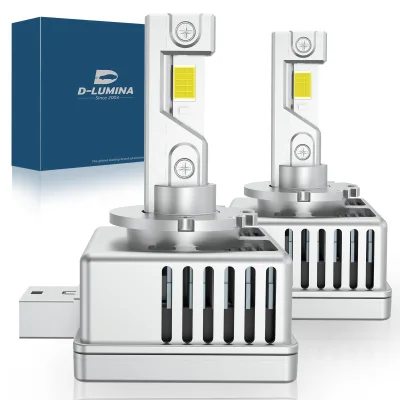
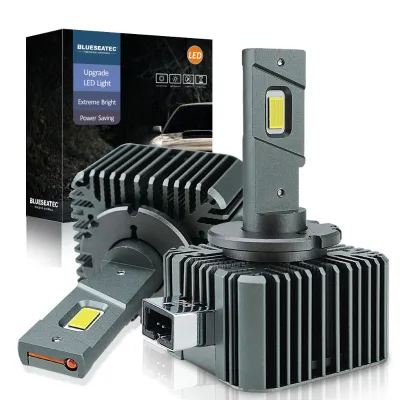
40watts Canbus D1 D2 D3 D4 Plug & Play LED Headlight (Non-Destructive Installation)
$30.40 - $33.60
Moq: 10


Jinhua Cowin Import & Export Co., Ltd.
- Verified by TUVRHEINLAND
- Trading Company
- China Zhejiang
- Lead time30 days
- Avg. response≤ 4h
Main productsHand Tool, LED Lighting, Car Tool, Hardware, Trailer Light, Trailer Hitch Mount, Power Tool, Garden Tools, Air Tools, Tie Down
Main marketsEurope

Pingxiang Bowang Industry Co.,Ltd.
- Verified by TUVRHEINLAND
- Manufacturer/Factory
- China Jiangxi
- Lead time15 days
- Avg. response≤ 1h
Main productsLED Car Light, LED Marker Light, LED Work Light, Truck Lamp, Trailer Light, Tail Light, High Mount Brake Light, Whip Light, Boat Light, RV Light
Main marketsSouth America,Eastern Europe,Mid East,North America,Southeast Asia,Eastern Asia,Oceania,Western Europe,Africa
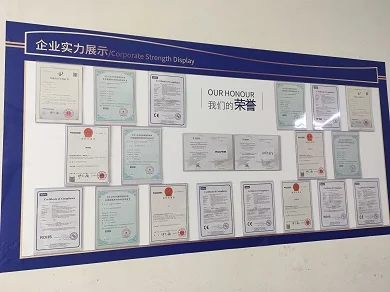
Shenzhen Huisheng Photoelectric Co., Ltd.
- Manufacturer, Trading Company
- Guangdong, China
- Lead time0 days
- Avg. response≤ 2h
Main productsCar Led Headlight,Led Work Light,Motorcycle Led Headlight Bulb,LED Light Bar,Offroad Light
Main marketsNorth America(24.0%), Domestic Market(20.0%), South America(10.0%), Southeast Asia(10.0%), Eastern Europe(10.0%), Western Europe(5.0%), Northern Europe(5.0%), Central America(5.0%), Southern Europe(3.0%), Eastern Asia(2.0%), Africa(2.0%), Oceania(2.0%), Mid East(1.0%), South Asia(1.0%)
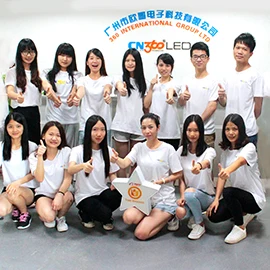
Guangzhou Ouge Electronic Technology Co., Ltd.
- Trading Company
- Guangdong, China
- Lead time5 days
- Avg. response≤ 4h
Main productsLED Work Lights,LED Automotive Lighting,LED Headlight Bulbs,SMD LED Bulbs,LED Light Bars
Main marketsNorth America(83.82%), Northern Europe(6.550000000000001%), South America(2.73%), Eastern Europe(2.33%), Western Europe(1.07%), Southeast Asia(0.98%), Domestic Market(0.84%), Eastern Asia(0.63%), Southern Europe(0.34%), South Asia(0.17%), Africa(0.17%), Oceania(0.17%), Mid East(0.17%), Central America(0.03%)
Guangzhou CST Auto Products Limited
- Verified by TüVRheinland
- Trading Company
- Lead time5 days
- Avg. response≤ 2h
Main productsAutomobile LED Lights, Motorcycle LED Lights
Main marketsNorth America(50%), Mid East(10%), Eastern Asia(10%)
Guangzhou Aoyi Electronic Technology Co., Ltd.
- Verified by Intertek
- Manufacturer, Trading Company
- Lead time30 days
- Avg. response≤ 1h
Main productsLED Headlight Bulbs, Bi-LED Fog Light Projector Lenses, LED Work Lights, Car Interior Ambient Llighting, HID Xenon Headlight Kits
Main marketsNorth America(40%), South America(25%), Domestic Market(17%)

Changzhou Super Auto Parts Co., Ltd.
- Verified by CTI
- Combined
- China Jiangsu
- Lead time30 days
- Avg. response≤ 5h
Main productsAuto Lamp, Auto Mirror, Auto Parts, Bus Lamp, Bus Mirror, Bus Parts, Truck Light, Truck Mirror, Truck Parts, Bus Light
Main marketsSouth America,Southeast Asia/ Mideast,Europe,Australia

Contact supplier

2022 Popular Head Lamp LED Light
Contact supplier

12V/24V LED Light for Head Lamp
Contact supplier

Contact supplier

Shenzhen Goongo Technology Co., Ltd.
- Verified by BV
- Trading Company,Manufacturer/Factory
- China Guangdong
- Lead time30 days
- Avg. response≤ 6h
Main productsLED Headlight Bulb, Car LED Light, LED Light Bar, Jeep Headlight Light, Offroad Light Bar, LED Bulb, Signal Bulb, LED Headlight, Jeep Headlight, Work Light
Main marketsSouth America,Eastern Europe,Mid East,North America,Southeast Asia,Eastern Asia,Oceania,Western Europe,Africa
Guangzhou Lixin Intelligent Electronic Technology Co., Ltd.
- Manufacturer, Trading Company
- Guangdong, China
- Lead time15 days
- Avg. response≤ 3h
Main productsled headlight,led headlight bulbs,car led light,led lighting cars,automotive led auto lamp headlight
Main marketsDomestic Market(40.0%), Southeast Asia(20.0%), Mid East(10.0%), North America(5.0%), Africa(5.0%), South America(5.0%), Eastern Asia(3.0%), Eastern Europe(3.0%), Oceania(2.0%), Central America(2.0%), Southern Europe(2.0%), Northern Europe(1.0%), South Asia(1.0%), Western Europe(1.0%)

Guangdong Liangjian Lighting Co., Ltd.
- Verified by CTI
- Combined
- China Guangdong
- Lead time23 days
- Avg. response≤ 5h
Main productsLED headlight
Main marketsSouth America,Africa,Southeast Asia/ Mideast,East Asia(Japan/ South Korea),Domestic,Europe,Australia,North America


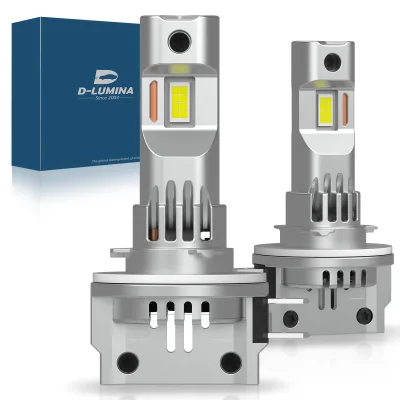
V8 Series 200W 42000lm Plug and Play Lighting System H4 H7 H11 Vehicle LED Headlight
$14.68 - $16.98
Moq: 100


Dongguan G-View Lighting Technology Co., Limited
- Trading Company,Manufacturer/Factory
- China Guangdong
- Lead time0 days
- Avg. response≤ 7h
Main productsLED Headlight, Fog Lights, Tail Lights, License Plate Lights, Reading Lights, Back Lights, Brake Lights, LED Projector Headlight, Rear Fog Lights, Turn Signal Lights
Main marketsSouth America,Eastern Europe,Mid East,North America,Southeast Asia,Eastern Asia,Oceania,Western Europe,Africa
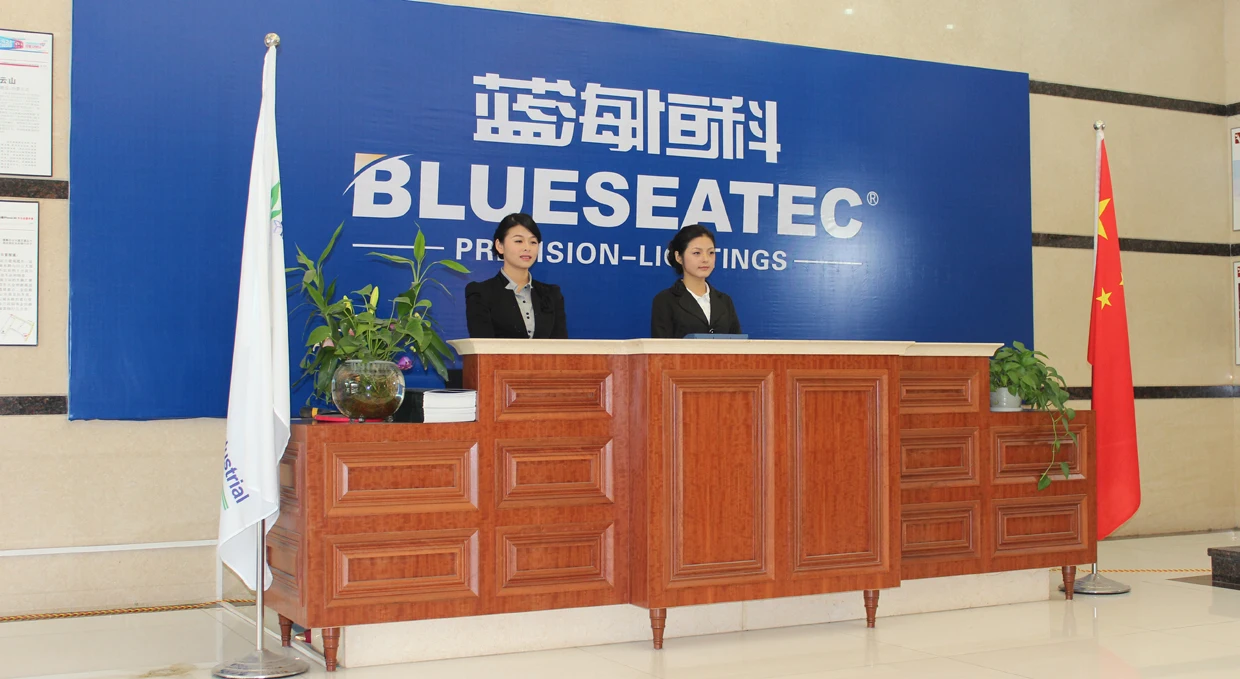
Guangzhou Zovo Electronics Co., Ltd.
- Manufacturer, Trading Company
- Guangdong, China
- Lead time10 days
- Avg. response≤ 2h
Main productsLED Driving Lights,LED Work Lights,LED Light Bars,LED Headlights,LED Bulbs
Main marketsSouthern Europe(20.0%), Western Europe(20.0%), North America(20.0%), Domestic Market(10.0%), Eastern Asia(10.0%), Northern Europe(10.0%), Eastern Europe(10.0%)

Guangzhou Ghost Light Trading Co., Ltd.
- Verified by SGS
- Trading Company
- China Guangdong
- Lead time15 days
- Avg. response≤ 4h
Main productsAuto Parts- LED Bar, Work Light, Car Head Light, LED Flood Light, Coil Ignition, Spark Plugs, Entertainment Equipment, Auto Filters, Car Filters, Car DVR
Main marketsSouth America,Southeast Asia/ Mideast,Europe
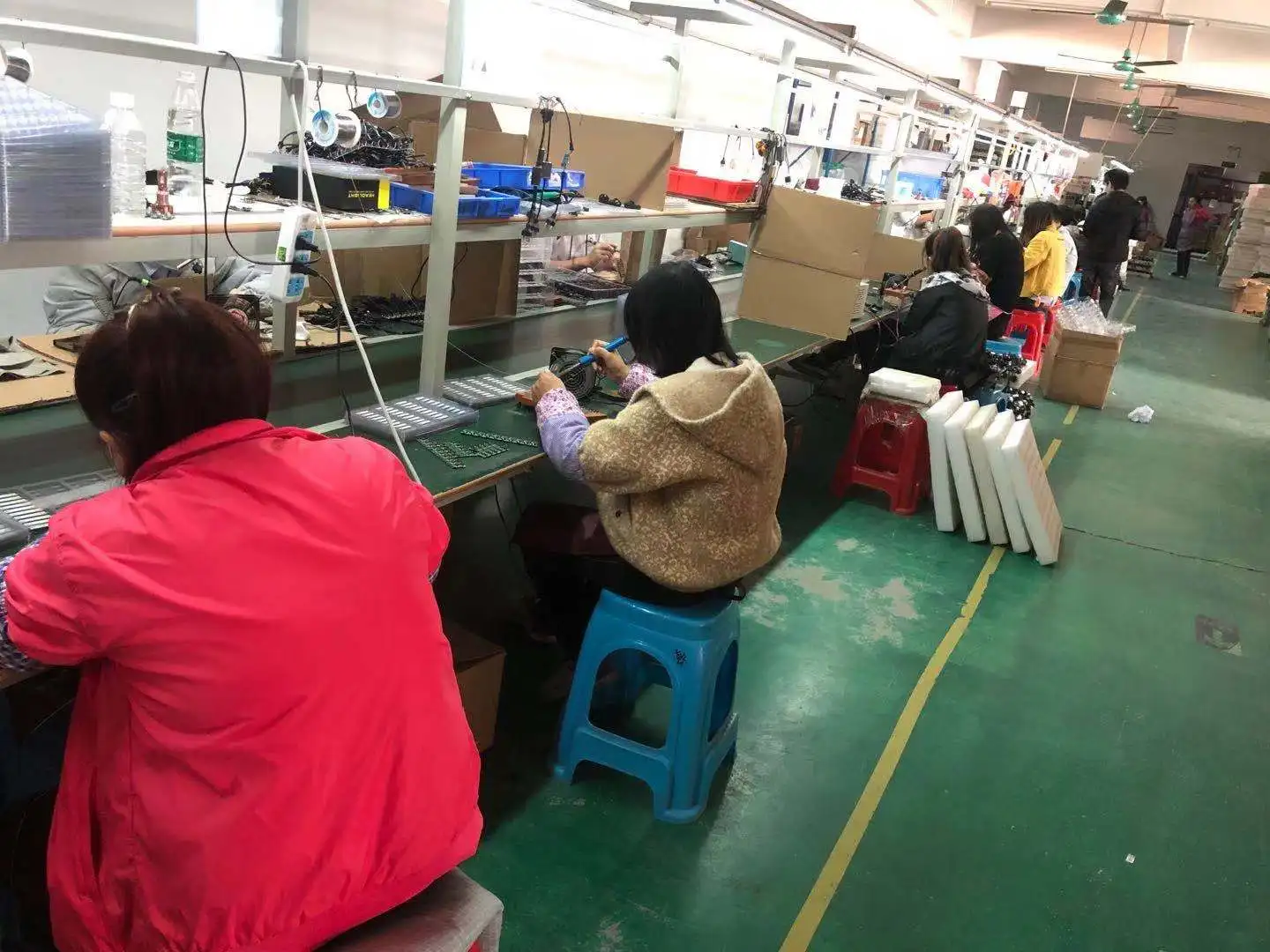
Guangzhou Good Driver Automotive Electronics Co., Ltd.
- Manufacturer
- Guangdong, China
- Lead time0 days
- Avg. response≤ 2h
Main productsbi led projector lens,led headlight bulb,fog light,erternal light for car,mini h4 lens
Main marketsNorth America(25.0%), South America(20.0%), Mid East(15.0%), South Asia(10.0%), Central America(10.0%), Western Europe(10.0%), Africa(10.0%)
Hangzhou lizhong shengteng Auto Parts Co., Ltd.
- Verified by TUVRHEINLAND
- Trading Company
- China Zhejiang
- Lead time23 days
- Avg. response≤ 9h
Main productsAuto Bumper, Auto Rear Bumper Cover, Auto Rear Mirror, Auto Hood, Auto Head Lamp, Auto Cooling Fan Cover, Auto Radiator
Main marketsSouth America,Eastern Europe,Mid East,North America,Southeast Asia,Eastern Asia,Western Europe

Zhongshan Xinyu Technology Co., Ltd
- Verified by BV
- Manufacturer/Factory
- China Guangdong
- Lead time23 days
- Avg. response≤ 4h
Main productsLED Headlight, LED Car Light, Pke Push Button Engine Start Stop, Auto Security System, Car Remote Control
Main marketsSouth America,Eastern Europe,Mid East,North America,Southeast Asia,Eastern Asia,Oceania,Western Europe,Africa


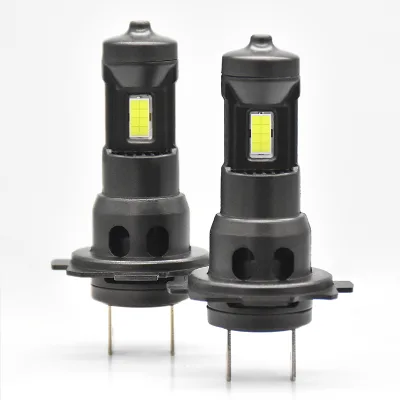
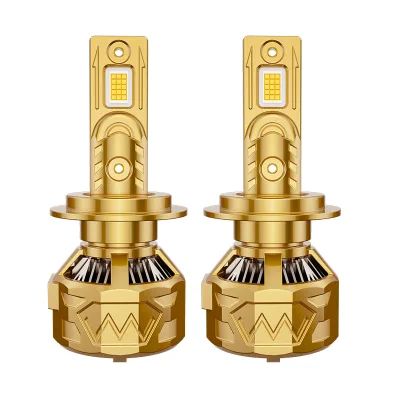
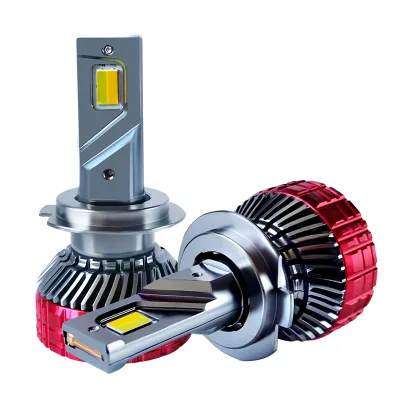
This Plug-and-Play LED Headlight Kit for Switches Between White and Yellow Light
$4.50 - $8.50
Moq: 500


Jinan Junchen Trading Co., Ltd.
- Trading Company
- Shandong, China
- Lead time15 days
- Avg. response≤ 6h
Main productsAuto Parts,Car Spoilers,Car modification kit,Car protection bumper,Car grille
Main marketsAfrica(15.0%), North America(10.0%), Southeast Asia(10.0%), Mid East(10.0%), South America(10.0%), Domestic Market(5.0%), South Asia(5.0%), Southern Europe(5.0%), Northern Europe(5.0%), Central America(5.0%), Western Europe(5.0%), Eastern Asia(5.0%), Eastern Europe(5.0%), Oceania(5.0%)

Guangzhou Leaf Auto Parts Co., Ltd.
- Verified by TUVRHEINLAND
- Manufacturer/Factory
- China Guangdong
- Lead time23 days
- Avg. response≤ 16h
Main productsLED Lights, Car Headlight, Jeep Light, Work Light, Light Bar, Laser Light, Cylinder Head, Engine Parts, Cylinder Block, Power Steering Rack
Main marketsSouth America,Eastern Europe,Mid East,North America,Southeast Asia,Eastern Asia,Oceania,Western Europe,Africa
Guangzhou Explorer Auto Parts Co., Ltd.
- Manufacturer, Trading Company, Distributor/Wholesaler
- Guangdong, China
- Lead time7 days
- Avg. response≤ 2h
Main productsSteel Bumper Bar,Steel Front Bumper,Steel Rear Bumper,Roll Bar,Side Steps
Main marketsSoutheast Asia(60.0%), South America(20.0%), Western Europe(10.0%), Africa(10.0%)

Ningbo Beilun Bonsen Auto Electron Co., Ltd.
- Verified by BV
- Trading Company,Manufacturer/Factory
- China Zhejiang
- Lead time38 days
- Avg. response≤ 7h
Main productsLED Trail Tail Lights, LED Headlights Bulb, Car Wash Machine, Low Pressure Die Casting Machine, Laptop Stand, Seasoning Meat Syringe, Stainless Steel Heating Manifold, Brazed Plate Heat Exchanger
Main marketsSouth America,Eastern Europe,Mid East,North America,Southeast Asia,Eastern Asia,Oceania,Western Europe,Africa

DONGGUAN JIALI OPTOELECTRONICS CO., LTD.
- Verified by TUVRHEINLAND
- Combined
- China Guangdong
- Lead time15 days
- Avg. response≤ 13h
Main productsLED Car Light, LED Auto Light, LED Car Lamp, LED Headlight Bulb, LED Turn Light, LED Brake Light, LED Tail Light, LED Reverse Light, Auto Parts, Car Accessories
Main marketsDomestic
Danyang Xiatian Auto Parts Co., Ltd.
- Verified by SGS
- Trading Company
- China Jiangsu
- Lead time0 days
- Avg. response≤ 4h
Foshan Car-Refine Optoelectronics Co., Ltd.
- Verified by TUVRHEINLAND
- Combined
- China Guangdong
- Lead time15 days
- Avg. response≤ 2h
Main productsLED Headlight, LED Headlight Bulb, LED Fog Lamp, LED Brake Light, Car LED Light Bulb, H7 LED, High Power LED Headlight, H11 LED, 9005 LED, D1s LED Bulb
Main marketsSouth America,Southeast Asia/ Mideast,Domestic,Europe,Australia,North America

Ningbo Qingyang Import and Export Co., Ltd.
- Verified by SGS
- Trading Company
- China Zhejiang
- Lead time45 days
- Avg. response≤ 1h
Main productsLED Lights, Table Lamp, Night Light, Solar Garden Light, LED Sensor Light, LED String Light, Decorative Light, LED Work Light, Camping Lantern, LED Candle
Main marketsEast Asia(Japan/ South Korea),Europe,North America


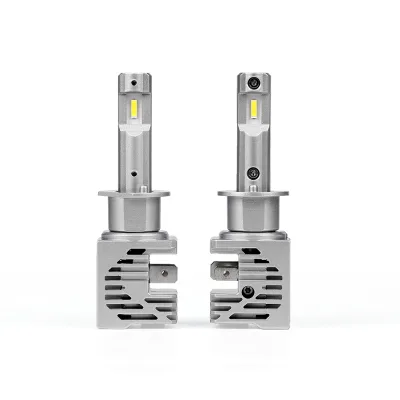
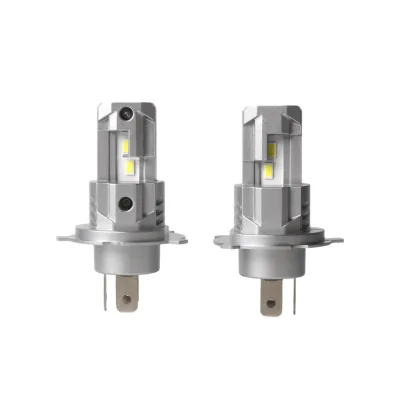
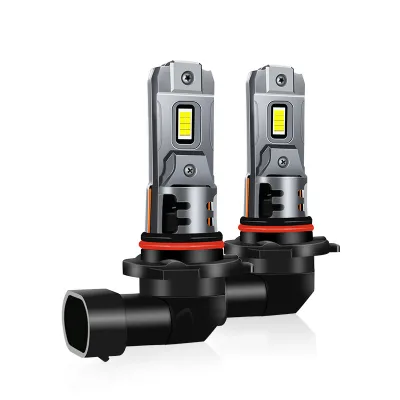
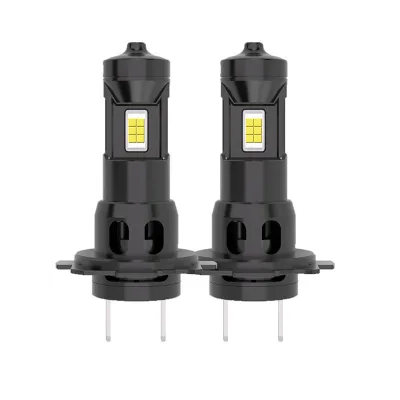
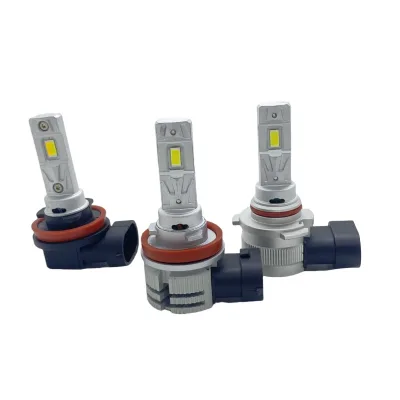
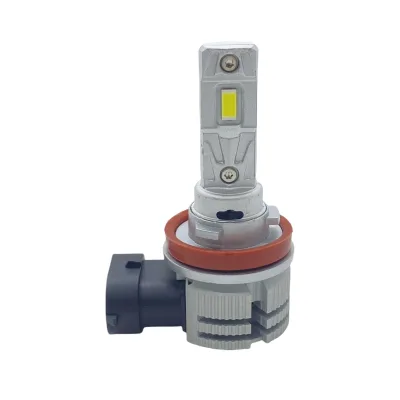
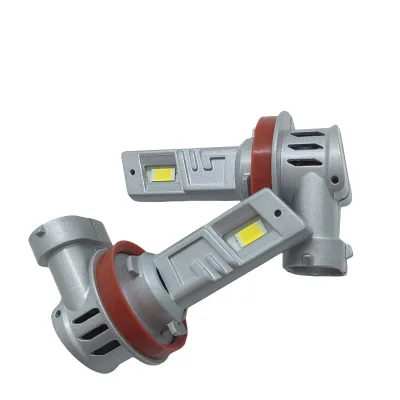


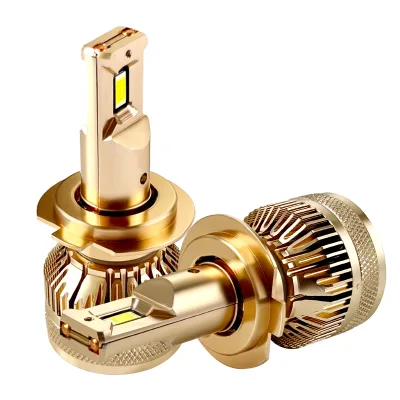


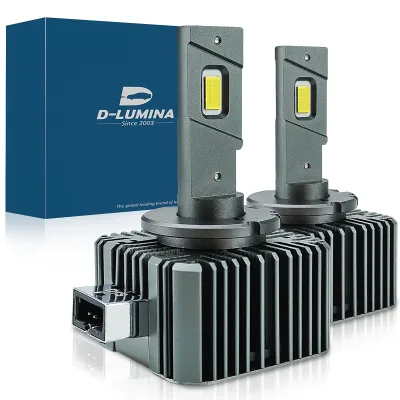
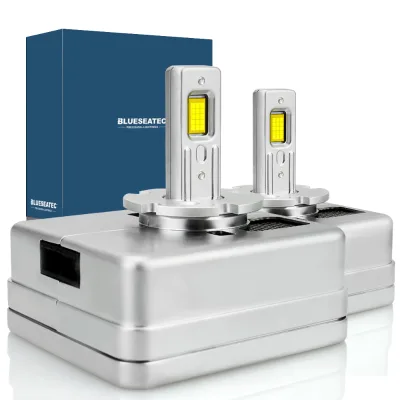
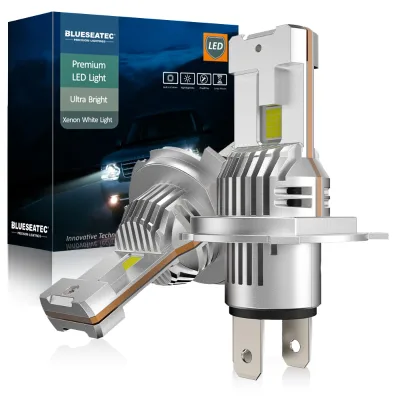


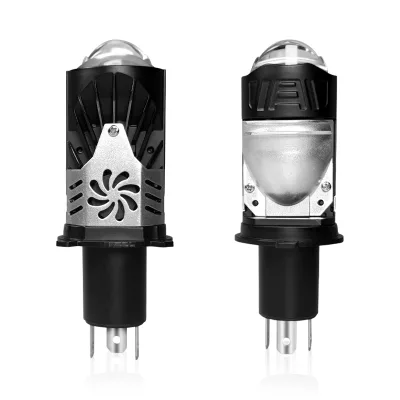
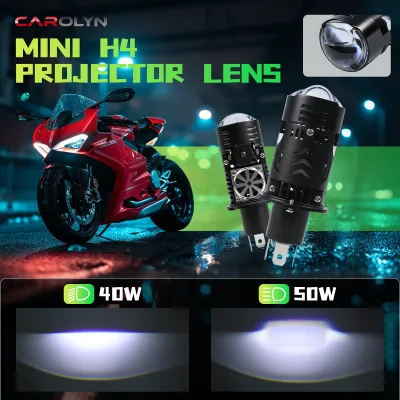


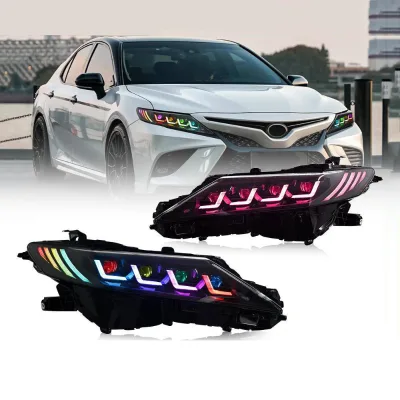
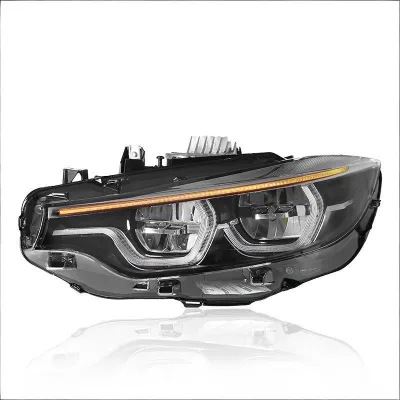
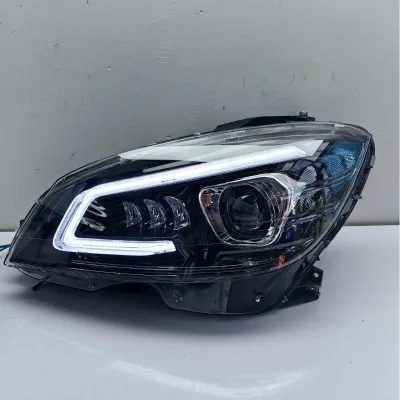




Comprehensive Sourcing Guide
Plug-and-Play LED Headlights Supplier Concentration and Factory Types
The current supplier landscape for Plug-and-Play LED Headlights reveals a distinct concentration of manufacturing and trading entities within specific industrial regions. Evidence indicates that a significant portion of these suppliers is located in China, specifically within the Guangdong province. This geographic clustering is not accidental but reflects a mature supply chain ecosystem where raw materials, electronic components, and assembly labor are readily available. Buyers evaluating potential partners should recognize that this concentration often correlates with competitive pricing and rapid prototyping capabilities, as the infrastructure supports high-volume production of automotive lighting components. The presence of suppliers in this region suggests a high degree of specialization in vehicle parts and accessories, particularly in auto lighting systems. When assessing the supplier base, it is crucial to understand that the density of factories in Guangdong allows for efficient logistics and reduced shipping times to global markets. However, buyers must also consider that this concentration can lead to intense competition, which may impact profit margins but also drives innovation in product features such as waterproofing and heat dissipation. Understanding this geographic reality helps buyers prioritize suppliers who can leverage local supply chain efficiencies to offer better lead times and cost structures.
Supplier types in this category vary significantly, ranging from pure trading companies to combined entities that include manufacturing capabilities. The observed data shows a mix of company types, including trading companies, manufacturers, and factories, as well as combined entities that offer both trading and production services. This diversity allows buyers to choose partners based on their specific needs for customization, volume, and direct factory access. Combined suppliers often provide the flexibility of a trading company with the quality control benefits of a manufacturer, making them attractive for buyers seeking OEM or ODM services. Many suppliers in this space also possess their own brands, indicating a level of market maturity and product development capability. For buyers looking for plug and play solutions, the supplier type directly influences the level of technical support and customization available. Trading companies may offer a broader range of compatible models from various factories, while manufacturers can provide deeper customization for specific vehicle fits. Understanding the supplier type is essential for negotiating terms, as manufacturers may have different MOQs and lead times compared to trading companies. Buyers should verify the actual nature of the supplier to ensure alignment with their sourcing strategy, whether it involves high-volume standard products or specialized custom lighting solutions.
How to Verify Plug-and-Play LED Headlights Suppliers
Verifying the credibility and capability of plug and play LED headlight suppliers requires a multi-layered approach that goes beyond basic company profiles. One critical step is to check for third-party verification badges, such as SGS, which serve as an independent confirmation of the supplier’s business legitimacy and operational standards. The presence of such verification indicates that the supplier has undergone rigorous audits, providing buyers with a higher degree of confidence in their reliability. Additionally, buyers should examine the supplier’s response time, as a quick and professional reply often reflects efficient internal processes and customer service commitment. In the current data, response times vary, with some suppliers demonstrating rapid engagement while others may take longer. This metric can be a useful indicator of how responsive a supplier will be during the order fulfillment process, especially when addressing technical queries or resolving issues. Buyers should prioritize suppliers who demonstrate consistent and timely communication, as this is crucial for maintaining smooth project management and ensuring that production schedules are met. A slow response time may signal potential bottlenecks in the supplier’s operations, which could impact lead times and overall project success.
Beyond verification badges and response times, buyers must scrutinize the supplier’s certifications and product standards to ensure compliance with international regulations. Many Plug-and-Play LED Headlights require specific certifications such as CCC, E-mark, CE, and FCC to be legally sold in various markets. The evidence shows that some suppliers offer products with these certifications, which is a strong indicator of quality and regulatory compliance. Buyers should request copies of these certificates and verify their validity with the issuing bodies. Furthermore, examining the supplier’s main products and production capacity can provide insights into their expertise. Suppliers specializing in LED headlights, HID kits, and auto lighting systems are likely to have more refined manufacturing processes and quality control measures. Buyers should also look for evidence of R&D capabilities, such as ODM and OEM services, which indicate that the supplier can adapt products to specific requirements. By combining verification checks with a thorough review of certifications and product focus, buyers can significantly reduce the risk of partnering with unreliable or non-compliant suppliers. This due diligence is essential for ensuring that the sourced products meet both quality standards and legal requirements in the target market.
What to Compare Across Plug-and-Play LED Headlights Suppliers
When evaluating multiple suppliers for Plug-and-Play LED Headlights, buyers should compare key operational metrics to identify the most suitable partner for their needs. One of the most critical factors is the minimum order quantity (MOQ), which can vary significantly across suppliers. For instance, some suppliers may have an MOQ of 200 units, while others might accept orders as low as 10 or 100 units. This variation allows buyers to align their orders with their inventory capacity and market demand. Lower MOQs are particularly beneficial for new buyers or those testing new markets, as they reduce initial investment risks. However, buyers should also consider the unit price, which often decreases with higher volumes. Comparing price ranges across suppliers helps buyers understand the market rate and negotiate better terms. In the current data, prices for LED headlights range from approximately $7 to $48 per unit, depending on the product specifications and features. Buyers should analyze these price points in conjunction with MOQs to determine the most cost-effective option for their specific order size.
Another important aspect to compare is the lead time and production capacity. Lead times indicate how quickly a supplier can fulfill an order, which is crucial for maintaining supply chain efficiency. Some suppliers may have a lead time of 15 days, while others might require 30 days or more. Buyers should assess these lead times against their sales cycles and inventory requirements to avoid stockouts or excess inventory. Additionally, examining the supplier’s production capacity, including their ability to handle OEM and ODM orders, can provide insights into their scalability. Suppliers with strong R&D capabilities and flexible production lines are better equipped to handle custom orders and large volumes. Buyers should also compare the product specifications, such as wattage, lumens, and color temperature, to ensure they meet their technical requirements. By systematically comparing these operational metrics, buyers can make informed decisions that balance cost, speed, and quality, ultimately selecting a supplier that best supports their business objectives.
Common Plug-and-Play LED Headlights Sourcing Risks
Sourcing Plug-and-Play LED Headlights from international suppliers involves several inherent risks that buyers must proactively manage to ensure a successful procurement process. One significant risk is the variability in product quality, which can arise from differences in manufacturing standards and component sourcing. LED headlights are complex electronic devices that require precise engineering to ensure longevity and performance. Buyers may encounter issues such as premature failure, inconsistent brightness, or compatibility problems with certain vehicle models if they do not thoroughly vet their suppliers. The risk is exacerbated by the fact that some suppliers may not have robust quality control processes in place. To mitigate this risk, buyers should request product samples and conduct rigorous testing before placing large orders. Additionally, verifying the supplier’s certifications and compliance with international standards can help ensure that the products meet safety and performance requirements. Buyers should also consider the supplier’s track record and customer reviews to gauge their reliability and product consistency.
Another common risk is the potential for delays in delivery, which can disrupt supply chains and impact sales. Lead times can vary significantly based on the supplier’s production capacity, order volume, and logistical arrangements. Buyers may face delays due to production bottlenecks, customs clearance issues, or transportation disruptions. To minimize this risk, buyers should establish clear communication channels with their suppliers and monitor the production progress closely. It is also advisable to include penalty clauses in the contract for late deliveries to incentivize timely fulfillment. Furthermore, buyers should consider the supplier’s location and logistics capabilities, as these factors can influence shipping times and costs. Suppliers located in major industrial hubs may have better access to transportation networks, reducing the risk of delays. By identifying and addressing these risks early in the sourcing process, buyers can build a more resilient supply chain and ensure the timely delivery of high-quality Plug-and-Play LED Headlights.
Plug-and-Play LED Headlights Regional Sourcing and Logistics
The regional concentration of plug and play LED headlight suppliers, particularly in China’s Guangdong province, offers distinct advantages and challenges for global buyers. Sourcing from this region allows buyers to benefit from a mature manufacturing ecosystem with access to advanced technologies and skilled labor. The proximity of suppliers to major ports and logistics hubs facilitates efficient shipping to international markets, reducing transit times and costs. However, buyers must also navigate the complexities of international trade, including customs regulations, import duties, and currency fluctuations. Understanding the logistical landscape of the supplier’s region is crucial for planning effective supply chain strategies. Buyers should work with suppliers who have experience in exporting to their target markets, as this can simplify the customs clearance process and ensure compliance with local regulations. Additionally, buyers should consider the supplier’s packaging and labeling practices to ensure that products meet the requirements of their destination countries.
Logistics planning also involves selecting the appropriate shipping method based on order size, urgency, and budget. For smaller orders, air freight may be the most cost-effective option, while larger shipments can be shipped via sea freight to reduce costs. Buyers should negotiate shipping terms with their suppliers to clarify responsibilities for transportation and insurance. Incoterms such as FOB, CIF, and DDP can significantly impact the total cost and risk associated with the shipment. Buyers should choose the term that best aligns with their risk tolerance and logistical capabilities. Furthermore, buyers should monitor the supplier’s production schedule to align with shipping timelines, ensuring that products are ready for dispatch when needed. By carefully managing regional sourcing and logistics, buyers can optimize their supply chain, reduce costs, and ensure the timely delivery of Plug-and-Play LED Headlights to their customers. This strategic approach helps mitigate risks and enhances overall supply chain efficiency.
Plug-and-Play LED Headlights Commercial Terms and Order Planning
Effective commercial terms and order planning are essential for successful procurement of Plug-and-Play LED Headlights. Buyers should negotiate clear payment terms that protect their interests while ensuring the supplier’s cash flow needs are met. Common payment methods include Telegraphic Transfer (TT), Letter of Credit (LC), and secure escrow services. Using escrow can provide an additional layer of security by holding funds until the buyer confirms receipt and quality of the goods. Buyers should also define the scope of customization, including branding, packaging, and technical specifications, to avoid misunderstandings. Clear documentation of these terms in the purchase agreement is crucial for resolving any disputes that may arise. Additionally, buyers should establish a quality assurance protocol, including inspection rights and acceptance criteria, to ensure that the products meet their standards. This proactive approach helps maintain product quality and customer satisfaction.
Order planning involves forecasting demand and aligning it with the supplier’s production capacity and lead times. Buyers should consider seasonal fluctuations and market trends to anticipate changes in demand. By maintaining open communication with their suppliers, buyers can adjust orders based on real-time market conditions. It is also important to plan for inventory management, ensuring that stock levels are optimized to meet customer needs without tying up excessive capital. Buyers should work with suppliers who offer flexible MOQs and lead times to accommodate these fluctuations. Furthermore, buyers should establish a long-term partnership strategy with their suppliers to secure better pricing and priority production slots. By integrating commercial terms and order planning into a cohesive strategy, buyers can enhance their supply chain resilience and competitiveness. This holistic approach ensures that the procurement process supports the overall business objectives and drives sustainable growth.
FAQs
What is the price range for Plug-and-Play LED Headlights?
Prices for these headlights typically range from $6.70 to $48.00 per unit depending on the model and specifications. Basic H4 and H11 variants are priced between $6.70 and $11.00, while high-performance D1s and D2s replacements cost between $41.00 and $48.00. Buyers should verify specific unit costs based on their chosen wattage and lumen output requirements.
What is the minimum order quantity for these headlights?
Minimum order quantities vary significantly by product type. Standard H4 and H7 LED bulbs generally require a minimum order of 100 to 200 pieces. Higher-end D1s and D2s replacement kits have a lower MOQ of just 10 to 20 pairs. Buyers should confirm the exact MOQ with suppliers before placing orders to ensure alignment with their inventory needs.
How long does it take to manufacture and ship these lights?
Lead times for production typically range from 15 to 30 days depending on the supplier and order volume. Some manufacturers offer faster turnaround times of 15 days, while others may require up to 30 days for standard production runs. Buyers should discuss specific delivery schedules with suppliers to ensure timely receipt of goods for their projects.
Are these headlights compatible with various car brands?
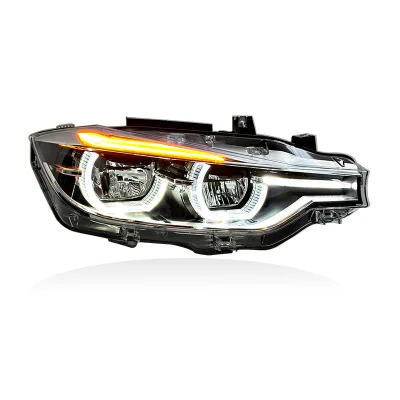
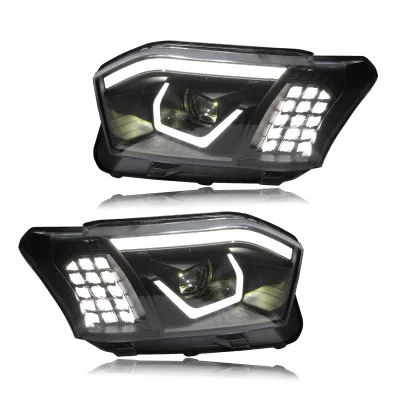
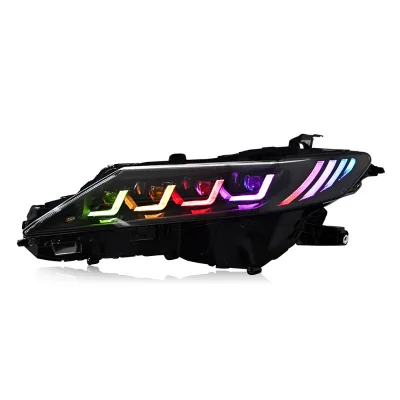
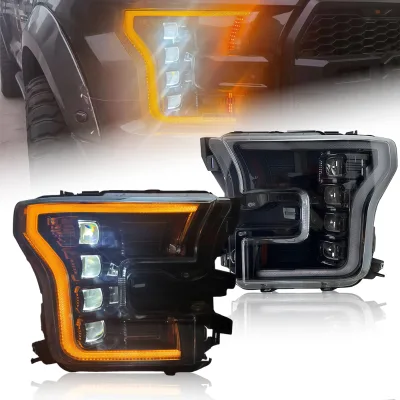
Yes, many models are designed to fit a wide range of vehicle brands including Volkswagen, BMW, Toyota, Honda, Ford, and Jeep. The plug-and-play design ensures direct replacement without complex wiring modifications. Buyers should verify specific fitment details for their vehicle model to ensure compatibility before purchasing.
What certifications do these LED headlights have?
Products often carry CCC and E-mark certifications for safety and regulatory compliance. Some models also meet CE and FCC standards for electronic emissions. Suppliers may also hold ISO 9001 system certification for quality management. Buyers should request valid certification documents to ensure the products meet local regulatory requirements.
What is the response time for supplier inquiries?
Supplier response times vary, with some responding within 0.88 hours and others taking up to 11.79 hours. Faster response times indicate more active customer service teams. Buyers should prioritize suppliers with quicker response rates to ensure efficient communication throughout the sourcing and ordering process.