Portable Durable Seam Ripper Suppliers and Manufacturers
Source 29 verified suppliers for Portable Durable Seam Ripper tools. Compare key dimensions including location, lead time, MOQ, and response time to find the right partner. Review product specifications and pricing details to make an informed sourcing decision today; review the available evidence before requesting comparable quotations from suitable candidates.
Suppliers List
Suzhou Toryin Trading Co., Ltd.
- Trading Company
- Jiangsu, China
- Lead time30 days
- Avg. response≤ 4h
Main productsHand Tools,Car Tools,Outdoor Tools,Garden Tools,Kitchen Tools
Main marketsSouth America(21.00%), North America(18.00%), Western Europe(8.00%), Eastern Europe(8.00%), Southern Europe(7.00%), Domestic Market(7.00%), Central America(5.00%), Southeast Asia(5.00%), Northern Europe(5.00%), Africa(5.00%), South Asia(3.00%), Eastern Asia(3.00%), Mid East(3.00%), Oceania(2.00%)
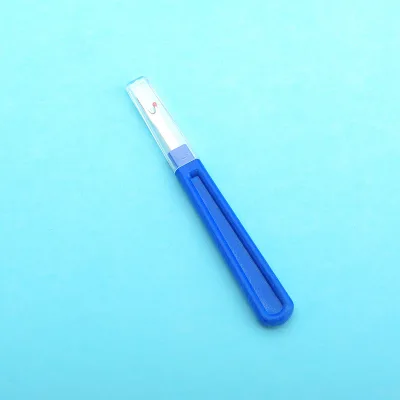
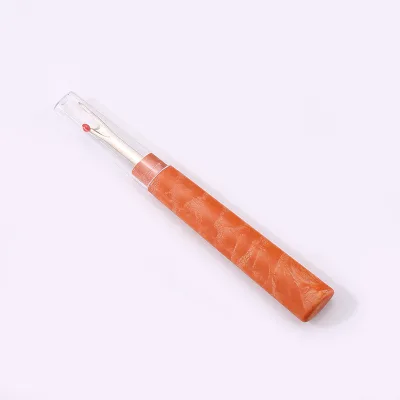
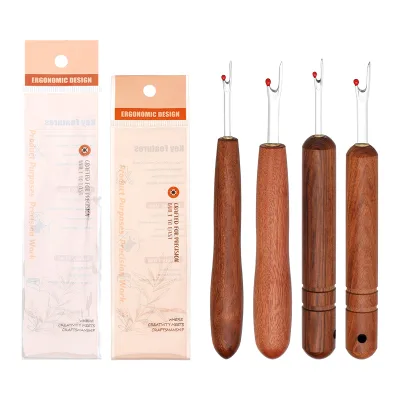
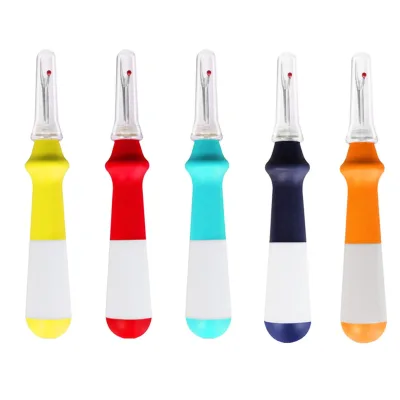
Ergonomic Grip Seam Ripper for Sewing Crafting and Removing Embroidery Hems and Seams
$0.18 - $0.30
MOQ: 50 sets
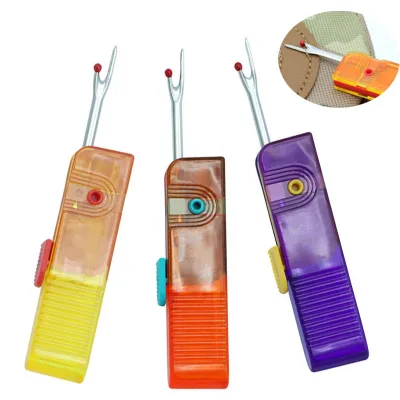
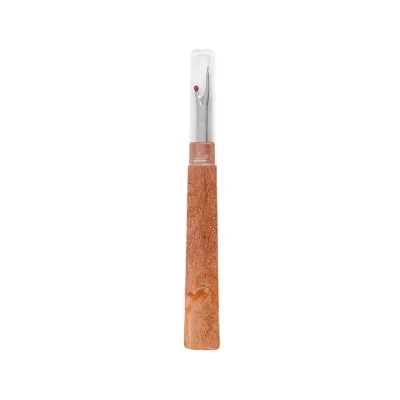
Chaozhou Fromoce Trading Company Limited
- Trading Company
- Guangdong, China
- Lead time10 days
- Avg. response≤ 4h
Main productshardware tools,hand tools,leather tools,Jewelry tools
Main marketsEastern Europe(20.00%), South America(20.00%), North America(20.00%), Western Europe(20.00%), Africa(10.00%), Mid East(5.00%), Central America(5.00%)
Jinhua Jinxiang Trading Co., Ltd.
- Trading Company
- Zhejiang, China
- Lead time15 days
- Avg. response≤ 2h
Main productsHome Handmade Sewing Accessories
Main marketsNorth America(35.00%), Southeast Asia(15.00%), Domestic Market(10.00%), Western Europe(10.00%), South America(10.00%), Eastern Europe(10.00%), Southern Europe(5.00%), South Asia(5.00%)
Yiwu Lumiao Electronic Commerce Co., Ltd.
- Trading Company
- Zhejiang, China
- Lead time0 days
- Avg. response≤ 7h
Main productsYarn,Yarn winder,Crochet Hook,Safety Eyes,Flower Stem Sticks
Main marketsNorth America(32.00%), Southeast Asia(30.00%), Western Europe(10.00%), Northern Europe(5.00%), Eastern Europe(5.00%), Domestic Market(2.00%), Africa(2.00%), South America(2.00%), South Asia(2.00%), Southern Europe(2.00%), Central America(2.00%), Eastern Asia(2.00%), Mid East(2.00%), Oceania(2.00%)

Ningbo Sunshine Import & Export Co., Ltd.
- Combined
- China Zhejiang
- Lead time30 days
- Avg. response≤ 4h
Main productsGarment Accessories, Haberdashery Items, Tailoring Accessories, Hook and Loop, Sewing Notions, Cotton Tape, PP Webbing, Satin Ribbon, Rat Tail, Knitting Tools
Main marketsSouth America,Southeast Asia/ Mideast,Europe

NINGBO HOBA INTERNATIONAL TRADING CO., LTD.
- Verified by BV
- Trading Company
- China Zhejiang
- Lead time30 days
- Avg. response≤ 3h
Main productsThread, Button, Lace Tape, Zipper, Hot Fix Stone, Crystal, Rope, Jewelry Accessory, Ribbon, Reflecting Material
Main marketsSouth America,Africa,Southeast Asia/ Mideast,East Asia(Japan/ South Korea),Europe,Australia,North America
Ningbo Liberty Port Textile Co., Ltd.
- Combined
- China Zhejiang
- Lead time15 days
- Avg. response≤ 19h
Main productsSnap Button, Snap Fastener Set, Sewing Notions, Rotary Cutter, Cutting Mat, DIY Crafts, Storage Series, Knitting Needles, Crochet Hook, Zipper
Main marketsSouth America,Southeast Asia/ Mideast,East Asia(Japan/ South Korea),Europe,North America

TAIZHOU FOXSEW SEWING MACHINE CO., LTD.
- Trading Company,Manufacturer/Factory
- China Zhejiang
- Lead time23 days
- Avg. response≤ 14h
Main productsSpecial Sewing Machine, Heavy Duty Sewing Machine, Programmable Pattern Sewing Machine, Mattress Sewing Machine, Shoes Sewing Machine, Zigzag Sewing Machine, Carpet Sewing Machine, Industrial Sewing Machine, Cutting Machine, Tape Cutting Machine
Main marketsSouth America,Eastern Europe,Mid East,North America,Southeast Asia,Eastern Asia,Oceania,Western Europe,Africa

Xiamen Xinhonghua Machinery Co., Ltd.
- Verified by TUVRHEINLAND
- Combined
- China Fujian
- Lead time60 days
- Avg. response≤ 3h
Main productsRoll Forming Machines, Roof Panel Machines, Standing Seam Roofing Machines, Glazed Tile Forming Machines, C/Z Purline Forming Machine, Automatic Curving Machines, Flattening Cutting Machines, Light Gauge Steel Framing Machines, Floor Decking Machines, Lost Foam Casting
Main marketsSoutheast Asia/ Mideast,Europe,North America
Yangzhou Jianyong Pins Factory
- Manufacturer, Trading Company
- Jiangsu, China
- Lead time0 days
- Avg. response≤ 3h
Main productspearl head pins,glass pins,safety pins,push pins,sewing kits
Main marketsEastern Europe(54.00%), Eastern Asia(20.00%), South America(20.00%), North America(5.00%), Northern Europe(1.00%)
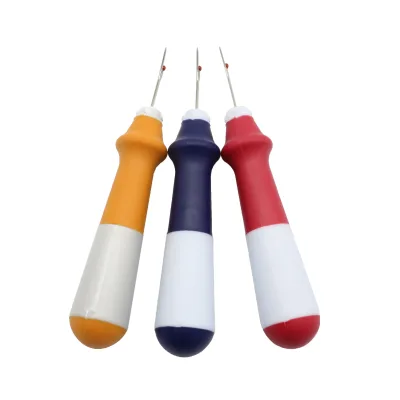
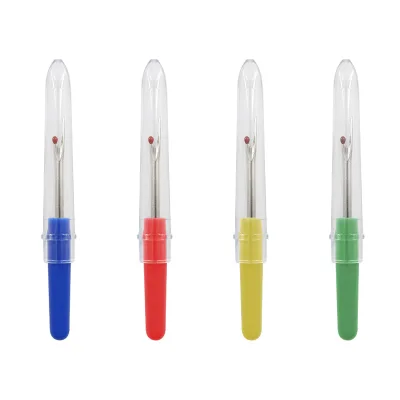
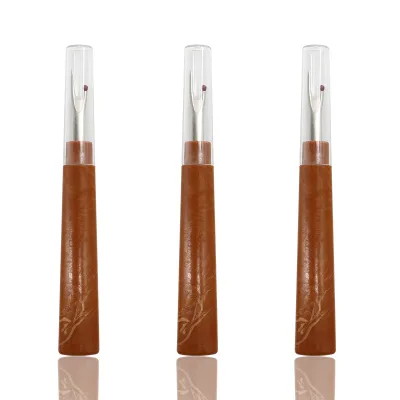
$0.17 - $0.20
MOQ: 20 pieces
Ningbo Puruimu Sewing Equipment Co.,ltd.
- Trading Company
- Zhejiang, China
- Lead time0 days
- Avg. response≤ 3h
Main productscross-stitch products,knitting products,sewing products,quilting products,thread products
Main marketsWestern Europe(15.00%), Southeast Asia(15.00%), North America(15.00%), Domestic Market(10.00%), Mid East(10.00%), South America(10.00%), Northern Europe(5.00%), Eastern Europe(5.00%), Southern Europe(5.00%), Africa(5.00%), Oceania(3.00%), Eastern Asia(2.00%)
Wuxi Wonderful Import & Export Co., Ltd.
- Verified by TUVRHEINLAND
- Trading Company
- China Jiangsu
- Lead time30 days
- Avg. response≤ 15h
Main productsHome & Garden Products
Main marketsSouth America,Southeast Asia/ Mideast,Europe,Australia,North America
Chaozhou Bailiful Trading Company Limited
- Trading Company
- Guangdong, China
- Lead time15 days
- Avg. response≤ 4h
Main productsLeather tools,hand tools,hardware tools,Crafts
Main marketsEastern Europe(20.00%), South America(20.00%), North America(20.00%), Central America(10.00%), Africa(10.00%), Southeast Asia(10.00%), South Asia(5.00%), Mid East(5.00%)

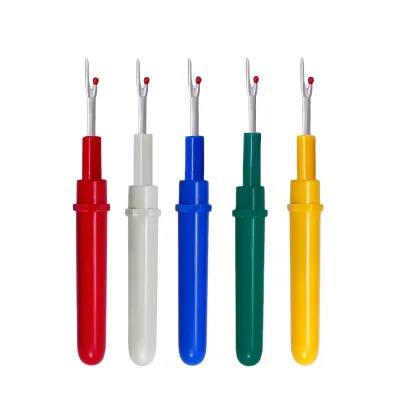
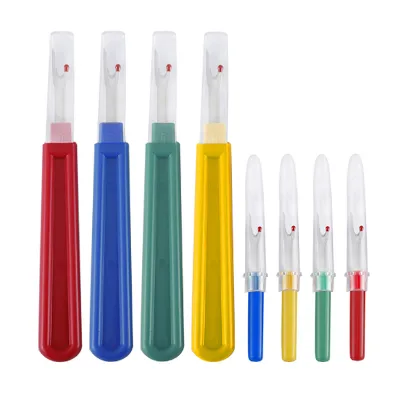
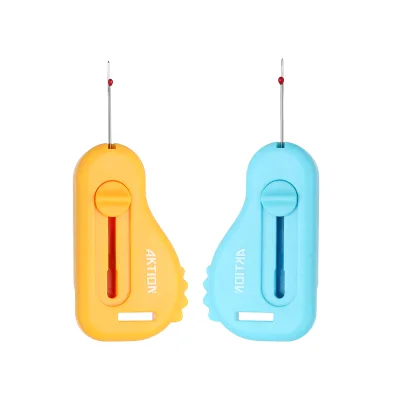
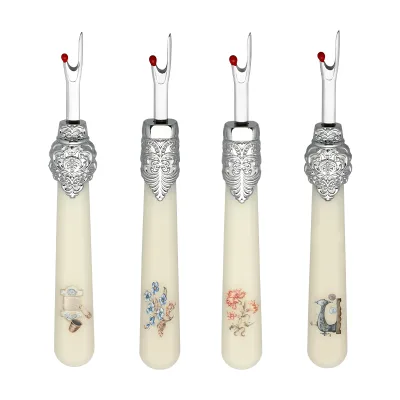
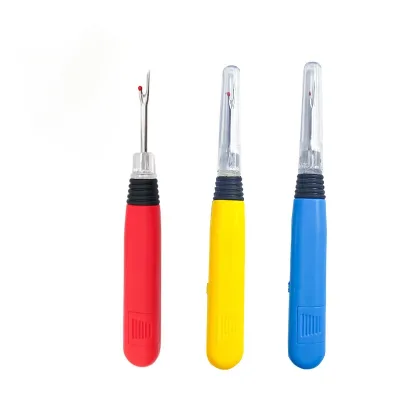
Household Multifunctional Handmade DIY Seam Ripper Sewing Accessories Sewing Tools with LED Light
$1.32 - $1.37
MOQ: 5 Minimum

Shenzhen Elitime Technology Co., Ltd.
- Manufacturer, Trading Company, Agent
- Guangdong, China
- Lead time15 days
- Avg. response≤ 5h
Main productsFalse eyelashes,Makeup Brushes,Earrings,nacklaces,rings
Main marketsNorth America(16.00%), Eastern Europe(15.00%), South America(12.00%), Southeast Asia(10.00%), Mid East(8.00%), Eastern Asia(8.00%), Africa(8.00%), Western Europe(5.00%), Southern Europe(5.00%), Oceania(4.00%), Central America(4.00%), South Asia(2.00%), Northern Europe(2.00%), Domestic Market(1.00%)
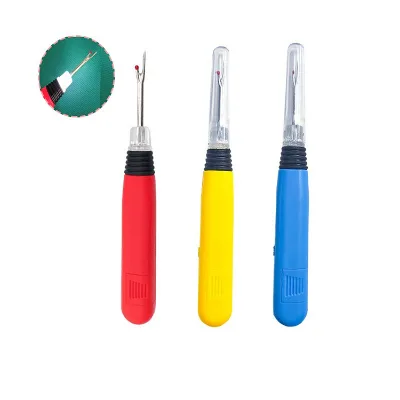
$1.10 - $1.30
MOQ: 20 pieces
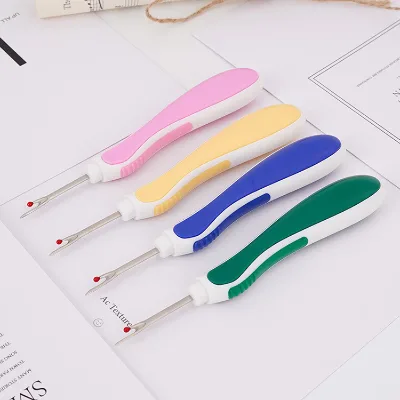
- Trading Company
- Zhejiang, China
- Lead time15 days
- Avg. response≤ 3h
Main productsSewing notions,Needlework,cross stitch accessory,Knitting tools,embroidery scissors
Main marketsNorth America(60.00%), Northern Europe(15.00%), Eastern Europe(10.00%), Oceania(10.00%), Western Europe(5.00%)
Hangzhou Anysew Garment Equipment Co., Ltd.
- Verified by SGS Group
- Trading Company
- Lead time15 days
- Avg. response≤ 5h
Main productsIndustrial Sewing Machine, Cloth Cutting Machine, Iron Pressing Machine, Embroidery Machine, Sewing Machine Spare Parts
Main marketsSoutheast Asia(30%), Africa(25%), South Asia(17%)
Dongguan Creto Technology Co.Ltd
- Verified by BV
- Combined
- China Guangdong
- Lead time15 days
- Avg. response≤ 1h
Main productsFolding Machine, Gluing Machine, Budding Machine, Laser Cutting Machine, Banding Machine
Main marketsAfrica,Domestic

Portable Cutting and Welding Seaming Sewing Ultrasonic Buttonhole Cutting Machine
$5000.00 - $8000.00
MOQ: 2 Pieces


Shandong Getweld Machinery and Equipment Co., Ltd.
- Trading Company,Manufacturer/Factory
- China Shandong
- Lead time90 days
- Avg. response≤ 25h
Main productsLPG Cylinder Production Line, Electric Water Heater Production Line, Solar Water Heater Production Line, Steel Drum Making Machine, LPG Gas Cylinders Manufacturing Machines, Water Heater Tanks Manufacturing Machine, Hot Water Tanks Making Equipments Supplier, Electric Water Geysers Manufacturing Equipments, Enamal Tank Production Line
Main marketsSouth America,Eastern Europe,Mid East,North America,Southeast Asia,Eastern Asia,Oceania,Western Europe,Africa
Shanxi Jingwei Chemical Fiber Machinery Co.,Ltd
- Verified by BV
- Combined
- China Shanxi
- Lead time15 days
- Avg. response≤ 17h
Main productsgear pump
Main marketsOthers(foreignTradeCapacity.exportBusinessCapacityMarketOther),Domestic
Dongyang Hulu Town Jinlei Joint Distribution Firm
- Trading Company
- Zhejiang, China
- Lead time0 days
- Avg. response≤ 5h
Main productsPresser Foot,Assorted Gauge Sets,Zig Zag Foot,Frilled Tube,Brother
Main marketsSouth Asia(70.00%), Eastern Europe(20.00%), Southeast Asia(10.00%)
HEBEI BEIBU MACHINERY TECHNOLOGY CO., LTD.
- Verified by SGS
- Trading Company
- China Hebei
- Lead time15 days
- Avg. response≤ 3h
Main productsGrain Cleaning Machine, Agro Cleaning Machine, Sesame Cleaning Machine, Soybean Cleaning Machine, Oil Making Machine, Soybean Oil Machine, Sesame Oil Machine, Peanut Shelling Machine, Peanut Butter Making Machine, Sesame Peeling Machine
Main marketsSouth America,Africa,Southeast Asia/ Mideast,Europe,North America

Ningbo Sinobest Textile Company Limited
- Trading Company
- China Zhejiang
- Lead time30 days
- Avg. response≤ 4h
Main productsSewing Threads, Embroidery Threads, Garments Trimmings, Sewing Accessories, Embroidery Accessories, Tailor's Materials
Main marketsSouth America,Europe,North America

Nanjing Auto Electric Co., Ltd.
- Verified by TUVRHEINLAND
- Manufacturer/Factory
- China Jiangsu
- Lead time120 days
- Avg. response≤ 7h
Main productsPipe Spool Fabrication Solution, Pipe Cutting and Beveling All-in-One Machine, High Speed Band Saw Cutting Machine, Automatic Pipe Welding Machine, Sub-Arc Girth Welding Machine, Automatic Electric-Gas Vertical Welding Machine, Plate Cutting and Milling Machine, CNC Pipe End Beveling Machine, Multi-Function Pipe Fitting-up Station, Automatic Elbow Welding Machine
Main marketsSouth America,Eastern Europe,Mid East,North America,Southeast Asia,Eastern Asia,Oceania,Western Europe,Africa

Taizhou City Sunsure Import & Export Co., Ltd.
- Trading Company
- China Zhejiang
- Lead time23 days
- Avg. response≤ 8h
Main productsSewing Machine, Embroidery Machine, Laser Cutting Machine, Tape Edge Machine, Quilting Machine, House Use Machine, Cutting Machine, Fushing Machine, Ironing Table, Spare Parts
Main marketsSouth America,Africa,Southeast Asia/ Mideast

XIAMEN ZHENG LIMING METALLURGICAL MACHINERY CO., LTD.
- Verified by TUVRHEINLAND
- Combined
- China Fujian
- Lead time45 days
- Avg. response≤ 6h
Main productsRoll Forming Machine, PU Sandwich Panel Production Line, Steel Framing System Production Line
Main marketsSouth America,Africa,Southeast Asia/ Mideast,East Asia(Japan/ South Korea),Domestic,Europe,Australia,North America
- Manufacturer, Trading Company
- Shanghai, China
- Lead time20 days
- Avg. response≤ 5h
Main productsFabric Marker,Fashion Design Ruler,Patchwork Quilting Ruler,Sew Accessories,Pilot Supplies
Main marketsWestern Europe(20.00%), Eastern Asia(20.00%), South America(20.00%), North America(20.00%)
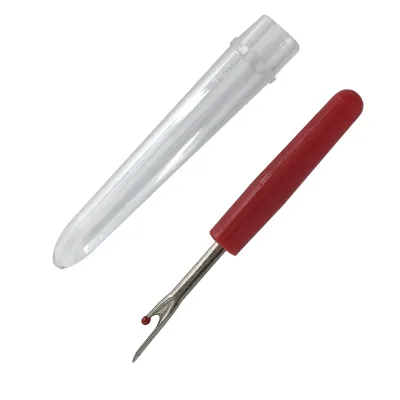
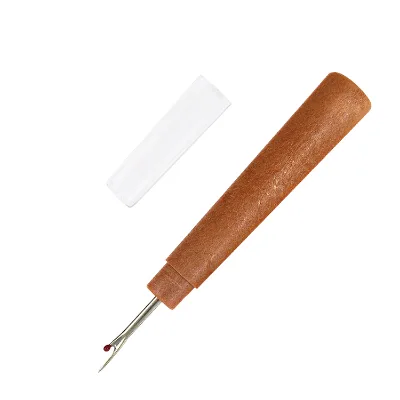
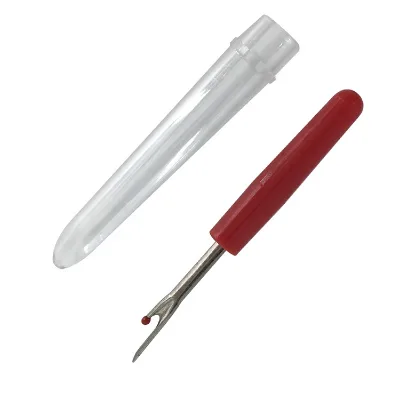
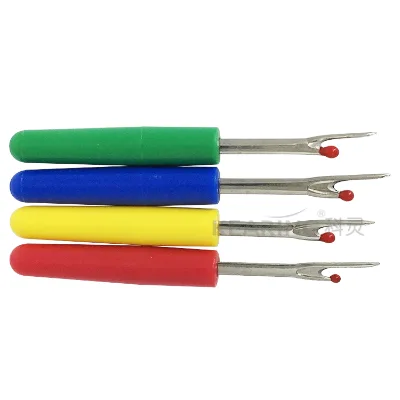
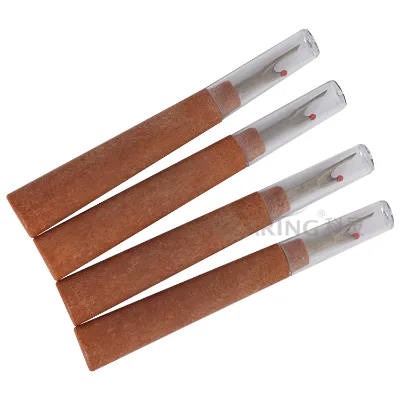
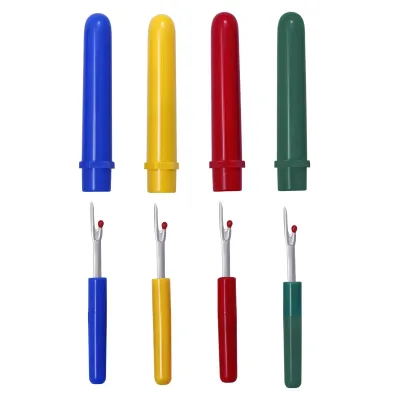
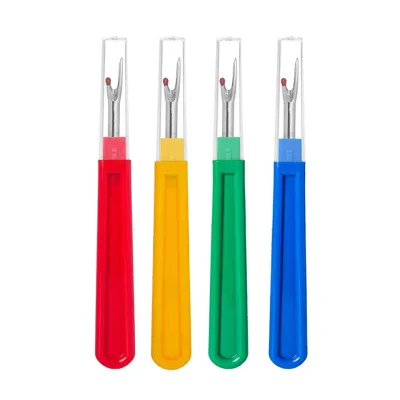
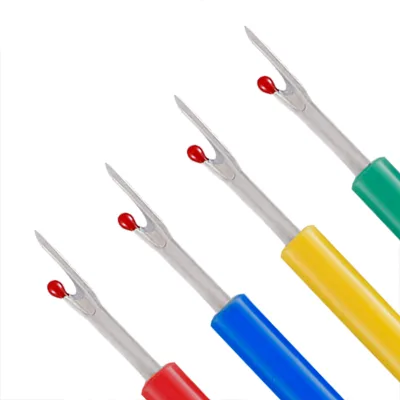
Best Sell High-Quality Seam Ripper Sewing Tools Sewing Supplies Wholesale for Tailors #SR110
$0.16 - $0.33
MOQ: 2 pieces
Ningbo Ariste International Co., Ltd.
- Manufacturer, Trading Company
- Lead time旺季: "1 - 1000":30,"> 1000":"To be negotiated", 淡季: "1 - 1000":30,"> 1000":"To be negotiated"
- Avg. response≤ 3h
Main productsPlastic Boxes, Paper Crafts, Craft Tools
Fenghua Transmission Technology (Jiangsu) Co., Ltd.
- Verified by BV
- Combined
- China Jiangsu
- Lead time15 days
- Avg. response≤ 2h
Main productsGearbox, Reducer, Motor, Planetary Gearbox, Harmonic Drive Reducer, Robot RV Reducer, 90 Degree Servo Gearbox, Right Angle Gearbox, Stepper Motor, Servo Motor
Main marketsSoutheast Asia/ Mideast,East Asia(Japan/ South Korea),Domestic,Europe,North America

Lanxi Sange Industry Co., Ltd.
- Verified by TUVRHEINLAND
- Trading Company
- China Zhejiang
- Lead time15 days
- Avg. response≤ 19h
Main productsLace, Lace Fabric, Cotton Lace, Chemical Lace, Fringe Tassel, Tassel Fringe, Garment Accessories, Chainette Fringe, Embroidery Lace, Crochet Lace
Main marketsSouth America,Africa,Others(foreignTradeCapacity.exportBusinessCapacityMarketOther),Southeast Asia/ Mideast,Europe,North America

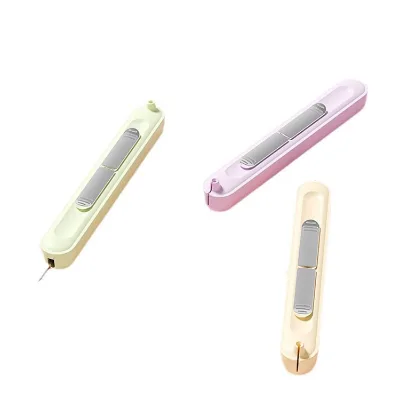
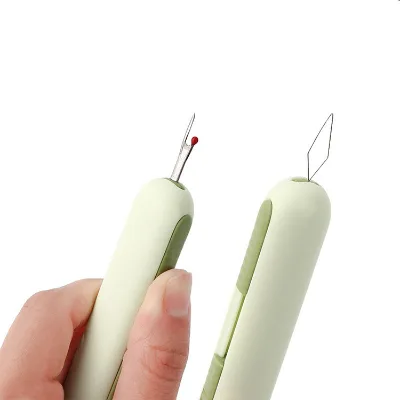
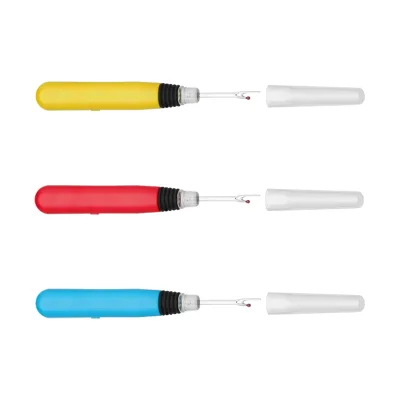
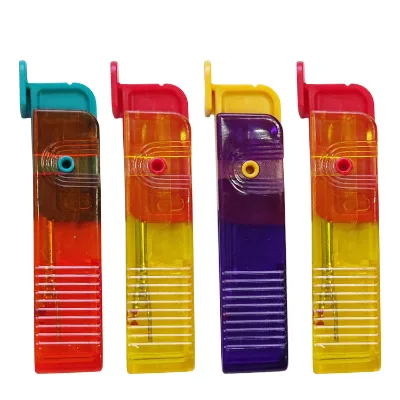
Double Head Needle Threader Stitch Ripper Seam Threader Iron Wire DIY Sewing
$0.13 - $0.50
MOQ: 2 Pieces



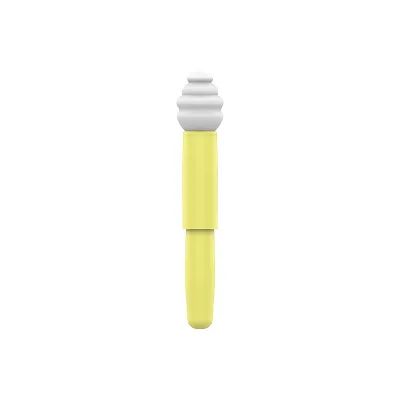
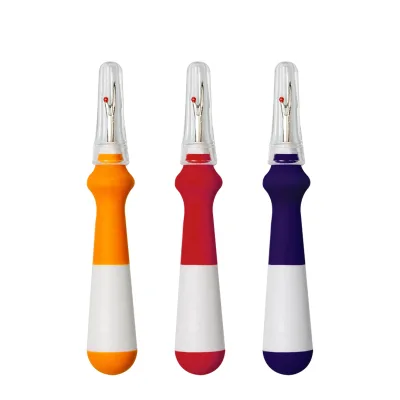


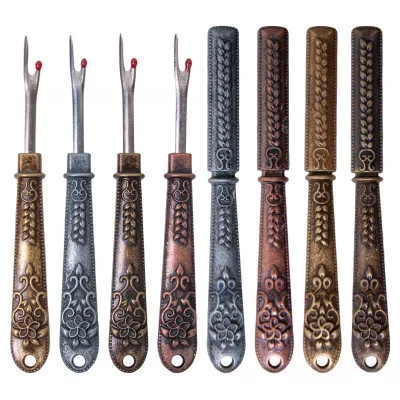
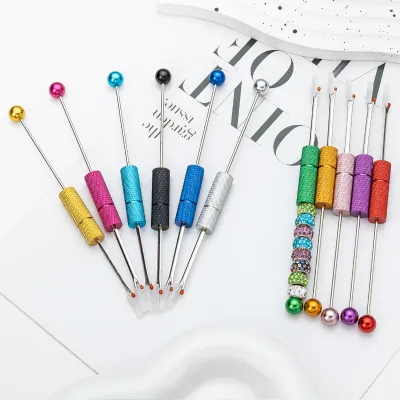






Comprehensive Sourcing Guide
Portable Durable Seam Ripper Supplier Concentration and Factory Types
When you search for Portable Durable Seam Ripper suppliers, the visible results show a pattern worth reading carefully. Several listings point to Jiangsu, China, and one supplier there identifies as a trading company whose main products span hand tools, car tools, outdoor tools, garden tools and kitchen tools. Another cluster of listings points to Guangdong, China, where a supplier lists hardware tools, hand tools, leather tools and jewelry tools as its main products, and one seam ripper product itself lists Anhui, China as its place of origin. This tells you that the tool category, which sits at the intersection of hand tools and sewing accessories, is spread across more than one province rather than concentrated in a single named hub.
You should also note the mix of company types. A trading company with broad hand tool coverage may consolidate seam rippers alongside scissors, knives and other small tools, while narrower suppliers may focus on sewing-specific notions. When results do not state a location, do not guess one; instead, ask each candidate directly for its registered address and factory address, because these often differ. Confirm whether the entity manufacturing the ripper is the same entity quoting you, since a trading layer affects pricing, sample handling and accountability. Map each supplier by stated province, company type and product breadth before shortlisting, so your sourcing list reflects verified facts rather than assumptions drawn from the first page of results.
How to Verify Portable Durable Seam Ripper Suppliers
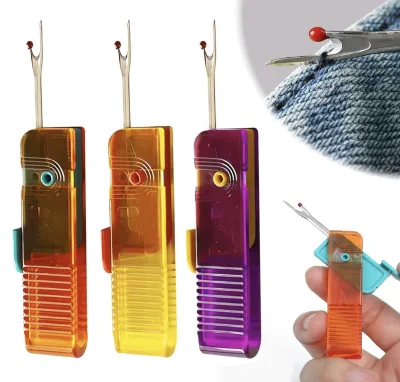
Verification starts with the attributes a supplier actually displays and ends with what you must confirm yourself. In the current results, some product listings state a place of origin, such as Jiangsu, China for steel-body rippers and Anhui, China for a handmade wooden-handled version. One product listing shows ODM and OEM support, another shows OEM support with a customized logo, and a third offers both OEM and ODM with logo and packing services. Check whether the customization claim appears at the company level or only on a single product, because a logo offer on one listing does not prove a full private-label program across a catalog.
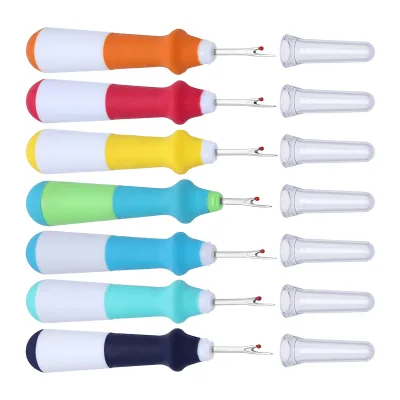
Next, verify the details that listings frequently omit. None of the visible seam ripper results state a certification, an establishment year, or third-party audited capacity, so ask each supplier for business registration documents, factory photos or an audit report before committing. Where a warranty is stated, note it precisely: one folding rotatable ripper listing declares a one-year warranty, while another colorful seam ripper listing explicitly lists warranty as none, and durability claims should be tested against that reality. Request physical samples of every shortlisted model, since blade sharpness, cap fit and handle strength cannot be judged from attributes such as size, weight or packing type. Finally, confirm who will be your single point of contact, and test responsiveness by recording how quickly they answer technical questions, not just price inquiries, before you place even a small trial order.
What to Compare Across Portable Durable Seam Ripper Suppliers
Build a comparison sheet from the dimensions visible on supplier profiles and listings, and fill gaps by asking. On logistics, one Jiangsu supplier shows a lead time of 30 days while a Guangdong supplier shows 10 days, a meaningful difference if you replenish frequently. On responsiveness, a result showing a four-hour response time gives you one reference point, but do not assume every supplier displays this metric or that it holds for technical questions. On order size, the spread is wide: listings show a 200-piece MOQ for a colorful basic ripper, a 50-piece MOQ for an ergonomic steel grip model, a two-piece minimum on a folding rotatable stitch ripper, and a five-piece minimum on a handmade wooden version, so match MOQ to your testing and launch plans.
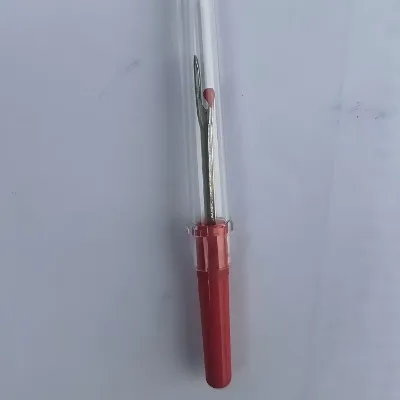
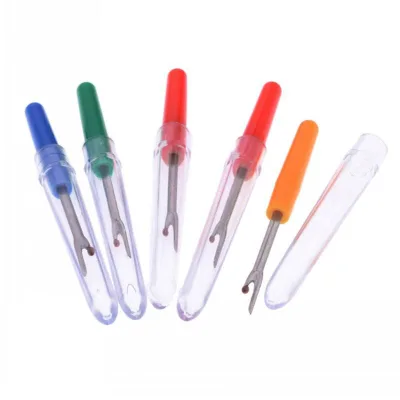
Compare product substance too. Model sizes range from about 85 by 15 millimeters on the folding ripper to 14.2 by 1.7 centimeters on a full-size ripper, with weights from 6 grams to 30 grams, and materials spanning steel, plastic plus stainless steel and wooden handles. Price points in the listings run from roughly 0.12 to 0.31 US dollars depending on model and quantity, though you should confirm current pricing directly. Also compare stated packing, such as opp bag versus pp bag, single gross weights for freight estimates, and whether OEM packing or logo services are offered. Score suppliers consistently across these dimensions rather than judging any single attribute in isolation.
Common Portable Durable Seam Ripper Sourcing Risks
The most common risk in this category is conflating durability claims with verified durability. Listings use phrases such as high-quality and grade DIY or industrial, but one basic ripper listing states no warranty while another offers a one-year warranty, so protection varies sharply between otherwise similar products. Blade retention, tip breakage on embroidered seams and handle cracking are the failure modes that matter for a portable tool that lives in a sewing kit, and none of these can be confirmed from attribute tables. Order samples from every finalist and abuse-test them before bulk.
Other risks are structural. A trading company listing broad categories such as hand tools, car tools, garden tools and kitchen tools may not control the factory making your rippers, which can slow defect resolution and customization. Origin can also be inconsistent: a supplier profile may show one province while an individual product lists another, such as a Guangdong-based supplier whose seam ripper originates in Anhui, so clarify where production and shipping actually occur. Minimum order quantities as low as two or five pieces are attractive for sampling but may carry higher unit prices or less favorable terms at scale. Finally, brand-name fields on some listings show no brand or an OEM placeholder, which is fine for private label but means you must confirm trademark handling, packaging artwork approval and intellectual property rules in writing before production.
Portable Durable Seam Ripper Regional Sourcing and Logistics
Use only the regional signals the results actually provide, and verify the rest. The listings point to production or sourcing origins in Jiangsu, Guangdong and Anhui, which suggests you can realistically compare suppliers across multiple provinces rather than relying on a single area. A Jiangsu trading company quotes a 30-day lead time, while a Guangdong supplier quotes 10 days; treat these as stated figures to confirm for your specific quantity and customization level, since a logo or packing change can extend either. When a product lists a place of origin that differs from the supplier's profile location, ask which address ships the goods and which port is normally used.
Because seam rippers are small and light, with listed single gross weights from 0.025 to 0.100 kilograms, freight economics favor consolidated shipments, but you still need accurate packed dimensions, which range from compact 15 by 1 by 1 centimeter boxes to a 12 by 10 by 3 centimeter retail package. Ask each supplier whether it supports consolidated loading with other small hand tools, since suppliers with broad hand tool catalogs often ship mixed containers. Confirm incoterms, export documentation and whether OEM packing adds lead time. For the handmade wooden-handled ripper, check whether production is genuinely artisanal, because handmade processes usually cap output speed and make delivery dates less predictable than molded or stamped alternatives. Build a buffer into any first-order schedule.
Portable Durable Seam Ripper Commercial Terms and Order Planning
Plan your commercial terms around the observed structure of this market. Entry costs are low: stated MOQs run from two pieces to 200 pieces, and listed unit prices range from roughly 0.12 to 0.31 US dollars, which makes multi-sample trials cheap before you commit. A sensible sequence is to order samples from several suppliers, run durability and cutting tests, then place a small paid trial order with the best performer before scaling. Negotiate price breaks explicitly against quantity, because a 50-piece MOQ listing and a 200-piece listing may sit at very different tiers once customization is added.
Clarify customization scope and warranty in the contract, not by message. Some listings advertise OEM logos and OEM packing, one offers a one-year warranty, and one states no warranty at all, so your terms should specify defect definitions, replacement or credit policy, and who pays return freight. Confirm packaging choices, since observed options include opp bag and pp bag, and decide whether retail-ready packaging is needed. Use secure payment or escrow-style arrangements where available, but verify what protection the platform actually provides rather than assuming coverage. Finally, plan reorder timing around stated lead times of 10 to 30 days plus shipping, and confirm response-time commitments in writing; a supplier answering within four hours today may slow during peak season, so set an agreed reply window and a penalty or escalation path for missed production milestones.
(word count check: sections written to ~230 each, total approximately 1380)
FAQs
What is the typical lead time for seam ripper orders?
Manufacturers in Jiangsu, China generally require 30 days to fulfill orders, while suppliers in Guangdong offer a faster 10-day turnaround. Buyers should confirm specific production schedules with the supplier before placing bulk orders to ensure timely delivery for their projects.
What are the minimum order quantities for these tools?
Minimum order quantities vary significantly by supplier and product type. Some manufacturers require 200 pieces for standard items, while others accept orders as low as 50 pieces or even just 2 pieces for specialized folding models. Always verify the specific MOQ with the seller.
Do suppliers offer customization or OEM services?
Many suppliers support OEM and ODM customization, allowing buyers to add their own branding or logo. Some providers offer logo services and custom packaging, while others may have specific requirements for branded items. Contact the supplier directly to discuss your specific customization needs.
What materials are used in durable seam rippers?
Durable seam rippers are typically constructed from high-quality steel or a combination of plastic and stainless steel. Some ergonomic models feature steel blades with comfortable handles, while others use simple plastic components. The material choice affects both the tool's longevity and its cutting performance.
What is the price range for bulk seam ripper orders?
Prices for seam rippers generally range from approximately $0.12 to $0.31 per unit depending on the model and quantity. Basic steel models often start around $0.15, while ergonomic or specialized folding versions may cost up to $0.31. Bulk discounts may apply for larger orders.
How quickly do suppliers respond to inquiries?
Response times can vary, with some suppliers indicating a response time of 4 hours. Faster response rates are crucial for efficient communication regarding quotes and specifications. Buyers should prioritize suppliers with quick response times to ensure smooth transaction processes and timely order fulfillment.