Portable Folding Mini Coffee Grinder Suppliers and Manufacturers
Source 20 verified suppliers for Portable Folding Mini Coffee Grinder options. Compare lead times, MOQs, certifications, and prices from China Anhui factories. Contact suppliers directly to request samples and negotiate terms; review the available evidence before requesting comparable quotations from suitable candidates.
Suppliers List

Huangshan Auliz Industrial Co., Ltd.
- Verified by TUVRHEINLAND
- Trading Company
- China Anhui
- Lead time30 days
- Avg. response≤ 13h
Main productsSalt and Pepper Grinder, Coffee Mill, Wine Opener, Cutting Board, Oil Sprayer, Defrosting Tray, Cleaning Brush, French Press, Measuring Scoop, Plastic Funnel
Main marketsSoutheast Asia/ Mideast,East Asia(Japan/ South Korea),Domestic,Europe,Australia,North America

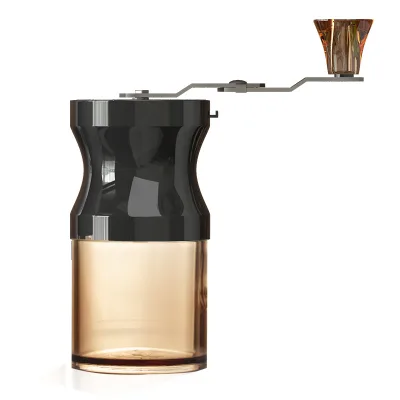
Small Portable Mini Coffee Bean Grinder Machine Mill Manual Coffee Grinder
$2.16 - $2.45
MOQ: 200 Pieces

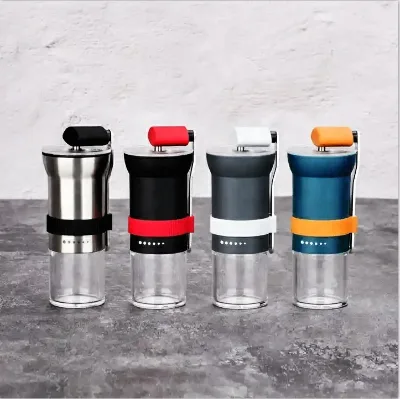
Handheld Custom Stainless Steel Manual Coffee Mill Portable Mini Coffee Grinder with Handle
$10.40 - $11.80
MOQ: 200 pieces

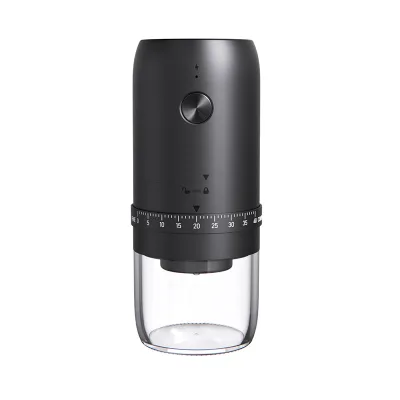
Portable Commercial Coffee Bean Grinder Household Mini USB Electric Rechargeable Coffee Grinder
$5.68 - $6.48
MOQ: 100 pieces

New Arrival Compact Coffee Grinder Stainless Steel Portable Mini Manual Coffee Grinder for Trip
$2.18 - $2.58
MOQ: 100 pieces

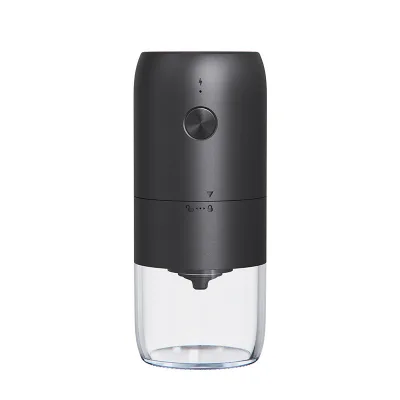
New Arrival Portable Electric Coffee Grinder Mini USB Rechargeable Coffee Bean Grinder
$6.46 - $6.78
MOQ: 100 pieces

Kitchen Portable Mini Manual Coffee Bean Grinder Hand Coffee Maker with Grinder in Cheap Price
$2.78 - $3.28
MOQ: 200 pieces

Bazhou Junjing Electric Co., Ltd.
- Verified by CTI
- Combined
- China Hebei
- Lead time15 days
- Avg. response≤ 3h
Main productsMeat Grinder, Blender, Coffee Maker, Juice Blender, Electric Meat Grinder, Coffer Grinder, Juicer, Food Chopper, Meat Chopper, Food Processor
Main marketsDomestic


Portable Mini Stainless Steel Automatic Coffee Grinder for Home Car Travel Use
$3.60 - $4.50
MOQ: 50 Pieces

- Verified by TUVRHEINLAND
- Trading Company
- China Anhui
- Lead time30 days
- Avg. response≤ 16h
Main productsCoffee Syphon, Coffee Grinder, Coffee Tampers, Coffee Dripper, Iced Brewer, Coffee Mugs, Coffee Pitcher, Tamper Mat, Coffee Mug, Coffee Maker
Main marketsSoutheast Asia/ Mideast,North America

Ningbo Mingni Import And Export Co., Ltd.
- Verified by SGS
- Manufacturer/Factory
- China Zhejiang
- Lead time23 days
- Avg. response≤ 3h
Main productsWindow Handle, Door Handle, Hinge, Gas Cooker Knob, Oven Knob, Name Plate, Cabinet Handle, Bathroom Hardware, Auto Parts
Main marketsSouth America,Eastern Europe,North America,Western Europe

Portable Mini Coffee Grinder Machine Cordless Wireless Coffee Maker Grinder Tool
$290.00 - $350.00
MOQ: 30 Pieces


Shenzhen Pengcheng Haina Foreign Trade Co., Ltd.
- Manufacturer/Factory
- China Guangdong
- Lead time23 days
- Avg. response≤ 15h
Main productsKitchenware, Household Products, Home Appliance, Outdoor Products, Hardware, LED Panel
Main marketsSouth America,Eastern Europe,Mid East,North America,Southeast Asia,Eastern Asia,Oceania,Western Europe,Africa

Guangdong Qicai Sparrow Trading Co., Ltd.
- Verified by SGS
- Combined
- China Guangdong
- Lead time15 days
- Avg. response≤ 25h
Main productsCoffee Grinder
Main marketsDomestic
Ningbo Chefshere Kitchen Technology Co., Ltd.
- Verified by TüVRheinland
- Manufacturer, Trading Company
- Lead time15 days
- Avg. response≤ 1h
Main productsSalt & Pepper Grinder, Coffee Grinder, Oil And Vinegar Dispenser, Spice Shaker, Oil Sprayer
Main marketsNorth America(27%), Western Europe(21%), Domestic Market(15%)

Lanxi Kingway International Trade Co., Ltd.
- Verified by TUVRHEINLAND
- Trading Company,Manufacturer/Factory
- China Zhejiang
- Lead time23 days
- Avg. response≤ 3h
Main productsRoofing Sheets, Doors, Iron Nails, Hinges, Paint Brush, Hand Tools, Locks, Measuring Tools, Hammers, Coffin Fitting
Main marketsSouth America,Eastern Europe,Mid East,North America,Southeast Asia,Eastern Asia,Africa

$2.81 - $3.10
MOQ: 1000 Pieces

Portable Home Espresso Grinder with Solid Wood Handle External Adjustable Settings
$17.89 - $21.00
MOQ: 1000 Pieces

LIANYUNGANG KAESHING INTERNATIONAL TRADING CO., LTD.
- Verified by TUVRHEINLAND
- Trading Company
- China Jiangsu
- Lead time15 days
- Avg. response≤ 5h
Main productsGlass Bottle, Glass Jar, Glass Cup, Glassware, High Borosilicate Glass Jar Bottle Mug, Glass Perfume Bottle, Glass Mug, Glass Decanter, Storage Jar, Fused Silica
Main marketsNorth America

Coffee Maker Kit Portable Burr Travel Mini Coffee Machine Mixer Grinder Hand Manual Coffee Grinder
$21.00 - $33.00
MOQ: 200 Pieces


Shanghai BM Industrial Co., Ltd.
- Verified by SGS
- Trading Company,Manufacturer/Factory
- China Shanghai
- Lead time38 days
- Avg. response≤ 12h
Main productsSilicone Sealant, PU Foam, PU Sealant, Silicone Adhesive, PU Adhesive, Waterproof Coating, Sealant Gun, Caulking Gun
Main marketsSouth America,Eastern Europe,Mid East,North America,Southeast Asia,Eastern Asia,Oceania,Western Europe,Africa

Portable Household Appliance Automatic Espresso Mini Portable Rechargeable Blade Coffee Grinder
$4.95 - $6.20
MOQ: 1000 Pieces

High Quality ABS Easy Operation USB Mini Portable Electric Coffee Bean Grinder
$4.95 - $5.80
MOQ: 1000 Pieces

USB Mini Electric Coffee Grinder Electric Coffee Grinders Home Office Use
$5.90 - $6.40
MOQ: 500 Pieces
Yifang Pass (Zhengzhou) Cross-Border Trade Service Co., Ltd.
- Trading Company
- Henan, China
- Lead time7 days
- Avg. response≤ 2h
Main productsvacuum cup,Sports bag,Kitchen and bathroom storage supplies,Shoes dryer,Stainless steel tools
Main marketsNorth America(40.00%), Eastern Europe(10.00%), Northern Europe(5.00%), Southern Europe(5.00%), Western Europe(5.00%), Eastern Asia(5.00%), Mid East(5.00%), Oceania(5.00%), Africa(5.00%), Southeast Asia(5.00%), South America(5.00%), South Asia(2.00%), Domestic Market(2.00%), Central America(1.00%)

Ningbo Brite Import and Export Co., Ltd.
- Verified by SGS
- Trading Company
- China Zhejiang
- Lead time23 days
- Avg. response≤ 1h
Main productsKettle, Safe Box, LED Lights, Hair Dryer, Weight Scale, Minibar Fridge, Coffee Maker, Garment Steamer, Cosmetic Mirror, Air Purifier
Main marketsAfrica

$28.80 - $49.90
MOQ: 100 Pieces

$28.80 - $49.90
MOQ: 100 Pieces


Xiamen Sinogrinder Houseware Co., Ltd.
- Verified by TUVRHEINLAND
- Trading Company
- China Fujian
- Lead time23 days
- Avg. response≤ 3h
Main productsPepper Grinder, Coffee Grinder, Salt Grinder, Spice Grinder, Salt and Pepper Grinder Set, Spice Bottle, Electric Pepper and Salt Grinder Set, Spice Jar, Salt and Pepper Grinder, Seasoning Bottle
Main marketsSouth America,Others(foreignTradeCapacity.exportBusinessCapacityMarketOther),Southeast Asia/ Mideast


Manual Coffee Portable Detachable Small Volume Stainless Steel Coffee Bean Grinder
$3.49 - $3.99
MOQ: 500 Pieces

- Verified by SGS
- Trading Company,Manufacturer/Factory,Other
- China Zhejiang
- Lead time38 days
- Avg. response≤ 17h
Main productsBath Mat, Cushion, Wooden Toys, Fitness Equipment, Cosmetic Bag, Luggage, Festival Products, Gym Items, Face Mask, Paracord Bracelet
Main marketsSouth America,Eastern Europe,Mid East,North America,Southeast Asia,Eastern Asia,Oceania,Western Europe,Africa


Hot Sale Digital Mini Ss Core Coffee Grinder 38 Levels Adjustment USB Coffee Grinder for Travel
$12.60 - $14.10
MOQ: 70 Pieces

Cixi Lotek Electrical Appliance Co., Ltd.
- Verified by SGS
- Manufacturer/Factory
- China Zhejiang
- Lead time30 days
- Avg. response≤ 9h
Main productsBlender, Hand Blender, Smoothie Blender, Hand Mixer, Food Processor, Portable Blender, Mini Chopper, Immersion Blender, Food Chopper, Coffee Grinder
Main marketsSouth America,Eastern Europe,Mid East,North America,Southeast Asia,Oceania,Western Europe,Africa

Ultron Technology (Foshan) Co., Ltd.
- Verified by TUVRHEINLAND
- Manufacturer/Factory
- China Guangdong
- Lead time30 days
- Avg. response≤ 3h
Main productsFood Blender, Bread Toaster, Electric Kettle, Air Fryer & Air Fryer Oven, Window Cleaning Robot, Coffee Maker, Meat Grinder
Main marketsEastern Europe,Mid East,Eastern Asia,Western Europe

Portable Mini Automatic Coffee Bean Grinder with Hand Maker Small Electric Coffee Grinder Machine
$4.50 - $5.20
MOQ: 3000 Pieces


Nan'an Fanghong Import and Export Co., Ltd
- Verified by SGS
- Trading Company
- China Fujian
- Lead time15 days
- Avg. response≤ 4h
Main productsShower Room\Faucet\Shower Head, Kitchen Faucet, Bathroom Faucet, Basin Faucet, Bathroom Cabinet\Wash Basin, Angle Valve, Floor Drain\Floor Filler, Kitchen Sink, Flush Valve, Kitchen Appliance
Main marketsSoutheast Asia/ Mideast,Australia
Zhengzhou Estarlink coffee Co., Ltd
- Trading Company
- Henan, China
- Lead time0 days
- Avg. response≤ 4h
Main productsCoffee Grinder,Coffee Pot,Coffee Machine,Coffee Makers,Coffee Tools
Main marketsNorth America(21.00%), Mid East(17.00%), Western Europe(15.00%), Oceania(10.00%), Southeast Asia(10.00%), Domestic Market(7.00%), Northern Europe(5.00%), Eastern Asia(5.00%), South America(4.00%), Eastern Europe(3.00%), Southern Europe(3.00%)

Yuyao Yongfei Electrical Appliance Co., Ltd.
- Verified by SGS
- Combined
- China Zhejiang
- Lead time30 days
- Avg. response≤ 2h
Main marketsSoutheast Asia/ Mideast,East Asia(Japan/ South Korea)

$500.00 - $710.00
MOQ: 100 Pieces

Mini Electric Coffee Grinder Powerful Motor Easy Clean Components Ideal for Home Use Coffee Grinder
$500.00 - $710.00
MOQ: 100 Pieces


Energy Saving 50W Electric Automatic Portable Espresso Coffee Bean Grinder Machine Coffee Grinder
$141.00 - $171.00
MOQ: 200 Pieces


Huangshan Auliz Industrial Co., Ltd.
- Manufacturer, Trading Company
- Anhui, China
- Lead time30 days
- Avg. response≤ 4h
Main productsSalt And Pepper Mill, Coffee Grinder, Oil Sprayer, Wine Opener, Cutting Board
Main marketsNorth America(50.00%), Western Europe(11.00%), Southern Europe(10.00%), Northern Europe(10.00%), Eastern Europe(10.00%), Oceania(2.00%), South Asia(1.00%), Eastern Asia(1.00%), South America(1.00%), Central America(1.00%), Africa(1.00%), Mid East(1.00%), Southeast Asia(1.00%)




Comprehensive Sourcing Guide
Portable Folding Mini Coffee Grinder Supplier Concentration and Factory Types
Current data indicates that verified suppliers for portable folding mini coffee grinders are concentrated in the Anhui province of China. This region hosts a mix of trading companies and manufacturers specializing in small kitchen appliances and home goods. The primary product categories observed include manual coffee mills, electric rechargeable grinders, and various kitchen tools like salt and pepper grinders. Buyers should note that the majority of listed entities operate as trading companies rather than direct factories, which influences their inventory depth and customization capabilities.
When evaluating the factory type, it is essential to distinguish between a trading company and a manufacturer. Trading companies often aggregate products from multiple sources, offering a broader range of items such as coffee mills, wine openers, and cutting boards under one roof. However, for specialized manufacturing of portable folding mini coffee grinders, buyers must verify if the supplier has direct production lines or if they are reselling goods from third-party factories. The presence of specific certifications like SASO, UR, LFGB, FDA, and CE/EU suggests that the supply chain adheres to international safety and quality standards, regardless of whether the entity is a trader or a factory.
How to Verify Portable Folding Mini Coffee Grinder Suppliers
Verification begins with checking for third-party audit reports, such as those from TÜV Rheinland, which confirm the legitimacy and operational capacity of the supplier. In the current dataset, verified status is explicitly linked to specific audit bodies, providing a baseline for trust. Buyers should request these verification documents directly to ensure the supplier's business license and factory address match the provided information. Relying solely on platform badges without cross-referencing independent audit reports can lead to sourcing from unverified intermediaries who may not have direct control over production quality.
Beyond basic verification, buyers must assess the supplier's response time and communication efficiency. Data shows response times can vary, with some suppliers averaging around 12.47 hours, which impacts the speed of negotiation and sample approval. A slow response time may indicate a lack of dedicated sales staff or poor management of inquiries. Additionally, buyers should confirm the availability of samples, as many suppliers offer to provide samples for manual and electric models. This step is crucial for validating product features like grind speed adjustment, material quality, and portability before committing to a larger order.
What to Compare Across Portable Folding Mini Coffee Grinder Suppliers
Comparing suppliers requires a detailed analysis of key operational metrics, including minimum order quantities (MOQ), lead times, and pricing structures. Current product listings show MOQs ranging from 100 to 200 pieces, with lead times typically set at 30 days. Buyers should compare these figures across different vendors to find a balance between cost efficiency and inventory requirements. For instance, a supplier with a lower MOQ of 100 pieces might be preferable for startups, while those offering 200 pieces might provide better unit pricing for established businesses.
Pricing and certification standards are equally critical comparison points. Unit prices for portable folding mini coffee grinders vary significantly, with ranges observed from approximately $2.16 to $11.80 depending on the model and material. Buyers must compare the price against the specific certifications held, such as LFGB, FDA, CE/EU, or RoHS, to ensure compliance with their target market regulations. Furthermore, comparing customization options like logo printing and OEM/ODM capabilities is essential. Some suppliers offer highly welcomed customization, while others may have limited flexibility, affecting the final product's branding and market fit.
Common Portable Folding Mini Coffee Grinder Sourcing Risks
One significant risk involves the discrepancy between product descriptions and actual manufacturing capabilities, particularly regarding material quality and power sources. Listings indicate a mix of manual, electric, and rechargeable models with varying materials like metal, plastic, and stainless steel. Buyers face the risk of receiving products that do not match the specified power source or material durability, especially when dealing with trading companies that may source from multiple factories. It is vital to request detailed product specifications and material certificates to mitigate this risk before finalizing any purchase agreement.
Another risk is the potential for inconsistent lead times and production delays. While standard lead times are often cited as 30 days, actual delivery can be affected by raw material shortages or production bottlenecks. Buyers should verify the supplier's ability to meet deadlines by reviewing their historical performance or requesting a production schedule. Additionally, the risk of non-compliance with safety standards is present if certifications like SASO or CE are not genuinely applied to the specific batch. Ensuring that the supplier provides valid test reports for each shipment is necessary to avoid customs issues or product recalls in the destination market.
Portable Folding Mini Coffee Grinder Regional Sourcing and Logistics
Sourcing from the Anhui region in China offers logistical advantages due to established manufacturing clusters for small kitchen appliances. However, buyers must account for the specific shipping requirements associated with portable folding mini coffee grinders, which often include battery components for electric models. These items may be classified as dangerous goods depending on the battery type, requiring specialized packaging and shipping documentation. Understanding the logistics of transporting rechargeable units is crucial to avoid delays at customs or additional freight charges that could erode profit margins.
Logistics planning also involves evaluating the packaging standards provided by suppliers. Product attributes indicate that items are typically packed in color boxes, white boxes, or cartons, with specific dimensions like 24x8x8cm or 50x100mm. Buyers should verify if the packaging is robust enough to prevent damage during transit, especially for manual grinders with moving parts. Furthermore, the single package size and gross weight, such as 0.800kg, impact shipping costs and container utilization. Buyers must calculate these factors to optimize freight costs and ensure that the final delivered price remains competitive in their target market.
Portable Folding Mini Coffee Grinder Commercial Terms and Order Planning
Commercial terms for Portable Folding Mini Coffee Grinder orders often include specific warranty periods and customization policies. Current data suggests a standard warranty of one year for many models, which provides a safety net for buyers against manufacturing defects. Buyers should clarify the terms of this warranty, including what constitutes a defect and the process for claims or replacements. Additionally, customization options like logo printing and OEM services are frequently available, but these may require higher MOQs or longer lead times. Understanding these terms is essential for planning production schedules and managing inventory levels effectively.
Order planning must also consider the sample process and payment terms. Many suppliers offer samples with a lead time of 3 to 7 days, allowing buyers to test product quality before mass production. Buyers should factor in the time required for sample approval and any necessary modifications before placing a bulk order. Payment terms, while not explicitly detailed in the current data, are typically negotiated based on the order value and supplier relationship. Establishing clear communication channels and agreeing on a detailed purchase order with specific product attributes, such as voltage and capacity, ensures that the final delivery meets all commercial and technical expectations.
FAQs
What is the minimum order quantity for manual coffee grinders?
The minimum order quantity varies by product model. Some manual coffee grinders require 100 pieces, while others need 200 pieces. Buyers should check specific product listings to confirm the exact MOQ before placing an order for their business needs.
How long does it take to receive an order?
The standard lead time for these products is 30 days. This duration applies to the manufacturing and preparation phase before shipment. Buyers should plan their inventory accordingly to ensure timely delivery for their retail or wholesale operations.
What certifications do these coffee grinders hold?
Products often carry certifications such as LFGB, FDA, CE, EU, SASO, and UR. These standards ensure safety and quality for home and commercial use. Buyers should verify specific certification details on the product page to meet local regulatory requirements.
Are customization options available for these grinders?
Yes, customization is available for most models including logo printing and packaging. Buyers can request custom designs for the product or box. This service allows businesses to create unique branded items for their specific market segments and customer preferences.
What is the price range for portable coffee grinders?
Prices range from approximately 2.16 to 11.80 US dollars per unit depending on the model. Manual grinders are generally cheaper than electric rechargeable versions. The final cost depends on the specific features, material, and order quantity selected by the buyer.
Where are these coffee grinders manufactured?
These products are manufactured in Anhui, China. The suppliers are located in this region and handle the production of various kitchen tools. Buyers can expect consistent quality from this established manufacturing hub known for its export capabilities.
Do suppliers offer samples for testing?
Many suppliers provide samples for buyers to test product quality. Sample times typically range from 3 to 7 days. This allows businesses to evaluate the grinder before committing to a larger bulk order for their inventory needs.