Rotary Pad Printing Machine with Plasma Treatment Suppliers
Source 21 verified suppliers for Rotary Pad Printing Machine with Plasma Treatment. Compare Guangdong-based manufacturers on lead times, MOQs, and pricing. Request quotes to evaluate specifications and response times; review the available evidence before requesting comparable quotations from suitable candidates.
Updated
Suppliers List
Dongguan Matal Intelligent Equipment Co., Ltd.
- Manufacturer, Trading Company
- Guangdong, China
- Lead time25 days
- Avg. response≤ 2h
Main productsScreen printing machine,Gold stamping machine,Pad printing machine,Heat transfer machine,labeler
Main marketsOceania(10.00%), Africa(10.00%), Eastern Europe(10.00%), South America(10.00%), North America(10.00%)
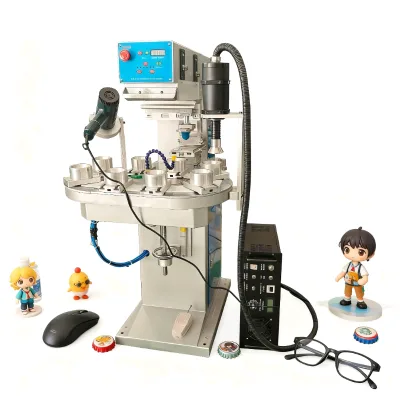
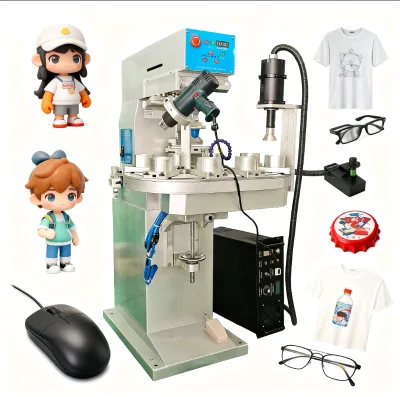
$5151.5508 - $5433.8565
MOQ: 1 boxes
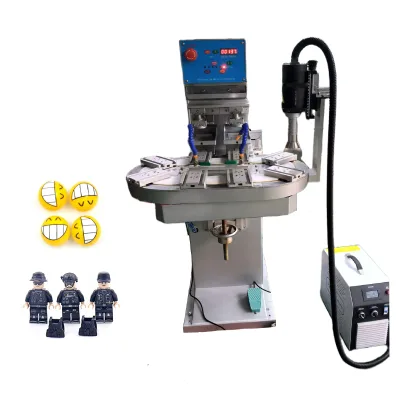
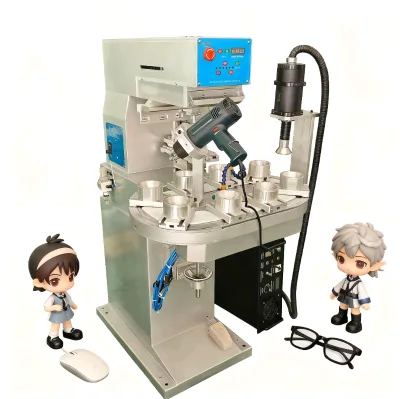
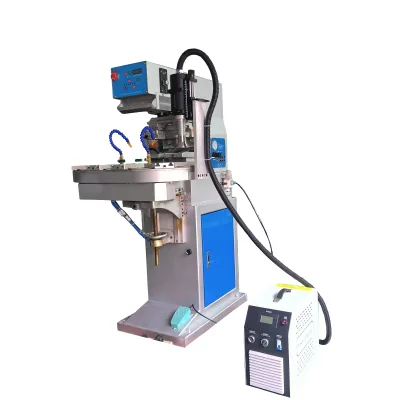
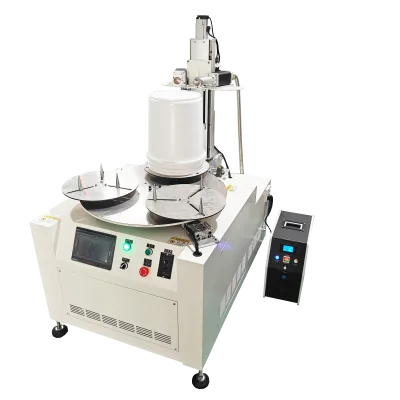
$922.8226 - $1025.3584
MOQ: 80 sets

Dongguan Hoystar Machinery Co., Ltd.
- Verified by SGS
- Manufacturer
- China Guangdong
- Lead time15 days
- Avg. response≤ 3h
Main productsScreen Printing Machine, Pad Printing Machine, UV Curing Machine, Infrared Drying Machine, UV Exposure Machine
Main marketsAfrica

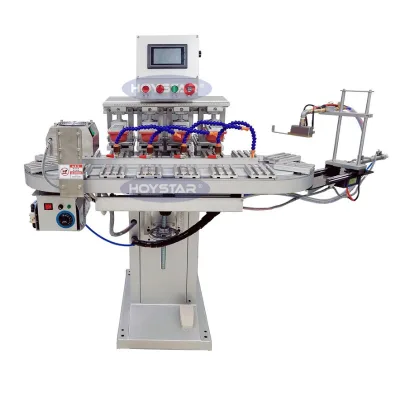
Automatic 2 Colors Bottle Caps Pad Printing Machine with Plasma Treatment
$13900.00 - $14500.00
MOQ: 1 set

Dongguan Guantu Machinery Technology Co., Ltd
- Manufacturer, Trading Company
- Guangdong, China
- Lead time15 days
- Avg. response≤ 3h
Main productsscreen printing machine,Pad Printing Machine,gilding press,thermal transfer machine,labelling machine
Main marketsNorth America(25.00%), Mid East(15.00%), Northern Europe(5.00%), Central America(5.00%), Western Europe(5.00%), Southeast Asia(3.00%), Domestic Market(2.00%), South Asia(2.00%), Southern Europe(2.00%), Africa(2.00%), Oceania(2.00%), Eastern Europe(2.00%), Eastern Asia(2.00%), South America(2.00%)
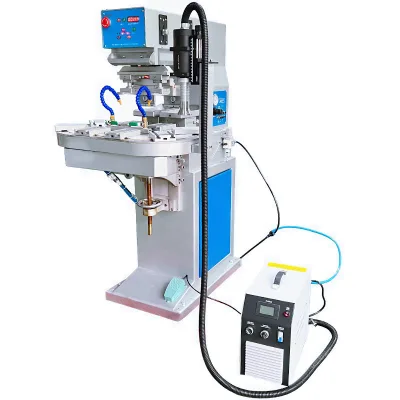
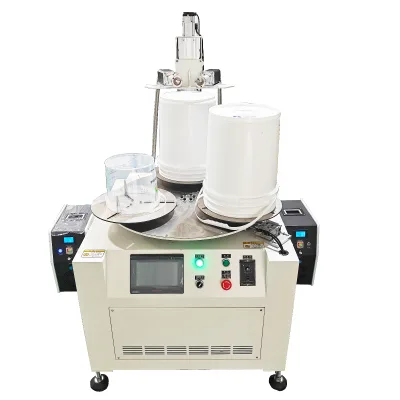
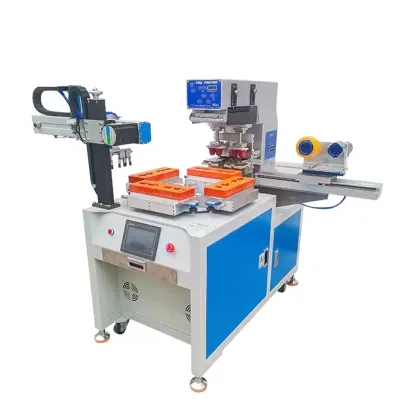
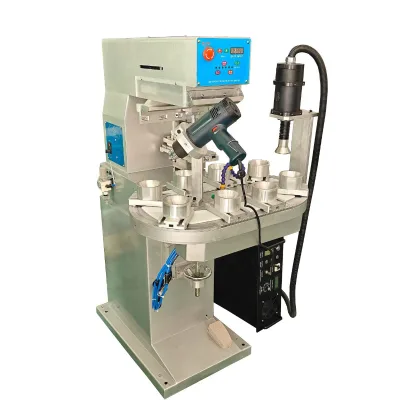
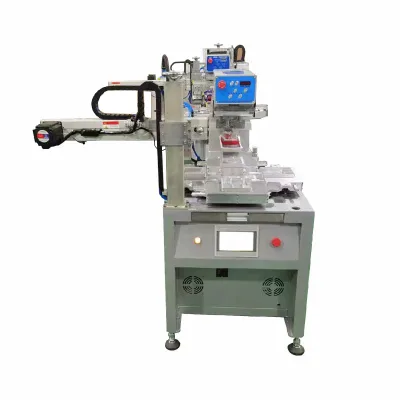
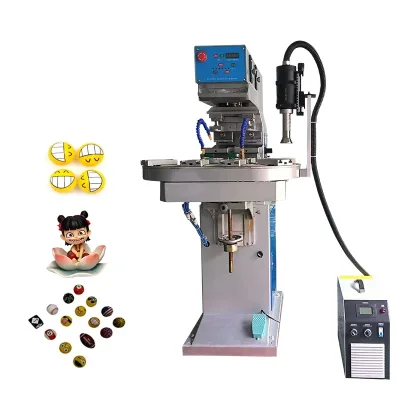
$4865.8716 - $5155.7546
MOQ: 1 sets

Dongguan Chang-Ho Printing Machinery Co., Ltd.
- Verified by TUVRHEINLAND
- Combined
- China Guangdong
- Lead time15 days
- Avg. response≤ 5h
Main productsScreen Printing Machine, Pad Printing Machine, Automatic Pad Printer, Automatic Screen Printer, Silk Screen Printer, Rotary Screen Printer, Flat Silk Screen Printing Machine, Round Silk Screen Printer, Scale Printing Machine, Stationery Ruler Screen Printer
Main marketsOthers(foreignTradeCapacity.exportBusinessCapacityMarketOther)

Xiamen Xinteyin Industry and Trade Co., Ltd.
- Verified by SGS
- Combined
- China Fujian
- Lead time30 days
- Avg. response≤ 4h
Main productsScreen Printing Machine, Pad Printing Consumables, Pad Printing Machine, Gold Stamping Machine, Heat Transfer Machine, Laser Marking Machine, Screen Printing Screen, Pad Plate, Printing Ink, Custom Printing Equipment
Main marketsSoutheast Asia/ Mideast,Europe,North America


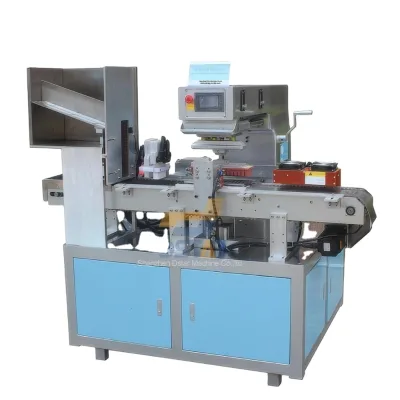
High-Efficiency Pad Printing Machine with Quick-Dry Feature Pad Printing Machine
$750.00
MOQ: 1 Pieces


CHANGZHOU LOYALTY INDUSTRY CO.,LTD
- Verified by TUVRHEINLAND
- Trading Company
- China Jiangsu
- Lead time15 days
- Avg. response≤ 2h
Main productsSingle Needle Quilting Machine, Plastic Injection Molding Machine, Plasitc Extrusion Blowing Molding Machine, Plastic Injection Mould, Home Textile Sewing Machine, Ultrasonic Quilting Machine, Spunbond Nonwoven Fabric, Spun-Bonded Non Woven Production Line, Flexible LED Stripe Light with Water Proof Joint, Nonwoven Fabric Bag Making Machine
Main marketsAfrica,Southeast Asia/ Mideast,Europe
Dongguan Hoystar Machinery Co., Ltd.
- Manufacturer, Trading Company
- Guangdong, China
- Lead time15 days
- Avg. response≤ 3h
Main productsscreen printing machine,Pad printing machine,UV curing machine,Infrared drying machine,Automatic Screen Printer
Main marketsSouth Asia(15.00%), Western Europe(10.00%), Southeast Asia(10.00%), Oceania(10.00%), Eastern Asia(10.00%), Northern Europe(8.00%), Eastern Europe(8.00%), Domestic Market(5.00%), Mid East(5.00%), Central America(5.00%), North America(5.00%), South America(5.00%), Southern Europe(2.00%), Africa(2.00%)

Shenzhen Shengxin Automation Equipment Co., Ltd.
- Verified by SGS
- Manufacturer
- China Guangdong
- Lead time30 days
- Avg. response≤ 10h
Main productsScreen Printing Machine, Hot Stamping Machine, Assembly Machine, Labeling Machine, Glass Bottle Silk Screen Printing Machine, Bottle Cover Printing, Bottle Cap Hot Stamping, Automatic Caps and Closures Assembly Machine, Plastic/Metallic/Glass Container Screen Printing, Plastic/Metallic/Glass Container Hot Stamping
Main marketsDomestic

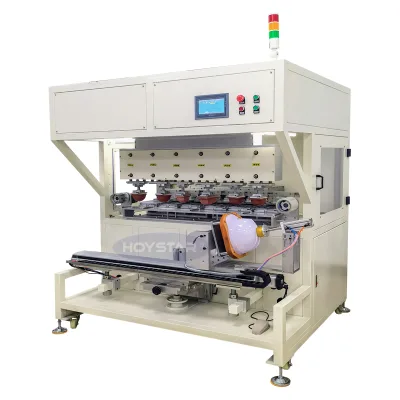
Pad Printing Machine with 12 Position Clip Type Rotary Turntable, Fast Printing
$150000.00 - $160000.00
MOQ: 1 Pieces

Pad Printing Machine with Automatic Stand-up Infeed and Outfeed System, Pad Print System
$150000.00 - $160000.00
MOQ: 1 Pieces

Fuzhou Smartell Technology Co., Ltd.
- Manufacturer/Factory
- China Fujian
- Lead time120 days
- Avg. response≤ 4h
Main productsMedical Molds, Syringe Pad Printing Machine, Syringe Assembly Machine, Hypodermic Needle Assembly Machine, Infusion Set Assembly Machine, Soft Blister Packing Machine, Syringe Packing Machine, Eto Sterilization Machine, Syringe Full Line Molds and Machine, Infusion Set Full Line Molds and Machines
Main marketsSouth America,Eastern Europe,Mid East,North America,Southeast Asia,Eastern Asia,Africa


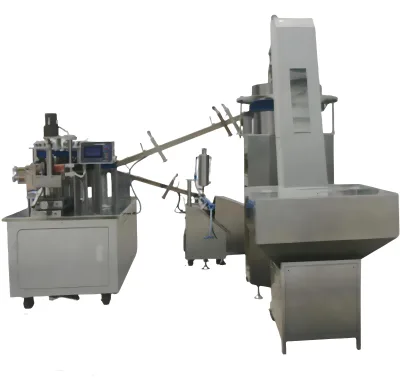
Automatic Syringe Pad Printing Machine - Solution for Syringe Production Projects
$27800.00 - $29800.00
MOQ: 1 Sets
Shenzhen DSTAR Machine Co., ltd.
- Manufacturer
- Guangdong, China
- Lead time15 days
- Avg. response≤ 4h
Main productsautomatic pad printing machine,screen printing machine,foil stamping machine,heat transfer printing machine,printing consumable
Main marketsDomestic Market(40.00%), South Asia(15.00%), North America(12.00%), Southeast Asia(10.00%), Western Europe(8.00%), Africa(5.00%), Southern Europe(5.00%), South America(3.00%), Oceania(1.00%), Eastern Asia(1.00%)
Dongguan Hoystar Machinery Co., Ltd.
- Manufacturer, Trading Company
- Lead time旺季: "1 - 1":7,"> 1":"To be negotiated", 淡季: "1 - 1":7,"> 1":"To be negotiated"
- Avg. response≤ 2h
Main productsScreen Printing Machine, Pad Printing Machine
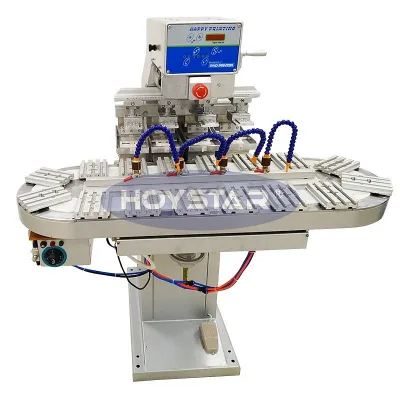
$4004.3821 - $4928.4703
MOQ: 1 sets
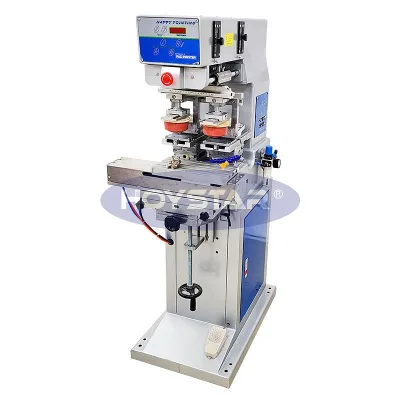
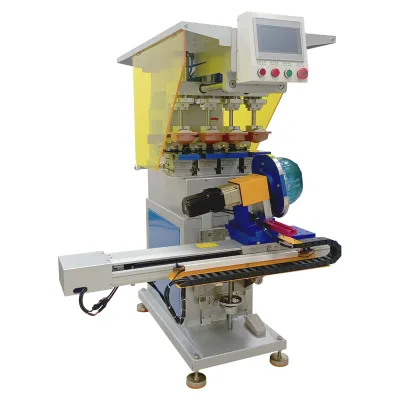
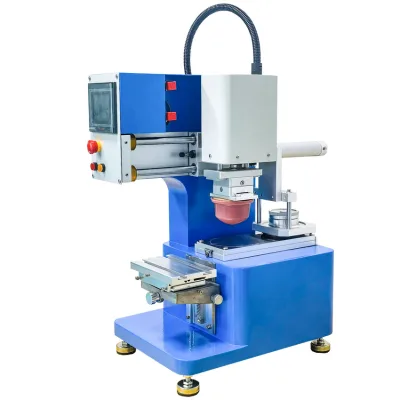
Pad Printing Machine Spectacles Case Printing Machine
$950.00 - $1250.00
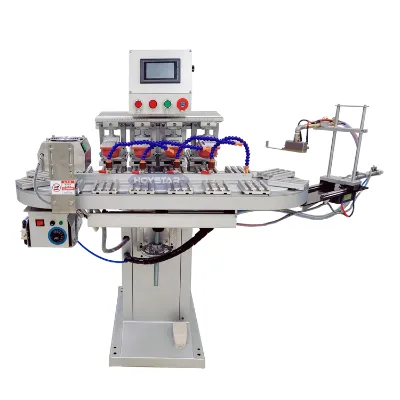
$3666.00 - $4230.00
MOQ: 1 units
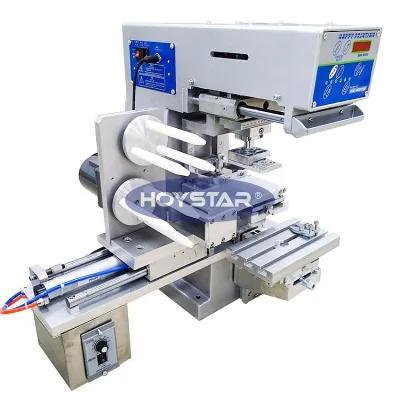

LUEN CHEONG PRINTING EQUIPMENT LTD
- Verified by TUVRHEINLAND
- Combined
- China Guangdong
- Lead time15 days
- Avg. response≤ 1h
Main productsFull Automatic UV Screen Printer, Plane/Cylinder Silk Screen Printer, Hot Foil Stamping Machine, UV Curing Machine, Pens Bottles Printer, Ink Cup/Tray Pad Printing Machine, UV Printing Machine, Bottle Screen Printing Machine, Pad Printing Machine, Automatic Pad Printer
Main marketsNorth America

$9400.00 - $9800.00
MOQ: 1 Pieces


Dongguan RealTech Machinery Equipment Co., Ltd.
- Combined
- China Guangdong
- Lead time15 days
- Avg. response≤ 5h
Main productsUV Curing Machine, Automatic Screen Printing Machine
Main marketsSoutheast Asia/ Mideast,Europe,North America

Suzhou Paifeite Automation Technology Co., Ltd.
- Verified by TUVRHEINLAND
- Combined
- China Jiangsu
- Lead time60 days
- Avg. response≤ 3h
Main productsPen Making Machine, Pen Prooduction Line, Pen Assembly Machine
Main marketsAfrica,Southeast Asia/ Mideast,East Asia(Japan/ South Korea),Domestic,Europe,Australia
Dongguan Howell Machinery Limited
- Verified by Intertek
- Manufacturer, Trading Company
- Lead time5 days
- Avg. response≤ 3h
Main productsPad Printers, Screen Printers
Main marketsNorth America(30%), Domestic Market(20%), Southeast Asia(13%)

SHEN FA ENG. CO., LTD.(GUANGZHOU)
- Combined
- China Guangdong
- Lead time23 days
- Avg. response≤ 25h
Main productsFully Automatic Screen Printing Machine, Automatic Servo Screen Printer, Automatic Hot Stamping Machine, Automatic Labeling Machine, Pad Printing Machine, Tempo Printing Machine, Digital Inkjet Printing Machine, Silk Screen Printer, Screen Printing Machine for Cosmetic Packaging, Automatic Screen Printer for Plastic Bottle
Main marketsSouth America,Africa,Others(foreignTradeCapacity.exportBusinessCapacityMarketOther),Southeast Asia/ Mideast,East Asia(Japan/ South Korea),Domestic,Europe,Australia,North America
Changsha Deliou Technology Development Co., Ltd.
- Verified by SGS Group
- Manufacturer, Trading Company
- Lead time15 days
- Avg. response≤ 2h
Main productsScreen Printing Machine, Pad Printing Machine, Heat Press Machine, UV Printing Machine, Offset Printing Machine
Main marketsNorth America(20%), Southeast Asia(10%), Mid East(10%)
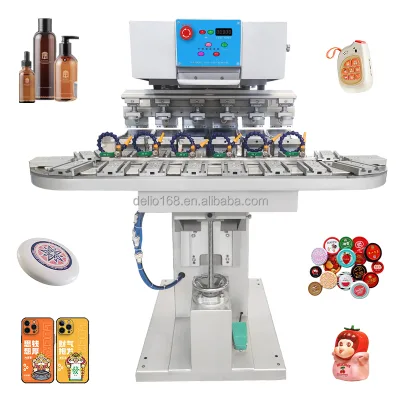
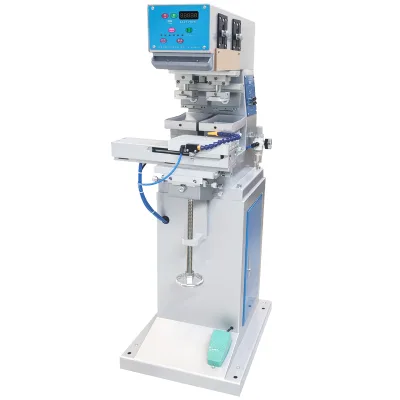
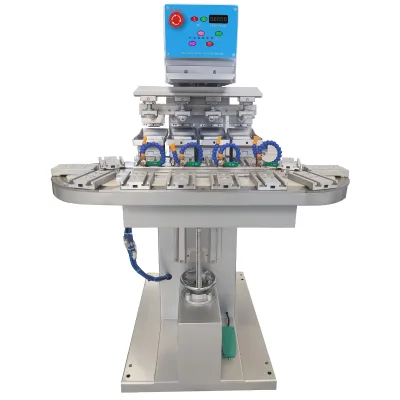
$1998.7682 - $2082.9062
MOQ: 1 sets
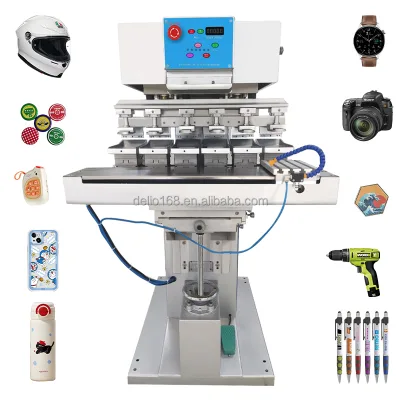
Semi-Automatic Pad Printing Machine for 6 Color Cups Curved Surface Printing
$2044.00 - $2085.00

Zhongshan Centurial Medical Technology Co., Ltd.
- Verified by BV
- Combined
- China Guangdong
- Lead time15 days
- Avg. response≤ 11h
Main marketsAfrica,Others(foreignTradeCapacity.exportBusinessCapacityMarketOther),Southeast Asia/ Mideast,Europe,North America

Wholesale Endotracheal Tubes Pad Printing Machine with Factory Price
$8770.00 - $9050.00
MOQ: 1 Pieces


Zhengzhou Share Machinery Co., Ltd.
- Trading Company
- Henan, China
- Lead time7 days
- Avg. response≤ 3h
Main productsConstruction Machinery/Industrial Machinery/Printing Machinery
Main marketsSouth America(20.00%), North America(20.00%), Africa(10.00%), Southeast Asia(10.00%), Eastern Europe(10.00%), Oceania(7.00%), South Asia(5.00%), Southern Europe(5.00%), Central America(5.00%), Western Europe(2.00%), Eastern Asia(2.00%), Northern Europe(2.00%), Mid East(2.00%)
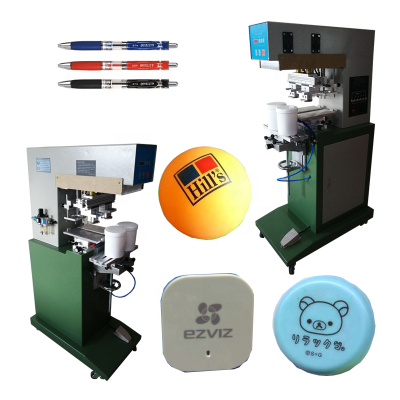
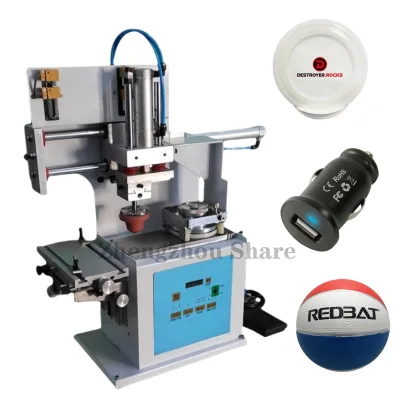
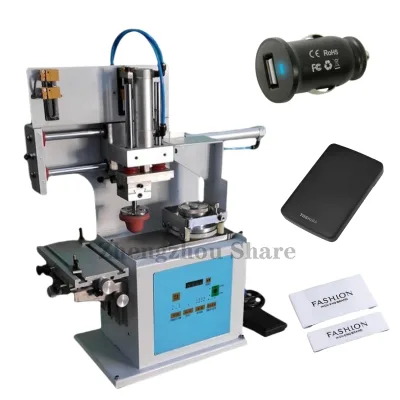
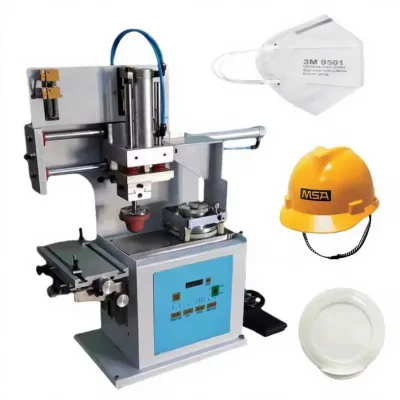
Pad Printing Machine Automatic Monochrome Desktop Oil Cup Pad Printing Machine
$659.00 - $699.00
MOQ: 1 sets
Hebei Gucheng Brake Equipment Import And Export Co., Ltd.
- Trading Company
- Hebei, China
- Lead time45 days
- Avg. response≤ 3h
Main productsBrake Pad Porduction Line,Brake Pad Productioin Equipment,Brake Shoes Production Liine,Brake Shoes Production Equipment,Steel Back Production Equipment
Main marketsMid East(60.00%), Domestic Market(20.00%), Africa(20.00%)

Zhongshan Centurial Medical Technology Co., Ltd.
- Verified by BV
- Combined
- China Guangdong
- Lead time15 days
- Avg. response≤ 14h
Main productsFoley Catheter Cannula, Endotracheal Tube, Oxygen Mask, Non-Rebreathing Mask, Nebulizer Mask, Yankauer Suction, Nasal Cannula, Laryngeal Mask, Urine Bag, Aneasthesia Mask
Main marketsAfrica,Others(foreignTradeCapacity.exportBusinessCapacityMarketOther),Southeast Asia/ Mideast,Europe,North America






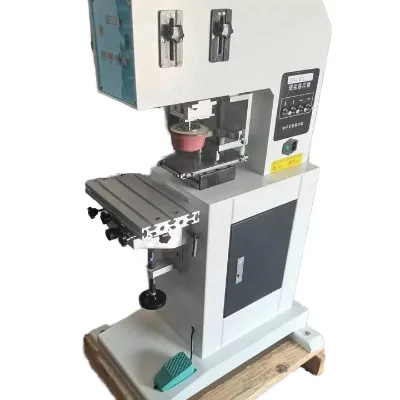
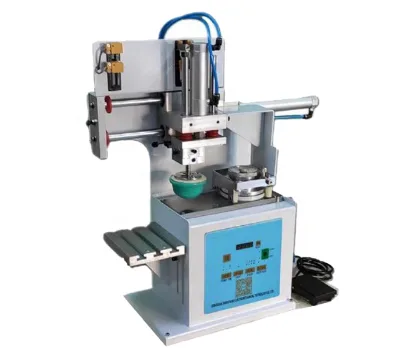


Comprehensive Sourcing Guide
Rotary Pad Printing Machine with Plasma Treatment Supplier Concentration and Factory Types
The current supplier landscape for rotary pad printing machines with plasma treatment is heavily concentrated in Guangdong, China, a region widely recognized for its advanced manufacturing infrastructure and specialized machinery clusters. This geographic concentration suggests that buyers will find a high density of potential partners in this specific province, which often correlates with established supply chains for components like pneumatic drives, PLC systems, and plasma treatment units. When evaluating suppliers in this region, it is crucial to distinguish between pure manufacturers and trading companies, as the company type significantly impacts the sourcing experience. The available data indicates that the market includes both manufacturers and trading companies, each offering distinct advantages depending on the buyer’s specific needs for direct factory access versus broader product variety. Manufacturers typically provide deeper technical support and customization capabilities, particularly for complex rotary systems that integrate plasma pretreatment and drying functions, while trading companies may offer more flexible packaging or bundled solutions.
Understanding the operational scope of these entities is vital for aligning expectations with reality. Many suppliers in this cluster specialize in a range of printing equipment, including screen printing machines, gold stamping machines, and heat transfer machines, which indicates a broad mechanical engineering capability rather than a narrow focus on pad printing alone. This diversification can be beneficial, as it suggests that the supplier has robust experience with precision mechanical components and automation systems that are transferable to rotary pad printing applications. However, buyers must verify that the specific Rotary Pad Printing Machine with Plasma Treatment they are interested in is a core competency of the supplier, rather than a peripheral offering. The presence of both automatic and semi-automatic grades in the product listings further highlights the varying levels of technological sophistication available, ranging from basic desktop units to fully automatic rotary systems with PLC connectivity. This diversity requires buyers to carefully assess whether the supplier’s primary focus aligns with their production volume and automation requirements.
How to Verify Rotary Pad Printing Machine with Plasma Treatment Suppliers
Verification of suppliers requires a multi-layered approach that goes beyond basic company registration checks, focusing specifically on the technical capabilities and operational reliability of the entity. One critical step is to examine the supplier’s verification status, such as SGS verification, which provides an external layer of confidence regarding their business legitimacy and operational practices. However, verification status alone is not a substitute for technical due diligence. Buyers should request detailed machinery test reports and core component warranties to ensure that the Rotary Pad Printing Machine with Plasma Treatment meets international safety and performance standards. The presence of a one-year warranty on core components, such as bearings, is a common indicator of manufacturer confidence, but buyers must clarify the scope of this warranty, including whether it covers labor and shipping costs for replacements. Additionally, verifying the supplier’s ability to provide OEM and ODM services is essential for buyers who require custom configurations, such as specific plasma treatment intensities or unique rotary table sizes for specialized substrates like perfume bottles or medical containers.
Another vital aspect of verification is assessing the supplier’s responsiveness and communication efficiency, which can serve as a proxy for their after-sales support quality. The response time data indicates that some suppliers respond within two days, while others may take slightly longer, which can impact the speed of quotation and technical clarification processes. Buyers should initiate contact with multiple suppliers to gauge the depth of their technical knowledge, asking specific questions about the plasma treatment system’s integration with the printing cycle and the dryer’s efficiency. It is also important to verify the supplier’s main products to ensure they are not merely resellers with limited technical support. For instance, if a supplier lists UV curing machines and infrared drying machines as main products alongside pad printers, it suggests a comprehensive understanding of the post-printing process, which is crucial for ensuring the longevity and quality of the printed output. Buyers should also check for any discrepancies in the supplier’s declared location versus their actual operational base, as this can affect logistics and potential site visits.
What to Compare Across Rotary Pad Printing Machine with Plasma Treatment Suppliers
When comparing suppliers, buyers must evaluate a range of commercial and technical parameters to determine the best fit for their operational needs. Lead time is a critical factor, with some suppliers indicating a lead time of fifteen days, while others may require up to twenty-five days for production and preparation. This variance can significantly impact production planning, especially for buyers with tight inventory constraints or urgent project deadlines. Alongside lead time, the minimum order quantity (MOQ) is a key differentiator, with some suppliers offering an MOQ of just one unit, which is ideal for small-scale testing or niche applications, while others may require higher volumes, such as eighty units, which is more suitable for large-scale industrial deployment. Buyers should also compare the price ranges, which can vary widely from approximately one hundred dollars for basic units to over fourteen thousand dollars for advanced, multi-color rotary systems with extensive automation features. This price disparity often reflects differences in automation level, color capacity, and the sophistication of the plasma treatment system.
Beyond price and quantity, buyers should compare the technical specifications and customization options offered by each supplier. The automatic grade of the machine, whether semi-automatic or fully automatic, directly influences labor costs and production speed, so buyers must align this with their workforce capabilities. The number of colors supported, ranging from single-color to dual-color or even eight-station configurations, is another crucial comparison point, as it determines the complexity of designs that can be printed in a single pass. Additionally, the drive mode, such as pneumatic drive or mechanical cam drive, affects maintenance requirements and operational stability. Buyers should also compare the warranty terms and the availability of spare parts, as these factors contribute to the total cost of ownership. The inclusion of plasma treatment and drying systems as standard or optional features should also be compared, as these components are essential for ensuring proper ink adhesion on difficult substrates. By systematically comparing these attributes, buyers can identify suppliers that offer the best balance of cost, performance, and support.
Common Rotary Pad Printing Machine with Plasma Treatment Sourcing Risks
Sourcing rotary pad printing machines with plasma treatment from international suppliers involves several inherent risks that buyers must proactively manage to avoid operational disruptions. One significant risk is the potential mismatch between the supplier’s technical specifications and the buyer’s actual production requirements. For example, a supplier may advertise a Rotary Pad Printing Machine with Plasma Treatment, but the plasma system’s power output or treatment area may be insufficient for the buyer’s specific substrate material, such as certain plastics or metals. This mismatch can lead to poor ink adhesion and high rejection rates, resulting in costly production delays. Another risk is the variability in build quality and component sourcing, as some suppliers may use lower-grade bearings or PLC systems to reduce costs, which can compromise the machine’s long-term reliability and precision. Buyers must be vigilant in verifying the core components and requesting detailed technical drawings to ensure that the machine meets their quality standards.
Logistical and compliance risks are also prevalent in international machinery sourcing. The heavy weight and large dimensions of rotary pad printing machines, which can exceed one thousand kilograms and require specialized packaging, increase the risk of damage during transit. Buyers must ensure that the supplier uses robust wooden case packaging and adequate insurance coverage to mitigate this risk. Additionally, there is a risk of non-compliance with local electrical and safety standards, as the voltage and frequency specifications, such as 220V 50/60Hz, may need to be adapted to the buyer’s local grid. Buyers should verify that the supplier can provide the necessary certifications and documentation for customs clearance and local regulatory approval. Furthermore, the risk of communication barriers can lead to misunderstandings regarding technical requirements and after-sales support terms. Buyers should establish clear communication channels and document all technical agreements in writing to minimize the potential for disputes and ensure that both parties have a shared understanding of the machine’s capabilities and limitations.
Rotary Pad Printing Machine with Plasma Treatment Regional Sourcing and Logistics
The geographic concentration of suppliers in Guangdong, China, offers distinct logistical advantages and challenges for buyers sourcing rotary pad printing machines with plasma treatment. This region benefits from a mature port infrastructure and a dense network of freight forwarders, which can facilitate efficient export processes. However, buyers must carefully plan the logistics of transporting heavy and oversized machinery, as these items often require specialized shipping methods such as full container loads or break-bulk shipping. The dimensions of the machines, which can exceed one meter in length, width, and height, necessitate precise planning for container loading and unloading at the destination port. Buyers should work closely with their freight forwarders to ensure that the packaging is designed to withstand the stresses of ocean freight and that the machinery is properly secured to prevent movement during transit. Additionally, the lead time for shipping can vary depending on the destination and the availability of container space, so buyers should factor this into their overall procurement timeline.
Customs clearance and import duties are another critical aspect of regional sourcing logistics. Buyers must ensure that they have the correct HS codes and documentation to facilitate smooth customs clearance, as delays in this process can result in additional storage fees and production downtime. The supplier’s ability to provide accurate commercial invoices, packing lists, and certificates of origin is essential for this process. Buyers should also consider the impact of local regulations on the import of industrial machinery, including any requirements for pre-shipment inspections or specific safety certifications. Furthermore, the choice of Incoterms, such as FOB or CIF, will determine the responsibility for shipping and insurance costs, so buyers should negotiate these terms carefully to align with their risk tolerance and logistical capabilities. By understanding the logistical nuances of sourcing from this region, buyers can optimize their supply chain and minimize the potential for delays and additional costs.
Rotary Pad Printing Machine with Plasma Treatment Commercial Terms and Order Planning
Effective order planning for rotary pad printing machines with plasma treatment requires a thorough understanding of the commercial terms and payment structures offered by suppliers. The price range for these machines can vary significantly, from approximately one hundred dollars for basic models to over fourteen thousand dollars for advanced, multi-color systems, so buyers must align their budget with their production needs. It is crucial to clarify whether the quoted price includes the plasma treatment system, dryer, and any necessary software licenses, as these components can significantly impact the total cost. Buyers should also inquire about the payment terms, such as the percentage of advance payment and the balance due upon shipment or installation, to manage their cash flow effectively. Additionally, buyers should verify the warranty terms, including the duration and coverage of the one-year warranty on core components, to ensure that they are protected against potential defects.
Beyond the initial purchase, buyers must plan for the long-term commercial relationship with the supplier, including after-sales support and spare parts availability. The availability of OEM and ODM services can be beneficial for buyers who require custom modifications, but it is essential to establish clear agreements regarding intellectual property rights and modification costs. Buyers should also consider the supplier’s response time and technical support capabilities, as these factors will impact the speed of issue resolution and machine downtime. It is advisable to negotiate a service level agreement that outlines the supplier’s responsibilities for remote troubleshooting, on-site installation, and training. Furthermore, buyers should plan for the procurement of consumables, such as printing pads and inks, to ensure a continuous supply and minimize production interruptions. By carefully planning the commercial terms and order process, buyers can establish a sustainable and efficient sourcing relationship that supports their long-term production goals.
FAQs
What is the price range for rotary pad printing machines with plasma treatment?
Prices vary significantly based on configuration and automation level. Basic single-color desktop units start around $100, while advanced multi-station rotary models with plasma pretreatment can range from $4,600 to over $14,500. Buyers should verify specific pricing for their required color capacity and throughput needs.
What is the typical lead time for manufacturing these machines?
Manufacturers generally report lead times between 15 and 25 days for production. This timeframe applies to standard configurations of rotary pad printing machines equipped with plasma treatment systems. Buyers requiring expedited delivery or custom OEM specifications should confirm exact schedules directly with suppliers before placing orders.
What is the minimum order quantity for these printing machines?
Minimum order quantities vary by supplier and machine type. Some suppliers accept orders for a single unit, while others require a minimum of 80 units for certain pre-press equipment configurations. Buyers should check the specific MOQ requirements for the exact model and automation grade they intend to purchase.
Where are these machines typically manufactured?
These machines are predominantly manufactured in Guangdong, China. This region is a major hub for commercial equipment and machinery production, including pad printers and screen printing machines. Buyers sourcing from this location should verify shipping logistics and ensure suppliers meet international quality standards for export.
What response times can buyers expect from suppliers?
Suppliers typically respond to inquiries within 2 to 2.52 hours. Fast response times indicate active sales teams ready to discuss technical specifications and pricing. Buyers should expect prompt communication regarding machine capabilities, plasma treatment integration, and customization options for their specific printing applications.
What certifications do these machines have?
Certification status varies by supplier. Some manufacturers hold SGS verification, while others may not list specific system certifications. Buyers should request current certification documents and machinery test reports to ensure compliance with safety and performance standards before finalizing procurement decisions for industrial printing operations.