Multifunctional Slush Machine for Bar Suppliers and Manufacturers
Source Multifunctional Slush Machine for Bar units from 26 verified suppliers in China. Compare response times, lead times, MOQs, and certifications like ISOCE and CE. Contact suppliers directly to request quotes and verify production capabilities; review the available evidence before requesting comparable quotations from suitable candidates.
Updated
Suppliers List

Shandong Shenglang Kitchen Co., Ltd.
- Verified by TUVRHEINLAND
- Combined
- China Shandong
- Lead time15 days
- Avg. response≤ 3h
Main marketsSoutheast Asia/ Mideast

Foshan Yueyueyue Intelligent Technology Co., Ltd.
- Verified by SGS
- Combined
- China Guangdong
- Lead time30 days
- Avg. response≤ 1h
Main productsCommercial Refrigerator, Commercial Freezer, Display Freezer, Display Cooler, Ice Maker, Icecream Maker, Mini Fridge, Beef Cabinet, Air Dryer, Blast Freezer
Main marketsDomestic

WELLCOOLING INTELLIGENT TECHNOLOGY (JM) CO., LTD.
- Manufacturer
- China Guangdong
- Lead time23 days
- Avg. response≤ 14h
Main productsIce Cream Machine, Slush Machine, Popsicle Machine, Juice Dispenser, Ice Cream Cone Machine, Ice Making Machine, Water Vending Machine, Frozen Yogurt Machine, Food Mixer, Ice Cream Display Freezer
Main marketsSoutheast Asia/ Mideast,Europe,North America


Frozen Drink 6 in 1 Multifunctional Slushie Smoothie Slushy Margarita Machine
$1198.00 - $1298.00
MOQ: 1 Pieces

Foodspark Kitchen Equipment (Shanghai) Co., Ltd.
- Trading Company
- Shanghai, China
- Lead time7 days
- Avg. response≤ 4h
Main productsFast food equipment,Snack equipment,Food processing equipment,Refrigeration equipment,Baking Equipment
Main marketsEastern Europe(40.00%), North America(20.00%), South America(20.00%), Central America(10.00%), Domestic Market(1.00%), South Asia(1.00%), Southern Europe(1.00%), Northern Europe(1.00%), Southeast Asia(1.00%), Western Europe(1.00%), Eastern Asia(1.00%), Mid East(1.00%), Oceania(1.00%), Africa(1.00%)
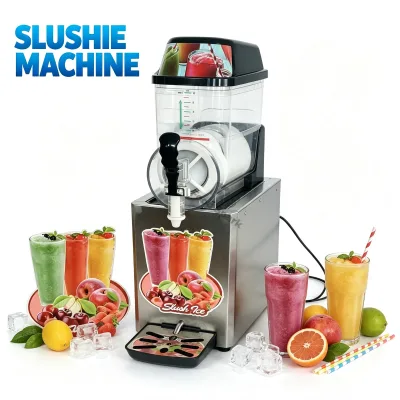
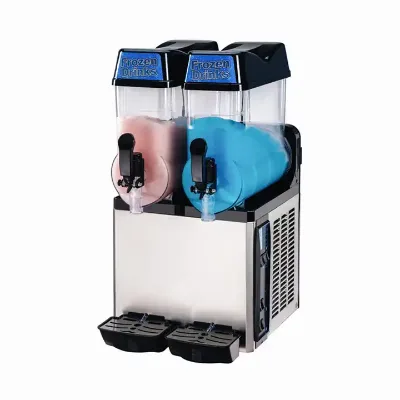
2 tank Cold Drink Slush Making Machine Slush for Sale Cold Drink Slash Machine
$428.1687 - $649.9911
MOQ: 1 units
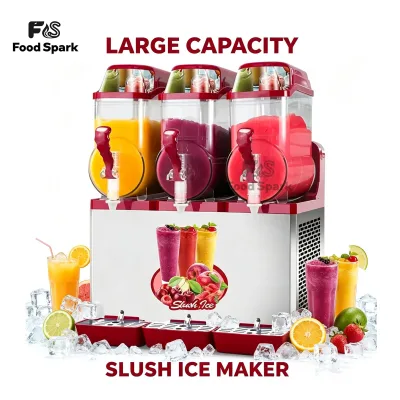
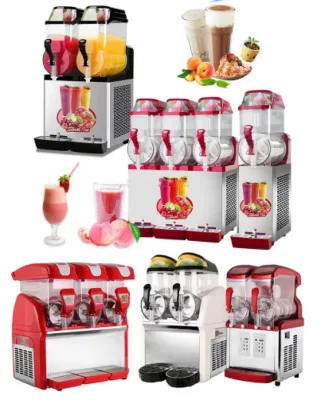
Tasty Single Tank Slush Double Tanks Three Tanks Machine of Various Flavors and Strength
$434.1542 - $659.0763
MOQ: 1 units
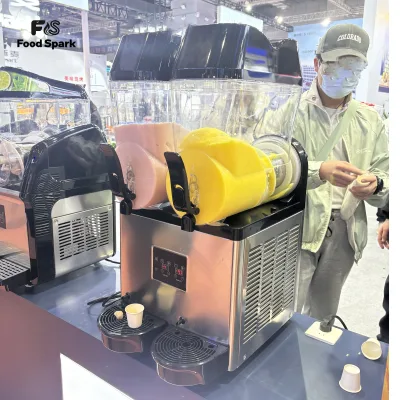
Cold Drink Machine Casual Restaurant Self-service Restaurant Beverage Machine Commercial Equipment
$574.00 - $627.00
MOQ: 1 units

Hangzhou Creato Machinery Co., Ltd.
- Verified by BV
- Trading Company
- China Zhejiang
- Lead time30 days
- Avg. response≤ 6h
Main productsFood Mixer, Vegetable Cutter, Drywall Sanders, Chocolate Fountain, Airless Paint Sprayer, Constructions Tool, Ice Cream Machine, Paint Remover, Meat Mincer, Bone Saw Machine
Main marketsSouth America,Africa,Southeast Asia/ Mideast,Europe,Australia,North America


$520.00 - $600.00
MOQ: 1 Pieces
Henan Shanpu Machinery Equipment Co., Ltd.
- Trading Company
- Henan, China
- Lead time0 days
- Avg. response≤ 2h
Main productsoil press machine,package machine,juicer machine,Woodworking machinery,Rubber and plastic machinery
Main marketsNorth America(15.00%), Mid East(10.00%), Northern Europe(10.00%), Western Europe(10.00%), Southeast Asia(10.00%), Eastern Europe(10.00%), Southern Europe(10.00%), Oceania(5.00%), South Asia(5.00%), Africa(5.00%), South America(5.00%), Central America(2.00%), Eastern Asia(2.00%), Domestic Market(1.00%)
Shandong Chenxiang Machinery Equipment Co., Ltd.
- Manufacturer, Trading Company
- Shandong, China
- Lead time7 days
- Avg. response≤ 2h
Main productsFood Trucks,Commercial Equipment and Machinery,Packaging Supplies,Cargo Bundling Services,Transportation Services
Main marketsNorth America(36.00%), Central America(16.00%), South America(15.00%), Northern Europe(13.00%), Western Europe(10.00%), Oceania(10.00%)
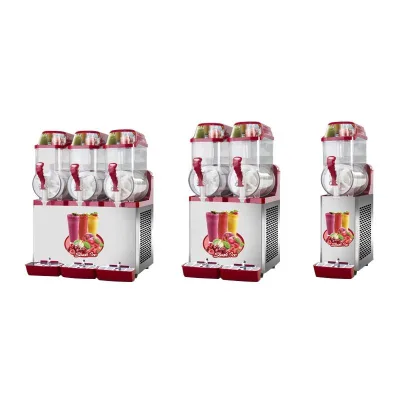
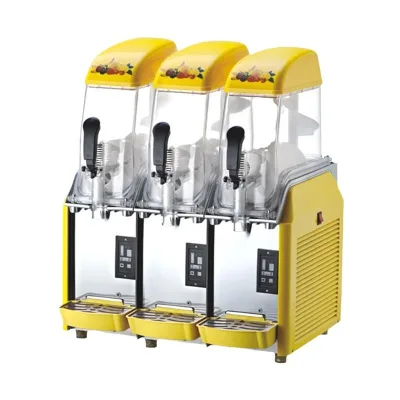
Space-Saving Slush Machine Compact Design for Small Bars & Kiosks
$670.00 - $860.00
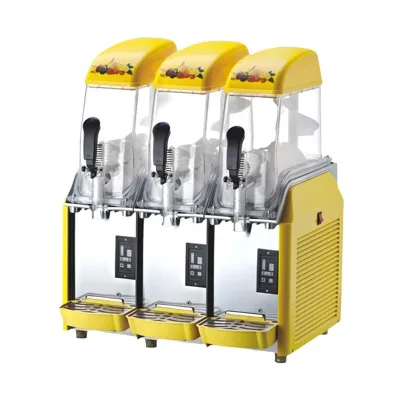
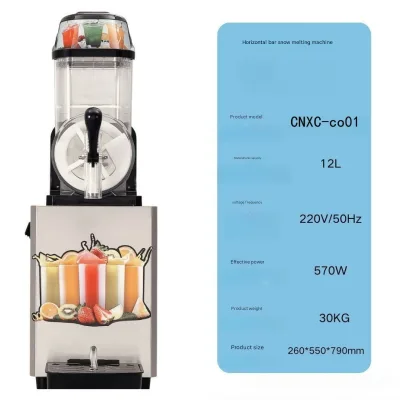
Stainless Steel Slush Machine for Long-Lasting Performance
$395.00 - $467.00
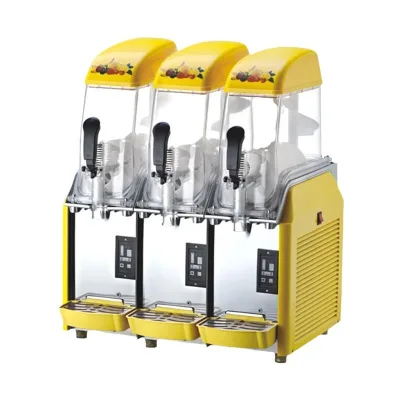
New slush machines for sale, ready to use
$670.00 - $860.00
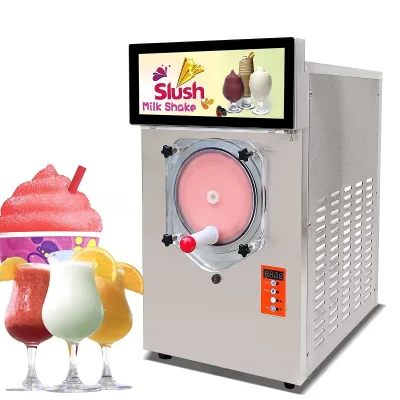
Heavy Duty Commercial Slush Machine Durable Construction Long Lifespan
$1413.00 - $1694.00
Dongguan Top Machinery Co., Ltd.
- Trading Company
- Lead time旺季: "1 - 1":15,"> 1":"To be negotiated", 淡季: "1 - 1":15,"> 1":"To be negotiated"
- Avg. response≤ 3h
Main productsMetal Marking Machine,Badge Machine,Automotive Maintenance and Diagnostic products,Jewelry making machinery,Sports Machinery
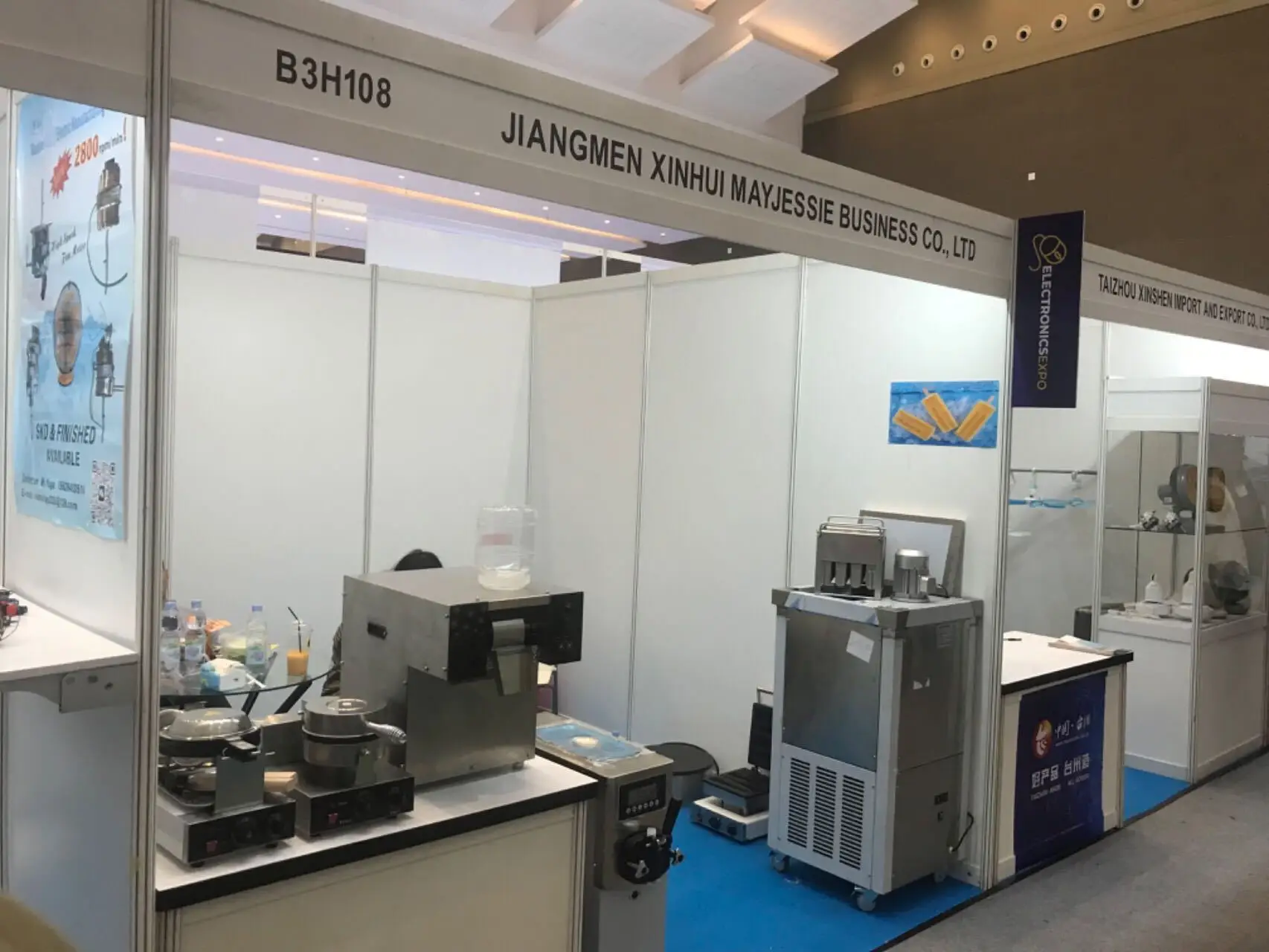
Jiangmen Xinhui Mayjessie Industrial Co., Ltd.
- Trading Company
- Guangdong, China
- Lead time5 days
- Avg. response≤ 7h
Main productsice cream machine,kitchen equipment,food equipment,beverage machinery
Main marketsNorth America(40.00%), Southern Europe(20.00%), Western Europe(20.00%), Eastern Europe(10.00%), South America(10.00%)
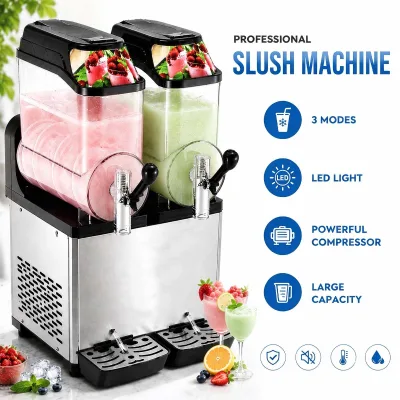
$520.00 - $580.00
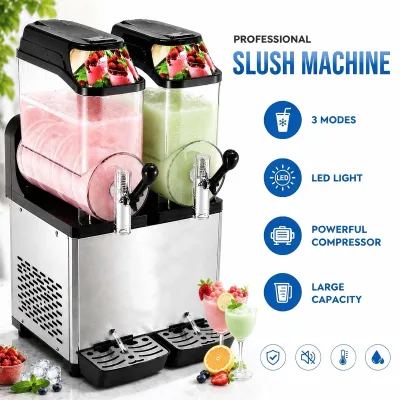
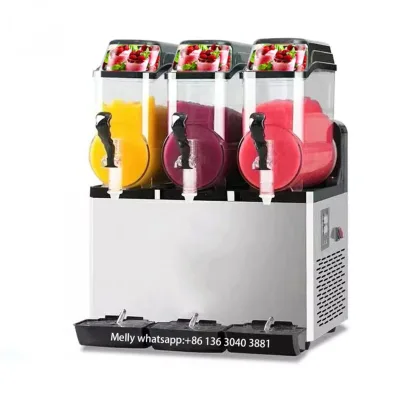
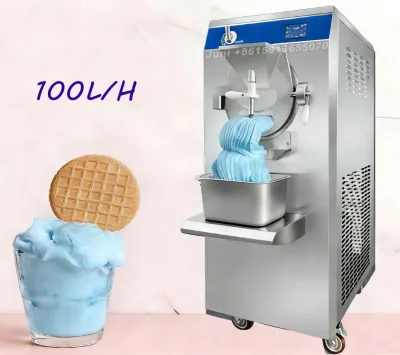
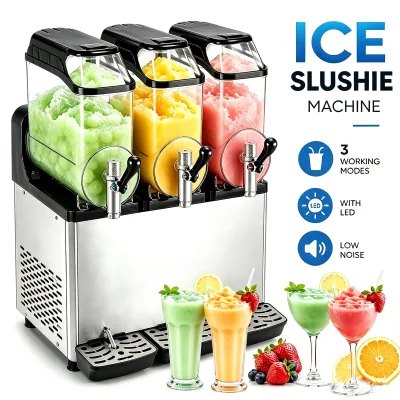
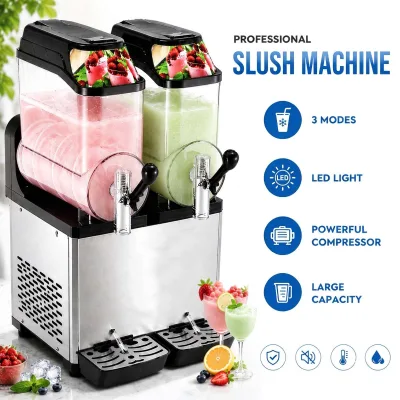
MAYJESSIE NEW Slush Machines for Sale
$633.00 - $768.00
Guangzhou Foodsense Catering Equipment Co., Ltd.
- Verified by SGS Group
- Trading Company
- Lead time20 days
- Avg. response≤ 2h
Main productsFood Processing Machine, Bakery Equipment, Western Kitchen Equipment, Refrigeration Equipment, Bar Beverage Equipment
Main marketsAfrica(15%), South America(10%), Southeast Asia(10%)
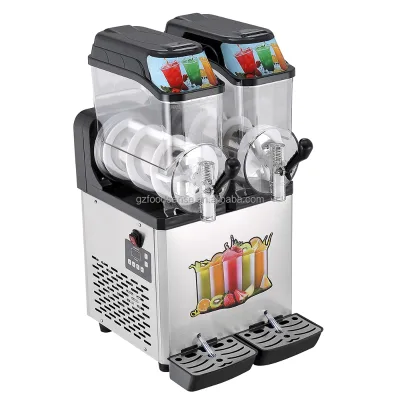
New Style 12l Mini Slush Machine Commercial 850w Multi-function Slush Machine for Sale
$468.00 - $597.00
MOQ: 1 pieces
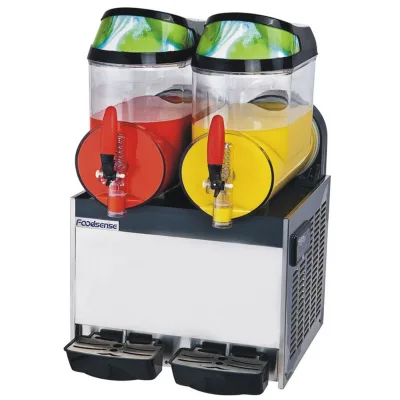
High-capacity Commercial Ice Slush Machine Factory Price Snack Machine
$486.00 - $628.00
MOQ: 1 pieces
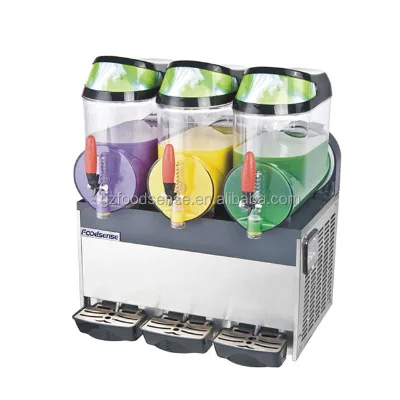
Stainless Steel Durable Ice Maker Slush Slushie Instant Ice Slushy Machine
$720.00 - $800.00
MOQ: 1 pieces
Henan Xifa Network Technology Co., Ltd.
- Verified by Intertek
- Manufacturer, Trading Company
- Lead time7 days
- Avg. response≤ 1h
Main productsAnimal Cages, Tractors, Feed Processing Machinery, Excavators
Main marketsNorth America(20%), Domestic Market(20%), Africa(15%)
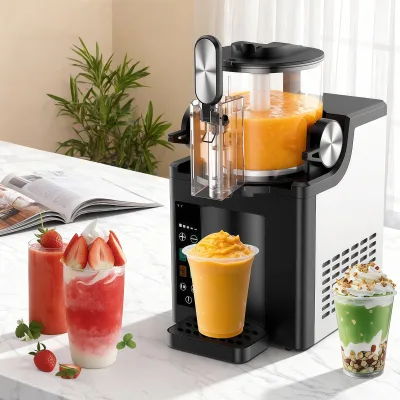
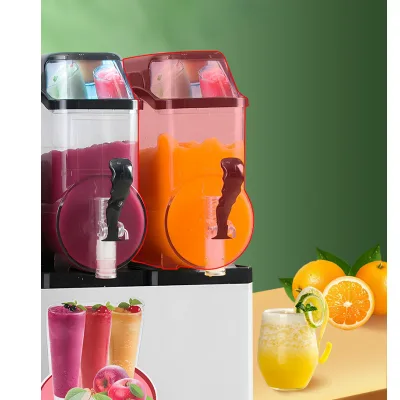
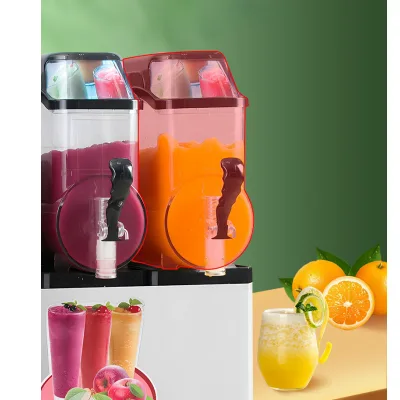
Commercial Slush Machine Industrial Frozen Drink Equipment Double Barrel Cooling System
$550.00 - $658.00
MOQ: 1 pieces

- Verified by BV
- Combined
- China Guangdong
- Lead time15 days
- Avg. response≤ 4h
Main productsHood Type Dishwasher, Conveyor Type Dishwasher, Ultrasonic Dishwasher, Undercounter Dishwasher, Bakery Equipment, Food Processor
Main marketsSouth America,Africa,Others(foreignTradeCapacity.exportBusinessCapacityMarketOther),North America

Premium Heavy-Duty Slush Machine Reliable Commercial Slush Machine for Events
$652.00 - $702.00
MOQ: 5 Pieces


High-Efficiency Stainless Steel Slush Machine for Businesses and Events
$638.00 - $658.00
MOQ: 1 Pieces

Commercial Slush Machine with High Efficiency for Instant Ice Solutions
$804.00 - $864.00
MOQ: 5 Pieces


ZHE CHENG HONGXIN MACHINRERY FACTORY
- Verified by TüVRheinland
- Manufacturer, Trading Company
- Lead time15 days
- Avg. response≤ 3h
Main productsIntestine Case Cleaning Machine, Sesame Peeling Machine, Cardboard Expanding Shredder Machine, Flax Brake, Grain Thresher Machine
Main marketsNorth America(20%), Southeast Asia(20%), Africa(20%)
LUOHE NINE LEMON IMPORT & EXPORT CO., LTD.
- Verified by SGS Group
- Trading Company
- Lead time15 days
- Avg. response≤ 8h
Main productsBread Production Line, Vegetable and Fruit Processing Equipment, Meat Processing Equipment, Bakery Equipment, Packing Solution
Main marketsMid East(30%), North America(20%), South America(10%)
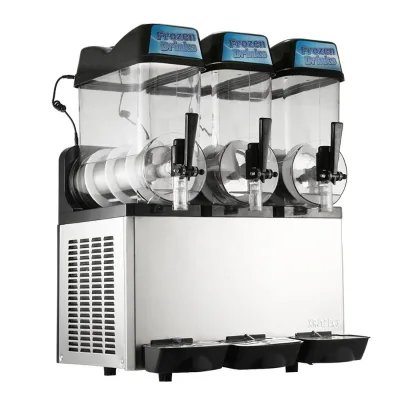
Slush Machine 3 Bowl Slush Machine Price 2 tank Slush Machine
$1499.00 - $1599.00
Zhengzhou Jieyuan Machinery Manufacturing Co., Ltd.
- Trading Company
- Henan, China
- Lead time7 days
- Avg. response≤ 2h
Main productsCurtain machine,quilt machine,cotton fiber machine,Aluminum cutting machine,Pipe bending machine
Main marketsSouthern Europe(20.00%), Western Europe(20.00%), South Asia(10.00%), Africa(10.00%), Central America(10.00%), Mid East(5.00%), South America(5.00%), Northern Europe(5.00%), Southeast Asia(5.00%), North America(5.00%), Eastern Asia(5.00%)

Henan Smile Technology Industrial Co., Ltd.
- Verified by SGS
- Trading Company,Manufacturer/Factory
- China Henan
- Lead time0 days
- Avg. response≤ 8h
Main productsBaking Oven, Industrial Mixer, Laboratory Equipment, Bakery Equipment, Bakery Processor, Kitchen Equipment, Refrigeration Series, Fast Food Equipment, Juicer Extractor Machine


Commercial Slushy Frozen Drink Slush Machine Juice Slush Machine for Sale
$470.00 - $870.00
MOQ: 1 Pieces


Guangzhou Tailang Industrial Co., Ltd.
- Verified by TUVRHEINLAND
- Combined
- China Guangdong
- Lead time15 days
- Avg. response≤ 2h
Main productsDeep Fryer, Popcorn Machine, Crepe Maker, Cotton Candy Machine, Panini Grill, Griddle, Waffle Maker, Fishball Grill, Bain Marie
Main marketsSouth America


Commercial Slush Machine Industrial Slush Machine Frozen Drink Machine
$787.00 - $794.00
MOQ: 5 Pieces


Guangzhou Red Rabbit Intelligent Co., Ltd.
- Verified by SGS
- Combined
- China Guangdong
- Lead time15 days
- Avg. response≤ 4h
Main productsCotton Candy Vending Machine
Main marketsDomestic


Best Commercial Slushie Machine High Capacity and Reliable for Fast Beverage Service
$4380.00
MOQ: 1 Pieces
Guangzhou Zhong Bei Mechanical Equipment Co., Ltd.
- Verified by Intertek
- Manufacturer, Trading Company
- Lead time7 days
- Avg. response≤ 3h
Main productsSnow Ice Machine, Ice Cream Machine, Slush Machine, Ice Popsicle, Ice Frying Machine
Main marketsWestern Europe(20%), Mid East(20%), Africa(15%)

Ningbo Sicen Refrigeration Equipment Co., Ltd.
- Verified by TUVRHEINLAND
- Combined
- China Zhejiang
- Lead time15 days
- Avg. response≤ 9h
Main productsIce Cream Machine, Frozen Yogurt Machine, Slush Machine, Juice Dispenser, Soda Fountain Machine, Ice Cream Maker, Mini Ice Cream Maker, Frozen Yogurt Maker, Soft Serve Ice Cream and Frozen Yogurt Machine, Ice Cream Maker for Home Use
Main marketsSouth America,Domestic,Europe

Henan Topp Machinery Co., Ltd.
- Verified by BV
- Trading Company,Manufacturer/Factory
- China Henan
- Lead time23 days
- Avg. response≤ 2h
Main productsFruit Juicing Machine, Fruit Stone Extractor, Fruit and Vegetable Peeling Machine, Fruit Sorting Machine, Snack Machinery, Soft Ice Cream Machine, Peanut Brittle Machine, Donut Making Machine, Candy Cane Production Line, Cookies Making Machine
Main marketsSouth America,Eastern Europe,Mid East,North America,Southeast Asia,Eastern Asia,Oceania,Western Europe,Africa
Foshan Keku Electrical Appliance Co., Ltd.
- Verified by Intertek
- Manufacturer, Trading Company
- Lead time30 days
- Avg. response≤ 4h
Main productsIce Cream Machine, Ice Machine, Juice Dispenser, Ice Slush Machine
Main marketsDomestic Market(50%), North America(20%), South America(10%)
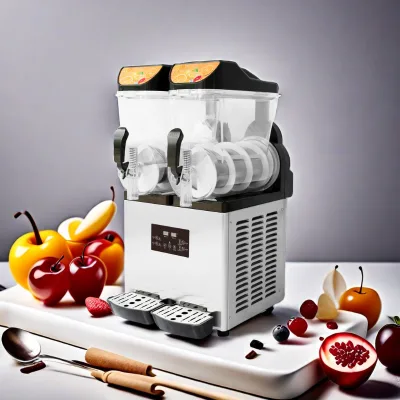
$470.00 - $489.00
MOQ: 1 pieces
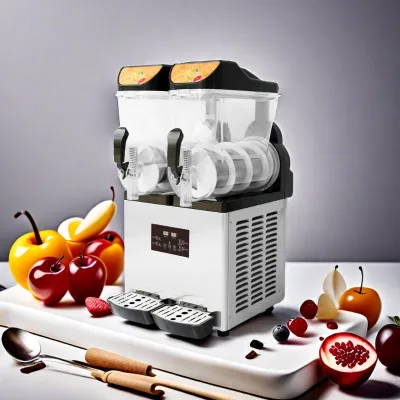
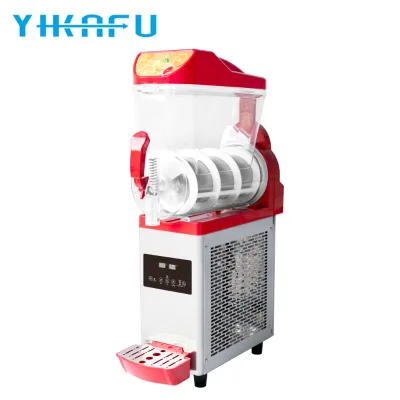
Wholesale 2 tank Cold Drink Slush Making Machine Slush for Sale Cold Drink Slash Machine
$470.00 - $489.00
MOQ: 1 pieces
Shanghai Keshi Refrigeration Equipment Co., Ltd.
- Verified by TüVRheinland
- Manufacturer, Trading Company
- Lead time7 days
- Avg. response≤ 3h
Main productsIce Cream Machine, Orange Juicer, Slush Machine, Ice Machine, Juice Dispenser
Main marketsWestern Europe(30%), Domestic Market(30%), North America(20%)

Yichu (Qingdao) Kitchen Equipment Co., Ltd
- Verified by SGS
- Trading Company
- China Shandong
- Lead time45 days
- Avg. response≤ 4h
Main productsShowcase, Commercial Refrigerator, Neutral Stainless Steel, Gn Pan, Gas Range, Ice Maker, Meat Ager, Working Table, Wine Cooler, Bottle Cooler
Main marketsSoutheast Asia/ Mideast,Europe,North America
Guangzhou ITO Catering Equipment Co., Ltd.
- Manufacturer, Trading Company
- Lead time旺季: "1 - 1":25,"2 - 100":35,"> 100":"To be negotiated", 淡季: "1 - 1":25,"2 - 100":35,"> 100":"To be negotiated"
- Avg. response≤ 2h
Main productsFryer/Oven/Ice Cream Machine/Beverage Dispenser/Popcorn Machine
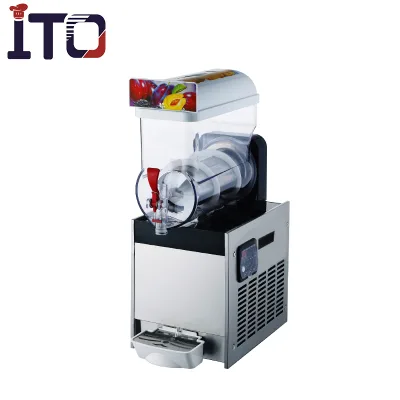
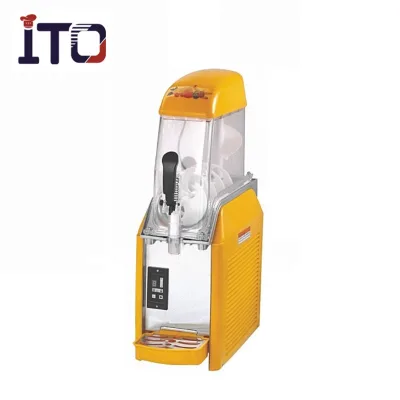
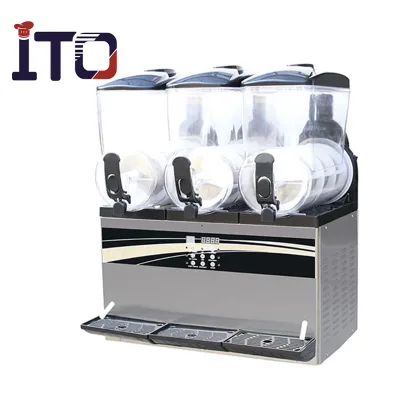
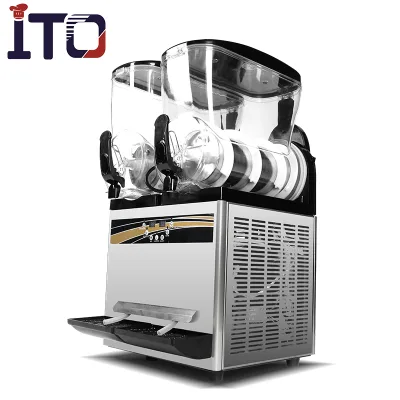
12 Liter Single tank Slush Ice Machine for Sale/Automatic Ice Cream Slush Machine
$380.00 - $550.00
MOQ: 1 sets
Zhengzhou Jawo Machinery Co., Ltd.
- Trading Company
- Henan, China
- Lead time10 days
- Avg. response≤ 5h
Main productsFruit and vegetable processing machine,Grain processing machine,Meat processing machines,Drying Machines,Building Machines
Main marketsNorthern Europe(15.00%), Mid East(10.00%), Western Europe(10.00%), Oceania(9.00%), Eastern Europe(8.00%), South America(8.00%), North America(8.00%), South Asia(6.00%), Southeast Asia(6.00%), Africa(6.00%), Southern Europe(5.00%), Eastern Asia(5.00%), Domestic Market(2.00%), Central America(2.00%)


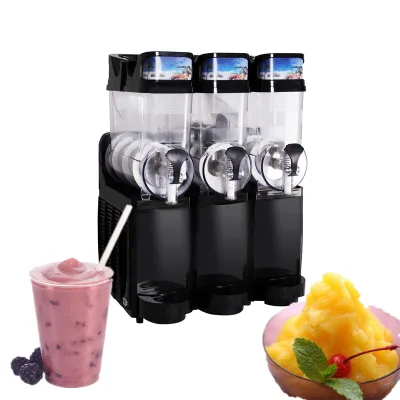
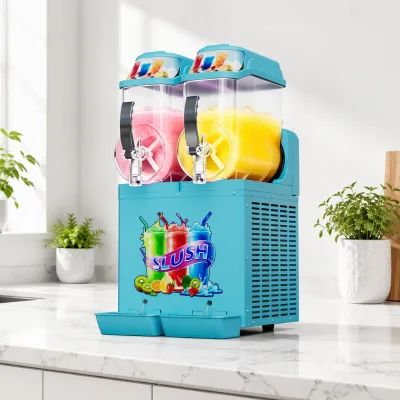
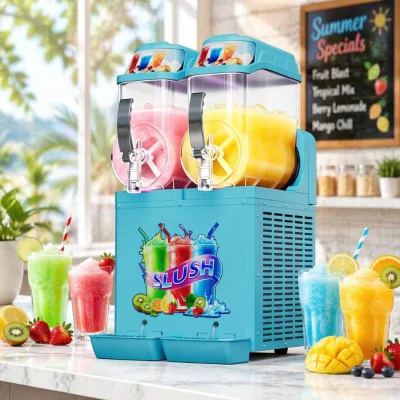
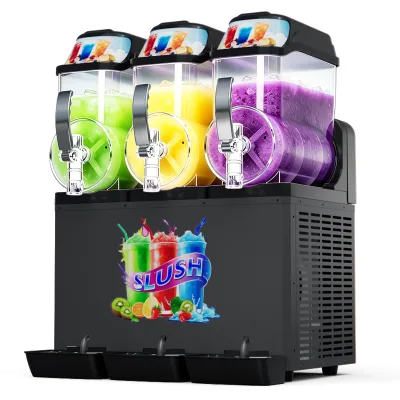
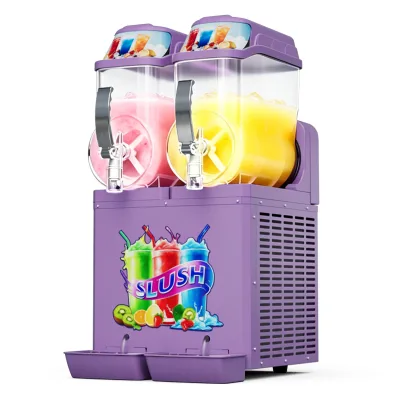
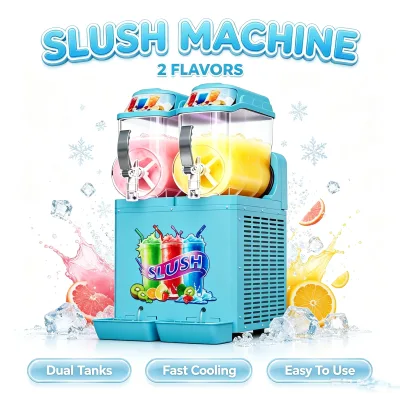


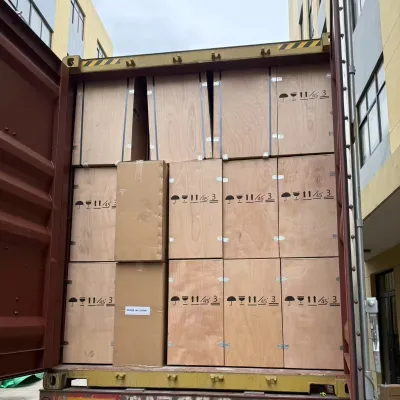
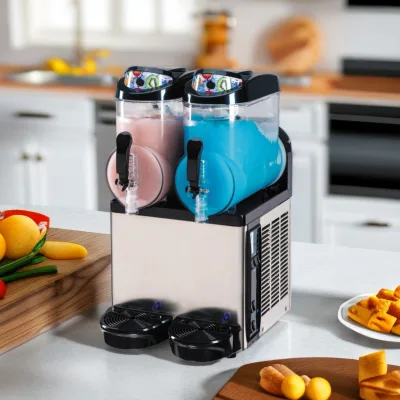


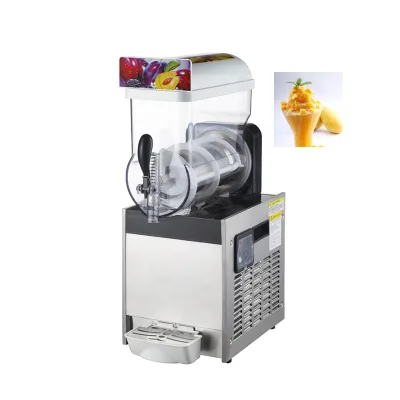
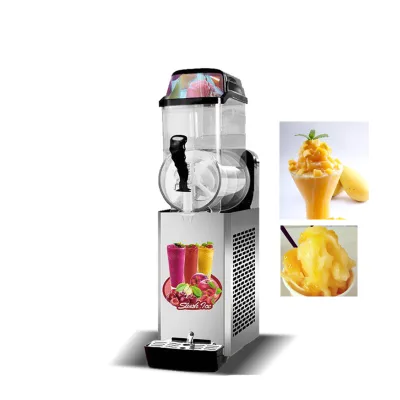
Comprehensive Sourcing Guide
Multifunctional Slush Machine for Bar Supplier Concentration and Factory Types
The current supplier landscape for multifunctional slush machines for bar applications reveals a distinct geographic and structural diversity that buyers must navigate carefully. Evidence indicates that manufacturing capabilities are concentrated in specific Chinese provinces, with notable presence in Shandong and Guangdong regions. Suppliers in these areas offer varying company types, ranging from combined trading entities to pure manufacturers. For instance, some suppliers are identified as combined companies, which may imply a hybrid model of trading and production, while others are explicitly classified as manufacturers. This distinction is critical because it affects the directness of communication, the flexibility of customization, and the transparency of the supply chain. Buyers should recognize that the presence of suppliers in Shandong and Guangdong suggests established industrial clusters, but the specific factory type determines whether the buyer is dealing with a direct producer or an intermediary. Understanding this structural difference helps in setting realistic expectations regarding lead times, pricing structures, and the ability to handle complex OEM or ODM requests. The concentration in these regions often correlates with mature supply chains for commercial kitchen equipment, yet the variation in company type means that not all suppliers offer the same level of direct factory access or technical support.
Furthermore, the product evidence highlights a range of main products offered by these suppliers, which often extends beyond just slush machines. Many suppliers list commercial refrigerators, freezers, ice makers, and display coolers as their primary offerings, indicating that slush machines are part of a broader portfolio of commercial food service equipment. This diversification can be advantageous for buyers looking to consolidate their procurement, as it allows for potential bundling of orders. However, it also requires careful verification to ensure that the supplier’s core competency lies in the specific slush machine technology required for bar applications. Some suppliers focus on high-capacity units suitable for busy bars, while others offer compact or single-tank models for smaller establishments. The variety in product lines, from automatic grade machines to those with specific power sources like electric motors, underscores the need for buyers to align their specific operational needs with the supplier’s specialized capabilities. It is essential to determine whether the supplier’s broader product range enhances their expertise in slush machines or if they are generalists who may lack deep specialization in this niche. This assessment helps in identifying suppliers who can provide not just a product, but a comprehensive solution tailored to the unique demands of bar environments.
How to Verify Multifunctional Slush Machine for Bar Suppliers
Verification of suppliers is a critical step in ensuring the reliability and quality of multifunctional slush machines for bar operations. Buyers should prioritize suppliers who have undergone third-party verification processes, as this provides an additional layer of trust and assurance. In the current results, some suppliers are verified by recognized entities such as TÜV Rheinland and SGS. These verifications indicate that the suppliers have met certain standards for business legitimacy and operational capabilities. However, it is important to note that not all suppliers display verification badges, and the absence of such a badge does not necessarily imply a lack of quality, but it does require more diligent due diligence. Buyers should actively seek out verified suppliers to minimize the risk of dealing with fraudulent or unreliable entities. Additionally, the presence of system certifications, such as ISO or CE marks on the products themselves, serves as another indicator of compliance with international standards. While some suppliers list certifications like ISOCE or a comprehensive list including CE, RoHS, and CCC, others may have nil system certifications, which requires buyers to request documentation directly to confirm compliance. This verification process should extend beyond just the supplier’s business credentials to include the technical specifications and safety standards of the machines they offer.
Moreover, buyers should assess the responsiveness and professionalism of the suppliers as part of the verification process. The response time is a key metric that can indicate the supplier’s efficiency and commitment to customer service. In the observed data, response times vary significantly, with some suppliers responding within a fraction of an hour, while others take considerably longer. A faster response time often correlates with a more active and engaged sales team, which can be crucial for resolving issues quickly and ensuring smooth order processing. Buyers should also look for clear and detailed product descriptions, including specifications such as capacity, power source, and automatic grade, as these details reflect the supplier’s attention to detail and transparency. Additionally, the availability of customization options, such as OEM or ODM services, can be a sign of a supplier’s flexibility and capability to meet specific buyer requirements. Buyers should verify these claims by requesting samples or detailed technical drawings before committing to large orders. It is also advisable to check for any discrepancies between the supplier’s claimed capabilities and the actual product evidence provided. By combining third-party verification, certification checks, and an assessment of responsiveness and product detail, buyers can build a robust profile of each supplier’s reliability and suitability for their specific needs.
What to Compare Across Multifunctional Slush Machine for Bar Suppliers
When evaluating suppliers for multifunctional slush machines for bar applications, buyers must compare several key dimensions to identify the most suitable partner. One of the primary factors is the lead time, which directly impacts inventory management and operational readiness. The observed lead times vary, with some suppliers offering a 15-day turnaround, while others require up to 30 days. This variation can be influenced by the supplier’s production capacity, current order volume, and the complexity of the requested specifications. Buyers should align their lead time expectations with their operational needs, considering whether they require rapid restocking or can accommodate longer production cycles. Another critical comparison point is the Minimum Order Quantity (MOQ), which affects the initial investment and risk exposure. Some suppliers have an MOQ of 10 units, while others require a minimum of 20 units. This difference can be significant for smaller bars or those testing the market, as a lower MOQ allows for more flexible ordering and reduced financial commitment. Buyers should also compare the price ranges, which can vary based on the machine’s capacity, features, and customization options. For instance, prices may range from $600 to $800, depending on the specific model and configuration. Understanding these price variations helps in budgeting and negotiating effectively.
In addition to lead time, MOQ, and price, buyers should compare the technical specifications and customization capabilities of the suppliers. The product evidence shows variations in capacity, such as 12L*3 tanks, and output rates like 16-18L/H. These specifications must match the bar’s expected volume and usage patterns. Buyers should also assess the power source, automatic grade, and application suitability, ensuring that the machine is designed for the intended environment, whether it is for ice cream, frozen drinks, or other applications. The availability of customization, such as OEM or ODM services, is another important factor for buyers seeking unique branding or specific functional requirements. Furthermore, the main products offered by the supplier can indicate their breadth of expertise and potential for future collaboration. Suppliers with a wide range of commercial kitchen equipment may offer better integration options or bundled pricing. Buyers should also consider the supplier’s response time as a proxy for their customer service quality, as faster responses can lead to quicker issue resolution and smoother communication. By systematically comparing these dimensions, buyers can make informed decisions that balance cost, quality, and operational efficiency, ensuring that the selected supplier meets their specific business requirements.
Common Multifunctional Slush Machine for Bar Sourcing Risks
Sourcing multifunctional slush machines for bar applications involves several inherent risks that buyers must proactively manage to ensure a successful procurement process. One significant risk is the potential mismatch between the supplier’s claimed capabilities and the actual product quality. While some suppliers display certifications and verification badges, others may not, leaving buyers to rely solely on product descriptions and samples. This discrepancy can lead to receiving machines that do not meet the required performance standards, such as output capacity or freezing efficiency. Additionally, the variation in lead times can pose a risk to operational continuity, especially if a supplier fails to deliver within the agreed timeframe. Delays can disrupt bar operations, leading to lost sales and customer dissatisfaction. Buyers should mitigate this risk by establishing clear contractual terms regarding delivery schedules and penalties for non-compliance. Another risk is the lack of transparency in pricing and additional costs. While base prices may appear competitive, hidden costs such as shipping, customs duties, or installation fees can significantly increase the total expenditure. Buyers should request detailed quotes that include all potential costs to avoid unexpected financial burdens. Furthermore, the risk of inadequate after-sales support is a concern, particularly for complex machines that may require maintenance or repairs. Buyers should verify the supplier’s warranty terms and availability of spare parts before finalizing the order.
Moreover, buyers face the risk of dealing with suppliers who lack the necessary technical expertise to handle customizations or specific requirements. While some suppliers offer OEM and ODM services, others may not have the infrastructure to support such requests effectively. This can result in delays, errors, or suboptimal product designs that do not meet the bar’s specific needs. Additionally, the risk of supply chain disruptions, such as raw material shortages or logistical issues, can impact the supplier’s ability to fulfill orders. Buyers should assess the supplier’s supply chain resilience and contingency plans to minimize this risk. Another potential risk is the variability in product standards and certifications across different suppliers. While some machines come with comprehensive certifications like CE, RoHS, and ISO, others may have limited or no certifications, raising concerns about safety and compliance. Buyers should prioritize suppliers with robust certification records to ensure that the machines meet international safety and quality standards. Finally, the risk of poor communication and responsiveness can hinder the procurement process, leading to misunderstandings and delays. Buyers should select suppliers with proven track records of effective communication and timely responses to ensure a smooth and efficient sourcing experience. By identifying and addressing these risks, buyers can protect their interests and secure reliable, high-quality multifunctional slush machines for their bar operations.
Multifunctional Slush Machine for Bar Regional Sourcing and Logistics
The regional sourcing of multifunctional slush machines for bar applications is heavily influenced by the geographic concentration of manufacturers in China, particularly in Shandong and Guangdong provinces. These regions are known for their robust manufacturing ecosystems and specialized industrial clusters, which can offer buyers access to a wide variety of suppliers with diverse capabilities. Sourcing from Shandong may provide advantages in terms of established supply chains for certain types of commercial equipment, while Guangdong is often recognized for its advanced manufacturing technologies and export-oriented production. Buyers should consider the logistical implications of sourcing from these regions, including shipping costs, transit times, and customs procedures. The distance from the manufacturing hub to the buyer’s location can significantly impact the overall cost and delivery schedule. For instance, suppliers in Guangdong may have better access to major ports, potentially offering more efficient shipping options for international buyers. However, buyers must also account for the variability in lead times, which can range from 15 to 30 days depending on the supplier’s production capacity and current order backlog. Understanding these regional dynamics helps buyers make informed decisions about which suppliers to engage with, balancing the benefits of proximity to manufacturing hubs with the practicalities of logistics and delivery.
Furthermore, buyers should evaluate the logistical support provided by the suppliers, including packaging and shipping arrangements. The product evidence indicates that some suppliers use specific packing methods, such as foam, film, carton, and wooden crates, to ensure the safe transport of the machines. This attention to packaging detail is crucial for preventing damage during transit, especially for delicate commercial equipment. Buyers should verify the supplier’s packaging standards and inquire about any additional protective measures they offer. Additionally, the availability of freight forwarding services or partnerships with logistics providers can simplify the shipping process for buyers, reducing the administrative burden and potential for errors. Buyers should also consider the impact of regional trade policies and tariffs on the total cost
FAQs
What is the typical lead time for slush machines?
Manufacturers generally require 15 to 30 days to produce and ship orders. This timeframe depends on the specific model and customization needs. Buyers should confirm exact dates with suppliers before placing bulk orders to ensure timely delivery for their business operations.
What is the minimum order quantity for these machines?
Minimum order quantities typically range from 10 to 20 units. Some suppliers accept single units for testing, while others require larger batches. Buyers should verify the specific MOQ with each supplier to align with their inventory requirements and budget constraints.
What certifications do commercial slush machines usually have?
Common certifications include CE, ISO, RoHS, CCC, CB, SASO, EMC, GS, and ETL. These ensure compliance with international safety and quality standards. Buyers should request valid certificates to verify that the equipment meets local regulatory requirements for commercial use.
How fast do suppliers typically respond to inquiries?
Response times vary significantly, ranging from under one hour to over thirteen hours. Faster responses often indicate higher availability and efficient customer service. Buyers should prioritize suppliers with quicker response times to ensure smooth communication throughout the sourcing and negotiation process.
What is the price range for commercial slush machines?
Prices generally range from $600 to $800 per unit. Costs depend on capacity, features, and customization options. Buyers should compare quotes from multiple suppliers to find the best value. Bulk orders may offer additional discounts depending on the supplier's pricing structure.
Where are these slush machines typically manufactured?
Most suppliers are located in China, specifically in Shandong and Guangdong provinces. These regions are known for their manufacturing capabilities in commercial kitchen equipment. Buyers should verify the exact origin to understand logistics, shipping costs, and potential import duties for their region.
Can slush machines be customized for specific needs?
Customization is available for many models, including branding and capacity adjustments. Suppliers often offer OEM and ODM services to meet specific business requirements. Buyers should discuss their unique needs with suppliers to determine the feasibility and additional costs associated with custom modifications.