Portable Glass Electric Kettle Suppliers and Manufacturers
Find 25 verified Portable Glass Electric Kettle suppliers offering products with features like boil-dry protection and cordless bases. Compare response times, lead times, and MOQs to source efficiently. Contact suppliers directly to negotiate pricing and delivery schedules; review the available evidence before requesting comparable quotations from suitable candidates.
Updated
Suppliers List
Yiwu Fengtong Electric Appliance Co., Ltd.
- Trading Company
- Lead time旺季: "1 - 500":31,"> 500":"To be negotiated", 淡季: "1 - 500":31,"> 500":"To be negotiated"
- Avg. response≤ 3h
Main productsHome Appliances
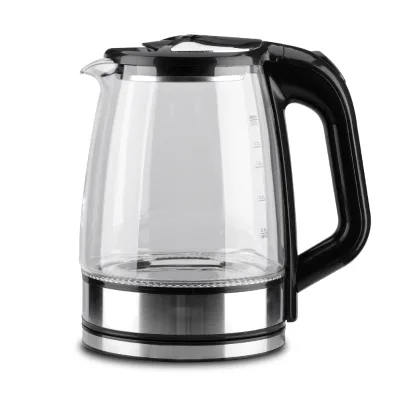
$6.2533 - $6.7799
MOQ: 12 pieces
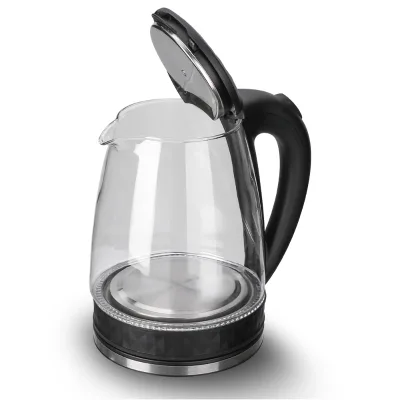
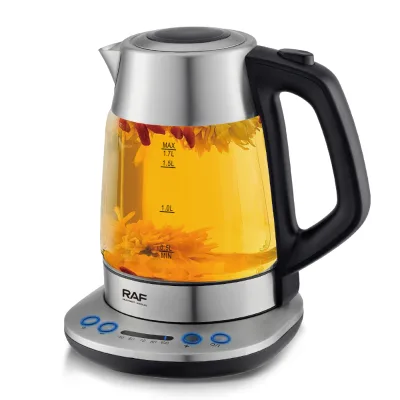
Professional Multi Function Digital Screen High Quality Glass Electric Kettle for Home and Office
$15.39 - $15.71
MOQ: 12 pieces
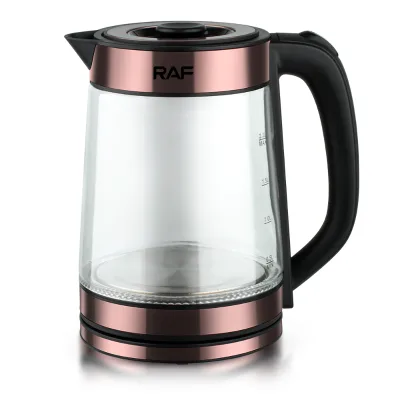

- Verified by SGS
- Trading Company
- China Zhejiang
- Lead time15 days
- Avg. response≤ 10h
Main productsFan, Heater Fan, Air Fryer, Toaster, Rice Cooker, Vacuum Cleaner, Coffee Machine, Hairdressing Appliance, Electric Toothbrush, Steam Iron
Main marketsEurope,Australia

Electric Tea Pot Boiler Water Coffee Glass Body Jug Glass Portable Kettle
$5.25 - $5.39
MOQ: 200 Pieces

Water Boiler Tea Health Preserving Electric Kettle Teapot Electric Tea Water Kettle
$6.05 - $6.76
MOQ: 200 Pieces

Electric Heat-Resistant Glass Infuser Pot with Filter Automatic Steam Tea Water Kettle
$3.25 - $3.75
MOQ: 300 Pieces

Shanghai BM Industrial Co., Ltd.
- Verified by SGS
- Trading Company,Manufacturer/Factory
- China Shanghai
- Lead time38 days
- Avg. response≤ 10h
Main productsSilicone Sealant, PU Foam, PU Sealant, Silicone Adhesive, PU Adhesive, Waterproof Coating, Sealant Gun, Caulking Gun
Main marketsSouth America,Eastern Europe,Mid East,North America,Southeast Asia,Eastern Asia,Oceania,Western Europe,Africa


Glass Electric Kettles Hot Sell Home Appliances Water Digital Glass Electric Tea Kettle
$8.10 - $8.40
MOQ: 1200 Pieces

Electric Kettle Glass Hot Sell Home Appliance 1.8L Electric Keep Warm Glass Kettle
$8.10 - $8.40
MOQ: 1200 Pieces

Water Glass Electric Kettle Hot Sell Home Appliance Keep Warm Glass Electric Kettle
$8.10 - $8.40
MOQ: 1200 Pieces

Glass Kettle Amazon Home Appliance Glass Water Pot Price Electric Kettle
$3.20 - $3.50
MOQ: 1000 Pieces

Zhongshan Yuekon Electrical Appliances Co., Ltd.
- Manufacturer/Factory
- China Guangdong
- Lead time45 days
- Avg. response≤ 10h
Main productsTea Maker, Coffee Kettle, Juicer Blender, Samavar, Fruit Juice Extractor, Cool Mist Ultrasonic Humidifier, Soya Milk Maker
Main marketsSouth America,Eastern Europe,Mid East,North America,Southeast Asia,Eastern Asia,Oceania,Western Europe

$12.80 - $13.80
MOQ: 1000 Pieces


Fast Water Boiler Kitchen Appliance Cordless Kettle Glass Kettle Electric Tea Pot
$16.80 - $17.20
MOQ: 1000 Pieces

Home Appliance 2.0L Cordless Jug Fast Water Boiling Glass Electric Tea Kettle
$16.50 - $17.50
MOQ: 1000 Pieces

Tea Maker Water Boil Glass Teapot 1.5L Electric Water Kettle Cordless Kettle
$16.80 - $17.20
MOQ: 1000 Pieces

$15.50 - $16.50
MOQ: 1000 Pieces
Ningbo Goodfriends Electric Appliance Co., Ltd.
- Manufacturer, Trading Company
- Zhejiang, China
- Lead time0 days
- Avg. response≤ 6h
Main productsElectric Kettle
Main marketsEastern Europe(25.00%), Western Europe(18.00%), Mid East(14.00%), North America(10.00%), South America(5.00%), Southern Europe(5.00%), Eastern Asia(3.00%), Oceania(3.00%), Central America(3.00%), Northern Europe(3.00%), Africa(3.00%), Domestic Market(3.00%), South Asia(2.00%)
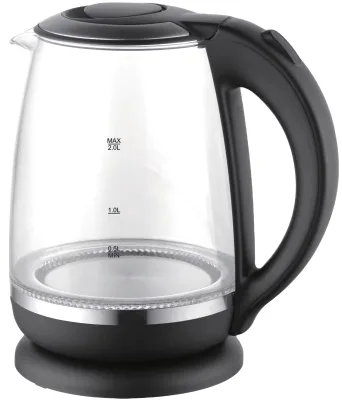
2L 240V Portable Electric Kettle Electric Tray Kettle Electric Kettle and Thermos
$6.60 - $6.80
MOQ: 20 pieces
$6.20 - $6.50
MOQ: 1500 pieces

GUANGZHOU UME TECHNOLOGY CO., LTD.
- Verified by TUVRHEINLAND
- Trading Company
- China Guangdong
- Lead time30 days
- Avg. response≤ 7h
Main productsRice Cooker, Electric Kettle, Kettle, Cooker, Electric Rice Cooker, Air Cooker, Mixer
Main marketsOthers(foreignTradeCapacity.exportBusinessCapacityMarketOther)


Glass Electric Kettle 2.0L Cordless Portable Fast Boil Water Heater Tea Maker
$4.30 - $4.49
MOQ: 3000 Pieces


Guangdong Orange Star Electrical Appliances Co., Ltd.
- Manufacturer, Trading Company
- Guangdong, China
- Lead time30 days
- Avg. response≤ 5h
Main productsElectric Kettles, Induction Cookers, Rice Cookers
Main marketsEastern Europe(80.00%), Southeast Asia(10.00%), South Asia(3.00%), Western Europe(2.00%), Mid East(2.00%), Eastern Asia(1.00%), South America(1.00%), Africa(1.00%), North America(0.00%), Oceania(0.00%), Southern Europe(0.00%), Central America(0.00%), Northern Europe(0.00%), Domestic Market(0.00%)
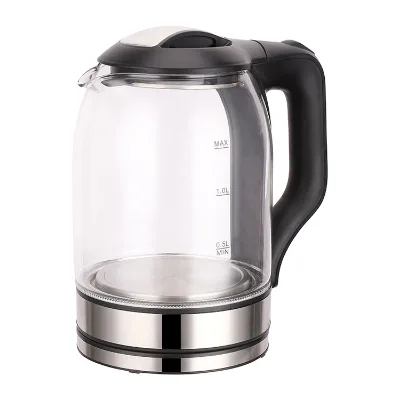
Factory direct selling high quality 1.8l portable household hotel glass kettle electric tea kettle
$3.51 - $4.11
MOQ: 1000 pieces
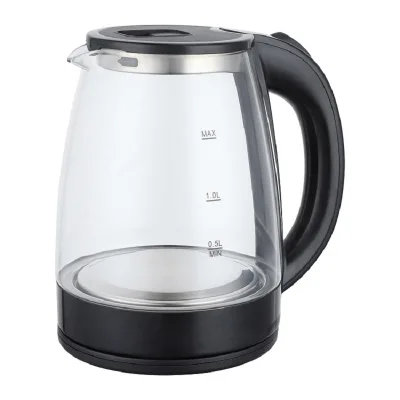
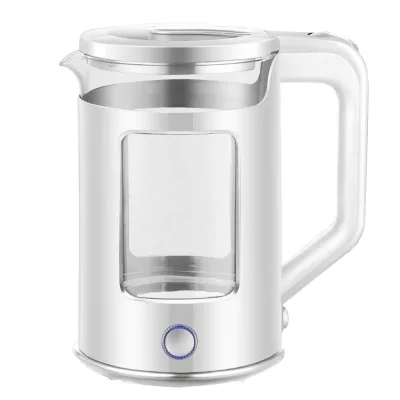
Newest Promotion 1.8L Glass Electric Water Kettle Fast Boiling Water Cool Touch Body Kettle Electric
$7.4501 - $9.7255
MOQ: 1000 pieces
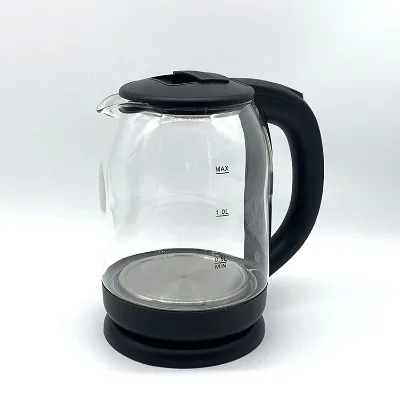
Glass Tea Kettle Water Boiler Heater 1.8L 2L Cordless Auto-Shut off Tea Maker Electric Jug Kettle
$3.81 - $4.52
MOQ: 1000 pieces
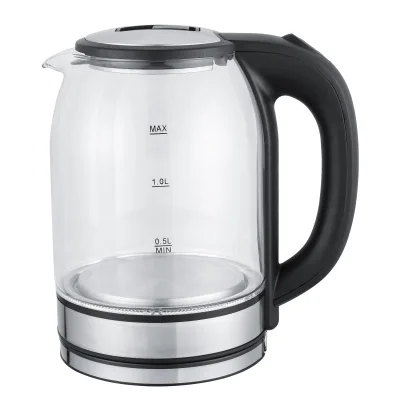
Guangzhou Kongyue Technology Co., Ltd.
- Verified by SGS Group
- Manufacturer, Trading Company
- Lead time0 days
- Avg. response≤ 2h
Main productsElectric Kettle, Electric Fan, Air Cooler, Meat Grinder, Air Fryer
Guangdong Anjiale Electric Appliance Manufacturing Co., Ltd.
- Verified by SGS Group
- Manufacturer, Trading Company
- Lead time25 days
- Avg. response≤ 3h
Main productsMini Rice Cooker, Electric Cooking Pot, Electric Food Steamer, Electric Wall Breaking Soybean Milk Maker, Slow Juicer
Main marketsEastern Asia(30%), Domestic Market(30%), South Asia(20%)
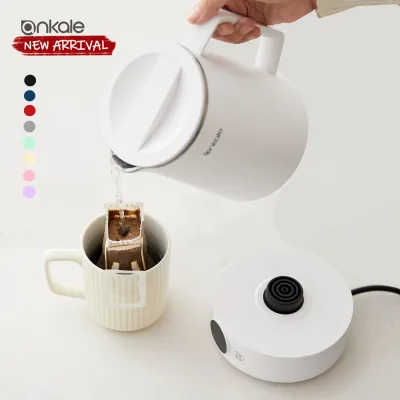
$9.90 - $11.90
MOQ: 1000 pieces
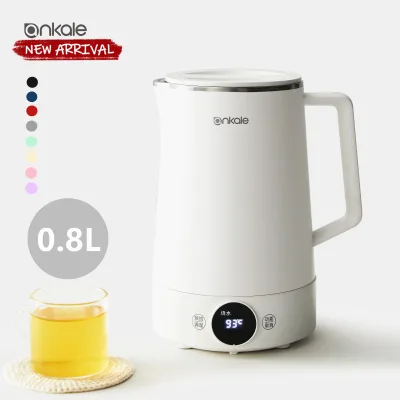
$10.1444 - $12.1939
MOQ: 1000 pieces
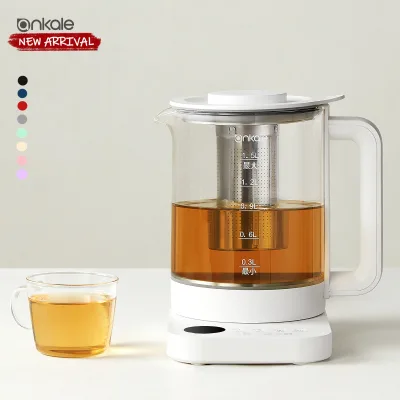
$10.1653 - $12.2193
MOQ: 1000 pieces

Shenzhen Sachikoo Yongfa Technology Co., Ltd.
- Verified by TUVRHEINLAND
- Combined
- China Guangdong
- Lead time15 days
- Avg. response≤ 3h
Main productsSafe, Telephone, LED Mirror, Electric Kettle, Mini Fridge, Hairdryer
Main marketsSouth America,Southeast Asia/ Mideast,Europe,Australia,North America
Shanghai Antronic Electrical Appliance Co., Ltd.
- Verified by TüVRheinland
- Trading Company
- Lead time35 days
- Avg. response≤ 2h
Main productsAir Fryer, Vacuum Cleaner, Steam Iron, Sandwich Maker, Blender
Main marketsEastern Europe(15%), Western Europe(15%), North America(10%)
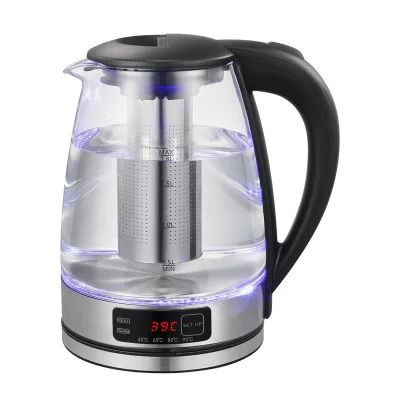
High Quality Glass Kettle, Hot Pot, Automatic Power-Off, Lcd Screen Insulated Electric Kettle
$9.40 - $10.30
MOQ: 3000 pieces

- Trading Company
- China Zhejiang
- Lead time30 days
- Avg. response≤ 12h
Main productsHome Appliance, Cookware Set, Thermos, Home Storage, Furniture, Pet Supplies, Garden Tools, Outdoor Supplies, Baby Supplies, Houesehold Items
Main marketsSouth America,Africa,Southeast Asia/ Mideast,East Asia(Japan/ South Korea),Domestic,Europe,Australia,North America


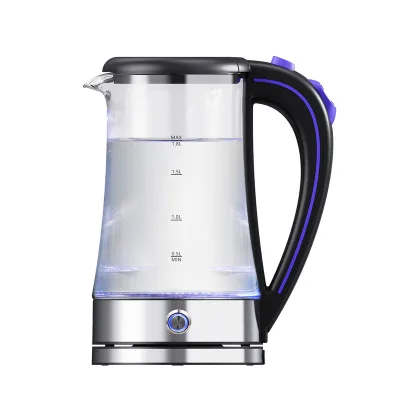
1.8L 2L Electric Glass Kettle with LED Light with Protection Against Dry Heating
$6.60
MOQ: 1000 Pieces

Lianjiang Gaoluhua Electric Appliance Co., Ltd.
- Manufacturer, Trading Company
- Guangdong, China
- Lead time26 days
- Avg. response≤ 2h
Main productsElectric kettle,rice cooker,glass kettle,hot pots,multi purpose pot
Main marketsNorth America(20.00%), Domestic Market(10.00%), Mid East(10.00%), Oceania(10.00%), Africa(10.00%), Southeast Asia(10.00%), Eastern Europe(10.00%), South America(10.00%), Northern Europe(5.00%), Southern Europe(5.00%)
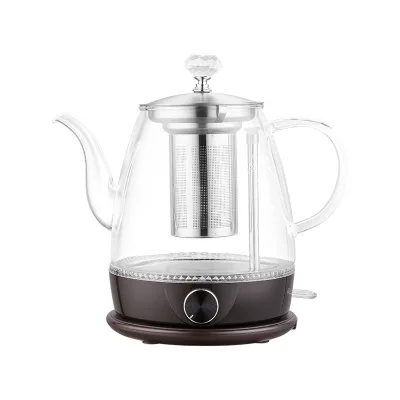
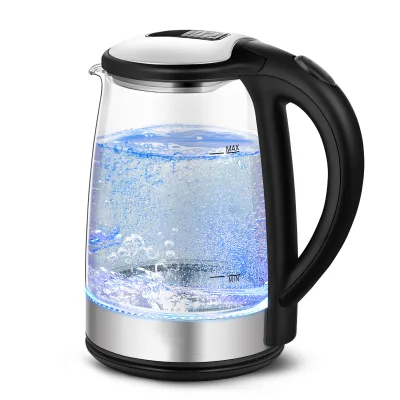
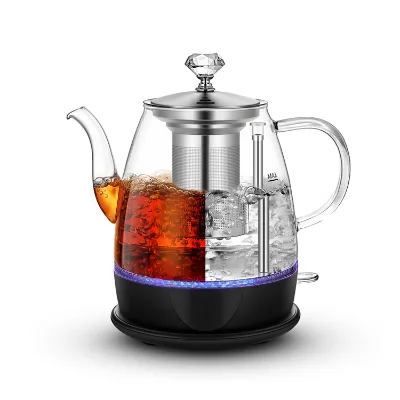
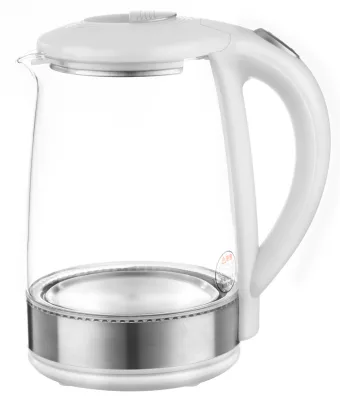
Hot Selling Intelligent Temperature Control Electric Glass Kettle Kitchen Appliances
$8.95
MOQ: 1000 Minimum
Zhongshan Yingzheng Electric Appliance Co., Ltd.
- Manufacturer, Trading Company
- Guangdong, China
- Lead time0 days
- Avg. response≤ 5h
Main productsTable water dispenser,Electric glass kettle,Electric kettle with tray set,Stainless steel kettle,Mother-child kettle
Main marketsMid East(20.00%), Eastern Europe(20.00%), South America(20.00%)
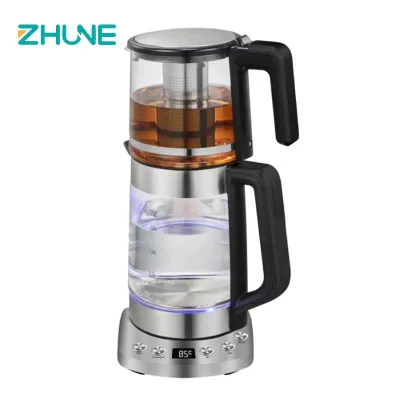
$14.755 - $16.0955
MOQ: 1000 pieces
Guangdong Sutai Electrical Appliance Co., Ltd.
- Verified by SGS Group
- Manufacturer, Trading Company
- Lead time15 days
- Avg. response≤ 3h
Main productsElectric Kettle, Air-fryer, Blender, Infrared cooker, Coffee kettle
Main marketsSouth America(10%), Eastern Europe(10%), Mid East(10%)
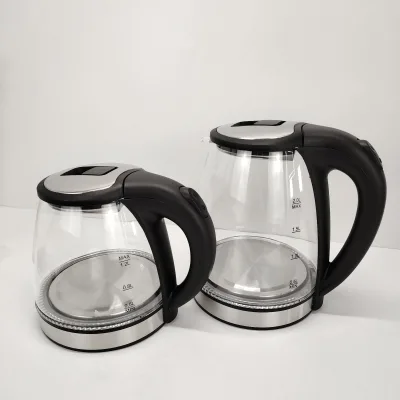
Wholesale Factory Price 2.0L 1.2L Glass Electric Tea KettlesGlass Teapot Electric Kettle
$3.8941 - $4.304
MOQ: 3000
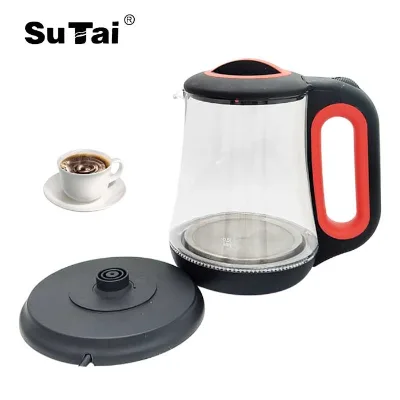
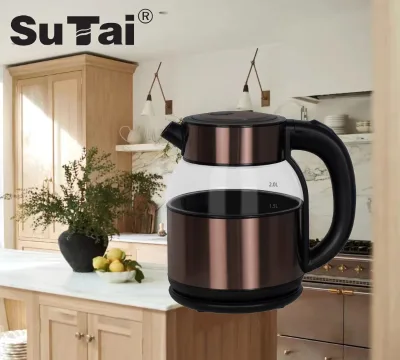
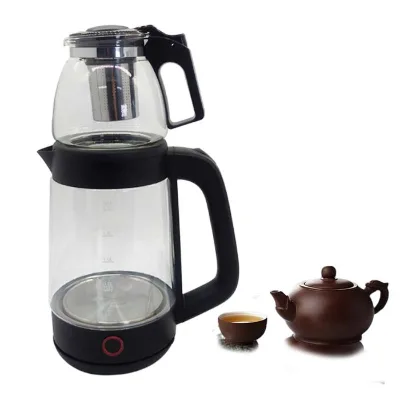
1.8L Electric Kettles with Tea Pot Boil-Dry Protection Combination Glass for Tea Lovers
$5.60 - $5.90
MOQ: 3000 pieces
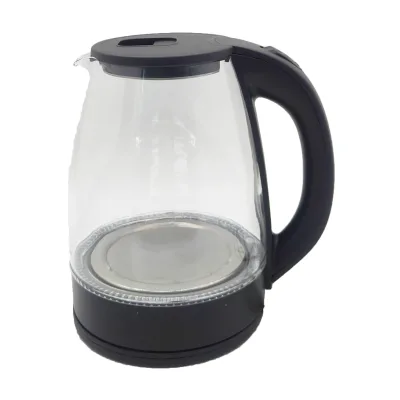
Zhongshan Yuekon Electrical Appliances Co., Ltd
- Verified by Intertek
- Manufacturer, Trading Company
- Lead time30 days
- Avg. response≤ 2h
Main productsSamovar, Electric Kettle, Tea Maker, Swallow (Fufu) Maker, Air Fryer
Main marketsDomestic Market(50%), Mid East(25%), Eastern Asia(13%)

Yongkang Tower industrial and Trade Co., Ltd.
- Trading Company
- China Zhejiang
- Lead time30 days
- Avg. response≤ 15h
Main productsNail Lamp, Electric Kettle
Main marketsSouth America
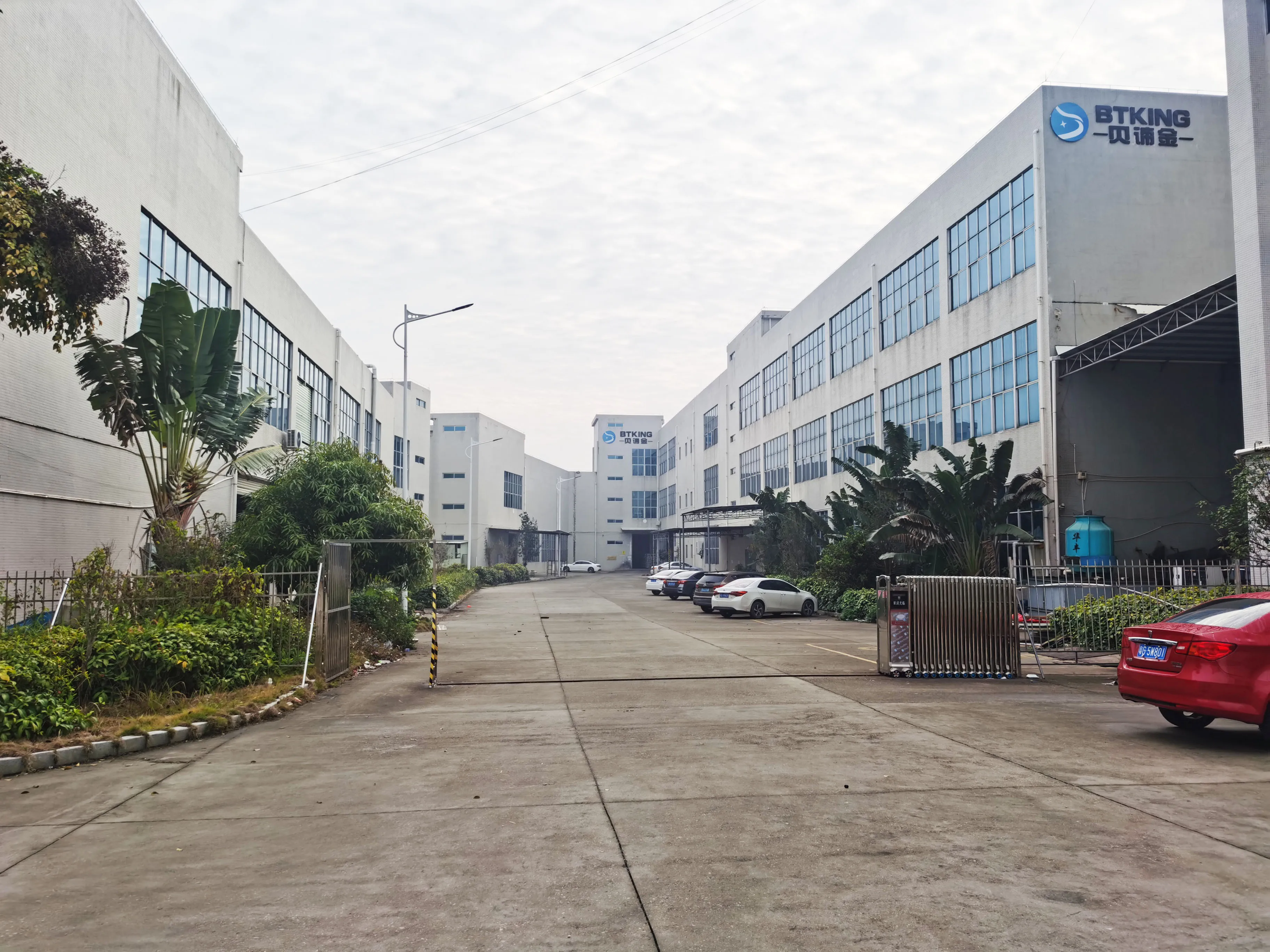
Zhanjiang Beidijin Electric Appliance Co., Ltd.
- Manufacturer, Trading Company
- Guangdong, China
- Lead time20 days
- Avg. response≤ 8h
Main productselectric kettle,rice cooker
Main marketsSouth America(24.00%), Mid East(20.00%), North America(20.00%), Northern Europe(10.00%), Western Europe(5.00%), Domestic Market(5.00%), Eastern Europe(5.00%), Southern Europe(5.00%), Southeast Asia(2.00%), Eastern Asia(2.00%), Africa(2.00%)
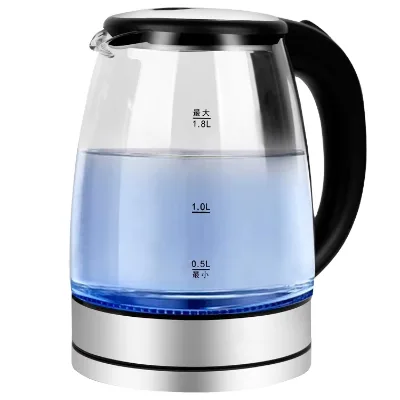
Popular Long-lasting Durability Electronic Appliances Glass Kettle Electric 1.8L
$3.2239 - $4.289
MOQ: 3000 pieces
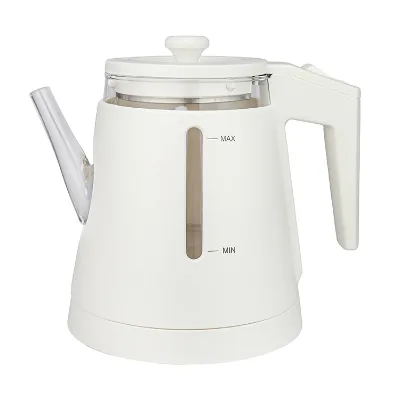
New Design Wholesale White 1.2L Glass Tea Kettle Electric for Hotel
$4.0736 - $4.6915
MOQ: 2000 pieces
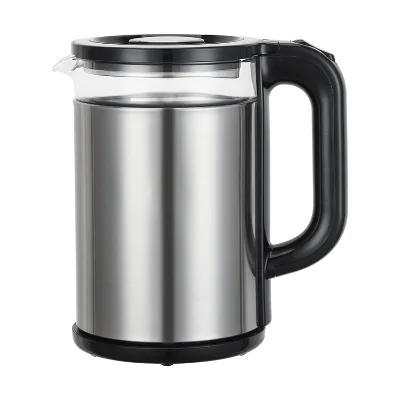
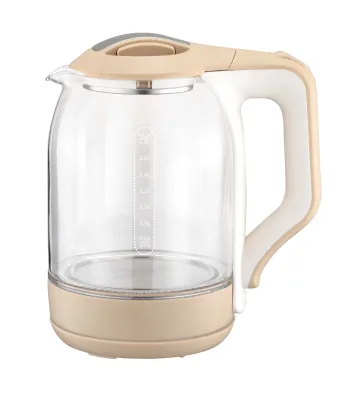
New Trend 1500W Plastic High Borosilicate Glass Electric Kettle for Boiling Water
$1.80 - $1.90
MOQ: 3000 pieces
Guangzhou Qianshun Electric Appliance Co., Ltd.
- Trading Company,Manufacturer/Factory,Group Corporation
- China Guangdong
- Lead time0 days
- Avg. response≤ 13h
Main productsCoffee Machine, Induction Cooker, Electric Fan, Rice Cooker
Lianjiang Yijia Electric Appliance Co., Ltd.
- Manufacturer
- Guangdong Province, China
- Lead time30 days
- Avg. response≤ 4h
Main productsKETTLE,rice cooker,Coffee pot
Main marketsNorth America(30.00%), Mid East(20.00%), Africa(20.00%), Southeast Asia(20.00%), South America(20.00%), Domestic Market(10.00%), Central America(10.00%)
Ningbo Ambel International Co., Ltd.
- Verified by Intertek
- Trading Company
- Lead time60 days
- Avg. response≤ 8h
Main productsBlender, Air Fryer, Juicer, Kettle, Meat Grinder
Main marketsSoutheast Asia(23%), North America(18%), Western Europe(15%)
Xuzhou Solam Electrical Appliances Co., Ltd.
- Trading Company
- Jiangsu, China
- Lead time20 days
- Avg. response≤ 2h
Main productsHome Appliances,washing machines,water dispenser,air fryer,rice cooker
Main marketsNorth America(30.00%), Southeast Asia(25.00%), Western Europe(15.00%), Domestic Market(10.00%), South Asia(5.00%), Eastern Europe(5.00%), Africa(4.00%), South America(3.00%), Mid East(3.00%)

Zensun Stainless Steel Products Co. , Ltd.
- Verified by SGS
- Trading Company
- China Guangdong
- Lead time30 days
- Avg. response≤ 10h
Main productsGn Pan, Chafing Dish, Food Tray, Stock Pot, Kettle, Cutlery, Kitchenware, Cookware, Restraurant and Hotel Supplies, Milk Pot
Main marketsDomestic
Ningbo Tronix Electric Co., Ltd.
- Manufacturer, Trading Company
- Zhejiang, China
- Lead time45 days
- Avg. response≤ 7h
Main productsSandwich maker,Toaster,Fryer,Coffee maker,Electric kettle
Main marketsSouth America(20.00%), North America(20.00%), Africa(14.00%), Mid East(10.00%), Western Europe(10.00%), Eastern Europe(10.00%), Southeast Asia(10.00%), Oceania(3.00%), Eastern Asia(3.00%)
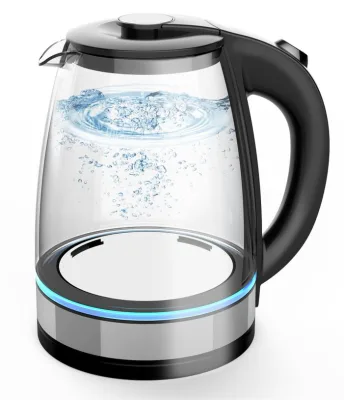
Custom Wholesale Factory Price High Quality Blue LED 1.7L Electric Glass Water Kettle
$1.90 - $4.39
MOQ: 2000 pieces
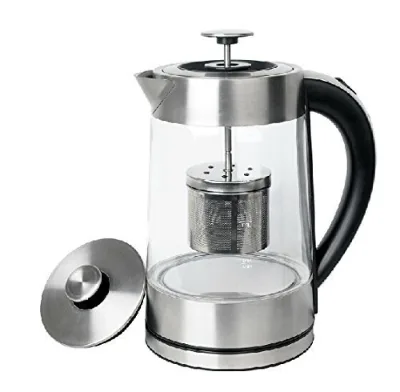
$5.9556 - $16.3258
MOQ: 500 pieces
Foshan Dtk Household Appliances Co., Ltd.
- Manufacturer, Trading Company, Distributor/Wholesaler
- Guangdong, China
- Lead time25 days
- Avg. response≤ 1h
Main productsbaby appliances,Mini Refrigerator,Glass tea kettle,Bladeless fan,Juicer cup
Main marketsSoutheast Asia(50.00%), North America(10.00%)






Comprehensive Sourcing Guide
Portable Glass Electric Kettle Supplier Concentration and Factory Types
The current supplier landscape for portable glass electric kettles reveals a distinct concentration of trading companies rather than direct manufacturing entities. Analysis of the available results indicates that the primary company type listed is a Trading Company, which suggests that buyers are often interfacing with intermediaries who source from various factories rather than dealing with the original equipment manufacturers directly. This structural dynamic is crucial for procurement teams to understand, as it impacts negotiation leverage, communication clarity, and the ability to request custom modifications. Trading companies often aggregate products from multiple sources, which can simplify the sourcing process for buyers seeking a variety of models but may complicate quality control and supply chain transparency. The presence of these intermediaries means that the actual manufacturing location might be different from the supplier's registered address, requiring additional due diligence to trace the true origin of the goods.
Furthermore, the main products listed by these suppliers extend beyond just kettles, encompassing a broad range of home appliances such as fans, heaters, air fryers, toasters, rice cookers, vacuum cleaners, coffee machines, hairdressing appliances, electric toothbrushes, and steam irons. This diversification indicates that many suppliers operate as generalist home appliance traders rather than specialized kettle manufacturers. For buyers focusing specifically on portable glass electric kettles, this generalist approach may offer convenience in consolidating orders but could also signal a lack of deep technical expertise in kettle-specific engineering. It is essential to verify whether the supplier has dedicated production lines for glass appliances or if they simply resell products from other specialized factories. Understanding this factory type distinction helps buyers set realistic expectations regarding customization capabilities, technical support, and the depth of product knowledge available during the sourcing process.
How to Verify Portable Glass Electric Kettle Suppliers
Verifying the legitimacy and capability of suppliers requires a multi-layered approach that goes beyond surface-level profile reviews. One critical step is to check for third-party verification badges, such as SGS, which serves as an indicator of a supplier's commitment to quality and compliance standards. In the current results, at least one supplier displays SGS verification, providing a tangible data point for buyers to assess reliability. However, verification badges should not be the sole criterion; buyers must also scrutinize the supplier's response time, which is listed as a key performance metric. A response time of three hours or less, as seen in some results, suggests a responsive and potentially more engaged supplier, whereas longer response times may indicate a less dedicated account management team. Buyers should actively test communication channels by sending detailed inquiries to gauge the speed and quality of the replies received.
Additionally, buyers should request and validate specific product documentation to ensure compliance with safety and quality standards. Since glass electric kettles involve high temperatures and electrical components, verifying certifications related to electrical safety and material health is paramount. Buyers should ask for test reports from accredited laboratories, particularly for the glass material used, to ensure it is heat-resistant and free from harmful substances. It is also important to confirm the warranty terms and after-sales service provisions explicitly stated in the product details. For instance, some suppliers offer a one-year warranty with return and replacement services, while others provide free spare parts. Buyers must compare these terms carefully and ensure they are clearly documented in the contract. Requesting samples before placing bulk orders is another essential verification step, allowing buyers to physically inspect the build quality, check for defects, and test the functionality of features like automatic shut-off and boil-dry protection.
What to Compare Across Portable Glass Electric Kettle Suppliers
When evaluating multiple suppliers, buyers must systematically compare key operational metrics to identify the most suitable partner for their specific needs. One of the most critical factors is the Minimum Order Quantity (MOQ), which can significantly impact inventory management and cash flow. In the current results, the MOQ is consistently listed as 12 pieces, which is relatively low and favorable for small to medium-sized buyers or those testing new markets. Buyers should verify if this MOQ is negotiable for larger orders or if it remains fixed regardless of volume. Additionally, comparing the price ranges across different models is essential to understand the market rate and identify potential outliers. Prices for similar glass electric kettles vary, with some models ranging from approximately $4.68 to $6.78, depending on features, capacity, and build quality. Buyers should not solely focus on the lowest price but should consider the value proposition, including features like digital displays, keep-warm functions, and cordless bases.
Another vital aspect of comparison is the lead time, which varies based on order volume and seasonality. The data indicates that for orders between 1 and 500 units, the lead time is approximately 31 days, while larger orders are subject to negotiation. Buyers must assess whether this timeline aligns with their sales cycles and inventory requirements. It is also important to compare the specific product attributes, such as capacity, power rating, and material quality. For example, some kettles have a capacity of 2.0 liters with a 2000W power rating, while others may offer 1.6 to 2.0 liters with 2200W power. Buyers should also look at the packaging details, including carton size and weight, as these affect shipping costs. Comparing the after-sales service provisions, such as return and replacement policies versus free spare parts, can also influence the long-term cost of ownership. By systematically comparing these dimensions, buyers can make informed decisions that balance cost, quality, and service.
Common Portable Glass Electric Kettle Sourcing Risks
Sourcing portable glass electric kettles involves several inherent risks that buyers must proactively manage to ensure a smooth procurement process. One significant risk is the potential for product inconsistency, especially when dealing with trading companies that may source from multiple factories. Without strict quality control measures, there is a risk of receiving units with varying build qualities, inconsistent glass thickness, or faulty electrical components. Buyers should mitigate this risk by implementing rigorous inspection protocols, including pre-shipment inspections and random sampling. It is also crucial to verify that the glass used is high borosilicate or similarly heat-resistant material, as inferior glass can shatter during use, leading to safety hazards and liability issues. Buyers should request material certificates and conduct their own tests to ensure the product meets safety standards.
Another common risk is the discrepancy between the quoted specifications and the actual delivered product. Suppliers may list features such as automatic shut-off, boil-dry protection, or digital displays, but the final product may lack these functionalities or perform them unreliably. Buyers must ensure that all specifications are clearly documented in the purchase order and that the supplier acknowledges these requirements. Additionally, there is a risk of delays in production or shipping, which can disrupt supply chains and lead to stockouts. Buyers should establish clear communication channels and request regular updates on production status. It is also important to consider the risk of intellectual property infringement, especially if the supplier uses branded components or designs without proper authorization. Buyers should verify that the products are original or properly licensed to avoid legal complications. By identifying and addressing these risks early, buyers can protect their interests and ensure a successful sourcing experience.
Portable Glass Electric Kettle Regional Sourcing and Logistics
The regional sourcing of portable glass electric kettles is heavily influenced by manufacturing clusters, which can impact costs, lead times, and logistics efficiency. In the current results, the location is specified as China Zhejiang, a region known for its robust manufacturing infrastructure and expertise in home appliances. Buyers sourcing from this region can benefit from established supply chains, skilled labor, and proximity to major ports, which facilitates efficient export logistics. However, it is important to verify the exact location of the factory, as trading companies may be registered in one area while the actual production occurs elsewhere. Buyers should request the factory address and conduct site visits or third-party audits to confirm the manufacturing location. This verification helps ensure that the supplier has direct control over the production process and can maintain consistent quality standards.
Logistics planning is another critical aspect of regional sourcing, as it affects the total cost of ownership and delivery timelines. Buyers must consider factors such as shipping methods, freight costs, and customs clearance procedures when sourcing from international locations. For orders from China Zhejiang, sea freight is often the most cost-effective option for large volumes, while air freight may be suitable for urgent or smaller orders. Buyers should also account for packaging dimensions and weights, as these directly impact shipping costs. The current results indicate carton sizes and weights that buyers can use to estimate freight charges. Additionally, buyers should consider the impact of seasonal variations on logistics, as peak seasons may lead to container shortages and higher freight rates. By understanding the regional logistics landscape, buyers can optimize their supply chain and reduce overall procurement costs.
Portable Glass Electric Kettle Commercial Terms and Order Planning
Effective order planning and negotiation of commercial terms are essential for successful sourcing of portable glass electric kettles. Buyers should carefully review the payment terms, delivery conditions, and warranty policies offered by suppliers. The current results indicate that some suppliers offer a one-year warranty with return and replacement services, while others provide free spare parts. Buyers must ensure that these terms are clearly defined in the contract and that the process for claiming warranty support is straightforward. It is also important to negotiate favorable payment terms, such as using escrow services or letter of credit, to protect against fraud and ensure payment security. Buyers should avoid making full upfront payments and instead opt for milestone-based payments linked to production progress and shipment.
Furthermore, buyers must plan for potential fluctuations in order volumes and adjust their procurement strategy accordingly. The lead time data suggests that orders between 1 and 500 units take approximately 31 days, while larger orders require negotiation. Buyers should align their order quantities with their sales forecasts and inventory levels to avoid overstocking or stockouts. It is also important to consider the MOQ and negotiate for flexibility, especially for new product introductions or test orders. Buyers should also plan for packaging and labeling requirements, ensuring that the products meet the regulatory and branding standards of their target markets. By carefully planning commercial terms and order volumes, buyers can optimize their procurement process, reduce risks, and achieve better cost efficiency. Regular communication with suppliers and continuous monitoring of market trends are also crucial for maintaining a competitive edge in the home appliance sector.
FAQs
What is the minimum order quantity for portable glass electric kettles?
The minimum order quantity is 12 pieces per carton. This standard packaging unit applies across most available models. Buyers should confirm the exact carton quantity with the supplier before placing an order to ensure alignment with their logistics and storage requirements.
What is the typical lead time for these kettles?
The lead time is 31 days for orders between 1 and 500 units during both peak and off-peak seasons. For quantities exceeding 500 units, the delivery schedule must be negotiated directly with the supplier. This timeline ensures consistent production capacity management.
What is the price range for these glass kettles?
Prices range from approximately $4.68 to $15.71 per unit depending on the model and features. Basic models start near $4.68, while advanced digital versions cost around $15.71. The specific price depends on the selected capacity, power rating, and additional features.
What warranty and after-sales support are provided?
Most models include a one-year warranty. After-sales support varies, with some suppliers offering return and replacement services, while others provide free spare parts. Buyers should verify the specific after-sales policy for their chosen supplier to ensure adequate long-term support.
Where are these portable glass kettles manufactured?
These products are manufactured in Zhejiang, China. This region is a known hub for small home appliance production. Buyers can verify the specific factory location and production capabilities through the supplier's detailed company profile and verification status provided on the sourcing platform.
What are the key features of these electric kettles?
Common features include a 360-degree rotational base, cordless design, keep-warm function, and boil-dry protection. Many models also feature automatic shut-off for safety. The glass body is typically made of high borosilicate glass for durability and heat resistance during daily use.