Inverter DC ARC Welding Machine Suppliers and Manufacturers
Source 24 verified suppliers for Inverter DC ARC Welding Machine units from China. Compare key dimensions including lead times, MOQs, certifications, and response rates. Contact suppliers directly to request quotes and verify production capabilities; review the available evidence before requesting comparable quotations from suitable candidates.
Updated
Suppliers List

Shenzhen Weldway Technology Co., Ltd.
- Trading Company,Manufacturer/Factory
- China Guangdong
- Lead time23 days
- Avg. response≤ 5h
Main productsWelding Machine, Inverter Portable Welder, Welding Equipment, MMA MOS Welder, TIG Inverter Welding Machine, MIG/Mag Welder, Inverter Welder, Welder, Electric Welder, Welding Tool
Main marketsSouth America,Eastern Europe,Mid East,North America,Southeast Asia,Eastern Asia,Oceania,Western Europe,Africa


Portable Welder Arc 200 Inverter DC Arc Welding Machine with Precise Control
$65.00 - $100.00
MOQ: 50 Pieces


Arc400st Good Performance Portable Dual Voltage DC Inverter Welding Machine
$65.00 - $100.00
MOQ: 50 Pieces


Taizhou Boyu Trading Co., Ltd.
- Verified by BV
- Trading Company
- China Zhejiang
- Lead time30 days
- Avg. response≤ 8h
Main productsWelding Machine, Air Compressor, Inverter Welding Machine, Welder, Compressor, TIG Welding Machine, MMA Welding Machine, Inverter Welder, Silent Air Compressor
Main marketsEurope
Taizhou Retop Mechanical & Electrical Co., Ltd.
- Verified by TüVRheinland
- Manufacturer, Trading Company
- Lead time30 days
- Avg. response≤ 2h
Main productsWelding Machine, Cutting Machine, Battery Charger, Air Compressor, Water Pump
Main marketsSouth America(21%), Eastern Europe(16%), South Asia(16%)
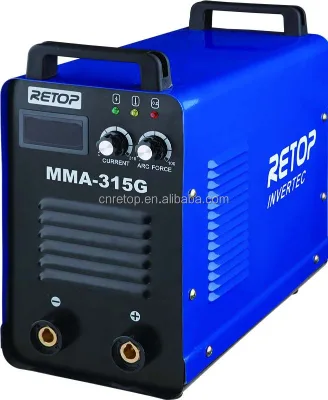
High Frequency 300 Amp Mma Inverter Dc Arc Welding Machine
$56.00 - $70.00
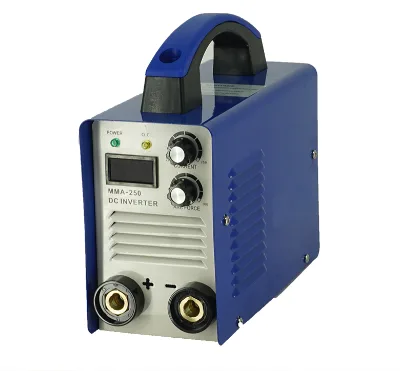
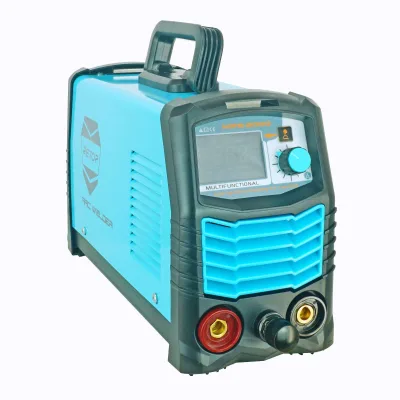
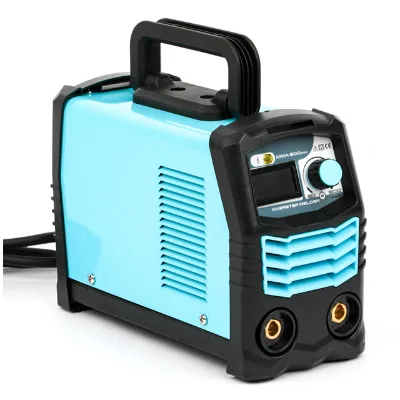
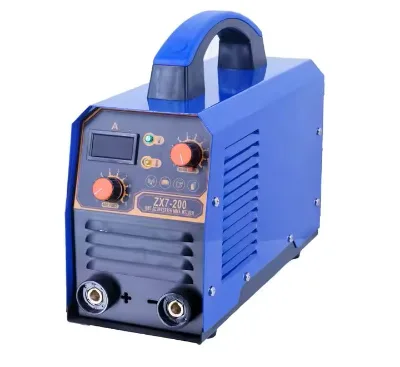
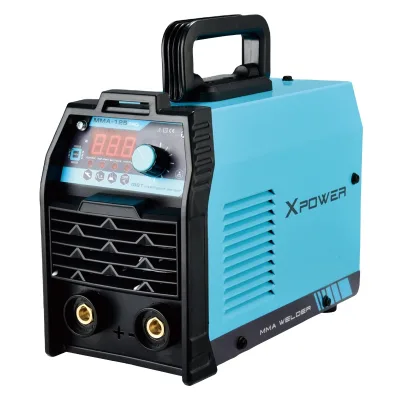
Mini Portable Inverter Dc Mma Arc Welding Welder Machines
$25.00 - $28.00

Wenling Shellmax Equipment Manufacturing Co., Ltd.
- Combined
- China Zhejiang
- Lead time15 days
- Avg. response≤ 22h
Main productsGarage Equipments, Welding Machine, Quartz Machinery, Feeding Machine, Spot Welder, Fuel Saver Kit, Electric Motor, Aerator, Auto Parts, OEM Products
Main marketsSouth America,Southeast Asia/ Mideast,North America
Nanning Chuanjun Welding Hardware Co., Ltd.
- Verified by TüVRheinland
- Manufacturer, Trading Company
- Lead time15 days
- Avg. response≤ 3h
Main productsFlame Cutting Machine, Fillet Welding Machine, Beveling Machine
Main marketsNorth America(35%), Southeast Asia(30%), Western Europe(25%)
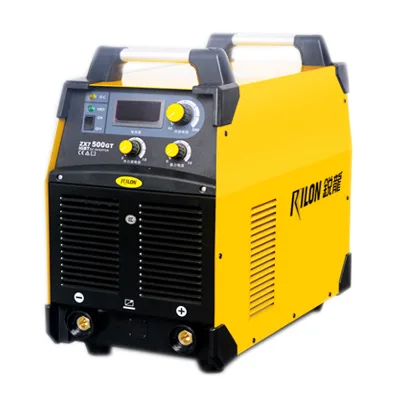
Industrial 500 AMP Single Tube DC MMA Inverter ARC Welding Machine
$405.57 - $512.53
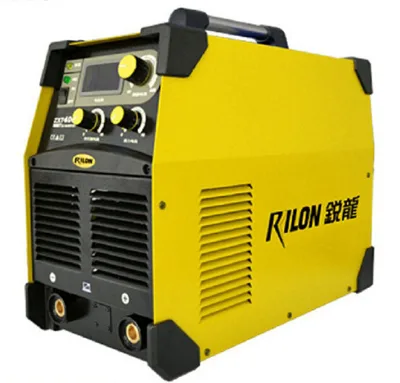
Small Welding Machine 400amp ARC Welder Inverter Welding Machine
$280.28 - $351.75
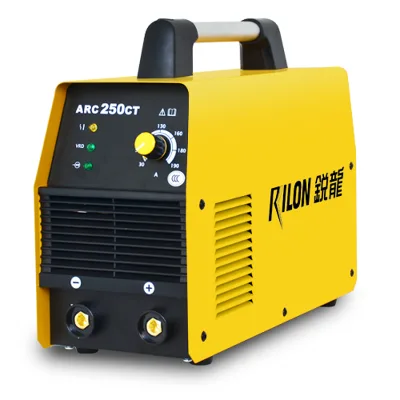
Portable Single Phase Welding Machine Inverter AC Arc Welder
$165.00 - $172.15
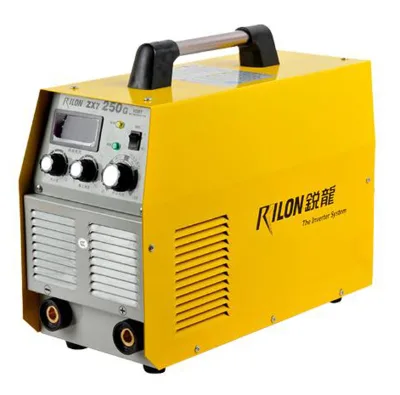
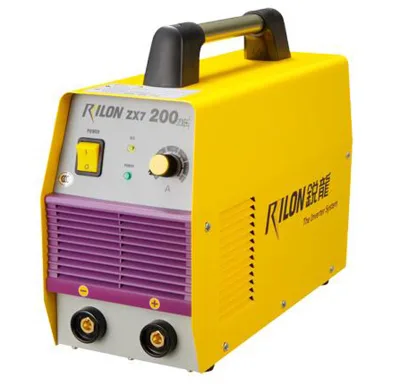
Mini AC ARC/MMA 20-120/140/160/180/200/220/250/300A Welding Machine
$120.00 - $130.00

Jiangsu Aolong Electric Technology Co., Ltd.
- Verified by BV
- Manufacturer/Factory
- China Jiangsu
- Lead time30 days
- Avg. response≤ 1h
Main productsWelding Machine, Plasma Cutting Machine, MIG/Mag Gas Shielded Welder, TIG Argon Arc Welder, MMA Manual Metal-Arc Welder, Stud Welding Machine, Saw Submerged Arc Welder, Welding Robot, Portable Welder, Industrial Welder
Main marketsSouth America,Eastern Europe,North America,Southeast Asia,Western Europe


High Efficiency TIG DC MMA Inverter Arc Welding Machine for Steel Welding
$128.00 - $268.00
MOQ: 1 set


Zhejiang Lingba Welding Equipment Co., Ltd
- Verified by BV
- Manufacturer/Factory
- China Zhejiang
- Lead time23 days
- Avg. response≤ 4h
Main productsWelding Machine Arc TIG MIG MMA IGBT, Inverter Mmawelding Machine Dual Voltage Welding, Arc Welding Machine MIG Welding Machine, TIG Welding Machine Plasma Cutting Machine, Welding Equipment Welding Machine Manufacture, Dual Voltage Welding Machine 110V/220V MMA Weldi, Inverter MMA Welding Machineigbt Welding Machine, 120AMP 140AMP 160AMP 180AMP 200AMP Welding Machi, Battery Charger Welding Generatorsynergy Welding, Spawarka Maquina De Solda Maquina De Soldarapara
Main marketsSouth America,Eastern Europe,North America,Southeast Asia,Eastern Asia,Oceania,Western Europe,Africa


Inverter Welding Machine DC Arc Series DC Inverter MMA Welder Arc-500
$120.00 - $135.00
MOQ: 100 Pieces


Good Quality Energy-Saving Portable Arc MMA Electric Inverter Welding Machine
$20.00 - $22.00
MOQ: 1 Pieces

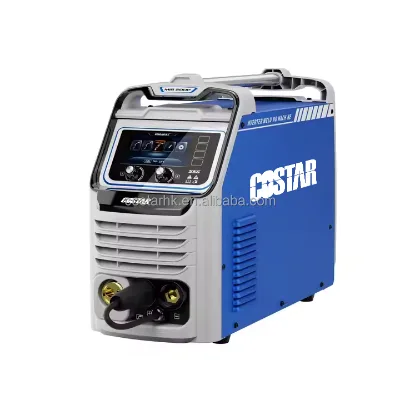
Costar Technology Co., Limited
- Trading Company
- Hong Kong S.A.R.
- Lead time35 days
- Avg. response≤ 5h
Main productsMMA Welder,MIG Welder,TIG Welder,Air Plasma Cutter,Welding Accessories
Main marketsSoutheast Asia(20.00%), Mid East(20.00%), Eastern Asia(20.00%), South Asia(20.00%), Eastern Europe(10.00%), Northern Europe(10.00%)
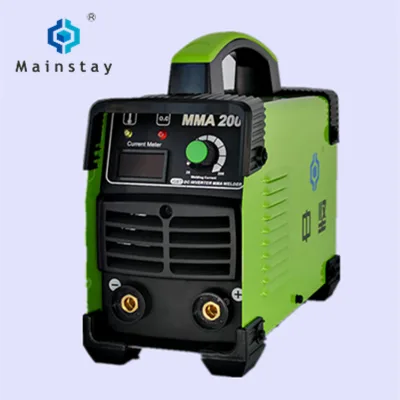
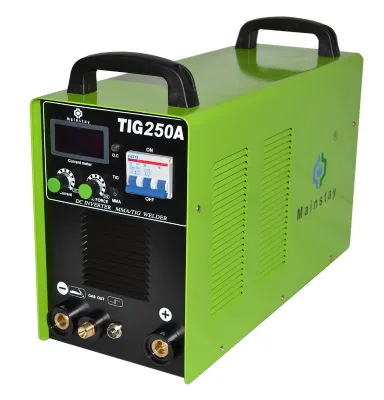
Huizhou Mainstay Electronic Co., Ltd.
- Manufacturer
- Guangdong, China
- Lead time25 days
- Avg. response≤ 2h
Main productsARC welding machine,MIG Welding Machine,TIG Welding Machine,MMA Welding Machine,Plasma Cutting Machine
Main marketsSoutheast Asia(20.00%), Mid East(15.00%), North America(15.00%), South America(15.00%), Africa(10.00%), Northern Europe(10.00%), Oceania(5.00%), Central America(5.00%), Western Europe(5.00%)
Shandong Hanbang Tools Co., Ltd.
- Verified by SGS Group
- Trading Company
- Lead time15 days
- Avg. response≤ 2h
Main productsHand Tools, Power Tools, Welding Tools, Water Pump
Main marketsDomestic Market(45%), Southeast Asia(12%), Mid East(6%)
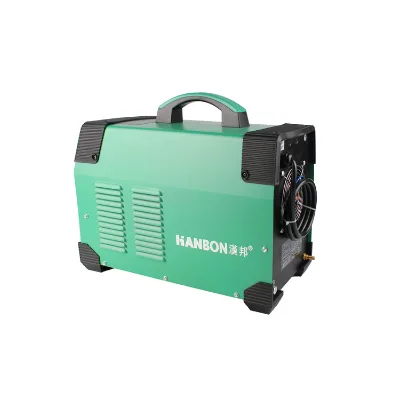
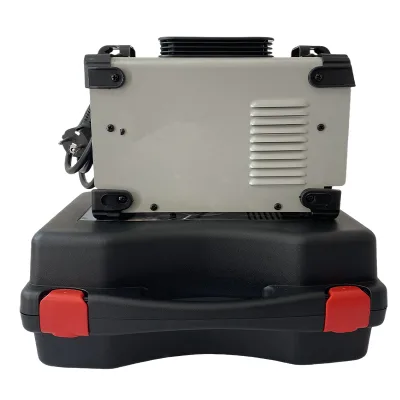
New Design Dc Inverter Technology Oem Small Solda Inversora Mma Arc Welding Machines
$23.00 - $26.00
MOQ: 1
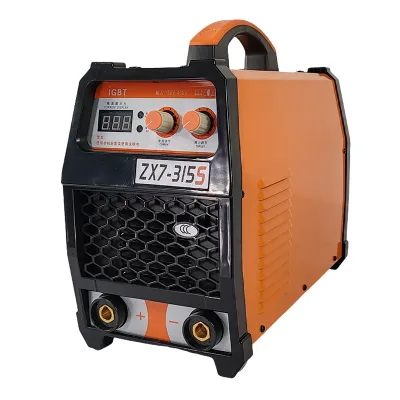
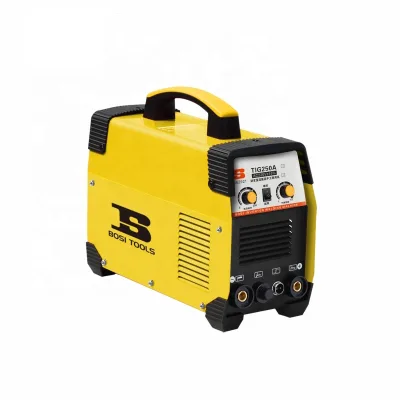
Ningbo Shiji Bosi Tools Co., Ltd.
- Manufacturer
- Zhejiang, China
- Lead time10 days
- Avg. response≤ 9h
Main productsHand Tools,Power Tools
Main marketsDomestic Market(80.00%), Southeast Asia(10.00%), Mid East(10.00%)
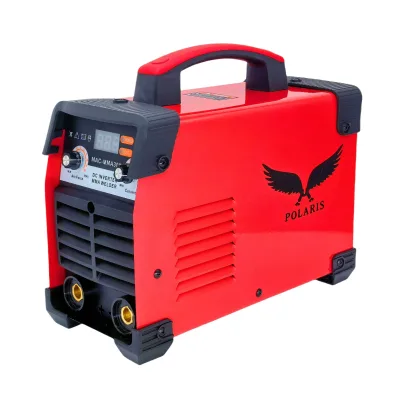
Linyi Polaris International Trade Co., Ltd.
- Verified by TüVRheinland
- Trading Company
- Lead time7 days
- Avg. response≤ 4h
Main productsMIG Welding Machine, Other Arc Welders, Plasma Cutting Machine, TIG Welding Machine, MMA Welding Machine
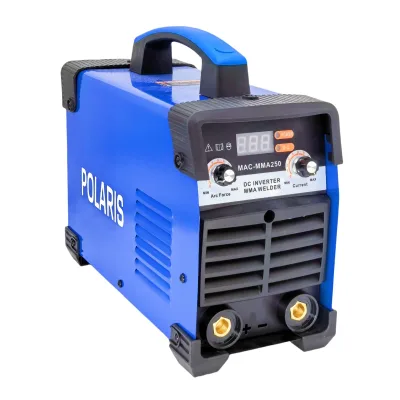
China Manufacturer Single PCB Welding Machine Arc Welder Inverter Welding Machine
$20.00 - $27.00
MOQ: 1 sets
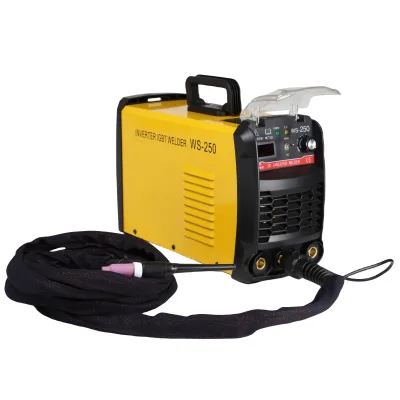
$57.697 - $68.1875
MOQ: 1 sets
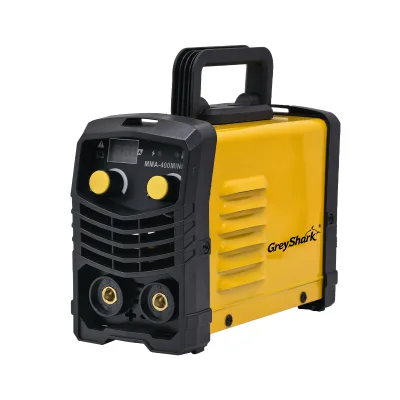
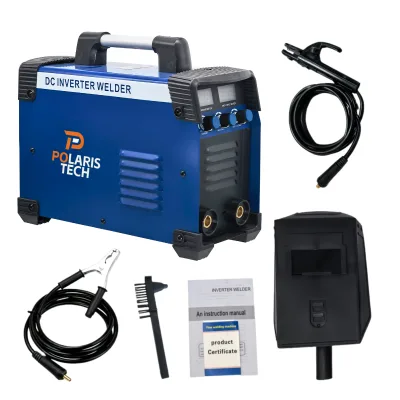
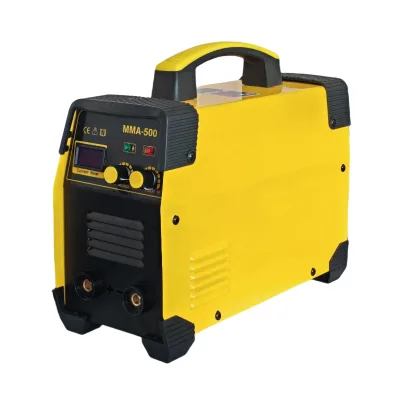
Taizhou Genteck Electric Co., Ltd.
- Verified by Intertek
- Manufacturer, Trading Company
- Lead time30 days
- Avg. response≤ 4h
Main productsElectric Welding Machine, Car Charger
Main marketsEastern Europe(20%), Southeast Asia(20%), South America(18%)
- Trading Company
- Lead time旺季: "1 - 30":7,"31 - 300":15,"> 300":"To be negotiated", 淡季: "1 - 30":7,"31 - 300":15,"> 300":"To be negotiated"
- Avg. response≤ 8h
Main productsDc Inverter Welding Machine/Inverter Welder,Inverter IGBT MMA/TIG/MIG Welding Machine,Air Plasma Cutting Machine/Plasma Cutter,Car Battery Charger,Solar Auto Darkening Welding Helmet/Welding Mask
Foshan Hanzu Technologies Co., Ltd.
- Manufacturer, Agent, Association
- Guangdong, China
- Lead time30 days
- Avg. response≤ 2h
Main productswelding machine,plasma cutting machine,welding accessories,welding helmets,gas regulators
Main marketsWestern Europe(35.00%), Eastern Europe(22.00%), Southern Europe(14.00%), Northern Europe(13.00%), South America(12.00%), Southeast Asia(4.00%)
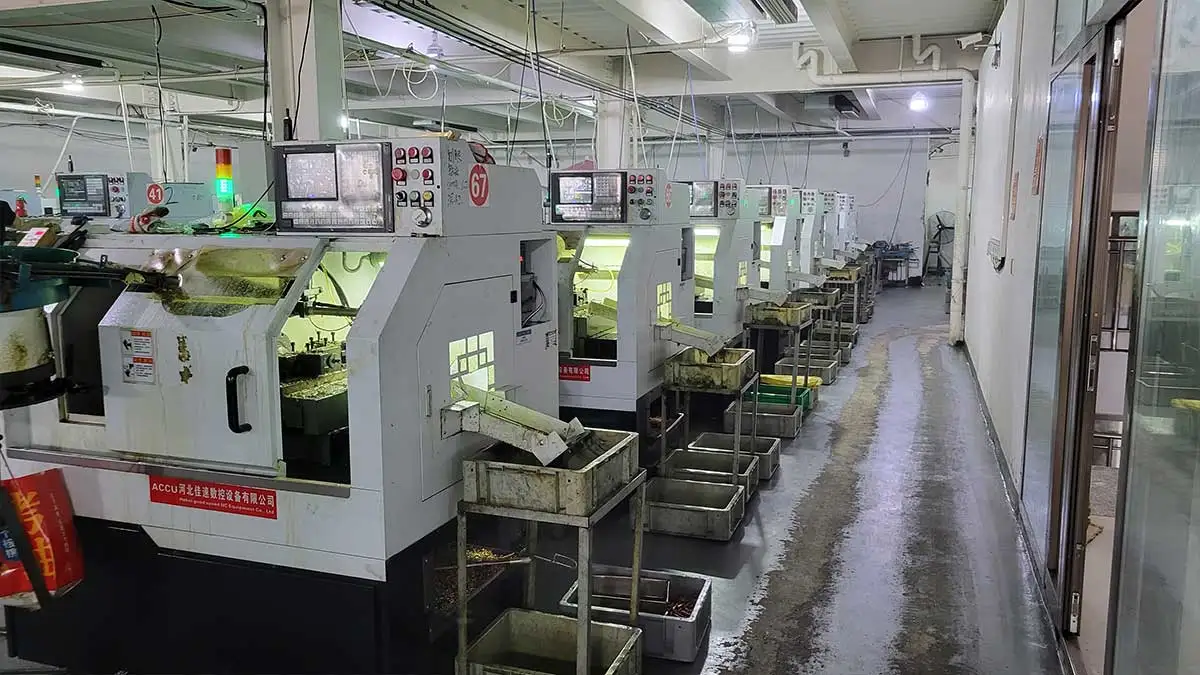
Shandong Aotaier Welding And Cutting Equipment Co., Ltd.
- Manufacturer, Trading Company
- Shandong, China
- Lead time15 days
- Avg. response≤ 1h
Main productsWelding And Cutting Equipment Accessories, Welding And Cutting Equipment
Main marketsDomestic Market(70.00%), Africa(15.00%), Southeast Asia(15.00%)
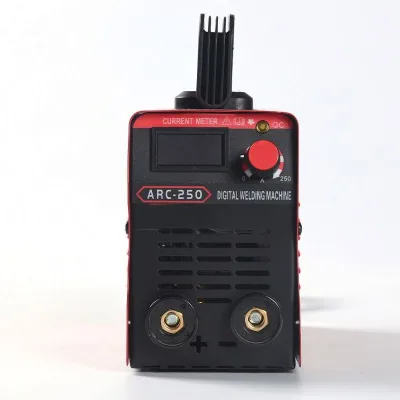
Arc Welding Machine Soldadura Arc Welders 110v Welding Machine Welder
$20.1736 - $22.9673
MOQ: 10 packs
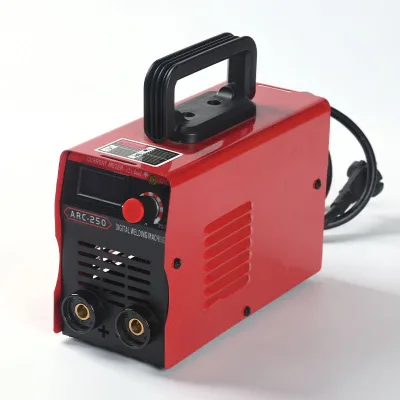
$19.50 - $22.20
MOQ: 10 packs
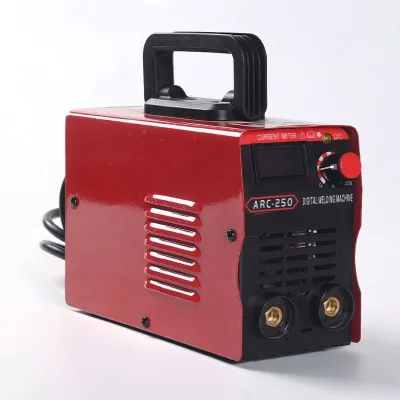
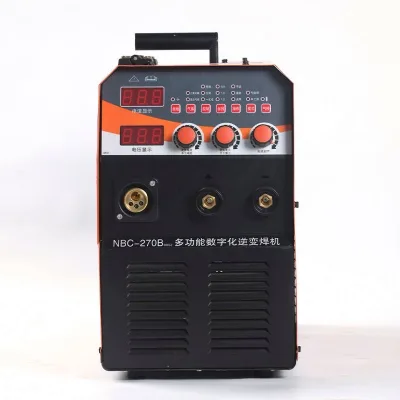
ARC Welder 110V Inverter 250 Ampiere Arc Welding Machine MMA-250 Welding Equipment
$19.50 - $22.20
MOQ: 10 packs

SHANGHAI CHD WELDING & CUTTING EQUIPMENT CO., LTD.
- Verified by SGS
- Combined
- China Shanghai
- Lead time30 days
- Avg. response≤ 10h
Main productsCNC Cutting Machine, Plasma Cutting Machine, Gas Cutting Machine, Pipe Cutting Machine, H-Beam Cutting Machine, Welding Machine, Flame Cutting Machine, MIG Welding Machine, TIG Welding Machine, MMA Welder
Main marketsSouth America,Africa,Southeast Asia/ Mideast,East Asia(Japan/ South Korea),Europe,Australia,North America


Welding Machine Inverter Welding Machine with Carbon Arc Gouging Function
$425.00 - $445.00
MOQ: 1 Pieces

Shenzhen Costar Technology Co., Ltd.
- Manufacturer, Trading Company, Distributor/Wholesaler
- Guangdong, China
- Lead time25 days
- Avg. response≤ 4h
Main productsMMA WELDER,TIG WELDER,MIG WELDER,AIR PLASMA CUTTER,ARC WELDER
Main marketsSoutheast Asia(30.00%), North America(15.00%), Western Europe(15.00%), Mid East(15.00%), Eastern Europe(10.00%), South America(10.00%), Domestic Market(5.00%)
Zhe Jiang Ling Ba Welding Equipment CO., LTD
- Manufacturer
- ZheJiang, China
- Lead time30 days
- Avg. response≤ 2h
Main productsWelding Machine
Main marketsEastern Europe(30.00%), Southeast Asia(30.00%), Mid East(23.00%), South Asia(17.00%)
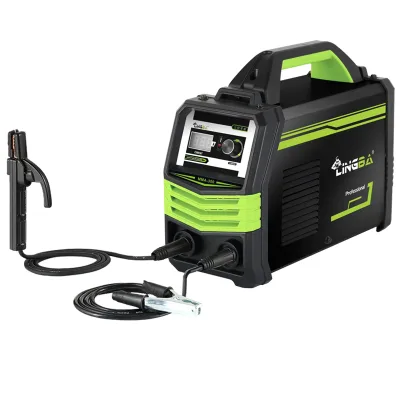
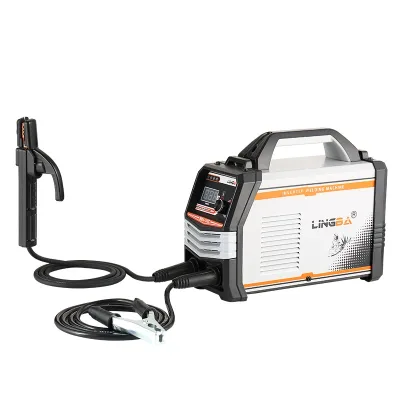
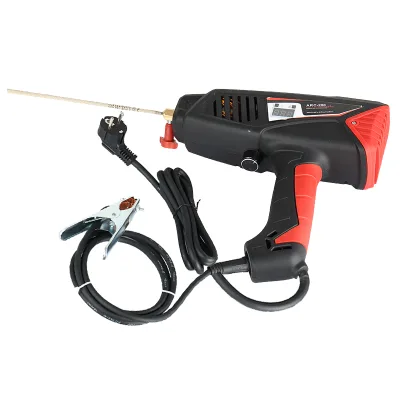
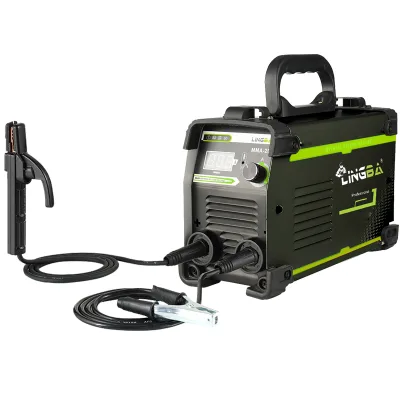
$19.00 - $21.00
MOQ: 300 pieces
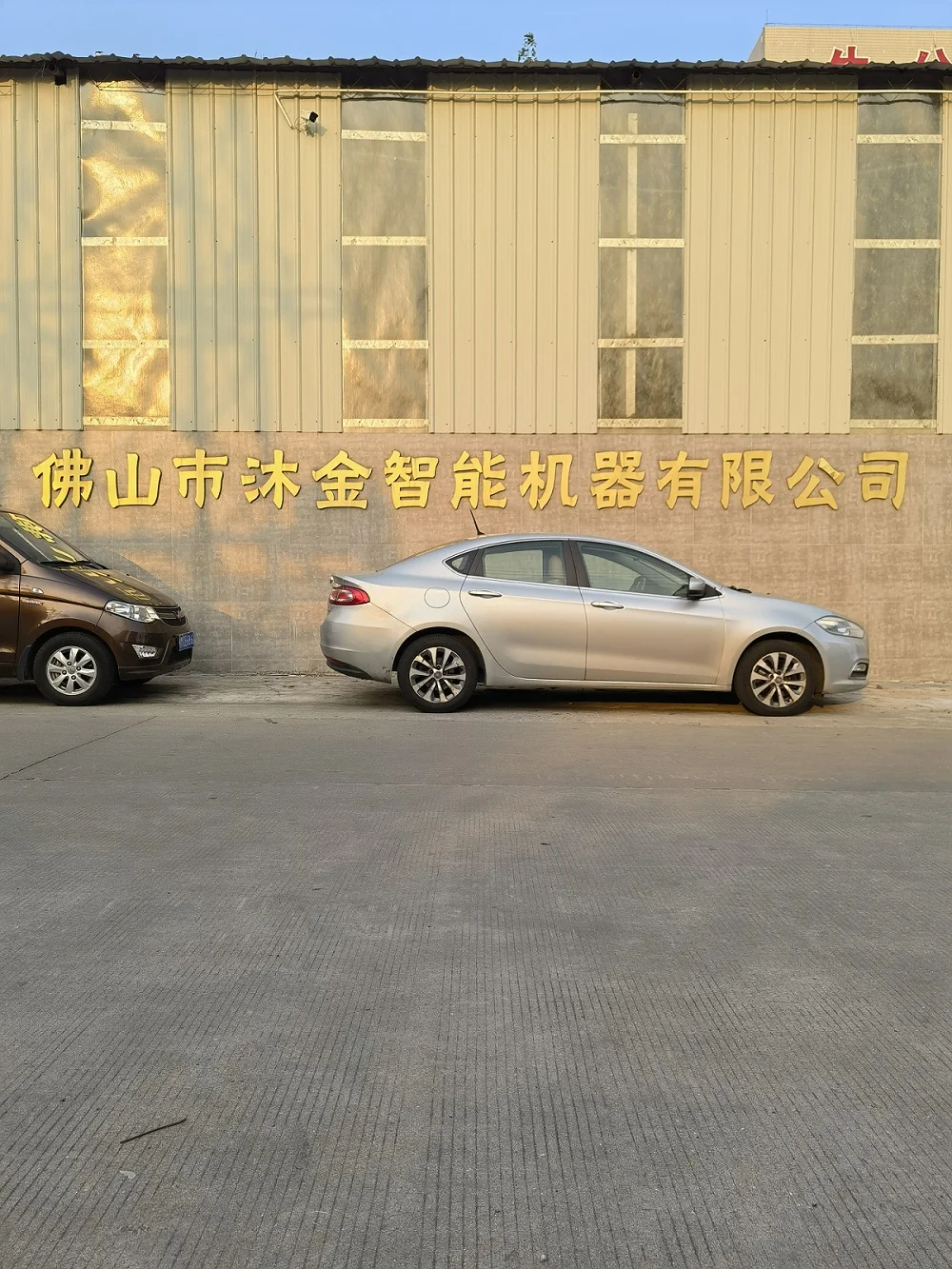
Foshan Mujin Intelligent Machinery Co., Ltd.
- Manufacturer
- Guangdong, China
- Lead time30 days
- Avg. response≤ 2h
Main productswelding machine series,Grinding machine,Polishing machine,pressing edges and corner machine,grinding and polishing in one machine
Main marketsDomestic Market(80.00%), Southeast Asia(5.00%), Eastern Asia(5.00%), South Asia(5.00%), Mid East(4.00%), Northern Europe(1.00%)
Jinan Ludiao Cnc Equipment Co., Ltd.
- Verified by Intertek
- Manufacturer, Trading Company
- Shandong, China
- Lead time10 days
- Avg. response≤ 2h
Main productsCNC Router, ATC CNC Nesting Machine, Flexible Material Cutting Machine, Fiber Laser Cutting Machine, Fiber Laser Welding Machine
Main marketsDomestic Market(30%), Africa(14%), Mid East(12%)
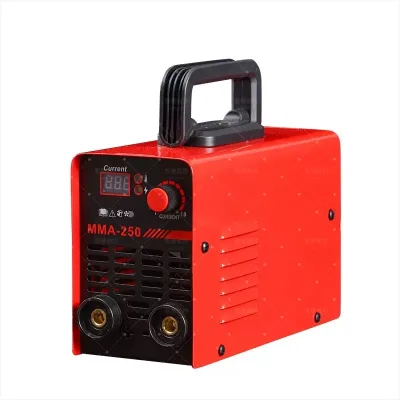
High Quality 120A DC Motor Portable Welding Machine OEM Single Phase Arc MMA 220V Factory Direct"
$23.50 - $29.90
MOQ: 1 sets
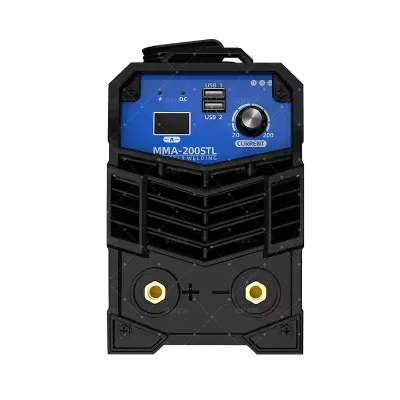
China 220v/110v Mini Electric Arc Portable Welding Machine New Condition with DC Motor Good Price
$28.00 - $35.00
MOQ: 1 sets
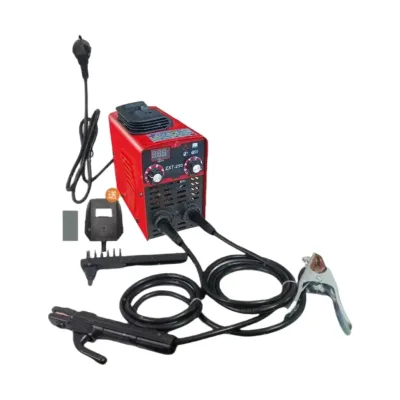
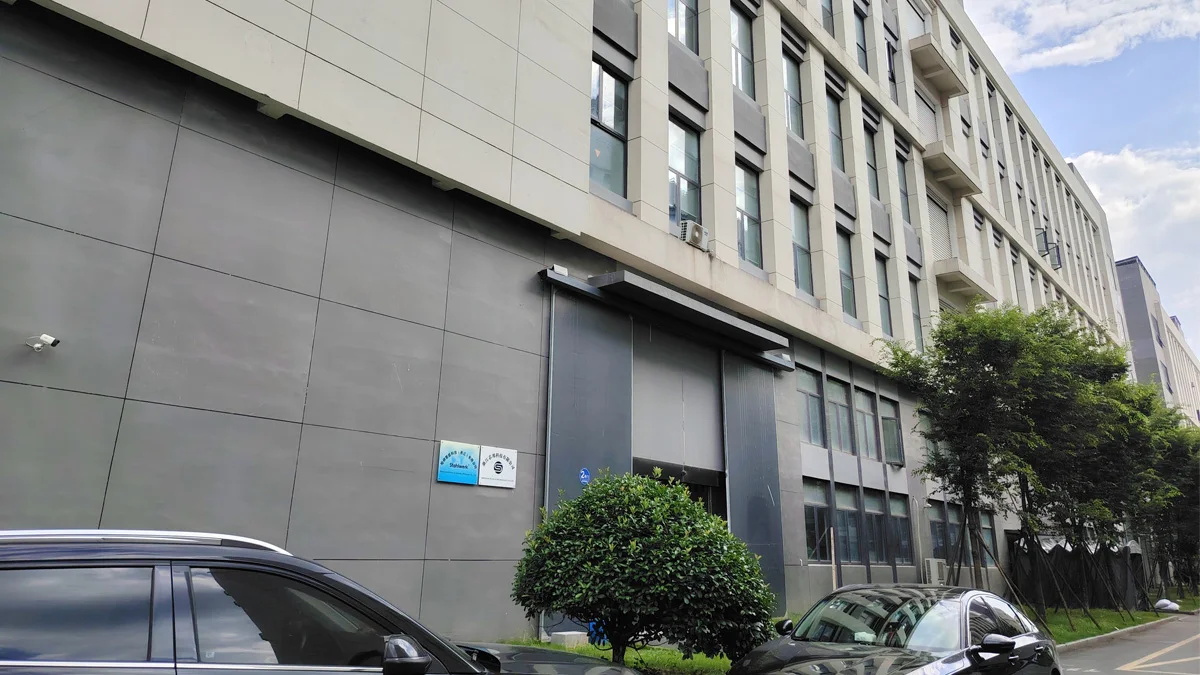
Shenzhen Stahlwerk Welding Technology Co., Ltd.
- Trading Company
- Guangdong, China
- Lead time30 days
- Avg. response≤ 1h
Main productslaser welding machine,TIG welding machine,MIG welding machine,MMA welding machine,plasma cutter welding
Main marketsNorth America(30.00%), South America(20.00%), South Asia(5.00%), Northern Europe(5.00%), Central America(5.00%), Western Europe(5.00%), Eastern Asia(5.00%), Mid East(5.00%), Oceania(5.00%), Africa(5.00%), Southeast Asia(5.00%), Eastern Europe(5.00%)
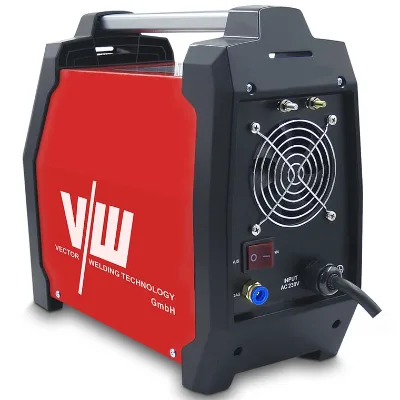
New Arrival Durable Wholesale Arc Welder Inverter Welding Machine China Manufacture Welding Machine
$141.5925 - $162.1121
MOQ: 1 sets
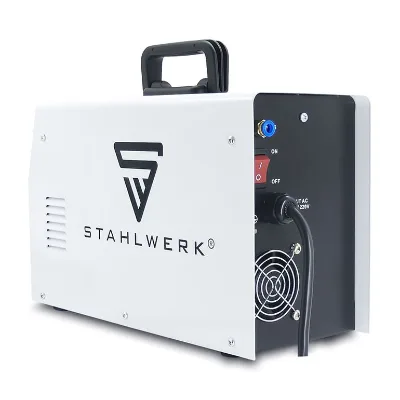
$158.00 - $178.00
MOQ: 1 sets

TAIYUAN HUAYE HEAVY INDUSTRY CO.,LTD
- Verified by SGS
- Combined
- China Shanxi
- Lead time60 days
- Avg. response≤ 4h
Main productsSpiral Welded Pipe Mill, ERW Tube Mill, End Facing and Beveling Machine, Hydrostatic Tester, Cold Roll Forming Mill, Cut to Length Line, Slitting Line, Pipe End Expander, Pipe Straightener, Pipe Production Finishing Area
Main marketsSouth America,Africa,Europe

- Manufacturer/Factory
- China Zhejiang
- Lead time23 days
- Avg. response≤ 25h
Main productsBreakers, Contactors, Relays, Push Button, Current Transformer, Transformer, Electrical Accessories, Meter, Solar Light, Voltage Stabilizer
Main marketsSouth America,Eastern Europe,Mid East,North America,Southeast Asia,Eastern Asia,Oceania,Western Europe,Africa


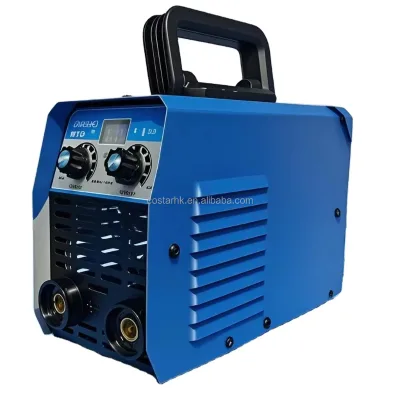
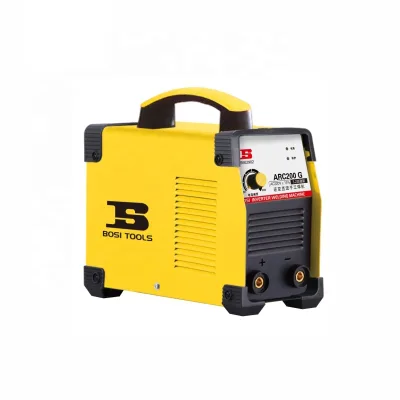
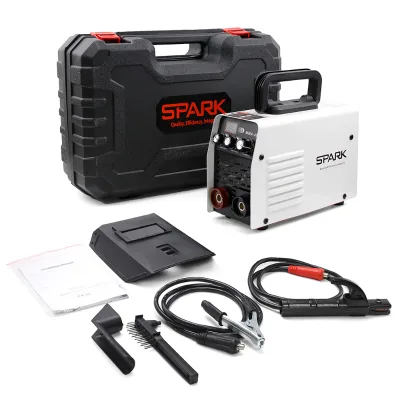
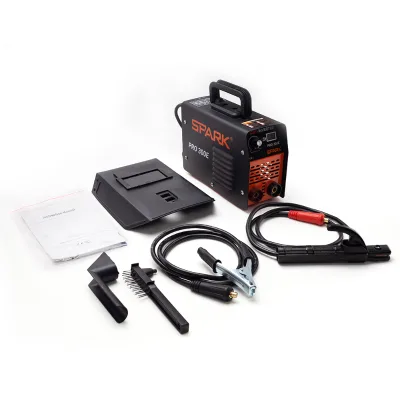
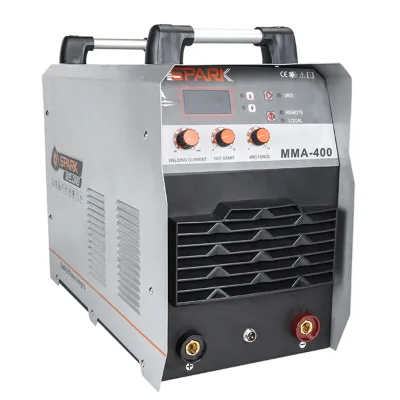


Comprehensive Sourcing Guide
Inverter DC ARC Welding Machine Supplier Concentration and Factory Types
The current supplier landscape for inverter DC arc welding machines reveals a distinct geographic concentration in China, with Guangdong and Zhejiang provinces emerging as primary manufacturing hubs. Suppliers located in Guangdong often operate as either trading companies or manufacturer/factory entities, offering a blend of direct production capabilities and commercial distribution services. This dual nature allows buyers to access a wider variety of product lines, including portable welders, MMA MOS welders, and TIG inverter welding machines, while potentially benefiting from the logistical efficiencies of established trading networks. The presence of both factory and trading company types in this region suggests a mature supply chain where OEM services are readily available, enabling buyers to customize products under their own brands or leverage existing proprietary models like RuiHu.
In contrast, suppliers based in Zhejiang tend to focus more heavily on trading company structures, which may influence their inventory management and product diversity. These entities often specialize in specific niches within the welding equipment sector, such as silent air compressors or compact inverter welders designed for home use and small-scale industrial applications. The distinction between factory and trading company is critical for buyers assessing their sourcing strategy, as factories typically offer greater control over production quality and customization, while trading companies might provide faster access to a broader range of existing stock. Understanding this structural difference helps buyers determine whether they need direct manufacturing partnerships for large-scale OEM orders or prefer the flexibility of trading partners for mixed-model procurement.
How to Verify Inverter DC ARC Welding Machine Suppliers
Verifying the credibility of Inverter DC ARC Welding Machine suppliers requires a multi-layered approach that goes beyond basic company profiles. Buyers should prioritize suppliers who hold recognized system certifications, such as ISO 9001, which indicates a standardized quality management system in place for manufacturing processes. Additionally, product-specific certifications like CE, CCC, and SGS are crucial for ensuring that the welding machines meet international safety and performance standards, particularly for markets with strict regulatory requirements. These certifications serve as a baseline for technical competence, but buyers must also look for evidence of third-party verification, such as BV (Bureau Veritas) status, which adds an extra layer of trust regarding the supplier’s operational integrity and financial stability.
Beyond certifications, buyers should assess the supplier’s responsiveness and transparency in communication. Response times, such as those recorded around 4.91 or 7.65 hours, can indicate the efficiency of the supplier’s customer service team, which is vital for resolving technical queries or negotiating custom specifications. It is also important to verify the authenticity of product attributes, such as duty cycles, current ranges, and cooling methods, by requesting detailed product datasheets or test reports. Suppliers who provide machinery test reports and clear after-sales service commitments, like online support, demonstrate a higher level of professionalism and reliability. Buyers should cross-reference these claims with independent reviews or industry forums to ensure that the supplier’s stated capabilities align with actual market performance and customer satisfaction levels.
What to Compare Across Inverter DC ARC Welding Machine Suppliers
When evaluating multiple suppliers, buyers must compare key operational metrics such as lead times, minimum order quantities (MOQ), and pricing structures to determine the best fit for their procurement needs. Lead times can vary significantly, with some suppliers offering delivery within 23 days while others may require up to 30 days, impacting inventory planning and project timelines. MOQs are another critical factor, as some suppliers may require orders of 50 units or more, which could be a barrier for smaller buyers or those testing new markets. By comparing these logistical parameters, buyers can identify suppliers who offer the flexibility needed for their specific order volumes and delivery schedules, ensuring that the supply chain remains efficient and cost-effective.
Product specifications and customization options also play a pivotal role in supplier comparison. Buyers should examine details such as the electric current type (inverter vs. DC), cooling methods (air cooling), and duty cycles (e.g., 60%) to ensure the welding machines meet their technical requirements. Customization availability, including logo printing, color options, and accessory modifications, allows buyers to tailor products to their brand identity or specific application needs. Additionally, comparing the range of main products offered by each supplier can reveal their specialization and expertise; some may focus on portable MMA welders, while others offer a broader portfolio including TIG and MIG machines. This holistic comparison helps buyers select suppliers who not only meet technical specifications but also align with their strategic sourcing goals.
Common Inverter DC ARC Welding Machine Sourcing Risks
One of the primary risks in sourcing inverter DC arc welding machines is the potential discrepancy between advertised specifications and actual product performance. Buyers may encounter suppliers who exaggerate key attributes such as duty cycles, current ranges, or cooling efficiencies, leading to subpar equipment that fails under heavy use. This risk is particularly prevalent when dealing with trading companies that may not have direct oversight of the manufacturing process, making it harder to verify technical claims. To mitigate this, buyers should request detailed technical documentation and, if possible, conduct third-party testing or inspections before finalizing large orders. Ensuring that the welding machines meet the stated plate thickness capabilities and current ranges is essential for maintaining operational reliability and customer satisfaction.
Another significant risk involves inconsistent quality control and after-sales support. Suppliers may offer warranties or online support, but the actual implementation of these services can vary widely. Buyers might face challenges in obtaining timely repairs or replacements for defective units, especially if the supplier is located in a different region or country. This risk is compounded by the lack of standardized enforcement mechanisms for warranty claims across different jurisdictions. To address this, buyers should prioritize suppliers with proven track records of reliable after-sales service and clear warranty terms. Establishing a robust communication channel and understanding the supplier’s dispute resolution process can help minimize the impact of potential quality issues and ensure long-term partnership stability.
Inverter DC ARC Welding Machine Regional Sourcing and Logistics
Sourcing inverter DC arc welding machines from China involves navigating distinct regional logistics advantages and challenges based on the supplier’s location. Guangdong-based suppliers often benefit from proximity to major ports and established manufacturing clusters, which can facilitate faster shipping and lower logistics costs for international buyers. This region’s infrastructure supports efficient export processes, making it an attractive option for buyers seeking quick turnaround times and reliable supply chain management. However, buyers must also consider the potential for higher competition and price fluctuations in this hub, which may require more diligent negotiation and supplier vetting to secure favorable terms.
In contrast, Zhejiang-based suppliers may offer different logistical benefits, such as specialized expertise in certain product niches or more flexible trading arrangements. While their lead times might be slightly longer, these suppliers often provide competitive pricing and a wide range of product options, including compact and portable welding machines. Buyers should evaluate the total landed cost, including shipping, customs duties, and insurance, when comparing suppliers from different regions. Understanding the specific logistical capabilities of each supplier, such as their experience with export documentation and freight forwarding, can help buyers optimize their supply chain and reduce the risk of delays or additional costs associated with international trade.
Inverter DC ARC Welding Machine Commercial Terms and Order Planning
Effective order planning for inverter DC arc welding machines requires careful attention to commercial terms, including pricing, payment methods, and packaging standards. Prices for these machines can range from approximately $60 to $100 per unit, depending on the model, specifications, and order volume. Buyers should negotiate clear pricing structures that account for potential volume discounts and currency fluctuations, ensuring that the total cost aligns with their budget constraints. Additionally, understanding the supplier’s payment terms, such as the use of escrow services or letter of credit, can provide financial security and protect against fraud or non-delivery. Establishing a transparent pricing agreement is crucial for maintaining a healthy buyer-supplier relationship and avoiding unexpected costs.
Packaging and shipping terms also play a vital role in order planning, as they impact the condition of the goods upon arrival. Suppliers typically use standard export cartons or customized packaging to protect the welding machines during transit, with dimensions varying based on the product model. Buyers should specify their packaging requirements to ensure that the products are adequately protected and comply with any destination-specific regulations. Furthermore, planning for inventory management and storage is essential, as buyers need to account for the physical dimensions and weight of the welding machines. By aligning commercial terms with logistical capabilities, buyers can streamline their procurement process and ensure a smooth transition from order placement to product delivery.
FAQs
What is the price range for inverter DC arc welding machines?
Prices typically range from $18.50 to $100.00 per unit depending on the model and specifications. Lower-end portable units start around $18.50, while higher-capacity models with advanced features can reach up to $100.00. Buyers should verify specific pricing for their required current range and duty cycle.
What is the minimum order quantity for these welding machines?
The minimum order quantity is generally set at 50 units for standard inverter DC arc welding machines. This MOQ applies to most portable MMA and arc welder models listed. Buyers seeking smaller quantities should contact suppliers directly to negotiate terms or check for sample availability.
How long does delivery take for inverter welding machines?
Standard lead times range from 23 to 30 days after order confirmation. This timeframe accounts for manufacturing and preparation for shipment. Buyers requiring faster delivery should inquire about stock availability or expedited production options with the supplier before finalizing the purchase agreement.
Are these welding machines certified for international markets?
Many models carry CE, CCC, and SGS certifications, ensuring compliance with international safety and quality standards. Additionally, suppliers often hold ISO 9001 system certification. Buyers should request specific test reports and certification documents to verify compliance for their target market before placing an order.
What is the typical response time from suppliers?
Supplier response times vary, with some averaging around 4.91 hours and others taking up to 7.65 hours. Faster response times indicate more active sales teams. Buyers should prioritize suppliers with quicker response rates to ensure efficient communication regarding quotes, customization, and order status updates.
Can I customize the welding machines with my brand?
Customization is available for logos, colors, accessories, and body designs on many inverter DC arc welding machines. Suppliers offer OEM services to tailor products to specific brand requirements. Buyers should discuss customization details, such as logo placement and packaging, directly with the supplier to confirm feasibility and costs.