Portable High Definition Makeup Mirror Suppliers and Manufacturers
Explore 29 verified options for Portable High Definition Makeup Mirror suppliers and manufacturers in China. Compare response times, lead times, certifications, and product specifications like color temperature and customization before contacting factories directly; review the available evidence before requesting comparable quotations from suitable candidates.
Updated
Suppliers List

Xintai Belinda Company Limited
- Verified by SGS
- Trading Company,Manufacturer/Factory
- China Hebei
- Lead time0 days
- Avg. response≤ 10h
Main productsLED Bathroom Mirrors Hollywood Mirrors, Hildren's Mirrors Mirror Cabinets Glass Mirror, Full-Length Mirrors 3D Infinity Mirrors, Hospital Disabled Auxiliary Mirrors, Frameless Mirror Silver Mirror Aluminum Mirror, Copper Free Mirror Hot Bent Glass, Tempered Glass (Large Size Accept)Laminated Glas, Glass Non-Slip Stairs Clear Float Glass, Tinted Glass Reflective Glass Patterned Glass, Stained Glass Ultra-White Glass
Main marketsSouth America,Eastern Europe,Mid East,North America,Southeast Asia,Eastern Asia,Oceania,Western Europe,Africa


$65.31 - $68.91
MOQ: 20 Pieces

Portable Portable Makeup Mirror Cute Double-Sided Folding Magnifying Dressing Mirror
$65.31 - $68.91
MOQ: 50 Pieces

Travel Portable Compact Mirror New Style Logo Custom Folded Makeup Mirror
$65.31 - $68.91
MOQ: 20 Pieces

Makeup Mirror with Storage Box Portable Desk-Top Portable Mirror That Can Glow and Fill up Makeup
$65.31 - $68.91
MOQ: 50 Pieces

Wenzhou Wenzhiyan Electronic Technology Co., Ltd
- Verified by SGS
- Combined
- China Zhejiang
- Lead time15 days
- Avg. response≤ 24h
Main productsHeater, Fan, Makeup Mirror
Main marketsDomestic
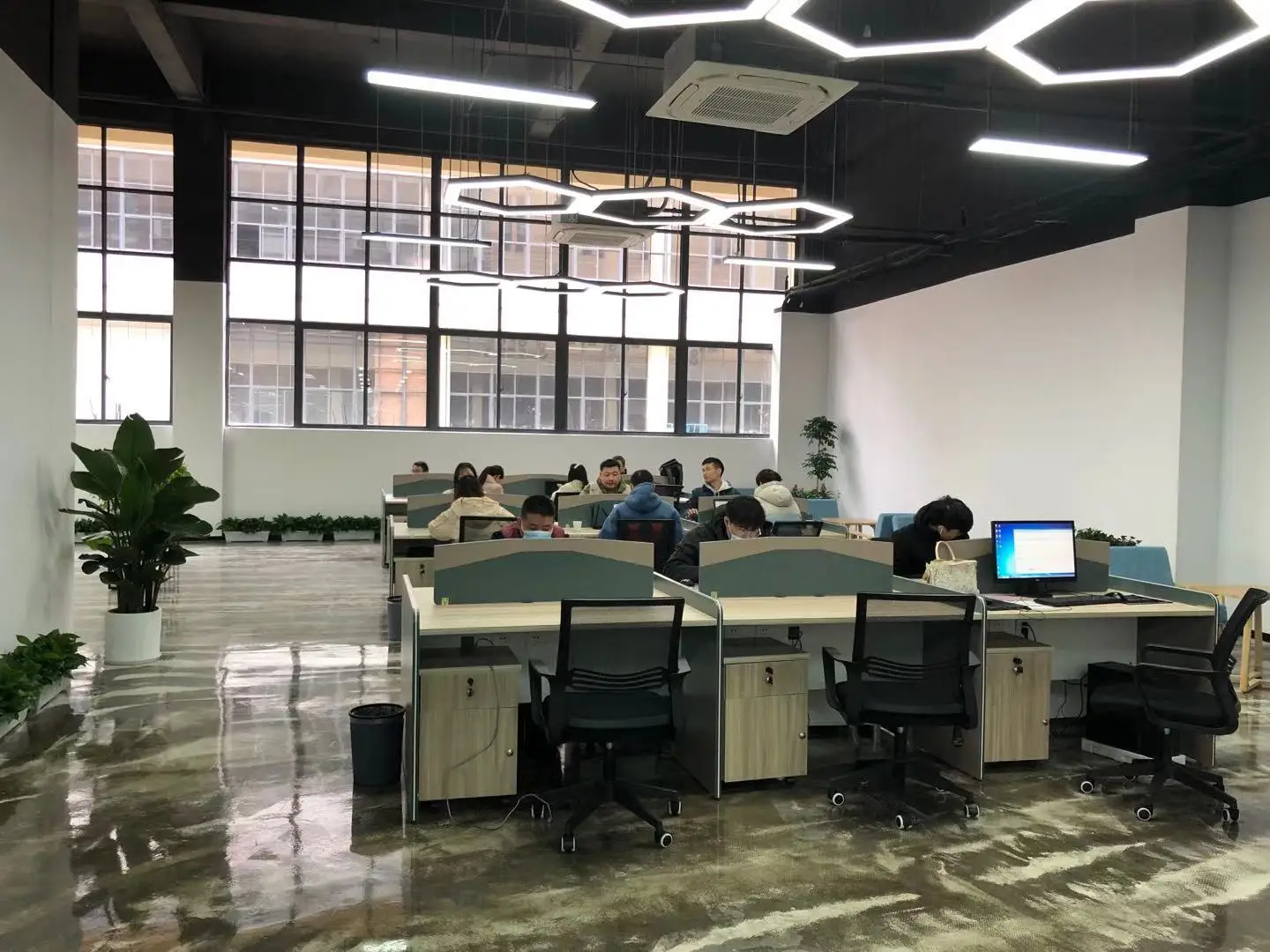
Ma 'anshan Tengyuan Import And Export Trade Co., Ltd.
- Trading Company
- Anhui, China
- Lead time7 days
- Avg. response≤ 4h
Main productsHome & Garden,Party supplies,Household cleaning tools and accessories,Kitchen Supplies,Daily necessities
Main marketsEastern Europe(20.00%), North America(20.00%), Southern Europe(10.00%), Central America(10.00%), Africa(10.00%), Southeast Asia(10.00%), South America(10.00%), Western Europe(5.00%), Mid East(5.00%)
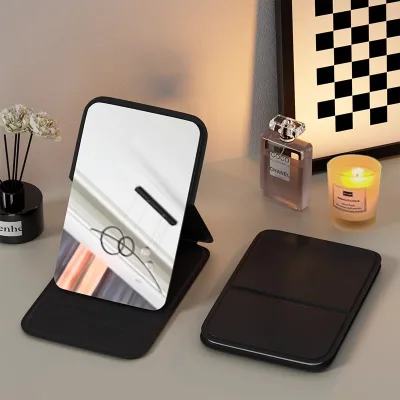
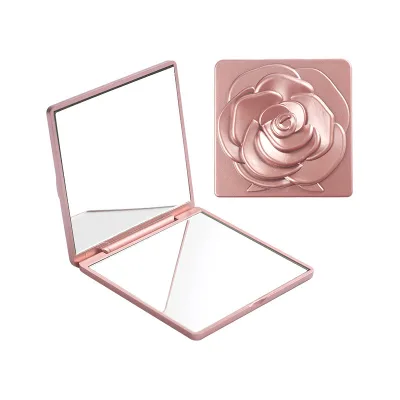
$0.2983 - $0.4842
MOQ: 100 pieces
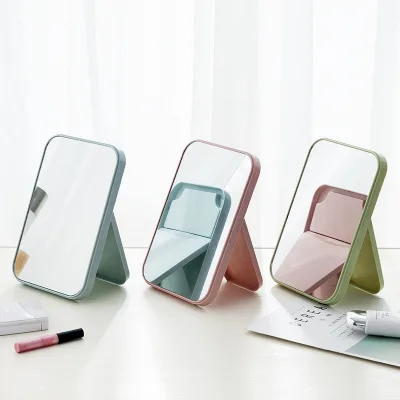
$0.2998 - $0.6086
MOQ: 100 pieces
Xuchang Jinbang Hair Products Co., Ltd.
- Manufacturer, Trading Company
- Lead time旺季: "1 - 50":8,"51 - 300":20,"301 - 500":25,"> 500":"To be negotiated", 淡季: "1 - 50":8,"51 - 300":20,"301 - 500":25,"> 500":"To be negotiated"
- Avg. response≤ 3h
Main productsFalse Eyelashes, Eyelash Packaging, Cosmetics Products, Makeup Tools, Lip Makeup
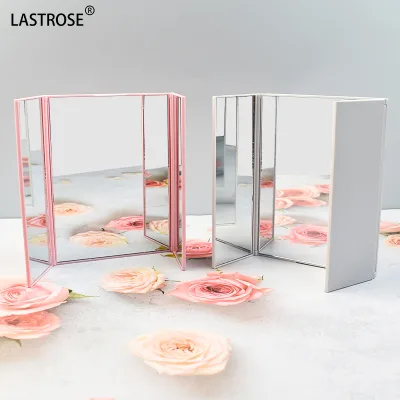
High-Definition Portable Triple Fold Plastic Makeup Mirror Handheld Cosmetic Tool
$1.60 - $1.80
MOQ: 10 pieces

Zhongshan Leon crafts and gifts Co., Ltd.
- Verified by SGS
- Trading Company,Manufacturer/Factory
- China Guangdong
- Lead time23 days
- Avg. response≤ 3h
Main productsMetal Pin Badge, Wallet Badge, Sports Medal, Honor Medal, Belt & Buckle, Challenge Coins, Fridge Magnet, Different Kind of Security Products, Keychain, Embroidery Patch
Main marketsSouth America,Eastern Europe,Mid East,North America,Southeast Asia,Eastern Asia,Oceania,Western Europe,Africa

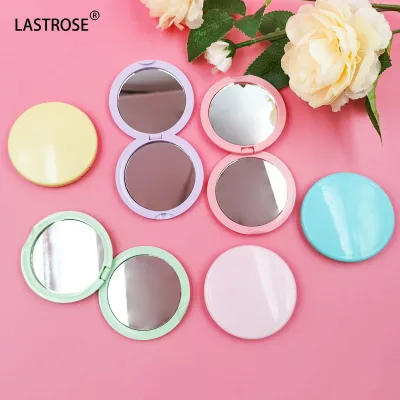
Manufacturer Mini Makeup Mirror Beautiful Design Folding Portable Makeup Mirror
$1.20 - $1.90
MOQ: 100 Pieces

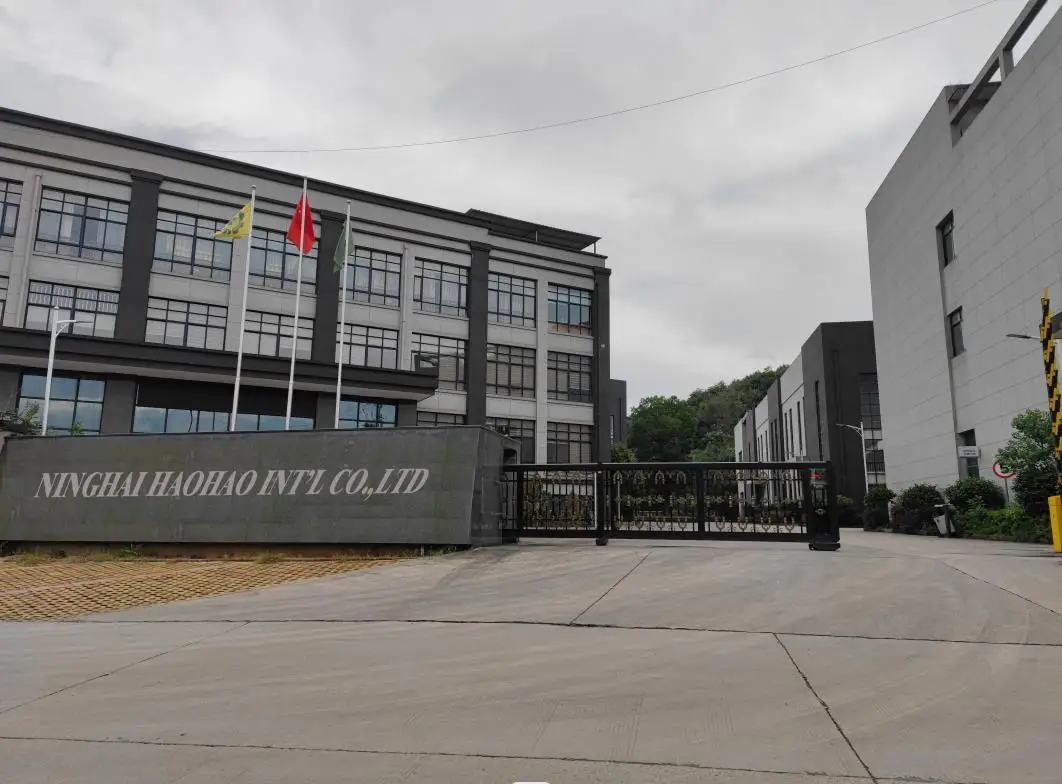
Ninghai Haohao E-Commerce Firm
- Manufacturer, Trading Company
- Zhejiang, China
- Lead time7 days
- Avg. response≤ 7h
Main productsmakeup mirror,makeup tools,makeup brushes,LED Mirror
Main marketsNorth America(40.00%), Southern Europe(10.00%), Northern Europe(10.00%), Western Europe(10.00%), Mid East(10.00%), Eastern Europe(10.00%), South America(10.00%)

- Verified by SGS
- Trading Company,Manufacturer/Factory
- China Guangdong
- Lead time23 days
- Avg. response≤ 3h
Main productsBeauty Devices, Skin Care Instrument, LED Face Masks, Makeup Tools, Beauty Instrument (OEM/ODM), OEM / ODM Electronics, Beauty Device, Home Air Care Appliances, Furniture, Electric Bakhoor Burners
Main marketsSouth America,Eastern Europe,Mid East,North America,Southeast Asia,Eastern Asia,Oceania,Western Europe,Africa


Metal Double-Sided Small Mirror for on-The-Go Folding Portable Makeup Handheld Makeup Mirror
$0.58 - $0.99
MOQ: 100 Pieces

TAIZHOU HARSOUL IMP. & EXP. CO., LTD.
- Trading Company
- China Zhejiang
- Lead time30 days
- Avg. response≤ 15h
Main productsPromotion Gifts, Promotional Bag, Promotional Jewelry, Promotional Toys, Promotional Stationery, Promotional Plastic Goods
Main marketsOthers(foreignTradeCapacity.exportBusinessCapacityMarketOther),Europe,North America
Baoding Belleza Commercial Co., Ltd.
- Verified by TüVRheinland
- Trading Company
- Lead time5 days
- Avg. response≤ 4h
Main productsMakeup Brush, Makeup Brush Set, Makeup Sponge, Hair Comb, Mirror
Main marketsNorth America(50%), Western Europe(35%), Oceania(10%)
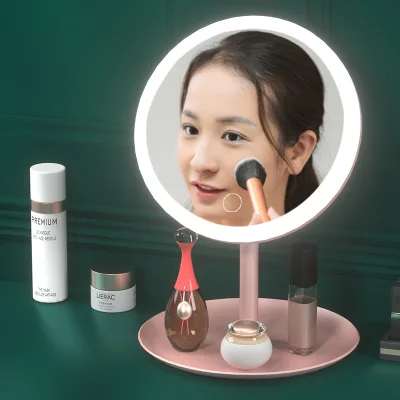
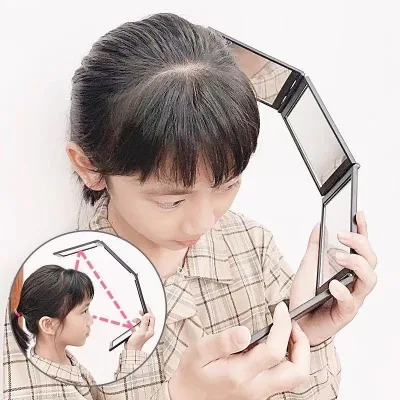
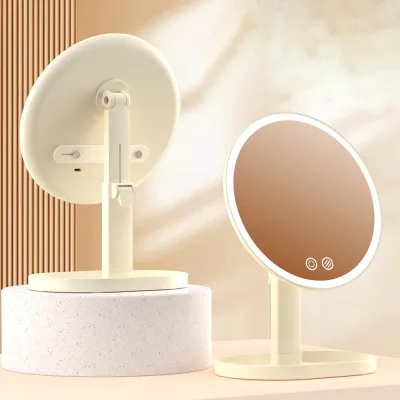
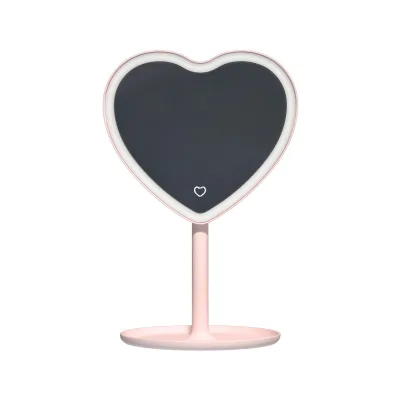
New Assembled Portable Adjustable LED Charging and Plug-In Dual-Purpose Makeup Mirror
$12.80 - $14.89
MOQ: 10
Kunming Leying Flower Co., Ltd.
- Manufacturer, Trading Company
- Yunnan, China
- Lead time30 days
- Avg. response≤ 3h
Main productsdried flowers,preserved flowers,Aquarium accessories,Aquarium Decoration,Home Decoration
Main marketsEastern Europe(30.00%), Northern Europe(20.00%), Western Europe(20.00%), Southern Europe(10.00%), Mid East(10.00%), North America(10.00%)

Jiangmen Greenfrom Household Co., Ltd.
- Verified by TUVRHEINLAND
- Trading Company
- China Guangdong
- Lead time30 days
- Avg. response≤ 6h
Main productsVanity Mirror, Makeup Mirror, LED Mirror, Hollywood Mirror, Table Mirror, Bathroom Mirror, Wall Mirror, Pocket Mirror, Hand Mirror
Main marketsEurope


Portable Square Compact Vanity Pocket Makeup Mirror for Travel and Gift
$0.59 - $1.59
MOQ: 5000 Pieces


Shenzhen Kaichenxing Technology Co., Ltd.
- Manufacturer, Trading Company
- Guangdong, China
- Lead time0 days
- Avg. response≤ 5h
Main productsbeauty products,personal care,Eyelashes,hair removal machine,slimming machine
Main marketsSouth America(30.00%), Eastern Europe(20.00%), North America(18.00%), South Asia(10.00%), Northern Europe(8.00%), Southeast Asia(5.00%), Western Europe(5.00%), Africa(4.00%)

Ningbo Yoheng Imp & Exp Co., Ltd.
- Verified by SGS
- Trading Company
- China Zhejiang
- Lead time30 days
- Avg. response≤ 4h
Main marketsEurope

Portable Double-Sided Folding Compact Mirror - Mini Travel Makeup Mirror
$1.45 - $1.47
MOQ: 3000 Pieces

Square Portable Foldable USB Rechargeable Touch Control LED Makeup Mirror
$2.60 - $2.7143
MOQ: 2000 Pieces

Heleyou Cultural and Creative(Wuxi) Co., Ltd.
- Verified by TUVRHEINLAND
- Trading Company
- China Jiangsu
- Lead time23 days
- Avg. response≤ 3h
Main productsBall Pen, Gel Pen, Customized Pen, Gift Pen, Signature Pen, Creative Stationery, Office School Supply, Bamboo Wooden Pen, Stationery Gift Box, Promotional Pen
Main marketsSouth America,Eastern Europe,Mid East,North America,Southeast Asia,Eastern Asia,Oceania,Western Europe,Africa

Jiangxi Orange Trading Co., Ltd.
- Trading Company
- Jiangxi Province, China
- Lead time15 days
- Avg. response≤ 1h
Main productsNail Art Brush,Makeup Brush,Paint Artist Brush
Main marketsNorth America(35.00%), South America(20.00%), Western Europe(13.00%), Central America(10.00%), Northern Europe(5.00%), Africa(3.00%), South Asia(2.00%), Southern Europe(2.00%), Oceania(2.00%), Southeast Asia(2.00%), Eastern Europe(2.00%), Eastern Asia(2.00%), Mid East(2.00%)
Hangzhou Kexin International Trade Co., Ltd.
- Trading Company
- Zhejiang Province, China
- Lead time10 days
- Avg. response≤ 8h
Main productsKichen Tools,Bathroom Tools,Makeup Tools,Outdoor Tools,Electricties
Main marketsSouth America(40.00%), Africa(40.00%), North America(10.00%), Eastern Europe(10.00%)
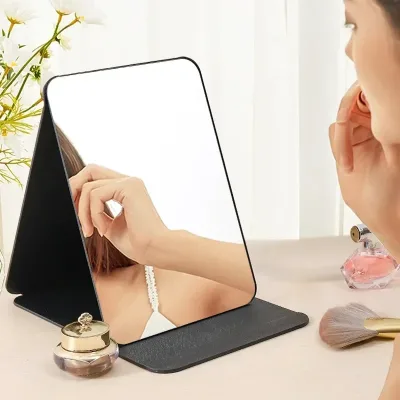
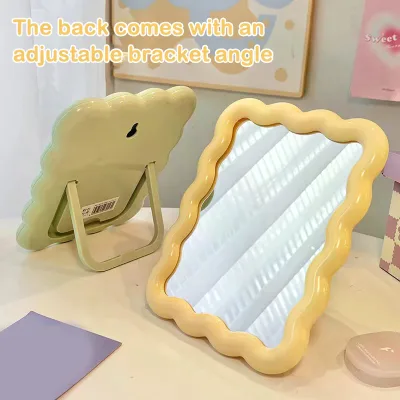
$1.8018 - $2.0192
MOQ: 30 pieces
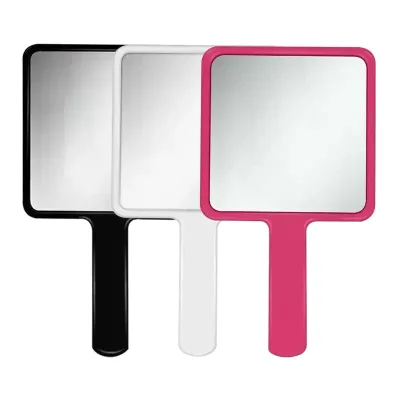

- Verified by BV
- Manufacturer/Factory
- China Fujian
- Lead time15 days
- Avg. response≤ 25h
Main productsWater Bottle, Kitchen Ware, Shoes, Plastic Product, Bag, Toy
Main marketsSouth America,Eastern Europe,Mid East,North America,Southeast Asia,Eastern Asia,Oceania,Western Europe,Africa

- Verified by TUVRHEINLAND
- Combined
- China Zhejiang
- Lead time30 days
- Avg. response≤ 3h
Main productsLED Mirror, Light Mirror, Bathroom Mirror, Mirror Lamp, Mirror Cabinet, LED Bathroom Mirror, Makeup Mirror, Smart Mirror, Wall Mirror, Wall-Mounted Makeup Mirror
Main marketsEurope,Australia

Shenzhen Belifa Cosmetic Tools Co., Ltd.
- Manufacturer, Trading Company
- Guangdong, China
- Lead time25 days
- Avg. response≤ 5h
Main productsMakeup Brush,Cosmetic Powder Puff,Makeup Bag,Comb,Mirror
Main marketsDomestic Market(100.00%), Southeast Asia(100.00%), South Asia(100.00%), Eastern Europe(100.00%), South America(100.00%), Southern Europe(100.00%), Northern Europe(100.00%), Central America(100.00%), Mid East(100.00%), Africa(100.00%), North America(70.00%), Western Europe(20.00%), Oceania(8.00%), Eastern Asia(2.00%)
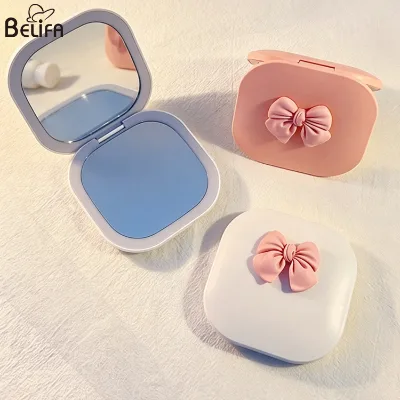
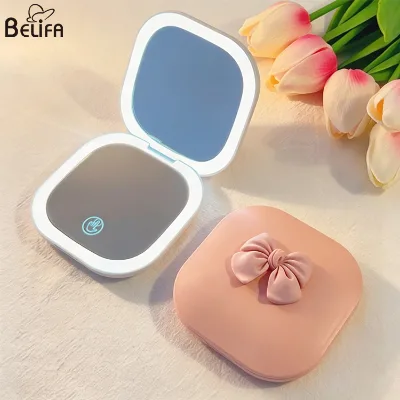
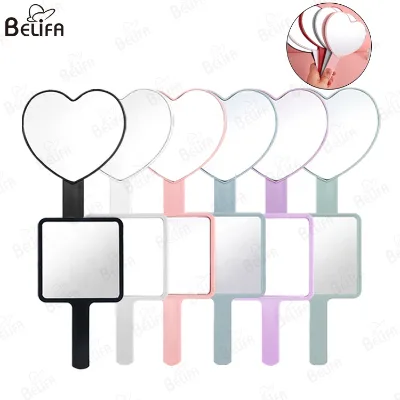
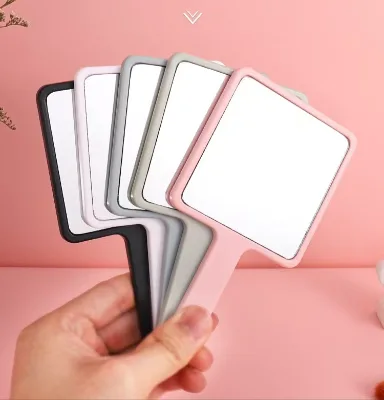
Custom logo Plastic square Heart Shape Cosmetic Makeup Mirror with Handle Hand Held Handheld Mirror
$0.5711 - $0.6221
MOQ: 20 Minimum

NINGBO EAST ISLAND IMPORT & EXPORT CO., LTD.
- Trading Company
- China Zhejiang
- Lead time30 days
- Avg. response≤ 19h
Main productsPromotion Gift, Umbrella, Charger Plate, Plastic Tray, Picnic Blanket, Manicure Set, Mirror, Pill Box
Main marketsSouth America,Europe,North America

Shenzhen Lanxin Dianyuan International Trade Co., Ltd.
- Manufacturer, Trading Company, Agent
- Guangdong, China
- Lead time0 days
- Avg. response≤ 12h
Main productsmakeup brush,brow lamination kit,Mask brush,bath brush,agent service
Main marketsNorth America(50.00%), Eastern Europe(20.00%), Southeast Asia(10.00%), South Asia(10.00%), South America(5.00%), Western Europe(5.00%)

Jinjiang Jiaxing Supply Management Co., Ltd.
- Verified by TUVRHEINLAND
- Trading Company
- China Fujian
- Lead time30 days
- Avg. response≤ 2h
Main productsEVA Clogs, Flip Flop, Shoe Charms, Shopping Bags, Wristbands, Gifts, Promotional Gifts, Slipper, Sport Cap, Ball
Main marketsNorth America

Zhongshan Chaolang Lighting Co., Ltd.
- Verified by SGS
- Combined
- China Guangdong
- Lead time30 days
- Avg. response≤ 1h
Main marketsEurope


Modern Wholesale Factory Price Custom Durable Foldableing Makeup Mirror
$20.00 - $25.00
MOQ: 100 Pieces


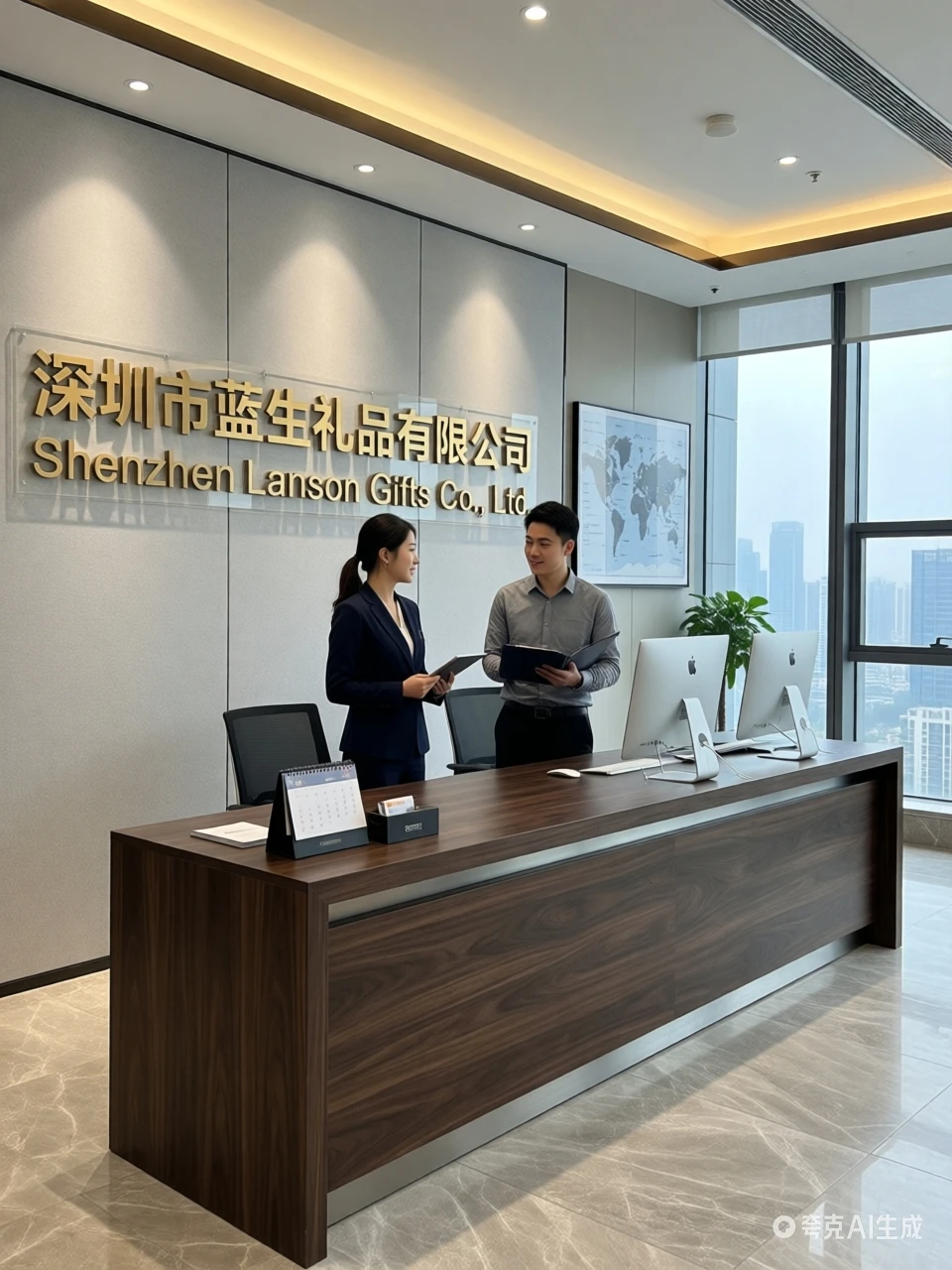
Shenzhen Lanson Gifts Co., Ltd.
- Manufacturer, Trading Company
- Guangdong, China
- Lead time0 days
- Avg. response≤ 5h
Main productsMakeup Mirrors,Makeup tools,Hair accessories,Nail tools,Luxury wears
Main marketsNorth America(30.00%), Central America(10.00%), Western Europe(10.00%), Southern Europe(10.00%), Northern Europe(10.00%), Eastern Europe(10.00%), South America(10.00%), Mid East(5.00%), Africa(5.00%)

Ningbo Brite Import and Export Co., Ltd.
- Verified by SGS
- Trading Company
- China Zhejiang
- Lead time23 days
- Avg. response≤ 1h
Main productsKettle, Safe Box, LED Lights, Hair Dryer, Weight Scale, Minibar Fridge, Coffee Maker, Garment Steamer, Cosmetic Mirror, Air Purifier
Main marketsAfrica

Versatile LED Makeup Mirror with Multiple Color Temperatures for Every Need
$30.00 - $60.00
MOQ: 2 Pieces


Multi-Function LED Makeup Mirror with Chrome Finish and Adjustable Light
$9.99 - $19.88
MOQ: 20 Pieces


Wenzhou Liyang Beauty Trade Co., Ltd.
- Verified by BV
- Trading Company
- China Zhejiang
- Lead time23 days
- Avg. response≤ 6h
Main productsHair Brush, Bath Items, Beauty Instruments, Makeup Brushes, Makeup Sponge, Jade Craft, Makeup Mirror, Cotton Pads, Silicone Accessories, False Nails
Main marketsSouth America,Eastern Europe,Mid East,North America,Western Europe

Creative Quicksand Rectangle Double-Sided Folding Mirror, portable Pocket Makeup Mirror
$0.50 - $8.00
MOQ: 1 Pieces

Huachuang Wisdom Household Co., Ltd.
- Trading Company
- Lead time旺季: "1 - 500":25,"501 - 1000":30,"1001 - 3000":35,"> 3000":"To be negotiated", 淡季: "1 - 500":25,"501 - 1000":30,"1001 - 3000":35,"> 3000":"To be negotiated"
- Avg. response≤ 5h
Main productsBathroom rack,bathroom organizer,towel rack,coat rack

Shenzhen Enjesda Technology Co., Ltd.
- Verified by SGS
- Trading Company
- China Guangdong
- Lead time15 days
- Avg. response≤ 5h
Main productsPerfume, Perfume for Women, Perfume for Man, Makeup Tools, Beauty Product, Beauty Tools, Floral Perfume, Woody Perfume, Citrus Perfume
Main marketsNorth America

Round Makeup Mirror Desktop Standing Type Three-Way Adjustable Dimming Makeup Mirror
$2.45 - $2.55
MOQ: 10 Pieces


New Square Touch-Activated Makeup Mirror with Built-in Light Desktop Mirror
$2.70 - $2.80
MOQ: 10 Pieces

Hangzhou Nuohao Industry Co., Ltd.
- Manufacturer/Factory
- China Zhejiang
- Lead time45 days
- Avg. response≤ 23h
Main productsLED Mirror, Smart Mirror, Mirror, Home Decor, Home Decoration, Wall Mirror, Bathroom Furniture, Bathroom Mirror, Mirror Glass, Glass Mirror
Main marketsSouth America,Eastern Europe,Mid East,North America,Southeast Asia,Eastern Asia,Oceania,Western Europe,Africa












Comprehensive Sourcing Guide
Portable High Definition Makeup Mirror Supplier Concentration and Factory Types
The current supplier landscape for portable high definition makeup mirrors reveals a distinct geographic and structural diversity that buyers must navigate carefully. Evidence indicates that manufacturing capabilities are concentrated in specific Chinese provinces, with Hebei and Zhejiang emerging as notable hubs for this category. Suppliers in Hebei often operate as either trading companies or manufacturer/factory entities, suggesting a mixed ecosystem where direct production and distribution channels overlap. This dual nature can impact pricing structures and communication efficiency, as trading companies may add a margin while factories offer more direct control over production variables. In contrast, suppliers located in Zhejiang present a different operational profile, with some identified as combined entities that may blend various business functions. The presence of these regional clusters allows buyers to target specific supply chains based on their logistical preferences and cost objectives, though the exact distribution of factory versus trading company status varies significantly across individual listings.
Company types further influence the sourcing strategy, with manufacturers offering OEM and ODM capabilities alongside own brand options. This flexibility is crucial for buyers seeking custom specifications, such as specific frame materials, light colors, or folding mechanisms. The availability of customization options like glass frames, silver finishes, and various color temperatures (3000K to 6000K) indicates that many suppliers have the technical capacity to adapt products to specific market demands. However, not all suppliers offer the same level of customization; some may restrict options to non-customized standard models, particularly those focusing on high-volume, low-cost items. Buyers must therefore assess whether their need for bespoke features aligns with the supplier’s stated capabilities. The distinction between a pure trading company and a manufacturer with trading arms is critical, as it affects lead times, quality control processes, and the ability to implement unique design requirements. Understanding these structural differences helps in selecting partners who can reliably deliver the desired product specifications without unnecessary intermediaries.
How to Verify Portable High Definition Makeup Mirror Suppliers
Verification is a critical step in mitigating risk when sourcing portable high definition makeup mirrors, as the market contains a mix of verified and unverified entities. Buyers should prioritize suppliers who have undergone third-party verification processes, such as SGS, which provides an additional layer of confidence regarding the supplier’s operational legitimacy and business scope. The presence of system certifications like ISO 9001 is another key indicator of a supplier’s commitment to quality management standards, although not all suppliers in this category display such credentials. It is essential to check for these certifications directly on the supplier’s profile, as their absence does not necessarily imply poor quality but may indicate a lack of formalized quality assurance processes. Buyers should also examine the supplier’s response time, which serves as a proxy for their operational efficiency and customer service readiness. A faster response time, such as under ten hours, often correlates with a more agile and responsive supply chain, whereas slower response times may signal potential communication bottlenecks during the order fulfillment process.
Beyond certifications and response metrics, buyers must scrutinize the specific product attributes and evidence provided by suppliers to ensure alignment with their requirements. Detailed product specifications, including frame materials, light colors, and power sources, should be cross-referenced with the supplier’s main product listings to confirm consistency. For instance, some suppliers specialize in LED mirrors with specific voltage requirements (AC100-240V) and thickness options (4mm or 5mm), while others may focus on non-LED portable models. Buyers should verify that the supplier’s claimed capabilities match the actual product data, such as the availability of double-sided mirrors or specific folding mechanisms. Additionally, checking the supplier’s establishment year and main product focus can provide insights into their expertise and stability in the market. Suppliers with a long-standing presence and a focused product range are often more reliable than those with diverse, unrelated product lines. By combining verification of credentials with a detailed review of product evidence, buyers can build a more accurate picture of each supplier’s reliability and suitability for their specific sourcing needs.
What to Compare Across Portable High Definition Makeup Mirror Suppliers
When evaluating multiple suppliers for portable high definition makeup mirrors, buyers must compare a range of operational and commercial metrics to identify the most suitable partner. Key dimensions for comparison include lead time, minimum order quantity (MOQ), and pricing structures, as these factors directly impact inventory management and cost efficiency. For example, some suppliers may offer a lead time of zero days, indicating immediate availability or drop-shipping capabilities, while others may have a lead time of fifteen days, requiring more advanced planning. Similarly, MOQs can vary significantly, with some suppliers requiring orders as low as twenty units, making them suitable for small businesses or testing markets, while others may set MOQs at eighty units or higher, catering to larger volume buyers. Pricing is another critical variable, with costs ranging from approximately $1.52 to $68.91 per unit, depending on the product’s complexity, features, and customization level. Buyers should analyze these metrics in conjunction with the supplier’s response time, as a faster response may justify a slightly higher price due to improved service levels.
In addition to quantitative metrics, buyers should compare the qualitative aspects of supplier offerings, such as customization options and product specifications. The availability of OEM and ODM services is a significant differentiator, allowing buyers to create unique products that stand out in their respective markets. Suppliers that offer a wide range of customization options, including frame materials, shapes, and light colors, provide greater flexibility for brand differentiation. Buyers should also compare the specific product attributes, such as the presence of defogging functions, waterproof ratings, and power sources (battery vs. plug-in). For instance, some mirrors feature a 1200mAh battery for portability, while others rely on AC power for continuous use. The packing quantity and box weight are also important considerations for logistics planning, as they affect shipping costs and storage requirements. By systematically comparing these diverse factors, buyers can make informed decisions that balance cost, quality, and operational efficiency, ensuring that their sourcing strategy aligns with their business objectives and market demands.
Common Portable High Definition Makeup Mirror Sourcing Risks
Sourcing portable high definition makeup mirrors involves several inherent risks that buyers must proactively manage to ensure a smooth procurement process. One significant risk is the variability in product quality, particularly when dealing with suppliers who lack formal certifications or verification. Without ISO 9001 or SGS verification, buyers may face challenges in ensuring consistent quality across batches, leading to potential defects in critical components like LED lights or glass frames. Another risk is the discrepancy between advertised specifications and actual product delivery, especially when suppliers offer extensive customization options. Buyers must ensure that all custom requirements, such as specific color temperatures or folding mechanisms, are clearly documented and agreed upon before production begins. Failure to do so can result in products that do not meet market expectations, leading to returns and reputational damage. Additionally, the reliance on third-party logistics introduces risks related to shipping delays and damage, particularly for fragile items like mirrors. Buyers should verify the supplier’s packing standards and insurance options to mitigate these logistical risks.
Communication and responsiveness also pose risks, as slow response times can hinder effective collaboration and problem-solving. Suppliers with response times exceeding twenty hours may struggle to address urgent queries or resolve issues promptly, potentially delaying order fulfillment. Furthermore, the mix of trading companies and manufacturers in the supply chain can create confusion regarding accountability and quality control. Buyers must clearly identify whether they are dealing with a direct manufacturer or a trading intermediary, as this affects their ability to enforce quality standards and negotiate terms. Another risk is the potential for hidden costs, such as additional fees for customization, packaging, or expedited shipping. Buyers should request detailed quotations that include all potential charges to avoid unexpected expenses. By anticipating these risks and implementing robust verification and communication strategies, buyers can minimize disruptions and ensure a more reliable sourcing experience for portable high definition makeup mirrors.
Portable High Definition Makeup Mirror Regional Sourcing and Logistics
Regional sourcing plays a pivotal role in determining the efficiency and cost-effectiveness of procuring portable high definition makeup mirrors. Suppliers located in China, particularly in provinces like Hebei and Zhejiang, offer distinct logistical advantages based on their proximity to major manufacturing hubs and export ports. Hebei-based suppliers, often operating as trading companies or factories, may benefit from established supply chains for raw materials like glass and aluminum, potentially reducing production costs. Zhejiang-based suppliers, known for their combined business models, may offer more integrated services, including packaging and logistics coordination. Buyers should consider the geographic location of their chosen suppliers when planning logistics, as proximity to ports can reduce transit times and shipping costs. Additionally, the supplier’s stated shipping methods, such as by sea or by train, should be evaluated in the context of the buyer’s destination and timeline requirements. Sea freight is generally more cost-effective for large volumes, while air freight may be necessary for urgent orders.
Logistics planning must also account for the physical characteristics of the products, such as their dimensions and weight, which impact packaging and shipping efficiency. For example, some portable mirrors are designed to be compact and foldable, optimizing space utilization in shipping containers. Buyers should review the supplier’s packing specifications, including packing quantity per carton and box weight, to calculate the total shipping volume and cost. Suppliers in Zhejiang, for instance, may provide detailed packing data, such as 80 pieces per carton with a box weight of 21kg, which aids in precise logistics planning. Buyers should also consider the impact of regional trade policies and tariffs on their overall landed cost. By aligning their sourcing strategy with the logistical strengths of specific regions, buyers can optimize their supply chain, reduce transit times, and enhance cost efficiency. This regional focus allows for more accurate forecasting and better management of inventory levels, ensuring that products are available when needed without excessive stockpiling.
Portable High Definition Makeup Mirror Commercial Terms and Order Planning
Commercial terms and order planning are essential components of a successful sourcing strategy for portable high definition makeup mirrors. Buyers must carefully negotiate terms related to payment, delivery, and customization to protect their interests and ensure smooth transactions. The availability of customization options, such as logo printing or specific packaging, should be clearly defined in the contract, including any associated costs and minimum order requirements. Buyers should also establish clear lead time expectations, as variations in production schedules can impact inventory planning. For suppliers with a lead time of zero days, buyers can maintain lower inventory levels, while those with longer lead times require more advanced planning and larger safety stocks. Additionally, buyers should verify the supplier’s return and warranty policies to address potential quality issues post-delivery. Understanding these commercial terms helps in building a robust procurement framework that minimizes financial risk and operational disruption.
Order planning must also consider the scalability of the supplier’s production capacity and their ability to handle volume fluctuations. Suppliers with OEM and ODM capabilities are often better equipped to accommodate custom orders and larger volumes, providing greater flexibility for buyers. Buyers should assess the supplier’s historical performance and capacity to ensure they can meet demand peaks without compromising quality or delivery times. Furthermore, buyers should plan for potential currency fluctuations and price changes, as these can affect the overall cost of goods. By establishing long-term relationships with reliable suppliers, buyers can secure more favorable terms and better predict costs. Effective order planning involves a holistic view of the supply chain, from initial inquiry to final delivery, ensuring that all commercial and logistical aspects are aligned with the buyer’s business goals. This comprehensive approach enables buyers to optimize their sourcing strategy, enhance profitability, and maintain a competitive edge in the market.
FAQs
What is the price range for portable LED makeup mirrors?
Portable LED makeup mirrors typically range from $1.52 to $68.91 per unit depending on specifications. Desktop models with storage or high-definition features often cost between $1.52 and $2.18. Wall-mounted or larger decorative mirrors may reach higher price points. Buyers should verify exact pricing based on quantity and customization needs.
What is the minimum order quantity for these mirrors?
Minimum order quantities vary by product type and supplier. Desktop LED mirrors often require a minimum of 80 pieces, while wall-mounted or specialized mirrors may have lower thresholds around 20 to 50 units. Buyers should confirm specific MOQs with suppliers to ensure alignment with their procurement volume and budget constraints.
Are these mirrors customizable for branding or design?
Yes, many portable makeup mirrors offer customization options including logo printing, frame material selection, and shape adjustments. Suppliers support OEM and ODM services for tailored designs. Buyers can request custom sizes, finishes, or packaging to match their brand identity, ensuring the final product meets specific aesthetic and functional requirements.
What are the typical lead times for production?
Production lead times generally range from 7 to 15 days depending on the supplier and order complexity. Some manufacturers offer faster turnaround times for standard items, while customized orders may require additional processing time. Buyers should confirm specific lead times with suppliers to align with their delivery schedules and inventory planning.
Where are these mirrors typically manufactured?
Portable makeup mirrors are primarily manufactured in China, with key production hubs in Hebei, Zhejiang, and Anhui provinces. These regions offer established supply chains for glass, LED components, and metal frames. Buyers can source from verified suppliers in these locations to ensure quality control and efficient logistics for international shipments.
What certifications do these mirrors have?
Many suppliers hold ISO 9001 certification for quality management systems, ensuring consistent product standards. Some products undergo SGS verification for safety and performance. Buyers should request specific certification documents to verify compliance with international standards, particularly for electrical components like LED lights and defogging features in bathroom mirrors.