Source Dalmation Jasper Stone Gua Sha for Face Lift and Skin Care
Compare 30 Dalmation Jasper Stone Gua Sha tools from verified suppliers. Buyers can review specifications like size, shape, and material to find options for face lifting, reducing dark circles, and promoting skin rejuvenation; compare the available evidence and request quotations based on your requirements.
Updated
Key considerations
Products List
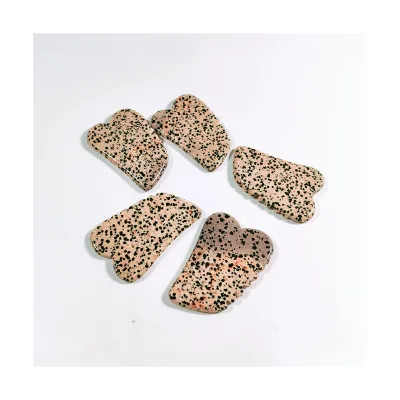
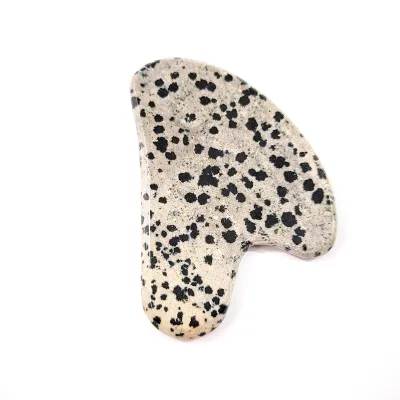
DIY Large Quantities Dalmatian Jasper Gua Sha Massage Polished Facial Gua Sha
$3.0879 - $5.2015
MOQ: 50 pieces
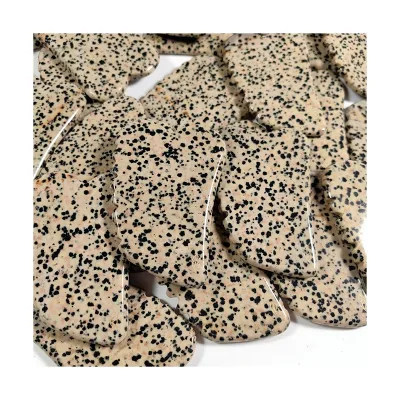
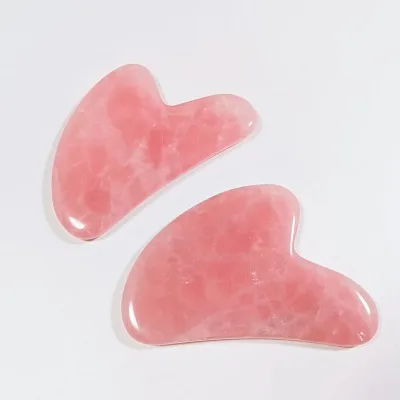
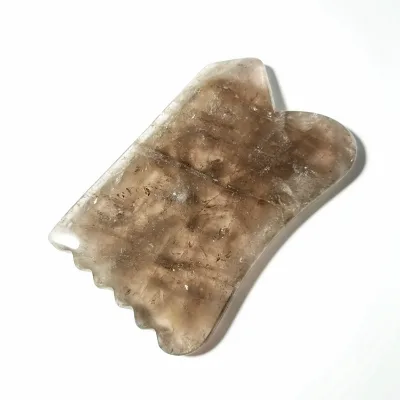
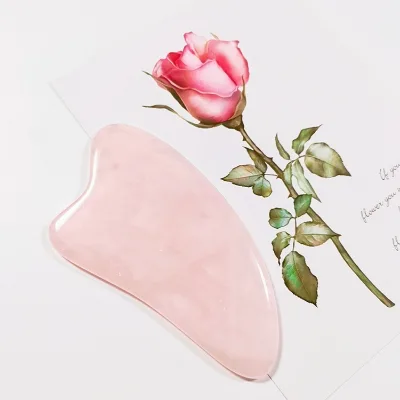
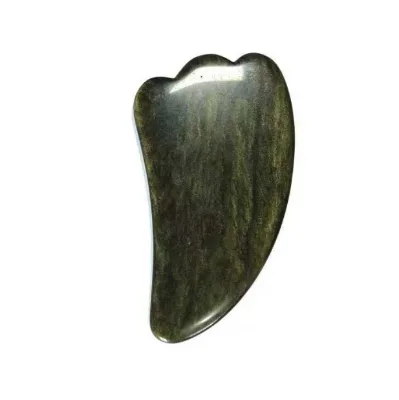
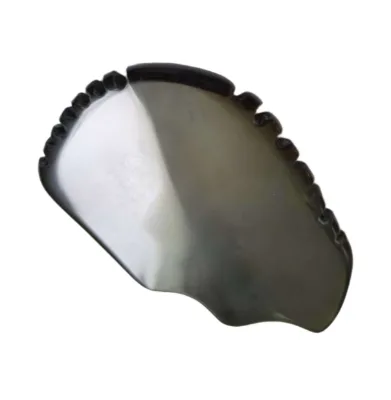
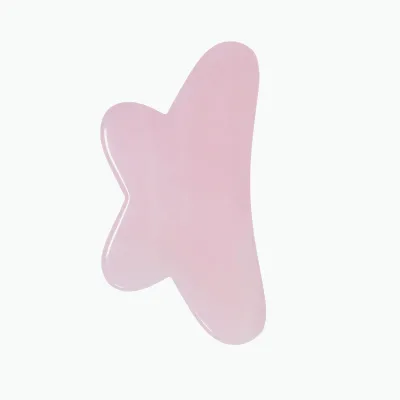
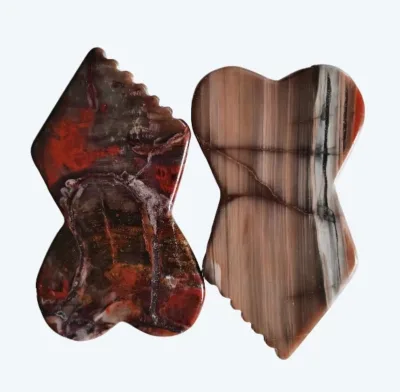
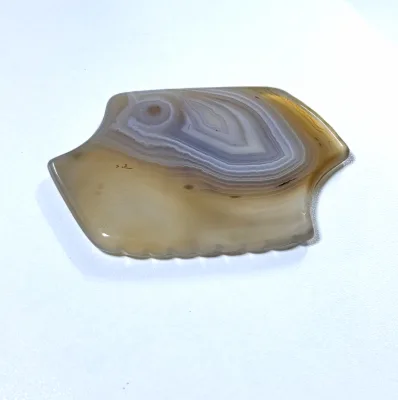
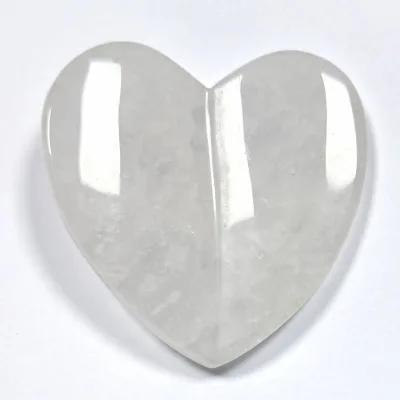


Different Shape Natural Stone Beauty Facial Jade Gua Sha Massager for Skin Care
$0.25 - $0.55
MOQ: 1000 Pieces




Comprehensive Sourcing Guide
Dalmatian Jasper Stone Gua Sha Sourcing Guide
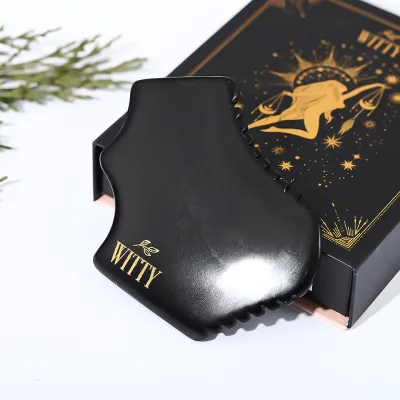
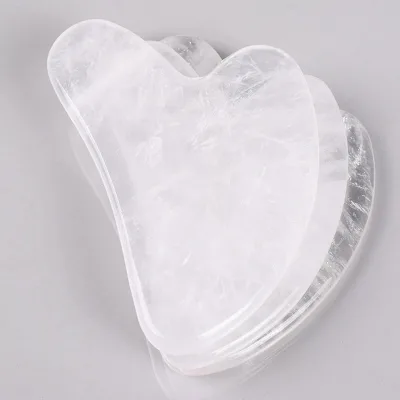
Procurement teams must first distinguish between the specific Dalmatian Jasper variants and other stone types like rose quartz, as the supplied data indicates distinct material compositions for different models. The core product line features a Dalmatian Jasper Massage Gua Sha Tool, often described as a natural scraping board, which is distinct from the white heart-shaped variants or the rose quartz boards also listed in the market. Buyers should verify that the supplier explicitly confirms the stone type as Dalmatian Jasper to ensure the specific aesthetic and density characteristics associated with this mineral are delivered, rather than accepting a generic "stone" description that might obscure the actual material source.
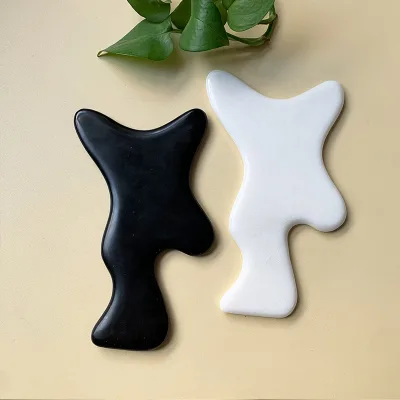
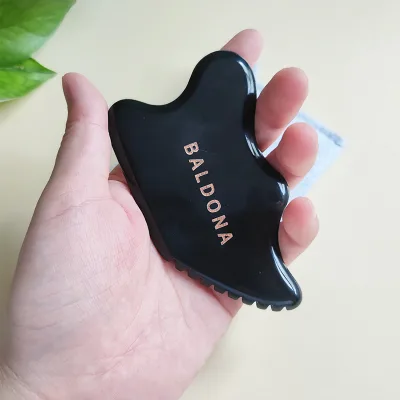
Commercial listings reveal a significant variance in product attributes, including shape and size, which directly impacts the final application and user experience. While some models are specified as square with jagged edges measuring approximately 80mm, others are defined as heart-shaped with dimensions around 82 by 48mm. This inconsistency requires buyers to strictly align their technical requirements with the specific model numbers provided, such as GS Gua Sha or GS039, to avoid receiving a product that does not match the intended ergonomic profile or visual branding of their final offering.
Product Scope and Observed Listing Signals
The observed market signals indicate a wide range of product configurations, from standard square shapes to specialized heart shapes, each carrying different weight and packaging profiles. The data shows single gross weights ranging from 0.200 kg to 0.800 kg, suggesting that the density and size of the stone vary significantly between listings. Buyers must carefully review the single package size, which ranges from 15x8x8 cm to 15x15x10 cm, to accurately calculate shipping costs and ensure the packaging is robust enough to protect the fragile stone during transit from the manufacturing hubs in Zhejiang or Guangdong.
Application claims in the listings are diverse, covering features such as anti-puffiness, face lifting, and skin rejuvenation, but these are presented as general product features rather than verified clinical outcomes. Some listings also include non-standard functions like musical capabilities or USB power sources, which are atypical for traditional stone tools and may indicate a hybrid product category. Procurement teams should treat these functional claims with caution, verifying that the core product remains a manual stone tool unless the specific electronic or musical features are explicitly required for the target market segment.
Technical Specifications to Verify
Verification of the physical dimensions is critical, as the supplied data lists sizes ranging from about 80mm to 82 by 48mm, with some entries simply stating "as picture." Buyers must insist on precise dimensional drawings or physical samples to confirm the exact length, width, and thickness, as these measurements dictate the ergonomic fit for different hand sizes and facial contours. The shape is another key variable, with options including square shapes with jagged edges and heart shapes, requiring clear confirmation of the specific geometry to ensure the tool matches the intended massage technique and user preference.
Material composition and surface finish are equally vital, with listings specifying Dalmatian Jasper, rose quartz, and polished techniques. The data notes a "polished" technique for some items, which affects the smoothness and glide of the tool against the skin. Buyers should request material certificates or detailed descriptions to confirm the stone is natural and untreated, ensuring the product meets the "Eco-friendly" claim often associated with these items. Additionally, the presence of customized logos and the ability to accept OEM orders must be confirmed against the specific model number to ensure branding requirements can be met without compromising the stone's integrity.
Compliance and Safety Documentation
While the supplied facts mention "Eco-friendly" as an attribute for OEM and ODM services, there is no explicit mention of specific safety certifications or regulatory compliance standards in the provided text. Buyers must proactively request documentation regarding the safety of the stone material, ensuring it is free from harmful heavy metals or chemical treatments that could cause skin irritation. The absence of listed standards in the source data means that relying on the supplier's verbal assurance is insufficient; written proof of compliance with relevant cosmetic tool safety regulations is necessary to mitigate liability and ensure consumer safety.
The listing data includes a "Plugs Type" of CN and mentions USB power sources for some items, which introduces electrical safety considerations for those specific hybrid models. For the traditional stone tools, the focus should be on the physical safety of the edges and the stability of the stone to prevent chipping or breakage during use. Buyers should verify that the supplier has a quality control process in place to test for sharp edges or structural weaknesses, as the jagged edges mentioned in some square models require particular attention to ensure they are smooth enough for safe facial application without causing micro-tears in the skin.
Cost Drivers and Commercial Terms
The observed price range of 0.25 to 7.25 USD suggests a highly competitive market with significant variation based on material quality, size, and customization levels. The Minimum Order Quantity (MOQ) varies widely from 1 piece to 1000 pieces, with specific listings noting 50 or 100 pieces per stone, allowing for flexibility in initial procurement strategies. Buyers should analyze the cost per unit relative to the MOQ, as higher volumes may unlock better pricing tiers, but the low entry point allows for small-batch testing of different stone types and shapes before committing to larger orders.
Lead times and sample availability are key commercial factors, with sample times listed as 3-5 days and production lead times ranging from 15 to 30 days. These timelines indicate a relatively agile supply chain, but buyers must account for potential delays when planning inventory replenishment. The ability to customize logos and accept OEM orders adds value but may extend the lead time slightly; therefore, procurement teams should negotiate clear delivery schedules that account for the customization process, ensuring that the 15-30 day window is realistic for the specific order volume and complexity.
Supplier Qualification and Quality Control
The supply base appears to be concentrated in Zhejiang and Guangdong, China, which are established manufacturing hubs for stone tools and beauty devices. Buyers should verify the specific factory location for each order, as the origin can influence the quality of the stone sourcing and the consistency of the polishing process. The presence of multiple model numbers and varying specifications suggests a diverse supplier base, so due diligence is required to identify which suppliers specialize in Dalmatian Jasper specifically, rather than those who may mix materials or offer inconsistent quality across different product lines.
Quality control processes must be rigorously defined, particularly given the natural variations inherent in stone products. The data indicates that some items are "polished" and others have specific shapes, requiring visual and tactile inspection to ensure consistency. Buyers should establish clear acceptance criteria for surface finish, weight, and dimensional accuracy, and consider requesting pre-shipment inspections to verify that the delivered goods match the approved samples. The availability of online technical support for after-sales service is a positive indicator, but it should not replace the need for robust physical quality checks before the goods leave the factory.
Long-Term Procurement Checks
Sustaining a reliable supply chain for Dalmatian Jasper Gua Sha tools requires ongoing monitoring of material consistency and supplier performance over time. Buyers should track the stability of the stone quality, ensuring that the Dalmatian Jasper remains consistent in color and texture across different production batches. The variation in single gross weights and package sizes observed in the initial data highlights the need for continuous verification to prevent drift in product specifications that could affect customer satisfaction or shipping logistics in the long term.
Future procurement strategies should also account for the evolving market demand for specific features, such as the "anti-puffiness" or "skin tightening" claims that are currently listed. As the market matures, buyers may need to adapt their specifications to include new features or certifications that become industry standards. Maintaining a relationship with suppliers who offer flexible OEM and ODM services will be crucial, allowing for the introduction of new designs or materials, such as the rose quartz or heart-shaped variants, as consumer preferences shift and new trends emerge in the beauty and wellness sector.
FAQs
What is the typical MOQ for Dalmation Jasper Stone Gua Sha tools?
The minimum order quantity is typically 50 to 100 pieces per stone design. Buyers can often customize logos and accept OEM orders. This flexible MOQ allows small businesses to test market demand without committing to large inventory volumes. Suppliers in Zhejiang and Guangdong offer these options.
How long does it take to produce Dalmation Jasper Stone Gua Sha tools?
Production lead times generally range from 15 to 30 days after order confirmation. Sample preparation usually takes 3 to 5 days. These timelines allow for quality checks and customization. Buyers should plan their inventory needs accordingly to ensure timely delivery for their specific market requirements.
Can I customize the logo on Dalmation Jasper Stone Gua Sha tools?
Yes, customized logos are accepted for these tools. Suppliers offer OEM and ODM services to meet brand requirements. The product features include anti-puffiness and skin tightening benefits. Buyers can specify their branding needs during the ordering process to ensure the final product aligns with their marketing strategy.
What are the common shapes for Dalmation Jasper Stone Gua Sha tools?
Common shapes include square with jagged edges and heart shapes. Sizes vary, with some measuring about 80mm or 82 by 48mm. These designs are polished for smooth skin contact. The variety allows buyers to select styles that best suit their target audience's preferences and aesthetic requirements.
Where are Dalmation Jasper Stone Gua Sha tools manufactured?
These tools are primarily manufactured in Zhejiang and Guangdong, China. Suppliers in these regions provide various models like GS Gua Sha and GS039. The production facilities offer online technical support and ensure quality standards. Buyers can source directly from these established manufacturing hubs for reliable supply chains.
What features do Dalmation Jasper Stone Gua Sha tools offer?
Features include anti-puffiness reduction, dark circle improvement, and face lifting effects. They also promote skin rejuvenation and tightening. The natural stone material is used for scraping and massage. These benefits make them popular for skincare routines. Buyers can highlight these functional attributes in their product listings to attract health-conscious consumers.