Portable Knitting Sewing Kit Suppliers and Manufacturers
Source from 12 verified suppliers offering Portable Knitting Sewing Kit options. Compare dimensions like Zhejiang origin, ISO9001:2015 certification, and MOQs ranging from 500 to 5000 sets. Request quotes to evaluate lead times and customization availability; review the available evidence before requesting comparable quotations from suitable candidates.
Suppliers List

Ningbo Yuena Import & Export Co., Ltd.
- Verified by TUVRHEINLAND
- Trading Company
- China Zhejiang
- Lead time23 days
- Avg. response≤ 3h
Main productsLace, Thread, Button, Ribbon, Zipper, Tailors Materials, Fabric, Reflective Materials, Sewing Machine Part, Bra Parts
Main marketsSouth America,Africa,Southeast Asia/ Mideast,Europe,North America

Ningbo Sinobest Textile Company Limited
- Trading Company
- China Zhejiang
- Lead time30 days
- Avg. response≤ 4h
Main productsSewing Threads, Embroidery Threads, Garments Trimmings, Sewing Accessories, Embroidery Accessories, Tailor's Materials
Main marketsSouth America,Europe,North America
Yiwu Lumiao Electronic Commerce Co., Ltd.
- Trading Company
- Zhejiang, China
- Lead time0 days
- Avg. response≤ 8h
Main productsYarn,Yarn winder,Crochet Hook,Safety Eyes,Flower Stem Sticks
Main marketsNorth America(32.00%), Southeast Asia(30.00%), Western Europe(10.00%), Northern Europe(5.00%), Eastern Europe(5.00%), Domestic Market(2.00%), Africa(2.00%), South America(2.00%), South Asia(2.00%), Southern Europe(2.00%), Central America(2.00%), Eastern Asia(2.00%), Mid East(2.00%), Oceania(2.00%)

Portable Sewing Box Supplies Accessories Tools Kit Household Sewing Tools Sewing Bag
$1.08 - $1.10
MOQ: 100 pieces


Jiangsu Leju Cosmetics Co., Ltd.
- Verified by CTI
- Combined
- China Jiangsu
- Lead time23 days
- Avg. response≤ 7h
Main marketsDomestic
Yongjia Dongsheng Garment Accessories Co., Ltd.
- Manufacturer, Trading Company
- Zhengjiang, China
- Lead time0 days
- Avg. response≤ 4h
Main productsbutton,buckle,hook,garment accessories,fastener
Main marketsDomestic Market(20.00%), Southeast Asia(15.00%), Eastern Asia(15.00%), South Asia(15.00%), North America(10.00%), South America(10.00%), Africa(5.00%), Mid East(5.00%), Northern Europe(3.00%), Eastern Europe(2.00%)
Chaozhou Fromoce Trading Company Limited
- Trading Company
- Guangdong, China
- Lead time10 days
- Avg. response≤ 4h
Main productshardware tools,hand tools,leather tools,Jewelry tools
Main marketsEastern Europe(20.00%), South America(20.00%), North America(20.00%), Western Europe(20.00%), Africa(10.00%), Mid East(5.00%), Central America(5.00%)


88pcs/set Handmade Sewing Kit Bag Multi-functional Hotel Home Sewing Kit Home
$3.57 - $4.34
MOQ: 8 sets

Ningbo Yinzhou Xindew Textile Co., Ltd.
- Trading Company
- China Zhejiang
- Lead time15 days
- Avg. response≤ 12h
Main productsKnitting Needles, Knitting Looms, Knitting Crochet Hook Set, Acrylic Yarn, Elastic Tape, Zipper, Thread, Hook and Loop, Baby Blankets, Baby Bibs
Main marketsSouth America,Africa,Southeast Asia/ Mideast,East Asia(Japan/ South Korea),Domestic,Europe,Australia,North America


Home Sewing Kit Series with Sewing Tools
MOQ: 1000 Pieces

Household Sewing Thread and Needle Set
MOQ: 1000 Pieces

MOQ: 1000 Pieces

MOQ: 1000 Pieces

Household Sewing Set with Sewing Tools
MOQ: 1000 Sets

Ningbo Sunshine Import & Export Co., Ltd.
- Combined
- China Zhejiang
- Lead time30 days
- Avg. response≤ 6h
Main productsGarment Accessories, Haberdashery Items, Tailoring Accessories, Hook and Loop, Sewing Notions, Cotton Tape, PP Webbing, Satin Ribbon, Rat Tail, Knitting Tools
Main marketsSouth America,Southeast Asia/ Mideast,Europe


Knitting Needles Aluminum Knitting Needle
MOQ: 500 Pieces

Circular Knitting Needle Plastic Knitting Needle
MOQ: 500 Pieces

NINGBO HOBA INTERNATIONAL TRADING CO., LTD.
- Verified by BV
- Trading Company
- China Zhejiang
- Lead time30 days
- Avg. response≤ 6h
Main productsThread, Button, Lace Tape, Zipper, Hot Fix Stone, Crystal, Rope, Jewelry Accessory, Ribbon, Reflecting Material
Main marketsSouth America,Africa,Southeast Asia/ Mideast,East Asia(Japan/ South Korea),Europe,Australia,North America

- Verified by TUVRHEINLAND
- Combined
- China Zhejiang
- Lead time30 days
- Avg. response≤ 7h
Main productsThread, Zipper, Lace, Button, Webbing & Tape, Ribbon, Interlining, Fabric, Tailoring Materials, Hook & Loop
Main marketsSouth America,Africa,Europe,Australia

Portable Sewing Kit Box for Beginner DIY Crafts Accessories Thread Scissors Needles Set
$0.50 - $2.00
MOQ: 1000 box


Yangzhou Eco Nature Hotel Supply Co., Ltd.
- Verified by TUVRHEINLAND
- Combined
- China Jiangsu
- Lead time23 days
- Avg. response≤ 15h
Main productsSlipper, Shampoo, Toothbrush, Soap, Razor, Comb, Sewing Kit, Vanity Kit, Shower Cap, Loofah
Main marketsSouth America,Southeast Asia/ Mideast,Europe,Australia,North America

Shanghai Charmkey Textile Co., Ltd.
- Verified by BV
- Trading Company
- China Shanghai
- Lead time23 days
- Avg. response≤ 7h
Main productsYarn, Blended Yarn, Fancy Yarn, Acrylic Yarn, Cotton Yarn, Wool Yarn, Chenille Yarn, Chunky Yarn, T Shirt Yarn, Polyester Yarn
Main marketsEurope


Hand-Woven Sewing Kit Crochet DIY Tools Wool Marker Buckle Scissors Twist Crochet Set
$1.42 - $1.79
MOQ: 1000 Pieces


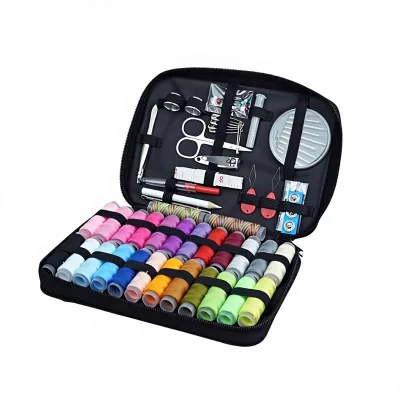


Comprehensive Sourcing Guide
Portable Knitting Sewing Kit Supplier Concentration and Factory Types
The sourcing landscape for portable knitting sewing kits reveals a distinct concentration of manufacturing activity within specific industrial regions, most notably in China’s Zhejiang province. This geographic clustering is not arbitrary but stems from established supply chains for textiles, plastics, and hardware components that feed into the final assembly of these kits. When evaluating potential partners, buyers should recognize that many entities operating in this space are classified as trading companies rather than direct manufacturers. This distinction is critical because trading companies often aggregate products from multiple smaller factories, offering a broader catalog but potentially less direct control over production nuances. The presence of such entities means that while you may encounter a single point of contact, the actual production might be distributed across various specialized workshops. Understanding this dynamic helps in setting realistic expectations regarding communication layers and quality control processes.
Furthermore, the types of facilities producing these kits vary significantly in their capabilities and focus. Some suppliers specialize in the textile aspects, such as the high-tenacity polyester threads and dyed fabrics that constitute the core of the kit, while others focus on the plastic or metal components like needles, pins, and scissor blades. This specialization can influence the quality and consistency of the final product. Buyers should inquire about the specific nature of the supplier’s operations to determine if they have in-house capabilities for both assembly and component manufacturing or if they rely entirely on external sourcing. The diversity in factory types also extends to their product range, with some focusing exclusively on sewing accessories and others offering a wider array of household sundries. This breadth can be advantageous for consolidated shipping but may dilute the depth of expertise in any single product line.
How to Verify Portable Knitting Sewing Kit Suppliers
Verification is a multi-step process that begins with confirming the legal and operational status of the supplier through independent third-party audits. One key indicator of reliability is the presence of verification badges from recognized inspection bodies, such as TÜV Rheinland, which signifies that the supplier has undergone rigorous checks regarding their business legitimacy and operational capacity. Beyond basic verification, buyers should scrutinize the supplier’s system certifications, particularly ISO9001:2015 for quality management and ISO14001:2015 for environmental management. These certifications are not merely decorative; they indicate a structured approach to maintaining consistent product quality and adhering to environmental standards, which is increasingly important for global compliance. However, it is essential to verify that these certifications are current and applicable to the specific products being sourced, as some suppliers may hold certifications for other product lines that do not directly relate to sewing kits.
In addition to certifications, direct communication and responsiveness serve as practical metrics for assessing supplier reliability. The speed and quality of a supplier’s response can provide insights into their operational efficiency and customer service orientation. For instance, a supplier with a response time of around two hours may demonstrate a more agile and attentive support structure compared to those with slower response rates. Buyers should also request detailed product specifications and samples to verify claims about materials and construction. For example, confirming that the sewing threads are made from 100% polyester with high tenacity ensures durability, while checking the inclusion of specific accessories like pearl head pins, measuring tapes, and scissors validates the completeness of the kit. It is also advisable to ask for evidence of customization capabilities, such as the ability to accept customized logos or specific packaging requirements, which can be crucial for brand differentiation in the market.
What to Compare Across Portable Knitting Sewing Kit Suppliers
When evaluating multiple suppliers, it is crucial to compare key operational metrics such as lead times, minimum order quantities (MOQs), and pricing structures to determine the best fit for your business needs. Lead times can vary significantly, with some suppliers offering production cycles of around 23 days, while others may require up to 30 days or more. This difference can impact your inventory planning and ability to meet market demand, especially during peak seasons. Similarly, MOQs can range widely, from as low as 500 sets for certain models to 5,000 sets for others. Understanding these thresholds helps in aligning your order volumes with your sales forecasts and storage capabilities. Pricing is another critical factor, with costs varying based on the complexity of the kit, the quality of materials, and the level of customization required. Buyers should request detailed quotes that break down costs for different components to ensure transparency and avoid hidden fees.
Beyond these basic metrics, comparing the specific features and accessories included in each kit is essential for value assessment. Some kits may include a comprehensive set of accessories, such as 18 pearl head pins, multiple sewing needles, and various types of thread, while others may offer a more basic set. The size and weight of the kit also play a role in determining its suitability for different markets, with compact designs being preferred for travel and larger boxes for household use. Additionally, the material composition of the kit’s container, whether it is made from plastic, PU leather, or other materials, can affect its durability and aesthetic appeal. Buyers should also consider the supplier’s ability to provide customization options, such as tailored packaging or branded inserts, which can enhance the product’s marketability. By systematically comparing these attributes, buyers can make informed decisions that balance cost, quality, and functionality.
Common Portable Knitting Sewing Kit Sourcing Risks
One of the primary risks in sourcing portable knitting sewing kits is the potential inconsistency in product quality, particularly regarding the durability of threads and the functionality of metal components. Since these kits often include small, intricate parts like needles, pins, and scissors, any defect can render the entire kit unusable. Buyers must be vigilant in specifying clear quality standards and requesting pre-shipment inspections to catch defects early. Another significant risk is the misrepresentation of materials, such as claiming high-tenacity polyester threads when lower-quality alternatives are used. This can lead to customer dissatisfaction and returns, damaging the brand’s reputation. To mitigate this, buyers should insist on detailed material specifications and conduct random sampling tests to verify the claimed properties. It is also important to ensure that all components meet safety standards, especially for products intended for use by children or in educational settings.
Logistical and supply chain disruptions pose another considerable risk, particularly when sourcing from distant manufacturing hubs. Delays in production or shipping can result in missed market opportunities and increased inventory holding costs. Buyers should establish clear communication channels with suppliers to monitor production progress and address any issues promptly. Additionally, the risk of intellectual property infringement exists, especially when dealing with customized designs or branded kits. Buyers must ensure that their designs are protected and that suppliers adhere to confidentiality agreements. It is also crucial to verify that suppliers have the necessary licenses and permits to export their goods, avoiding potential legal complications. By proactively identifying and addressing these risks, buyers can build a more resilient and reliable supply chain for their portable knitting sewing kits.
Portable Knitting Sewing Kit Regional Sourcing and Logistics
Sourcing from regions like Zhejiang, China, offers access to a mature manufacturing ecosystem with well-developed logistics infrastructure. This region is known for its efficiency in producing textile-related products, benefiting from proximity to raw material suppliers and specialized labor pools. However, buyers must account for the logistical complexities involved in international shipping, including customs clearance, freight costs, and transit times. Understanding the specific port of departure and the available shipping routes is essential for accurate cost estimation and delivery planning. Buyers should also consider the impact of seasonal variations on shipping availability and rates, as peak seasons can lead to capacity constraints and higher costs. Working with experienced freight forwarders can help navigate these challenges and ensure timely delivery.
In addition to logistics, buyers should be aware of regional trade regulations and compliance requirements that may affect the import of sewing kits. Different countries have varying standards for product safety, labeling, and environmental impact, which must be adhered to for successful market entry. For instance, certain regions may require specific certifications for plastic components or restrictions on the use of certain dyes. Buyers must ensure that their suppliers are familiar with these requirements and can provide the necessary documentation. It is also advisable to explore local warehousing options in the destination market to reduce lead times and improve customer satisfaction. By carefully planning the logistics and compliance aspects of sourcing, buyers can optimize their supply chain and minimize potential disruptions.
Portable Knitting Sewing Kit Commercial Terms and Order Planning
Effective order planning requires a thorough understanding of commercial terms, including payment methods, warranty policies, and after-sales support. Buyers should negotiate favorable payment terms, such as partial upfront payments and balance upon shipment, to manage cash flow and mitigate financial risk. It is also important to clarify the supplier’s warranty policy for defective products and the process for handling returns or replacements. Clear communication regarding these terms helps prevent misunderstandings and ensures a smooth transaction. Additionally, buyers should consider the scalability of the supplier’s production capacity to accommodate future order increases. Establishing a long-term partnership with a reliable supplier can lead to better pricing, priority production slots, and improved service levels.
Furthermore, buyers should develop a robust inventory management strategy to align with their sales projections and supplier lead times. This involves forecasting demand accurately and maintaining safety stock to buffer against supply chain disruptions. Regular communication with suppliers about production schedules and inventory levels can help in planning orders more effectively. Buyers should also consider the total cost of ownership, including shipping, duties, and handling fees, when evaluating supplier quotes. By integrating commercial terms with strategic order planning, buyers can enhance their operational efficiency and competitiveness in the market. This holistic approach ensures that the sourcing process supports the overall business objectives and contributes to sustainable growth.
FAQs
What is the typical MOQ for portable knitting sewing kits?
Minimum order quantities for portable knitting sewing kits generally range from 500 to 5000 sets depending on the model and accessories included. Larger kits with boxes or extra accessories often carry higher MOQs, while simple bag-style kits may start at around 500 sets. Always confirm the MOQ for your chosen specification before requesting a quotation.
How much does a portable sewing kit cost per set?
Portable sewing kits typically sell wholesale for roughly 0.80 to 5.50 USD per set. The price depends on the number of accessories, the material of the case, and whether the kit is a compact pouch or a larger storage box. Simple polyester pouch kits sit at the lower end, while boxed sets with more components cost more.
What accessories are included in a standard travel sewing kit?
A standard travel sewing kit usually contains sewing threads, hand sewing needles, pearl head pins, buttons, a measuring tape, scissors, a threader, and sometimes a thimble or safety pin. Kits range from about 9 to 10 threads with 18 pins in fuller versions, down to 2 pins and 9 threads in basic sets. Ask suppliers for the full accessory list.
Can portable sewing kits be customized with my logo?
Yes, customization is generally available on these kits, including custom logo printing on the case or packaging. Many suppliers accept customized logos on bag-style and boxed kits, and case sizes can sometimes be tailored as well. Confirm the printing method, artwork requirements, and any additional cost per set before placing your order.
What is the usual production lead time for sewing kits?
Production lead times reported by suppliers on this page range from about 23 to 30 days after order confirmation. The exact timeframe depends on order quantity, customization requirements, and current production schedules. Request a written lead time with your quotation and clarify whether it covers sampling, production, and packing separately.
Where are most portable sewing kit suppliers located?
The suppliers featured here are based in Zhejiang, China, a major hub for sewing accessories, threads, trimmings, and tailoring materials. Sourcing from this region offers access to factories producing lace, buttons, zippers, ribbons, and related notions in the same supply chain. This concentration can simplify consolidating multiple garment accessories into one shipment.
What certifications should I check when sourcing sewing kits?
Look for suppliers holding ISO9001:2015 quality management and ISO14001:2015 environmental management system certificates, and check whether a third party such as TUV Rheinland has verified the company. Since kits include scissors, needles, and pins, also ask about product safety documentation for sharp components in your destination market before confirming an order.
How quickly do sewing kit suppliers usually respond to inquiries?
Suppliers on this page report average response times of roughly 2 to 3.5 hours during working hours. Fast response matters when you need quick quotations, samples, or production updates, so include your specifications, target quantity, and destination port in the first message. Response speed can vary by time zone and inquiry volume, so allow reasonable time.