Portable Manual Travel Coffee Maker Suppliers and Manufacturers
Explore 25 verified options for Portable Manual Travel Coffee Maker suppliers and manufacturers. Compare locations in Guangdong and Henan, response times, lead times, and product certifications like Declaration of Conformity. Contact suppliers directly to verify pricing and MOQ details; review the available evidence before requesting comparable quotations from suitable candidates.
Updated
Suppliers List
Zhuhai Kelitong Electronic Co., Ltd.
- Manufacturer
- Guangdong, China
- Lead time25 days
- Avg. response≤ 6h
Main productsElectric Wine Opener,Electric Wine Accessories,Electric Milk Frother,Electric Pepper Grinder,Handheld Coffee Grinder
Main marketsNorth America(70.00%), South America(10.00%), Southern Europe(7.00%), Eastern Asia(5.00%), Western Europe(3.00%), Eastern Europe(1.00%), Northern Europe(1.00%), Oceania(1.00%), Southeast Asia(1.00%), Mid East(1.00%)
Henan Zlovy Enterprise Co., Ltd.
- Trading Company
- Henan, China
- Lead time1 days
- Avg. response≤ 8h
Main productsCoffee Pot,Coffee Tools,Water Bottle,Home Appliances,Baking Tools
Main marketsNorth America(35.00%), Western Europe(20.00%), Mid East(20.00%), Southeast Asia(15.00%), South America(10.00%)
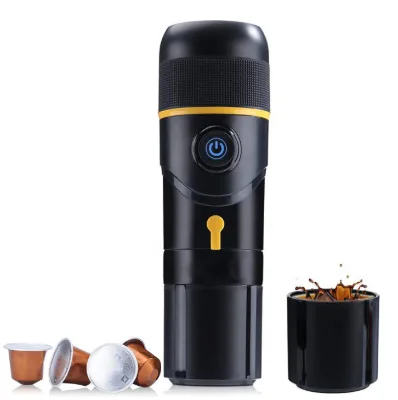
Portable Coffee Mini Machine Coffee Maker Car and Travel K-cup Coffee Maker
$16.60 - $47.80
MOQ: 2 pieces
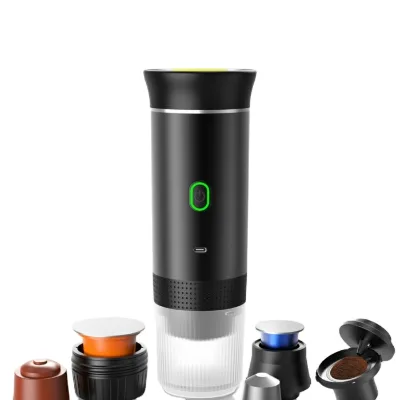
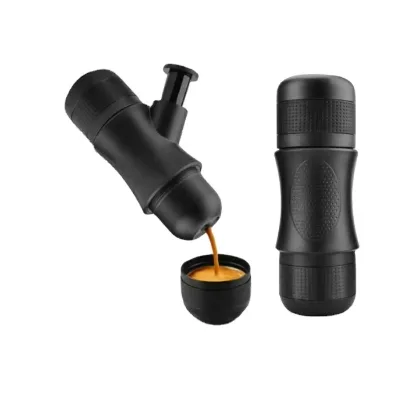
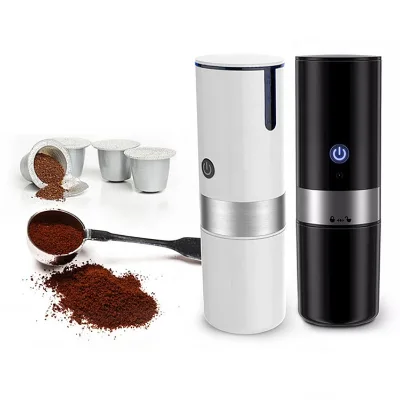
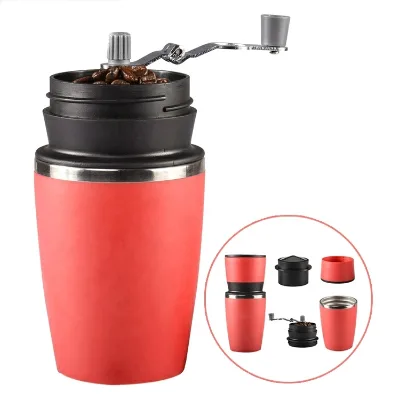
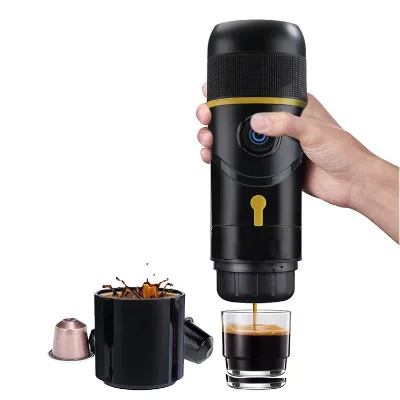

Zhongshan Xinyuan Silicone Rubber Co. Ltd
- Verified by TUVRHEINLAND
- Combined
- China Guangdong
- Lead time15 days
- Avg. response≤ 2h
Main productsSilicone Mold, Silicone Ice Cube Tray, Silicone Wristband, Silicone Tea Infuser, Silicone Bakeware, Silicone Keychain, Silicone Cup Coaster, Silicone Bag
Main marketsSouth America,Southeast Asia/ Mideast,Domestic,Europe,North America

Automatic Travel Drip Capsule Portablecoffee Mini Portable Coffee Machine Maker
$40.00 - $55.00
MOQ: 1 Pieces


Electric Mini Coffee Maker Travel Portable Fully Automatic Coffee Machine
$40.00 - $55.00
MOQ: 1 Pieces


LIANYUNGANG KAESHING INTERNATIONAL TRADING CO., LTD.
- Verified by TUVRHEINLAND
- Trading Company
- China Jiangsu
- Lead time15 days
- Avg. response≤ 4h
Main productsGlass Bottle, Glass Jar, Glass Cup, Glassware, High Borosilicate Glass Jar Bottle Mug, Glass Perfume Bottle, Glass Mug, Glass Decanter, Storage Jar, Fused Silica
Main marketsNorth America

$13.50 - $16.00
MOQ: 100 Pieces

Aluminum Espresso Coffee Maker Moka Pot for Home /Travel/ Camping Portable Coffee Maker
$4.00 - $4.60
MOQ: 500 Pieces


Zhongshan Xinyuan Silicone Rubber Co., Ltd.
- Verified by TUVRHEINLAND
- Combined
- China Guangdong
- Lead time15 days
- Avg. response≤ 2h
Main productsEmbroidery Patch, PVC Keychain, Pin Badge, Medal, Lanyard, Challenge Coin, Paper Air Freshener, Coffee Maker, Luggage Tag, Coffee Maker/Grinder
Main marketsSouth America,Southeast Asia/ Mideast,Domestic,Europe,North America

Custom Logo Portable Coffee Maker Outdoor Camping Travel Mini Coffee Machine
$17.00 - $25.00
MOQ: 1 Pieces


Shanghai Prime Technology Co., Ltd.
- Verified by SGS
- Trading Company
- China Shanghai
- Lead time45 days
- Avg. response≤ 2h
Main productsCoffee Machine Bread Machine, Blender Food Processor Juicer, Air Fryer Hair Dryer Ect.
Main marketsSouth America,Eastern Europe,Mid East,North America,Southeast Asia,Eastern Asia,Oceania,Western Europe,Africa


Portable Rechargeable Coffee Maker 2-in-1 Coffee & Tea Brewer for Travel Home Car
$9.62 - $14.20
MOQ: 100 Pieces


Portable Espresso Machine 15 Bar Coffee Machine Maker Small Travel Coffeemaker
$13.88 - $17.68
MOQ: 500 Pieces


Portable 20bar Espresso Coffee Machine Maker Rechargeable Coffeemaker for Travel Camping
$35.66 - $42.62
MOQ: 500 Pieces
Ningbo Hawk Electrical Appliance Co., Ltd.
- Verified by TüVRheinland
- Manufacturer, Trading Company
- Lead time30 days
- Avg. response≤ 6h
Main productsFully Automatic Coffee Machine, Coffee Maker, Commercial Coffee Machine, Household Coffee Machine
Main marketsEastern Europe(25%), Southeast Asia(21%), Domestic Market(13%)
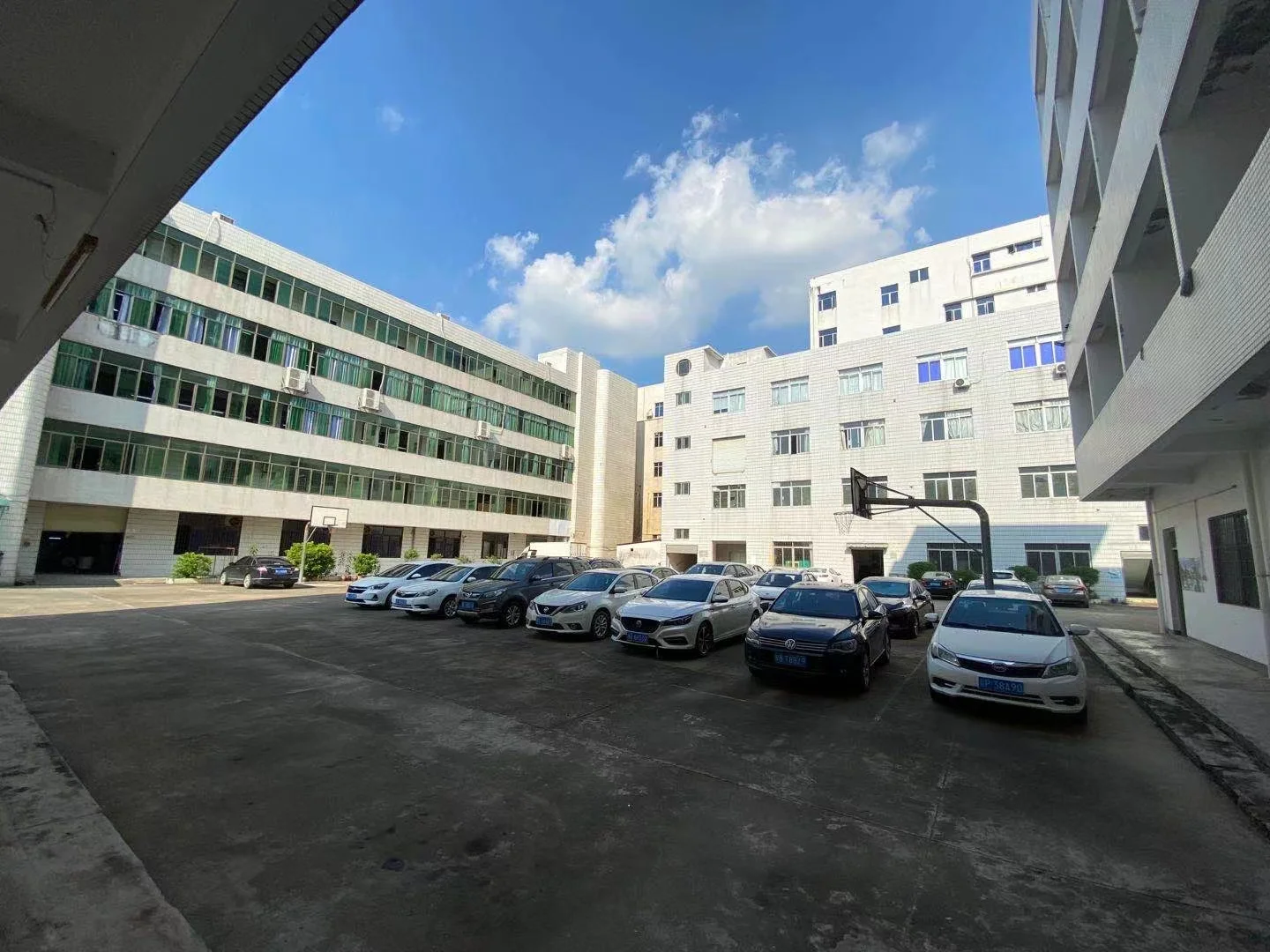
Huizhou Kingstar Industry And Trade Co., Ltd.
- Trading Company
- Guangdong, China
- Lead time15 days
- Avg. response≤ 5h
Main productsPepper Grinder,Coffee Distribution Tool,Milk Frother,Coffee Portafilter,Coffee Grinder
Main marketsMid East(40.00%), Domestic Market(25.00%), North America(15.00%), Southeast Asia(10.00%), South America(5.00%), Western Europe(5.00%)
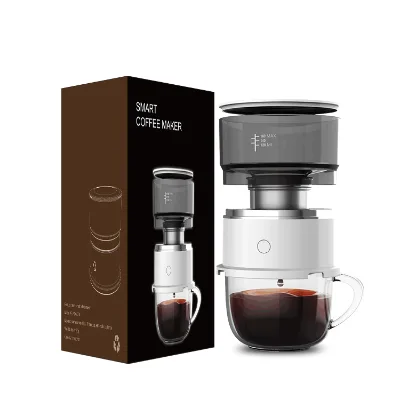
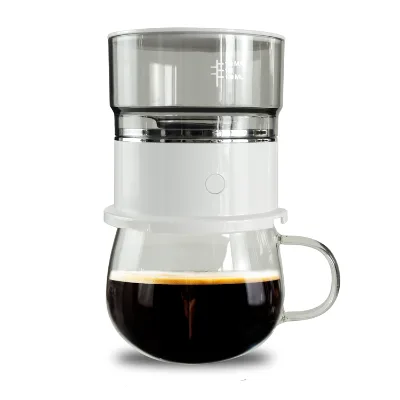
Electric Travel Coffee Maker Mini Portable Drip Coffee Pot Handmade Coffee Maker
$6.50 - $9.50
MOQ: 100
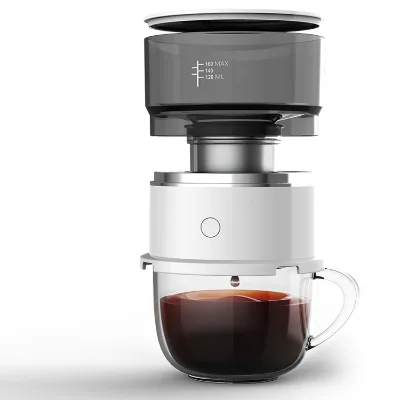
Mini Operated Portable Espresso Coffee Maker Coffee Machine Travel Hand Coffee Maker
$8.00 - $9.35
MOQ: 100 sets
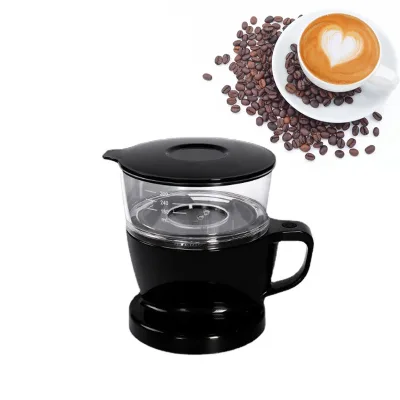

Wuxi SWF Intelligent Technology Co., Ltd.
- Verified by TUVRHEINLAND
- Trading Company
- China Jiangsu
- Lead time30 days
- Avg. response≤ 3h
Main productsCoffee Machine, Coffee Grinder, Coffee Vending Machine, Coffee Roaster, Coffee Maker, Espresso Machine, Formula Dispenser Machine, Dumpling Machine, Pizza Dough Roller Machine
Main marketsSoutheast Asia/ Mideast,Australia,North America

New Accompanying Travel Portable Coffee Machine Rechargeable Coffee Maker
$30.00 - $40.00
MOQ: 1 Pieces

USB Outdoor Coffee Maker Travel Mini Espresso Coffee Drip Portable Coffee Maker
$30.00 - $40.00
MOQ: 1 Pieces


Electric Mini Travel Car Outgoing Camping Portable Coffee Espresso Maker
$30.00 - $40.00
MOQ: 1 Pieces

Dongguan Blue Coast Coffee Appliances Co., Ltd.
- Manufacturer
- Guangdong, China
- Lead time15 days
- Avg. response≤ 5h
Main productscoffee filter,reusable coffee pod,coffee capsule,coffee bottle,french press
Main marketsEastern Europe(15.00%), Central America(15.00%), Domestic Market(10.00%), Africa(7.00%), Oceania(7.00%), Western Europe(6.00%), South America(5.00%), South Asia(5.00%), Southern Europe(5.00%), Northern Europe(5.00%), North America(5.00%), Southeast Asia(5.00%), Eastern Asia(5.00%), Mid East(5.00%)
Foshan Carefor Electrical Appliances Co., Ltd.
- Verified by TüVRheinland
- Trading Company
- Lead time60 days
- Avg. response≤ 3h
Main productsCommercial Espresso Mahine, Commercial Coffee Brewer, Commercial Coffee Grinder, Coffee Accessories, Hot Water Urn
Main marketsNorth America(30%), Eastern Europe(15%), Mid East(15%)
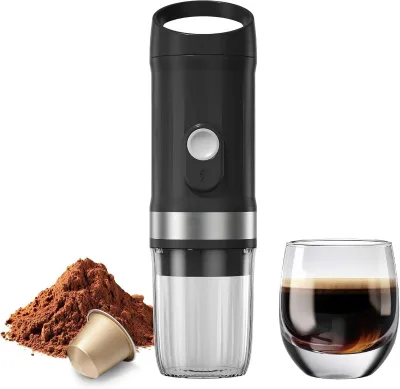
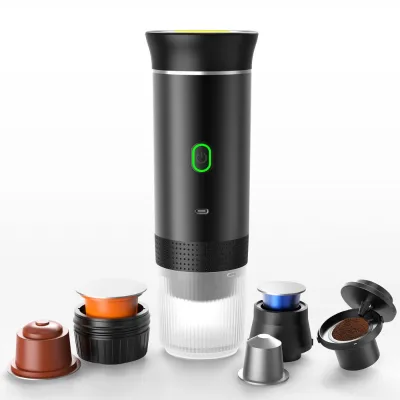
Mini Personal OEM Coffee Maker Portable Self Heating 20bar 80ml Handpress Espresso Coffee Machine
$13.3308 - $16.3038
MOQ: 500 pieces
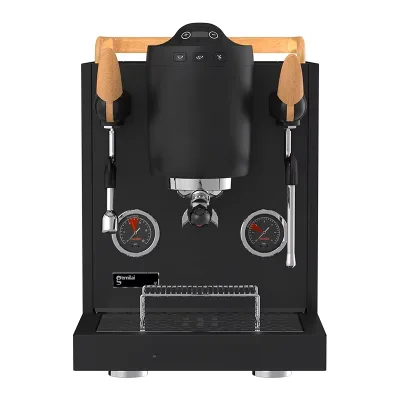
Ningbo Aggpo Import And Export Co., Ltd.
- Verified by SGS Group
- Trading Company
- Lead time5 days
- Avg. response≤ 5h
Main productsHousehold daily goods, Consumer goods, Pet goods, Sports goods, Hardware goods
Main marketsNorth America(30%), South America(30%), Western Europe(25%)
Shenzhen Denorgin Tech Co., Ltd.
- Verified by TüVRheinland
- Manufacturer, Trading Company
- Lead time5 days
- Avg. response≤ 6h
Main productsPortable Espresso Maker, Portable Coffee Grinder, Portable Blender, Food Chopper, Milk Frother
Main marketsWestern Europe(23%), North America(20%), Eastern Europe(10%)

Ningbo Mingni Import And Export Co., Ltd.
- Verified by SGS
- Manufacturer/Factory
- China Zhejiang
- Lead time23 days
- Avg. response≤ 3h
Main productsWindow Handle, Door Handle, Hinge, Gas Cooker Knob, Oven Knob, Name Plate, Cabinet Handle, Bathroom Hardware, Auto Parts
Main marketsSouth America,Eastern Europe,North America,Western Europe


Portable Espresso Coffee Machine Maker for Travel Camping Office Home
$19.99 - $29.99
MOQ: 1000 Pieces

Portable Espresso Machine, 15 Bar Espresso Maker, Small Travel Coffee Maker
$11.00 - $14.00
MOQ: 100 Pieces


Portable Camping Capsule Coffee Maker USB Electric Travel Mini Espresso Maker Coffee
$59.99 - $69.99
MOQ: 100 Pieces
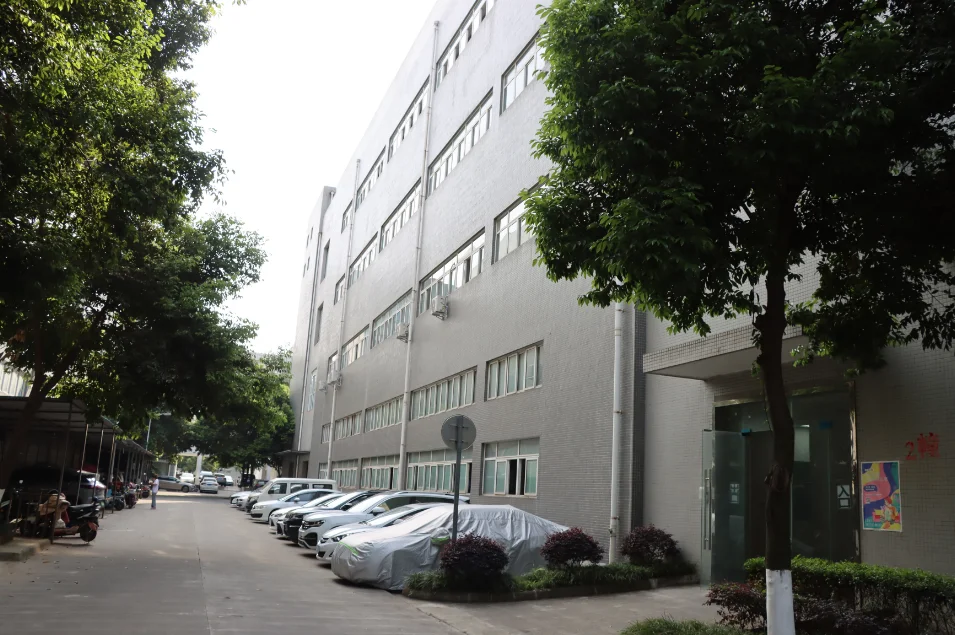
Chengdu Kefeituo Technology Co., Ltd.
- Trading Company
- Sichuan, China
- Lead time0 days
- Avg. response≤ 2h
Main productsElectric Coffee Machine,Household Oil Press,Bean Grinder,Milk Foam Machine,oil press Machine
Main marketsEastern Europe(20.00%), Southeast Asia(20.00%), Oceania(13.00%), Africa(10.00%), North America(10.00%), Western Europe(10.00%), Southern Europe(5.00%), South America(5.00%), Mid East(5.00%), South Asia(2.00%)
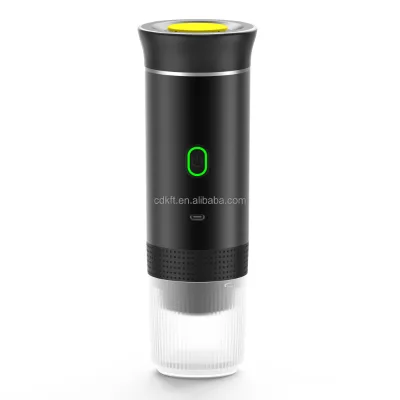
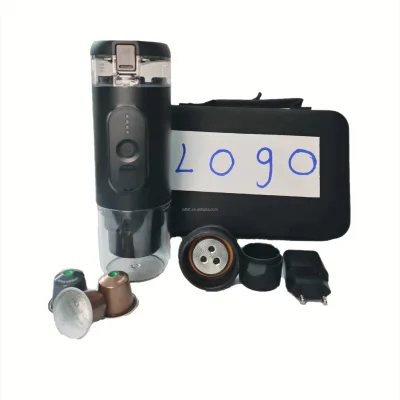
$41.0148 - $43.0657
MOQ: 2000 pieces
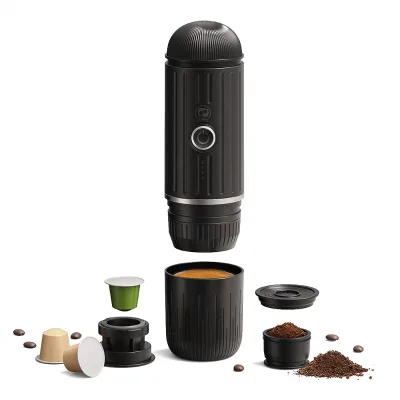
$35.9115 - $41.0418
MOQ: 1 pieces
$35.9415 - $41.6705
MOQ: 1 pieces
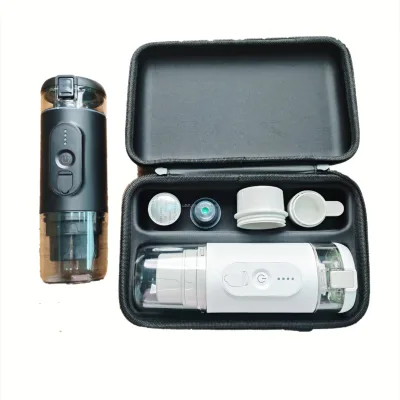
Portable Coffee Maker Most Popular Capsule Coffee Maker with Gift Case Small Coffee Maker
$40.00 - $42.00
MOQ: 2000
Cixi Owner Electrical Appliance Co., Ltd.
- Manufacturer
- Zhejiang, China
- Lead time45 days
- Avg. response≤ 1h
Main productsPet bed,Pet fresh food machine,Pet water dispenser,Pet foot bath cup,Mini coffee maker
Main marketsWestern Europe(11.11%), Eastern Asia(11.11%), Mid East(11.11%), Oceania(11.11%), Southeast Asia(11.11%), Eastern Europe(11.11%), South America(11.11%), North America(11.11%)
Shenzhen Bogart Kitchenware Co., Ltd.
- Verified by TüVRheinland
- Trading Company
- Guangdong, China
- Lead time15 days
- Avg. response≤ 1h
Main productsCoffee & Tea Sets, Matcha Tools, Portable Coffee Maker, Coffee Tumbler & Mugs, Coffee Accessories
Main marketsMid East(30%), North America(20%), Western Europe(13%)
$10.00 - $13.00
MOQ: 10 cartons

Lu'an Woma Import and Export Co., Ltd.
- Verified by SGS
- Trading Company
- China Anhui
- Lead time15 days
- Avg. response≤ 5h
Main productsLED Channel Letters, Acrylic Signs, Metal Sign Letters, Wayfinding Signs, Outdoor Signage
Main marketsEast Asia(Japan/ South Korea)

Hot Selling Coffee Maker Electrical Cup Portable Mini Espresso Coffee Maker
$9.90 - $17.90
MOQ: 200 Pieces


$2.99 - $12.00
MOQ: 100 Pieces

Portable Espresso Coffee Maker Manually Travel Coffee Machine Set, Perfect for Camping
$9.90 - $17.90
MOQ: 200 Pieces

Portable Car Coffee Maker Mini Car Coffee Maker Car Coffee Maker Espresso
$30.00 - $50.00
MOQ: 200 Pieces

Guangzhou Belr Housewares Co., Ltd.
- Verified by Intertek
- Trading Company
- Lead time15 days
- Avg. response≤ 2h
Main productsCoffee Machine, Reusable Coffee Capsule, French Press, Coffee Mug, Coffee Grinder
Main marketsNorth America(60%), Southeast Asia(20%), South America(10%)
$15.00 - $18.00
MOQ: 5 boxes
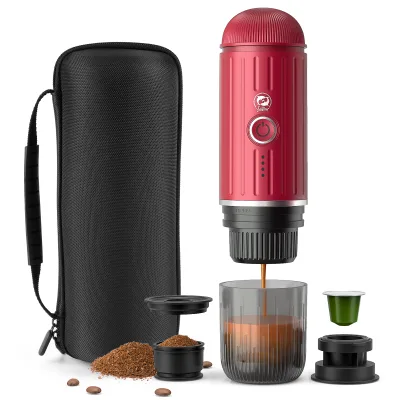
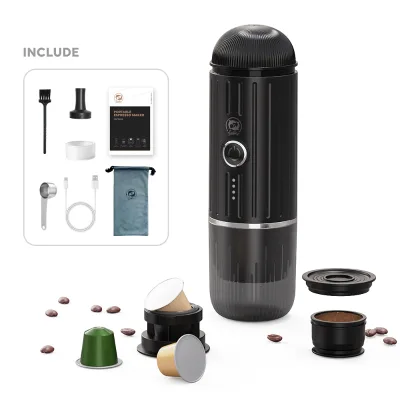
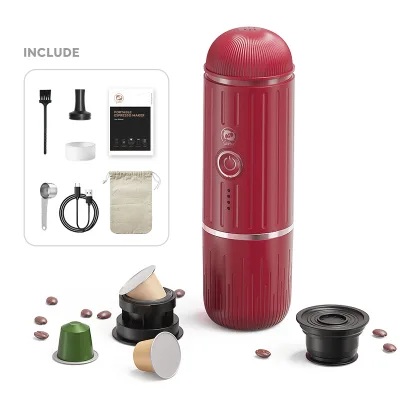
3 in 1 Portable Travel espresso coffee maker heated 19 bar coffee maker rich crema
$24.70 - $25.00
MOQ: 1
$29.211 - $41.7289
MOQ: 1 pieces

ZHONGSHAN KWANGNA GLOBAL SUPPLY CHAIN CO., LTD
- Trading Company
- China Guangdong
- Lead time0 days
- Avg. response≤ 1h
Main productsMosquito Repellent Light, Small Kitchen Air Conditioner, Air Frier, Coffee Maker, Vacuum Cup, Coffee Steel Cup, Portable Mini Fan, Steel Milk Cup, Rice Cooker, Smart Rice Cooker

Small Travel Outdoor Rechargeable High-Pressure Compact Portable Espresso Machine Coffee Maker
$25.00 - $26.00
MOQ: 100 Pieces

$25.00 - $26.00
MOQ: 100 Pieces

$25.00 - $26.00
MOQ: 100 Pieces

$25.00 - $26.00
MOQ: 100 Pieces

$25.00 - $26.00
MOQ: 100 Pieces

$25.00 - $26.00
MOQ: 100 Pieces
Foshan Shunde Stelang Electric Appliance Co., Ltd.
- Manufacturer, Trading Company
- Lead time旺季: "1 - 500":45,"> 500":"To be negotiated", 淡季: "1 - 500":45,"> 500":"To be negotiated"
- Avg. response≤ 3h
Main productsMulti Capsule Coffee Machine, Drip Coffee Machine, K Cup Coffee Machine, Nespresso Coffee Maker, Espresso Coffee Machine
NINGBO ANBO UNITED ELECTRIC APPLIANCE CO.LTD
- Verified by TüVRheinland
- Trading Company
- Lead time40 days
- Avg. response≤ 2h
Main productsHome Appliance
Main marketsSoutheast Asia(13%), Mid East(13%), North America(12%)
Ningbo Jewin Electrical Appliances Co., Ltd.
- Verified by Intertek
- Trading Company
- Lead time20 days
- Avg. response≤ 3h
Main productsAir Fryer, Coffee Machine, Blender, Meat Chopper, Grill Maker
Main marketsSouth America(25%), Mid East(20%), Eastern Europe(15%)

Jiangmen Junsheng Industrial Co., Ltd
- Verified by TUVRHEINLAND
- Combined
- China Guangdong
- Lead time30 days
- Avg. response≤ 1h
Main productsInjection Mould, Plastic Product, Molde De Silicona, Injection Molding, Mould, Mold, Plastic Injection Molding, Plastic Injection Mold, Plastic Mould, Plastic Part
Main marketsDomestic
Shenzhen Ai Home Industry Co., Ltd.
- Verified by SGS Group
- Trading Company
- Lead time15 days
- Avg. response≤ 3h
Main productsHome Appliance, Smart Appliance, Creative Appliance
Main marketsSoutheast Asia(20%), Eastern Asia(20%), Southern Europe(20%)
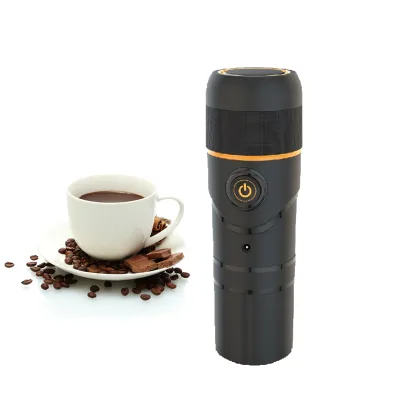
Mobile Coffee Maker Mobile Espresso Maker Usb 60 ml Travel Coffee Machine
$29.00 - $29.40
MOQ: 1000 pieces
$33.35 - $33.75
MOQ: 1000 pieces



Comprehensive Sourcing Guide
Portable Manual Travel Coffee Maker Supplier Concentration and Factory Types
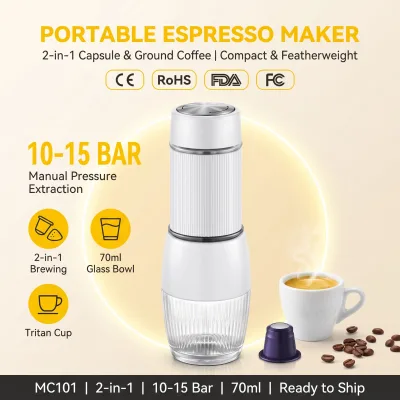
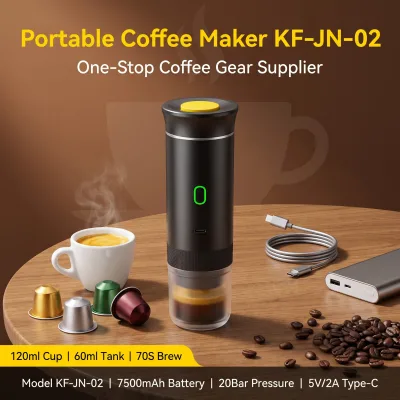
The current supplier landscape for portable manual travel coffee makers reveals a distinct split between manufacturing capabilities and trading operations, primarily concentrated in specific Chinese provinces. Evidence indicates that manufacturers are located in Guangdong, China, while trading companies operate out of Henan, China. This geographic separation is critical for buyers to understand, as it directly influences the type of service, pricing structure, and product customization options available. Guangdong-based entities are identified as manufacturers, suggesting they possess the direct production facilities necessary for creating complex electric or semi-automatic portable units. These suppliers often highlight specific main products such as electric wine openers, milk frothers, and various coffee grinders, indicating a broader capability in small kitchen appliance manufacturing. The presence of a Declaration of Conformity certification among these manufacturers provides a baseline level of regulatory assurance for electrical components, which is essential for portable devices that may be used in diverse environments. Buyers seeking direct factory engagement, private mold development, or higher volume production runs should prioritize these Guangdong-based manufacturers. The data shows that these suppliers offer products with specific technical attributes, such as ABS+304 stainless steel materials and USB power sources, which require specialized manufacturing expertise. Understanding this concentration allows buyers to target their outreach more effectively, knowing that factory-direct inquiries will likely yield more detailed technical specifications and potentially lower unit costs for larger orders.
In contrast, the trading companies located in Henan, China, offer a different value proposition focused on aggregation and flexibility. These suppliers list main products that include coffee pots, water bottles, and baking tools, suggesting a broader portfolio of general kitchenware rather than specialized appliance manufacturing. The trading company model often facilitates easier communication for smaller orders and provides access to a wider variety of product styles that may not be available from a single factory. While they may not own the production lines, their role as intermediaries can simplify the sourcing process for buyers who need mixed container loads or diverse product types. The evidence shows that these trading companies offer products with different material compositions, such as plastic housings or PP+Stainless Steel combinations, and provide various warranty options ranging from one to three years. This diversity in product offerings and service terms makes trading companies a viable option for buyers who prioritize speed, variety, and lower minimum order quantities over direct factory interaction. By recognizing the distinction between Guangdong manufacturers and Henan trading companies, buyers can align their sourcing strategy with their specific business needs, whether that involves high-volume production of specialized electric devices or flexible procurement of general portable coffee accessories.
How to Verify Portable Manual Travel Coffee Maker Suppliers
Verifying the authenticity and capability of suppliers requires a careful examination of the provided factual data, particularly regarding certifications, response times, and product specifications. For manufacturers in Guangdong, the presence of a Declaration of Conformity is a key verification point, indicating that their electrical products meet certain safety and performance standards. Buyers should request to see the actual certification documents to ensure they are valid and applicable to the specific models being ordered. Additionally, the response time of six hours for these manufacturers suggests a relatively quick turnaround for initial communications, which is a positive indicator of operational efficiency. However, buyers must not rely solely on these metrics; they should conduct independent due diligence by requesting video tours of the factory or third-party audit reports to confirm the manufacturing capabilities. The product evidence shows detailed attributes such as material composition (ABS+304) and power sources (USB, Electric), which should be cross-referenced with the supplier’s claims. Any discrepancy between the listed specifications and the actual product samples received should be treated as a red flag. Furthermore, buyers should verify the supplier’s business license to ensure it matches the stated company type and location, preventing potential fraud or misrepresentation.
For trading companies in Henan, verification focuses on their ability to manage supply chains and provide reliable after-sales support. The evidence indicates a response time of eight hours, which is slightly slower than the manufacturers but still within an acceptable range for trading operations. Buyers should assess the trading company’s network of factories by asking for references or case studies of previous successful shipments. The product listings for these suppliers include detailed warranty information, such as one-year or three-year warranties, and after-sales services like free spare parts and overseas call centers. These commitments should be verified through written agreements to ensure they are enforceable. Additionally, buyers should check the supplier’s payment terms and history, as trading companies often handle multiple transactions and may have different financial stability profiles compared to manufacturers. The product attributes, such as housing materials (PP+Stainless Steel) and power sources (Battery, Electric, Vehicle Power Supply), should be tested for quality and durability. Buyers should also inquire about the supplier’s quality control processes, including pre-shipment inspections and defect rates. By combining these verification steps with the available factual data, buyers can build a comprehensive profile of each supplier’s reliability and capability, ensuring a safer and more successful sourcing experience.
What to Compare Across Portable Manual Travel Coffee Maker Suppliers
When evaluating suppliers, buyers must compare key operational metrics such as lead times, minimum order quantities (MOQs), and pricing structures to determine the best fit for their business. The data shows significant variation in lead times, with manufacturers in Guangdong having a lead time of 25 days, while trading companies in Henan offer a much faster lead time of one day. This stark difference highlights the trade-off between production complexity and speed; manufacturers may require more time for setup and quality control, whereas trading companies may have stock or faster fulfillment processes. Buyers should align their order planning with these lead times to avoid stockouts or delays in product launches. Additionally, the MOQs vary, with some suppliers requiring as few as two units, which is ideal for testing the market or small-scale retail operations. Buyers should compare these MOQs against their projected sales volumes to ensure they are not overcommitting to inventory. Pricing is another critical factor, with prices ranging from approximately $15.11 to $47.80 depending on the product features and supplier type. Buyers should analyze the price-to-feature ratio, considering factors such as material quality, warranty length, and included accessories.
Beyond operational metrics, buyers should compare the technical specifications and customization options offered by each supplier. The evidence shows that manufacturers provide products with private mold capabilities, allowing for unique branding and design differentiation. This is a significant advantage for buyers looking to establish a distinct brand identity in the portable coffee maker market. In contrast, trading companies may offer more standardized products with logo customization options, which is suitable for buyers who prioritize speed and variety over unique design. Buyers should also compare the power sources and voltage requirements of the products, as these affect the usability in different markets. For instance, products with USB power sources are more versatile for travel, while those with vehicle power supplies are specific to car use. The warranty terms also vary, with some suppliers offering one-year warranties and others providing three-year coverage. Buyers should assess the value of these warranties in terms of potential repair costs and customer satisfaction. By systematically comparing these attributes, buyers can make informed decisions that balance cost, speed, quality, and customization needs, ensuring they select the most suitable suppliers for their specific business requirements.
Common Portable Manual Travel Coffee Maker Sourcing Risks
Sourcing portable manual travel coffee makers involves several inherent risks that buyers must proactively manage to ensure product quality and supply chain stability. One significant risk is the discrepancy between product specifications and actual delivered goods, particularly when dealing with trading companies that may not have direct control over manufacturing processes. The evidence shows that products are described with specific materials, such as ABS+304 or Plastic, and power sources like USB or Electric. Buyers must ensure that the delivered products match these specifications exactly, as deviations can lead to product failures and customer dissatisfaction. Another risk is the variability in lead times, which can disrupt inventory planning and sales forecasts. While trading companies offer faster lead times, they may be more susceptible to supply chain disruptions due to their reliance on multiple factories. Manufacturers, with their longer lead times, may offer more consistent production schedules but require more advance planning. Buyers should mitigate these risks by establishing clear communication channels and regular updates on production status. Additionally, the risk of inadequate after-sales support is a concern, especially for products with complex electrical components. Buyers should verify the supplier’s commitment to warranty claims and spare parts availability before placing large orders.
Quality control is another critical area where risks can emerge, particularly for products intended for international markets. The evidence indicates that some products have specific certifications, such as the Declaration of Conformity, but buyers must ensure these are valid and recognized in their target markets. Failure to comply with local safety standards can result in product recalls and legal liabilities. Furthermore, the risk of intellectual property infringement exists, especially when dealing with private mold products. Buyers must ensure that the molds are legally owned and that the supplier has the right to produce and sell the customized designs. Packaging and shipping risks are also prevalent, as portable coffee makers are often fragile and require careful handling. The evidence shows various packaging types, such as color boxes and outer boxes, but buyers should verify that the packaging is sufficient to protect the products during transit. Damage during shipping can lead to high return rates and increased costs. Buyers should also be aware of the risk of currency fluctuations and payment fraud, particularly when dealing with international suppliers. Establishing secure payment terms and using escrow services can help mitigate these financial risks. By identifying and addressing these common risks, buyers can create a more robust sourcing strategy that minimizes potential disruptions and ensures a smoother procurement process.
Portable Manual Travel Coffee Maker Regional Sourcing and Logistics
The geographic distribution of suppliers significantly impacts logistics costs, shipping times, and overall supply chain efficiency for portable manual travel coffee makers. Manufacturers in Guangdong, China, benefit from proximity to major ports and established logistics infrastructure, which can facilitate faster and more cost-effective shipping to international destinations. This region is known for its robust manufacturing ecosystem, providing buyers with access to a wide range of components and raw materials, which can reduce production lead times and improve supply chain resilience. However, the longer lead time of 25 days for these manufacturers means that buyers must plan their inventory orders well in advance to avoid stockouts. In contrast, trading companies in Henan, China, may have different logistical advantages, such as closer proximity to domestic distribution centers or specialized handling capabilities for smaller, mixed orders. The one-day lead time offered by these trading companies suggests a highly efficient fulfillment process, which can be advantageous for buyers needing quick restocking or responding to sudden market demand. Buyers should evaluate the total landed cost, including shipping, duties, and insurance, when comparing suppliers from different regions. The choice of logistics provider and shipping method will also depend on the order volume and urgency, with air freight being suitable for smaller, urgent orders and sea freight being more cost-effective for larger shipments.
Logistics planning must also consider the specific requirements of portable coffee makers, which may include battery restrictions or fragile components that require special handling. The evidence shows that products have various power sources, including USB, Electric, and Vehicle Power Supply, which may have different shipping regulations depending on the battery type and capacity. Buyers must ensure that their logistics partners are experienced in handling such products to avoid delays or additional fees. Additionally, the packaging dimensions and weights provided in the evidence, such as single package sizes of 35X30X13 cm and gross weights of 3.0 kg, are crucial for calculating shipping costs and optimizing container loading. Buyers should work closely with their suppliers to ensure that packaging is optimized for both protection and efficiency, minimizing void space and reducing overall shipping volume. The regional sourcing strategy should also take into account the supplier’s ability to handle export documentation and customs clearance, as errors in these areas can lead to significant delays and penalties. By
FAQs
What is the price range for portable espresso makers?
Portable espresso machines typically range from $15.11 to $21.99 per unit based on current market listings. Prices vary depending on material quality, such as ABS plastic or stainless steel housing. Buyers should verify specific pricing tiers with suppliers, as bulk orders often secure lower rates than single-unit purchases.
How long does production take for these coffee makers?
Manufacturing lead times generally span up to 25 days for standard production runs. Some suppliers offer faster turnaround options, with certain listings indicating a lead time of just one day for specific models. Buyers must confirm exact delivery schedules with their chosen supplier before finalizing orders to ensure timely arrival.
What is the minimum order quantity for these products?
Minimum order quantities vary by supplier, with some accepting orders as low as two units. This flexibility supports small businesses testing the market or individuals seeking samples. Larger wholesale orders may require higher quantities, so buyers should check specific supplier terms to determine the exact MOQ applicable to their purchase volume.
Where are these portable coffee makers manufactured?
Most portable coffee makers are manufactured in Guangdong, China, a major hub for small kitchen appliances. Some suppliers are located in Henan, China, offering alternative sourcing options. Buyers should verify the specific place of origin for each product to understand logistics, shipping costs, and potential import regulations for their region.
What certifications do these coffee makers have?
Many manufacturers provide a Declaration of Conformity for their portable coffee makers. This certification indicates compliance with relevant safety and quality standards for electrical appliances. Buyers should request specific test reports or additional certifications if required by their local market regulations to ensure product safety and legal compliance for import.
How quickly do suppliers respond to inquiries?
Supplier response times typically range from 6 to 8 hours. Prompt communication helps buyers clarify product specifications, pricing, and shipping details efficiently. Faster response times often indicate a more active sales team, which can be crucial for resolving urgent sourcing questions or negotiating terms before placing a bulk order.