Precision Custom Steel Casting Suppliers and Manufacturers
Find 33 verified suppliers offering Precision Custom Steel Casting with ISO 9001:2015 certification and DIN standards. Compare lead times, MOQs, and response times to source reliable investment casting parts for machinery and auto applications; review the available evidence before requesting comparable quotations from suitable candidates.
Updated
Suppliers List

Ningbo Suijin Machinery Technology Co., Ltd.
- Verified by CTI
- Combined
- China Zhejiang
- Lead time30 days
- Avg. response≤ 8h
Main productsInvestment Casting Parts, Precision Casting Parts, Machining Parts, Auto Parts, Industry Parts, Building Parts, Marine Hardware, Valve/Pump Parts
Main marketsSoutheast Asia/ Mideast,Europe


Precision Casting Factory OEM Investment and Precision Castings Steel Parts
$0.25 - $0.95
MOQ: 1000 Pieces


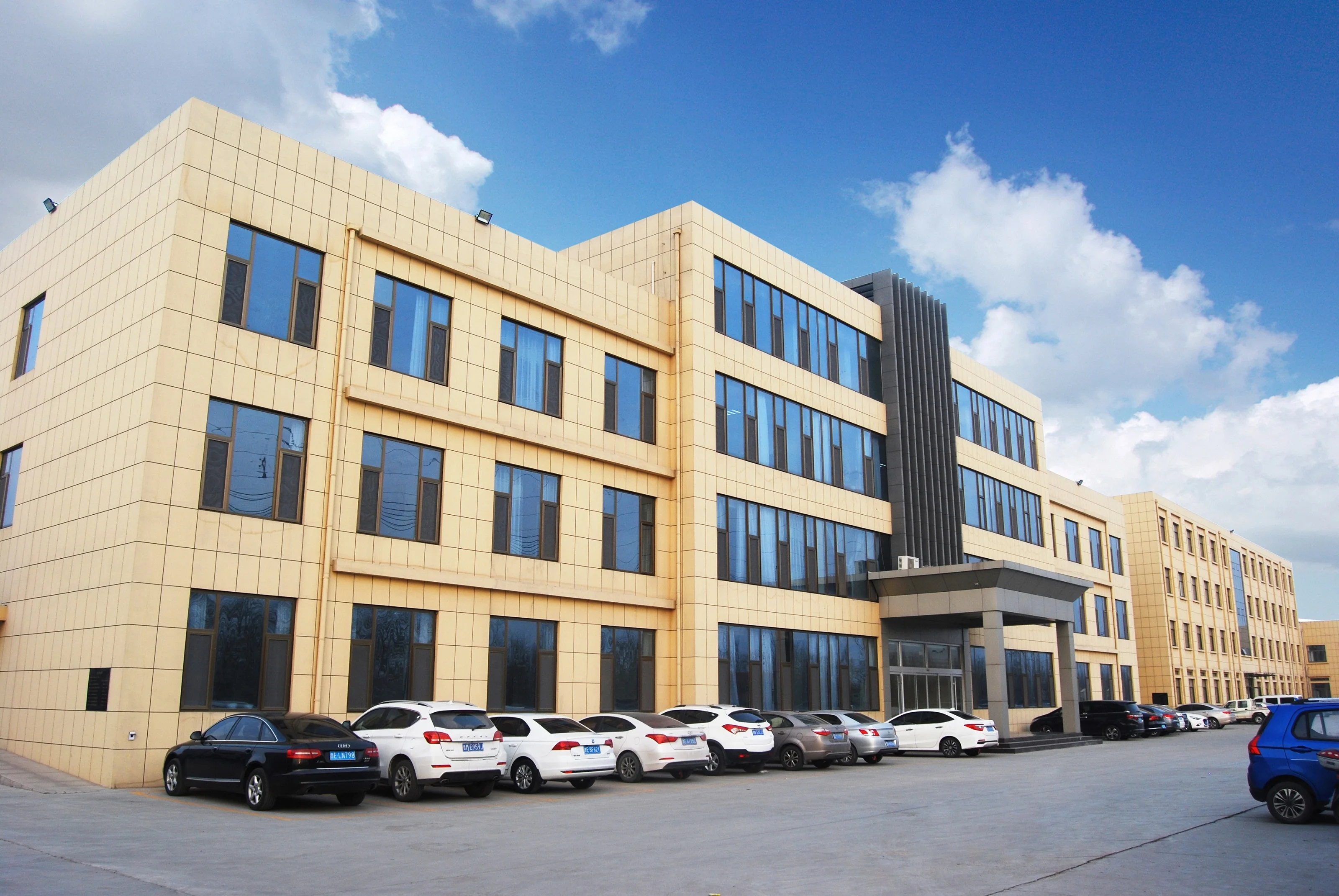
Dongying Shengyu Metal Product Co., Ltd.
- Manufacturer, Trading Company
- Shandong, China
- Lead time30 days
- Avg. response≤ 4h
Main productsInvestment casting,Marine hardware,Building hardware,Silica Sol,Custom products
Main marketsDomestic Market(35.50%), North America(18.00%), Mid East(10.00%), South America(9.00%), Eastern Asia(9.00%), Africa(6.00%), Northern Europe(5.00%), Eastern Europe(5.00%), Oceania(1.00%), Western Europe(1.00%), South Asia(0.50%)

Ningbo Supreme Machinery Co., Ltd.
- Verified by SGS
- Manufacturer/Factory
- China Zhejiang
- Lead time30 days
- Avg. response≤ 13h
Main productsIron Sand Casting Part, Ductile Iron Casting Part, Gray Iron Casting Part, Stainless Steel Casting Part, Precision Investment Casting Part, Carbon Steel Casting Part, Lost Wax Casting Part, Grey Iron Casting Part
Main marketsSouth America,Eastern Europe,Mid East,North America,Southeast Asia,Eastern Asia,Oceania,Western Europe,Africa

Gaomi Huading Precise Metals Co., Ltd
- Combined
- China Shandong
- Lead time30 days
- Avg. response≤ 3h
Main productsSilica Sol Casting Products, CNC, Machining Center, CNC Lathes, Investment Casting Parts, Power Coating
Main marketsEast Asia(Japan/ South Korea),Europe,North America


Customized Carbon Steel Castings with High Quality Precision Casting From Chinese Suppliers
$1.00 - $10.00
MOQ: 100 Pieces
Zhejiang Huadi Import And Export Co., Ltd.
- Trading Company
- Zhejiang, China
- Lead time10 days
- Avg. response≤ 1h
Main productsInvestment Casting,sand casting,precision casting,cnc machining,die casting
Main marketsSoutheast Asia(40.00%), South America(20.00%), Eastern Europe(15.00%), Africa(10.00%), Mid East(10.00%), North America(5.00%)

Ningbo Longxing Casting & Machinery Manufactory
- Trading Company,Manufacturer/Factory
- China Zhejiang
- Lead time30 days
- Avg. response≤ 3h
Main productsCasting, Investment Casting, Precision Casting, Steel Casting, Lost Wax Casting, Cast Steel, Metal Casting, Casting Parts, Investment Casting Parts, Steel Casting Parts
Main marketsSouth America,Eastern Europe,Mid East,North America,Southeast Asia,Eastern Asia,Oceania,Western Europe,Africa

NINGBO ZEYANG IMPORT&EXPORT CO,.LTD
- Verified by BV
- Trading Company
- China Zhejiang
- Lead time30 days
Main productsTrain Fitting Parts, Motor Parts, Automobile Parts, Lamp Fittings, Mining Machinery Parts, Solar Energy Fittings, Medical Appliance Fittings, etc
Main marketsSouth America,Africa,Southeast Asia/ Mideast,East Asia(Japan/ South Korea),Europe,Australia,North America

Jiangsu Shengrong High End Equipment Manufacturing Industry Co., Ltd
- Verified by SGS
- Combined
- China Jiangsu
- Lead time30 days
- Avg. response≤ 7h
Main productsIron Casting, Steel Casting, Investment Cast Product, Steel Products, Lost Wax Casting, Lost Foam Casting, Metal Part Hardware, Spare Part, Sand Casting, Auto Parts
Main marketsDomestic,Europe

Precision Casting 304 Stainless Steel OEM Custom Heavy Duty Precision Parts
$1000.00 - $1200.00
MOQ: 1 Tons


Dongguan Jinbianda Hardware Products Co., Ltd.
- Verified by TüVRheinland
- Manufacturer, Trading Company
- Lead time15 days
- Avg. response≤ 2h
Main productsMechanical Parts, Auto Parts, Medical Beauty Accessories, Electrical Accessories, Door And Window Lock Fittings
Main marketsDomestic Market(25%), North America(20%), South America(10%)
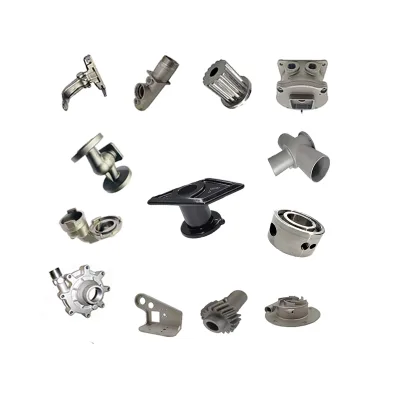
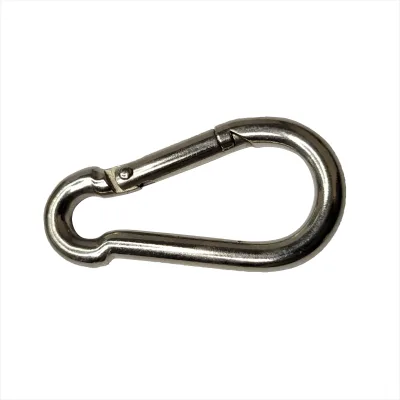
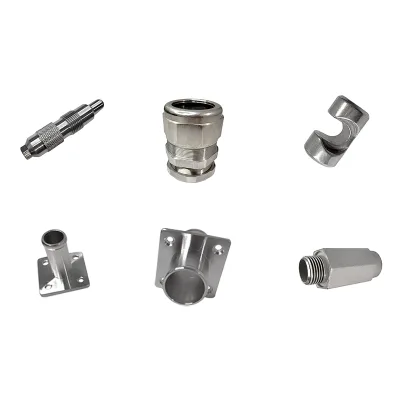
Wholesale Custom Die Casting Services Safety Buckle and Aluminum Alloy Steel Cast Parts
$0.50 - $0.80
MOQ: 50 pieces
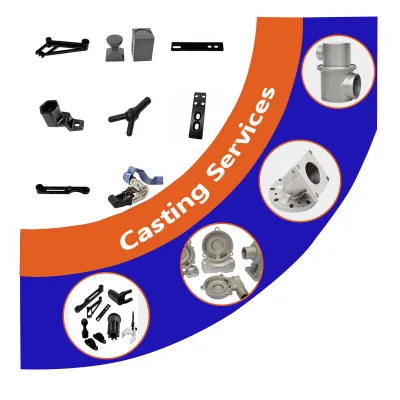
Dongguan Jianqiao Hardware Products Co., Ltd.
- Verified by SGS Group
- Manufacturer, Trading Company
- Lead time15 days
- Avg. response≤ 4h
Main productsPrecision Machining Parts, Sheet Metal Parts , Casting Parts
Main marketsMid East(25%), North America(20%), Domestic Market(15%)

Xuzhou Sheng Ming Casting Co., Ltd
- Verified by SGS
- Combined
- China Jiangsu
- Lead time30 days
- Avg. response≤ 4h
Main productsManhole Cover, Ductile Iron Pipes, Valves, Water Meter Tank Cover, Iron Castings(Support Customization), Hardware Tools, Cast Iron Fireplace, Air Fryer, Kettle, coffee Machine
Main marketsDomestic
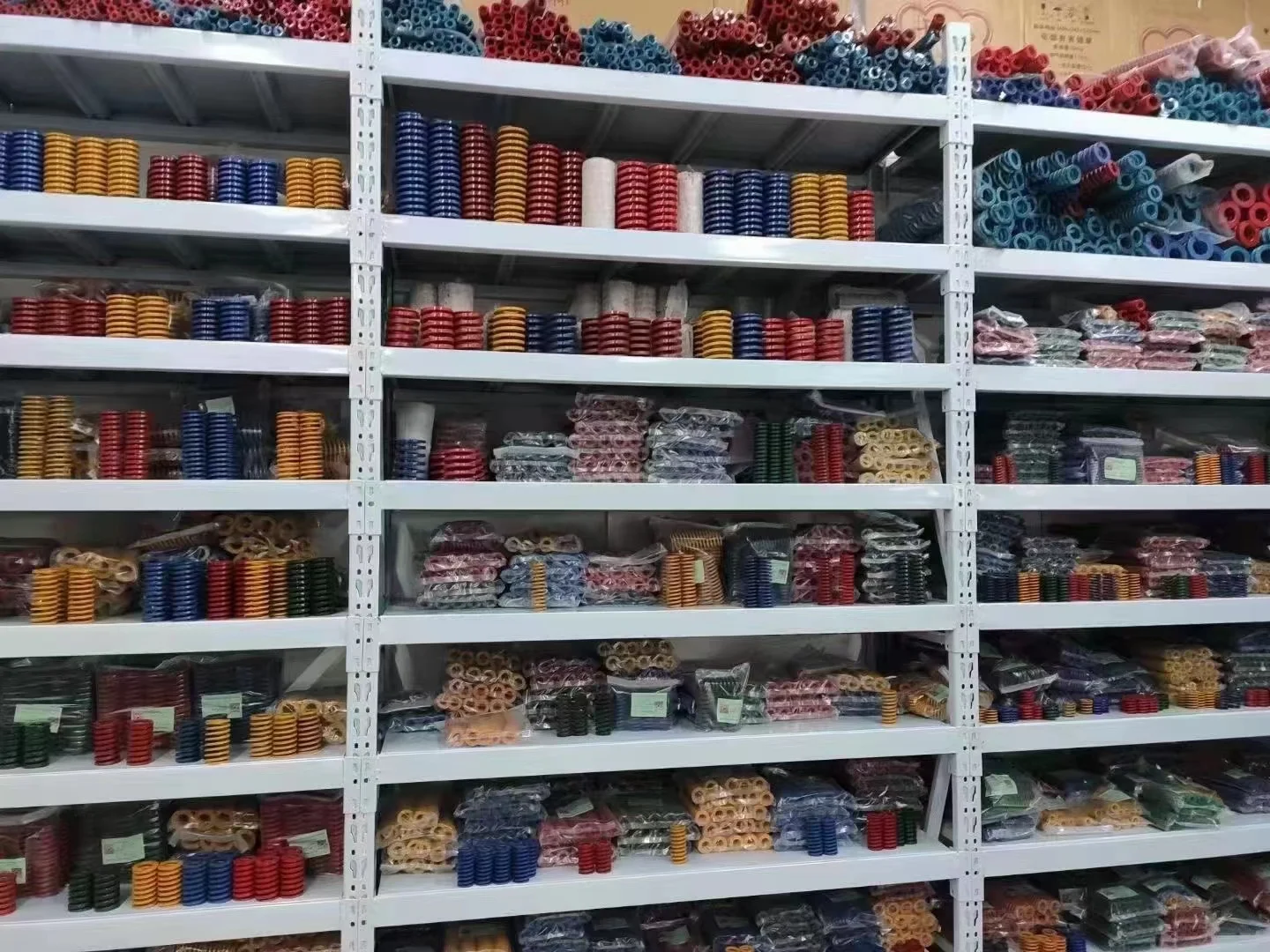
Dongguan Jinhongcheng Automation Machinery Technology Co., Ltd.
- Manufacturer, Trading Company
- Guangdong, China
- Lead time15 days
- Avg. response≤ 3h
Main productsCustomization Of Hardware Accessories Processing/ Customization Of Mechanical Parts Processing/ Auto Parts Processing And Customization/ Outdoor Product Accessories,Standard hardware components,Transportation accessories
Main marketsDomestic Market(59.00%), North America(12.00%), Eastern Europe(10.00%), South Asia(5.00%), Southeast Asia(5.00%), Africa(3.00%), South America(1.00%), Oceania(1.00%), Southern Europe(1.00%), Western Europe(1.00%), Eastern Asia(1.00%), Mid East(1.00%)

Qingdao Eathu Import and Export Co., Ltd.
- Verified by CTI
- Trading Company
- China Shandong
- Lead time23 days
- Avg. response≤ 7h
Main productsForging Parts, Casting Parts, Lifting Anchor System, Metal OEM Parts, Agricultural Machinery Parts, Precast Concrete Hardware, Grouted Sleeve, Pipe Fittings, Butterfly Valve, Forged Flange
Main marketsSouth America,Europe,North America
Shenzhen HengxingHan Technology Co., Ltd
- Trading Company
- Guangdong, China
- Lead time0 days
- Avg. response≤ 3h
Main productsCNC Machining, Casting Process, Sheet Metal Fabrication, 3D Printing (Including Metal), Forging
Main marketsEastern Europe(40.00%), Central America(20.00%), North America(15.00%), Northern Europe(10.00%), Southern Europe(5.00%), South America(5.00%), Western Europe(5.00%)
- Verified by SGS Group
- Manufacturer, Trading Company
- Lead time7 days
- Avg. response≤ 2h
Main productsPrototype, CNC Machining Parts, 3D Printing, Sheet Metal Parts, Aluminum Mold
Main marketsNorth America(40%), South America(20%), Western Europe(20%)
Shandong Fangzhuo Fabrication Co., Ltd.
- Verified by TüVRheinland
- Trading Company
- Lead time0 days
- Avg. response≤ 1h
Main productsCNC Milling Turning Processed Parts, Laser Cutting Metal Parts, Sheet Metal Parts, Steel Welding Parts, Iron Aluminum Steel Casting Parts
Main marketsMid East(20%), North America(15%), Eastern Europe(15%)
Ningbo Aoling Machinery Manufacturing Co., Ltd.
- Manufacturer, Trading Company
- Zhejiang, China
- Lead time45 days
- Avg. response≤ 7h
Main productsCNC machining parts,precision casting,Forging parts,Forklift parts,Motorcycle parts
Main marketsEastern Asia(12.00%), Northern Europe(10.00%), Southeast Asia(10.00%), North America(10.00%), Mid East(10.00%), South America(8.00%), Domestic Market(5.00%), South Asia(5.00%), Southern Europe(5.00%), Africa(5.00%), Central America(5.00%), Western Europe(5.00%), Eastern Europe(5.00%), Oceania(5.00%)
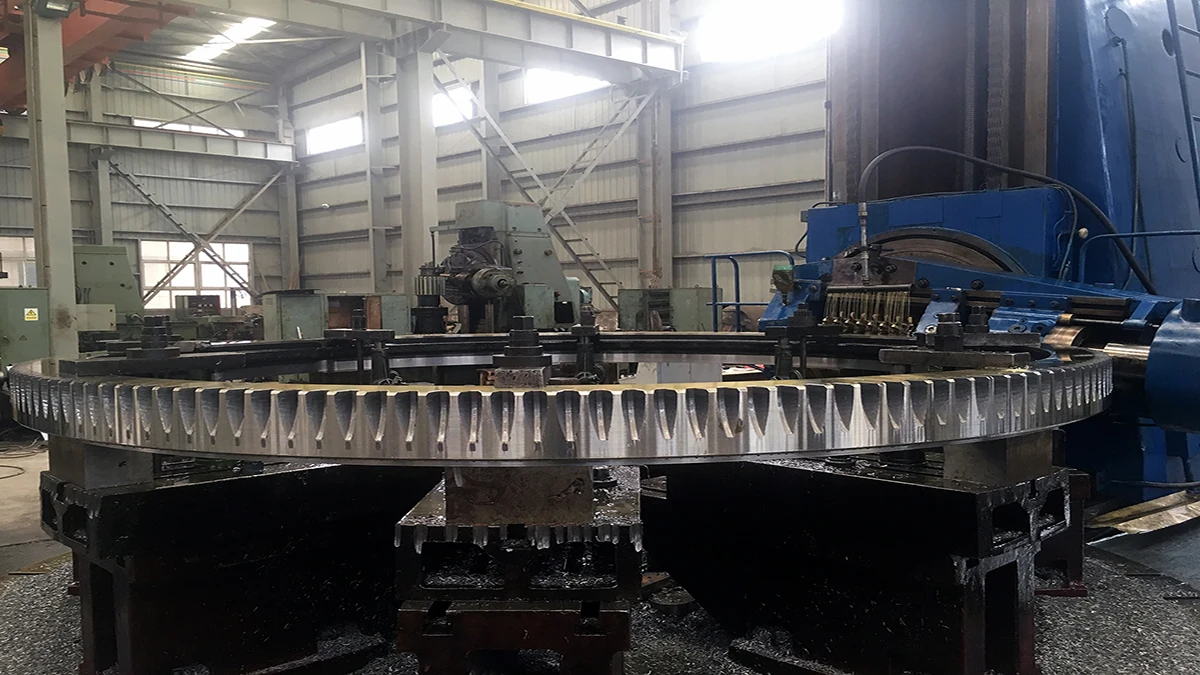
Luoyang Yile Machinery Co., Ltd.
- Trading Company
- Henan, China
- Lead time45 days
- Avg. response≤ 4h
Main productsgear,shaft,sprocket,pulley,coupling
Main marketsMid East(40.00%), Northern Europe(30.00%), Domestic Market(20.00%), Southeast Asia(10.00%)
Qingdao Fluido Industrial Co., Ltd.
- Trading Company
- Shandong, China
- Lead time30 days
- Avg. response≤ 3h
Main productsValves,Pipe Fittings,OEM Metal part,Kee Clamp,Manhole Step
Main marketsSouth America(20.00%), Western Europe(10.00%), Eastern Europe(10.00%), North America(10.00%), Domestic Market(5.00%), South Asia(5.00%), Southern Europe(5.00%), Northern Europe(5.00%), Central America(5.00%), Southeast Asia(5.00%), Eastern Asia(5.00%), Mid East(5.00%), Oceania(5.00%), Africa(5.00%)
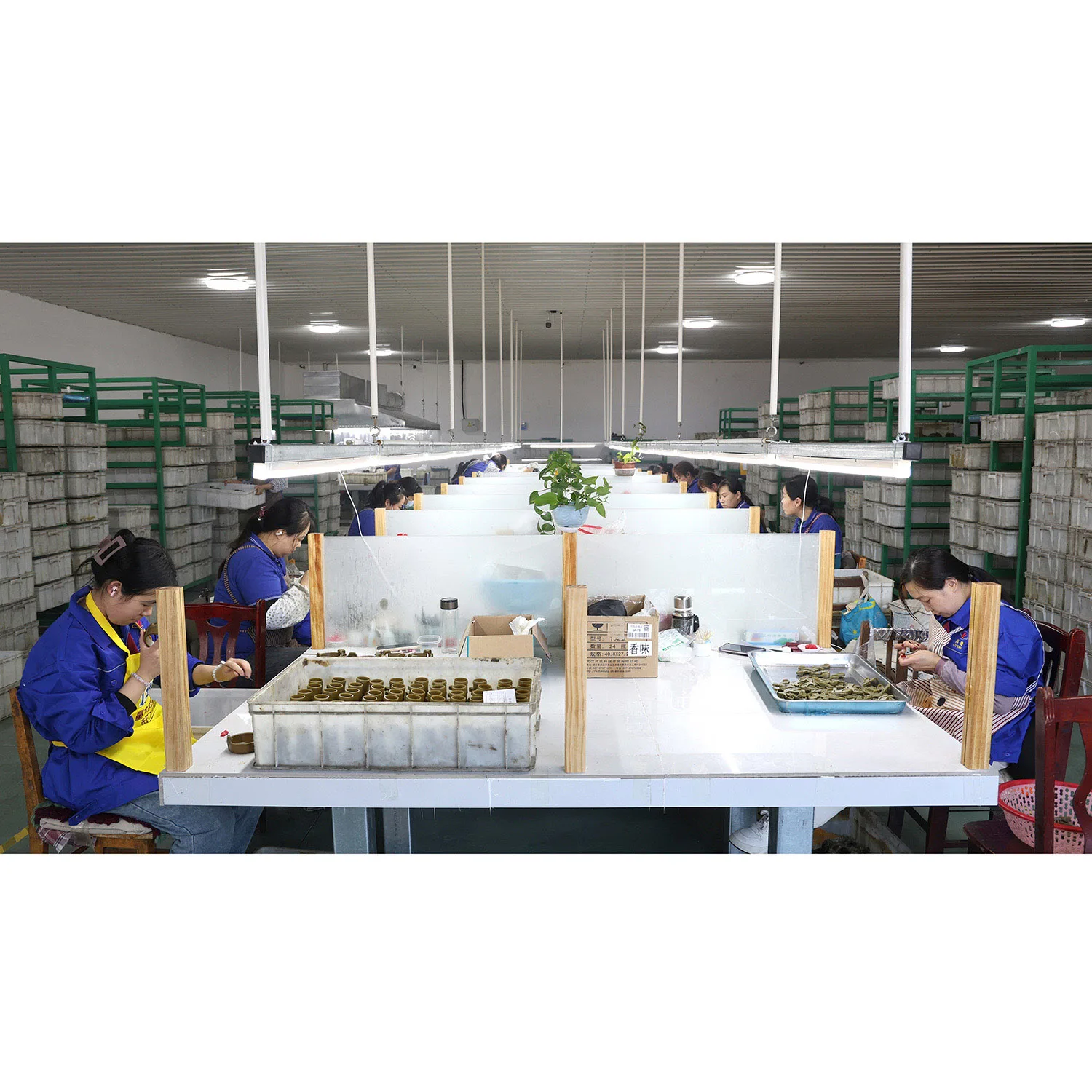
Wudi Kefeng Stainless Steel Products Co., Ltd.
- Manufacturer, Trading Company
- Shandong, China
- Lead time30 days
- Avg. response≤ 5h
Main productsCamlock Coupling,Stainless Steel Camlock Coupling,pipe fittings,SS casting products,Auto part
Main marketsWestern Europe(11.11%), Eastern Asia(11.11%), Mid East(11.11%), Oceania(11.11%), Southeast Asia(11.11%), Eastern Europe(11.11%), South America(11.11%), North America(11.11%)

Ruici Metal Product (Dalian) Co., Ltd
- Verified by SGS
- Combined
- China Liaoning
- Lead time60 days
- Avg. response≤ 3h
Main productsCasting Parts, CNC Maching, Forgings, Stampings Parts, Valve Parts, Pump Parts, Metal Products
Main marketsSouth America,East Asia(Japan/ South Korea),Domestic,Europe,North America

Ningbo Mingwan Metal Products Co., Ltd.
- Manufacturer/Factory
- China Zhejiang
- Lead time0 days
- Avg. response≤ 3h
Main productsForging, Metal Forging, Casting, Auto Parts, Agricultural Machinery Part, Forging Parts, Precision Forging, Custom Forging, Die Forging, Forging and Machining
Qingdao Baoshengxin International Trade Co., Ltd.
- Verified by TüVRheinland
- Manufacturer, Trading Company
- Lead time30 days
- Avg. response≤ 5h
Main productsCasting Parts, Forging Parts, CNC Machining Parts, Stamping Parts, Moulds
Main marketsNorth America(30%), Eastern Europe(25%), Western Europe(25%)
Dalian Zhongsheng Metal Product Co., Ltd.
- Verified by TüVRheinland
- Manufacturer, Trading Company
- Lead time25 days
- Avg. response≤ 6h
Main productsCasting Parts, Machining Parts, Forging Parts, Sheet Metal Parts
Main marketsNorth America(60%), Eastern Europe(10%), Western Europe(10%)

Baoding Letong Mechanical Equipment Technology Co., Ltd.
- Manufacturer
- China Hebei
- Lead time60 days
- Avg. response≤ 17h
Main productsCasting Machine
Main marketsOthers(foreignTradeCapacity.exportBusinessCapacityMarketOther),Southeast Asia/ Mideast,North America

Ningbo Custom Hardware Technology Co., Ltd.
- Trading Company
- Zhejiang, China
- Lead time5 days
- Avg. response≤ 3h
Main productsCNC Machining Service,CNC Machining Parts,CNC Milling Parts,CNC Turning Parts,Powder Metallurgy Services
Main marketsSouth Asia(10.00%), Northern Europe(10.00%), Central America(10.00%), Eastern Asia(10.00%), Mid East(10.00%), Africa(10.00%), Southeast Asia(10.00%), Eastern Europe(10.00%), South America(10.00%), North America(10.00%)

Ningbo Hengsheng Machinery Co., Ltd.
- Trading Company,Manufacturer/Factory,Group Corporation
- China Zhejiang
- Lead time60 days
- Avg. response≤ 19h
Main productsCasting Part, Lost Wax Casting, Investment Casting Parts, Drop Forging Parts, Machining Parts, Open Die Forging Parts, Die Casting Parts, Bucket Tooth-Tooth Points, Metal Work Parts, Steel Casted-Forged Parts
Main marketsEastern Europe,North America,Western Europe

- Verified by TUVRHEINLAND
- Combined
- China Zhejiang
- Lead time23 days
- Avg. response≤ 18h
Main productsSteel Casting, Investment Casting, Lost Wax Casting, Precision Casting, Steel Cast Parts, Casting Foundry, Construction Machinery Parts, Steel Foundry, Cross Coupling Protector, Agricultural Machinery Parts
Main marketsDomestic,Europe,North America

Shanghai Bixuan Electrical Machinery Equipment Co., Ltd.
- Trading Company
- China Shanghai
- Lead time30 days
- Avg. response≤ 20h
Main productsCNC Machining Parts, Die Casting Part, Spring, Spring Clip, Metal Stamping, Universal Joint, Plastic Injection Product
Main marketsOthers(foreignTradeCapacity.exportBusinessCapacityMarketOther),Southeast Asia/ Mideast,Europe,North America
Ningbo Yinzhou Anhe I&e Co., Ltd.
- Manufacturer, Trading Company
- Zhejiang, China
- Lead time0 days
- Avg. response≤ 24h
Main productsCNC Machining Parts / Metal Sheet Stamping Parts / Metal Wire Tube Bending & Welding Parts / Services
Main marketsNorth America(40.00%), Western Europe(24.00%), Mid East(23.00%), Domestic Market(6.00%), South America(5.00%), Oceania(2.00%)
Dongguan Shengpeng Precision Technology Co., Ltd.
- Verified by Intertek
- Manufacturer, Trading Company
- Lead time14 days
- Avg. response≤ 4h
Main productsCNC Turning Parts, CNC Milling Parts, Sheet Metal Cutting and Welding, Precision Casting, Gears
Main marketsNorth America(30%), Eastern Europe(15%), Oceania(14%)
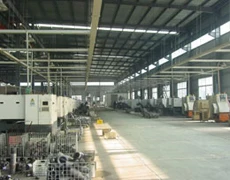
Qingdao Bestflow Industrial Co., Ltd.
- Manufacturer, Trading Company
- Shandong, China
- Lead time30 days
- Avg. response≤ 18h
Main productsForged Steel Fittings,Steel Nipples,Steel Couplings,Steel Flanges,Steel Butt-welding Pipe Fittings
Main marketsSouth America(50.00%), North America(20.00%), Mid East(10.00%), Domestic Market(5.00%), Eastern Europe(5.00%), Northern Europe(5.00%), Oceania(3.00%), Western Europe(1.00%), Central America(1.00%)

Deqing Lizheng Metal Works Co., Ltd.
- Verified by SGS
- Combined
- China Zhejiang
- Lead time15 days
- Avg. response≤ 6h
Main productsWelding, Sheet Metal Fabrication, Medical Equipment Parts, Metal Casting, Fasteners
Main marketsDomestic
















Comprehensive Sourcing Guide
Precision Custom Steel Casting Supplier Concentration and Factory Types
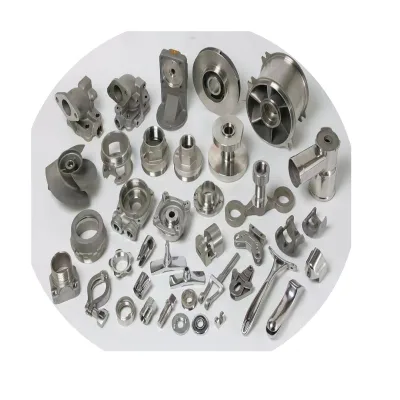
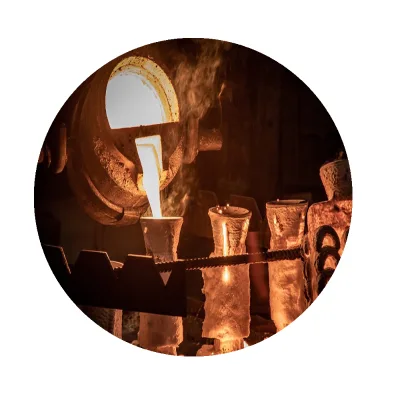
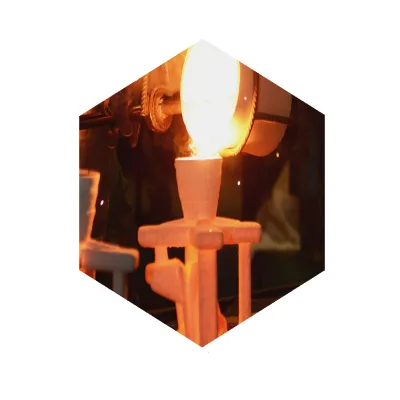
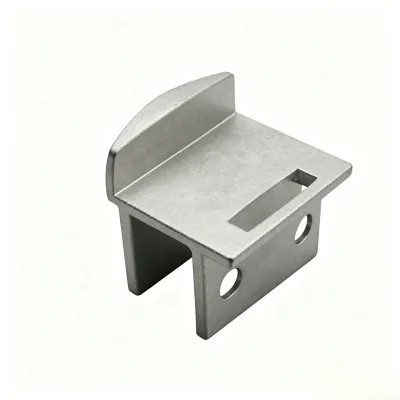
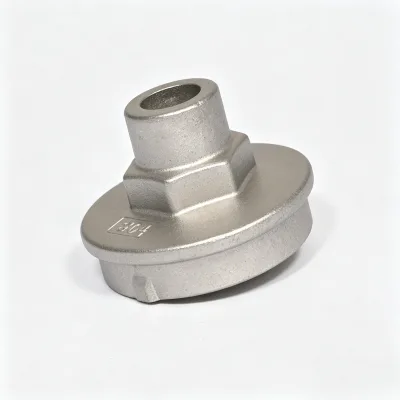
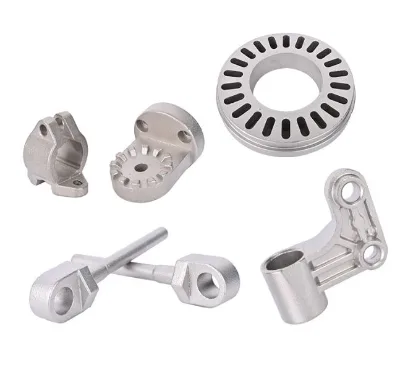
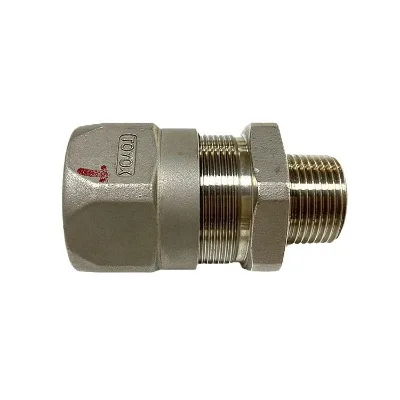
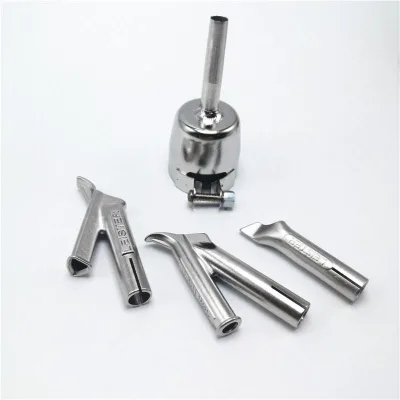
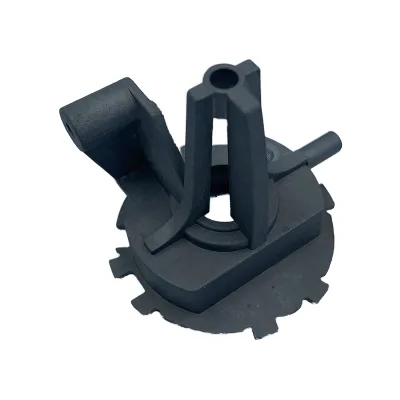
The current supplier landscape for Precision Custom Steel Casting reveals a distinct geographic concentration in China, with specific manufacturing hubs identified in Zhejiang and Shandong provinces. These regions serve as primary centers for production, offering buyers access to established industrial clusters that specialize in metal fabrication and casting services. Suppliers in these locations often list main products that include investment casting parts, precision casting components, and various machining parts, indicating a mature ecosystem capable of handling complex orders. The presence of combined company types, including both manufacturers and trading companies, suggests a diverse market structure where direct factory engagement is possible alongside intermediary services. This variety allows buyers to choose between direct production relationships and flexible sourcing arrangements depending on their specific volume and customization needs.
Factory types in this sector range from pure manufacturers to combined entities that offer both production and trading capabilities. This distinction is critical for buyers evaluating their supply chain strategy, as manufacturers typically provide greater control over the production process and quality assurance, while trading companies may offer broader product ranges and logistical support. Many suppliers in these Chinese hubs list capabilities such as OEM and ODM services, highlighting their ability to customize products according to specific client drawings and requirements. The availability of services like silica sol casting and investment casting further demonstrates the technical depth of these facilities. Buyers should carefully assess whether a supplier’s company type aligns with their need for direct factory oversight or the flexibility of a trading partner, ensuring that the chosen model supports their long-term sourcing goals and quality expectations.
How to Verify Precision Custom Steel Casting Suppliers
Verifying the credibility and capability of Precision Custom Steel Casting suppliers requires a multi-layered approach that goes beyond basic company profiles. Buyers should prioritize suppliers who have undergone third-party verification processes, such as CTI certification, which provides an additional layer of trust regarding the supplier’s operational legitimacy. System certifications, particularly ISO9001:2015, are also key indicators of a supplier’s commitment to quality management systems, ensuring that their production processes meet international standards for consistency and reliability. These certifications are not merely decorative; they reflect a structured approach to quality control that is essential for precision casting applications where tolerances and material properties are critical. Buyers should request copies of these certificates and verify their validity through the issuing bodies to ensure they are current and applicable to the specific products being sourced.
In addition to certifications, buyers should evaluate the supplier’s response time and communication efficiency as indicators of their operational maturity. A response time of approximately 7.57 hours or faster suggests a responsive team capable of addressing inquiries and resolving issues promptly, which is vital for maintaining project timelines. Furthermore, examining the supplier’s product evidence, including detailed specifications and technical attributes, can provide insights into their technical expertise. Products listed with specific attributes such as machining tolerances of +/-0.01mm and surface roughness values like Ra1.6 or Ra3.2 demonstrate a high level of precision capability. Buyers should also look for evidence of full-process quality inspection and metallographic analysis, which are crucial for ensuring the integrity of steel castings. By combining verification of credentials with an assessment of technical documentation and communication responsiveness, buyers can build a more accurate picture of a supplier’s reliability and suitability for their needs.
What to Compare Across Precision Custom Steel Casting Suppliers
When evaluating multiple suppliers for Precision Custom Steel Casting, buyers must compare a range of operational and commercial metrics to identify the most suitable partner. Key dimensions for comparison include lead times, minimum order quantities (MOQ), and pricing structures, which directly impact production planning and cost efficiency. For instance, some suppliers may offer lead times of around 30 days, while others might have different turnaround periods based on their capacity and current workload. MOQs can vary significantly, with some suppliers requiring orders as low as 10 units, while others may set thresholds at 1000 units or higher. Understanding these variations is essential for aligning supplier capabilities with the buyer’s order volume and inventory strategy. Additionally, comparing the range of main products offered, such as investment casting, marine hardware, or building parts, can help buyers assess whether a supplier has the specific expertise required for their project.
Beyond operational metrics, buyers should also compare the technical specifications and customization options provided by each supplier. Attributes such as casting methods, material types, and surface preparation techniques are critical for ensuring that the final product meets the required performance standards. For example, some suppliers may specialize in thermal gravity casting or investment casting, while others might offer a broader range of processes. The availability of customization, including the ability to work from customer-provided 2D and 3D drawings, is another important factor. Buyers should also consider the supplier’s ability to handle complex-shaped parts and their approach to quality assurance, such as full-process inspection and metallographic analysis. By systematically comparing these technical and operational details, buyers can make informed decisions that balance cost, quality, and delivery requirements, ensuring that the selected supplier can meet their specific project needs effectively.
Common Precision Custom Steel Casting Sourcing Risks
Sourcing Precision Custom Steel Casting components involves several inherent risks that buyers must actively manage to ensure successful procurement outcomes. One significant risk is the potential for variability in product quality, particularly when dealing with complex geometries or tight tolerances. Without rigorous quality control measures, castings may exhibit defects such as porosity, inclusions, or dimensional inaccuracies that can compromise the functionality of the final assembly. Buyers should be aware that not all suppliers may have the same level of technical expertise or quality assurance infrastructure, making it crucial to verify their capabilities through detailed product specifications and third-party inspections. Additionally, the risk of miscommunication regarding design requirements can lead to costly rework or delays, emphasizing the importance of clear and detailed technical documentation throughout the sourcing process.
Another common risk is the variability in lead times and delivery reliability, which can disrupt production schedules and downstream operations. Suppliers may face challenges such as material shortages, equipment downtime, or capacity constraints that can extend lead times beyond initial estimates. Buyers should also be cautious of pricing fluctuations, as raw material costs for steel and alloy components can be volatile, potentially impacting the final price of castings. Furthermore, there is a risk associated with intellectual property protection, especially when sharing proprietary designs and drawings with suppliers. Buyers should ensure that appropriate confidentiality agreements are in place and that suppliers have robust data security practices. By identifying and mitigating these risks through careful supplier selection, clear communication, and contractual safeguards, buyers can enhance the reliability and predictability of their Precision Custom Steel Casting sourcing efforts.
Precision Custom Steel Casting Regional Sourcing and Logistics
Regional sourcing plays a pivotal role in the logistics and cost structure of Precision Custom Steel Casting procurement, with specific locations offering distinct advantages. Suppliers located in Zhejiang and Shandong provinces in China represent key sourcing hubs, each with its own logistical profile and industrial ecosystem. Zhejiang is known for its strong manufacturing base and access to ports, facilitating efficient export operations for high-volume orders. Shandong, on the other hand, may offer different logistical benefits depending on its proximity to raw material sources and transportation networks. Buyers should consider the geographic location of suppliers when evaluating shipping costs, transit times, and customs clearance procedures, as these factors can significantly impact the overall cost and delivery timeline of their orders. Understanding the regional strengths of these hubs can help buyers optimize their supply chain strategy and reduce logistical complexities.
Logistics planning for Precision Custom Steel Casting also involves considerations such as packaging and handling requirements, which are critical for protecting the integrity of the castings during transit. Suppliers often use standard packaging methods, including carton boxes and wooden pallets, to ensure safe delivery. Buyers should verify the packaging specifications with their chosen supplier to ensure they meet the requirements for long-distance shipping and handling. Additionally, the weight and dimensions of the castings, which can range from small components to larger machinery parts, will influence shipping costs and mode of transport. For heavier or bulkier items, sea freight may be more cost-effective, while smaller, high-value components might be shipped via air freight for faster delivery. By carefully planning logistics based on the supplier’s location and the specific characteristics of the castings, buyers can minimize transit risks and ensure timely delivery to their facilities.
Precision Custom Steel Casting Commercial Terms and Order Planning
Effective order planning for Precision Custom Steel Casting requires a thorough understanding of commercial terms, including pricing, payment conditions, and contract specifics. Pricing for these components can vary widely based on factors such as material type, complexity, and order volume, with some suppliers offering prices ranging from $0.25 to $2.50 per unit depending on the specific product and specifications. Buyers should request detailed quotes that break down costs for materials, labor, and overhead to ensure transparency and facilitate accurate budgeting. Additionally, understanding the supplier’s payment terms, such as deposit requirements and balance payment schedules, is essential for managing cash flow and mitigating financial risk. Buyers should also consider the use of escrow services or other secure payment methods to protect their interests until the goods are received and verified.
Order planning also involves aligning production schedules with the supplier’s lead times and capacity constraints to avoid delays. Buyers should communicate their order volumes and delivery deadlines clearly to ensure that the supplier can accommodate their requirements within their production cycle. For large or complex orders, it may be necessary to negotiate phased deliveries or establish a long-term supply agreement to secure capacity and pricing stability. Furthermore, buyers should plan for potential variations in order quantities, as suppliers may have different MOQs for different product lines. By integrating commercial terms and logistical considerations into a comprehensive order plan, buyers can streamline the procurement process, reduce uncertainties, and build a more resilient supply chain for their Precision Custom Steel Casting needs. This proactive approach ensures that both parties are aligned on expectations and responsibilities, fostering a successful and sustainable business relationship.
FAQs
What is the typical lead time for custom steel casting orders?
The typical lead time for custom steel casting orders is 30 days. This duration allows for proper mold creation, casting, and initial quality checks. Buyers should confirm specific timelines with suppliers, as complex geometries or high-volume requirements may extend the production schedule beyond the standard window.
What is the minimum order quantity for precision steel castings?
The minimum order quantity for precision steel castings varies by supplier but often starts at 10 units for specific items. Other suppliers may require a minimum of 1000 units for standard production runs. Buyers should verify the exact MOQ with their chosen supplier to ensure it aligns with their project volume.
Which certifications are standard for these steel casting suppliers?
Standard certifications for these steel casting suppliers include ISO 9001:2015. This quality management system certification ensures consistent manufacturing processes. Some suppliers may hold additional certifications, so buyers should request specific certificate copies to verify compliance with their industry standards and quality requirements before placing an order.
What is the price range for custom steel casting parts?
The price range for custom steel casting parts typically falls between $0.25 and $2.50 per unit. Costs depend on material type, complexity, and order volume. Stainless steel and alloy steel options may have different pricing tiers. Buyers should request detailed quotes based on their specific drawings to get accurate pricing.
What is the average response time for supplier inquiries?
The average response time for supplier inquiries is approximately 4 to 7.57 hours. Faster response times indicate active sales teams ready to assist with technical questions. Buyers should expect prompt replies during business hours, though weekends or holidays may delay initial contact with the supplier's support staff.
What materials are commonly used in precision steel casting?
Common materials used in precision steel casting include stainless steel and alloy steel. These materials offer durability and resistance to corrosion. Buyers can specify exact material grades based on their application requirements. Suppliers typically provide material certificates to verify chemical composition and mechanical properties for each batch produced.
What machining tolerance can be achieved with these services?
Machining tolerance of plus or minus 0.01mm can be achieved with these precision casting services. This high accuracy is suitable for machinery parts and auto components. Buyers should confirm if this tolerance applies to all dimensions or specific critical features when discussing technical specifications with the supplier.