Powder Coated 3D Bending Fence Suppliers and Manufacturers
Compare 30 verified suppliers offering Powder Coated 3D Bending Fence with ISO9001:2015 and ISO14001:2015 certifications. Review lead times, response times, and pricing from Hebei factories before requesting quotes; review the available evidence before requesting comparable quotations from suitable candidates.
Updated
Suppliers List

Anping County A. S. O Metal Wire Mesh Products Co., Ltd
- Verified by SGS
- Combined
- China Hebei
- Lead time15 days
- Avg. response≤ 1h
Main marketsSoutheast Asia/ Mideast,North America


Hot Dipped Galvanized Powder Coated 3D Bending Wire Mesh Fence for Garden
$2.90 - $4.90
MOQ: 10 Pieces


Anping Yaqi Wire Mesh Co., Ltd.
- Verified by BV
- Combined
- China Hebei
- Lead time15 days
- Avg. response≤ 4h
Main productsCorner Bead, Hy-Rib Lath Mesh, Expanded Metal Mesh, Crimped Wire Mesh, Perforated Metal Mesh, Screen Mesh, 3D Wire Mesh Fence, Steel Fence, Livestock Fence
Main marketsSouth America,Europe,Australia,North America

Anping Zhuokai Wire Mesh Product Co., Limited
- Verified by CTI
- Combined
- China Hebei
- Lead time23 days
- Avg. response≤ 13h
Main productsProtecting Fence Panel, Temporary Fence, Gabion Box, Welded Wire Mesh, Hexagonal Wire Mesh, Gabion Basket, Garden Fence, Chain Link Fence, Barbed Wire, PVC Coated Panel
Main marketsSouth America,Domestic,Europe,Australia,North America

ANPING ZHONGHAO TRAFFIC SAFETY FACILITIES CO., LTD.
- Verified by TUVRHEINLAND
- Combined
- China Hebei
- Lead time15 days
- Avg. response≤ 4h
Main productsChain Link Fence, Temporary Fence, Wire Fence, Expanded Metals, Perforated Sheet, Farm Fence, Steel Fence, Clear View Fence, Double Fence Wire, Curved Wire Fence
Main marketsAfrica,Domestic,Europe,Australia


Wire Fence Welded Wire Garden Fencing 3D Powder Coated Panel Garden Fence
$18.00 - $20.00
MOQ: 50 Sets

Powder Coated Curved Fence Galvanized Steel Welded Curved 3D Wire Mesh Fence V Mesh Fence
$19.00 - $20.00
MOQ: 100 Sets

Shanghai Jinnuo Metal Products Co., Ltd.
- Verified by BV
- Manufacturer/Factory
- China Shanghai
- Lead time30 days
- Avg. response≤ 6h
Main productsStainless Steel Wire Mesh, Barbed Wire, Expanded Metal, Gabion, Galvanized Iron Wire, Stainless Steel Filter, Fence, Grating, Perforated Metal Mesh, Welded Wire Mesh
Main marketsSouth America,Eastern Europe,Mid East,North America,Southeast Asia,Eastern Asia,Oceania,Western Europe,Africa
Hebei Blackgold Metal Products Co., Ltd.
- Verified by TüVRheinland
- Manufacturer, Trading Company
- Lead time30 days
- Avg. response≤ 2h
Main productsSteel Fence, Welded Wire Mesh, Steel Grating, Perforated Mesh, Gabion
Main marketsAfrica(25%), Southeast Asia(23%), Domestic Market(10%)
Anping Cowan Wire Mesh & Machines Co., Ltd.
- Verified by SGS Group
- Manufacturer, Trading Company
- Lead time30 days
- Avg. response≤ 3h
Main productsMetal Fence, Field Fenece With TY Post, High Security Wire Mesh Products, Livestock Metal Products
Main marketsMid East(40%), North America(35%), South Asia(15%)

Hebei Renyang Metal Wire Mesh Products Co., Ltd
- Verified by SGS
- Combined
- China Hebei
- Lead time23 days
- Avg. response≤ 10h
Main productsPVC Fence, Metal Fence, 3D Fence, Horse Fence, Chain Link Fence, Farm Fence
Main marketsSouth America,Africa,North America


Powder Coated 3D Fence Panel Triangle Bending Fence for Construction Site
$6.00 - $12.00
MOQ: 99 Pieces


Hebei Hopesun Industry & Trade Corp.
- Verified by CTI
- Trading Company,Manufacturer/Factory
- China Hebei
- Lead time45 days
- Avg. response≤ 10h
Main productsFence, Wire Mesh, Garden Gate, Garden Trellis, Pole Anchor, Euro Fence, Fence Panel, Fence Post, Chain Link Fence, Gabion
Main marketsSouth America,Eastern Europe,Mid East,North America,Southeast Asia,Eastern Asia,Oceania,Western Europe,Africa

Hebei Weijia Metal Mesh Co., Ltd.
- Verified by SGS
- Combined
- China Hebei
- Lead time23 days
- Avg. response≤ 5h
Main productsWire Mesh, Fence
Main marketsSouth America,Africa,Europe


Highway Fencing 3D Powder Painted Fence Triangle Panel Set Wire Fence Bending
$6.00 - $12.00
MOQ: 200 Pieces

Anping County Yize Metal Products Co., Ltd.
- Verified by CTI
- Combined
- China Hebei
- Lead time30 days
- Avg. response≤ 3h
Main productsWire Mesh, Fence, Animal Cage, Farm Fence, Decorative Mesh, Wire, Greenhouse, Poultry Equipment, Metal Mesh, Livestock Equipment
Main marketsSouth America,Africa,Southeast Asia/ Mideast,East Asia(Japan/ South Korea),Domestic,North America
Anping Guoxing Wire Mesh Product Co., Ltd.
- Verified by SGS Group
- Manufacturer, Trading Company
- Lead time30 days
- Avg. response≤ 2h
Main products3D & 358 Fence, Edge Protection Barrier, Temporary Fence, Tubular Fence, Crowd Control Barrier
Main marketsMid East(30%), North America(20%), Oceania(20%)
Hebei Giant Metal Technology Co., Ltd.
- Verified by SGS Group
- Manufacturer, Trading Company
- Lead time15 days
- Avg. response≤ 2h
Main productsSteel Tubular Fence, 3D Fence, Chain Link Fence, 358 Security Fence, Edge Protection Fence
Main marketsWestern Europe(35%), Domestic Market(20%), North America(10%)

Hebei Ailun Metal Products Co., Ltd.
- Verified by SGS
- Manufacturer
- China Hebei
- Lead time15 days
- Avg. response≤ 1h
Main marketsAfrica,Southeast Asia/ Mideast,Europe,North America

Hebei BONKFC Metal Fence Co., Ltd
- Verified by SGS
- Combined
- China Hebei
- Lead time15 days
- Avg. response≤ 5h
Main productsFence, Welded Mesh Fence, 358 Mesh Fence, Steel Fence, Chain Link Fence, Temporary Fence, WPC Fence, Razor Wire, Double Wire Fence, BRC Fence
Main marketsDomestic

$1.90 - $3.90
MOQ: 100 Square Meters


Anping County Honly Metal Products Co.,Ltd
- Manufacturer, Trading Company
- Hebei, China
- Lead time14 days
- Avg. response≤ 2h
Main productsFencing, Welded Wire Mesh, Stainless Wire Mesh, Hexagonal Wire Mesh, Window Screen
Main marketsDomestic Market(75.00%), North America(12.00%), Western Europe(5.00%), Mid East(5.00%), Oceania(3.00%)
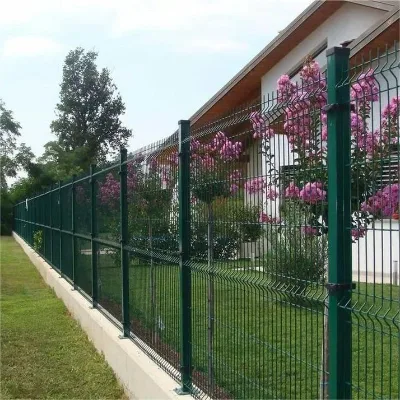
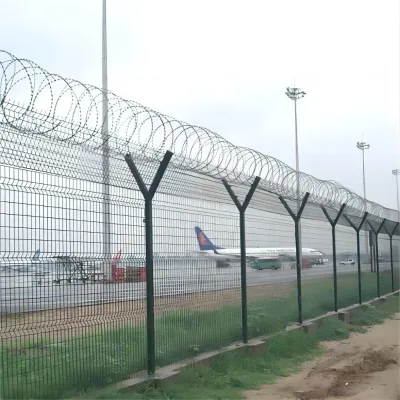
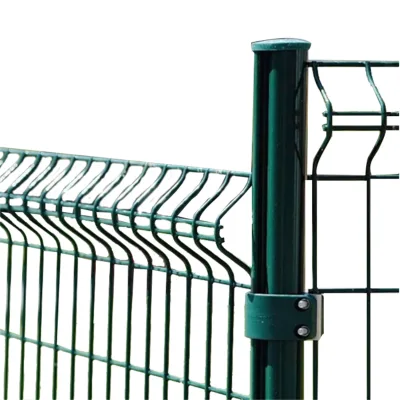
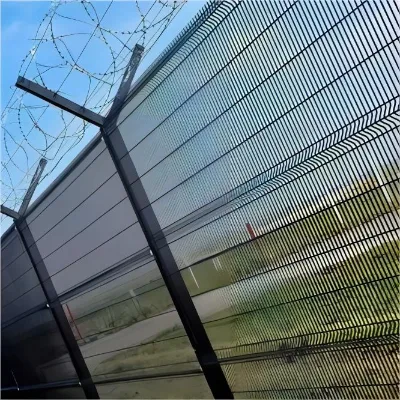
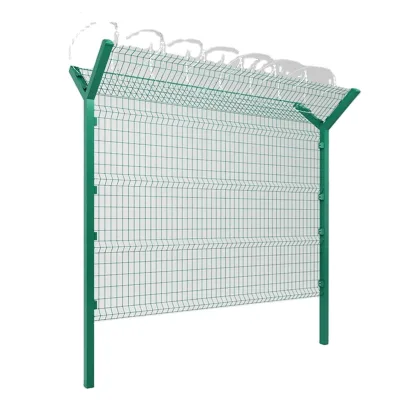
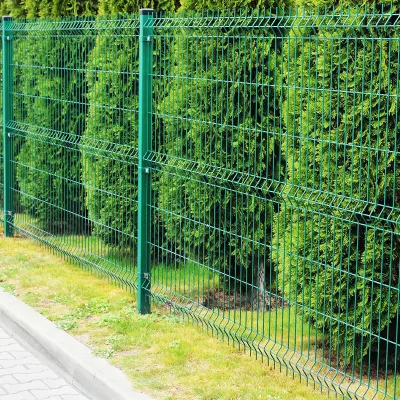
Easy-to-Install Welded 3D Wire Mesh Fence, Green PVC Coated for Garden & Landscape Use
$11.32 - $19.29
MOQ: 30

Anping Rongtai Wire Mesh Fence Co., Ltd.
- Verified by TUVRHEINLAND
- Combined
- China Hebei
- Lead time15 days
- Avg. response≤ 3h
Main productsFence / Gabion Mesh /Razor Barbed Wire / Ebb and
Main marketsAfrica,Southeast Asia/ Mideast,Domestic,North America
Hebei Chengchuang Metal Products Co., Ltd.
- Verified by TüVRheinland
- Manufacturer, Trading Company
- Lead time0 days
Main products3D Curved Fence, Wrought Iron Fence, Barbed Wire, Gabion Box, Welded Wire Mesh
Main marketsDomestic Market(70%), North America(4%), South America(3%)
Anping County Hexing Wire Product Co.,Ltd
- Manufacturer, Trading Company
- Hebei, China
- Lead time20 days
- Avg. response≤ 1h
Main productsStainless Steel Wire,Stainless Steel Mesh,Gabion Box,Fence,Security Window Screen
Main marketsDomestic Market(100.00%)

Anping Shengxiang Metal Products Co., Ltd.
- Verified by BV
- Combined
- China Hebei
- Lead time23 days
- Avg. response≤ 2h
Main productsFence, Steel Grating, Gabion, Cattle Yard Fence, Welded Wire Mesh Panel, Barbed Wire Razor Wire, Wire, Nail, Grating, Fence Panel
Main marketsSouth America,Africa,Southeast Asia/ Mideast,Europe,Australia,North America
Anping Corey Metal Products Co., Ltd.
- Verified by SGS Group
- Manufacturer, Trading Company
- Lead time10 days
- Avg. response≤ 1h
Main productsWire mesh fence,Defensive barrier,Gabion box,PVC fence,Metal fence
Main marketsAfrica(15%), Southern Europe(15%), North America(10%)
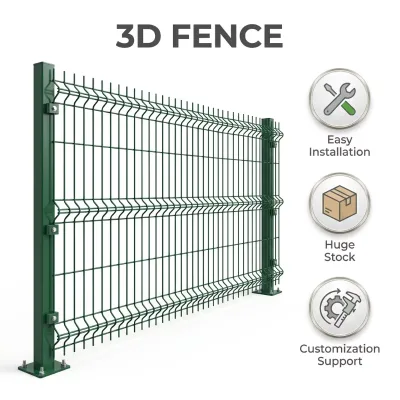
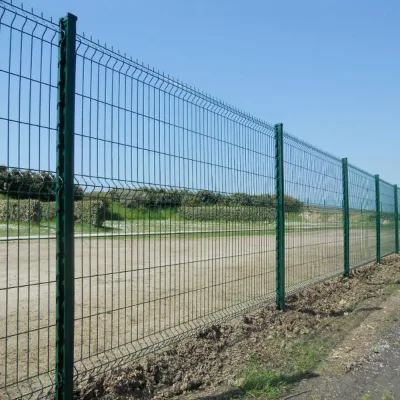
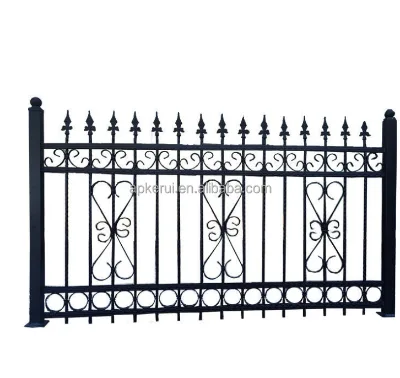
$2.3607 - $40.3097
MOQ: 10 Minimum
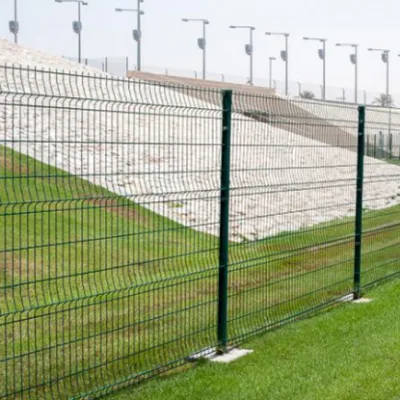
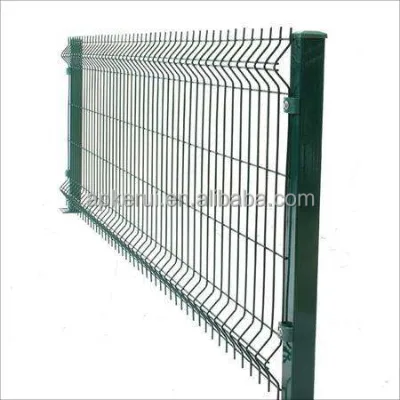
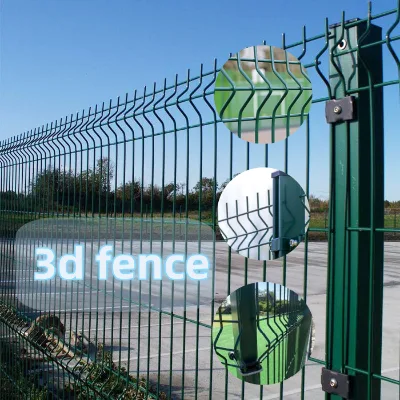
Hebei Chaocheng Traffic Protection Facilities Manufacturing Co., Ltd.
- Manufacturer, Trading Company
- Hebei, China
- Lead time0 days
- Avg. response≤ 1h
Main products3D Fence, Metal Fence, Temporary Fence, 358 Anti-Climb Fence, Sound Barrier
Main marketsDomestic Market(90.00%), Southeast Asia(10.00%)
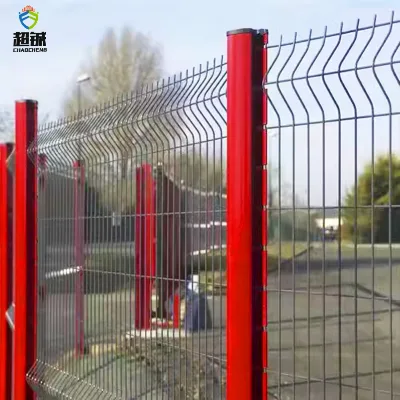
Cheap 3D Curved Fence Welded Wire Mesh Bending Fence for Outdoor Garden Road
$1.2656 - $2.1079
MOQ: 50 sets
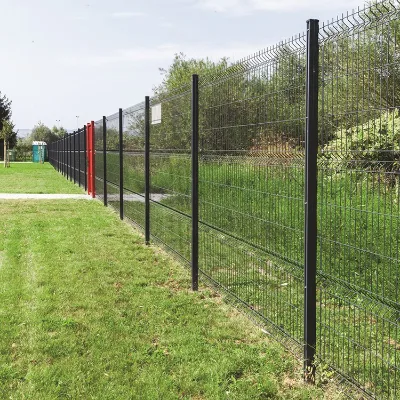

- Manufacturer/Factory
- China Hebei
- Lead time0 days
- Avg. response≤ 2h
Main productsWelded Mesh Fence, Welded Metal Fence, Welded Wire Fence, High Security Fence, Woven Wire Mesh, Traffic Bollard, Defensive Barrier, Gabion, Security Wire, Temporary Fence
Main marketsSouth America,Eastern Europe,Mid East,North America,Southeast Asia,Eastern Asia,Oceania,Western Europe,Africa

Hebei Wanchi Metal Wire Mesh Products Co., Ltd.
- Verified by BV
- Combined
- China Hebei
- Lead time15 days
- Avg. response≤ 1h
Main productsStainless Steel Rope Mesh, Barbecue Net, Gabion Mesh, Fence Mesh, Welded Wire Mesh, Stainless Steel Ring Mesh, Defence Barrier, Plastic Mesh, Perforated Mesh, Welded Gabion Box
Main marketsSouth America,Africa,Southeast Asia/ Mideast,East Asia(Japan/ South Korea),Domestic,Europe,Australia,North America

Anping Woda Wire Mesh Mfg Co., Ltd
- Verified by SGS
- Combined
- China Hebei
- Lead time15 days
- Avg. response≤ 1h
Main marketsSouth America,Africa,Europe

Raoyang Zhongheng Metal Products Co., Ltd.
- Verified by CTI
- Combined
- China Hebei
- Lead time15 days
- Avg. response≤ 1h
Main marketsSoutheast Asia/ Mideast,Domestic

HENGSHUI LEADWALKING METALS PRODUCTS Co., LTD
- Trading Company
- China Hebei
- Lead time30 days
- Avg. response≤ 4h
Main productsWelded Wire Mesh, Hexagonal Wire Netting, Farm Fence, Fence Panels, Stainless Steel Wire Mesh, Gabion, Barbed Wire, Post, Garden Gate, Wire & Accessories
Main marketsSouth America,Europe,North America
Anping Chengxin Metal Mesh Co., Ltd.
- Manufacturer, Trading Company
- Lead time旺季: "1 - 2000":10,"> 2000":"To be negotiated", 淡季: "1 - 2000":10,"> 2000":"To be negotiated"
- Avg. response≤ 2h
Main productsWelded Wire Mesh Fence,Chain Link Fence,Temporary Fence & Crowd Control Barrier,High Security Fence,Farm & Livestock Fence
Dongguan Brilliant Doors And Windows Co., Ltd.
- Trading Company
- Guangdong, China
- Lead time15 days
- Avg. response≤ 3h
Main productsgarage doors,aluminum doors and windows,security entrance doors,wrought iron doors,roller shutters
Main marketsNorth America(40.00%), Western Europe(20.00%), Mid East(20.00%), Eastern Europe(20.00%)
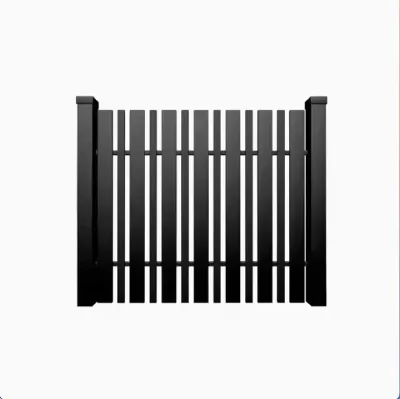

Factory Direct Sales Metal Galvanized Fence, Garden Welded Metal Mesh, 3D Curved Wire Mesh Fence
$9.3021 - $10.3359
MOQ: 1 meters

GUANGZHOU SHENGCHENG INDUSTRY CO.,LTD.
- Verified by BV
- Combined
- China Guangdong
- Lead time15 days
- Avg. response≤ 4h
Main productsNylofo 3D Fence, Steel Fence, Temporary Fence, Crowd Control Barrier, Steel Grating, Aluminum Amplimesh, Stanchion, Clearvu Fence, Balcony&Stair Railing, Gabion
Main marketsSouth America,Africa,Southeast Asia/ Mideast,East Asia(Japan/ South Korea),Europe,Australia,North America


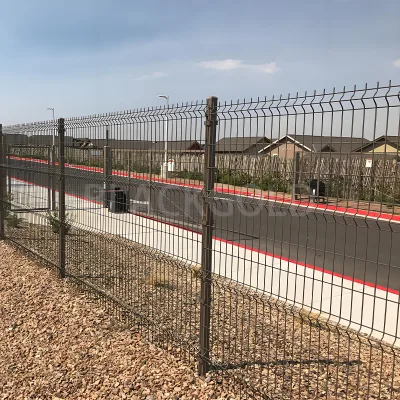
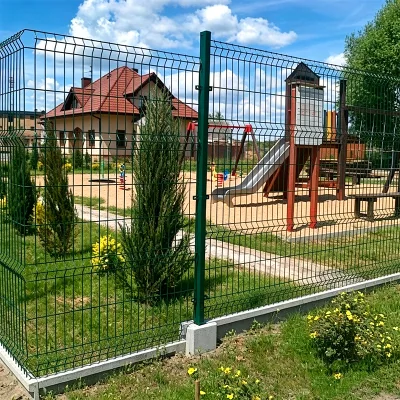
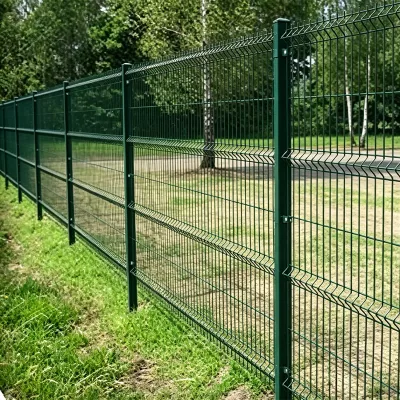
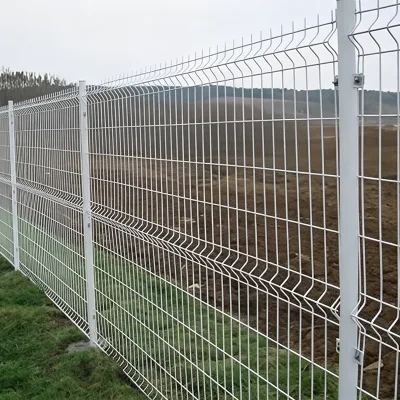
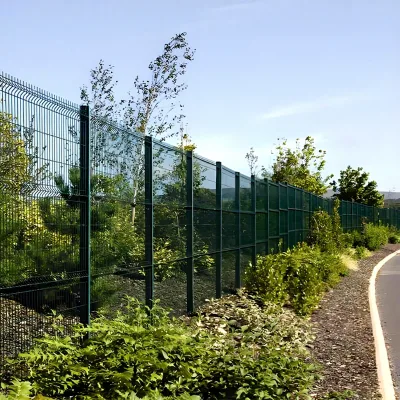
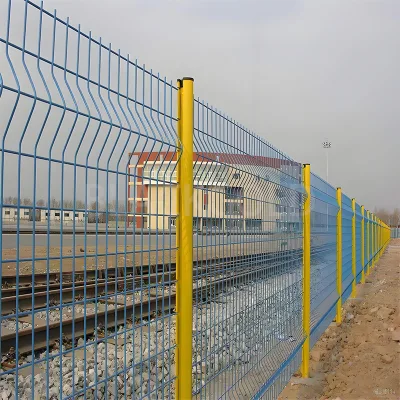
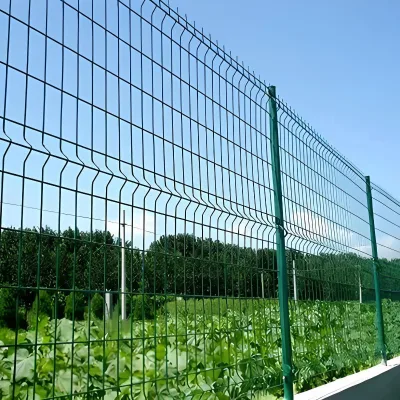
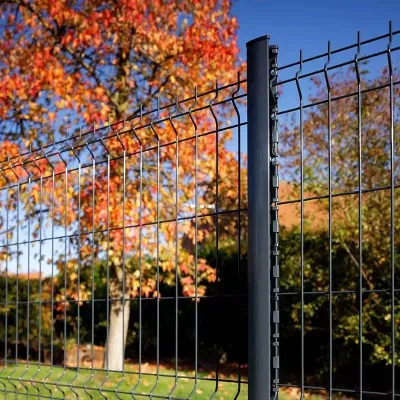


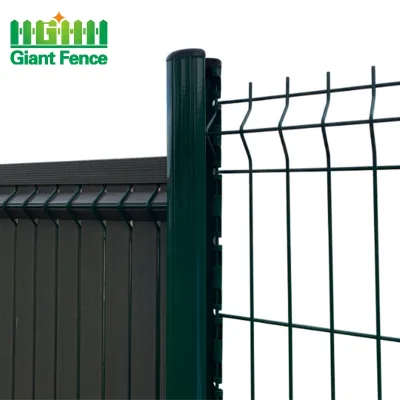


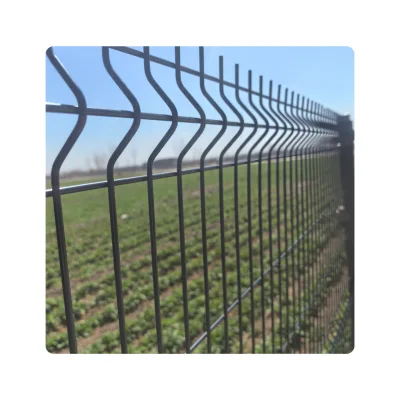
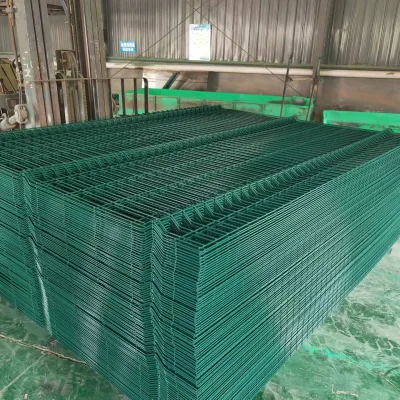
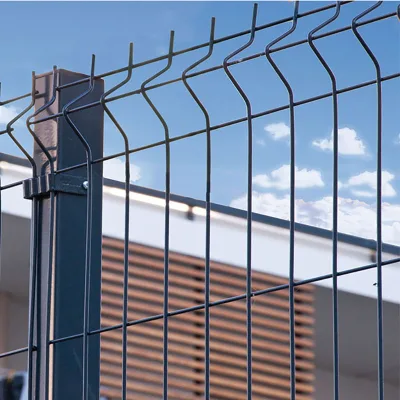


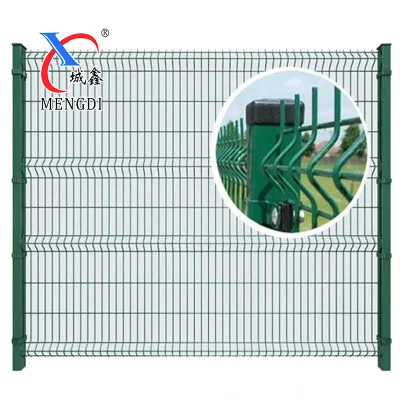


Comprehensive Sourcing Guide
Powder Coated 3D Bending Fence Supplier Concentration and Factory Types
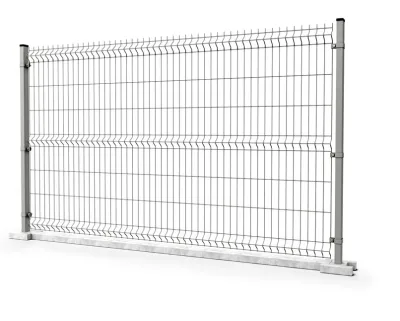
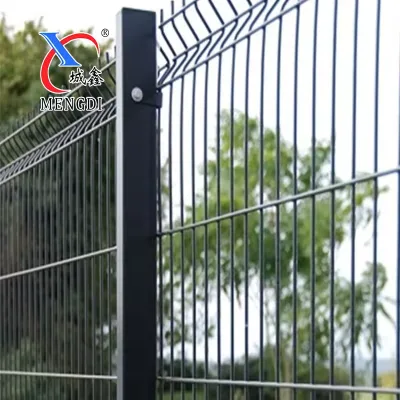
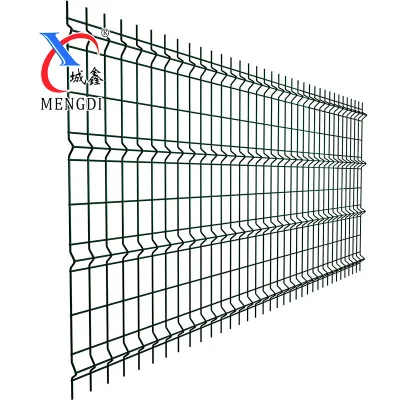
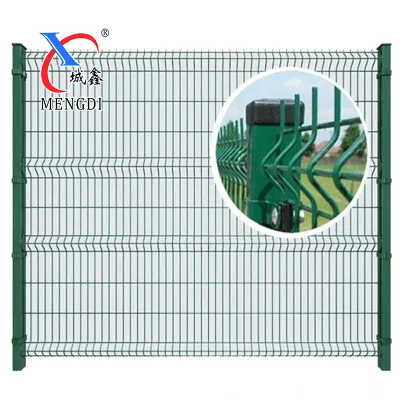
The current supplier landscape for powder coated 3D bending fences reveals a distinct concentration of manufacturing activity within China, specifically in the Hebei region. This geographic clustering is significant because Hebei serves as a major hub for metal fabrication and wire mesh production in Asia. When evaluating potential partners, buyers should recognize that suppliers originating from this area often benefit from established supply chains for raw materials like galvanized wire and steel posts. The presence of combined company types indicates that many entities operate as both manufacturers and trading companies, offering a hybrid service model. This structure allows for greater flexibility in order sizes and customization options, as the entity can directly manage production while also handling export logistics and client communication. Understanding this factory type is crucial for assessing whether a supplier can meet specific technical requirements or if they are merely intermediaries.
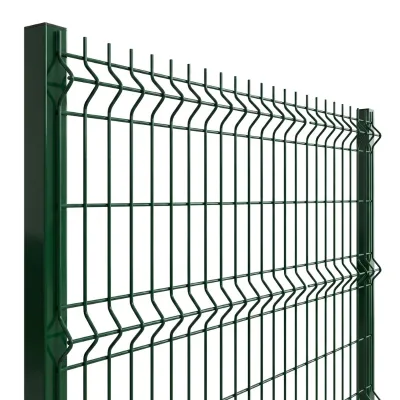
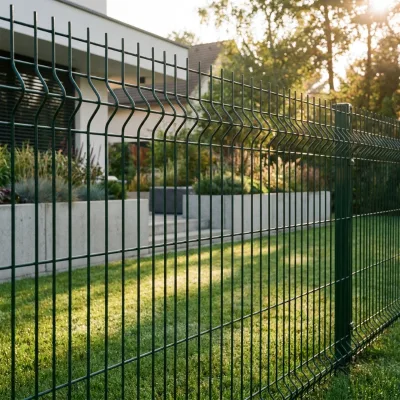
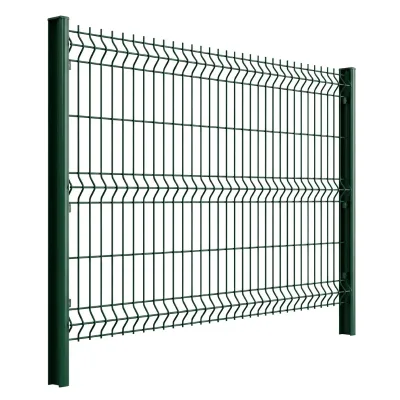
Manufacturers in this sector typically offer a range of production capabilities, including OEM, ODM, and own brand services. This means buyers can request custom dimensions, specific mesh patterns, or unique finishing colors without being limited to standard catalog items. The ability to produce custom 3D bending fences is a key differentiator, as the bending process requires specialized machinery and skilled labor to ensure the structural integrity of the V-bend or U-bend design. Suppliers with in-house R&D capacity can often provide technical support for complex installations, such as those required for central isolation areas or high-security perimeters. Buyers should verify the extent of these capabilities by reviewing the supplier’s main product list, which may include related items like corner beads, expanded metal mesh, or livestock fencing, indicating a broader expertise in metal mesh solutions. This breadth of experience often translates to higher quality control standards and more reliable production schedules for 3D fence orders.
How to Verify Powder Coated 3D Bending Fence Suppliers
Verification is a critical step in mitigating risk when sourcing industrial fencing products from international markets. Buyers should prioritize suppliers who have undergone third-party verification processes, as these provide an independent assessment of the company’s legitimacy and operational capacity. In the current results, some suppliers display verification badges from recognized agencies such as SGS or BV. These verifications often include on-site audits that confirm the existence of manufacturing facilities, the accuracy of reported production capacity, and the implementation of quality management systems. For powder coated 3D bending fences, it is essential to ensure that the verification covers not just the company’s legal status but also its technical ability to produce consistent, high-quality welded mesh panels. Buyers should look for detailed verification reports that outline the scope of the audit, including specific production lines and testing procedures for surface treatments like powder coating and galvanization.
Beyond third-party verification, buyers should assess the supplier’s response time and communication efficiency as indicators of their operational maturity. A rapid response time, such as under one hour, suggests a dedicated sales team that is well-organized and capable of handling urgent inquiries or complex technical questions. This is particularly important for 3D bending fences, where specifications regarding wire diameter, mesh size, and post dimensions can vary significantly based on the application. Buyers should also examine the supplier’s certification portfolio, looking for standards like ISO9001:2015 for quality management and ISO14001:2015 for environmental management. These certifications indicate a structured approach to production and compliance, which can reduce the risk of defects or delays. Additionally, checking for product-specific certifications such as CE, RoHS, or ASTM can provide assurance that the fences meet international safety and performance standards, especially for projects in regulated markets.
What to Compare Across Powder Coated 3D Bending Fence Suppliers
When evaluating multiple suppliers, buyers must compare key operational metrics to identify the most suitable partner for their specific needs. One of the most critical factors is the minimum order quantity (MOQ), which can vary widely across the market. Some suppliers may accept orders as low as ten pieces, making them ideal for small-scale projects or sample testing, while others may require MOQs of 100 or 200 units, which is more suitable for large commercial installations. Buyers should also compare lead times, as production schedules can impact project timelines. A lead time of around fifteen days is common for standard configurations, but custom orders may require additional time. It is important to clarify whether this lead time includes material procurement, production, and surface treatment processes, as delays in any of these stages can affect the overall delivery schedule.
Price and payment terms are another vital area for comparison. The price range for powder coated 3D bending fences can vary significantly based on factors such as wire thickness, mesh size, and finishing quality. Buyers should request detailed quotations that break down costs for materials, labor, and packaging to ensure transparency. Additionally, comparing the supplier’s response speed can provide insight into their customer service quality. A faster response time often correlates with better communication throughout the order process, reducing the likelihood of misunderstandings regarding specifications or delivery dates. Buyers should also consider the supplier’s main product offerings to ensure they have the necessary expertise and inventory to support their order. Suppliers with a diverse range of related products, such as various fence panels or accessories, may offer better value through bundled shipping or comprehensive technical support.
Common Powder Coated 3D Bending Fence Sourcing Risks
Sourcing powder coated 3D bending fences from international suppliers involves several potential risks that buyers must actively manage. One significant risk is the inconsistency in surface treatment quality, particularly regarding the powder coating and galvanization processes. If the pre-treatment of the steel wire is inadequate, the powder coating may peel or chip over time, leading to corrosion and structural failure. Buyers should verify that suppliers use high-quality raw materials and follow strict quality control procedures during the coating process. Another risk is the deviation from specified dimensions, such as wire diameter or mesh size, which can compromise the fence’s strength and security. To mitigate this, buyers should request detailed product specifications and, if possible, conduct third-party inspections before shipment to ensure compliance with agreed-upon standards.
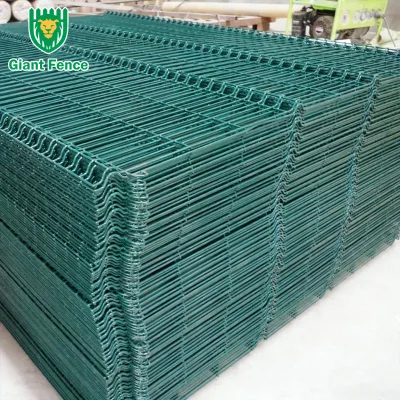
Logistical risks are also prevalent, especially when dealing with bulky items like 3D bending fences. Improper packaging can lead to damage during transit, resulting in additional costs and delays. Buyers should ensure that suppliers use robust packaging methods, such as pallets or bundles, to protect the fences from impact and environmental exposure. Additionally, there is a risk of communication breakdowns regarding customization requests, which can lead to the production of incorrect products. To avoid this, buyers should provide clear and detailed technical drawings or specifications and confirm all details in writing before production begins. It is also important to be aware of potential changes in trade policies or tariffs that could affect the final cost of the order. Buyers should stay informed about these external factors and factor them into their budgeting and planning processes to ensure a smooth procurement experience.
Powder Coated 3D Bending Fence Regional Sourcing and Logistics
The regional concentration of suppliers in Hebei, China, offers both advantages and challenges for buyers sourcing powder coated 3D bending fences. This region is well-established for metal manufacturing, providing access to a wide range of suppliers and competitive pricing. However, buyers must consider the logistical implications of shipping from this specific location. Hebei is located in northern China, which may affect transit times and costs depending on the destination port. Buyers should work with suppliers who have experience in international shipping to ensure that the fences are packed securely and that all export documentation is accurate. This includes certificates of origin, commercial invoices, and packing lists, which are essential for customs clearance in the destination country.
Logistics planning should also account for the size and weight of the fences, as 3D bending panels can be bulky and heavy. Buyers should discuss shipping options with their suppliers, such as container loading optimization, to maximize space and reduce freight costs. It is also important to consider the lead time for production and shipping, as delays in either stage can impact project timelines. Buyers should establish clear communication channels with their suppliers to track production progress and shipping status. Additionally, buyers should be aware of any regional trade restrictions or environmental regulations that may affect the export of metal products. By understanding these logistical factors, buyers can make informed decisions about their sourcing strategy and ensure a smooth delivery process for their Powder Coated 3D Bending Fence orders.
Powder Coated 3D Bending Fence Commercial Terms and Order Planning
Effective order planning for powder coated 3D bending fences requires careful attention to commercial terms and specifications. Buyers should negotiate clear payment terms, such as a deposit followed by balance payment before shipment, to protect their financial interests. It is also important to define the scope of customization, including any additional costs for non-standard dimensions or colors. Suppliers may offer various finishing options, such as PVC coating or powder coating, each with different price points and durability characteristics. Buyers should select the option that best suits their project’s environmental conditions and aesthetic requirements. Additionally, buyers should confirm the supplier’s warranty policy and after-sales support, as this can provide peace of mind in case of any quality issues.
Order planning should also include a detailed timeline for production, quality control, and shipping. Buyers should request a production schedule from their supplier and monitor progress regularly to ensure that the order is on track. It is important to allow for buffer time in case of unexpected delays, such as material shortages or logistical issues. Buyers should also consider the total cost of ownership, including shipping, insurance, and customs duties, when comparing quotes from different suppliers. By planning thoroughly and maintaining open communication with their suppliers, buyers can minimize risks and ensure a successful procurement process for their Powder Coated 3D Bending Fence projects. This proactive approach helps to build a strong partnership with the supplier and ensures that the final product meets all required standards and specifications.
FAQs
What is the price range for powder coated 3D bending fences?
Prices typically range from $1.90 to $13.00 per unit depending on specifications. Factors influencing cost include wire diameter, height, and surface treatment options. Buyers should verify exact pricing based on their required dimensions and quantity to ensure accurate budgeting for their project needs.
What certifications are available for these 3D fence panels?
Common certifications include CE, ISO, RoHS, and ASTM standards. These ensure the fencing meets international quality and safety requirements. Buyers should request specific certificate copies to verify compliance with local regulations and project specifications before finalizing any procurement agreements with suppliers.
What is the typical lead time for manufacturing these fences?
Manufacturing lead times are generally around 15 days. This duration allows for proper production and quality control processes. Buyers should confirm specific timelines with suppliers as production schedules may vary based on order volume and current factory capacity to ensure timely delivery.
What is the minimum order quantity for these products?
Minimum order quantities vary, with some suppliers requiring as few as 10 units while others demand 100 or 200 units. Buyers should check specific supplier requirements to determine the best fit for their project scale and inventory management strategies when placing initial orders.
Where are these 3D bending fences typically manufactured?
Most suppliers are located in Hebei, China, a major hub for metal fence production. This region offers established supply chains and manufacturing expertise. Buyers should verify specific factory locations to assess logistics costs and potential shipping times for their international delivery requirements.
What customization options are available for 3D fence panels?
Customization is widely available for height, width, wire diameter, and color. Buyers can request specific mesh sizes and frame finishes to match project needs. Suppliers often accommodate unique requirements, but buyers should confirm feasibility and any additional costs associated with custom specifications.