Power On Time Delay Relay Suppliers and Manufacturers
Compare 23 verified suppliers of Power On Time Delay Relay based on location, lead time, and certifications. Review product specifications like delay range and voltage to source the right component for your industrial needs; review the available evidence before requesting comparable quotations from suitable candidates.
Updated
Suppliers List

Yueqing Aukeman Trading Co., Ltd.
- Trading Company,Manufacturer/Factory,Other
- China Zhejiang
- Lead time15 days
- Avg. response≤ 4h
Main productsElectronic Relay, Motor Protector, Voltage Relay, Current Relay, Time Relay
Main marketsSouth America,Eastern Europe,Mid East,North America,Southeast Asia,Eastern Asia,Oceania,Western Europe,Africa


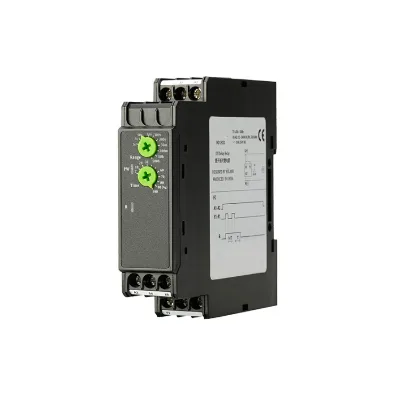
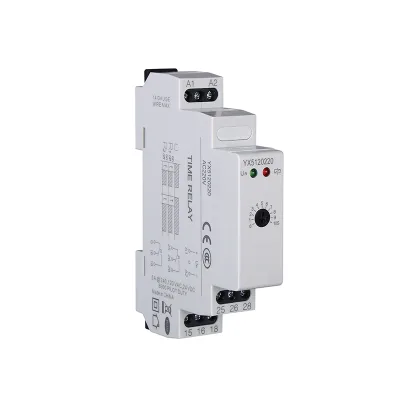
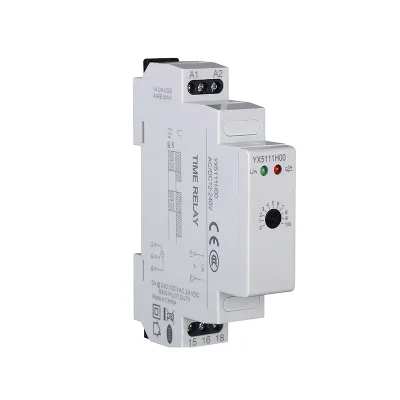
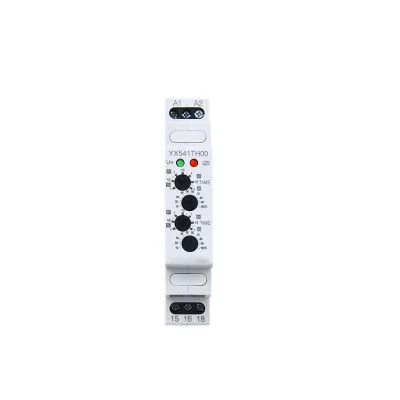
10 Function Time Delay Relay DIN Rail Mounting AC/DC24V~240V Delay on/off Timer Relay
$11.56 - $12.98
MOQ: 10 Pieces

3 Functions Time Relay Time Switch on Delay off Delay 2 C/O Multifunction Time Delay Relay
$10.73 - $11.29
MOQ: 10 Pieces

Delay Power off Relay AC220V 0.1-10mins Delay Time Monitoring Relay off Delay Timer Relay
$10.73 - $11.29
MOQ: 10 Pieces

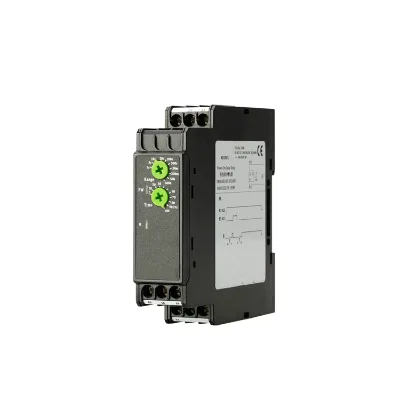
AC110V AC220V 50/60Hz DIN Rail Mounting Delay on Delay off Time Relay Timer
$10.73 - $11.29
MOQ: 10 Pieces
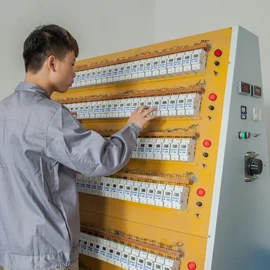
Wenzhou Ourtop Electrical Co., Ltd.
- Manufacturer, Trading Company
- Zhejiang Province, China
- Lead time20 days
- Avg. response≤ 5h
Main productstime switch,relay,WiFi Smart Timer,Time Relay,Meter
Main marketsSouth America(20.00%), Western Europe(20.00%), North America(10.00%), Northern Europe(10.00%), Africa(10.00%), Southeast Asia(10.00%), Eastern Europe(10.00%), Southern Europe(5.00%), Mid East(5.00%)

Yueqing Winston Electric Co., Ltd.
- Verified by CTI
- Trading Company
- China Zhejiang
- Lead time23 days
- Avg. response≤ 5h
Main productsProximity Sensor, Thermostat and Heater, Switching Power Supply, Motor Soft Starter, Frequency Inverter, Transformer, Relay, Circuit Breaker, Photoelectric Sensor, AC Contactor
Main marketsSouth America,Africa,Southeast Asia/ Mideast,Europe,North America
Shenzhen Kaisheng Century Electronics Co., Ltd.
- Verified by TüVRheinland
- Trading Company
- Lead time1 days
- Avg. response≤ 2h
Main productsSemiconductor Electronic Components, RF Wireless Network Modules, Unmanned Machinery Components, Development Board Application Kits
Main marketsSouth America(18%), Eastern Asia(18%), North America(15%)

Wenzhou Senyi Electric Co., Ltd.
- Verified by BV
- Trading Company
- China Zhejiang
- Lead time15 days
- Avg. response≤ 1h
Main productsIndicator, Push Button, Timer Switch
Main marketsAfrica,Southeast Asia/ Mideast,Europe
Wenzhou Zhongzhe Electric Co., Ltd.
- Verified by Intertek
- Manufacturer, Trading Company
- Lead time15 days
- Avg. response≤ 2h
Main productsVoltage Protector, Air Conditioner Protector, Digital Temperature Controller, Cabinet Temperature Controller, Time Relay
Main marketsMid East(30%), South America(30%), Africa(20%)
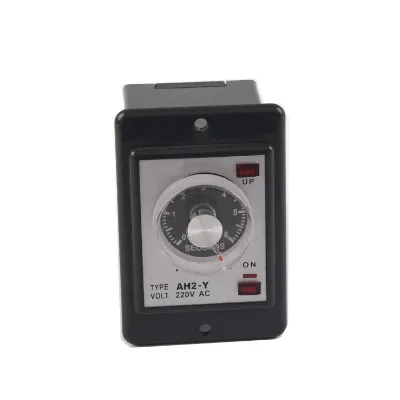
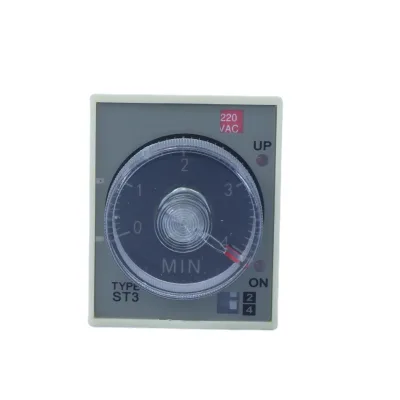
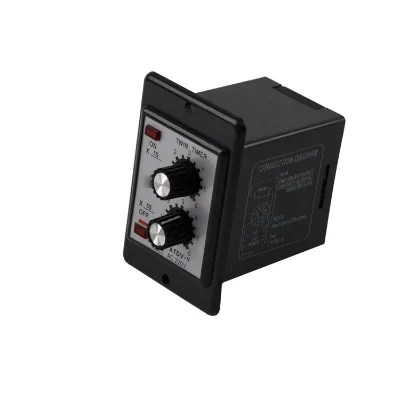
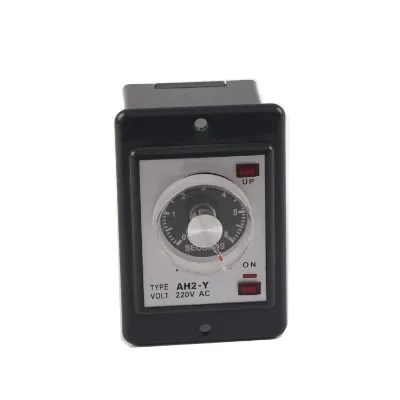
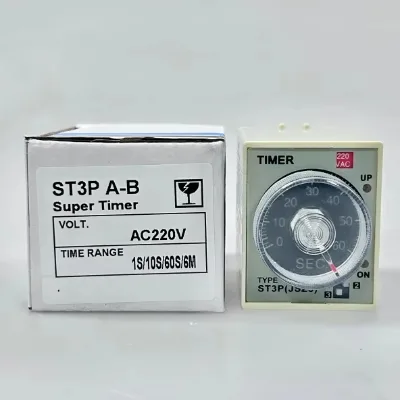
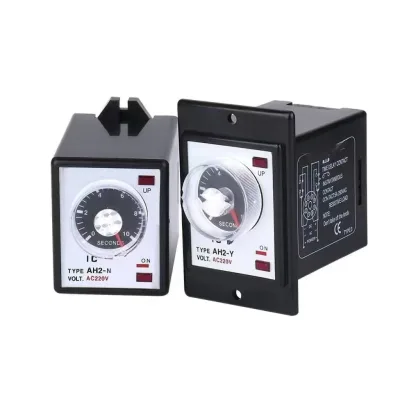
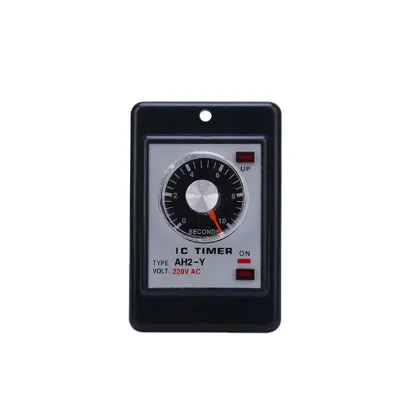
Time Relay AH2-Y Power on Delay 220VAC DC24V AC380V
$1.90 - $2.00
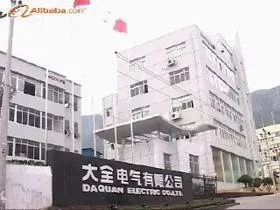
Wenzhou Daquan Electric Co., Ltd.
- Manufacturer, Trading Company
- Zhejiang, China
- Lead time20 days
- Avg. response≤ 9h
Main productsRelay, Time Relay, Timer, Meter, Programmable Weekly Timer
Main marketsSouth America(40.00%), South America(40.00%), Eastern Europe(20.00%), Eastern Europe(20.00%), Mid East(12.00%), Mid East(12.00%), Africa(10.00%), Africa(10.00%), Eastern Asia(5.00%), Southeast Asia(5.00%), Eastern Asia(5.00%), Southeast Asia(5.00%), Western Europe(3.00%), Western Europe(3.00%), South Asia(1.00%), North America(1.00%), Southern Europe(1.00%), Central America(1.00%), Northern Europe(1.00%), South Asia(1.00%), North America(1.00%), Southern Europe(1.00%), Central America(1.00%), Northern Europe(1.00%)
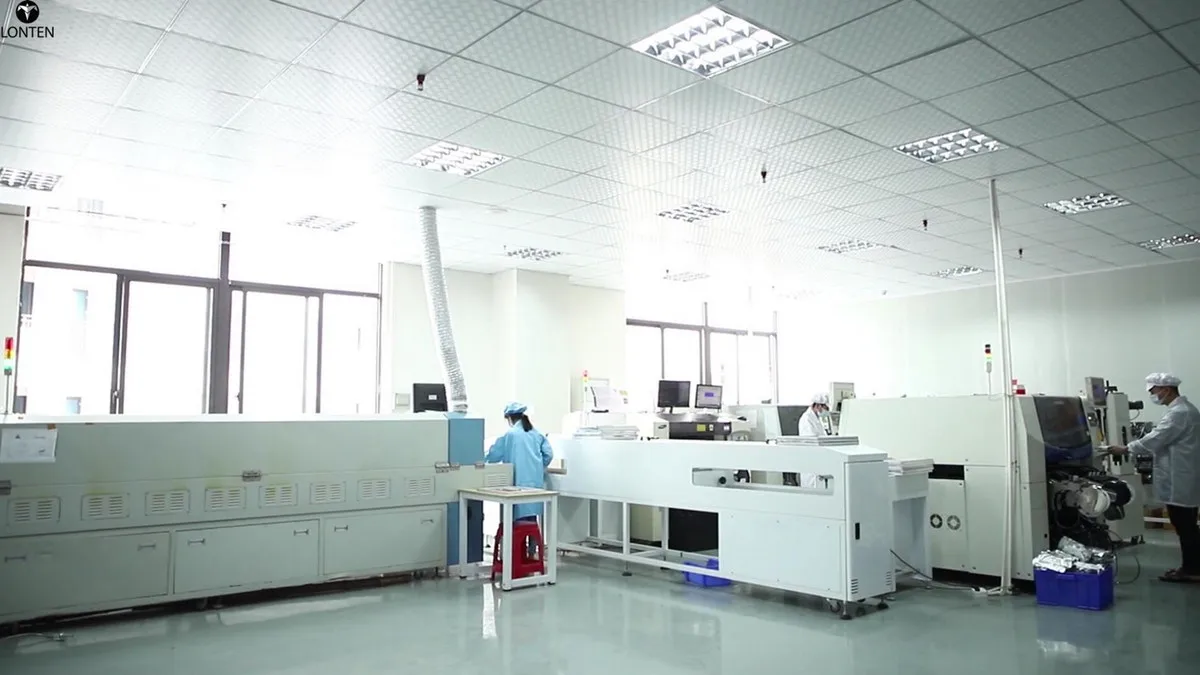
Shenzhen Lonten Technology Co., Limited
- Manufacturer
- Guangdong, China
- Lead time15 days
- Avg. response≤ 5h
Main productselectronics Component,Raspberry Pi,robot,arduino,commercial robots
Main marketsNorth America(18.00%), Eastern Europe(12.00%), Central America(9.00%), Southern Europe(9.00%), Northern Europe(9.00%), Southeast Asia(8.00%), Western Europe(7.00%), Africa(6.00%), Eastern Asia(6.00%), South Asia(6.00%), Mid East(5.00%), Oceania(4.00%), South America(1.00%)
Shenzhen Hengyi Electronic Co., Ltd.
- Manufacturer, Trading Company, Buying Office, Agent, Distributor/Wholesaler
- Guangdong, China
- Lead time5 days
- Avg. response≤ 6h
Main productsSmart Products,Timing Socket,Wattmeter,Electronic Parts
Main marketsWestern Europe(30.00%), North America(30.00%), Mid East(15.00%), South America(15.00%), Southeast Asia(5.00%), Eastern Asia(5.00%)
Shanghai United Supply Chain Group Ltd.
- Manufacturer, Trading Company
- Shanghai, China
- Lead time45 days
- Avg. response≤ 10h
Main productsTactical Radios,low atitude security protection,Radars,RDF system,Hermetically Sealed Relay
Main marketsDomestic Market(20.00%), Mid East(18.00%), North America(15.00%), Central America(13.00%), South Asia(11.00%), Southeast Asia(10.00%), Eastern Europe(8.00%), South America(4.00%), Africa(1.00%)
Shenzhen Crownhaosheng Technology Co., Ltd.
- Manufacturer, Trading Company
- Guangdong, China
- Lead time35 days
- Avg. response≤ 3h
Main productselectronic components,electronic device
Main marketsNorth America(40.00%), Western Europe(35.00%), Eastern Asia(9.00%), South America(8.00%), Eastern Europe(8.00%)

Wenzhou Zhongzhe Electric Co., Ltd.
- Verified by SGS
- Combined
- China Zhejiang
- Lead time30 days
- Avg. response≤ 3h
Main marketsSouth America,Africa,Others(foreignTradeCapacity.exportBusinessCapacityMarketOther)

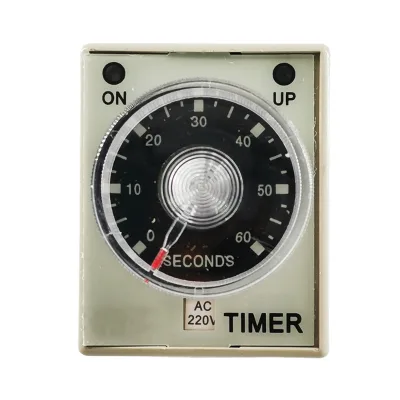
8-Year Factory Direct Supply Ah3-Na/B/C/D Time Relay 220V Adjustable Power on Delay Timer
$2.31 - $2.51
MOQ: 5 pieces


Yueqing Kampa Electric Co., Ltd.
- Verified by TüVRheinland
- Manufacturer, Trading Company
- Lead time15 days
- Avg. response≤ 4h
Main productsCircuit Breaker, Contactor, Relay, Thermostat, Voltage Protector
Main marketsEastern Europe(36%), Africa(30%), South America(25%)
Shanghai Aoyi Electric Appliances Co., Ltd.
- Verified by Intertek
- Manufacturer, Trading Company
- Lead time5 days
- Avg. response≤ 3h
Main productsSolid State Relay, Power Regulator, Voltage Regulator, Temperature Controller, Analog Panel Meter
Main marketsDomestic Market(75%), South America(10%), Southeast Asia(10%)
Zhejiang Dixsen Electrical Co., Ltd.
- Verified by Intertek
- Manufacturer, Trading Company
- Lead time15 days
- Avg. response≤ 7h
Main productsContactor, Fuse, Panel Meter, Breaker, Current Transformer
Main marketsEastern Europe(35%), Western Europe(15%), Southeast Asia(10%)

Yueqing Kane Electric Co., Ltd.
- Verified by TUVRHEINLAND
- Trading Company,Manufacturer/Factory
- China Zhejiang
- Lead time23 days
- Avg. response≤ 3h
Main productsSolid State Relay, Temperature Controller, SCR Power Regulator, Switching Power Supply, Bridge Rectifier, Power Module, Sensor, Filter Paper
Main marketsSouth America,Eastern Europe,Mid East,North America,Southeast Asia,Eastern Asia,Oceania,Western Europe,Africa
Shenzhen Dongheng Electronic Technology Co., Ltd.
- Trading Company, Distributor/Wholesaler
- Guangdong, China
- Lead time0 days
- Avg. response≤ 2h
Main productsElectronic Components,Cables,Integrated Circuit,Development Boards,3D Printer Parts
Main marketsNorth America(40.00%), Southeast Asia(30.00%), South Asia(10.00%), Central America(10.00%), Mid East(10.00%)
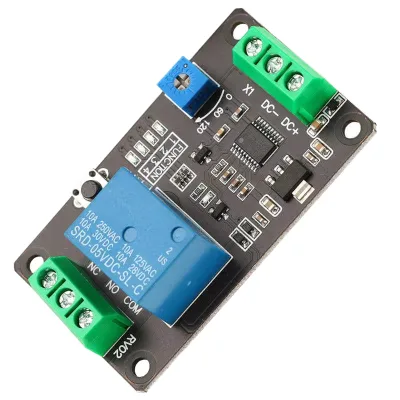
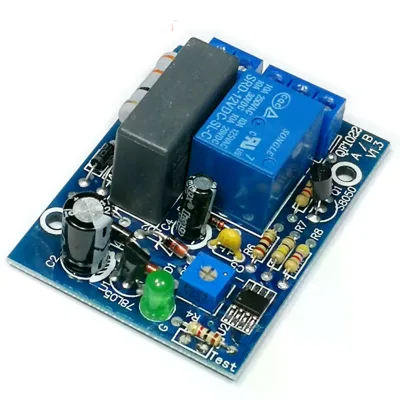
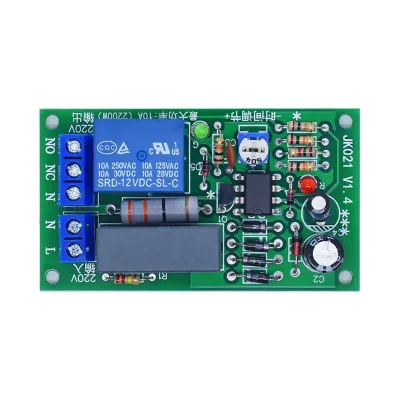
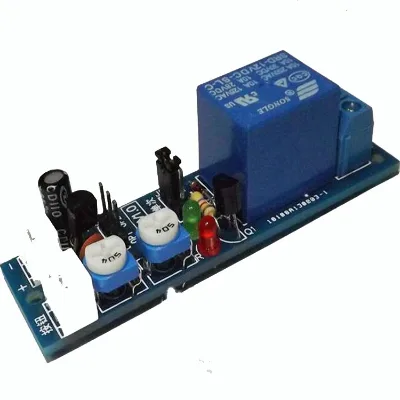
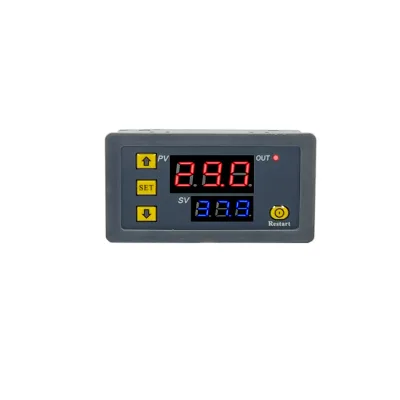
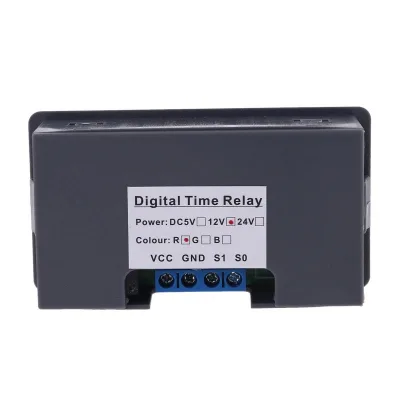
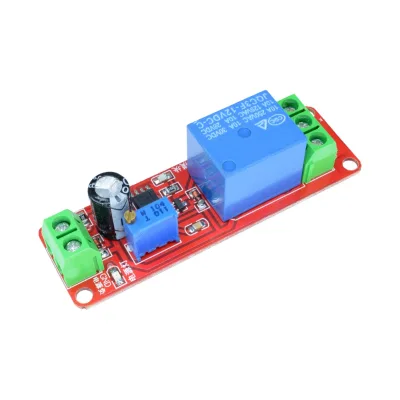
DC 5V/12V/24V Delay Timer Relay Self Locking Delay on Off Time Switch Super 555 Timer
$1.4111 - $1.8605
MOQ: 1 pieces
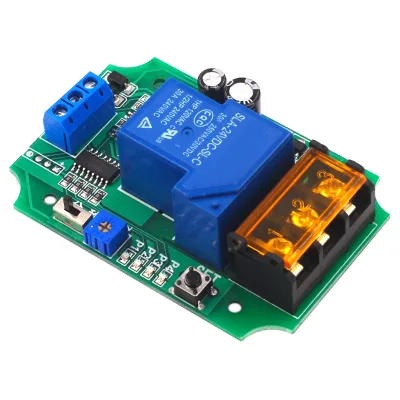

Yueqing Hord Imp.&exp. Co., Ltd.
- Manufacturer, Trading Company
- Zhejiang, China
- Lead time10 days
- Avg. response≤ 7h
Main productsConnector, Terminals, Display Meter, Protector, Relays
Main marketsEastern Europe(40.00%), Mid East(20.00%), North America(10.00%), South America(10.00%), Western Europe(10.00%), Southeast Asia(10.00%)

NINGBO SANHE REFRIGERATION CO., LTD.
- Verified by BV
- Trading Company
- China Zhejiang
- Lead time30 days
- Avg. response≤ 5h
Main productsCompressor, Refrigerant, Copper Tube & Coil, Air Conditioner Parts, Refrigeration Parts, Refrigerator Parts, Service Tools, Buildings Automation, Washing Machine Parts, Car Air Conditioning Parts
Main marketsSouth America,Africa,Southeast Asia/ Mideast,East Asia(Japan/ South Korea),Europe,Australia,North America
Shenzhen Jiaxinjie Technology Co., Ltd.
- Trading Company, Agent, Distributor/Wholesaler
- Guang Dong, China
- Lead time3 days
- Avg. response≤ 5h
Main productsElectronic products,Electronic module,IC Chip,Capacitance & Resistance,Medical equipment
Main marketsDomestic Market(10.00%), South Asia(10.00%), Southern Europe(10.00%), Eastern Europe(10.00%), South America(10.00%), North America(10.00%), Oceania(5.00%), Africa(5.00%), Southeast Asia(5.00%), Northern Europe(5.00%), Central America(5.00%), Western Europe(5.00%), Eastern Asia(5.00%), Mid East(5.00%)
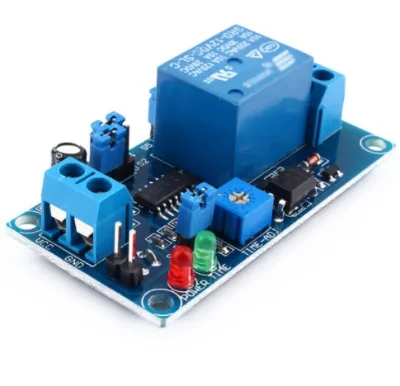
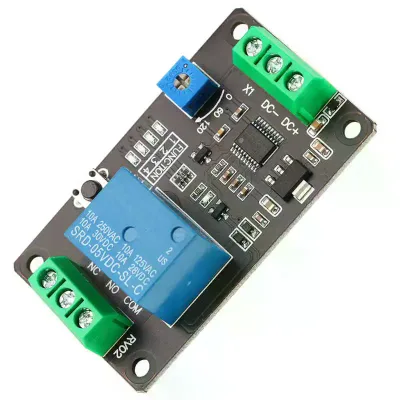
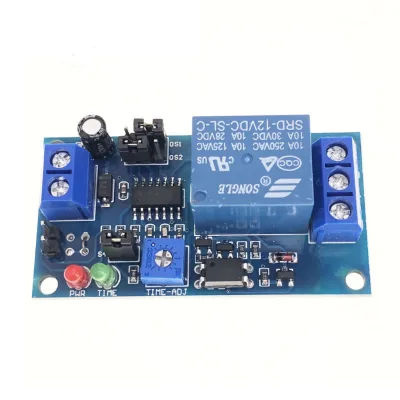
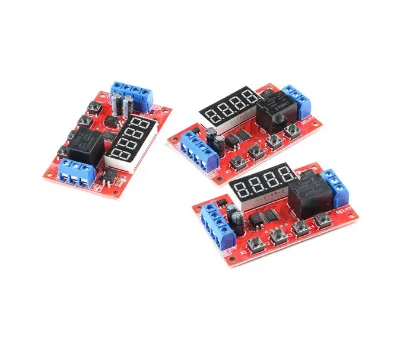
DC 12V Delay Relay Switch Module Timer Relay Normally open Trigger Delay Relay Delay Circuit Module
$1.30 - $1.60
MOQ: 10 units
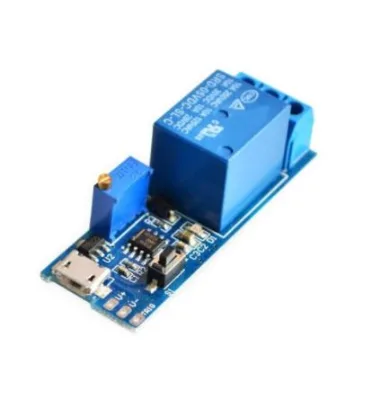
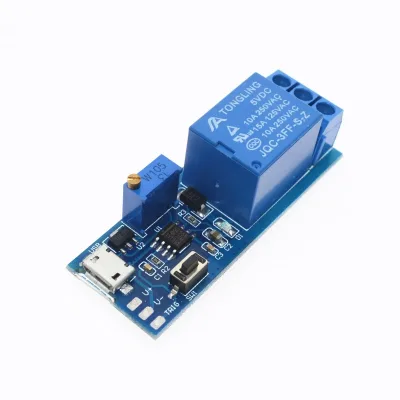
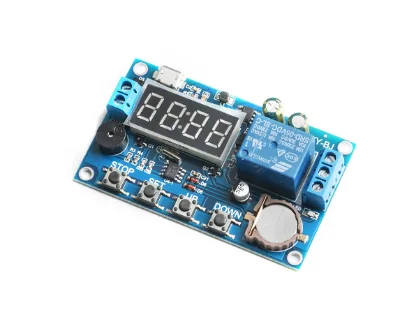
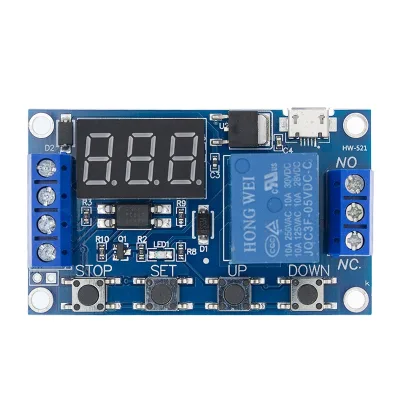
5V-30V Delay Relay Timer Module Trigger Delay Switch Micro USB Power Adjustable Relay Module
$0.9392 - $1.2523
MOQ: 10 units
Shenzhen Chengfangchip Electronic Technology Co., Ltd.
- Verified by Intertek
- Trading Company
- Lead time0 days
- Avg. response≤ 3h
Main productsPCBA, ICs, Transistor, IGBT, Development Board
Main marketsNorth America(40%), Southeast Asia(20%), Mid East(20%)

Shenzhen Chuangheying Electronic Technology Co., Ltd.
- Trading Company
- Guangdong, China
- Lead time0 days
- Avg. response≤ 7h
Main productsIntegrated Circuit; Discrete Semiconductor; Optoelectronic Components; Modules; Connectors
Main marketsSouth America(15.00%), Northern Europe(12.00%), Southeast Asia(10.00%), Eastern Asia(10.00%), Mid East(8.00%), North America(8.00%), Africa(8.00%), Domestic Market(6.00%), Southern Europe(6.00%), Eastern Europe(5.00%), Central America(5.00%), Western Europe(3.00%), Oceania(2.00%), South Asia(2.00%)

Xinxiang Chaosheng Electric Equipment Co., Ltd.
- Trading Company
- HeNan, China
- Lead time0 days
- Avg. response≤ 4h
Main productsrelay,sensor,meter,breaker,switch
Main marketsAfrica(15.00%), Central America(10.00%), Western Europe(10.00%), Eastern Asia(10.00%), Oceania(10.00%), North America(10.00%), Southeast Asia(10.00%), Eastern Europe(10.00%), Southern Europe(10.00%), South America(5.00%)





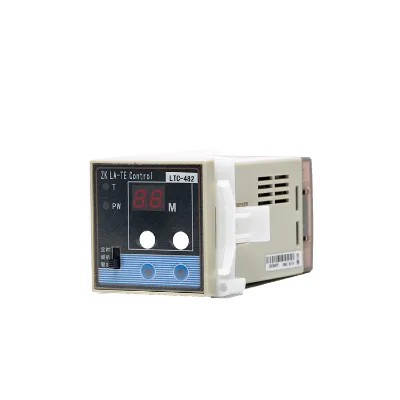
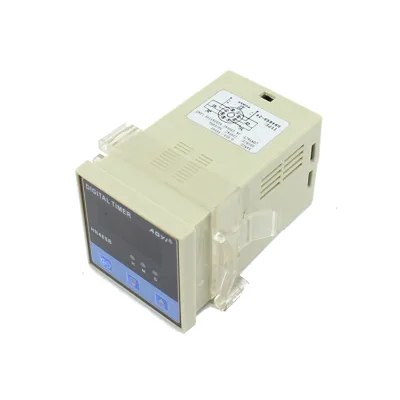
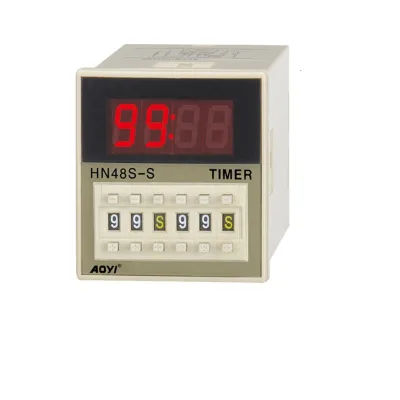
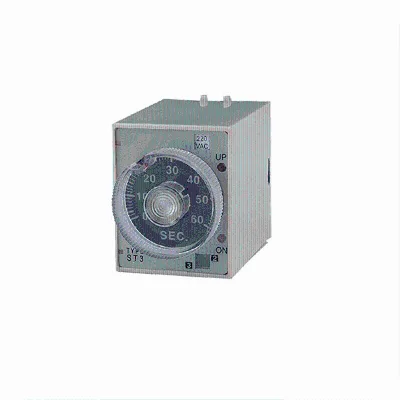




Comprehensive Sourcing Guide
Power On Time Delay Relay Supplier Concentration and Factory Types
The current supplier landscape for power on time delay relays shows a distinct concentration in Zhejiang Province, China, with specific results indicating locations in Zhejiang and China Zhejiang. This geographic clustering suggests a mature industrial ecosystem where manufacturers and trading companies coexist to serve global demand. The observed supplier types include Trading Companies, Manufacturer/Factories, and Other entities, indicating that buyers can access both direct factory pricing and the logistical flexibility of trading firms. Understanding this mix is crucial for sourcing, as trading companies may offer broader product ranges while manufacturers provide deeper technical customization. The presence of both types in the same region facilitates efficient supply chain management, allowing for consolidated shipping and reduced lead times for international buyers.
Within this concentrated region, the main products offered by these suppliers extend beyond simple time relays to include electronic relays, motor protectors, voltage relays, and current relays. This diversification implies that many suppliers are capable of providing comprehensive industrial control solutions rather than isolated components. The core keyword focus remains on power on time delay relays, but the broader catalog suggests that buyers can negotiate better terms by bundling orders. The establishment of these facilities in Zhejiang highlights the region's strength in electrical equipment manufacturing. Buyers should recognize that while the location is consistent, the operational model varies significantly between pure manufacturers and hybrid trading entities, affecting communication styles and pricing structures.
How to Verify Power On Time Delay Relay Suppliers
Verification begins with confirming the supplier’s legal status and operational capacity through available data points. Buyers should check if the supplier is listed as a Manufacturer/Factory or a Trading Company, as this impacts quality control and pricing. The presence of system certifications such as ISO 9000 and ISO 9001 is a strong indicator of standardized production processes. These certifications suggest that the supplier adheres to international quality management standards, which is critical for electronic components like time delay relays. Buyers must verify that these certifications are current and applicable to the specific product lines they intend to purchase, ensuring that the quality assurance processes are relevant to the technical specifications required.
Response time and lead time are also critical verification metrics that reflect supplier reliability. Observed response times vary, with some suppliers showing a response time of 3.33 and others at 5, indicating differences in customer service efficiency. Lead times are reported as 15 and 20 days, which buyers must factor into their production schedules. A shorter response time often correlates with better communication during the pre-production phase, while consistent lead times ensure timely delivery. Buyers should request recent order samples to verify product quality against these claims. Additionally, checking the supplier’s main products list helps confirm they specialize in relays rather than offering them as a minor accessory, which can affect their technical support capabilities.
What to Compare Across Power On Time Delay Relay Suppliers
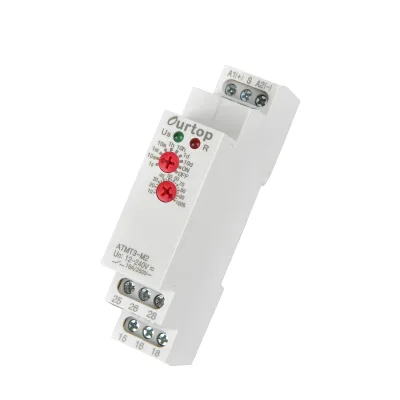
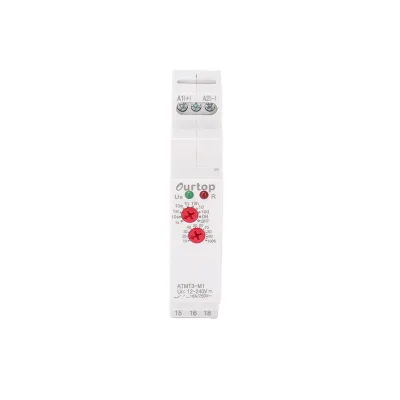
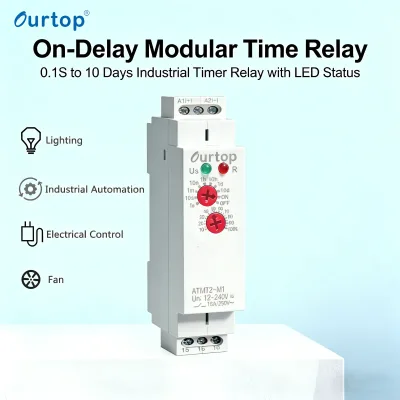
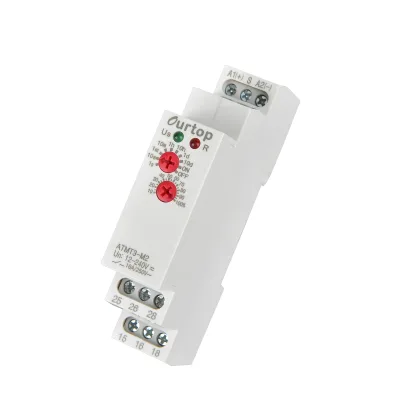
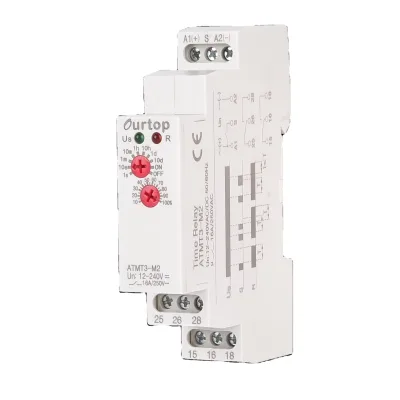
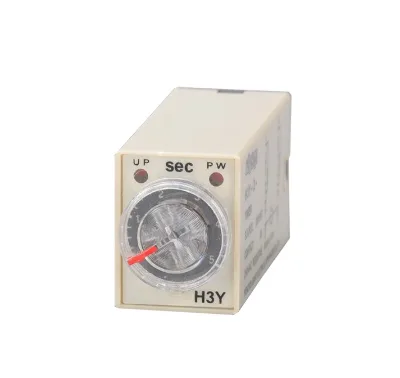
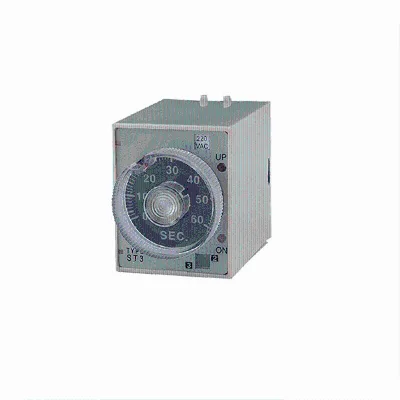
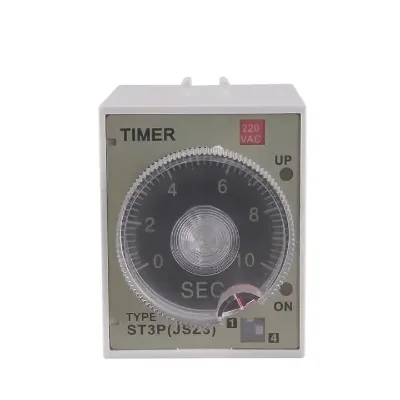
When comparing suppliers, buyers must evaluate technical specifications such as delay range, contact configuration, and rated control supply voltage. Products like the ZHRT2-E and ATMT3-M2 models offer delay ranges from 0.1 seconds to 100 hours or even 10 days, catering to diverse industrial needs. Contact configurations vary from 1 C/O to 3 C/O, with some models supporting instant contacts. The rated control supply voltage options include DC12V, DC24V, AC110V, AC220V, and AC380V, ensuring compatibility with various power systems. Buyers should compare these attributes against their specific application requirements to ensure seamless integration. The load capacity, ranging from micro power to high power relays, is another critical differentiator that affects the relay’s suitability for specific machinery.
Pricing and minimum order quantities (MOQ) are equally important comparison factors. Prices for power on time delay relays range from approximately $4.70 to $12.98, depending on the model and features. MOQs vary significantly, with some suppliers requiring as few as 10 units, while others mandate 100 units. This variation allows buyers to choose suppliers based on their inventory needs and budget constraints. Customization availability is another key differentiator, with some suppliers offering OEM services and own brands like AKMAN. Buyers should compare the total cost of ownership, including shipping and potential customization fees, to determine the most cost-effective option. The carton packing details and product dimensions also impact logistics costs, so these physical attributes should be included in the comparison matrix.
Common Power On Time Delay Relay Sourcing Risks
One significant risk in sourcing power on time delay relays is the variability in product specifications and quality consistency. While suppliers list detailed attributes, actual performance may differ, especially regarding delay accuracy and contact capacity. For instance, some models specify a setting accuracy of less than 5%, but this must be verified through testing. The risk of receiving products that do not meet the exact delay range or voltage requirements is heightened when dealing with trading companies that may not have direct control over manufacturing processes. Buyers must ensure that the technical data provided matches the physical product received, particularly for critical applications where timing precision is essential. This risk can be mitigated by requesting detailed test reports or conducting incoming quality control inspections.
Another risk involves the reliability of lead times and response speeds, which can fluctuate based on production capacity and order volume. Suppliers reporting lead times of 15 to 20 days may face delays during peak seasons, impacting the buyer’s supply chain. Additionally, the response time of 3.33 to 5 hours indicates varying levels of customer service engagement, which can affect issue resolution speed. Buyers must be cautious of suppliers who do not provide clear information about their production capacity or certification status. The lack of standardized packaging or labeling across different suppliers can also lead to logistical complications. To mitigate these risks, buyers should establish clear communication channels and request regular production updates to monitor progress and address any potential delays proactively.
Power On Time Delay Relay Regional Sourcing and Logistics
Sourcing from Zhejiang Province, China, offers logistical advantages due to the region’s established export infrastructure and proximity to major ports. The concentration of suppliers in this area facilitates consolidated shipping, reducing freight costs and transit times for international buyers. Buyers should consider the impact of regional logistics on overall lead times, as efficient local transportation can complement the supplier’s production schedule. The standard carton packing of 100 pieces per carton for some models simplifies inventory management and shipping calculations. However, buyers must account for the physical dimensions of the products, such as the 90.51865.5mm size for certain relays, to optimize container space. Understanding the regional logistics network helps in planning more accurate delivery schedules and reducing the risk of shipping delays.
The choice between manufacturer and trading company suppliers also influences logistics strategies. Manufacturers may offer more direct shipping options, while trading companies might provide consolidated services from multiple factories. Buyers should evaluate the supplier’s experience in international shipping and their ability to handle customs documentation. The location in Zhejiang Province suggests familiarity with export procedures, but buyers must verify the supplier’s track record in delivering to their specific destination. Additionally, the availability of different voltage standards, such as AC/DC options, may require specific packaging or labeling to meet local regulatory requirements. Buyers should work with suppliers who can provide clear logistics support, including tracking and insurance options, to ensure the safe and timely delivery of power on time delay relays.
Power On Time Delay Relay Commercial Terms and Order Planning
Commercial terms for power on time delay relays often include flexible payment options and clear warranty policies, which buyers must negotiate based on order volume. The price range of $4.70 to $12.98 allows for budget planning, but buyers should consider volume discounts and long-term partnership benefits. MOQs ranging from 10 to 100 units provide flexibility for small and large orders, enabling buyers to test the market before committing to larger quantities. Buyers should clarify the terms for customization, including any additional costs for OEM branding or specific technical modifications. Understanding the supplier’s return policy and defect handling procedures is essential for managing risk, especially when dealing with electronic components that may have varying failure rates.
Order planning should account for the supplier’s response time and lead time to ensure timely production and delivery. With response times of 3.33 to 5 hours and lead times of 15 to 20 days, buyers can schedule orders to align with their production cycles. Buyers should also consider the supplier’s capacity for handling rush orders, as this can impact pricing and availability. The availability of various models, such as the ZHRT2-M1 and ATMT2-M1, allows for strategic sourcing based on specific project requirements. Buyers must ensure that the commercial terms include clear specifications for product quality and performance, protecting against discrepancies between ordered and delivered goods. By carefully planning orders and negotiating favorable terms, buyers can optimize their supply chain for power on time delay relays.
FAQs
What is the typical lead time for power on time delay relays?
Suppliers in Zhejiang, China, typically offer a lead time of 15 to 20 days for production and shipping. This timeframe applies to standard orders of electronic relays and time switches. Buyers should confirm specific delivery schedules with the manufacturer before placing the order to ensure alignment with project deadlines.
What is the minimum order quantity for these relays?
The minimum order quantity varies by supplier and product model, ranging from 10 to 100 pieces. Some manufacturers set an MOQ of 10 units for specific time delay relays, while others require 100 units per carton. Buyers should verify the exact MOQ for their chosen model before proceeding.
What certifications do these relay manufacturers hold?
Manufacturers in this region commonly hold ISO 9000 and ISO 9001 system certifications. These credentials indicate adherence to quality management standards for producing electronic relays and time switches. Buyers should request valid certification documents to verify compliance with international quality requirements for industrial control components.
What is the price range for power on time delay relays?
Prices for these relays typically range from $4.70 to $12.98 per unit. The cost depends on the specific model, such as miniature or DIN rail mounting types, and the rated control voltage. Buyers should compare quotes from multiple suppliers to find the best value for their specific technical requirements.
How quickly do suppliers respond to inquiries?
Suppliers generally respond to inquiries within 3.33 to 5 hours. This response time reflects the efficiency of trading companies and manufacturers in Zhejiang, China. Buyers can expect prompt communication regarding product specifications, pricing, and order status for electronic relays and time delay components.
What voltage options are available for these relays?
Relays are available with rated control supply voltages including DC12V, DC24V, AC110V, AC220V, and AC380V. Some models support a wide range of AC/DC24V to 240V. Buyers should select the appropriate voltage rating to match their specific electrical system requirements for reliable operation.
Can these relays be customized for specific applications?
Customization is available for many Power On Time Delay Relay models. Suppliers offer OEM services and own brands like AKMAN for tailored solutions. Buyers can request specific contact configurations, delay ranges, or packaging options to meet unique industrial control needs. Confirm customization details with the manufacturer before ordering.