European Standard Digital Thermostat Suppliers and Manufacturers
Compare 29 verified suppliers of European Standard Digital Thermostat based on location, lead time, and certifications. Review product specs like CE and ISO standards, then request quotes for models such as EK-3030 or WKS-02D; review the available evidence before requesting comparable quotations from suitable candidates.
Updated
Suppliers List

NINGBO SANHE REFRIGERATION CO., LTD.
- Verified by BV
- Trading Company
- China Zhejiang
- Lead time30 days
- Avg. response≤ 4h
Main productsCompressor, Refrigerant, Copper Tube & Coil, Air Conditioner Parts, Refrigeration Parts, Refrigerator Parts, Service Tools, Buildings Automation, Washing Machine Parts, Car Air Conditioning Parts
Main marketsSouth America,Africa,Southeast Asia/ Mideast,East Asia(Japan/ South Korea),Europe,Australia,North America

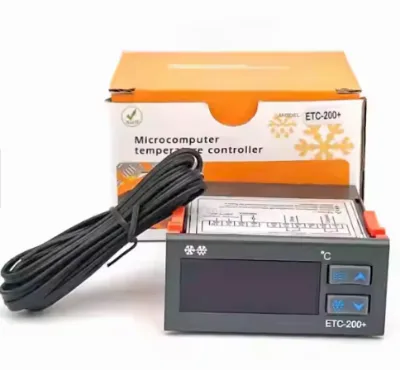
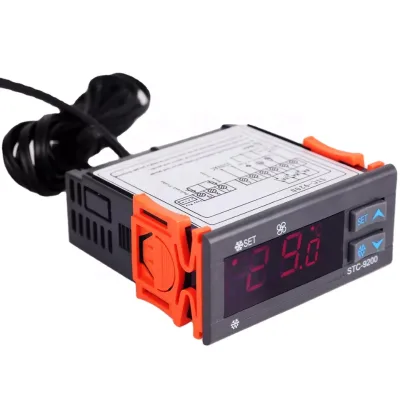
Thermostat Temperature Control Digital Thermostat Temperature Controller
$3.69 - $11.99
MOQ: 200 Pieces

Digital Temperature Controller Thermostat 230V Refrigerator Temperature Controller
$3.69 - $11.99
MOQ: 200 Pieces

Temperature Controller Digital Temperature Thermostat Smart Temperature Controller
$3.69 - $11.99
MOQ: 200 Pieces

Temperature Thermostat Controller Smart Thermostat Temperature Controller
$3.69 - $11.99
MOQ: 200 Pieces

Thermostat for Temperature Control Intelligent Temperature Controller Thermostat 220V
$3.69 - $11.99
MOQ: 200 Pieces

NINGBO JINSHUO REFRIGERATION EQUIPMENT CO., LTD.
- Verified by SGS
- Trading Company,Manufacturer/Factory
- China Zhejiang
- Lead time23 days
- Avg. response≤ 10h
Main productsFilter Dryer, Condenser, Home Appliance, Refrigeration Parts, Raw Plastic Material, Nut Screw
Main marketsSouth America,Eastern Europe,North America,Southeast Asia,Africa


Temperature Controller Digital Thermostat for Cold Storage Refrigerator
$5.00 - $8.00
MOQ: 5000 Pieces

Hengsen Smart Control Technology (Zhejiang) Co., Ltd.
- Verified by TUVRHEINLAND
- Combined
- China Zhejiang
- Lead time30 days
- Avg. response≤ 12h
Main productsRefrigeration Part, Motorized Zone Valve, Motorize Ball Valve, Actuator, Thermostat, HVAC Controls Product, Pipe Fitting, Air Conditioner Part, Air Conditioning Component, Charging Hose
Main marketsEurope

Guangdong Chico Future Technology Group Inc.
- Trading Company,Manufacturer/Factory
- China Guangdong
- Lead time23 days
- Avg. response≤ 9h
Main productsIntelligent Controller, Inverter Driver Board, Smart Thermostat, Heat Pump Controller, Chiller Controller, Sauna Controller, Ice-Bath Controller, Dehumidifier Controller, Swimming Pool Controller, Floor Heating Thermostat
Main marketsSouth America,Eastern Europe,Mid East,North America,Southeast Asia,Eastern Asia,Oceania,Western Europe,Africa
Shenzhen Mingdewei Electronics Limited
- Verified by Intertek
- Trading Company
- Lead time7 days
- Avg. response≤ 2h
Main productsIntegrated Circuits, PWM Speed Controller Regulator, Power Modules, Gas Sensor , IGBT
Main marketsNorth America(20%), Southeast Asia(15%), South America(10%)
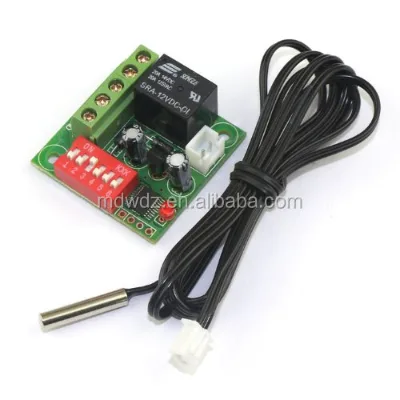
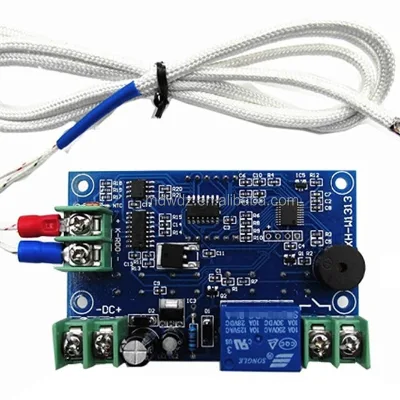
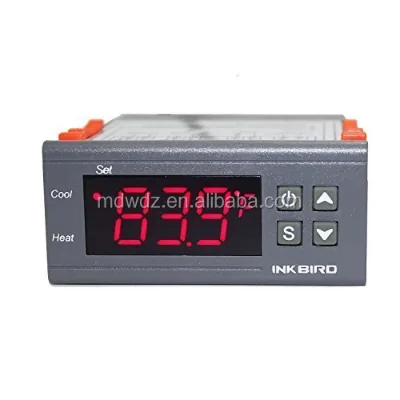
Digital Temperature Controller Fahrenheit &Centigrade Thermostat w Sensor 2 Relays
$1.50 - $2.00
MOQ: 5 Minimum

JPCI Controls (Foshan Gaoming) Co.,Ltd
- Verified by SGS
- Combined
- China Guangdong
- Lead time23 days
- Avg. response≤ 3h
Main productsThermostats, Flow Switches, Pressure Switches, Heaters, Explosion-Proof Thermostat, Fire Detection Device
Main marketsDomestic,Europe

Shanghai Leipold Electric Co., Ltd.
- Verified by BV
- Trading Company,Manufacturer/Factory
- China Shanghai
- Lead time45 days
- Avg. response≤ 3h
Main productsAxial Fans, Fan Filters, Thermostat, Electric Heater, Control Transformers, Terminal Blocks, Cable Entry Plate, Cable Glands, Power Distribution Blocks, Busbar Terminal
Main marketsSouth America,Eastern Europe,North America,Southeast Asia,Eastern Asia,Oceania,Western Europe,Africa

Changzhou Dabund Pipe Co., Ltd.
- Verified by SGS
- Trading Company
- China Jiangsu
- Lead time15 days
- Avg. response≤ 1h
Main productsAir Conditioner Installation Kit
Main marketsSouth America,Africa,Southeast Asia/ Mideast,Europe,Australia,North America
Menred Group Yueqing Import And Export Co., Ltd.
- Verified by SGS Group
- Manufacturer, Trading Company
- Lead time15 days
- Avg. response≤ 3h
Main productsRoom Thermostat, Water Purifier, PPR Pipe, Electro Thermal Actuator, Ventilator
Main marketsEastern Europe(30%), Western Europe(30%), Southern Europe(28%)
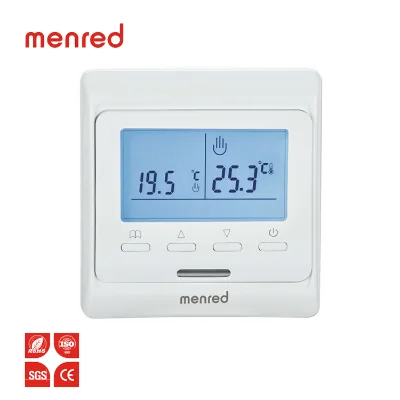
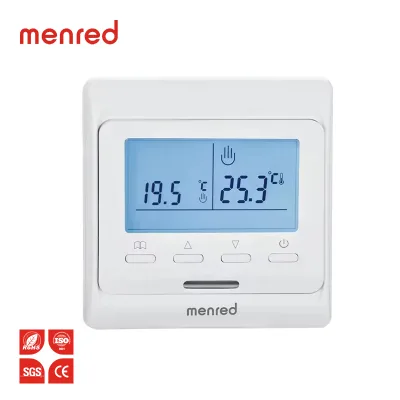
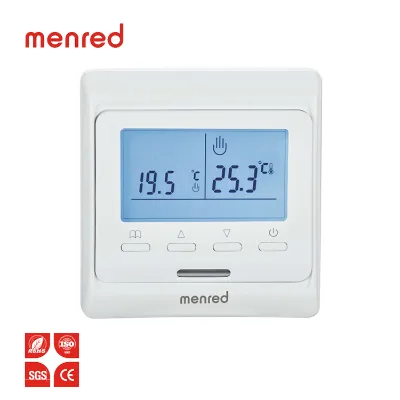
E51 Programmable Thermostat 16A Underfloor Heating Temperature Regulators for EU Standard
$1.0352 - $17.5765
MOQ: 128 Minimum
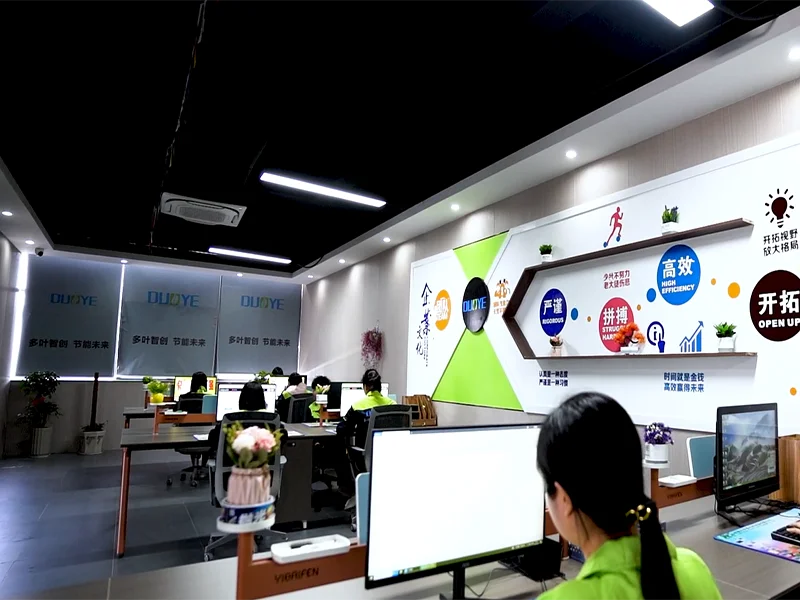
Multi-Leaf Intelligent Control Equipment (ningbo) Co., Ltd.
- Manufacturer
- Zhejiang, China
- Lead time0 days
- Avg. response≤ 3h
Main productsRoom temperature controller,electric valve,Heating thermostat,Central air-conditioning thermostat,Smart thermostat
Main marketsDomestic Market(80.00%), North America(10.00%), Southeast Asia(5.00%), Northern Europe(5.00%)

Shenzhen Sansael Controls Tech Co., Ltd
- Verified by BV
- Trading Company,Manufacturer/Factory
- China Guangdong
- Lead time30 days
- Avg. response≤ 6h
Main productsRoom Thermostat, WiFi Thermostats, Wireless Thermostat, Digital Thermostat, Electro Thermal Thermostat, Valve, Temperature Sensor, Control Box, Gateway
Main marketsSouth America,Eastern Europe,Mid East,North America,Southeast Asia,Eastern Asia,Oceania,Western Europe,Africa


Reliable Digital Thermostat for Multi-Stage Heating and Cooling Systems
$12.00 - $16.00
MOQ: 100 Pieces


Chongqing Blue Jay Technology Co., Ltd
- Verified by TUVRHEINLAND
- Manufacturer/Factory
- China Chongqing
- Lead time23 days
- Avg. response≤ 9h
Main productsPanel Meter, Energy Meter, Multifunction Power Meter, Protection Relay, Electrical Transducer, Thermostat, Smart Meter, Temperature Sensor, Energy Metering, Low Voltages
Main marketsSouth America,Eastern Europe,North America,Southeast Asia,Western Europe,Africa


Digital Cabinet Temperature Controller Heating and Cooling Double Use Thermostat
$15.00 - $30.00
MOQ: 1 Pieces
Ningbo Taojun Refrigeration Equipment Co., Ltd.
- Verified by SGS Group
- Manufacturer, Trading Company
- Lead time35 days
- Avg. response≤ 3h
Main productsFilter Drier, Access Valve, Condenser, Copper Fittings, Brass Fittings
Main marketsDomestic Market(27%), North America(15%), Mid East(12%)

Xuzhou Sanhe Automatic Control Equipment Co., Ltd.
- Verified by BV
- Combined
- China Jiangsu
- Lead time23 days
- Avg. response≤ 4h
Main productsDigital Thermometer, Temperature Controller, Digital Thermometer and Hygrometer, Electric Control Panel
Main marketsAfrica

Zhejiang Huaxi Electronics Co., Ltd.
- Verified by SGS
- Combined
- China Zhejiang
- Lead time15 days
- Avg. response≤ 14h
Main productsCapillary Thermostat, Digital Pressure Controller, Pressure Sensor, Room Thermostat, Mechanical Thermostat, Energy Regulator, Simmerstat, Thermometer, Water Pump Controller
Main marketsSouth America,Domestic,Europe,North America

Xiamen E-Top Controls Technology Co., Ltd.
- Verified by BV
- Combined
- China Fujian
- Lead time30 days
- Avg. response≤ 7h
Main productsThermostat
Main marketsSouth America,Africa,Southeast Asia/ Mideast,Domestic,Europe,Australia,North America
Yueqing Kampa Electric Co., Ltd.
- Verified by TüVRheinland
- Manufacturer, Trading Company
- Lead time15 days
- Avg. response≤ 4h
Main productsCircuit Breaker, Contactor, Relay, Thermostat, Voltage Protector
Main marketsEastern Europe(36%), Africa(30%), South America(25%)

Kelaimi Ai Technology (Hainan) Co., Ltd.
- Trading Company
- China Hainan
- Lead time0 days
- Avg. response≤ 2h
Main productsThermostat, WiFi Smart Thermostat, Room Thermostat, Air Conditioner Thermostat, WiFi Thermostat

- Trading Company
- China Shandong
- Lead time30 days
- Avg. response≤ 8h
Main productsTemperature Sensor
Main marketsSouth America,Europe,North America
Chongqing Sunflower Instrument Co., Ltd.
- Trading Company
- Chongqing, China
- Lead time10 days
- Avg. response≤ 11h
Main productstemperature gauge,pressure gauge,glass thermometer,capillary thermometer,temperature sensor
Main marketsEastern Asia(10.00%), Northern Europe(10.00%), Western Europe(10.00%), Southern Europe(10.00%), Southeast Asia(10.00%), Eastern Europe(10.00%), South America(10.00%), North America(10.00%), South Asia(6.00%), Mid East(5.00%), Africa(5.00%), Oceania(2.00%), Central America(2.00%)
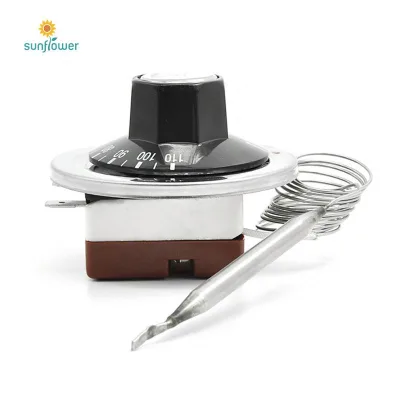

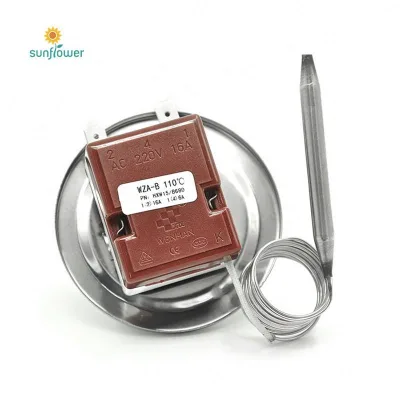
50 to 300 Degrees High Preciseness Temperature Measuring Icontrol Thermostat
$3.0937 - $5.1552
MOQ: 50 pieces
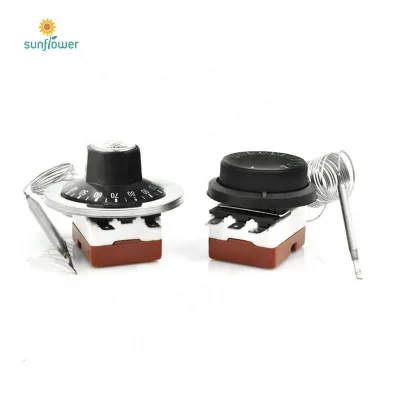
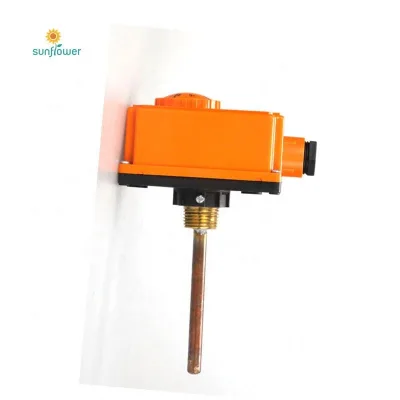
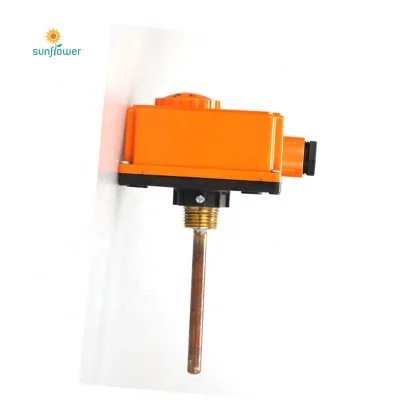
Adjustable thermostat with black luxury knob orange base temperature control mechanical thermostat
$3.0937 - $5.1552
MOQ: 50 pieces
Anhui Youyu Electric Heating Equipment Co., Ltd
- Verified by SGS Group
- Manufacturer, Trading Company
- Lead time20 days
- Avg. response≤ 2h
Main productsHeating Cables & Cable Assemblies
Main marketsDomestic Market(52%), Eastern Europe(12%), Western Europe(12%)
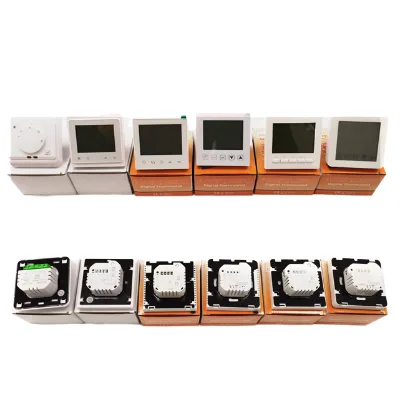
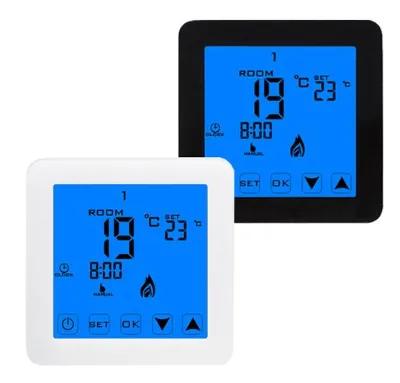
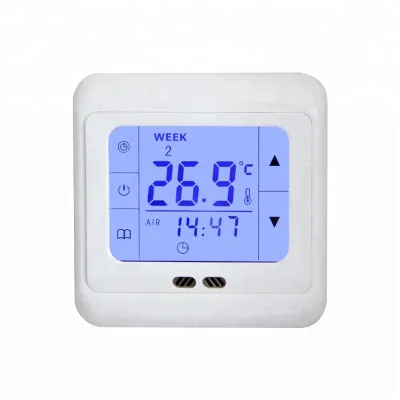
2021 Hot Digital Thermostat for Household or Industrial With Factory Price
$7.52 - $8.00
MOQ: 5 pieces

Anhui Youyu Electric Heating Equipment Co., Ltd.
- Combined
- China Anhui
- Lead time23 days
- Avg. response≤ 5h
Main productsHeating Cable, Self Regulating Heating Cable, Heating Mat, Snow Melting Mat, Constant Wattage Heating Cable, Underfloor Heating Cable, Pipe Antifreeze Heating Cable, Silicone Heating Cable, Mineral Insulated Heating Cable, Room Thermostat
Main marketsSouth America,Southeast Asia/ Mideast,East Asia(Japan/ South Korea),Domestic,Europe,Australia,North America
- Manufacturer
- Taiwan, China
- Lead time0 days
- Avg. response≤ 6h
Main productsWater Heater Thermostat,Thermal Switch,Thermometer,Power Supply,Capillary Thermostat

Beijing Brade Controls Tech Co., Ltd.
- Trading Company
- Beijing, China
- Lead time30 days
- Avg. response≤ 6h
Main productsThermostat,temperature controller,water valve,remote controller,electric actuator
Main marketsNorth America(35.00%), Western Europe(15.00%), Southern Europe(15.00%), Eastern Europe(15.00%), Eastern Asia(10.00%), Northern Europe(10.00%)
Xiamen Boland Refrigeration Equipment Co., Ltd.
- Trading Company
- Fujian, China
- Lead time30 days
- Avg. response≤ 5h
Main productsCopper Pipes,Refrigerant Gas,Capacitors,Compressor,Motor
Main marketsAfrica(36.00%), Mid East(21.00%), South America(21.00%), Southeast Asia(14.00%), Eastern Europe(6.00%), Western Europe(2.00%)
- Verified by Intertek
- Trading Company
- Lead time20 days
- Avg. response≤ 2h
Main productsWire Tube Condenser, Roll Bond Evaporator, Compressor, Temperature Controller, Pipe Insulation
Main marketsSouth America(30%), Southeast Asia(20%), South Asia(20%)
- Verified by TüVRheinland
- Trading Company
- Zhejiang, China
- Lead time15 days
- Avg. response≤ 2h
Main productsCompressor, Fan, Refrigerant Oil, Capacitor, Copper Fitting And Tube
Main marketsSoutheast Asia(26%), Mid East(26%), South America(21%)
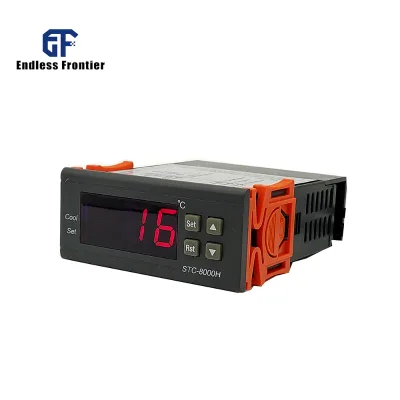
AC Thermostat Supplier Digital Room Temperature Controller Thermostat for Hotel Fan Coil Units
$8.00 - $12.00
MOQ: 100 pieces
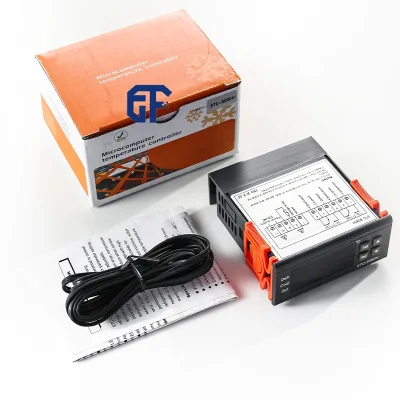
Shenzhen Feng Chipsource Electronic Co., Ltd.
- Manufacturer, Trading Company, Distributor/Wholesaler
- Guangdong, China
- Lead time2 days
- Avg. response≤ 8h
Main productsIntegrated Circuit,Electronic Components,Development Board,Wifi module,Bluetooth module
Main marketsNorth America(20.00%), Northern Europe(16.00%), Southern Europe(10.00%), South America(10.00%), Western Europe(10.00%), Eastern Europe(10.00%), Domestic Market(3.00%), South Asia(3.00%), Oceania(3.00%), Africa(3.00%), Central America(3.00%), Southeast Asia(3.00%), Eastern Asia(3.00%), Mid East(3.00%)
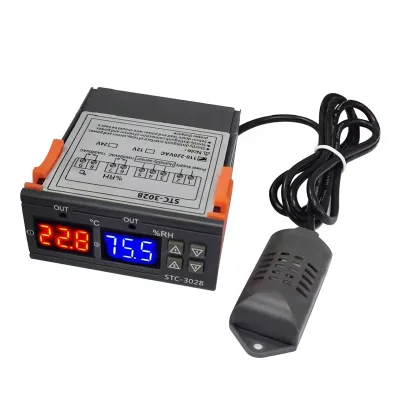
$5.6863 - $11.3711
MOQ: 10 Minimum

Zhejiang Menred Comfort System Co., Ltd
- Verified by SGS
- Combined
- China Zhejiang
- Lead time30 days
- Avg. response≤ 2h
Main productsPPR Pipe, Room Thermostat, Electro Themmal Actuator, Manifolds, Floor Heating Pipe
Main marketsEurope




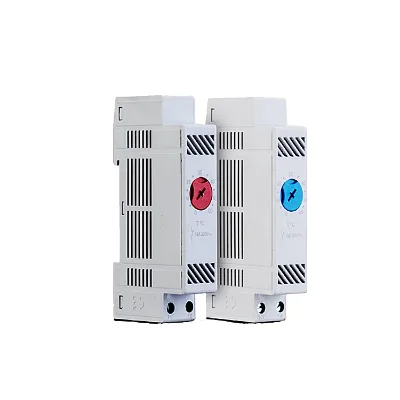
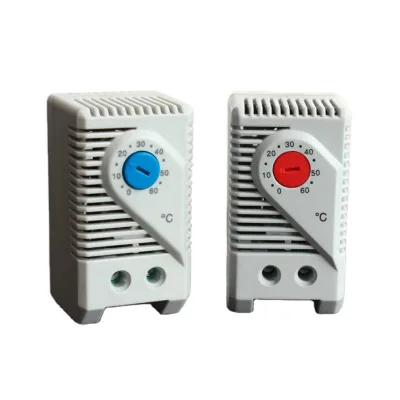


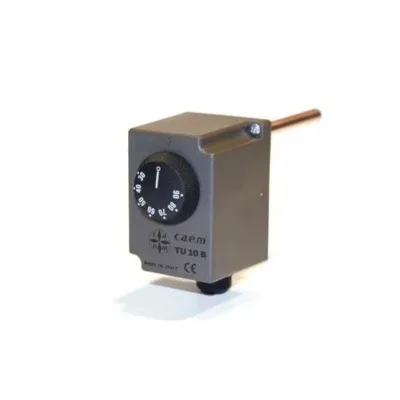
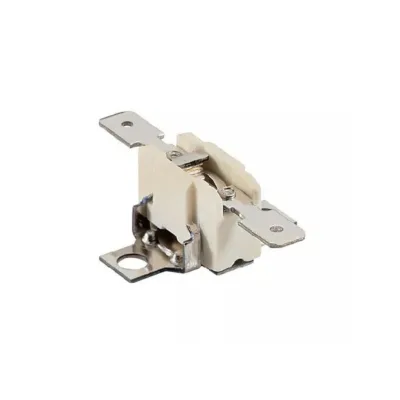


Comprehensive Sourcing Guide
European Standard Digital Thermostat Supplier Concentration and Factory Types
The current supplier landscape for European standard digital thermostats reveals a distinct concentration of manufacturing and trading entities within China, specifically in the Zhejiang province. This geographic clustering is significant for buyers seeking to establish direct contact with production facilities or authorized distributors. The data indicates that suppliers located in Zhuji, Zhejiang, are actively listing products such as the WKS-02 series, which feature LED or LCD displays and comply with CE standards. This regional focus suggests a mature industrial ecosystem where supply chain efficiencies for components like temperature sensors, microcomputers, and housing materials are optimized. Buyers evaluating this market should recognize that Zhejiang serves as a primary hub for these specific HVAC and refrigeration control components, allowing for potentially faster communication and more cohesive logistics planning compared to sourcing from dispersed global locations.
Beyond geographic concentration, the types of business entities operating in this sector vary significantly, influencing the nature of the buyer-supplier relationship. The observed results include Trading Companies, Manufacturer/Factory entities, and Combined operations that blend both roles. Trading companies often provide a broader array of related products, such as compressor parts, refrigerant, and building automation tools, acting as a one-stop solution for procurement teams managing multiple categories. In contrast, pure manufacturers or combined entities may offer deeper technical customization capabilities, including OEM and ODM services, which are critical for brands requiring specific form factors or proprietary software integrations. Understanding whether a supplier is primarily a trader or a factory helps buyers assess the flexibility of their production lines and the authenticity of their technical support, ensuring that the chosen partner aligns with the strategic goals of the sourcing project.
How to Verify European Standard Digital Thermostat Suppliers
Verification is a critical step in mitigating risk when sourcing digital thermostats, particularly when dealing with electronic components that must meet strict European safety and performance standards. Buyers should prioritize suppliers who hold recognized third-party verifications, such as BV, SGS, or TÜV Rheinland, as these indicate a baseline level of operational integrity and product quality assurance. The presence of system certifications like ISO 9001 or ISO 14001 further validates a supplier’s commitment to standardized manufacturing processes and environmental management. However, buyers must not rely solely on these badges; they should actively request and review the actual certification documents to ensure they are current and applicable to the specific thermostat models being considered. This due diligence helps confirm that the supplier’s quality management systems are robust enough to maintain consistency across large production runs.
In addition to corporate certifications, product-specific compliance is paramount for the European market. Buyers must verify that the digital thermostats carry the CE mark, which is a mandatory conformity marking for products sold within the European Economic Area. The observed product attributes frequently list CE certification, but buyers should ensure this is not merely a claimed attribute but a verified fact supported by test reports from accredited laboratories. Furthermore, checking for additional standards such as UL or specific industry norms can provide extra assurance of product reliability. Buyers should also assess the supplier’s response time and verification status on the platform, as a quick and professional response often correlates with better post-sales support and transparency. By cross-referencing these verification markers with direct requests for documentation, buyers can build a more accurate picture of a supplier’s credibility and readiness to serve international markets.
What to Compare Across European Standard Digital Thermostat Suppliers
When evaluating multiple suppliers for digital thermostats, buyers must compare a range of operational and commercial metrics to identify the most suitable partner. Key dimensions include lead time, minimum order quantity (MOQ), response speed, and pricing structures. For instance, some suppliers may offer a lead time of 30 days with an MOQ of 200 pieces, catering to smaller or trial orders, while others might require an MOQ of 5,000 pieces with a lead time of 23 days, suited for larger volume commitments. Comparing these figures helps buyers align their inventory strategies with supplier capabilities. Additionally, response time is a crucial indicator of supplier engagement; a faster response time often suggests better communication channels and quicker resolution of pre-sales inquiries, which is vital for complex technical specifications.
Beyond operational metrics, buyers should compare the specific product attributes and customization options available. The digital thermostat market offers various display types, such as LCD or LED, and different control methods, including digital touch screens or manual adjustments. Suppliers may offer varying levels of customization, from standard packaging to fully customized branding and functional modifications. Buyers should also examine the warranty terms and after-sales service provisions, as these impact the long-term cost of ownership. For example, a supplier offering a one-year warranty with standard service may be preferable to one with no clear warranty policy, even if the initial price is slightly higher. By systematically comparing these factors, buyers can create a weighted scoring matrix that reflects their specific priorities, whether they are cost-driven, speed-focused, or quality-centric, ensuring a data-driven selection process.
Common European Standard Digital Thermostat Sourcing Risks
Sourcing digital thermostats from international suppliers introduces several risks that buyers must proactively manage to ensure project success. One significant risk is the variability in product quality and compliance, particularly regarding European standards. While many suppliers claim CE certification, there is a risk that the products may not fully meet the latest regulatory requirements or may lack proper documentation for customs clearance. Buyers must be vigilant in verifying that the thermostats are tested against relevant European directives to avoid delays or rejections at the border. Additionally, the risk of intellectual property infringement exists, especially when dealing with suppliers offering customized designs. Buyers should ensure that their proprietary designs are protected through appropriate legal agreements and that the supplier has a track record of respecting IP rights.
Another common risk is the discrepancy between quoted prices and final costs, which can arise from hidden fees, currency fluctuations, or changes in material costs. Suppliers may quote low initial prices to attract buyers but add charges for packaging, shipping, or tooling later in the process. Buyers should also be aware of the risk associated with supply chain disruptions, which can affect lead times and availability. Given that many suppliers are located in specific industrial clusters, any local disruptions, such as power outages or labor issues, can impact production schedules. Furthermore, the risk of poor after-sales support is heightened when dealing with trading companies that may not have direct technical expertise. Buyers should establish clear communication channels and contingency plans to mitigate these risks, ensuring that they have recourse in case of product defects or delivery delays.
European Standard Digital Thermostat Regional Sourcing and Logistics
The regional concentration of suppliers in Zhejiang, China, offers distinct advantages for logistics and supply chain management. Buyers sourcing from this region can benefit from established export infrastructure and a high density of logistics providers specializing in electronic components. This clustering facilitates efficient consolidation of goods, allowing buyers to combine orders from multiple suppliers within the same geographic area to reduce shipping costs and simplify customs documentation. The proximity of suppliers to major ports and transportation hubs in Zhejiang further enhances the speed and reliability of international shipping. Buyers should leverage this regional advantage by coordinating with suppliers to optimize packaging and palletization, ensuring that products are protected during transit and that space is utilized efficiently.
However, buyers must also consider the logistical challenges associated with international shipping, including transit times and customs procedures. While regional sourcing can streamline some aspects of logistics, buyers need to account for the time required for ocean or air freight, depending on the urgency of the order. It is advisable to work with suppliers who have experience in exporting to the buyer’s target market, as they can provide valuable insights into local customs requirements and documentation needs. Buyers should also evaluate the supplier’s packaging standards, ensuring that products are packed in export-standard bags, boxes, or cartons to prevent damage during handling. By carefully planning the logistics strategy and leveraging the regional strengths of the supplier base, buyers can minimize transit risks and ensure timely delivery of their digital thermostat orders.
European Standard Digital Thermostat Commercial Terms and Order Planning
Effective order planning for digital thermostats requires a thorough understanding of commercial terms, including pricing, payment conditions, and warranty policies. Buyers should negotiate clear pricing structures that account for volume discounts, tooling costs, and any additional fees for customization. It is essential to confirm whether the quoted prices include packaging, shipping, and insurance, or if these are separate charges. Payment terms should be aligned with the buyer’s cash flow and risk tolerance, with options such as letters of credit or escrow services providing added security for larger transactions. Buyers should also clarify the warranty period and the process for handling defective products, ensuring that there is a clear mechanism for returns, replacements, or repairs.
In addition to pricing and payment, buyers must plan for the long-term commercial relationship with their suppliers. This includes establishing clear communication protocols for order updates, production status, and quality control inspections. Buyers should consider implementing a phased ordering strategy, starting with smaller trial orders to assess product quality and supplier reliability before committing to larger volumes. This approach allows buyers to identify and address any issues early in the relationship, reducing the risk of large-scale defects or delays. Furthermore, buyers should maintain a diversified supplier base to mitigate the risk of dependency on a single source. By carefully planning the commercial terms and order strategy, buyers can build a resilient and efficient supply chain for their digital thermostat needs, ensuring consistent quality and timely delivery.
FAQs
What is the price range for digital thermostats?
Digital thermostat prices typically range from $1.00 to $15.00 per unit depending on specifications and order volume. Basic models with LCD displays start around $1.00, while advanced units with CE certification and custom features cost between $3.69 and $11.99. Bulk orders often secure lower rates within this bracket.
What certifications are available for these products?
Most digital thermostats carry CE certification, ensuring compliance with European safety standards. Some manufacturers also hold ISO 9001 or ISO 14001:2015 system certifications. Buyers should verify specific product documentation to confirm UL or other regional standards are met for their intended market application.
What is the minimum order quantity for these items?
Minimum order quantities vary significantly by supplier and product type. Some manufacturers accept orders as low as one unit for sampling, while others require 200 pieces or 5,000 pieces for standard production runs. Buyers should confirm the specific MOQ with the supplier before finalizing purchase agreements.
Where are these suppliers located?
Suppliers for digital thermostats are primarily located in China, specifically in the Zhejiang province. Key manufacturing hubs include Zhuji, Zhejiang. This region is known for its robust supply chain for HVAC components and electronic temperature control devices.
How long does production take?
Standard lead times for digital thermostats range from 23 to 30 days. Some suppliers indicate a leading time of four weeks for customized orders. Buyers should confirm exact delivery schedules with the supplier, as production capacity and order volume can impact the final timeline.
Can these thermostats be customized?
Yes, customization is available for many digital thermostat models. Suppliers offer options for customized displays, specific accuracy levels, and tailored packaging. Buyers can request modifications to meet specific technical requirements or branding needs, subject to minimum order quantities and additional costs.