Key Type Wooden Musical Instrument Suppliers and Manufacturers
Source Key Type Wooden Musical Instrument options from 18 verified suppliers in China. Compare lead times, MOQs, certifications, and response rates to find the right partner. Contact suppliers directly to request quotes and samples; review the available evidence before requesting comparable quotations from suitable candidates.
Updated
Suppliers List

Hai Yang International Limited
- Verified by SGS
- Trading Company,Manufacturer/Factory
- China Zhejiang
- Lead time60 days
- Avg. response≤ 3h
Main productsWooden Toy, Montessori Material, Wooden Educational Toys, Wooden Puzzle, Wooden Blocks, Wooden Train Set, Wooden Nutcrackers, Wooden Crafts, Wooden Dolls, Wooden Chess
Main marketsEastern Europe,Mid East,North America,Southeast Asia,Eastern Asia,Oceania


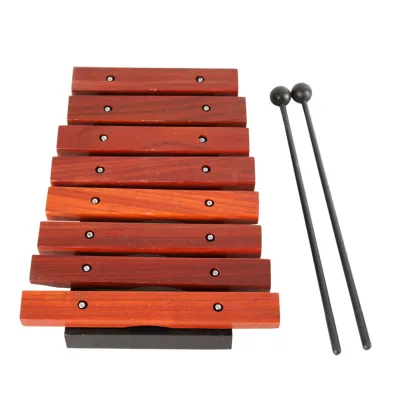
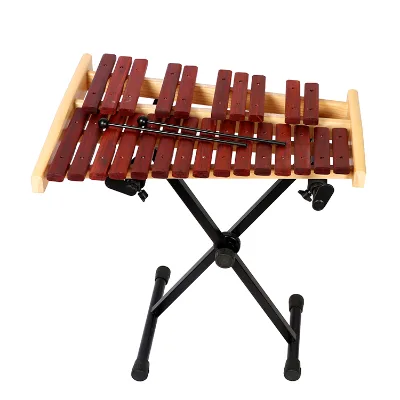
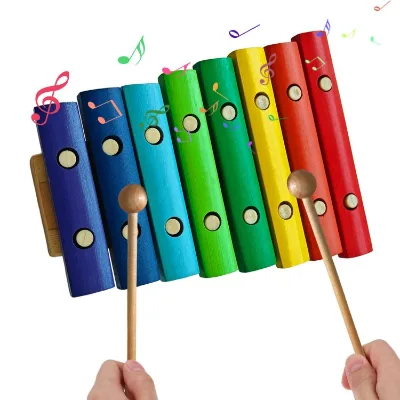
Wooden Xylophone Keys Percussion Musical Instrument Kids Educational Toy
$5.68 - $6.38
MOQ: 500 Pieces

Quanzhou Badu Electronic Technology Co., Ltd.
- Verified by TUVRHEINLAND
- Combined
- China Fujian
- Lead time23 days
- Avg. response≤ 9h
Main productsPiano
Main marketsSouth America


61 Keys Multi-Functional Music Instrument Electronic Keyboard Organ for Supplier
$11.14 - $13.75
MOQ: 50 Pieces

TIANJIN ARCHER IMP. & EXP CO., LTD
- Verified by SGS
- Trading Company
- China Tianjin
- Lead time30 days
- Avg. response≤ 3h
Main productsMusical Instrument, Saxophone, Trumpet, Flute, Guitar, Violin, Drum, Percussion, Accordion, Keyboard
Main marketsSouth America,East Asia(Japan/ South Korea),Europe


Clarinet Professional 17 Key ABS Body Clarinet Musical Instrument with Case
$54.50 - $70.90
MOQ: 5 Pieces
Alwaysfaith International Trade Co., Ltd. (huizhou)
- Verified by Intertek
- Trading Company
- Lead time0 days
- Avg. response≤ 5h
Main productsUkulele, Electric Guitar, Acoustic Guitar
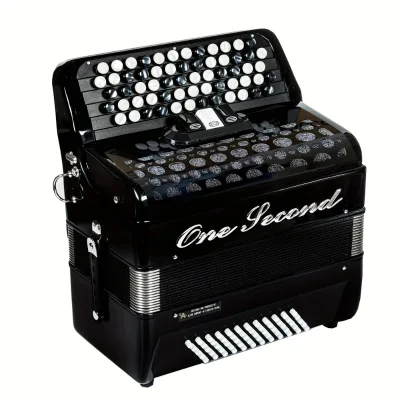
Accordion Keyboard Instrument 37 Keys Professional Examination Grade Playing
$716.1068 - $755.2047
MOQ: 1 pieces

Guangzhou Vines Musical Instruments Co., Ltd
- Verified by TUVRHEINLAND
- Trading Company
- China Guangdong
- Lead time15 days
- Avg. response≤ 8h
Main productsAcoustic Guitar, Electric Guitar, Classical Guitar, Electric Bass Guitar, Ukulele, Guitar Strings, Musical Instrument Accessories, Violin, Guitar Amplifier, Drum Piano
Main marketsAfrica,Europe,North America
- Manufacturer
- Tianjin, China
- Lead time45 days
- Avg. response≤ 3h
Main productsDrum,Melodica,Accordion,Wind Instrument,Guitar
Main marketsSouth America(50.00%), Domestic Market(25.00%), Africa(25.00%)
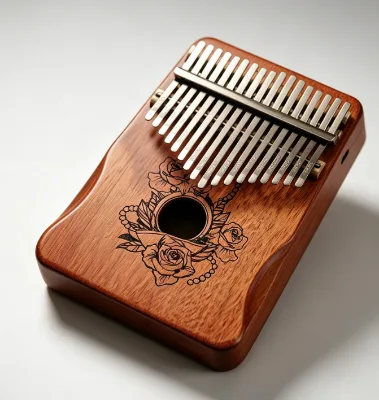
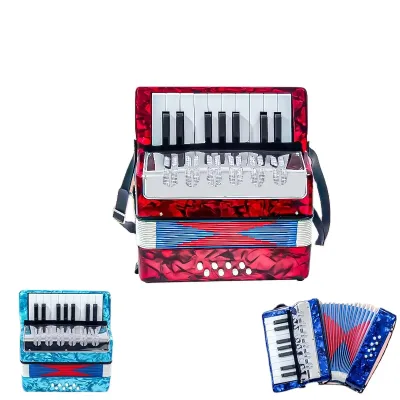
$17.6124 - $25.9002
MOQ: 2 pallets
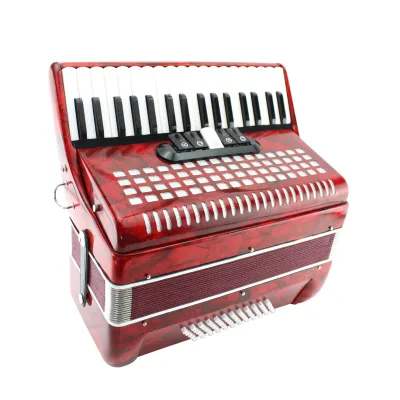

Quanzhou Shengxinyue Intelligent Technology Co., Ltd.
- Verified by SGS
- Combined
- China Fujian
- Lead time30 days
- Avg. response≤ 3h
Main marketsDomestic

Musical Instruments Piano Keys Electronic Piano Keyboard Instrument Digital Piano
$63.50 - $66.50
MOQ: 1 Pieces


Keyboard Instruments Electric Piano Keyboard Digital Piano Music Instrument Piano for Sale
$43.50 - $46.00
MOQ: 1 Pieces

Piano Keyboard 88 Keys Digital Keyboard Instruments Piano Music Keyboard Piano
$63.50 - $66.50
MOQ: 1 Pieces

Music Keyboard Instruments Piano Electric Piano Keyboard Digital Piano Acoustic
$97.00 - $102.00
MOQ: 1 Pieces

Music Instrument Piano Keyboard Electric Piano Digital Electronic Piano Professionnel
$63.50 - $66.50
MOQ: 1 Pieces
Alwaysfaith International Trade Co., Ltd. (Huizhou)
- Trading Company
- Lead time旺季: "1 - 60":25,"> 60":"To be negotiated", 淡季: "1 - 60":25,"> 60":"To be negotiated"
- Avg. response≤ 6h
Main productsUkulele, Electric Guitar, Acoustic Guitar
Shenzhen Casdony Technology Co., Ltd.
- Manufacturer, Trading Company
- Lead time旺季: "1 - 100":10,"> 100":"To be negotiated", 淡季: "1 - 100":10,"> 100":"To be negotiated"
- Avg. response≤ 13h
Main productsguitar accessory,music toy,drum accessory,music effect,woodwind
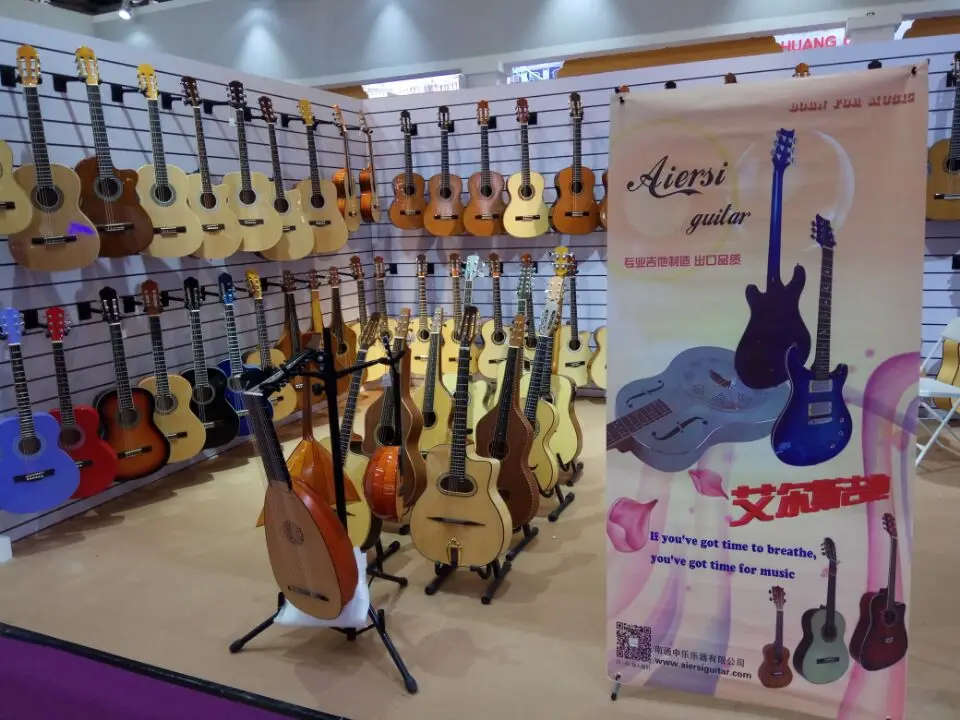
Nantong Sinomusic Enterprise Limited
- Manufacturer, Trading Company
- Jiangsu, China
- Lead time30 days
- Avg. response≤ 6h
Main productsViolin/Viola/Cello,Guitar/Bass/Ukulele,Keyboard/Piano/Organ,Wood/Brass Instruments,Musical Accessories
Main marketsNorth America(15.00%), Domestic Market(12.00%), Western Europe(10.00%), Eastern Europe(10.00%), South America(9.00%), Oceania(8.00%), Southeast Asia(7.00%), South Asia(7.00%), Southern Europe(7.00%), Eastern Asia(5.00%), Africa(4.00%), Northern Europe(2.00%), Central America(2.00%), Mid East(2.00%)

Shandong Yunshan Musical Instrument Manufacturing Co., Ltd.
- Verified by TUVRHEINLAND
- Trading Company,Manufacturer/Factory
- China Shandong
- Lead time15 days
- Avg. response≤ 10h
Main productsSaxophone, Flute, Clarinet, Trumpet, Brass Instrument, Woodwind Instrument, Percussion Instrument, Tuba, String Instrument, Keyboard Instrument
Main marketsSouth America,Eastern Europe,Mid East,North America,Southeast Asia,Eastern Asia,Oceania,Western Europe,Africa

Nantong Sinomusic Enterprise Limited
- Manufacturer/Factory
- China Jiangsu
- Lead time38 days
- Avg. response≤ 12h
Main productsStringed Instruments, Violin/Viola/Cello, Guitar/Bass/Ukulele, Keyboard Instruments, Digital Piano, Woodwind Brasswind, MIDI Controller, Percussion
Main marketsSouth America,Eastern Europe,Mid East,North America,Southeast Asia,Eastern Asia,Oceania,Western Europe,Africa

Nantong Emuse Musical Instruments Co., Ltd.
- Trading Company
- China Jiangsu
- Lead time30 days
- Avg. response≤ 9h
Main productsViolin, Guitar, Cello, Classic Guitar, Double Bass, Acoustic Guitar, Ukulele, Electric Guitar, String Instruments Accessories, Violin Bow
Main marketsSouth America,Others(foreignTradeCapacity.exportBusinessCapacityMarketOther),Europe

- Verified by TUVRHEINLAND
- Manufacturer/Factory
- China Jiangsu
- Lead time0 days
- Avg. response≤ 2h
Main productsMusical Instruments, Violin, Viola, Cello, Guitar, Violin Case, Guitar Case, Stringed Accessories, Wind Instrument, Percussion
Main marketsSouth America,Eastern Europe,Mid East,North America,Southeast Asia,Eastern Asia,Oceania,Western Europe,Africa

Jin Ming Musical Instruments Co., Ltd.
- Verified by SGS
- Combined
- China Shandong
- Lead time30 days
- Avg. response≤ 7h
Main productsFlute, Saxphone, Clarinet, Trombone, Trumpet, Bassoon, French Horn, Tuba, Piccolo, Oboe
Main marketsEurope,North America
Langfang Yonghe Musical Instrument Co., Ltd.
- Verified by SGS Group
- Manufacturer, Trading Company
- Lead time20 days
- Avg. response≤ 3h
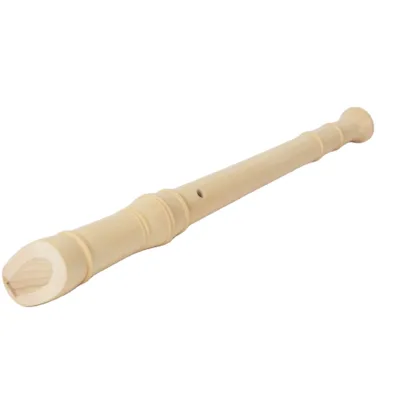
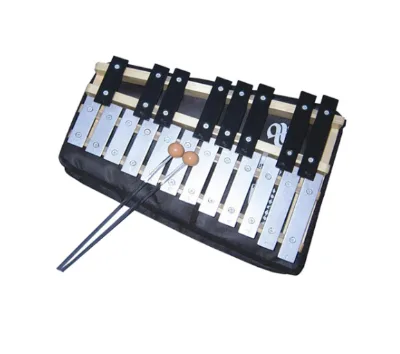
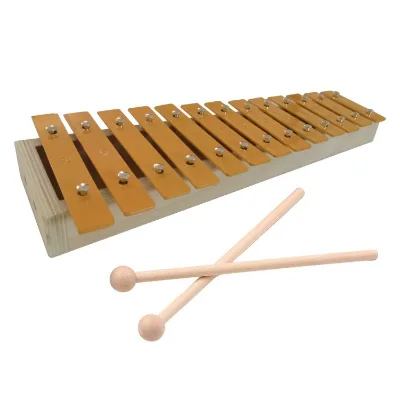
Main productsMaracas, Tambourine, Drums, Xylophones, Hand Bell
Main marketsWestern Europe(50%), Eastern Europe(20%), North America(10%)
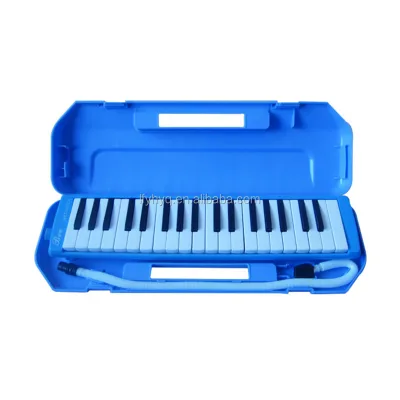
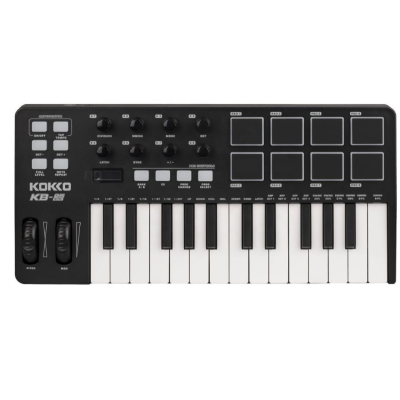
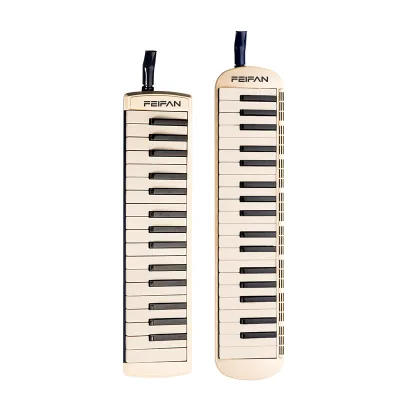
Wholesale Factory Musical Instruments Piano Keyboard 37 Key Professional Melodica
$16.8883 - $18.6491
MOQ: 1 pieces
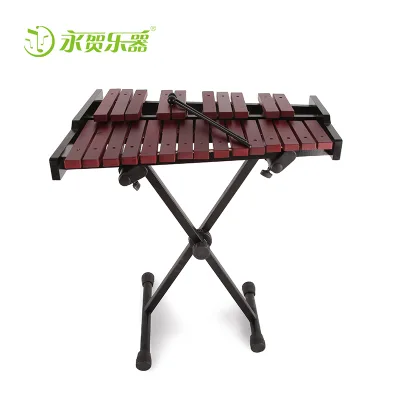
Tianjin Focus Import & Export Trade Co., Ltd.
- Trading Company
- Tianjin, China
- Lead time30 days
- Avg. response≤ 3h
Main productsBrass Instrument, Wood Instrument, Violin, Guitar, Percussion
Main marketsNorth America(30.00%), Western Europe(30.00%), South America(10.00%), Northern Europe(10.00%), Africa(7.00%), Oceania(5.00%), Southern Europe(3.00%), Southeast Asia(3.00%), Eastern Europe(2.00%)

- Verified by TUVRHEINLAND
- Trading Company
- China Fujian
- Lead time23 days
- Avg. response≤ 5h
Main productsYoga Set, Pet Supplies, Sneakers, Sportswear, Underwear, Swimsuit, Sports Equipment, Packaging, Outdoor Product, Solar Energy
Main marketsSoutheast Asia/ Mideast






Comprehensive Sourcing Guide
Key Type Wooden Musical Instrument Supplier Concentration and Factory Types
Key type wooden musical instruments, including toy pianos, xylophones, and small keyboard-style instruments for children, are sourced heavily from China, and the supplier results for this category confirm activity in Zhejiang and Fujian. Zhejiang suppliers in this dataset list main products spanning wooden toys, Montessori materials, wooden puzzles, blocks, train sets, dolls, and chess, with wooden musical instruments sitting inside a broader wooden toy portfolio. A Fujian-based company in the results focuses on pianos and electronic keyboards, showing a different specialization entirely. This split matters: some factories treat a wooden xylophone or practice piano as one SKU among many wooden toys, while others build entire product lines around keyboard instruments in plastic and electronic formats.
Company type also varies. The results show Trading Company and Manufacturer/Factory labels, plus a Combined type, which indicates that some suppliers intermediate production while others control their own lines. For buyers, this distinction affects pricing layers, quality control access, and customization depth. The Zhejiang wooden toy suppliers list OEM, ODM, and own brand capability, and the Fujian piano specialist lists ODM, OEM, and own brand as well, so customization is broadly offered, but the underlying factory identity should still be confirmed. When no cluster is documented for a specific instrument variant, buyers should map clusters themselves by filtering search results by province, cross-checking main product lists, and asking each candidate which factory physically produces the instrument they intend to order.
How to Verify Key Type Wooden Musical Instrument Suppliers
Verification starts with the platform credentials shown on each profile and continues with evidence you request directly. In the current results, one Zhejiang wooden toy supplier is verified by SGS and lists system certifications including BSCI, OHSAS/OHSMS 18001, ISO 9000/9001, and ISO 14000/14001. The Fujian piano and keyboard specialist is verified by TÜV Rheinland and holds an ISO9001:2015 certificate. Product-level claims matter too: one wooden practice piano listing states CE and ASTM certification, which is a category-relevant safety claim for a toy aimed at children aged 3 to 8. Never accept these labels at face value alone; request certificate copies matching the exact model you plan to order and check that the certificate holder name matches the exporting entity.
Beyond documentation, verify production reality. Ask whether the supplier is a manufacturer, a trading company, or a combined operation, and request photos or a live video walkthrough of the workshop where wooden bodies are cut, sanded, painted, and assembled. For keyboard instruments, ask who supplies the metal keys, sound mechanisms, or electronic modules, since sub-assembly quality drives tuning stability and durability. Check response behavior as a proxy for service: response times in the results range from roughly three hours to over eight hours, and slower replies before ordering rarely improve afterward. Finally, confirm that the legal entity on the invoice, the certified entity, and the platform profile are all the same company before transferring any deposit.
What to Compare Across Key Type Wooden Musical Instrument Suppliers
Build a comparison table from the attributes actually displayed on supplier profiles, and mark anything missing as "verify" rather than assuming. Useful dimensions in this category include location, company type, main products, verification body, system certifications, response time, stated lead time, MOQ, and customization capability. In the current results, the Zhejiang wooden toy supplier shows a 60-day lead time, a response time near 2.97 hours, SGS verification, and OEM/ODM/own-brand capacity, while the Fujian keyboard specialist shows a 23-day lead time, a response time near 8.63 hours, TÜV Rheinland verification, and ODM/OEM/own-brand capacity. A fourfold lead time gap is commercially significant if you are timing a seasonal launch, but a slower responder with a shorter production cycle may still ship sooner overall.
Compare products, not just companies. One wooden practice piano is quoted between 103.70 and 103.80 per unit with an MOQ of 1,000, constructed with solid wood keyboard and soundboard, composites shell, and sea-freight packing. Wooden xylophone listings run 5.68 to 6.38 with an MOQ of 500. The Fujian electronic keyboards span roughly 7.34 to 24.72 with an MOQ of 50 pieces, plastic ABS construction, and color options like black, pink, white, and red. Note which listings show prices and MOQs and which do not; absence of a displayed figure is not a promise of better terms, only a signal to request a quotation keyed to your specification, volume, and packaging requirements.
Common Key Type Wooden Musical Instrument Sourcing Risks
The most frequent risk in this category is material substitution. Wooden keyboard instruments depend on solid wood for the keyboard and soundboard, and a supplier may quote solid wood on the sample run but shift to composites or thinner stock at production volume to protect margin. One listing in the results explicitly pairs a solid wood keyboard and soundboard with a composites shell, which is a legitimate design, but you should pin down which surfaces are wood and which are not, in writing, with material grades. Paint and finish compliance is a second risk: instruments for children aged 3 to 8 must meet the toy safety standards the supplier claims, so verify CE and ASTM documentation against the specific model rather than the product family.
Production drift is another recurring problem. Tuning accuracy, key action consistency, and glue joint strength vary between production batches, especially when a supplier subcontracts the metal or electronic components. A related risk is category mismatch: some suppliers in this dataset are primarily wooden toy generalists, others are keyboard specialists, and a factory strong at puzzles and blocks may not control acoustic quality the way a piano-focused producer does. Finally, beware of logistics surprises. The practice piano listing specifies sea freight packing with a carton standard of 65 by 26 by 13.5 centimeters, so confirm carton dimensions, stack strength, and drop-test expectations early, because dense wooden instruments damage easily when packaging is treated as an afterthought.
Key Type Wooden Musical Instrument Regional Sourcing and Logistics
The documented locations in this category are Zhejiang and Fujian, and each carries different logistics implications. Zhejiang sits within China's eastern coastal export corridor with mature access to major ports, which suits the sea-freight packing approach stated for the wooden practice piano listing. Fujian also fronts the coast and serves keyboard instrument exports, with product listings stating origins in Fujian, China. Both provinces are established export regions for toys and musical instruments, but you should confirm the actual loading port with each supplier, because inland factory addresses can add domestic trucking time and cost before goods even reach a vessel. For a 60-day stated lead time from a wooden toy producer versus 23 days from the keyboard specialist, factor in port cut-off schedules and peak-season vessel congestion when building your timeline.
Packing and freight class deserve attention specific to this category. Wooden instruments are rigid, moderately heavy, and vulnerable to chipped paint and detuned mechanisms, so ask whether cartons include foam corners, molded inserts, or double boxing for retail-ready units. One listing offers color box or original mail box packing for electronic keyboards, a choice that affects both unit volume and e-commerce readiness. If you sell online, mail-box packing reduces dimensional weight; if you sell retail, color boxes must survive container handling. Always request a pre-shipment sample packed exactly as it will ship, not a bare sample, and verify carton markings, barcode placement, and any language requirements before approving mass production.
Key Type Wooden Musical Instrument Commercial Terms and Order Planning
Order planning should reconcile MOQ, price tiers, and lead time against your sell-through forecast. The displayed figures illustrate the range: the wooden practice piano carries an MOQ of 1,000 at 103.70 to 103.80 per unit, the wooden xylophone carries an MOQ of 500 at 5.68 to 6.38, and the Fujian electronic keyboards accept 50 pieces with prices from 7.34 to 24.72 depending on model. Lower MOQs reduce inventory risk but usually raise unit cost, while a 1,000-piece commitment on a premium item demands confidence in demand. Negotiate tiered pricing beyond the quoted minimums and ask whether the displayed price includes certification costs, custom colors, or branded packaging, since customization is listed as available across these suppliers but rarely free.
Payment and milestone structure should follow verification, not precede it. Use secure payment arrangements where available and stage payments against sample approval, production completion, and pre-shipment inspection results rather than paying large sums upfront. Build a calendar backward from your target market date: add the stated lead time, sampling cycles, certification checks, and freight time, and remember that a 60-day production window plus ocean transit can consume a full quarter. Confirm incoterms, ask who arranges freight and insurance, and document tolerance for minor defects in the purchase contract. Renew certificate validity checks annually, because ISO, BSCI, and CE documentation lapses between orders more often than buyers expect.
Word count check (sections): each section ~228–232 words; total ~1,390 words. Requirements met: six level-2 headings in order, two paragraphs each, keyword headings exact, no supplier names, no URLs.
FAQs
What is the price range for wooden musical instruments?
Prices for wooden musical instruments vary significantly based on type and complexity. Wooden xylophones are available from $5.68 to $6.38 per unit. More complex items like wooden pianos range from $103.70 to $103.80. Buyers should check specific product listings for exact pricing tiers and bulk discounts.
What are the minimum order quantities for wooden toys?
Minimum order quantities depend on the specific instrument type. Wooden xylophones typically require a minimum order of 500 units. Larger wooden pianos often have a minimum order of 1000 units. Electronic keyboards may have lower MOQs starting at 50 pieces. Always verify the MOQ on the product page before placing an order.
How long does production take for wooden instruments?
Lead times vary by supplier location and product type. Suppliers in Zhejiang, China, generally have a lead time of 60 days. Suppliers in Fujian, China, offer faster turnaround times of 23 days. Buyers should confirm specific production schedules with the supplier to ensure timely delivery for their orders.
Are wooden musical instruments safe for children?
Yes, many wooden instruments are designed for children aged 3-8 years. Products often carry safety certifications such as CE, ASTM, and CQC. Materials include solid wood and composites. Buyers should verify age recommendations and certification details on the product page to ensure compliance with safety standards for their target market.
What certifications do wooden instrument suppliers hold?
Suppliers hold various system certifications including ISO 9001, ISO 14001, and BSCI. Product-specific certifications often include CE, ASTM, and CQC. Verification services like SGS and TÜV Rheinland are also used. Buyers should request certification documents to verify compliance with international quality and safety standards for their region.
Can suppliers customize wooden musical instruments?
Yes, customization is available for many wooden musical instruments. Suppliers offer OEM and ODM services for wooden toys and educational materials. Buyers can request custom colors, materials, and packaging. Contact the supplier directly to discuss specific customization requirements and potential additional costs for tailored production runs.