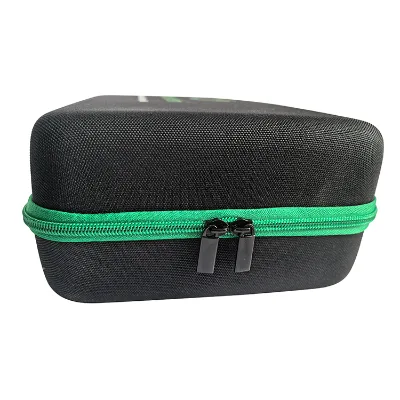
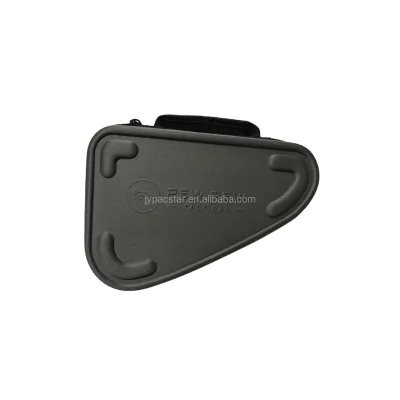
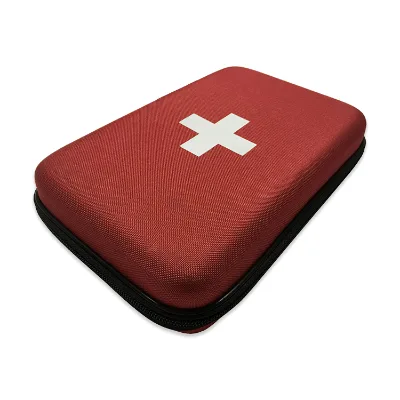
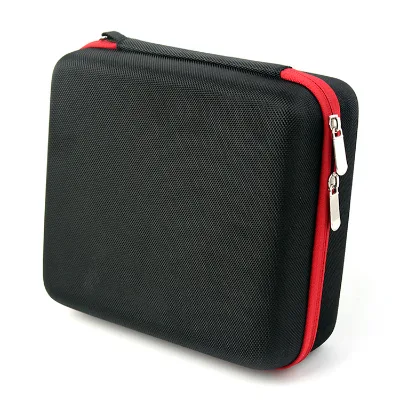
protective zip-able eva carrying case Suppliers and Manufacturers
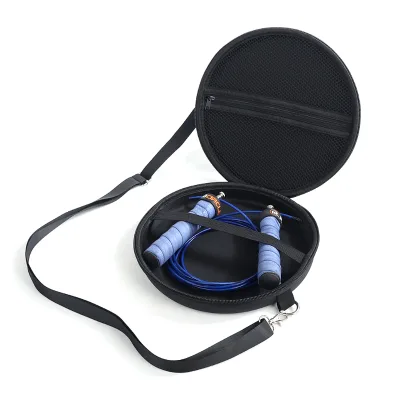
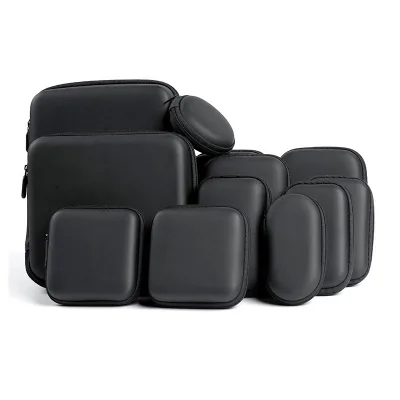
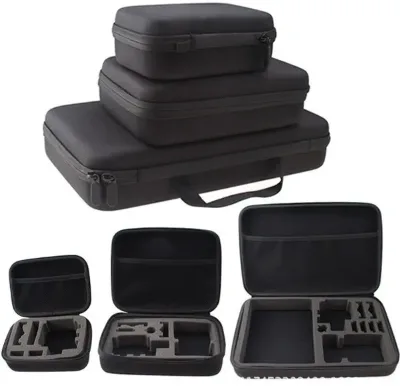
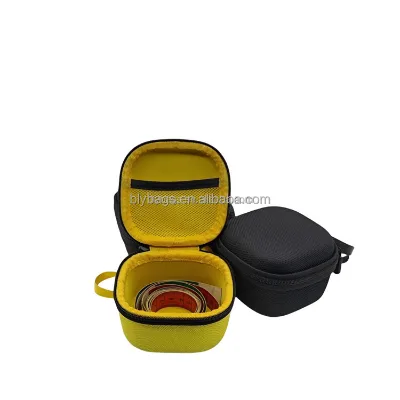
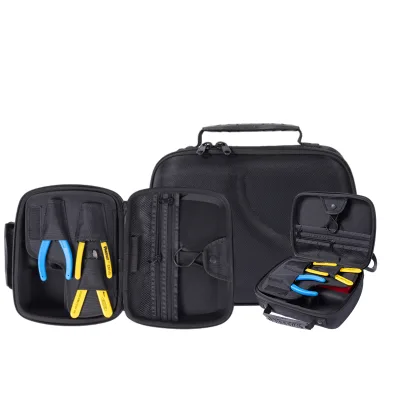
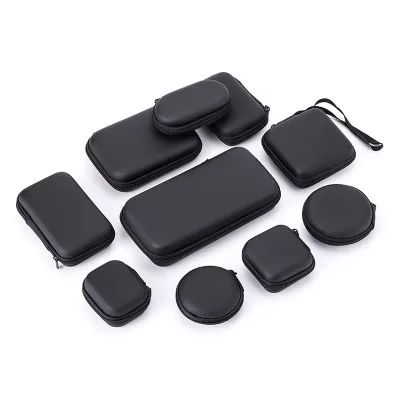
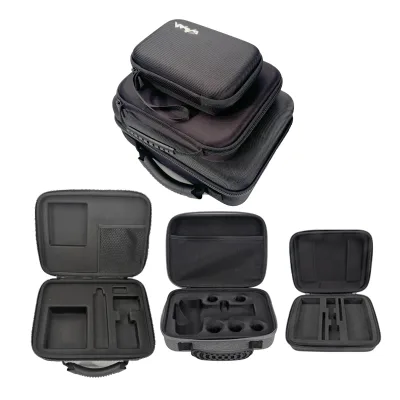
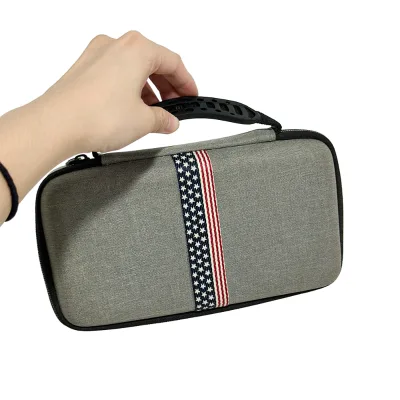
Find 22 verified suppliers offering protective zip-able eva carrying case with OEM and ODM capabilities. Compare dimensions, certifications like ISO 9001, lead times, and prices ranging from 2.00 to 15.00 USD. Contact suppliers directly to request samples; review the available evidence before requesting comparable quotations from suitable candidates.
Updated
Suppliers List

Dongguan Prosperity Sports Goods Co., Ltd.
- Verified by SGS
- Trading Company,Manufacturer/Factory
- China Guangdong
- Lead time23 days
- Avg. response≤ 4h
Main productsEVA Case, EVA Tool Bag, EVA Pouch, Neoprene Can Cooler, Knee Support, Laptop Bag, Neoprene Lunch Bag, Neoprene Beer Cooler, Ankle Support, Waterproof Dry Bag
Main marketsSouth America,Eastern Europe,Mid East,North America,Southeast Asia,Eastern Asia,Oceania,Western Europe,Africa


EVA Storage Case Travel EVA Storage Cables Zipper Case Waterproof EVA Carrying Cable Storage Bag
$5.00 - $12.00
MOQ: 500 Pieces

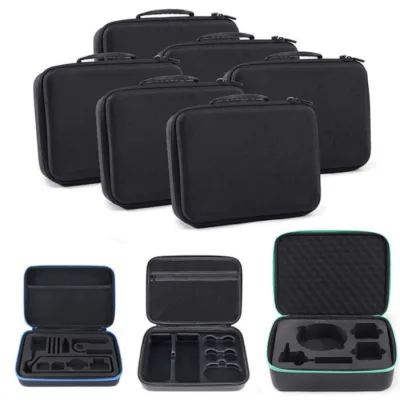
Hard EVA Bag Zipper Case with Foam Storage Carrying Case Storage Case Travel Case Protective Case
$3.00 - $6.00
MOQ: 500 Pieces


$8.00 - $15.00
MOQ: 500 Pieces

Dongguan Naisi Plastic Technology Co., Ltd.
- Verified by Intertek
- Manufacturer, Trading Company
- Lead time25 days
- Avg. response≤ 2h
Main productsEva Case, Eva Laptop Sleeve, Tool Case, Carry Case, Eva Bag
Main marketsNorth America(40%), Western Europe(40%), Eastern Asia(10%)
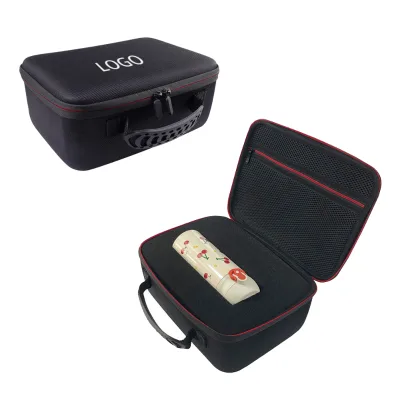
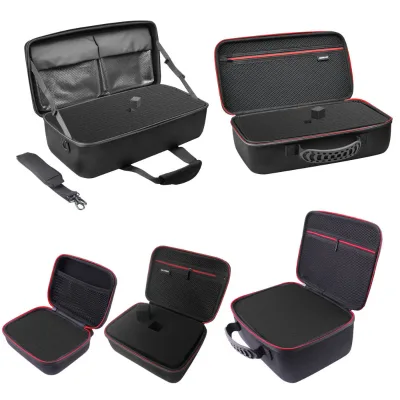
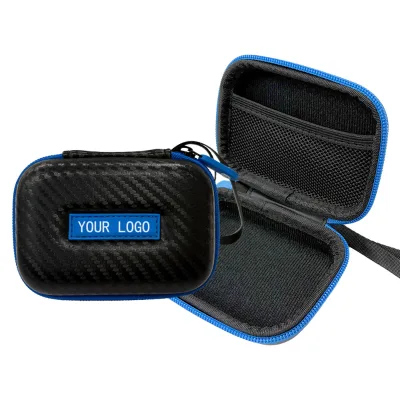
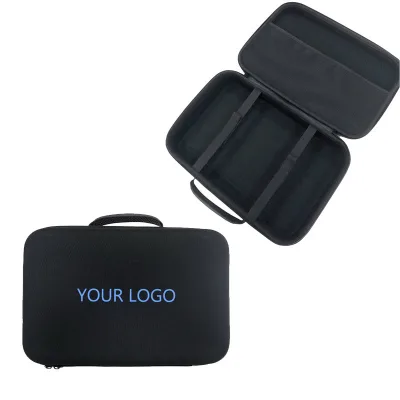
Special Purpose Outdoor Carrying Bag Hard EVA Tools Case for Tool Storage Packing
$2.6886 - $2.9985
MOQ: 200 pieces

- Verified by BV
- Trading Company
- China Zhejiang
- Lead time30 days
- Avg. response≤ 6h
Main productsOEM/ODM Hard Plastic Tool Cases, OEM/ODM Aluminum Cases, OEM/ODM Bags
Main marketsSouth America,Southeast Asia/ Mideast,Europe,North America


Waterproof EVA Zipper Hard Carrying Strorage Pouch Case Carry Protective Case
$2.65 - $3.25
MOQ: 1000 Pieces


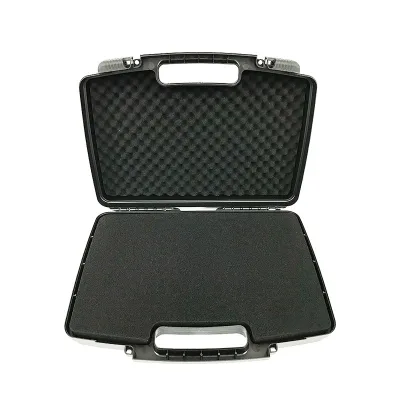
Protective Durable Hard Plastic Waterproof Case Waterproof Equipment Carrying Hard Case
$20.00 - $30.00
MOQ: 50 Pieces

Dongguan Lianping Luggage Products Co., Ltd.
- Verified by BV
- Combined
- China Guangdong
- Lead time23 days
- Avg. response≤ 10h
Main productsEVA Case, EVA Pencil Case, EVA Earphone Case, EVA Headphone Case, EVA Power Bank Case, EVA Tool Storage Case, EVA Camera Case, EVA Electronic Storage Case, EVA Tablet Storage Case, EVA Bra Storage Case
Main marketsSouth America,Africa,Southeast Asia/ Mideast,East Asia(Japan/ South Korea),Europe,Australia,North America


Custom Mechanical Tools Protective Pouch Travel Storage Hard Carrying Case EVA Case
$0.49 - $0.60
MOQ: 1000 Pieces

Durable EVA Hard Zipper Case for Travel Toothbrush Storage Carrying Box Cases
$0.49 - $0.60
MOQ: 1000 Pieces

Custom Portable Protective Shockproof Travel Carrying Hard EVA Tool Case
$1.70 - $2.50
MOQ: 500 Pieces

Protective Portable Hard Shell EVA Storage Case for Electronic Accessories
$0.69 - $1.15
MOQ: 1000 Pieces

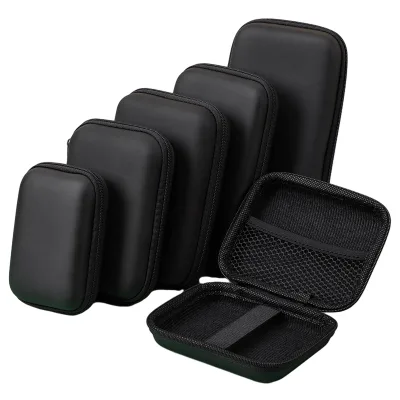
Protective Carrying Customized Eco-Friendly EVA Storage Case with Inner Mesh
$0.99 - $1.29
MOQ: 500 Pieces
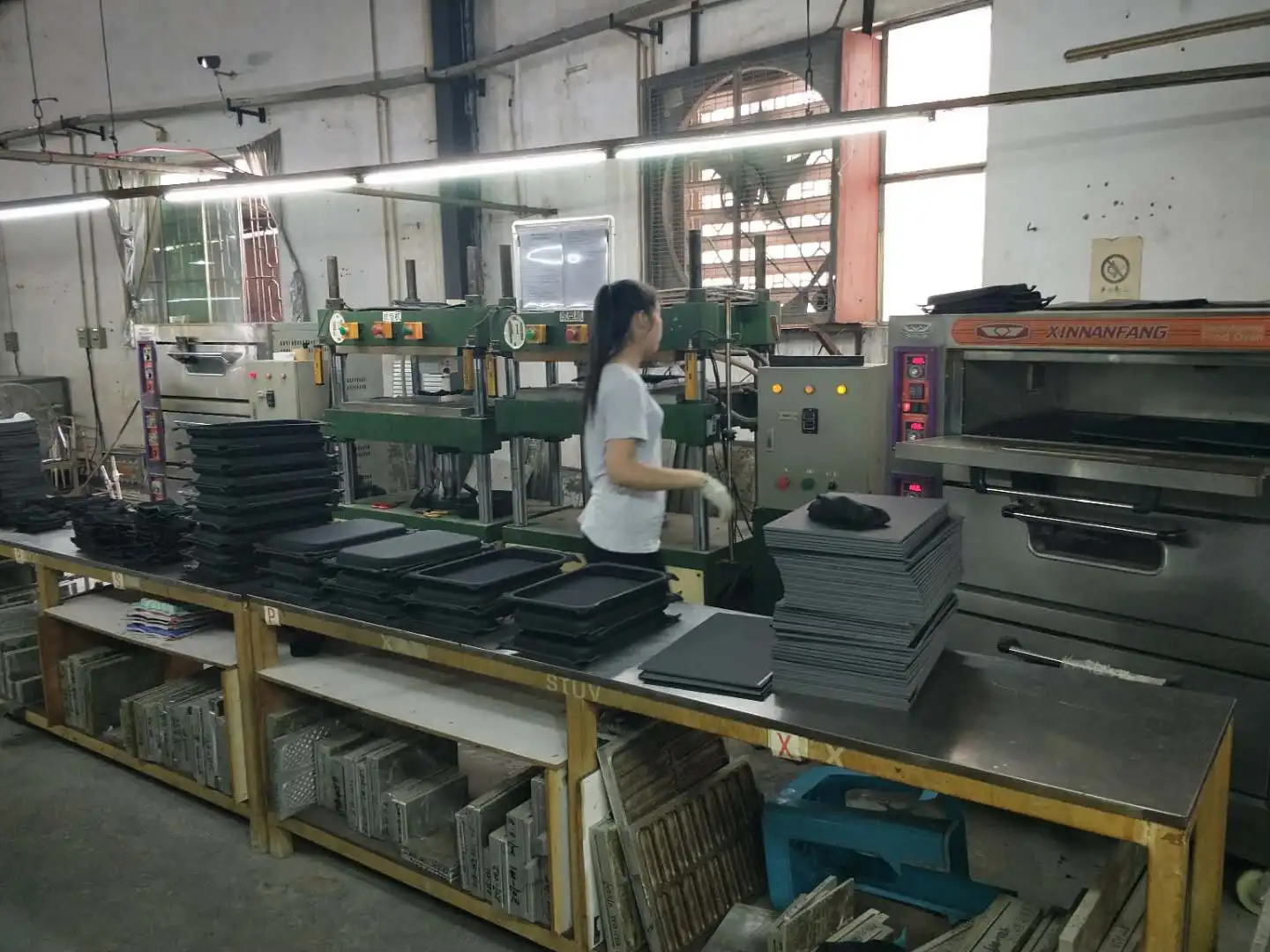
Shenzhen Xinda Package Technology Co., Ltd.
- Manufacturer
- Guangdong, China
- Lead time30 days
- Avg. response≤ 5h
Main productsClear Top Canvas Bag,Tailgate Bag,Car Detailing Tool Bag,Lineman Tool Apron,Hard EVA Case
Main marketsNorth America(40.00%), Oceania(20.00%), Northern Europe(20.00%), Mid East(10.00%), Africa(5.00%), Eastern Asia(5.00%)
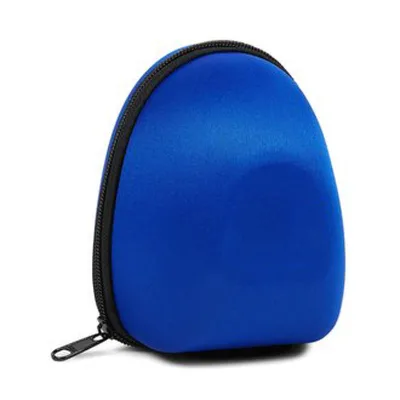
OEM Brand Custom Portable Protective Case Medical EVA Hard Tool Carrying Cases
$4.04 - $7.07
MOQ: 1000 pieces
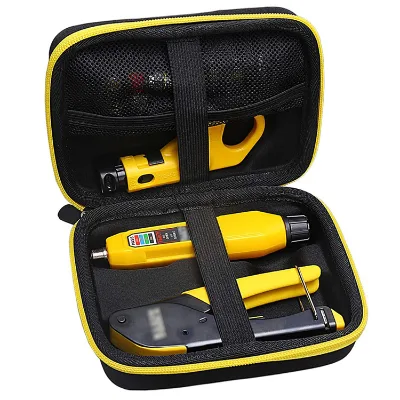
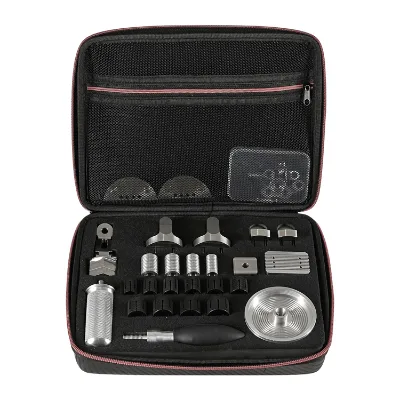
- Verified by Intertek
- Manufacturer, Trading Company
- Lead time30 days
- Avg. response≤ 2h
Main productsEVA Packaging Cases, EVA Mats
Main marketsEastern Europe(25%), North America(20%), Central America(15%)
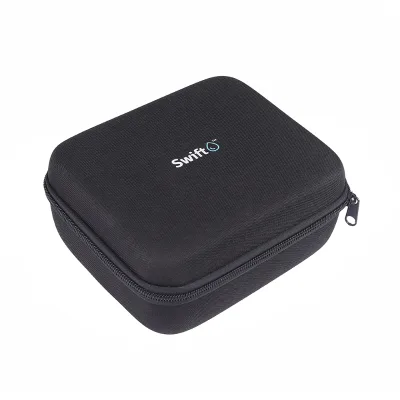
China Factory Supply Essential Zipper Eva Empty Packaging case EVA Tool Carrying Cases
$1.5389 - $1.8458
MOQ: 300 pieces
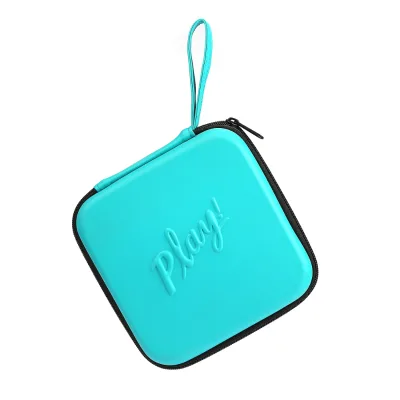
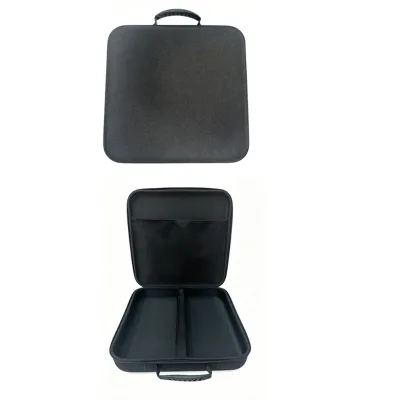
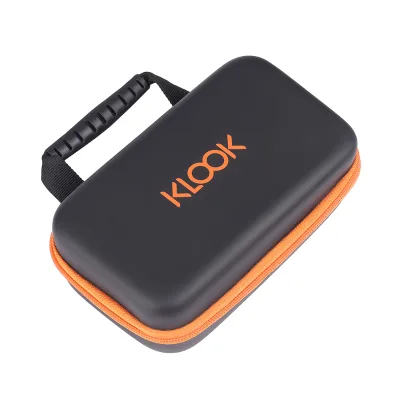

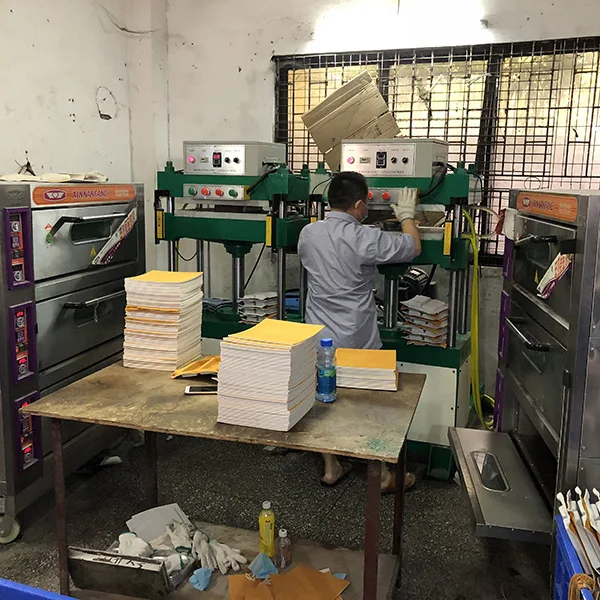
Dongguan Huijin Industrial Co., Ltd.
- Manufacturer
- Guangdong, China
- Lead time30 days
- Avg. response≤ 5h
Main productsEVA Case, EVA Tool Case, EVA Hard Case, Watch Case, Pencil Case
Main marketsWestern Europe(35.00%), North America(30.00%), Domestic Market(25.00%), Southern Europe(5.00%), Eastern Asia(5.00%)
Dongguan Hongjun Packaging Products Co., Ltd.
- Verified by SGS Group
- Manufacturer, Trading Company
- Lead time25 days
- Avg. response≤ 4h
Main productsEVA Case, PU Case, ABS Case, Handbag, Soft Bag
Main marketsDomestic Market(50%), Northern Europe(25%), North America(15%)
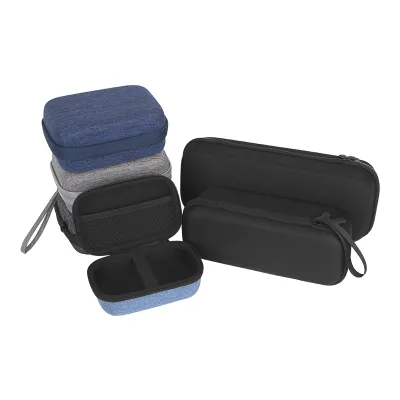
High Quality Customized Shock Proof Hard Material Eva Electronic Zip up Carrying case
$1.5344 - $4.4656
MOQ: 500 pieces
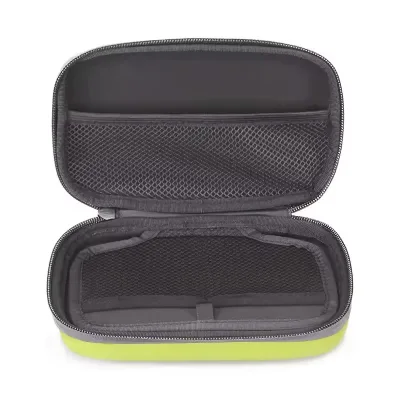
Factory Direct Supply Custom Made Durable Eva Carry case with Print logo
$1.3129 - $3.0569
MOQ: 500 pieces
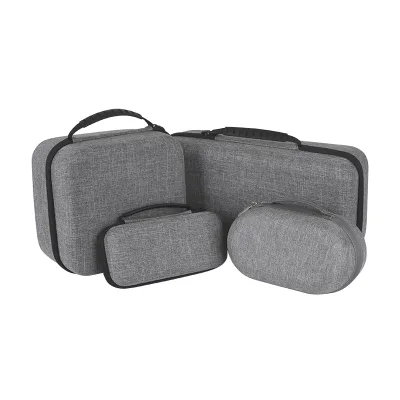
$0.9341 - $2.985
MOQ: 500 pieces
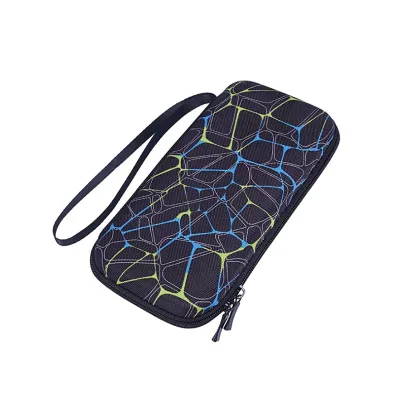
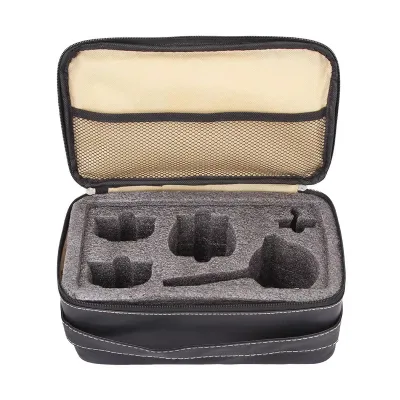
$0.58 - $4.56
MOQ: 500 pieces
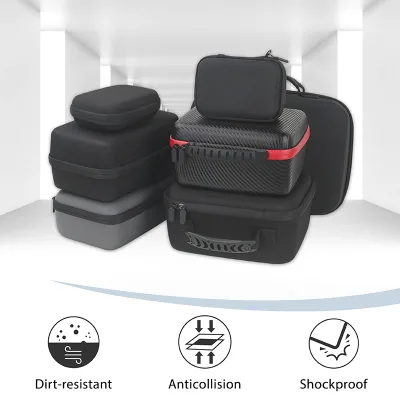
Dongguan BillionHin Luggage Co., Ltd.
- Verified by SGS Group
- Manufacturer, Trading Company
- Lead time30 days
- Avg. response≤ 3h
Main productsEVA Case, EVA Bag, EVA Box, Pencil Case
Main marketsDomestic Market(50%), North America(10%), Southern Europe(10%)
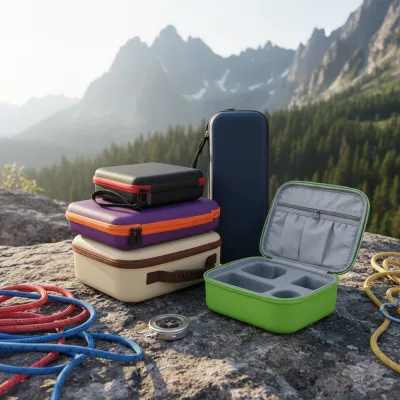
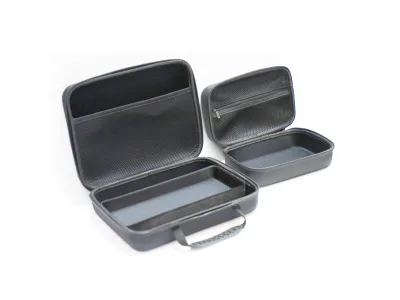
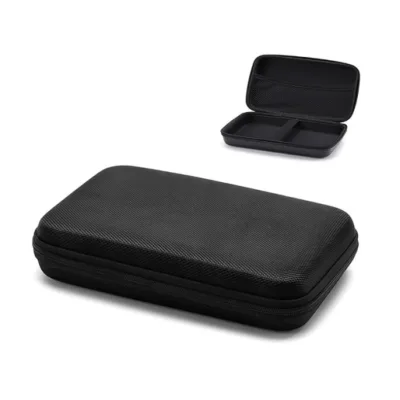
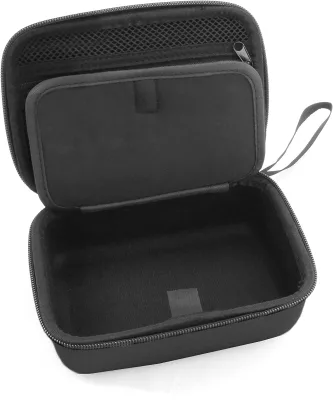
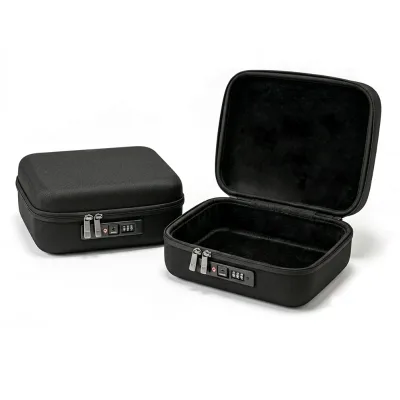
Professional Factory Hard EVA Box Zipper Hard EVA Case for Protective Storage Case
$2.09 - $2.19
MOQ: 500
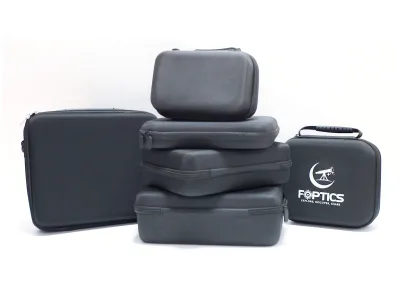
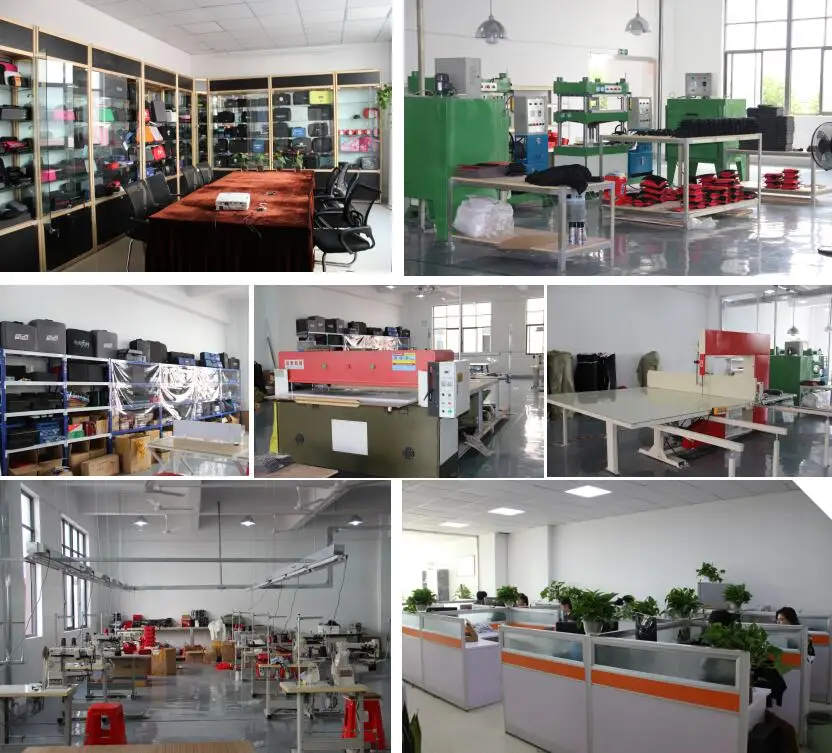
- Manufacturer, Trading Company
- Jiangsu, China
- Lead time25 days
- Avg. response≤ 2h
Main productsEVA Case,Aluminum Case,Plastic Case,EVA Foam,Soft Bag
Main marketsNorth America(26.00%), Northern Europe(20.00%), Western Europe(10.00%), Eastern Asia(10.00%), Eastern Europe(8.00%), Southern Europe(5.00%), Southeast Asia(5.00%), South America(5.00%), South Asia(3.00%), Oceania(3.00%), Domestic Market(3.00%), Mid East(2.00%)
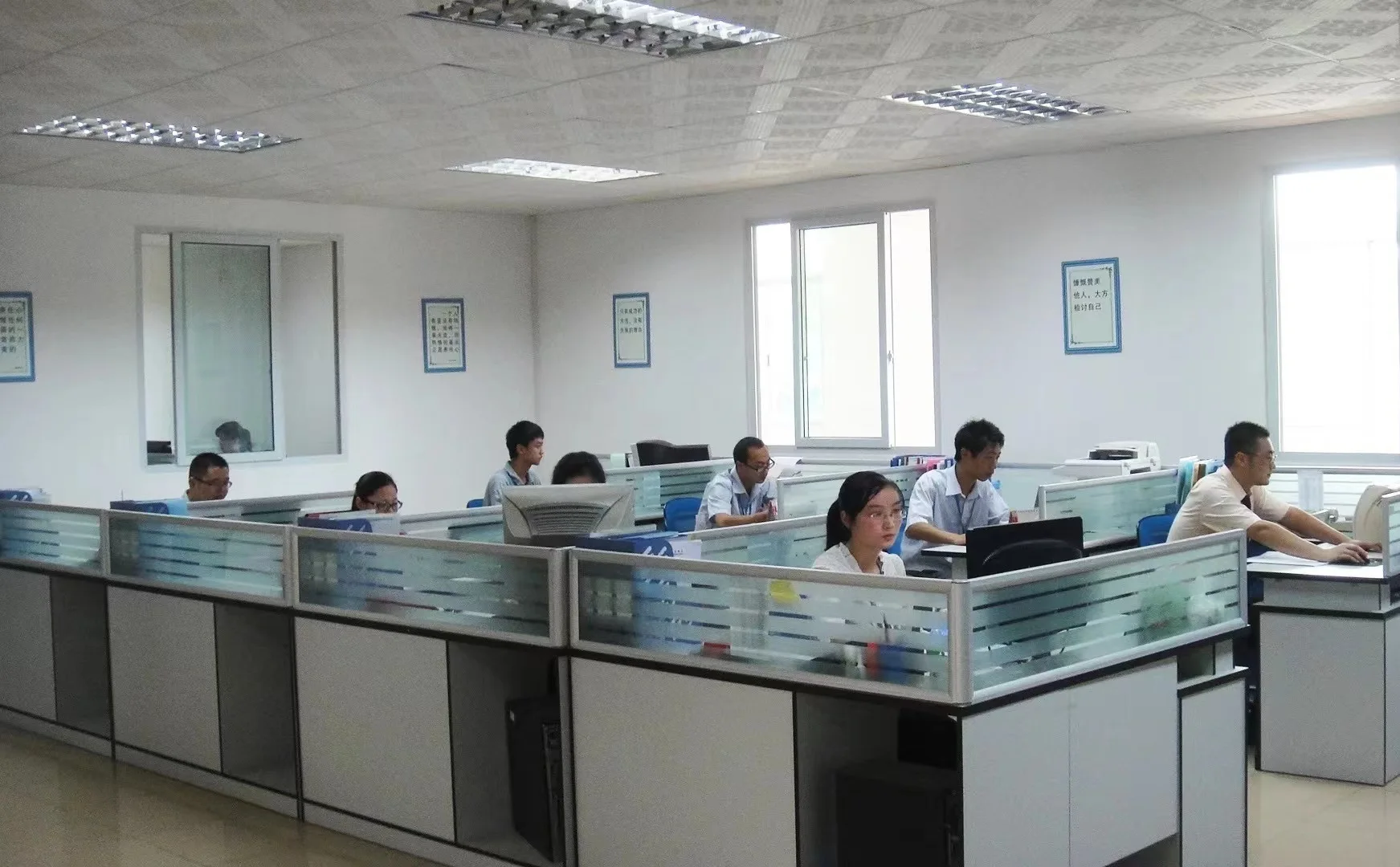
Shenzhen Chengzhi Technology Co., Ltd.
- Manufacturer, Trading Company
- Guangdong, China
- Lead time30 days
- Avg. response≤ 3h
Main productsEVA Storage Case, EVA Hard Drive Case, EVA Speaker Case, EVA Tool Case, Handbag
Main marketsDomestic Market(50.00%), North America(20.00%), Western Europe(15.00%), Eastern Asia(5.00%), Eastern Europe(5.00%), South America(3.00%), Oceania(1.00%), Southeast Asia(1.00%)
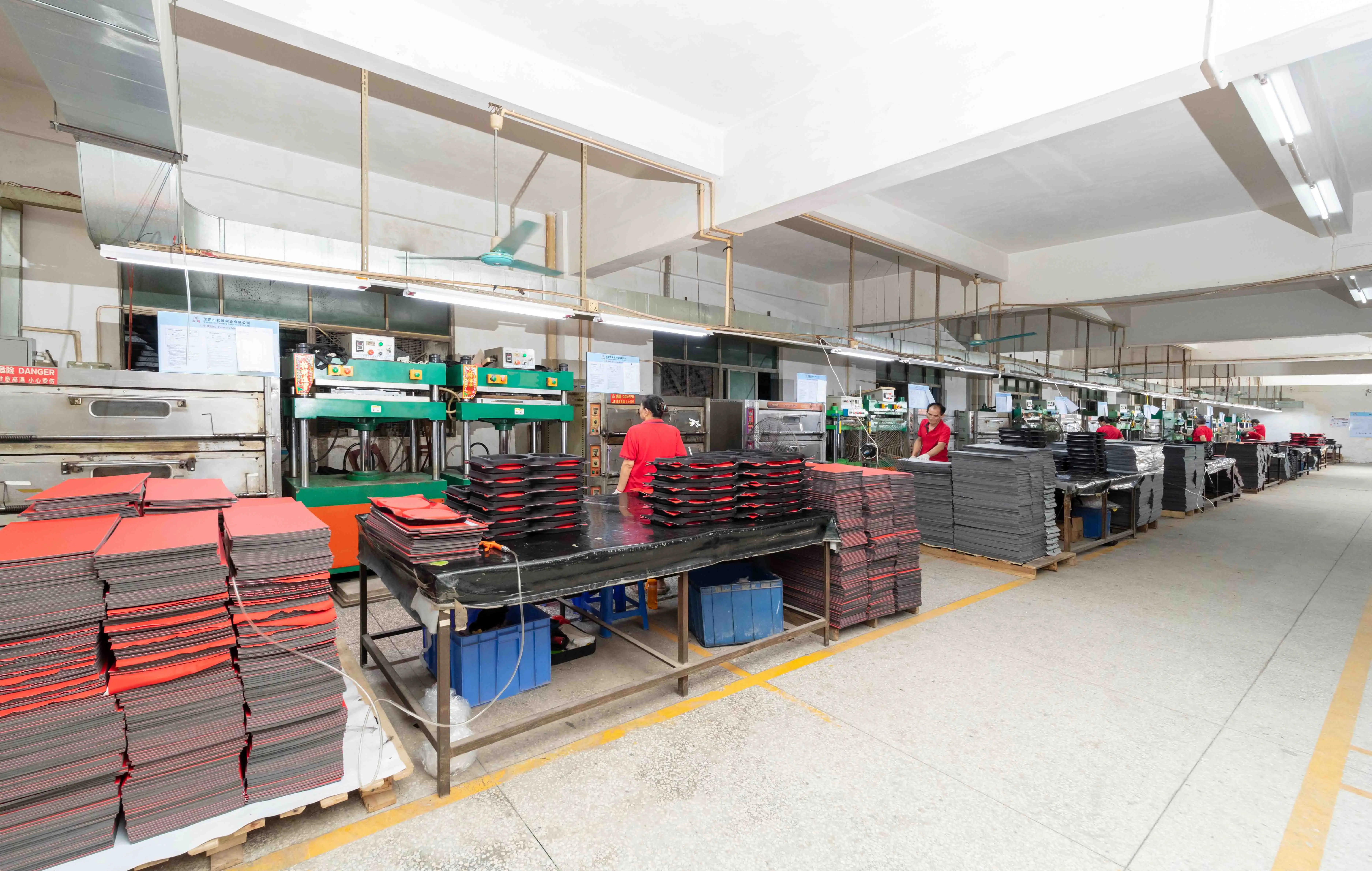
Dongguan Gufeng Industrial Co., Ltd.
- Manufacturer
- Guangdong, China
- Lead time0 days
- Avg. response≤ 1h
Main productseva case,carry case,medical case,abs case,motorcycle bag
Main marketsNorth America(30.00%), Domestic Market(15.00%), Northern Europe(10.00%), Western Europe(10.00%), Southeast Asia(10.00%), Eastern Europe(10.00%), South America(5.00%), South Asia(5.00%), Southern Europe(5.00%)
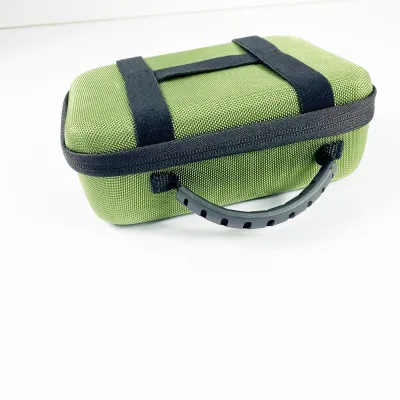
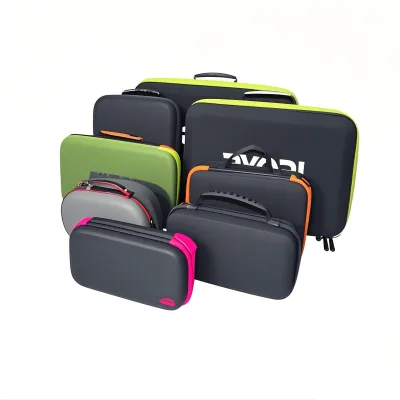
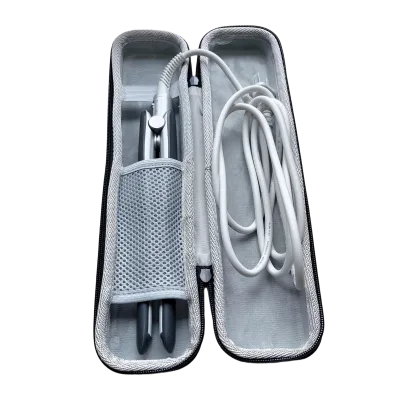
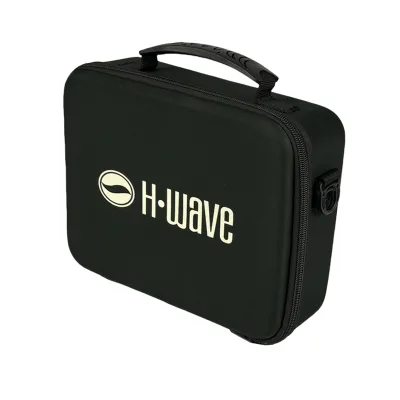
Multi-functional Universal EVA Storage Carry Case Hard Shell EVA Zipper Case With Plastic Handle
$2.2455 - $3.0659
MOQ: 500 pieces
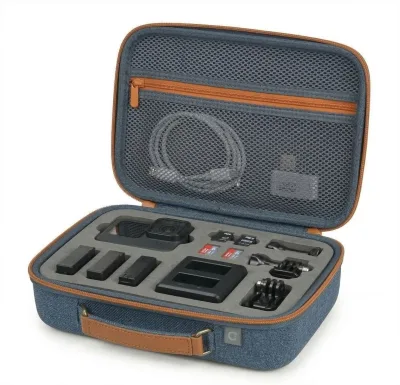
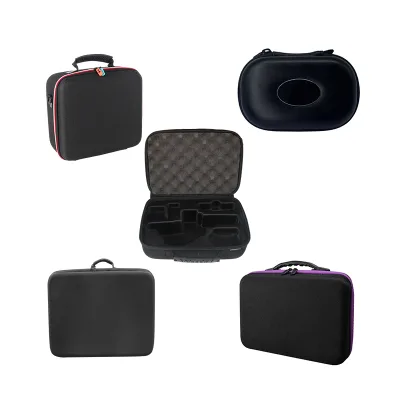
Recycled EVA Case with Insert Mold Custom Carrying Case for Electrician Equipment
$3.3428 - $4.4221
MOQ: 300 pieces
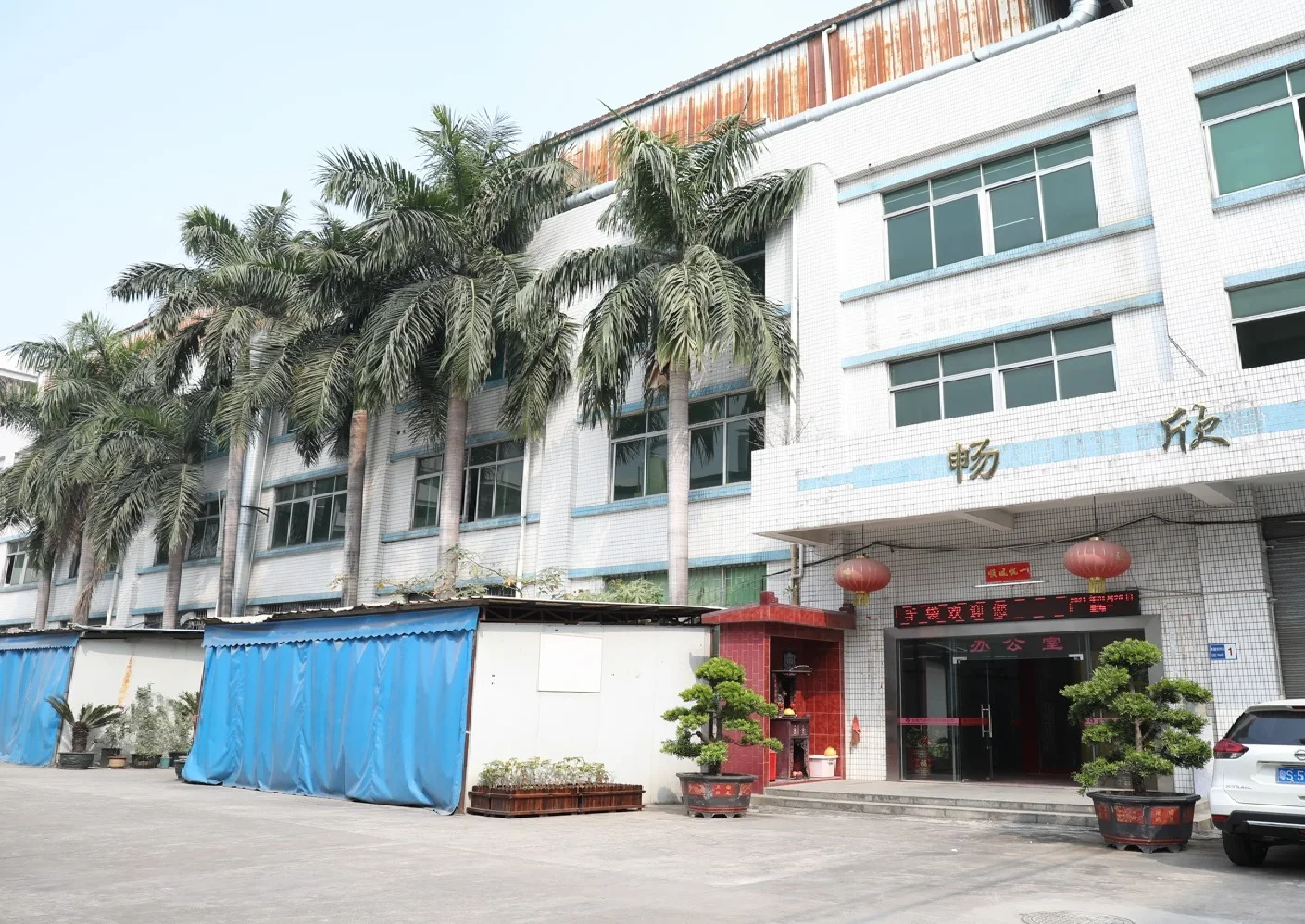
Shenzhen Baoliyuan Bags Co., Ltd.
- Manufacturer
- Guangdong, China
- Lead time30 days
- Avg. response≤ 7h
Main productsEva Game Case,Headphone Bags,Carrying Bag,Storage Bag,Cosmetic Bag
Main marketsEastern Asia(30.00%), North America(25.00%), Western Europe(15.00%), Domestic Market(10.00%), Mid East(10.00%), Oceania(10.00%)
Dongguan Changxin Handbag Co., Ltd.
- Manufacturer, Trading Company
- Guangdong, China
- Lead time15 days
- Avg. response≤ 7h
Main productsCustom Eva Tool Case,Backpacks,Stethoscope Case,Cnc Foam,Hat case
Main marketsSouthern Europe(20.00%), Western Europe(15.00%), Oceania(15.00%), North America(10.00%), Northern Europe(10.00%), Central America(10.00%), Eastern Europe(10.00%), South America(10.00%)

Shenzhen Kasi Teng Technology Co., Ltd
- Manufacturer, Trading Company
- Guangdong, China
- Lead time35 days
- Avg. response≤ 1h
Main productsTool Bag,EVA Case,Car Detailing Bag,Camping Bag,Toiletry Bag
Main marketsNorth America(35.00%), Oceania(20.00%), Eastern Asia(15.00%), Western Europe(15.00%), Northern Europe(10.00%), Mid East(5.00%)
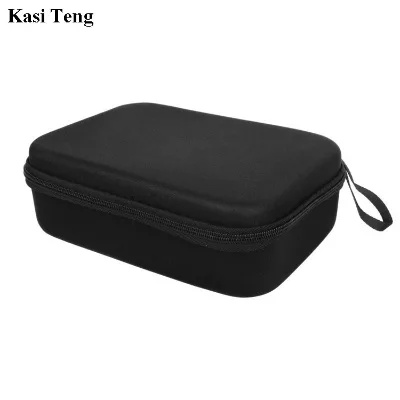
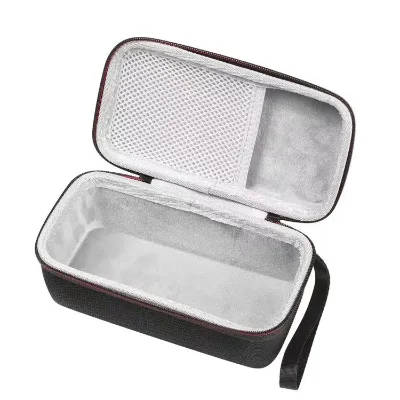
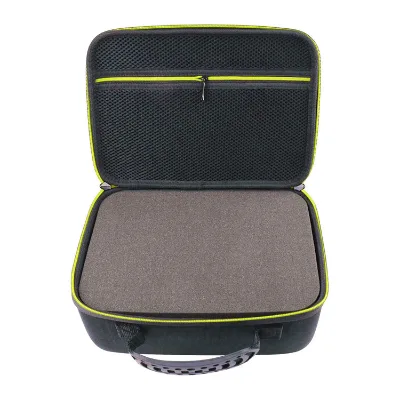
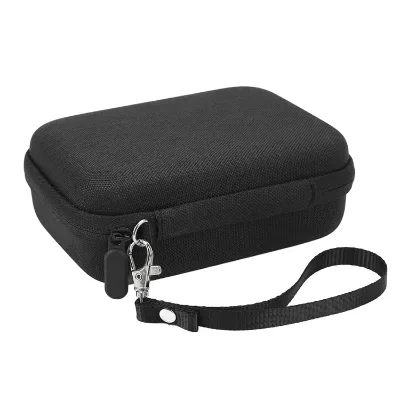
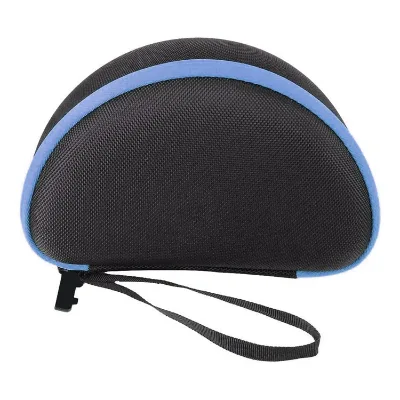
Factory Directly Custom EVA Hard Travel Case for Eyes Protector and Other Small Tool
$2.00 - $3.00
MOQ: 1000
Dongguan Chfine Luggages And Cases Co., Ltd.
- Verified by SGS Group
- Manufacturer, Trading Company
- Lead time5 days
- Avg. response≤ 3h
Main productsEVA Case, EVA Bag, EVA Headphone Case, EVA Tool Case, EVA Glasses Case
Main marketsDomestic Market(40%), North America(30%), Western Europe(20%)
Dongguan North Stars Technology Co., LTD
- Verified by Intertek
- Manufacturer, Trading Company
- Lead time0 days
- Avg. response≤ 2h
Main productsEVA Case, ABS Case
Main marketsEastern Asia(40%), North America(35%), Western Europe(15%)
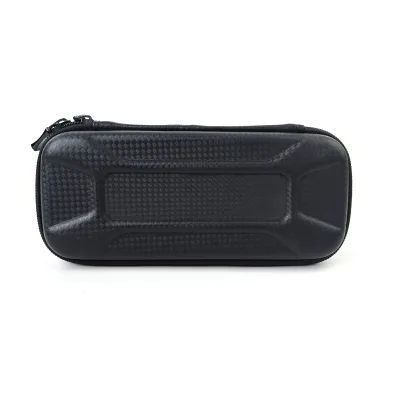
Cheap Custom Tool Case Foam Zipper Tool Carry Case for Protection Portable Travel EVA Hard Case
$2.78 - $3.04
MOQ: 500 pieces
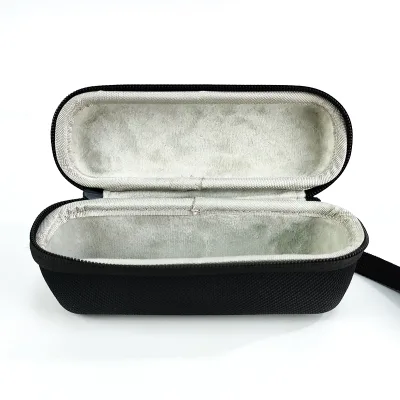
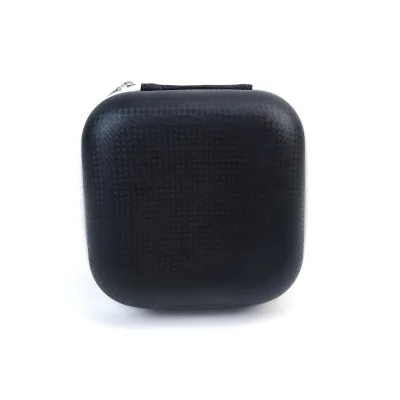
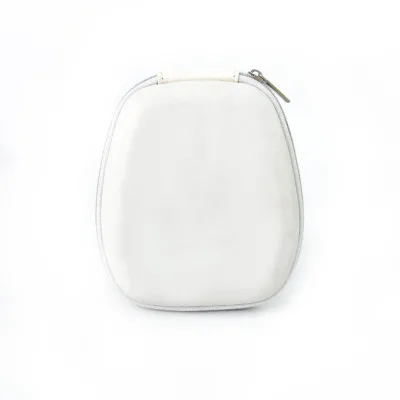
Best-selling White Waterproof Zipper Case Easy to Carry Tool Case EVA Foam Cut-outs Case
$2.0838 - $2.5284
MOQ: 500 pieces

Dongguan Foyu Packaging Technology Co., Ltd.
- Manufacturer, Trading Company
- Guangdong, China
- Lead time30 days
- Avg. response≤ 4h
Main productsEVA CASE,PU CASE,Card holder,Carry case,Cosmetic bag
Main marketsEastern Europe(40.00%), North America(40.00%), Eastern Asia(20.00%)

Jiangyin Chengran Cases And Bags Co., Ltd.
- Manufacturer, Trading Company
- Jiangsu, China
- Lead time25 days
- Avg. response≤ 10h
Main productsEva Case,Eva Box,Eva Bag,Eva Pouch,Non Woven Cloth Bag
Main marketsNorth America(55.00%), Western Europe(20.00%), Domestic Market(10.00%), Mid East(5.00%), Oceania(5.00%), Eastern Asia(5.00%)

Shenzhen Lionstar Technology Co., Ltd.
- Verified by SGS
- Combined
- China Guangdong
- Lead time15 days
- Avg. response≤ 4h
Main productsFace Mask, KN95, 3ply Disposable Face Mask, Protective Face Cover, FFP2 KN95 CE FDA Face Mask, Protective Goggle, Face Shield, Gloves, Gowns, Thermometer
Main marketsAfrica,Europe,North America

Ningbo Sunyoung Enclosure Co., Ltd.
- Verified by TUVRHEINLAND
- Manufacturer/Factory
- China Zhejiang
- Lead time15 days
- Avg. response≤ 6h
Main productsPlastic Case, Aluminum Case, Rotomolded Case, Tool Storage Case, Aluminum Enclosure, Plastic Enclosure, Tool Box, Organizer Box, Cooler Box, EVA Case
Main marketsSouth America,Eastern Europe,Mid East,North America,Southeast Asia,Eastern Asia,Oceania,Western Europe,Africa
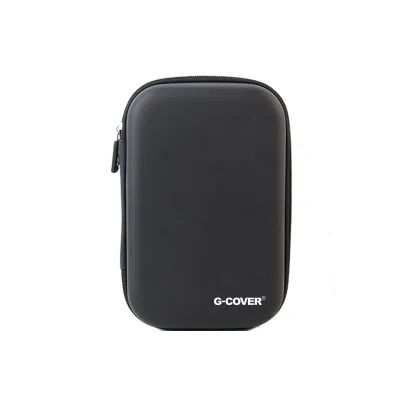
Guangzhou G-Cover Leather Trading Co., Ltd.
- Manufacturer, Distributor/Wholesaler, Other
- Guangdong, China
- Lead time20 days
- Avg. response≤ 2h
Main productsRangefinder Case,laptop bag,6 darts case,Diving material 3C digital bag,Golf Glove Case storage bag
Main marketsNorthern Europe(90.00%), Central America(90.00%), Western Europe(90.00%), South Asia(90.00%), Southern Europe(90.00%), Oceania(90.00%), Southeast Asia(90.00%), Eastern Europe(90.00%), South America(90.00%), North America(90.00%), Mid East(5.00%), Eastern Asia(3.00%), Domestic Market(1.00%)


Comprehensive Sourcing Guide
Protective Zip-Able Eva Carrying Case Supplier Concentration and Factory Types
The current supplier landscape for protective zip-able EVA carrying cases reveals a distinct concentration of manufacturing and trading entities within China, specifically in the Guangdong region. This geographic clustering is significant because it indicates a mature industrial ecosystem where raw material sourcing, mold manufacturing, and assembly lines are co-located, potentially reducing logistical friction for buyers. The observed supplier base includes both Trading Companies and Manufacturer/Factory entities, offering buyers a choice between direct factory engagement and the logistical support of intermediaries. Trading companies often provide broader product assortments, such as neoprene coolers or laptop bags, which might appeal to buyers seeking diversified sourcing from a single partner. In contrast, manufacturers may offer deeper specialization in EVA-specific processes, including foam cutting and shell molding. Understanding this dichotomy is crucial for determining whether the priority is price transparency and direct communication or supply chain flexibility and consolidated shipping. The presence of these varied company types in Guangdong suggests that buyers can find partners aligned with different operational scales, from small batch customizations to large-volume standard production runs.
When evaluating the factory types, it is essential to look beyond the company label and examine the specific capabilities listed in their profiles. Many suppliers in this region advertise OEM and ODM capacities, indicating they can handle custom designs and original equipment manufacturing requests. This is particularly relevant for protective cases, where branding, internal foam customization, and specific dimensional requirements are common. The distinction between a pure trading company and a manufacturer with trading arms can sometimes be blurred, so buyers should verify if the supplier owns the production equipment or merely coordinates with third-party workshops. The concentration in Guangdong also implies access to a robust network of supporting industries, such as zipper suppliers and fabric weavers, which can enhance the quality and speed of production. Buyers should assess whether the supplier’s primary focus aligns with their specific needs, whether that is high-volume standard cases or low-volume, highly customized protective solutions. The regional advantage of Guangdong lies in its infrastructure and supply chain maturity, which can be leveraged for faster turnaround times and consistent quality control, provided the buyer selects a partner with verified operational integrity.
How to Verify Protective Zip-Able Eva Carrying Case Suppliers
Verification is a critical step in mitigating risk when sourcing protective zip-able EVA carrying cases from international suppliers. Buyers should prioritize suppliers who have undergone third-party verification processes, as these provide an independent assessment of the supplier’s business legitimacy and operational capabilities. In the current results, some suppliers are verified by SGS, while others hold Intertek verification. These verifications often include on-site checks of the factory floor, quality management systems, and social compliance standards. Additionally, system certifications such as ISO 9001, ISO 14001, and BSCI are present in the supplier data, indicating adherence to international standards for quality management, environmental management, and social responsibility. These certifications are not merely badges but represent documented processes that can ensure consistent product quality and ethical manufacturing practices. Buyers should request copies of these certificates and verify their validity through the respective certification bodies to ensure they are current and applicable to the specific products being ordered. The presence of these credentials suggests a higher level of professionalism and reliability, reducing the likelihood of fraud or substandard production.
Beyond certifications, buyers should assess the supplier’s responsiveness and communication efficiency as indicators of their operational health. The response time metric, observed at approximately 3.26 hours for some suppliers, provides a quantitative measure of how quickly a supplier engages with potential inquiries. A faster response time often correlates with a more active sales team and better customer service infrastructure, which is vital for resolving issues during the production and shipping phases. Buyers should also look for evidence of product-specific knowledge, such as detailed product attributes including material composition, hardness levels, and waterproofing features. Suppliers who provide comprehensive product data, such as gross weight, bearing capacity, and specific usage scenarios, demonstrate a deeper understanding of their offerings. This transparency allows buyers to make more informed decisions and reduces the risk of miscommunication regarding product specifications. Furthermore, verifying the supplier’s ability to provide samples before placing large orders is a practical step to assess product quality firsthand. By combining verification badges, certification checks, and responsiveness analysis, buyers can build a robust profile of supplier reliability, ensuring that the chosen partner meets their quality and service expectations.
What to Compare Across Protective Zip-Able Eva Carrying Case Suppliers
When comparing suppliers, buyers must evaluate a range of operational metrics to determine the best fit for their specific procurement needs. Key dimensions include lead time, minimum order quantity (MOQ), and price ranges, which directly impact inventory management and cost structure. For instance, some suppliers offer lead times around 23 to 25 days, which is a critical factor for buyers with tight delivery schedules. The MOQ varies significantly, with some suppliers requiring as few as 200 pieces, while others mandate orders of 500 or even 1000 units. This variation allows buyers to align their orders with their sales forecasts and storage capabilities, avoiding excessive inventory costs. Price is another crucial factor, with observed ranges spanning from approximately $2.00 to $15.00 per unit, depending on the complexity, size, and customization level of the case. Buyers should compare these prices against their target margins and ensure that the quoted prices include all relevant costs, such as packaging and basic customization. Additionally, comparing the main products offered by each supplier can reveal their areas of expertise, helping buyers identify partners who specialize in the specific type of EVA case they require.
Beyond quantitative metrics, buyers should assess the customization capabilities and product features offered by each supplier. The ability to customize internal foam layouts, add logos through screen printing or embossing, and select specific colors and sizes is often a deciding factor for branded products. Suppliers that offer OEM and ODM services provide greater flexibility for buyers looking to differentiate their offerings in the market. It is also important to compare the material specifications and functional attributes, such as waterproofing, shockproofing, and durability, which are critical for protective cases. Some suppliers highlight features like partial hardness and big capacity, which may be suitable for specific applications like tool storage or travel gear. Buyers should also consider the supplier’s ability to handle different packaging requirements, such as polybags or cardboard boxes, to ensure the products arrive in optimal condition. By systematically comparing these operational and product-related attributes, buyers can create a shortlist of suppliers that best align with their strategic goals, balancing cost, quality, and service requirements to achieve the best overall value proposition for their business.
Common Protective Zip-Able Eva Carrying Case Sourcing Risks
Sourcing protective zip-able EVA carrying cases involves several inherent risks that buyers must proactively manage to ensure a successful procurement process. One significant risk is the potential discrepancy between sample quality and mass production output. While samples may meet all specifications, bulk orders can suffer from variations in material thickness, zipper durability, or foam density if the supplier lacks rigorous quality control processes. This risk is heightened when working with trading companies that may outsource production to multiple factories, leading to inconsistencies in manufacturing standards. Buyers should mitigate this by implementing strict quality assurance protocols, including pre-shipment inspections and third-party testing for material safety and durability. Another risk is the miscommunication of customization requirements, which can lead to costly rework or rejected shipments. Detailed technical drawings and clear specifications for logo placement, color codes, and internal layouts are essential to avoid misunderstandings. Buyers should also be cautious of suppliers who do not provide transparent pricing structures, as hidden costs for molds, setup fees, or shipping can erode profit margins.
Additionally, supply chain disruptions and lead time delays pose a substantial risk, particularly when sourcing from regions with complex logistics networks. Factors such as raw material shortages, labor issues, or port congestion can extend lead times beyond the quoted estimates, impacting the buyer’s ability to meet market demand. Buyers should maintain open communication with their suppliers and request regular production updates to stay informed of any potential delays. Another risk is the lack of compliance with international standards and regulations, which can lead to customs holds or product recalls. Suppliers must adhere to relevant safety and environmental standards, such as RoHS or REACH, to ensure their products are legal and safe for sale in target markets. Buyers should verify that the supplier’s certifications are up-to-date and applicable to the specific products being ordered. Furthermore, intellectual property protection is a concern when working with OEM suppliers, as designs and logos may be copied or sold to competitors. Buyers should consider implementing non-disclosure agreements and monitoring the market for unauthorized use of their designs. By identifying and addressing these risks early in the sourcing process, buyers can establish a more resilient and reliable supply chain.
Protective Zip-Able Eva Carrying Case Regional Sourcing and Logistics
The regional concentration of suppliers in Guangdong, China, offers distinct advantages and challenges for buyers sourcing protective zip-able EVA carrying cases. This region is a global hub for manufacturing, providing access to a comprehensive supply chain ecosystem that includes raw material suppliers, component manufacturers, and logistics providers. The proximity of these resources can lead to faster production cycles and reduced costs, as suppliers can source materials locally without relying on long-distance imports. However, buyers must also consider the logistical implications of shipping from this region, including transit times, freight costs, and customs procedures. Guangdong’s major ports, such as Shenzhen and Guangzhou, offer extensive shipping routes to global destinations, but buyers should plan for potential delays during peak seasons or due to global supply chain disruptions. Understanding the local logistics landscape is crucial for accurate delivery planning and inventory management. Buyers should work with suppliers who have experience in international shipping and can provide reliable freight forwarding services to ensure timely and cost-effective delivery.
In addition to logistics, buyers should consider the environmental and social impact of sourcing from this region. Many suppliers in Guangdong are increasingly adopting sustainable practices and obtaining certifications such as ISO 14001 for environmental management and BSCI for social compliance. These certifications indicate a commitment to reducing environmental footprint and ensuring ethical labor practices, which can be important for buyers with sustainability goals. Buyers should verify these certifications and inquire about the supplier’s specific initiatives, such as waste reduction, energy efficiency, and fair labor standards. Furthermore, the regional concentration of suppliers facilitates easier communication and collaboration, as time zone differences are minimal compared to sourcing from other parts of Asia. This can enhance the efficiency of product development and problem-solving processes. However, buyers should also be aware of the competitive nature of the market, which can lead to price wars and potential compromises on quality. By carefully selecting suppliers with strong operational and ethical standards, buyers can leverage the advantages of the Guangdong region while mitigating associated risks.
Protective Zip-Able Eva Carrying Case Commercial Terms and Order Planning
Effective order planning and clear commercial terms are essential for successful procurement of protective zip-able EVA carrying cases. Buyers must negotiate terms that align with their cash flow and inventory management strategies, including payment terms, pricing structures, and delivery schedules. Common payment terms may include a deposit followed by balance payment before shipment, or letters of credit for larger orders. Understanding these terms helps buyers manage financial risk and ensure that suppliers are committed to fulfilling their obligations. Pricing should be clearly defined, including any additional costs for customization, packaging, or shipping. Buyers should also clarify the validity period of quotes, as material costs and exchange rates can fluctuate. Lead time commitments are another critical aspect of commercial terms, as delays can have significant downstream impacts. Buyers should include penalties for late delivery in their contracts to incentivize timely performance. Additionally, warranty and return policies should be established to address any quality issues that may arise after delivery.
Order planning involves forecasting demand and aligning production schedules with market needs. Buyers should consider the MOQ
FAQs
What is the typical lead time for these cases?
The typical lead time for these cases is around 23 to 25 days. This duration allows for production and quality checks. Buyers should confirm exact timelines with suppliers before placing orders to ensure timely delivery for their specific project requirements.
What certifications do these suppliers hold?
Suppliers often hold ISO 9001, ISO 14001, and BSCI certifications. Some also possess SEDEX, QC 080000, or RoHS credentials. These certifications indicate adherence to quality and environmental standards. Buyers should verify specific certificates relevant to their market regulations before purchasing.
What is the minimum order quantity for these cases?
The minimum order quantity varies, typically ranging from 200 to 1000 pieces. Some suppliers require 500 units, while others accept orders as low as 200. Buyers should check individual product listings for specific MOQs to align with their inventory needs and budget constraints.
What is the price range for these cases?
Prices generally range from $2.00 to $15.00 per unit. Basic models may cost around $2.00 to $3.85, while specialized or larger cases can reach $12.00 to $15.00. The final price depends on customization, material thickness, and order volume negotiated with the supplier.
What features do these EVA cases offer?
These cases typically offer waterproof and shockproof protection. They feature partial hardness, big or medium capacity, and lightweight designs. Customization options include logo printing and foam inserts. These features ensure safe storage for tools, electronics, and other valuable items during transport or travel.
How quickly do suppliers respond to inquiries?
Suppliers generally respond within 2 to 3.26 hours. Fast response times indicate active customer service teams ready to assist with quotes and specifications. Buyers should expect prompt replies when contacting verified manufacturers or trading companies for immediate sourcing support and clarification on product details.