PU Grip Professional Badminton Racket Suppliers and Manufacturers
Source PU Grip Professional Badminton Racket from 19 verified suppliers. Compare lead times, MOQs, response rates, and certifications to find the right partner. Request samples to verify quality before placing bulk orders; review the available evidence before requesting comparable quotations from suitable candidates.
Suppliers List

Dmantis Sports Goods Co., Ltd.
- Verified by SGS
- Combined
- China Hunan
- Lead time60 days
- Avg. response≤ 1h
Main productsBadminton Shuttlecock, Badminton Racket, Tennis Racket, Tennis Ball, Pickleball Paddle, Table Tennis Ball, Table Tennis Racket, Jump Rope
Main marketsSoutheast Asia/ Mideast,East Asia(Japan/ South Korea),Europe,Australia,North America


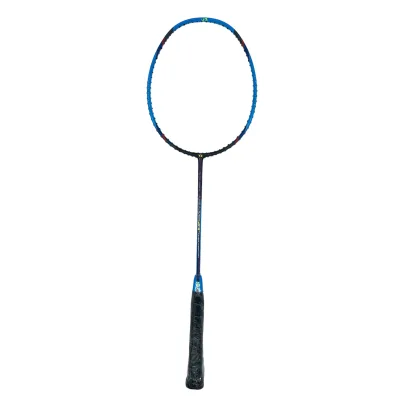
High Quality Wholesale Light Full Carbon Fiber Badminton Racket for Professional Intermediate Senior
$19.60 - $23.60
MOQ: 10 pieces


Tennis Badminton Racket Overgrip Handle Anti-Slip Racket Overgrip Badminton and Tennis
$0.78 - $1.05
MOQ: 500 Pieces
- Trading Company
- Taiwan, China
- Lead time45 days
- Avg. response≤ 12h
Main productsSporting goods
Main marketsWestern Europe(35.00%), Southeast Asia(20.00%), South America(10.00%), South Asia(5.00%), North America(5.00%), Southern Europe(5.00%), Eastern Asia(5.00%), Northern Europe(5.00%), Eastern Europe(5.00%), Mid East(5.00%)

Shishi Chisheng Sports Goods Trading Company (Individual Industrial and Commercial Household)
- Trading Company
- China Fujian
- Lead time0 days
- Avg. response≤ 2h


Shock-Absorbing Personalized Professional Intermediate Carbon Badminton Racket for College Badminton
$16.50 - $22.50
MOQ: 10 piece

Flexible Intermediate Professional Carbon Badminton Racket for Field Day
$16.50 - $22.50
MOQ: 10 piece

OEM Individual Professional Youth Carbon Badminton Racket for Athletic Meet
$16.50 - $22.50
MOQ: 10 piece

Head-Heavy Professional Professional Factory Direct Carbon Badminton Racket for Sports Day
$16.50 - $22.50
MOQ: 10 piece

Head-Light Amateur Professional Carbon Badminton Racket Sporting Good for Outdoor Badminton
$16.50 - $22.50
MOQ: 10 piece
- Verified by SGS Group
- Trading Company
- Lead time15 days
Main productsBadminton Equipment, Pickleball Equipment, Tennis Equipment, Fitness Equipment, Muay Thai Sports Equipment
Main marketsNorth America(30%), Southeast Asia(25%), Domestic Market(20%)
Hangzhou Hongda Sports & Entertainment Co., Ltd.
- Manufacturer, Trading Company
- Zhejiang, China
- Lead time35 days
- Avg. response≤ 2h
Main productsBadminton Racket,Tennis Racket,Squash racket,Pickleball Paddle,Bike accessories
Main marketsWestern Europe(30.00%), Southeast Asia(20.00%), Northern Europe(15.00%), Eastern Europe(5.00%), Southern Europe(5.00%), Eastern Asia(5.00%), Mid East(5.00%), Africa(5.00%), South Asia(5.00%), North America(4.00%), South America(1.00%)

Competition grade professional high tension badminton racket for Home and campus
$1.60 - $1.70
MOQ: 1000 pieces

Hot Selling Fitness Badminton Set Racket Professional Top Rackets for Badminton
$1.45 - $1.57
MOQ: 3000 pieces


Durable Using high resilience ultra light full carbon badminton racket for wholesale
$13.50 - $13.60
MOQ: 500 pieces

Superior elasticity custom logo rackets low prices Half Aluminium badminton racket
$2.10 - $2.15
MOQ: 1000 pieces

Sihong Dexter Sports Goods Co., Ltd.
- Verified by SGS Group
- Trading Company
- Lead time0 days
Main productsBadminton, Badminton Racket, Table Tennis Racket, Basketball, Football
Main marketsDomestic Market(100%)

Pro Steel High-Performance Badminton Racket with High Rigidity and Durable Build
$2.40 - $2.81
MOQ: 10 sets

Factory Directly Provide Advanced Blue Badminton Racket Junior Badminton Racket with Outdoor Bag
$3.20 - $3.50
MOQ: 100 pairs

Nanjing Bewe Intl Trading Co., Ltd.
- Verified by BV
- Trading Company
- China Jiangsu
- Lead time38 days
- Avg. response≤ 18h
Main productsPadel, Beach Tennis, Pickleball Paddle, Volleyball, Squash, Badminton, Golf, Tennis, Soccer Ball, Basketball
Main marketsSouth America,Eastern Europe,Mid East,North America,Southeast Asia,Eastern Asia,Oceania,Western Europe,Africa

- Verified by BV
- Trading Company,Manufacturer/Factory
- China Zhejiang
- Lead time0 days
- Avg. response≤ 8h
Main productsWooden Game, Toy, Outdoor Game, Gareden Game, Racket, Tent, Soccer Ball, Sports

Badminton Double Racket with Ball Badminton Racket Family Training Entertainment Badminton Racket
$2.80 - $3.00
MOQ: 1000 Sets


Badminton Racket Adult and Child Universal Badminton Rod Indoor and Outdoor School Sports Racket
$2.30 - $2.50
MOQ: 1000 Sets

Outdoor Sports Training High Quality Portable Colorful Badminton Racket Set
$0.80 - $1.00
MOQ: 1000 Sets

TianChang Liangwen Sporting Equipment Co., Ltd.
- Verified by BV
- Combined
- China Anhui
- Lead time15 days
- Avg. response≤ 7h
Main productsPickleball Paddles, Beach Tennis Rackets, Padel Rackets, Badminton Rackets, Baseball/Softball Bats, Baseballs/Softballs
Main marketsNorth America
Hangzhou Super Sports Goods Co., Ltd.
- Verified by Intertek
- Manufacturer, Trading Company
- Lead time25 days
Main productsBadminton Racket, Tennis Racket, Table Tennis Racket, Pickleball Paddle, Beach Racket
Main marketsSoutheast Asia(35%), Eastern Asia(15%), North America(10%)
Anhui Lingmei Sporting Goods Co., Ltd.
- Manufacturer, Trading Company
- Lead time旺季: "1 - 100":31,"> 100":"To be negotiated", 淡季: "1 - 100":31,"> 100":"To be negotiated"
Main productsBadminton Shuttlecocks, Badminton Racket, Socks , Bag, Apparel

Yibin Haixun Machinery Technology Co., Ltd.
- Verified by SGS
- Manufacturer/Factory
- China Sichuan
- Lead time23 days
- Avg. response≤ 2h
Main productsSwimming Goggles, Goggles, Ski Goggles, Cycling Goggles, Protective Goggles, Wrist Guard; Knee Pad, Basketball Glasses, Gymnastics Gloves, Sports Shoes, Sportswear
Main marketsSouth America,Eastern Europe,Mid East,North America,Southeast Asia,Eastern Asia,Oceania,Western Europe,Africa

TIANCHANG ZHENGMU TECHNOLOGY CO., LTD.
- Verified by CTI
- Combined
- China Anhui
- Lead time30 days
- Avg. response≤ 1h
Main productsBaseball&Softball Bats, Baseball&Softballs, Laminated&Rubber Basketball, Machine-Stitched&Rubber Football, Machine-Stitched&Laminated Soccer, Multiple Rackets, Volleyball and Badminton Combo Set, Horsehoes Set, Volleyball Set, Bocce Set
Main marketsSouth America,Domestic,Europe,North America

Guangdong Guosheng Carbon Fiber Composites Co., Ltd.
- Verified by TUVRHEINLAND
- Manufacturer/Factory
- China Guangdong
- Lead time0 days
- Avg. response≤ 4h
Main productsPickleball Paddle, Padel Racket, Beach Tennis Racket, Racquet, Bicycle Parts
Main marketsSouth America,Eastern Europe,Mid East,North America,Southeast Asia,Eastern Asia,Oceania,Western Europe,Africa
Hangzhou Hongke Sports Equipment Co., Ltd.
- Manufacturer, Trading Company
- Zhejiang, China
- Lead time10 days
- Avg. response≤ 3h
Main productsBadminton Racket,Tennis Racket,Squash Racket,Table Tennis Racket,Catch Racket
Main marketsWestern Europe(50.00%), Domestic Market(20.00%), North America(10.00%), Eastern Europe(10.00%), Southeast Asia(10.00%)

Wuxi Mixuan High-tech Co., Ltd.
- Verified by BV
- Trading Company
- China Jiangsu
- Lead time15 days
- Avg. response≤ 5h
Main productsSolar Panel, Solar, Solar Power, Solar Energy
Main marketsDomestic

Hangzhou Light Hydrogen Future Technology Co., Ltd.
- Verified by SGS
- Manufacturer/Factory
- China Zhejiang
- Lead time45 days
- Avg. response≤ 3h
Main productsCarbon Fiber, Carbon Fiber Parts, Carbon Fiber Car Parts, Carbon Fiber Motorcycle Parts
Main marketsSouth America,Eastern Europe,Mid East,North America,Southeast Asia,Eastern Asia,Oceania,Western Europe,Africa

Durable Carbon Racket for Professional Badminton Players and Enthusiasts
$20.00 - $300.00
MOQ: 50 Pieces


HEFEI MERRYBODY SPORTS CO., LTD.
- Verified by TUVRHEINLAND
- Trading Company
- China Anhui
- Lead time30 days
- Avg. response≤ 8h
Main productsDumbbell, Gym Ball, Exercise Mat, Boules Set, Bench, Foam Roller, Barbell, Pilate Ring, Pilate Products
Main marketsSouth America,Southeast Asia/ Mideast,East Asia(Japan/ South Korea),Europe,Australia,North America

Wholesale Popular Grip Adult Badminton Racket Set with Badminton Racket Bag
$3.50 - $5.50
MOQ: 500 Sets

Custom Badminton Racket Set Professional Durable New Design Badminton Racket
$2.50 - $4.50
MOQ: 500 Sets

Telamon Sports Goods (Shanghai) Co., Ltd.
- Verified by BV
- Trading Company
- China Shanghai
- Lead time15 days
- Avg. response≤ 10h
Main marketsNorth America


Wholesale Professional Badminton Racket Grip Non-Slip Comfort for Long Matches
$2.00 - $10.00
MOQ: 50 Pairs




Comprehensive Sourcing Guide
PU Grip Professional Badminton Racket Supplier Concentration and Factory Types
The current supplier landscape for PU Grip Professional Badminton Racket products reveals a distinct concentration in China, specifically within the Hunan region. This geographic clustering suggests a localized manufacturing ecosystem where raw material sourcing, labor availability, and specialized production infrastructure converge to support high-volume output. Buyers evaluating suppliers in this area should recognize that regional specialization often correlates with established supply chains for carbon fiber shafts and PU grip materials. The presence of combined company types indicates that some entities operate as both manufacturers and traders, offering a hybrid advantage that can streamline communication while maintaining direct control over production quality. This dual role allows for greater flexibility in customizing racket specifications, such as adjusting the shaft hardness or grip thickness, without the friction often associated with purely trading entities.
In contrast to the manufacturing-heavy profile of Hunan, other suppliers in the results are identified as trading companies located in Taiwan, China. These entities typically focus on sourcing and distribution rather than direct fabrication, which can impact lead times and customization capabilities. The distinction between factory and trading company is critical when assessing the PU Grip Professional Badminton Racket supply chain, as it dictates the level of technical support and quality control oversight available. Trading companies may offer a broader portfolio of sporting goods, including tennis and pickleball equipment, which can be beneficial for buyers seeking diversified inventory. However, for specialized badminton rackets requiring precise engineering, such as specific weight tolerances or string tension recommendations, direct factory engagement often provides more rigorous adherence to technical specifications. Understanding this structural difference helps buyers align their sourcing strategy with their operational needs, whether prioritizing cost efficiency through trading partners or technical precision through direct manufacturing relationships.
How to Verify PU Grip Professional Badminton Racket Suppliers
Verification of PU Grip Professional Badminton Racket suppliers requires a multi-layered approach that goes beyond basic company registration checks. One critical step is examining third-party verification badges, such as SGS, which serve as an independent confirmation of a supplier’s operational legitimacy and compliance with international standards. Buyers should prioritize suppliers who display such certifications, as they indicate a commitment to transparent business practices and quality management systems. Additionally, assessing the supplier’s response time is a practical method for gauging operational efficiency and customer service readiness. A rapid response time, such as the 0.64 hours observed in some results, suggests a well-staffed and responsive team capable of addressing technical queries regarding PU grip materials or racket specifications promptly. This responsiveness is particularly important when negotiating custom orders or resolving issues related to product defects.
Beyond digital metrics, buyers must verify the authenticity of product claims through detailed attribute analysis. For instance, confirming that a supplier offers samples allows for physical inspection of the PU grip’s anti-slip properties and the racket’s balance point. The availability of samples is a strong indicator of supplier confidence in their product quality. Furthermore, checking the main products listed by the supplier ensures alignment with the buyer’s specific needs. A supplier listing badminton rackets as a core product is more likely to possess specialized expertise than one listing it as a minor category. Buyers should also scrutinize the place of origin details, ensuring that the stated location matches the supplier’s operational base. Discrepancies between claimed and actual origins can signal potential misrepresentation. By combining verification badges, response speed analysis, sample availability, and product focus assessment, buyers can construct a robust profile of supplier reliability, minimizing the risk of engaging with unverified or incompetent partners in the PU Grip Professional Badminton Racket market.
What to Compare Across PU Grip Professional Badminton Racket Suppliers
When comparing suppliers for PU Grip Professional Badminton Racket products, lead time is a pivotal metric that directly impacts inventory management and market responsiveness. Suppliers in the current results exhibit varying lead times, with some offering 60 days and others 45 days. This difference can be significant for buyers planning seasonal launches or managing tight supply chains. A shorter lead time, such as 45 days, may indicate more efficient production processes or better raw material stockpiling, allowing for quicker order fulfillment. Buyers should weigh this against price and quality to determine the optimal balance for their business model. Additionally, the minimum order quantity (MOQ) serves as a key differentiator, influencing cash flow and risk exposure. Lower MOQs, such as 9 or 10 units for rackets, enable buyers to test market demand with minimal investment, while higher MOQs for accessories like overgrips, such as 500 units, reflect economies of scale in production.
Price ranges and product specifications also require careful comparison to ensure value alignment. The observed price points for badminton rackets range from approximately $7.90 to $23.60, depending on materials and features like full carbon construction or specific weight classes. Buyers must correlate these prices with detailed product attributes, such as shaft material, racket hardness, and recommended pull pounds, to assess true value. For example, a racket priced at $19.60 with a 4u weight class and soft shaft hardness offers different performance characteristics than one priced at $7.90 with a slightly harder shaft. Similarly, the price of PU overgrips, ranging from $0.78 to $1.05, should be evaluated against thickness and durability claims. By systematically comparing lead times, MOQs, prices, and technical specifications, buyers can identify suppliers that offer the best combination of cost efficiency, speed, and quality for their specific PU Grip Professional Badminton Racket sourcing requirements.
Common PU Grip Professional Badminton Racket Sourcing Risks
One significant risk in sourcing PU Grip Professional Badminton Racket products is the potential discrepancy between advertised specifications and actual product quality. Suppliers may claim full carbon construction or specific weight tolerances, but without rigorous quality control, the final product may deviate from these standards. This risk is exacerbated when dealing with trading companies that may not have direct oversight of the manufacturing process. Buyers must be vigilant in verifying material claims, such as the use of genuine carbon fiber versus composite blends, and grip materials, ensuring that PU grips meet anti-slip and durability expectations. Inconsistent quality can lead to customer dissatisfaction and returns, damaging brand reputation. To mitigate this, buyers should request detailed product data sheets and conduct third-party testing on sample batches before committing to large orders.
Another risk involves supply chain disruptions and communication barriers, particularly when sourcing from international locations. Differences in time zones and language can lead to misunderstandings regarding order details, shipping instructions, or quality expectations. Suppliers with slower response times, such as those taking 12 hours to reply, may struggle to address urgent issues or provide timely updates on production status. This can result in delayed shipments and increased logistical costs. Additionally, the reliance on a single supplier for critical components, such as PU grips or carbon shafts, can create vulnerability if that supplier faces production halts or material shortages. Buyers should diversify their supplier base and maintain clear, documented communication channels to reduce these risks. Establishing clear quality assurance protocols and contingency plans for supply chain interruptions is essential for maintaining operational stability in the PU Grip Professional Badminton Racket market.
PU Grip Professional Badminton Racket Regional Sourcing and Logistics
Sourcing PU Grip Professional Badminton Racket products from China, particularly from regions like Hunan and Taiwan, offers distinct logistical advantages and challenges. Hunan’s concentration of combined company types suggests a robust local infrastructure for manufacturing and export, potentially reducing transit times for raw materials and finished goods. Buyers sourcing from this region should consider the efficiency of local logistics networks and the availability of export services. The proximity to major ports and transportation hubs can facilitate smoother shipping processes, reducing the risk of delays. However, buyers must also account for customs clearance procedures and import regulations in their destination country, which can impact overall delivery timelines. Understanding the regional logistics landscape helps in planning inventory levels and managing cash flow effectively.
In contrast, sourcing from Taiwan, China, may offer different logistical benefits, such as established trade relationships with specific international markets. Trading companies in this region may have experience in handling complex export documentation and coordinating with freight forwarders. Buyers should evaluate the supplier’s logistics capabilities, including their ability to consolidate shipments and optimize packaging to reduce shipping costs. The lead time of 45 days observed for some Taiwanese suppliers indicates a potentially faster production cycle, which can be advantageous for time-sensitive orders. However, buyers must ensure that the supplier’s logistics partners are reliable and capable of handling the specific requirements of badminton equipment, such as protecting delicate carbon fiber shafts during transit. By carefully assessing regional logistics capabilities, buyers can minimize shipping risks and ensure timely delivery of PU Grip Professional Badminton Racket products to their customers.
PU Grip Professional Badminton Racket Commercial Terms and Order Planning
Effective order planning for PU Grip Professional Badminton Racket products requires a thorough understanding of commercial terms, including payment structures, warranty policies, and after-sales support. Buyers should negotiate clear terms regarding sample costs, which may be refundable upon bulk order placement, and establish expectations for quality assurance during production. The availability of samples, as seen in some supplier results, is a crucial step in validating product quality before committing to larger orders. Buyers should also clarify the terms for handling defective products, including return policies and compensation mechanisms. Clear commercial terms help mitigate financial risks and ensure that both parties have a shared understanding of their responsibilities throughout the order lifecycle.
Additionally, buyers must consider the scalability of their orders and the supplier’s capacity to meet increasing demand. Suppliers with lower MOQs, such as 9 or 10 units for rackets, offer flexibility for initial market testing, but buyers should assess their ability to scale up production for larger orders. The price ranges observed, from $7.90 to $23.60 for rackets and $0.78 to $1.05 for overgrips, should be analyzed in the context of volume discounts and long-term partnership potential. Buyers should also evaluate the supplier’s responsiveness to order changes or cancellations, as market conditions can shift rapidly. By aligning commercial terms with strategic order planning, buyers can optimize their supply chain efficiency, reduce costs, and build sustainable relationships with PU Grip Professional Badminton Racket suppliers. This approach ensures that procurement activities support broader business objectives and market responsiveness.
FAQs
What is the price range for PU grip badminton rackets?
Prices for badminton rackets with PU grips range from $7.90 to $23.60 depending on the model and material quality. Entry-level options start near $7.90, while professional full carbon fiber models cost up to $23.60. Buyers should check specific product listings for exact pricing based on customization needs and order volume.
What is the minimum order quantity for these rackets?
Minimum order quantities vary by product, typically starting at 9 pieces for standard models and 10 pieces for professional factory supply options. Some accessories like overgrips require a minimum of 500 units. Buyers should verify the specific MOQ for their chosen racket model to ensure compliance with supplier requirements.
How long does production take for badminton rackets?
Production lead times generally range from 45 to 60 days depending on the supplier and order complexity. Suppliers in China Hunan may require up to 60 days, while those in Taiwan, China, often offer a 45-day turnaround. Buyers should confirm exact timelines with suppliers before placing orders to manage inventory effectively.
Are these rackets suitable for professional players?
Yes, several models are designed for professional intermediate and senior players, featuring full carbon fiber shafts and specific hardness levels. Options include 4U and 6U weight classes with recommended pull pounds of 25-30 Lbs. These rackets offer defensive types with light tips and soft rods for advanced performance.
What materials are used for the racket shafts?
Shaft materials primarily include carbon fiber and full carbon constructions for durability and lightweight performance. Some models specify graphite fiber or steel components for specific hardness profiles. Buyers can choose from slightly soft, moderate, or soft shafts depending on their playing style and preference for control versus power.
Do suppliers offer customization for badminton rackets?
Many suppliers provide customization services, including logo printing and color design for badminton rackets. Options allow for personalized grips and specific model adjustments to meet brand requirements. Buyers should inquire about customization capabilities and minimum order quantities for personalized orders to ensure their specific branding needs are met.