Recyclable Nonwoven Laminated Tote Bag Suppliers and Manufacturers
Explore 30 verified options for Recyclable Nonwoven Laminated Tote Bag sourcing. Compare locations like Jiangsu and Fujian, response times, lead times, and certifications such as ISO9001:2015. Contact suppliers directly to request samples and confirm MOQs; review the available evidence before requesting comparable quotations from suitable candidates.
Updated
Suppliers List
Changshu Zhitang Marys Bag Factory
- Manufacturer, Trading Company
- Jiangsu, China
- Lead time20 days
- Avg. response≤ 9h
Main productsShopping Bag,Non Woven Bag,Promotional Bag,apron
Main marketsSouth Asia(7.69%), Southern Europe(7.69%), Northern Europe(7.69%), Central America(7.69%), Western Europe(7.69%), Eastern Asia(7.69%), Mid East(7.69%), Oceania(7.69%), Africa(7.69%), Southeast Asia(7.69%), Eastern Europe(7.69%), South America(7.69%), North America(7.69%)
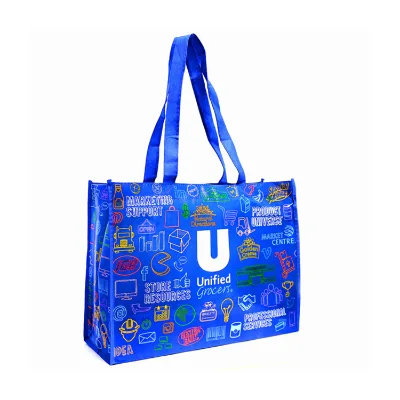
$0.30 - $0.70
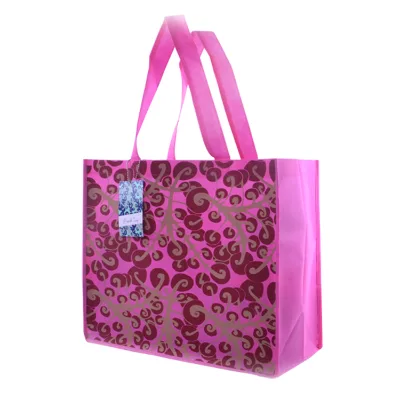
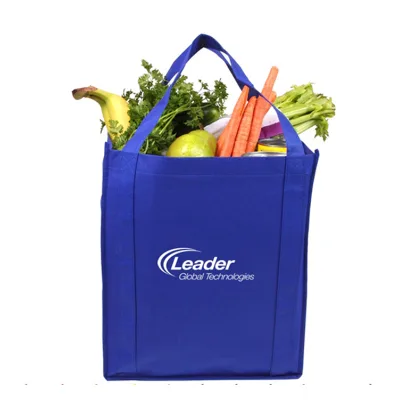
Non Woven Tote Bag With Drink Holders
$0.23 - $0.60
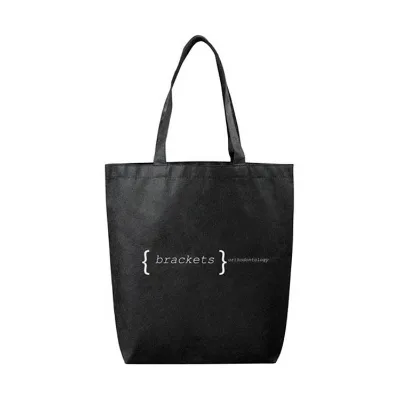
Non Woven Tote Bag With Open Main Compartment
$0.15 - $0.50
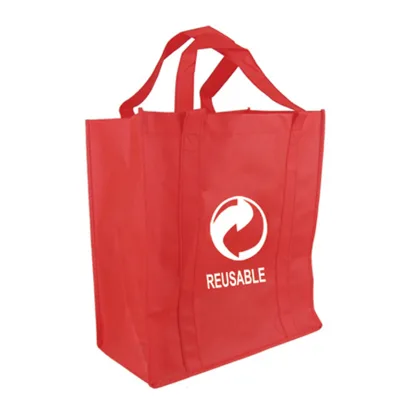
cheap Reusable Eco Friendly Polypropylene Tote Bag
$0.20 - $0.60

Fujian Angel Nonwoven Fabric Tech Co., Ltd.
- Verified by SGS
- Manufacturer
- China Fujian
- Lead time15 days
- Avg. response≤ 7h
Main productsNonwoven Fabric, Disposable Bed Sheet, Meltblown, Nonwoven Bag, Mattress Cover, Earloop/Nose Wire for Mask, PLA/Pet Nonwoven Fabric, Landscape Cover, Weed Control, TNT Table Cloth
Main marketsSoutheast Asia/ Mideast,Europe

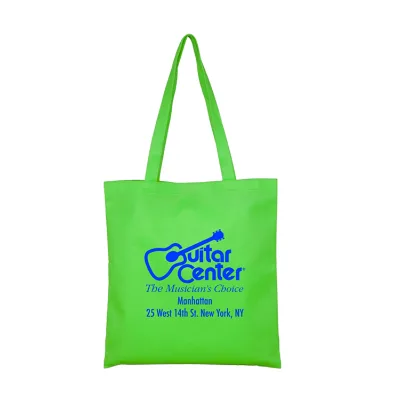
Custom Nonwoven Reusable Shopping Bag Laminated Eco Non-Woven Tote Bag
$0.289 - $0.366
MOQ: 10000 Pieces


Cheap Reusable Promotional Eco Custom Tote Shopping Laminated Non Woven Bag
$0.298 - $0.355
MOQ: 10000 Pieces

Wholesale Tote Bag Laminated Nonwoven Fabric Bag with Logo Printing Bag
$0.02 - $0.07
MOQ: 10000 Pieces


Qingzhou Glory Packaging Material Co., Ltd.
- Verified by BV
- Trading Company
- China Shandong
- Lead time30 days
- Avg. response≤ 4h
Main productsAluminium Foil Paper, PE Coated Paper/Printing Paper, Food Packaging Bag, Paper Shopping Bag, Non Woven Bag, Plastic Shopping Bag, Other Packaging Bags
Main marketsAustralia


Promotional Reusable Cloth Shopping Tote Bags PP Laminated Non Woven Tote Bag
$0.05 - $0.25
MOQ: 10000 Pieces


Zhangzhou Taki Industry and Trade Co., Ltd
- Verified by BV
- Manufacturer/Factory
- China Fujian
- Lead time23 days
- Avg. response≤ 6h
Main productsPackaging Paper Bag, Packaging Paper Box, Products Box, Fold Boutique Gift Box, Shopping Paper Bag, Fruit Packaging Cartons Box, Kraft Paper Bags Food Bag, Plastic Box Pet PVC Boxes, Paper Sleeves with Brand Design, One-Stop Packaging Supplier
Main marketsSouth America,Eastern Europe,Mid East,North America,Southeast Asia,Eastern Asia,Oceania,Western Europe,Africa


Tote Bags Custom Printed Recyclable Fabric Non Woven Shopping Bags with Logo
$0.30 - $0.45
MOQ: 5000 Pieces

Wenzhou Guanmin Import and Export Co., Ltd.
- Verified by BV
- Trading Company,Manufacturer/Factory
- China Zhejiang
- Lead time120 days
- Avg. response≤ 7h
Main productsShopping Bag, Cooler Bag, Notebook, Pen, Color Pencil, Lanyard, Beach Ball, Umbrella, Sunshade, Air Freshener
Main marketsSouth America,Eastern Europe,Mid East,North America,Southeast Asia,Eastern Asia,Western Europe

Non Woven Bag Reusable Non Woven Bag Non Woven Metallic Laminated Shopping Tote Bag
$0.50
MOQ: 1000 Pieces


Xiamen Top Green Bags Co., Ltd.
- Verified by SGS
- Trading Company,Manufacturer/Factory
- China Fujian
- Lead time45 days
- Avg. response≤ 5h
Main productsCooler Bags, Sports Bags, Apron, Promotional Bag, Waist Bag, Shoulder Bag, Travel Bags, Cosmetic Bag, Laptop Bag, Pencil Bag
Main marketsSouth America,Eastern Europe,North America,Southeast Asia,Eastern Asia,Oceania,Western Europe,Africa
- Manufacturer, Trading Company
- Zhejiang, China
- Lead time15 days
- Avg. response≤ 1h
Main productspp woven bag,shopping bag,pp packing bag,nonwoven bag,promotional bag
Main marketsDomestic Market(20.00%), North America(15.00%), Western Europe(10.00%), Eastern Europe(10.00%), Mid East(7.00%), Southern Europe(5.00%), Northern Europe(5.00%), Central America(5.00%), Southeast Asia(5.00%), Eastern Asia(5.00%), South America(5.00%), South Asia(5.00%), Africa(2.00%), Oceania(1.00%)
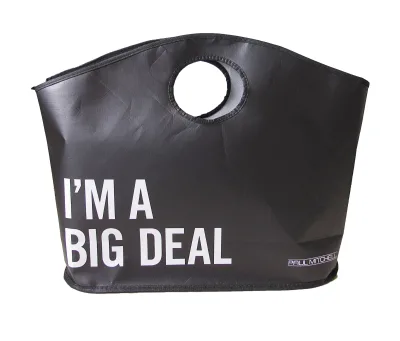
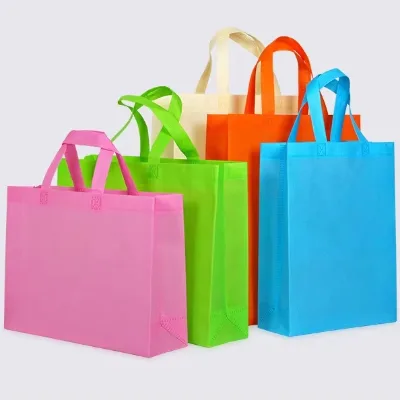
Non-Woven BOPP Laminated Tote Bag with Patch Handle
$0.09 - $0.47
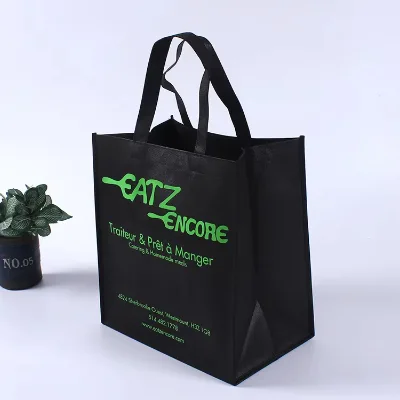
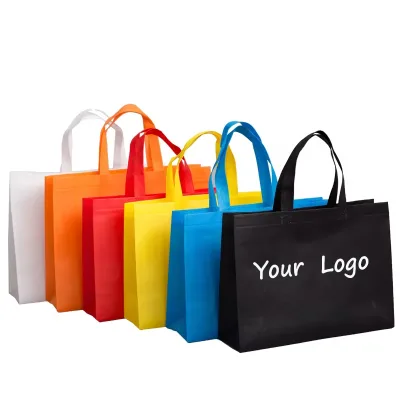
Eco Friendly Recyclable Nonwoven Spunbond Folding Tote Bag Reusable Shopping Bag Promotional Use
$0.2054 - $0.5651
MOQ: 500 pieces
Dongguan Greens Packaging Products Co., Ltd
- Trading Company
- Guangdong, China
- Lead time12 days
- Avg. response≤ 3h
Main productspoly mailer,mailing bag,pizza box,paper bag,mail box
Main marketsNorth America(25.00%), Domestic Market(10.00%), Oceania(10.00%), Eastern Europe(10.00%), Northern Europe(10.00%), Southern Europe(9.00%), Southeast Asia(8.00%), Western Europe(5.00%), South America(4.00%), South Asia(2.00%), Mid East(2.00%), Eastern Asia(2.00%), Central America(2.00%), Africa(1.00%)
Dongguan City Jianchen Plastics Technology Co., Ltd.
- Trading Company
- Guangdong Province, China
- Lead time7 days
- Avg. response≤ 20h
Main productsRecycled woven fabric bag,Recycled non-woven bags,Recycled PE bag,RPP garment bag,Research and production of plastic products
Main marketsSouth Asia(10.00%), Central America(10.00%), Southeast Asia(10.00%), Mid East(10.00%), South America(10.00%), North America(10.00%), Domestic Market(5.00%), Oceania(5.00%), Southern Europe(5.00%), Northern Europe(5.00%), Africa(5.00%), Western Europe(5.00%), Eastern Asia(5.00%), Eastern Europe(5.00%)
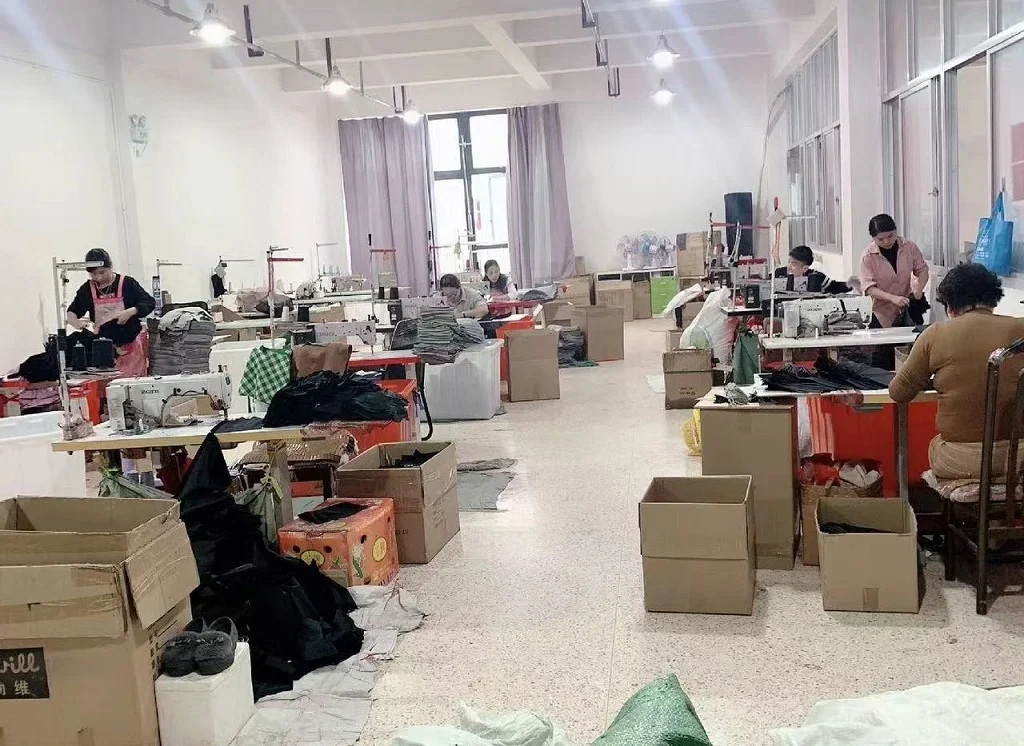
Shaanxi Jia Ruo Xuan Trading Co., Ltd.
- Trading Company
- Shaanxi, China
- Lead time15 days
- Avg. response≤ 1h
Main productsCotton Canvas Bag,Shopping Bag,tote bags,Backpack bag,paper bags
Main marketsNorth America(45.00%), South America(20.00%), Western Europe(15.00%)
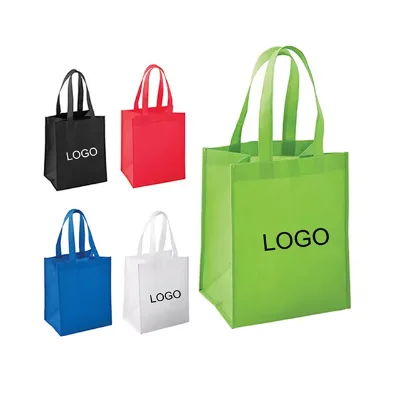
Promotional Reusable Cloth Shopping Tote Bags PP Laminated Non Woven Shopping Bags
$0.08 - $0.18
MOQ: 1000 pieces
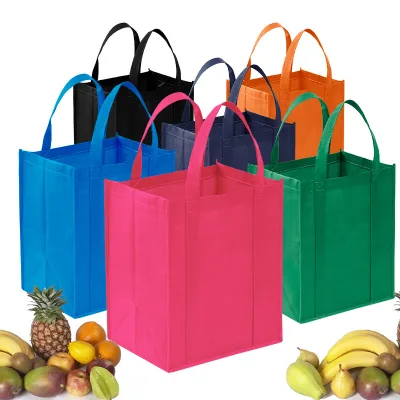
Hot Sale Cheap Tote Bags Custom Printed Recyclable Fabric Non Woven Shopping Bags With Custom Logo
$0.0925 - $0.1859
MOQ: 1000 pieces

Quanzhou Jiewei Nonwoven Products Co., Ltd
- Verified by SGS
- Manufacturer/Factory
- China Fujian
- Lead time15 days
- Avg. response≤ 6h
Main productsNonwoven Fabric, PP Spunbond Nonwoven Fabric, Interlining, Spunlace Nonwoven Fabric, Needle Punch Nonwoven Fabric, Disposable Bedsheets, Mask Material, Disposable Table Cloth, Nonwoven Bags
Main marketsSouth America,Eastern Europe,Mid East,North America,Southeast Asia,Eastern Asia,Oceania,Western Europe,Africa

Qingdao Heshengchang New Materials Co., Ltd.
- Verified by TUVRHEINLAND
- Trading Company,Manufacturer/Factory
- China Shandong
- Lead time23 days
- Avg. response≤ 4h
Main productsPP Woven Bag, BOPP Bag, Weed Mat, FIBC Bag, Big Bag, PP Sack, Polypropylene Bag, Laminated Bag, Jumbo Bag, Bulk Bag
Main marketsSouth America,Mid East,North America,Africa

Jiangmen Zhaohui Color Printing Plastic Company Ltd.
- Verified by BV
- Combined
- China Guangdong
- Lead time30 days
- Avg. response≤ 17h
Main productsPlastic Flat Bag on Roll, Shipping T-Shirt Bag, Food Bag, Trash Plastic Bag, Plastic Bag, Gift Bag
Main marketsOthers(foreignTradeCapacity.exportBusinessCapacityMarketOther)

Eco-Friendly Customized Promotional Non Woven Shopping Laminated Non-Woven Tote Bag
$0.05 - $1.00
MOQ: 100000 Pieces


Promotional Reusable Cloth Shopping Tote Bags PP Laminated Non Woven Shopping Bag
$0.025 - $0.03
MOQ: 100000 Pieces


Laizhou Pairuike Crafts Co., Ltd.
- Manufacturer/Factory
- China Shandong
- Lead time45 days
- Avg. response≤ 3h
Main productsBusiness Scope: Processing and Selling Hand-Wove, PLA Non Woven Bag, RPET Woven Bag, PP Woven Bag, Lamination Non Woven Bag, Non Woven Bag
Main marketsSouth America,Eastern Europe,Mid East,North America,Southeast Asia,Eastern Asia,Oceania,Western Europe,Africa
- Verified by SGS Group
- Trading Company
- Lead time7 days
- Avg. response≤ 2h
Main productsCanvas Bag, Polyester Bag, Non-woven Bags, Drawstring Bag, Backpack
Main marketsNorth America(20%), South America(10%), Eastern Europe(10%)
- Manufacturer
- Zhejaing, China
- Lead time20 days
- Avg. response≤ 3h
Main productsNon woven bag,Cotton bag,Shopping bag,Insulated cooler bag
Main marketsNorth America(25.00%), Domestic Market(20.00%), Eastern Europe(15.00%), Western Europe(10.00%), Central America(7.00%), Northern Europe(7.00%), South America(5.00%), Oceania(3.00%), Southern Europe(3.00%), South Asia(2.00%), Mid East(1.00%), Southeast Asia(1.00%), Eastern Asia(1.00%)

Ningbo Gusta Stationery Co., Ltd.
- Verified by BV
- Trading Company
- China Zhejiang
- Lead time30 days
- Avg. response≤ 6h
Main productsPencil Case, Stationery Set, Bag, Toys, Office Supplies, Arts & Crafts, Housewares, Silicone Product, School Bag, Travel Bag
Main marketsEast Asia(Japan/ South Korea),Europe,North America
Wenzhou Fuyun Crafts Co., Ltd.
- Verified by SGS Group
- Manufacturer, Trading Company
- Lead time30 days
- Avg. response≤ 3h
Main productsNon-woven bag, Canvas bag, Laminated bag, cooler bag, drawstring bag
Main marketsNorth America(50%), Western Europe(20%), Oceania(10%)

Wenzhou Gaodeng Packaging Technology Co., Ltd.
- Trading Company,Manufacturer/Factory
- China Zhejiang
- Lead time23 days
- Avg. response≤ 8h
Main productsCooler Bag, Non Woven Bag, Cotton Bag Canvas Bag, Jute Tote Bag, Cosmetic Bag, PP Woven Bag, Polyester Bag/Drawstring Bag, Ultrasonic Bag, Toolkit
Main marketsSouth America,Eastern Europe,Mid East,North America,Southeast Asia,Eastern Asia,Oceania,Western Europe,Africa


Wholesale Tote Non Woven Bag with Zipper Promotional Shopping Bag Reusable Bag
$0.30 - $0.85
MOQ: 1000 Pieces
Wenzhou Chongye Packaging Co., Ltd.
- Verified by TüVRheinland
- Manufacturer, Trading Company
- Lead time15 days
- Avg. response≤ 1h
Main productsNon-woven Bag, PP Woven Bag, Cotton Bag, Paper Bag, Felt Bag
Main marketsNorth America(20%), South America(20%), Eastern Europe(10%)

Hangzhou Langjie Technology Co., Ltd.
- Verified by TUVRHEINLAND
- Trading Company
- China Zhejiang
- Lead time15 days
- Avg. response≤ 4h
Main productsNon-Woven Bag, Paper Box, Laminated Bag, Thermal Insulation Bag, Paper Bag, Canvas Bag, Notebook, Clothing Dust-Proof Bag, Sticker, Cosmetics Bag
Main marketsDomestic,North America
Dongguan Yiyuan Packing Products Co., Ltd.
- Manufacturer, Trading Company
- Guangdong, China
- Lead time0 days
- Avg. response≤ 5h
Main productsBiodegradable plastic bags,paper bags,Non-woven bags,Cotton Canvas Bags,Garment bags
Main marketsNorth America(45.00%), Northern Europe(20.00%), Southern Europe(10.00%), Mid East(10.00%), Central America(10.00%), Domestic Market(5.00%)
Anhui Kuaima Printing Co., Ltd.
- Verified by SGS Group
- Manufacturer, Trading Company
- Lead time20 days
- Avg. response≤ 2h
Main productsPaper Bag, Envelopes, Paper Box, Notebooks, Food Container
Main marketsDomestic Market(40%), North America(25%), Northern Europe(15%)

Laizhou Jinhong Textile Co., Ltd.
- Combined
- China Shandong
- Lead time23 days
- Avg. response≤ 14h
Main productsPP Spunbond Nonwoven Fabric, Weed Mat, Nonwoven Fabric, Landscape Fabric, Ground Cover, Weed Control Fabric, Plant Cover, Disposable Coverall
Main marketsEast Asia(Japan/ South Korea),Europe,North America

Qingdao Yide Shine Industry Co., Ltd.
- Verified by SGS
- Manufacturer/Factory
- China Shandong
- Lead time15 days
- Avg. response≤ 3h
Main productsPaper Bag, Kraft Paper Bag, Non Woven Bag, Craft Paper Bag, Value Bag, Shopping Bag, PE Bag, Paper Napkin, Take Away Food Bag, Hanburger Box
Main marketsSouth America,Eastern Europe,Mid East,North America,Southeast Asia,Eastern Asia,Oceania,Western Europe,Africa

Yangjiang C&B Consumer Product Limited
- Verified by CTI
- Trading Company
- China Guangdong
- Lead time15 days
- Avg. response≤ 6h
Main productsBarbecue Tongs, Grilling Brushes, Outdoor Shovel, Grilling Tools, Kitchen Ware, Outdoor Products, Pizza Tools, Knife Set
Main marketsSouth America,Africa,Southeast Asia/ Mideast,Europe,Australia,North America
Wenzhou Conlene Bags Co., Ltd.
- Verified by SGS Group
- Manufacturer, Trading Company
- Lead time15 days
- Avg. response≤ 3h
Main productsShopping Bags; Cooler Bag; Canvas Bag, Beach Mat, Washable Kraft Paper Bag
Main marketsNorth America(25%), Domestic Market(25%), Eastern Asia(20%)

Shanghai David International Trade Co., Ltd.
- Verified by TUVRHEINLAND
- Combined
- China Shanghai
- Lead time15 days
- Avg. response≤ 10h
Main productsPromotional Gifts, Gift Sets, Tshirts, Hats, Hot Packs, Hot Cold Packs, Ice Packs, Bags, Umbrellas, Water Bottles
Main marketsSouth America,Africa,Southeast Asia/ Mideast,East Asia(Japan/ South Korea),Domestic,Europe,Australia,North America

Eco-Friendly Customized Laminated Non Woven Bag Reusable Non-Woven Promotional Bag
$0.30
MOQ: 10000 Pieces

Tongcheng Wuchuang Household Products Co., Ltd.
- Verified by SGS Group
- Manufacturer, Trading Company
- Lead time15 days
- Avg. response≤ 3h
Main productsBedding Bag, Closet Storage Bags, Garment Bag & Suit Bag, Shopping Bag, Fabric Storage Box (Cube)
Main marketsNorth America(50%), Western Europe(20%), Southern Europe(20%)
- Trading Company
- Jiangsu Province, China
- Lead time0 days
- Avg. response≤ 8h
Main productswooden jigsaw puzzles,wooden balance board,wooden toys,wooden coatrack,wooden stools
Main marketsNorth America(30.00%), Western Europe(20.00%), South America(10.00%), Eastern Asia(10.00%), Northern Europe(10.00%), South Asia(5.00%), Southern Europe(5.00%), Mid East(5.00%), Central America(5.00%)




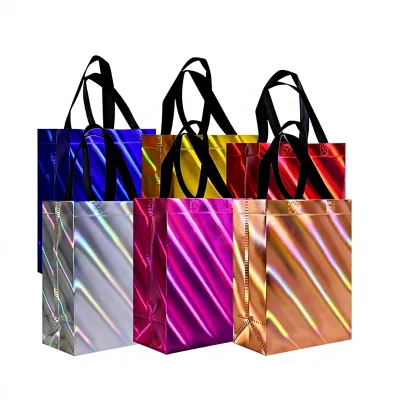
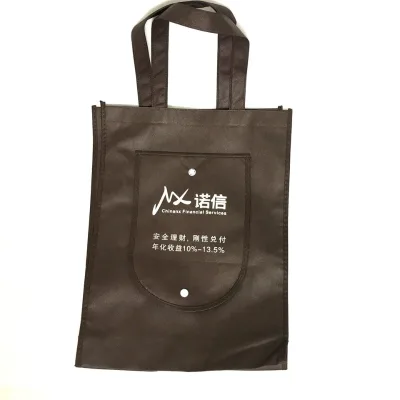
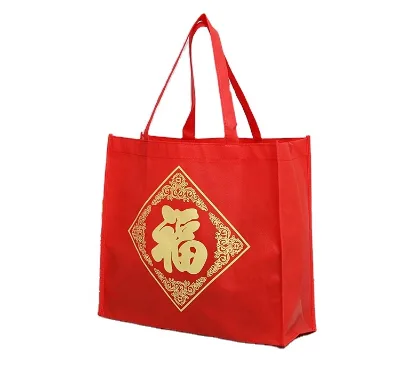


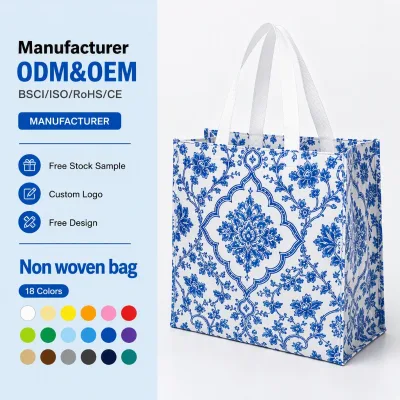
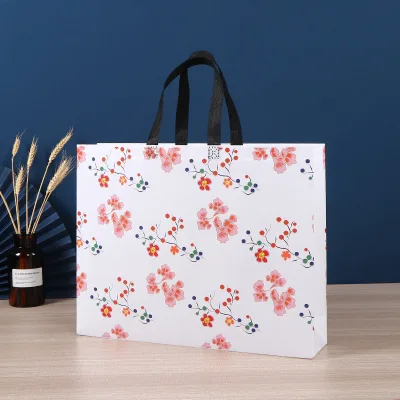


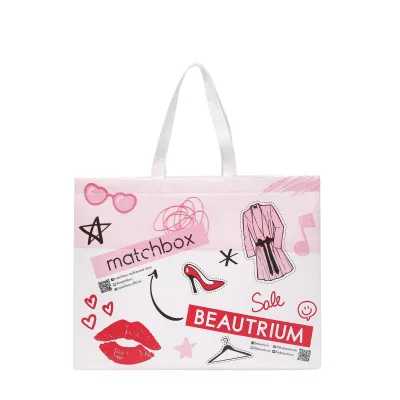
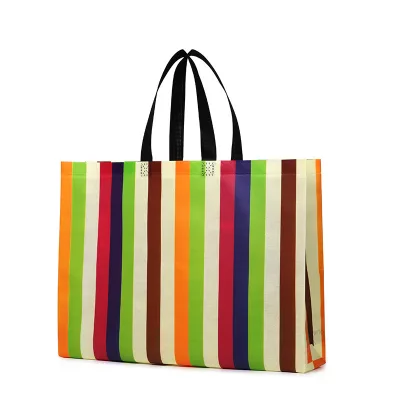
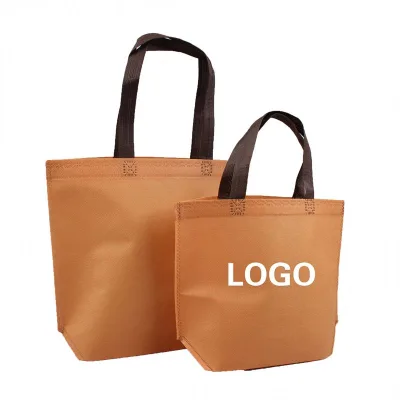
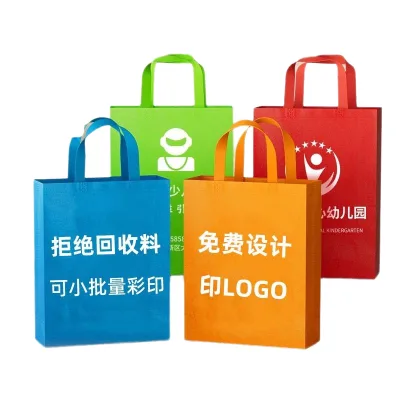


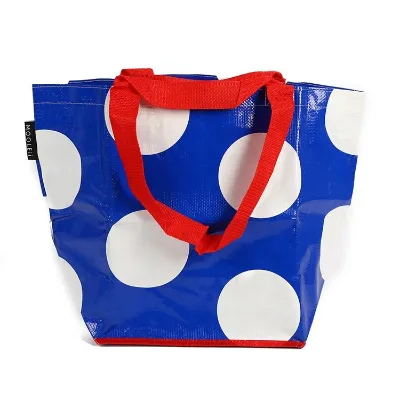
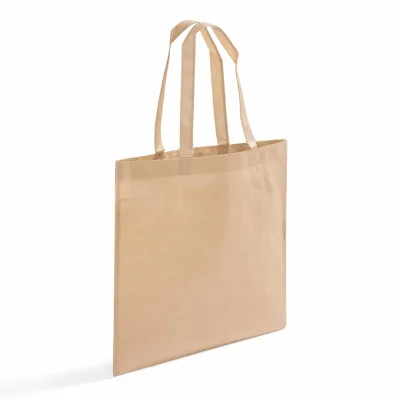
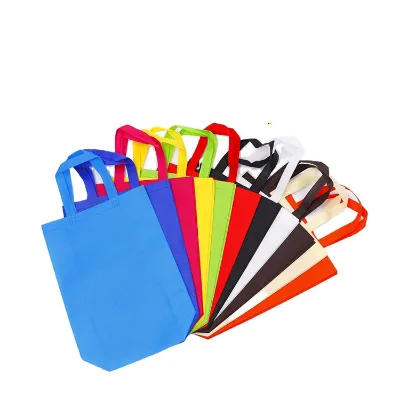

Comprehensive Sourcing Guide
Recyclable Nonwoven Laminated Tote Bag Supplier Concentration and Factory Types
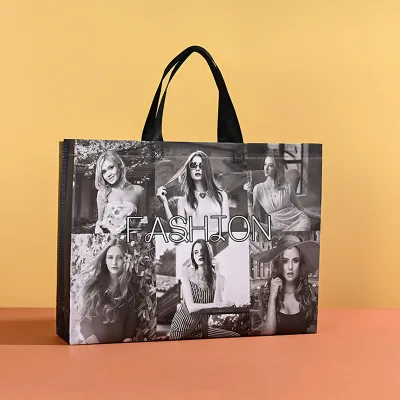
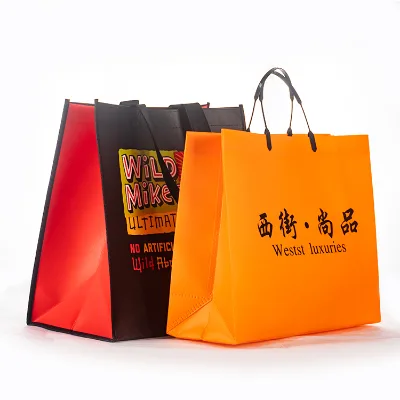
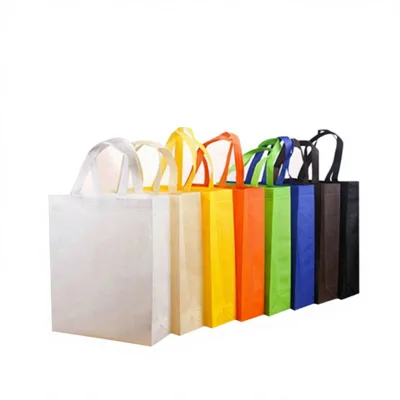
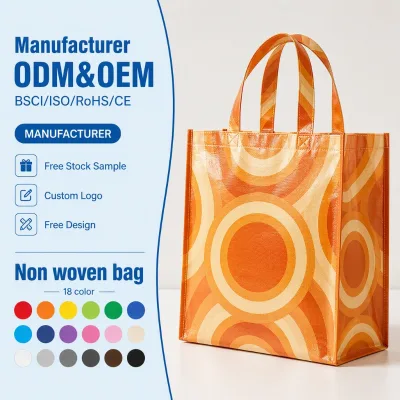
The sourcing landscape for recyclable nonwoven laminated tote bags reveals a distinct concentration of manufacturing capabilities within specific Chinese industrial provinces. Current supplier data indicates that Jiangsu and Fujian are primary hubs for this specialized product category. Factories located in Jiangsu often focus on a diverse range of promotional items, including shopping bags, aprons, and non-woven variations, suggesting a versatile production environment capable of handling multiple textile formats. Meanwhile, suppliers in Fujian, particularly those in Quanzhou, demonstrate a strong specialization in nonwoven fabrics and related accessories, such as meltblown materials and disposable bed sheets, which provides a robust upstream supply chain for laminated bag production. This geographic clustering allows buyers to access suppliers with deep expertise in nonwoven processing, from raw material sourcing to final lamination and printing. Understanding these regional strengths helps in identifying factories that have optimized their workflows for nonwoven materials, potentially leading to better quality control and more competitive pricing structures for laminated tote bags.
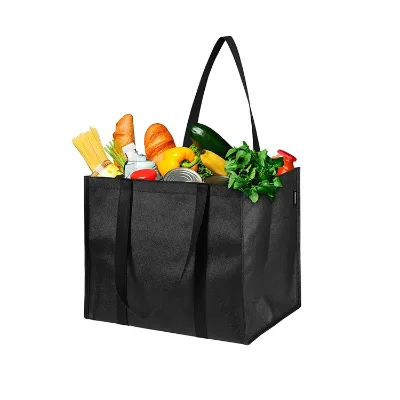
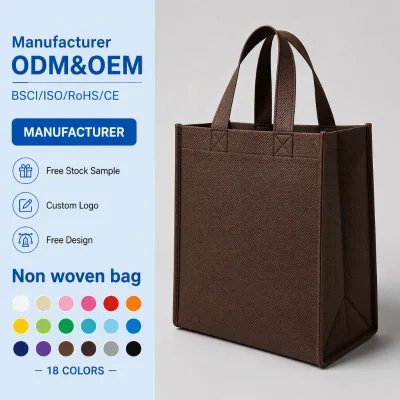
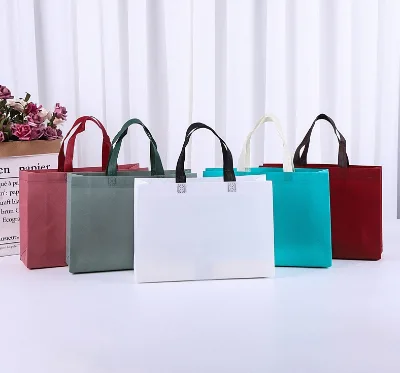
Supplier types in this sector vary between pure manufacturers and trading companies, each offering distinct advantages for different procurement strategies. Manufacturer entities, such as those verified by SGS and holding ISO9001:2015 certifications, typically offer direct control over production processes, allowing for customizations like watermark printing, heat transfer applications, and specific material compositions like 100% PP. These factories often provide OEM and ODM services, enabling buyers to create unique brand identities through custom logos and specific bag styles. Trading companies, on the other hand, may aggregate products from multiple factories, offering a broader catalog that includes various bag types like jumbo grocery totes or day tote bags with hook and loop closures. While trading companies might not own the machinery, they can simplify the sourcing process by managing multiple SKUs and providing consolidated shipping solutions. Buyers must carefully evaluate whether they prioritize direct factory communication and customization flexibility or the convenience of a single point of contact for diverse product needs.
How to Verify Recyclable Nonwoven Laminated Tote Bag Suppliers
Verifying the legitimacy and capability of suppliers requires a multi-layered approach that goes beyond basic company profiles. First, buyers should prioritize suppliers who hold recognized third-party verifications, such as SGS audits, which provide an independent assessment of the factory’s operational standards and business practices. Additionally, checking for system certifications like ISO9001:2015 is crucial, as it indicates a structured quality management system that ensures consistent product quality across production batches. These certifications are particularly important for laminated bags, where the bonding process between the nonwoven fabric and the laminate layer must be durable and uniform. Buyers should request copies of these certificates and verify their validity through the issuing bodies to ensure they are current and not expired. This step helps mitigate the risk of working with unverified entities that may lack the necessary infrastructure to maintain high-quality standards.
Beyond certifications, buyers must assess the supplier’s responsiveness and production transparency to gauge their reliability. A quick response time, such as the six-hour average observed in some Fujian-based suppliers, often correlates with efficient internal communication and a readiness to handle urgent orders. Buyers should also examine the detailed product attributes provided, such as weight limits, printing processes, and material specifications, to ensure they align with their specific requirements. For instance, confirming that a supplier offers heat transfer printing or offset printing capabilities ensures that branding needs can be met effectively. Furthermore, checking the supplier’s main products list can reveal their core competencies; a factory specializing in nonwoven fabrics is likely more proficient in producing nonwoven bags than a general trading company. By combining verification of credentials with an analysis of operational metrics and product details, buyers can build a comprehensive picture of a supplier’s reliability and suitability for their sourcing needs.
What to Compare Across Recyclable Nonwoven Laminated Tote Bag Suppliers
When evaluating multiple suppliers, buyers should focus on key operational metrics that directly impact cost, speed, and flexibility. Lead time is a critical factor, with some suppliers offering a twenty-day turnaround while others, particularly those in Fujian, may provide a fifteen-day lead time. This difference can be significant for time-sensitive promotional campaigns or seasonal retail launches. Buyers should also compare minimum order quantities (MOQs), which can vary widely; some suppliers require orders of 10,000 pieces, while others may accept orders as low as 5,000 pieces. Lower MOQs are beneficial for testing new markets or small-scale promotional events, whereas higher MOQs often correlate with better unit pricing. Additionally, response time serves as an indicator of supplier engagement; suppliers with faster response rates are generally more proactive in addressing inquiries and resolving issues, which can streamline the negotiation and order placement process.
Price ranges and customization options are another vital area for comparison. Unit prices for laminated nonwoven tote bags can range from as low as $0.02 to over $1.00, depending on factors such as material thickness, printing complexity, and order volume. Buyers should analyze the price brackets for specific product types, such as simple handled bags versus those with additional features like drink holders or rigid bottom inserts. Customization capabilities, including the availability of logo printing, specific sizes, and unique closure types, should also be compared. Some suppliers offer free samples, which is a valuable opportunity to assess product quality before committing to a large order. By systematically comparing these variables, buyers can identify suppliers that offer the best balance of cost, speed, and flexibility, ensuring that their sourcing strategy aligns with their business objectives and budget constraints.
Common Recyclable Nonwoven Laminated Tote Bag Sourcing Risks
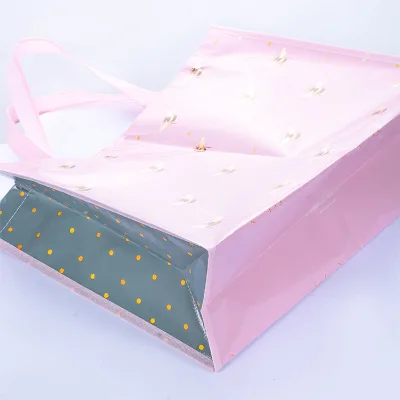
One significant risk in sourcing laminated nonwoven tote bags is the potential inconsistency in material quality and lamination durability. Nonwoven fabrics can vary in density and strength, and the lamination process must be executed precisely to prevent delamination during use. Buyers should be cautious of suppliers who do not provide detailed material specifications, such as the exact type of polypropylene used or the weight limit of the bag. Without clear information, there is a risk of receiving bags that are too flimsy or prone to tearing, especially when carrying heavier items. Additionally, the printing quality can vary significantly between suppliers; some may use high-quality heat transfer or offset printing, while others might use inferior methods that result in faded or peeling logos. Buyers should request physical samples to test the durability of the lamination and the clarity of the printing before placing large orders.
Another risk is the discrepancy between quoted lead times and actual delivery dates. While some suppliers advertise short lead times, such as fifteen days, external factors like raw material shortages or production bottlenecks can cause delays. Buyers should verify the supplier’s current production capacity and ask for references from previous clients to gauge their reliability. Furthermore, there is a risk of miscommunication regarding customization details, such as bag dimensions, handle types, or closure mechanisms. Suppliers may interpret specifications differently, leading to products that do not meet the buyer’s expectations. To mitigate this risk, buyers should provide detailed technical drawings and written specifications, and confirm all details in writing before production begins. Regular communication and progress updates during the production phase can also help identify and address potential issues early, ensuring that the final products align with the buyer’s requirements.
Recyclable Nonwoven Laminated Tote Bag Regional Sourcing and Logistics
Sourcing from specific regions in China offers distinct logistical advantages and challenges that buyers must consider. Suppliers in Jiangsu and Fujian are well-established manufacturing hubs, but their geographic locations can impact shipping costs and transit times. Jiangsu, being a major industrial province, often has excellent infrastructure for both domestic and international logistics, facilitating efficient export processes. Fujian, particularly Quanzhou, is also a significant port region, which can streamline the shipping of goods to international destinations. Buyers should evaluate the proximity of the supplier to major ports to minimize inland transportation costs and reduce the risk of delays. Additionally, understanding the local supply chain dynamics can help buyers anticipate potential disruptions, such as seasonal production peaks or regional policy changes that might affect manufacturing schedules.
Logistics planning should also account for the packaging and handling requirements of nonwoven tote bags. These products are lightweight but bulky, which can affect container loading efficiency and shipping costs. Buyers should inquire about the supplier’s packing methods, such as whether bags are packed in cartons or compressed to save space. Efficient packing can significantly reduce freight costs, especially for large orders. Furthermore, buyers should consider the impact of customs regulations and import duties in their destination country, as these can affect the total landed cost of the products. Working with suppliers who have experience in exporting to the buyer’s region can help navigate these complexities, as they can provide accurate documentation and ensure compliance with local regulations. By carefully planning logistics and leveraging the strengths of regional suppliers, buyers can optimize their supply chain and reduce overall procurement costs.
Recyclable Nonwoven Laminated Tote Bag Commercial Terms and Order Planning
Commercial terms and order planning are essential for ensuring a smooth procurement process and protecting the buyer’s interests. Buyers should clearly define payment terms, such as the percentage of deposit required upfront and the balance due upon shipment or before dispatch. Some suppliers may offer flexible payment options, such as escrow services, which provide an additional layer of security by holding funds until the buyer confirms receipt and quality of the goods. It is also important to clarify the responsibilities for shipping costs, including whether the supplier offers FOB, CIF, or EXW terms, and to understand who bears the risk during transit. Clear communication of these terms helps avoid disputes and ensures that both parties have a mutual understanding of their obligations.
Order planning should include a detailed timeline that accounts for sample approval, production, quality control, and shipping. Buyers should allocate sufficient time for sample reviews, as this step is crucial for verifying product quality and customization details before mass production begins. Additionally, buyers should consider the supplier’s capacity to handle rush orders or large volumes, especially during peak seasons. Establishing a long-term relationship with a reliable supplier can provide benefits such as priority production slots and better pricing. Buyers should also plan for potential contingencies, such as production delays or quality issues, by maintaining open communication and having backup suppliers identified. By carefully managing commercial terms and order planning, buyers can minimize risks and ensure a successful sourcing experience for recyclable nonwoven laminated tote bags.
FAQs
What is the price range for laminated nonwoven tote bags?
Prices typically range from $0.02 to $1.00 per unit depending on specifications. Basic models start near $0.02, while premium laminated options with custom features cost up to $1.00. Buyers should verify exact costs based on order volume and material thickness requirements.
What is the minimum order quantity for these bags?
Minimum order quantities vary by supplier, with some requiring as few as 5,000 pieces while others demand 10,000 units. Buyers must confirm the specific MOQ with their chosen manufacturer before placing orders to ensure alignment with production capabilities and pricing tiers.
How long does production take for these bags?
Standard lead times generally range from 15 to 20 days after deposit confirmation. Some suppliers offer faster turnaround times around 7 to 10 days for specific models. Buyers should always confirm current production schedules directly with the supplier to avoid delays.
Where are these bags manufactured?
Manufacturing primarily occurs in Jiangsu and Fujian provinces in China. These regions are known for producing nonwoven fabrics and tote bags efficiently. Buyers should verify the specific origin of their order to understand logistics and potential shipping costs accurately.
What certifications do these suppliers hold?
Some manufacturers hold ISO9001:2015 certification and undergo SGS verification. These credentials indicate adherence to quality management standards. Buyers should request valid certificates directly from suppliers to ensure compliance with their specific quality and safety requirements for promotional or retail use.
Can I customize the printing on these bags?
Yes, customization is available with options like heat transfer and offset printing. Suppliers accept logo printing and watermark designs on laminated nonwoven materials. Buyers should provide high-resolution artwork and confirm printing processes with the supplier to ensure desired visual outcomes.