Reusable Velvet Drawstring Dust Bag Suppliers and Manufacturers
Compare 28 verified suppliers of reusable velvet drawstring dust bags based on location, lead times, certifications, and pricing. Review product attributes like customization options and printing methods to select the right factory for your needs; review the available evidence before requesting comparable quotations from suitable candidates.
Updated
Suppliers List

Wuhan Eco Faith Packing Co., Ltd.
- Manufacturer/Factory
- China Hubei
- Lead time23 days
- Avg. response≤ 7h
Main productsFabrics Drawstring Bag, Cotton Bags, Satin Bag, Velvet Bag, Organza Bag, Jute Bag, Jewelry Bag, Non-Woven Bag, Thermal Bag, Gift Box
Main marketsSouth America,Eastern Europe,Mid East,North America,Southeast Asia,Eastern Asia,Oceania,Western Europe,Africa


Large Satin Dust Bag for Handbag and Shoes Fabric Dust Bag Drawstring Bag
$0.30 - $0.60
MOQ: 1000 Pieces

Velvet Storage Bag Dust Bag Suede Drawstring Bag for Promotion Fabric Gift Bags
$0.30 - $0.60
MOQ: 1000 Pieces


Large Satin Drawstring Bag Dust Bag for Shoes and Handbag Fabric Gift Package Bag
$0.40 - $0.60
MOQ: 1000 Pieces

Anhui Magic Industry Co., Ltd.
- Verified by SGS
- Manufacturer/Factory
- China Anhui
- Lead time98 days
- Avg. response≤ 8h
Main productsCanvas Bag, Tote Bag, Backpack, Shoulder Bag, Drawstring Bag, Cosmetic Bag, Customize Bag, Sports Bag, Shopping Bag, Cooler Bag
Main marketsSouth America,Eastern Europe,Mid East,North America,Southeast Asia,Eastern Asia,Oceania,Western Europe,Africa

Custom Bag Reusable and Eco-Friendly Polyester Velvet Cotton Drawstring Bag
$0.20 - $0.50
MOQ: 500 Pieces


Custom Printed Logo Reusable Small Gift Bag Cotton Canvas Drawstring Bag Dust Packing Bags
$0.50 - $0.90
MOQ: 100 Pieces

Fuzhou Yida Xinyang Industry and Trade Co., Ltd.
- Manufacturer/Factory
- China Fujian
- Lead time15 days
- Avg. response≤ 4h
Main productsLanyards, Wristbands, Tube Bandana, Flags, Bags, Luggage Belts, Sport Bags
Main marketsSouth America,Eastern Europe,Mid East,North America,Southeast Asia,Eastern Asia,Oceania,Western Europe,Africa
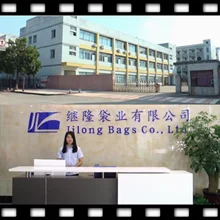
Dongguan City Jilong Bags Co.,Ltd.
- Manufacturer, Trading Company
- Guangdong Province, China
- Lead time15 days
- Avg. response≤ 3h
Main productsDust Bag, Jewelry Bag, Garment Bag, Shopping Bag, Drawstring Bag
Main marketsSouthern Europe(32.00%), North America(25.00%), Domestic Market(20.00%), South Asia(17.00%), Northern Europe(6.00%)
Shenzhen Chuanghua Gifts & Packaging Co., Ltd.
- Verified by TüVRheinland
- Manufacturer, Trading Company
- Lead time12 days
- Avg. response≤ 3h
Main productsJewelry Box, Cotton Pouch, Canvas Tote Bag, Microfiber Envelope Pouch, Velvet Pouch
Main marketsNorth America(30%), South America(20%), Western Europe(10%)
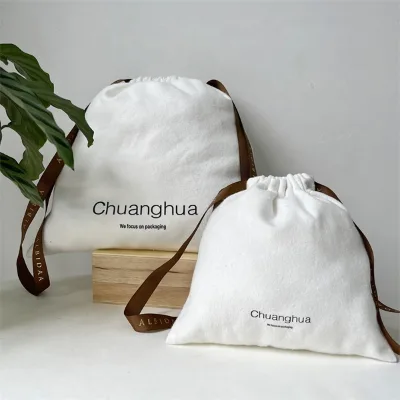
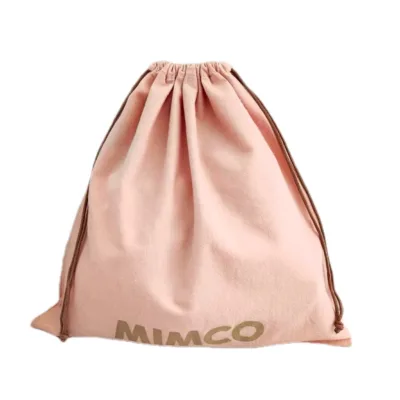
BSCI Custom Canvas Drawstring Bag with Logo Custom Size Recycled Cotton Dust Bag for Shoes
$0.18 - $0.95
MOQ: 100 pieces
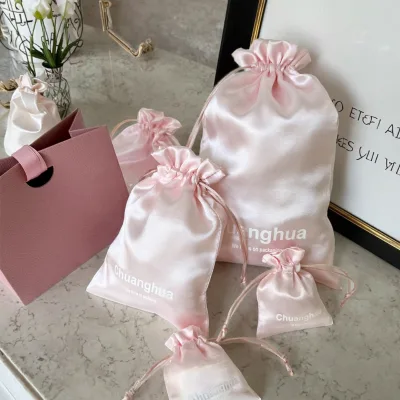
High-quality Soft Satin Drawstring Bags Factory Direct Sales Printable logo Dust Bags
$0.1859 - $0.8724
MOQ: 300 pieces

Fuzhou Dachion Import & Export Co., Ltd.
- Verified by SGS
- Trading Company
- China Fujian
- Lead time15 days
- Avg. response≤ 5h
Main productsBackpacksGift & Paper Shopping
Main marketsEurope,North America
Shaanxi Jinze Impression Industrial Co., Ltd.
- Manufacturer, Trading Company
- Shaanxi, China
- Lead time15 days
- Avg. response≤ 1h
Main productsCotton Bags,Drawstring Bags,Jute Burlap Bags,Shopping Bags,Cotton Convas drawstring Bags
Main marketsDomestic Market(90.00%), North America(5.00%), Oceania(2.00%), Eastern Europe(2.00%), Southeast Asia(1.00%)

Wenzhou Gaodeng Packaging Technology Co., Ltd.
- Trading Company,Manufacturer/Factory
- China Zhejiang
- Lead time23 days
- Avg. response≤ 8h
Main productsCooler Bag, Non Woven Bag, Cotton Bag Canvas Bag, Jute Tote Bag, Cosmetic Bag, PP Woven Bag, Polyester Bag/Drawstring Bag, Ultrasonic Bag, Toolkit
Main marketsSouth America,Eastern Europe,Mid East,North America,Southeast Asia,Eastern Asia,Oceania,Western Europe,Africa

Custom Logo Reusable Suede Velvet Shoe Drawstring Dust Storage Bags for Travel
$0.30 - $0.80
MOQ: 1000 Pieces

Reusable Portable Drawstring Dust Bag with Strap Heavy Duty Laundry Bags
$0.30 - $0.65
MOQ: 1000 Pieces

Reusable Customized Dry Cleaning Canvas Hotel Laundry Drawstring Storage Dust Bag
$0.50 - $1.00
MOQ: 1000 Pieces

Custom Logo Plain Cotton Canvas Pouch Drawstring Dust Bag for Shoe Handbags
$0.30 - $0.80
MOQ: 500 Pieces

Recycled Non Woven Travel Packaging Shoe Dust Bag with Logo Hotel Drawstring Storage Bag
$0.20 - $0.50
MOQ: 500 Pieces
Dongguan Jinsheng Packaging Products Co., Ltd
- Verified by Intertek
- Manufacturer, Trading Company
- Lead time10 days
- Avg. response≤ 5h
Main productsDrawstring Bag, Gift Bags, Custom Logo Textile Packaging Bag
Main marketsNorth America(40%), Western Europe(20%), Oceania(20%)
Guangzhou Yijun Nonwoven Co., Ltd.
- Verified by Intertek
- Manufacturer, Trading Company
- Lead time15 days
- Avg. response≤ 2h
Main productsNonwoven Bag, Canvas Bag, Cooler Bag, Tote Bag
Main marketsNorth America(49%), Domestic Market(20%), Eastern Asia(15%)
$0.10 - $0.90
MOQ: 200 Minimum

Xiamen Folover Import &Export Co., Ltd.
- Verified by TUVRHEINLAND
- Trading Company
- China Fujian
- Lead time23 days
- Avg. response≤ 4h
Main productsCoaster, Cork Bulletin Board, Cork Furniture, Cork Toys, Cork Houseware, Cork Fitness, Cork Package, Cork Coasters
Main marketsEurope

Manufacturer Wholesale Pink Velvet Drawstring Bag, High End, Beautiful Velvet Storage Dust Bag
$0.04 - $0.08
MOQ: 1000 Pieces


Dust-Proof Cotton Drawstring Storage Bag Packaging Cotton Pouch Custom Cotton Pouch
$0.04 - $0.08
MOQ: 1000 Pieces


Hangzhou Initi Imp&Exp Co., Ltd.
- Verified by SGS
- Combined
- China Zhejiang
- Lead time30 days
- Avg. response≤ 7h
Main productsTote Bag, Cotton Bag, Canvas Bag, Drawstring Bag, Garment Bag, Cooler Bag, Cosmetic Bag, Shaker Bottle, Felt Bag, Corduroy Bag
Main marketsSoutheast Asia/ Mideast,East Asia(Japan/ South Korea),Europe,Australia,North America


Wholesale Custom Logo Printing Eco-Friendly Velvet Drawstring Dust Candy Gift Bags
$0.42 - $0.88
MOQ: 100 Pieces

Wholesale Custom Logo Design Printed Eco-Friendly High Quality Canvas Drawstring Dust Bag
$0.42 - $0.88
MOQ: 100 Pieces


Hot Selling Customizable Environmentally Friendly Drawstring Bags Canvas Cotton Bag
$0.69 - $1.10
MOQ: 100 Pieces
Guangzhou Ceyew Garment Accessories Co., Ltd.
- Manufacturer, Trading Company, Distributor/Wholesaler
- Guangdong, China
- Lead time7 days
- Avg. response≤ 2h
Main productspaper bag,business card,paper box,satin drawstring bag,PVC holographic handle bag
Main marketsNorth America(22.00%), Eastern Europe(20.00%), Oceania(15.00%), Western Europe(10.00%), South America(10.00%), Southern Europe(8.00%), Southeast Asia(8.00%), Northern Europe(5.00%), Africa(2.00%)
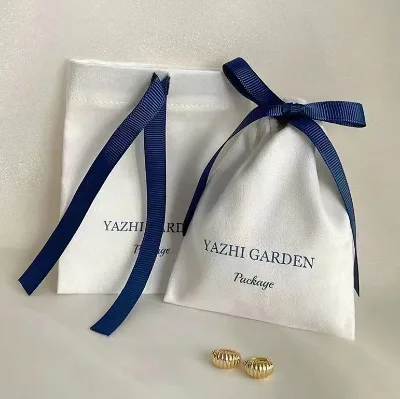
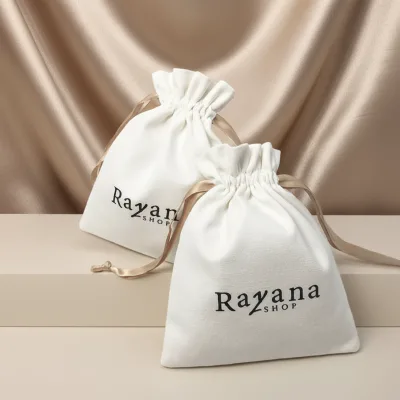
Recycle White Cotton Canvas Fabric Natural Drawstring Dust Bag With Logo Printed
$0.10 - $0.50
MOQ: 200
- Manufacturer, Trading Company
- Hong Kong S.A.R.
- Lead time0 days
- Avg. response≤ 2h
Main productsRibbons,Packaging Bags,Packaging Boxes,Garment Accessories,Cards/Papers
Main marketsNorth America(40.00%), Western Europe(20.00%), Southeast Asia(15.00%), Mid East(15.00%)
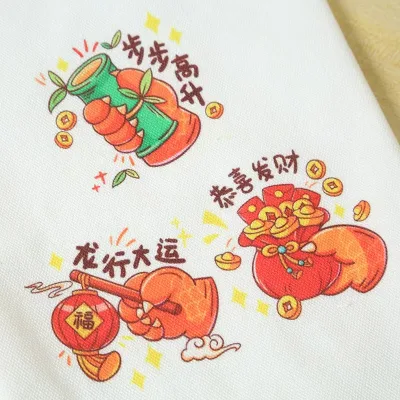
Premium Reusable Custom Different Size Canvas Gift Package Bag Dust Bag Cotton Drawstring Bag
$0.0516 - $0.0825
MOQ: 10
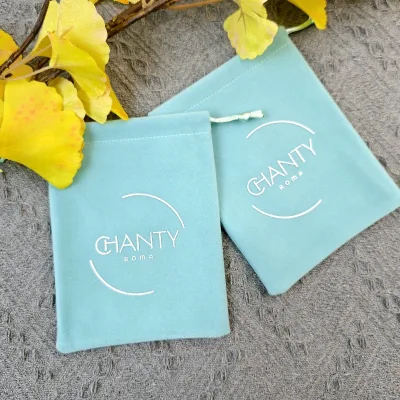
$0.0206 - $0.0618
MOQ: 100 pieces

Wenzhou Mixing Arts & Crafts Co., Ltd
- Verified by TUVRHEINLAND
- Trading Company
- China Zhejiang
- Lead time23 days
- Avg. response≤ 4h
Main productsPP Woven Bags, Cotton Canvas Bag, Cooler Bag, Tyvek Bag, Picnic Mat, Drawstring Bag, Cosmetic Bag, RPET Bag, Toiletry Bag, Non Woven Bag
Main marketsEurope

Custom Logo Drawstring Bag with Multi-Color Reusable Cotton Dust Bag Drawstring Pouch
$0.38 - $0.50
MOQ: 1000 Pieces


Quanzhou Jiewei Nonwoven Products Co., Ltd
- Verified by SGS
- Manufacturer/Factory
- China Fujian
- Lead time15 days
- Avg. response≤ 6h
Main productsNonwoven Fabric, PP Spunbond Nonwoven Fabric, Interlining, Spunlace Nonwoven Fabric, Needle Punch Nonwoven Fabric, Disposable Bedsheets, Mask Material, Disposable Table Cloth, Nonwoven Bags
Main marketsSouth America,Eastern Europe,Mid East,North America,Southeast Asia,Eastern Asia,Oceania,Western Europe,Africa

Reusable Bag Custom Single Double String Shoe Dust Drawstring Laundry Canvas Bag
$1.20 - $1.30
MOQ: 1000 piece


Cotton Canvas Pouch Dust Bag Canvas Drawstring Bag Canvas Drawstring Pocket with Logo for Packaging
$1.20 - $1.30
MOQ: 1000 piece
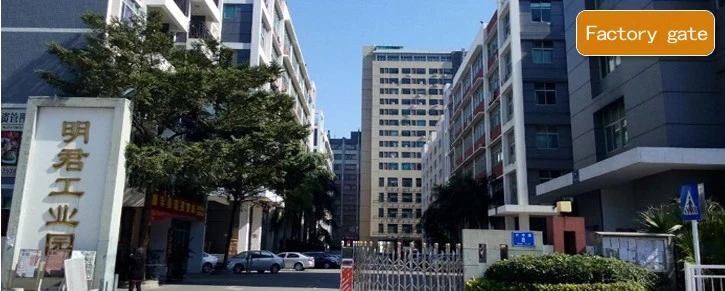
Shenzhen Guangxinsheng Packing Co., Ltd.
- Manufacturer, Trading Company
- Guangdong, China
- Lead time15 days
- Avg. response≤ 3h
Main productsCOTTON BAG,custom cotton dust bag,custom dust bag,Cotton Bag,dust bag for handbags
Main marketsNorth America(50.00%), Western Europe(30.00%), Southeast Asia(3.00%), Eastern Asia(3.00%), Domestic Market(2.00%), Mid East(2.00%), Oceania(2.00%), Eastern Europe(2.00%), South Asia(1.00%), South America(1.00%), Southern Europe(1.00%), Northern Europe(1.00%), Central America(1.00%), Africa(1.00%)
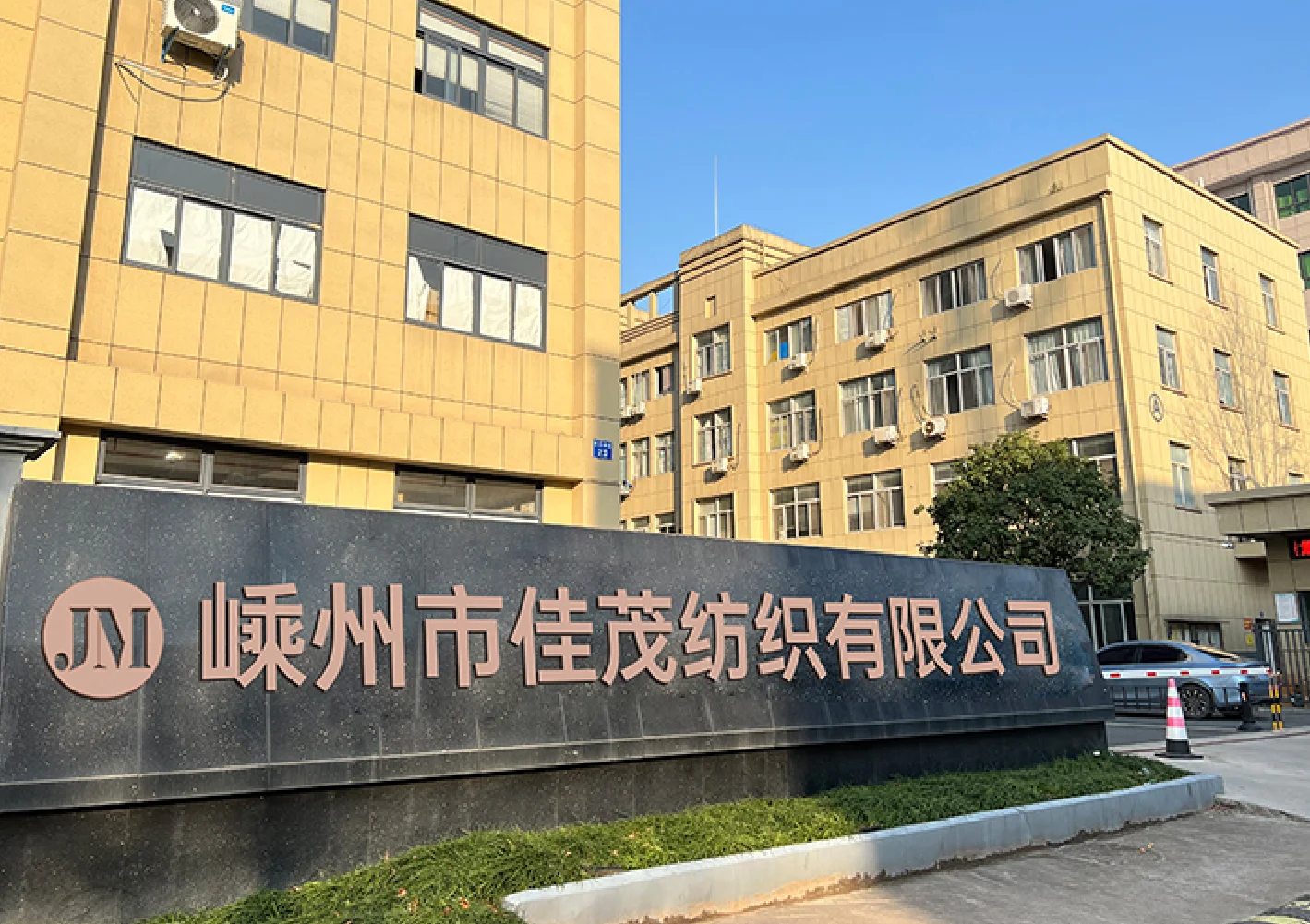
Shengzhou Jamo Textile Co., Ltd.
- Trading Company
- Zhejiang, China
- Lead time7 days
- Avg. response≤ 2h
Main productsPouch Bag,Dust Bag,Tote Bag,Packing Box
Main marketsEastern Europe(30.00%), North America(30.00%), Northern Europe(20.00%), Africa(10.00%), Oceania(10.00%)

Qingdao Chenghaoda Science and Technology Co., Ltd.
- Verified by BV
- Manufacturer/Factory
- China Shandong
- Lead time15 days
- Avg. response≤ 15h
Main productsCustom Packaging Paper Bag, Custom Packaging Paper Box, Corrugated Carton/Gift Box, Custom Notebook, Decorative Books, Book/Booklet/Brochure/Catalog/Magazine Printing, Disposable Dishware
Main marketsNorth America,Eastern Asia,Western Europe

Eco Friendly Custom Logo Non Woven Drawstring Bag Shoes Bag Dust Drawstring Bag
$0.03 - $0.08
MOQ: 5000 Pieces

Factory Direct Sale Custom Logo Non-Woven Bundle Pocket Custom Dust Bag Non-Woven Drawstring Bag
$0.03 - $0.08
MOQ: 5000 Pieces

Nan'an Brightpath International E-Commerce Co., Ltd.
- Verified by CTI
- Trading Company
- China Fujian
- Lead time0 days
- Avg. response≤ 3h
Main productsPromotion Gift, Stationery, Gift Set, Packaging Bag & Box, Keychain, Promotion Drinkware, Shoulder Bag, Backpack


Customized Logo Cotton Canvas Bags Woven Fabric Dust Bag Custom Canvas Drawstring Pouch
$0.10 - $0.20
MOQ: 100 Pieces

Wholesale Reusable Non Woven Garment Dust Bags Custom Logo Drawstring Gift Pouch
$0.10 - $0.15
MOQ: 100 Pieces

Woven Fabric Dust Bag Wholesale Canvas Drawstring Pouch Custom Logo Cotton Canvas Bags
$0.10 - $0.20
MOQ: 100 Pieces

- Verified by BV
- Manufacturer/Factory
- China Beijing
- Lead time23 days
- Avg. response≤ 20h
Main productsPromotion Gifts, Corporate Gift, Gift Bag, Luggage, Tumbler, Promotional Bags, Tote Bag, Travel Bag, Shopping Cart, Umbrella
Main marketsSouth America,Eastern Europe,Mid East,North America,Southeast Asia,Eastern Asia,Oceania,Western Europe,Africa

Custom Size Recycled Canvas Cotton Drawstring Bags Canvas Drawstring Dust Bag with Logo
$0.20 - $0.40
MOQ: 1000 Pieces

Custom Eco Friendly Colorful Organic Recycled Cotton Dust Bag Drawstring
$0.38 - $0.68
MOQ: 1000 Pieces
Yancheng Gold Packaging Co., Ltd.
- Verified by TüVRheinland
- Manufacturer, Trading Company
- Lead time20 days
- Avg. response≤ 2h
Main productsVelvet Pouch, Cotton Canvas Pouch, Nonwoven Bag, Satin Pouch, Jute Pouch
Main marketsNorth America(30%), Western Europe(20%), Domestic Market(19%)

- Verified by BV
- Manufacturer/Factory
- China Zhejiang
- Lead time15 days
- Avg. response≤ 2h
Main productsJewelry Bag, Jewelry Card, Box, Promotion Gifts
Main marketsSouth America,Eastern Europe,Mid East,North America,Southeast Asia,Eastern Asia,Oceania,Western Europe,Africa


$0.15 - $0.20
MOQ: 2000 Pieces
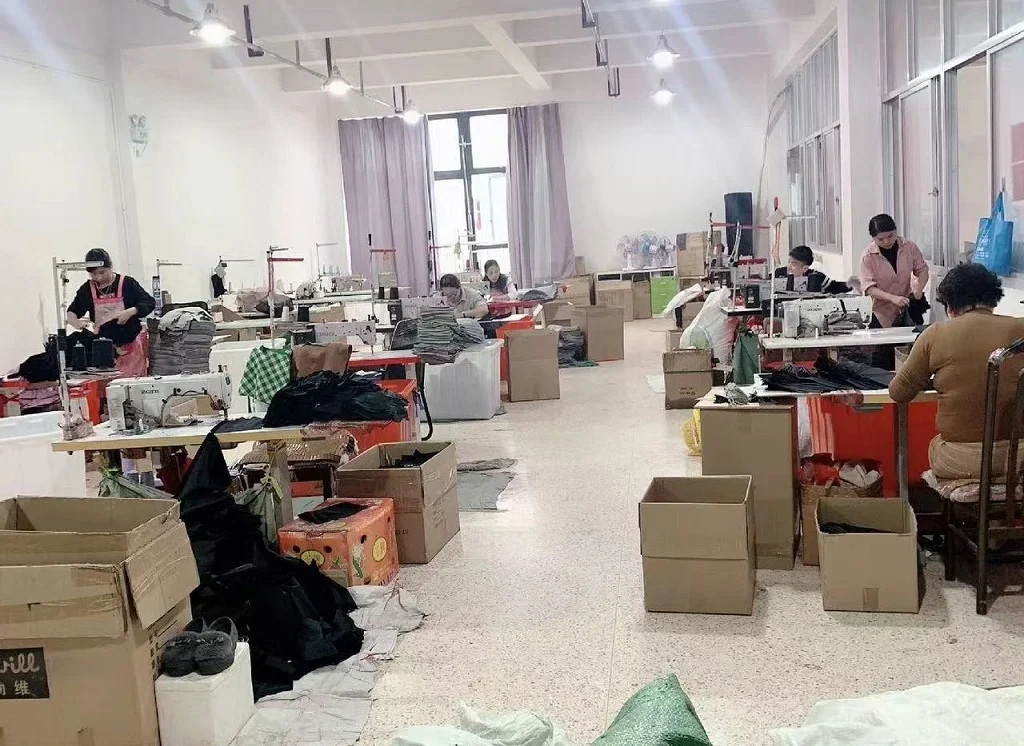
Shaanxi Jia Ruo Xuan Trading Co., Ltd.
- Trading Company
- Shaanxi, China
- Lead time15 days
- Avg. response≤ 1h
Main productsCotton Canvas Bag,Shopping Bag,tote bags,Backpack bag,paper bags
Main marketsNorth America(45.00%), South America(20.00%), Western Europe(15.00%)
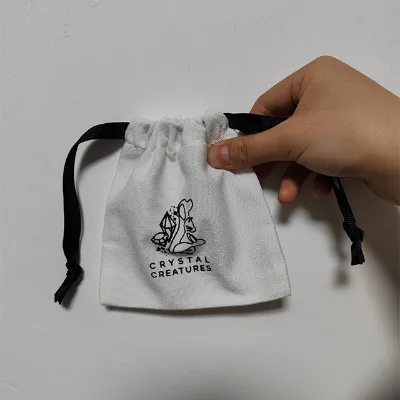
$0.1131 - $0.5351
MOQ: 200 pieces
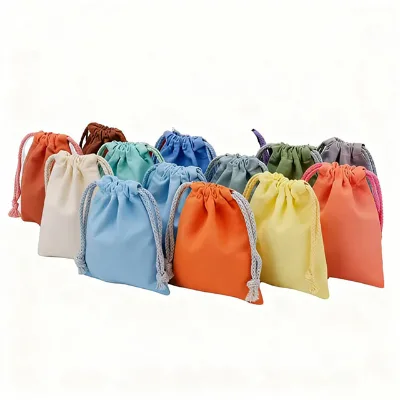
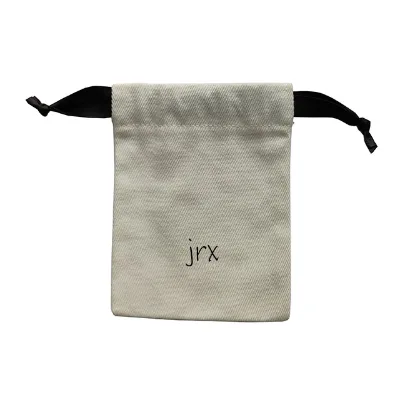
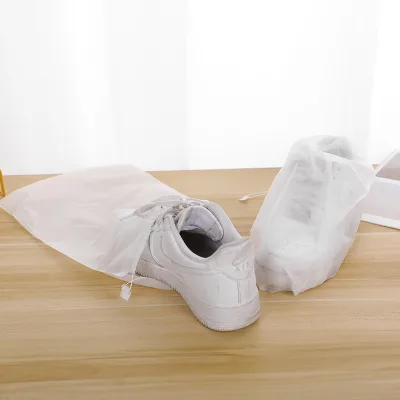
Easy Carry Custom Drawstring Dust Bags Covers for Handbag Non-woven Fabric Shoe Bags
$0.0103 - $0.0822
MOQ: 1 pieces

Xiamen Top Green Bags Co., Ltd.
- Verified by SGS
- Trading Company,Manufacturer/Factory
- China Fujian
- Lead time45 days
- Avg. response≤ 5h
Main productsCooler Bags, Sports Bags, Apron, Promotional Bag, Waist Bag, Shoulder Bag, Travel Bags, Cosmetic Bag, Laptop Bag, Pencil Bag
Main marketsSouth America,Eastern Europe,North America,Southeast Asia,Eastern Asia,Oceania,Western Europe,Africa

Cotton Canvas Pouch Dust Bag Canvas Drawstring Bag for Handbag Packaging
$0.60 - $0.76
MOQ: 500 Pieces


Custom Logo Printed Gift Canvas Cotton Double Drawstring String Tote Shoe Dust Bag
$0.38 - $0.46
MOQ: 500 Pieces
Longgang City Lemei Bags Co., Ltd.
- Verified by SGS Group
- Manufacturer, Trading Company
- Lead time20 days
- Avg. response≤ 3h
Main productsNon Woven Bag, Aprons, shopping bag, Cooler Bag, Cotton Bag
Main marketsNorth America(36%), Northern Europe(31%), Western Europe(20%)
Luokai (zhongshan) Packaging Co., Ltd.
- Verified by SGS Group
- Manufacturer, Trading Company
- Lead time15 days
- Avg. response≤ 2h
Main productsRibbon, Ribbon Bow, Packaging Bag, Paper Printing, Gift Box
Main marketsNorth America(30%), Western Europe(30%), Mid East(20%)
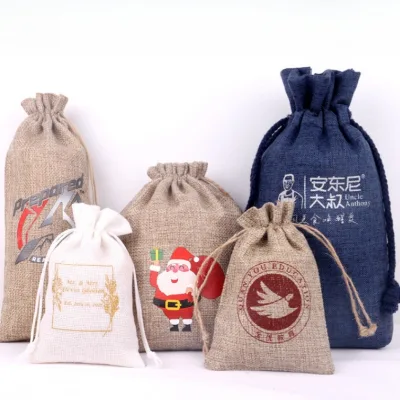
Cheap Eco Friendly Custom Logo Printed Cotton Canvas Drawstring Bag Dust Bag for Christmas Gift
$0.05 - $0.08
MOQ: 50 pieces
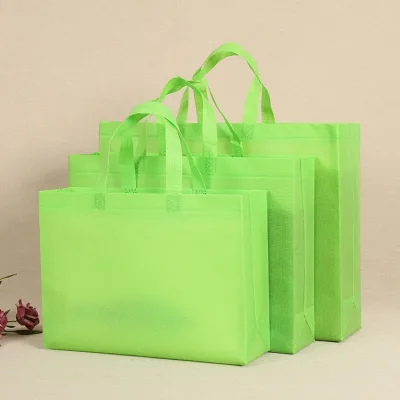
Eco-Friendly Colored Non-Woven Drawstring Dust Bag Recycled Nonwoven Shopper Gift Bag
$0.0105 - $0.0315
MOQ: 100 pieces
- Manufacturer
- Zhejaing, China
- Lead time20 days
- Avg. response≤ 3h
Main productsNon woven bag,Cotton bag,Shopping bag,Insulated cooler bag
Main marketsNorth America(25.00%), Domestic Market(20.00%), Eastern Europe(15.00%), Western Europe(10.00%), Central America(7.00%), Northern Europe(7.00%), South America(5.00%), Oceania(3.00%), Southern Europe(3.00%), South Asia(2.00%), Mid East(1.00%), Southeast Asia(1.00%), Eastern Asia(1.00%)


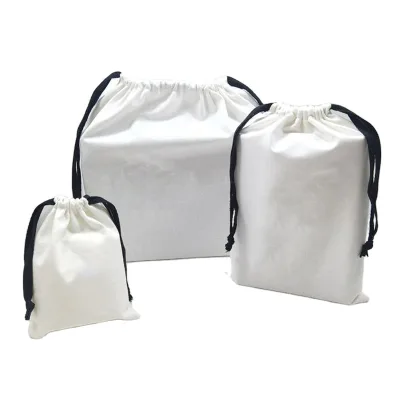
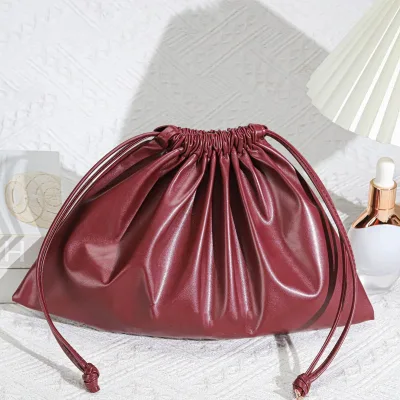
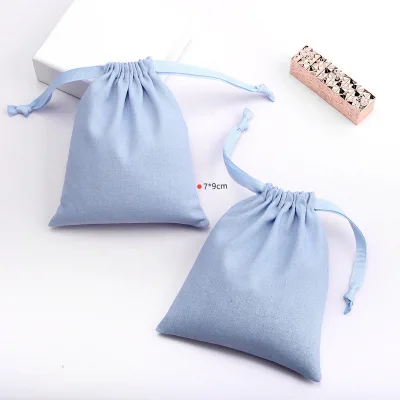
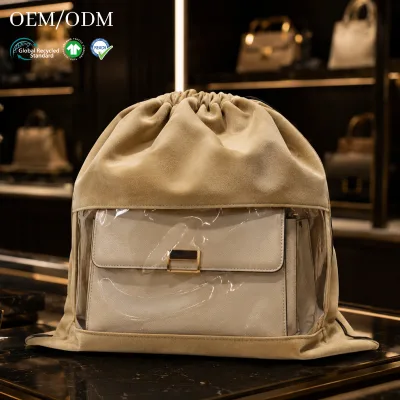


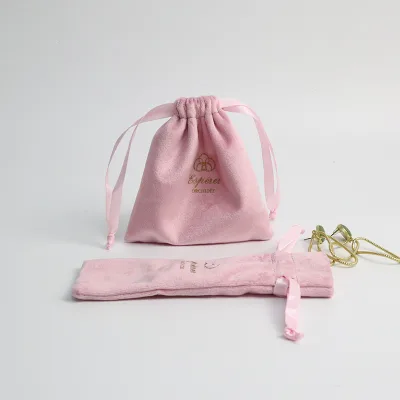
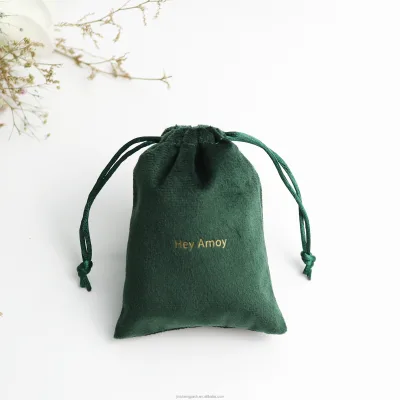
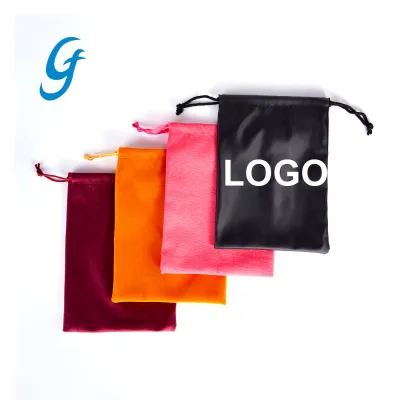
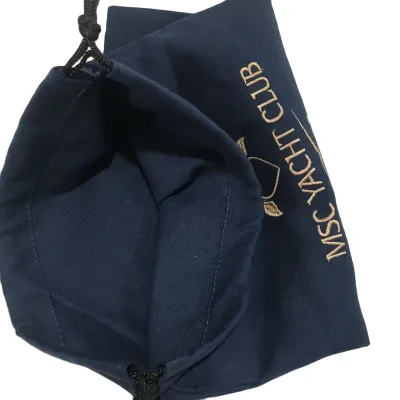
Comprehensive Sourcing Guide
Reusable Velvet Drawstring Dust Bag Supplier Concentration and Factory Types
The current supplier landscape for reusable velvet drawstring dust bags reveals a distinct concentration of manufacturing capabilities within specific Chinese provinces, particularly Hubei and Anhui. These regions serve as active hubs for textile and bag production, offering buyers access to factories that specialize in the intricate weaving and finishing processes required for velvet and suede materials. In Hubei, suppliers are identified as Manufacturer/Factory entities that produce a diverse range of textile packaging solutions, including drawstring bags, gift boxes, and various fabric pouches. This concentration suggests a mature local supply chain for raw materials such as cotton, satin, and non-woven fabrics, which complements the velvet offerings. Buyers evaluating these clusters should note that the presence of multiple factory types in one geographic area often indicates a competitive environment where specialization is key. Some facilities may focus heavily on high-volume, low-cost items like non-woven bags, while others, like those in Hubei, demonstrate a capability for more premium products such as velvet and satin dust bags. The proximity of these manufacturers allows for efficient coordination of raw material sourcing and finished goods logistics, which can be a significant advantage for buyers seeking consistent quality and timely delivery. Understanding this geographic distribution helps in narrowing down the search to regions with proven expertise in textile bag manufacturing, rather than scattering efforts across unrelated industrial zones.
In contrast, suppliers located in Anhui present a different operational profile, often emphasizing broader certification standards and verified verification processes. The Anhui-based suppliers listed are associated with a wide array of system certifications, including ISO 9001, ISO 14001, BSCI, and OHSAS/ OHSMS 18001, indicating a strong focus on quality management and environmental standards. These factories typically offer OEM capabilities and produce a mix of canvas, tote, and drawstring bags, suggesting versatility in handling different fabric types and design requirements. The presence of SGS verification for some of these entities adds a layer of trust regarding their operational compliance and product safety. When comparing factory types, it is crucial to distinguish between pure manufacturers and trading companies, although the current data points primarily toward actual factories with direct production lines. Buyers should look for suppliers that explicitly state their company type as Manufacturer/Factory to ensure direct control over the production process. The diversity in main products among these factories, ranging from thermal bags to jewelry pouches, highlights the adaptability of these facilities. This adaptability is particularly relevant for reusable velvet drawstring dust bags, as it suggests that the factories have the technical infrastructure to handle delicate fabrics and complex printing techniques like silk-screen and embroidery.
How to Verify Reusable Velvet Drawstring Dust Bag Suppliers
Verifying the authenticity and capability of suppliers for reusable velvet drawstring dust bags requires a multi-layered approach that goes beyond simple profile reviews. One of the most critical steps is to check for third-party verification badges, such as SGS, which indicates that an independent agency has audited the supplier’s operations. In the current results, suppliers from Anhui are explicitly marked as verified by SGS, providing a tangible proof point for their business legitimacy. Buyers should prioritize suppliers with such verifications, as they have undergone rigorous checks regarding their business licenses, factory size, and production capacity. Additionally, examining the supplier’s system certifications is essential for ensuring consistent quality control. The presence of ISO 9001 certification, found in both Hubei and Anhui supplier profiles, signals that the factory adheres to international standards for quality management systems. This is particularly important for velvet dust bags, where consistency in fabric texture, stitching durability, and print quality is paramount. Buyers should request copies of these certificates and verify their validity through the issuing bodies to avoid forged documents. The combination of third-party verification and recognized system certifications provides a strong foundation for trusting a supplier’s ability to deliver on their promises.
Beyond certifications, buyers must assess the supplier’s responsiveness and communication efficiency, which are strong indicators of their operational health and customer service quality. The response time metric, recorded at 6.83 hours for Hubei suppliers and 7.21 hours for Anhui suppliers, offers a quantitative measure of how quickly a supplier engages with potential inquiries. A faster response time often correlates with a more active sales team and a streamlined internal process for handling quotes and samples. Buyers should test this responsiveness by sending detailed inquiries about specific velvet dust bag requirements, including custom logo printing and material specifications. The ability of the supplier to provide accurate and timely information during this initial interaction is a good predictor of their performance during the actual order fulfillment process. Furthermore, buyers should look for evidence of product customization capabilities, such as the ability to customize logos via silk-screen, stamping, or embroidery. Suppliers that clearly outline these options in their product attributes demonstrate a readiness to handle bespoke orders. By combining verification checks with responsiveness testing, buyers can effectively filter out unreliable suppliers and focus on those that are both legitimate and operationally efficient.
What to Compare Across Reusable Velvet Drawstring Dust Bag Suppliers
When evaluating multiple suppliers for reusable velvet drawstring dust bags, buyers must compare several key operational dimensions to identify the best fit for their specific needs. One of the most significant factors is the lead time, which varies considerably between different suppliers. For instance, Hubei-based suppliers report a lead time of 23 days, while Anhui-based suppliers indicate a much longer lead time of 98 days. This substantial difference can have a major impact on inventory planning and market launch schedules. Buyers with urgent requirements should prioritize suppliers with shorter lead times, provided that the quality meets their standards. Conversely, suppliers with longer lead times may offer more flexibility for large, planned orders or may be processing a higher volume of existing commitments. Another critical comparison point is the Minimum Order Quantity (MOQ). While specific MOQs for velvet bags are not uniformly listed, some product entries show an MOQ of 1000 pieces. Buyers should clarify the MOQ for their specific design and size requirements, as customizations often come with higher minimums. Understanding these thresholds helps in determining whether a supplier can accommodate small batch tests or if they are only suitable for large-scale production runs.
Price and customization options are also vital areas for comparison. The price range for similar dust bags, such as satin or cotton variants, varies from $0.30 to $1.20 per piece, depending on the material and complexity. Buyers should request detailed quotes for velvet dust bags, considering factors like fabric weight, print complexity, and packaging requirements. The availability of customization, such as custom logos and specific sizes, is a key differentiator. Suppliers that offer flexible customization options, including silk-screen printing and embroidery, provide greater value for brands looking to enhance their packaging. Additionally, buyers should compare the main products offered by each supplier to ensure they have dedicated expertise in velvet and dust bags. Suppliers that specialize in a wide range of textile bags, including drawstring, tote, and cosmetic bags, are likely to have more refined processes for handling different materials. By systematically comparing lead times, MOQs, prices, and customization capabilities, buyers can make informed decisions that balance cost, speed, and quality. This comparative analysis ensures that the selected supplier aligns with the buyer’s strategic goals and operational constraints.
Common Reusable Velvet Drawstring Dust Bag Sourcing Risks
Sourcing reusable velvet drawstring dust bags from international suppliers involves several inherent risks that buyers must proactively manage to ensure a smooth procurement process. One significant risk is the variability in product quality, particularly regarding the texture and durability of the velvet fabric. Velvet is a delicate material that can easily snag or lose its pile if not handled correctly during production and shipping. Buyers must ensure that the supplier uses high-quality raw materials and has strict quality control measures in place. The absence of specific test results for fabric durability in the current data highlights the need for buyers to request physical samples to assess the material’s quality firsthand. Another risk is the potential for delays in production, especially when dealing with suppliers that have longer lead times or complex customization requirements. Miscommunication regarding design specifications, such as logo placement or color matching, can lead to significant delays and additional costs. Buyers should establish clear communication channels and provide detailed technical packs to minimize the risk of errors. Additionally, the reliance on third-party logistics can introduce risks related to shipping damage or loss, particularly for lightweight items like dust bags that may be prone to compression damage.
Another critical risk is the potential for non-compliance with international standards and regulations, particularly if the bags are intended for markets with strict environmental or safety requirements. While some suppliers hold ISO 9001 and SGS certifications, buyers must verify that these certifications cover the specific materials and processes used for their orders. For example, if the velvet fabric contains certain chemicals or dyes, it must comply with relevant safety standards. The lack of detailed information on material composition in the current product attributes underscores the need for buyers to request material safety data sheets and compliance certificates. Furthermore, there is a risk of intellectual property infringement if the supplier shares the buyer’s custom designs with other clients. Buyers should include strict confidentiality clauses in their contracts and consider using non-disclosure agreements to protect their brand assets. The variability in response times, ranging from 6.83 to 7.21 hours, may also indicate differences in the supplier’s internal processes, which could affect their ability to handle urgent requests or resolve issues quickly. By identifying and mitigating these risks through thorough due diligence and clear contractual terms, buyers can protect their interests and ensure a successful sourcing experience.
Reusable Velvet Drawstring Dust Bag Regional Sourcing and Logistics
The geographic location of suppliers plays a crucial role in determining the logistics strategy and overall cost structure for sourcing reusable velvet drawstring dust bags. Suppliers located in China, specifically in provinces like Hubei and Anhui, offer access to well-established manufacturing clusters that are optimized for textile production. Hubei, with its concentration of factory-type suppliers, provides a robust infrastructure for producing a variety of bag types, including velvet and satin dust bags. The proximity of these factories to major shipping ports and logistics hubs can facilitate efficient export processes, reducing transit times and costs. Buyers should consider the logistical advantages of sourcing from these regions, particularly if they are looking for a balance between cost-effectiveness and production capacity. The presence of multiple suppliers in these areas also fosters competition, which can lead to better pricing and service terms. However, buyers must also account for the potential challenges of international shipping, such as customs clearance delays and fluctuating freight rates. Understanding the specific logistics capabilities of each supplier, including their experience with export documentation and packaging standards, is essential for minimizing disruptions.
In contrast, suppliers in Anhui, while also located in China, may have different logistical profiles due to their specific regional infrastructure and certification requirements. The Anhui suppliers, which are often verified by SGS and hold a wide range of ISO certifications, may cater to buyers with stricter compliance needs. The longer lead times associated with these suppliers, such as the 98-day lead time observed, may be influenced by their production schedules and the complexity of their order processing. Buyers should evaluate whether the logistical benefits of sourcing from Anhui, such as potentially higher quality control standards, outweigh the longer lead times. Additionally, the packaging methods used by suppliers, such as OPP bags and standard cartons, can impact the efficiency of shipping and storage. Buyers should ensure that the packaging is robust enough to protect the velvet dust bags during transit, preventing damage from moisture or compression. By carefully analyzing the regional logistics capabilities of each supplier, buyers can develop a sourcing strategy that aligns with their delivery timelines and budget constraints. This analysis should include considerations for freight forwarding, insurance, and customs duties to ensure a comprehensive understanding of the
FAQs
What is the price range for velvet drawstring dust bags?
Prices typically range from $0.30 to $1.20 per unit depending on material and customization. Velvet options often start around $0.40, while satin or large suede variants may cost up to $1.20. Bulk orders usually secure lower rates within this bracket.
What is the minimum order quantity for these bags?
The standard minimum order quantity is 1000 pieces. This threshold applies to most velvet and satin drawstring dust bags listed. Buyers seeking smaller quantities may need to negotiate directly or look for stock items, though bulk pricing benefits are significant at this volume.
How long does production take for custom orders?
Lead times vary significantly by supplier location and capacity. Some manufacturers in Hubei offer a lead time of 23 days, while others in Anhui may require up to 98 days. Buyers should confirm specific timelines based on order complexity and current factory schedules.
Can I customize the logo and printing on these bags?
Yes, customization is available for logos and printing. Options include silk-screen, stamping, and embroidery. Buyers can request custom logos as per their requirements. This flexibility allows for branded packaging solutions suitable for jewelry, cosmetics, or luxury garment protection.
What certifications do these suppliers hold?
Suppliers often hold ISO 9001 certification for quality management. Some facilities also maintain ISO 14001, BSCI, or SGS verification. These certifications ensure adherence to international standards for manufacturing processes and environmental management, providing assurance for global B2B sourcing requirements.
What materials are used for these dust bags?
Common materials include velvet, satin, suede, cotton, and canvas. Velvet and satin offer a luxurious feel, while cotton and canvas provide eco-friendly durability. Buyers can choose based on the intended use, such as jewelry storage, shoe protection, or general gift packaging.