Recyclable Polypropylene Garbage Separator Box Suppliers and Manufacturers
Find 27 verified sources for Recyclable Polypropylene Garbage Separator Box options from China. Compare locations, lead times, certifications, and pricing to select the right partner. Request samples to verify quality before placing orders; review the available evidence before requesting comparable quotations from suitable candidates.
Updated
Suppliers List

Qingdao Aohai Ruitai Industrial Co., Ltd.
- Combined
- China Shandong
- Lead time15 days
- Avg. response≤ 4h
Main productsPP Hollow Sheet, PP Corrugated Box, PP Corrugated Billboard, PP Corrugated Sheet, PP Edge Protectors, PP Corrugated Sign
Main marketsDomestic

Durable Collapsible Polypropylene Corrugated Plastic Box with Reusability & Recyclability
$2.05 - $2.50
MOQ: 1000 kg

Polypropylene Corrugated Bins Plastic Box with Partitions for Industrial Packaging
$2.05 - $2.50
MOQ: 1000 kg


Suzhou Huiyuan Plastic Products Co. Ltd.
- Verified by BV
- Manufacturer/Factory
- China Jiangsu
- Lead time23 days
- Avg. response≤ 4h
Main productsPick Bins, PP Layer Pad, Coroplast Sheet, PP Corrugated Sheet, Corrugated Plastic Sheet, Plastic Corrugated Sheet, Corflute Sheets, Corrugated Plastic Box, Pallet Sleeve Box, Delta Traps
Main marketsSouth America,Eastern Europe,Mid East,North America,Southeast Asia,Eastern Asia,Oceania,Western Europe,Africa
HEADYPHOON (SHANDONG)NEW MATERIAL TECHNOLOGY CO., LTD.
- Manufacturer, Trading Company
- Shandong, China
- Lead time10 days
- Avg. response≤ 2h
Main productsPP Corrugated Sheet, PP Corrugated Box
Main marketsNorth America(20.00%), South America(20.00%), Western Europe(10.00%), Southern Europe(10.00%), Eastern Europe(10.00%), Oceania(5.00%), Eastern Asia(5.00%), Central America(5.00%), Africa(5.00%), Mid East(5.00%), Southeast Asia(5.00%)
Shandong Corruone New Material Co., Ltd.
- Verified by SGS Group
- Manufacturer, Trading Company
- Lead time5 days
- Avg. response≤ 1h
Main productsCorrugated Plastic Sheets, Corrugated Plastic Box, Corrugated Plastic Bin, Floor Protection Sheet, Tree Guard
Main marketsWestern Europe(15%), South Asia(15%), North America(11%)
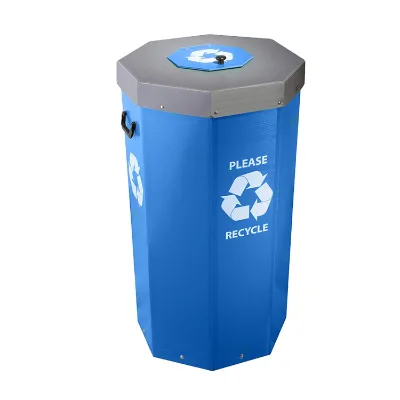
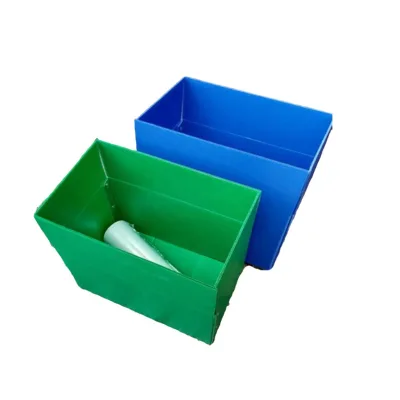
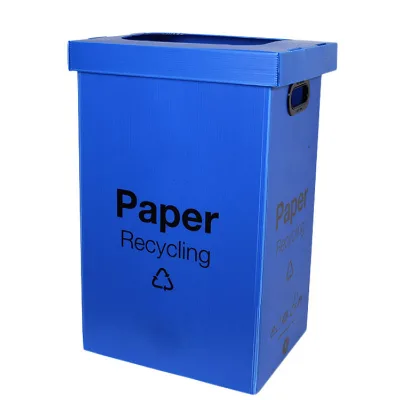
Manufacturer Outdoor Trash Bins PP Rectangular Standing Plastic Recycle Waste Bin
$2.80 - $3.00
MOQ: 1 pieces
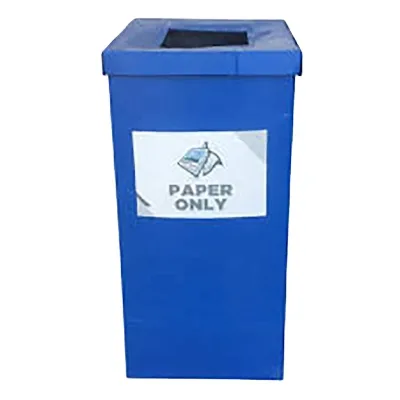
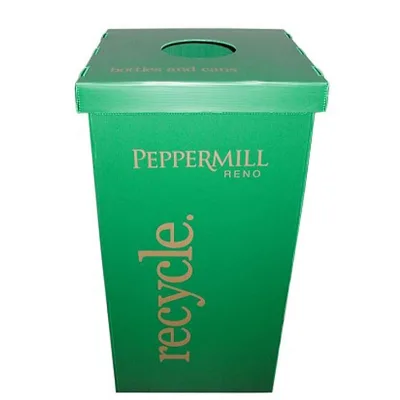
$2.4808 - $2.8421
MOQ: 500 pieces

Suzhou Highbright Enterprise Limited
- Combined
- China Jiangsu
- Lead time30 days
- Avg. response≤ 5h
Main productsShopping Trolley, Shopping Cart, Gondola Shelf, Display Shelf, Shop Fittings, Store Fixtures, Roll Container, Shopping Basket, Checkout Counter, Swing Gate
Main marketsSouth America,Africa,Southeast Asia/ Mideast,East Asia(Japan/ South Korea),Europe,Australia,North America
Huidu Eco-Technologies (shanghai) Co., Ltd.
- Verified by TüVRheinland
- Manufacturer, Trading Company
- Lead time15 days
- Avg. response≤ 2h
Main productsPlastic Packaging Products, PP Logistics Folding Crate, PP Pallet, PP Hollow Board Box, PP Corrugated Sheet
Main marketsDomestic Market(90%), Mid East(4%), North America(3%)

Qingdao Preface Plast Co., Ltd.
- Verified by SGS
- Combined
- China Shandong
- Lead time15 days
- Avg. response≤ 8h
Main productsPlastic Pallet, Plastic Pallet Box, Plastic Dustbin, Spill Prevention & Containment, Spill Pallet, Storage Boxes & Bins, Industrial Plastic Storage Bins, Collapsible Pallet Box, Sharp Container
Main marketsSoutheast Asia/ Mideast,Europe,North America

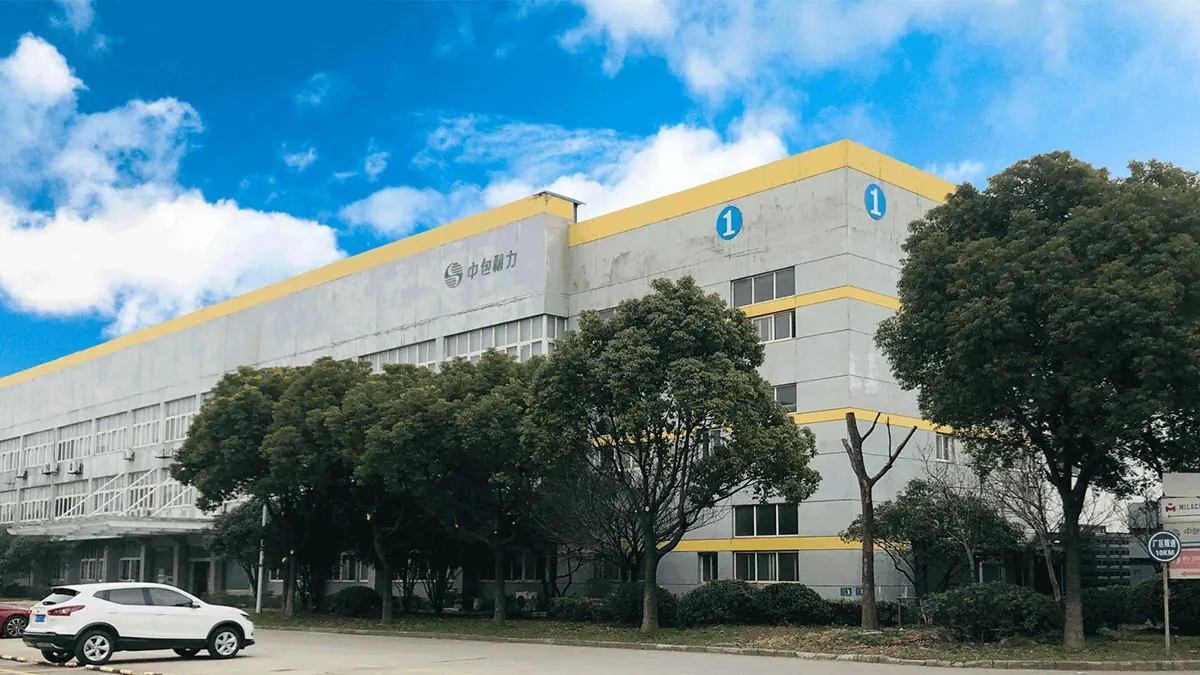
Plastic Rubbish Bin Outdoor Recycle Plastic Dustbins 120 Liter Garbage Container
$10.00 - $90.00
MOQ: 10 Pieces

120 Liter Garbage Binrecycling Waste Bin HDPE Material Plastic Dustbin Waste Bin
$10.00 - $90.00
MOQ: 10 Pieces


$10.00 - $90.00
MOQ: 10 Pieces
Jingli Pack Technology Jiangyin Co., Ltd.
- Trading Company
- jiangsu, China
- Lead time10 days
- Avg. response≤ 3h
Main productsPlastic Pallet Box,Paper Box,al Pa Metal Pallet Box;Metllet,Plastic Pallet,Plastic Crates
Main marketsOceania(40.00%), North America(30.00%), Southeast Asia(15.00%), South America(5.00%), Central America(5.00%), Mid East(3.00%), Eastern Asia(2.00%)

Zhejiang Huanqun Plastic Co., Ltd.
- Verified by TUVRHEINLAND
- Combined
- China Zhejiang
- Lead time15 days
- Avg. response≤ 12h
Main productsTrash Can
Main marketsDomestic
Shandong Brilliant Packaging Products Co., Ltd.
- Verified by Intertek
- Manufacturer, Trading Company
- Lead time14 days
- Avg. response≤ 2h
Main productsPlastic Pallet, Plastic Crates, Plastic Dustbins, Plastic pallets box, Turnover box
Main marketsSoutheast Asia(70%), Mid East(30%)
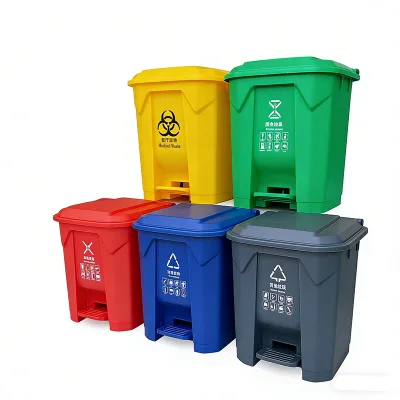
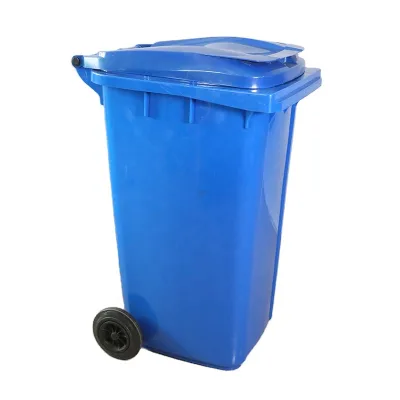
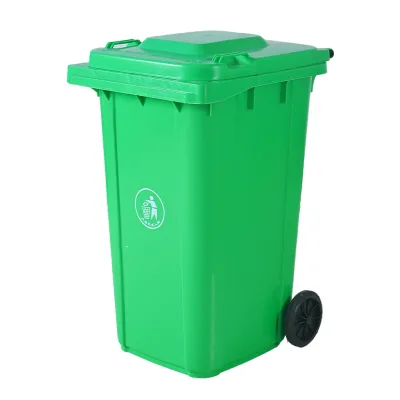
$5.7307 - $59.2615
MOQ: 500 Minimum
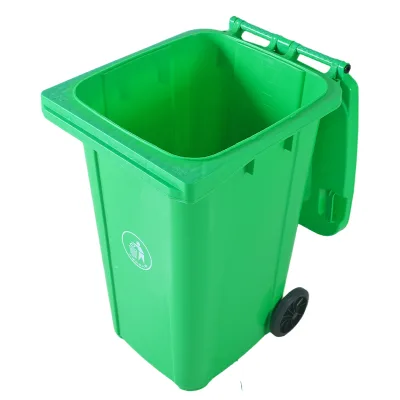
$5.7397 - $16.4845
MOQ: 500 Minimum
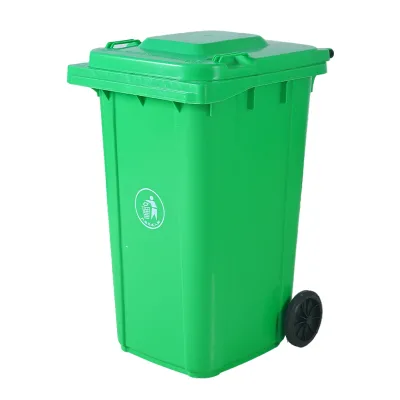
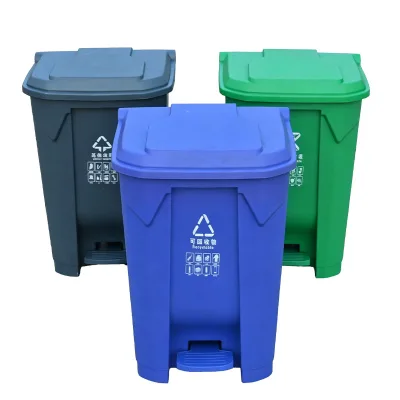

Shandong BONHUE Machinery Equipment Co., Ltd.
- Verified by CTI
- Combined
- China Shandong
- Lead time30 days
- Avg. response≤ 8h
Main productsLoader, Tractor, Sanitation Vehicle, Forklift, Truck, Sanitation Tricycle, Trash Can, Silage Film, Construction Machinery, Road Sweeper
Main marketsDomestic

Hubei Space Double Rhombus Logistics Technology Co., Ltd.
- Manufacturer/Factory,Group Corporation
- China Hubei
- Lead time23 days
- Avg. response≤ 13h
Main productsCaster, Wheel, Airport Trolley, Check-in Counter, Queue Stand, Airport Chair, Wheelchair, Commode Chair, Walker, Walking Sticker
Main marketsSouth America,Eastern Europe,Mid East,North America,Southeast Asia,Eastern Asia,Oceania,Western Europe,Africa

Chengdu GodShape Sign Co., Ltd.
- Verified by TUVRHEINLAND
- Combined
- China Sichuan
- Lead time15 days
- Avg. response≤ 12h
Main productsLED Light Box, Plaque and Plate Signboard, Luminous Letters and Numbers Sign, 3D Letters and Numbers Sign, Trash Can and Letters Box
Main marketsDomestic,Europe,North America


Outdoor Metal Compartment Trash Bin Customize Recycle Dustbin Assorting Wastebin
$80.00 - $260.00
MOQ: 1 Pieces


Three Dust Bin for Waste Recycle Garbage Classification Container -418L
$89.00 - $129.00
MOQ: 10 Pieces

Taizhou Hengming Plastics & Mould Technology Co., Ltd.
- Trading Company
- Lead time旺季: , 淡季:
- Avg. response≤ 2h
Main productsPlastic Waste Bin, Plastic Compost Bin, Plastic Bucket, Plastic Crate, Mould
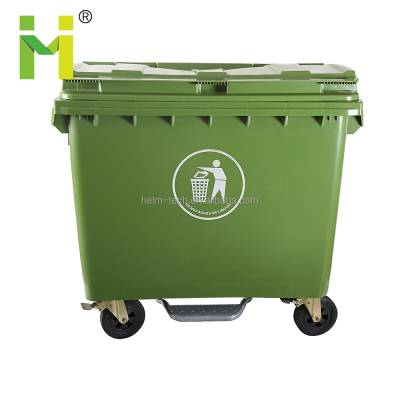
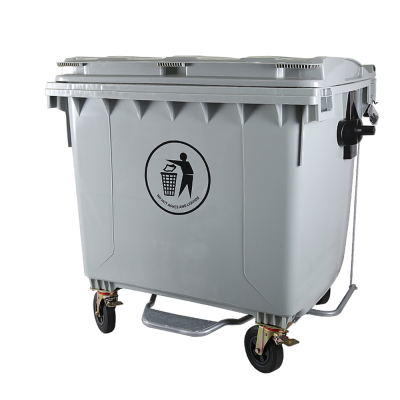
660l Bin Garbage 1100l Rear Loading Trash Can Trash Bin
$115.00 - $120.00
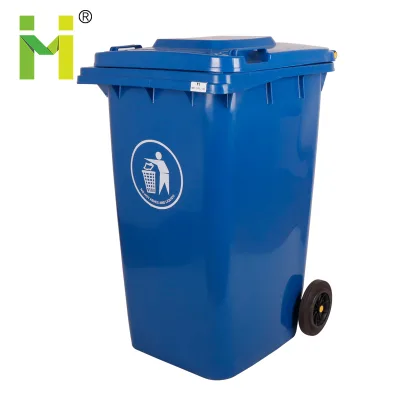
240L Outdoor Public Plastic Waste Bins
$35.00 - $37.00

GUANGZHOU ATGET DECORATION & HARDWARE CO., LTD.
- Verified by SGS
- Combined
- China Guangdong
- Lead time15 days
- Avg. response≤ 13h
Main productsSoap Dispenser, Paper Towel Dispenser, Paper Holder, Bathroom Grab Bar, Floor Drain, Handrail for The Disabled, Bathroom Shower Shelf, Cosmetic Mirror, Bathroom Accessories, Miscellaneous Hardware
Main marketsSouth America,Southeast Asia/ Mideast,Europe
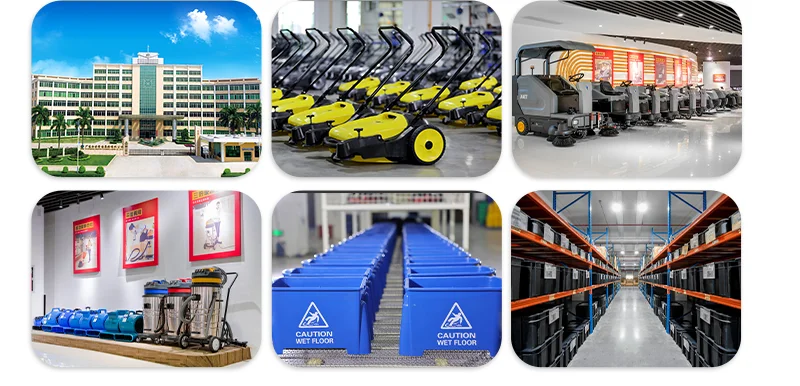
Guangzhou Yuegao Import & Export Co., Ltd.
- Manufacturer, Trading Company
- Guangdong, China
- Lead time25 days
- Avg. response≤ 15h
Main productsvacuum cleaner,trash bins,janitor carts,mop wringer buckets,caution boards
Main marketsMid East(25.00%), Eastern Europe(20.00%), North America(20.00%), South America(15.00%), Southeast Asia(6.00%), Eastern Asia(6.00%), Africa(5.00%), Western Europe(3.00%)
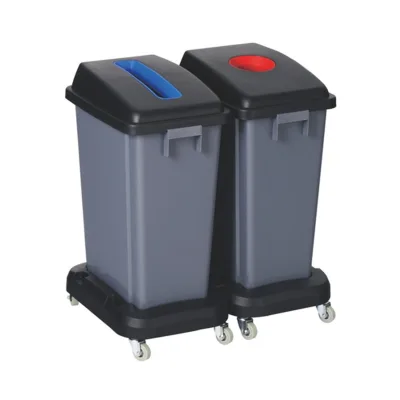
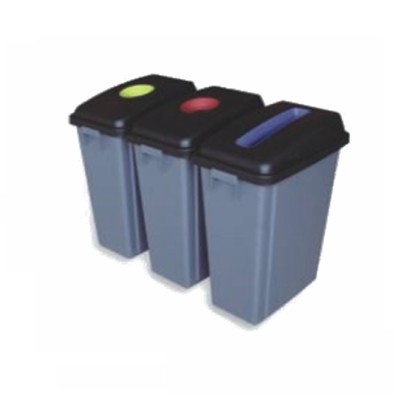
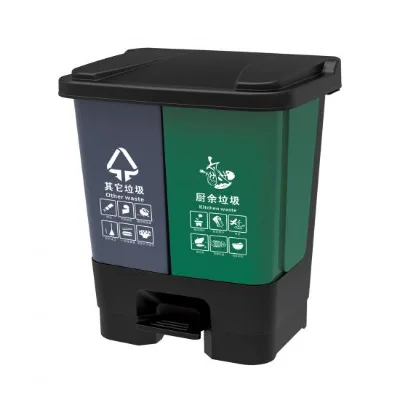
$6.20 - $7.20
MOQ: 10 Minimum
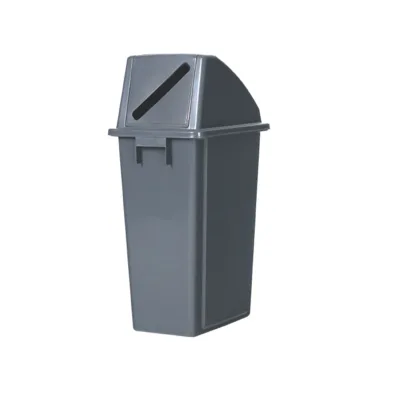
Customized Logo Plastic Trash Can Push and Pull Out Trash Can Recycling Trash Can
$9.00 - $10.00
MOQ: 50 units
Fu Cheng Metals Production Co., Ltd. Of Jiangmen City
- Verified by Intertek
- Manufacturer, Trading Company
- Lead time45 days
- Avg. response≤ 10h
Main productsTrash Bin, Canister, Bread Box, Paper Holders, Ice Bucket
Main marketsNorth America(30%), Western Europe(25%), Southeast Asia(15%)

- Verified by SGS
- Manufacturer/Factory
- China Shandong
- Lead time105 days
- Avg. response≤ 4h
Main productsPlastic Pallet, Plastic Pallet Box, Collapsbile Plastic Pallet Box, Plastic Dustbin, Pallet Plastic, Racking Use Plastic Pallet, Bread Crate, Fishing Plastic Pallet Box, 5 Gallon Water Rack, Spill Containment Pallet
Main marketsSouth America,Eastern Europe,Mid East,North America,Southeast Asia,Eastern Asia,Oceania,Africa


Recycling High Quality Large Plastic Outdoor Garbage Container with 240L Gallons
$58.00 - $65.00
MOQ: 200 Pieces


Hero Equipment (Yangzhou) Co., Ltd.
- Verified by TUVRHEINLAND
- Combined
- China Jiangsu
- Lead time30 days
- Avg. response≤ 5h
Main productsSkip Bin, Front Load Bin / Rear Load Bin, Hook Lift Bin / Container, Crane / Hoist Lift Bin, Self Tipping Bin / Self Dumping Hopper, Roll off Bin / Container, Modular House, Special Container, Equipment Container, Dump Truck Body
Main marketsEurope,Australia,North America

660 Liter Movable Plastic Dustbin PE Garbage Container Waster Container
$100.00 - $140.00
MOQ: 100 Pieces


Shandong Xintuo Mechanical Technology Co., Ltd
- Verified by BV
- Manufacturer/Factory
- China Shandong
- Lead time23 days
- Avg. response≤ 4h
Main productsGarbage Car, Garbage Dispos, Garbage Truck, Garbage Compacting Equipment, Garbage Incinerator, Hook Lift Dumpster, Hook Container, Hook Lift Bin, Hook Skip Bin, Roll off Dumpster
Main marketsSouth America,Eastern Europe,Mid East,North America,Southeast Asia,Eastern Asia,Oceania,Western Europe,Africa


Factory Custom Wholesale Recycling Waste Bin Garbage Container Recycling Bin
$1600.00 - $1990.00
MOQ: 1 Pices

Chongqing Huangding Garden Facilities Co., Ltd.
- Verified by Intertek
- Manufacturer, Trading Company
- Lead time7 days
- Avg. response≤ 2h
Main productsPublic Smart Garbage Bins, Clothing Recycling Bins, Wheeled Trash Can Shells, Metal Trash Bins, Plastic Waste Bins
Main marketsDomestic Market(70%), North America(10%), Oceania(5%)
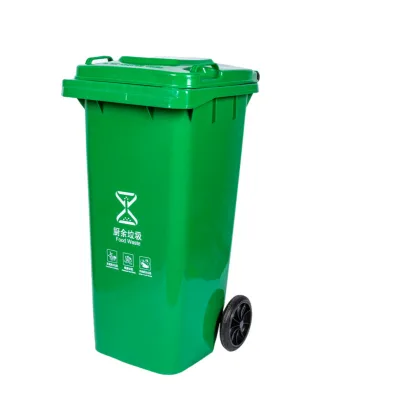
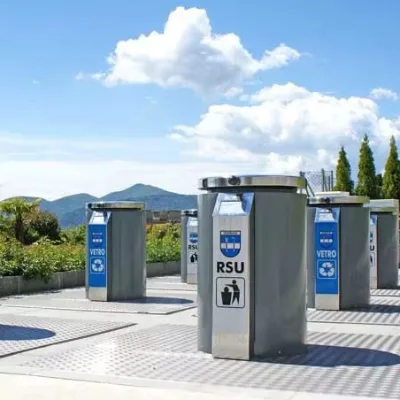
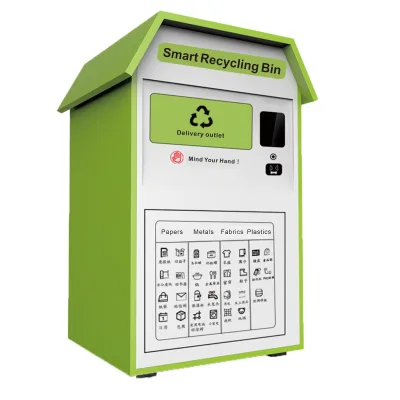
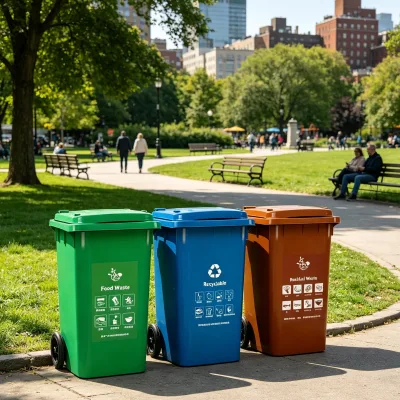
Outdoor Intelligent Recycling Box, Fabric, Metal, Plastic Recycling Box
$901.0384 - $1003.4291
MOQ: 10 pieces

Changchun Jida Logistics Equipment Co., Ltd.
- Manufacturer, Trading Company
- Jilin, China
- Lead time20 days
- Avg. response≤ 5h
Main productsCage,Pallet,Container,Bins,Plastic Box
Main marketsMid East(15.00%), North America(12.00%), Eastern Europe(11.00%), Western Europe(10.00%), Northern Europe(10.00%), South America(10.00%), Southeast Asia(10.00%), South Asia(8.00%), Central America(5.00%), Eastern Asia(5.00%), Southern Europe(4.00%)

Hebei Huachen Machinery Manufacturing Co., Ltd.
- Verified by BV
- Combined
- China Hebei
- Lead time15 days
- Avg. response≤ 2h
Main productsSkip Bin Trailer, Gooseneck Hook Lift Dump Trailer, Gooseneck Dump Trailer, Hook Lift Trailer, Roll-off Dump Trailer, Dump Trailer, Timber Crane with Log Trailer, Roll off Bin, Forklift Dumping Hopper, Hook Lift Bin
Main marketsSouth America,Southeast Asia/ Mideast,East Asia(Japan/ South Korea),Europe,Australia,North America

Enlightening Pallet Industry Co., Ltd.
- Verified by SGS
- Combined
- China Shandong
- Lead time15 days
- Avg. response≤ 3h
Main productsPlastic Pallet, Plastic Pallet Box, Plastic Dustbin, Waste Bin, Shelf Bin, Storage Bin, Collapsible Pallet Box, Plastic Pallet Container, Slip Sheet, Spill Pallet
Main marketsSoutheast Asia/ Mideast,Europe,North America
Qingdao Enlightening Plast Co., Ltd.
- Manufacturer, Trading Company
- Lead time旺季: "1 - 1000":10,"> 1000":"To be negotiated", 淡季: "1 - 1000":10,"> 1000":"To be negotiated"
- Avg. response≤ 3h
Main productsPlastic Foldable Crate, Attached Lid Container, Collapsible Bulk Container, Plastic Waste Bin, Drying Tray

Jiangmen Goodman Cleaning Supplies Co., Ltd.
- Verified by TUVRHEINLAND
- Combined
- China Guangdong
- Lead time15 days
- Avg. response≤ 9h
Main productsFood Pan, Food Basket Tray, Storage Box, Cleaning Bucket, Trash Can
Main marketsEurope,North America
Henan Zhenghe Environmental Protection Technology Co., Ltd.
- Trading Company
- Henan, China
- Lead time15 days
- Avg. response≤ 4h
Main productsTrash Can,Tray,Storage Supplies,Furniture Supplies,Pet Supplies
Main marketsDomestic Market(45.00%), North America(12.00%), Southeast Asia(8.00%), Mid East(6.00%), Western Europe(5.00%), South America(5.00%), Eastern Asia(5.00%), South Asia(2.00%), Southern Europe(2.00%), Northern Europe(2.00%), Central America(2.00%), Oceania(2.00%), Africa(2.00%), Eastern Europe(2.00%)
$13.5045 - $20.7806
MOQ: 2 pieces








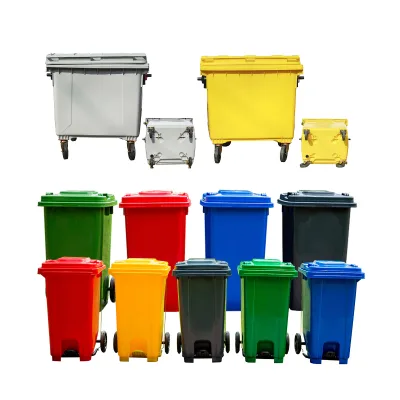
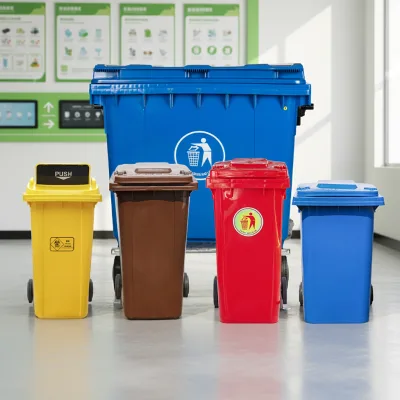


Comprehensive Sourcing Guide
Recyclable Polypropylene Garbage Separator Box Supplier Concentration and Factory Types
The sourcing landscape for recyclable polypropylene garbage separator boxes reveals a distinct concentration of manufacturing capabilities within specific Chinese industrial provinces. Current supplier result facts indicate that production hubs are heavily clustered in Shandong and Jiangsu, with additional presence noted in general Shandong regions. These locations serve as primary origins for the raw materials and finished goods, leveraging local supply chains to support high-volume output. Buyers evaluating these regions should note that the geographic proximity to major ports, such as Qingdao, facilitates efficient export logistics for heavy plastic items. The concentration in these areas suggests a mature ecosystem for polypropylene processing, where specialized machinery for extrusion and molding is readily available. This clustering effect often leads to competitive pricing and faster turnaround times for bulk orders, as suppliers benefit from shared infrastructure and skilled labor pools. Understanding this geographic distribution helps buyers narrow their search to regions with proven track records in plastic packaging manufacturing.
Within these manufacturing clusters, the supplier types vary significantly, ranging from pure manufacturers to combined entities that blend production with trading services. The observed data highlights a mix of company types, including dedicated manufacturers, factories, and combined firms that offer both OEM and ODM services. Some suppliers operate as trading companies, which may offer a broader range of products but potentially less direct control over the manufacturing process. Others are established factories with their own brands, capable of handling complex customization requests for garbage separator boxes. The presence of combined suppliers suggests a flexible market where buyers can choose between direct factory engagement for cost efficiency or trading companies for broader product variety and logistical support. This diversity in supplier types allows buyers to align their sourcing strategy with their specific needs, whether they prioritize direct manufacturing oversight or comprehensive service packages. Recognizing these distinctions is crucial for determining the level of involvement and control required for successful procurement.
How to Verify Recyclable Polypropylene Garbage Separator Box Suppliers
Verifying the legitimacy and capability of suppliers requires a careful examination of their certifications and verification badges. The available facts show that some suppliers hold ISO 14001:2015 certificates, which is particularly relevant for recyclable products as it indicates adherence to environmental management standards. Other suppliers display ISO 9001, ISO 9000, and ISO 14000 certifications, signaling robust quality management systems. Additionally, some suppliers have undergone BV verification, providing an external validation of their business operations. Buyers should prioritize suppliers with these recognized credentials, as they demonstrate a commitment to quality and environmental responsibility. It is essential to request copies of these certificates and verify their validity through the issuing bodies. The presence of HSE and ISO 20000 certifications in some results further indicates a comprehensive approach to safety and service management. These certifications serve as critical indicators of a supplier’s reliability and operational maturity.
Beyond certifications, buyers must assess the supplier’s response time and production capacity to ensure they can meet project deadlines. The data indicates varying response times, with some suppliers responding within 2 hours and others taking up to 3.96 hours. Faster response times often correlate with better customer service and more agile operations. Additionally, the ability to provide free samples is a valuable indicator of supplier confidence in their product quality. Buyers should request samples to evaluate the material thickness, durability, and recyclability claims firsthand. The observed product attributes, such as waterproof and moistureproof features, should be verified through these samples. Furthermore, checking the supplier’s main products can help determine if they specialize in polypropylene boxes or offer a generic range. Specialized suppliers are more likely to have deeper expertise and better quality control for specific items like garbage separator boxes. This holistic verification process ensures that buyers partner with suppliers who are both credible and capable.
What to Compare Across Recyclable Polypropylene Garbage Separator Box Suppliers
When comparing suppliers, lead time and minimum order quantity (MOQ) are critical factors that impact inventory management and cash flow. The observed lead times range from 10 days to 23 days, with some suppliers offering a 15-day turnaround. Shorter lead times can be advantageous for just-in-time inventory strategies, while longer lead times may require earlier planning. Similarly, MOQs vary, with some suppliers requiring as few as 500 units and others setting the bar at 1000 units. Buyers with smaller initial orders may find suppliers with lower MOQs more suitable, while those planning large-scale deployments might benefit from the economies of scale offered by higher MOQs. It is important to align these parameters with your specific business needs and storage capabilities. Comparing these logistical constraints helps in selecting a supplier that fits your operational rhythm and financial planning.
Price and customization options are also key differentiators among suppliers. The price range for polypropylene boxes observed in the data spans from approximately $2.05 to $3.15 per unit, depending on the specific product model and customization level. Some suppliers offer customizable colors, sizes, and printing options, which can be crucial for branding purposes. The ability to accept OEM orders and provide custom designs adds value for buyers seeking unique solutions. Additionally, the availability of features like foldability, recyclability, and partition sheets should be compared across different suppliers. Some products are designed for specific applications, such as food, electronics, or household use, which may influence the choice of supplier. Buyers should evaluate the total cost of ownership, including shipping and handling, to make an informed decision. A comprehensive comparison of these factors ensures that the selected supplier offers the best balance of cost, quality, and service.
Common Recyclable Polypropylene Garbage Separator Box Sourcing Risks
One significant risk in sourcing polypropylene garbage separator boxes is the potential discrepancy between claimed material properties and actual product performance. While suppliers often advertise their products as recyclable, eco-friendly, and durable, buyers must verify these claims through independent testing or sample evaluation. The observed product attributes mention features like being waterproof, moistureproof, and hygienic, but these characteristics can vary based on the specific grade of polypropylene used. There is a risk that some suppliers may use lower-quality materials to reduce costs, compromising the longevity and recyclability of the boxes. Buyers should request material specifications and test reports to ensure that the products meet their required standards. Additionally, the claim of being "recycled" or "eco-friendly" should be backed by credible certifications or third-party validations. Failing to verify these aspects can lead to reputational damage and customer dissatisfaction.
Another risk is the inconsistency in product quality and packaging standards across different suppliers. The observed data shows variations in packaging methods, with some suppliers using pallets and others using PP film. Inconsistent packaging can lead to damage during transit, especially for heavy plastic items. Buyers should ensure that the packaging method is suitable for the chosen shipping mode, whether by sea or air. Furthermore, the risk of supply chain disruptions cannot be ignored, especially if the supplier relies on a single source for raw materials. Buyers should assess the supplier’s supply chain resilience and their ability to handle fluctuations in demand. The observed supply ability of 900 tons per month for some suppliers indicates a robust capacity, but buyers should still verify this claim. Understanding these risks allows buyers to implement mitigation strategies, such as diversifying suppliers or negotiating stricter quality control clauses in contracts.
Recyclable Polypropylene Garbage Separator Box Regional Sourcing and Logistics
Sourcing from regions like Shandong and Jiangsu offers logistical advantages due to their proximity to major ports. The observed data indicates that Qingdao is a common loading port for shipments from Shandong, facilitating efficient export logistics. Buyers should consider the shipping distance and associated costs when selecting suppliers from these regions. Shipping by sea is often the most cost-effective option for bulk orders, while air freight may be necessary for urgent deliveries. The observed shipping options include both sea and air, allowing buyers to choose based on their urgency and budget. Additionally, the location of the supplier can impact the lead time for production and delivery. Suppliers closer to ports may have faster turnaround times for export orders. Buyers should also consider the local infrastructure and transportation networks when evaluating logistics options. Understanding these regional logistics dynamics helps in optimizing the supply chain and reducing overall costs.
The choice of shipping method also affects the packaging requirements for polypropylene garbage separator boxes. Given their size and weight, these items require robust packaging to prevent damage during transit. The observed packaging details, such as palletization and PP film wrapping, are designed to protect the products. Buyers should ensure that the packaging method is compatible with the chosen shipping mode and destination. For sea freight, moisture-resistant packaging is crucial to prevent damage from humidity. For air freight, weight restrictions may influence the packaging design. Buyers should work closely with suppliers to optimize packaging for both protection and cost-efficiency. Additionally, considering the environmental impact of packaging materials is increasingly important. Some suppliers offer eco-friendly packaging options, which can align with the recyclable nature of the products. Evaluating these logistics and packaging factors ensures that the products arrive in good condition and meet sustainability goals.
Recyclable Polypropylene Garbage Separator Box Commercial Terms and Order Planning
Commercial terms such as payment methods and warranty policies are essential considerations when finalizing supplier agreements. Buyers should negotiate clear terms regarding payment schedules, such as deposits and balance payments upon shipment. The availability of escrow services can provide an additional layer of security for transactions. Buyers should also inquire about warranty policies and return procedures in case of quality issues. The observed data does not specify warranty terms, so buyers must explicitly request this information. Additionally, understanding the supplier’s return and refund policies is crucial for risk management. Buyers should ensure that the commercial terms align with their internal procurement policies and financial capabilities. Clear and fair commercial terms help in building a sustainable partnership with the supplier. This clarity reduces the potential for disputes and ensures a smooth transaction process.
Order planning involves coordinating production schedules with delivery timelines to meet market demand. Buyers should provide accurate forecasts to suppliers to ensure timely production and delivery. The observed lead times of 10 to 23 days require careful planning to avoid stockouts or excess inventory. Buyers should also consider the supplier’s capacity to handle peak demand periods. The observed supply ability of 900 tons per month for some suppliers indicates a significant production capacity, but buyers should verify this during peak seasons. Additionally, planning for potential delays due to holidays or supply chain disruptions is prudent. Buyers should maintain open communication with suppliers to stay informed about production progress. Effective order planning ensures that the supply chain remains resilient and responsive to market changes. This proactive approach helps in maintaining customer satisfaction and operational efficiency.
FAQs
What is the typical lead time for PP corrugated boxes?
Manufacturers in China generally require 10 to 23 days to produce orders. This timeframe depends on the specific factory location and current production volume. Buyers should confirm exact dates with suppliers before placing bulk orders to ensure timely delivery for their logistics planning.
Are these boxes waterproof and moistureproof?
Yes, polypropylene corrugated boxes are inherently waterproof and moistureproof. These features make them suitable for storing food, electronics, and household items. The material resists humidity, protecting contents from damage during shipping or long-term storage in various environmental conditions.
What is the minimum order quantity for these boxes?
Minimum order quantities typically range from 500 to 1000 units. Some suppliers accept lower MOQs for customized designs, while standard items may require higher volumes. Buyers should verify specific MOQ requirements with the supplier to align with their budget and storage needs.
Can I get a free sample before ordering?
Many suppliers offer free samples to evaluate quality and specifications. This allows buyers to test durability, foldability, and print quality before committing to a large purchase. Sample availability helps ensure the product meets your specific application requirements for packaging or storage.
What certifications do these manufacturers hold?
Reputable suppliers often hold ISO 9001, ISO 14001, and ISO 20000 certifications. These standards verify quality management and environmental responsibility. Buyers should request valid certificates to ensure the manufacturer meets international compliance requirements for their specific industry applications.
Are these boxes recyclable and eco-friendly?
Yes, polypropylene corrugated boxes are fully recyclable and eco-friendly. They are reusable and reduce waste compared to single-use cardboard. This makes them ideal for sustainable supply chains, helping businesses meet environmental goals while maintaining durable protection for their products during transit.