Portable Pink Plastic Water Bottle Suppliers and Manufacturers
Compare 28 verified suppliers offering portable pink plastic water bottles with varying capacities, certifications, and lead times. Review product specs like MOQ and response times to source the right option for your needs; review the available evidence before requesting comparable quotations from suitable candidates.
Updated
Suppliers List

Taizhou Shike Plastics Co., Ltd.
- Verified by CTI
- Trading Company
- China Zhejiang
- Lead time23 days
- Avg. response≤ 5h
Main productsBamboo Fiber Kids Set, Bamboo Fiber Stainless Steel Cup, Bamboo Fiber Dinner Set, Bamboo Fiber Dinnerware, Bamboo Fiber Coffee Cup, Bamboo Fiber Plate, Bamboo Fiber Bowl, Bamboo Fiber Tray, Sports Water Bottle, Alkaline Water Bottle
Main marketsSoutheast Asia/ Mideast,East Asia(Japan/ South Korea),Domestic,Europe,Australia,North America

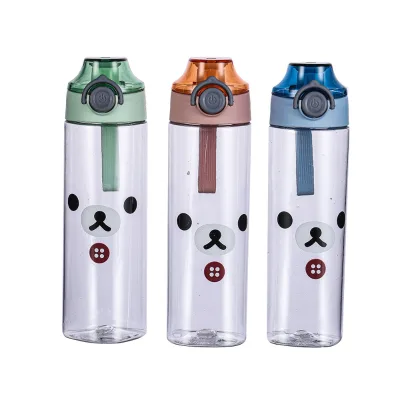
Stylish Simple Portable Portable Cute Green Sports Plastic Water Bottle
$1.36 - $1.40
MOQ: 3000 Pieces

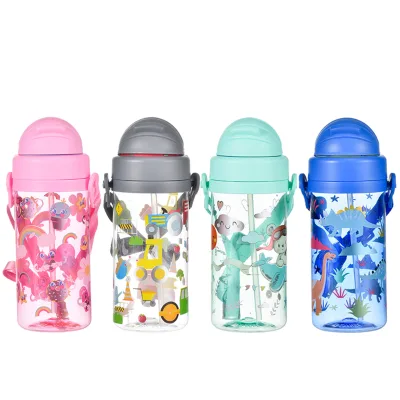
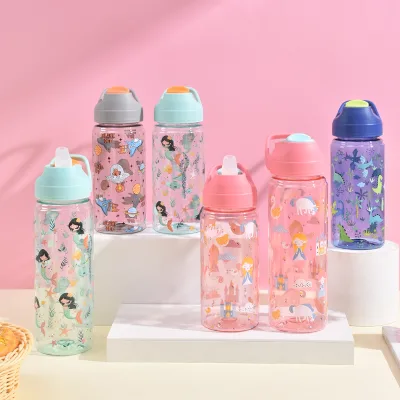
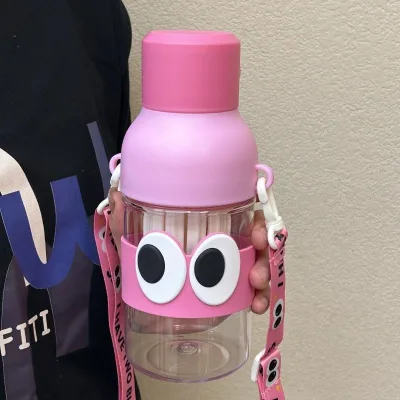
New Style Portable Kids Plastic Water Bottle with Handle Plastic Kids Water Bottle
$0.88 - $0.97
MOQ: 1000 Pieces


$1.43 - $1.50
MOQ: 3000 Pieces

Wenzhou Guanmin Import and Export Co., Ltd.
- Verified by BV
- Trading Company,Manufacturer/Factory
- China Zhejiang
- Lead time120 days
- Avg. response≤ 7h
Main productsShopping Bag, Cooler Bag, Notebook, Pen, Color Pencil, Lanyard, Beach Ball, Umbrella, Sunshade, Air Freshener
Main marketsSouth America,Eastern Europe,Mid East,North America,Southeast Asia,Eastern Asia,Western Europe
Taizhou Hippo Synthesis Material Technology Co., Ltd.
- Manufacturer, Trading Company
- Zhejaing, China
- Lead time7 days
- Avg. response≤ 3h
Main productsPlastic Food Container,Cake Carrier,Lunch Box,Water Bottle
Main marketsNorth America(40.00%), Western Europe(25.00%), Southern Europe(15.00%), Domestic Market(10.00%), Eastern Europe(5.00%), Africa(5.00%)
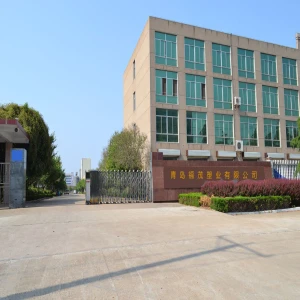
Qingdao Foremost Plastic Industry Co., Ltd.
- Manufacturer, Trading Company
- Shandong, China
- Lead time10 days
- Avg. response≤ 9h
Main productsDrinkware,Kitchenware,Home storage,Packaging printing,Customized Products
Main marketsDomestic Market(20.00%), North America(15.00%), Central America(10.00%), South America(5.00%), South Asia(5.00%), Southern Europe(5.00%), Northern Europe(5.00%), Eastern Europe(5.00%), Western Europe(5.00%), Eastern Asia(5.00%), Mid East(5.00%), Oceania(5.00%), Africa(5.00%), Southeast Asia(5.00%)

Guangzhou Diller Daily Necessities Co., Ltd.
- Verified by CTI
- Trading Company
- China Guangdong
- Lead time60 days
- Avg. response≤ 6h
Main productsGlass Water Bottles, Plastic Water Bottles, Thermos Bottles, Baby Water Bottles, Kids Water Bottles
Main marketsSoutheast Asia/ Mideast,East Asia(Japan/ South Korea),Europe,North America

Shenzhen Kingline Technology Development Co., Ltd.
- Verified by BV
- Trading Company
- China Guangdong
- Lead time15 days
- Avg. response≤ 5h
Main productsShaker Bottle, Water Bottle, Sports Water Bottle, Pill Box, Stainless Steel Water Bottle, Vacuum Flask, Water Jug, Travel Water Bottle, Gym Water Bottle, Cycling Water Bottle
Main marketsSouth America,Southeast Asia/ Mideast,Europe,Australia,North America

Ningbo Beixuan International Trading Co., Ltd.
- Verified by TUVRHEINLAND
- Manufacturer/Factory
- China Zhejiang
- Lead time15 days
- Avg. response≤ 10h
Main productsPlastic Bottle, Plastic Cup, Plastic Honey Jar, Plastic Food Container, Glass Juice/ Beverage Bottle, Glass Jar, Glass Wine Bottle, Glass Essential Oil Bottles, Cosmetic & Perfume Glass Bottles, Paper Cup
Main marketsSouth America,Eastern Europe,Mid East,North America,Southeast Asia,Eastern Asia,Oceania,Western Europe,Africa

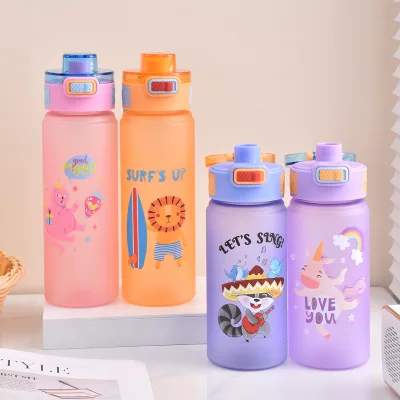
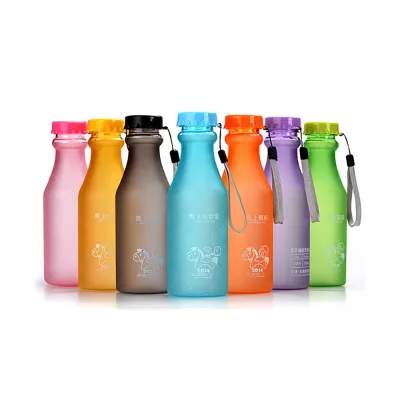
Hot Selling Plastic Frosted Water Bottles Cute Portable Children's Water Bottles
$0.15 - $0.98
MOQ: 5000 Pieces


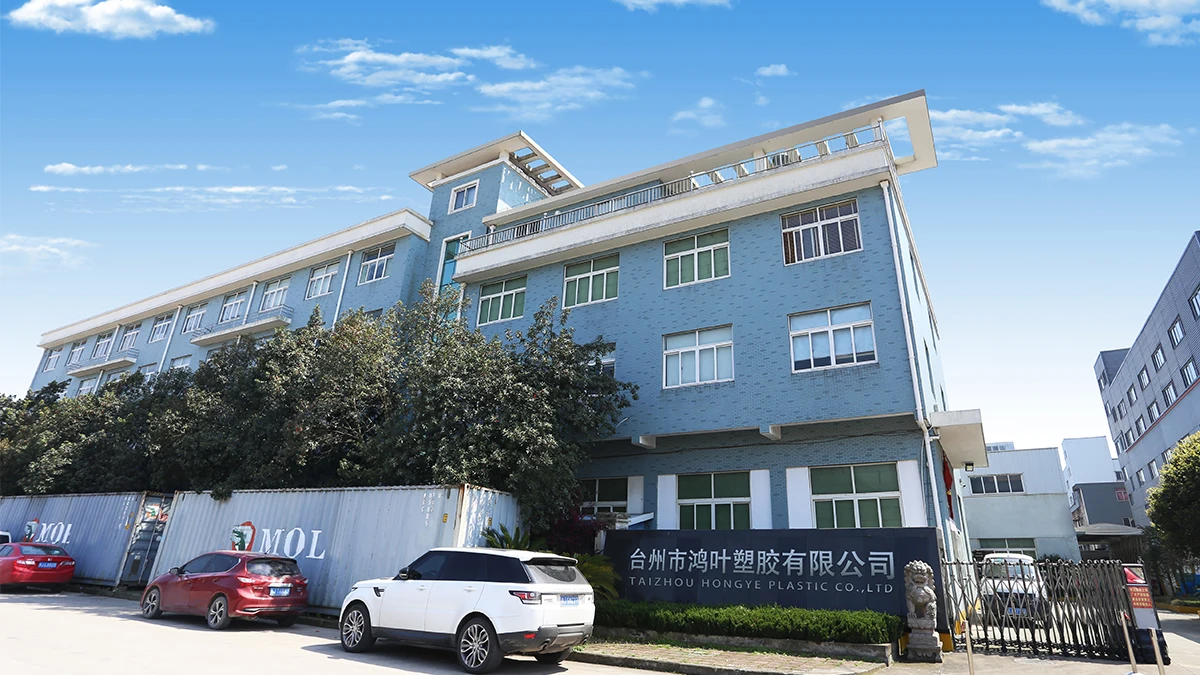
Taizhou Chengnan Import And Export Co., Ltd.
- Trading Company
- Zhejaing, China
- Lead time25 days
- Avg. response≤ 24h
Main productsWater Bottle,Tumbler With Straw,Vacuum Cup,Shaker Bottle,Coffee Mug
Main marketsMid East(20.00%), South America(20.00%), Southeast Asia(20.00%), Eastern Europe(15.00%), North America(15.00%), Eastern Asia(10.00%)
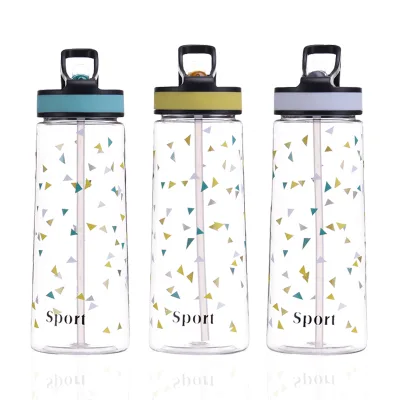
Silicone mouth portable sport water bottle plastic
$0.95 - $1.05
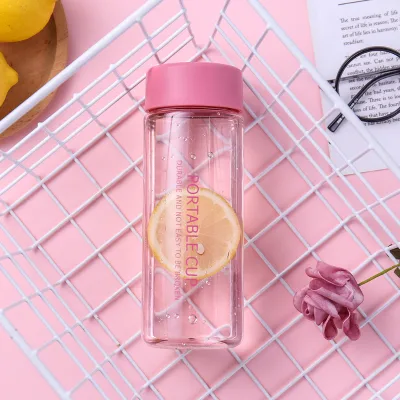
Custom plastic personalized reusable water bottles
$0.53 - $0.59
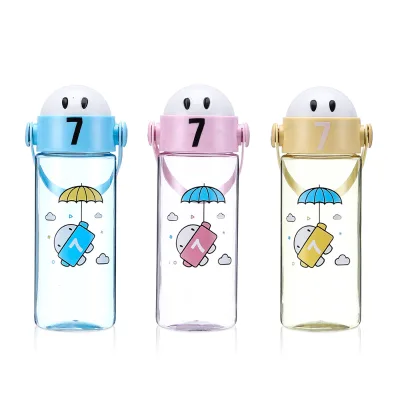
Plastic wide mouth kids cartoon robot water bottle
$0.90 - $1.00
Kang Zhiyuan Household Production (Dongguan) Co., Ltd.
- Verified by Intertek
- Manufacturer, Trading Company
- Lead time30 days
- Avg. response≤ 7h
Main productsPlastic Water Bottle, Stainless Steel Tumbler, Stainless Steel Thermos Bottle, Mug Cup
Main marketsDomestic Market(67%), North America(15%), Western Europe(10%)

- Verified by BV
- Trading Company,Manufacturer/Factory
- China Zhejiang
- Lead time15 days
- Avg. response≤ 9h
Main productsCeramic Mug, Kitchen Storage, Water Bottle, Cookware Set, Charger Plates, Shaker Set, Storage Rack, Food Container, Kitchen Accessories, Yiwu Agent
Main marketsSouth America,Eastern Europe,Mid East,North America,Southeast Asia,Eastern Asia,Oceania,Western Europe,Africa
Taizhou Zhizhuo Plastic Co., Ltd.
- Verified by TüVRheinland
- Manufacturer, Trading Company
- Lead time20 days
- Avg. response≤ 4h
Main productsPlastic Water Bottle, Plastic Sports Water Bottle
Main marketsEastern Europe(25%), Mid East(23%), Western Europe(15%)

Quanzhou Changyi Crafts Gifts Limited
- Verified by TUVRHEINLAND
- Manufacturer/Factory
- China Fujian
- Lead time23 days
- Avg. response≤ 7h
Main productsBallpoint Pen, Silicone Bracelet, Name Card Holder, Luggage Tag, Gift Set, Mobile Phone Accessory, Passport Cover, Ceramic Coaster, Gift Bag, Gift Box
Main marketsSouth America,Mid East,North America,Southeast Asia,Eastern Asia,Oceania,Western Europe,Africa

Transparent Water Cup Portable Outdoor Sealed Simple Creative Plastic Water Cup Bottle
$1.20 - $1.50
MOQ: 100 Pieces


- Verified by TUVRHEINLAND
- Trading Company,Manufacturer/Factory
- China Jiangsu
- Lead time23 days
- Avg. response≤ 4h
Main productsMedal, Coin, Lapel Pin, PVC Patch, Embroidery Patch, Keychain, Button Badge, Silicone Wristband, Lanyards, Gift
Main marketsSouth America,Eastern Europe,Mid East,North America,Oceania,Western Europe

Jinjiang Jiaxing Import and Export Co., Ltd.
- Verified by CTI
- Manufacturer/Factory
- China Fujian
- Lead time120 days
- Avg. response≤ 2h
Main productsShoes, Slipper, Clothes, Promotion Gifts, Silicone Products, Outdoor Sports Products, Bags, Fashion Accessories, Consumer Electronics
Main marketsSouth America,Eastern Europe,Mid East,North America,Southeast Asia,Eastern Asia,Oceania,Western Europe,Africa
- Verified by TüVRheinland
- Manufacturer, Trading Company
- Lead time25 days
- Avg. response≤ 3h
Main productsDrinkware, Ceramicware, Barware, Kitchenware, Glass Bottles
Main marketsNorth America(20%), South America(20%), Southeast Asia(20%)
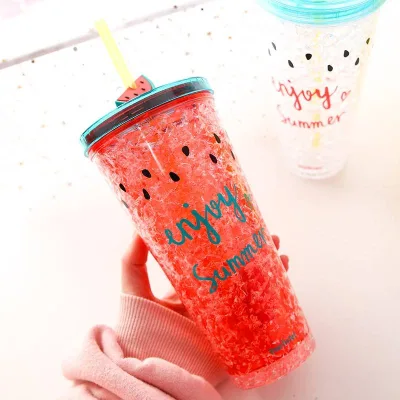
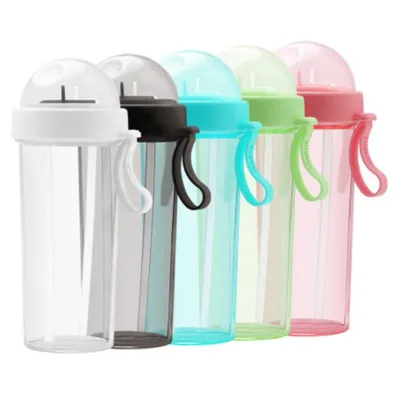
2021 Spring New Style Portable Plastic Water Bottle Water Cup with Lid and straw
$0.70 - $1.60
MOQ: 5000
Tianhuihui (Guangzhou) Home Furnishing Co., Ltd.
- Verified by TüVRheinland
- Trading Company
- Lead time0 days
- Avg. response≤ 2h
Main productsCeramic Cups, Stainless Steel Drinkware, Bowls, Glass Drinkware, Plastic Cup
Main marketsNorth America(44%), South America(17%), Western Europe(9%)

- Verified by TUVRHEINLAND
- Trading Company
- China Zhejiang
- Lead time15 days
- Avg. response≤ 8h
Main productsBaby Products, Baby Accessory, Kids Toy, Pet Products, Fashion Apparel & Accessories, Personal Care, Christmas Decoration, Home Decoration, Beauty Care, Daily Use
Main marketsSouth America,Europe,North America

Yangjiang Aohea Plastic Hardware Products Co., Ltd.
- Manufacturer/Factory
- China Guangdong
- Lead time23 days
- Avg. response≤ 23h
Main productsWater Bottle, Drink Water Bottle, Stainless Steel Vacuum Bottle, Portable Water Bottle, BPA Free Bottle, Spray Bottle, Sports Water Bottle, Vacuum Bottle, Plastic Drink Bottle, Tritan Sports Bottle
Main marketsSouth America,Eastern Europe,Mid East,North America,Southeast Asia,Eastern Asia,Oceania,Western Europe,Africa

Hot Sales BPA Free Customized 350ml Plastic Portable Water Bottle Custom Logo
$2.46 - $2.59
MOQ: 1000 Pieces

Portable 610ml 470ml Durable Water Plastic Bottle for School and Daily Use
$2.40 - $3.30
MOQ: 200 Pieces

610ml/470ml Portable Plastic Water Bottle with Easy-Open Lid BPA-Free and Safe for Kids
$2.40 - $3.30
MOQ: 200 Pieces

New High Quality Customized Logo and Color Hot Sale Plastic Water Bottle
$2.46 - $2.59
MOQ: 1000 Pieces

New Product Portable Eco-Friendly Best-Selling Water Bottle Plastic Water Bottle with Lid
$2.46 - $2.59
MOQ: 1000 Pieces

Wholesale Custom Water Bottle 350ml Reusable Durable Plastic Water Bottle BPA-Free
$2.46 - $2.59
MOQ: 1000 Pieces

Ningbo Happy Valley Household Co., Ltd.
- Verified by SGS
- Trading Company
- China Zhejiang
- Lead time30 days
- Avg. response≤ 18h
Main productsPot Lid, Glass Pot Lid, Kitchen Utensil Set, Kitchen Tool, Bento Box, Lunch Box, Plastic Lunch Box, Silicone Lunch Box, Collapsible Bucket, Plastic Bucket
Main marketsEurope


Stylish Large Capacity Reusable Plastic Water Bottle with Easy Grip Design
$0.50 - $0.80
MOQ: 50 Pieces
Yiwu Modern Jincheng Commodity Co., Ltd.
- Trading Company
- Zhejiang, China
- Lead time35 days
- Avg. response≤ 6h
Main productsKitchenware,Storage products,Daily necessities,Kitchen utensils,Tools
Main marketsSouth America(50.00%), North America(30.00%), Eastern Europe(20.00%)
Jieyang Ace Metal And Plastic Co., Ltd.
- Verified by TüVRheinland
- Manufacturer, Trading Company
- Lead time10 days
- Avg. response≤ 4h
Main productsStainless Steel Cutlery, Stainless Steel Straw, Lunch Box, Kitchen Gadgets, Barware
Main marketsNorth America(40%), Western Europe(30%), Southeast Asia(20%)
Changsha Yiyi Import And Export Trading Co., Ltd.
- Trading Company
- Hunan, China
- Lead time7 days
- Avg. response≤ 1h
Main productsceramic mug,glass water bottle,stainless steel vacuum tumbler,plastic water bottle,Thermos
Main marketsNorth America(60.00%), Northern Europe(10.00%), Western Europe(10.00%), Oceania(10.00%), Eastern Europe(10.00%)

Yongkang Heecn Stainless Steel Co., Ltd.
- Manufacturer/Factory
- China Zhejiang
- Lead time45 days
- Avg. response≤ 11h
Main productsMug, Cup, Flask, Bottle, Coffee Mug, Drink Bottle, Camping Mug, Advsing Mug, Gift Mug, Shot Glass
Main marketsSouth America,Eastern Europe,North America,Western Europe
Hefei Base Environment Protection Technology Co., Ltd.
- Manufacturer, Trading Company
- Anhui, China
- Lead time20 days
- Avg. response≤ 2h
Main productsVacuum Thermal Bottles,Protein Shaker Bottle,Plastic Bottles,Outdoor Tents,Camping Furniture
Main marketsSouth America(15.00%), North America(15.00%), Mid East(10.00%), Eastern Europe(10.00%), Domestic Market(5.00%), South Asia(5.00%), Southern Europe(5.00%), Northern Europe(5.00%), Central America(5.00%), Western Europe(5.00%), Eastern Asia(5.00%), Southeast Asia(5.00%), Oceania(5.00%), Africa(5.00%)

Changsha Sunflower B&T Co., Ltd.
- Verified by TUVRHEINLAND
- Manufacturer/Factory
- China Hunan
- Lead time0 days
- Avg. response≤ 5h
Main productsWater Bottle, Sponge, Tumblers, Plastic Water Bottle, Stainless Steel Water Bottle, Mugs, Mat, Make up Sponge, Backpack, Drinlwares
Main marketsSouth America,Eastern Europe,Mid East,North America,Southeast Asia,Eastern Asia,Oceania,Western Europe,Africa
Shenzhen Aohua Packaging Products Co., Ltd.
- Trading Company
- Guangdong, China
- Lead time10 days
- Avg. response≤ 4h
Main productsMultifunctional Lunch Box, PET/PP Lunch Box, Plastic Food Container, Silicone Lunch Box, Stainless Steel Lunch Box/Electric Lunch Box
Main marketsNorth America(30.00%), Western Europe(20.00%), Northern Europe(10.00%), Southeast Asia(10.00%), South Asia(5.00%), Oceania(5.00%), Southern Europe(5.00%), Mid East(5.00%), Eastern Asia(2.00%), South America(2.00%), Central America(2.00%), Africa(2.00%), Eastern Europe(2.00%)
Foshan Kylin Trading Company Limited.
- Trading Company
- Guangdong, China
- Lead time30 days
- Avg. response≤ 2h
Main productsnapkin dispenser,bottle opener,ice bucket,tray,can carrier
Main marketsWestern Europe(30.00%), Southern Europe(10.00%), Mid East(10.00%), Eastern Europe(8.00%), Africa(7.00%), North America(5.00%), Northern Europe(5.00%), South America(5.00%), Central America(5.00%), Eastern Asia(4.00%), South Asia(4.00%), Southeast Asia(3.00%), Domestic Market(2.00%), Oceania(2.00%)
- Verified by TüVRheinland
- Trading Company
- Lead time20 days
- Avg. response≤ 3h
Main productsWater Bottle, Tumbler, Mug, Flask, Cup
Main marketsNorth America(50%), Southeast Asia(10%), South America(8%)


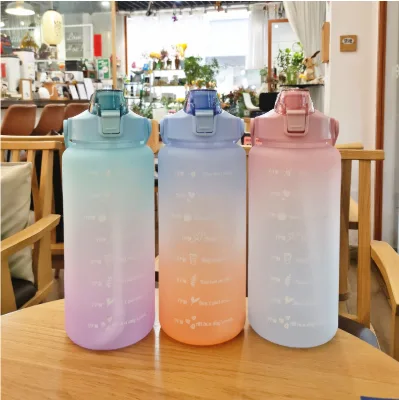
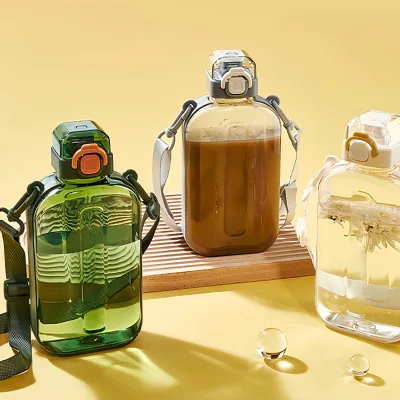
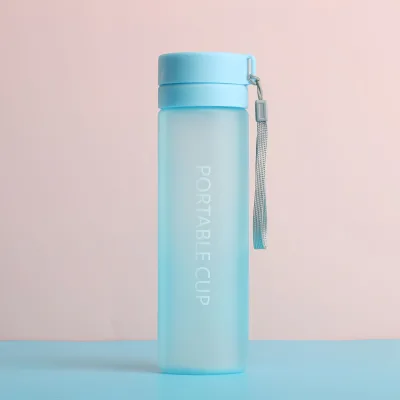


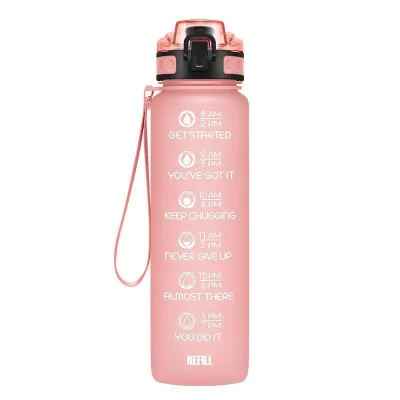




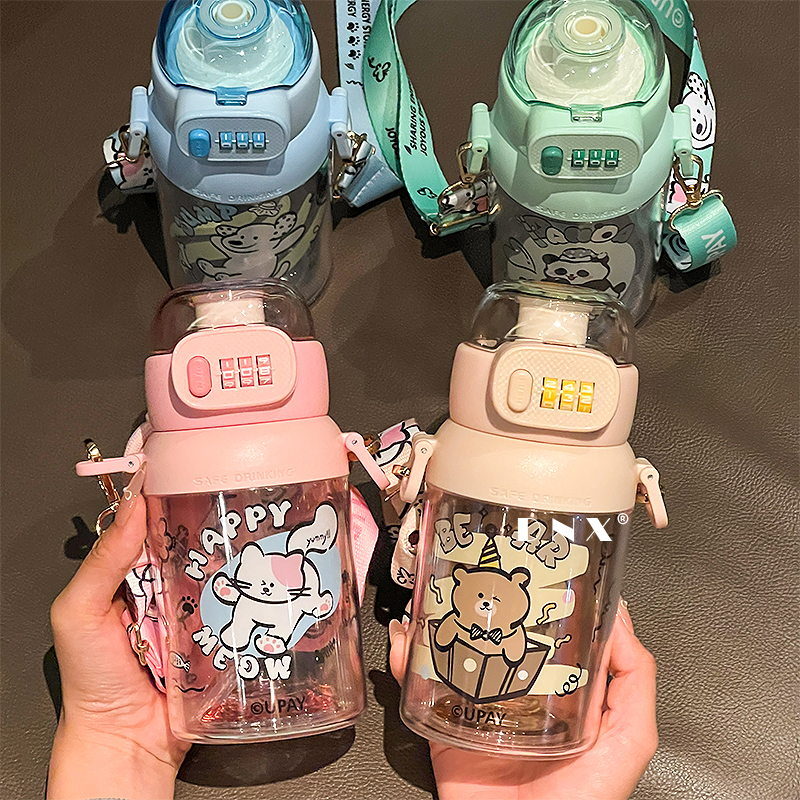


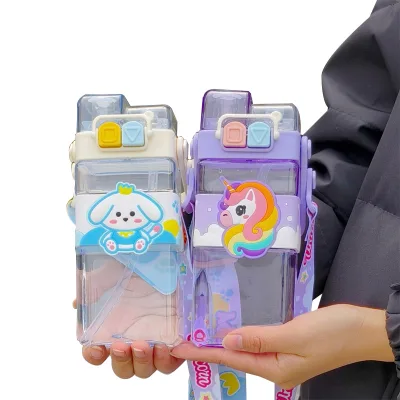
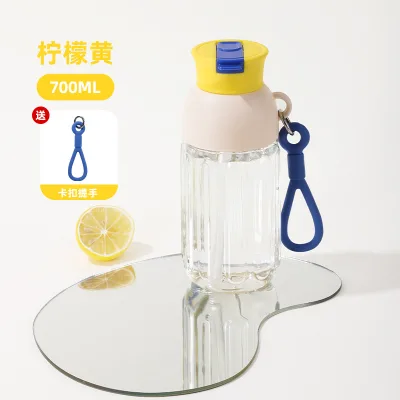
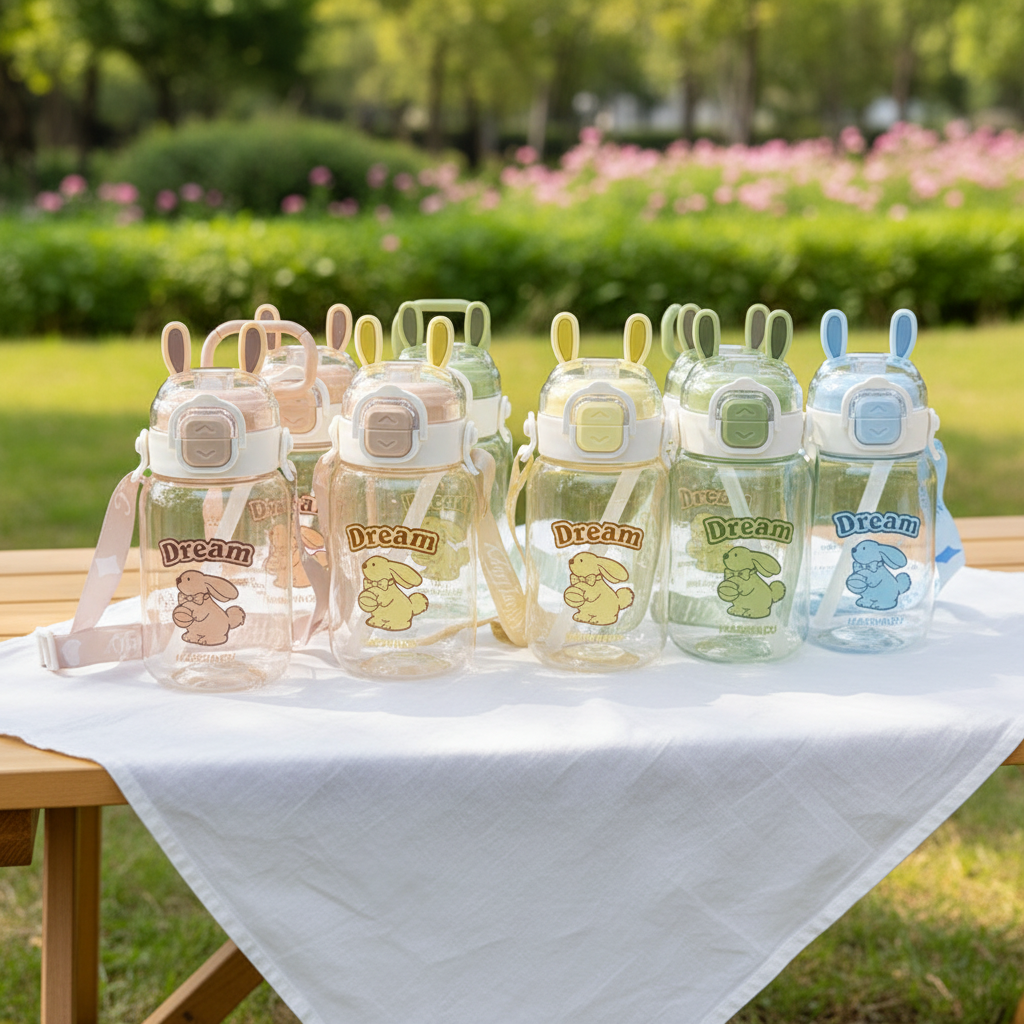
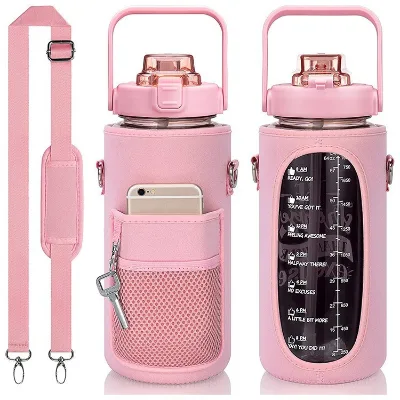
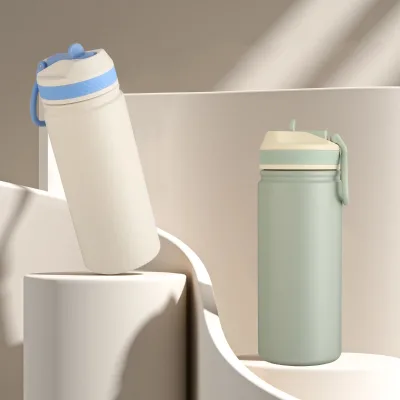
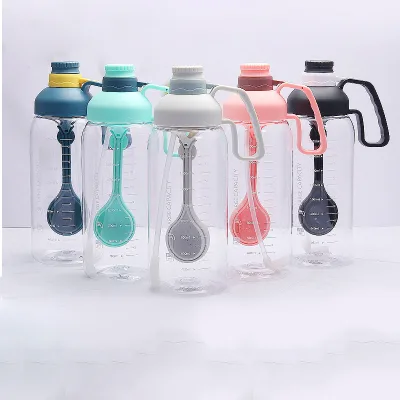
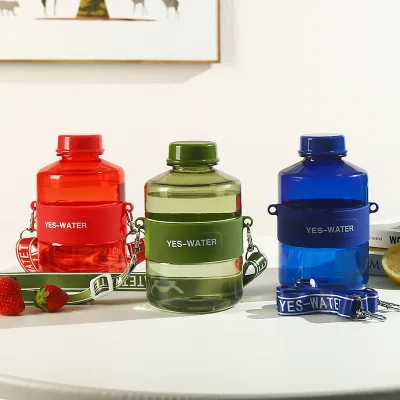





Comprehensive Sourcing Guide
Portable Pink Plastic Water Bottle Supplier Concentration and Factory Types
When evaluating the landscape for portable pink plastic water bottles, buyers must first understand the structural composition of the available supplier base. The current results indicate a total of 28 suppliers, providing a moderate pool for comparison. A critical distinction in this market is the type of entity you are engaging with. The data reveals that suppliers fall into two primary categories: Trading Companies and Manufacturer/Factory entities. Trading companies often serve as intermediaries, aggregating products from various factories to offer a broader catalog, which may include items like bamboo fiber sets or general stationery alongside drinkware. In contrast, Manufacturer/Factory suppliers possess direct production capabilities, which can offer greater control over customization and quality assurance. Understanding this distinction is vital because it influences pricing structures, communication efficiency, and the ability to handle complex OEM or ODM requests. Buyers should not assume that all suppliers offering pink plastic bottles are direct producers; some may be trading entities that outsource production. This structural diversity means that the sourcing strategy must account for the potential need to verify whether a supplier is a factory or a trader, as this impacts the depth of technical support and the flexibility of production scheduling. The presence of both types in the results suggests that buyers have options ranging from direct factory engagement to the convenience of trading company consolidation, each with distinct advantages regarding cost and service.
Furthermore, the specialization of these suppliers varies significantly, which affects the relevance of their offerings to your specific needs. While some suppliers focus heavily on drinkware, including bamboo fiber dinner sets and sports water bottles, others maintain a broader portfolio that includes shopping bags, cooler bags, notebooks, and promotional items like pens and lanyards. This diversification can be advantageous if you are seeking a one-stop-shop for promotional gifts, but it may indicate a lack of deep expertise in plastic bottle manufacturing for those seeking specialized technical performance. For instance, a supplier whose main products include bamboo fiber items might have different production lines and quality standards compared to one specializing in plastic RPET or PVC bottles. The concentration of suppliers in specific regions also plays a role in this dynamic. Although specific factory locations are not explicitly detailed for every entity, the general sourcing hub for such plastic goods is often identified as China, particularly in provinces like Zhejiang. This regional concentration implies a mature supply chain with established logistics networks, but it also requires buyers to be diligent in verifying the actual operational base of the supplier. By recognizing these structural and categorical differences, buyers can better align their sourcing goals with the appropriate supplier type, ensuring that they engage with entities that have the relevant capacity and expertise for portable pink plastic water bottles.
How to Verify Portable Pink Plastic Water Bottle Suppliers
Verification is the cornerstone of mitigating risk when sourcing portable pink plastic water bottles from an international supplier base. The current data highlights several verification mechanisms that buyers should prioritize to ensure supplier legitimacy and operational stability. One key indicator is the verification status provided by third-party inspection agencies. For example, some suppliers in the results are verified by CTI, while others hold BV verification. These verifications typically involve on-site checks of the factory or trading company’s facilities, confirming their business license, production capacity, and quality control processes. Buyers should actively look for these verification badges as a primary filter, as they provide a layer of assurance that the supplier is a real, operating entity rather than a shell company. Additionally, system certifications offer further insight into the supplier’s commitment to quality and ethical standards. The results show that some suppliers hold certifications such as BSCI, ISO 9000, ISO 13485, TS 16949, ISO 9001, and SEDEX. While not all suppliers will have every certification, the presence of ISO 9001 indicates a standardized quality management system, which is crucial for consistent product quality. BSCI and SEDEX certifications are particularly relevant for ethical labor practices, which may be a requirement for certain markets or corporate social responsibility goals. Buyers should request copies of these certificates and verify their validity through the issuing bodies to ensure they are current and applicable to the specific products being sourced.
Beyond certifications, buyers must also assess the supplier’s responsiveness and track record through direct interaction. The response time metric is a useful indicator of operational efficiency and customer service quality. In the current results, response times vary, with some suppliers showing a response time of 4.89 and others at 6.31. While these numbers are relative, a faster response time often correlates with a more agile and attentive sales team, which is beneficial for resolving issues quickly during the sourcing process. Buyers should test the supplier’s responsiveness by sending detailed inquiries about the portable pink plastic water bottles, including questions about customization options, material safety, and production timelines. The quality and speed of the reply can provide valuable insights into the supplier’s professionalism and capability. Furthermore, buyers should inquire about the supplier’s experience with similar products, such as sports water bottles or kids’ water bottles, to gauge their expertise. It is also important to verify the supplier’s ability to provide product-specific certifications, such as FDA or QS, which are mentioned in some product attributes. These certifications are critical for ensuring that the plastic materials used in the bottles are safe for food contact and comply with international standards. By combining third-party verification badges, system certifications, responsiveness metrics, and direct product-specific inquiries, buyers can build a comprehensive profile of each supplier, reducing the risk of engaging with unreliable partners and ensuring a smoother sourcing experience.
What to Compare Across Portable Pink Plastic Water Bottle Suppliers
When comparing suppliers for portable pink plastic water bottles, buyers must evaluate a range of commercial and operational metrics to determine the best fit for their specific requirements. One of the most critical factors is the Minimum Order Quantity (MOQ), which directly impacts inventory management and cash flow. The data shows significant variation in MOQs, with some suppliers requiring as low as 1,000 pieces, while others set the bar at 3,000 pieces. For buyers testing the market or operating with limited capital, suppliers with lower MOQs offer greater flexibility and reduced financial risk. Conversely, suppliers with higher MOQs may offer better unit economies of scale, which could be advantageous for large-scale orders. Buyers should align their MOQ requirements with their sales forecasts and storage capabilities to avoid overstocking or production delays. Another key comparison point is the pricing structure, which is influenced by factors such as material quality, customization complexity, and order volume. The results indicate price ranges for similar plastic water bottles, with some items priced between $0.88 and $0.97, while others range from $1.36 to $1.40, and premium options like 1-liter bottles can cost between $2.15 and $2.30. Buyers should not focus solely on the lowest price but should consider the total cost of ownership, including shipping, tariffs, and potential rework costs due to quality issues. Comparing unit prices across suppliers with similar specifications, such as bottle capacity and material type, will provide a more accurate basis for evaluation.
In addition to price and MOQ, buyers should compare lead times and production capabilities to ensure timely delivery. The lead time data reveals a wide disparity, with some suppliers offering a lead time of 120 days, while others indicate a production time of 7-15 days after sample confirmation. This discrepancy may reflect differences in production scale, complexity of customization, or current order backlog. Buyers with tight deadlines must prioritize suppliers with shorter, more reliable lead times and clear production schedules. It is also important to compare the customization options available, such as logo printing methods (UV, heat transfer, silk screen) and color customization. Some suppliers offer OEM/ODM services, which are essential for brands seeking unique product differentiation. The ability to provide samples within 5-7 days is another valuable metric, as it allows for rapid prototyping and quality assessment. Buyers should also compare the packaging details, such as carton dimensions and weight, as these affect shipping costs and storage efficiency. By systematically comparing these metrics—MOQ, price, lead time, customization options, sample time, and packaging—buyers can create a weighted scoring model to objectively rank suppliers. This data-driven approach ensures that the final selection is based on a holistic view of value, reliability, and suitability, rather than on a single factor like price alone.
Common Portable Pink Plastic Water Bottle Sourcing Risks
Sourcing portable pink plastic water bottles involves several inherent risks that buyers must proactively manage to ensure a successful procurement outcome. One significant risk is the variability in product quality and material safety. Plastic water bottles are in direct contact with drinking water, making the choice of material critical for health and regulatory compliance. While some suppliers list certifications like FDA and QS, not all suppliers may provide comprehensive testing reports for heavy metals, BPA content, or other harmful substances. Buyers must verify that the plastic material, whether it is RPET, PVC, or another type, meets the specific safety standards of their target market. Failure to do so can result in product recalls, legal liabilities, and damage to brand reputation. Another risk is the inconsistency in production quality, which can lead to defects such as leaks, cracks, or uneven coloring. This is particularly relevant for customized products where color matching and logo printing accuracy are crucial. Buyers should request detailed product specifications and quality control plans from suppliers to understand how they manage these risks. Additionally, the risk of supply chain disruptions cannot be ignored. Factors such as raw material shortages, labor strikes, or logistical bottlenecks can delay production and delivery. Buyers should assess the supplier’s resilience by inquiring about their raw material sourcing and backup production capabilities.
Communication and cultural barriers also pose significant risks in international sourcing. Misunderstandings regarding product specifications, packaging requirements, or delivery terms can lead to costly errors. The response time metric, while useful, does not guarantee the clarity or accuracy of communication. Buyers should establish clear communication protocols and document all agreements in writing to minimize the risk of misinterpretation. Furthermore, there is a risk of intellectual property infringement if suppliers share proprietary designs or logos with unauthorized parties. Buyers should ensure that their designs are protected through appropriate legal agreements and that suppliers have robust confidentiality policies. Another potential risk is the discrepancy between the sample and the bulk production. While suppliers may provide high-quality samples, the bulk order may differ in material thickness, color shade, or functional performance. To mitigate this, buyers should conduct pre-shipment inspections or hire third-party inspection services to verify that the bulk production matches the approved sample. Finally, financial risks such as payment fraud or non-delivery are always present in international trade. Buyers should use secure payment methods, such as escrow services, and verify the supplier’s banking details to prevent fraud. By identifying and addressing these risks through thorough due diligence, clear contracts, and active monitoring, buyers can protect their interests and ensure a smooth sourcing process for portable pink plastic water bottles.
Portable Pink Plastic Water Bottle Regional Sourcing and Logistics
The regional concentration of suppliers significantly influences the logistics and cost structure for sourcing portable pink plastic water bottles. The current data indicates that a primary sourcing hub for these products is located in China, specifically in the Zhejiang province. This region is known for its robust manufacturing infrastructure and specialized supply chains for plastic goods and drinkware. Sourcing from this region offers advantages such as proximity to raw material suppliers, established logistics networks, and a high density of experienced manufacturers. However, buyers must also consider the logistical implications of shipping from this location. The lead time data shows a wide range, with some suppliers indicating a lead time of 120 days, which may reflect the time required for production, quality control, and inland transportation to the port. Buyers should factor in
FAQs
What is the price range for portable pink plastic water bottles?
The price range for these bottles typically falls between $0.88 and $2.30 per unit. Specific models vary based on capacity and features. For instance, a 420ml bottle costs around $0.88, while a 1200ml version is priced near $2.15. Buyers should check specific product listings for exact quotes based on order volume and customization needs.
What is the minimum order quantity for these bottles?
Minimum order quantities generally start at 1000 pieces for certain styles. Other models require a higher threshold of 3000 pieces. These limits depend on the specific bottle design and customization requirements. Buyers seeking smaller batches should look for suppliers with lower MOQs, while larger orders may benefit from volume discounts and streamlined production schedules.
How long does production take for these water bottles?
Production time usually ranges from 7 to 15 days after sample confirmation. Some suppliers may have longer lead times up to 120 days depending on order size. Sample preparation typically takes 5 to 7 days. Buyers should confirm specific timelines with suppliers to ensure delivery aligns with their project schedules and market launch dates.
Are these bottles certified for food safety?
Yes, many models carry QS and FDA certifications. These certifications ensure the plastic materials meet specific safety standards for food contact. Buyers should verify the exact certification documents for each product listing. Compliance with these standards is crucial for selling in regulated markets and ensuring consumer safety for drinking water applications.
Can I customize the logo on these bottles?
Customization is widely available with options for UV, heat transfer, or silk screen printing. Most suppliers support OEM and ODM services. Buyers can choose from various colors and styles to match their brand identity. Custom logo printing allows for unique branding, making these bottles suitable for promotional gifts or corporate merchandise campaigns.
Where are these suppliers located?
Suppliers are primarily located in China, specifically in the Zhejiang region. This area is known for its manufacturing capabilities in plastic drinkware. Buyers can expect efficient logistics from this location. The concentration of suppliers in Zhejiang offers a wide variety of options for sourcing portable water bottles with competitive pricing and reliable production capacity.