Refrigerator Child Safety Lock Suppliers and Manufacturers
Source Refrigerator Child Safety Lock options from 22 verified suppliers in China. Compare key dimensions including Zhejiang and Guangdong origins, ABS and zinc alloy materials, and certifications like CE and CPC. Review lead times and MOQs to identify the right partner for your procurement needs.
Updated
Suppliers List

Ningbo Jiangbei Ringlong Import & Export Co., Ltd.
- Verified by BV
- Combined
- China Zhejiang
- Lead time23 days
- Avg. response≤ 2h
Main productsKitchenware, Textile, Memory Foam Series, Household Items, Outdoor Products, Packing Box, Air Conditioning System, TV Products, Fitness, Baby Products
Main marketsEurope
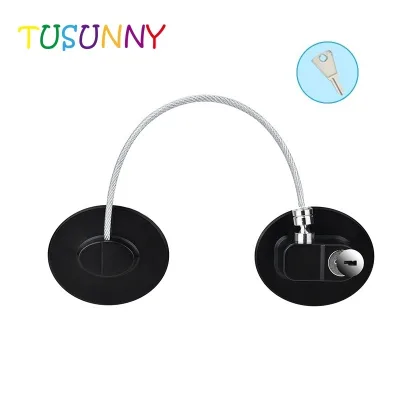
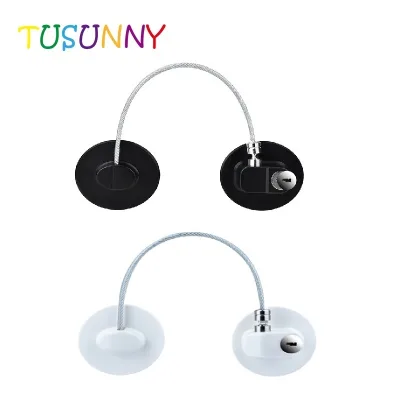
Guangzhou Tusunny Home Products Co., Ltd.
- Manufacturer, Trading Company
- Guangdong, China
- Lead time30 days
- Avg. response≤ 4h
Main productsretractable safety door gate,baby safety products,baby playpen,baby bed rail,Baby Play Tent
Main marketsWestern Europe(30.00%), North America(20.00%), Southern Europe(6.00%), Northern Europe(5.00%), South America(5.00%), Eastern Asia(5.00%), Mid East(5.00%), Oceania(5.00%), Domestic Market(5.00%), Southeast Asia(5.00%), South Asia(3.00%), Eastern Europe(3.00%), Central America(2.00%), Africa(1.00%)

Ningbo Longyun Hardware Co., Ltd.
- Manufacturer, Trading Company
- Zhejiang, China
- Lead time25 days
- Avg. response≤ 7h
Main productsConstruction hardwear,Home hardwear,mould development,Plastic product,aluminum die casting parts & zinc alloy die casting parts
Main marketsEastern Asia(12.50%), Mid East(12.50%), Oceania(12.50%), Africa(12.50%), Southeast Asia(12.50%), Eastern Europe(12.50%), South America(12.50%), North America(12.50%)
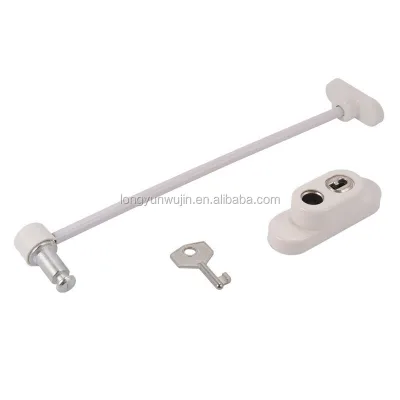
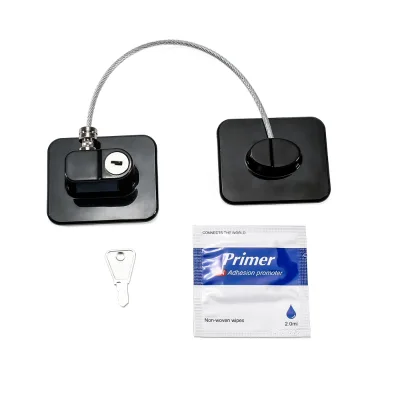
Factory Key Child Safety Magnet Refrigerator Lock Kids Protection Door Locks
$3.375 - $3.6338
MOQ: 1000 pieces
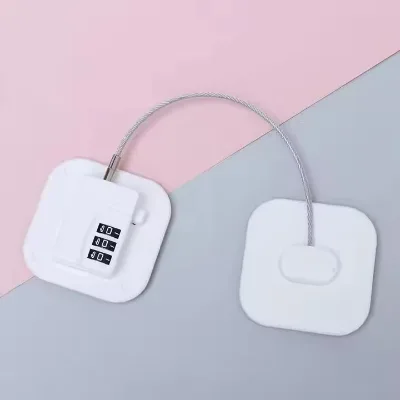
$2.4923 - $2.9591
MOQ: 100 pieces
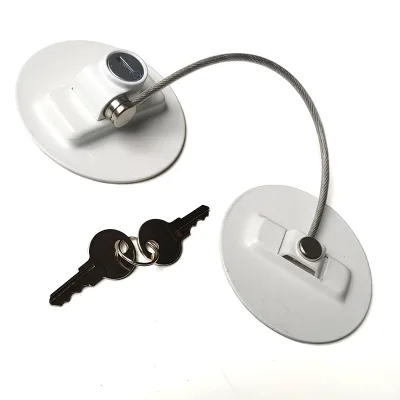
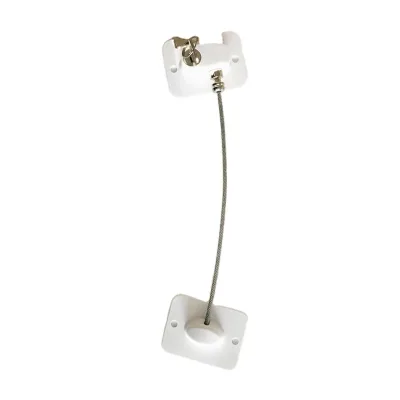
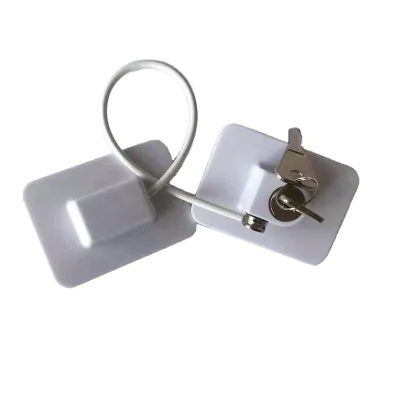
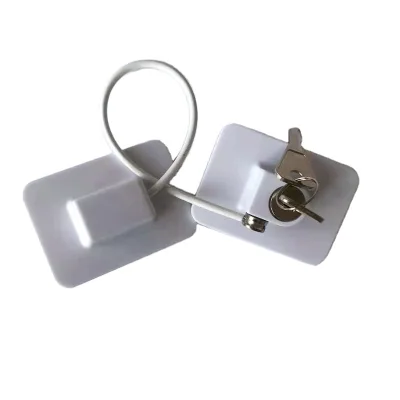
Wholesale Refrigerator Door Lock Child Safety Locks with Strong Adhesive for Cabinet Lock
$1.1414 - $1.2462
MOQ: 500 pieces

Ningbo Rato Hardware Co., Ltd.
- Verified by BV
- Trading Company
- China Zhejiang
- Lead time23 days
- Avg. response≤ 3h
Main productsBike Lock, Furniture Lock, Key Lock Box, Laptop Lock, Lock Pick Set, Trailer Hitch Lock, Padlock, Safe and Safe Accessories, Time Lock, Inudstrial Cabinet Lock
Main marketsSouth America,Southeast Asia/ Mideast,Europe,Australia,North America

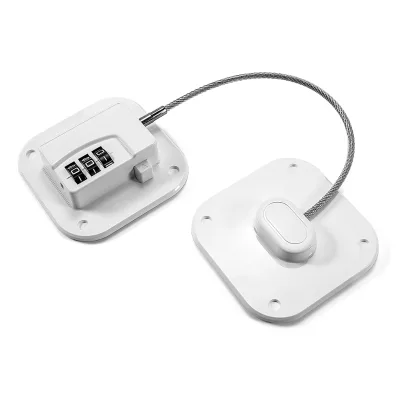
Freezer Baby Safety Password Cabinet Lock Digital Child Fridge Refrigerator Door Lock
$3.59 - $4.19
MOQ: 100 Pieces


Kids Baby Security Proof Adhesive Child Safety Refrigerator Locks with 3 Digit Code
$1.75 - $1.99
MOQ: 300 pieces

Child Proof Kids Drawer Cupboard Cabinet Combination Baby Childproof Refrigerator Lock
$1.29 - $2.29
MOQ: 200 Pieces

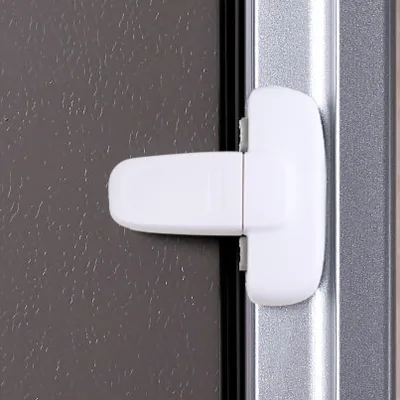
White Child Safety Drawer Lock Refrigerator Cabinet Water Dispenser Baby Safety Lock
$0.29 - $0.35
MOQ: 2000 pieces

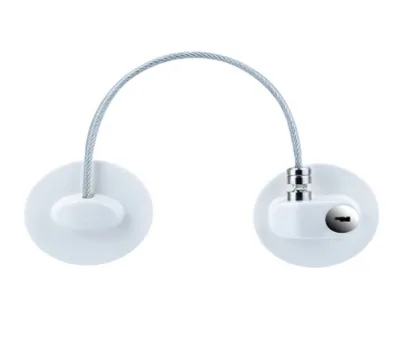
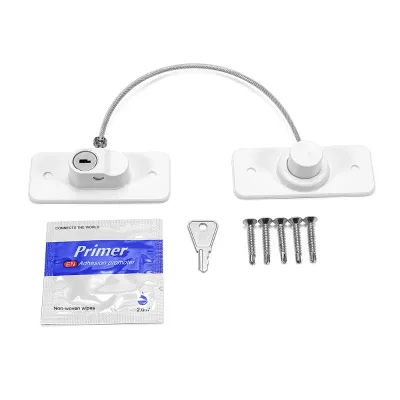
Window Door Opening Restrictor Cable Refrigerator Fridge Freezer Baby Safety Lock for Window
$1.79 - $2.19
MOQ: 250 pieces
Henan Jingyu Network Technology Co., Ltd.
- Verified by TüVRheinland
- Trading Company
- Lead time15 days
- Avg. response≤ 2h
Main productsHome Gardening Products, Sports And Entertainment Products, Mother And Baby Toys, Wooden Furniture, Automotive Supplies
Main marketsNorth America(43%), Western Europe(15%), Eastern Asia(10%)
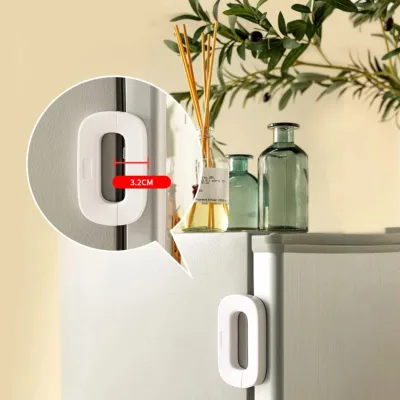
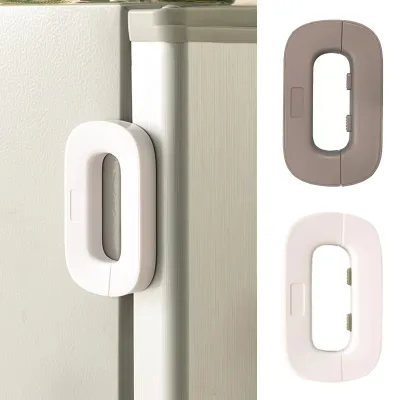
$0.5954 - $0.7001
MOQ: 100 pieces
Ningbo Fabe Child Safety Co., Ltd.
- Manufacturer, Trading Company
- Zhejiang, China
- Lead time30 days
- Avg. response≤ 2h
Main productsBaby Safety Lock,Baby Potty Toilet Seat,Corner Guard
Main marketsNorth America(70.00%), South America(15.00%), Western Europe(10.00%), Domestic Market(5.00%)
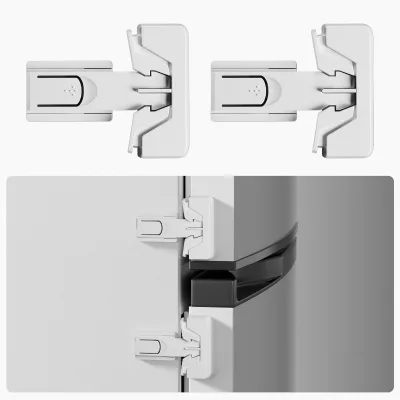
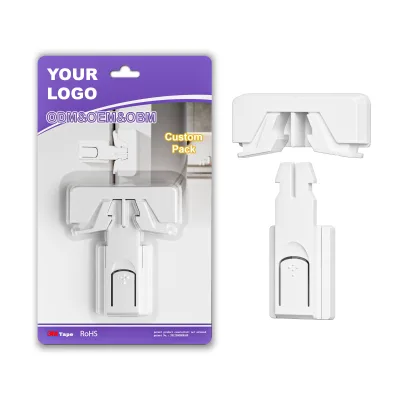
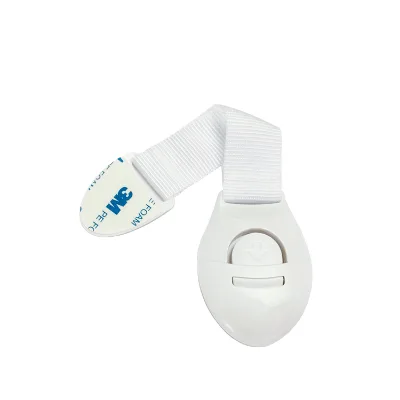
Home Refrigerator Door Lock Latch Catch Toddler Kids Child Baby Fridge Safety Baby Lock
$0.35 - $0.50
MOQ: 1 pieces
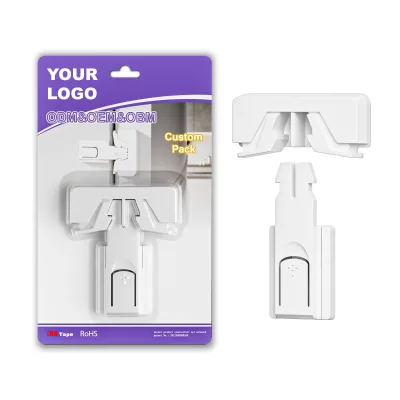
$0.3635 - $0.5191
MOQ: 100 pieces

Shanxi Dingdangcat Technology Co., Ltd
- Verified by CTI
- Combined
- China Shanxi
- Lead time30 days
- Avg. response≤ 4h
Main products3D Printed Toys, Steam Educational Toy, Custom 3D Printing Services, Custom 3D Printed Characters, Custom Model Parts, 3D Printed Lamps, Squeeze Toys, Electronic Components
Main marketsSouth America,Africa,Southeast Asia/ Mideast,East Asia(Japan/ South Korea),Domestic,Europe,Australia,North America
Wuxi Owgels Medical Instruments Co., Ltd.
- Trading Company
- Jiangsu, China
- Lead time7 days
- Avg. response≤ 3h
Main productsBaby care products,medical products
Main marketsSoutheast Asia(50.00%), Central America(5.00%), North America(5.00%), South Asia(4.00%), Southern Europe(4.00%), Northern Europe(4.00%), Eastern Europe(4.00%), Western Europe(4.00%), Eastern Asia(4.00%), Mid East(4.00%), Oceania(4.00%), Africa(4.00%), South America(4.00%)
Shijiazhuang Maikesi Brace Technology Co., Ltd.
- Verified by SGS Group
- Manufacturer, Trading Company
- Lead time3 days
- Avg. response≤ 2h
Main productsPosture Corrector, Waist Support Belt, Knee Brace, Maternity Belt, Resistance Bands
Main marketsNorth America(82%), Eastern Europe(3%), Western Europe(3%)
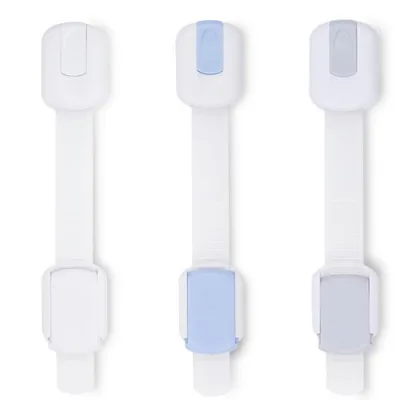
Cupboard Refrigerator Child Safety Locks Infant Baby Lock Furniture Cabinet Baby Safety Lock
$0.26 - $0.49
MOQ: 40 pieces
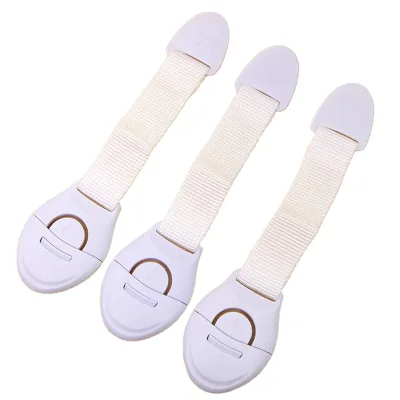
$0.22 - $0.24
MOQ: 10 pieces
- Verified by SGS Group
- Trading Company
- Lead time10 days
- Avg. response≤ 3h
Main productsHydraulic Soft-Close Hinges , Heavy-Duty Door Hinges , Concealed Cabinet Hinges, Stainless Steel Hinges, Damping Hinges
Main marketsSoutheast Asia(40%), North America(20%), South America(10%)
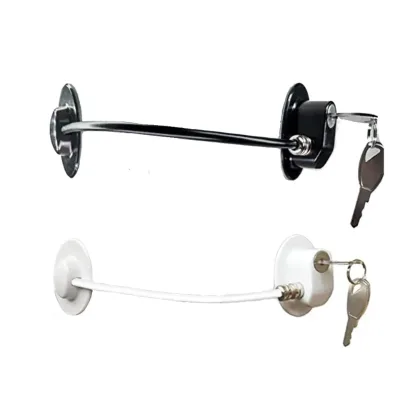
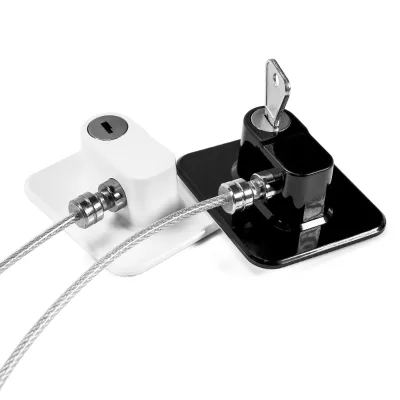
Wholesale Hot Style Safety Lock for Refrigerator Black/White Refrigerator Child Lock
$1.10 - $1.30
MOQ: 100 pieces

- Verified by TUVRHEINLAND
- Trading Company
- China Jiangsu
- Lead time15 days
- Avg. response≤ 10h
Main productsBlind Rivet, Solid Rivet, Semi-Tubular Rivet, Plastic Rivet, Rivet Nut, Drywall Screw, Self-Tapping Screw, Eye Bolt, Hinge, Lock
Main marketsSoutheast Asia/ Mideast,North America

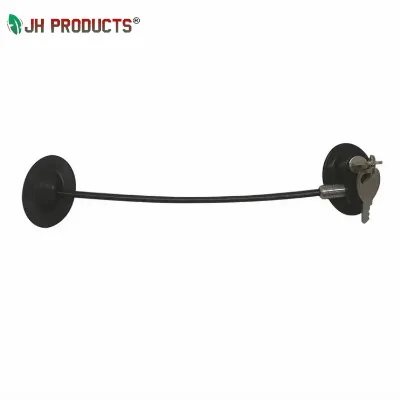
Safety Refrigerator Lock Baby Multifunctional No-Opening Refrigerator Lock for Child
$0.90 - $1.30
MOQ: 100 Pieces

Multi Functional Child Safety Refrigerator Lock 2keys Child Safety Strap Locks
$0.90 - $1.30
MOQ: 100 Pieces

No-Opening Refrigerator Lock Window Household Baby Multifunctional Protection Safety Lock for Child
$0.90 - $1.30
MOQ: 100 Pieces

Wholesale Baby Safety Fridge Locks Zinc Alloy Sliding Door Refrigerator Lock with Key
$0.90 - $1.30
MOQ: 100 Pieces

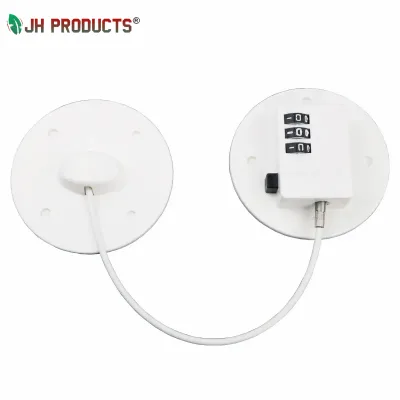
Spot Quick Delivery Zinc Alloy Refrigerator Lock for Kids White Black Refrigerator Lock Combination
$0.90 - $1.30
MOQ: 100 Pieces

Windows or Refrigerator Locks for Double Doors and Icebox Lock for Children for Baby Safety
$0.90 - $1.30
MOQ: 100 Pieces
Ningbo General Union Co., Ltd.
- Trading Company
- Lead time旺季: "1 - 1000":15,"> 1000":"To be negotiated", 淡季: "1 - 1000":15,"> 1000":"To be negotiated"
- Avg. response≤ 24h
Main productsSilicone Feeding Set, Baby Toy, Baby Teether, Baby Clothes, Baby Accessories

Yiwu Langshun Maternal And Infant Products Co., Ltd.
- Trading Company
- Zhejiang, China
- Lead time15 days
- Avg. response≤ 11h
Main productsbaby safety,edge corner,socket cover,toddler lock,door stop
Main marketsCentral America(20.00%), North America(20.00%), Northern Europe(10.00%), Mid East(10.00%), Southeast Asia(10.00%), Western Europe(10.00%), South Asia(5.00%), Eastern Asia(5.00%), South America(5.00%), Eastern Europe(5.00%)
Guangzhou Balance Daily Commodities Co., Ltd.
- Manufacturer, Trading Company
- Lead time旺季: "1 - 100":15,"> 100":"To be negotiated", 淡季: "1 - 100":15,"> 100":"To be negotiated"
- Avg. response≤ 5h
Main productsBaby Safety Product, Furniture Feet Pad, Rubber Bumper Pad, Furniture Accessories
Taizhou Doit & Baby Kid Products Co., Ltd.
- Verified by Intertek
- Trading Company
- Lead time30 days
- Avg. response≤ 2h
Main productsBaby Potty, Step Stool, Potty Seat, Bath Tub, Baby Feeding
Main marketsNorth America(25%), Southeast Asia(17%), Western Europe(15%)
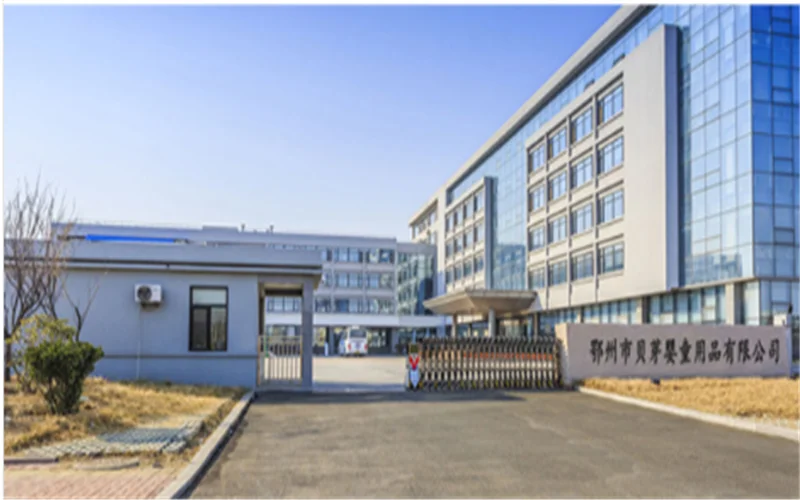
Ezhou Ebei-Eya Baby Products Co., Ltd.
- Trading Company
- Hubei, China
- Lead time0 days
- Avg. response≤ 4h
Main productsbaby safety lock,baby door stopper,baby folding toilet seat,faucet extender,baby carrier
Main marketsNorth America(35.00%), South America(15.00%), Eastern Europe(10.00%), Northern Europe(5.00%), Central America(5.00%), Western Europe(5.00%), Eastern Asia(5.00%), Mid East(5.00%), Oceania(5.00%), Africa(5.00%), Southeast Asia(5.00%)

Yiwu Weimei Import & Export Co., Ltd.
- Trading Company
- Zhejiang, China
- Lead time0 days
- Avg. response≤ 12h
Main productsbonnet,umbrella,bottle,Festive & Party Supplies,Home Storage & Organization
Main marketsNorth America(60.00%)
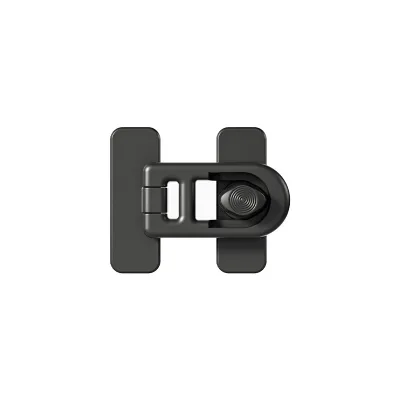
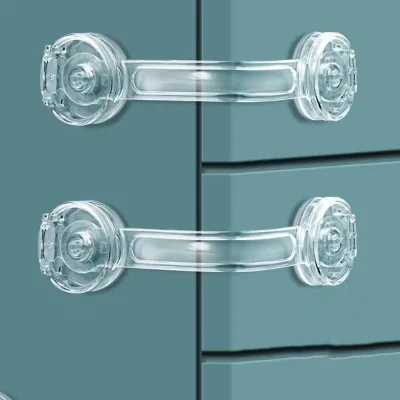
$0.3575 - $0.4593
MOQ: 20 pieces
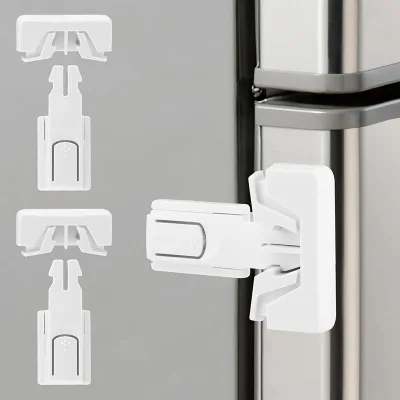
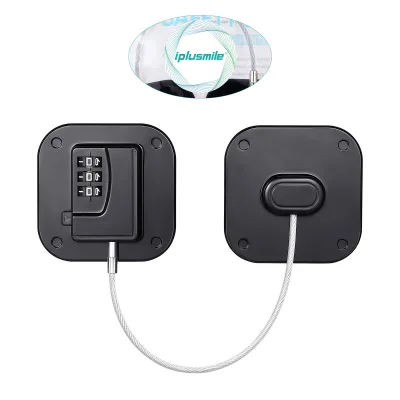

Shijiazhuang Aishangxin Imp&Exp Co., Ltd.
- Trading Company
- Hebei, China
- Lead time10 days
- Avg. response≤ 5h
Main productsSports products,Fitness products,Processing custom-made clothing,Holiday celebration clothing,Daily household goods
Main marketsNorth America(40.00%), Oceania(23.50%), Western Europe(8.00%), Central America(8.00%), South Asia(5.00%), Africa(5.00%), Mid East(5.00%), South America(3.00%), Southeast Asia(2.00%), Eastern Asia(0.50%)
Hunan Tusunny Commodity Co., Ltd.
- Trading Company
- Hunan, China
- Lead time30 days
- Avg. response≤ 3h
Main productsBaby Safety Product,corner protector,retractable safety gate,baby safety lock,baby playpen
Main marketsWestern Europe(30.00%), North America(20.00%), Southern Europe(6.00%), Northern Europe(5.00%), South America(5.00%), Eastern Asia(5.00%), Mid East(5.00%), Oceania(5.00%), Domestic Market(5.00%), Southeast Asia(5.00%), Eastern Europe(3.00%), South Asia(3.00%), Central America(2.00%), Africa(1.00%)
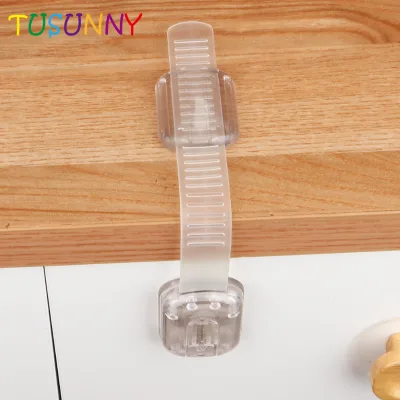
$0.30 - $0.32
MOQ: 100 sets
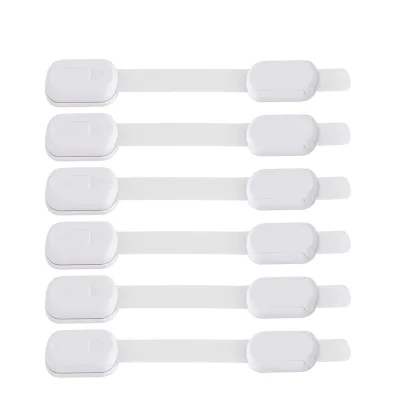

- Verified by BV
- Combined
- China Zhejiang
- Lead time30 days
- Avg. response≤ 25h
Main productsLock, Hardware
Main marketsEurope,North America


High Security Push Buttonrefrigerator Box Lock Refrigerator Lock with Key
$1.50 - $2.00
MOQ: 5000 Pieces

New Design Plastic Stainless Steel Freezer Refrigerator Fridge Door Lock
$1.00 - $1.50
MOQ: 5000 Pieces


- Verified by TUVRHEINLAND
- Combined
- China Guangdong
- Lead time30 days
- Avg. response≤ 5h
Main productsCabinet Handle, Door Handle, Door Lock, Furniture Knob, Cabinet Hinge, Drawer Slide, Door Hinge, Mortise Lock, Cylinder Lock, Door Stopper
Main marketsSouth America,Southeast Asia/ Mideast,Europe


Child Proof Locks for Cabinet Doors Toilet Seat, Dishwasher, Garbage Bin, Cupboard
$0.80 - $1.10
MOQ: 1000 Pieces

Yueqing Junma Electronics Co., Ltd.
- Combined
- China Zhejiang
- Lead time15 days
- Avg. response≤ 25h
Main productsfreezer lock
Main marketsSoutheast Asia/ Mideast,Domestic,Europe





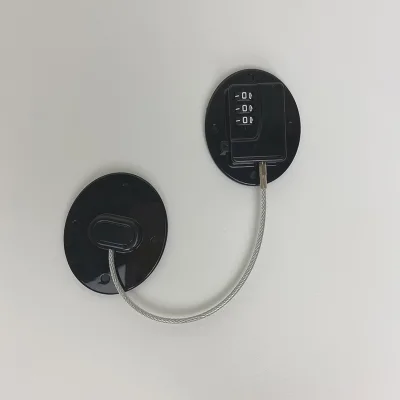
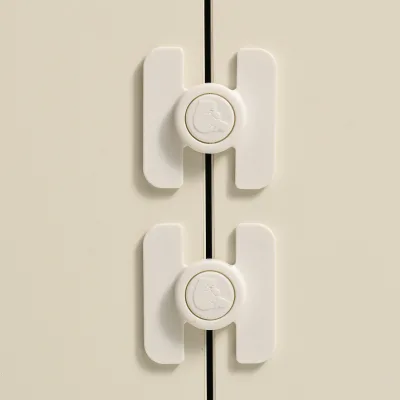
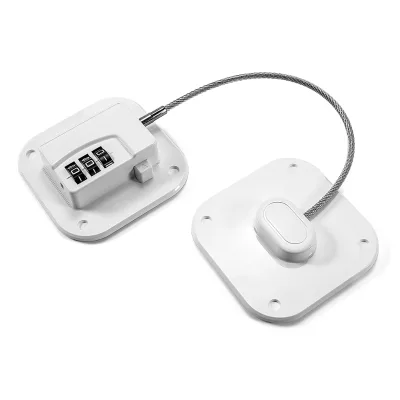
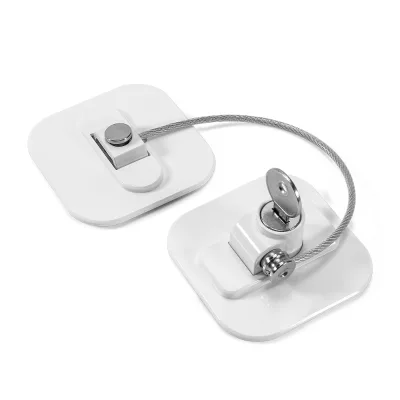




Comprehensive Sourcing Guide
Refrigerator Child Safety Lock Supplier Concentration and Factory Types
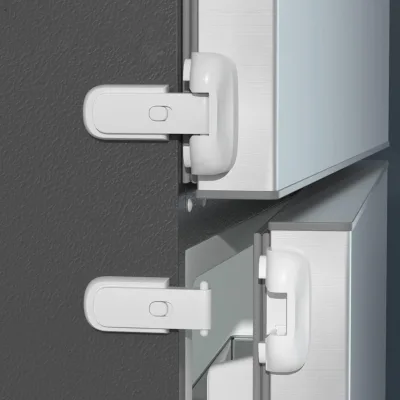
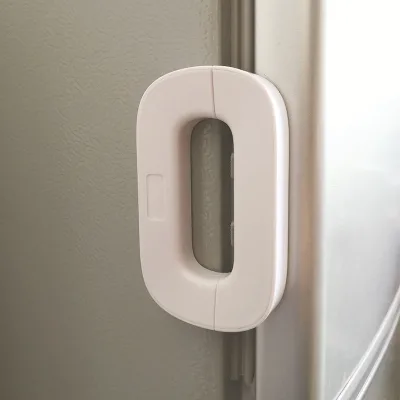
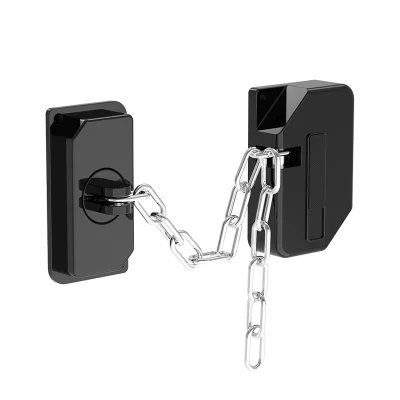
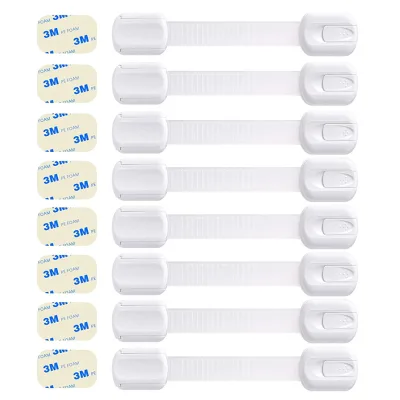
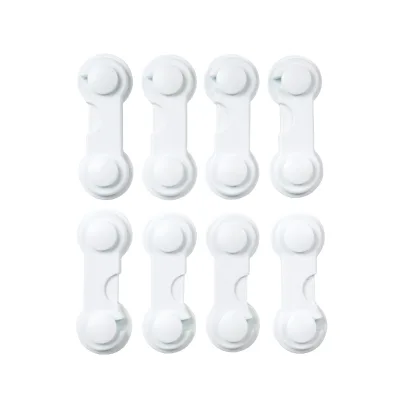
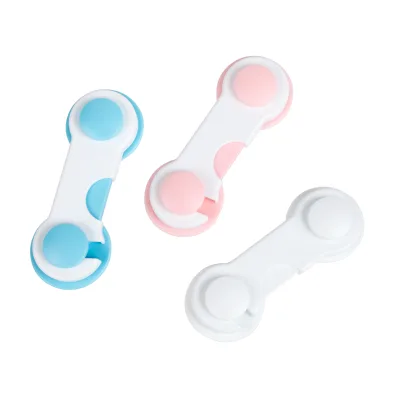
The current supplier landscape for refrigerator child safety locks reveals a distinct geographic concentration in China, with manufacturing hubs primarily located in Zhejiang and Guangdong provinces. These regions are well-established centers for plastic injection molding and hardware assembly, which are critical processes for producing durable safety latches and adhesive locks. Suppliers in Zhejiang often specialize in combined operations that handle both design and production, leveraging local supply chains for raw materials like ABS plastic and zinc alloy. This proximity to material sources allows for efficient production cycles and rapid prototyping, which is particularly beneficial for buyers seeking customized solutions or specific model variations. The presence of these manufacturing clusters indicates a mature ecosystem where specialized factories can offer competitive pricing and consistent quality for high-volume orders.
In terms of company structure, the market features a mix of pure manufacturers, trading companies, and combined entities that offer both services. Pure manufacturers typically provide greater control over production quality and lead times, while trading companies may offer a broader range of product selections and flexible order quantities. Combined companies attempt to bridge this gap by offering OEM and ODM capabilities alongside direct factory access. Buyers should carefully distinguish between these types when evaluating potential partners, as the structure directly impacts communication efficiency, cost structure, and flexibility. Understanding whether a supplier is primarily a factory or a trading entity helps in setting realistic expectations for customization, minimum order quantities, and direct engagement with production teams. This distinction is crucial for ensuring that the sourcing strategy aligns with the buyer's specific needs for volume, customization, and supply chain transparency.
How to Verify Refrigerator Child Safety Lock Suppliers
Verifying the credibility and capability of suppliers requires a multi-layered approach that goes beyond basic profile reviews. Buyers should prioritize suppliers who have undergone third-party verification processes, such as BV certification, which provides an additional layer of trust regarding their business legitimacy and operational standards. It is essential to check for specific product certifications that are relevant to child safety, such as CE and CPC marks, which indicate compliance with international safety and quality standards. These certifications are not merely formalities but are critical indicators that the supplier adheres to rigorous testing protocols for materials and product performance. Buyers should request copies of these certificates and verify their validity with the issuing bodies to ensure they are current and applicable to the specific products being sourced.
Beyond certifications, buyers should assess the supplier's response time and communication efficiency, as these factors are indicative of their operational maturity and customer service quality. A quick response time, such as within one to four hours, suggests a well-staffed and responsive team that can address inquiries and resolve issues promptly. Additionally, examining the supplier's main product categories can provide insights into their specialization and expertise. Suppliers focusing specifically on baby safety products, such as playpens, bed rails, and safety locks, are likely to have deeper technical knowledge and more refined production processes compared to generalist traders. Buyers should also look for evidence of past performance, such as supply ability metrics and detailed product attributes, to gauge the supplier's capacity to meet large-scale orders consistently.
What to Compare Across Refrigerator Child Safety Lock Suppliers
When evaluating multiple suppliers, buyers must compare key operational metrics to identify the most suitable partner for their specific requirements. Lead time is a critical factor, with some suppliers offering production cycles as short as twenty-three days, while others may require up to thirty days. This variance can significantly impact inventory planning and market launch schedules, making it essential to align lead times with business needs. Minimum order quantities also vary widely, ranging from small batches of one hundred sets to larger commitments of one thousand units. Buyers with limited initial demand may prefer suppliers with lower MOQs, while those planning for large-scale distribution might negotiate better terms with suppliers offering higher volume discounts. Comparing these metrics helps in balancing cost efficiency with supply chain flexibility.
Price and customization options are another crucial area of comparison, as they directly affect the final landed cost and product differentiation. Unit prices for child safety locks can range from approximately one dollar to over three dollars, depending on the material, complexity, and order volume. Suppliers offering OEM and ODM services provide opportunities for branding and unique design features, which can be valuable for establishing a distinct market presence. Buyers should also compare packaging details, such as OPP bags versus blister cards, as these affect storage efficiency and retail presentation. Additionally, response speed and sample availability should be weighed against price, as a slightly higher cost may be justified by faster communication and quicker sample delivery, which accelerates the overall sourcing process.
Common Refrigerator Child Safety Lock Sourcing Risks
One of the primary risks in sourcing child safety locks is the potential inconsistency in material quality and durability. Products made from low-grade ABS plastic or inferior zinc alloy may fail under stress, compromising the safety of children and exposing buyers to liability issues. Buyers must ensure that suppliers use high-quality materials that meet specified standards for strength and longevity. Another significant risk is the lack of proper certification or falsified compliance documents. Without valid CE or CPC certifications, products may not be legally sellable in certain markets, leading to customs delays, product seizures, or legal penalties. Buyers should rigorously verify all documentation and, if possible, conduct independent third-party testing to confirm that the products meet all regulatory requirements.
Supply chain disruptions and communication gaps are also common risks that can impact order fulfillment. Delays in production due to raw material shortages or labor issues can extend lead times beyond agreed-upon periods, affecting inventory levels and customer satisfaction. Poor communication can lead to misunderstandings regarding product specifications, packaging requirements, or shipping instructions, resulting in errors that are costly to rectify. Additionally, relying on trading companies without proper oversight can obscure the true source of production, making it difficult to address quality issues or negotiate directly with the factory. Buyers should establish clear communication channels and regular check-ins to monitor production progress and address any emerging issues promptly, ensuring a smoother sourcing experience.
Refrigerator Child Safety Lock Regional Sourcing and Logistics
Sourcing from China offers logistical advantages due to the well-developed infrastructure in manufacturing hubs like Zhejiang and Guangdong. These regions have efficient port facilities, such as Ningbo and Shenzhen, which facilitate smooth export operations and reduce transit times to global destinations. Buyers should consider the proximity of suppliers to these ports when planning logistics, as closer proximity can lower inland transportation costs and simplify shipping arrangements. Additionally, the concentration of suppliers in these areas fosters a competitive environment that can drive down costs and improve service levels. Understanding the regional logistics landscape helps buyers optimize their supply chain and reduce overall procurement expenses.
However, buyers must also account for potential logistical challenges, such as customs clearance delays and fluctuating freight rates. International shipping costs can vary significantly based on fuel prices, seasonal demand, and geopolitical factors, impacting the final landed cost of products. Buyers should work with reliable freight forwarders who can navigate customs regulations and provide accurate cost estimates. Additionally, packaging dimensions and weights, such as those specified for individual units, play a crucial role in determining shipping efficiency. Optimizing packaging to maximize container space can reduce per-unit shipping costs. Buyers should also consider the impact of lead times on inventory management, ensuring that they have sufficient buffer stock to mitigate potential delays in the supply chain.
Refrigerator Child Safety Lock Commercial Terms and Order Planning
Effective order planning requires a clear understanding of commercial terms, including payment structures, sample policies, and after-sales support. Buyers should negotiate favorable payment terms, such as partial deposits with balance payments upon shipment, to manage cash flow and mitigate financial risk. Sample lead times, which can range from two to seven days, are crucial for product evaluation and approval before committing to large orders. Buyers should request samples early in the process to assess quality, functionality, and compliance with specifications. Additionally, understanding the supplier's return and warranty policies is essential for addressing any potential defects or issues that may arise after delivery.
Strategic order planning involves aligning purchase volumes with market demand and production capabilities. Buyers should consider the supplier's supply ability, such as monthly production capacities, to ensure they can meet peak demand periods without delays. Negotiating volume discounts and long-term contracts can provide cost savings and supply chain stability. Buyers should also plan for seasonal variations in demand, particularly for products related to child safety, which may see increased interest during specific times of the year. By carefully analyzing these commercial terms and planning orders strategically, buyers can optimize their procurement process, reduce costs, and ensure a reliable supply of high-quality child safety locks.
FAQs
What is the typical MOQ for child safety locks?
Minimum order quantities vary by supplier and product type. Some manufacturers require a minimum of 100 sets, while others may ask for 500 or 1000 units. Buyers should check specific product listings to confirm the exact MOQ before placing an order.
How long does production take for these locks?
Production lead times generally range from 23 to 30 days after deposit confirmation. Some suppliers offer faster sample delivery within two to seven days. Bulk production schedules depend on order volume and customization requirements, so confirm timelines with the supplier.
What materials are used for refrigerator safety locks?
Most locks are made from durable ABS plastic or zinc alloy. ABS models are lightweight and adjustable, while zinc alloy options offer sturdier protection. Materials are selected for safety and longevity, ensuring they withstand frequent use on cabinets and refrigerators.
Are these locks adjustable for different door sizes?
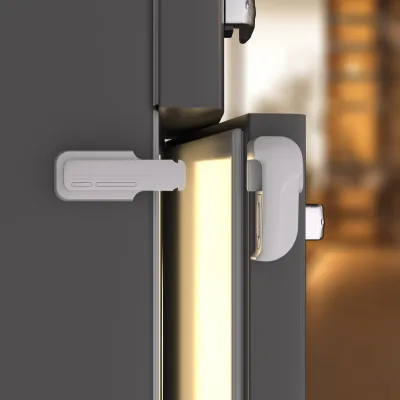
Yes, many child safety locks are designed to be adjustable. This feature allows them to fit various cabinet, drawer, and refrigerator door sizes securely. Buyers should verify the adjustable specifications in the product details to ensure compatibility with their specific furniture.
What certifications do these safety products have?
Suppliers may hold CE and CPC certifications, indicating compliance with safety standards. These credentials ensure the products meet specific regulatory requirements for baby safety items. Buyers should request certification documents to verify compliance before purchasing for international markets.
Where are these safety locks manufactured?
Manufacturing locations primarily include Zhejiang and Guangdong provinces in China. These regions are known for producing household items and baby safety products. Buyers can filter suppliers by location to align with logistics preferences or regional sourcing strategies.
What is the price range for child safety locks?
Prices typically range from $1.00 to $3.30 per unit. Costs vary based on material, such as plastic versus zinc alloy, and order quantity. Buyers should compare quotes from multiple suppliers to find the best value for their specific requirements.