RGB CO2 Jet Machine Suppliers and Manufacturers in China
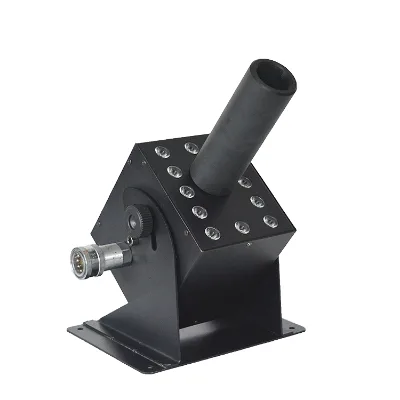
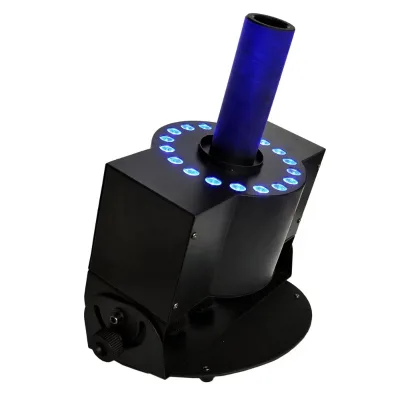
Explore 26 verified suppliers offering RGB CO2 Jet Machine units with varying lead times, response speeds, and certifications like ISO 9001. Compare specifications such as voltage, power, and customization options to select the right factory for your event needs; review the available evidence before requesting comparable quotations from suitable candidates.
Updated
Suppliers List

Guangzhou MINGXUAN Stage Light Equipment CO.,LTD
- Verified by CTI
- Trading Company,Manufacturer/Factory
- China Guangdong
- Lead time38 days
- Avg. response≤ 25h
Main productsMoving Head Light, Line Array Speaker, Truss Stage, Tent, Microphone, LED Screen, Mixer, LED PAR Can, LCD Screen, Small Speaker
Main marketsSouth America,Eastern Europe,Mid East,North America,Southeast Asia,Eastern Asia,Oceania,Western Europe,Africa
Ballet Star Technology (Guangzhou) Co., Ltd.
- Manufacturer, Trading Company, Distributor/Wholesaler
- Guangdong, China
- Lead time10 days
- Avg. response≤ 4h
Main productsSpecial effect equipment,Entertainment equipment,stage lighting,Intelligent electric appliance,Disinfection products
Main marketsMid East(20.00%), Northern Europe(20.00%), South America(20.00%), North America(20.00%), Western Europe(6.00%), Oceania(5.00%), Eastern Europe(5.00%), Eastern Asia(4.00%)
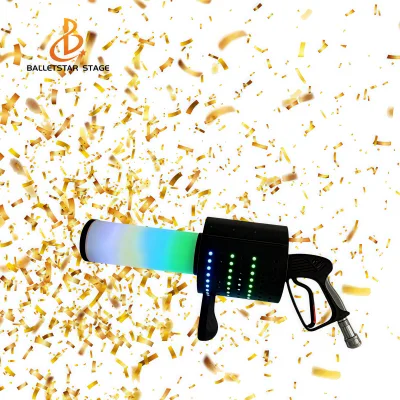
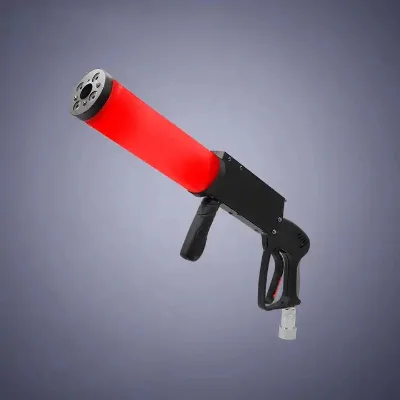
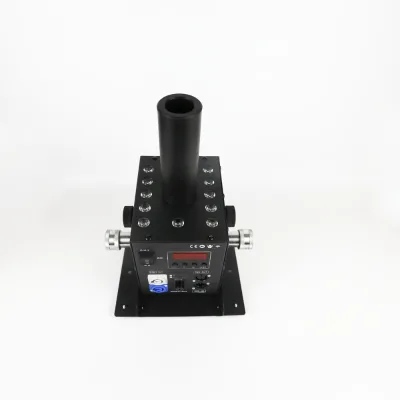
Colorful Machine RGB Jet Effect CO2
$74.00 - $79.00
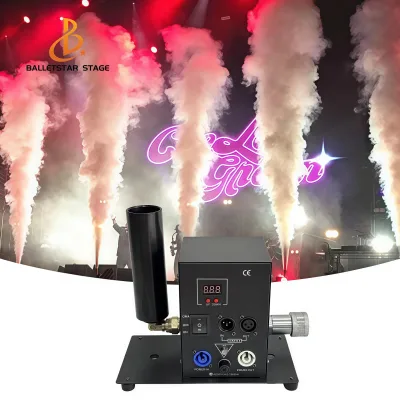
Digital Disco DJ Wedding Rgb CO2 Jet Fog Machine Large Co2 Jet Machine Smoke Effect
$92.4044 - $98.5652
MOQ: 2 pieces
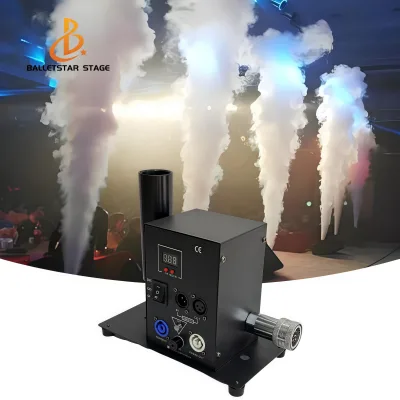
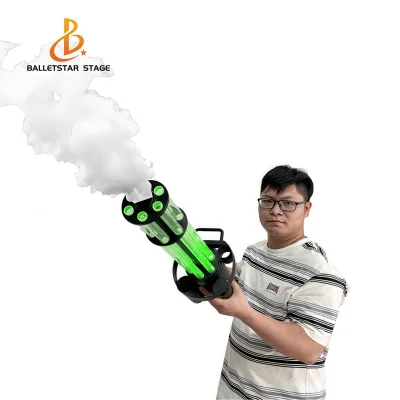
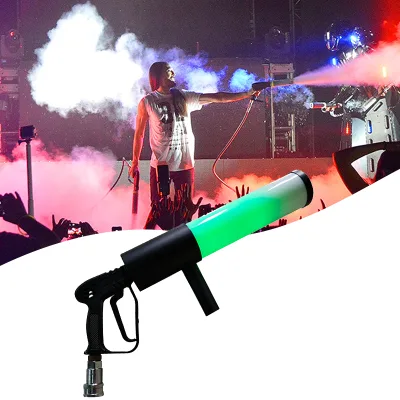
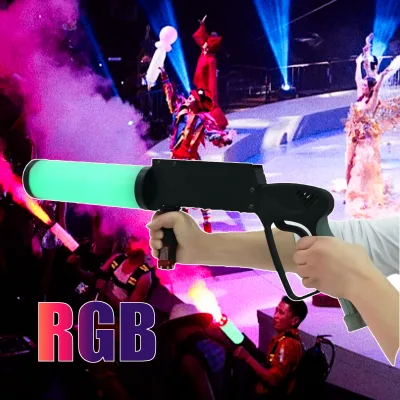
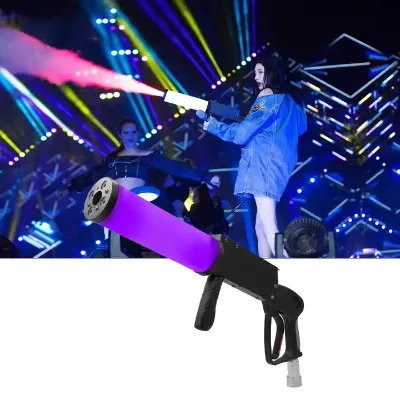
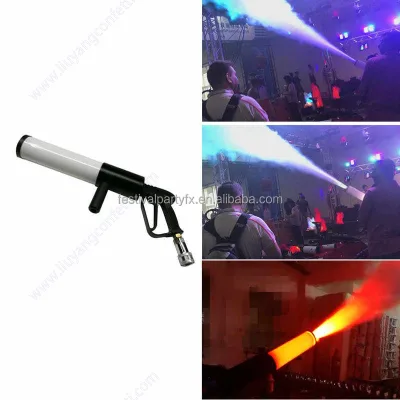
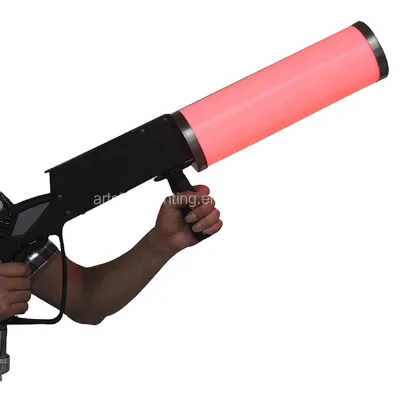
Nightclub Jet Machine LED RGB Co2 Gun Pistol Stage Effect Co2 air Gun Dj Fog Cannon
$118.00 - $159.00
MOQ: 2 pieces
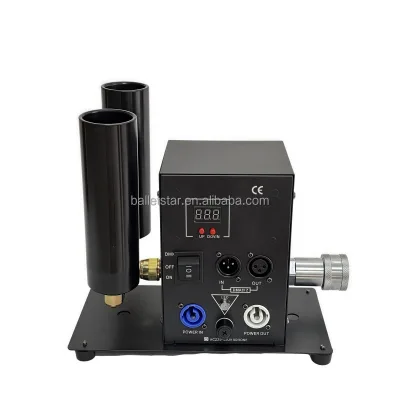
CO2 Fog Jet Machine with RGB Stage Light Stage Effect Machine for Show Even
$95.4848 - $117.0464
MOQ: 2 pieces
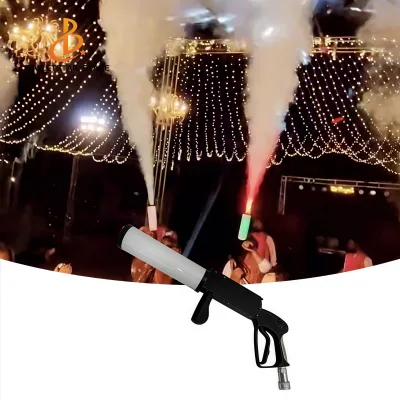
Guangzhou Aegean Stage Lighting Equipment Co., Ltd.
- Manufacturer, Trading Company
- Guangdong, China
- Lead time4 days
- Avg. response≤ 1h
Main productsLED Stage Light,Moving Head Light,LED Par Light,Laser Light,Led Wall Washer
Main marketsNorth America(20.00%), Eastern Europe(12.00%), Southern Europe(10.00%), Western Europe(10.00%), South America(10.00%), Northern Europe(8.00%), Southeast Asia(5.00%), Central America(5.00%), Mid East(5.00%), Africa(4.00%), Oceania(4.00%), South Asia(4.00%), Domestic Market(2.00%), Eastern Asia(1.00%)
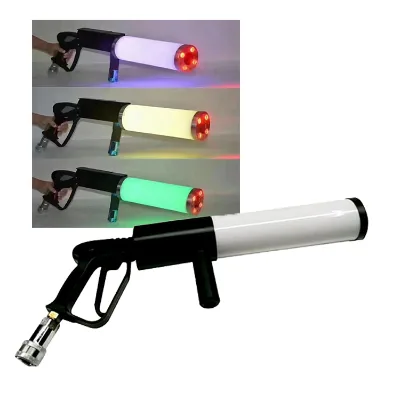
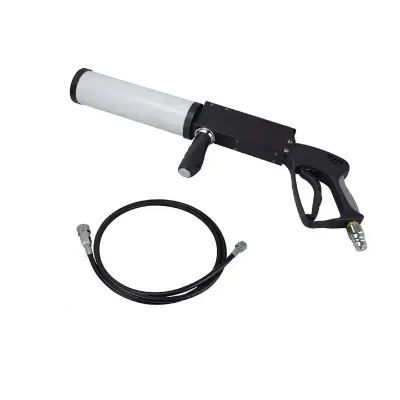
Battery Handheld Co2 Jet Gun Rgb Colorful Stage Equipment Co2 Jet Machine
$90.00 - $130.00
MOQ: 1 pieces
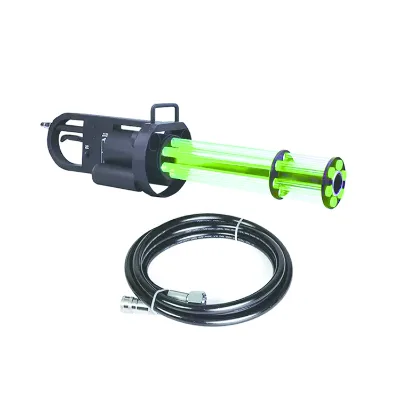
New Arrival Battery Powered Handheld Co2 Jet Gun Column Co2 Jet Machines With Led Rgb
$170.00 - $180.00
MOQ: 1 pieces
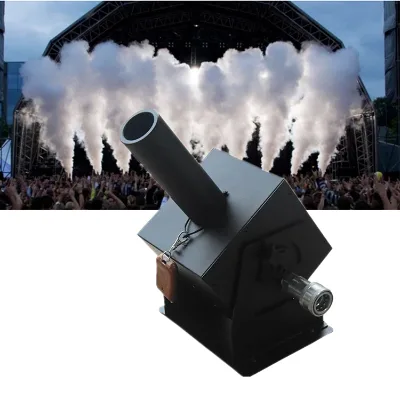
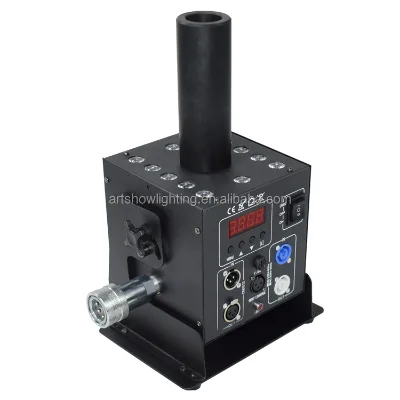
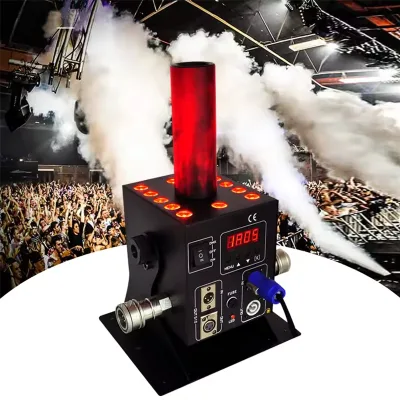
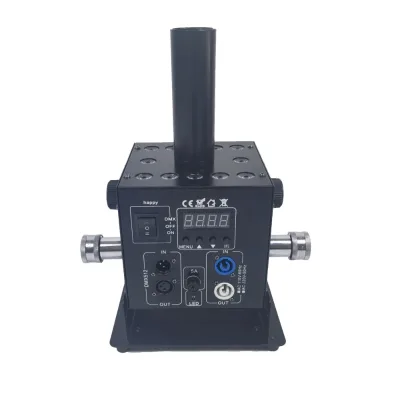
New Hand in Hand CO2 Jet Machine DMX512 Gas Column RGB 12x3w LED CO2 Jet Machine
$135.00 - $150.00
MOQ: 1 pieces
Foshan Very Stage Equipment Co., Ltd.
- Manufacturer
- Guangdong, China
- Lead time7 days
- Avg. response≤ 3h
Main productsstage lighting,moving head,led par light,beam light,LED wall washer
Main marketsNorth America(51.00%), South America(15.00%), Western Europe(8.00%), Northern Europe(6.00%), Eastern Europe(5.00%), Southern Europe(4.00%), Central America(2.00%), South Asia(2.00%), Oceania(2.00%), Southeast Asia(2.00%), Eastern Asia(1.00%), Mid East(1.00%), Africa(1.00%)

Guangdong Changyuan Stage Lighting Equipment Company Limited
- Verified by TUVRHEINLAND
- Combined
- China Guangdong
- Lead time15 days
- Avg. response≤ 22h
Main productsStage Light, LED Moving Head, Moving Head Light, Stage Effect, LED PAR Light, Battery Powered PAR Light, CO2 Machine, Foam Machine, Smoke Machine, Fire Machine
Main marketsDomestic


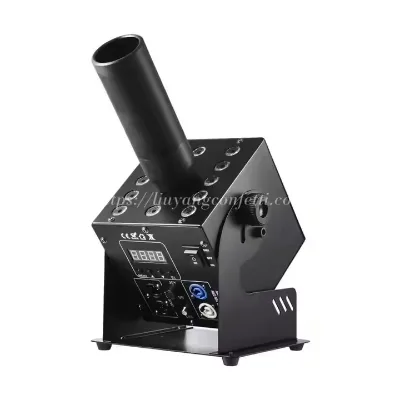
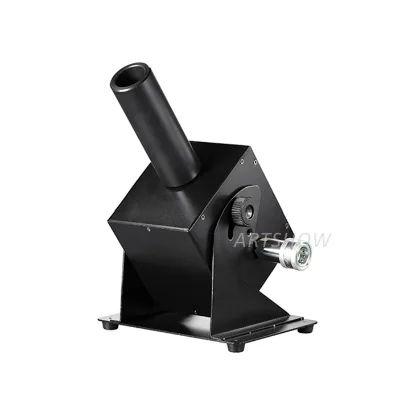
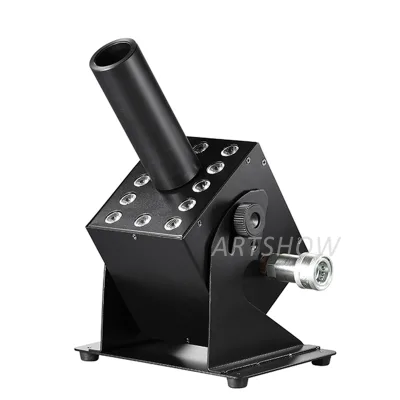
Power-Disco CO2 Jet Machine Angle Adjustable Stage Performance Effect Machine
$246.00 - $276.00
MOQ: 1 Pieces


Guangzhou Flyko Stage Equipment Co., Ltd.
- Verified by SGS Group
- Manufacturer, Trading Company
- Lead time7 days
- Avg. response≤ 2h
Main productsPar light, LED kinetic ball, LED curtain, LED dance floor, Truss system
Main marketsNorth America(30%), South America(20%), Africa(10%)
Guangzhou Cheng Wen Photoelectric Technology Co., Ltd.
- Verified by SGS Group
- Manufacturer, Trading Company
- Lead time7 days
- Avg. response≤ 4h
Main productsLED Screen, Stage Lights
Main marketsNorth America(13%), Southeast Asia(13%), South America(12%)
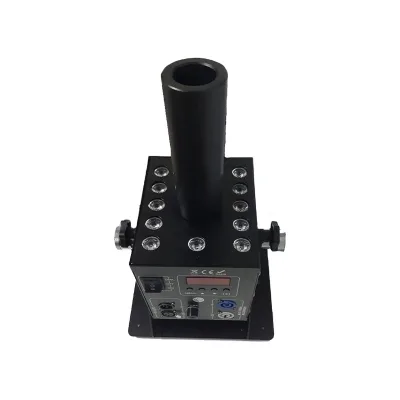
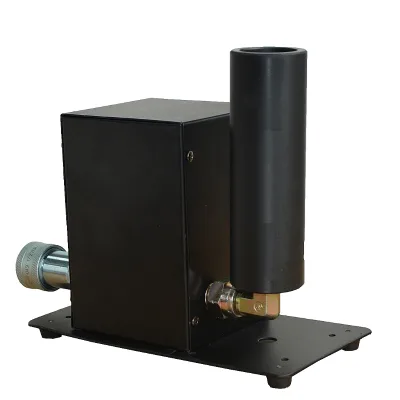
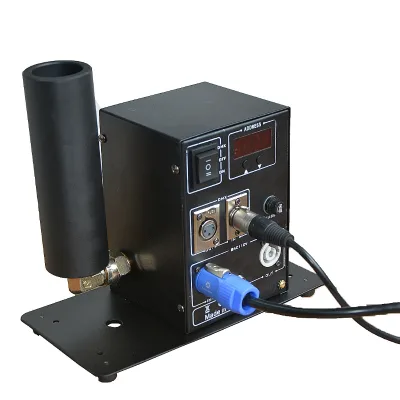
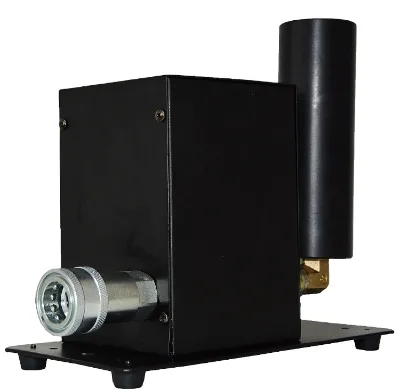
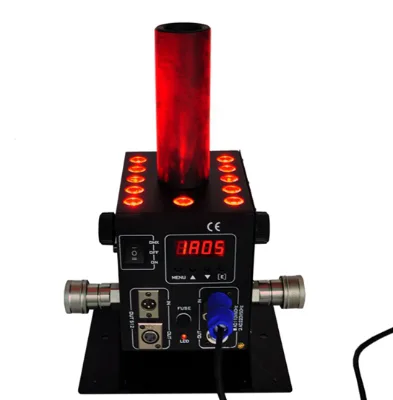
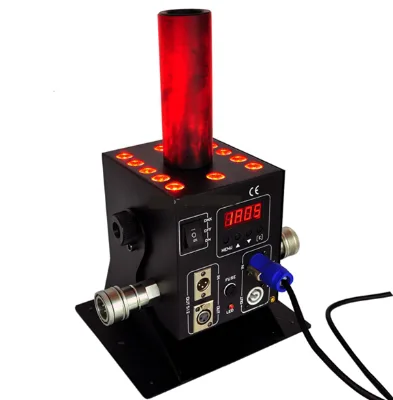
Professional Stage Special Effect CO2 Jet Machine
$78.00 - $80.00
Guangzhou Chaohang Industrial Co., Ltd.
- Manufacturer, Trading Company
- Guangdong, China
- Lead time10 days
- Avg. response≤ 2h
Main productsInflatable Advertising,Decoration Inflatables,Inflatable Games,Inflatable Tent,Event Effect Equipment
Main marketsNorth America(30.00%), South America(20.00%), Western Europe(15.00%), Eastern Europe(15.00%), Southeast Asia(10.00%), Southern Europe(5.00%), Northern Europe(5.00%)
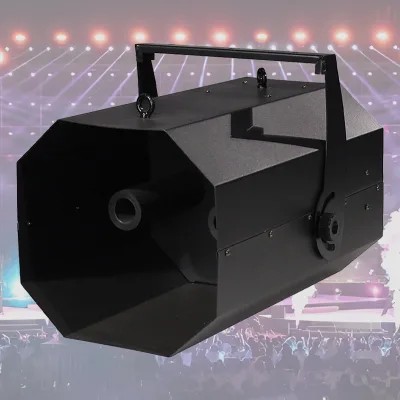
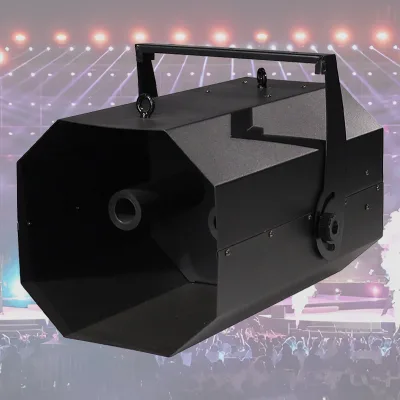
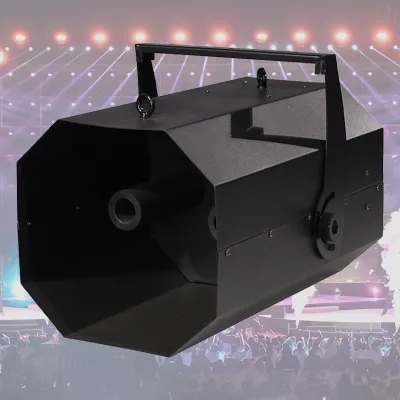
CH CO2 Double air Column Machine Co2 Jet Machine Smoke Atmosphere Equipment
$295.00 - $360.00
MOQ: 1 pieces
Liuyang Happiness Firing Systems Co., Ltd.
- Verified by TüVRheinland
- Manufacturer, Trading Company
- Lead time5 days
- Avg. response≤ 2h
Main productsFireworks Firing System, Firework Igniter, Cold Spark Powder, Wedding Decor, Gender Reveal
Main marketsSoutheast Asia(34%), Western Europe(20%), North America(18%)
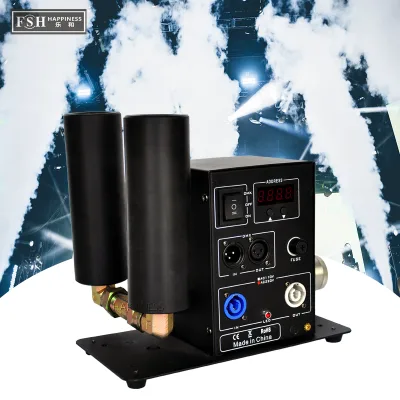
$104.3424 - $109.5079
MOQ: 1 sets
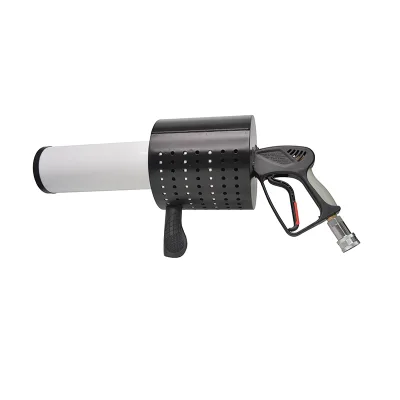
$103.3081 - $123.9703
MOQ: 5 pieces
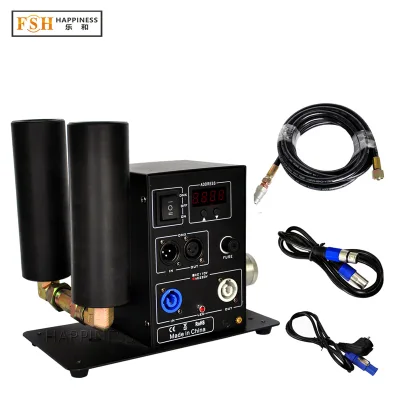
$104.3424 - $109.5079
MOQ: 1 sets
Guangzhou Huineng Photoelectric Technology Co., Ltd.
- Verified by SGS Group
- Manufacturer, Trading Company
- Lead time7 days
- Avg. response≤ 3h
Main productsLED Display And Stage Lights
Main marketsSouth America(30%), North America(20%), Southern Europe(18%)
Guangzhou Cheng Wen Photoelectric Technology Co., Ltd.
- Manufacturer, Trading Company
- Lead time旺季: "1 - 100":2,"101 - 200":7,"> 200":"To be negotiated", 淡季: "1 - 100":2,"101 - 200":7,"> 200":"To be negotiated"
- Avg. response≤ 4h
Main productsLED Screen, Stage Lights
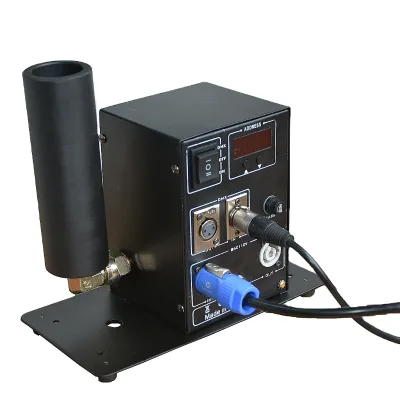
Chengwen Stage Effect Co2 Jet Smoke Machine Co2 Jet Machine for Events DJ Disco Nightclub Bar Lights
$97.7168 - $98.7556
MOQ: 2 pieces
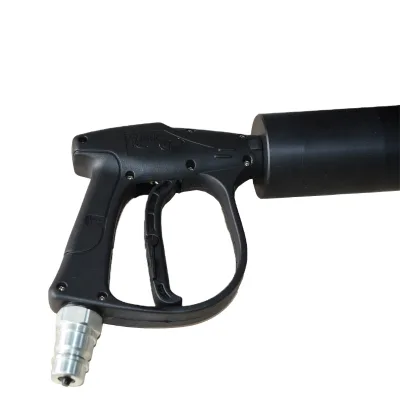

- Manufacturer
- Guangdong, China
- Lead time10 days
- Avg. response≤ 2h
Main productsBeam moving head light,LED wash moving head light,LED par light,LED battery par light,Laser light
Main marketsNorth America(60.00%), Western Europe(25.00%), Southern Europe(5.00%), Northern Europe(5.00%), Central America(5.00%)

Guangzhou Sailwin Light & Audio Technology Co., Ltd.
- Verified by BV
- Combined
- China Guangdong
- Lead time15 days
- Avg. response≤ 8h
Main productsStage Light, LED PAR Light, Battery Powered LED PAR Light, LED Moving Head Light, Stage Special Effects, Laser Light, LED Wall Washer, Stage Light Truss, Moving Head Beam, LED Moving Head
Main marketsSouth America,Africa,Southeast Asia/ Mideast,East Asia(Japan/ South Korea),Europe,Australia,North America
LIUYANG HAI CHANG FIBERGLASS REINFORCED PLASTIC MANUFACTURER
- Verified by TüVRheinland
- Manufacturer, Trading Company
- Lead time0 days
- Avg. response≤ 3h
Main productsFiberglass Mortar Tube, Igniter Head, Discharge Rack, Igniter
Main marketsDomestic Market(50%), North America(20%), Southeast Asia(20%)
Changsha Zhongyou Festival Celebration Supplies Co., Ltd.
- Verified by SGS Group
- Manufacturer, Trading Company
- Lead time10 days
- Avg. response≤ 5h
Main productsFireworks firing system and display equipment, Festival party event supplies, Stage light and equipment, Wedding celebration article, Gender reveal items
Main marketsNorth America(80%), Western Europe(10%), South America(7%)
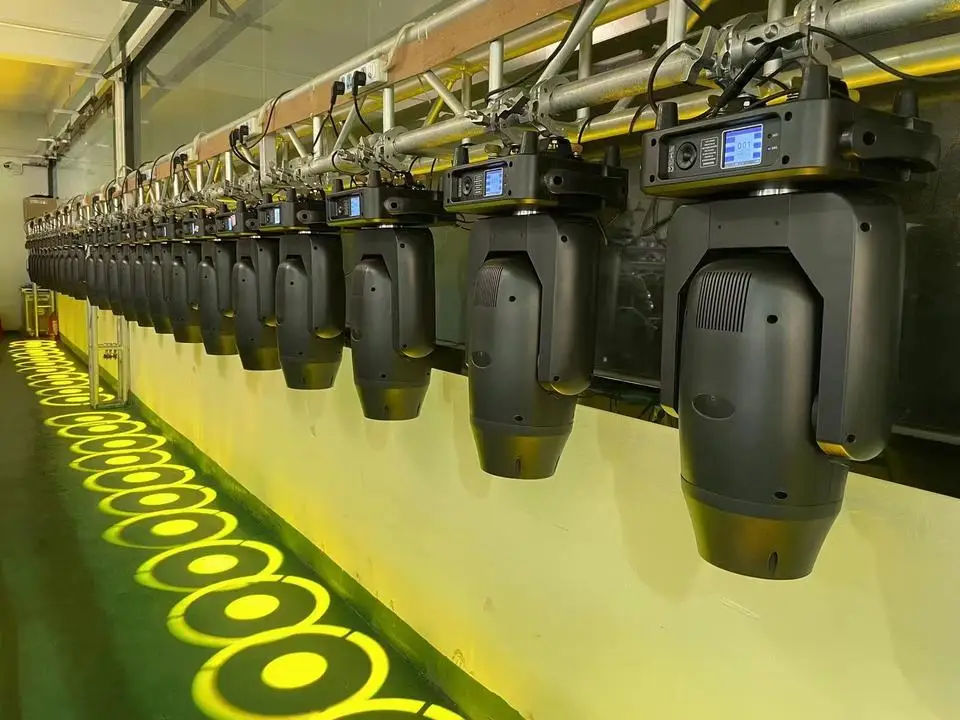
Guangzhou Artshow Lighting Co., Limited
- Manufacturer
- Guangdong, China
- Lead time0 days
- Avg. response≤ 5h
Main productsLED Par Light,Led Moving Head,Moving Head Light,DMX Controller,Led Wall Washer
Main marketsEastern Europe(20.00%), South America(20.00%), North America(20.00%), Western Europe(10.00%), Eastern Asia(10.00%), Domestic Market(10.00%), Oceania(5.00%), Northern Europe(5.00%)
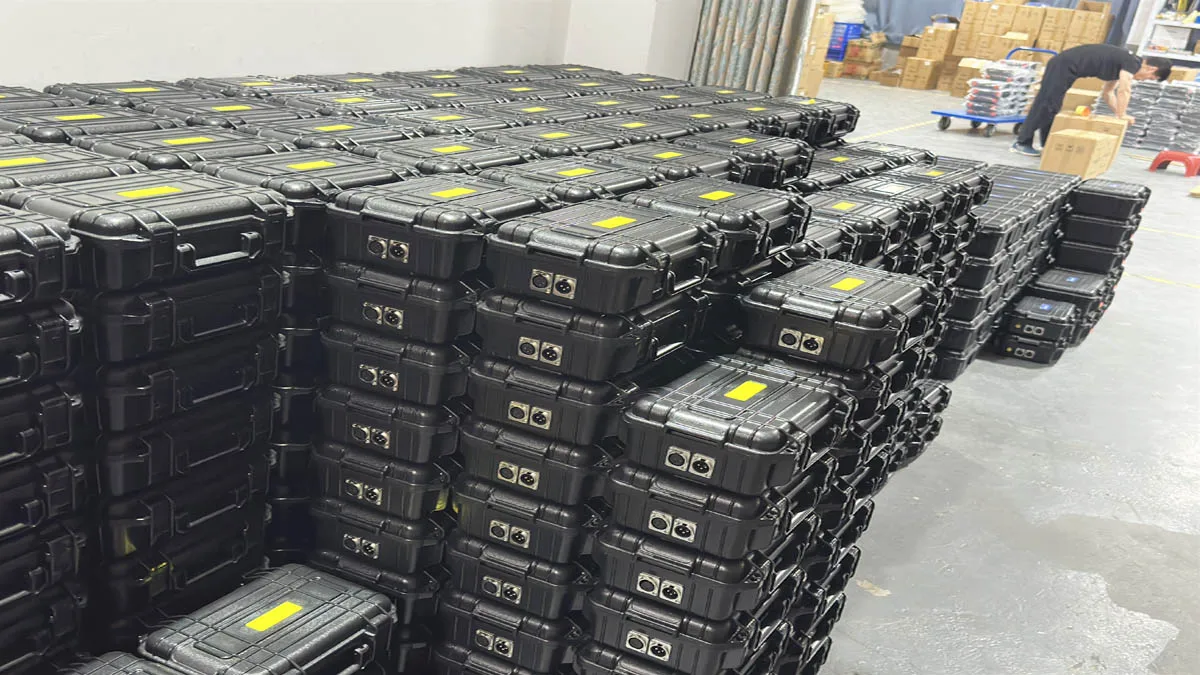
Liuyang Leyan Electronic Technology Co., Ltd.
- Manufacturer, Trading Company
- Hunan, China
- Lead time0 days
- Avg. response≤ 3h
Main productsFireworks firing systems,Pyrotechnic firing system,Titanium ti Composite Powder,Fireworks electric igniter,Cold pyro
Main marketsNorth America(20.00%), Domestic Market(10.00%), Southern Europe(10.00%), Western Europe(10.00%), Eastern Asia(10.00%), South America(10.00%), Northern Europe(5.00%), Central America(5.00%), Southeast Asia(5.00%), Eastern Europe(5.00%), South Asia(4.00%), Mid East(3.00%), Africa(3.00%)

Guangzhou Feituo Industry Co., Ltd.
- Manufacturer
- Guangdong, China
- Lead time3 days
- Avg. response≤ 4h
Main productsled moving head,led par light,led wall washer,dmx controller,laser light
Main marketsNorth America(20.00%), Western Europe(10.00%), Domestic Market(10.00%), Southeast Asia(10.00%), Eastern Europe(10.00%), Northern Europe(10.00%), South America(8.00%), Oceania(5.00%), Eastern Asia(5.00%), South Asia(3.00%), Central America(3.00%), Africa(2.00%), Mid East(2.00%), Southern Europe(2.00%)
Hunan Winwell Import & Export Trading Co., Ltd.
- Verified by Intertek
- Manufacturer, Trading Company
- Lead time30 days
- Avg. response≤ 4h
Main productsFireworks, Fireworks Firing Systems & Electric Igniter , Magic fire, Stage effect equipments, Container House
Main marketsDomestic Market(30%), North America(24%), Eastern Europe(9%)
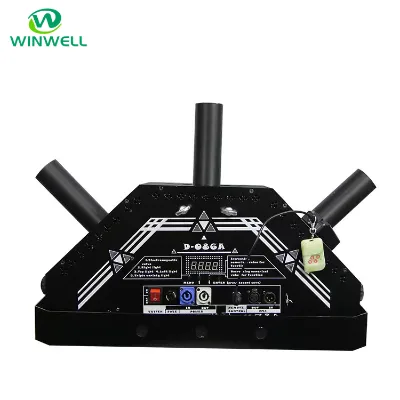
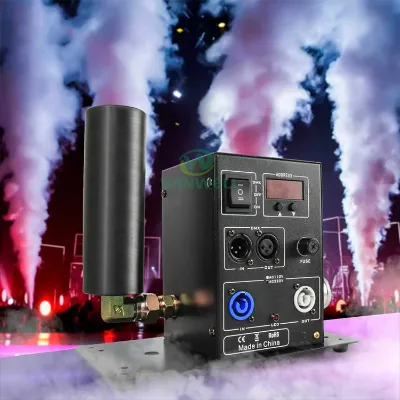
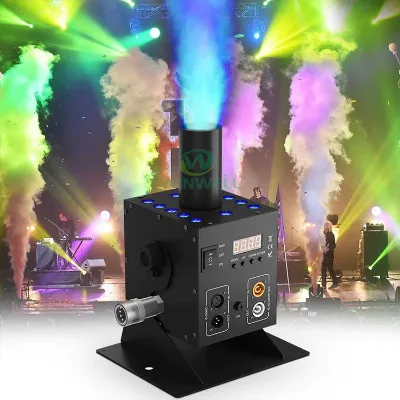
Three Heads LED CO2 Jet Machine DMX control stage show CO2 Jet Cannon for DJ lights Stage
$329.2239 - $354.9452
MOQ: 1 pieces
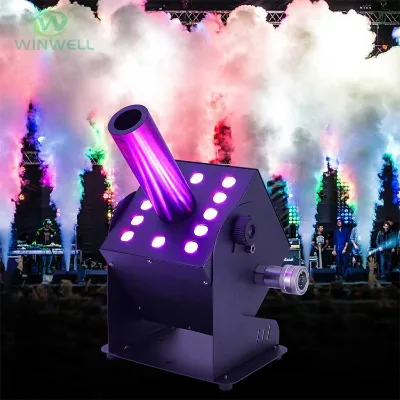
Guangzhou Xuanli Stage Equipment Co., Ltd.
- Manufacturer
- Guangdong, China
- Lead time15 days
- Avg. response≤ 2h
Main productsFog Machine,Bubble Machine,Confettil Paper Machine,Co2 Jet,Foam Machine
Main marketsSoutheast Asia(15.00%), Southern Europe(15.00%), South America(15.00%), Western Europe(15.00%), Eastern Europe(10.00%), Eastern Asia(6.00%), Northern Europe(5.00%), Central America(5.00%), North America(5.00%), Mid East(5.00%), South Asia(2.00%), Oceania(2.00%)

Guangzhou Fengya Lighting Equipment Co., Ltd.
- Manufacturer
- Guangdong, China
- Lead time7 days
- Avg. response≤ 6h
Main productsLED Par Light,led moving head light,moving head light,led washer light,laser stage light
Main marketsNorth America(30.00%), Western Europe(15.00%), Southern Europe(15.00%), Northern Europe(5.00%), Central America(5.00%), Eastern Europe(5.00%), Eastern Asia(5.00%), South Asia(5.00%), South America(5.00%), Southeast Asia(5.00%), Africa(3.00%), Domestic Market(1.00%), Mid East(1.00%)
Guangzhou Disco Stage Effect Equipment Co., Ltd.
- Manufacturer
- Guangdong, China
- Lead time5 days
- Avg. response≤ 6h
Main productsFog machine,Cold spark machine,confetti machine,flame machine,co2 jet
Main marketsMid East(15.00%), South America(15.00%), North America(15.00%), Central America(10.00%), Northern Europe(10.00%), Southeast Asia(10.00%), Eastern Europe(8.00%), Western Europe(8.00%), Southern Europe(8.00%), South Asia(5.00%), Eastern Asia(5.00%), Africa(5.00%)
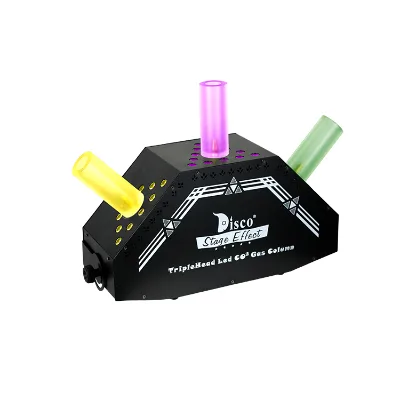
LED Triplehead Co2 Jet Machine for Stage Effect Show Nightclub
$325.00 - $395.00
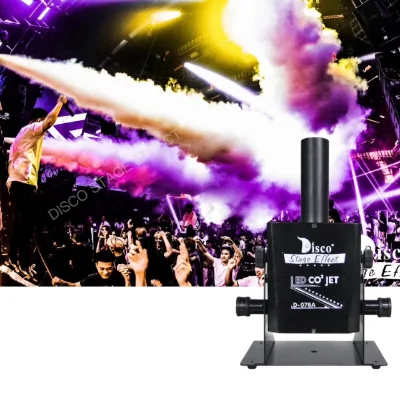
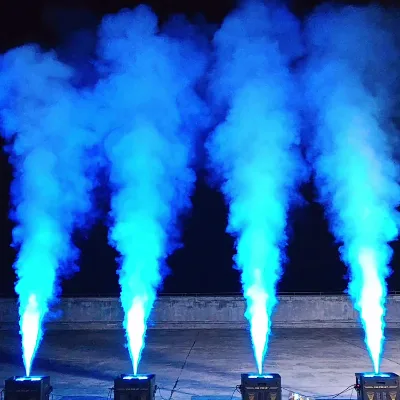
CHINA Co2 Jet Machine with 12x3w RGB Beam Light Effect for Party Club Wedding Event.
$200.6217 - $235.6008
MOQ: 1 pieces

Guangzhou Geliang Lighting Technology Co., Ltd.
- Verified by SGS
- Combined
- China Guangdong
- Lead time15 days
- Avg. response≤ 6h
Main productsLED Stage Light/Stage Lighting, LED Stage Lighting, LED Dance Floor, DMX Controller, LED Indoor and Outdoor Display Screen, LED PAR Can/LED PAR Light, Moving Head Light, LED Wall Washer, LED DMX Tube, LED Moving Head Light
Main marketsAfrica,Southeast Asia/ Mideast,Europe,Australia,North America
Guangzhou Ou Ni Kee Trading Co., Ltd.
- Verified by SGS Group
- Manufacturer, Trading Company
- Lead time10 days
- Avg. response≤ 1h
Main productsCold Spark Machine, Party Foam Machine, Smoke Fog Machine, Led Dance Floor, Led Star Curtain
Main marketsNorth America(30%), South America(15%), Eastern Europe(10%)
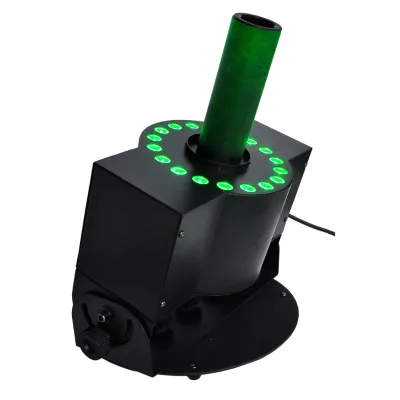
Professional Stage Effect CO2 Jet Cannon Stage Angle Adjustable CO2 Jet Machine for Wedding Party
$285.6704 - $306.1483
MOQ: 1 pieces
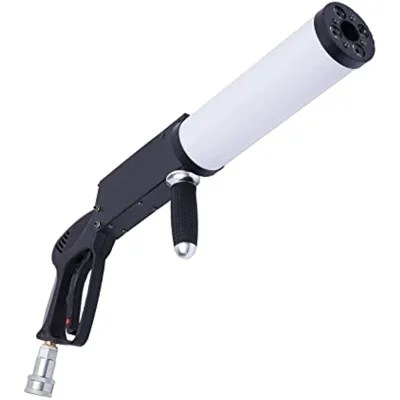
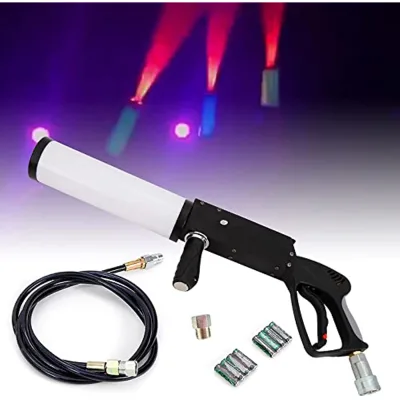
Topflashstar LED CO2 Cannon Fog Effect Handheld Fog Gun Hot Sale CO2 Jet Machine for Party Club DJ
$71.8711 - $87.2718
MOQ: 2 pieces
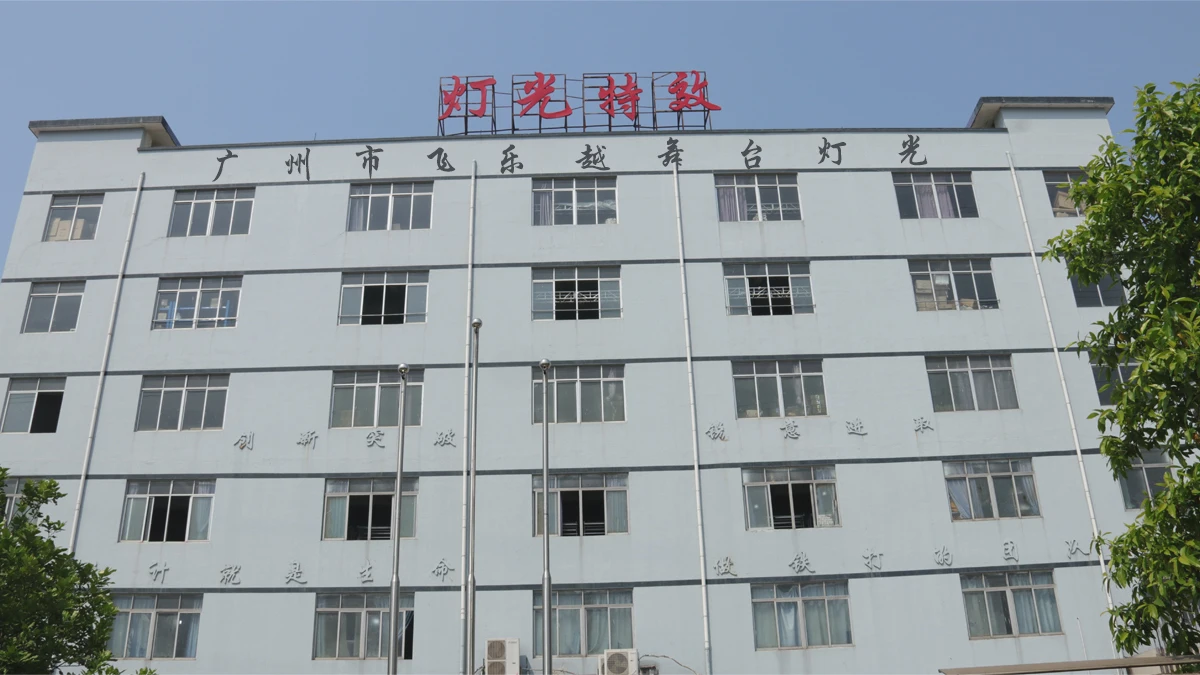
Guangzhou Fei Yue Yue Lighting & Sound Co., Ltd.
- Manufacturer
- Guangdong, China
- Lead time15 days
- Avg. response≤ 1h
Main productsstage light,stage effect,stage led light,Laser light
Main marketsNorth America(30.00%), Western Europe(10.00%), Eastern Asia(10.00%), Oceania(10.00%), Southeast Asia(10.00%), Eastern Europe(10.00%), South America(10.00%), Southern Europe(5.00%), Domestic Market(2.00%), South Asia(1.00%)

Guangdong Huazhuo Laser Technology Co., Ltd.
- Verified by SGS
- Combined
- China Guangdong
- Lead time30 days
- Avg. response≤ 3h
Main productsLaser Welding Machine, Laser Marking Machine, Laser Cutting Machine, Plastic Laser Welding Machine, Metal Welding Machine, Laser Cleaning Machine
Main marketsSoutheast Asia/ Mideast




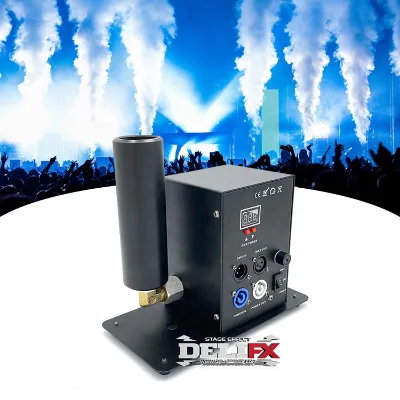
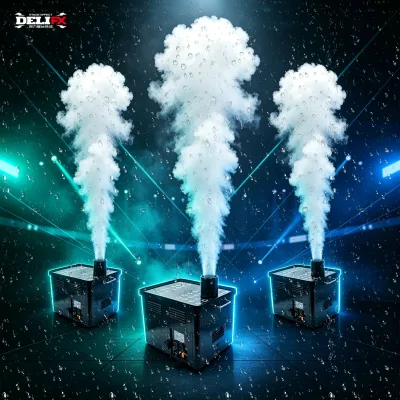
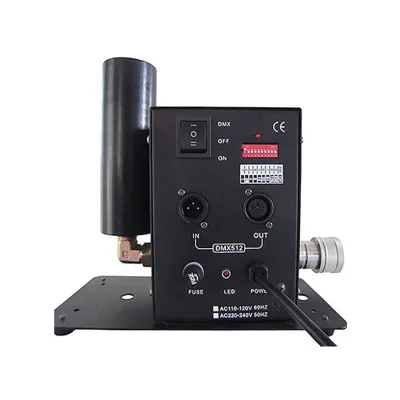
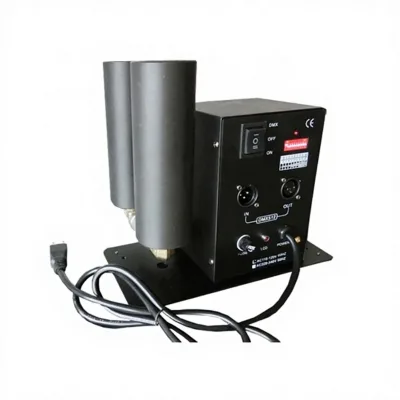




Comprehensive Sourcing Guide
RGB CO2 Jet Machine Supplier Concentration and Factory Types
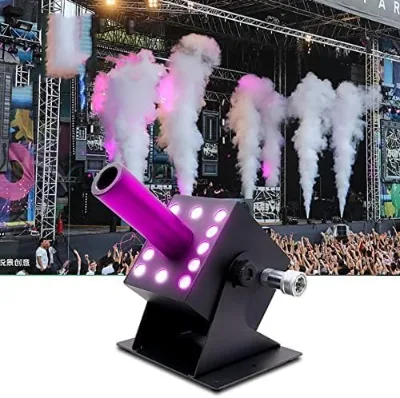
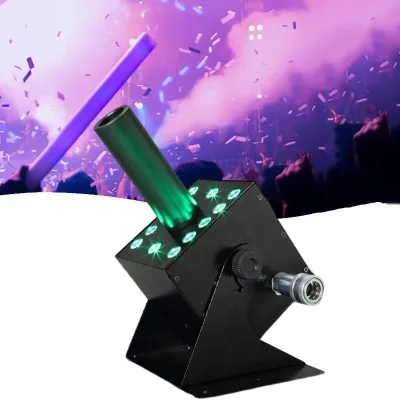
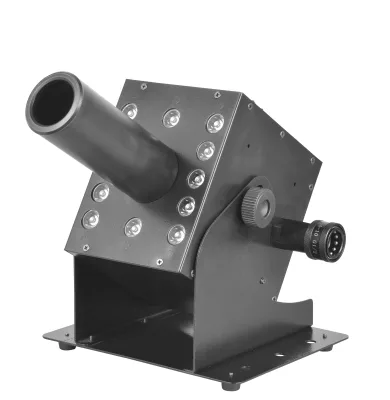
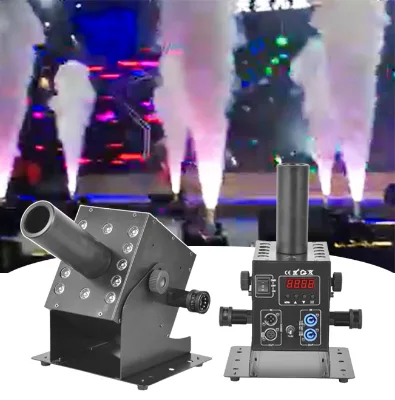
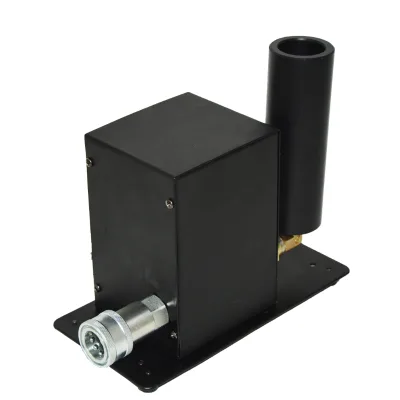
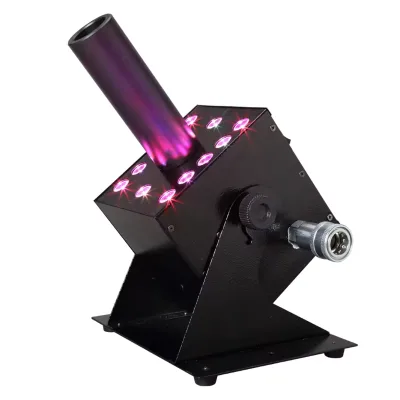
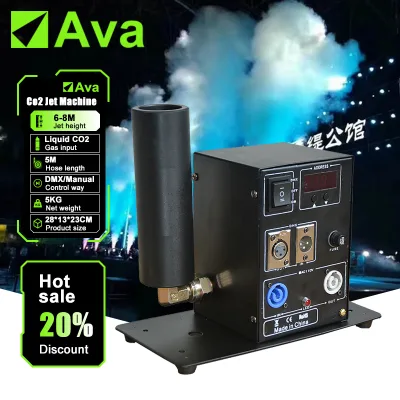
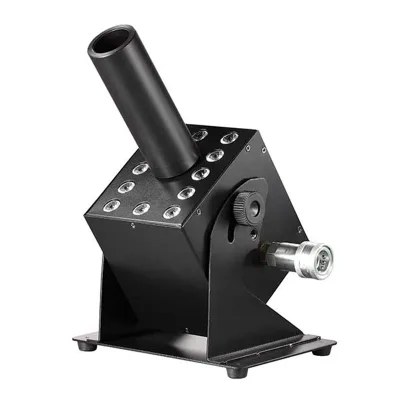
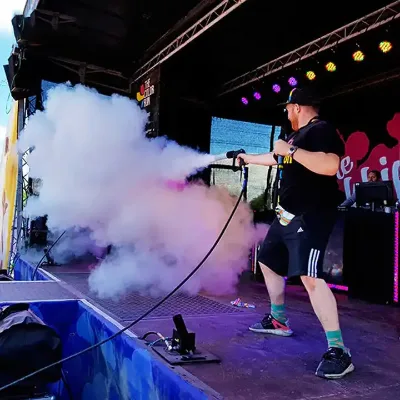
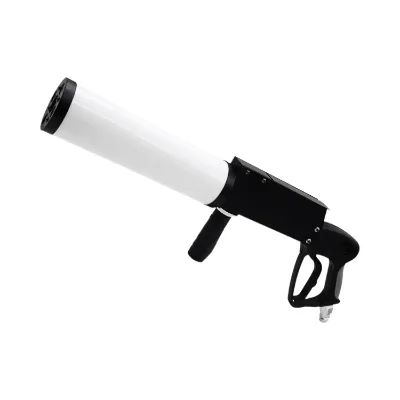
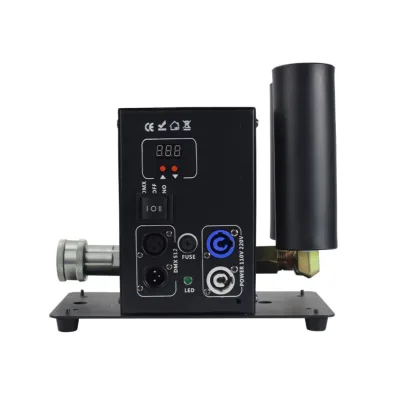
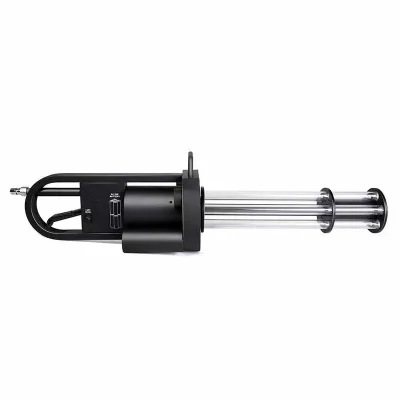
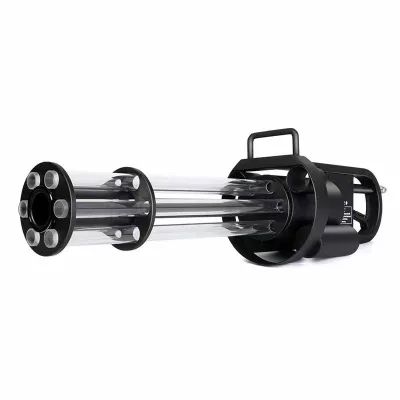
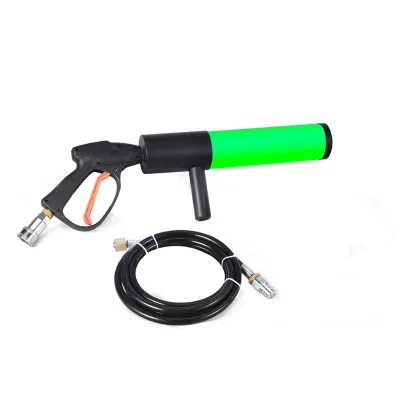
The sourcing landscape for RGB CO2 jet machines is heavily concentrated in specific manufacturing hubs, with Guangdong, China emerging as a primary cluster for these specialized stage effects. Suppliers located in this region often benefit from established supply chains for electronic components and metal fabrication, which are critical for producing devices that combine high-pressure gas systems with LED lighting arrays. When evaluating potential partners, buyers should note that the majority of verified entities in this sector operate as either trading companies or manufacturer/factories. This distinction is crucial because it dictates the level of direct control a buyer has over production quality and customization capabilities. Trading companies may offer a broader portfolio of related stage equipment, such as moving head lights, line array speakers, and truss stages, providing a one-stop solution for event production companies. However, manufacturer/factories typically possess the technical infrastructure to handle OEM and ODM requests, allowing for deeper customization of the CO2 jet machine’s internal mechanisms and external casing.
Understanding the company type helps buyers align their procurement strategy with their operational needs. For instance, suppliers identified as manufacturers often have their own brands, such as Mingxuan, indicating a commitment to product development and brand reputation. These entities are more likely to invest in research and development, resulting in products with advanced features like DMX512 control integration and precise voltage regulation. On the other hand, trading companies might leverage their distribution networks to offer faster shipping or flexible MOQs for smaller orders. Buyers should verify the actual nature of the supplier through their business license and factory audit reports. If a supplier claims to be a manufacturer but lacks evidence of production lines or R&D capacity, it is advisable to request video tours or third-party verification reports. This due diligence ensures that the buyer is engaging with an entity that can reliably deliver the technical specifications required for professional stage applications, such as consistent spray height and reliable CO2 jet performance.
How to Verify RGB CO2 Jet Machine Suppliers
Verification is a critical step in mitigating risk when sourcing RGB CO2 jet machines, as these devices involve high-pressure components and electrical systems that must meet safety standards. Buyers should prioritize suppliers who have undergone third-party verification processes, such as CTI certification, which provides an independent assessment of the supplier’s business legitimacy and operational capabilities. This verification status serves as a baseline indicator of reliability, suggesting that the supplier has been inspected for business scope, factory conditions, and management systems. Additionally, checking for system certifications like ISO 9001 and ISO 14000 is essential, as these standards reflect a commitment to quality management and environmental responsibility. ISO 9001 certification, in particular, indicates that the supplier has established processes for consistent product quality, which is vital for ensuring that each CO2 jet machine performs reliably under the stress of live performances. Buyers should request copies of these certificates and verify their validity through the issuing bodies to avoid fraudulent claims.
Beyond certifications, buyers should assess the supplier’s responsiveness and transparency as indicators of their service quality. A quick response time, such as those recorded around 4 to 24 hours, often correlates with efficient internal communication and a customer-centric approach. Suppliers who respond promptly are more likely to address technical queries regarding voltage inputs, control modes, and customization options with accuracy and speed. Furthermore, buyers should examine the product evidence provided, including detailed specifications like power consumption, weight, and dimensions. For example, a professional stage effect machine might list a power rating of 200W or 250W, along with specific control protocols like DMX512. Buyers should cross-reference these details with the supplier’s claims to ensure consistency. If a supplier provides vague or incomplete product information, it may signal a lack of technical expertise or transparency. Requesting sample units or detailed test reports can further validate the supplier’s ability to deliver products that meet the rigorous demands of professional stage lighting and special effects applications.
What to Compare Across RGB CO2 Jet Machine Suppliers
When comparing suppliers, buyers must evaluate a range of commercial and technical attributes to identify the best fit for their specific requirements. One of the most critical factors is the minimum order quantity (MOQ), which can vary significantly across the market. Some suppliers offer an MOQ of just one piece, making them ideal for small-scale events or testing purposes, while others may require larger bulk orders to achieve economies of scale. Buyers should also compare lead times, which can range from as short as ten days to over thirty days, depending on the supplier’s production capacity and current order backlog. A shorter lead time is advantageous for projects with tight deadlines, but it should not come at the expense of quality. Additionally, response speed is a key differentiator, with some suppliers responding within hours and others taking longer. Faster response times can facilitate quicker negotiations and problem-solving, which is particularly important when dealing with customizations or urgent orders.
Technical specifications and pricing structures also play a pivotal role in supplier comparison. Buyers should examine the voltage inputs, such as AC110-120V or AC220V, to ensure compatibility with their local power infrastructure. The control mechanisms, whether DMX512 wired or wireless, should align with the buyer’s existing stage control systems. Pricing should be analyzed in the context of the features offered; for instance, a machine with RGB color effects and a higher spray height may command a premium price. Buyers should also consider the warranty terms, which can range from three months to one year, and the availability of after-sales support. Customization options, such as branding or specific packaging requirements, should be clearly defined and priced transparently. By systematically comparing these attributes, buyers can make informed decisions that balance cost, quality, and service, ensuring they select a supplier that can deliver RGB CO2 jet machines that meet their professional standards and budgetary constraints.
Common RGB CO2 Jet Machine Sourcing Risks
Sourcing RGB CO2 jet machines from international suppliers introduces several risks that buyers must proactively manage to ensure a successful procurement process. One significant risk is the variability in product quality, particularly regarding the durability of the CO2 jet mechanism and the reliability of the LED components. Since these machines are often used in high-intensity environments, any failure in the gas release system or electrical wiring can lead to performance issues or safety hazards. Buyers should be cautious of suppliers who do not provide detailed technical specifications or who lack third-party verification. Without proper verification, it is difficult to assess the supplier’s manufacturing capabilities and quality control processes. Additionally, the risk of miscommunication regarding customization requirements can lead to products that do not meet the buyer’s expectations. Clear and documented specifications for voltage, control protocols, and physical dimensions are essential to avoid discrepancies between the ordered and delivered items.
Another common risk is the potential for delays in delivery, which can disrupt event schedules and cause financial losses. Lead times can be affected by various factors, including raw material shortages, production bottlenecks, and logistical challenges. Buyers should establish clear delivery timelines in their contracts and monitor the production progress regularly. Furthermore, the risk of non-compliance with safety standards is a critical concern, as CO2 jet machines involve high-pressure gas and electrical components. Buyers must ensure that the products meet relevant safety certifications, such as CE and RoHS, which indicate compliance with European health, safety, and environmental protection standards. Failure to verify these certifications can result in products that are not legally compliant in the buyer’s target market, leading to customs delays or product recalls. By identifying and mitigating these risks through thorough due diligence and clear contractual agreements, buyers can protect their interests and ensure a smooth sourcing experience.
RGB CO2 Jet Machine Regional Sourcing and Logistics
Regional sourcing plays a crucial role in determining the logistics and cost structure for RGB CO2 jet machines, with Guangdong, China being a dominant hub for these products. Suppliers in this region benefit from proximity to major ports and established logistics networks, which can facilitate faster and more cost-effective shipping to global destinations. Buyers should consider the impact of location on lead times and shipping costs, as suppliers closer to ports may offer more competitive freight rates. Additionally, the regional concentration of suppliers can lead to economies of scale, potentially resulting in lower unit prices for bulk orders. However, buyers must also be aware of the potential for regional disruptions, such as natural disasters or political instability, which could affect production and shipping schedules. Diversifying suppliers across different regions can help mitigate these risks, although it may complicate the sourcing process.
Logistics planning should also account for the specific packaging and handling requirements of RGB CO2 jet machines, which are often fragile and contain sensitive electronic components. Suppliers typically use carton boxes for packaging, but buyers should verify the packaging details to ensure that the products are adequately protected during transit. The weight and dimensions of the packaged units, such as 13kg or 15kg per piece, should be considered when calculating shipping costs and storage requirements. Buyers should also be aware of any special handling instructions, such as avoiding extreme temperatures or humidity, which could affect the performance of the CO2 jet machines. By carefully planning the logistics and considering the regional advantages and risks, buyers can optimize their supply chain and ensure that the products arrive in good condition and on time. This proactive approach to logistics management is essential for maintaining the reliability and professionalism of the buyer’s event production services.
RGB CO2 Jet Machine Commercial Terms and Order Planning
Effective order planning for RGB CO2 jet machines requires a thorough understanding of the commercial terms offered by suppliers, including pricing, payment methods, and warranty policies. Buyers should negotiate clear pricing structures that account for any additional costs, such as customization fees, shipping charges, and taxes. It is advisable to request detailed quotations that break down these costs to avoid unexpected expenses. Payment terms should be negotiated to balance the buyer’s risk with the supplier’s need for security, with options such as escrow services providing a layer of protection for both parties. Buyers should also clarify the warranty terms, which can range from three months to one year, and understand the process for claiming warranty coverage in case of product defects. Clear communication regarding warranty conditions can prevent disputes and ensure that the buyer receives adequate support after the purchase.
Order planning should also consider the scalability of the procurement, with buyers assessing their future needs and negotiating volume discounts where applicable. For instance, suppliers may offer reduced prices for larger orders, which can be beneficial for event production companies with recurring requirements. Buyers should also plan for inventory management, considering the storage space and handling capabilities required for the RGB CO2 jet machines. The MOQ and lead times should be factored into the planning process to ensure that the buyer can meet their project deadlines without overstocking. Additionally, buyers should establish a communication protocol with the supplier for ongoing orders, including regular updates on production status and shipping tracking. By developing a comprehensive order plan that addresses these commercial and logistical aspects, buyers can streamline their procurement process and build a reliable supply chain for their RGB CO2 Jet Machine needs. This strategic approach to order planning enhances operational efficiency and supports the long-term success of the buyer’s business operations.
FAQs
What is the price range for RGB CO2 jet machines?
Prices typically range from $74 to $498 per unit depending on specifications and features. Basic models with lower power consumption are available at the lower end, while professional stage equipment with DMX control and higher output commands higher prices. Buyers should check specific product listings for exact pricing tiers.
What is the minimum order quantity for these machines?
The minimum order quantity is generally one piece for most suppliers. This low MOQ allows buyers to test product quality before committing to larger bulk orders. It is ideal for small event companies or individual DJs looking to acquire professional stage effects without significant initial inventory investment.
How long does delivery take for CO2 jet machines?
Delivery times vary from three to seven days for standard processing, with overall lead times averaging around ten to thirty-eight days depending on the supplier. Some manufacturers offer faster turnaround for stock items, while custom OEM orders may require additional production time. Confirm specific timelines with the seller.
What certifications do these machines usually have?
Many RGB CO2 jet machines carry CE and RoHS certifications, ensuring compliance with safety and environmental standards. Suppliers often hold ISO 9001 and ISO 14000 system certifications. Buyers should verify specific product certificates to ensure they meet local regulatory requirements for professional audio and lighting equipment.
Where are these machines manufactured?
These machines are primarily manufactured in Guangdong, China, a major hub for professional stage lighting and special effects equipment. The region offers a complete supply chain for electronic components and manufacturing. Buyers sourcing from this location benefit from established logistics networks and competitive production costs.
What control methods are supported by these machines?
Most units support DMX512 control for professional stage integration, allowing precise synchronization with other lighting effects. Some models also offer wireless control or electronic modes for simpler setups. Buyers should check the specific product attributes to ensure compatibility with their existing control systems and stage management software.