Public Address Amplifier Suppliers and Manufacturers
Compare 24 verified Public Address Amplifier suppliers by location, response time, lead time, and certifications. Review product specs like power output and warranty before contacting factories in Guangdong or Zhejiang for quotes; review the available evidence before requesting comparable quotations from suitable candidates.
Updated
Suppliers List
Guangzhou Tianyin Electronic Technology Co., Ltd.
- Manufacturer, Trading Company
- Guangdong, China
- Lead time15 days
- Avg. response≤ 6h
Main productsprofessional amplifier,loudspeaker,line array speaker,full range speaker,accessories
Main marketsSouth Asia(20.00%), Southeast Asia(20.00%), Eastern Asia(20.00%), Mid East(10.00%), Africa(7.00%), North America(6.00%), South America(5.00%), Southern Europe(2.00%), Eastern Europe(2.00%), Central America(2.00%), Western Europe(2.00%), Oceania(2.00%), Domestic Market(1.00%), Northern Europe(1.00%)
- Verified by TüVRheinland
- Manufacturer, Trading Company
- Lead time7 days
- Avg. response≤ 1h
Main productsPublic Address Amplifier, PA Speaker, Audio Mixer, Professional Audio, Microphone
Main marketsNorth America(15%), Southeast Asia(15%), Africa(10%)
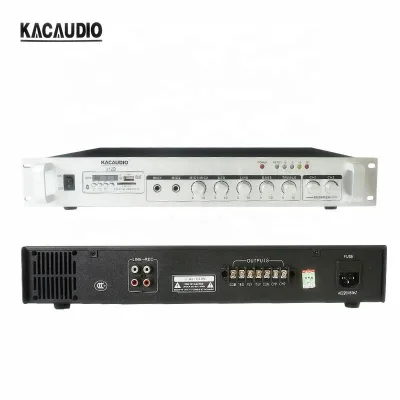
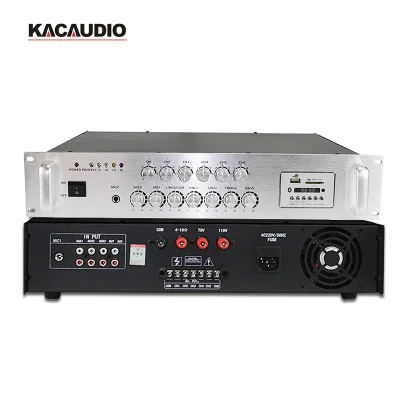
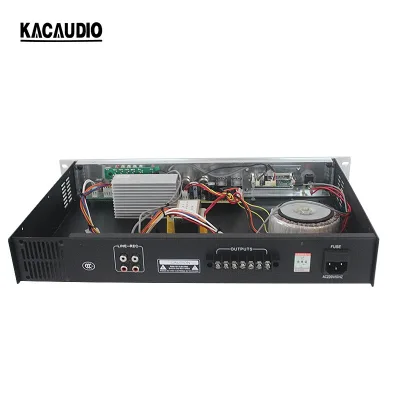
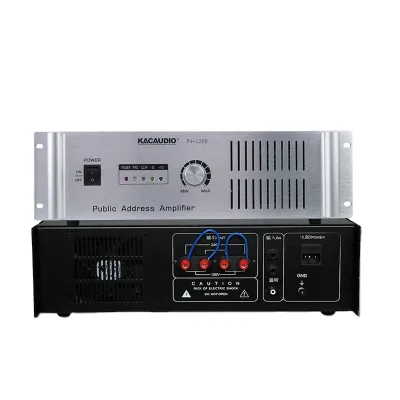
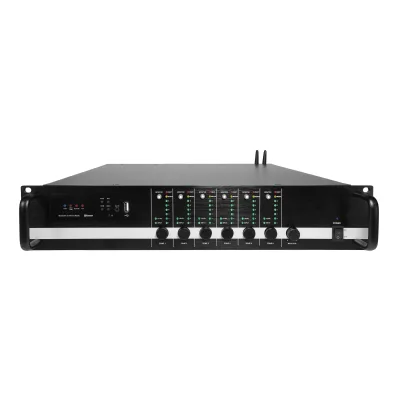
Public Address System 1200W Pure Rear Stage Power Amplifier 6 Zone
$178.40 - $197.08
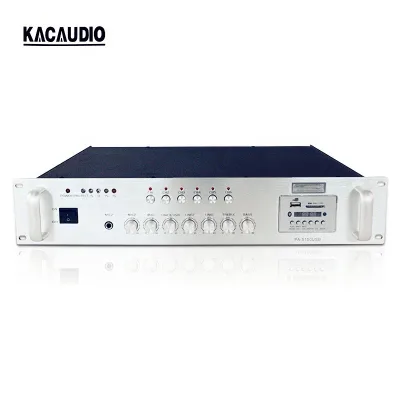
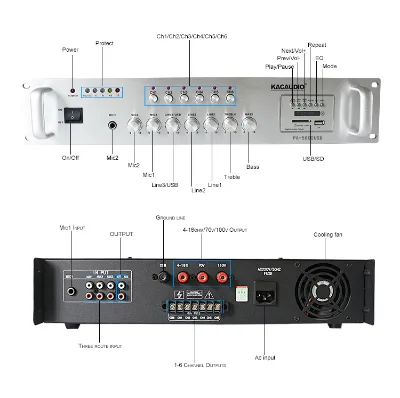
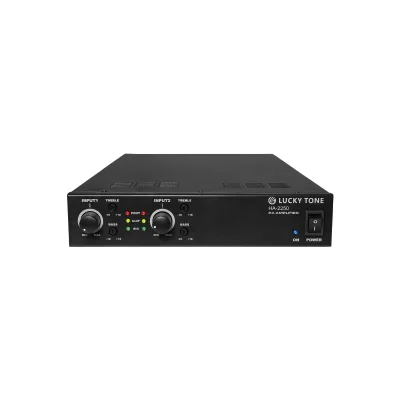
700w Multi-Zone PA High Power Amplifier for Public Address System
$122.00 - $135.00
Guangzhou Kentmax Electronics Co., Limited
- Manufacturer
- Guangdong, China
- Lead time30 days
- Avg. response≤ 3h
Main productsamplifier,power amplifier,karaoke amplifier,professional amplifier,speaker
Main marketsSoutheast Asia(37.00%), South America(18.00%), North America(10.00%), Western Europe(9.00%), Mid East(8.00%), Eastern Europe(5.00%), Africa(5.00%), Central America(5.00%), Oceania(3.00%)
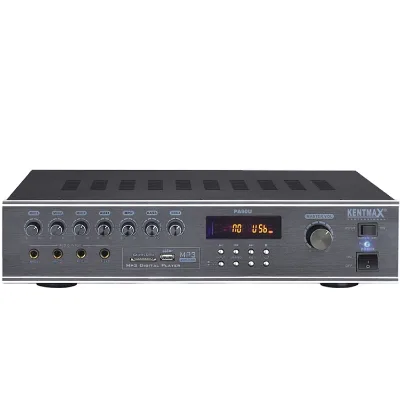
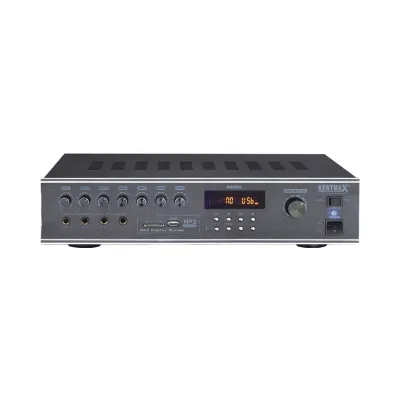
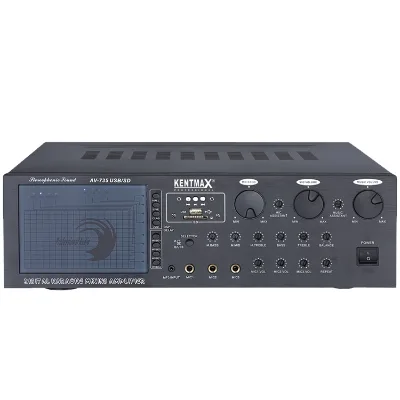
180W AMP Sound Public Address System Set 250W Power Amplifier for Church School
$67.2436 - $75.5196
MOQ: 300 pieces
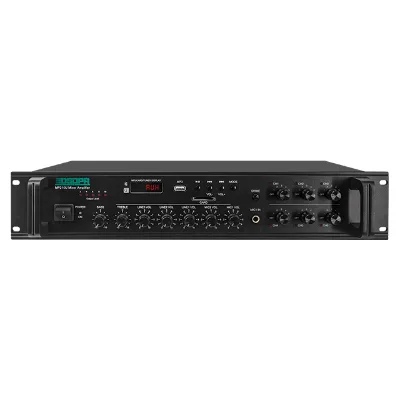
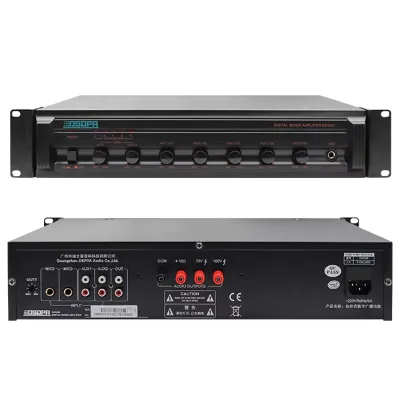
Guangzhou DSPPA Audio Co., Ltd.
- Manufacturer, Trading Company
- Lead time旺季: "1 - 10":1,"11 - 30":3,"31 - 100":7,"> 100":"To be negotiated", 淡季: "1 - 10":1,"11 - 30":3,"31 - 100":7,"> 100":"To be negotiated"
- Avg. response≤ 5h
Main productsPA System,Amplifier,Speaker,Home Audio System,Conference System

Hangzhou Zhonghe Electronic Equipment Co., Ltd.
- Combined
- China Zhejiang
- Lead time45 days
- Avg. response≤ 23h
Main productsAmplifier, Speaker, Microphone, Sound Mixer
Main marketsSoutheast Asia/ Mideast,Europe

Guangzhou Lingyin Electronic Co., Ltd.
- Verified by BV
- Combined
- China Guangdong
- Lead time30 days
- Avg. response≤ 7h
Main productsPRO Audio, Speaker, Amplifier, PA Address System, IP Network System, Wireless Broadcast, Wireless Mic, PA Lectern, Professional Audio, Line Arry
Main marketsOthers(foreignTradeCapacity.exportBusinessCapacityMarketOther),Southeast Asia/ Mideast,Europe,Australia,North America


Public Broadcasting Amplifier with 4 Zone / Professional Public Address System /PA Amplifier
$85.00 - $100.00
MOQ: 1 Pieces


DONGGUAN FDB AUDIO MANUFACTURE CO .,LTD
- Combined
- China Guangdong
- Lead time15 days
- Avg. response≤ 21h
Main productsProfessional Loudspeaker, Professional Transducers, Compression Drivers, Woofers, Amplifiers, Professors, Horns, Accessories, Speaker Cabinets, Sound Box
Main marketsSouth America,Africa,Southeast Asia/ Mideast,Europe,Australia,North America


High Quality Constant Voltage Amplifier Public Address System 1000W/4ohms
$1.00 - $3000.00
MOQ: 1 Pieces
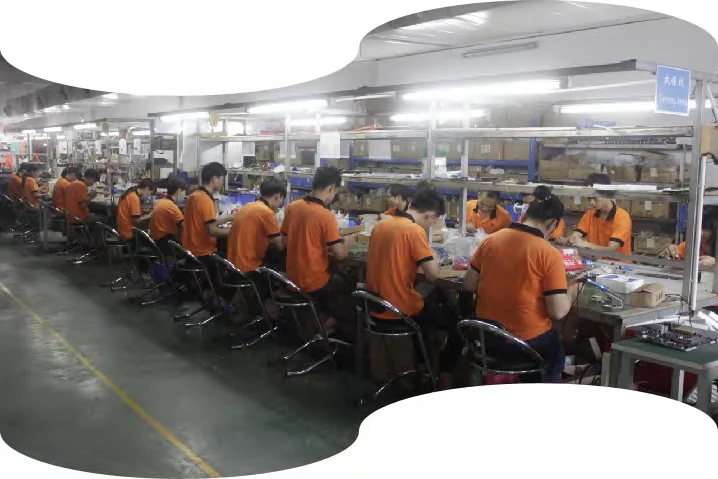
Guangzhou Fengyu Technology Co., Ltd.
- Manufacturer, Trading Company
- Guangdong, China
- Lead time0 days
- Avg. response≤ 3h
Main productsAmplifier,Speakers,Conference microphone,Pro Audio,PA system
Main marketsDomestic Market(40.00%), Mid East(15.00%), Southeast Asia(8.00%), Eastern Asia(7.00%), Africa(6.00%), South America(5.00%), South Asia(5.00%), Northern Europe(4.00%), Southern Europe(2.00%), Eastern Europe(2.00%), Central America(2.00%), Western Europe(2.00%), North America(1.00%), Oceania(1.00%)
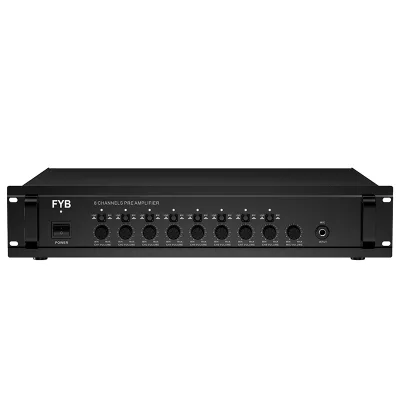
Professional High Quality Pre Amplifier Public Address Power Amplifier Pa Audio Amplifier
$114.00 - $122.00
MOQ: 1
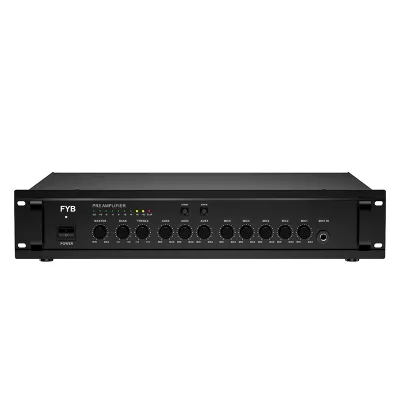
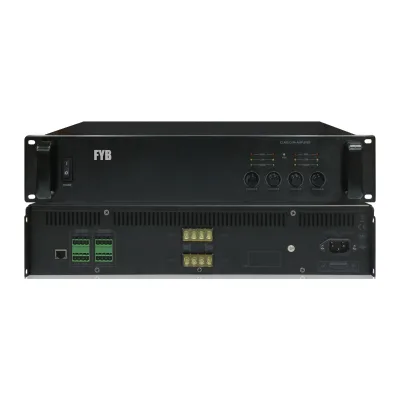
4 Channel IP Public Address System Network IP Based Power Audio Amplifier for PA System
$550.00 - $563.00
MOQ: 1
Ningbo Jiuyin Electrical Appliances Co., Ltd.
- Manufacturer, Trading Company
- Zhejiang, China
- Lead time5 days
- Avg. response≤ 3h
Main productsloudspeakers,speakers,power amplifier,wall speakers,ceiling speakers
Main marketsDomestic Market(30.00%), Southern Europe(10.00%), Northern Europe(10.00%), Mid East(10.00%), Southeast Asia(10.00%), Eastern Europe(10.00%), South America(10.00%), North America(10.00%)
Guangzhou Lingyin Electronic Co., Ltd.
- Verified by Intertek
- Manufacturer, Trading Company
- Lead time5 days
- Avg. response≤ 3h
Main productsAmplifier, Speaker, Microphone, IP System, SIP System
Main marketsDomestic Market(30%), Southeast Asia(20%), South Asia(10%)
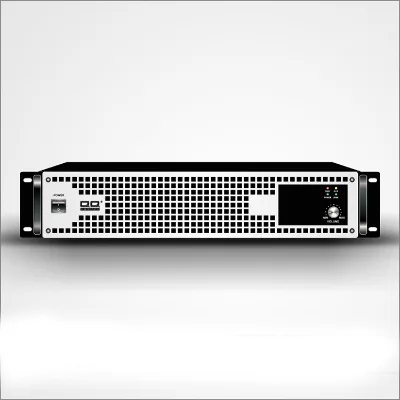
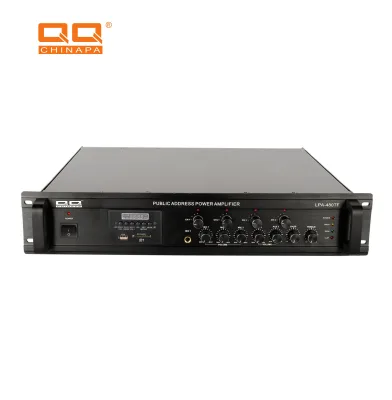
QQChinapa 1500W Public Address System Pure Power Amplifier
$448.00 - $480.00
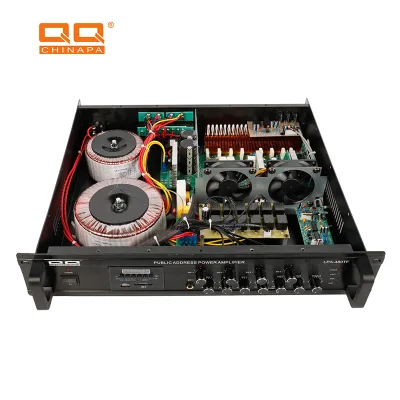
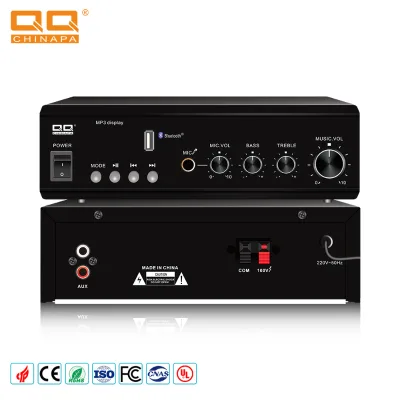

Guangzhou strong sound electronic equipment Co., Ltd
- Verified by BV
- Combined
- China Guangdong
- Lead time30 days
- Avg. response≤ 7h
Main productsSpeaker, Audio
Main marketsSouth America,Africa,Southeast Asia/ Mideast,East Asia(Japan/ South Korea),Europe,Australia,North America

High Power 100V/ 8 Ohm 2 Channel 500W Power Amplifier for Public Address System
$188.00 - $257.00
MOQ: 1 Pieces


$61.60 - $114.40
MOQ: 50 Pieces
Guangzhou Ftd Audio Electronics Limited
- Manufacturer, Trading Company
- Guangdong, China
- Lead time15 days
- Avg. response≤ 2h
Main productsAmplifier/ Speaker/ Microphone/ DVD Player/ PA System
Main marketsNorth America(20.00%), Western Europe(20.00%), South Asia(10.00%), Southern Europe(10.00%), Eastern Europe(10.00%), Mid East(10.00%), Oceania(5.00%), Eastern Asia(5.00%), Central America(5.00%), Northern Europe(5.00%)
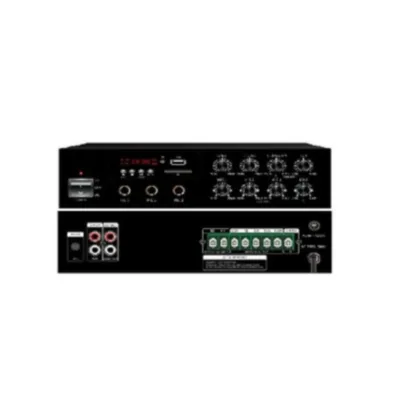
Amplifier Hotel School Bank Shopping Mall Pa Audio Public Address System
$32.45 - $35.70
MOQ: 50 pieces
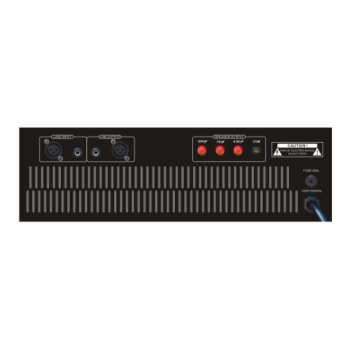
$454.60 - $456.60
MOQ: 2 Minimum
Hangzhou Zhonghe Electronic Equipment Co., Ltd.
- Manufacturer, Trading Company
- Lead time旺季: "1 - 100":30,"> 100":"To be negotiated", 淡季: "1 - 100":30,"> 100":"To be negotiated"
- Avg. response≤ 4h
Main productsPublic Address Amplifier, Professional Power Amplifier, Karaoke Amplifier, Public Address Speaker, PA Speaker
Shenzhen Lianxinyuan E-Commerce Co., Ltd.
- Manufacturer, Trading Company, Distributor/Wholesaler, Other
- Guangdong, China
- Lead time3 days
- Avg. response≤ 1h
Main productsTraffic tools,charger,Electronic products,integrated circuit,Solar products
Main marketsNorth America(30.00%), Northern Europe(15.00%), South America(15.00%), South Asia(10.00%), Southern Europe(10.00%), Eastern Europe(10.00%), Western Europe(10.00%)
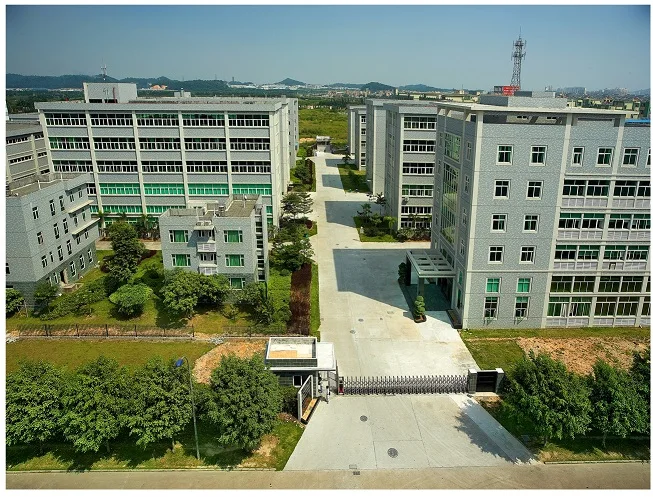
Guangzhou Aoleijie Audio Co., Ltd.
- Manufacturer, Trading Company
- Guangdong, China
- Lead time21 days
- Avg. response≤ 8h
Main productsPA System,Loudspeaker,Pro Audio,Portable PA System
Main marketsWestern Europe(50.00%), Mid East(20.00%), Southeast Asia(20.00%), South America(10.00%)

Dongguan Sunhyor Audio Technology Co., Ltd
- Verified by TUVRHEINLAND
- Manufacturer/Factory
- China Guangdong
- Lead time23 days
- Avg. response≤ 3h
Main productsProfessional Power Amplifiers, Class H Power Amplifiers, Class D Power Amplifiers, Td Class Power Amplifiers, 4 Channels Power Amplifiers, 2 Channels Power Amplifiers, DJ Power Amplifiers, PA Power Amplifiers, Audio Power Amplifier Modules, Professional Audio Amplifiers
Main marketsSouth America,Eastern Europe,Mid East,North America,Southeast Asia,Eastern Asia,Oceania,Western Europe,Africa

Public Address System Professional Audio Amplifier with Power Customization
$120.00 - $760.00
MOQ: 5 Pieces

High-Quality Professional Amplifier with Custom Power and Logo Features
$68.00 - $760.00
MOQ: 10 Pieces
Guangzhou Temeisheng Audio Technic Co., Ltd.
- Verified by Intertek
- Manufacturer, Trading Company
- Lead time21 days
- Avg. response≤ 5h
Main productsLoudspeaker, Amplifier, Conference System, PA System, Microphone
Main marketsNorthern Europe(35%), North America(25%), Southeast Asia(20%)
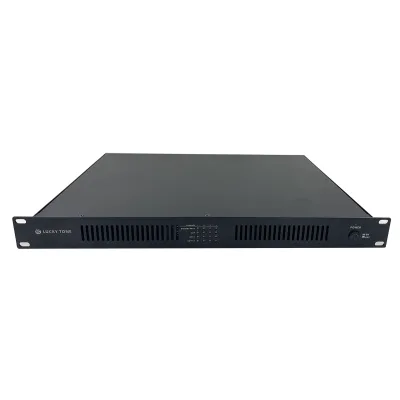
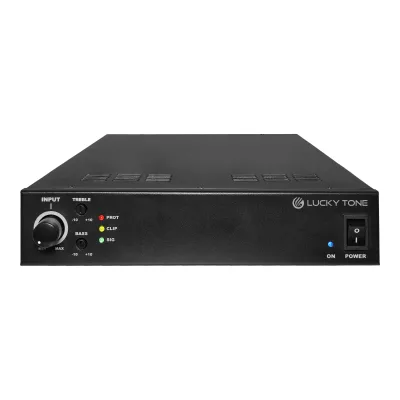
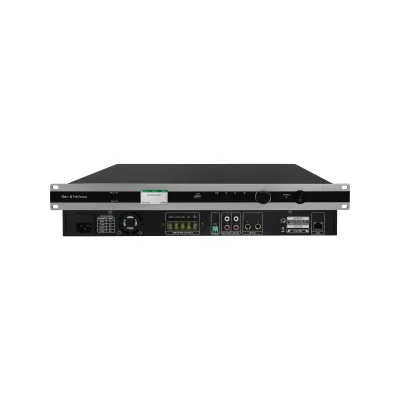
$202.5089 - $508.5882
MOQ: 5 Minimum

Huain (Zhuhai) Digital Technology Co., Ltd.
- Verified by TUVRHEINLAND
- Combined
- China Guangdong
- Lead time30 days
- Avg. response≤ 2h
Main productsConference Microphone Systems, Simultaneous Interpretation Devices, Liner Array Speaker, Amplifier, Dante System, Mixer Console, Congress Voting System, Wireless Teaching Devices, HD HDMI Media Matrix, Meeting Room System
Main marketsOthers(foreignTradeCapacity.exportBusinessCapacityMarketOther)

GUANGZHOU MAIJUNBAO AUDIO EQUIPMENT CO., LTD
- Manufacturer, Trading Company, Distributor/Wholesaler
- Guangdong, China
- Lead time20 days
- Avg. response≤ 6h
Main productsPower timing device,Stage lighting power distribution,Rechargeable NI-MH batteries and charger,Waterproof connector,Power distribution pack
Main marketsDomestic Market(50.00%), Eastern Asia(10.00%), Oceania(10.00%), Africa(7.00%), South Asia(4.00%), North America(3.00%), Central America(3.00%), South America(3.00%), Eastern Europe(2.00%), Southeast Asia(2.00%), Mid East(2.00%), Southern Europe(2.00%), Western Europe(2.00%)
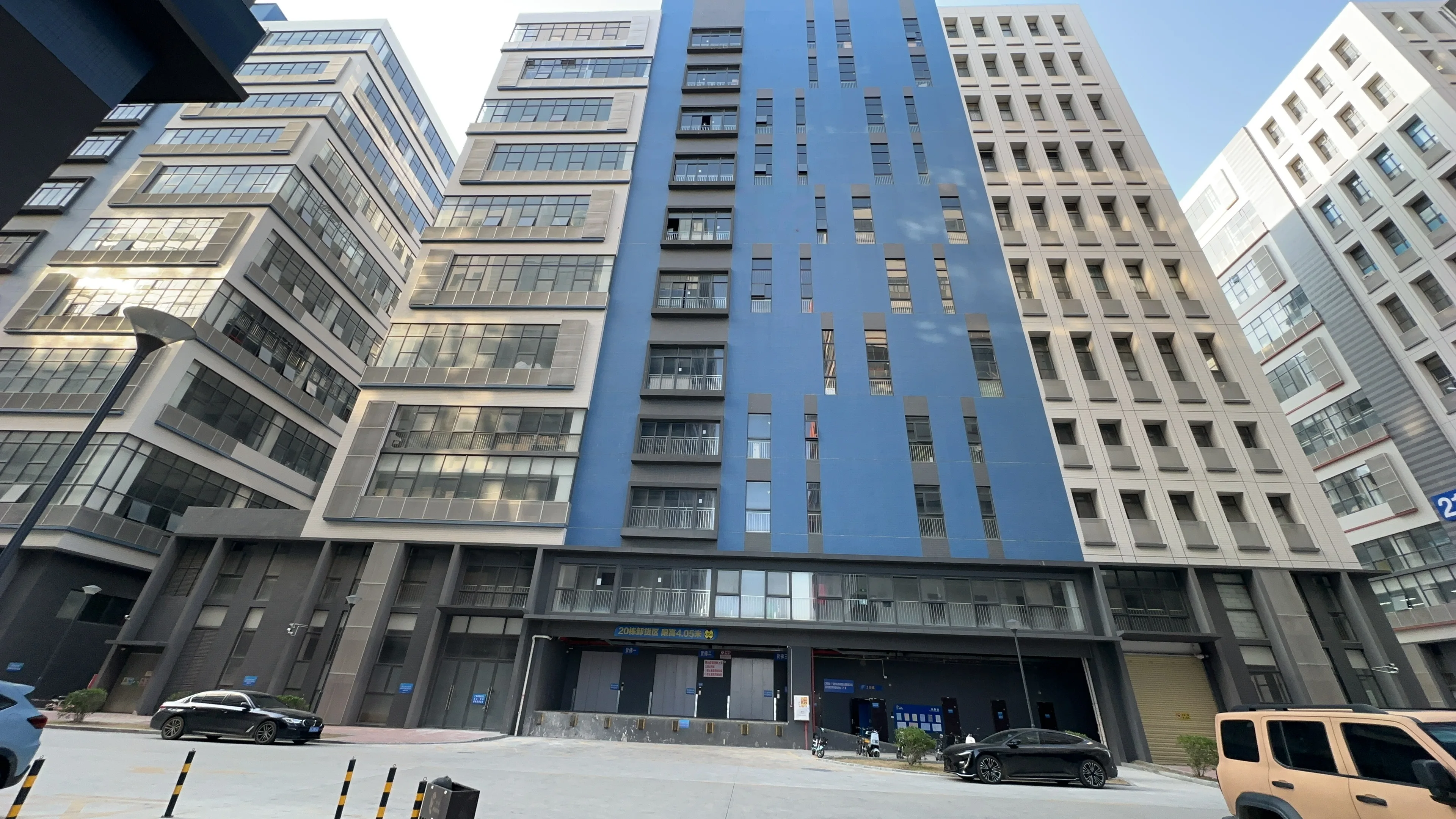
Guangdong Yunding Audio Equipment Co., Ltd.
- Manufacturer, Trading Company, Distributor/Wholesaler
- Guangdong, China
- Lead time30 days
- Avg. response≤ 17h
Main productspower amplifier,Sound Mixing Console,Wireless Handheld Microphone,DJ Controller,Digital Effects Sound Processor
Main marketsSoutheast Asia(20.00%), North America(20.00%), Eastern Asia(10.00%), South Asia(10.00%), South America(10.00%), Eastern Europe(10.00%), Mid East(5.00%), Southern Europe(5.00%), Northern Europe(5.00%), Western Europe(5.00%)
Guangzhou Xinbaosheng Audio Equipment Company Limited
- Verified by TüVRheinland
- Manufacturer, Trading Company
- Lead time7 days
- Avg. response≤ 3h
Main productsPower Amplifier, DSP Amplifier, Digital Amplifier, Class TD Amplifier, Professional Amplifier
Main marketsNorth America(23%), South America(15%), Central America(15%)
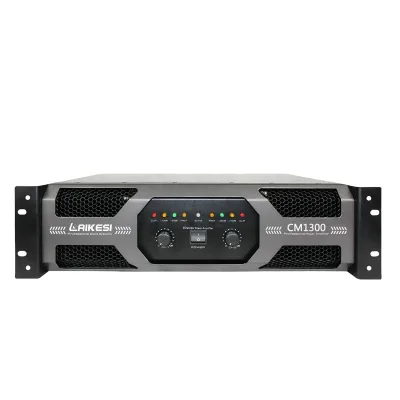
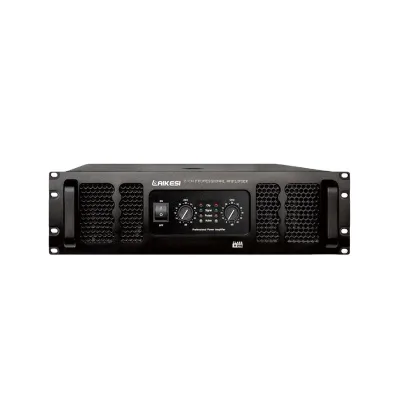
Enping City Laikesi Audio Technology Co., Ltd.
- Manufacturer, Trading Company
- Guangdong, China
- Lead time20 days
- Avg. response≤ 12h
Main productsAUDIO PROCESSOR,AUDIO MIXER,AMPLIFIER,MICROPHONE,SPEAKER
Main marketsDomestic Market(38.00%), South America(31.00%), Southeast Asia(12.00%), North America(10.00%), Africa(9.00%)

Nanjing Shinewave Technology Co., Ltd.
- Verified by SGS
- Combined
- China Jiangsu
- Lead time60 days
- Avg. response≤ 5h
Main productsRF Power Amplifier, RF Transceiver Module, Solid State Power Amplifier, RF Microwave Filter, Low Noise Amplifier, RF Power Divider, Frequency Synthesizer, Horn Antenna, RF up/Down Converter, RF Isolator
Main marketsSoutheast Asia/ Mideast
Foshan Kaixu Electronics Co., Ltd.
- Manufacturer, Trading Company
- Guuangdong, China
- Lead time0 days
- Avg. response≤ 1h
Main productsPower Amplifier
Main marketsSouth Asia(11.00%), Northern Europe(11.00%), Central America(10.00%), Eastern Asia(9.00%), Southern Europe(9.00%), North America(8.00%), South America(8.00%), Eastern Europe(8.00%), Southeast Asia(7.00%), Africa(6.00%), Western Europe(5.00%), Oceania(3.00%), Mid East(3.00%), Domestic Market(2.00%)
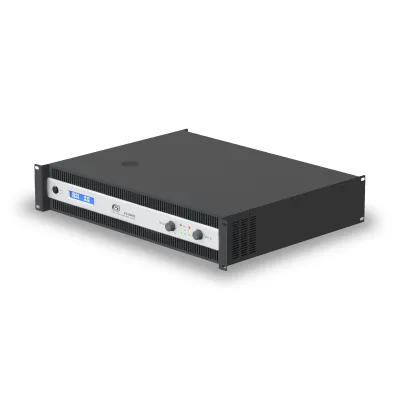
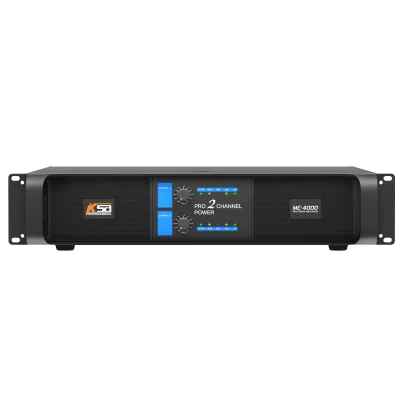
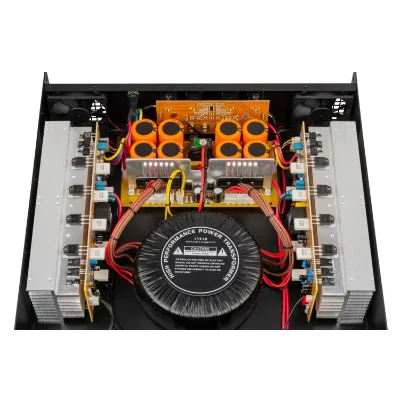
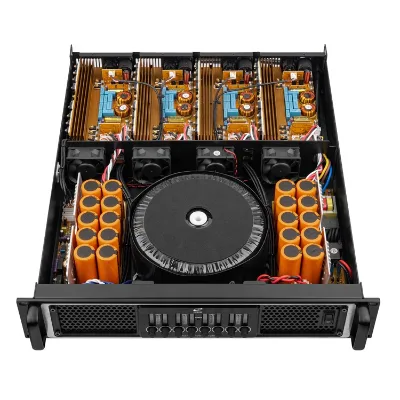
Oem Cheap Price 400W Power Amplifier Supplier
$130.00 - $150.00


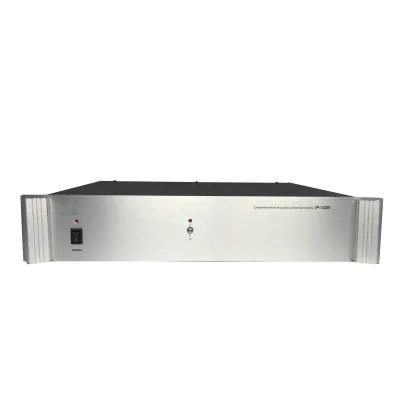
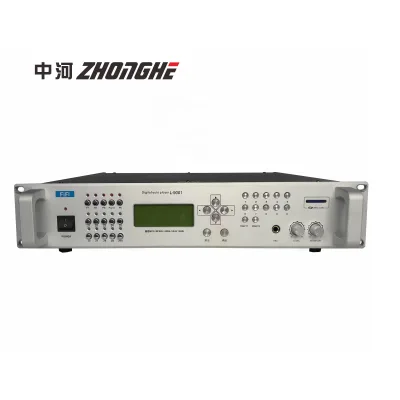
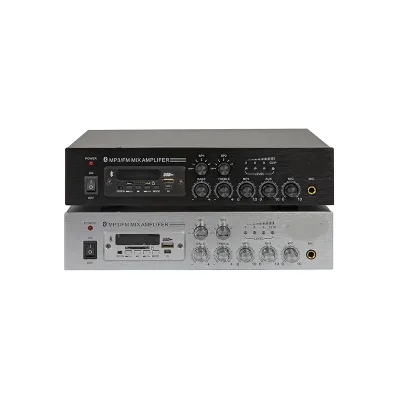
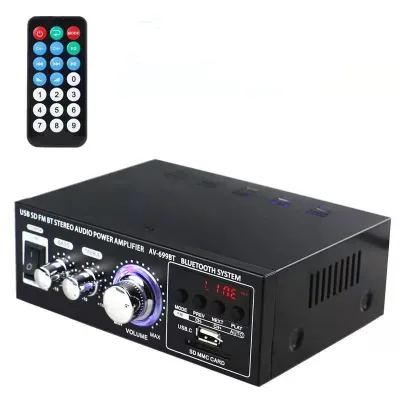


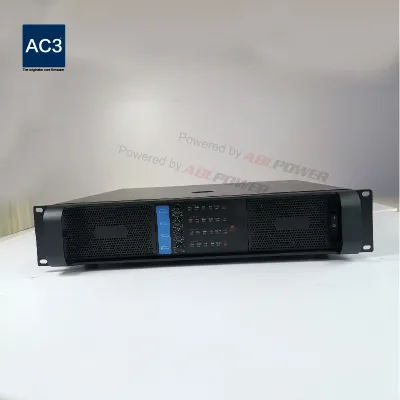
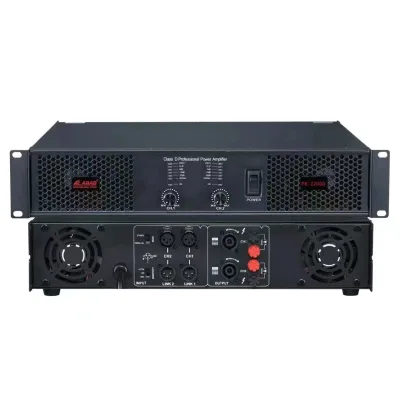
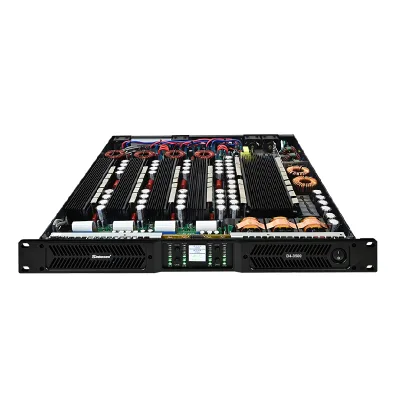
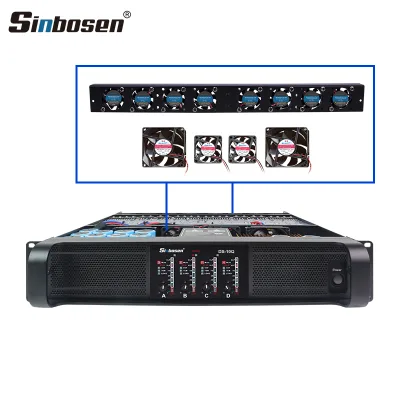
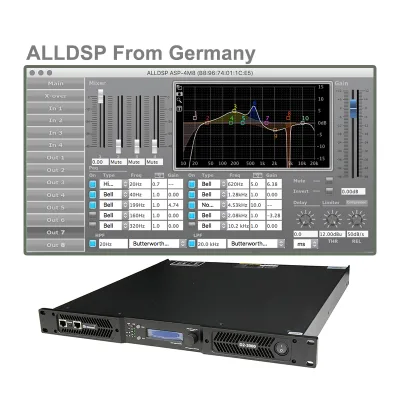
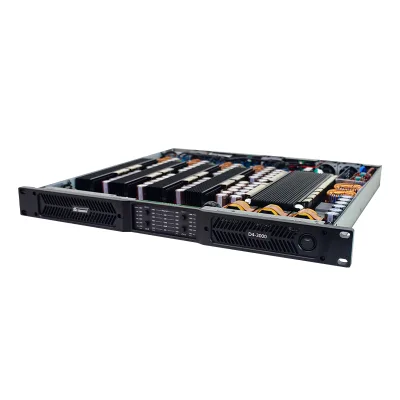


Comprehensive Sourcing Guide
Public Address Amplifier Supplier Concentration and Factory Types
The current supplier landscape for public address amplifiers reveals a distinct geographic concentration in Guangdong, China, which serves as a primary manufacturing hub for this category. This region is well-established for producing professional audio equipment, including line array speakers, full-range speakers, and various accessories that complement amplifier systems. Buyers evaluating suppliers should note that the available results indicate a mix of company types, specifically identifying both manufacturers and trading companies within the search results. This dual presence offers different advantages, with manufacturers potentially offering more direct control over production quality and customization, while trading companies might provide broader product assortments and logistical support. The presence of these specific entity types suggests that buyers must carefully distinguish between the actual factory and the intermediary to understand the true source of the product and the associated margins.
In addition to the Guangdong cluster, evidence points to manufacturing capabilities in Zhejiang, China, indicating a secondary or specialized production zone for certain amplifier models. Products originating from Zhejiang often feature specific design characteristics, such as portable configurations or integrated bass systems, which may appeal to different market segments compared to the larger professional audio equipment from Guangdong. The diversity in origin locations implies that buyers should not assume a single regional standard for quality or pricing. Instead, they should assess each supplier’s specific location to determine if it aligns with their logistical needs and quality expectations. The variation in place of origin also highlights the importance of verifying the actual production site, as trading companies may list multiple origins, potentially obscuring the true manufacturing base. Understanding these geographic distinctions helps buyers navigate the complex supply chain and identify suppliers who can meet their specific regional or logistical requirements.
How to Verify Public Address Amplifier Suppliers
Verification is a critical step in ensuring the reliability of Public Address Amplifier suppliers, particularly given the mix of manufacturers and trading companies in the current results. Buyers should prioritize suppliers who have undergone third-party verification processes, such as those conducted by TüVRheinland, which provides an additional layer of trust regarding the supplier’s business legitimacy and operational capabilities. This verification status is a strong indicator that the supplier has met specific standards for business operations, which is essential when sourcing electronic components that require consistent performance and safety. Additionally, buyers should look for suppliers who hold relevant system certifications, such as ISO 9001 for quality management, ISO 14001 for environmental management, and ISO 45001 for occupational health and safety. These certifications demonstrate a supplier’s commitment to standardized processes and responsible manufacturing practices, which can significantly reduce the risk of quality inconsistencies in bulk orders.
Beyond certifications, buyers should assess the supplier’s response time and lead time as indicators of their operational efficiency and customer service quality. In the current results, response times vary, with some suppliers demonstrating a rapid response capability of one day, while others may take up to six days. A faster response time often correlates with better communication and quicker resolution of pre-sales inquiries, which is crucial for negotiating terms and clarifying technical specifications. Similarly, lead times are a key metric, with some suppliers offering a lead time of seven days, while others may require up to fifteen days. Buyers should align these timelines with their project schedules to avoid delays. It is also important to verify the supplier’s capacity for customization, such as OEM and ODM services, which are explicitly mentioned in the product attributes. This capability indicates that the supplier can adapt products to specific brand requirements, adding value for buyers seeking unique or branded solutions.
What to Compare Across Public Address Amplifier Suppliers
When comparing suppliers, buyers should focus on key product attributes such as power output, channel configuration, and certification standards to ensure compatibility with their intended applications. The current results show a wide range of power outputs, from 120W portable units to 1200W professional amplifiers, catering to different use cases like background music systems, large touring performances, or stadium events. Buyers must match these specifications to their specific needs, considering factors like impedance (4Ω or 8Ω) and stereo or bridge modes. Additionally, the presence of certifications like CE and RoHS is a critical differentiator, as these indicate compliance with international safety and environmental standards. Suppliers offering these certifications provide a lower risk profile for buyers targeting regulated markets, whereas those without clear certification documentation may pose compliance challenges. Comparing these technical details helps buyers identify suppliers who can deliver products that meet their functional and regulatory requirements.
Price and minimum order quantity (MOQ) are also essential factors in supplier comparison, as they directly impact the total cost of ownership and inventory management. The current results indicate a price range from approximately $40 to $170 per unit, depending on the model and specifications. Buyers should evaluate these prices in the context of the MOQ, which varies from one piece to two pieces in the observed results. A low MOQ allows for smaller trial orders, reducing financial risk and enabling buyers to test product quality before committing to larger volumes. Conversely, suppliers with higher MOQs may offer better unit prices but require greater capital investment. Buyers should also consider the supplier’s service offerings, such as OEM/ODM capabilities, which can add value for those seeking custom branding. By comparing these commercial and technical dimensions, buyers can select suppliers that offer the best balance of cost, flexibility, and product quality for their specific sourcing needs.
Common Public Address Amplifier Sourcing Risks
One significant risk in sourcing public address amplifiers is the potential mismatch between advertised specifications and actual product performance, particularly regarding power output and frequency response. Buyers must be cautious of suppliers who may exaggerate technical attributes, such as claiming higher wattage or broader frequency ranges than the product can sustainably deliver. The current results show varying power ratings, from 120W to 1200W, and buyers should verify these claims through independent testing or by requesting detailed technical datasheets. Additionally, the material composition of the amplifiers, such as the use of plastic versus metal casings, can affect durability and heat dissipation, which are critical for professional audio equipment. Buyers should assess the build quality and material specifications to ensure the product can withstand the rigors of its intended application, whether it be a portable setup or a fixed installation in a stadium.
Another risk is the variability in supplier reliability and after-sales support, which can impact long-term business relationships. The current results show a mix of response times and lead times, indicating that some suppliers may be more responsive and efficient than others. Buyers should be wary of suppliers with slow response times or inconsistent lead times, as these can lead to project delays and increased operational costs. Furthermore, the warranty terms offered by suppliers, such as the two-year warranty mentioned in some results, are crucial for mitigating the risk of product failures. Buyers should carefully review the warranty conditions, including coverage scope and claim procedures, to ensure they are adequately protected. Additionally, the availability of spare parts and technical support should be verified, as these factors are essential for maintaining the longevity and performance of the amplifiers. By identifying and addressing these risks early in the sourcing process, buyers can minimize potential disruptions and ensure a smoother procurement experience.
Public Address Amplifier Regional Sourcing and Logistics
Sourcing public address amplifiers from specific regions like Guangdong and Zhejiang, China, offers logistical advantages due to the established infrastructure for electronics manufacturing and export. Guangdong, in particular, is known for its robust supply chain networks and proximity to major shipping ports, which can facilitate faster and more cost-effective transportation of goods. Buyers should consider the single package size and gross weight of the amplifiers when planning logistics, as these dimensions directly impact shipping costs and handling requirements. For instance, the current results show package sizes ranging from compact units suitable for portable applications to larger units designed for professional installations. Understanding these physical attributes helps buyers optimize their packaging and shipping strategies, ensuring that products are transported safely and efficiently. Additionally, buyers should evaluate the supplier’s experience with international shipping and their ability to handle customs documentation, which can streamline the import process and reduce delays.
The choice of sourcing region also influences the availability of specialized components and customization options, which can be critical for buyers seeking unique product features. Suppliers in Zhejiang, for example, may offer specific design elements like integrated bass systems or portable configurations, which may not be as prevalent in other regions. Buyers should leverage this regional specialization to find suppliers who can meet their specific product requirements. Furthermore, the lead times associated with each region can vary, with some suppliers offering faster turnaround times due to their proximity to raw material suppliers and manufacturing facilities. Buyers should align their sourcing decisions with their project timelines, considering both the production lead time and the transit time from the supplier’s location to the final destination. By carefully evaluating these logistical factors, buyers can optimize their supply chain and ensure timely delivery of public address amplifiers.
Public Address Amplifier Commercial Terms and Order Planning
Effective order planning for public address amplifiers requires a thorough understanding of the commercial terms offered by suppliers, including payment terms, pricing structures, and customization options. The current results indicate a price range from $40 to $170, with MOQs as low as one piece, allowing for flexible ordering strategies. Buyers should negotiate pricing based on order volume, leveraging the low MOQs to test products before committing to larger purchases. Additionally, suppliers offering OEM/ODM services provide opportunities for brand customization, which can enhance market differentiation. Buyers should clarify the costs and lead times associated with customization, as these factors can significantly impact the overall project budget and timeline. It is also important to verify the supplier’s ability to handle complex orders, such as those requiring specific branding or technical modifications, to ensure that the final product meets all requirements.
Beyond pricing and customization, buyers should consider the warranty and after-sales support terms as part of their commercial evaluation. The current results show a two-year warranty for some products, which provides a level of protection against manufacturing defects. Buyers should ensure that the warranty terms are clearly defined and that the supplier has a reliable process for handling claims. Additionally, the availability of technical support and spare parts should be verified, as these factors are essential for maintaining the product’s performance over time. Buyers should also assess the supplier’s responsiveness to post-sales inquiries, as this can impact the resolution of any issues that arise after delivery. By carefully planning the commercial terms and order logistics, buyers can mitigate risks and ensure a successful sourcing experience for public address amplifiers.
FAQs
What is the typical lead time for public address amplifiers?
Manufacturers generally require 7 to 15 days to process and ship orders. This timeframe depends on order volume and customization needs. Buyers should confirm specific delivery schedules with suppliers before finalizing purchases to ensure project timelines are met.
What certifications are standard for professional audio amplifiers?
Most suppliers provide CE and RoHS certifications for their audio equipment. Some manufacturers also hold ISO 9001, ISO 14001, and ISO 45001 system certifications. These documents verify compliance with international safety and quality standards for commercial use.
What is the minimum order quantity for PA amplifiers?
Many suppliers offer a minimum order quantity of just one piece. This allows buyers to test product quality before placing larger orders. Some specific models may require a minimum of two units, so checking individual product listings is recommended.
How quickly do suppliers typically respond to inquiries?
Response times vary, with many suppliers replying within one to six hours. Fast response rates indicate active customer support teams. Buyers should expect prompt communication when contacting verified manufacturers for quotes or technical specifications regarding public address systems.
What power options are available for public address amplifiers?
Amplifiers range from 120W to 1200W depending on the model. Common configurations include 2x400W stereo or 2x600W bridge modes. Buyers should select power ratings based on venue size and speaker impedance requirements for optimal audio performance and system reliability.
Where are these amplifiers typically manufactured?
Most suppliers are located in Guangdong or Zhejiang provinces in China. These regions are known for robust electronics manufacturing capabilities. Buyers can verify specific factory locations and supply chain details directly with the supplier to ensure quality control and logistics efficiency.